

IOC consensus statement: dietary supplements and the high-performance athlete
Open accessThe DOI matches its Crossref record; 181 of the 184 references it cites were found in a registry or an index.
Abstract
Nutrition usually makes a small but potentially valuable contribution to successful performance in elite athletes, and dietary supplements can make a minor contribution to this nutrition programme. Nonetheless, supplement use is widespread at all levels of sport. Products described as supplements target different issues, including (1) the management of micronutrient deficiencies, (2) supply of convenient forms of energy and macronutrients, and (3) provision of direct benefits to performance or (4) indirect benefits such as supporting intense training regimens. The appropriate use of some supplements can benefit the athlete, but others may harm the athlete’s health, performance, and/or livelihood and reputation (if an antidoping rule violation results). A complete nutritional assessment should be undertaken before decisions regarding supplement use are made. Supplements claiming to directly or indirectly enhance performance are typically the largest group of products marketed to athletes, but only a few (including caffeine, creatine, specific buffering agents and nitrate) have good evidence of benefits. However, responses are affected by the scenario of use and may vary widely between individuals because of factors that include genetics, the microbiome and habitual diet. Supplements intended to enhance performance should be thoroughly trialled in training or simulated competition before being used in competition. Inadvertent ingestion of substances prohibited under the antidoping codes that govern elite sport is a known risk of taking some supplements. Protection of the athlete’s health and awareness of the potential for harm must be paramount; expert professional opinion and assistance is strongly advised before an athlete embarks on supplement use.
Overview
The claims and statistics of this paper haven’t been checked yet.
Free: it reads the open-access text and checks the first 5 claims that cite a source we can check. Create a free account to check every claim.
Integrity signals
Registry
Cites
Statistics
Figures
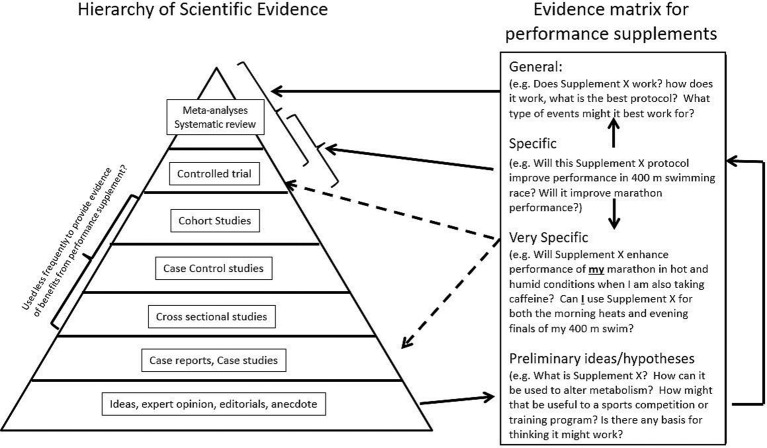
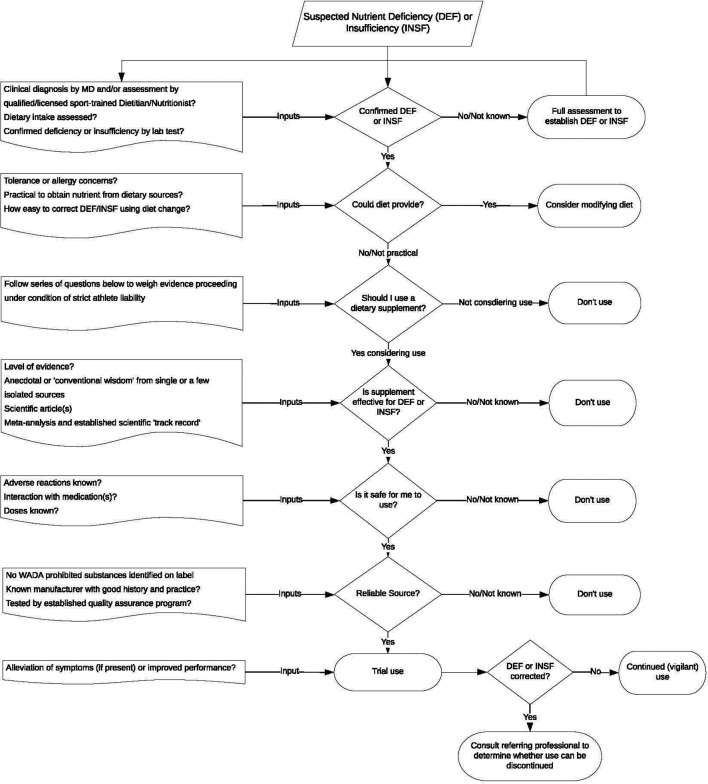
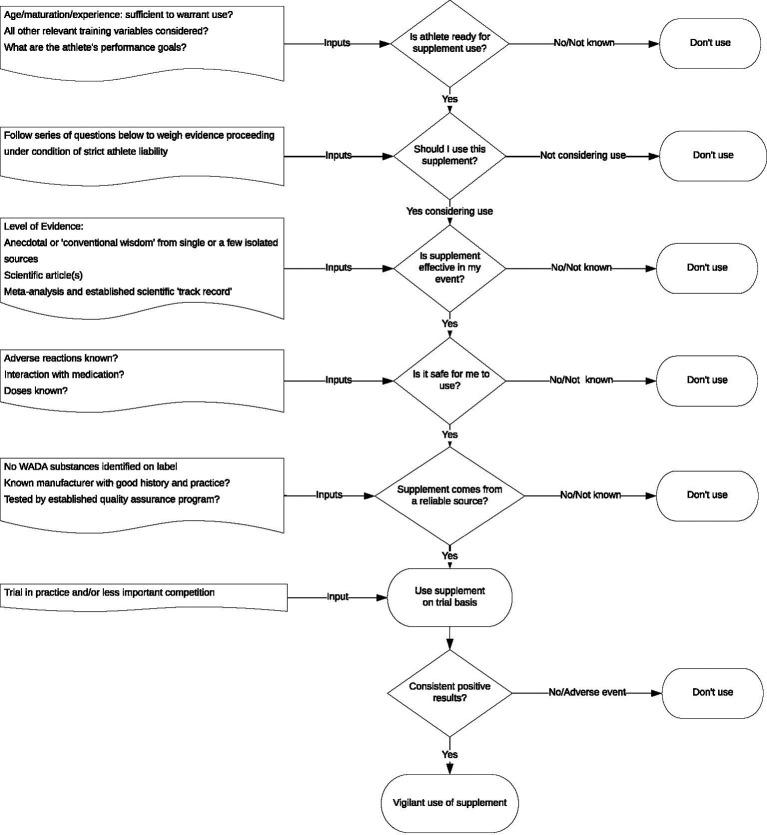
Verification
Claims the paper makes
The claims and statistics of this paper haven’t been checked yet.
Free: it reads the open-access text and checks the first 5 claims that cite a source we can check. Create a free account to check every claim.
Claims other papers make about this one
Each is checked against this paper’s own text: does it say what the citing paper says it does?
The source backs part of the claim, not all of it — or backs it for a different population, condition or comparison.
In the citing paper
“The utilization of supplements in young athletes “overemphasizes their ability to manipulate performance (i.e., typically 2-5% improvement).”49”
From Nutritional Recommendations for the Young Athlete (2023) · cites this paper as [49]
Experimental — accuracy not yet measuredThe source backs part of the claim, not all of it — or backs it for a different population, condition or comparison.
In the citing paper
“Subsequently, to maintain elevated creatine stores, the most effective strategy is to continue with a daily intake of 0.05 to 0.15 g/kg or 3–5 g per day [7,87].”
From Use of Nutritional Strategies, Bioactive Compounds, and Dietary Supplements in Young Athletes: From Evidence to Potential Risks—A Narrative Review (2025) · cites this paper as [7]
Experimental — accuracy not yet measuredThe source backs part of the claim, not all of it — or backs it for a different population, condition or comparison.
In the citing paper
“Studies in adults suggest that around 1–2 g of omega-3s per day can reduce post-exercise inflammation and DOMS, indirectly benefiting performance [7,75].”
From Use of Nutritional Strategies, Bioactive Compounds, and Dietary Supplements in Young Athletes: From Evidence to Potential Risks—A Narrative Review (2025) · cites this paper as [7]
Experimental — accuracy not yet measuredThe source backs part of the claim, not all of it — or backs it for a different population, condition or comparison.
In the citing paper
“Supplementing with high doses of creatine monohydrate (e.g., 0.3 g/kg/day for 5–7 days or 20 g/day for 5 days) is indeed the most effective strategy to rapidly increase intramuscular creatine levels, as recommended by the International Society of Sports Nutrition (ISSN) [87] and the International Olympic Committee (IOC) [7].”
From Use of Nutritional Strategies, Bioactive Compounds, and Dietary Supplements in Young Athletes: From Evidence to Potential Risks—A Narrative Review (2025) · cites this paper as [7]
Experimental — accuracy not yet measuredThe cited source says what the claim attributes to it.
In the citing paper
“a cafeína é considerada um suplemento ergogênico capaz de aumentar o desempenho físico durante o exercício. 3 , 4”
17 more claims about this paper
Create a free account to see every claim other papers make about this one.
Self-check
Percentages, sums and reported differences re-computed from the paper’s own numbers.
The self-check needs the paper’s full text.
Citations
Cites
1 retracted
Singh, M., & Das, R. R. (2013) · Cochrane Database of Systematic Reviews · doi:10.1002/14651858.cd001364.pub4 · Cited by 237
RetractedThe Pharmacological Basis of Therapeutics
(1976) · American Journal of Health-System Pharmacy · doi:10.1093/ajhp/33.4.373a · Cited by 8,209
The Neuroendocrinology of Stress: A Never Ending Story
Lightman, S. L. (2008) · Journal of Neuroendocrinology · doi:10.1111/j.1365-2826.2008.01711.x · Cited by 3,566
Principles of nutritional assessment
(1990) · Choice Reviews Online · doi:10.5860/choice.27-6362 · Cited by 2,765
Principles Of Nutritional Assessment
Gibson, R. S. (2005) · doi:10.1093/oso/9780195171693.001.0001 · Cited by 1,887
Nutrition and Athletic Performance
(2016) · Medicine & Science in Sports & Exercise · doi:10.1249/mss.0000000000000852 · Cited by 1,305 · cited 4×
“Calcium Avoidance of dairy products and other calcium-rich foods, restricted energy intake, and/or disordered eating increases risk of suboptimal calcium status (Thomas et al., 2016) No appropriate indicator of calcium status; bone mineral density scan may be indicative of chronic low calcium intake but other factors…”
InfluentialSelf-citationVitamin D for health: a global perspective
Hossein-nezhad, A., & Holick, M. F. (2013) · Mayo Clinic Proceedings · doi:10.1016/j.mayocp.2013.05.011 · Cited by 1,298
Morton, R. W., Murphy, K. T., McKellar, S. R., Schoenfeld, B. J., Henselmans, M., Helms, E., Aragon, A. A., Devries, M. C., Banfield, L., Krieger, J. W., et al. (2018) · British Journal of Sports Medicine · doi:10.1136/bjsports-2017-097608 · Cited by 1,269
Self-citationElevation of creatine in resting and exercised muscle of normal subjects by creatine supplementation
Harris, R. C., Söderlund, K., & Hultman, E. (1992) · Clinical Science · doi:10.1042/cs0830367 · Cited by 1,168 · cited 1×
“Zinc deficiency results in impaired immunity (eg, lymphoid atrophy) and zinc deficiency is not uncommon in athletes.”
BackgroundKreider, R. B., Kalman, D. S., Antonio, J., Ziegenfuss, T. N., Wildman, R., Collins, R., Candow, D. G., Kleiner, S. M., Almada, A. L., & Lopez, H. L. (2017) · Journal of the International Society of Sports Nutrition · doi:10.1186/s12970-017-0173-z · Cited by 1,057
Research works printed but not linked: 2
- Geyer H, Bredehoft M, Marek U, et al Hohe Dosen des Anabolikums Metandienon in Nahrungserganzungsmitteln. Deutsche Apotheke Zeit 2002; 142: 29.
- Hultman E, Söderlund K, Timmons JA, et al Muscle creatine loading in men. J Appl Physiol 1996; 81: 232– 7. 10.1152/jappl.1996.81.1.232 8828669 · DOI · Paper page
Cited by
Items 501–600 of 1,000
Micronutrient supplement intakes among collegiate and masters athletes: A cross-sectional study
Nichols, Q. Z., Ramadoss, R., Stanzione, J. R., & Volpe, S. L. (2023) · Frontiers in Sports and Active Living · doi:10.3389/fspor.2023.854442 · Cited by 9
de Oliveira, G. T., de Souza, H. L. R., Meireles, A. A. F. D. M., dos Santos, M. H. P., Leite, L. H. R., Ferreira, R. M. R., & Marocolo, M. (2023) · Frontiers in Sports and Active Living · doi:10.3389/fspor.2023.1257007 · Cited by 9
The Physiological Requirements of and Nutritional Recommendations for Equestrian Riders
Best, R., Williams, J. M., & Pearce, J. (2023) · Nutrients · doi:10.3390/nu15234977 · Cited by 10
“It is not clear that athletes have an additional calcium need compared to non-athletic controls, provided there is dietary sufficiency and energy availability and they are otherwise healthy [98].”
BackgroundStuart, M. C., & Mottram, D. R. (2018) · British Journal of Sports Medicine · doi:10.1136/bjsports-2018-100178 · Cited by 9
Self-citationRobles‐González, L., Ramírez‐Maldonado, M., Alcalá‐Escamilla, J. C., Jurado‐Fasoli, L., Miras‐Moreno, S., Soriano, M. A., García‐Ramos, A., Ruiz, J. R., & Amaro‐Gahete, F. J. (2022) · European Journal of Sport Science · doi:10.1080/17461391.2022.2038274 · Cited by 10
“Participants consumed either 3 mg/kg of anhydrous caffeine powder (Harrison Sport Nutrition (HSN) Store®, Granada, Spain) (Maughan et al., 2018) or a placebo composed of 100% pure microcrystalline cellulose (Acofarma®, Madrid, Spain) 30 min before the assessment of neuromuscular performance.”
MethodInfluentialDurkalec‐Michalski, K., Główka, N., Nowaczyk, P. M., Laszczak, A., Gogojewicz, A., & Suliburska, J. (2022) · Nutrients · doi:10.3390/nu15010006 · Cited by 10
Nutritional Considerations for Elite Golf: A Narrative Review
Berlin, N., Cooke, M. B., & Belski, R. (2023) · Nutrients · doi:10.3390/nu15194116 · Cited by 11
“Rehydration solutions, such as sports drinks, often contain fluids, electrolytes and or carbohydrates to provide additional fuel [43].”
Amarasiri, R. P. G. S. K., Hyun, J., Lee, S.-W., Kim, J., Jeon, Y., & Lee, J.-S. (2023) · Marine Drugs · doi:10.3390/md21120623 · Cited by 9
“Dietary supplements derived from natural sources provide a potential approach to address muscle atrophy owing to their ability to modulate various physiological processes involved in the growth and maintenance of muscles [8].”
BackgroundSodium bicarbonate improved CrossFit® Benchmark Fran, but not subsequent 500 m rowing performance
de Souza, R. A. S., Barreto, G., Freire, P. A. A., de Abreu, W. C., Saunders, B., & da Silva, S. F. (2024) · Research in Sports Medicine · doi:10.1080/15438627.2024.2324254 · Cited by 10
“Shortly thereafter, a meal containing 1.2 g/kg body mass (BM) of carbohydrate was provided (Maughan et al., 2018) composed of a cereal bar, savoury biscuit, cheese, Greek yoghurt with flavoured flakes and grape juice.”
InfluentialVitamin D Awareness and Intake in Collegiate Athletes
Leitch, B. A., Wilson, P. B., Ufholz, K. E., Roemmich, J. N., Orysiak, J., Walch, T. J., Short, S. E., & Fitzgerald, J. S. (2019) · The Journal of Strength and Conditioning Research · doi:10.1519/jsc.0000000000003240 · Cited by 9
“, exercise performance); however, agreement among researchers and evidence for increased cut points in athletes are lacking (18,22).”
BackgroundFerrada-Contreras, E., Bonomini-Gnutzmann, R., Jorquera-Aguilera, C., Kuthe, N. G. M., Peña‐Jorquera, H., & Rodríguez‐Rodríguez, F. (2023) · Nutrients · doi:10.3390/nu15224838 · Cited by 11
Effects of Nutritional Interventions on Athletic Performance
Ampe, T., Bailey, S. P., & Roelands, B. (2023) · Nutrients · doi:10.3390/nu15214498 · Cited by 9
Abreu, R., Oliveira, C. B., Brito, J., & Teixeira, V. H. (2023) · Frontiers in Sports and Active Living · doi:10.3389/fspor.2023.1230969 · Cited by 8
Vilar, E. A., Collado‐Boira, E., Guerrero, C. A., Ayora, A. F., Salas‐Medina, P., Domingo, C. H., Baliño, P., & Muriach, M. (2024) · Nutrients · doi:10.3390/nu16050583 · Cited by 9
Night shifts and consumption of energy drinks by healthcare personnel
Farinetti, A., Coppi, F., Salvioli, B., & Mattioli, A. V. (2024) · Beverage Plant Research · doi:10.48130/bpr-0024-0017 · Cited by 9
Unlocking the Secrets of Successful Sports Training: A Bibliometric Analysis
Sofyan, D., Abdullah, K. H., Tanucan, J. C. M., Susanto, N., & Hidayat, Y. (2024) · Journal of Scientometric Research · doi:10.5530/jscires.13.2.45 · Cited by 8
“[7,8] This can improve athletes' speed, strength and endurance while lowering their risk of injury [9] and hastening the recovery process following exercise.”
Backgrounddos Santos, L. C., Costa, C. D. M., de Moura, R. C., Silvino, V. O., dos Santos, M. A. P., & Brandão, A. D. C. A. S. (2025) · Clinical Nutrition ESPEN · doi:10.1016/j.clnesp.2025.04.021 · Cited by 10
Yasuda, J., Myoenzono, K., Takai, E., Toguchi, M., Tsunezumi, S., Kondo, C., Kaizaki, A., Ode, S., Ohno, H., Namma-Motonaga, K., et al. (2023) · Frontiers in Sports and Active Living · doi:10.3389/fspor.2023.1188224 · Cited by 9
Gogojewicz, A., Straburzyńska‐Lupa, A., Podgórski, T., Frajtag, P., Bibrowicz, K., & Śliwicka, E. (2023) · Nutrients · doi:10.3390/nu15173720 · Cited by 9
Viribay, A., Alcántara, J. M. A., López, I., Mielgo‐Ayuso, J., & Castañeda-Babarro, A. (2024) · European Journal of Applied Physiology · doi:10.1007/s00421-024-05415-4 · Cited by 9
“Nitric oxide syn-thase-related supplements such as nitrate-rich beetroot (BR) extract, or amino acids such as citrulline (CIT) and arginine, have garnered attention due to their potential beneficial influence on outcomes related to performance (Bescos et al. 2012; Bryan 2018; Maughan et al. 2018).”
BackgroundSchalla, J., Frommelt, S., Geisler, S., & Isenmann, E. (2024) · Frontiers in Sports and Active Living · doi:10.3389/fspor.2024.1346637 · Cited by 8
Schott, K. D., Seltzer, R. G. N., Zorn, S. P., Frakes, M., Price, M., Valliant, M. W., Ritz, P. P., Gardner, C. D., & Wardenaar, F. C. (2024) · Journal of Athletic Training · doi:10.4085/1062-6050-0098.24 · Cited by 9
Aron, A., Landrum, E., Schneider, A. D., Via, M., Evans, L., & Rawson, E. S. (2024) · Clinical Nutrition ESPEN · doi:10.1016/j.clnesp.2024.07.008 · Cited by 10
Self-citationMancin, L., Rollo, I., Golzato, D., Segata, N., Petri, C., Pengue, L., Vergani, L., Cassone, N., Corsini, A., Mota, J. F., et al. (2024) · International Journal of Sport Nutrition and Exercise Metabolism · doi:10.1123/ijsnem.2024-0012 · Cited by 9
Pérez-Piñero, S., Ramos‐Campo, D. J., López-Román, F. J., Ortolano, R., Torregrosa-García, A., Luque-Rubia, A. J., Ibáñez-Soroa, N., Andreu‐Caravaca, L., & Ávila-Gandía, V. (2024) · PLoS ONE · doi:10.1371/journal.pone.0309404 · Cited by 8
Caro, C. V., Trow, S., Bell, Z., Flynn, A. C., & Lavelle, F. (2025) · Sports Medicine · doi:10.1007/s40279-025-02191-9 · Cited by 10
“The use of dietary supplements is common amongst elite athletes for management of micronutrient deficiencies and to enhance performance [66].”
Nutrition for sport and physical activity
Burke, L. M., & Manore, M. M. (2020) · Elsevier eBooks · doi:10.1016/b978-0-12-818460-8.00006-x · Cited by 12
Self-citationDietary-nutritional needs in tennis: A narrative review
Domínguez, R., Sánchez-Oliver, A. J., da Silva, S. F., López‐Samanes, Á., Martínez-Sanz, J. M., & Ordóñez, F. M. (2021) · Revista Española de Nutrición Humana y Dietética · doi:10.14306/renhyd.25.s1.1029 · Cited by 10
Effects of Caffeine on Performance During High- and Long-Jump Competitions
Santos-Mariano, A. C., Tomazini, F., Rodacki, C. D. L. N., Bertuzzi, R., De-Oliveira, F. R., & Lima‐Silva, A. E. (2021) · International Journal of Sports Physiology and Performance · doi:10.1123/ijspp.2020-0755 · Cited by 9
Infographic. Wake up and smell the coffee: caffeine supplementation and exercise performance
Grgić, J., Grgic, I., Pickering, C., Schoenfeld, B. J., Bishop, D. J., Virgile, A., & Pedišić, Ž. (2019) · British Journal of Sports Medicine · doi:10.1136/bjsports-2019-101097 · Cited by 9
Rivera, A. C. S., Ayala-Guzmán, C. I., Roldán, A. B. L., Ramírez, O. D. C., & Ortiz-Hernández, L. (2021) · Revista Española de Nutrición Humana y Dietética · doi:10.14306/renhyd.25.s1.1159 · Cited by 12
Wardenaar, F. C., Schott, K. D., Seltzer, R. G. N., & Gardner, C. D. (2024) · Frontiers in Nutrition · doi:10.3389/fnut.2024.1381731 · Cited by 8
“Despite the literature consistently mentioning the need for the use of TPT supplements (6, 7), research shows that a substantial number of athletes report inconsistently using TPT supplements (8, 9).”
BackgroundMicronutrient Needs of Athletes Eating Plant-Based Diets
Heller, S. (2019) · Nutrition Today · doi:10.1097/nt.0000000000000320 · Cited by 8
Urwin, C. S., Snow, R. J., Condo, D., Snipe, R. M. J., Wadley, G. D., Convit, L., & Carr, A. J. (2023) · International Journal of Sport Nutrition and Exercise Metabolism · doi:10.1123/ijsnem.2022-0083 · Cited by 7
Vicente-Salar, N., Crespo, M., Pluim, B. M., Fernández-Fernández, J., Stroia, K. A., Ellenbecker, T. S., Rivas, D. S., Coso, J. D., Moreno-Pérez, V., Hainline, B. W., et al. (2025) · International Journal of Sport Nutrition and Exercise Metabolism · doi:10.1123/ijsnem.2025-0001 · Cited by 9
Self-citationCounteracting Static Stretching-Induced Anaerobic Performance Impairment: The Role of Caffeine
Çabuk, R., Demirarar, O., Arslan, H., Cin, M., Özçaldıran, B., & Karsten, B. (2025) · Journal of Human Kinetics · doi:10.5114/jhk/207251 · Cited by 7
“…responses to caffeine may be influenced by the factors mentioned above, the International Olympic Committee’s (2018) consensus statement on dietary supplements recognizes caffeine as one of the few supplements with well ‐ established ergogenic effects on performance (Maughan et al., 2018).”
Ruíz‐Moreno, C., Amaro‐Gahete, F. J., González‐García, J., Giráldez‐Costas, V., Mañas, A., Gutiérrez‐Hellín, J., & Coso, J. D. (2022) · European Journal of Nutrition · doi:10.1007/s00394-022-02894-z · Cited by 7
Are the Dietary–Nutritional Recommendations Met? Analysis of Intake in Endurance Competitions
Jiménez-Alfageme, R., Álvarez, J., Garbisu-Hualde, A., Romero-García, D., Giménez-Monzó, D., Sospedra, I., Ausó, E., & Sanz, J. M. M. (2024) · Nutrients · doi:10.3390/nu16020189 · Cited by 7
“…the athletes and that can boost glycogen repletion by up to 66% more, is caffeine in doses of around 3 mg/kg [41], but as occurred in the analysis of the nutritional intakes in the hour before the competition, the intake of this nutrient is far from current nutritional recommendations [12,29].”
BackgroundPoon, E. T., Tsang, J. H., Sun, F., Ali, A., Rollo, I., & Wong, S. H. (2024) · Applied Physiology, Nutrition, and Metabolism · doi:10.1139/apnm-2024-0228 · Cited by 7
Naselli, F., Cardinale, P. S., Vasto, S., Proia, P., Baldassano, S., & Caradonna, F. (2024) · Human Movement · doi:10.5114/hm/193084 · Cited by 8
Jiménez‐Martínez, P., Ramírez‐Campillo, R., Flández, J., Alix‐Fages, C., Baz-Valle, E., & Colado, J. C. (2022) · Journal of Human Sport and Exercise · doi:10.14198/jhse.2023.182.09 · Cited by 9
“, nonmedical prescription or banned substances) which in conjunction with a healthy diet can improve wellbeing and sports performance (Maughan et al., 2018).”
BackgroundBonilla, A. H., & Córdoba-Rodríguez, D. P. (2023) · Revista de Nutrición Clínica y Metabolismo · doi:10.35454/rncm.v6n4.508 · Cited by 11
“…muscular de creatina y fosfocreatina, junto con un aumento en el rendimiento en deportes de alta intensi-dad, aumento de la fuerza muscular, potencia muscular, resistencia muscular e hipertrofia, reducción de la fatiga y/o mejora el rendimiento en intervalos repetidos de sprints (1,18,64,65) .”
BackgroundFutbol y creatina, una revisión sistemática (Soccer and creatine, a systematic review)
Guevara, V. M., Montalva-Valenzuela, F., Andrades-Ramírez, O., Vargas, J. J. N., Flores, I., & Castillo-Paredes, A. (2023) · Retos · doi:10.47197/retos.v51.97367 · Cited by 8
“Por lo que el Comité Olímpico Internacional (IOC) declaró y reafirmó sobre la efectividad de algunos suplementos dietéticos en torno al rendimiento físico de los deportistas, tales como: la beta-alanina, el bicarbonato de sodio, el nitrato, la cafeína y la creatina (Maughan et al., 2018).”
BackgroundBaranauskas, M., Kupčiūnaitė, I., Lieponienė, J., & Stukas, R. (2023) · Foods · doi:10.3390/foods12224152 · Cited by 8
Caffeine intake is nonlinearly associated with muscle mass in young and middle-aged US adults
Zhou, L., Qu, H., Wang, J., Shou, L., Zhang, Q., & Zhang, C. (2024) · BMC Musculoskeletal Disorders · doi:10.1186/s12891-024-08063-z · Cited by 7
Enhancing Performance in Young Athletes: A Systematic Review of Acute Supplementation Effects
Gruska, N., Sarmento, H., Martinho, D. V., Field, A., & Massart, A. G. M. (2024) · Nutrients · doi:10.3390/nu16244304 · Cited by 7
The Effect of Omega-3 on Mitigating Exercise-Induced Muscle Damage
Therdyothin, A., & Phiphopthatsanee, N. (2025) · Cureus · doi:10.7759/cureus.81559 · Cited by 10
Barbosa, T. N., Parreira, L. K., Mota, J. F., Kalman, D., Saunders, B., & Pimentel, G. D. (2020) · Nutrire · doi:10.1186/s41110-020-00121-5 · Cited by 8
“The ergogenic effect of caffeine (CAF) on the performance in aerobic exercise is well documented [1].”
BackgroundFrequency of Dietary Supplements usage in the Saudi Arabian Public and Gym Users
Sajid, M. R., Quraiba, L., Khames, R. I., Alhusseini, N. K., Alsheikh, H. A., Basha, N. R., Mansoor, S., & Omair, A. A. (2020) · Journal of Contemporary Medical Sciences · doi:10.22317/jcms.v6i6.886 · Cited by 8
Safety of creatine supplementation: where are we now?
Machado, M., GUIMARÃES, P., & Forbes, S. C. (2022) · Gazzetta Medica Italiana Archivio per le Scienze Mediche · doi:10.23736/s0393-3660.22.04788-x · Cited by 7
Aspects Regarding the Consumption of Dietary Supplements among the Active Population in Romania
Făgăraș, P. S., Teodorescu, S., Bacârea, A., Petrea, R. G., Ursanu, A.-I., Cozmei, G., Radu, L.-E., & Vanvu, G. (2023) · International Journal of Environmental Research and Public Health · doi:10.3390/ijerph20010850 · Cited by 7
Siegel, L., Rooney, J., Marjoram, L., Mason, L., Bowles, E., van Keulen, T. V., Helander, C., Rayo, V. U., Hong, M. Y., Liu, C., et al. (2024) · Frontiers in Nutrition · doi:10.3389/fnut.2023.1298868 · Cited by 7
Дмитриев, А., & Гунина, Л. (2018) · Science in Olympic Sport · doi:10.32652/olympic2018.2_6 · Cited by 16
Blake, M. S., Johnson, N., Trautman, K. A., Grier, J. W., Stastny, S., & Hackney, K. J. (2020) · International journal of exercise science · doi:10.70252/phum1873 · Cited by 8
“The ergogenic effects of caffeine, either alone, or as a natural ingredient in beverages, or as an ingredient in a mixture are well documented (57).”
BackgroundHeikura, I. A., Kettunen, O., Garthe, I., Holmlund, H., Sandbakk, S. B., Valtonen, M., & Ihalainen, J. K. (2021) · Journal of Science in Sport and Exercise · doi:10.1007/s42978-020-00105-x · Cited by 7
Self-citationEditorial: Nutrition for team and individual sport athletes
López‐Samanes, Á., Trakman, G., & Roberts, J. (2024) · Frontiers in Sports and Active Living · doi:10.3389/fspor.2024.1524748 · Cited by 8
Pour, A. S., Hemmatinafar, M., Jahromi, M. K., Daryanoosh, F., & Imanian, B. (2025) · Probiotics and Antimicrobial Proteins · doi:10.1007/s12602-025-10579-2 · Cited by 6
Wasilewska, M., Pietrzak, K., Polok, S., & Bialic, Ł. (2025) · Quality in Sport · doi:10.12775/qs.2025.42.60804 · Cited by 6
Dow, E., Schott, K. D., Morton, L. M., Lybbert, H., Nam, K., Shumate, C., Kulinna, P. H., & Wardenaar, F. C. (2024) · Nutrition Bulletin · doi:10.1111/nbu.12724 · Cited by 6
Parada-Rivera, I., Sánchez-Grau, J., Ferrer-Ramos, P., Toro-Román, V., Illera-Domínguez, V., Font, R., Sarola, J., & García-Fresneda, A. (2025) · Retos · doi:10.47197/retos.v65.111739 · Cited by 6
Performance Enhancing Supplements and Cardiovascular Health
Singh, M., Givens, M., Singh, T. K., & Rao, P. (2025) · Current Treatment Options in Cardiovascular Medicine · doi:10.1007/s11936-025-01086-2 · Cited by 6
“While this article provides a broad discussion of commonly used PES among recreational athletes, we encourage the reader to also review societal position stands and expert consensus statements on the benefits and health risks of these supplements [52, 53].”
da Costa, B. R. B., Haddad, L. P. E., Freitas, B. T., Marinho, P. A., & Martinis, B. S. D. (2021) · Drug Testing and Analysis · doi:10.1002/dta.3043 · Cited by 7
Evaluation of a Vitamin D Screening and Treatment Protocol Using a Seasonal Calculator in Athletes
Hollabaugh, W. L., Meirick, P. J., Matarazzo, C. P., Burston, A. M., Camery, M. E., Ferrill-Moseley, K. A., Bley, J. A., Pennings, J. S., Fitch, R. W., Tanner, S. B., et al. (2022) · Current Sports Medicine Reports · doi:10.1249/jsr.0000000000000934 · Cited by 6
Lack of supplement regulation: A potential for ethical and physiological repercussions
Benjamin, S., Au, T. Y., & Assavarittirong, C. (2022) · Nutrition and Health · doi:10.1177/02601060221108145 · Cited by 8
“In summary, though mildly and selectively beneficial, claims within the fitness industry may grossly misrepresent the benefit of creatine supplementation to the consumers who are trusting yet insufficiently informed (Maughan et al., 2018).”
BackgroundPurdom, T. M., Cook, M. D., Colleran, H. L., Stewart, P. W., & Diego, L. S. (2023) · Sports · doi:10.3390/sports11040081 · Cited by 7
“When LEA becomes a chronic condition, athletes can experience a deleterious systematic function [5,6,24] known as relative energy deficiency syndrome (RED-S), perpetuating a stress response that can induce HTN [3,5,10,12].”
BackgroundInfluentialLópez-Jiménez, A., Morán-Fagúndez, L., Sánchez-Sánchez, A. M., & Fernández‐Pachón, M. (2023) · International Journal of Food Sciences and Nutrition · doi:10.1080/09637486.2023.2246699 · Cited by 6
Nutrition for European Elite Fencers: A Practical Tool for Coaches and Athletes
Lomazzi, M. (2024) · Nutrients · doi:10.3390/nu16081104 · Cited by 6
Douligeris, A., Methenitis, S. K., Stavropoulos‐Kalinoglou, A., Panayiotou, G., Vogazianos, P., Lazou, A., Feidantsis, K. G., Giaginis, C., Παπανικολάου, Κ., Arnaoutis, G., et al. (2024) · Journal of Functional Morphology and Kinesiology · doi:10.3390/jfmk9020085 · Cited by 7
Mantia, I. L., Maniaci, A., Scibilia, G., & Scollo, P. (2024) · Nutrients · doi:10.3390/nu16152421 · Cited by 6
“This emphasizes the significance of taking into account nutritional supplements’ entire composition in studies on sports performance, as stressed by Maughan et al. [1].”
BackgroundQuaresma, M. V. L. D. S., Campos, R. M. D. S., Tavares-Silva, E., Marques, C. G., & dos Santos, R. V. T. (2021) · Cytokine · doi:10.1016/j.cyto.2021.155583 · Cited by 6
Effect of hypoxia and nitrate supplementation on different high-intensity interval-training sessions
Sousa, A., Viana, J. L., Milheiro, J., Reis, V. M., & Millet, G. P. (2021) · European Journal of Applied Physiology · doi:10.1007/s00421-021-04726-0 · Cited by 6
“Dietary nitrate (NO3), a supplement that has proven to have good evidence of positive performance benefits in both individual and team sports (Maughan et al. 2018), has gained popularity for being a precursor of nitric oxide (NO).”
BackgroundGünalan, E., Turhan, S., Çavak, B. Y., Cebioğlu, İ. K., & Çonak, Ö. (2022) · International Journal of Environmental Research and Public Health · doi:10.3390/ijerph192416659 · Cited by 7
Evidence-based nutritional approaches to enhance exercise adaptations
Roberts, M. D., Moulding, B. D., Forbes, S. C., & Candow, D. G. (2023) · Current Opinion in Clinical Nutrition & Metabolic Care · doi:10.1097/mco.0000000000000975 · Cited by 8
Relationship between Gut-Microbiota and Sport Activity
Mokarrami, A., Capacci, A., Trio, B., Merra, G., & Canosci, D. D. M. (2024) · Central European Journal of Sport Sciences and Medicine · doi:10.18276/cej.2024.1-03 · Cited by 6
“…unfavorable physiological changes that may be brought on by vigorous exercise, according to animal studies that have examined associations between probiotics and physical performance and possible mechanisms behind these activities (Maughan et al., 2018; Ünsal et al., 2018; Lollo et al., 2012).”
BackgroundFuentes-Barría, H., Urbano-Cerda, S., Aguilera-Eguía, R. A., & González-Wong, C. (2020) · Universidad y Salud · doi:10.22267/rus.212301.213 · Cited by 10
Optimum timing in creatine supplementation for improved sporting performance
Jurado‐Castro, J. M., Navarrete-Pérez, A., Ranchal‐Sánchez, A., & Ordóñez, F. M. (2021) · Archivos de medicina del deporte: revista de la Federación Española de Medicina del Deporte y de la Confederación Iberoamericana de Medicina del Deporte · doi:10.18176/archmeddeporte.00026 · Cited by 8
The importance of nutrition in football: perspective of a national team’s doctor
Meyer, T. (2020) · British Journal of Sports Medicine · doi:10.1136/bjsports-2020-103318 · Cited by 7
Porto, A. A., Gonzaga, L. A., Benjamim, C. J. R., Bueno, C. R., Garner, D. M., Vanderlei, L. C. M., Ferreira, C., & Valenti, V. E. (2022) · Arquivos Brasileiros de Cardiologia · doi:10.36660/abc.20210625 · Cited by 5
Christensen, S., Gjelstad, A., Björnsdóttir, I., & Lauritzen, F. (2024) · Nutrients · doi:10.3390/nu16162667 · Cited by 6
Caffeine Enhances Some Aspects of Physical Performance in Well-Trained Hammer and Discus Throwers
Gallo–Salazar, C., Coso, J. D., Lara, B., Aguilar‐Navarro, M., Giráldez‐Costas, V., Areces, F., Revuelta, C., Gutiérrez‐Hellín, J., & Salinero, J. J. (2024) · Nutrients · doi:10.3390/nu16223908 · Cited by 5
Use of Sport Supplements and Doping Substances by Athletes: Prevalence and Relationships
Hurst, P., Kavussanu, M., Davies, R., Dallaway, N., & Ring, C. (2024) · Journal of Clinical Medicine · doi:10.3390/jcm13237132 · Cited by 5
Mallett, G. S., Schoenfeld, B. J., Purdom, T. M., & Galpin, A. J. (2024) · Science & Sports · doi:10.1016/j.scispo.2023.09.007 · Cited by 5
Bezuglov, E., Vakhidov, T., Malyakin, G. I., Kapralova, E., Emanov, A., Koroleva, E., Manina, M. A., Ильинична, Э. С., & Talibov, O. B. (2024) · Journal of Human Nutrition and Dietetics · doi:10.1111/jhn.70002 · Cited by 5
Turner, O., Chessor, R. J., & Mitchell, N. (2025) · Performance Nutrition · doi:10.1186/s44410-025-00001-x · Cited by 7
“…programme, ensuring that an athlete has the appropriate amount of macro-and micro-nutrients to optimise their health, physical performance, training adaptations, and body composition [7], while the supplementation of some ergogenic aids may further augment training and competition performance [8].”
THE INFLUENCE OF GROUNDWATER ON THE SOIL REGIME OF THE KAZALINSKY IRRIGATION AREA
Musirep, A. P., Baymakhanov, O. S., Akylbayev, K. I., & Shegenbayeva, R. K. (2025) · Bulletin of Korkyt Ata Kyzylorda University · doi:10.52081/bkaku.2025.v72.i1.217 · Cited by 5
Shi, J., Zhuang, T., Li, W., Wu, X., Wang, J., Lyu, R., Chen, J., & Liu, C. (2025) · Nutrients · doi:10.3390/nu17091467 · Cited by 5
“The widespread use of dietary supplements in sports underscores their perceived value in enhancing performance, optimizing body composition, and accelerating recovery [23].”
Plant-Based Nutrition and Supplements for Optimal Athletic Performance
Rosenfeld, R. M., Zinman, S., & Bonnet, J. P. (2025) · American Journal of Lifestyle Medicine · doi:10.1177/15598276251393663 · Cited by 5
“89 As their name suggests, they should “ supplement, ” not replace, an otherwise healthy eating pattern with adequate recovery and an appropriate training regimen.”
de Isla, J. C., Bández, M. J., Rosety, I., Pérez-López, I., Rosety, M. Á., Verástegui, C., Sánchez-Gomar, I., & Geribaldi‐Doldán, N. (2025) · International Journal of Molecular Sciences · doi:10.3390/ijms262210914 · Cited by 6
Al-Saad, N., Aljaal, S., Alessa, J., & Santhosh, M. E. (2026) · Frontiers in Sports and Active Living · doi:10.3389/fspor.2026.1740663 · Cited by 5
Marley, A., Grant, M. C., & Babraj, J. (2022) · Science & Sports · doi:10.1016/j.scispo.2021.07.004 · Cited by 6
Nielsen, H. B., Volianitis, S., & Secher, N. H. (2022) · Frontiers in Physiology · doi:10.3389/fphys.2022.828708 · Cited by 5
“, 2015) probably related to different study protocols (Maughan et al., 2018), it seems that bicarbonate administration is associated with enhanced exercise capacity (Nielsen et al.”
BackgroundKeller, R. M., Beaver, L. M., Prater, M. C., Truong, L., Tanguay, R. L., Stevens, J. F., & Hord, N. G. (2022) · Frontiers in Molecular Biosciences · doi:10.3389/fmolb.2022.903130 · Cited by 8
Koroleva, E. D., Butovskiy, M., Malyakin, G. I., Lazarev, A. M., Telyshev, D., & Vakhidov, T. (2023) · Sports medicine research and practice · doi:10.47529/2223-2524.2023.2.4 · Cited by 7
Dietary supplementation habits in international natural bodybuilders during pre-competition
Jiménez‐Martínez, P., Alix‐Fages, C., Helms, E. R., Espinar, S., González-Cano, H., Baz-Valle, E., Janicijevic, D. N., García‐Ramos, A., & Colado, J. C. (2024) · Heliyon · doi:10.1016/j.heliyon.2024.e26730 · Cited by 6
“However, sport nutrition recommendations for dietary supplement use differ between educational bodies [1,16].”
BackgroundSapuppo, W., Monda, A., Giacconi, D., Grgič, R. G., Saccenti, D., Mineo, C. M., Monda, V., Allocca, S., Casillo, M., Monda, M., et al. (2024) · Sports · doi:10.3390/sports12100270 · Cited by 5
“In this scenario, the utilization of dietary supplements, both before and during the competitions, may yield favorable outcomes in terms of energy recovery and performance excellence [9,58,59,80].”
BackgroundDietary Supplement Use in Competitive Spanish Football Players and Differences According to Sex
Sousa-Rufino, C., Pareja-Galeano, H., & Martínez‐Ferrán, M. (2025) · Nutrients · doi:10.3390/nu17040602 · Cited by 5
“However, in general, the regulation of DS is often lacking and varies from country to country [34], making it easier to buy DS from questionable sources [6].”
InfluentialVargas-Mendoza, N., Ángeles-Valencia, M., Morales‐González, Á., Morales-Martínez, M., Madrigal‐Bujaidar, E., Álvarez‐González, I., Fregoso-Aguilar, T. A., Delgado‐Olivares, L., Madrigal‐Santillán, E., & Morales‐González, J. A. (2021) · Journal of Functional Morphology and Kinesiology · doi:10.3390/jfmk6030072 · Cited by 7
Yu, J.-H., Lim, J.-H., Seo, S.-W., Lee, D.-Y., Hong, J.-H., Kim, J.-S., Kim, S.-G., Nekar, D. M., & Kang, H.-Y. (2022) · BioMed Research International · doi:10.1155/2022/3170947 · Cited by 7
RetractedThanawala, S., Shah, R., Karlapudi, V., Desomayanandam, P., & Bhuvanendran, A. (2022) · Evidence-based Complementary and Alternative Medicine · doi:10.1155/2022/9110414 · Cited by 5
Nutritional and supplementation strategies of Spanish natural elite bodybuilders in precontest
González-Cano, H., Jiménez‐Martínez, P., Baz-Valle, E., Contreras, C., Colado, J. C., & Alix‐Fages, C. (2023) · Gazzetta Medica Italiana Archivio per le Scienze Mediche · doi:10.23736/s0393-3660.22.04877-x · Cited by 6
Metadata
- Authors
- Maughan, R. J., Burke, L. M., Dvorak, J., Larson-Meyer, D. E., Peeling, P., Phillips, S. M., Rawson, E. S., Walsh, N. P., Garthe, I., Geyer, H., Meeusen, R., van Loon, L. J. C., Shirreffs, S. M., Spriet, L. L., Stuart, M., Vernec, A., Currell, K., Ali, V. M., Budgett, R. G., Ljungqvist, A., Mountjoy, M., Pitsiladis, Y. P., Soligard, T., Erdener, U., & Engebretsen, L.
- Affiliations
- University of St Andrews (GB)
- The University of Western Australia (AU)
- McMaster University (CA)
- Messiah University (US)
- Bangor University (GB)
- German Sport University Cologne (DE)
- Vrije Universiteit Brussel (BE)
- University of Guelph (CA)
- BMJ Group (United Kingdom) (GB)
- World Anti-Doping Agency (CA)
- English Institute of Sport (GB)
- International Olympic Committee (CH)
- Corresponding author
- Maughan, Ronald J
- ORCID
- Venue
- British Journal of Sports Medicine
- Publisher
- BMJ
- Published
- 2018-03-14
- Volume
- 52
- Issue
- 7
- Pages
- 439-455
- ISSN
- 0306-3674 (ISSN-L)
- 1473-0480
- PMC
- PMC5867441
- OpenAlex
- W2791581924
- Semantic Scholar
- 8e8c609bb6ec0644a6355188a5e65c8702ee2529
- Cited by
- 1,004
- References
- 184
- Citations by year
- 2026: 123 · 2025: 84 · 2024: 141 · 2023: 143 · 2022: 143 · 2021: 119 · 2020: 125 · 2019: 87 · 2018: 37
- FWCI
- 209.31
- Type
- journal article
- Language
- en
- Open access
- hybrid
- doi.org
- Licence
- cc-by-nc
- Locations
- British Journal of Sports Medicine (publishedVersion, cc-by-nc)
- Europe PMC (PubMed Central) (publishedVersion, cc-by-nc)
- PubMed Central (publishedVersion, cc-by-nc)
- PubMed (publishedVersion)
- Kölner Universitäts PublikationsServer (Universität zu Köln) (publishedVersion)
- Liverpool John Moores University (acceptedVersion)
- University of Brighton Repository (University of Brighton) (submittedVersion)
- University of Brighton Repository (University of Brighton) (submittedVersion, cc-by-nc)
- UWA Profiles and Research Repository (UWA) (submittedVersion, cc-by-nc)
- Research Bank (Australian Catholic University) (submittedVersion)
- Research Publications (Maastricht University) (submittedVersion, cc-by-nc)
- HighWire Press Open Archive (submittedVersion)
- St Andrews Research Repository (St Andrews Research Repository) (submittedVersion, cc-by-nc)
- VUBIR (Vrije Universiteit Brussel) (submittedVersion)
- Research Publications (Maastricht University) (submittedVersion, other-oa)
- Topics
- Social Sciences › Sociology and Political Science › Doping in Sports
- Health Sciences › Medicine › Public Health, Environmental and Occupational Health › Nutrition and Health Studies
- Health Sciences › Medicine › Orthopedics and Sports Medicine › Sports Performance and Training
- Keywords
- dietary supplements, elite athletes, anti-doping rule violations, caffeine, creatine, nitrate, buffering agents, micronutrient deficiency, sports nutrition, supplement safety, ergogenic aids, nutritional assessment
- MeSH terms
- Diet, Humans, Dietary Supplements, Consensus, Athletic Performance, Athletes, Sports Nutritional Physiological Phenomena
About these checks
Registry, retraction, Cites and statistics results are computed, not judged, with one exception: a printed reference that no index lists is read once by a model before it counts as a citation error. Claims are extracted by a model and kept only when their quote appears verbatim in the text; each cited source is then checked, with a model’s help, for whether it says what the claim relies on. Those verdicts can be wrong — read the claim’s quote and the cited source before relying on one.
Statistics and arithmetic are recomputed, not judged.
Confidence bands are shown only for fields calibrated on our annotated test set. None is calibrated yet, so no band is shown.
What counts as a claim ›How we measure confidence ›How we check this ›
Are you an author, or do you see a problem with this page? Request a review
Data sources
Bibliographic data: Semantic Scholar, OpenAlex, Crossref.
Contains information from the Semantic Scholar Academic Graph Datasets, made available under the ODC Attribution License (ODC-BY 1.0).
Semantic Scholar’s data is described in: Kinney, R., et al. (2023). The Semantic Scholar Open Data Platform. arXiv:2301.10140.
