

IOC consensus statement: dietary supplements and the high-performance athlete
Open accessThe DOI matches its Crossref record; 181 of the 184 references it cites were found in a registry or an index.
Abstract
Nutrition usually makes a small but potentially valuable contribution to successful performance in elite athletes, and dietary supplements can make a minor contribution to this nutrition programme. Nonetheless, supplement use is widespread at all levels of sport. Products described as supplements target different issues, including (1) the management of micronutrient deficiencies, (2) supply of convenient forms of energy and macronutrients, and (3) provision of direct benefits to performance or (4) indirect benefits such as supporting intense training regimens. The appropriate use of some supplements can benefit the athlete, but others may harm the athlete’s health, performance, and/or livelihood and reputation (if an antidoping rule violation results). A complete nutritional assessment should be undertaken before decisions regarding supplement use are made. Supplements claiming to directly or indirectly enhance performance are typically the largest group of products marketed to athletes, but only a few (including caffeine, creatine, specific buffering agents and nitrate) have good evidence of benefits. However, responses are affected by the scenario of use and may vary widely between individuals because of factors that include genetics, the microbiome and habitual diet. Supplements intended to enhance performance should be thoroughly trialled in training or simulated competition before being used in competition. Inadvertent ingestion of substances prohibited under the antidoping codes that govern elite sport is a known risk of taking some supplements. Protection of the athlete’s health and awareness of the potential for harm must be paramount; expert professional opinion and assistance is strongly advised before an athlete embarks on supplement use.
Overview
The claims and statistics of this paper haven’t been checked yet.
Free: it reads the open-access text and checks the first 5 claims that cite a source we can check. Create a free account to check every claim.
Integrity signals
Registry
Cites
Statistics
Figures
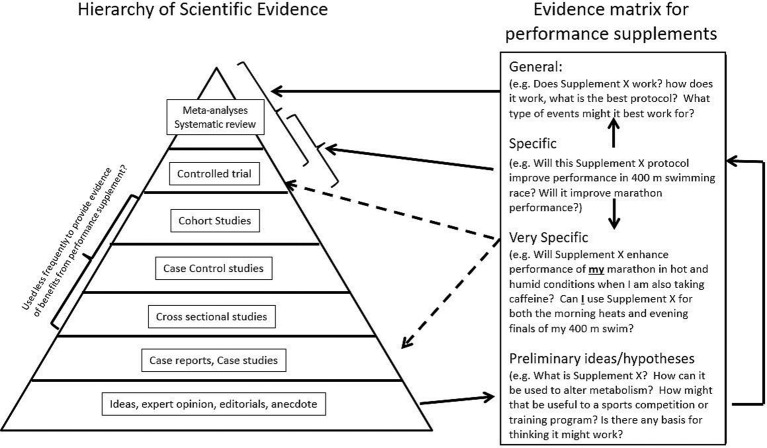
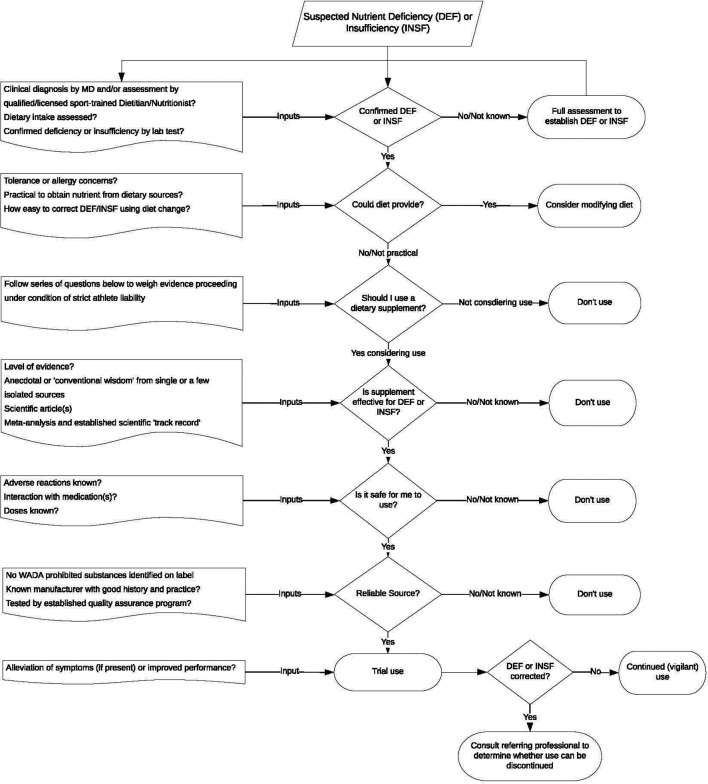
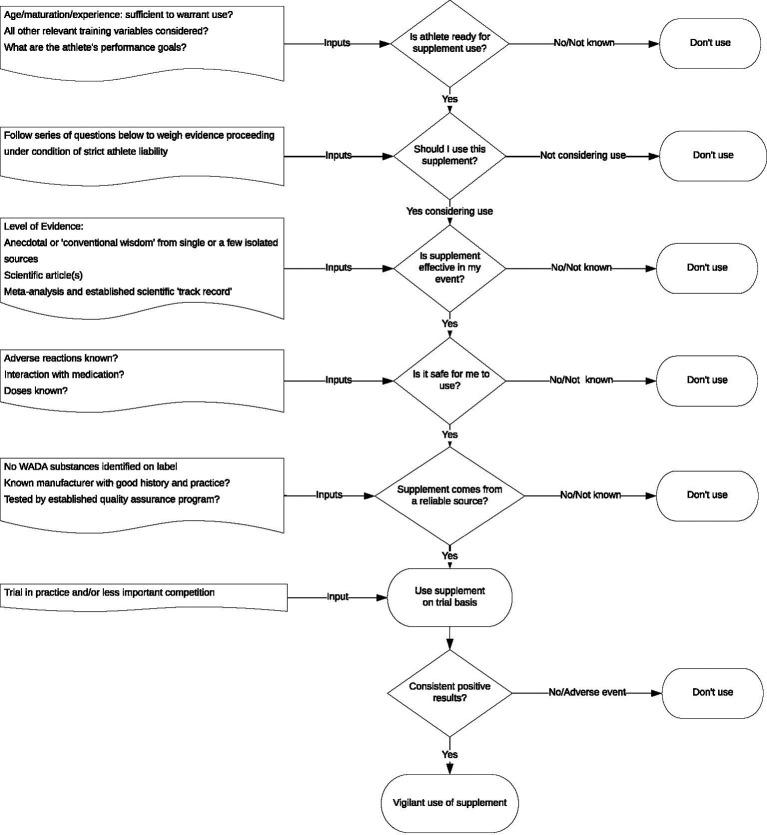
Verification
Claims the paper makes
The claims and statistics of this paper haven’t been checked yet.
Free: it reads the open-access text and checks the first 5 claims that cite a source we can check. Create a free account to check every claim.
Claims other papers make about this one
Each is checked against this paper’s own text: does it say what the citing paper says it does?
The source backs part of the claim, not all of it — or backs it for a different population, condition or comparison.
In the citing paper
“The utilization of supplements in young athletes “overemphasizes their ability to manipulate performance (i.e., typically 2-5% improvement).”49”
From Nutritional Recommendations for the Young Athlete (2023) · cites this paper as [49]
Experimental — accuracy not yet measuredThe source backs part of the claim, not all of it — or backs it for a different population, condition or comparison.
In the citing paper
“Subsequently, to maintain elevated creatine stores, the most effective strategy is to continue with a daily intake of 0.05 to 0.15 g/kg or 3–5 g per day [7,87].”
From Use of Nutritional Strategies, Bioactive Compounds, and Dietary Supplements in Young Athletes: From Evidence to Potential Risks—A Narrative Review (2025) · cites this paper as [7]
Experimental — accuracy not yet measuredThe source backs part of the claim, not all of it — or backs it for a different population, condition or comparison.
In the citing paper
“Studies in adults suggest that around 1–2 g of omega-3s per day can reduce post-exercise inflammation and DOMS, indirectly benefiting performance [7,75].”
From Use of Nutritional Strategies, Bioactive Compounds, and Dietary Supplements in Young Athletes: From Evidence to Potential Risks—A Narrative Review (2025) · cites this paper as [7]
Experimental — accuracy not yet measuredThe source backs part of the claim, not all of it — or backs it for a different population, condition or comparison.
In the citing paper
“Supplementing with high doses of creatine monohydrate (e.g., 0.3 g/kg/day for 5–7 days or 20 g/day for 5 days) is indeed the most effective strategy to rapidly increase intramuscular creatine levels, as recommended by the International Society of Sports Nutrition (ISSN) [87] and the International Olympic Committee (IOC) [7].”
From Use of Nutritional Strategies, Bioactive Compounds, and Dietary Supplements in Young Athletes: From Evidence to Potential Risks—A Narrative Review (2025) · cites this paper as [7]
Experimental — accuracy not yet measuredThe cited source says what the claim attributes to it.
In the citing paper
“a cafeína é considerada um suplemento ergogênico capaz de aumentar o desempenho físico durante o exercício. 3 , 4”
17 more claims about this paper
Create a free account to see every claim other papers make about this one.
Self-check
Percentages, sums and reported differences re-computed from the paper’s own numbers.
The self-check needs the paper’s full text.
Citations
Cites
1 retracted
Singh, M., & Das, R. R. (2013) · Cochrane Database of Systematic Reviews · doi:10.1002/14651858.cd001364.pub4 · Cited by 237
RetractedThe Pharmacological Basis of Therapeutics
(1976) · American Journal of Health-System Pharmacy · doi:10.1093/ajhp/33.4.373a · Cited by 8,209
The Neuroendocrinology of Stress: A Never Ending Story
Lightman, S. L. (2008) · Journal of Neuroendocrinology · doi:10.1111/j.1365-2826.2008.01711.x · Cited by 3,566
Principles of nutritional assessment
(1990) · Choice Reviews Online · doi:10.5860/choice.27-6362 · Cited by 2,765
Principles Of Nutritional Assessment
Gibson, R. S. (2005) · doi:10.1093/oso/9780195171693.001.0001 · Cited by 1,887
Nutrition and Athletic Performance
(2016) · Medicine & Science in Sports & Exercise · doi:10.1249/mss.0000000000000852 · Cited by 1,305 · cited 4×
“Calcium Avoidance of dairy products and other calcium-rich foods, restricted energy intake, and/or disordered eating increases risk of suboptimal calcium status (Thomas et al., 2016) No appropriate indicator of calcium status; bone mineral density scan may be indicative of chronic low calcium intake but other factors…”
InfluentialSelf-citationVitamin D for health: a global perspective
Hossein-nezhad, A., & Holick, M. F. (2013) · Mayo Clinic Proceedings · doi:10.1016/j.mayocp.2013.05.011 · Cited by 1,298
Morton, R. W., Murphy, K. T., McKellar, S. R., Schoenfeld, B. J., Henselmans, M., Helms, E., Aragon, A. A., Devries, M. C., Banfield, L., Krieger, J. W., et al. (2018) · British Journal of Sports Medicine · doi:10.1136/bjsports-2017-097608 · Cited by 1,269
Self-citationElevation of creatine in resting and exercised muscle of normal subjects by creatine supplementation
Harris, R. C., Söderlund, K., & Hultman, E. (1992) · Clinical Science · doi:10.1042/cs0830367 · Cited by 1,168 · cited 1×
“Zinc deficiency results in impaired immunity (eg, lymphoid atrophy) and zinc deficiency is not uncommon in athletes.”
BackgroundKreider, R. B., Kalman, D. S., Antonio, J., Ziegenfuss, T. N., Wildman, R., Collins, R., Candow, D. G., Kleiner, S. M., Almada, A. L., & Lopez, H. L. (2017) · Journal of the International Society of Sports Nutrition · doi:10.1186/s12970-017-0173-z · Cited by 1,057
Research works printed but not linked: 2
- Geyer H, Bredehoft M, Marek U, et al Hohe Dosen des Anabolikums Metandienon in Nahrungserganzungsmitteln. Deutsche Apotheke Zeit 2002; 142: 29.
- Hultman E, Söderlund K, Timmons JA, et al Muscle creatine loading in men. J Appl Physiol 1996; 81: 232– 7. 10.1152/jappl.1996.81.1.232 8828669 · DOI · Paper page
Cited by
Items 701–800 of 1,000
Preferences in the use of ergogenic AIDS in regular strength trainees
Merchelski, M., Kruszewski, M., Kruszewski, A., Tabęcki, R., Danielik, T., Kuźmicki, S., & Stec, K. (2024) · Journal of Kinesiology and Exercise Sciences · doi:10.5604/01.3001.0054.6639 · Cited by 2
Rocha‐Rodrigues, S., Leão, C., Marinho, M., & Afonso, J. R. (2024) · The Journal of Sports Medicine and Physical Fitness · doi:10.23736/s0022-4707.24.16222-6 · Cited by 3
de Medeiros, V. B., Lima, K. M. L. D. B., de Magalhães, A. G., Borges, L. M., Santos, K. G. C., Neto, L. H. D. A. M., Lopes, H. M., de Araujo, J. A. A., Netto, D. P., Dall’orto, B. F., et al. (2024) · International Journal of Nutrology · doi:10.54448/ijn24s403 · Cited by 2
Dunn, R. A., Tinsley, G. M., Palmer, T. B., Benjamin, C. L., & Sekiguchi, Y. (2024) · Nutrients · doi:10.3390/nu16223792 · Cited by 2
Morsy, S. A. A., Alkamal, A. S., Al-Nahdi, M. T., Abed, A. M., Alfarra, A., Bantan, M., & Almotowa, A. (2025) · Cureus · doi:10.7759/cureus.77378 · Cited by 2
Mukhamadiyev, N. S., Chadinova, A. M., & Меңдібаева, Г. (2025) · Bulletin of Korkyt Ata Kyzylorda University · doi:10.52081/bkaku.2025.v72.i1.231 · Cited by 2
MONITORING BOTANICAL DIVERSITY AND ITS IMPACT ON PASTURE MASS QUALITY IN ORGANIC LIVESTOCK FARMING
(2025) · Bulletin of Korkyt Ata Kyzylorda University · doi:10.52081/bkaku.2025.v72.i1.242 · Cited by 2
The role of nutritional factors in exercise-induced bronchoconstriction: a narrative review
Sogard, A. S., Emerson, T. S., Chandler, C. A., Cobb, E. A., Shei, R., Paris, H. L. R., Lindley, M. R., & Mickleborough, T. D. (2025) · American Journal of Physiology-Regulatory, Integrative and Comparative Physiology · doi:10.1152/ajpregu.00249.2024 · Cited by 3
The placebo effect does not enhance sprinting or jumping performance in trained athletes
Agudo-Ortega, A., de la Cruz, V. M., Valero, F., Morallón, P., González‐Mohíno, F., & Salinero, J. J. (2025) · Journal of Human Sport and Exercise · doi:10.55860/9gtzx446 · Cited by 2
“Only a few (caffeine, creatine, specific buffering agents and nitrate) have good evidence of their benefits (Maughan et al., 2018).”
(2025) · The Journal of Sport and Exercise Science · doi:10.36905/jses.2025.01.02 · Cited by 2
Khaleghi, M. M., Zar, A., & Sadeghipour, H. R. (2025) · Journal of the International Society of Sports Nutrition · doi:10.1080/15502783.2025.2532686 · Cited by 2
“Consequently, the development of evidence-based nutritional strategies to improve health and athletic performance, particularly in football, has gained significant attention [10].”
Selvaraj, S. A., Petridis, L., Majtényi, H., Bartha, H., Tóth, Á., Utczás, K., Utczás, M., Kimble, R., Zare, R., Akbari, A., et al. (2025) · Scientific Reports · doi:10.1038/s41598-025-16374-x · Cited by 2
Energy Drinks And Health Risks: A Review Of Composition, Consumption Patterns, And Regulatory Gaps
Ercoşkun, H. (2025) · Selcuk Journal of Agricultural and Food Sciences · doi:10.15316/selcukjafsci.1572622 · Cited by 2
Dialogue and sports supplementation: reflections from the social sciences: a systematic review
Rojas, A. S., & Cisterna, M. (2026) · Frontiers in Sports and Active Living · doi:10.3389/fspor.2025.1719247 · Cited by 2
Martini, G. L., Schemes, M. B., Strey, B. M., Schneider, C. D., de Souza, C. G., & Pinto, R. S. (2026) · Scandinavian Journal of Medicine and Science in Sports · doi:10.1111/sms.70224 · Cited by 2
Guo, J., Shi, W., Zhou, L., Sun, J., Sun, J., Liu, G., & Chao, W. (2026) · Frontiers in Nutrition · doi:10.3389/fnut.2026.1742464 · Cited by 4
“When recovery is incomplete, repeated EIMD may accumulate across training microcycles, ultimately compromising training adaptation and increasing the risk of overreaching or injury (4–6).”
Rodrigues, M. Y., Takito, M. Y., Kafouri, G. A., Pires, R. S., Mello, F. G., Zare, R., Hernandez, S. V., Heinrich, K. M., & Franchini, É. (2026) · Sports · doi:10.3390/sports14030094 · Cited by 2
“Practitioners frequently use dietary supplements to enhance performance, particularly to increase total training volume by improving both repetition capacity and recovery between sets [1].”
The 4Ps framework of nutritional strategies for optimal performance
Gleeson, M. (2026) · Performance Nutrition · doi:10.1186/s44410-026-00022-0 · Cited by 2
“…to have exercise and/or cognitive performance enhancing effects (e.g., ashwagandha, beta-ine, branched-chain amino acids, L-citrulline, medium-chain triglycerides, nucleotides, and taurine to name a few) there is insufficient evidence to recommend any of them at the present time [4, 23, 26].”
InfluentialCouce, B., Baos, S., Moreno-Villanueva, A., Recarey-Rodríguez, A. E., Mielgo‐Ayuso, J., & Martínez‐Ferrán, M. (2026) · Sports · doi:10.3390/sports14030100 · Cited by 2
Pérez-Murillo, J., Cotolí-Suárez, P., Ricart-Luna, B., Alcácer, V. S., García, Á. D., Pérez-Bermejo, M., Murillo-Llorente, M. T., & Jaenada-Carrilero, E. (2026) · Sports · doi:10.3390/sports14030122 · Cited by 2
“Finally, supplement use should be considered within an individualized global strategy, with quality control and evidence-based criteria, as reflected in the International Olympic Committee consensus [35].”
Waśkiewicz, Z. (2026) · Nutrients · doi:10.3390/nu18060998 · Cited by 3
“The lack of long-term data on athletes following carnivore and animal-based diets currently precludes a robust assessment of safety over a multi-year athletic career [81].”
Nutritional challenges in para-athletes: A scoping review of current knowledge
Conte, D., Nucci, A. D., Maio, G. D., & Parpinel, M. T. (2026) · Disability and health journal · doi:10.1016/j.dhjo.2026.102072 · Cited by 2
Kubas, W., Sadok, A., Białek, A., Karczewski, J., Niemcewicz, W. J., Ryń, K., Koźlicka, A., Klajda, J., Czerniakowski, M., & Gorczyca, Z. (2026) · Quality in Sport · doi:10.12775/qs.2026.54.69969 · Cited by 2
Brooks, S., Frost, A., Sanders, D. J., Vatne, E. A., Calamoneri, T., Stroh, E., Jordan, A., Nickerson, B. S., & Sáenz, C. (2026) · Journal of the International Society of Sports Nutrition · doi:10.1080/15502783.2026.2679715 · Cited by 2
“Accordingly, this study aimed to address these gaps by evaluating habitual micronutrient intake in female collegiate dancers from multiple dance programmes in the US, comparing intake to both the RDA and established sports nutrition guidelines [11,12,16,19–21].”
InfluentialYun, H. R., Singh, M. K., Han, S., Ranbhise, J. S., Seo, H., Kim, S. S., & Kang, I. (2026) · Antioxidants · doi:10.3390/antiox15060678 · Cited by 2
“Consequently, the management of oxidative stress transcends molecular targets, necessitating a holistic strategy that integrates training architecture, sleep hygiene, nutritional support and periodization [117,143,144].”
Li, X., Li, H., Yao, S., Hou, Y., & Chi, A. (2026) · Nutrients · doi:10.3390/nu18121915 · Cited by 2
Macartney, M. J., Anthony, R., Craddock, J. C., Batterham, M. J., & Peoples, G. E. (2026) · Sports Medicine - Open · doi:10.1186/s40798-026-01070-5 · Cited by 2
“Proposed intakes for athletes range from 1000– 2000 mg/day [41], with the International Olympic Committee more recently providing generalised guidance suggesting ~ 2000 mg/day of omega-3 fatty acids [42].”
Stout, J. R., Housh, T. J., & Bergstrom, H. C. (2026) · Journal of the International Society of Sports Nutrition · doi:10.1080/15502783.2026.2711031 · Cited by 2
“Athletes subject to anti-doping rules should use third-party tested products, avoid unverified blends, and work within sport-governing-body guidance when possible [71].”
Vitamin D and athletic performance: perspectives and pitfalls
Lechner, K., Lechner, B., Engel, H., Halle, M., Worm, N., & Scherr, J. (2020) · German Journal of Sports Medicine · doi:10.5960/dzsm.2019.404 · Cited by 3
Effects of ergo-nutritional strategies on recovery in combat sports disciplines
López‐Laval, I., Marqués-Jiménez, D., Velarde-Sotres, Á., Sitko, S., & Calleja-González, J. (2022) · Nutrición Hospitalaria · doi:10.20960/nh.03886 · Cited by 2
Qiu, F., Li, J., & Legerlotz, K. (2022) · Journal of Clinical Medicine · doi:10.3390/jcm11061666 · Cited by 2
Nutritional Considerations for the Power Athlete
Payne, J., Welshans, M., Seeland, S., & Nielsen, M. (2022) · Current Sports Medicine Reports · doi:10.1249/jsr.0000000000000975 · Cited by 5
“energy deficiency or menstrual dysfunction, supplementation to achieve daily doses of 1500 mg·d of Calcium and 1500 to 2000 IU d of Vitamin D is recommended to prevent low bone mineral density (12).”
BackgroundInfluentialNutrition and supplementation in football - practical guidelines based on current literature review
Staśkiewicz‐Bartecka, W. (2022) · Journal of Education Health and Sport · doi:10.12775/jehs.2022.12.10.012 · Cited by 2
“Such products include carbohydrate-electrolyte drinks, carbohydrate gels, bars and candy for athletes, recovery shakes, protein drinks, high-protein foods, and liquid meals [46,69].”
BackgroundBlau, L. S., Gerber, J., Finkel, A., Lützow, M., Maassen, N., Röhrich, M. A., Hanff, E., Tsikas, D., Shushakov, V., & Jantz, M. (2023) · Applied Sciences · doi:10.3390/app13116849 · Cited by 2
“Recently, experts have recommended an acute bolus of 5–9 mmol [44] or 8–16 mmol NO3 [45] to be taken 2–4 h before exercise.”
BackgroundNutrition and Evidence-Based Foods for Enhancement of Athletic Performance
Mugambi, L. T., OKOTH, M. W., & Abong, G. O. (2023) · Galore International Journal of Health Sciences and Research · doi:10.52403/gijhsr.20230310 · Cited by 2
Tuma, C., Thomas, A., Trede, L., Braun, H., & Thevis, M. (2024) · International Journal of Sport Nutrition and Exercise Metabolism · doi:10.1123/ijsnem.2023-0141 · Cited by 2
RetractedÇağın, M., Orhan, Ö., Polat, S. Ç., Çetin, E., & Sarol, H. (2024) · International Journal of Religion · doi:10.61707/jvh2f038 · Cited by 2
“…it can be said that caffeine stands out as the most commonly used substance (Bougrine et al., 2022; Giráldez-Costas et al., 2022; Grgic & Pickering, 2019; Kerksick et al., 2018; Maughan et al., 2018; Merino-Fernández et al., 2022; Murphy et al., 2022; Peeling et al., 2018; Wilk et al., 2019).”
Backgrounddo Nascimento, A. P., de Oliveira, G. A., Bressanin, J. P. B., Aguirra, P., Ribeiro, A. S., Soares-Caldeira, L. F., Casonatto, J., Ferraresi, C., & Aguiar, A. F. (2024) · Lasers in Medical Science · doi:10.1007/s10103-024-04099-8 · Cited by 2
“Participants were also instructed to avoid physical exercise and not to consume nutritional supplements at least 96 h before running tests to avoid any influence on physical performance [ 23 ].”
The effects of caffeine ingestion on blood pressure levels in athletic and non-athletic women.
Al-Shebel, D. K., & Al‐Sowayan, N. S. (2024) · African Journal of Reproductive Health · doi:10.29063/ajrh2024/v28i5.10 · Cited by 2
STATUS GIZI BERHUBUNGAN DENGAN KECEPATAN LARI MAHASISWA DI UKM FUTSAL UNIVERSITAS NGUDI WALUYO
Setyawan, D. P., Amin, N., Nilawati, I., & Aristiyanto, A. (2023) · Sports Collaboration Journal. · doi:10.35473/scj.v1i2.2757 · Cited by 2
“Kedua faktor tersebut akan mempengaruhi kemampuan seseorang dalam melakukan aktvitas, karena setiap aktivitas membutuhkan energi (Maughan et al., 2018).”
BackgroundAssessment of Nutritional Practices of Mountain Runners before and during Competitions
Walczak, J., Staśkiewicz‐Bartecka, W., Białek-Dratwa, A., Grajek, M. K., Kiciak, A., Bielaszka, A., & Kardas, M. (2024) · Nutrients · doi:10.3390/nu16162588 · Cited by 4
“They are categorized based on their evidence of effectiveness and safety, with recommendations varying by individual needs and goals [17–19].”
BackgroundCamuto, C., de la Torre, X., Botrè, F., & De‐Giorgio, F. (2024) · Drug Testing and Analysis · doi:10.1002/dta.3826 · Cited by 2
“…the effects of HMB appear minimal and in any case similar to those produced by other protein supplements generally used by the athletes [20], although studies conducted on trained athletes suggest that HMB can positively influence aerobic power [21], increase testosterone levels, and…”
Pontang, G. S., Wening, D. K., & Azizah, R. N. (2023) · Sports Collaboration Journal. · doi:10.35473/scj.v1i01.2211 · Cited by 2
COMBINATION ABILITY OF MUTANT LINES OF SPRING BARLEY
Тохетова, Л., Baimbetova, G. Z., Zhalbyrov, A. E., Akylbaev, K. I., & Sultan, N. Z. (2025) · Bulletin of Korkyt Ata Kyzylorda University · doi:10.52081/bkaku.2025.v72.i1.223 · Cited by 28
Buffering your way to sub-4! An important consideration for middle-distance performance
Stellingwerff, T., Saunders, B., & Siegler, J. C. (2025) · Journal of Applied Physiology · doi:10.1152/japplphysiol.00441.2025 · Cited by 2
Nutrition Strategies for Triathlon
Burke, L. M., & Cox, G. R. (2019) · Springer eBooks · doi:10.1007/978-3-030-22357-1_17 · Cited by 2
“Third-party auditing of products can help elite athletes to make informed choices about supplement use but cannot provide an absolute guarantee of product safety [3].”
BackgroundSelf-citationRegnoli, R., Rovelli, M., Gianturco, V., Pregliasco, F. E., Bodini, B. D., & Gianturco, L. (2020) · International Journal of Environmental Research and Public Health · doi:10.3390/ijerph17031014 · Cited by 2
Trocchio, L. (2021) · Springer eBooks · doi:10.1007/978-3-030-73610-1_6 · Cited by 2
Paris, A., Labrador, B., Lejeune, F., Canlet, C., Molina, J., Guinot, M., Mégret, A., Rieu, M., Thalabard, J., & Bouc, Y. L. (2021) · Metabolomics · doi:10.1007/s11306-021-01812-4 · Cited by 2
Fatigue as a limitation to performance
Ball, D., & Maughan, R. J. (2021) · Experimental Physiology · doi:10.1113/ep089942 · Cited by 4
Self-citationBarreto, G. (2022) · Physician Assistant Clinics · doi:10.1016/j.cpha.2022.06.005 · Cited by 2
Kaddoura, N. H., AlAhmad, M. M., Hassan, N. A. G. M., & Alomar, M. J. (2022) · British Food Journal · doi:10.1108/bfj-01-2022-0022 · Cited by 3
Imai, T., Takada, Y., & Watanabe, K. (2022) · Journal of Clinical Medicine Research · doi:10.14740/jocmr4825 · Cited by 2
“Moreover, n-3 PUFA intake improves cardiovascular function response during exercise [15, 16], and may increase the potential protective role of various biological defenses and support the improvement of physical function in athletes [13-17].”
BackgroundERGOGENIC AIDS IN COMPETITIVE HANDBALL PLAYERS: A NARRATIVE REVIEW
Muñoz, A., Sánchez-Oliver, A. J., Rivilla-García, J., López‐Samanes, Á., & Coso, J. D. (2022) · Journal of Sport and Health Research · doi:10.58727/jshr.92827 · Cited by 3
Elias, S. S. M., Zakaria, N. S., Mohamad, M. I., & Nasution, M. N. M. H. (2022) · ACPES Journal of Physical Education Sport and Health (AJPESH) · doi:10.15294/ajpesh.v2i2.61814 · Cited by 4
Biomedical, Legal and Technological Aspects of Nutrition for Athletes
Novokshanova, A. L., & Nikityuk, D. B. (2024) · IntechOpen eBooks · doi:10.5772/intechopen.1003840 · Cited by 2
Gunina, L. M., & Kudina, L. V. (2019) · doi:10.14526/2070-4798-2019-14-1-198-206 · Cited by 2
Performance and image-enhancing drug use in military veterans.
Whyte, I., Pattinson, E. M., Leyland, S., Soós, I., & Ling, J. (2021) · Sunderland Repository (University of Sunderland) · Cited by 3
Navigating Nutritional Challenges on the Way to Maximum Athletic Performance
Arnaoutis, G. (2024) · Nutrients · doi:10.3390/nu16244385 · Cited by 2
Farfán-Díaz, Á., Fuentes-Hinojosa, C., Andrade-Oyarzun, M., Garcia-Carrillo, E., Molina-Márquez, I., Yáñez-Sepúlveda, R., Castillo-Paredes, A., Barrera-González, D., & Montalva-Valenzuela, F. (2026) · Adolescents · doi:10.3390/adolescents6040059 · Cited by 1
New era of Community Pharmacists in patient problem solving and preventive care
Mohiuddin, A. K. (2018) · International Journal of Research and Development in Pharmacy and Life Sciences · doi:10.21276/ijrdpl.2278-0238.2018.7(6).3119-3129 · Cited by 1
Ulery, J. A., Melton, B. F., Bland, H. W., & Riggs, A. J. (2021) · Strength and conditioning journal · doi:10.1519/ssc.0000000000000633 · Cited by 1
Comportamento alimentar e composição corporal de praticantes de ciclismo
Guimarães, A. C. D. F. S., Bessa, L. D. F. M., Maynard, D. D. C., & Cruz, M. F. D. A. (2022) · Research Society and Development · doi:10.33448/rsd-v11i9.31763 · Cited by 1
Health risks to athletes at olympic and commonwealth games
Rossiter, M. (2023) · Occupational Medicine · doi:10.1093/occmed/kqac109 · Cited by 1
Self-Declared and Measured Prevalence of Glucocorticoid Use in Polish Athletes
Pokrywka, A., Berezovska, D., Lewandowska‐Pachecka, S., Krzywański, J., Rynkowski, M. A., Wicka, M., Kwiatkowska, D., & Faiss, R. (2023) · Separations · doi:10.3390/separations10030204 · Cited by 1
The Effect of Different Doses of Beetroot Juice on Exercise Performance: An Experimental Study
Eroğlu, M. N., & Vatansever, Ş. (2023) · Turkiye Klinikleri Journal of Sports Sciences · doi:10.5336/sportsci.2023-95613 · Cited by 1
Fabris, L. V., dos Santos, L. M., & Stefani, G. P. (2024) · Revista Contexto & Saúde · doi:10.21527/2176-7114.2024.48.14497 · Cited by 1
“Their consumption is related to post-exercise recovery, the increase in skeletal muscle mass in response to strength training and transportable nutrition on specific occasions 1 .”
BackgroundKim, H., Shin, S. H., Jeon, I.-H., & Kwak, J. (2024) · BMC Sports Science Medicine and Rehabilitation · doi:10.1186/s13102-024-00823-7 · Cited by 1
“Nutrient balance and composition conformed to the IOC consensus statement; dietary supplements and the high-performance athlete [15].”
BackgroundExploratory Data Analyses Indicate Overuse of Dietary Supplements among Male Gym Users in Germany
Isenmann, E., von Andrian-Werburg, J., Eulgem, F., Geisler, S., Diel, P. R., & Flenker, U. (2024) · German Journal of Sports Medicine · doi:10.5960/dzsm.2024.612 · Cited by 1
Ahmed, F. E., Hassen, E., Mousa, F. M. E., & Abdelfadeel, K. (2024) · Ultrastructural Pathology · doi:10.1080/01913123.2024.2446242 · Cited by 1
“12 According to Lancha Junior et al. 13 it works by removing H + from the active muscles which delays the onset of exercise-induced metabolic acidosis leading to a delayed exercise-induced fatigue.”
Weng, P., Chung, Y., Lin, T.-C., Hsu, P.-C., Yang, C.-T., Lin, S., & Yang, M. (2024) · International Journal of Medical Sciences · doi:10.7150/ijms.104812 · Cited by 1
“Additionally, research indicates that appropriate nutrient supplementation postexercise may aid in precisely regulating the immune system, mitigating inflammatory responses and consequently enhancing exercise performance [13].”
Molani‐Gol, R., Rafraf, M., & Alipour, B. (2025) · Central European Journal of Public Health · doi:10.21101/cejph.a8321 · Cited by 1
“Food First,” Not “Food Only” in Competitive Sports: A Mini-Review
Schek, A. (2025) · The Open Sports Sciences Journal · doi:10.2174/011875399x378498250508065801 · Cited by 1
Andreoli, R. V. T., Ulbrich, A. Z., & Bertin, R. L. (2025) · O Mundo da Saúde · doi:10.15343/0104-7809.202549e16902024i · Cited by 1
Putra, J. A., Pertiwi, K. R., Kushartanti, W., Arovah, N. I., & Wibowo, A. (2025) · BULLETIN OF STOMATOLOGY AND MAXILLOFACIAL SURGERY · doi:10.58240/1829006x-2025.21.5-319 · Cited by 1
Amedovski, H., & Arsovski, D. (2025) · Hrvatski športskomedicinski vjesnik · doi:10.69589/hsv.40.1.5 · Cited by 1
Farì, G., Donati, D., Tedeschi, R., Bellito, S., Palaia, G., Filipponi, M., Rollo, G., Quarta, F., & Bernetti, A. (2025) · Pain Management · doi:10.1080/17581869.2025.2549242 · Cited by 1
López-León, I., Moreno-Lara, J., Sánchez-Oliver, A. J., Rico, E., Muñoz‐López, A., Muñoz-Llerena, A., & Domínguez, R. (2025) · Cultura Ciencia y Deporte · doi:10.12800/ccd.v20i64.2235 · Cited by 2
Nutritional Strategies for Olympic Biathletes: A Practical Review
Gawełczyk, M., Kaszuba, M., & Petr, M. (2025) · Nutrients · doi:10.3390/nu17213385 · Cited by 1
Chandler, M., Kavussanu, M., Zhang, S., & Hurst, P. (2025) · Performance Enhancement & Health · doi:10.1016/j.peh.2025.100387 · Cited by 1
Konca, E. (2025) · International Journal Of Eurasia Social Sciences · doi:10.70736/ijoess.1983 · Cited by 1
Exploring the Relationship Between Anxiety and Recovery Among Hungarian Athletes
Kökény, T., Tóth, R., Radnóti, E., Horváth, R., & Tóth, L. (2025) · Physical Culture and Sport Studies and Research · doi:10.2478/pcssr-2026-0003
“…et al., 2007; Venter, 2014), low-intensity exercise and stretching (Herbert & Gabriel, 2002), music as a psychoregulatory strategy (Terry et al., 2020), short-duration naps for neurocognitive recovery (Fullagar et al., 2015), and scienti fi cally validated supplementation (Maughan et al., 2018).”
Pires, M. C. D. C., de Oliveira, A. C. A., Folli, G. S., Romão, W., Filgueiras, P. R., Daboin, B. E. G., Baraúna, V. G., & Haraguchi, F. K. (2025) · Spectrochimica Acta Part A Molecular and Biomolecular Spectroscopy · doi:10.1016/j.saa.2025.127351 · Cited by 1
Poręba, M., Poręba, K., Prokopczyk, K., Rusiłowicz, R., Matuszewska, J., Peszt, M. J., Wasilczuk, A., Lewandowska-Mackiewicz, A., Szaryński, M., & Jakubowska, P. (2025) · Quality in Sport · doi:10.12775/qs.2025.47.66735 · Cited by 1
Walter, F., Schalla, J., Bloch, W., Diel, P. R., Geisler, S., & Isenmann, E. (2026) · Sports Medicine - Open · doi:10.1186/s40798-025-00954-2 · Cited by 3
Analysis of the market of specialized foodstuffs for nutrition of athletes of child and youth age
Kobelkova, I. V., Vrzhesinskaya, O. A., & Tarmaeva, I. Y. (2025) · Voprosy Pitaniya · doi:10.33029/0042-8833-2025-94-6-129-150 · Cited by 1
Çabuk, R., İslamoğlu, İ., Demirarar, O., Albay, F., & Kayacan, Y. (2026) · European Journal of Sport Science · doi:10.1002/ejsc.70064 · Cited by 1
“Although the ergogenic effects of CAF are well‐documented when used in isolation (Kerksick et al. 2018; Grgic 2017; Grgic and Mikulic 2017; Maughan et al. 2018; Waer et al. 2024), recent studies have increasingly focused on combining CAF with other ergogenic strategies to enhance its performance…”
Nie, R., Zhang, G., Kong, J., Wang, X., Xie, Z., Lin, L., Li, T., & Liang, Y. (2026) · Frontiers in Nutrition · doi:10.3389/fnut.2025.1699766 · Cited by 2
Progression of β-alanine research from the athlete to the soldier and older adult
Hoffman, J. R. (2026) · The Journal of Nutritional Physiology · doi:10.1016/j.jnphys.2026.100018 · Cited by 1
Patrick, B., Urwin, C. S., Betik, A. C., Jardine, W. T., Snipe, R. M. J., Kelly, M. K., Hamilton, D. L., & Carr, A. (2026) · PLoS ONE · doi:10.1371/journal.pone.0341245 · Cited by 1
Detection of Diuretics Contamination in Whey Protein-Based Dietary Supplements
Franskoviaki, I. M., Ferreira, P. C. L., Argoud, V. K., Froelich, P., & Zimmer, A. R. (2026) · ACS Omega · doi:10.1021/acsomega.5c09357 · Cited by 1
Castoldi, R. C., Aleixo, P. H., Salomão, E. D. A., Ogura, A. Y., Caputi, R. N. M., Onaka, G. M., Maximino, M. D., Constantino, C. J. L., Martinez, P. F., & de Oliveira-Junior, S. A. (2026) · Sport Sciences for Health · doi:10.1007/s11332-026-01654-4 · Cited by 1
“The International Olympic Committee (IOC) and the International Society of Sports Nutrition (ISSN) classify creatine as a superior supplement class, due to its effectiveness and safety [61, 62].”
Zhao, B., & Zhai, H. (2026) · Frontiers in Physiology · doi:10.3389/fphys.2026.1763606 · Cited by 1
“The efficacy of specific supplements, such as caffeine, creatine, and β-alanine, has been recognized by organizations like the International Olympic Committee and International Society of Sports Nutrition (Kerksick et al., 2018; Maughan et al., 2018).”
Effects of caffeine ingestion on performance and biomechanical parameters of running
Baena-Riera, A., Borràs-Boix, X., & Peña, J. (2026) · Journal of Human Sport and Exercise · doi:10.55860/9dtvnv89 · Cited by 1
“Participants consumed 6mg/kg of anhydrous CAFF powder (Harrison Sport Nutrition, Granada, Spain) 60 minutes before exercise, as generally recommended (Maughan et al., 2018), whereas PLA consisted of cellulose (Guinama, Valencia, Spain).”
SYSTEMATISIERUNG DER SPORTZAHN- MEDIZIN
Fritsch, T. (2026) · doi:10.64447/2026nam0002 · Cited by 1
Wu, J., Liu, W., Sang, X., Chen, G., & Zhang, Y. (2026) · Environmental Research · doi:10.1016/j.envres.2026.124784 · Cited by 1
Güngör, K. N. G., Uslu, B., & Alphan, M. E. (2026) · Acibadem Universitesi Saglik Bilimleri Dergisi · doi:10.31067/acusaglik.1915205 · Cited by 1
Dai, X., Liu, S., Zou, D., Zou, S., Shao, X., Jiang, Y., Yan, Y., Jiang, W., Zhao, K., & Liu, C. (2026) · Nutrients · doi:10.3390/nu18111695 · Cited by 1
“Supplement decisions should also follow high-performance sport consensus guidance that emphasizes evidence of benefits, product quality, contamination risk, and individual athlete needs [39].”
Liu, Z., Zheng, H., Deng, H., Wang, M., Du, W., Chen, M., Zhang, Z., & Wu, B. (2026) · Frontiers in Physiology · doi:10.3389/fphys.2026.1875283 · Cited by 1
“The compound has been examined across endurance, intermittent, and resistance exercise, and acute ergogenicity is consistent enough to support consensus recommendations for acute use (Graham, 2001; Grgic et al., 2020; Guest et al., 2021; Maughan et al., 2018).”
Hayakawa, K., MITSUYAMA, K., & Abe, T. (2026) · Frontiers in Sports and Active Living · doi:10.3389/fspor.2026.1808743 · Cited by 1
Metadata
- Authors
- Maughan, R. J., Burke, L. M., Dvorak, J., Larson-Meyer, D. E., Peeling, P., Phillips, S. M., Rawson, E. S., Walsh, N. P., Garthe, I., Geyer, H., Meeusen, R., van Loon, L. J. C., Shirreffs, S. M., Spriet, L. L., Stuart, M., Vernec, A., Currell, K., Ali, V. M., Budgett, R. G., Ljungqvist, A., Mountjoy, M., Pitsiladis, Y. P., Soligard, T., Erdener, U., & Engebretsen, L.
- Affiliations
- University of St Andrews (GB)
- The University of Western Australia (AU)
- McMaster University (CA)
- Messiah University (US)
- Bangor University (GB)
- German Sport University Cologne (DE)
- Vrije Universiteit Brussel (BE)
- University of Guelph (CA)
- BMJ Group (United Kingdom) (GB)
- World Anti-Doping Agency (CA)
- English Institute of Sport (GB)
- International Olympic Committee (CH)
- Corresponding author
- Maughan, Ronald J
- ORCID
- Venue
- British Journal of Sports Medicine
- Publisher
- BMJ
- Published
- 2018-03-14
- Volume
- 52
- Issue
- 7
- Pages
- 439-455
- ISSN
- 0306-3674 (ISSN-L)
- 1473-0480
- PMC
- PMC5867441
- OpenAlex
- W2791581924
- Semantic Scholar
- 8e8c609bb6ec0644a6355188a5e65c8702ee2529
- Cited by
- 1,004
- References
- 184
- Citations by year
- 2026: 123 · 2025: 84 · 2024: 141 · 2023: 143 · 2022: 143 · 2021: 119 · 2020: 125 · 2019: 87 · 2018: 37
- FWCI
- 209.31
- Type
- journal article
- Language
- en
- Open access
- hybrid
- doi.org
- Licence
- cc-by-nc
- Locations
- British Journal of Sports Medicine (publishedVersion, cc-by-nc)
- Europe PMC (PubMed Central) (publishedVersion, cc-by-nc)
- PubMed Central (publishedVersion, cc-by-nc)
- PubMed (publishedVersion)
- Kölner Universitäts PublikationsServer (Universität zu Köln) (publishedVersion)
- Liverpool John Moores University (acceptedVersion)
- University of Brighton Repository (University of Brighton) (submittedVersion)
- University of Brighton Repository (University of Brighton) (submittedVersion, cc-by-nc)
- UWA Profiles and Research Repository (UWA) (submittedVersion, cc-by-nc)
- Research Bank (Australian Catholic University) (submittedVersion)
- Research Publications (Maastricht University) (submittedVersion, cc-by-nc)
- HighWire Press Open Archive (submittedVersion)
- St Andrews Research Repository (St Andrews Research Repository) (submittedVersion, cc-by-nc)
- VUBIR (Vrije Universiteit Brussel) (submittedVersion)
- Research Publications (Maastricht University) (submittedVersion, other-oa)
- Topics
- Social Sciences › Sociology and Political Science › Doping in Sports
- Health Sciences › Medicine › Public Health, Environmental and Occupational Health › Nutrition and Health Studies
- Health Sciences › Medicine › Orthopedics and Sports Medicine › Sports Performance and Training
- Keywords
- dietary supplements, elite athletes, anti-doping rule violations, caffeine, creatine, nitrate, buffering agents, micronutrient deficiency, sports nutrition, supplement safety, ergogenic aids, nutritional assessment
- MeSH terms
- Diet, Humans, Dietary Supplements, Consensus, Athletic Performance, Athletes, Sports Nutritional Physiological Phenomena
About these checks
Registry, retraction, Cites and statistics results are computed, not judged, with one exception: a printed reference that no index lists is read once by a model before it counts as a citation error. Claims are extracted by a model and kept only when their quote appears verbatim in the text; each cited source is then checked, with a model’s help, for whether it says what the claim relies on. Those verdicts can be wrong — read the claim’s quote and the cited source before relying on one.
Statistics and arithmetic are recomputed, not judged.
Confidence bands are shown only for fields calibrated on our annotated test set. None is calibrated yet, so no band is shown.
What counts as a claim ›How we measure confidence ›How we check this ›
Are you an author, or do you see a problem with this page? Request a review
Data sources
Bibliographic data: Semantic Scholar, OpenAlex, Crossref.
Contains information from the Semantic Scholar Academic Graph Datasets, made available under the ODC Attribution License (ODC-BY 1.0).
Semantic Scholar’s data is described in: Kinney, R., et al. (2023). The Semantic Scholar Open Data Platform. arXiv:2301.10140.
