

IOC consensus statement: dietary supplements and the high-performance athlete
Open accessThe DOI matches its Crossref record; 181 of the 184 references it cites were found in a registry or an index.
Abstract
Nutrition usually makes a small but potentially valuable contribution to successful performance in elite athletes, and dietary supplements can make a minor contribution to this nutrition programme. Nonetheless, supplement use is widespread at all levels of sport. Products described as supplements target different issues, including (1) the management of micronutrient deficiencies, (2) supply of convenient forms of energy and macronutrients, and (3) provision of direct benefits to performance or (4) indirect benefits such as supporting intense training regimens. The appropriate use of some supplements can benefit the athlete, but others may harm the athlete’s health, performance, and/or livelihood and reputation (if an antidoping rule violation results). A complete nutritional assessment should be undertaken before decisions regarding supplement use are made. Supplements claiming to directly or indirectly enhance performance are typically the largest group of products marketed to athletes, but only a few (including caffeine, creatine, specific buffering agents and nitrate) have good evidence of benefits. However, responses are affected by the scenario of use and may vary widely between individuals because of factors that include genetics, the microbiome and habitual diet. Supplements intended to enhance performance should be thoroughly trialled in training or simulated competition before being used in competition. Inadvertent ingestion of substances prohibited under the antidoping codes that govern elite sport is a known risk of taking some supplements. Protection of the athlete’s health and awareness of the potential for harm must be paramount; expert professional opinion and assistance is strongly advised before an athlete embarks on supplement use.
Overview
The claims and statistics of this paper haven’t been checked yet.
Free: it reads the open-access text and checks the first 5 claims that cite a source we can check. Create a free account to check every claim.
Integrity signals
Registry
Cites
Statistics
Figures
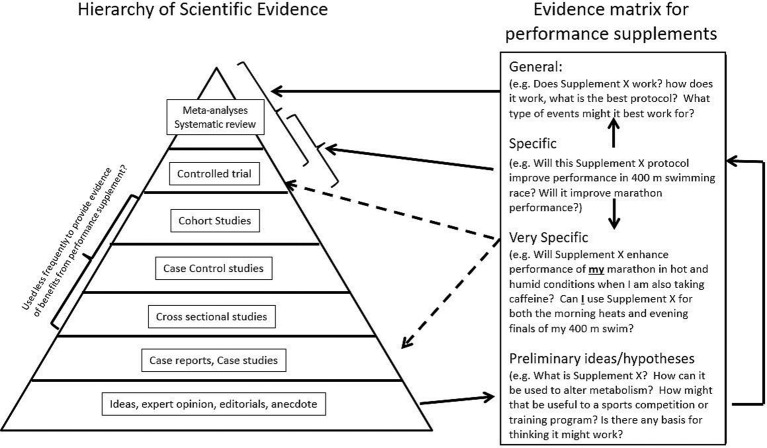
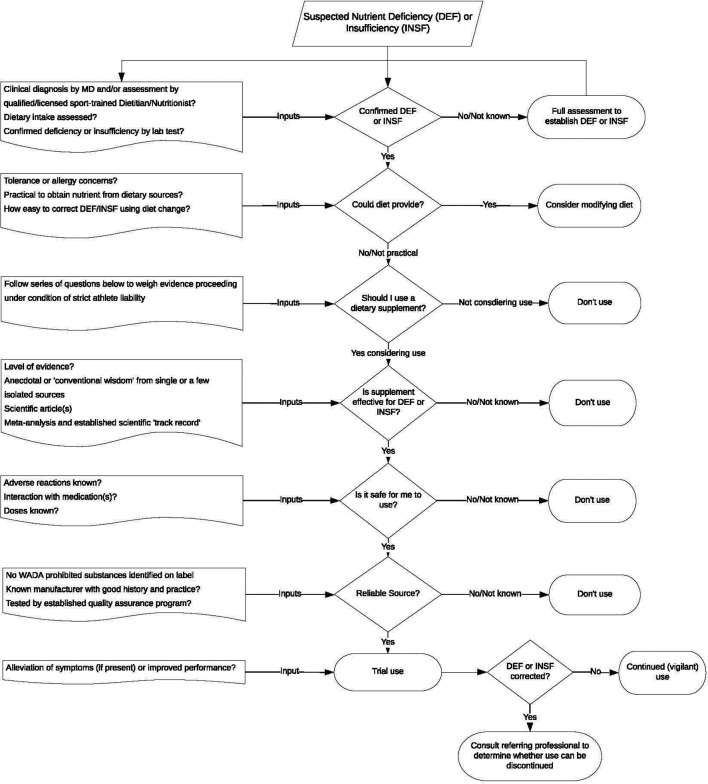
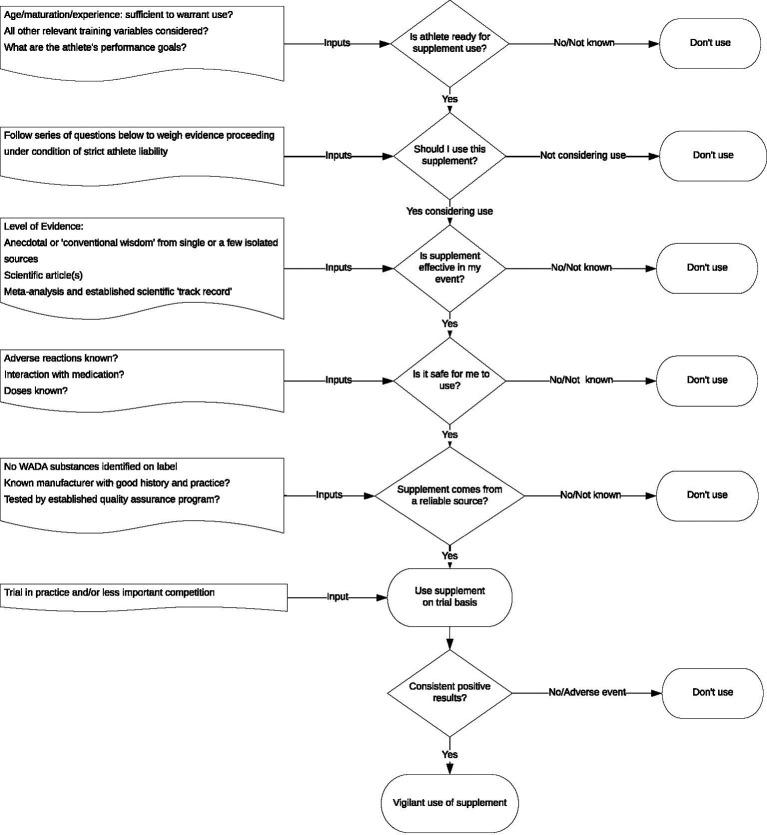
Verification
Claims the paper makes
The claims and statistics of this paper haven’t been checked yet.
Free: it reads the open-access text and checks the first 5 claims that cite a source we can check. Create a free account to check every claim.
Claims other papers make about this one
Each is checked against this paper’s own text: does it say what the citing paper says it does?
The source backs part of the claim, not all of it — or backs it for a different population, condition or comparison.
In the citing paper
“The utilization of supplements in young athletes “overemphasizes their ability to manipulate performance (i.e., typically 2-5% improvement).”49”
From Nutritional Recommendations for the Young Athlete (2023) · cites this paper as [49]
Experimental — accuracy not yet measuredThe source backs part of the claim, not all of it — or backs it for a different population, condition or comparison.
In the citing paper
“Subsequently, to maintain elevated creatine stores, the most effective strategy is to continue with a daily intake of 0.05 to 0.15 g/kg or 3–5 g per day [7,87].”
From Use of Nutritional Strategies, Bioactive Compounds, and Dietary Supplements in Young Athletes: From Evidence to Potential Risks—A Narrative Review (2025) · cites this paper as [7]
Experimental — accuracy not yet measuredThe source backs part of the claim, not all of it — or backs it for a different population, condition or comparison.
In the citing paper
“Studies in adults suggest that around 1–2 g of omega-3s per day can reduce post-exercise inflammation and DOMS, indirectly benefiting performance [7,75].”
From Use of Nutritional Strategies, Bioactive Compounds, and Dietary Supplements in Young Athletes: From Evidence to Potential Risks—A Narrative Review (2025) · cites this paper as [7]
Experimental — accuracy not yet measuredThe source backs part of the claim, not all of it — or backs it for a different population, condition or comparison.
In the citing paper
“Supplementing with high doses of creatine monohydrate (e.g., 0.3 g/kg/day for 5–7 days or 20 g/day for 5 days) is indeed the most effective strategy to rapidly increase intramuscular creatine levels, as recommended by the International Society of Sports Nutrition (ISSN) [87] and the International Olympic Committee (IOC) [7].”
From Use of Nutritional Strategies, Bioactive Compounds, and Dietary Supplements in Young Athletes: From Evidence to Potential Risks—A Narrative Review (2025) · cites this paper as [7]
Experimental — accuracy not yet measuredThe cited source says what the claim attributes to it.
In the citing paper
“a cafeína é considerada um suplemento ergogênico capaz de aumentar o desempenho físico durante o exercício. 3 , 4”
17 more claims about this paper
Create a free account to see every claim other papers make about this one.
Self-check
Percentages, sums and reported differences re-computed from the paper’s own numbers.
The self-check needs the paper’s full text.
Citations
Cites
1 retracted
Singh, M., & Das, R. R. (2013) · Cochrane Database of Systematic Reviews · doi:10.1002/14651858.cd001364.pub4 · Cited by 237
RetractedThe Pharmacological Basis of Therapeutics
(1976) · American Journal of Health-System Pharmacy · doi:10.1093/ajhp/33.4.373a · Cited by 8,209
The Neuroendocrinology of Stress: A Never Ending Story
Lightman, S. L. (2008) · Journal of Neuroendocrinology · doi:10.1111/j.1365-2826.2008.01711.x · Cited by 3,566
Principles of nutritional assessment
(1990) · Choice Reviews Online · doi:10.5860/choice.27-6362 · Cited by 2,765
Principles Of Nutritional Assessment
Gibson, R. S. (2005) · doi:10.1093/oso/9780195171693.001.0001 · Cited by 1,887
Nutrition and Athletic Performance
(2016) · Medicine & Science in Sports & Exercise · doi:10.1249/mss.0000000000000852 · Cited by 1,305 · cited 4×
“Calcium Avoidance of dairy products and other calcium-rich foods, restricted energy intake, and/or disordered eating increases risk of suboptimal calcium status (Thomas et al., 2016) No appropriate indicator of calcium status; bone mineral density scan may be indicative of chronic low calcium intake but other factors…”
InfluentialSelf-citationVitamin D for health: a global perspective
Hossein-nezhad, A., & Holick, M. F. (2013) · Mayo Clinic Proceedings · doi:10.1016/j.mayocp.2013.05.011 · Cited by 1,298
Morton, R. W., Murphy, K. T., McKellar, S. R., Schoenfeld, B. J., Henselmans, M., Helms, E., Aragon, A. A., Devries, M. C., Banfield, L., Krieger, J. W., et al. (2018) · British Journal of Sports Medicine · doi:10.1136/bjsports-2017-097608 · Cited by 1,269
Self-citationElevation of creatine in resting and exercised muscle of normal subjects by creatine supplementation
Harris, R. C., Söderlund, K., & Hultman, E. (1992) · Clinical Science · doi:10.1042/cs0830367 · Cited by 1,168 · cited 1×
“Zinc deficiency results in impaired immunity (eg, lymphoid atrophy) and zinc deficiency is not uncommon in athletes.”
BackgroundKreider, R. B., Kalman, D. S., Antonio, J., Ziegenfuss, T. N., Wildman, R., Collins, R., Candow, D. G., Kleiner, S. M., Almada, A. L., & Lopez, H. L. (2017) · Journal of the International Society of Sports Nutrition · doi:10.1186/s12970-017-0173-z · Cited by 1,057
Research works printed but not linked: 2
- Geyer H, Bredehoft M, Marek U, et al Hohe Dosen des Anabolikums Metandienon in Nahrungserganzungsmitteln. Deutsche Apotheke Zeit 2002; 142: 29.
- Hultman E, Söderlund K, Timmons JA, et al Muscle creatine loading in men. J Appl Physiol 1996; 81: 232– 7. 10.1152/jappl.1996.81.1.232 8828669 · DOI · Paper page
Cited by
Items 401–500 of 1,000
Chiron, F., Thomas, C., Bardin, J., Mullie, F., Bennett, S. E., Chéradame, J., Caliz, L., Hanon, C., & Tiollier, E. (2024) · Journal of Human Kinetics · doi:10.5114/jhk/182986 · Cited by 15
Fitness and Dietary Supplements: A Cross-Sectional Study on Food Practices and Nutrivigilance
Galman, A., Chikhaoui, M., Bouhrim, M., Eto, B., Shahat, A. A., Herqash, R. N., Lotfi, R., Belamgharia, H., Daoudi, D., Kaddouri, M., et al. (2024) · Nutrients · doi:10.3390/nu16223928 · Cited by 17
Urwin, C. S., Snow, R. J., Condo, D., Snipe, R. M. J., Wadley, G. D., & Carr, A. J. (2021) · International Journal of Sport Nutrition and Exercise Metabolism · doi:10.1123/ijsnem.2020-0192 · Cited by 14
Kim, J. (2021) · International Journal of Environmental Research and Public Health · doi:10.3390/ijerph18136919 · Cited by 16
“Such aids include caffeine, creatine, nitrate, sodium bicarbonate, and beta-alanine [8].”
BackgroundDietary supplements for consideration in elite female footballers
Sheridan, H. C., Parker, L. J. F., & Hammond, K. M. (2021) · European Journal of Sport Science · doi:10.1080/17461391.2021.1988149 · Cited by 17
Dieny, F. F., Jauharany, F. F., Rahadiyanti, A., Fitranti, D. Y., Tsani, A. F. A., & Kurniawati, D. M. (2021) · Jurnal Keolahragaan · doi:10.21831/jk.v9i2.34747 · Cited by 20
Anti-Doping Knowledge of Students Undertaking Bachelor’s Degrees in Sports Sciences in Spain
Aguilar‐Navarro, M., Salas-Montoro, J.-A., Pino‐Ortega, J., Salinero, J. J., González‐Mohíno, F., Rodríguez, V. A., Moreno‐Pérez, D., Lanza, N., Lara, B., Moreno-Pérez, V., et al. (2022) · Nutrients · doi:10.3390/nu14214523 · Cited by 18
“In addition to diet, athletes use dietary supplements because they provide a more convenient form of energy, or to increase the amount of certain substances that cannot be properly obtained with the diet [2].”
BackgroundEffects of beetroot juice intake on repeated performance of competitive swimmers
Moreno-Heredero, B., Morencos, E., Vicente-Campos, D., Muñoz, A., González‐García, J., & Veiga, S. (2023) · Frontiers in Physiology · doi:10.3389/fphys.2022.1076295 · Cited by 19
Tritto, A. C., Bueno, S., Rodrigues, R. M. P., Gualano, B., Roschel, H., & Artioli, G. G. (2019) · International Journal of Sport Nutrition and Exercise Metabolism · doi:10.1123/ijsnem.2018-0337 · Cited by 15
Vitamin D, sport and health: a still unresolved clinical issue
Luigi, L. D., Antinozzi, C., Piantanida, E., & Sgrò, P. (2020) · Journal of Endocrinological Investigation · doi:10.1007/s40618-020-01347-w · Cited by 15
Bonilla, D. A., Boullosa, D. A., & Coso, J. D. (2023) · Nutrients · doi:10.3390/nu15102246 · Cited by 20
“Available evidence suggests that nutritional supplements tailored to athletes’ needs can promote muscle growth, enhance athletic performance, and facilitate post-exercise recovery [4].”
BackgroundMohr, A. E., Pyne, D. B., Leite, G. S. F., Akins, D., & Pugh, J. N. (2022) · Journal of sport and health science/Journal of Sport and Health Science · doi:10.1016/j.jshs.2022.12.012 · Cited by 14
Analysis of Sports Supplement Consumption in 1688 Federated Road Cyclists
García-Durán, J., González-Jurado, J. A., & Sánchez-Oliver, A. J. (2023) · Nutrients · doi:10.3390/nu16010123 · Cited by 15
“The type, timing, and quantity of food consumed, along with the co-ingestion of ergogenic aids, are critical factors directly influencing athletic performance in these events [13–16].”
BackgroundJiménez-Alfageme, R., Garrone, F. P., Rodríguez-Sánchez, N., Romero-García, D., Sospedra, I., Giménez-Monzó, D., Ayala-Guzmán, C. I., & Sanz, J. M. M. (2025) · Sports Medicine - Open · doi:10.1186/s40798-024-00801-w · Cited by 15
“It is important to note that the effectiveness of caffeine as an ergogenic aid may depend on individual biological responses, the timing of initial ingestion, and the duration of exercise [46, 47].”
Topical Sodium Bicarbonate: No Improvement in Blood Buffering Capacity or Exercise Performance
McKay, A. K. A., Peeling, P., Binnie, M. J., Goods, P. S. R., Sim, M., Cross, R. L., & Siegler, J. C. (2020) · International Journal of Sports Physiology and Performance · doi:10.1123/ijspp.2019-0345 · Cited by 14
Self-citationIs vitamin D status reflected by testosterone concentration in elite athletes?
Krzywański, J., Pokrywka, A., Młyńczak, M., & Mikulski, T. (2020) · Biology of Sport · doi:10.5114/biolsport.2020.95633 · Cited by 14
McDermott, C. E., Vincent, H. K., Mathews, A., Cautela, B. V. G., Sandoval, M., Tremblay, A., & Langkamp‐Henken, B. (2022) · Trials · doi:10.1186/s13063-022-06552-x · Cited by 16
“The International Olympic Committee defined probiotics as live microorganisms that were “associated with a range of potential benefits to gut health, as well as modulation of immune function” [3].”
BackgroundFilip-Stachnik, A. (2022) · Applied Sciences · doi:10.3390/app12199957 · Cited by 13
Liu, M.-C. J., Weng, P., Chen, S., Liu, T., Huang, H.-W., Huang, C.-T., Yang, C.-T., Mishra, V. K., & Yang, M. (2023) · Biology · doi:10.3390/biology12050657 · Cited by 13
Nutritional Supplement Use in a UK High-Performance Swimming Club
Newbury, J. W., Sparks, S. A., Cole, M., Kelly, A. L., & Gough, L. A. (2023) · Nutrients · doi:10.3390/nu15153306 · Cited by 16
“Supplement use generally increases with age and training status, but the total number and type of supplements that are consumed may also be influenced by a sport’s cultural norms [1].”
BackgroundInfluentialDiet, Supplementation and Nutritional Habits of Climbers in High Mountain Conditions
Karpęcka-Gałka, E., Mazur-Kurach, P., Szyguła, Z., & Frączek, B. (2023) · Nutrients · doi:10.3390/nu15194219 · Cited by 14
“Doses of 1–4 mg/kg body weight improve alertness, concentration, and reaction time [70], while doses of 3–6 mg/kg bw caffeine can enhance cognitive performance, motor skills, and physical performance in many types of sports [71,72].”
BackgroundPinto, A. J., Dolan, E., Baldissera, G., Gonçalves, L. D. S., Jardim, F. G. D. A., Mazzolani, B. C., Smaira, F. I., Sato, P. D. M., Scagliusi, F. B., & Gualano, B. (2019) · European Journal of Sport Science · doi:10.1080/17461391.2019.1682059 · Cited by 15
“While the use of certain sports supplements in specific situations is well-supported (Maughan et al., 2018), we suggest that the rationale for promoting or prescribing sport supplements should be clearly explained to the athlete, and the decision to use them mutually agreed.”
BackgroundJuan, L. M., Sospedra, I., Perales, A., Díaz, C. G., Gil‐Izquierdo, Á., & Sanz, J. M. M. (2021) · Public Health Nutrition · doi:10.1017/s1368980020005121 · Cited by 13
“labelling and composition of CM can also be found(32), and prohibited or undeclared substancesmay even be present(3).”
BackgroundResultInfluentialQuality Control of Protein Supplements: A Review
da Costa, B. R. B., Roiffé, R. R., & de la Cruz, M. N. D. S. (2021) · International Journal of Sport Nutrition and Exercise Metabolism · doi:10.1123/ijsnem.2020-0287 · Cited by 13
Askow, A. T., Paulussen, K. J. M., McKenna, C. F., Salvador, A. F., Scaroni, S. E., Hamann, J., ULANOV, A. V., Li, Z. A., Paluska, S. A., Beaudry, K. M., et al. (2022) · International Journal of Sport Nutrition and Exercise Metabolism · doi:10.1123/ijsnem.2022-0074 · Cited by 15
Morales, A. P., Sampaio-Jorge, F., Barth, T., Pierucci, A. P. T. R., & Ribeiro, B. G. (2020) · Nutrients · doi:10.3390/nu12072101 · Cited by 12
Dietary and Ergogenic Supplementation to Improve Elite Soccer Players’ Performance
Fernandes, H. (2021) · Annals of Nutrition and Metabolism · doi:10.1159/000516397 · Cited by 12
RetractedPsychosocial aspects of sports medicine in pediatric athletes: Current concepts in the 21st century
Greydanus, D. E., Ergun-Longmire, B., Cabral, M. D., Patel, D. R., & Dickson, C. A. (2022) · Disease-a-Month · doi:10.1016/j.disamonth.2022.101482 · Cited by 13
Prevalence of dietary supplement consumption among CrossFit practitioners
Quaresma, M. V. L. D. S., Marques, C. G., Magalhães, A. C. O., Cirillo, L., Ciudi, R. B., Oliveira, L. S., dos Santos, R. V. T., & Nakamoto, F. P. (2023) · Nutrire · doi:10.1186/s41110-023-00193-z · Cited by 13
Nootropic supplements for esports: A scoping review
Ribeiro, F. J., & Poínhos, R. (2023) · International Journal for Vitamin and Nutrition Research · doi:10.1024/0300-9831/a000790 · Cited by 15
Goldman, D., Warbeck, C. B., & Karlsen, M. C. (2024) · Nutrients · doi:10.3390/nu16121903 · Cited by 13
Kawamura, A., Nemoto, K., & Sugita, M. (2022) · British Journal Of Nutrition · doi:10.1017/s0007114522001805 · Cited by 13
“Subsequently, we compared the effects of high doses with those of the generally recommended dose of n-3 fatty acids for athletes (51,52) and placebo intake.”
BackgroundLeaney, A. E., Heath, J., Midforth, E., Beck, P., Brown, P., & Mawson, D. H. (2022) · Drug Testing and Analysis · doi:10.1002/dta.3383 · Cited by 12
Evaluation of Supplement Use in Sport Climbers at Different Climbing Levels
Chmielewska, A., & Regulska−Ilow, B. (2022) · Nutrients · doi:10.3390/nu15010100 · Cited by 15
“Dietary supplements are defined as food, food components, or non-food compounds, which are purposefully ingested in addition to the normal diet to achieve a specific health or performance benefit [2].”
BackgroundGoldman, D., Warbeck, C. B., & Karlsen, M. C. (2024) · Nutrients · doi:10.3390/nu16081122 · Cited by 13
The athlete gut microbiota: state of the art and practical guidance
Pérez-Castillo, Í. M., Sabag-Daigle, A., Chicharro, J. L., Mihic, N., Rueda, R., & Bouzamondo, H. (2024) · Beneficial Microbes · doi:10.1163/18762891-bja00007 · Cited by 16
Heileson, J. L., Macartney, M. J., Watson, N. L., Sergi, T. E., Jagim, A. R., Anthony, R., & Peoples, G. E. (2024) · Current Developments in Nutrition · doi:10.1016/j.cdnut.2024.104454 · Cited by 12
Wilson-Barnes, S., Hunt, J. E. A., Mendis, J. R., Williams, E. L., King, D. G., Roberts, H. M., Lanham-New, S. A., & MANDERS, R. J. F. (2021) · PLoS ONE · doi:10.1371/journal.pone.0249671 · Cited by 12
“During the summertime, athletes are often encouraged to obtain plenty of safe sunlight exposure to further increase their vitamin D status combined with an adequate intake of food sources [28].”
BackgroundNewbury, J. W., Cole, M., Kelly, A. L., Chessor, R. J., Sparks, S. A., McNaughton, L. R., & Gough, L. A. (2021) · PLoS ONE · doi:10.1371/journal.pone.0248456 · Cited by 15
Current and Novel Reviews in Sports Nutrition
Nieman, D. C. (2021) · Nutrients · doi:10.3390/nu13082549 · Cited by 15
Gordon, R. E., Potgieter, S., & Havemann‐Nel, L. (2022) · Nutrients · doi:10.3390/nu14234949 · Cited by 13
“Although the ergogenic effects of sports supplements are documented among ablebodied athletes [47], the literature on the ergogenic effects of sport supplements in paraathletes is limited.”
BackgroundDietary supplements and elite athletes: when nature becomes high risk
Garthe, I. (2019) · Current Opinion in Endocrine and Metabolic Research · doi:10.1016/j.coemr.2019.07.004 · Cited by 14
Self-citationWong, T. H., Sim, A., & Burns, S. F. (2022) · Journal of Exercise Science & Fitness · doi:10.1016/j.jesf.2022.06.004 · Cited by 11
Harlow, J., Blodgett, K., Stedman, J., & Pojednic, R. M. (2024) · Nutrients · doi:10.3390/nu16162746 · Cited by 12
“There is, however, a larger body of work addressing the effects of supplementation in sports athletes [7].”
BackgroundInfluentialBezuglov, E., Vakhidov, T., Morgans, R., Malyakin, G. I., Emanov, A., Koroleva, E., Kapralova, E., & Talibov, O. (2025) · Sports · doi:10.3390/sports13040106 · Cited by 12
“…the list of non-prohibited dietary supplements with proven positive effects on physical performance is very limited and currently includes only a few substances such as beta-alanine, nitric oxide precursors (beetroot juice, citrulline, arginine), sodium bicarbonate, creatine and caffeine [8,9].”
De Zan, D., Eletti, F., Fiore, G., Di Girolamo, E., Bozzini, G. G. M., Perico, V., Tosi, M., Norsa, L., Zuccotti, G., & Verduci, E. (2025) · Nutrients · doi:10.3390/nu17132194 · Cited by 11
“Studies in adults suggest that around 1–2 g of omega-3s per day can reduce post-exercise inflammation and DOMS, indirectly benefiting performance [7,75].”
InfluentialWhitfield, J., Egan, B., Coso, J. D., Derave, W., Saunders, B., & Burke, L. M. (2025) · International Journal of Sport Nutrition and Exercise Metabolism · doi:10.1123/ijsnem.2025-0111 · Cited by 12
Self-citationThe role of nutrition in the recovery of a basketball player
Ott, I. E., & Santos, J. I. (2019) · Nutrición Hospitalaria · doi:10.20960/nh.02577 · Cited by 14
Navarro, P. E., Sospedra, I., Perales, A., Díaz, C. G., Jiménez-Alfageme, R., Medina, S., Gil‐Izquierdo, Á., & Sanz, J. M. M. (2021) · Molecules · doi:10.3390/molecules26072095 · Cited by 11
“In addition, the results were also compared in relation to the scientific evidence and criteria of the International Olympic Committee (IOC) [1], the American Academy of Nutrition and Dietetics (AND) [10], and the Australian Institute of Sport [17], as well as the most recent scientific documents on caffeine, such as…”
BackgroundResultInfluentialMarcon, M., & Zanella, P. B. (2022) · Science & Sports · doi:10.1016/j.scispo.2021.05.006 · Cited by 15
Forsyth, A. K., & Mantzioris, E. (2023) · British Journal Of Nutrition · doi:10.1017/s0007114523000648 · Cited by 14
“Performance may be a particularly important concern for those competing at higher levels and may explain the previously noted higher sports supplement intake among higher-calibre athletes (23) .”
BackgroundJiménez‐Martínez, P., Cornejo‐Daza, P. J., Sánchez‐Valdepeñas, J., Asín‐Izquierdo, I., Cano-Castillo, C., Alix‐Fages, C., Pareja‐Blanco, F., & Colado, J. C. (2023) · Journal of the International Society of Sports Nutrition · doi:10.1080/15502783.2023.2204083 · Cited by 12
Douligeris, A., Methenitis, S. K., Lazou, A., Panayiotou, G., Feidantsis, K. G., Voulgaridou, G., Μanios, Y., Jamurtas, A. Z., Giaginis, C., & Papadopoulou, S. Κ. (2023) · Nutrients · doi:10.3390/nu15102304 · Cited by 13
“…and 5 g BCAA per dose to remain close to the recommended effective dose range (caffeine: 3–6 mg/kg body mass, creatine: 3–5 g/day, β -alanine: 4–6 g/day, citrulline malate: 6–8 g/day, BCAA: 5–10 g/d), and under 100 kcal/serving to avoid any gastrointestinal issues during exercise [1,3,4,53,54].”
BackgroundBanaei, P., Tadıbı, V., Amiri, E., & Machado, D. G. D. S. (2023) · Scientific Reports · doi:10.1038/s41598-023-43568-y · Cited by 13
Myoenzono, K., Yasuda, J., Takai, E., Shinagawa, A., Kaneko, N., Yoshizaki, T., Namma-Motonaga, K., Yoshino, M., Kondo, E., Nakajima, K., et al. (2023) · Frontiers in Sports and Active Living · doi:10.3389/fspor.2023.1258542 · Cited by 11
Inoshita, H., Asaoka, D., Matsuno, K., Yanagisawa, N., Suzuki, Y., & Miyauchi, K. (2023) · Nutrients · doi:10.3390/nu15234994 · Cited by 11
“The International Olympic Committee recognizes sodium bicarbonate as a supplement with substantial evidence for enhancing performance in certain scenarios [32].”
BackgroundGonzález‐Lamuño, D., Morencos, C., Arrieta, F., Venegas, E., Vicente‐Rodríguez, G., Casajús, J. A., Couce, M. L., & Aldamiz-Echevarria, L. J. (2024) · Nutrients · doi:10.3390/nu16050639 · Cited by 12
“Approximately 50% of the adult population in the United States have reported using some form of dietary supplementation, and prevalence is likely similar in many other countries [23].”
BackgroundCurrent knowledge about pyruvate supplementation: A brief review
Olek, R. A., Kujach, S., & Radak, Z. O. (2024) · Sports Medicine and Health Science · doi:10.1016/j.smhs.2024.02.007 · Cited by 12
Prioritized dietary supplement information needs of 307 NCAA division I student athletes
Osterman, S., Gray, V. B., Loy, M., Coffey, A. B., Smallwood, K., & Barrack, M. T. (2020) · Journal of Nutrition Education and Behavior · doi:10.1016/j.jneb.2020.01.007 · Cited by 9
Sports supplements: use, knowledge, and risks for Algerian athletes
Chebaiki, I. J., Bekadi, A., & Bechikh, M. Y. (2020) · The North African Journal of Food and Nutrition Research · doi:10.51745/najfnr.4.7.231-239 · Cited by 12
“A large number of recreational and elite athletes use nutritional supplements (NS) [4-9].”
BackgroundRoberts, J., Lillis, J. B., Pinto, J. M., Chichger, H., López‐Samanes, Á., Coso, J. D., Zacca, R., & Willmott, A. G. B. (2023) · Nutrients · doi:10.3390/nu15020421 · Cited by 15
Puya-Braza, J. M., & Sánchez-Oliver, A. J. (2018) · Retos · doi:10.47197/retos.v0i34.65027 · Cited by 13
Hurst, P., Saunders, S., & Coleman, D. A. (2020) · International Journal of Sport Nutrition and Exercise Metabolism · doi:10.1123/ijsnem.2020-0034 · Cited by 13
“Given that recreational runners arguably account for a substantial proportion of the consumer group for nutritional sport supplements (Maughan et al., 2018), our results highlight that the physiological effects of beetroot juice are unlikely to improve performance for this population.”
BackgroundNutritional Concerns for the Artistic Athlete
Benardot, D. (2020) · Physical Medicine and Rehabilitation Clinics of North America · doi:10.1016/j.pmr.2020.09.008 · Cited by 12
Acute effects of caffeinated chewing gum on basketball performance in elite female players
Filip-Stachnik, A. (2022) · Journal of Kinesiology and Exercise Sciences · doi:10.5604/01.3001.0016.1233 · Cited by 10
“[41] Maughan RJ, Burke LM, Dvorak J, Larson-Meyer DE, Peeling P, Phillips SM, et al.”
BackgroundBauhaus, H., Jensen, P. M., Braun, H., & Thevis, M. (2023) · Nutrients · doi:10.3390/nu15224844 · Cited by 11
“The relatively low interest in sports nutrition might explain the present validation sample despite the attempt to include various sports.”
BackgroundCurran-Bowen, T., da Silva, A. G., Barreto, G., Buckley, J., & Saunders, B. (2024) · Biology of Sport · doi:10.5114/biolsport.2024.132997 · Cited by 12
“Beta-alanine and sodium bicarbonate are considered effective er gogenic aids and are considered one of only five supplements that are worthwhile for performance as per the International Olympic Committee’s position stand [54].”
BackgroundSuzuki, D., & Suzuki, Y. (2024) · Nutrients · doi:10.3390/nu16142273 · Cited by 11
Park, E. J., Kim, L., Lee, J., Lee, H., Kim, Y.-A., & Go, H. (2024) · Nutrients · doi:10.3390/nu16172957 · Cited by 13
“However, long-term safety and potential adverse effects, such as gastrointestinal distress and drug interactions, need consideration [9,10].”
BackgroundNutrition and Golf Performance: A Systematic Scoping Review
O’Donnell, A., Murray, A. D., Nguyen, A., Salmon, T., Taylor, S., Morton, J. P., & Close, G. L. (2024) · Sports Medicine · doi:10.1007/s40279-024-02095-0 · Cited by 11
“Although in theory creatine monohydrate supplementation could be useful for golfing physical and mental performance [52, 53], golf-specific research on creatine supplementation is limited.”
„Brain doping” substances: prohibited or not in sports?
Pokrywka, A., Surała, O., Grabowska, K., Przybyła, M., Granda, D., Małecki, A., Faiss, R., & Nowacka-Chmielewska, M. M. (2025) · Biology of Sport · doi:10.5114/biolsport.2025.150047 · Cited by 11
“In gen - eral, amateur athletes tend to derive greater benefits from supple - mentation than individuals with a high level of training, as they start from a lower baseline [30].”
Dou, Y., Wang, Y., Zhang, W., Jiang, Y., Zhang, J., Yang, T., Han, Z., Li, Y., Liu, C., & Ren, D. (2026) · Nutrients · doi:10.3390/nu18050724 · Cited by 10
“In competitive sports research, sports nutrition supplements are widely used to support training adaptations, delay the development of fatigue, and maintain performance stability under high-intensity workloads [1].”
Molina‐López, J., Quispe-Ricalde, M. A., Hernández, B. V., Planells, A., Otero, R., & Planells, E. (2020) · PLoS ONE · doi:10.1371/journal.pone.0232237 · Cited by 10
“Nutrition has the potential to contribute to successful performance in elite athletes, and in this regard dietary supplements require special consideration in their nutritional strategies [1].”
BackgroundEffects of Nutritional Supplements on Judo‐Related Performance: A Review
Simoncini, L., Lago-Rodríguez, Á., López‐Samanes, Á., Pérez‐López, A., & Domínguez, R. (2021) · Journal of Human Kinetics · doi:10.2478/hukin-2021-0013 · Cited by 10
“Finally, NaHCO3 is known to cause some side effects, mainly gastrointestinal discomfort, which may be avoided by sparing it in smaller doses, coingesting it with carbohydrate, or using sodium citrate as an alternative (Maughan et al., 2018).”
BackgroundInfluentialMenal-Puey, S., & Marques-Lopes, I. (2021) · Nutrients · doi:10.3390/nu13113858 · Cited by 10
Lopresti, A. L., & Smith, S. J. (2022) · Journal of the International Society of Sports Nutrition · doi:10.1080/15502783.2022.2083455 · Cited by 12
“musculoskeletal pain, to support recovery from exercise, and mood enhancement [1,2].”
BackgroundSport supplement use among high school rugby players in South Africa: A scoping review
Harmse, B., & Noorbhai, H. (2022) · South African Journal of Sports Medicine · doi:10.17159/2078-516x/2022/v34i1a13348 · Cited by 10
“[5] When comparing the predominant sport supplement consumed by professional rugby players in Europe, it was found that the most common sporting supplement used by rugby players from the European Super League, were protein”
BackgroundInfluentialPereira-Santana, O., Cavalcante, V. H. V., Paulo, A. C., Rodacki, C. D. L. N., Bertuzzi, R., Lima‐Silva, A. E., & Cristina-Souza, G. (2022) · Journal of Sports Sciences · doi:10.1080/02640414.2022.2094560 · Cited by 11
“Despite the availability of several allowed supplements claiming to precipitate gains in muscular performance, only a few provide robust evidence of benefits (Grgic & Del Coso, 2021; Maughan et al., 2018).”
BackgroundEfficacy of sodium bicarbonate ingestion strategies for protecting blinding
Gurton, W. H., Matta, G., Gough, L. A., & Hurst, P. (2022) · European Journal of Applied Physiology · doi:10.1007/s00421-022-05031-0 · Cited by 10
Cognitive effects of guarana supplementation with maximal intensity cycling
Gurney, T., Bradley, N., Izquierdo, D., & Ronca, F. (2022) · British Journal Of Nutrition · doi:10.1017/s0007114522002859 · Cited by 16
“The caffeine dose in both caffeine and guarana supplement is in line with the suggested protocol of use by the International Olympic Committee(4).”
BackgroundMethodCaetano, M. L., de Souza, M. L. R., Loureiro, L. L., & Capistrano, V. L. M. (2023) · Science & Sports · doi:10.1016/j.scispo.2022.04.007 · Cited by 10
Fernández‐Lázaro, D., Sánchez-Serrano, N., Rabail, R., Aadil, R. M., Mielgo‐Ayuso, J., Radesca, K., & Garrosa, E. (2023) · Applied Sciences · doi:10.3390/app13063448 · Cited by 10
Well-being as a performance pillar: a holistic approach for monitoring tennis players
Michel, M.-F., Girard, O., Guillard, V., & Brechbuhl, C. (2023) · Frontiers in Sports and Active Living · doi:10.3389/fspor.2023.1259821 · Cited by 11
Nutrition knowledge, weight loss practices, and supplement use in senior competition climbers
Gibson-Smith, E., Storey, R., Michael, M. K., & Ranchordas, M. K. (2024) · Frontiers in Nutrition · doi:10.3389/fnut.2023.1277623 · Cited by 10
“…popular supplements used for performance (creatine, CHO drinks, and beta-alanine) have moderate to strong supporting evidence as ergogenic aids (15) and despite a lack of supplement intervention trials in climbers, are reasonable choices for this sport due to their ability to augment anaerobic…”
BackgroundEvidence-based sports supplements: A redox analysis
Margaritelis, N. V., Cobley, J. N., Nastos, G. G., Παπανικολάου, Κ., Bailey, S. J., Kritsiligkou, P., & Nikolaidis, M. G. (2024) · Free Radical Biology and Medicine · doi:10.1016/j.freeradbiomed.2024.08.012 · Cited by 11
Connections between Different Sports and Ergogenic Aids—Focusing on Salivary Cortisol and Amylase
Honceriu, C., Curpăn, A.-Ș., Ciobica, A. S., Ciobîcă, A., Truş, C., & Timofte, D. V. (2021) · Medicina · doi:10.3390/medicina57080753 · Cited by 13
“β-Alanine has been recognized as a potent ergogenic aid with the most pronounced effects being observed in tasks that require ATP production via anaerobic glycolysis [86], therefore its benefits could potentially be noted in program with high repletion ranges or short rest periods between sets [87].”
BackgroundGacek, M. K., Wójtowicz, A., & Popek, A. (2022) · Nutrients · doi:10.3390/nu15010039 · Cited by 12
Almohammadi, A. M., Edriss, A. M., & Enani, T. T. (2021) · BMC Sports Science Medicine and Rehabilitation · doi:10.1186/s13102-021-00345-6 · Cited by 12
“Similarly, better performance among athletes has been observed with the use of protein and other dietary supplements that help athletes meet their nutritional needs and gain muscle mass [19].”
BackgroundDietary Supplement Use in Australian Army Personnel
Kullen, C. J., Prvan, T., & O'Connor, H. T. (2018) · Military Medicine · doi:10.1093/milmed/usy266 · Cited by 10
Macuh, M., Kojić, N., & Knap, B. (2023) · Nutrients · doi:10.3390/nu15173721 · Cited by 9
“Overall, the results of this study are in line with previous reviews [1–5] and the position statement by the IOC consensus statement [28] regarding the beneficial benefits of nitrates on exercise performance.”
ResultClayton, D. J., Burbeary, R., Parker, C., James, R. M., Saward, C., Procter, E. L., Mode, W. J. A., Baker, C., Hough, J., Williams, N. C., et al. (2024) · Nutrients · doi:10.3390/nu16020243 · Cited by 11
Perkins, I., Blacker, S. D., & Willems, M. E. T. (2024) · Nutrients · doi:10.3390/nu16244253 · Cited by 10
Rigoli, A., Dang, E., Michael, V., Gifford, J. A., & Davies, A. J. (2024) · Nutrients · doi:10.3390/nu16244293 · Cited by 9
“As iron deficiency directly affects athletes’ ability to train effectively and calcium deficiency negatively impacts their capacity to remain free from injury, both are appropriate for supplementation [48].”
Aitkenhead, R., Waldron, M., Conway, G. E., Horner, K. M., & Heffernan, S. M. (2025) · Nutrients · doi:10.3390/nu17030443 · Cited by 9
“These supplements can include any additional food or food-derived substance [34].”
Sport supplementation in competitive swimmers: a systematic review with meta-analysis
Domínguez, R., López-León, I., Moreno-Lara, J., Rico, E., Sánchez-Oliver, A. J., Sánchez-Gómez, Á., & Pecci, J. (2025) · Journal of the International Society of Sports Nutrition · doi:10.1080/15502783.2025.2486988 · Cited by 12
“…depend on the metabolic and mechanical characteristics of each sport modality [53], and that recommendations should be grounded in scientific evidence derived from meta-analyses [12], this study may serve as a guide for planning SS selection for swimmers based on robust scientific findings.”
InfluentialDelany, L. V., Costello, N. B., Jones, B. L., & Backhouse, S. H. (2025) · Sports Medicine · doi:10.1007/s40279-025-02285-4 · Cited by 11
Amoruso, P., Lecce, E., di Palumbo, A. S., Sacchetti, M., & Bazzucchi, I. (2026) · Nutrients · doi:10.3390/nu18020252 · Cited by 9
“Ergogenic aids embrace a wide range of compounds that improve performance [2,3], and scientific advances have expanded the options available to athletes [3].”
Валерьевна, К. В., Асланбековна, Б. В., & Юрьевич, Б. М. (2020) · PubMed · doi:10.24411/0042-8833-2020-10032 · Cited by 15
Caffeine Mouth Rinse Does Not Improve Time to Exhaustion in Male Trained Cyclists
Nabuco, L. L., Saunders, B., da Silva, R. A. S., Molina, G. E., & Reis, C. E. G. (2021) · International Journal of Sport Nutrition and Exercise Metabolism · doi:10.1123/ijsnem.2020-0360 · Cited by 10
Parents’ experiences of family food routines in adolescent elite-level swimming
White, H. J., Harwood, C., Wiltshire, G., & Plateau, C. R. (2022) · Psychology of sport and exercise · doi:10.1016/j.psychsport.2022.102237 · Cited by 10
Metadata
- Authors
- Maughan, R. J., Burke, L. M., Dvorak, J., Larson-Meyer, D. E., Peeling, P., Phillips, S. M., Rawson, E. S., Walsh, N. P., Garthe, I., Geyer, H., Meeusen, R., van Loon, L. J. C., Shirreffs, S. M., Spriet, L. L., Stuart, M., Vernec, A., Currell, K., Ali, V. M., Budgett, R. G., Ljungqvist, A., Mountjoy, M., Pitsiladis, Y. P., Soligard, T., Erdener, U., & Engebretsen, L.
- Affiliations
- University of St Andrews (GB)
- The University of Western Australia (AU)
- McMaster University (CA)
- Messiah University (US)
- Bangor University (GB)
- German Sport University Cologne (DE)
- Vrije Universiteit Brussel (BE)
- University of Guelph (CA)
- BMJ Group (United Kingdom) (GB)
- World Anti-Doping Agency (CA)
- English Institute of Sport (GB)
- International Olympic Committee (CH)
- Corresponding author
- Maughan, Ronald J
- ORCID
- Venue
- British Journal of Sports Medicine
- Publisher
- BMJ
- Published
- 2018-03-14
- Volume
- 52
- Issue
- 7
- Pages
- 439-455
- ISSN
- 0306-3674 (ISSN-L)
- 1473-0480
- PMC
- PMC5867441
- OpenAlex
- W2791581924
- Semantic Scholar
- 8e8c609bb6ec0644a6355188a5e65c8702ee2529
- Cited by
- 1,004
- References
- 184
- Citations by year
- 2026: 123 · 2025: 84 · 2024: 141 · 2023: 143 · 2022: 143 · 2021: 119 · 2020: 125 · 2019: 87 · 2018: 37
- FWCI
- 209.31
- Type
- journal article
- Language
- en
- Open access
- hybrid
- doi.org
- Licence
- cc-by-nc
- Locations
- British Journal of Sports Medicine (publishedVersion, cc-by-nc)
- Europe PMC (PubMed Central) (publishedVersion, cc-by-nc)
- PubMed Central (publishedVersion, cc-by-nc)
- PubMed (publishedVersion)
- Kölner Universitäts PublikationsServer (Universität zu Köln) (publishedVersion)
- Liverpool John Moores University (acceptedVersion)
- University of Brighton Repository (University of Brighton) (submittedVersion)
- University of Brighton Repository (University of Brighton) (submittedVersion, cc-by-nc)
- UWA Profiles and Research Repository (UWA) (submittedVersion, cc-by-nc)
- Research Bank (Australian Catholic University) (submittedVersion)
- Research Publications (Maastricht University) (submittedVersion, cc-by-nc)
- HighWire Press Open Archive (submittedVersion)
- St Andrews Research Repository (St Andrews Research Repository) (submittedVersion, cc-by-nc)
- VUBIR (Vrije Universiteit Brussel) (submittedVersion)
- Research Publications (Maastricht University) (submittedVersion, other-oa)
- Topics
- Social Sciences › Sociology and Political Science › Doping in Sports
- Health Sciences › Medicine › Public Health, Environmental and Occupational Health › Nutrition and Health Studies
- Health Sciences › Medicine › Orthopedics and Sports Medicine › Sports Performance and Training
- Keywords
- dietary supplements, elite athletes, anti-doping rule violations, caffeine, creatine, nitrate, buffering agents, micronutrient deficiency, sports nutrition, supplement safety, ergogenic aids, nutritional assessment
- MeSH terms
- Diet, Humans, Dietary Supplements, Consensus, Athletic Performance, Athletes, Sports Nutritional Physiological Phenomena
About these checks
Registry, retraction, Cites and statistics results are computed, not judged, with one exception: a printed reference that no index lists is read once by a model before it counts as a citation error. Claims are extracted by a model and kept only when their quote appears verbatim in the text; each cited source is then checked, with a model’s help, for whether it says what the claim relies on. Those verdicts can be wrong — read the claim’s quote and the cited source before relying on one.
Statistics and arithmetic are recomputed, not judged.
Confidence bands are shown only for fields calibrated on our annotated test set. None is calibrated yet, so no band is shown.
What counts as a claim ›How we measure confidence ›How we check this ›
Are you an author, or do you see a problem with this page? Request a review
Data sources
Bibliographic data: Semantic Scholar, OpenAlex, Crossref.
Contains information from the Semantic Scholar Academic Graph Datasets, made available under the ODC Attribution License (ODC-BY 1.0).
Semantic Scholar’s data is described in: Kinney, R., et al. (2023). The Semantic Scholar Open Data Platform. arXiv:2301.10140.
