

IOC consensus statement: dietary supplements and the high-performance athlete
Open accessThe DOI matches its Crossref record; 181 of the 184 references it cites were found in a registry or an index.
Abstract
Nutrition usually makes a small but potentially valuable contribution to successful performance in elite athletes, and dietary supplements can make a minor contribution to this nutrition programme. Nonetheless, supplement use is widespread at all levels of sport. Products described as supplements target different issues, including (1) the management of micronutrient deficiencies, (2) supply of convenient forms of energy and macronutrients, and (3) provision of direct benefits to performance or (4) indirect benefits such as supporting intense training regimens. The appropriate use of some supplements can benefit the athlete, but others may harm the athlete’s health, performance, and/or livelihood and reputation (if an antidoping rule violation results). A complete nutritional assessment should be undertaken before decisions regarding supplement use are made. Supplements claiming to directly or indirectly enhance performance are typically the largest group of products marketed to athletes, but only a few (including caffeine, creatine, specific buffering agents and nitrate) have good evidence of benefits. However, responses are affected by the scenario of use and may vary widely between individuals because of factors that include genetics, the microbiome and habitual diet. Supplements intended to enhance performance should be thoroughly trialled in training or simulated competition before being used in competition. Inadvertent ingestion of substances prohibited under the antidoping codes that govern elite sport is a known risk of taking some supplements. Protection of the athlete’s health and awareness of the potential for harm must be paramount; expert professional opinion and assistance is strongly advised before an athlete embarks on supplement use.
Overview
The claims and statistics of this paper haven’t been checked yet.
Free: it reads the open-access text and checks the first 5 claims that cite a source we can check. Create a free account to check every claim.
Integrity signals
Registry
Cites
Statistics
Figures
Verification
Claims the paper makes
The claims and statistics of this paper haven’t been checked yet.
Free: it reads the open-access text and checks the first 5 claims that cite a source we can check. Create a free account to check every claim.
Claims other papers make about this one
Each is checked against this paper’s own text: does it say what the citing paper says it does?
The source backs part of the claim, not all of it — or backs it for a different population, condition or comparison.
In the citing paper
“The utilization of supplements in young athletes “overemphasizes their ability to manipulate performance (i.e., typically 2-5% improvement).”49”
From Nutritional Recommendations for the Young Athlete (2023) · cites this paper as [49]
Experimental — accuracy not yet measuredThe source backs part of the claim, not all of it — or backs it for a different population, condition or comparison.
In the citing paper
“Subsequently, to maintain elevated creatine stores, the most effective strategy is to continue with a daily intake of 0.05 to 0.15 g/kg or 3–5 g per day [7,87].”
From Use of Nutritional Strategies, Bioactive Compounds, and Dietary Supplements in Young Athletes: From Evidence to Potential Risks—A Narrative Review (2025) · cites this paper as [7]
Experimental — accuracy not yet measuredThe source backs part of the claim, not all of it — or backs it for a different population, condition or comparison.
In the citing paper
“Studies in adults suggest that around 1–2 g of omega-3s per day can reduce post-exercise inflammation and DOMS, indirectly benefiting performance [7,75].”
From Use of Nutritional Strategies, Bioactive Compounds, and Dietary Supplements in Young Athletes: From Evidence to Potential Risks—A Narrative Review (2025) · cites this paper as [7]
Experimental — accuracy not yet measuredThe source backs part of the claim, not all of it — or backs it for a different population, condition or comparison.
In the citing paper
“Supplementing with high doses of creatine monohydrate (e.g., 0.3 g/kg/day for 5–7 days or 20 g/day for 5 days) is indeed the most effective strategy to rapidly increase intramuscular creatine levels, as recommended by the International Society of Sports Nutrition (ISSN) [87] and the International Olympic Committee (IOC) [7].”
From Use of Nutritional Strategies, Bioactive Compounds, and Dietary Supplements in Young Athletes: From Evidence to Potential Risks—A Narrative Review (2025) · cites this paper as [7]
Experimental — accuracy not yet measuredThe cited source says what the claim attributes to it.
In the citing paper
“a cafeína é considerada um suplemento ergogênico capaz de aumentar o desempenho físico durante o exercício. 3 , 4”
17 more claims about this paper
Create a free account to see every claim other papers make about this one.
Self-check
Percentages, sums and reported differences re-computed from the paper’s own numbers.
The self-check needs the paper’s full text.
Citations
Cites
1 retracted
Singh, M., & Das, R. R. (2013) · Cochrane Database of Systematic Reviews · doi:10.1002/14651858.cd001364.pub4 · Cited by 237
RetractedThe Pharmacological Basis of Therapeutics
(1976) · American Journal of Health-System Pharmacy · doi:10.1093/ajhp/33.4.373a · Cited by 8,209
The Neuroendocrinology of Stress: A Never Ending Story
Lightman, S. L. (2008) · Journal of Neuroendocrinology · doi:10.1111/j.1365-2826.2008.01711.x · Cited by 3,566
Principles of nutritional assessment
(1990) · Choice Reviews Online · doi:10.5860/choice.27-6362 · Cited by 2,765
Principles Of Nutritional Assessment
Gibson, R. S. (2005) · doi:10.1093/oso/9780195171693.001.0001 · Cited by 1,887
Nutrition and Athletic Performance
(2016) · Medicine & Science in Sports & Exercise · doi:10.1249/mss.0000000000000852 · Cited by 1,305 · cited 4×
“Calcium Avoidance of dairy products and other calcium-rich foods, restricted energy intake, and/or disordered eating increases risk of suboptimal calcium status (Thomas et al., 2016) No appropriate indicator of calcium status; bone mineral density scan may be indicative of chronic low calcium intake but other factors…”
InfluentialSelf-citationVitamin D for health: a global perspective
Hossein-nezhad, A., & Holick, M. F. (2013) · Mayo Clinic Proceedings · doi:10.1016/j.mayocp.2013.05.011 · Cited by 1,298
Morton, R. W., Murphy, K. T., McKellar, S. R., Schoenfeld, B. J., Henselmans, M., Helms, E., Aragon, A. A., Devries, M. C., Banfield, L., Krieger, J. W., et al. (2018) · British Journal of Sports Medicine · doi:10.1136/bjsports-2017-097608 · Cited by 1,269
Self-citationElevation of creatine in resting and exercised muscle of normal subjects by creatine supplementation
Harris, R. C., Söderlund, K., & Hultman, E. (1992) · Clinical Science · doi:10.1042/cs0830367 · Cited by 1,168 · cited 1×
“Zinc deficiency results in impaired immunity (eg, lymphoid atrophy) and zinc deficiency is not uncommon in athletes.”
BackgroundKreider, R. B., Kalman, D. S., Antonio, J., Ziegenfuss, T. N., Wildman, R., Collins, R., Candow, D. G., Kleiner, S. M., Almada, A. L., & Lopez, H. L. (2017) · Journal of the International Society of Sports Nutrition · doi:10.1186/s12970-017-0173-z · Cited by 1,057
Vitamin C for preventing and treating the common cold
Hemilä, H., & Chalker, E. (2013) · Cochrane Database of Systematic Reviews · doi:10.1002/14651858.cd000980.pub4 · Cited by 869
Cermak, N. M., Res, P. T., de Groot, L. C., Saris, W. H., & van Loon, L. J. (2012) · The American Journal of Clinical Nutrition · doi:10.3945/ajcn.112.037556 · Cited by 827 · cited 1×
“5 g protein/kg (3–4 times per day and in close temporal proximity to exercise, with postexercise being consistently shown to be effective) Enhances lean mass gains when ingested during programs of resistance training due to increased provision of building blocks (amino acids) and leucine as a trigger for a rise in mus…”
BackgroundMuscle creatine loading in men
Hultman, E., Soderlund, K., Timmons, J. A., Cederblad, G., & Greenhaff, P. L. (1996) · Journal of Applied Physiology · doi:10.1152/jappl.1996.81.1.232 · Cited by 822 · cited 2×
“42 Many athletes are at risk of insufficiency at various times throughout the year.”
BackgroundDietary Supplement Use in the United States, 2003–2006
Bailey, R. L., Gahche, J. J., Lentino, C. V., Dwyer, J. T., Engel, J. S., Thomas, P. R., Betz, J. M., Sempos, C. T., & Picciano, M. F. (2011) · The Journal of Nutrition · doi:10.3945/jn.110.133025 · Cited by 812
Bailey, S. J., Winyard, P., Vanhatalo, A., Blackwell, J. R., DiMenna, F. J., Wilkerson, D. P., Tarr, J., Benjamin, N., & Jones, A. M. (2009) · Journal of Applied Physiology · doi:10.1152/japplphysiol.00722.2009 · Cited by 759
Smith, G. I., Atherton, P., Reeds, D. N., Mohammed, B. S., Rankin, D., Rennie, M. J., & Mittendorfer, B. (2011) · The American Journal of Clinical Nutrition · doi:10.3945/ajcn.110.005611 · Cited by 665 · cited 1×
“In muscle, omega-3 fatty acid supplementation can increase muscle protein synthesis, 143 144 but this may not occur when protein is ingested after exercise in recommended amounts.”
BackgroundBailey, S. J., Fulford, J., Vanhatalo, A., Winyard, P. G., Blackwell, J. R., DiMenna, F. J., Wilkerson, D. P., Benjamin, N., & Jones, A. M. (2010) · Journal of Applied Physiology · doi:10.1152/japplphysiol.00046.2010 · Cited by 607 · cited 1×
“, 2015); a reduced ATP cost of muscle force production; an increased efficiency of mitochondrial respiration; an increased blood flow to the muscle; a decrease in blood flow to VO2 heterogeneities (Bailey et al., 2010).”
Wycherley, T. P., Moran, L. J., Clifton, P. M., Noakes, M., & Brinkworth, G. D. (2012) · The American Journal of Clinical Nutrition · doi:10.3945/ajcn.112.044321 · Cited by 606
Probiotics for preventing acute upper respiratory tract infections
Hao, Q., Dong, B. R., & Wu, T. (2015) · Cochrane Database of Systematic Reviews · doi:10.1002/14651858.cd006895.pub3 · Cited by 569 · cited 1×
“23 24 Clearly, there is a pressing need for randomised controlled trials in high-level athletes with sufficient participant numbers, rigorous controls and procedures, appropriate supplementation regimens, and clinically meaningful measures of immunity.”
BackgroundMoretti, D., Goede, J. S., Zeder, C., Jiskra, M., Chatzinakou, V., Tjalsma, H., Melse-Boonstra, A., Brittenham, G., Swinkels, D. W., & Zimmermann, M. B. (2015) · Blood · doi:10.1182/blood-2015-05-642223 · Cited by 547
Dietary modulation of immune function by β-glucans
Volman, J. J., Ramakers, J. D., & Plat, J. (2008) · Physiology & Behavior · doi:10.1016/j.physbeh.2007.11.045 · Cited by 523 · cited 1×
“Effective in mice inoculated with influenza virus; however, human studies with athletes show no benefits (Nieman et al., 2008; Volman et al., 2008).”
Emergency Department Visits for Adverse Events Related to Dietary Supplements
Geller, A. I., Shehab, N., Weidle, N. J., Lovegrove, M. C., Wolpert, B. J., Timbo, B. B., Mozersky, R. P., & Budnitz, D. S. (2015) · New England Journal of Medicine · doi:10.1056/nejmsa1504267 · Cited by 502 · cited 1×
“Animal data indicate an increase in mitochondrial biogenesis and endurance performance.”
BackgroundBeetroot juice and exercise: pharmacodynamic and dose-response relationships
Wylie, L. J., Kelly, J., Bailey, S. J., Blackwell, J. R., Skiba, P. F., Winyard, P. G., Jeukendrup, A. E., Vanhatalo, A., & Jones, A. M. (2013) · Journal of Applied Physiology · doi:10.1152/japplphysiol.00372.2013 · Cited by 500
Zinc is an Antioxidant and Anti-Inflammatory Agent: Its Role in Human Health
Prasad, A. S. (2014) · Frontiers in Nutrition · doi:10.3389/fnut.2014.00014 · Cited by 489
Wilkinson, D. J., Hossain, T., Hill, D. S., Phillips, B. E., Crossland, H., Williams, J., Loughna, P., Churchward‐Venne, T. A., Breen, L., Phillips, S. M., et al. (2013) · The Journal of Physiology · doi:10.1113/jphysiol.2013.253203 · Cited by 484 · cited 1×
“136 Benefits of HMB supplementation could most likely be obtained from normal dietary protein or whole protein supplements, 137 so HMB supplements may not be more effective than adhering to the current protein intake recommendations.”
BackgroundSelf-citationLappe, J., Cullen, D., Haynatzki, G., Recker, R., Ahlf, R., & Thompson, K. (2008) · Journal of Bone and Mineral Research · doi:10.1359/jbmr.080102 · Cited by 476 · cited 1×
“No support for ‘preventing URS’ High doses of zinc can decrease immune function and should be avoided.”
BackgroundKrieger, J. W., Sitren, H. S., Daniels, M. J., & Langkamp-Henken, B. (2006) · The American Journal of Clinical Nutrition · doi:10.1093/ajcn/83.2.260 · Cited by 466
Dietary Nitrate Supplementation and Exercise Performance
Jones, A. M. (2014) · Sports Medicine · doi:10.1007/s40279-014-0149-y · Cited by 442 · cited 1×
“Overview Caffeine is a stimulant that possesses well-established benefits for athletic performance across endurance-based situations, and short-term, supramaximal and/or repeated sprint tasks.”
BackgroundCaffeine and sports performance
Burke, L. M. (2008) · Applied Physiology Nutrition and Metabolism · doi:10.1139/h08-130 · Cited by 442 · cited 4×
“Animal data indicate an increase in mitochondrial biogenesis and endurance performance.”
BackgroundInfluentialSelf-citationRecovery of the immune system after exercise
Peake, J. M., Neubauer, O., Walsh, N. P., & Simpson, R. J. (2017) · Journal of Applied Physiology · doi:10.1152/japplphysiol.00622.2016 · Cited by 390 · cited 1×
“The US Congress, for example, in framing the 1994 Dietary Supplement Health and Education Act (DSHEA; https:// ods. od. nih. gov/ About/ DSHEA_ Wording. aspx), described a dietary supplement as:”
Self-citationAthletes and Supplements: Prevalence and Perspectives
Garthe, I., & Maughan, R. J. (2018) · International Journal of Sport Nutrition and Exercise Metabolism · doi:10.1123/ijsnem.2017-0429 · Cited by 383
Self-citationEchinacea for preventing and treating the common cold
Karsch-Völk, M., Barrett, B., Kiefer, D., Bauer, R., Ardjomand-Woelkart, K., & Linde, K. (2014) · Cochrane Database of Systematic Reviews · doi:10.1002/14651858.cd000530.pub3 · Cited by 380 · cited 1×
“88 89 Protocol of use Single acute NaHCO 3 dose of 0.2–0.4 g/kg BM, consumed 60–150 min prior to exercise 90 91 Alternative strategies include the following: Split doses (ie, several smaller doses giving the same total intake) taken over a time period of 30–180 min 92 Serial loading with 3–4…”
MethodInfluentialNutritional supplements cross-contaminated and faked with doping substances
Geyer, H., Parr, M. K., Koehler, K., Mareck, U., Schänzer, W., & Thevis, M. (2008) · Journal of Mass Spectrometry · doi:10.1002/jms.1452 · Cited by 375 · cited 1×
“34 The range of prohibited substances found as undeclared ingredients in supplements now includes products from many sections of WADA's List of Prohibited Substances and Methods, including stimulants, anabolic agents, selective androgen receptor modulators, diuretics, anorectics and β 2 agonists.”
BackgroundSelf-citationSmith, G. I., Atherton, P., Reeds, D. N., Mohammed, B. S., Rankin, D., Rennie, M. J., & Mittendorfer, B. (2011) · Clinical Science · doi:10.1042/cs20100597 · Cited by 372 · cited 1×
“In muscle, omega-3 fatty acid supplementation can increase muscle protein synthesis, 143 144 but this may not occur when protein is ingested after exercise in recommended amounts.”
BackgroundExercise and Sport Performance with Low Doses of Caffeine
Spriet, L. L. (2014) · Sports Medicine · doi:10.1007/s40279-014-0257-8 · Cited by 347 · cited 2×
“Iodine (for those living in areas with low levels of iodine in foods or not using iodised salt), folate (for women who might become pregnant) and vitamin B 12 (for those following a vegan or near-vegan diet) supplementation may be warranted in these population groups, but these considerations do…”
BackgroundSelf-citation(2004) · International Journal of Sports Medicine · doi:10.1055/s-2004-819955 · Cited by 344 · cited 2×
“Since the publication of the seminal study on the presence of undeclared prohibited substances in supplements, 32 there have been numerous reports of supplement contamination.”
BackgroundSelf-citationInternational Society of Sports Nutrition position stand: creatine supplementation and exercise
Buford, T. W., Kreider, R. B., Stout, J. R., Greenwood, M., Campbell, B., Spano, M., Ziegenfuss, T., Lopez, H., Landis, J., & Antonio, J. (2007) · Journal of the International Society of Sports Nutrition · doi:10.1186/1550-2783-4-6 · Cited by 341
The Crosstalk between the Gut Microbiota and Mitochondria during Exercise
Clark, A., & Mach, N. (2017) · Frontiers in Physiology · doi:10.3389/fphys.2017.00319 · Cited by 338 · cited 1×
“…targeted use around exercise (eg, sports drinks, gels, bars) 3. single nutrients and other components of foods or herbal products provided in isolated or concentrated forms 4. multi-ingredient products containing various combinations of those products described above that target similar outcomes.”
BackgroundPaulsen, G., Cumming, K. T., Holden, G., Hallén, J., Rønnestad, B. R., Sveen, O., Skaug, A., Paur, I., Bastani, N. E., Østgaard, H. N., et al. (2014) · The Journal of Physiology · doi:10.1113/jphysiol.2013.267419 · Cited by 333
Self-citationEffect of Caffeine on Sport-Specific Endurance Performance: A Systematic Review
Ganio, M. S., Klau, J. F., Casa, D. J., Armstrong, L. E., & Maresh, C. M. (2009) · Journal of Strength and Conditioning Research · doi:10.1519/jsc.0b013e31818b979a · Cited by 310 · cited 2×
“, pill or powder form), consumed ∼60 min prior to exercise (Ganio et al., 2009).”
Effect of creatine supplementation on body composition and performance: a meta-analysis
Branch, J. D. (2003) · International Journal of Sport Nutrition and Exercise Metabolism · doi:10.1123/ijsnem.13.2.198 · Cited by 309 · cited 3×
“Bone mineral density scan may be indicative of chronic low calcium intake, but other factors including suboptimal vitamin D status and disordered eating are also important.”
BackgroundDietary supplement creatine protects against traumatic brain injury
Sullivan, P. G., Geiger, J. D., Mattson, M. P., & Scheff, S. W. (2000) · Annals of Neurology · doi:10.1002/1531-8249(200011)48:5<723::aid-ana5>3.0.co;2-w · Cited by 309 · cited 1×
“129 These data are not conclusive and more research is warranted.”
BackgroundCreatine supplementation with specific view to exercise/sports performance: An update
Cooper, R., Naclerio, F., Allgrove, J., & Jimenez, A. (2012) · Journal of the International Society of Sports Nutrition · doi:10.1186/1550-2783-9-33 · Cited by 306 · cited 1×
“Less common: Enhanced endurance performance resulting from increased/improved protein synthesis, glycogen storage, and thermoregulation (Cooper et al., 2012; Kreider et al., 2017).”
The use of dietary supplements by athletes
Maughan, R. J., Depiesse, F., & Geyer, H. (2007) · Journal of Sports Sciences · doi:10.1080/02640410701607395 · Cited by 306
Self-citationEffects of β-alanine supplementation on exercise performance: a meta-analysis
Hobson, R. M., Saunders, B., Ball, G., Harris, R. C., & Sale, C. (2012) · Amino Acids · doi:10.1007/s00726-011-1200-z · Cited by 303
Saunders, B., Elliott-Sale, K., Artioli, G. G., Swinton, P. A., Dolan, E., Roschel, H., Sale, C., & Gualano, B. (2017) · British Journal of Sports Medicine · doi:10.1136/bjsports-2016-096396 · Cited by 302
Caffeine ingestion and fluid balance: a review
Maughan, R. J., & Griffin, J. (2003) · Journal of Human Nutrition and Dietetics · doi:10.1046/j.1365-277x.2003.00477.x · Cited by 288 · cited 1×
“57”
Self-citationDeutz, N. E. P., Pereira, S. L., Hays, N. P., Oliver, J. S., Edens, N. K., Evans, C. M., & Wolfe, R. R. (2013) · Clinical Nutrition · doi:10.1016/j.clnu.2013.02.011 · Cited by 287
Effects of Acute Alkalosis and Acidosis on Performance: A Meta-Analysis
Carr, A. J., Hopkins, W. G., & Gore, C. J. (2011) · Sports Medicine · doi:10.2165/11591440-000000000-00000 · Cited by 277 · cited 1×
“Adverse effects from the use of supplements may arise from a number of factors, including the safety and composition of the product per se and inappropriate patterns of use by athletes.”
BackgroundAssociation Between Serum 25(OH)D Concentrations and Bone Stress Fractures in Finnish Young Men
Ruohola, J.-P., Laaksi, I., Ylikomi, T., Haataja, R., Mattila, V. M., Sahi, T., Tuohimaa, P., & Pihlajamäki, H. (2006) · Journal of Bone and Mineral Research · doi:10.1359/jbmr.060607 · Cited by 258
Maximum Strength-Power-Performance Relationships in Collegiate Throwers
STONE, M. H., SANBORN, K., OʼBRYANT, H. S., HARTMAN, M., STONE, M. E., PROULX, C., WARD, B., & HRUBY, J. (2003) · Journal of Strength and Conditioning Research · doi:10.1519/00124278-200311000-00019 · Cited by 254
Self-citationClose, G. L., Russell, J., Cobley, J. N., Owens, D. J., Wilson, G., Gregson, W., Fraser, W. D., & Morton, J. P. (2013) · Journal of Sports Sciences · doi:10.1080/02640414.2012.733822 · Cited by 246 · cited 1×
“No support for ‘preventing URS’ High doses of zinc can decrease immune function and should be avoided.”
BackgroundStellingwerff, T., & Cox, G. R. (2014) · Applied Physiology, Nutrition, and Metabolism · doi:10.1139/apnm-2014-0027 · Cited by 246 · cited 1×
“The US Congress, for example, in framing the 1994 Dietary Supplement Health and Education Act (DSHEA; https:// ods. od. nih. gov/ About/ DSHEA_ Wording. aspx), described a dietary supplement as:”
Echinacea for Preventing and Treating the Common Cold
Woelkart, K., Linde, K., & Bauer, R. (2008) · Planta Medica · doi:10.1055/s-2007-993766 · Cited by 246
Daily Probiotic’s (Lactobacillus casei Shirota) Reduction of Infection Incidence in Athletes
Gleeson, M., Bishop, N. C., Oliveira, M., & Tauler, P. (2011) · International Journal of Sport Nutrition and Exercise Metabolism · doi:10.1123/ijsnem.21.1.55 · Cited by 239 · cited 1×
“More evidence is required supporting efficacy to reduce gastrointestinal distress and infection (e.g., in a traveling athlete; Gleeson et al., 2011; Hao et al., 2015).”
BackgroundContamination of dietary supplements and positive drug tests in sport
Maughan, R. (2005) · Journal of Sports Sciences · doi:10.1080/02640410400023258 · Cited by 237 · cited 1×
“31 Recent reviews suggest that this problem remains 33 (http://www. informed-sport. com/ news/ australian- supplements- survey- highlights- need-testing).”
Self-citationVitamin C–enriched gelatin supplementation before intermittent activity augments collagen synthesis
Shaw, G., Lee-Barthel, A., Ross, M. L., Wang, B., & Baar, K. (2017) · The American Journal of Clinical Nutrition · doi:10.3945/ajcn.116.138594 · Cited by 227 · cited 1×
“Few data available, 153–155 but increased collagen production and decreased pain seem possible.”
BackgroundEvidence-based supplements for the enhancement of athletic performance
Peeling, P., Binnie, M. J., Goods, P. S. R., Sim, M., & Burke, L. M. (2018) · International Journal of Sport Nutrition and Exercise Metabolism · doi:10.1123/ijsnem.2017-0343 · Cited by 225 · cited 2×
“…Low-moderate support that bovine colostrum blunts the decrease in saliva antimicrobial proteins after heavy exercise Some evidence in small numbers of participants that bovine colostrum decreases URS Further support required 103 104 Polyphenols, for example, Quercetin These are plant flavonoids.”
BackgroundSelf-citationNew strategies in sport nutrition to increase exercise performance
Close, G. L., Hamilton, D. L., Philp, A., Burke, L. M., & Morton, J. P. (2016) · Free Radical Biology and Medicine · doi:10.1016/j.freeradbiomed.2016.01.016 · Cited by 221
Self-citationMcMahon, N. F., Leveritt, M. D., & Pavey, T. G. (2017) · Sports Medicine · doi:10.1007/s40279-016-0617-7 · Cited by 221 · cited 1×
“…time-trial (TT) activities of varying duration (5–150 min), across numerous exercise modalities (ie, cycling, running, rowing and others) 49 Low doses of caffeine (100–300 mg) consumed during endurance exercise (after 15–80 min of activity) may enhance cycling TT performance by 3%–7%.”
BackgroundEnhancement of 2000-m rowing performance after caffeine ingestion
BRUCE, C. R., ANDERSON, M. E., FRASER, S. F., STEPTO, N. K., KLEIN, R., HOPKINS, W. G., & HAWLEY, J. A. (2000) · Medicine & Science in Sports & Exercise · doi:10.1097/00005768-200011000-00021 · Cited by 217
Mainwood, G. W., & Worsley‐Brown, P. (1975) · The Journal of Physiology · doi:10.1113/jphysiol.1975.sp011040 · Cited by 213
Martínez-Sanz, J., Sospedra, I., Ortiz, C., Baladía, E., Gil-Izquierdo, A., & Ortiz-Moncada, R. (2017) · Nutrients · doi:10.3390/nu9101093 · Cited by 208
Effects of Caffeine on Prolonged Intermittent-Sprint Ability in Team-Sport Athletes
SCHNEIKER, K. T., BISHOP, D., DAWSON, B., & HACKETT, L. P. (2006) · Medicine & Science in Sports & Exercise · doi:10.1249/01.mss.0000188449.18968.62 · Cited by 206 · cited 1×
“Table 2 provides an overview of products that fit this description and their more common evidence-based uses.”
BackgroundDoes glutamine have a role in reducing infections in athletes?
Castell, L. M., Newsholme, E. A., & Poortmans, J. R. (1996) · European Journal of Applied Physiology and Occupational Physiology · doi:10.1007/bf00334429 · Cited by 202 · cited 1×
“82 87 Possible negative side effects include skin rashes and/or transient paraesthesia.”
BackgroundDietary Supplements for Health, Adaptation, and Recovery in Athletes
Rawson, E. S., Miles, M. P., & Larson-Meyer, D. E. (2018) · International Journal of Sport Nutrition and Exercise Metabolism · doi:10.1123/ijsnem.2017-0340 · Cited by 201 · cited 1×
“Caffeine is an adenosine receptor antagonist and immune cells express adenosine receptors.”
BackgroundSelf-citationInfluence of vitamin C supplementation on oxidative and immune changes after an ultramarathon
Nieman, D. C., Henson, D. A., McAnulty, S. R., McAnulty, L., Swick, N. S., Utter, A. C., Vinci, D. M., Opiela, S. J., & Morrow, J. D. (2002) · Journal of Applied Physiology · doi:10.1152/japplphysiol.00961.2001 · Cited by 198
Quercetin Reduces Illness but Not Immune Perturbations after Intensive Exercise
NIEMAN, D. C., HENSON, D. A., GROSS, S. J., JENKINS, D. P., DAVIS, J. M., MURPHY, E. A., CARMICHAEL, M. D., DUMKE, C. L., UTTER, A. C., MCANULTY, S. R., et al. (2007) · Medicine & Science in Sports & Exercise · doi:10.1249/mss.0b013e318076b566 · Cited by 193
Creatine Supplementation and Lower Limb Strength Performance: A Systematic Review and Meta-Analyses
Lanhers, C., Pereira, B., Naughton, G., Trousselard, M., Lesage, F.-X., & Dutheil, F. (2015) · Sports Medicine · doi:10.1007/s40279-015-0337-4 · Cited by 189
Important role of muscle carnosine in rowing performance
Baguet, A., Bourgois, J., Vanhee, L., Achten, E., & Derave, W. (2010) · Journal of Applied Physiology · doi:10.1152/japplphysiol.00141.2010 · Cited by 182 · cited 1×
“75 Prolonged periods of NO 3 − intake (>3 days) also appear beneficial to performance 70 76 and may be a positive strategy for highly trained athletes, where performance gains from NO 3 − supplementation appear harder to obtain.”
BackgroundCurcumin supplementation likely attenuates delayed onset muscle soreness (DOMS)
Nicol, L. M., ROWLANDS, D. S., Fazakerly, R., & Kellett, J. (2015) · European Journal of Applied Physiology · doi:10.1007/s00421-015-3152-6 · Cited by 180 · cited 1×
“No support for ‘preventing URS’ High doses of zinc can decrease immune function and should be avoided.”
BackgroundIn sickness and in health: the widespread application of creatine supplementation
Gualano, B., Roschel, H., Lancha, A. H., Brightbill, C. E., & Rawson, E. S. (2012) · Amino Acids · doi:10.1007/s00726-011-1132-7 · Cited by 172 · cited 2×
“The US Congress, for example, in framing the 1994 Dietary Supplement Health and Education Act (DSHEA; https:// ods. od. nih. gov/ About/ DSHEA_ Wording. aspx), described a dietary supplement as:”
BackgroundSelf-citationLarson-Meyer, D. E., & Willis, K. S. (2010) · Current Sports Medicine Reports · doi:10.1249/jsr.0b013e3181e7dd45 · Cited by 169
Self-citationDietary Supplement Health and Education Act
Scott, G. N. (2012) · doi:10.1081/e-ecp-120006399 · Cited by 169
Lancha Junior, A. H., de Salles Painelli, V., Saunders, B., & Artioli, G. G. (2015) · Sports Medicine · doi:10.1007/s40279-015-0397-5 · Cited by 167
Assessment of Nutrient Status in Athletes and the Need for Supplementation
Larson-Meyer, D. E., Woolf, K., & Burke, L. (2018) · International Journal of Sport Nutrition and Exercise Metabolism · doi:10.1123/ijsnem.2017-0338 · Cited by 165 · cited 2×
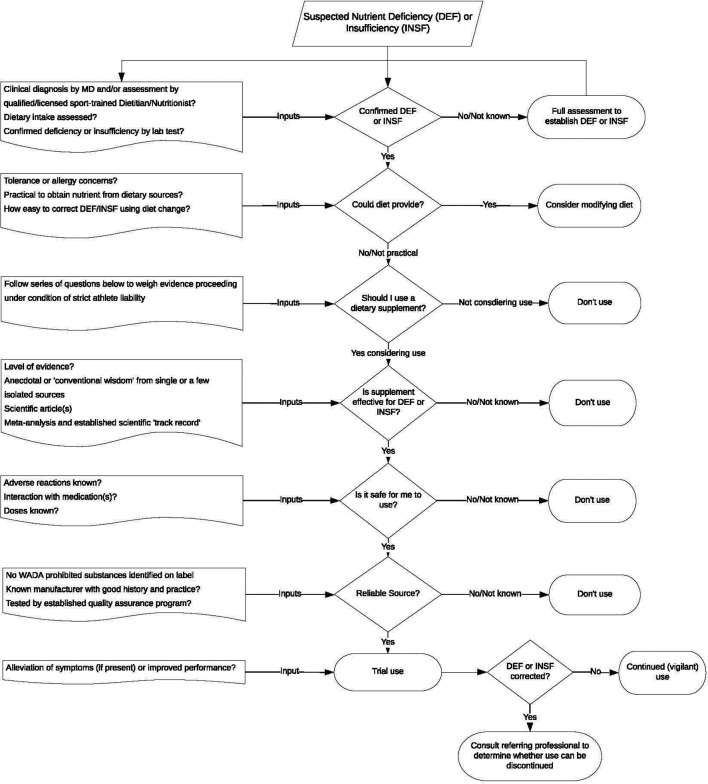
“19 Athletes might benefit from nutritional supplements to support Table 1 Examples of micronutrients often requiring supplementation in athletes (see Larson-Meyer et al 18 for additional information)”
BackgroundSelf-citationGlutamine, Exercise and Immune Function: Links and Possible Mechanisms
Walsh, N. P., Blannin, A. K., Robson, P. J., & Gleeson, M. (1998) · Sports Medicine · doi:10.2165/00007256-199826030-00004 · Cited by 163 · cited 1×
“Mechanism for therapeutic effect requires investigation (Castell et al., 1996; Walsh et al., 1998).”
Self-citationMcFarlin, B. K., Venable, A. S., Henning, A. L., Sampson, J. N. B., Pennel, K., Vingren, J. L., & Hill, D. W. (2016) · BBA Clinical · doi:10.1016/j.bbacli.2016.02.003 · Cited by 163 · cited 1×
“…effects Reduced symptoms of, or enhanced recovery, from muscle damaging exercise (eg, DOMS) Decreases in inflammatory cytokines and/or indirect markers of muscle damage with anti-inflammatory supplements such as curcumin 156–158 and tart cherry juice (reviewed in refs 159 160 ) have been reported.”
Scientific basis and practical aspects of creatine supplementation for athletes
Volek, J. S., & Rawson, E. S. (2004) · Nutrition · doi:10.1016/j.nut.2004.04.014 · Cited by 160
Self-citationEffect of sodium bicarbonate on [HCO3-], pH, and gastrointestinal symptoms
Carr, A. J., Slater, G. J., Gore, C. J., Dawson, B., & Burke, L. M. (2011) · International Journal of Sport Nutrition and Exercise Metabolism · doi:10.1123/ijsnem.21.3.189 · Cited by 159
Self-citationHeaton, L. E., Davis, J. K., Rawson, E. S., Nuccio, R. P., Witard, O. C., Stein, K. W., Baar, K., Carter, J. M., & Baker, L. B. (2017) · Sports Medicine · doi:10.1007/s40279-017-0759-2 · Cited by 158
Self-citationThompson, C., Wylie, L. J., Fulford, J., Kelly, J., Black, M. I., McDonagh, S. T. J., Jeukendrup, A. E., Vanhatalo, A., & Jones, A. M. (2015) · European Journal of Applied Physiology · doi:10.1007/s00421-015-3166-0 · Cited by 156 · cited 1×
“70 71”
Green tea for weight loss and weight maintenance in overweight or obese adults
Jurgens, T. M., Whelan, A. M., Killian, L., Doucette, S., Kirk, S., & Foy, E. (2012) · Cochrane Database of Systematic Reviews · doi:10.1002/14651858.cd008650.pub2 · Cited by 156
Owens, D. J., Sharples, A. P., Polydorou, I., Alwan, N., Donovan, T., Tang, J., Fraser, W. D., Cooper, R. G., Morton, J. P., Stewart, C., et al. (2015) · American Journal of Physiology-Endocrinology and Metabolism · doi:10.1152/ajpendo.00375.2015 · Cited by 155
Clark, K. L., Sebastianelli, W., Flechsenhar, K. R., Aukermann, D. F., Meza, F., Millard, R. L., Deitch, J. R., Sherbondy, P. S., & Albert, A. (2008) · Current Medical Research and Opinion · doi:10.1185/030079908x291967 · Cited by 150 · cited 2×
“Collagen hydrolysate dose is about 10 g/day (Clark et al., 2008; McAlindon et al., 2011) Increased collagen production; thickened cartilage; decreased joint pain Gelatin and collagen supplements appear to be low risk.”
BackgroundMcAlindon, T. E., Nuite, M., Krishnan, N., Ruthazer, R., Price, L. L., Burstein, D., Griffith, J., & Flechsenhar, K. R. (2011) · Osteoarthritis and Cartilage · doi:10.1016/j.joca.2011.01.001 · Cited by 149 · cited 1×
“No support for ‘preventing URS’ High doses of zinc can decrease immune function and should be avoided.”
BackgroundNutritional Support for Exercise-Induced Injuries
Tipton, K. D. (2015) · Sports Medicine · doi:10.1007/s40279-015-0398-4 · Cited by 147 · cited 1×
“Animal data show that the structural damage and cognitive decline associated with mTBI are reduced/attenuated with omega-3 fatty acid supplementation when ingested either before or after the injury (reviewed in refs 138–140 ).”
BackgroundJones, A. M. (2014) · Applied Physiology, Nutrition, and Metabolism · doi:10.1139/apnm-2014-0036 · Cited by 144
Wiles, J. D., Coleman, D., Tegerdine, M., & Swaine, I. L. (2006) · Journal of Sports Sciences · doi:10.1080/02640410500457687 · Cited by 143 · cited 1×
“…taken 50–60 min before exercise results in performance gains of >3% for task completion time, mean power output and peak power output during anaerobic activities of 1–2 min in duration, 53 and of 1%–8% for total work output and repeat sprint performances during intermittent team game activity.”
BackgroundHector, A. J., & Phillips, S. M. (2018) · International Journal of Sport Nutrition and Exercise Metabolism · doi:10.1123/ijsnem.2017-0273 · Cited by 137 · cited 1×
“25 Evidence of efficacy for ‘fat burning’ supplements is far from conclusive, however, and there is a complete absence of evidence for the effectiveness of the vast majority of supplements marketed in this category.”
BackgroundSelf-citationDeminice, R., Rosa, F. T., Franco, G. S., Jordao, A. A., & de Freitas, E. C. (2013) · Nutrition · doi:10.1016/j.nut.2013.03.003 · Cited by 135 · cited 2×
“67 A potential 1–2 kg BM increase after creatine loading (primarily as a result of water retention 66 68 ) may be detrimental for endurance performance or in events where the BM must be moved against gravity (eg, high jump, pole vault) or where athletes must achieve a specific BM target.”
Mild Human Zinc Deficiency Produces an Imbalance Between Cell-mediated and Humoral Immunity
Solomons, N. W. (2009) · Nutrition Reviews · doi:10.1111/j.1753-4887.1998.tb01656.x · Cited by 135
Influence of beetroot juice supplementation on intermittent exercise performance
Wylie, L. J., Bailey, S. J., Kelly, J., Blackwell, J. R., Vanhatalo, A., & Jones, A. M. (2016) · European Journal of Applied Physiology · doi:10.1007/s00421-015-3296-4 · Cited by 133 · cited 1×
“70 71”
Creatine supplementation in the aging population: effects on skeletal muscle, bone and brain
Gualano, B., Rawson, E. S., Candow, D. G., & Chilibeck, P. D. (2016) · Amino Acids · doi:10.1007/s00726-016-2239-7 · Cited by 133 · cited 1×
“Improved cognitive processing is reported in most studies, especially when volunteers were fatigued by sleep deprivation or mental/physical tasks (reviewed in refs 11 123–125 ).”
BackgroundSelf-citationPerspectives on Exertional Rhabdomyolysis
Rawson, E. S., Clarkson, P. M., & Tarnopolsky, M. A. (2017) · Sports Medicine · doi:10.1007/s40279-017-0689-z · Cited by 133 · cited 1×
“12 13 121 Reduced symptoms of, or enhanced recovery from, muscle damaging exercise (eg, DOMS) have been reported in some, but not all studies (reviewed in ref 122 ).”
BackgroundSelf-citationProtein- and carbohydrate-induced augmentation of whole body creatine retention in humans
Steenge, G. R., Simpson, E. J., & Greenhaff, P. L. (2000) · Journal of Applied Physiology · doi:10.1152/jappl.2000.89.3.1165 · Cited by 132 · cited 2×
“43 No consensus over the serum 25-hydroxyvitamin D concentration (the marker of vitamin D status) that defines deficiency, insufficiency, sufficiency and a tolerable upper limit.”
BackgroundEchinacea for preventing and treating the common cold
Linde, K., Barrett, B., Bauer, R., Melchart, D., & Woelkart, K. (2006) · Cochrane Database of Systematic Reviews · doi:10.1002/14651858.cd000530.pub2 · Cited by 132
Dietary nitrate supplementation improves sprint and high-intensity intermittent running performance
Thompson, C., Vanhatalo, A., Jell, H., Fulford, J., Carter, J., Nyman, L., Bailey, S. J., & Jones, A. M. (2016) · Nitric Oxide · doi:10.1016/j.niox.2016.10.006 · Cited by 130 · cited 1×
“…taken 50–60 min before exercise results in performance gains of >3% for task completion time, mean power output and peak power output during anaerobic activities of 1–2 min in duration, 53 and of 1%–8% for total work output and repeat sprint performances during intermittent team game activity.”
BackgroundSodium bicarbonate and sodium citrate: ergogenic aids?
Requena, B., Zabala, M., Padial, P., & Feriche, B. (2005) · The Journal of Strength and Conditioning Research · doi:10.1519/13733.1 · Cited by 129
Chitosan for overweight or obesity
Jull, A. B., Ni Mhurchu, C., Bennett, D. A., Dunshea-Mooij, C. A., & Rodgers, A. (2008) · Cochrane Database of Systematic Reviews · doi:10.1002/14651858.cd003892.pub3 · Cited by 127
Use of creatine in the elderly and evidence for effects on cognitive function in young and old
Rawson, E. S., & Venezia, A. C. (2011) · Amino Acids · doi:10.1007/s00726-011-0855-9 · Cited by 127 · cited 1×
“Improved cognitive processing is reported in most studies, especially when volunteers were fatigued by sleep deprivation or mental/physical tasks (reviewed in refs 11 123–125 ).”
BackgroundSelf-citationBailey, S. J., Varnham, R. L., DiMenna, F. J., Breese, B. C., Wylie, L. J., & Jones, A. M. (2015) · Journal of Applied Physiology · doi:10.1152/japplphysiol.01141.2014 · Cited by 127
Creatine Supplementation and Upper Limb Strength Performance: A Systematic Review and Meta-Analysis
Lanhers, C., Pereira, B., Naughton, G., Trousselard, M., Lesage, F.-X., & Dutheil, F. (2017) · Sports Medicine · doi:10.1007/s40279-016-0571-4 · Cited by 127
Onakpoya, I., Posadzki, P., Watson, L. K., Davies, L. A., & Ernst, E. (2011) · European Journal of Nutrition · doi:10.1007/s00394-011-0253-9 · Cited by 125
Creatine as a booster for human brain function. How might it work?
Rae, C. D., & Bröer, S. (2015) · Neurochemistry International · doi:10.1016/j.neuint.2015.08.010 · Cited by 123
Wilson, J. M., Lowery, R. P., Joy, J. M., Andersen, J. C., Wilson, S. M. C., Stout, J. R., Duncan, N., Fuller, J. C., Baier, S. M., Naimo, M. A., et al. (2014) · European Journal of Applied Physiology · doi:10.1007/s00421-014-2854-5 · Cited by 123
Creatine supplementation and health variables: a retrospective study
SCHILLING, B. K., STONE, M. H., UTTER, A., KEARNEY, J. T., JOHNSON, M., COGLIANESE, R., SMITH, L., O'BRYANT, H. S., FRY, A. C., STARKS, M., et al. (2001) · Medicine & Science in Sports & Exercise · doi:10.1097/00005768-200102000-00002 · Cited by 122 · cited 1×
“17”
Hoon, M. W., Jones, A. M., Johnson, N. A., Blackwell, J. R., Broad, E. M., Lundy, B., Rice, A. J., & Burke, L. M. (2014) · International Journal of Sports Physiology and Performance · doi:10.1123/ijspp.2013-0207 · Cited by 119
Self-citationVitamin D: criteria for safety and efficacy: Nutrition Reviews©, Vol. 66, No. s2
Heaney, R. P. (2008) · Nutrition Reviews · doi:10.1111/j.1753-4887.2008.00102.x · Cited by 119
Sakellaris, G., Kotsiou, M., Tamiolaki, M., Kalostos, G., Tsapaki, E., Spanaki, M., Spilioti, M., Charissis, G., & Evangeliou, A. (2006) · The Journal of Trauma: Injury, Infection, and Critical Care · doi:10.1097/01.ta.0000230269.46108.d5 · Cited by 116 · cited 1×
“No support for ‘preventing URS’ High doses of zinc can decrease immune function and should be avoided.”
BackgroundDoes Vitamin C and E Supplementation Impair the Favorable Adaptations of Regular Exercise?
Nikolaidis, M. G., Kerksick, C. M., Lamprecht, M., & McAnulty, S. R. (2012) · Oxidative Medicine and Cellular Longevity · doi:10.1155/2012/707941 · Cited by 116
Omega-3 Polyunsaturated Fatty Acids in Physical Performance Optimization
Mickleborough, T. D. (2013) · International Journal of Sport Nutrition and Exercise Metabolism · doi:10.1123/ijsnem.23.1.83 · Cited by 116 · cited 1×
“…that decreased omega-3 fatty acids in the body impair performance, and high-dose supplements can cause some adverse effects (reviewed in refs 114 139 ), so the best recommendation may be to include rich sources of omega-3 fatty acids, such as fatty fish, in the diet instead of supplements.”
BackgroundCreatine Supplementation Increases Total Body Water Without Altering Fluid Distribution.
(2003) · PubMed Central · Cited by 106
Jouris, K. B., McDaniel, J. L., & Weiss, E. P. (2011) · Europe PMC (PubMed Central) · Cited by 106
Assessment of a Standardized ROS Production Profile in Humans by Electron Paramagnetic Resonance
Mrakic-Sposta, S., Gussoni, M., Montorsi, M., Porcelli, S., & Vezzoli, A. (2012) · Oxidative Medicine and Cellular Longevity · doi:10.1155/2012/973927 · Cited by 106
Cook, C. J., Crewther, B. T., Kilduff, L. P., Drawer, S., & Gaviglio, C. M. (2011) · Journal of the International Society of Sports Nutrition · doi:10.1186/1550-2783-8-2 · Cited by 104
Hepatotoxicity associated with illicit use of anabolic androgenic steroids in doping.
Solimini, R., Rotolo, M. C., Mastrobattista, L., Mortali, C., Minutillo, A., Pichini, S., Pacifici, R., & Palmi, I. (2017) · PubMed · Cited by 103
Zhang, Y. Y., Liu, W., Zhao, T. Y., & Tian, H. M. (2017) · The Journal of nutrition, health and aging · doi:10.1007/s12603-016-0755-5 · Cited by 101
MAGANARIS, C. N., & MAUGHAN, R. J. (1998) · Acta Physiologica Scandinavica · doi:10.1046/j.1365-201x.1998.00395.x · Cited by 98 · cited 1×
“10 Performance Impact Enhanced maximum isometric strength 63 and the acute performance of single and repeated bouts of high-intensity exercise (<150 s duration); most pronounced effects evident during tasks <30 s 13 61 Chronic training adaptations include lean mass gains and improvements to…”
BackgroundSelf-citationErdman, J. W., Oria, M. P., & Pillsbury, L. (2011) · Cited by 98
Making Decisions About Supplement Use
Maughan, R. J., Shirreffs, S. M., & Vernec, A. (2018) · International Journal of Sport Nutrition and Exercise Metabolism · doi:10.1123/ijsnem.2018-0009 · Cited by 97
Self-citationGray, P., Chappell, A., Jenkinson, A. M., Thies, F., & Gray, S. R. (2014) · International Journal of Sport Nutrition and Exercise Metabolism · doi:10.1123/ijsnem.2013-0081 · Cited by 96 · cited 1×
“145 146 No indication that decreased omega-3 fatty acids in the body impair performance, and high-dose supplements can cause some adverse effects (reviewed in refs 114 139 ), so the best recommendation may be to include rich sources of omega-3 fatty acids, such as fatty fish, in the diet instead of…”
BackgroundThe role of cherries in exercise and health
Bell, P. G., McHugh, M. P., Stevenson, E., & Howatson, G. (2014) · Scandinavian Journal of Medicine & Science in Sports · doi:10.1111/sms.12085 · Cited by 95 · cited 1×
“…effects Reduced symptoms of, or enhanced recovery, from muscle damaging exercise (eg, DOMS) Decreases in inflammatory cytokines and/or indirect markers of muscle damage with anti-inflammatory supplements such as curcumin 156–158 and tart cherry juice (reviewed in refs 159 160 ) have been reported.”
BackgroundDose-Related Effects of Prolonged NaHCO3 Ingestion during High-Intensity Exercise
DOUROUDOS, I. I., FATOUROS, I. G., GOURGOULIS, V., JAMURTAS, A. Z., TSITSIOS, T., HATZINIKOLAOU, A., MARGONIS, K., MAVROMATIDIS, K., & TAXILDARIS, K. (2006) · Medicine & Science in Sports & Exercise · doi:10.1249/01.mss.0000230210.60957.67 · Cited by 91 · cited 1×
“Even commonly used products may have negative side effects, especially when used outside the optimal protocol.”
BackgroundDeterminants of supplement usage
FENNELL, D. (2004) · Preventive Medicine · doi:10.1016/j.ypmed.2004.03.031 · Cited by 89 · cited 1×
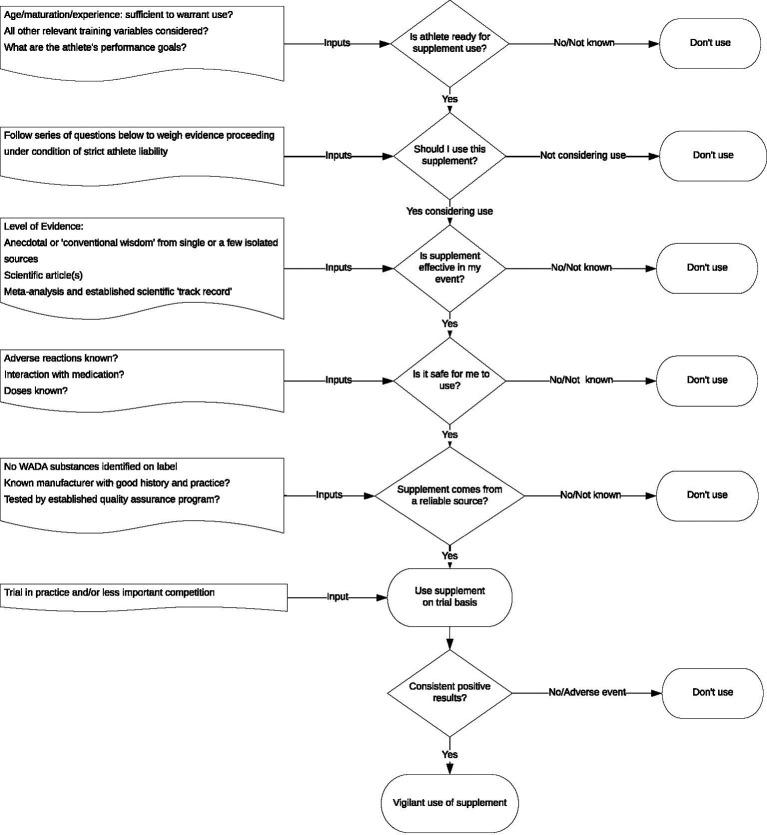
“Protection of the athlete’s health and awareness of the potential for harm must be paramount; expert professional opinion and assistance is strongly advised before an athlete embarks on supplement use.”
BackgroundBrinkworth, G. D., & Buckley, J. D. (2003) · European Journal of Nutrition · doi:10.1007/s00394-003-0410-x · Cited by 86
Immunological aspects of sport nutrition
Gleeson, M. (2016) · Immunology & Cell Biology · doi:10.1038/icb.2015.109 · Cited by 86 · cited 2×
“…in the form of anhydrous caffeine (ie, pill or powder form), consumed ~60 min prior to exercise 49 Lower caffeine doses (<3 mg/kg BM, ~200 mg), provided both before and during exercise; consumed with a CHO source 48 Performance Impact Improved endurance capacity such as exercise time to fatigue…”
BackgroundPrinciples of Nutritional Assessment. Second Edition
Rutishauser, I. H. E. (2006) · Nutrition & Dietetics · doi:10.1111/j.1747-0080.2006.00083.x · Cited by 86
Barrett, E. C., McBurney, M. I., & Ciappio, E. D. (2014) · Advances in Nutrition · doi:10.3945/an.113.005280 · Cited by 85 · cited 2×
“Animal data show that the structural damage and cognitive decline associated with mTBI are reduced/attenuated with omega-3 fatty acid supplementation when ingested either before or after the injury (reviewed in refs 138–140 ).”
BackgroundKucukgoncu, S., Zhou, E., Lucas, K. B., & Tek, C. (2017) · Obesity Reviews · doi:10.1111/obr.12528 · Cited by 83
Maximal Exercise Tolerance After Induced Alkalosis
Katz, A., Costill, D., King, D., Hargreaves, M., & Fink, W. (1984) · International Journal of Sports Medicine · doi:10.1055/s-2008-1025890 · Cited by 78
Rowlands, D. S., & Thomson, J. S. (2009) · Journal of Strength and Conditioning Research · doi:10.1519/jsc.0b013e3181a00c80 · Cited by 76
Acute versus chronic sodium bicarbonate ingestion and anaerobic work and power output.
McNaughton, L. R., & Thompson, D. (2001) · PubMed · Cited by 75
Wilson, J. M., Lowery, R. P., Joy, J. M., Walters, J. A., Baier, S. M., Fuller, J. C., Stout, J. R., Norton, L. E., Sikorski, E. M., Wilson, S. M. C., et al. (2013) · British Journal of Nutrition · doi:10.1017/s0007114512005387 · Cited by 74 · cited 1×
“131 Recent reports of ‘steroid like’ gains in strength, power and fat-free mass, and reductions in muscle damage from HMB-free acid supplementation, 132–134 have not been reproduced and seem unlikely.”
BackgroundOnakpoya, I., Posadzki, P., & Ernst, E. (2014) · Journal of the American College of Nutrition · doi:10.1080/07315724.2014.870013 · Cited by 74
Effect of an acute dose of omega-3 fish oil following exercise-induced muscle damage
Jakeman, J., Lambrick, D., Wooley, B., Babraj, J., & Faulkner, J. (2017) · European Journal of Applied Physiology · doi:10.1007/s00421-017-3543-y · Cited by 74
Sciberras, J. N., Galloway, S. D., Fenech, A., Grech, G., Farrugia, C., Duca, D., & Mifsud, J. (2015) · Journal of the International Society of Sports Nutrition · doi:10.1186/s12970-014-0066-3 · Cited by 73
Induced Alkalosis and Caffeine Supplementation: Effects on 2,000-m Rowing Performance
Carr, A. J., Gore, C. J., & Dawson, B. (2011) · International Journal of Sport Nutrition and Exercise Metabolism · doi:10.1123/ijsnem.21.5.357 · Cited by 72 · cited 1×
“…cow that contains antibodies, growth factors and cytokines Claimed to improve mucosal immunity and increase resistance to infection Low-moderate support that bovine colostrum blunts the decrease in saliva antimicrobial proteins after heavy exercise Some evidence in small numbers of participants…”
BackgroundDavison, G., & Diment, B. C. (2010) · British Journal of Nutrition · doi:10.1017/s0007114509993503 · Cited by 72
β-Glucan, Immune Function, and Upper Respiratory Tract Infections in Athletes
NIEMAN, D. C., HENSON, D. A., McMAHON, M., WRIEDEN, J. L., DAVIS, J. M., MURPHY, E. A., GROSS, S. J., MCANULTY, L. S., & DUMKE, C. L. (2008) · Medicine & Science in Sports & Exercise · doi:10.1249/mss.0b013e31817057c2 · Cited by 70
Effects of caffeine chewing gum on race performance and physiology in male and female cyclists
Paton, C., Costa, V., & Guglielmo, L. (2015) · Journal of Sports Sciences · doi:10.1080/02640414.2014.984752 · Cited by 66 · cited 1×
“…it is impractical for an athlete to consume ‘everyday’ or normal foods to meet their nutrition goals due to issues around preparation or storage, ease of consuming the foods due to training schedules, gut comfort, or the challenge of meeting nutrient targets within the available energy budget.”
BackgroundIron excess in recreational marathon runners
Mettler, S., & Zimmermann, M. B. (2010) · European Journal of Clinical Nutrition · doi:10.1038/ejcn.2010.16 · Cited by 66 · cited 1×
“23 99 Vitamin C This is an essential water-soluble antioxidant vitamin that quenches ROS and augments immunity.”
BackgroundIs there an optimal vitamin D status for immunity in athletes and military personnel?
He, C., Yong, X., Walsh, N., & Gleeson, M. (2026) · Exercise Immunology Review · doi:10.22029/eir.2016.1708 · Cited by 65
Self-citationPrevention of traumatic headache, dizziness and fatigue with creatine administration. A pilot study
Sakellaris, G., Nasis, G., Kotsiou, M., Tamiolaki, M., Charissis, G., & Evangeliou, A. (2008) · Acta Paediatrica · doi:10.1111/j.1651-2227.2007.00529.x · Cited by 64 · cited 1×
“126 Decreased damage and enhanced recovery from mTBI are supported by open-label trials in children 127 128 and using animal models.”
MethodBurke, K. A., Ebelhar, J. L., & Weiss, E. P. (2009) · Medicine & Science in Sports & Exercise · doi:10.1249/01.mss.0000354215.91342.08 · Cited by 63
Lowery, R. P., Joy, J. M., Rathmacher, J. A., Baier, S. M., Fuller, J. C., Shelley, M. C., Jäger, R., Purpura, M., Wilson, S. M. C., & Wilson, J. M. (2016) · Journal of Strength and Conditioning Research · doi:10.1519/jsc.0000000000000482 · Cited by 62 · cited 1×
“131 Recent reports of ‘steroid like’ gains in strength, power and fat-free mass, and reductions in muscle damage from HMB-free acid supplementation, 132–134 have not been reproduced and seem unlikely.”
Backgroundβ-Alanine Supplementation for Athletic Performance: An Update
Bellinger, P. M. (2014) · Journal of Strength and Conditioning Research · doi:10.1519/jsc.0000000000000327 · Cited by 59
Therapeutic use of omega-3 fatty acids in severe head trauma
Lewis, M., Ghassemi, P., & Hibbeln, J. (2013) · The American Journal of Emergency Medicine · doi:10.1016/j.ajem.2012.05.014 · Cited by 59
Antioxidant and Vitamin D supplements for athletes: Sense or nonsense?
Powers, S., Nelson, W. B., & Larson-Meyer, E. (2011) · Journal of Sports Sciences · doi:10.1080/02640414.2011.602098 · Cited by 59 · cited 1×
“22 Probiotic supplementation may reduce the incidence of travellers’ diarrhoea and gastrointestinal infection.”
BackgroundChromium picolinate supplementation for overweight or obese adults
Tian, H., Guo, X., Wang, X., He, Z., Sun, R., Ge, S., & Zhang, Z. (2013) · Cochrane Database of Systematic Reviews · doi:10.1002/14651858.cd010063.pub2 · Cited by 57
Dietary supplementation of β‐hydroxy‐β‐methylbutyrate in animals – a review
Szcześniak, K. A., Ostaszewski, P., Fuller, J. C., Ciecierska, A., & Sadkowski, T. (2015) · Journal of Animal Physiology and Animal Nutrition · doi:10.1111/jpn.12234 · Cited by 55 · cited 1×
“…increased cholesterol synthesis, increased growth hormone and IGF-I mRNA, increased proliferation and differentiation of satellite cells and inhibited apoptosis (reviewed in ref 130 ) Beneficial effects of HMB on strength and fat-free mass are small, while the effects on muscle damage are unclear.”
BackgroundLow and moderate doses of caffeine late in exercise improve performance in trained cyclists
Talanian, J. L., & Spriet, L. L. (2016) · Applied Physiology, Nutrition, and Metabolism · doi:10.1139/apnm-2016-0053 · Cited by 55 · cited 1×
“52 Caffeine is a diuretic promoting increased urine flow, but this effect is small at the doses that have been shown to enhance performance.”
BackgroundSelf-citationSodium Bicarbonate Supplementation and Ingestion Timing: Does It Matter?
Siegler, J. C., Marshall, P. W. M., Bray, J., & Towlson, C. (2012) · Journal of Strength and Conditioning Research · doi:10.1519/jsc.0b013e3182392960 · Cited by 54 · cited 1×
“Adverse effects from the use of supplements may arise from a number of factors, including the safety and composition of the product per se and inappropriate patterns of use by athletes.”
BackgroundEchinaceafor Preventing and Treating the Common Cold
Karsch-Völk, M., Barrett, B. P., & Linde, K. (2015) · JAMA · doi:10.1001/jama.2014.17145 · Cited by 53
MECHANISMS OF MUSCULAR ADAPTATIONS TO CREATINE SUPPLEMENTATION
Rawson, E. S., & Persky, A. M. (2007) · International sportmed journal for FIMS · Cited by 52
Self-citationPhysical Activity and the Common Cold in Men Administered Vitamin E and ??-Carotene
HEMIL??, H., VIRTAMO, J., ALBANES, D., & KAPRIO, J. (2003) · Medicine & Science in Sports & Exercise · doi:10.1249/01.mss.0000093616.60899.92 · Cited by 48
Methodologies for Investigating Performance Changes With Supplement Use
Burke, L. M., & Peeling, P. (2018) · International Journal of Sport Nutrition and Exercise Metabolism · doi:10.1123/ijsnem.2017-0325 · Cited by 48 · cited 1×
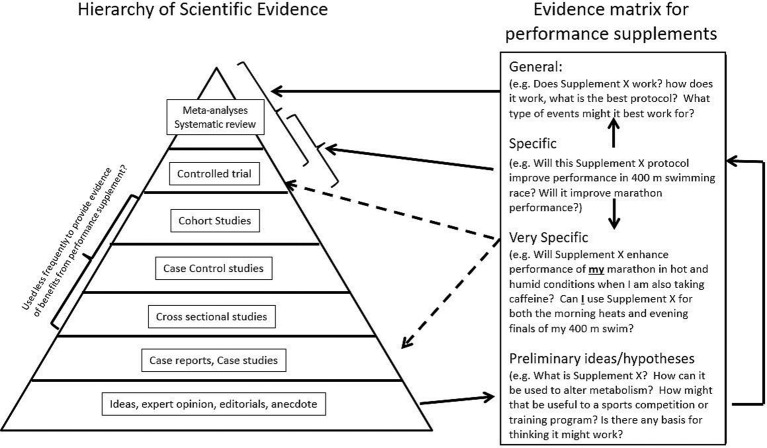
“14 To various audiences, ‘proof’ comes in different forms.”
BackgroundSelf-citationChung, W., Shaw, G., Anderson, M. E., Pyne, D. B., Saunders, P. U., Bishop, D. J., & Burke, L. M. (2012) · Nutrients · doi:10.3390/nu4101441 · Cited by 47 · cited 1×
“75 Prolonged periods of NO 3 − intake (>3 days) also appear beneficial to performance 70 76 and may be a positive strategy for highly trained athletes, where performance gains from NO 3 − supplementation appear harder to obtain.”
BackgroundSelf-citationde Lima, L. C. R., Assumpção, C. D. O., Prestes, J., & Denadai, B. S. (2015) · PubMed · doi:10.3305/nh.2015.32.5.9709 · Cited by 43
Vitamin E and Respiratory Infection in the Elderly
MEYDANI, S. N., HAN, S. N., & HAMER, D. H. (2004) · Annals of the New York Academy of Sciences · doi:10.1196/annals.1331.021 · Cited by 40 · cited 1×
“Animal data indicate an increase in mitochondrial biogenesis and endurance performance.”
BackgroundOwens, D. J., Webber, D., Impey, S. G., Tang, J., Donovan, T. F., Fraser, W. D., Morton, J. P., & Close, G. L. (2014) · European Journal of Applied Physiology · doi:10.1007/s00421-014-2865-2 · Cited by 39
Practical Considerations for Bicarbonate Loading and Sports Performance
Burke, L. M. (2013) · Nestlé Nutrition Institute Workshop Series · doi:10.1159/000345814 · Cited by 38 · cited 1×
“Even commonly used products may have negative side effects, especially when used outside the optimal protocol.”
BackgroundSelf-citationOnakpoya, I., Hunt, K., Wider, B., & Ernst, E. (2014) · Critical Reviews in Food Science and Nutrition · doi:10.1080/10408398.2011.565890 · Cited by 38
[13C]Nandrolone Excretion in Trained Athletes: Interindividual Variability in Metabolism
Baume, N., Avois, L., Schweizer, C., Cardis, C., Dvorak, J., Cauderay, M., Mangin, P., & Saugy, M. (2004) · Clinical Chemistry · doi:10.1373/clinchem.2003.022848 · Cited by 37
Roberts, L., Bailes, J., Dedhia, H., Zikos, A., Singh, A., McDowell, D., Failinger, C., Biundo, R., Petrick, J., & Carpenter, J. (2008) · Journal of the American College of Surgeons · doi:10.1016/j.jamcollsurg.2008.02.015 · Cited by 37 · cited 1×
“Two case studies support these findings, 141 142 and large, double-blind, placebo-controlled trials are currently under way (ClinicalTrials.gov NCT101903525 and NCT01814527).”
ResultAguiar, A. F., Grala, A. P., da Silva, R. A., Soares-Caldeira, L. F., Pacagnelli, F. L., Ribeiro, A. S., da Silva, D. K., de Andrade, W. B., & Balvedi, M. C. W. (2017) · Amino Acids · doi:10.1007/s00726-017-2427-0 · Cited by 37
Immunoendocrine Response to Cycling following Ingestion of Caffeine and Carbohydrate
WALKER, G. J., FINLAY, O., GRIFFITHS, H., SYLVESTER, J., WILLIAMS, M., & BISHOP, N. C. (2007) · Medicine & Science in Sports & Exercise · doi:10.1249/mss.0b013e3180a74228 · Cited by 33 · cited 1×
“Overview Sodium bicarbonate augments extracellular buffering capacity, having potential beneficial effects on sustained high-intensity exercise performance.”
BackgroundLi, N., Hauser, R., Holford, T., Zhu, Y., Zhang, Y., Bassig, B. A., Honig, S., Chen, C., Boyle, P., Dai, M., et al. (2015) · British Journal of Cancer · doi:10.1038/bjc.2015.26 · Cited by 31
Urinary Nandrolone Metabolite Detection after Ingestion of a Nandrolone Precursor
WATSON, P., JUDKINS, C., HOUGHTON, E., RUSSELL, C., & MAUGHAN, R. J. (2009) · Medicine & Science in Sports & Exercise · doi:10.1249/mss.0b013e31818edaeb · Cited by 30 · cited 1×
“No support for ‘preventing URS’ High doses of zinc can decrease immune function and should be avoided.”
BackgroundSelf-citationReynolds, C. M. E., Evans, M., Halpenny, C., Hughes, C., Jordan, S., Quinn, A., Hone, M., & Egan, B. (2020) · Journal of Sports Sciences · doi:10.1080/02640414.2020.1770409 · Cited by 28
Lambert, C. P., Greenhaff, P. L., Ball, D. R., & Maughan, R. J. (1993) · European Journal of Applied Physiology · doi:10.1007/bf00863399 · Cited by 24
Self-citationEchinacea for preventing and treating the common cold
Linde, K., Barrett, B., Woelkart, K., Bauer, R., & Melchart, D. (2007) · Planta Medica · doi:10.1055/s-2007-986779 · Cited by 22
Changes in Body Composition and Performance With Supplemental HMB‐FA+ATP
Phillips, S. M., Aragon, A. A., Arciero, P. J., Arent, S. M., Close, G. L., Hamilton, D. L., Helms, E. R., Henselmans, M., Loenneke, J. P., Norton, L. E., et al. (2017) · Journal of Strength and Conditioning Research · doi:10.1519/jsc.0000000000001760 · Cited by 20 · cited 1×
“, 2013, 2014) have not been reproduced and seem unlikely (Phillips et al., 2017).”
BackgroundSelf-citationRibeiro, I. F., Miranda‐Vilela, A. L., Klautau‐Guimarães, M. D. N., & Grisólia, C. K. (2013) · Lifestyle Genomics · doi:10.1159/000357947 · Cited by 20 · cited 1×
“01%, the variation in microbiota is significant (80–90%), and emerging data suggests that both these factors could affect athletic performance (Clark & Mach, 2017; Ribeiro et al., 2013).”
BackgroundThe Effect of Caffeine on Repeat-High-Intensity-Effort Performance in Rugby League Players
Wellington, B. M., LEVERITT, M. D., & Kelly, V. G. (2016) · International Journal of Sports Physiology and Performance · doi:10.1123/ijspp.2015-0689 · Cited by 19 · cited 1×
“Table 2 provides an overview of products that fit this description and their more common evidence-based uses.”
Background(1991) · PubMed · Cited by 18
β-alanine efficacy for sports performance improvement: from science to practice
Nassis, G. P., Sporer, B. C., & Stathis, C. G. (2016) · British Journal of Sports Medicine · doi:10.1136/bjsports-2016-097038 · Cited by 16
Dulson, D. K., & BISHOP, N. C. (2015) · Applied Physiology, Nutrition, and Metabolism · doi:10.1139/apnm-2015-0456 · Cited by 13 · cited 1×
“Overview Sodium bicarbonate augments extracellular buffering capacity, having potential beneficial effects on sustained high-intensity exercise performance.”
BackgroundReynolds, C. M. E., Halpenny, C., Hughes, C., Jordan, S., Quinn, A., & Egan, B. (2016) · Proceedings of the Nutrition Society · doi:10.1017/s0029665116001129 · Cited by 4
(2011) · PubMed
Self-citationConsensus Statement Immunonutrition and Exercise
Bermon, S., Castell, L. M., Calder, P. C., Bishop, N. C., Blomstrand, E., Mooren, F. C., Krüger, K., Kavazis, A. N., Quindry, J. C., Senchina, D. S., et al. (2017) · Exercise Immunology Review · doi:10.22029/eir.2017.1713
Self-citation
Research works printed but not linked: 2
- Geyer H, Bredehoft M, Marek U, et al Hohe Dosen des Anabolikums Metandienon in Nahrungserganzungsmitteln. Deutsche Apotheke Zeit 2002; 142: 29.
- Hultman E, Söderlund K, Timmons JA, et al Muscle creatine loading in men. J Appl Physiol 1996; 81: 232– 7. 10.1152/jappl.1996.81.1.232 8828669 · DOI · Paper page
Cited by
Skeletal muscle energy metabolism during exercise
Hargreaves, M., & Spriet, L. L. (2020) · Nature Metabolism · doi:10.1038/s42255-020-0251-4 · Cited by 1,408
Self-citationMental health in elite athletes: International Olympic Committee consensus statement (2019)
Reardon, C. L., Hainline, B., Aron, C. M., Baron, D., Baum, A. L., Bindra, A., Budgett, R., Campriani, N., Castaldelli-Maia, J. M., Currie, A., et al. (2019) · British Journal of Sports Medicine · doi:10.1136/bjsports-2019-100715 · Cited by 1,277
“452 Athletes may knowingly or unknowingly consume large amounts of caffeine in dietary supplements, and larger caffeine doses do not appear to increase performance and indeed are more likely to cause side effects.(431) Ergolytic effects of high dose stimulant use or combination stacking may include anxiety, insomnia,…”
Self-citationISSN exercise & sports nutrition review update: research & recommendations
Kerksick, C. M., Wilborn, C. D., Roberts, M. D., Smith-Ryan, A., Kleiner, S. M., Jäger, R., Collins, R., Cooke, M., Davis, J. N., Galvan, E., et al. (2018) · Journal of the International Society of Sports Nutrition · doi:10.1186/s12970-018-0242-y · Cited by 945
Nitric oxide signaling in health and disease
Lundberg, J. O., & Weitzberg, E. (2022) · Cell · doi:10.1016/j.cell.2022.06.010 · Cited by 826
Sleep and the athlete: narrative review and 2021 expert consensus recommendations
Walsh, N. P., Halson, S. L., Sargent, C., Roach, G. D., Nédélec, M., Gupta, L., Leeder, J., Fullagar, H. H., Coutts, A. J., Edwards, B. J., et al. (2021) · British Journal of Sports Medicine · doi:10.1136/bjsports-2020-102025 · Cited by 571
“153”
Self-citation
Metadata
- Authors
- Maughan, R. J., Burke, L. M., Dvorak, J., Larson-Meyer, D. E., Peeling, P., Phillips, S. M., Rawson, E. S., Walsh, N. P., Garthe, I., Geyer, H., Meeusen, R., van Loon, L. J. C., Shirreffs, S. M., Spriet, L. L., Stuart, M., Vernec, A., Currell, K., Ali, V. M., Budgett, R. G., Ljungqvist, A., Mountjoy, M., Pitsiladis, Y. P., Soligard, T., Erdener, U., & Engebretsen, L.
- Affiliations
- University of St Andrews (GB)
- The University of Western Australia (AU)
- McMaster University (CA)
- Messiah University (US)
- Bangor University (GB)
- German Sport University Cologne (DE)
- Vrije Universiteit Brussel (BE)
- University of Guelph (CA)
- BMJ Group (United Kingdom) (GB)
- World Anti-Doping Agency (CA)
- English Institute of Sport (GB)
- International Olympic Committee (CH)
- Corresponding author
- Maughan, Ronald J
- ORCID
- Venue
- British Journal of Sports Medicine
- Publisher
- BMJ
- Published
- 2018-03-14
- Volume
- 52
- Issue
- 7
- Pages
- 439-455
- ISSN
- 0306-3674 (ISSN-L)
- 1473-0480
- PMC
- PMC5867441
- OpenAlex
- W2791581924
- Semantic Scholar
- 8e8c609bb6ec0644a6355188a5e65c8702ee2529
- Cited by
- 1,004
- References
- 184
- Citations by year
- 2026: 123 · 2025: 84 · 2024: 141 · 2023: 143 · 2022: 143 · 2021: 119 · 2020: 125 · 2019: 87 · 2018: 37
- FWCI
- 209.31
- Type
- journal article
- Language
- en
- Open access
- hybrid
- doi.org
- Licence
- cc-by-nc
- Locations
- British Journal of Sports Medicine (publishedVersion, cc-by-nc)
- Europe PMC (PubMed Central) (publishedVersion, cc-by-nc)
- PubMed Central (publishedVersion, cc-by-nc)
- PubMed (publishedVersion)
- Kölner Universitäts PublikationsServer (Universität zu Köln) (publishedVersion)
- Liverpool John Moores University (acceptedVersion)
- University of Brighton Repository (University of Brighton) (submittedVersion)
- University of Brighton Repository (University of Brighton) (submittedVersion, cc-by-nc)
- UWA Profiles and Research Repository (UWA) (submittedVersion, cc-by-nc)
- Research Bank (Australian Catholic University) (submittedVersion)
- Research Publications (Maastricht University) (submittedVersion, cc-by-nc)
- HighWire Press Open Archive (submittedVersion)
- St Andrews Research Repository (St Andrews Research Repository) (submittedVersion, cc-by-nc)
- VUBIR (Vrije Universiteit Brussel) (submittedVersion)
- Research Publications (Maastricht University) (submittedVersion, other-oa)
- Topics
- Social Sciences › Sociology and Political Science › Doping in Sports
- Health Sciences › Medicine › Public Health, Environmental and Occupational Health › Nutrition and Health Studies
- Health Sciences › Medicine › Orthopedics and Sports Medicine › Sports Performance and Training
- Keywords
- dietary supplements, elite athletes, anti-doping rule violations, caffeine, creatine, nitrate, buffering agents, micronutrient deficiency, sports nutrition, supplement safety, ergogenic aids, nutritional assessment
- MeSH terms
- Diet, Humans, Dietary Supplements, Consensus, Athletic Performance, Athletes, Sports Nutritional Physiological Phenomena
About these checks
Registry, retraction, Cites and statistics results are computed, not judged, with one exception: a printed reference that no index lists is read once by a model before it counts as a citation error. Claims are extracted by a model and kept only when their quote appears verbatim in the text; each cited source is then checked, with a model’s help, for whether it says what the claim relies on. Those verdicts can be wrong — read the claim’s quote and the cited source before relying on one.
Statistics and arithmetic are recomputed, not judged.
Confidence bands are shown only for fields calibrated on our annotated test set. None is calibrated yet, so no band is shown.
What counts as a claim ›How we measure confidence ›How we check this ›
Are you an author, or do you see a problem with this page? Request a review
Data sources
Bibliographic data: Semantic Scholar, OpenAlex, Crossref.
Contains information from the Semantic Scholar Academic Graph Datasets, made available under the ODC Attribution License (ODC-BY 1.0).
Semantic Scholar’s data is described in: Kinney, R., et al. (2023). The Semantic Scholar Open Data Platform. arXiv:2301.10140.
