

Menstrual hygiene management among adolescent girls in India: a systematic review and meta-analysis
Open accessThe DOI matches its Crossref record; 79 of the 82 references it cites were found in a registry or an index.
Abstract
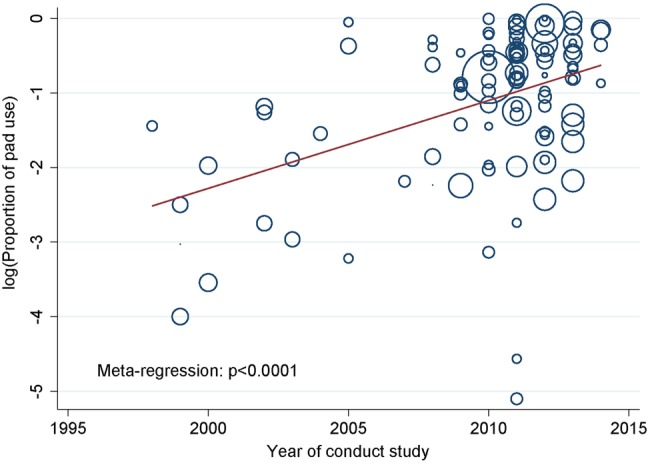
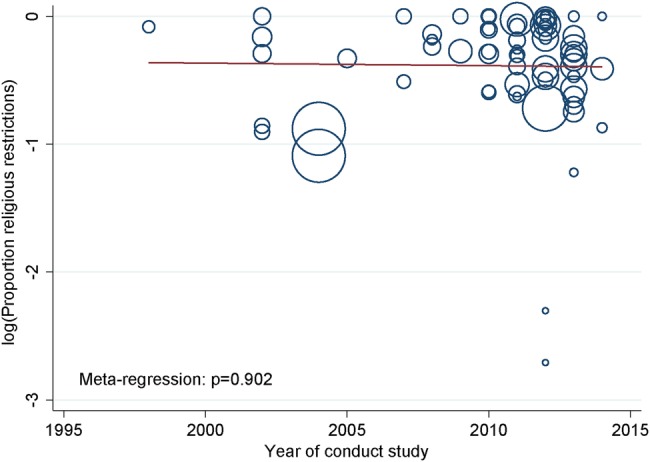
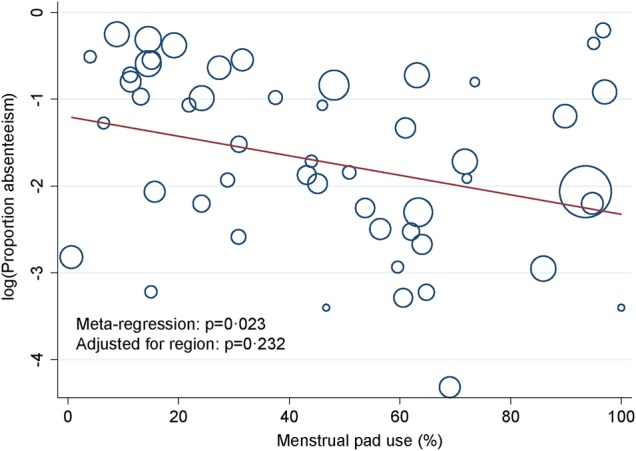
Objectives: To assess the status of menstrual hygiene management (MHM) among adolescent girls in India to determine unmet needs. Design: Systematic review and meta-analysis. We searched PubMed, The Global Health Database, Google Scholar and references for studies published from 2000 to September 2015 on girls’ MHM. Setting: India. Participants: Adolescent girls. Outcome measures: Information on menarche awareness, type of absorbent used, disposal, hygiene, restrictions and school absenteeism was extracted from eligible materials; a quality score was applied. Meta-analysis was used to estimate pooled prevalence (PP), and meta-regression to examine the effect of setting, region and time. Results: Data from 138 studies involving 193 subpopulations and 97 070 girls were extracted. In 88 studies, half of the girls reported being informed prior to menarche (PP 48%, 95% CI 43% to 53%, I 2 98.6%). Commercial pad use was more common among urban (PP 67%, 57% to 76%, I 2 99.3%, n=38) than rural girls (PP 32%, 25% to 38%, I 2 98.6%, n=56, p<0.0001), with use increasing over time (p<0.0001). Inappropriate disposal was common (PP 23%, 16% to 31%, I 2 99.0%, n=34). Menstruating girls experienced many restrictions, especially for religious activities (PP 0.77, 0.71 to 0.83, I 2 99.1%, n=67). A quarter (PP 24%, 19% to 30%, I 2 98.5%, n=64) reported missing school during periods. A lower prevalence of absenteeism was associated with higher commercial pad use in univariate (p=0.023) but not in multivariate analysis when adjusted for region (p=0.232, n=53). Approximately a third of girls changed their absorbents in school facilities (PP 37%, 29% to 46%, I 2 97.8%, n=17). Half of the girls’ homes had a toilet (PP 51%, 36% to 67%, I 2 99.4%, n=21). The quality of studies imposed limitations on analyses and the interpretation of results (mean score 3 on a scale of 0–7). Conclusions: Strengthening of MHM programmes in India is needed. Education on awareness, access to hygienic absorbents and disposal of MHM items need to be addressed. Trial registration number: CRD42015019197.
Overview
The claims and statistics of this paper haven’t been checked yet.
Free: it reads the open-access text and checks the first 5 claims that cite a source we can check. Create a free account to check every claim.
Integrity signals
Registry
Cites
Statistics
Figures
Verification
Claims the paper makes
The claims and statistics of this paper haven’t been checked yet.
Free: it reads the open-access text and checks the first 5 claims that cite a source we can check. Create a free account to check every claim.
Claims other papers make about this one
Each is checked against this paper’s own text: does it say what the citing paper says it does?
The source backs part of the claim, not all of it — or backs it for a different population, condition or comparison.
In the citing paper
“Ascertainment of intermediate outcomes such as school absence (i.e. which may contribute to dropout or failure to achieve) has been mixed (14, 31)”
From Menstrual hygiene management among adolescent schoolgirls in low- and middle-income countries: research priorities (2016) · cites this paper as [14]
Experimental — accuracy not yet measuredThe source backs part of the claim, not all of it — or backs it for a different population, condition or comparison.
In the citing paper
“inadequate social support, ongoing gender inequality, and social and hygiene taboos around menstruation in numerous countries leave girls experiencing shame, fear, and confusion when trying to cope with their menstrual flow (9–15, 20, 21).”
From Menstrual hygiene management among adolescent schoolgirls in low- and middle-income countries: research priorities (2016) · cites this paper as [14]
Experimental — accuracy not yet measuredThe source backs part of the claim, not all of it — or backs it for a different population, condition or comparison.
In the citing paper
“Studies to date, predominantly using school registers, have not shown a strong association between absence and menstrual intervention with varying duration of follow-up ranging between 1-month and 1-year.10 12–16”
From Menstrual cups and sanitary pads to reduce school attrition, and sexually transmitted and reproductive tract infections: a cluster randomised controlled feasibility study in rural Western Kenya (2016) · cites this paper as [12]
Experimental — accuracy not yet measuredThe source backs part of the claim, not all of it — or backs it for a different population, condition or comparison.
In the citing paper
“Women and girls in lower and middle-income countries (LMICs) face a multitude of barriers to safe and comfortable menstrual hygiene management (MHM).”
From ’It’s like a burden on the head’: Redefining adequate menstrual hygiene management throughout women’s varied life stages in Odisha, India. (2019) · cites this paper as [8]
Experimental — accuracy not yet measuredThe source backs part of the claim, not all of it — or backs it for a different population, condition or comparison.
In the citing paper
“In addition to these structural and resource barriers, women and girls face information and social support challenges: girls are often unprepared, uninformed, misinformed, and lack adequate support for understanding and managing menarche, menstruation, and puberty, resulting in fear, uncertainty, and potentially harmful behaviors, like risky sex, reduced bathing, and limited food and water intake”
From ’It’s like a burden on the head’: Redefining adequate menstrual hygiene management throughout women’s varied life stages in Odisha, India. (2019) · cites this paper as [8]
Experimental — accuracy not yet measured
21 more claims about this paper
Create a free account to see every claim other papers make about this one.
Self-check
Percentages, sums and reported differences re-computed from the paper’s own numbers.
The self-check needs the paper’s full text.
Citations
Cites
Measuring inconsistency in meta-analyses
Higgins, J. P. T., Thompson, S. G., Deeks, J. J., & Altman, D. G. (2003) · BMJ · doi:10.1136/bmj.327.7414.557 · Cited by 63,139 · cited 1×
“22 The extent of heterogeneity was measured using the I(2), a measure of the proportion of total variability explained by heterogeneity rather than chance expressed as a percentage.(23) To explore determinants of prevalence, we examined sources of heterogeneity across studies of the pooled”
MethodBarendregt, J. J., Doi, S. A., Lee, Y. Y., Norman, R. E., & Vos, T. (2013) · Journal of Epidemiology and Community Health · doi:10.1136/jech-2013-203104 · Cited by 2,169 · cited 1×
“21 22 The extent of heterogeneity was measured using the I 2 , a measure of the proportion of total variability explained by heterogeneity rather than chance expressed as a percentage.”
MethodMetaprop: a Stata command to perform meta-analysis of binomial data
Nyaga, V. N., Arbyn, M., & Aerts, M. (2014) · Archives of Public Health · doi:10.1186/2049-3258-72-39 · Cited by 2,139 · cited 1×
“21 22 The extent of heterogeneity was measured using the I 2 , a measure of the proportion of total variability explained by heterogeneity rather than chance expressed as a percentage.”
MethodImproved tests for a random effects meta‐regression with a single covariate
Knapp, G., & Hartung, J. (2003) · Statistics in Medicine · doi:10.1002/sim.1482 · Cited by 2,075 · cited 2×
“We estimated between-study variance ( τ 2 ) using the algorithm of residual (restricted) maximum likelihood and calculated p values, and 95% CI for coef fi cients using the modi fi cation by Knapp and Hartung.”
MethodAnalysing Data and Undertaking Meta‐Analyses
Deeks, J. J., Higgins, J. P., & Altman, D. G. (2008) · Cochrane Handbook for Systematic Reviews of Interventions · doi:10.1002/9780470712184.ch9 · Cited by 1,800
Harbord, R. M., & Higgins, J. P. T. (2008) · The Stata Journal: Promoting communications on statistics and Stata · doi:10.1177/1536867x0800800403 · Cited by 897 · cited 1×
“prevalence (PP) estimates using random-effects meta-regression.(24) Regression coefficients were presented as ORs with corresponding 95% CIs.”
MethodMenstrual hygiene: How hygienic is the adolescent girl?
Dasgupta, A., & Sarkar, M. (2008) · Indian Journal of Community Medicine · doi:10.4103/0970-0218.40872 · Cited by 592
A systematic review of the health and social effects of menstrual hygiene management
Sumpter, C., & Torondel, B. (2013) · PLoS ONE · doi:10.1371/journal.pone.0062004 · Cited by 518
Das, P., Baker, K. K., Dutta, A., Swain, T., Sahoo, S., Das, B. S., Panda, B., Nayak, A., Bara, M., Bilung, B., et al. (2015) · PLOS ONE · doi:10.1371/journal.pone.0130777 · Cited by 441
Mason, L., Nyothach, E., Alexander, K., Odhiambo, F. O., Eleveld, A., Vulule, J., Rheingans, R., Laserson, K. F., Mohammed, A., & Phillips-Howard, P. A. (2013) · PLoS ONE · doi:10.1371/journal.pone.0079132 · Cited by 375
Self-citation
Research works printed but not linked: 5
- Sommer M , Vasquez E , Worthington N , et al . WASH in schools empowers girls’ education. Proceedings of the Menstrual Hygiene Management in Schools Virtual Conference; 2012. New York, USA: UNICEF and Colombia University, 2013.
- Arunmozhi, 2013, A cross sectional study to assess the levels of knowledge practices of menstrual hygiene among adolescent girls of Chennai Higher Secondary Schools, Tamil Nadu, 2013, Med ej, 3, 211
- Reddy, 2005, Reproductive health constraints of adolescent school girls, Indian J Soc Work, 66, 431
- Venkatesh, 2011, Preceptions and practices during menstruation among adolescent girls in and around Bangalore city, Indian J Matern Child Health, 13, 1
- Gupta, 2001, Adolescents and menstruation, J Family Welf, 47, 1
Cited by
Hennegan, J., Shannon, A. K., Rubli, J., Schwab, K. J., & Melendez-Torres, G. J. (2019) · PLOS Medicine · doi:10.1371/journal.pmed.1002803 · Cited by 577
van Eijk, A. M., Zulaika, G., Lenchner, M., Mason, L., Sivakami, M., Nyothach, E., Unger, H., Laserson, K., & Phillips-Howard, P. A. (2019) · The Lancet Public Health · doi:10.1016/s2468-2667(19)30111-2 · Cited by 287
Self-citationAlam, M.-U., Luby, S. P., Halder, A. K., Islam, K., Opel, A., Shoab, A. K., Ghosh, P. K., Rahman, M., Mahon, T., & Unicomb, L. (2017) · BMJ Open · doi:10.1136/bmjopen-2016-015508 · Cited by 283
Sivakami, M., Maria van Eijk, A., Thakur, H., Kakade, N., Patil, C., Shinde, S., Surani, N., Bauman, A., Zulaika, G., Kabir, Y., et al. (2019) · Journal of Global Health · doi:10.7189/jogh.09.010408 · Cited by 234
Self-citationPhillips-Howard, P. A., Caruso, B., Torondel, B., Zulaika, G., Sahin, M., & Sommer, M. (2016) · Global Health Action · doi:10.3402/gha.v9.33032 · Cited by 236
“which may contribute to dropout or failure to achieve) has been mixed (14, 31), with no strong impact shown after provision of menstrual products (15, 32).”
BackgroundSelf-citationRossouw, L., & Ross, H. (2021) · International Journal of Environmental Research and Public Health · doi:10.3390/ijerph18052571 · Cited by 202
“The manner in which the market for MH products has developed has shaped the demand for sanitary pads as aspirational in managing menstrual hygiene [14], even though the use of these products poses affordability and environmental concerns [15,16].”
BackgroundElledge, M., Muralidharan, A., Parker, A., Ravndal, K., Siddiqui, M., Toolaram, A., & Woodward, K. (2018) · International Journal of Environmental Research and Public Health · doi:10.3390/ijerph15112562 · Cited by 208
“Findings from a systematic review and meta-analysis study in India suggest that unsafe disposal practices such as throwing absorbents in open spaces and burning (likely open burning, not incineration) was significantly higher in community-based studies (especially in rural and slum settings) than in school-based studi…”
BackgroundInfluentialPhillips-Howard, P. A., Nyothach, E., ter Kuile, F. O., Omoto, J., Wang, D., Zeh, C., Onyango, C., Mason, L., Alexander, K. T., Odhiambo, F. O., et al. (2016) · BMJ Open · doi:10.1136/bmjopen-2016-013229 · Cited by 209
Self-citationDavis, J., Macintyre, A., Odagiri, M., Suriastini, W., Cordova, A., Huggett, C., Agius, P. A., Budiyani, A. E., Quillet, C., Cronin, A. A., et al. (2018) · Tropical Medicine & International Health · doi:10.1111/tmi.13159 · Cited by 200
School absenteeism during menstruation amongst adolescent girls in Delhi, India
Agarwalla, R., Vashisht, A., Pathak, R., Patavegar, B., & Panda, M. (2018) · Journal of Family and Community Medicine · doi:10.4103/jfcm.jfcm_161_17 · Cited by 175
“These results are in line with the studies conducted by Tegegne and Sisay[16] and van Eijk et al.[22] Our study reveals the positive association between the lack of privacy at school and school absenteeism.”
ResultSommer, M., Caruso, B. A., Torondel, B., Warren, E. C., Yamakoshi, B., Haver, J., Long, J. L., Mahon, T., Nalinponguit, E., Okwaro, N., et al. (2021) · Health Research Policy and Systems · doi:10.1186/s12961-020-00669-8 · Cited by 198
Self-citationHennegan, J., Dolan, C., Wu, M., Scott, L., & Montgomery, P. (2016) · BMJ Open · doi:10.1136/bmjopen-2016-012596 · Cited by 160
“For example, a recent systematic review of MHM studies in India reported that in multivariable models, the use of sanitary pads did not predict school attendance.(12) It is inaccurate to conclude from this finding that MHM does not predict attendance, but only that the type of absorbent used may not.”
BackgroundInfluentialCoast, E., Lattof, S. R., & Strong, J. (2019) · International Journal of Public Health · doi:10.1007/s00038-019-01209-0 · Cited by 194
Budhathoki, S. S., Bhattachan, M., Castro-Sánchez, E., Sagtani, R. A., Rayamajhi, R. B., Rai, P., & Sharma, G. (2018) · BMC Women's Health · doi:10.1186/s12905-018-0527-y · Cited by 144
“Women and girls in India also report disposal of used sanitary pads in inappropriate places [16].”
BackgroundMethodAmatya, P., Ghimire, S., Callahan, K. E., Baral, B. K., & Poudel, K. C. (2018) · PLoS ONE · doi:10.1371/journal.pone.0208260 · Cited by 125
MacRae, E. R., Clasen, T., Dasmohapatra, M., & Caruso, B. A. (2019) · PLOS ONE · doi:10.1371/journal.pone.0220114 · Cited by 111
“Instead, they would dispose of old cloths and pads in bodies of water, the jungle, the mud, or the latrine in order to maintain privacy, consistent with other studies of rural women in India [8, 63, 64].”
BackgroundResultInfluentialMenstrual hygiene practices among adolescent women in rural India: a cross-sectional study
Singh, A., Chakrabarty, M., Singh, S., Chandra, R. K., Chowdhury, S., & Singh, A. (2022) · BMC Public Health · doi:10.1186/s12889-022-14622-7 · Cited by 132
“One probable explanation for the higher rates of hygienic practises in the southern region is the availability of toilet facilities and separate enclosed spaces for disposing of sanitary napkins in the schoolyard, as found in previous studies [23, 26, 53].”
ResultSharma, S., Mehra, D., Brusselaers, N., & Mehra, S. (2020) · International Journal of Environmental Research and Public Health · doi:10.3390/ijerph17020647 · Cited by 127
“Other reviews have reported similar findings on one or more of the eight components of MHM friendly schools in India [15,204,205].”
MethodResultvan Eijk, A. M., Jayasinghe, N., Zulaika, G., Mason, L., Sivakami, M., Unger, H. W., & Phillips‐Howard, P. A. (2021) · PLoS ONE · doi:10.1371/journal.pone.0257610 · Cited by 110
Self-citationPrakash, R., Beattie, T., Javalkar, P., Bhattacharjee, P., Ramanaik, S., Thalinja, R., Murthy, S., Davey, C., Blanchard, J., Watts, C. H., et al. (2017) · Journal of Adolescence · doi:10.1016/j.adolescence.2017.09.007 · Cited by 100
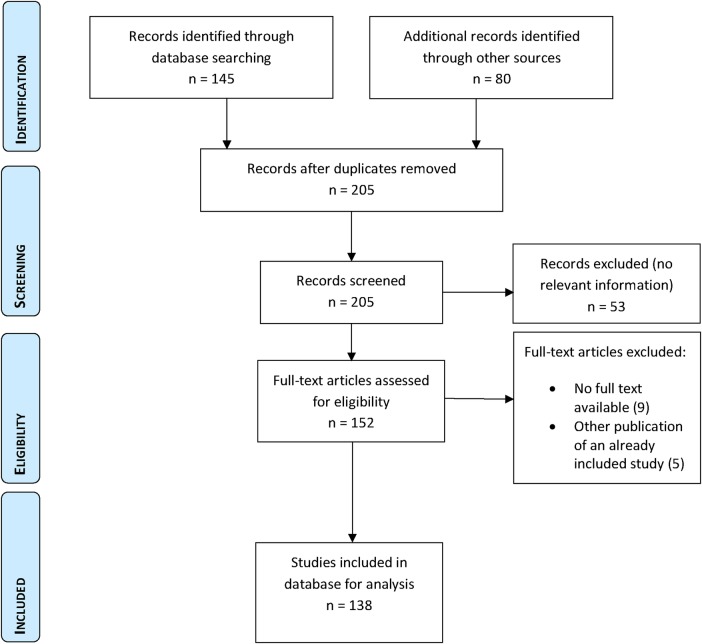
“A recent systematic review and meta-analysis of 138 studies from India, found 24% of girls miss school during menstruation (van Eijk et al., 2016).”
BackgroundShah, V., Nabwera, H., Sonko, B. J., Bajo, F., Faal, F., Saidykhan, M., Jallow, Y., Keita, O., Schmidt, W., & Torondel, B. (2022) · International Journal of Environmental Research and Public Health · doi:10.3390/ijerph19063337 · Cited by 117
“Mothers’ education was associated with school absenteeism, which is in line with other studies [12,60].”
ResultHa, M. A. T., & Alam, M. Z. (2022) · BMC Women s Health · doi:10.1186/s12905-022-01665-6 · Cited by 117
Measurement in the study of menstrual health and hygiene: A systematic review and audit
Hennegan, J. M., Brooks, D. J., Schwab, K. J., & Meléndez‐Torres, G. J. (2020) · PLoS ONE · doi:10.1371/journal.pone.0232935 · Cited by 116
Kansiime, C., Hytti, L., Nalugya, R., Nakuya, K., Namirembe, P., Nakalema, S., Neema, S., Tanton, C., Alezuyo, C., Musoke, S. N., et al. (2020) · BMJ Open · doi:10.1136/bmjopen-2019-031182 · Cited by 113
‘We do not know’: a qualitative study exploring boys perceptions of menstruation in India
Mason, L., Sivakami, M., Thakur, H. P., Kakade, N., Beauman, A., Alexander, K., van Eijk, A. M., Laserson, K. F., Thakkar, M. B., & Phillips‐Howard, P. A. (2017) · Reproductive Health · doi:10.1186/s12978-017-0435-x · Cited by 100
“Prior to fieldwork, the project undertook a systematic review of literature published throughout India to map the nationwide status of adolescent MHM and WinS (WASH in Schools) [3].”
BackgroundInfluentialSelf-citationMcCammon, E., Bansal, S., Hebert, L. E., Yan, S. D., Menendez, A., & Gilliam, M. L. (2020) · Sexual and Reproductive Health Matters · doi:10.1080/26410397.2020.1749342 · Cited by 108
Tuli, A., Dalvi, S., Kumar, N., & Singh, P. (2019) · ACM Transactions on Computer-Human Interaction · doi:10.1145/3325282 · Cited by 107
Evans, R. L., Harris, B., Onuegbu, C. M., & Griffiths, F. E. (2022) · BMJ Open · doi:10.1136/bmjopen-2021-057204 · Cited by 124
Study of adaptability and efficacy of menstrual cup in managing menstrual health and hygiene
Kakani, C. R., & Bhatt, J. K. (2017) · International Journal of Reproduction Contraception Obstetrics and Gynecology · doi:10.18203/2320-1770.ijrcog20172932 · Cited by 85
Kambala, C., Chinangwa, A., Chipeta, E. K., Torondel, B., & Morse, T. (2020) · Reproductive Health · doi:10.1186/s12978-020-01045-z · Cited by 92
Plesons, M., Patkar, A., Babb, J., Balapitiya, A., Carson, F., Caruso, B. A., Franco, M. M., Hansen, M. M., Haver, J., Jahangir, A., et al. (2021) · Reproductive Health · doi:10.1186/s12978-021-01082-2 · Cited by 96
Self-citationNabwera, H., Shah, V., Neville, R., Sosseh, F., Saidykhan, M., Faal, F., Sonko, B. J., Keita, O., Schmidt, W., & Torondel, B. (2021) · PLoS ONE · doi:10.1371/journal.pone.0247554 · Cited by 94
Habtegiorgis, Y., Sisay, T., Kloos, H., Malede, A., Yalew, M., Arefaynie, M., Damtie, Y., Kefale, B., Tegegne, T. B., Addisu, E., et al. (2021) · PLoS ONE · doi:10.1371/journal.pone.0248825 · Cited by 100
Bobel, C., & Fahs, B. (2020) · Signs · doi:10.1086/707802 · Cited by 101
“Another review of research in the Indian context showed a relationship between school attendance and access to menstrual pads, but when the analysis was adjusted for region, the relationship was not significant (van Eijk et al. 2016).”
BackgroundBulto, G. A. (2021) · Risk Management and Healthcare Policy · doi:10.2147/rmhp.s296670 · Cited by 94
“Taboos surrounding menstruation often exclude girls from many aspects of social and cultural life including religious rituals during menstruation.(18,19) Those factors increase the vulnerability of female adolescents to unhygienic practices during menstruation that leads to multiple infections including reproductive a…”
BackgroundMenstrual hygiene practice among adolescent girls in Ethiopia: A systematic review and meta-analysis
Sahiledengle, B., Atlaw, D., Kumie, A., Tekalegn, Y., Woldeyohannes, D., & Agho, K. (2022) · PLoS ONE · doi:10.1371/journal.pone.0262295 · Cited by 93
“8%) of the used pad was lower than that in a systematic review report from India, where 25% and 17% of adolescent girls across India reported they either burying or burning used menstrual absorbents, respectively [5].”
InfluentialImproving menstrual health literacy in sport
McGawley, K., Sargent, D., Noordhof, D. A., Badenhorst, C. E., Julian, R., & Govus, A. D. (2023) · Journal of science and medicine in sport · doi:10.1016/j.jsams.2023.06.007 · Cited by 85
Citywide Inclusive Sanitation—Business as Unusual: Shifting the Paradigm by Shifting Minds
Gambrill, M. P., Gilsdorf, R. J., & Kotwal, N. (2020) · Frontiers in Environmental Science · doi:10.3389/fenvs.2019.00201 · Cited by 73
Schmitt, M. L., Hagstrom, C., Nowara, A., Gruer, C., Adenu-Mensah, N. E., Keeley, K., & Sommer, M. (2021) · International Journal of Adolescence and Youth · doi:10.1080/02673843.2020.1867207 · Cited by 88
Chattopadhyay, A., Sethi, V., Nagargoje, V. P., Saraswat, A., Surani, N., Agarwal, N., Bhatia, V., Ruikar, M., Bhattacharjee, S., Parhi, R. N., et al. (2019) · BMC Women s Health · doi:10.1186/s12905-019-0787-1 · Cited by 76
Making the Case for a Female-Friendly Toilet
Schmitt, M., Clatworthy, D., Ogello, T., & Sommer, M. (2018) · Water · doi:10.3390/w10091193 · Cited by 68
“Finding private and safe locations for menstrual hygiene management (MHM) is often challenging, especially for girls and women living in displacement camps or urban slums which are overcrowded and provide minimal privacy [22,23,39].”
BackgroundBaker, K. K., Padhi, B., Torondel, B., Das, P., Dutta, A., Sahoo, K. C., Das, B., Dreibelbis, R., Caruso, B., Freeman, M. C., et al. (2017) · PLoS ONE · doi:10.1371/journal.pone.0188234 · Cited by 61
Tending the ‘monthly flower:’ a qualitative study of menstrual beliefs in Tigray, Ethiopia
Wall, L. L., Gebru, K. T., Desta, A., & Belay, S. (2018) · BMC Women s Health · doi:10.1186/s12905-018-0676-z · Cited by 73
Hennegan, J. M., Nansubuga, A., Akullo, A., Smith, C., & Schwab, K. J. (2020) · Global Health Action · doi:10.1080/16549716.2020.1829402 · Cited by 62
Thakuri, D. S., Thapa, R. K., Singh, S., Khanal, G. N., & Khatri, R. B. (2021) · PLoS ONE · doi:10.1371/journal.pone.0256968 · Cited by 83
van Eijk, A. M., Laserson, K. F., Nyothach, E., Oruko, K., Omoto, J., Mason, L., Alexander, K., Oduor, C., Mohammed, A., Eleveld, A., et al. (2018) · Reproductive Health · doi:10.1186/s12978-018-0582-8 · Cited by 78
Self-citationCoswosk, É. D., Neves-Silva, P., Módena, C. M., & Heller, L. (2019) · BMC Public Health · doi:10.1186/s12889-019-6469-y · Cited by 69
“According to other studies, a lack of proper guidance on the management of menstrual hygiene, water, sanitary facilities and hygiene-related materials, in low- and medium-income countries, creates problems for girls and limits their options in maintaining healthy personal hygiene during their menstruation [31, 32].”
BackgroundAnbesu, E. W., & Asgedom, D. K. (2023) · BMC Public Health · doi:10.1186/s12889-022-14942-8 · Cited by 81
Tadakawa, M., Takeda, T., Monma, Y., Koga, S., & Yaegashi, N. (2016) · BioPsychoSocial Medicine · doi:10.1186/s13030-016-0067-3 · Cited by 57
Sommer, M., Phillips-Howard, P. A., Mahon, T., Zients, S., Jones, M., & Caruso, B. A. (2017) · BMJ Global Health · doi:10.1136/bmjgh-2017-000405 · Cited by 54
“Even when menarche’s arrival is celebrated, girls are taught to hide and manage menstruation discreetly,(33) with some findings illustrating a wider misunderstanding among women and adults in society.(34) Studies are being conducted currently to assess if the provision of improved menstrual hygiene management informat…”
Self-citationExamining the predictors of use of sanitary napkins among adolescent girls: A multi-level approach
Chauhan, S., Kumar, P. P., Marbaniang, S. P., Srivastava, S., Patel, R., & Dhillon, P. (2021) · PLoS ONE · doi:10.1371/journal.pone.0250788 · Cited by 57
“Qualitative studies report that the fear and humiliation from leakage of blood and body odour result in menstruating girls being absent from school [12].”
BackgroundMenstrual hygiene among adolescent girls in junior high schools in rural Northern Ghana
Kumbeni, M. T., Otupiri, E., & Ziba, F. A. (2020) · Pan African Medical Journal · doi:10.11604/pamj.2020.37.190.19015 · Cited by 67
“[29] in India where the most common method of disposing used sanitary material among rural girls was burying and indiscriminate throwing.”
BackgroundHennegan, J. M., & Sol, L. (2019) · Culture Health & Sexuality · doi:10.1080/13691058.2019.1580768 · Cited by 60
“Cross-sectional studies have focused on the prevalence of menstrual hygiene, such as: the use of clean menstrual materials; adequate washing and drying; disposal of materials; and the washing of the body and genitals (van Eijk et al. 2016).”
BackgroundBabbar, K., & Garikipati, S. (2023) · PLoS ONE · doi:10.1371/journal.pone.0290350 · Cited by 61
“In a recently conducted meta-analysis that included 97,070 girls over 138 studies in India, it was found that around half of the adolescent girls attained menarche with little understanding of how to manage it [38].”
BackgroundPanda, N., Desaraju, S., Panigrahy, R. P., Ghosh, U., Saxena, S., Singh, P., & Panda, B. (2024) · BMC Women s Health · doi:10.1186/s12905-024-02894-7 · Cited by 69
“The results are presented under specific themes: [1] socio-demographic profile, [2] knowledge and preparedness related to menstruation; [3] practices related to menstruation; [4] experiences and challenges related to menstruation; and [5] predictors related to menstruation.”
BackgroundLaksham, K. B., Selvaraj, R., & Kar, S. S. (2019) · Journal of Family Medicine and Primary Care · doi:10.4103/jfmpc.jfmpc_209_18 · Cited by 57
“They are also an important cause of college/school absenteeism among adolescents.[1] Quality of life (QOL) of women with these disorders is compromised.”
BackgroundKhan, S. M., Bain, R. E. S., Lunze, K., Unalan, T., Beshanski-Pedersen, B., Slaymaker, T., Johnston, R., & Hancioglu, A. (2017) · PLOS ONE · doi:10.1371/journal.pone.0189089 · Cited by 46
Sommer, M., Figueroa, C., Kwauk, C., Jones, M., & Fyles, N. (2017) · International Journal of Educational Development · doi:10.1016/j.ijedudev.2017.09.008 · Cited by 46
Afiaz, A., & Biswas, R. K. (2021) · BMJ Open · doi:10.1136/bmjopen-2020-042134 · Cited by 55
Choudhary, N., & Gupta, M. K. (2019) · Journal of Family Medicine and Primary Care · doi:10.4103/jfmpc.jfmpc_69_19 · Cited by 46
Alexander, K., Zulaika, G., Nyothach, E., Oduor, C., Mason, L., Obor, D., Eleveld, A., Laserson, K. F., & Phillips‐Howard, P. A. (2018) · International Journal of Environmental Research and Public Health · doi:10.3390/ijerph15081682 · Cited by 47
Self-citationTo Pad or Not to Pad: Towards Better Sanitary Care for Women in Indian Slums
Garikipati, S., & Boudot, C. (2017) · Journal of International Development · doi:10.1002/jid.3266 · Cited by 54
“The increased advocacy of this issue within the policy sector by international organisations (Ten, 2007) has been accompanied by a growing body of literature documenting the impact of poor menstrual hygiene management (MHM) on key development outcomes (van Eijk et al., 2016).”
BackgroundMethodBoakye-Yiadom, A., Aladago, D. A., Beweleyir, J., Mohammed, H., Salifu, M. F., & Asaarik, M. J. A. (2018) · European Scientific Journal ESJ · doi:10.19044/esj.2018.v14n36p467 · Cited by 56
Goli, S., Sharif, N., Paul, S., & Salve, P. S. (2020) · Children and Youth Services Review · doi:10.1016/j.childyouth.2020.105283 · Cited by 43
Measuring Menstruation-Related Absenteeism Among Adolescents in Low-Income Countries
Benshaul-Tolonen, A., Zulaika, G., Sommer, M., & Phillips‐Howard, P. A. (2020) · Springer eBooks · doi:10.1007/978-981-15-0614-7_52 · Cited by 54
Self-citationMeghana, S., & Gomathy, E. (2021) · International Journal of Clinical Obstetrics and Gynaecology · doi:10.33545/gynae.2021.v5.i2d.889 · Cited by 41
“Studies have pointed out that in India, menstrual health management should be strengthened by providing proper education about the MHM items, spreading awareness about the usage of hygienic absorbents and their disposal, and managing the menstrual flow effectively and hygienically ([2]).”
BackgroundGarg, S., Bhatnagar, N., Singh, M. M., Basu, S., Borle, A. L., Marimuthu, Y., Azmi, F., Dabi, Y., & Bala, I. (2022) · Osong Public Health and Research Perspectives · doi:10.24171/j.phrp.2022.0127 · Cited by 51
Uzoechi, C. A., Parsa, A. D., Mahmud, I., Alasqah, I., & Kabir, R. (2023) · Medicina · doi:10.3390/medicina59122073 · Cited by 49
Mumtaz, Z., Sivananthajothy, P., Bhatti, A., & Sommer, M. (2019) · Journal of Adolescence · doi:10.1016/j.adolescence.2019.07.008 · Cited by 49
Foster, J., & Montgomery, P. (2021) · International Journal of Environmental Research and Public Health · doi:10.3390/ijerph18189766 · Cited by 43
“Poor menstrual hygiene can cause increased vulnerability to urinary and reproductive tract infections, which can lead to infertility and other reproductive organ issues [4,5].”
BackgroundHennegan, J., Zimmerman, L., Shannon, A. K., Exum, N. G., OlaOlorun, F., Omoluabi, E., & Schwab, K. J. (2018) · International Journal of Environmental Research and Public Health · doi:10.3390/ijerph15050905 · Cited by 38
“In a systematic review of 138 studies of menstrual hygiene practices in India, only 17 investigated girls changing practices in school facilities, and 21 studies asked if girls had a toilet at home, with only half of girls reporting this to be the case [14].”
BackgroundMenstruation Hygiene Management and Work Attendance in a Developing Country
Krenz, A., & Strulik, H. (2018) · Economics & Human Biology · doi:10.1016/j.ehb.2021.101067 · Cited by 40
Long, J. L., Haver, J., Mendoza, P., & Kotasek, S. M. V. (2022) · Frontiers in Global Women s Health · doi:10.3389/fgwh.2022.859797 · Cited by 51
“Girls’ self-reports of reduced academic and school participation, fear and distraction (11, 13), self-isolation or social exclusion, missing class, and leaving school during the day (9, 10, 18, 40, 41) demonstrate the need to evaluate the impact of girls’ menstruation experiences in school beyond absenteeism (43, 44).”
BackgroundShibeshi, B. Y., Emiru, A. A., & Asresie, M. B. (2021) · PLoS ONE · doi:10.1371/journal.pone.0257853 · Cited by 38
“In India, one out of four girls is absent to attend school during the menstrual period [16].”
BackgroundSexual and reproductive self care among women and girls: insights from ethnographic studies
Hardon, A. P., Pell, C. L., Taqueban, E., & Narasimhan, M. (2019) · BMJ · doi:10.1136/bmj.l1333 · Cited by 41
Tanton, C., Nakuya, K., Kansiime, C., Hytti, L., Torondel, B., Francis, S. C., Namirembe, P., Nakalema, S., Nalugya, R., Musoke, S. N., et al. (2021) · BMC Women s Health · doi:10.1186/s12905-021-01544-6 · Cited by 42
Biodegradable sanitary napkins — a sustainable approach towards menstrual and environmental hygiene
Panjwani, M. H., Rapolu, Y., Chaudhary, M., Gulati, M., Razdan, K., Dhawan, A., & Sinha, V. R. (2023) · Biomass Conversion and Biorefinery · doi:10.1007/s13399-023-04688-7 · Cited by 38
Cultural taboos and misinformation about menstrual health management in rural Bangladesh
Castro, S., & Czura, K. (2024) · World Development · doi:10.1016/j.worlddev.2024.106871 · Cited by 40
Association of Poor Sanitation With Growth Measurements Among Children in India
Chakrabarti, S., Singh, P., & Bruckner, T. A. (2020) · JAMA Network Open · doi:10.1001/jamanetworkopen.2020.2791 · Cited by 35
Caruso, B. A., Portela, G., McManus, S., & Clasen, T. (2020) · International Journal of Environmental Research and Public Health · doi:10.3390/ijerph17103468 · Cited by 34
“’s systematic review of menstruation among girls in India noted myriad restrictions [63], and in their research on girls’ menstruation and schooling in Bangladesh, Alam et al.”
BackgroundGender and Sanitation: Women’s Experiences in Rural Regions and Urban Slums in India
Vogel, W., Hwang, C. D., & Hwang, S. S. (2022) · Societies · doi:10.3390/soc12010018 · Cited by 38
Bick, S., Davies, K., Mwenge, M., MacLeod, C., Braun, L., Chipungu, J., Chidziwisano, K., & Dreibelbis, R. (2025) · BMJ Global Health · doi:10.1136/bmjgh-2024-018059 · Cited by 41
“…can also make teaching and learning difficult 16 ; lack of separate, private and secure toilets and washing facilities necessary to effectively manage menstruation is a noted barrier to girls’ attendance and progression, 17–19 increasing risks of psychosocial stress and urogenital infection.”
Curious eyes and awkward smiles: Menstruation and adolescent boys in India
Gundi, M., & Subramanyam, M. A. (2020) · Journal of Adolescence · doi:10.1016/j.adolescence.2020.09.013 · Cited by 34
Yalew, M., Adane, B., Arefaynie, M., Kefale, B., Damtie, Y., Mitiku, K., Andualem, A. A., Biset, G., Alene, T. D., Adane, M., et al. (2021) · PLoS ONE · doi:10.1371/journal.pone.0254092 · Cited by 37
Tufail, Z., Ahmer, W., Gulzar, S., Hasanain, M., & Shah, H. H. (2023) · Frontiers in Global Women s Health · doi:10.3389/fgwh.2023.1238526 · Cited by 22
Vayeda, M., Ghanghar, V., Desai, S., Shah, P., Modi, D. K., Dave, K., Dave, S., & Shah, S. (2021) · Sexual and Reproductive Health Matters · doi:10.1080/26410397.2021.1992199 · Cited by 34
Sreedevi, C. S., Jayasree, A. K., Zachariah, S. M., Divyamol, N., & Deepak, K. S. (2022) · International Journal of Community Medicine and Public Health · doi:10.18203/2394-6040.ijcmph20220263 · Cited by 34
“International Journal of Community Medicine and Public Health | February 2022 | Vol 9 | Issue 2 Page 919 garments are the most commonly used solutions among women.(4) They have a number of drawbacks, including allergy, itching, pain, fear of leakage, storage, disposal, and environmental concerns, as well as the financ…”
BackgroundSingh, A., Chakrabarty, M., Singh, S., Mohan, D., Chandra, R. K., & Chowdhury, S. (2022) · PLoS ONE · doi:10.1371/journal.pone.0277095 · Cited by 30
“These findings are similar to previous studies, which have noted substantial differences in the use of hygienic materials between the southern and central Indian states [19, 25, 26, 48, 49].”
ResultMason, L., Nyothach, E., van Eijk, A. M., Obor, D., Alexander, K., Ngere, I., Laserson, K., & Phillips‐Howard, P. A. (2019) · International Journal of Reproduction Contraception Obstetrics and Gynecology · doi:10.18203/2320-1770.ijrcog20193506 · Cited by 34
“have been associated with vaginal discharge, leaking, disposal problems, and difficulty (shame and embarrassment) in purchasing.(9,13,19-22) Key concerns also relate to recurring monthly expense and environmental pollutant effects.”
BackgroundSelf-citationA sexual and reproductive health rights approach to menstruation
McLaren, M. A., & Padhee, M. (2021) · Gender & Development · doi:10.1080/13552074.2021.1885218 · Cited by 42
Das, M. B. (2017) · World Bank, Washington, DC eBooks · doi:10.1596/27949 · Cited by 37
Ghimire, S., Gahatraj, N. R., Shrestha, N., Manandhar, S., & Dhital, S. R. (2024) · PLoS ONE · doi:10.1371/journal.pone.0291884 · Cited by 40
Mehjabeen, D., Hunter, E. C., Mahfuz, M. T., Mobashara, M., Rahman, M. M., & Sultana, F. (2022) · International Journal of Environmental Research and Public Health · doi:10.3390/ijerph191610140 · Cited by 30
Knowledge and awareness regarding menstruation and HIV/AIDS among schoolgoing adolescent girls
Jain, R., Anand, P., Dhyani, A., & Bansal, D. (2017) · Journal of Family Medicine and Primary Care · doi:10.4103/2249-4863.214970 · Cited by 27
“[2,7,16,17] It was observed in a previous study and a meta-analysis also revealed the same fact that sanitary pad use was more common in urban areas.[6,9] This difference in the usage of sanitary pads and clothes in rural and urban settings may be due to the easy availability of menstrual hygiene products in urban set…”
BackgroundResultInfluentialMárquez-González, H., Váldez-Martínez, E., & Bedolla, M. A. (2018) · Frontiers in Public Health · doi:10.3389/fpubh.2018.00338 · Cited by 27
Girls’ Menstrual Management in Five Districts of Nepal: Implications for Policy and Practice
Morrison, J., Basnet, M., Bhatt, A., Khimbanjar, S., Chaulagain, S., Sah, N., Baral, S., Mahon, T., & Hodgkin, M. (2018) · Studies in Social Justice · doi:10.26522/ssj.v12i2.1623 · Cited by 29
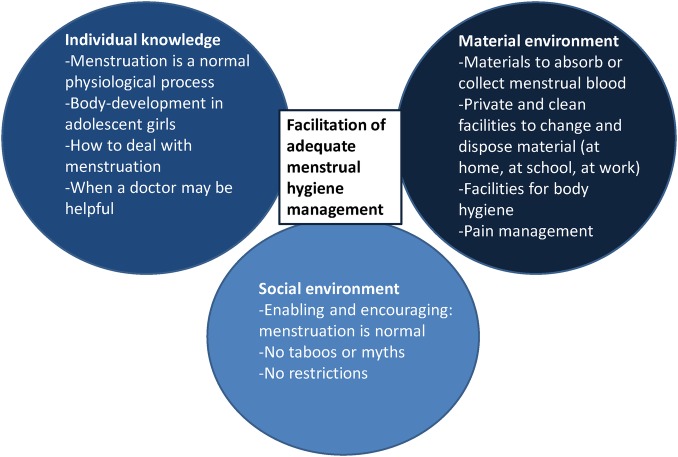
“We consider the multiple dimensions of “menstrual poverty” (Crichton et al., 2013) using a framework which describes knowledge, material and social environmental factors as affecting confident menstrual management (van Eijk et al., 2016).”
BackgroundMethodMamilla, S., & Goundla, S. (2019) · Journal of Family Medicine and Primary Care · doi:10.4103/jfmpc.jfmpc_320_18 · Cited by 23
“[4] and also, as seen previously in a meta-analysis; similarly, in some other studies also, approximately 85% of girls were of the same opinion.[5,7,8] However, in one study, this perception was present only among 18% of girls.”
ResultBabbar, K., Saluja, D., & Sivakami, M. (2021) · Waterlines · doi:10.3362/1756-3488.21-00003 · Cited by 24
Self-citationMenstrual cycle effects on cognitive performance: A meta-analysis
Jang, D., Zhang, J., & Elfenbein, H. A. (2025) · PLOS ONE · doi:10.1371/journal.pone.0318576 · Cited by 21
“Only a quarter of girls in India know that the uterus is the source of menstrual blood [7], which is significant because accurate knowledge about menstruation is associated with better menstrual hygiene [8].”
InfluentialTshivule, M. Z., Rasweswe, M. M., Mothiba, T. M., & Bopape, M. A. (2025) · Frontiers in Reproductive Health · doi:10.3389/frph.2025.1553101 · Cited by 21
Metadata
- Authors
- van Eijk, A. M., Sivakami, M., Thakkar, M. B., Bauman, A., Laserson, K. F., Coates, S., & Phillips-Howard, P. A.
- Affiliations
- Department of Clinical Sciences, Liverpool school of Tropical Medicine, Liverpool, UK
- Tata Institute of Social Sciences (IN)
- United Nations Children's Fund India (IN)
- Liverpool School of Tropical Medicine (GB)
- Centers for Disease Control and Prevention (US)
- ORCID
- Sivakami, M
- Venue
- BMJ Open
- Publisher
- BMJ
- Published
- 2016-03
- Volume
- 6
- Issue
- 3
- Pages
- e010290
- ISSN
- 2044-6055 (ISSN-L)
- PMC
- PMC4785312
- OpenAlex
- W2292933427
- Cited by
- 471
- References
- 82
- Citations by year
- 2026: 53 · 2025: 60 · 2024: 57 · 2023: 74 · 2022: 44 · 2021: 51 · 2020: 47 · 2019: 38 · 2018: 24 · 2017: 16 · 2016: 7
- FWCI
- 4.20
- Type
- journal article
- Language
- en
- Open access
- gold
- doi.org
- Licence
- cc-by-nc
- Locations
- BMJ Open (publishedVersion, cc-by-nc)
- PubMed Central (publishedVersion, cc-by-nc)
- PubMed (publishedVersion)
- LSTM Online Archive (Liverpool School of Tropical Medicine) (acceptedVersion)
- HighWire Press Open Archive (submittedVersion)
- Topics
- Health Sciences › Medicine › Public Health, Environmental and Occupational Health › Menstrual Health and Disorders
- Health Sciences › Medicine › Reproductive Medicine › Hypothalamic control of reproductive hormones
- Health Sciences › Medicine › Public Health, Environmental and Occupational Health › Adolescent Sexual and Reproductive Health
- Keywords
- menstrual hygiene management, adolescent girls, menstrual product disposal, school absenteeism, urban-rural disparities, India, unmet needs, menstrual health education, menstrual health policy, menstrual health advocacy
- MeSH terms
- Absenteeism, Adolescent, Female, Humans, Hygiene, India, Health Knowledge, Attitudes, Practice, Menarche, Menstruation, Rural Population, Schools, Urban Population
About these checks
Registry, retraction, Cites and statistics results are computed, not judged, with one exception: a printed reference that no index lists is read once by a model before it counts as a citation error. Claims are extracted by a model and kept only when their quote appears verbatim in the text; each cited source is then checked, with a model’s help, for whether it says what the claim relies on. Those verdicts can be wrong — read the claim’s quote and the cited source before relying on one.
Statistics and arithmetic are recomputed, not judged.
Confidence bands are shown only for fields calibrated on our annotated test set. None is calibrated yet, so no band is shown.
What counts as a claim ›How we measure confidence ›How we check this ›
Are you an author, or do you see a problem with this page? Request a review
Data sources
Bibliographic data: Semantic Scholar, OpenAlex, Crossref.
Contains information from the Semantic Scholar Academic Graph Datasets, made available under the ODC Attribution License (ODC-BY 1.0).
Semantic Scholar’s data is described in: Kinney, R., et al. (2023). The Semantic Scholar Open Data Platform. arXiv:2301.10140.
