

Optimising psychological treatment for pain after breast cancer: a factorial design study protocol in Denmark
Open accessThe DOI matches its Crossref record; 116 of the 117 references it cites were found in a registry or an index; 27 of the 72 sources its claims cite were checked for support.
Abstract
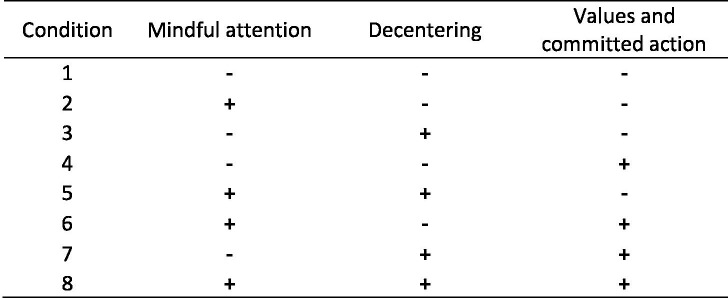
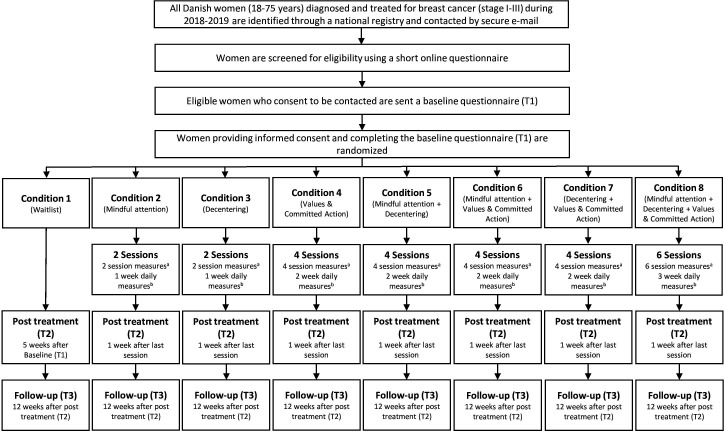
Introduction One in five breast cancer (BC) survivors are affected by persistent pain years after completing primary treatment. While the efficacy of psychological interventions for BC-related pain has been documented in several meta-analyses, reported effect sizes are generally modest, pointing to a need for optimisation. Guided by the Multiphase Optimization Strategy, the present study aims to optimise psychological treatment for BC-related pain by identifying active treatment components in a full factorial design. Methods and analysis The study uses a 2×3 factorial design, randomising 192 women with BC-related pain (18-75 years) to eight experimental conditions. The eight conditions consist of three contemporary cognitive-behavioural therapy components, namely: (1) mindful attention, (2) decentring, and (3) values and committed action. Each component is delivered in two sessions, and each participant will receive either zero, two, four or six sessions. Participants receiving two or three treatment components will be randomised to receive them in varying order. Assessments will be conducted at baseline (T1), session by session, every day for 6 days following the first session in each treatment component, at post-intervention (T2) and at 12-week follow-up (T3). Primary outcomes are pain intensity (Numerical Rating Scale) and pain interference (Brief Pain Inventory interference subscale) from T1 to T2. Secondary outcomes are pain burden, pain quality, pain frequency, pain catastrophising, psychological distress, well-being and fear of cancer recurrence. Possible mediators include mindful attention, decentring, and pain acceptance and activity engagement. Possible moderators are treatment expectancy, treatment adherence, satisfaction with treatment and therapeutic alliance. Ethics and dissemination Ethical approval for the present study was received from the Central Denmark Region Committee on Health Research Ethics (no: 1-10-72-309-40). Findings will be made available to the study funders, care providers, patient organisations and other researchers at international conferences, and published in international, peer-reviewed journals. © Author(s) (or their employer(s)) 2023. Re-use permitted under CC BY-NC. No commercial re-use. See rights and permissions. Published by BMJ.
Overview
CoChat Summary
## TL;DR
This is a study protocol for a 2×3 factorial trial in Denmark aiming to optimize a psychological intervention for breast-cancer-related pain by identifying which of three contemporary CBT components are active. It will randomize 192 women to eight conditions and test effects on pain intensity and pain interference.
## Key findings
- Not stated in the paper.
- The planned trial will randomize 192 women aged 18–75 years with breast-cancer-related pain to eight experimental conditions; each component is delivered in two 1-hour sessions, so participants receive 0, 2, 4, or 6 sessions.
- The study’s primary outcomes are pain intensity and pain interference from baseline (T1) to post-intervention (T2); secondary outcomes include pain burden, pain quality, pain frequency, pain catastrophising, psychological distress, well-being, and fear of cancer recurrence.
- The authors define a component as efficacious if it shows a statistically significant (p<0.017) effect on at least one primary outcome with effect size d≥0.30; sample size was powered at 0.90 assuming d=0.30 and 20% dropout.
## Methods
- Design: Protocol for a 2×3 full factorial randomized design under the Multiphase Optimization Strategy (MOST) framework, testing three contemporary CBT components: mindful attention, decentring, and values/committed action.
- Sample/data: Women treated for primary breast cancer, 18–75 years at diagnosis, at least 6 months post-primary treatment, with pain score >3 on at least one NRS; recruited from Danish Breast Cancer Group registry data and delivered online via Zoom.
- Analysis: Primary analyses will use intent-to-treat multilevel models to test time×group effects for each component; secondary analyses will examine moderators, combinations/order/number of components, maintenance to follow-up, mediation, and associations using daily measures.
## Limitations
- The paper states that, although the three treatment components were designed to minimize overlap, they may involve common psychological processes, which could complicate interpretation and disentanglement of component effects.
- It is stated that participants and therapists cannot be blinded to assigned conditions.
- Evident from the text: this is a protocol, so it reports planned methods and outcomes rather than results.
Model-written summary. Check it against the paper before relying on it.
Integrity signals
Registry
Cites
Statistics
Figures
Verification
Claims the paper makes
18 Valid · 1 Not valid · 26 Not checked · 28 Own results and interpretations
Every source the paper cites for this claim was checked and supports it.
In the paper
“The standard approach to investigate therapeutic processes is so-called mediation studies embedded in RCTs, which aim to examine the change processes during an intervention.52”
§ Optimising psychological treatment for pain after breast cancer: a factorial design study protocol in Denmark > Introduction Breast cancer (BC) is the most common cancer type among women, with nearly 2 million yearly cases worldwide.1 With improved survival rates, a growing number of women survive their BC disease.2 This poses a rehabilitation challenge as a significant number of women experience various late effects following their BC diagnosis and treatment, including psychological distress,3 fear of cancer recurrence,4 fatigue,5 sleep disturbances6 and pain. The latter is a prevalent late effect after BC, with 16%–39% reporting pain years after ending primary treatment.7–9 Several clinical predictors for persistent pain after BC have been identified, including more invasive surgery (eg, axillary lymph node dissection,10 radiotherapy11 and younger age12 13). In addition to clinical predictors, several psychosocial predictors have been identified, including social support,14 pain catastrophising (ie, the tendency to negatively exaggerate the actual or anticipated pain experience,15–17 anxiety12 17–19 and depression12 18–21). The clinical and psychosocial predictors of pain after BC correspond with the conceptualisation of pain as a multifactorial experience consisting of not only sensory, but also cognitive and affective dimensions.22 The multifactorial nature of pain has implications for pain management, where pharmacological and psychological interventions target different aspects of the pain experience.23–25 This is supported by studies showing that pharmacological treatments have less than optimal effects on pain after BC treatment.26 27 Moreover, pharmacological treatment of pain may be associated with a number of adverse effects such as sedation, nausea, constipation and impaired sexual functioning.28 29 Several meta-analyses have documented the efficacy of psychological treatments on cancer-related pain.25 30 31 For example, a meta-analysis from 2013 found a statistically significant effect of psychosocial interventions on pain after BC, although the effect was smaller (Hedges’ g=0.21) when adjusted for the possibility of publication bias.30 Another meta-analysis investigated the effect of cognitive–behavioural therapy (CBT) on pain in patients with BC, and revealed a statistically significant medium effect size (Cohen’s d=0.49). More recently, so-called contemporary (‘third wave’) CBTs have increasingly been used to treat persistent pain.32 Rather than focusing on changing psychological events (eg, realistic restructuring as seen in earlier CBT), these therapies focus on changing the function of those events and the patient’s relationship to them (eg, decentring).33 34 Examples of contemporary CBTs include mindfulness-based cognitive therapy (MBCT),35 36 mindfulness-based stress reduction (MBSR),37 38 and acceptance and commitment therapy.39 Several randomised controlled trials (RCTs) have demonstrated the efficacy of contemporary CBTs on pain in various populations,32 with some trials focusing specifically on patients with BC. For example, a trial on the efficacy of MBCT including women treated for BC with persistent pain showed a statistically significant positive effect on pain intensity at 6-month follow-up.40 Similarly, a trial evaluating the efficacy of MBSR on persistent neuropathic pain in women after BC treatment revealed a statistically significant reduction from baseline to post-treatment on both pain intensity and pain interference.41 Similar findings have been detected in studies of contemporary CBTs in other chronic pain populations,32 42 including fibromyalgia,43 44 pelvic pain,45 headache46 47 and lower back pain,48 49 with effect sizes ranging from 0.24 to 1.56. Taken together, contemporary CBTs appear efficacious in treating persistent pain. However, the effects found are generally modest, thereby challenging the clinical impact of the results and pointing to a need for optimisation.50 51 A prerequisite for treatment optimisation is knowledge about why and how a treatment exerts its effect, that is, which processes account for a therapeutic change.52 Specifically, to optimise a treatment, it is necessary to identify which specific treatment components catalyse a therapeutic change. For instance, whether a mindfulness exercise enhances the ability to willfully direct one’s attention, which then leads to a favourable outcome. Nevertheless, a challenge in psychological therapy research is that knowledge about how and why psychological therapy works remains limited.53 54 The standard approach to investigate therapeutic processes is so-called mediation studies embedded in RCTs, which aim to examine the change processes during an intervention.52 For example, the previously mentioned RCT on the effect of MBCT on pain after BC treatment found that reductions in pain catastrophising explained a significant proportion of the achieved pain reduction,55 while other studies report that increases in well-being are preceded by increases in mindfulness skills.56 57 However, basing mediation studies on two-arm RCT data52 poses a limitation, as typical RCTs are not designed to, or suitable for, identifying the active treatment components driving the effects detected.58 Indeed, RCTs were originally developed to test single-component interventions (eg, drugs), but psychological interventions usually consist of multiple treatment components (eg, mindfulness, psychoeducation and action plans).59 As the psychological treatment components evaluated in RCTs are delivered simultaneously in ‘intervention packages’, the effect of each of the individual components on the outcome and the relationship between components, that is, how they interact, cannot be singled out.58 As such, the typical RCT is not designed to inform about the effects of individual treatment components or the possible positive or detrimental effects of one component on another component.60 61 To improve our knowledge about how multicomponent psychological interventions work, calls for alternative approaches to the conventional RCT set-up. The Multiphase Optimization Strategy (MOST) is a methodological framework, conceptually rooted in engineering, designed specifically for optimisation of multicomponent interventions. Specifically, MOST enables the systematic identification of active treatment components in multicomponent interventions, including how the presence or absence of one or more components affects the performance of other components.59–61 Within the MOST framework, optimisation of an intervention is the process of identifying an intervention that provides the best expected outcome obtainable within key constraints imposed by the need for efficiency, affordability and/or scalability.60 MOST begins with a preparation phase, where mechanisms to be targeted in the intervention and the individual treatment components are selected. In the second optimisation phase, the effects of selected treatment components are tested in a highly rigorous, efficient, randomised trial (ie, factorial experiment) allowing for the estimation of the main effects of each component, and the interactions of all components, with the aim of identifying active treatment components. In a third evaluation phase, the goal is to confirm the effects of the active treatment components, usually with a two-arm RCT,60 but other experimental designs may also be appropriate (see Tanner et al61). Thus, MOST has the potential to lead to (a) increased efficacy by excluding treatment components with either neutral or detrimental effects on the outcome, and (b) improved cost-effectiveness by excluding treatment components with no or only negligible effects on the outcome, thus reducing costs of the intervention.12–14 This underscores the relevance of the MOST framework for implementation science, that is, the process of translating research findings into treatments, which is often complicated by many interventions being developed with a primary focus on efficacy, but with little consideration of cost, complexity and burden.62 In contrast, the MOST framework offers the ability to consider implementation constraints when building the intervention, that is, combination and selection of components.63
What the sources say
- Supportedcites [52] Kazdin AE. Mediators and mechanisms of change in psychotherapy research. Annu Rev Clin Psychol 2007; 3: 1– 27. 10.1146/annurev.clinpsy.3.022806.091432 17716046 source
The Statistical Techniques section (p. 8) describes mediation tests as a way to evaluate whether an intervening process explains therapeutic change. The Design Methods section (p. 10) calls RCTs the primary method for demonstrating treatment effects, and the discussion of study designs (p. 18) examines mediator assessments within RCTs. Kazdin cautions that these studies often cannot establish the timing needed to identify a mechanism, but that does not conflict with the claim about the standard approach. (LLM, conf=0.87)
plain- Asserted: passes — The authors put it forward as true.
- Checkable: passes — It can be checked against evidence.
- Load-bearing: passes — The paper’s conclusions depend on it.
- Based: passes — The paper gives a reason why it holds.
- Supported
Every source the paper cites for this claim was checked and supports it.
In the paper
“However, basing mediation studies on two-arm RCT data52 poses a limitation, as typical RCTs are not designed to, or suitable for, identifying the active treatment components driving the effects detected.58”
§ Optimising psychological treatment for pain after breast cancer: a factorial design study protocol in Denmark > Introduction Breast cancer (BC) is the most common cancer type among women, with nearly 2 million yearly cases worldwide.1 With improved survival rates, a growing number of women survive their BC disease.2 This poses a rehabilitation challenge as a significant number of women experience various late effects following their BC diagnosis and treatment, including psychological distress,3 fear of cancer recurrence,4 fatigue,5 sleep disturbances6 and pain. The latter is a prevalent late effect after BC, with 16%–39% reporting pain years after ending primary treatment.7–9 Several clinical predictors for persistent pain after BC have been identified, including more invasive surgery (eg, axillary lymph node dissection,10 radiotherapy11 and younger age12 13). In addition to clinical predictors, several psychosocial predictors have been identified, including social support,14 pain catastrophising (ie, the tendency to negatively exaggerate the actual or anticipated pain experience,15–17 anxiety12 17–19 and depression12 18–21). The clinical and psychosocial predictors of pain after BC correspond with the conceptualisation of pain as a multifactorial experience consisting of not only sensory, but also cognitive and affective dimensions.22 The multifactorial nature of pain has implications for pain management, where pharmacological and psychological interventions target different aspects of the pain experience.23–25 This is supported by studies showing that pharmacological treatments have less than optimal effects on pain after BC treatment.26 27 Moreover, pharmacological treatment of pain may be associated with a number of adverse effects such as sedation, nausea, constipation and impaired sexual functioning.28 29 Several meta-analyses have documented the efficacy of psychological treatments on cancer-related pain.25 30 31 For example, a meta-analysis from 2013 found a statistically significant effect of psychosocial interventions on pain after BC, although the effect was smaller (Hedges’ g=0.21) when adjusted for the possibility of publication bias.30 Another meta-analysis investigated the effect of cognitive–behavioural therapy (CBT) on pain in patients with BC, and revealed a statistically significant medium effect size (Cohen’s d=0.49). More recently, so-called contemporary (‘third wave’) CBTs have increasingly been used to treat persistent pain.32 Rather than focusing on changing psychological events (eg, realistic restructuring as seen in earlier CBT), these therapies focus on changing the function of those events and the patient’s relationship to them (eg, decentring).33 34 Examples of contemporary CBTs include mindfulness-based cognitive therapy (MBCT),35 36 mindfulness-based stress reduction (MBSR),37 38 and acceptance and commitment therapy.39 Several randomised controlled trials (RCTs) have demonstrated the efficacy of contemporary CBTs on pain in various populations,32 with some trials focusing specifically on patients with BC. For example, a trial on the efficacy of MBCT including women treated for BC with persistent pain showed a statistically significant positive effect on pain intensity at 6-month follow-up.40 Similarly, a trial evaluating the efficacy of MBSR on persistent neuropathic pain in women after BC treatment revealed a statistically significant reduction from baseline to post-treatment on both pain intensity and pain interference.41 Similar findings have been detected in studies of contemporary CBTs in other chronic pain populations,32 42 including fibromyalgia,43 44 pelvic pain,45 headache46 47 and lower back pain,48 49 with effect sizes ranging from 0.24 to 1.56. Taken together, contemporary CBTs appear efficacious in treating persistent pain. However, the effects found are generally modest, thereby challenging the clinical impact of the results and pointing to a need for optimisation.50 51 A prerequisite for treatment optimisation is knowledge about why and how a treatment exerts its effect, that is, which processes account for a therapeutic change.52 Specifically, to optimise a treatment, it is necessary to identify which specific treatment components catalyse a therapeutic change. For instance, whether a mindfulness exercise enhances the ability to willfully direct one’s attention, which then leads to a favourable outcome. Nevertheless, a challenge in psychological therapy research is that knowledge about how and why psychological therapy works remains limited.53 54 The standard approach to investigate therapeutic processes is so-called mediation studies embedded in RCTs, which aim to examine the change processes during an intervention.52 For example, the previously mentioned RCT on the effect of MBCT on pain after BC treatment found that reductions in pain catastrophising explained a significant proportion of the achieved pain reduction,55 while other studies report that increases in well-being are preceded by increases in mindfulness skills.56 57 However, basing mediation studies on two-arm RCT data52 poses a limitation, as typical RCTs are not designed to, or suitable for, identifying the active treatment components driving the effects detected.58 Indeed, RCTs were originally developed to test single-component interventions (eg, drugs), but psychological interventions usually consist of multiple treatment components (eg, mindfulness, psychoeducation and action plans).59 As the psychological treatment components evaluated in RCTs are delivered simultaneously in ‘intervention packages’, the effect of each of the individual components on the outcome and the relationship between components, that is, how they interact, cannot be singled out.58 As such, the typical RCT is not designed to inform about the effects of individual treatment components or the possible positive or detrimental effects of one component on another component.60 61 To improve our knowledge about how multicomponent psychological interventions work, calls for alternative approaches to the conventional RCT set-up. The Multiphase Optimization Strategy (MOST) is a methodological framework, conceptually rooted in engineering, designed specifically for optimisation of multicomponent interventions. Specifically, MOST enables the systematic identification of active treatment components in multicomponent interventions, including how the presence or absence of one or more components affects the performance of other components.59–61 Within the MOST framework, optimisation of an intervention is the process of identifying an intervention that provides the best expected outcome obtainable within key constraints imposed by the need for efficiency, affordability and/or scalability.60 MOST begins with a preparation phase, where mechanisms to be targeted in the intervention and the individual treatment components are selected. In the second optimisation phase, the effects of selected treatment components are tested in a highly rigorous, efficient, randomised trial (ie, factorial experiment) allowing for the estimation of the main effects of each component, and the interactions of all components, with the aim of identifying active treatment components. In a third evaluation phase, the goal is to confirm the effects of the active treatment components, usually with a two-arm RCT,60 but other experimental designs may also be appropriate (see Tanner et al61). Thus, MOST has the potential to lead to (a) increased efficacy by excluding treatment components with either neutral or detrimental effects on the outcome, and (b) improved cost-effectiveness by excluding treatment components with no or only negligible effects on the outcome, thus reducing costs of the intervention.12–14 This underscores the relevance of the MOST framework for implementation science, that is, the process of translating research findings into treatments, which is often complicated by many interventions being developed with a primary focus on efficacy, but with little consideration of cost, complexity and burden.62 In contrast, the MOST framework offers the ability to consider implementation constraints when building the intervention, that is, combination and selection of components.63
What the sources say
- Supportedcites [52] Kazdin AE. Mediators and mechanisms of change in psychotherapy research. Annu Rev Clin Psychol 2007; 3: 1– 27. 10.1146/annurev.clinpsy.3.022806.091432 17716046 source
In “Use Designs that Can Evaluate Mediators and Mechanisms” (p. 18), Kazdin says the most common RCT design omits mediator assessment and therefore cannot speak to mediators or mechanisms, despite establishing that treatment works. “Design Methods for Studying Mediators and Mechanisms” (p. 11) describes component analyses as a way to identify which treatment ingredients contribute to change. This supports the limitation attributed to Kazdin; the separate reference to two-arm RCT data is attached to citation 52, not this source. (LLM, conf=0.91)
- Supportedcites [58] Wyrick DL, Rulison KL, Fearnow-Kenney M, et al. Moving beyond the treatment package approach to developing behavioral interventions: addressing questions that arose during an application of the multiphase optimization strategy (MOST). Transl Behav Med 2014; 4: 252– 9. 10.1007/s13142-013-0247-7 25264465 PMC4167894 source
The Discussion (page unavailable) says post hoc analyses of treatment-package RCT data provide less definitive evidence about individual components than MOST factorial experiments. The Recruitment section (page unavailable) adds that post hoc non-experimental analyses are insufficient to determine each component’s contribution. Together, these support the attributed limitation of typical RCT data for identifying active components. (LLM, conf=0.89)
plain- Asserted: passes — The authors put it forward as true.
- Checkable: passes — It can be checked against evidence.
- Load-bearing: passes — The paper’s conclusions depend on it.
- Based: passes — The paper gives a reason why it holds.
- Supported
Every source the paper cites for this claim was checked and supports it.
In the paper
“a recently published meta-analysis revealed medium-to-large associations between pain catastrophising, pain-related fear and pain vigilance, respectively, and several pain outcomes.73”
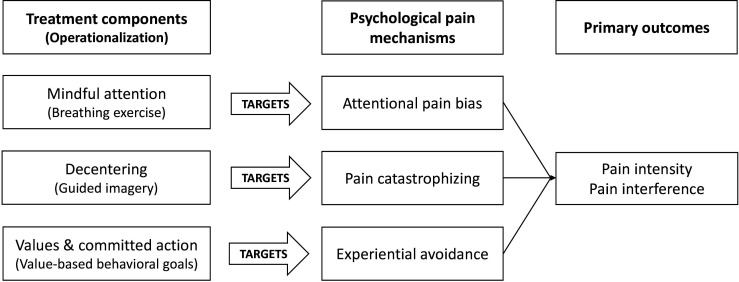
§ Optimising psychological treatment for pain after breast cancer: a factorial design study protocol in Denmark > Introduction Breast cancer (BC) is the most common cancer type among women, with nearly 2 million yearly cases worldwide.1 With improved survival rates, a growing number of women survive their BC disease.2 This poses a rehabilitation challenge as a significant number of women experience various late effects following their BC diagnosis and treatment, including psychological distress,3 fear of cancer recurrence,4 fatigue,5 sleep disturbances6 and pain. The latter is a prevalent late effect after BC, with 16%–39% reporting pain years after ending primary treatment.7–9 Several clinical predictors for persistent pain after BC have been identified, including more invasive surgery (eg, axillary lymph node dissection,10 radiotherapy11 and younger age12 13). In addition to clinical predictors, several psychosocial predictors have been identified, including social support,14 pain catastrophising (ie, the tendency to negatively exaggerate the actual or anticipated pain experience,15–17 anxiety12 17–19 and depression12 18–21). The clinical and psychosocial predictors of pain after BC correspond with the conceptualisation of pain as a multifactorial experience consisting of not only sensory, but also cognitive and affective dimensions.22 The multifactorial nature of pain has implications for pain management, where pharmacological and psychological interventions target different aspects of the pain experience.23–25 This is supported by studies showing that pharmacological treatments have less than optimal effects on pain after BC treatment.26 27 Moreover, pharmacological treatment of pain may be associated with a number of adverse effects such as sedation, nausea, constipation and impaired sexual functioning.28 29 Several meta-analyses have documented the efficacy of psychological treatments on cancer-related pain.25 30 31 For example, a meta-analysis from 2013 found a statistically significant effect of psychosocial interventions on pain after BC, although the effect was smaller (Hedges’ g=0.21) when adjusted for the possibility of publication bias.30 Another meta-analysis investigated the effect of cognitive–behavioural therapy (CBT) on pain in patients with BC, and revealed a statistically significant medium effect size (Cohen’s d=0.49). More recently, so-called contemporary (‘third wave’) CBTs have increasingly been used to treat persistent pain.32 Rather than focusing on changing psychological events (eg, realistic restructuring as seen in earlier CBT), these therapies focus on changing the function of those events and the patient’s relationship to them (eg, decentring).33 34 Examples of contemporary CBTs include mindfulness-based cognitive therapy (MBCT),35 36 mindfulness-based stress reduction (MBSR),37 38 and acceptance and commitment therapy.39 Several randomised controlled trials (RCTs) have demonstrated the efficacy of contemporary CBTs on pain in various populations,32 with some trials focusing specifically on patients with BC. For example, a trial on the efficacy of MBCT including women treated for BC with persistent pain showed a statistically significant positive effect on pain intensity at 6-month follow-up.40 Similarly, a trial evaluating the efficacy of MBSR on persistent neuropathic pain in women after BC treatment revealed a statistically significant reduction from baseline to post-treatment on both pain intensity and pain interference.41 Similar findings have been detected in studies of contemporary CBTs in other chronic pain populations,32 42 including fibromyalgia,43 44 pelvic pain,45 headache46 47 and lower back pain,48 49 with effect sizes ranging from 0.24 to 1.56. Taken together, contemporary CBTs appear efficacious in treating persistent pain. However, the effects found are generally modest, thereby challenging the clinical impact of the results and pointing to a need for optimisation.50 51 A prerequisite for treatment optimisation is knowledge about why and how a treatment exerts its effect, that is, which processes account for a therapeutic change.52 Specifically, to optimise a treatment, it is necessary to identify which specific treatment components catalyse a therapeutic change. For instance, whether a mindfulness exercise enhances the ability to willfully direct one’s attention, which then leads to a favourable outcome. Nevertheless, a challenge in psychological therapy research is that knowledge about how and why psychological therapy works remains limited.53 54 The standard approach to investigate therapeutic processes is so-called mediation studies embedded in RCTs, which aim to examine the change processes during an intervention.52 For example, the previously mentioned RCT on the effect of MBCT on pain after BC treatment found that reductions in pain catastrophising explained a significant proportion of the achieved pain reduction,55 while other studies report that increases in well-being are preceded by increases in mindfulness skills.56 57 However, basing mediation studies on two-arm RCT data52 poses a limitation, as typical RCTs are not designed to, or suitable for, identifying the active treatment components driving the effects detected.58 Indeed, RCTs were originally developed to test single-component interventions (eg, drugs), but psychological interventions usually consist of multiple treatment components (eg, mindfulness, psychoeducation and action plans).59 As the psychological treatment components evaluated in RCTs are delivered simultaneously in ‘intervention packages’, the effect of each of the individual components on the outcome and the relationship between components, that is, how they interact, cannot be singled out.58 As such, the typical RCT is not designed to inform about the effects of individual treatment components or the possible positive or detrimental effects of one component on another component.60 61 To improve our knowledge about how multicomponent psychological interventions work, calls for alternative approaches to the conventional RCT set-up. The Multiphase Optimization Strategy (MOST) is a methodological framework, conceptually rooted in engineering, designed specifically for optimisation of multicomponent interventions. Specifically, MOST enables the systematic identification of active treatment components in multicomponent interventions, including how the presence or absence of one or more components affects the performance of other components.59–61 Within the MOST framework, optimisation of an intervention is the process of identifying an intervention that provides the best expected outcome obtainable within key constraints imposed by the need for efficiency, affordability and/or scalability.60 MOST begins with a preparation phase, where mechanisms to be targeted in the intervention and the individual treatment components are selected. In the second optimisation phase, the effects of selected treatment components are tested in a highly rigorous, efficient, randomised trial (ie, factorial experiment) allowing for the estimation of the main effects of each component, and the interactions of all components, with the aim of identifying active treatment components. In a third evaluation phase, the goal is to confirm the effects of the active treatment components, usually with a two-arm RCT,60 but other experimental designs may also be appropriate (see Tanner et al61). Thus, MOST has the potential to lead to (a) increased efficacy by excluding treatment components with either neutral or detrimental effects on the outcome, and (b) improved cost-effectiveness by excluding treatment components with no or only negligible effects on the outcome, thus reducing costs of the intervention.12–14 This underscores the relevance of the MOST framework for implementation science, that is, the process of translating research findings into treatments, which is often complicated by many interventions being developed with a primary focus on efficacy, but with little consideration of cost, complexity and burden.62 In contrast, the MOST framework offers the ability to consider implementation constraints when building the intervention, that is, combination and selection of components.63 > A conceptual model for the present study MOST relies on theory and empirical research to identify processes to be targeted by the treatment components.64 The Fear-Avoidance Model (FAM)65–71 describes core cognitive–behavioural processes, including pain catastrophising, pain-related fear, pain hypervigilance and pain avoidance, which contribute to the transition from acute to persistent pain, including maintaining and exacerbating processes. Since its formulation, FAM has received considerable empirical support,65 especially from research within musculoskeletal conditions. For instance, studies have shown that pain-related fear and pain avoidant beliefs predict the transition from acute to chronic low back pain.66 67 72 Moreover, a recently published meta-analysis revealed medium-to-large associations between pain catastrophising, pain-related fear and pain vigilance, respectively, and several pain outcomes.73 While the validity of FAM in BC-related pain is less well documented, there is evidence to suggest that similar processes are involved. A recent meta-analysis has, for example, shown associations between pain catastrophising and post-surgery acute and persistent pain specifically in patients with BC.74 On this background, we will use FAM as a conceptual model in the present study to identify key pain processes as treatment targets. Given the persistent nature of pain after BC treatment,7–9 developing the patient’s ability to cope with the pain rather than eliminating the pain per se is an important clinical goal, pointing to the relevance of contemporary CBTs for targeting these pain processes. In the present study, we hypothesise that the following contemporary CBT components will influence key pain processes, leading to reductions in the primary outcomes of pain intensity and pain interference (see figure 1): - Mindful attention practices will increase attentional control (ie, the ability to intentionally focus and intentionally shift one’s attention75), thereby reducing pain hypervigilance.
What the sources say
- Supportedcites [73] Rogers AH, Farris SG. A meta-analysis of the associations of elements of the fear-avoidance model of chronic pain with negative affect, depression, anxiety, pain-related disability and pain intensity. Eur J Pain 2022; 26: 1611– 35. 10.1002/ejp.1994 35727200 PMC9541898 source
The Discussion reports moderate-to-large pooled associations between pain catastrophizing, fear of pain, and pain vigilance and several measured outcomes. It identifies pain intensity as an exception, with a small association; the citing sentence does not claim that every outcome had a medium-to-large association. (LLM, conf=0.92)
plainstates an association- Asserted: passes — The authors put it forward as true.
- Checkable: passes — It can be checked against evidence.
- Load-bearing: passes — The paper’s conclusions depend on it.
- Based: passes — The paper gives a reason why it holds.
- Supported
Every source the paper cites for this claim was checked and supports it.
In the paper
“The BPI interference subscale has been proven reliable (α=0.92).87”
§ Optimising psychological treatment for pain after breast cancer: a factorial design study protocol in Denmark > Methods and analysis > Outcome measures
What the sources say
- Supportedcites [87] Klepstad P, Loge JH, Borchgrevink PC, et al. The Norwegian brief pain inventory questionnaire: translation and validation in cancer pain patients. J Pain Symptom Manage 2002; 24: 517– 25. 10.1016/s0885-3924(02)00526-2 12547051 source
The Reliability section reports a Cronbach’s alpha of 0.92 for the seven-item BPI interference scale, directly supporting the stated reliability figure. The result comes from validation of the Norwegian BPI in cancer patients. (LLM, conf=0.94)
boosted- Asserted: passes — The authors put it forward as true.
- Checkable: passes — It can be checked against evidence.
- Load-bearing: unclear — It is unclear whether the paper’s conclusions depend on it.
- Based: passes — The paper gives a reason why it holds.
- Supported
The cited sources support only part of this claim — read each source’s verdict below.
In the paper
“The NRS has been validated in patients with BC.84”
§ Optimising psychological treatment for pain after breast cancer: a factorial design study protocol in Denmark > Methods and analysis > Outcome measures
What the sources say
- Partly supportedcites [84] Jensen MP, Chang H-Y, Lai Y-H, et al. Pain in long-term breast cancer survivors: frequency, severity, and impact. Pain Med 2010; 11: 1099– 106. 10.1111/j.1526-4637.2010.00880.x 20545872 PMC5886791 sourceExperimental — accuracy not yet measured
The Methods > Measures section says numeric pain rating scales have evidence of validity and reports using an 11-point scale in breast cancer survivors. It does not say that the scale was validated specifically in patients with breast cancer. (LLM, conf=0.85)
plain- Asserted: passes — The authors put it forward as true.
- Checkable: passes — It can be checked against evidence.
- Load-bearing: unclear — It is unclear whether the paper’s conclusions depend on it.
- Based: passes — The paper gives a reason why it holds.
- Partly supported
16 more claims · 4 with their cited sources checked
Create a free account to see all 73 claims and to verify the 2 references still open.
- It may state two separate claims as one. 21
- Probably not a substantial claim. 45
Self-check
Percentages, sums and reported differences re-computed from the paper’s own numbers.
Each contradiction between two passages listed here was confirmed by an independent check.
Rated minor: it would not touch a result — a value no result rests on, a p-value that stays on the same side of the significance level, or a conflict that is clerical, resolved elsewhere in the paper, or outside its own findings.
In the paper
§ Optimising psychological treatment for pain after breast cancer: a factorial design study protocol in Denmark > Abstract > Ethics and dissemination
“Ethical approval for the present study was received from the Central Denmark Region Committee on Health Research Ethics (no: 1-10-72-309-40).”
§ Optimising psychological treatment for pain after breast cancer: a factorial design study protocol in Denmark > Ethics and dissemination > Ethics and registration
“Ethical approval of the study was obtained from the Central Denmark Region Committee on Health Research Ethics (reference number: 1-10-72-309-20).”
Citations
Cites
Faul, F., Erdfelder, E., Lang, A.-G., & Buchner, A. (2007) · Behavior Research Methods · doi:10.3758/bf03193146 · Cited by 65,971
Harris, P. A., Taylor, R., Thielke, R., Payne, J., Gonzalez, N., & Conde, J. G. (2009) · Journal of Biomedical Informatics · doi:10.1016/j.jbi.2008.08.010 · Cited by 51,384
The Hospital Anxiety and Depression Scale
Zigmond, A. S., & Snaith, R. P. (1983) · Acta Psychiatrica Scandinavica · doi:10.1111/j.1600-0447.1983.tb09716.x · Cited by 47,139
Statistical power analyses using G∗Power 3.1: tests for correlation and regression analyses
Faul, F., Erdfelder, E., Buchner, A., & Lang, A.-G. (2009) · Behavior Research Methods · doi:10.3758/brm.41.4.1149 · Cited by 37,615
The REDCap consortium: building an international community of software platform partners
Harris, P. A., Taylor, R., Minor, B. L., Elliott, V., Fernandez, M., O'Neal, L., McLeod, L., Delacqua, G., Delacqua, F., Kirby, J., et al. (2019) · Journal of Biomedical Informatics · doi:10.1016/j.jbi.2019.103208 · Cited by 24,013
Depression and quality of life in older persons: A review
Sivertsen, H., Bjørkløf, G. H., Engedal, K., Selbæk, G., & Helvik, A.-S. (2015) · Dementia and Geriatric Cognitive Disorders · doi:10.1159/000437299 · Cited by 14,152
Mindfulness-based interventions in context: Past, present, and future
Kabat-Zinn, J. (2003) · Clinical Psychology: Science and Practice · doi:10.1093/clipsy.bpg016 · Cited by 8,615
The Pain Catastrophizing Scale: Development and validation.
Sullivan, M. J. L., Bishop, S. R., & Pivik, J. (1995) · Psychological Assessment · doi:10.1037//1040-3590.7.4.524 · Cited by 8,227
Using Self-Report Assessment Methods to Explore Facets of Mindfulness
Baer, R. A., Smith, G. T., Hopkins, J., Krietemeyer, J., & Toney, L. (2006) · Assessment · doi:10.1177/1073191105283504 · Cited by 7,511
SPIRIT 2013 Statement: Defining Standard Protocol Items for Clinical Trials
Chan, A.-W., Tetzlaff, J. M., Altman, D. G., Laupacis, A., Gøtzsche, P. C., Krleža-Jerić, K., Hróbjartsson, A., Mann, H., Dickersin, K., Berlin, J. A., et al. (2013) · Annals of Internal Medicine · doi:10.7326/0003-4819-158-3-201302050-00583 · Cited by 7,363
Acceptance and commitment therapy: model, processes and outcomes
Hayes, S. C., Luoma, J. B., Bond, F. W., Masuda, A., & Lillis, J. (2006) · Behaviour Research and Therapy · doi:10.1016/j.brat.2005.06.006 · Cited by 6,587
(1999) · Cited by 5,934
The WHO-5 well-being index: A systematic review of the literature
Topp, C. W., Østergaard, S. D., Søndergaard, S., & Bech, P. (2015) · Psychotherapy and Psychosomatics · doi:10.1159/000376585 · Cited by 4,708
Kabat-Zinn, J. (1982) · General Hospital Psychiatry · doi:10.1016/0163-8343(82)90026-3 · Cited by 4,255
Dworkin, R. H., Turk, D. C., Wyrwich, K. W., Beaton, D., Cleeland, C. S., Farrar, J. T., Haythornthwaite, J. A., Jensen, M. P., Kerns, R. D., Ader, D. N., et al. (2008) · The Journal of Pain · doi:10.1016/j.jpain.2007.09.005 · Cited by 3,471
Mediators and Mechanisms of Change in Psychotherapy Research
Kazdin, A. E. (2007) · Annual Review of Clinical Psychology · doi:10.1146/annurev.clinpsy.3.022806.091432 · Cited by 2,504
Garnefski, N., Kraaij, V., Schroevers, M. J., & Somsen, G. A. (2008) · Journal of Clinical Psychology in Medical Settings · doi:10.1007/s10880-008-9136-5 · Cited by 2,479
Theoretical perspectives on the relation between catastrophizing and pain
Sullivan, M. J. L., Thorn, B., Haythornthwaite, J. A., Keefe, F., Martin, M., Bradley, L. A., & Lefebvre, J. C. (2001) · The Clinical Journal of Pain · doi:10.1097/00002508-200103000-00008 · Cited by 2,472
The fear-avoidance model of musculoskeletal pain: Current state of scientific evidence
Leeuw, M., Goossens, M. E. J. B., Linton, S. J., Crombez, G., Boersma, K., & Vlaeyen, J. W. S. (2007) · Journal of Behavioral Medicine · doi:10.1007/s10865-006-9085-0 · Cited by 2,261
Persistent Pain and Well-being: A World Health Organization Study in Primary Care
Gureje, O., Von Korff, M., Simon, G. E., & Gater, R. (1998) · JAMA · doi:10.1001/jama.280.2.147 · Cited by 1,496
Pain catastrophizing: a critical review.
Quartana, P. J., Campbell, C. M., & Edwards, R. R. (2009) · Expert Review of Neurotherapeutics · doi:10.1586/ern.09.34 · Cited by 1,405
Development and validation of a revised short version of the working alliance inventory
Hatcher, R. L., & Gillaspy, J. A. (2006) · Psychotherapy Research · doi:10.1080/10503300500352500 · Cited by 1,355
Fear-avoidance model of chronic musculoskeletal pain: 12 years on
Vlaeyen, J. W. S., & Linton, S. J. (2012) · Pain · doi:10.1016/j.pain.2011.12.009 · Cited by 1,281
Rebooting psychotherapy research and practice to reduce the burden of mental illness
Kazdin, A. E., & Blase, S. L. (2011) · Perspectives on Psychological Science · doi:10.1177/1745691610393527 · Cited by 1,254
Fear of cancer recurrence in adult cancer survivors: a systematic review of quantitative studies
Simard, S., Thewes, B., Humphris, G., Dixon, M., Hayden, C., Mireskandari, S., & Ozakinci, G. (2013) · Journal of Cancer Survivorship · doi:10.1007/s11764-013-0272-z · Cited by 1,217
The evidence for pharmacological treatment of neuropathic pain
Finnerup, N. B., Sindrup, S. H., & Jensen, T. S. (2010) · Pain · doi:10.1016/j.pain.2010.06.019 · Cited by 1,045
A-Tjak, J. G. L., Davis, M. L., Morina, N., Powers, M. B., Smits, J. A. J., & Emmelkamp, P. M. G. (2015) · Psychotherapy and Psychosomatics · doi:10.1159/000365764 · Cited by 1,031
Fear-Avoidance Model of Chronic Pain: The Next Generation
Crombez, G., Eccleston, C., Van Damme, S., Vlaeyen, J. W. S., & Karoly, P. (2012) · The Clinical Journal of Pain · doi:10.1097/ajp.0b013e3182385392 · Cited by 960
Prevalence of and Factors Associated With Persistent Pain Following Breast Cancer Surgery
Gärtner, R., Jensen, M.-B., Nielsen, J., Ewertz, M., Kroman, N., & Kehlet, H. (2009) · JAMA · doi:10.1001/jama.2009.1568 · Cited by 908
(1992) · Cited by 881
Fresco, D. M., Moore, M. T., van Dulmen, M. H. M., Segal, Z. V., Ma, S. H., Teasdale, J. D., & Williams, J. M. G. (2007) · Behavior Therapy · doi:10.1016/j.beth.2006.08.003 · Cited by 810
Dworkin, R. H., Turk, D. C., Revicki, D. A., Harding, G., Coyne, K. S., Peirce-Sandner, S., Bhagwat, D., Everton, D., Burke, L. B., Cowan, P., et al. (2009) · Pain · doi:10.1016/j.pain.2009.02.007 · Cited by 761
Veehof, M. M., Trompetter, H. R., Bohlmeijer, E. T., & Schreurs, K. M. G. (2016) · Cognitive Behaviour Therapy · doi:10.1080/16506073.2015.1098724 · Cited by 737
Cherkin, D. C., Sherman, K. J., Balderson, B. H., Cook, A. J., Anderson, M. L., Hawkes, R. J., Hansen, K. E., & Turner, J. A. (2016) · JAMA · doi:10.1001/jama.2016.2323 · Cited by 729
Lower level mediation in multilevel models.
Kenny, D. A., Korchmaros, J. D., & Bolger, N. (2003) · Psychological Methods · doi:10.1037/1082-989x.8.2.115 · Cited by 687
Theunissen, M., Peters, M. L., Bruce, J., Gramke, H.-F., & Marcus, M. A. (2012) · The Clinical Journal of Pain · doi:10.1097/ajp.0b013e31824549d6 · Cited by 659
The Lancet Psychiatry Commission on psychological treatments research in tomorrow's science
Holmes, E. A., Ghaderi, A., Harmer, C. J., Ramchandani, P. G., Cuijpers, P., Morrison, A. P., Roiser, J. P., Bockting, C. L. H., O'Connor, R. C., Shafran, R., et al. (2018) · The Lancet Psychiatry · doi:10.1016/s2215-0366(17)30513-8 · Cited by 624
The third wave of cognitive behavioral therapy and the rise of process-based care
Hayes, S. C., & Hofmann, S. G. (2017) · World Psychiatry · doi:10.1002/wps.20442 · Cited by 613
Simard, S., & Savard, J. (2009) · Supportive Care in Cancer · doi:10.1007/s00520-008-0444-y · Cited by 608
Munder, T., Wilmers, F., Leonhart, R., Linster, H. W., & Barth, J. (2010) · Clinical Psychology & Psychotherapy · doi:10.1002/cpp.658 · Cited by 538
Andersen, K. G., & Kehlet, H. (2011) · The Journal of Pain · doi:10.1016/j.jpain.2010.12.005 · Cited by 523
Screening for Adjustment Disorders and Major Depressive Disorders in Cancer In-Patients
Razavi, D., Delvaux, N., Farvacques, C., & Robaye, E. (1990) · British Journal of Psychiatry · doi:10.1192/bjp.156.1.79 · Cited by 514
Grossman, P., Tiefenthaler-Gilmer, U., Raysz, A., & Kesper, U. (2007) · Psychotherapy and Psychosomatics · doi:10.1159/000101501 · Cited by 505
Neuropathic pain following breast cancer surgery: proposed classification and research update
Jung, B. F., Ahrendt, G. M., Oaklander, A. L., & Dworkin, R. H. (2003) · Pain · doi:10.1016/s0304-3959(03)00241-0 · Cited by 476
Management of opioid side effects in cancer-related and chronic noncancer pain: a systematic review
McNicol, E., Horowicz-Mehler, N., Fisk, R. A., Bennett, K., Gialeli-Goudas, M., Chew, P. W., Lau, J., & Carr, D. (2003) · The Journal of Pain · doi:10.1016/s1526-5900(03)00556-x · Cited by 466
Li, N., Deng, Y., Zhou, L., Tian, T., Yang, S., Wu, Y., Zheng, Y., Zhai, Z., Hao, Q., Song, D., et al. (2019) · Journal of Hematology & Oncology · doi:10.1186/s13045-019-0828-0 · Cited by 462
Factors reported to influence fear of recurrence in cancer patients: a systematic review
Crist, J. V., & Grunfeld, E. A. (2013) · Psycho-Oncology · doi:10.1002/pon.3114 · Cited by 431
Screening for anxiety and depression in cancer patients: the effects of disease and treatment
Ibbotson, T., Maguire, P., Selby, P., Priestman, T., & Wallace, L. (1994) · European Journal of Cancer · doi:10.1016/s0959-8049(05)80015-2 · Cited by 421
Goubert, L., Crombez, G., & Van Damme, S. (2004) · Pain · doi:10.1016/j.pain.2003.11.005 · Cited by 399
Hypervigilance to pain: an experimental and clinical analysis.
Crombez, G., Van Damme, S., & Eccleston, C. (2005) · Pain · doi:10.1016/j.pain.2005.03.035 · Cited by 392
Abrahams, H. J. G., Gielissen, M. F. M., Schmits, I. C., Verhagen, C. A. H. H. V. M., Rovers, M. M., & Knoop, H. (2016) · Annals of Oncology · doi:10.1093/annonc/mdw099 · Cited by 383
Tatrow, K., & Montgomery, G. H. (2006) · Journal of Behavioral Medicine · doi:10.1007/s10865-005-9036-1 · Cited by 349
Psychological and behavioral approaches to cancer pain management
Syrjala, K. L., Jensen, M. P., Mendoza, M. E., Yi, J. C., Fisher, H. M., & Keefe, F. J. (2014) · Journal of Clinical Oncology · doi:10.1200/jco.2013.54.4825 · Cited by 344
Collins, L. M., Dziak, J. J., Kugler, K. C., & Trail, J. B. (2014) · American Journal of Preventive Medicine · doi:10.1016/j.amepre.2014.06.021 · Cited by 335
Validation of the WHO-5 Well-Being Index in Adolescents With Type 1 Diabetes
de Wit, M., Pouwer, F., Gemke, R. J. B. J., Delemarre-van de Waal, H. A., & Snoek, F. J. (2007) · Diabetes Care · doi:10.2337/dc07-0447 · Cited by 335
Wang, L., Guyatt, G. H., Kennedy, S. A., Romerosa, B., Kwon, H. Y., Kaushal, A., Chang, Y., Craigie, S., de Almeida, C. P. B., Couban, R. J., et al. (2016) · Canadian Medical Association Journal · doi:10.1503/cmaj.151276 · Cited by 334
Screening and comorbidity of clinical levels of fear of cancer recurrence
Simard, S., & Savard, J. (2015) · Journal of Cancer Survivorship · doi:10.1007/s11764-015-0424-4 · Cited by 329
The Norwegian Brief Pain Inventory Questionnaire
Klepstad, P., Loge, J. H., Borchgrevink, P. C., Mendoza, T. R., Cleeland, C. S., & Kaasa, S. (2002) · Journal of Pain and Symptom Management · doi:10.1016/s0885-3924(02)00526-2 · Cited by 313
Bränström, R., Kvillemo, P., Brandberg, Y., & Moskowitz, J. T. (2010) · Annals of Behavioral Medicine · doi:10.1007/s12160-010-9168-6 · Cited by 312
Fish, R. A., McGuire, B., Hogan, M., Morrison, T. G., & Stewart, I. (2010) · Pain · doi:10.1016/j.pain.2009.12.016 · Cited by 306
The Multiphase Optimization Strategy for Engineering Effective Tobacco Use Interventions
Collins, L. M., Baker, T. B., Mermelstein, R. J., Piper, M. E., Jorenby, D. E., Smith, S. S., Christiansen, B. A., Schlam, T. R., Cook, J. W., & Fiore, M. C. (2011) · Annals of Behavioral Medicine · doi:10.1007/s12160-010-9253-x · Cited by 300
Meta-Analysis of Psychosocial Interventions to Reduce Pain in Patients With Cancer
Sheinfeld Gorin, S., Krebs, P., Badr, H., Janke, E. A., Jim, H. S. L., Spring, B., Mohr, D. C., Berendsen, M. A., & Jacobsen, P. B. (2012) · Journal of Clinical Oncology · doi:10.1200/jco.2011.37.0437 · Cited by 292
Rogers, A. H., & Farris, S. G. (2022) · European Journal of Pain · doi:10.1002/ejp.1994 · Cited by 280
Møller, S., Jensen, M.-B., Ejlertsen, B., Bjerre, K. D., Larsen, M., Hansen, H. B., Christiansen, P., & Mouridsen, H. T. (2008) · Acta Oncologica · doi:10.1080/02841860802059259 · Cited by 273
Bruce, J., Thornton, A. J., Powell, R., Johnston, M., Wells, M., Heys, S. D., Thompson, A. M., Smith, C. W., Chambers, A. W., & Scott, N. W. (2014) · Pain · doi:10.1016/j.pain.2013.09.028 · Cited by 260
Mejdahl, M. K., Andersen, K. G., Gartner, R., Kroman, N., & Kehlet, H. (2013) · BMJ · doi:10.1136/bmj.f1865 · Cited by 258
A Mind-Body Program for Older Adults With Chronic Low Back Pain: A Randomized Clinical Trial
Morone, N. E., Greco, C. M., Moore, C. G., Rollman, B. L., Lane, B., Morrow, L. A., Glynn, N. W., & Weiner, D. K. (2016) · JAMA Internal Medicine · doi:10.1001/jamainternmed.2015.8033 · Cited by 258
Cleeland, C. S., Nakamura, Y., Mendoza, T. R., Edwards, K. R., Douglas, J., & Serlin, R. C. (1996) · Pain · doi:10.1016/0304-3959(96)03131-4 · Cited by 255
Acceptance and commitment therapy for fibromyalgia: A randomized controlled trial.
Wicksell, R. K., Kemani, M., Jensen, K., Kosek, E., Kadetoff, D., Sorjonen, K., Ingvar, M., & Olsson, G. L. (2013) · European Journal of Pain · doi:10.1002/j.1532-2149.2012.00224.x · Cited by 244
Vowles, K. E., McCracken, L. M., McLeod, C., & Eccleston, C. (2008) · Pain · doi:10.1016/j.pain.2008.08.012 · Cited by 226
Belfer, I., Schreiber, K. L., Shaffer, J. R., Shnol, H., Blaney, K., Morando, A., Englert, D., Greco, C., Brufsky, A., Ahrendt, G., et al. (2013) · The Journal of Pain · doi:10.1016/j.jpain.2013.05.002 · Cited by 217
Schreiber, K. L., Martel, M. O., Shnol, H., Shaffer, J. R., Greco, C., Viray, N., Taylor, L. N., McLaughlin, M., Brufsky, A., Ahrendt, G., et al. (2013) · Pain · doi:10.1016/j.pain.2012.11.015 · Cited by 188
Masselin-Dubois, A., Attal, N., Fletcher, D., Jayr, C., Albi, A., Fermanian, J., Bouhassira, D., & Baudic, S. (2013) · The Journal of Pain · doi:10.1016/j.jpain.2013.02.013 · Cited by 174
McCracken, L. M. (2013) · The Journal of Pain · doi:10.1016/j.jpain.2013.02.009 · Cited by 172
Impact of breast cancer treatments on sleep disturbances – A systematic review
Costa, A. R., Fontes, F., Pereira, S., Gonçalves, M., Azevedo, A., & Lunet, N. (2014) · The Breast · doi:10.1016/j.breast.2014.09.003 · Cited by 163
Meditation for Migraines: A Pilot Randomized Controlled Trial
Wells, R. E., Burch, R., Paulsen, R. H., Wayne, P. M., Houle, T. T., & Loder, E. (2014) · Headache: The Journal of Head and Face Pain · doi:10.1111/head.12420 · Cited by 161
Ólafsson, R. P., Smári, J., Guðmundsdóttir, F., Ólafsdóttir, G., Harðardóttir, H. L., & Einarsson, S. M. (2011) · Journal of Anxiety Disorders · doi:10.1016/j.janxdis.2011.03.013 · Cited by 160
Johannsen, M., O’Connor, M., O’Toole, M. S., Jensen, A. B., Højris, I., & Zachariae, R. (2016) · Journal of Clinical Oncology · doi:10.1200/jco.2015.65.0770 · Cited by 159
Self-citationA Personalized Approach to Assessing and Managing Pain in Patients With Cancer
Hui, D., & Bruera, E. (2014) · Journal of Clinical Oncology · doi:10.1200/jco.2013.52.2508 · Cited by 157
Psychological distress among women with newly diagnosed breast cancer
Mertz, B. G., Bidstrup, P. E., Johansen, C., Dalton, S. O., Deltour, I., Kehlet, H., & Kroman, N. T. (2011) · European Journal of Oncology Nursing · doi:10.1016/j.ejon.2011.10.001 · Cited by 147
Self-citationTalbot, K., Madden, V. J., Jones, S. L., & Moseley, G. L. (2019) · British Journal of Anaesthesia · doi:10.1016/j.bja.2019.03.033 · Cited by 147
Montgomery, G. H., & Bovbjerg, D. H. (2004) · Health Psychology · doi:10.1037/0278-6133.23.4.381 · Cited by 142
Management of Chronic Pain in Cancer Survivors
Levy, M. H., Chwistek, M., & Mehta, R. S. (2008) · The Cancer Journal · doi:10.1097/ppo.0b013e31818f5aa7 · Cited by 125
Pain at 12 Months After Surgery for Breast Cancer
Meretoja, T. J., Leidenius, M. H. K., Tasmuth, T., Sipilä, R., & Kalso, E. (2014) · JAMA · doi:10.1001/jama.2013.278795 · Cited by 122
Osborne, R. H., Elsworth, G. R., Sprangers, M. A. G., Oort, F. J., & Hopper, J. L. (2004) · Quality of Life Research · doi:10.1023/b:qure.0000015292.56268.e7 · Cited by 119
Breast Cancer Survivorship: Where Are We Today?
Ganz, P. A., & Goodwin, P. J. (2015) · Advances in experimental medicine and biology · doi:10.1007/978-3-319-16366-6_1 · Cited by 117
Johannsen, M., Farver, I., Beck, N., & Zachariae, R. (2013) · Breast Cancer Research and Treatment · doi:10.1007/s10549-013-2503-4 · Cited by 113
Self-citationPsychosocial Issues in Cancer Pain
Porter, L. S., & Keefe, F. J. (2011) · Current Pain and Headache Reports · doi:10.1007/s11916-011-0190-6 · Cited by 106
Schreiber, K. L., Kehlet, H., Belfer, I., & Edwards, R. R. (2014) · Pain Management · doi:10.2217/pmt.14.33 · Cited by 106
Labelle, L. E., Campbell, T. S., & Carlson, L. E. (2010) · Mindfulness · doi:10.1007/s12671-010-0005-6 · Cited by 102
McCarthy, G., & Davies, S. (2003) · Clinical Psychology & Psychotherapy · doi:10.1002/cpp.365 · Cited by 97
Kane, C. M., Mulvey, M. R., Wright, S., Craigs, C., Wright, J. M., & Bennett, M. I. (2018) · Palliative Medicine · doi:10.1177/0269216317711826 · Cited by 90
Mo'tamedi, H., Rezaiemaram, P., & Tavallaie, A. (2012) · Headache The Journal of Head and Face Pain · doi:10.1111/j.1526-4610.2012.02192.x · Cited by 85
Under- or Overtreatment of Pain in the Patient With Cancer: How to Achieve Proper Balance
Paice, J. A., & Roenn, J. H. V. (2014) · Journal of Clinical Oncology · doi:10.1200/jco.2013.52.5196 · Cited by 83
Pain Draws Visual Attention to Its Location: Experimental Evidence for a Threat-Related Bias
Van Damme, S., Crombez, G., & Lorenz, J. (2007) · The Journal of Pain · doi:10.1016/j.jpain.2007.07.005 · Cited by 77
Blichert-Toft, M., Christiansen, P., & Mouridsen, H. T. (2008) · Acta Oncologica · doi:10.1080/02841860802068615 · Cited by 76
Can mood disorder in women with breast cancer be identified preoperatively?
Ramirez, A., Richards, M., Jarrett, Sr., & Fentiman, I. (1995) · British Journal of Cancer · doi:10.1038/bjc.1995.538 · Cited by 67
Guastaferro, K., & Collins, L. M. (2019) · American Journal of Public Health · doi:10.2105/ajph.2018.304874 · Cited by 66
Pain in long-term breast cancer survivors: frequency, severity, and impact
Jensen, M. P., Chang, H.-Y., Lai, Y.-H., Syrjala, K. L., Fann, J. R., & Gralow, J. R. (2010) · Pain Medicine · doi:10.1111/j.1526-4637.2010.00880.x · Cited by 58
Wyrick, D. L., Rulison, K. L., Fearnow-Kenney, M., Milroy, J. J., & Collins, L. M. (2014) · Translational Behavioral Medicine · doi:10.1007/s13142-013-0247-7 · Cited by 57
Conceptual Introduction to the Multiphase Optimization Strategy (MOST)
Collins, L. M. (2018) · Statistics for Social and Behavioral Sciences · doi:10.1007/978-3-319-72206-1_1 · Cited by 51
(2011) · PubMed · Cited by 49
Johannsen, M., Christensen, S., Zachariae, R., & Jensen, A. (2015) · Breast Cancer Research and Treatment · doi:10.1007/s10549-015-3497-x · Cited by 46
Self-citationEsteve, R., Ramírez‐Maestre, C., & López‐Martínez, A. E. (2012) · European Journal of Pain · doi:10.1002/j.1532-2149.2011.00035.x · Cited by 43
Moloney, N. A., Pocovi, N. C., Dylke, E. S., Graham, P. L., & De Groef, A. (2021) · Pain Medicine · doi:10.1093/pm/pnaa363 · Cited by 43
Guastaferro, K., & Collins, L. M. (2021) · Implementation Research and Practice · doi:10.1177/26334895211054363 · Cited by 42
Johannsen, M., O’Connor, M., O’Toole, M. S., Jensen, A. B., & Zachariae, R. (2018) · The Clinical Journal of Pain · doi:10.1097/ajp.0000000000000510 · Cited by 41
Self-citationPeng, L., Huang, W., Zhang, W., Xu, Y., Lu, F., Zhong, L., Chen, X., Xu, S., Chen, W., & Li, M. (2019) · Frontiers in Psychiatry · doi:10.3389/fpsyt.2019.00537 · Cited by 41
Smith, A. M., Leeming, A., Fang, Z., Hatchard, T., Mioduszewski, O., Schneider, M. A., Ferdossifard, A., Shergill, Y., Khoo, E.-L., & Poulin, P. (2021) · Journal of Cancer Survivorship · doi:10.1007/s11764-020-00945-0 · Cited by 41
Goodwin, P. J., Bruera, E. D., & Stockler, M. R. (2014) · Journal of Clinical Oncology · doi:10.1200/jco.2014.55.3818 · Cited by 35
Jensen, C. G., Niclasen, J., Vangkilde, S. A., Petersen, A., & Hasselbalch, S. G. (2016) · Psychological Assessment · doi:10.1037/pas0000196 · Cited by 33
Hovdenak Jakobsen, I., Jeppesen, M. M., Simard, S., Thaysen, H. V., Laurberg, S., & Juul, T. (2018) · Journal of Cancer Survivorship · doi:10.1007/s11764-018-0709-5 · Cited by 32
Depressive symptomatology correlates with phantom breast syndrome in mastectomized women
Spyropoulou, A. C., Papageorgiou, C., Markopoulos, C. J., Christodoulou, G. N., & Soldatos, K. R. (2007) · European Archives of Psychiatry and Clinical Neuroscience · doi:10.1007/s00406-007-0770-y · Cited by 26
Johannsen, M., Frederiksen, Y., Jensen, A., & Zachariae, R. (2017) · Journal of Pain Research · doi:10.2147/jpr.s124665 · Cited by 22
Self-citationTanner, A. E., Guastaferro, K. M., Rulison, K. L., Wyrick, D. L., Milroy, J. J., Bhandari, S., Thorpe, S., Ware, S., Miller, A. M., & Collins, L. M. (2021) · Annals of Behavioral Medicine · doi:10.1093/abm/kaab003 · Cited by 14
Jacobsen, R., Møldrup, C., Christrup, L. L., Sjøgren, P., & Hansen, O. B. (2009) · Acta Anaesthesiologica Scandinavica · doi:10.1111/j.1399-6576.2009.01959.x · Cited by 13
Research works printed but not linked: 3
- Segal Z, Williams J, Teasdale J. Mindfulness-based cognitive therapy for depression. 1st ed. New York: The Guilford Press, 2002.
- Segal Z, Williams J, Teasdale J. Mindfulness-based cognitive therapy for depression. 2nd ed. New York: The Guilford Press, 2013.
- Faul F, Erdfelder E, Buchner A, et al. Statistical power analyses using G*power 3.1: tests for correlation and regression analyses. Behav Res Methods 2009; 41: 1149– 60. 10.3758/BRM.41.4.1149 19897823 · DOI · Paper page
Cited by
Compatibility of Components in Cognitive Behavioral Therapies: A Call for Combinatory Congruency
O’Toole, M. S., Mikkelsen, M. B., Arch, J. J., Tauber, N. M., Elkjær, E., & Michalak, J. (2024) · Cognitive and Behavioral Practice · doi:10.1016/j.cbpra.2023.12.006 · Cited by 6
Self-citationLubbers, J., Spinhoven, P., Cladder-Micus, M. B., Spijker, J., Speckens, A. E. M., & Geurts, D. E. M. (2024) · Mindfulness · doi:10.1007/s12671-024-02390-x · Cited by 5
“Another option would be to make use of upcoming factorial study designs such as those proposed for mind-fulness by Buskbjerg et al. (2023).”
Self-citationli, X., Zhao, L., Hao, D., Nie, W., Yao, J., & Liu, Q. (2025) · Psycho-Oncologie · doi:10.18282/po4584
Yu, J., Xiu, Z., Hua, D., Xu, H., Li, Z., & Song, H. (2026) · Journal of Multidisciplinary Healthcare · doi:10.2147/jmdh.s526276
Metadata
- Authors
- Buskbjerg, C., O'Toole, M. S., Zachariae, R., Jensen, A. B., Frederiksen, Y., Johansen, C., von Heymann, A., Speckens, A., & Johannsen, M.
- Affiliations
- Aarhus University (DK)
- Aarhus University Hospital (DK)
- Copenhagen University Hospital (DK)
- Radboud University Medical Center (NL)
- Corresponding author
- Buskbjerg, Cecilie
- ORCID
- Venue
- BMJ Open
- Publisher
- BMJ
- Published
- 2023-03
- Volume
- 13
- Issue
- 3
- Pages
- e066505
- ISSN
- 2044-6055 (ISSN-L)
- PMC
- PMC10040060
- OpenAlex
- W4353098867
- Cited by
- 4
- References
- 117
- Citations by year
- 2026: 1 · 2025: 1 · 2024: 2
- FWCI
- 0.49
- Type
- journal article
- Language
- en
- Open access
- gold
- doi.org
- Licence
- Locations
- BMJ Open (publishedVersion, cc-by-nc)
- PubMed Central (publishedVersion, cc-by-nc)
- PubMed (publishedVersion)
- HighWire Press Open Archive (acceptedVersion)
- Research at the University of Copenhagen (University of Copenhagen) (acceptedVersion, cc-by-nc)
- Radboud Repository (Radboud University) (submittedVersion)
- Radboud Repository (Radboud University) (submittedVersion, other-oa)
- DOAJ (DOAJ: Directory of Open Access Journals) (submittedVersion, cc-by-sa)
- Scopus (Elsevier) (submittedVersion, cc-by-nc)
- Funders
- Det Frie Forskningsråd (0132-00059B)
- Topics
- Health Sciences › Medicine › Oncology › Cancer survivorship and care
- Social Sciences › Psychology › Clinical Psychology › Mindfulness and Compassion Interventions
- Health Sciences › Medicine › Pediatrics, Perinatology and Child Health › Pediatric Pain Management Techniques
- Keywords
- psychological intervention, cognitive behavioral therapy, mindful attention, decentering, treatment optimization, pain catastrophizing, pain interference, fear of cancer recurrence, pain acceptance, medication adherence, therapeutic relationship
- MeSH terms
- Breast Neoplasms, Denmark, Female, Humans, Neoplasm Recurrence, Local, Quality of Life, Cognitive Behavioral Therapy, Randomized Controlled Trials as Topic, Chronic Pain
About these checks
Registry, retraction, Cites and statistics results are computed, not judged, with one exception: a printed reference that no index lists is read once by a model before it counts as a citation error. Claims are extracted by a model and kept only when their quote appears verbatim in the text; each cited source is then checked, with a model’s help, for whether it says what the claim relies on. Those verdicts can be wrong — read the claim’s quote and the cited source before relying on one.
The claim verdicts this report counts are experimental: their accuracy is not yet measured.
A language model drew the claims from the paper on 2026-10-11, under version 3 of the claim definition (model deepseek-v4.1-flash, prompt extract-v3).
A second model labelled each claim on 2026-10-11 (model jev-1.13-20260917, definition revision gold-guideline-v0.2).
Cited sources are checked with a language model’s help (gpt-6-sol).
Statistics and arithmetic are recomputed, not judged.
Confidence bands are shown only for fields calibrated on our annotated test set. None is calibrated yet, so no band is shown.
What counts as a claim ›How we measure confidence ›How we check this ›
Are you an author, or do you see a problem with this page? Request a review
Data sources
Bibliographic data: Semantic Scholar, OpenAlex, Crossref.
Contains information from the Semantic Scholar Academic Graph Datasets, made available under the ODC Attribution License (ODC-BY 1.0).
Semantic Scholar’s data is described in: Kinney, R., et al. (2023). The Semantic Scholar Open Data Platform. arXiv:2301.10140.
