

Proton pump inhibitors affect the gut microbiome
Open accessThe DOI matches its Crossref record; 33 of the 33 references it cites were found in a registry or an index.
Abstract
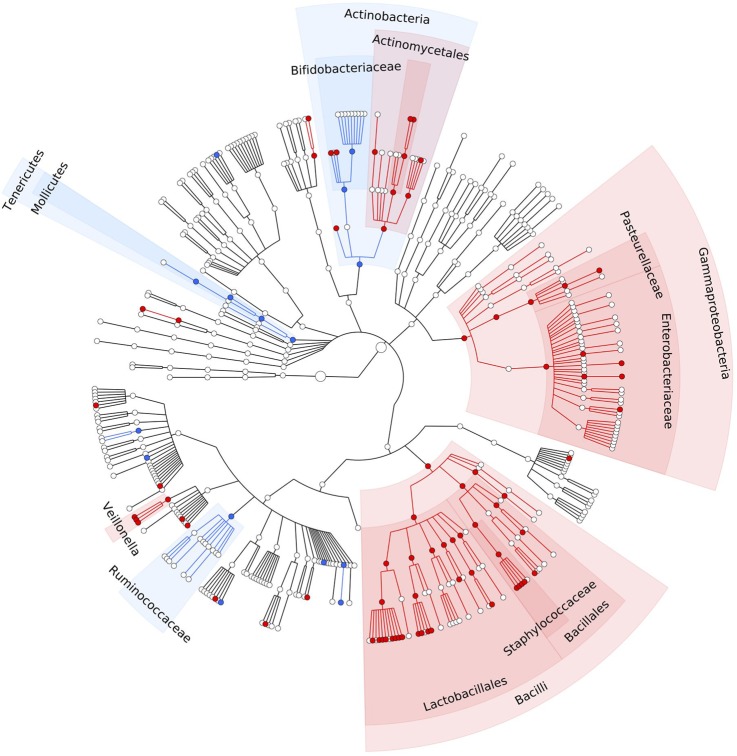
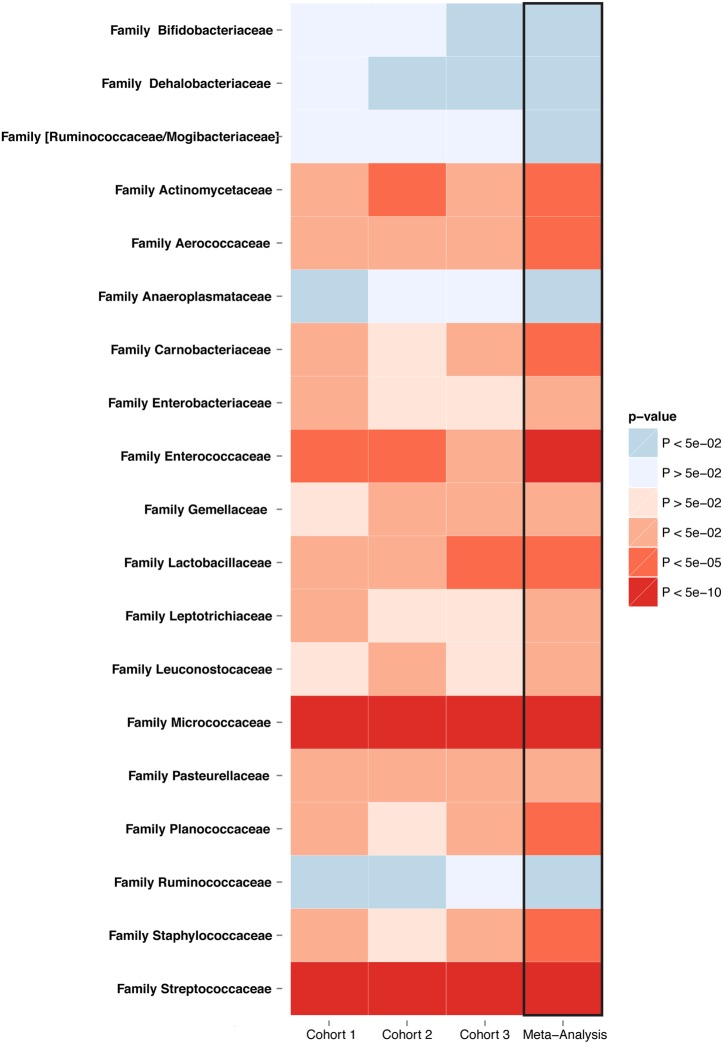
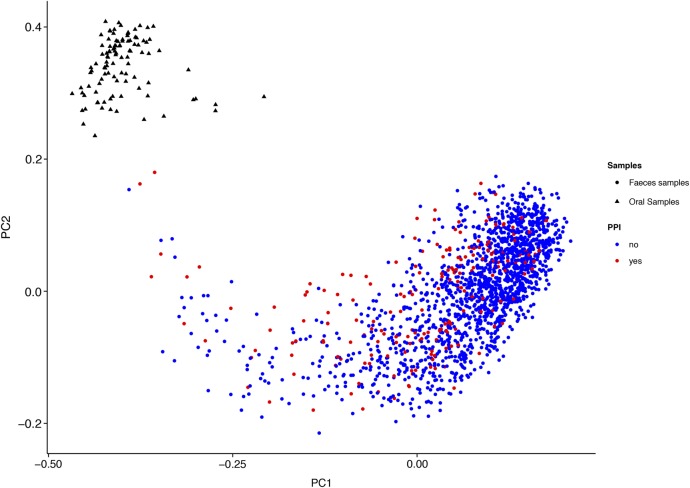
Background and aims: Proton pump inhibitors (PPIs) are among the top 10 most widely used drugs in the world. PPI use has been associated with an increased risk of enteric infections, most notably Clostridium difficile. The gut microbiome plays an important role in enteric infections, by resisting or promoting colonisation by pathogens. In this study, we investigated the influence of PPI use on the gut microbiome. Methods: The gut microbiome composition of 1815 individuals, spanning three cohorts, was assessed by tag sequencing of the 16S rRNA gene. The difference in microbiota composition in PPI users versus non-users was analysed separately in each cohort, followed by a meta-analysis. Results: 211 of the participants were using PPIs at the moment of stool sampling. PPI use is associated with a significant decrease in Shannon's diversity and with changes in 20% of the bacterial taxa (false discovery rate <0.05). Multiple oral bacteria were over-represented in the faecal microbiome of PPI-users, including the genus Rothia (p=9.8×10 −38 ). In PPI users we observed a significant increase in bacteria: genera Enterococcus , Streptococcus , Staphylococcus and the potentially pathogenic species Escherichia coli . Conclusions: The differences between PPI users and non-users observed in this study are consistently associated with changes towards a less healthy gut microbiome. These differences are in line with known changes that predispose to C. difficile infections and can potentially explain the increased risk of enteric infections in PPI users. On a population level, the effects of PPI are more prominent than the effects of antibiotics or other commonly used drugs.
Overview
The claims and statistics of this paper haven’t been checked yet.
Free: it reads the open-access text and checks the first 5 claims that cite a source we can check. Create a free account to check every claim.
Integrity signals
Registry
Cites
Statistics
Figures
Verification
Claims the paper makes
The claims and statistics of this paper haven’t been checked yet.
Free: it reads the open-access text and checks the first 5 claims that cite a source we can check. Create a free account to check every claim.
Claims other papers make about this one
Each is checked against this paper’s own text: does it say what the citing paper says it does?
The source backs part of the claim, not all of it — or backs it for a different population, condition or comparison.
In the citing paper
“an overall signature resembling the gut microbiome of patients with inflammatory bowel disease20”
From Longitudinal gut microbiome changes in immune checkpoint blockade-treated advanced melanoma (2024) · cites this paper as [20]
Experimental — accuracy not yet measuredThe source backs part of the claim, not all of it — or backs it for a different population, condition or comparison.
In the citing paper
“many drugs induce shifts in microbial community composition57,58.”
From Development of a gut microbe–targeted nonlethal therapeutic to inhibit thrombosis potential (2018) · cites this paper as [57]
Experimental — accuracy not yet measuredThe cited source says what the claim attributes to it.
In the citing paper
“To avoid confounding by colitis and PPI use, which individually has considerable effects on the gut microbiome19,20, we compared patients with PFS ≥12 months versus patients with PFS <12 months on monotherapy (Extended Data Fig. 8 and Supplementary Table 7) or combination therapy (Extended Data Fig. 9 and Supplementary Table 8) who did not develop colitis and did not use PPIs, while also averaging”
From Longitudinal gut microbiome changes in immune checkpoint blockade-treated advanced melanoma (2024) · cites this paper as [20]
In the citing paper
“PPIs by reducing gastric acid secretion can produce profound changes in the colonic microbiota, mainly characterized by a decrease in the abundance of commensal bacteria, which is associated with a reduction in microbial diversity and an increase of oral bacteria in the stool[108,109].”
From Proton pump inhibitors and dysbiosis: current knowledge and aspects to be clarified (2019) · cites this paper as [109]
In the citing paper
“Even if not fully clarified, it has been hypothesized that, in CDI, a reduction in alpha diversity and a decrease in the abundance of bacteria of the Ruminococcoceae associated with an increase in the Enterobacteriaceae, Enterococcoceae and Lactobacillaceae families observed during long-term PPI treatment could facilitate the onset of infection[109].”
From Proton pump inhibitors and dysbiosis: current knowledge and aspects to be clarified (2019) · cites this paper as [109]
Self-check
Percentages, sums and reported differences re-computed from the paper’s own numbers.
The self-check needs the paper’s full text.
Citations
Cites
QIIME allows analysis of high-throughput community sequencing data
Caporaso, J. G., Kuczynski, J., Stombaugh, J., Bittinger, K., Bushman, F. D., Costello, E. K., Fierer, N., Peña, A. G., Goodrich, J. K., Gordon, J. I., et al. (2010) · Nature Methods · doi:10.1038/nmeth.f.303 · Cited by 34,887
Multistate point-prevalence survey of health care-associated infections
Magill, S. S., Edwards, J. R., Bamberg, W., Beldavs, Z. G., Dumyati, G., Kainer, M. A., Lynfield, R., Maloney, M., McAllister-Hollod, L., Nadle, J., et al. (2014) · New England Journal of Medicine · doi:10.1056/nejmoa1306801 · Cited by 3,931 · cited 1×
“23 24 Virulent strains of C. dif fi cile can only colonise a susceptible gut, after which toxins are produced and spores are shed.”
BackgroundDuodenal Infusion of Donor Feces for Recurrent Clostridium difficile
van Nood, E., Vrieze, A., Nieuwdorp, M., Fuentes, S., Zoetendal, E. G., de Vos, W. M., Visser, C. E., Kuijper, E. J., Bartelsman, J. F. W. M., Tijssen, J. G. P., et al. (2013) · New England Journal of Medicine · doi:10.1056/nejmoa1205037 · Cited by 3,708
Human Genetics Shape the Gut Microbiome
Goodrich, J. K., Waters, J. L., Poole, A. C., Sutter, J. L., Koren, O., Blekhman, R., Beaumont, M., Van Treuren, W., Knight, R., Bell, J. T., et al. (2014) · Cell · doi:10.1016/j.cell.2014.09.053 · Cited by 3,164
Dysfunction of the intestinal microbiome in inflammatory bowel disease and treatment
Morgan, X. C., Tickle, T. L., Sokol, H., Gevers, D., Devaney, K. L., Ward, D. V., Reyes, J. A., Shah, S. A., LeLeiko, N., Snapper, S. B., et al. (2012) · Genome Biology · doi:10.1186/gb-2012-13-9-r79 · Cited by 2,713
Self-citationBurden of Clostridium difficile Infection in the United States
Lessa, F. C., Mu, Y., Bamberg, W. M., Beldavs, Z. G., Dumyati, G. K., Dunn, J. R., Farley, M. M., Holzbauer, S. M., Meek, J. I., Phipps, E. C., et al. (2015) · New England Journal of Medicine · doi:10.1056/nejmoa1408913 · Cited by 2,641
Human gut microbiota in obesity and after gastric bypass
Zhang, H., DiBaise, J. K., Zuccolo, A., Kudrna, D., Braidotti, M., Yu, Y., Parameswaran, P., Crowell, M. D., Wing, R., Rittmann, B. E., et al. (2009) · Proceedings of the National Academy of Sciences · doi:10.1073/pnas.0812600106 · Cited by 1,880 · cited 1×
“22 We looked at the role of the gut microbiome in C. dif fi cile infections, which cause 12.1% of all nosocomial infections and were responsible for half a million infections and associated with 29 000 deaths in the USA in 2011.”
BackgroundInfluentialPrecision microbiome reconstitution restores bile acid mediated resistance to Clostridium difficile
Buffie, C. G., Bucci, V., Stein, R. R., McKenney, P. T., Ling, L., Gobourne, A., No, D., Liu, H., Kinnebrew, M., Viale, A., et al. (2015) · Nature · doi:10.1038/nature13828 · Cited by 1,872
Control of pathogens and pathobionts by the gut microbiota
Kamada, N., Chen, G. Y., Inohara, N., & Núñez, G. (2013) · Nature Immunology · doi:10.1038/ni.2608 · Cited by 1,625 · cited 1×
“11 To ensure that the changes observed in microbiota composition were not due to diarrhoea and/or more frequent bowel movements, we checked in our general population whether clinical symptoms of diarrhoea were more often present in PPI users.”
BackgroundMicrobiota-mediated colonization resistance against intestinal pathogens
Buffie, C. G., & Pamer, E. G. (2013) · Nature reviews. Immunology · doi:10.1038/nri3535 · Cited by 1,564
Cited by
Items 901–1,000 of 1,000
The biogeography of the mucosa-associated microbiome in health and disease
Sternes, P. R., Shah, A., Pintos, C. A., Fairlie, T., Koloski, N. A., Kang, S., Tousignant, K. D., McIlroy, S. J., Morrison, M., Tyson, G. W., et al. (2024) · Frontiers in Microbiology · doi:10.3389/fmicb.2024.1454910 · Cited by 6
Eladawy, R. M., Ahmed, L. A., Salem, M. B., El‐Sayed, R. M., Salem, H. A., & Mohamed, A. F. (2025) · International Immunopharmacology · doi:10.1016/j.intimp.2025.114227 · Cited by 4
Coniac, S., Costache-Outas, M. C., Antone-Iordache, I.-L., Barbu, A.-M., Bardan, V. T., Zamfir, A., Ionescu, A.-I., & Badiu, C. (2025) · Cancers · doi:10.3390/cancers17071198 · Cited by 5
“Similarly, long-term usage of proton-pump inhibitors (PPIs) before ICI therapy seems to have a dismal impact on overall survival [57] because microbial alterations in gut microbiota are more significant than with antibiotics or other drug use [58].”
Shabana, H., Cesta, C. E., Yan, J., Brusselaers, N., & Rodriguez‐Wallberg, K. A. (2025) · The Lancet Obstetrics Gynaecology & Women s Health · doi:10.1016/j.lanogw.2025.100009 · Cited by 4
High-Fiber Diets in Gastrointestinal Tract Diseases
Silveira, A. L. M., Ferreira, A. V. M., & Teixeira, M. M. (2019) · Elsevier eBooks · doi:10.1016/b978-0-12-814468-8.00019-3 · Cited by 5
The microbiome, the gut–brain axis and migraine
Naghibi, M., & Day, R. O. (2019) · Gastrointestinal Nursing · doi:10.12968/gasn.2019.17.8.38 · Cited by 5
The Relationship Between Functional Dyspepsia, PPI Therapy, and the Gastric Microbiome
Jagdish, B., & Kilgore, W. R. (2021) · Kansas Journal of Medicine · doi:10.17161/kjm.vol1414831 · Cited by 5
Buhagiar, F., Fitzgerald, M., Bell, J., Hellewell, S. C., Moore, S., & Pestell, C. (2023) · Journal of Integrative Neuroscience · doi:10.31083/j.jin2202050 · Cited by 5
Altaisaikhan, A., Yoshihara, K., Hata, T., Miyata, N., Asano, Y., Suematsu, T., Kadota, Y., & Sudo, N. (2023) · Physiological Reports · doi:10.14814/phy2.15882 · Cited by 3
“Several factors can reduce gut microbial diversity (Bailey et al., 2011; Imhann et al., 2016; Jernberg et al., 2010; Sonnenburg et al., 2016; Yatsunenko et al., 2012).”
BackgroundWang, N., Xu, Y., Yang, G., Chen, H., Wang, X., Fu, J., Li, L., & Pan, X. (2024) · Journal of Hepatocellular Carcinoma · doi:10.2147/jhc.s464033 · Cited by 5
“Imhann et al 9 analyzed stool samples from 1815 individuals and reported that the diversity of the intestinal microbiota in PPI users was significantly lower than that in nonusers; additionally, species of oral bacteria (such as Rothia) were more abundant in the gut microbiota of PPI users, and the…”
BackgroundSelf-citationStarikova, E. V., Galeeva, Y. S., Fedorov, D. E., Korneenko, E. V., Speranskaya, A. S., Selezneva, O. V., Zoruk, P. Y., Klimina, K. M., Veselovsky, V. A., Morozov, M. D., et al. (2024) · iScience · doi:10.1016/j.isci.2024.111319 · Cited by 4
“19 Since the patients from the current study received omeprazole as a part of their therapy scheme, and streptococci were highly abundant in both oropharyngeal and fecal samples, it is possible to suggest that some sequence variants of the fecal ermB , msrD and mefA might have originated from the…”
Gut Microbiome Changes After Neoadjuvant Chemotherapy and Surgery in Patients with Gastric Cancer
Žukauskaitė, K., Baušys, B., Horvath, A., Sabaliauskaitė, R., Šeštokaitė, A., Mlynska, A., Jarmalaitė, S., Stadlbauer, V., Baušys, R., & Baušys, A. (2024) · Cancers · doi:10.3390/cancers16234074 · Cited by 4
Yang, C., Lü, D., Zhang, X., Li, Y., Zhao, M., & Yang, Y. (2025) · Microbial Pathogenesis · doi:10.1016/j.micpath.2025.107386 · Cited by 5
Wang, T., Lan, Q., Deng, H., Han, W., Zhang, R., & Zhong, J. (2025) · Frontiers in Cardiovascular Medicine · doi:10.3389/fcvm.2025.1570008 · Cited by 6
Li, C., Dai, Y., Chang, Y.-T., Bai, Y., Tsai, S., Chen, T., & Chen, M. (2020) · Journal of the American Academy of Dermatology · doi:10.1016/j.jaad.2020.02.076 · Cited by 4
Proton pump inhibitors are associated with reduced periodontal disease severity
Herrmann, P. A., Cohen, R. E., & Yerke, L. M. (2022) · JADA Foundational Science · doi:10.1016/j.jfscie.2022.100011 · Cited by 4
Is an optimization of the use of proton pump inhibitors feasible in the real world medical practice?
Khomeriki, N. M., & Khomeriki, S. G. (2022) · Almanac of Clinical Medicine · doi:10.18786/2072-0505-2022-50-051 · Cited by 7
Dey, P., & Moludi, J. (2023) · Elsevier eBooks · doi:10.1016/b978-0-323-85730-7.00030-8 · Cited by 5
Seasonal variations in gut microbiota and disease course in patients with inflammatory bowel disease
Tani, M., Shinzaki, S., Asakura, A., Tashiro, T., Amano, T., Otake, Y., Yoshihara, T., Yoshii, S., Tsujii, Y., Hayashi, Y., et al. (2023) · PLoS ONE · doi:10.1371/journal.pone.0283880 · Cited by 5
A Pilot Study of the Gut Microbiota in Spine Fusion Surgery Patients
Cyphert, E. L., Clare, S., Dash, A. S., Nixon, J. C., Raphael, J., Harrison, J., Heilbronner, A. K., Kim, H. J., Cunningham, M. E., Lebl, D. R., et al. (2023) · HSS Journal® The Musculoskeletal Journal of Hospital for Special Surgery · doi:10.1177/15563316231201410 · Cited by 4
“We hypothesized that several factors related to surgery could influence the microbiome, including prophylactic perioperative antibiotics and glucocorticoids, PPI use, dietary changes, and the pain and stress of surgery [21].”
Rodríguez, M. P., Fagan, A., Sikaroodi, M., Gillevet, P. M., & Bajaj, J. S. (2023) · Clinical and Translational Gastroenterology · doi:10.14309/ctg.0000000000000659 · Cited by 5
Kwon, M. J., Han, K. M., Kim, J., Kim, J. H., Kim, M.-J., Kim, N. Y., Choi, H. G., & Kang, H. S. (2023) · Cancers · doi:10.3390/cancers15235606 · Cited by 4
Almansour, S. A., Alqudah, M. A. Y., Abuhelwa, Z., Al-Shamsi, H. O., Semreen, M. H., Bustanji, Y. K., Soare, N. C., McKinnon, R. A., Sorich, M. J., Hopkins, A. M., et al. (2024) · Scientific Reports · doi:10.1038/s41598-023-48640-1 · Cited by 4
Clinical factors associated with stable treatment of chronic constipation in Japanese patients
Ishibashi, K., Urabe, Y., Vu, N. T. H., Miyauchi, S., Nakamura, T., Konishi, H., Mizuno, J., Fukuhara, M., Takigawa, H., Yuge, R., et al. (2024) · BMC Gastroenterology · doi:10.1186/s12876-024-03140-y · Cited by 4
Association of pneumonia admission with polypharmacy and drug use in community‐dwelling older people
Hamaya, H., Kojima, T., Hattori, Y., & Akishita, M. (2024) · Geriatrics and gerontology international/Geriatrics & gerontology international · doi:10.1111/ggi.14860 · Cited by 4
Mulder, M., Arp, P., Jong, J. C. K., Uitterlinden, A. G., Klaassen, C. H. W., Kraaij, R., Goessens, W. H. F., Verbon, A., & Stricker, B. H. C. (2021) · International Journal of Antimicrobial Agents · doi:10.1016/j.ijantimicag.2021.106388 · Cited by 4
Microbiome and gastroesophageal disease: Pathogenesis and implications for therapy
D’Souza, S. M., Cundra, L. B., Yoo, B. S., Parekh, P. J., & Johnson, D. A. (2020) · Gastroenterology Hepatology and Endoscopy · doi:10.15761/ghe.1000199 · Cited by 4
Zhang, Y.-Y., Wang, L., Shao, X., Zhang, Y., Ma, S., Peng, M.-Y., Xu, S.-X., Yin, Y., Guo, X., & Qi, X. (2023) · World Journal of Gastrointestinal Surgery · doi:10.4240/wjgs.v15.i1.82 · Cited by 4
Medication use and polypharmacy in patients referred to a tertiary gastroenterology practice
Chris-Olaiya, A., Palmer, W. C., Stancampiano, F. F., Lacy, B. E., Heckman, M. G., Chirilă, R. M., Nikpour, N., McLeod, E., Ryan, T., Maillis, A. N., et al. (2020) · Romanian Journal of Internal Medicine · doi:10.2478/rjim-2020-0016 · Cited by 7
“PPI use has been linked to alterations of the small intestinal microbiome, by theoretically eliminating the protective acidic environment in the stomach [5].”
BackgroundThe Dutch Microbiome Project defines factors that shape the healthy gut microbiomePreprint
Weersma, R. K., Gaćeša, R., Kurilshikov, A., Vila, A. V., Sinha, T., Klaassen, M. A. Y., Bolte, L. A., Andreu‐Sánchez, S., Chen, L., Collij, V., et al. (2020) · Research Square · doi:10.21203/rs.3.rs-117376/v1 · Cited by 4
Self-citationThe Human Microbiome—A Physiologic Perspective
Yang, X. J., Louwies, T., Mars, R. A. T., & Kashyap, P. (2024) · Comprehensive physiology · doi:10.1002/cphy.c230013 · Cited by 15
Abosheaishaa, H. M., Elsayed, H., Abdelhalim, O., Haddad, I. M. E., Harfoush, M. K., Abdallfatah, A., Sethi, A. K., Abusuliman, M., Karna, R., & Bilal, M. (2025) · Baylor University Medical Center Proceedings · doi:10.1080/08998280.2025.2491964 · Cited by 3
“21,23,25,27 Our meta-analysis showed that VA had similar rates of H. pylori eradication and offers an advantage of providing sustained and reliable acid suppression, since it is not subject to polymorphisms in CYP2C19 Adherence to H. pylori treatment is often impacted by adverse events,…”
Amin, N. A., Chela, H. K., Mubarak, M., Ayoub, M., & Daglilar, E. S. (2025) · Diagnostics · doi:10.3390/diagnostics15131653 · Cited by 3
“Potential mechanisms for this association include the elevation of gastric pH, which allows vegetative forms of C. difficile to survive [40], and alterations to gut microbiota, favoring colonization by pathogenic organisms such as Enterococcus and Streptococcus [41].”
Njeim, R., Moussa, E., Wei, C., Sleiman, J., Dimachkie, R., & Deeb, L. S. (2025) · Biomedicines · doi:10.3390/biomedicines13071676 · Cited by 3
“The mechanism behind this association is thought to involve PPI-induced reduction in gastric acid production, gut microbiota disruption and enhanced pathogen colonization [14,37].”
Bibbò, S., Ahlström, G., Pes, G. M., Graham, D. Y., Engstrand, L. G., Merola, E., & Dore, M. P. (2025) · Helicobacter · doi:10.1111/hel.70064 · Cited by 3
“However, PPIs are also known to perturb the gastrointestinal microbiota [19, 20], and mounting evidence suggests a link between chronic PPI use and gut microbial dysbiosis.”
Ahmed, L. A., & Al‐Massri, K. F. (2025) · European Journal of Pharmacology · doi:10.1016/j.ejphar.2025.178210 · Cited by 4
Calabrese, F., Pasta, A., Bertin, L., Formisano, E., Siboni, S., Furnari, M., Arrigo, S., Visaggi, P., Savarino, E. V., Giannini, E. G., et al. (2025) · Expert Opinion on Pharmacotherapy · doi:10.1080/14656566.2025.2584404 · Cited by 5
“Moreover, several analyses reported a higher risk of urinary, respiratory and gastrointestinal infections, likely due to hypochlorhydria-induced disruption of gastric barrier and intestinal microbiota [52,171,172].”
The Oral Microbiota and Its Implications for Inflammatory Bowel Disease: A Literature Review
Chen, X., Mao, T., Song, X., & Ren, L. (2025) · International Journal of General Medicine · doi:10.2147/ijgm.s549434 · Cited by 4
“32 Seedorf et al 33 reported that oral-derived bacteria, including those from the phyla Actinobacteria, Firmicutes, Bacteroidetes , and Proteobacteria , can overcome the physical barriers of the host and persist in the sterile distal gut.”
Mohamed, M. E., Saqr, A., Onyeaghala, G. C., Remmel, R. P., Staley, C. M., Dorr, C. R., Teigen, L. M., Guan, W., Vo, D., El‐Rifai, R., et al. (2026) · Clinical Pharmacokinetics · doi:10.1007/s40262-025-01611-3 · Cited by 3
“Co-administration of medications that modulate gut microbiome, such as antibiotics and PPIs, can influence the EHR process [49, 50].”
Kroon, M. A. G. M., Wortelboer, K., Davids, M., Swart, E. L., van Tellingen, O., Nieuwdorp, M., D’Haens, G., van Laarhoven, H. W. M., de Boer, N. K. H., & Kemper, E. M. (2026) · Scientific Reports · doi:10.1038/s41598-026-42095-w · Cited by 4
Liu, X., Yang, S., Yan, Y., Zhang, L., Yang, X., & Liu, L. (2026) · Frontiers in Immunology · doi:10.3389/fimmu.2026.1796944 · Cited by 4
“Proton pump inhibitors (PPIs), widely prescribed for gastroesophageal re fl ux disease in COPD patients, reduce gastric acidity and profoundly decrease gut microbial diversity, facilitating ectopic colonization by oral/respiratory fl ora that mimics disease-associated dysbiosis (115, 116).”
Gut microbiota in health and disease
Li, Y. N., Xiao, X., Jiang, X., Li, X., WANG, W., & Lin, R. (2026) · Molecular Biomedicine · doi:10.1186/s43556-026-00512-6 · Cited by 8
“Several non-antibiotic drugs, such as proton pump inhibitors [115] and metformin [116], can also alter the gut microbiota [117].”
Diagnosis and Management of Microscopic Colitis in Pediatric Patients
Khushal, S., & Oliva‐Hemker, M. M. (2022) · Pediatric Drugs · doi:10.1007/s40272-022-00504-3 · Cited by 5
“Similarly, PPI use and secondary intestinal pH changes, as well as NSAID use are thought to increase risk of development of MC, at least in part, by increasing epithelial permeability [62, 66, 70, 71].”
BackgroundIntestinal dysbiosis and inflammation in children with repaired esophageal atresia
Traini, I., Chan, S. Y., Menzies, J., Hughes, J., Coffey, M. J., McKay, I. R., Ooi, C. Y., Leach, S. T., & Krishnan, U. (2023) · Journal of Pediatric Gastroenterology and Nutrition · doi:10.1002/jpn3.12053 · Cited by 3
Duodenal and pancreatic tissue microbiome profiles of PPI users and non-users
Yoshida, T., Dbouk, M. H., Hirose, K., Diwan, E. A., Saba, H., Dbouk, A., & Goggins, M. (2023) · Pancreatology · doi:10.1016/j.pan.2023.12.010 · Cited by 6
Murofushi, T., Yagi, T., Tsuji, D., Furushima, D., Fujikura, T., Itoh, K., & Kawakami, J. (2024) · Naunyn-Schmiedeberg s Archives of Pharmacology · doi:10.1007/s00210-023-02890-y · Cited by 4
Coleman, M., Mascialino, S. J., Panjwani, A., Edwards, E., Sukhatme, V. V., Gavegnano, C., & Sukhatme, V. P. (2024) · Frontiers in Immunology · doi:10.3389/fimmu.2023.1281744 · Cited by 4
The potential association between salivary gland hypofunction and systemic homeostasis
Song, W., Zhou, J. P., Wang, X., & Wang, H. (2024) · Medical Hypotheses · doi:10.1016/j.mehy.2024.111279 · Cited by 3
Watai, K., Suda, W., Kurokawa, R., Sekiya, K., Hayashi, H., Iwata, M., Nagayama, K., Nakamura, Y., Hamada, Y., Kamide, Y., et al. (2024) · BMC Microbiology · doi:10.1186/s12866-024-03239-y · Cited by 3
Lin, G., Kageyama, S., Maeda, A., Sakamoto, E., Ma, J., Asakawa, M., Furuta, M., Yamashita, Y., & Takeshita, T. (2024) · Frontiers in Cellular and Infection Microbiology · doi:10.3389/fcimb.2024.1358684 · Cited by 5
Fiala, O., Buti, S., Fujita, K., de Liaño, A. G., Fukuokaya, W., Kimura, T., Yanagisawa, T., Giannatempo, P., Angel, M. O., Mennitto, A., et al. (2025) · Clinical & Experimental Metastasis · doi:10.1007/s10585-025-10335-4 · Cited by 4
“PPIs represent another type of drugs with significant impact on gut microbiota including changes in composition and reduction of diversity [29–31].”
Cao, J. L., Meltzer, R. S., Cohn, E., Benjamin, A., Keskey, R. C., & Alverdy, J. C. (2025) · Gut Microbes · doi:10.1080/19490976.2025.2552346 · Cited by 5
“PPI use has been shown to result in compositional changes in the fecal microbiota, including an over-representation of oral bacteria as well as an increase in potentially pathogenic Enterooccus, Streptococcus, Staphylococcus, and E. Coli 89 .”
Yamaguchi, M., Kawazoe, H., Kasai, Y., Hirata, K., & Ohtani, H. (2025) · Journal of Gastrointestinal Cancer · doi:10.1007/s12029-025-01354-1 · Cited by 3
“Several previous studies reported that PPI use reduces microbial diversity and decreases Ruminococ-caceae and Bifidobacterium species, bacteria associated with response to ICIs [12, 19].”
Diet, Microbiota, and Bone Health
Rizzoli, R. (2018) · Springer eBooks · doi:10.1007/978-3-319-98464-3_12 · Cited by 3
Doohan, D., Rezkitha, Y. A. A., Waskito, L. A., Vilaichone, R., Yamaoka, Y., & Miftahussurur, M. (2021) · Expert Reviews in Molecular Medicine · doi:10.1017/erm.2021.8 · Cited by 3
Griffith, J. S. (2020) · Springer eBooks · doi:10.1007/978-3-030-30730-1_28 · Cited by 3
Duodenal Microbiome and Its Clinical Implications in Functional Dyspepsia
Kim, S. H. (2022) · Korean Journal of Gastroenterology · doi:10.4166/kjg.2022.027 · Cited by 3
Evaluation of the Risk of Clostridium difficile Infection Using a Serum Bile Acid Profile
Monma, T., Iwamoto, J., Honda, A., Ueda, H., Kakizaki, F., Yara, S., Miyazaki, T., & Ikegami, T. (2022) · Metabolites · doi:10.3390/metabo12040331 · Cited by 4
“Previous reports showed that the use of PPIs altered the composition of gut microbiota significantly, more than the use of antibiotics or other drugs [21,22].”
ResultNevalainen, A., & Nevalainen, O. (2022) · International Journal of Risk & Safety in Medicine · doi:10.3233/jrs-220012 · Cited by 3
Uğraklı, M., Koçak, M. Z., Dinç, G., Genç, T. B., Çağlayan, M., Uğraklı, S., Hendem, E., Er, M. M., Çağlayan, D., Eryılmaz, M. K., et al. (2023) · Journal of Cancer Research and Clinical Oncology · doi:10.1007/s00432-023-04844-6 · Cited by 4
“Several studies have shown that PPIs have an adverse effect on the gut microbiome (Imhann et al. 2016; Jackson et al. 2016).”
BackgroundMedication effects on the gut microbiome in allo-HCT
Robinson, W., Gertz, E. M., Greten, T. F., & Ruppin, E. (2023) · Cell · doi:10.1016/j.cell.2023.04.011 · Cited by 3
McMillan, A., Perez, C., & Brooks, A. E. (2023) · Medicine · doi:10.1097/md.0000000000035351 · Cited by 5
“[27] In the proximal duodenum, PPI users have been shown to have an increase in the variation and quantity of the microbiome.”
BackgroundHan, Z., Nan, X., Ma, M., Zhou, R., Wang, P., Liu, J., Li, Y., & Li, Y. (2023) · Clinical and Experimental Medicine · doi:10.1007/s10238-023-01196-w · Cited by 3
“The previous studies have proposed hypotheses about the effect of PPIs on the accuracy of FIT [41–43].”
Wu, C.-C., Fang, C., Yu, B., Chang, C., Hsu, T.-W., Hung, C.-L., Hung, S., Chiou, W., & Tsai, J. (2023) · Cancers · doi:10.3390/cancers15215304 · Cited by 5
“Thirdly, gut microbiota overgrowth might be induced by decreased gastric acidity [35], dysbiosis, and increased nitrites and N-nitroso compounds, which are carcinogenic [36].”
BackgroundAlizadeh, M. A., Wong, U., Siaton, B. C., Patil, S. A., George, L. A., Raufman, J., Scott, W. H., von Rosenvinge, E. C., Ravel, J., & Cross, R. K. (2024) · Digestive Diseases and Sciences · doi:10.1007/s10620-024-08478-7 · Cited by 4
Tanegashima, T., Shiota, M., Tsukahara, S., Mutaguch, J., Goto, S., Kobayashi, S., Matsumoto, T., & Eto, M. (2024) · The Prostate · doi:10.1002/pros.24769 · Cited by 3
“8,9 The gut microbiota influences various physiologic processes, including digestion, metabolism, cognitive development and function, and immune system development and function.”
Wolf, U., & Wegener, M. (2024) · Pharmaceuticals · doi:10.3390/ph17081082 · Cited by 4
“PPIs affect the gut microbiome by increasing the genera Enterococcus, Streptococcus, Staphylococcus, and the potentially pathogenic species Escherichia coli [5].”
BackgroundUchida, Y., Fujii, T., Takahashi, H., Nakaoka, K., Funasaka, K., Ohno, E., Hirooka, Y., Takahara, T., Suda, K., & Tochio, T. (2024) · Pancreatology · doi:10.1016/j.pan.2024.10.005 · Cited by 3
Striving to be better: medication overexposure among infants with severe BPD
Kielt, M. J., Ferrara, M., & Shepherd, E. G. (2019) · Journal of Perinatology · doi:10.1038/s41372-019-0459-x · Cited by 3
Mücke, M. M., Rüschenbaum, S., Mayer, A., Mücke, V. T., Schwarzkopf, K. M., Zeuzem, S., Kehrmann, J., Scholtysik, R., & Lange, C. M. (2020) · Gut Pathogens · doi:10.1186/s13099-020-00389-y · Cited by 3
Stokes, A. L., Bible, A., Hollenbeak, C. S., & Stewart, D. B. (2016) · Diseases of the Colon & Rectum · doi:10.1097/dcr.0000000000000643 · Cited by 3
Guzmán, L., Qiu, F., Kalil, A. C., Mercer, D. F. F., Langnas, A. N., & Florescu, D. F. (2018) · Transplant Infectious Disease · doi:10.1111/tid.12858 · Cited by 4
Bachtarzi, R., Boureau, A., Mascart, C., Batard, É., Montassier, E., Bémer, P., Bourigault, C., Berrut, G., de Decker, L., & Chapelet, G. (2019) · Infection and Drug Resistance · doi:10.2147/idr.s200029 · Cited by 3
The role of probiotics on the roadmap to a healthy microbiota: a symposium report
Lockyer, S., Aguirre, M., Durrant, L., Pot, B., & Suzuki, K. (2020) · Gut Microbiome · doi:10.1017/gmb.2020.2 · Cited by 4
“In the Lifelines DEEP cohort, PPI use was associated with a 20% difference in the taxa that were typically present (Imhann et al., 2016).”
MethodSmall Intestinal Bacterial Overgrowth
Rodriguez, D. A., Ryan, P. M., & Quigley, E. M. M. (2021) · Springer eBooks · doi:10.1007/978-3-030-80068-0_42 · Cited by 4
Sbeit, W., Abukaes, H., Ahmad, H. S., Sbeit, M., Kalisky, I., Katz, L. H., Mari, A., & Khoury, T. (2022) · Scandinavian Journal of Gastroenterology · doi:10.1080/00365521.2022.2106150 · Cited by 3
Passing the “Acid Test”: Do Proton Pump Inhibitors Affect the Composition of the Microbiome?
Dong, T. S., & Pisegna, J. R. (2018) · Digestive Diseases and Sciences · doi:10.1007/s10620-018-5273-3 · Cited by 5
Editor’s Desk: Masterful Microbes: The Gut Microbiome and Food as Medicine
Johnson, S. S., Shurney, D. W., Pauly, K. R., Mauriello, L. M., Artz, K., Hess, A. C., Passaretti, M., Coolbaugh, S., Martin, P., Classens, K., et al. (2019) · American Journal of Health Promotion · doi:10.1177/0890117119845711 · Cited by 3
Wu, R., Hong, G., Cheng, X., & Zhu, Y. (2024) · British Journal of Clinical Pharmacology · doi:10.1111/bcp.16260 · Cited by 3
Xu, Q. (2024) · International Journal of Rheumatic Diseases · doi:10.1111/1756-185x.15403 · Cited by 2
Role of Helicobacter pylori infection and the risk of cholelithiasis
Fabbri, N., Greco, S., Pesce, A., Virgilio, F. D., Romeo, D., & Feo, C. V. (2025) · World Journal of Gastroenterology · doi:10.3748/wjg.v31.i8.102024 · Cited by 2
Lung Microbiome in Autoimmune-Associated Interstitial Lung Disease
Wilson, T. M. (2025) · Rheumatic Disease Clinics of North America · doi:10.1016/j.rdc.2025.01.003 · Cited by 2
Hisamatsu, D., Ogata, Y., Suda, W., Mabuchi, Y., Naraoka, Y., Yamato, T., Ikeba, A., Kumagai, K., Hattori, M., & Akazawa, C. (2025) · Frontiers in Pharmacology · doi:10.3389/fphar.2025.1455753 · Cited by 2
“Previous studies have shown that the human gut microbiome composition is affected by PPI use, and the proportion of oral bacteria is increased in the gut microbiome (Imhann et al., 2016; Jackson et al., 2016).”
Enhancing Survival Following High-Risk Surgery by Modulating Actionable Items within the Pathobiome
Zaborina, O. Y., Zaborin, A., Keskey, R. C., & Alverdy, J. C. (2025) · IntechOpen eBooks · doi:10.5772/intechopen.1010335 · Cited by 2
Gastrectomy-induced alterations in gut microbiota linked to changes in oral and gastric microbiota
Komori, E., Kato‐Kogoe, N., Imai, Y., Sakaguchi, S., Taniguchi, K., Omori, M., Ohmichi, M., Hamada, W., Nakamura, S., Nakano, T., et al. (2025) · Frontiers in Microbiology · doi:10.3389/fmicb.2025.1599503 · Cited by 3
Ma, C., Zhang, L., Wang, M., Zhang, F., & Zhang, L. (2025) · Frontiers in Pharmacology · doi:10.3389/fphar.2025.1545533 · Cited by 3
“Among individuals utilizing PPI, there was a signi fi cant increase in bacterial populations, including Enterococcus , Streptococcus , Staphylococcus , and potential pathogen Escherichia coli (Imhann et al., 2016).”
Xavier, C. B., Andersen, C. R., Lim, J. T., Slade, J. H., Bean, S. A., Kang, L., Le, H., Tsimberidou, A. M., Naing, A., Hong, D. S., et al. (2025) · Cancer Research Communications · doi:10.1158/2767-9764.crc-25-0033 · Cited by 2
“…consistent with prior retrospective (12) and metagenomic (13) investigations showcasing that PPIs can modify the composition of the gut microbiome (14), potentially through downstream translocation of oral commensals, thereby altering its immunomodulatory properties and impairing the efficacy of…”
Martines, F., Salvago, P., Lavanco, G., Malta, G., & Plescia, F. (2025) · Audiology Research · doi:10.3390/audiolres15050135 · Cited by 2
“Impaired absorption of micronutrients such as vitamin B12 [74–76], inhibition of a cochlear isoform of H+/K+-ATPase crucial for endolymph homeostasis [77], and increased susceptibility to upper respiratory tract infections such as otitis media [78,79].”
Heilmeier, U., Siegenthaler, A., Meyer, U., Boensch, M., Kistler-Fischbacher, M., Molino, C. D. G. R. C., van Rietbergen, B., Lang, W., Rizzoli, R., Theiler, R., et al. (2025) · Calcified Tissue International · doi:10.1007/s00223-025-01420-7 · Cited by 3
“Recent findings suggests that oral PPI intake results in significant alterations of the gut microbiota composition with significant decreases in gut bacterial alpha diversity and changes of 20% of bacterial gut taxa [61].”
Faitová, T., Ilett, E. E., da Cunha‐Bang, C., Sengeløv, H., Brieghel, C., Gülay, A., Rafiq, S., Ravn, H. B., Zheng, C., Nielsen, R. V., et al. (2025) · Microbiology Spectrum · doi:10.1128/spectrum.00944-25 · Cited by 3
“…et The significant increase in the abundance of Enterococcus species associated with the use of antibiotics, corticosteroids, and metformin in this study aligns with previ ous studies reporting an increase in Enterococcus levels following antibiotic use and administration of PPIs (58–61).”
InfluentialWu, B., Zhao, A., Chen, W., Zhou, Y., Zhang, W., Zhang, Y., Hou, Q., Yao, N., Zhang, S., Duan, J., et al. (2025) · Frontiers in Microbiology · doi:10.3389/fmicb.2025.1689735 · Cited by 7
“(Abeles et al., 2016), and proton pump inhibitor (PPI) use (affecting gastric acid secretion and altering gut microbiota) (Imhann et al., 2016) all interfere with the association between the microbiome and radiosensitivity.”
Infant Botulism: A Case Study in Integrated Clinical and Public Health Response
Gannon, J. R., Verbruggen, T. F., Burke, S., Loughlin, L., Brits, C., Tedford, K., McHugh, J. C., Mayberry, H. F., O’Regan, M., Freyne, B., et al. (2025) · Clinical Case Reports · doi:10.1002/ccr3.71670 · Cited by 2
“It is worth noting the association between proton-pump inhibitors and the effect they can have on the gut microbiome, with a reduction in diversity evident on stool culture [20, 21].”
Wang, J., Horani, K., Patel, T., Yousaf, A., Ghamarian, R., Wessels, M., Glover, M., & Alijanipour, P. (2025) · Spine Open · doi:10.1097/bn9.0000000000000036 · Cited by 3
Gopinath, D., Selvakumar, B., Sekar, P., Mohammed, M. M., & Li, Z. (2026) · Journal of Oral Biology and Craniofacial Research · doi:10.1016/j.jobcr.2026.101410 · Cited by 3
“11,12 Beyond the enteral route, emerging evidence suggests that hematogenous dissemination may serve as the predominant mechanism underlying the ectopic colonization of oral pathogens in the distal gut.”
The Japanese gut microbiome: ecology, uniqueness, and impact on health and disease
Nishijima, S., Hattori, M., & Nagata, N. (2026) · Proceedings of the Japan Academy Series B · doi:10.2183/pjab.102.006 · Cited by 4
Tanaka, Y., Miki, D., Hayes, C. N., Kawahara, M., Sueda, S., Emori, T., Hashimoto, K., Mitamura, Y., Tanaka, A., Hiraoka, K., et al. (2026) · Microorganisms · doi:10.3390/microorganisms14040867 · Cited by 3
The Oral‐Gut Axis: Bidirectional Interactions Between Microbiome and Diseases
Ebihara, S., & Kamada, N. (2026) · Journal of Periodontal Research · doi:10.1111/jre.70116 · Cited by 5
Tan, M.-S., Clister, D., Chandra, Q. M., Wangsa, C. E., Simone, C. N., Umaya, C., Choi, J., Park, S., Rani, A., Akter, S., et al. (2026) · Clinica Chimica Acta · doi:10.1016/j.cca.2026.121086 · Cited by 3
Linking the relationship between drug-induced osteoporosis and the gut microbiota
Martiniaková, M., Šarocká, A., Pénzes, N., Mondočková, V., Ševčíková, A., Čierniková, S., Kováčová, V., Bíro, R., Folwarczna, J., & Omelka, R. (2026) · Frontiers in Endocrinology · doi:10.3389/fendo.2026.1818207 · Cited by 2
“PPI use has been associated with reduced gut bacterial diversity and enrichment of taxa including Enterococcus , Streptococcus , Staphylococcus , and Escherichia coli (103).”
Supplementary Data from Microbiota-Centered Interventions: The Next Breakthrough in Immuno-Oncology?
(2023) · doi:10.1158/2159-8290.22540051.v1
Metadata
- Authors
- Imhann, F., Bonder, M. J., Vich Vila, A., Fu, J., Mujagic, Z., Vork, L., Tigchelaar, E. F., Jankipersadsing, S. A., Cenit, M. C., Harmsen, H. J. M., Dijkstra, G., Franke, L., Xavier, R. J., Jonkers, D., Wijmenga, C., Weersma, R. K., & Zhernakova, A.
- Affiliations
- University Medical Center Groningen (NL)
- University of Groningen and University Medical Center Groningen, Department of Gastroenterology and Hepatology, Groningen, The Netherlands
- Maastricht University Medical Centre (NL)
- University of Groningen and University Medical Center Groningen, Department of Genetics, Groningen, The Netherlands
- Broad Institute (US)
- Corresponding author
- Weersma, Rinse K
- ORCID
- Venue
- Gut
- Publisher
- BMJ
- Published
- 2015-12-09
- Volume
- 65
- Issue
- 5
- Pages
- 740-748
- ISSN
- 0017-5749 (ISSN-L)
- 1468-3288
- PMC
- PMC4853569
- OpenAlex
- W2194591433
- Semantic Scholar
- b8fb7b6609e0c21615cf6b305fc4c0b643f9fe55
- Cited by
- 1,371
- References
- 33
- Citations by year
- 2026: 148 · 2025: 152 · 2024: 151 · 2023: 171 · 2022: 147 · 2021: 157 · 2020: 147 · 2019: 108 · 2018: 82 · 2017: 67 · 2016: 39
- FWCI
- 27.05
- Type
- journal article
- Language
- en
- Open access
- hybrid
- doi.org
- Licence
- cc-by-nc
- Locations
- Gut (publishedVersion, cc-by-nc)
- PubMed Central (publishedVersion, cc-by-nc)
- PubMed (publishedVersion)
- Research Publications (Maastricht University) (publishedVersion, cc-by-nc)
- University of Groningen research database (University of Groningen / Centre for Information Technology) (publishedVersion, cc-by-nc)
- HighWire Press Open Archive (submittedVersion)
- University of Groningen research database (University of Groningen / Centre for Information Technology) (submittedVersion, cc-by-nc)
- Research Publications (Maastricht University) (submittedVersion)
- Research Publications (Maastricht University) (submittedVersion, other-oa)
- Funders
- Fundación Alfonso Martín Escudero
- Rijksuniversiteit Groningen
- Nederlandse Organisatie voor Wetenschappelijk Onderzoek (864.13.013, 917.14.374, 016.136.308)
- Maastricht Universitair Medisch Centrum
- National Institute of Diabetes and Digestive and Kidney Diseases (P30DK043351)
- Topics
- Life Sciences › Biochemistry, Genetics and Molecular Biology › Molecular Biology › Gut microbiota and health
- Health Sciences › Medicine › Infectious Diseases › Clostridium difficile and Clostridium perfringens research
- Health Sciences › Dentistry › Periodontics › Oral microbiology and periodontitis research
- Keywords
- proton pump inhibitors, gut microbiota, Clostridium difficile infection, gastrointestinal infections, microbial diversity, Rothia, Enterococcus, Streptococcus, Staphylococcus, Escherichia coli
- MeSH terms
- Gastrointestinal Microbiome, Adult, Female, Humans, Male, Middle Aged, Proton Pump Inhibitors
About these checks
Registry, retraction, Cites and statistics results are computed, not judged, with one exception: a printed reference that no index lists is read once by a model before it counts as a citation error. Claims are extracted by a model and kept only when their quote appears verbatim in the text; each cited source is then checked, with a model’s help, for whether it says what the claim relies on. Those verdicts can be wrong — read the claim’s quote and the cited source before relying on one.
Statistics and arithmetic are recomputed, not judged.
Confidence bands are shown only for fields calibrated on our annotated test set. None is calibrated yet, so no band is shown.
What counts as a claim ›How we measure confidence ›How we check this ›
Are you an author, or do you see a problem with this page? Request a review
Data sources
Bibliographic data: Semantic Scholar, OpenAlex, Crossref.
Contains information from the Semantic Scholar Academic Graph Datasets, made available under the ODC Attribution License (ODC-BY 1.0).
Semantic Scholar’s data is described in: Kinney, R., et al. (2023). The Semantic Scholar Open Data Platform. arXiv:2301.10140.
