

Proton pump inhibitors affect the gut microbiome
Open accessThe DOI matches its Crossref record; 33 of the 33 references it cites were found in a registry or an index.
Abstract
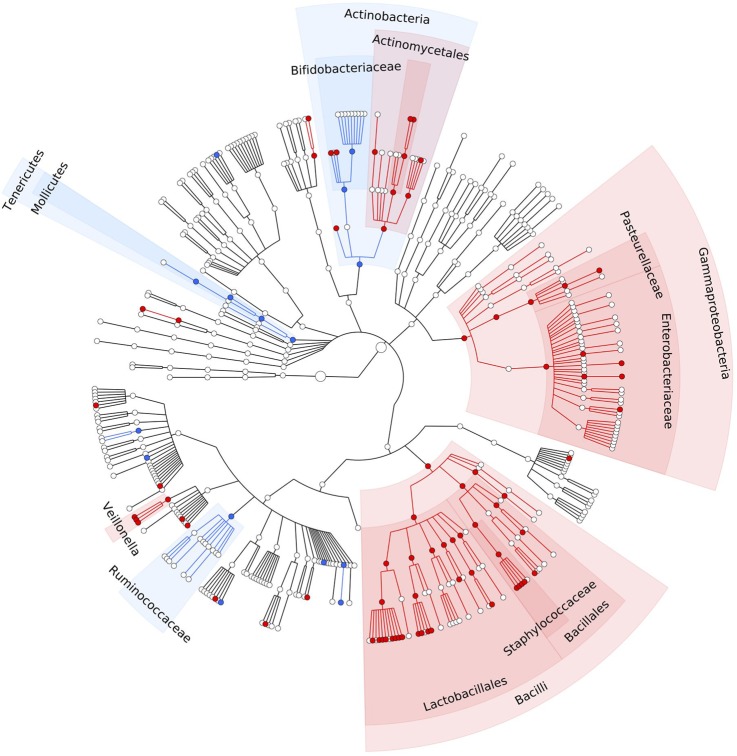
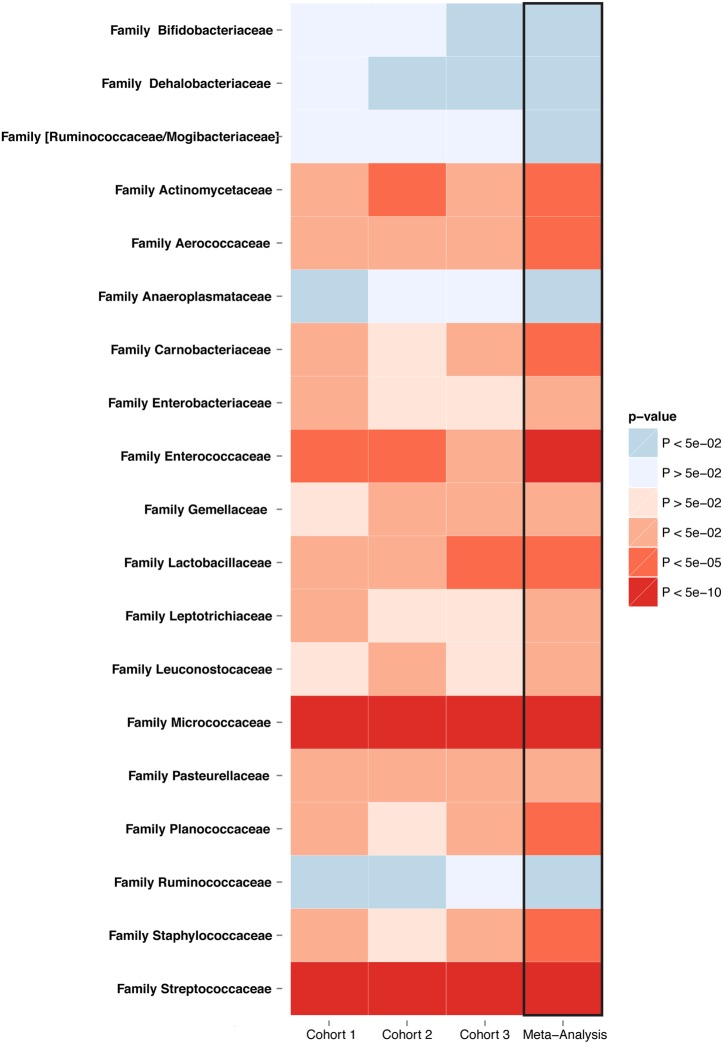
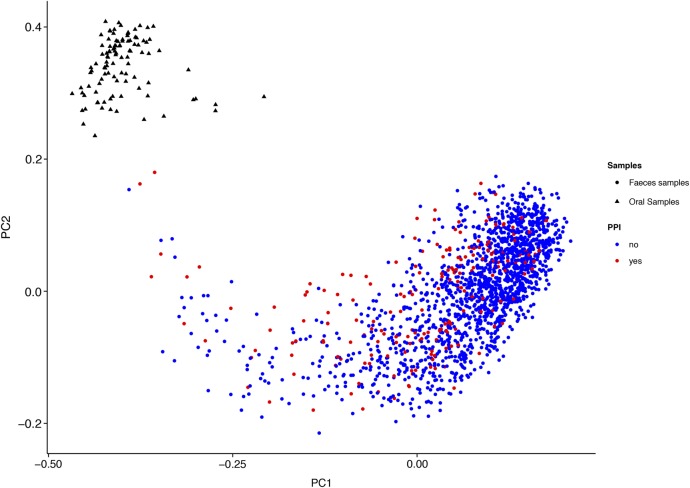
Background and aims: Proton pump inhibitors (PPIs) are among the top 10 most widely used drugs in the world. PPI use has been associated with an increased risk of enteric infections, most notably Clostridium difficile. The gut microbiome plays an important role in enteric infections, by resisting or promoting colonisation by pathogens. In this study, we investigated the influence of PPI use on the gut microbiome. Methods: The gut microbiome composition of 1815 individuals, spanning three cohorts, was assessed by tag sequencing of the 16S rRNA gene. The difference in microbiota composition in PPI users versus non-users was analysed separately in each cohort, followed by a meta-analysis. Results: 211 of the participants were using PPIs at the moment of stool sampling. PPI use is associated with a significant decrease in Shannon's diversity and with changes in 20% of the bacterial taxa (false discovery rate <0.05). Multiple oral bacteria were over-represented in the faecal microbiome of PPI-users, including the genus Rothia (p=9.8×10 −38 ). In PPI users we observed a significant increase in bacteria: genera Enterococcus , Streptococcus , Staphylococcus and the potentially pathogenic species Escherichia coli . Conclusions: The differences between PPI users and non-users observed in this study are consistently associated with changes towards a less healthy gut microbiome. These differences are in line with known changes that predispose to C. difficile infections and can potentially explain the increased risk of enteric infections in PPI users. On a population level, the effects of PPI are more prominent than the effects of antibiotics or other commonly used drugs.
Overview
The claims and statistics of this paper haven’t been checked yet.
Free: it reads the open-access text and checks the first 5 claims that cite a source we can check. Create a free account to check every claim.
Integrity signals
Registry
Cites
Statistics
Figures
Verification
Claims the paper makes
The claims and statistics of this paper haven’t been checked yet.
Free: it reads the open-access text and checks the first 5 claims that cite a source we can check. Create a free account to check every claim.
Claims other papers make about this one
Each is checked against this paper’s own text: does it say what the citing paper says it does?
The source backs part of the claim, not all of it — or backs it for a different population, condition or comparison.
In the citing paper
“an overall signature resembling the gut microbiome of patients with inflammatory bowel disease20”
From Longitudinal gut microbiome changes in immune checkpoint blockade-treated advanced melanoma (2024) · cites this paper as [20]
Experimental — accuracy not yet measuredThe source backs part of the claim, not all of it — or backs it for a different population, condition or comparison.
In the citing paper
“many drugs induce shifts in microbial community composition57,58.”
From Development of a gut microbe–targeted nonlethal therapeutic to inhibit thrombosis potential (2018) · cites this paper as [57]
Experimental — accuracy not yet measuredThe cited source says what the claim attributes to it.
In the citing paper
“To avoid confounding by colitis and PPI use, which individually has considerable effects on the gut microbiome19,20, we compared patients with PFS ≥12 months versus patients with PFS <12 months on monotherapy (Extended Data Fig. 8 and Supplementary Table 7) or combination therapy (Extended Data Fig. 9 and Supplementary Table 8) who did not develop colitis and did not use PPIs, while also averaging”
From Longitudinal gut microbiome changes in immune checkpoint blockade-treated advanced melanoma (2024) · cites this paper as [20]
In the citing paper
“PPIs by reducing gastric acid secretion can produce profound changes in the colonic microbiota, mainly characterized by a decrease in the abundance of commensal bacteria, which is associated with a reduction in microbial diversity and an increase of oral bacteria in the stool[108,109].”
From Proton pump inhibitors and dysbiosis: current knowledge and aspects to be clarified (2019) · cites this paper as [109]
In the citing paper
“Even if not fully clarified, it has been hypothesized that, in CDI, a reduction in alpha diversity and a decrease in the abundance of bacteria of the Ruminococcoceae associated with an increase in the Enterobacteriaceae, Enterococcoceae and Lactobacillaceae families observed during long-term PPI treatment could facilitate the onset of infection[109].”
From Proton pump inhibitors and dysbiosis: current knowledge and aspects to be clarified (2019) · cites this paper as [109]
Self-check
Percentages, sums and reported differences re-computed from the paper’s own numbers.
The self-check needs the paper’s full text.
Citations
Cites
QIIME allows analysis of high-throughput community sequencing data
Caporaso, J. G., Kuczynski, J., Stombaugh, J., Bittinger, K., Bushman, F. D., Costello, E. K., Fierer, N., Peña, A. G., Goodrich, J. K., Gordon, J. I., et al. (2010) · Nature Methods · doi:10.1038/nmeth.f.303 · Cited by 34,887
Multistate point-prevalence survey of health care-associated infections
Magill, S. S., Edwards, J. R., Bamberg, W., Beldavs, Z. G., Dumyati, G., Kainer, M. A., Lynfield, R., Maloney, M., McAllister-Hollod, L., Nadle, J., et al. (2014) · New England Journal of Medicine · doi:10.1056/nejmoa1306801 · Cited by 3,931 · cited 1×
“23 24 Virulent strains of C. dif fi cile can only colonise a susceptible gut, after which toxins are produced and spores are shed.”
BackgroundDuodenal Infusion of Donor Feces for Recurrent Clostridium difficile
van Nood, E., Vrieze, A., Nieuwdorp, M., Fuentes, S., Zoetendal, E. G., de Vos, W. M., Visser, C. E., Kuijper, E. J., Bartelsman, J. F. W. M., Tijssen, J. G. P., et al. (2013) · New England Journal of Medicine · doi:10.1056/nejmoa1205037 · Cited by 3,708
Human Genetics Shape the Gut Microbiome
Goodrich, J. K., Waters, J. L., Poole, A. C., Sutter, J. L., Koren, O., Blekhman, R., Beaumont, M., Van Treuren, W., Knight, R., Bell, J. T., et al. (2014) · Cell · doi:10.1016/j.cell.2014.09.053 · Cited by 3,164
Dysfunction of the intestinal microbiome in inflammatory bowel disease and treatment
Morgan, X. C., Tickle, T. L., Sokol, H., Gevers, D., Devaney, K. L., Ward, D. V., Reyes, J. A., Shah, S. A., LeLeiko, N., Snapper, S. B., et al. (2012) · Genome Biology · doi:10.1186/gb-2012-13-9-r79 · Cited by 2,713
Self-citationBurden of Clostridium difficile Infection in the United States
Lessa, F. C., Mu, Y., Bamberg, W. M., Beldavs, Z. G., Dumyati, G. K., Dunn, J. R., Farley, M. M., Holzbauer, S. M., Meek, J. I., Phipps, E. C., et al. (2015) · New England Journal of Medicine · doi:10.1056/nejmoa1408913 · Cited by 2,641
Human gut microbiota in obesity and after gastric bypass
Zhang, H., DiBaise, J. K., Zuccolo, A., Kudrna, D., Braidotti, M., Yu, Y., Parameswaran, P., Crowell, M. D., Wing, R., Rittmann, B. E., et al. (2009) · Proceedings of the National Academy of Sciences · doi:10.1073/pnas.0812600106 · Cited by 1,880 · cited 1×
“22 We looked at the role of the gut microbiome in C. dif fi cile infections, which cause 12.1% of all nosocomial infections and were responsible for half a million infections and associated with 29 000 deaths in the USA in 2011.”
BackgroundInfluentialPrecision microbiome reconstitution restores bile acid mediated resistance to Clostridium difficile
Buffie, C. G., Bucci, V., Stein, R. R., McKenney, P. T., Ling, L., Gobourne, A., No, D., Liu, H., Kinnebrew, M., Viale, A., et al. (2015) · Nature · doi:10.1038/nature13828 · Cited by 1,872
Control of pathogens and pathobionts by the gut microbiota
Kamada, N., Chen, G. Y., Inohara, N., & Núñez, G. (2013) · Nature Immunology · doi:10.1038/ni.2608 · Cited by 1,625 · cited 1×
“11 To ensure that the changes observed in microbiota composition were not due to diarrhoea and/or more frequent bowel movements, we checked in our general population whether clinical symptoms of diarrhoea were more often present in PPI users.”
BackgroundMicrobiota-mediated colonization resistance against intestinal pathogens
Buffie, C. G., & Pamer, E. G. (2013) · Nature reviews. Immunology · doi:10.1038/nri3535 · Cited by 1,564
Cited by
Items 201–300 of 1,000
Bloomfield, L., & Riley, T. V. (2016) · Infectious Diseases and Therapy · doi:10.1007/s40121-016-0117-y · Cited by 95
Role of the Duodenum in the Pathogenesis of Functional Dyspepsia: A Paradigm Shift
Jung, H., & Talley, N. J. (2018) · Journal of Neurogastroenterology and Motility · doi:10.5056/jnm18060 · Cited by 80
“Several studies on small intestinal dysbiosis related with PPIs and its impact on the gut have been published.(80) PPI use is associated with decreased bacterial richness and deviation of oralassociated bacteria in the gut microbiota.”
BackgroundThe role of the microbiota in the management of intensive care patients
Szychowiak, P., Villageois-Tran, K., Patrier, J., Timsit, J., & Ruppé, É. (2022) · Annals of Intensive Care · doi:10.1186/s13613-021-00976-5 · Cited by 94
“Among them, proton pump inhibitors [43, 44], metformin [45], nonsteroidal anti-inflammatory drugs [46], or statins exerted a detectable effect on the composition of the gut microbiota.”
BackgroundOtsuka, T., Sugimoto, M., Inoue, R., Ohno, M., Ban, H., Nishida, A., Inatomi, O., Takahashi, S., Naito, Y., & Andoh, A. (2017) · Gut · doi:10.1136/gutjnl-2016-313312 · Cited by 76
Drug-induced liver injury in older people
Lucena, M. I., Sanabria, J., García-Cortes, M., Stephens, C., & Andrade, R. J. (2020) · The Lancet Gastroenterology & Hepatology · doi:10.1016/s2468-1253(20)30006-6 · Cited by 77
Mujagic, Z., Kasapi, M., Jonkers, D. M. A. E., García‐Pérez, I., Vork, L., Weerts, Z. Z. R. M., Serrano-Contreras, J. I., Zhernakova, A., Kurilshikov, A., Scotcher, J., et al. (2022) · Gut Microbes · doi:10.1080/19490976.2022.2063016 · Cited by 82
“Proton pump inhibitors (PPI), frequently used by IBS patients, can alter the fecal microbiome by increasing abundances of oropharyngeal microbes.(32) In the present study, medication use, including PPI, was taken into account, and none of the identified clusters of IBS patients based on the microbiome–metabolome data…”
BackgroundSelf-citationRoss, C. L., Spinler, J. K., & Savidge, T. (2016) · Anaerobe · doi:10.1016/j.anaerobe.2016.05.006 · Cited by 87
The role of gut microbiota in Clostridium difficile infection
Samarkos, M., Mastrogianni, E., & Kampouropoulou, O. (2018) · European Journal of Internal Medicine · doi:10.1016/j.ejim.2018.02.006 · Cited by 75
“These changes are consistent with changes that predispose to CDI and suggest a mechanism by which PPIs might be associated with CDI [42].”
BackgroundLopes, S., Pabst, L., Dory, A., Klotz, M., Gourieux, B., Michel, B., & Mascaux, C. (2023) · Frontiers in Immunology · doi:10.3389/fimmu.2023.1070076 · Cited by 75
“On the contrary, the population of bacteria associated with resistance to ICIs, such as Bacteroidetes (79) and Escherichia coli (76, 77), increased with PPI treatment.”
BackgroundMollica, V., Santoni, M., Matrana, M. R., Basso, U., Giorgi, U. D., Rizzo, A., Maruzzo, M., Marchetti, A., Rosellini, M., Bleve, S., et al. (2021) · Targeted Oncology · doi:10.1007/s11523-021-00861-y · Cited by 83
“In particular, it has been pointed out that PPI use can lead to an increased prevalence of Lactobacillales (especially Streptococcaceae), Actinobacteria (in particular Actinomycetales), and Clostridiales (especially Ruminococcaceae) [17, 18].”
BackgroundGut Microbiome: Profound Implications for Diet and Disease
Hills, R. D., Pontefract, B., Mishcon, H. R., Black, C. A., Sutton, S. C., & Theberge, C. R. (2022) · Kompass Nutrition & Dietetics · doi:10.1159/000523712 · Cited by 87
“Antibiotics, PPIs, and atypical antipsychotics have each been implicated in reducing alpha microbial diversity [286,290,291].”
BackgroundZhu, J., Sun, C., Li, M., Hu, G., Zhao, X., & Chen, W. (2023) · Gut · doi:10.1136/gutjnl-2023-330168 · Cited by 93
“13 Additionally, two large cohort studies that employed shotgun metagenomic analysis demonstrated the influence of PPIs on the gut microbiome.”
BackgroundHudson, L. E., Anderson, S. E., Corbett, A. H., & Lamb, T. J. (2016) · Clinical Microbiology Reviews · doi:10.1128/cmr.00049-16 · Cited by 88
Trimethylamine N -oxide: heart of the microbiota–CVD nexus?
Naghipour, S., Cox, A. J., Peart, J. N., Toit, E. F. D., & Headrick, J. P. (2020) · Nutrition Research Reviews · doi:10.1017/s0954422420000177 · Cited by 86
“gut microbiota(187,188), and a recent study indicates a quarter of”
BackgroundWind, T. T., Gacesa, R., Vich Vila, A., de Haan, J. J., Jalving, M., Weersma, R. K., & Hospers, G. A. P. (2020) · Melanoma Research · doi:10.1097/cmr.0000000000000656 · Cited by 73
Self-citationHopkins, A. M., Kichenadasse, G., McKinnon, R. A., Abuhelwa, A. Y., Logan, J. M., Badaoui, S., Karapetis, C. S., Rowland, A., & Sorich, M. J. (2021) · British Journal of Cancer · doi:10.1038/s41416-021-01606-4 · Cited by 81
Gut Microbiota Composition Associated with Clostridioides difficile Colonization and Infection
Martínez, E. D., Taminiau, B., Rodriguez, C., & Daube, G. (2022) · Pathogens · doi:10.3390/pathogens11070781 · Cited by 75
“The use of PPIs decreased gut microbial diversity and the abundances of Clostridiales and Ruminococcaceae [50,51] and increased the abundances of the Enterococcaceae and Staphylococcaceae families [50,52] and Veillonella parvula and Streptococcus”
BackgroundThe importance of cohort studies in the post-GWAS era
Wijmenga, C., & Zhernakova, A. (2018) · Nature Genetics · doi:10.1038/s41588-018-0066-3 · Cited by 86
Self-citationCastellani, C., Singer, G., Kashofer, K., Huber-Zeyringer, A., Flucher, C., Kaiser, M., & Till, H. (2017) · Frontiers in Cellular and Infection Microbiology · doi:10.3389/fcimb.2017.00444 · Cited by 78
“The fecal microbiome is easily accessible and the obtained results can be compared to adult studies (Freedberg et al., 2015b; Clooney et al., 2016; Imhann et al., 2016; Jackson et al., 2016).”
BackgroundResultGommers, L. M. M., Ederveen, T. H. A., van der Wijst, J., Bos, C., Kortman, G. A. M., Boekhorst, J., Bindels, R. J. M., de Baaij, J. H. F., & Hoenderop, J. G. J. (2019) · The FASEB Journal · doi:10.1096/fj.201900839r · Cited by 72
“Although previous cohort studies indicated an association between lower microbial diversity and PPI use (11, 12), we are the first to demonstrate a causal relationship between PPI use and microbiome disturbances.”
ResultBreast Cancer: Lifestyle, the Human Gut Microbiota/Microbiome, and Survivorship
Bodai, B. I., & Nakata, T. E. (2020) · The Permanente Journal · doi:10.7812/tpp/19.129 · Cited by 74
Schamarek, I., Anders, L., Chakaroun, R., Kovacs, P. L., & Rohde‐Zimmermann, K. (2023) · Nutrition Journal · doi:10.1186/s12937-023-00856-7 · Cited by 77
Gut Microbiota in NSAID Enteropathy: New Insights From Inside
Wang, X., Tang, Q., Hou, H., Zhang, W., Li, M., Chen, D., Gu, Y., Wang, B., Hou, J., Liu, Y., et al. (2021) · Frontiers in Cellular and Infection Microbiology · doi:10.3389/fcimb.2021.679396 · Cited by 86
Cheung, K. S., Lam, L. K., Seto, W., & Leung, W. K. (2021) · Liver Cancer · doi:10.1159/000518090 · Cited by 78
Child Weight Gain Trajectories Linked To Oral Microbiota Composition
Craig, S. J. C., Blankenberg, D., Parodi, A. C. L., Paul, I. M., Birch, L. L., Savage, J. S., Marini, M. E., Stokes, J. L., Nekrutenko, A., Reimherr, M., et al. (2018) · Scientific Reports · doi:10.1038/s41598-018-31866-9 · Cited by 68
The Role of the Microbiome in Gastrointestinal Cancer
Wroblewski, L. E., Peek, R. M., & Coburn, L. A. (2016) · Gastroenterology Clinics of North America · doi:10.1016/j.gtc.2016.04.010 · Cited by 85
“Two recent studies have independently identified that proton pump inhibitor use may detrimentally alter the gut microbiota.(28,29)”
The Gut Microbiome, Metformin, and Aging
Induri, S. N. R., Kansara, P., Thomas, S. C., Xu, F., Saxena, D. B., & Li, X. (2021) · The Annual Review of Pharmacology and Toxicology · doi:10.1146/annurev-pharmtox-051920-093829 · Cited by 71
Gut microbiota response to antibiotics is personalized and depends on baseline microbiota
Rashidi, A., Ebadi, M., Rehman, T. U., Elhusseini, H., Nalluri, H., Kaiser, T., Holtan, S. G., Khoruts, A., Weisdorf, D. J., & Staley, C. M. (2021) · Microbiome · doi:10.1186/s40168-021-01170-2 · Cited by 81
“In otherwise healthy adults and patients with inflammatory bowel disease, PPIs increased ectopic colonization of oral bacteria in the gut and promoted the expansion of Enterococcus, Streptococcus, Staphylococcus, and some Proteobacteria [52, 53].”
BackgroundProton Pump Inhibitors: Risks and Rewards and Emerging Consequences to the Gut Microbiome
Singh, A., Cresci, G., & Kirby, D. F. (2018) · Nutrition in Clinical Practice · doi:10.1002/ncp.10181 · Cited by 80
Newsome, R. C., Gauthier, J., Hernandez, M. C., Abraham, G., Robinson, T. O., Williams, H. B., Sloan, M., Owings, A. H., Laird, H., Christian, T., et al. (2021) · Gut Microbes · doi:10.1080/19490976.2021.1926840 · Cited by 74
“A previous study showed that patients under PPIs medication are at increased risk for severe clinical symptoms of COVID-19.(32) Thus, we examined the difference in gut microbiome between those patients treated with proton pump inhibitors (PPI) versus those that did not receive them.”
BackgroundResultInfluentialLiang, L., Saunders, C., & Sanossian, N. (2023) · Food Science & Nutrition · doi:10.1002/fsn3.3229 · Cited by 85
Xiao, X., Zhang, X., Wang, J., Liu, Y., Yan, H., Xing, X., & Yang, J. (2024) · Gut · doi:10.1136/gutjnl-2023-330883 · Cited by 79
Niikura, R., Hayakawa, Y., Hirata, Y., Yamada, A., Fujishiro, M., & Koike, K. (2017) · Gut · doi:10.1136/gutjnl-2017-315710 · Cited by 73
Helicobacter pylori Infection, the Gastric Microbiome and Gastric Cancer
Pereira‐Marques, J., Ferreira, R. M., Pinto-Ribeiro, I., & Figueiredo, C. (2019) · Advances in experimental medicine and biology · doi:10.1007/5584_2019_366 · Cited by 83
Recent advances in modulating the microbiome
Quigley, E. M. M., & Gajula, P. (2020) · F1000Research · doi:10.12688/f1000research.20204.1 · Cited by 78
Salivary microbiome with gastroesophageal reflux disease and treatment
Kawar, N. I., Park, S. G., SCHWARTZ, J. L., Callahan, N. F., Obrez, A., Yang, B. J., Chen, Z., & Adami, G. R. (2021) · Scientific Reports · doi:10.1038/s41598-020-80170-y · Cited by 78
Side effects of long-term use of proton pump inhibitors: practical considerations
Castellana, C., Pecere, S., Furnari, M., Telese, A., Matteo, M. V., Haidry, R. J., & Eusebi, L. H. (2021) · Polskie Archiwum Medycyny Wewnętrznej · doi:10.20452/pamw.15997 · Cited by 90
The relation between the gut microbiome and osteoarthritis: A systematic review of literature
Chisari, E., Wouthuyzen‐Bakker, M., Friedrich, A. W., & Parvizi, J. (2021) · PLoS ONE · doi:10.1371/journal.pone.0261353 · Cited by 79
“The gut microbiome is affected by several factors, including dietary patterns [21], pro- and prebiotics, and drugs (antibiotics, proton-pump inhibitors, non-steroidal anti-inflammatory drugs [22, 23]).”
BackgroundRossi, G., Pezzuto, A., Sini, C., Tuzi, A., Citarella, F., McCusker, M. G., Nigro, O., Tanda, E., & Russo, A. (2019) · Critical Reviews in Oncology/Hematology · doi:10.1016/j.critrevonc.2019.07.005 · Cited by 66
Gustot, T., Stadlbauer, V., Laleman, W., Alessandria, C., & Thursz, M. R. (2021) · Journal of Hepatology · doi:10.1016/j.jhep.2020.12.005 · Cited by 84
Tansel, A., & Levinthal, D. J. (2023) · Clinical and Translational Gastroenterology · doi:10.14309/ctg.0000000000000567 · Cited by 89
“Evidence suggests that proton pump inhibitors (PPIs) and histamine H2-receptor antagonists (H2 blockers) can influence the gut microbiome, but the need to hold these medications before breath testing is controversial (3,15,24,25).”
Tanwar, H., Gnanasekaran, J. M., Allison, D. L., Chuang, L.-S. F., He, X., Aimetti, M., Baima, G., Costalonga, M., Cross, R. K., Sears, C. L., et al. (2024) · Journal of Crohn s and Colitis · doi:10.1093/ecco-jcc/jjae028 · Cited by 99
Endogenous ethanol production in health and disease
Meijnikman, A. S., Nieuwdorp, M., & Schnabl, B. (2024) · Nature Reviews Gastroenterology & Hepatology · doi:10.1038/s41575-024-00937-w · Cited by 83
“Other host factors that influence gut homeostasis include peri-stalsis, intestinal transit time and the secretion of immunoglobulin and antimicrobial peptides 39,54,55 .”
Yuan, J., He, Q., Nguyen, L. H., Wong, M. C. S., Huang, J., Yu, Y., Xia, B., Tang, Y., He, Y., & Zhang, C. (2020) · Gut · doi:10.1136/gutjnl-2020-322557 · Cited by 73
Tousoulis, D., Guzik, T. J., Padró, T., Duncker, D. J., Luca, G. D., Eringa, E. C., Vavlukis, M., Antonopoulos, A. S., Katsimichas, T., Cenko, E., et al. (2022) · Cardiovascular Research · doi:10.1093/cvr/cvac057 · Cited by 77
“142 Of note, the use of commonly prescribed drugs such as metformin or proton pump inhibitors leads to changes in the GM, 140,143,144 and their contribution to compositional variance must be disentangled and accounted for.”
BackgroundHatton, G. B., Madla, C. M., Rabbie, S. C., & Basit, A. W. (2018) · International Journal of Pharmaceutics · doi:10.1016/j.ijpharm.2018.06.054 · Cited by 71
Caenepeel, C., Tabib, N. S. S., Vieira‐Silva, S., & Vermeire, S. (2020) · Alimentary Pharmacology & Therapeutics · doi:10.1111/apt.16096 · Cited by 72
Mechanisms of Food-Induced Symptom Induction and Dietary Management in Functional Dyspepsia
Duncanson, K., Burns, G. L., Pryor, J., Keely, S., & Talley, N. J. (2021) · Nutrients · doi:10.3390/nu13041109 · Cited by 78
“Iberogast (STW5) contains a combination of nine herbs and appears to reduce FD symptoms by enhancing antral motility and proximal gastric relaxation [38].”
BackgroundThe risk of lower gastrointestinal bleeding in low‐dose aspirin users
Chen, W., Lin, K.-H., Huang, Y., Tsai, T., Sun, W., Chuah, S., Wu, D., & Hsu, P. (2017) · Alimentary Pharmacology & Therapeutics · doi:10.1111/apt.14079 · Cited by 69
Spakowicz, D., Hoyd, R., Muniak, M., Husain, M., Bassett, J. S., Wang, L., Tinoco, G., Patel, S. H., Burkart, J., Miah, A., et al. (2020) · BMC Cancer · doi:10.1186/s12885-020-06882-6 · Cited by 62
Hu, J., Mei, H., Su, N., Sun, W., Zhang, D., Fan, L., He, P., Pan, J., Wang, X., Zou, P., et al. (2023) · Helicobacter · doi:10.1111/hel.12970 · Cited by 67
Gut inflammation associated with age and Alzheimer’s disease pathology: a human cohort study
Heston, M. B., Hanslik, K. L., Zarbock, K. R., Harding, S. J., Davenport‐Sis, N. J., Kerby, R. L., Chin, N. A., Sun, Y., Hoeft, A., Deming, Y. K., et al. (2023) · Scientific Reports · doi:10.1038/s41598-023-45929-z · Cited by 73
“To identify factors that distinguished the high-calprotectin CU Aβ− participants from their low-calprotectin counterparts, a post hoc analysis was conducted on self-reported comorbidities, medications, dietary patterns, and other microbiome-altering lifestyle factors 55–57 .”
BackgroundMethodInfluentialDadgar-Zankbar, L., Elahi, Z., Shariati, A., Khaledi, A., Razavi, S., & Khoshbayan, A. (2024) · Cell Communication and Signaling · doi:10.1186/s12964-024-01909-y · Cited by 71
Gut microbial composition in patients with atrial fibrillation: effects of diet and drugs
Tabata, T., Yamashita, T., Hosomi, K., Park, J., Hayashi, T., Yoshida, N., Saito, Y., Fukuzawa, K., Konishi, K., Murakami, H., et al. (2020) · Heart and Vessels · doi:10.1007/s00380-020-01669-y · Cited by 69
Dora, D., Ligeti, B., Kovacs, T., Revisnyei, P., Galffy, G., Dulka, E., Krizsán, D., Kalcsevszki, R., Megyesfalvi, Z., Dome, B., et al. (2023) · OncoImmunology · doi:10.1080/2162402x.2023.2204746 · Cited by 61
Patel, P. J., Hayward, K. L., Rudra, R., Horsfall, L. U., Hossain, F., Williams, S., Johnson, T., Brown, N. N., Saad, N., Clouston, A. D., et al. (2017) · Medicine · doi:10.1097/md.0000000000006761 · Cited by 70
“Future studies should address whether the changes in gut microbiota seen with PPI use([48]) influence the metabolic and disease phenotype of patients with NAFLD and type 2 diabetes.”
BackgroundProton pump inhibitors, adverse events and increased risk of mortality
Lanas-Gimeno, A., Hijos, G., & Lanas, Á. (2019) · Expert Opinion on Drug Safety · doi:10.1080/14740338.2019.1664470 · Cited by 60
Faleck, D. M., Salmasian, H., Furuya, Y. E., Larson, E., Abrams, J. A., & Freedberg, D. E. (2016) · The American Journal of Gastroenterology · doi:10.1038/ajg.2016.343 · Cited by 75
Effect of psychological stress on the oral-gut microbiota and the potential oral-gut-brain axis
Paudel, D., Uehara, O., Giri, S., Yoshida, K., Morikawa, T., Kitagawa, T., Matsuoka, H., Miura, H., Toyofuku, A., Kuramitsu, Y., et al. (2022) · Japanese Dental Science Review · doi:10.1016/j.jdsr.2022.11.003 · Cited by 79
“Oral bacteria such as Rothia, Scardovia, Actinomyces, and Micrococcaceae were found to be over-represented in the fecal microbiome of patients taking protein pump inhibitor drugs, which lower the acidity of the gastric juice [94].”
BackgroundClostridioides difficile, a New “Superbug”
Markovska, R. D., Dimitrov, G. T., Gergova, R. T., & Boyanova, L. (2023) · Microorganisms · doi:10.3390/microorganisms11040845 · Cited by 65
Impact of Helicobacter pylori infection on gut microbiota
Iino, C., & Shimoyama, T. (2021) · World Journal of Gastroenterology · doi:10.3748/wjg.v27.i37.6224 · Cited by 64
Meta-analysis of the effects of proton pump inhibitors on the human gut microbiota
Zhang, J., Zhang, C., Zhang, Q., Yu, L., Chen, W., Xue, Y., & Zhai, Q. (2023) · BMC Microbiology · doi:10.1186/s12866-023-02895-w · Cited by 74
“Although Imhann and Hojo described an increase in Enterobacteriaceae in the gut microbiota of PPI users in three cohorts, we were unable to replicate this phenomenon in the meta-analysis [2, 55].”
BackgroundResultMullane, K. M., Dubberke, E. R., & Practice, O. B. O. T. A. I. C. O. (2019) · Clinical Transplantation · doi:10.1111/ctr.13564 · Cited by 59
Impact of the Gut Microbiome on Immune Checkpoint Inhibitor Efficacy—A Systematic Review
Pierrard, J., & Seront, E. (2019) · Current Oncology · doi:10.3747/co.26.5177 · Cited by 64
Yoshihara, T., Oikawa, Y., Kato, T., Kessoku, T., Kobayashi, T., Kato, S., Misawa, N., Ashikari, K., Fuyuki, A., Ohkubo, H., et al. (2020) · Gut Microbes · doi:10.1080/19490976.2020.1758290 · Cited by 61
Pharmacologic and Nonpharmacologic Therapies for the Gut Microbiota in Type 2 Diabetes
Caesar, R. (2019) · Canadian Journal of Diabetes · doi:10.1016/j.jcjd.2019.01.007 · Cited by 58
Proton pump inhibitors and risk of colorectal cancer
Abrahami, D., McDonald, E. G., Schnitzer, M. E., Barkun, A. N., Suissa, S., & Azoulay, L. (2021) · Gut · doi:10.1136/gutjnl-2021-325096 · Cited by 60
Kong, L., Wang, Z., Xiao, C., Zhu, Q., & Song, Z. (2022) · Animal nutrition · doi:10.1016/j.aninu.2022.06.005 · Cited by 62
“The promoted colonization of probiotics can result in colonization resistance to intestinal pathogens (Imhann et al., 2016), which partly explained the reduced proportions of the genera Phascolarctobacterium, Elusimicrobium, and Marvinbryantia in LPS-challenged birds fed GML-supplied diet.”
BackgroundRaoul, J., Moreau-Bachelard, C., Gilabert, M., Edeline, J., & Frenel, J. (2023) · ESMO Open · doi:10.1016/j.esmoop.2023.100880 · Cited by 58
“For example, the microbiome of responders to ICIs is enriched in Firmicutes, and inmelanoma patients treatedwith anti-programmed cell death protein 1 (PD-1) there is a difference in themicrobiome between treatment responders and non-responders.(6,32) It is now clear that antibiotics (ATB) can inhibit the clinical bene…”
BackgroundProton pump inhibitor use increases mortality and hepatic decompensation in liver cirrhosis
Roza, M. A. D., Kai, L., Kam, J. W., Chan, Y. H., Kwek, A. B. E., Ang, T. L., & Hsiang, J. C. (2019) · World Journal of Gastroenterology · doi:10.3748/wjg.v25.i33.4933 · Cited by 62
Kaur, G., Behl, T., BUNGAU, S. G., Kumar, A., Uddin, M. S., Mehta, V., Zengin, G., Mathew, B., Shah, M. A., & Arora, S. (2020) · Current Neuropharmacology · doi:10.2174/1570159x18666200606233050 · Cited by 64
Tam, R. Y., van Dorst, J. M., McKay, I. R., Coffey, M. J., & Ooi, C. Y. (2022) · Journal of Clinical Medicine · doi:10.3390/jcm11030649 · Cited by 67
Duodenal inflammation: an emerging target for functional dyspepsia?
Wauters, L. I., Burns, G. L., Ceulemans, M., Walker, M. M., Vanuytsel, T., Keely, S., & Talley, N. J. (2020) · Expert Opinion on Therapeutic Targets · doi:10.1080/14728222.2020.1752181 · Cited by 63
“Overgrowth with oral species such as Streptococcus has been reported in the fecal flora of subjects during PPI-therapy [120,121] and an increased risk of enteric infections has been reported with the use of pantoprazole during 3 years [18].”
BackgroundMicrobiota and Colorectal Cancer: From Gut to Bedside
Silva, M. G., Brunner, V., & Tschurtschenthaler, M. (2021) · Frontiers in Pharmacology · doi:10.3389/fphar.2021.760280 · Cited by 67
Role of the duodenal microbiota in functional dyspepsia
Brown, G., Hoedt, E. C., Keely, S., Shah, A., Walker, M. M., Holtmann, G., & Talley, N. J. (2022) · Neurogastroenterology & Motility · doi:10.1111/nmo.14372 · Cited by 63
Cao, C., Yue, S., Lü, A., & Liang, C. (2024) · Pharmacological Research · doi:10.1016/j.phrs.2024.107321 · Cited by 67
Nadatani, Y., Watanabe, T., Suda, W., Nakata, A., Matsumoto, Y., Kosaka, S., Higashimori, A., Otani, K., Hosomi, S., Tanaka, F., et al. (2019) · Scientific Reports · doi:10.1038/s41598-019-53559-7 · Cited by 60
Thompson, K. N., Bonham, K. S., Ilott, N. E., Britton, G. J., Colmenero, P., Bullers, S. J., McIver, L. J., Ma, S., Nguyen, L. H., Filer, A. D., et al. (2023) · Science Translational Medicine · doi:10.1126/scitranslmed.abn4722 · Cited by 59
“For these tests, we were careful to adjust for proton pump inhibitor (PPI) usage, which has been hypothesized to facilitate the transversion of oral taxa into the gut (52, 53).”
MethodSøgaard, M., Heide‐Jørgensen, U., Vandenbroucke, J. P., Schønheyder, H. C., & Vandenbroucke‐Grauls, C. M. J. E. (2017) · Clinical Microbiology and Infection · doi:10.1016/j.cmi.2017.03.026 · Cited by 65
Safe use of proton pump inhibitors in patients with cirrhosis
Weersink, R. A., Bouma, M., Burger, D. M., Drenth, J. P. H., Harkes‐Idzinga, S. F., Hunfeld, N., Metselaar, H. J., Monster‐Simons, M. H., van Putten, S. A. W., Taxis, K., et al. (2018) · British Journal of Clinical Pharmacology · doi:10.1111/bcp.13615 · Cited by 61
The Role of the Gut Microbiota in Sustained Weight Loss Following Roux-en-Y Gastric Bypass Surgery
Fouladi, F., Brooks, A. E., Fodor, A. A., Carroll, I. M., Bulik‐Sullivan, E. C., Tsilimigras, M. C. B., Sioda, M., & Steffen, K. J. (2019) · Obesity Surgery · doi:10.1007/s11695-018-03653-y · Cited by 57
Effects of Drugs and Excipients on Hydration Status
Puga, A. M., Lopez-Oliva, S., Trives, C., Partearroyo, T., & Varela-Moreiras, G. (2019) · Nutrients · doi:10.3390/nu11030669 · Cited by 54
“In addition, PPIs could lead to bacterial overgrowth and enteric infections, including Clostridium difficile [55,56].”
BackgroundThe intestinal microbiota and cardiovascular disease
Katsimichas, T., Antonopoulos, A. S., Katsimichas, A., Ohtani, T., Sakata, Y., & Tousoulis, D. (2019) · Cardiovascular Research · doi:10.1093/cvr/cvz135 · Cited by 62
Olekhnovich, E. I., Manolov, A. I., Prianichniikov, N. A., Samoilov, A. E., Malakhova, M. V., Tyakht, A., Babenko, V. V., Larin, A., Babin, Y. Y., Starikova, E. V., et al. (2019) · Frontiers in Microbiology · doi:10.3389/fmicb.2019.01902 · Cited by 54
“Protonpump inhibitors which are also included in many eradication therapy schemes may also lead to a significant shift in the gut microbial community due to an intrusion of species which cannot pass gastric acid barrier under normal conditions (Jackson et al., 2015; Imhann et al., 2016).”
BackgroundWu, L., Wang, Z., Sun, G., Peng, L., Lu, Z.-S., Yan, B., Huang, K., & Yang, Y. (2019) · Scientific Reports · doi:10.1038/s41598-019-49415-3 · Cited by 58
Mucosa-associated gut microbiota reflects clinical course of ulcerative colitis
Nishihara, Y., Ogino, H., Tanaka, M., Ihara, E., Fukaura, K., Nishioka, K., Chinen, T., Tanaka, Y., Nakayama, J., Kang, D., et al. (2021) · Scientific Reports · doi:10.1038/s41598-021-92870-0 · Cited by 60
Proton pump inhibitor use associated with changes in gut microbiota composition
Reveles, K. R., Ryan, C. N., Chan, L., Cosimi, R. A., & Haynes, W. L. (2018) · Gut · doi:10.1136/gutjnl-2017-315306 · Cited by 52
Andrawes, M., Andrawes, W., Das, A., & Siau, K. (2025) · Medicina · doi:10.3390/medicina61091569 · Cited by 104
“The proposed mechanism involves hypochlorhydria-induced alterations of oral and gut microbiota, which may predispose to aspiration-related infection [66,67].”
van Kessel, S. P., & Aidy, S. E. (2019) · Frontiers in Neurology · doi:10.3389/fneur.2019.01087 · Cited by 61
“Studies looking at the alteration of the microbiota in subjects using PPIs showed increased levels of Bacilli (including Lactobacillus, Staphylococcus, and Enterococcus) in fecal samples (67, 68).”
BackgroundCountry-wide medical records infer increased allergy risk of gastric acid inhibition
Jordakieva, G., Kundi, M., Untersmayr, E., Pali‐Schöll, I., Reichardt, B., & Jensen‐Jarolim, E. (2019) · Nature Communications · doi:10.1038/s41467-019-10914-6 · Cited by 56
Choi, D. S., Seo, S. I., Shin, W. G., & Park, C. H. (2020) · Clinical and Translational Gastroenterology · doi:10.14309/ctg.0000000000000127 · Cited by 55
Interplay between gut microbiota, bone health and vascular calcification in chronic kidney disease
Rodrigues, F. G., Ormanji, M. S., Heilberg, I. P., Bakker, S. J. L., & de Borst, M. H. (2021) · European Journal of Clinical Investigation · doi:10.1111/eci.13588 · Cited by 56
Liu, F., Ren, T., Li, X., Zhai, Q., Xu, X., Zhang, N., Peng, J. C., Niu, Y., Lv, L., Shi, G., et al. (2021) · Frontiers in Immunology · doi:10.3389/fimmu.2021.626217 · Cited by 57
Obesity increases the risk of small intestinal bacterial overgrowth (SIBO)
Roland, B. C., Lee, D., Miller, L. S., Vegesna, A., Yolken, R., Severance, E., Prandovszky, E., Zheng, X. E., & Mullin, G. E. (2018) · Neurogastroenterology & Motility · doi:10.1111/nmo.13199 · Cited by 50
Iino, C., Shimoyama, T., Chinda, D., Arai, T., Chiba, D., Nakaji, S., & Fukuda, S. (2018) · Frontiers in Immunology · doi:10.3389/fimmu.2018.00712 · Cited by 52
“Recent studies suggested that the use of proton pump inhibitors (PPIs) was associated with the increase in the Lactobacillus population in the human gut microbiota (6, 7).”
BackgroundThe gut microbiome in psychiatry: A primer for clinicians
Ameringen, M. V., Turna, J., Patterson, B. A., Pipe, A., Mao, R. Q., Anglin, R., & Surette, M. G. (2019) · Depression and Anxiety · doi:10.1002/da.22936 · Cited by 54
Qin, B., Jiao, X., Zhou, X.-C., Shi, B., Wang, J., Liu, K., Wu, Y., Ling, Y., & Zang, Y. (2021) · OncoImmunology · doi:10.1080/2162402x.2021.1929727 · Cited by 52
“PPI may alter the pH levels of the gut and change the number and types of bacteria that pass through the stomach through inhibition of gastric acid secretion.(33) Notably, taxa enriched by the PPIinduced pH changes are also important for ICI response, and PPI use may affect the clinical outcome of ICIs.”
BackgroundCystic Fibrosis-Related Gut Dysbiosis: A Systematic Review
Caley, L. R., White, H., de Goffau, M. C., Floto, R. A., Parkhill, J., Marsland, B. J., & Peckham, D. G. (2023) · Digestive Diseases and Sciences · doi:10.1007/s10620-022-07812-1 · Cited by 61
Alterations of Enteric Microbiota in Patients with a Normal Ileal Pouch Are Predictive of Pouchitis
Maharshak, N., Cohen, N. A., Reshef, L., Tulchinsky, H., Gophna, U., & Dotan, I. (2016) · Journal of Crohn s and Colitis · doi:10.1093/ecco-jcc/jjw157 · Cited by 51
Li, D. K., Yan, P., Abou‐Samra, A., Chung, R. T., & Butt, A. A. (2017) · Alimentary Pharmacology & Therapeutics · doi:10.1111/apt.14391 · Cited by 57
“Two recent studies have shown that administration of proton pump inhibitors leads to significant alterations in the gut microbiota composition, including decreased bacterial diversity and increased numbers of potentially pathogenic bacteria.(13,14) Interestingly, decreased gut biodiversity, increased burden of pathoge…”
Background
Metadata
- Authors
- Imhann, F., Bonder, M. J., Vich Vila, A., Fu, J., Mujagic, Z., Vork, L., Tigchelaar, E. F., Jankipersadsing, S. A., Cenit, M. C., Harmsen, H. J. M., Dijkstra, G., Franke, L., Xavier, R. J., Jonkers, D., Wijmenga, C., Weersma, R. K., & Zhernakova, A.
- Affiliations
- University Medical Center Groningen (NL)
- University of Groningen and University Medical Center Groningen, Department of Gastroenterology and Hepatology, Groningen, The Netherlands
- Maastricht University Medical Centre (NL)
- University of Groningen and University Medical Center Groningen, Department of Genetics, Groningen, The Netherlands
- Broad Institute (US)
- Corresponding author
- Weersma, Rinse K
- ORCID
- Venue
- Gut
- Publisher
- BMJ
- Published
- 2015-12-09
- Volume
- 65
- Issue
- 5
- Pages
- 740-748
- ISSN
- 0017-5749 (ISSN-L)
- 1468-3288
- PMC
- PMC4853569
- OpenAlex
- W2194591433
- Semantic Scholar
- b8fb7b6609e0c21615cf6b305fc4c0b643f9fe55
- Cited by
- 1,371
- References
- 33
- Citations by year
- 2026: 148 · 2025: 152 · 2024: 151 · 2023: 171 · 2022: 147 · 2021: 157 · 2020: 147 · 2019: 108 · 2018: 82 · 2017: 67 · 2016: 39
- FWCI
- 27.05
- Type
- journal article
- Language
- en
- Open access
- hybrid
- doi.org
- Licence
- cc-by-nc
- Locations
- Gut (publishedVersion, cc-by-nc)
- PubMed Central (publishedVersion, cc-by-nc)
- PubMed (publishedVersion)
- Research Publications (Maastricht University) (publishedVersion, cc-by-nc)
- University of Groningen research database (University of Groningen / Centre for Information Technology) (publishedVersion, cc-by-nc)
- HighWire Press Open Archive (submittedVersion)
- University of Groningen research database (University of Groningen / Centre for Information Technology) (submittedVersion, cc-by-nc)
- Research Publications (Maastricht University) (submittedVersion)
- Research Publications (Maastricht University) (submittedVersion, other-oa)
- Funders
- Fundación Alfonso Martín Escudero
- Rijksuniversiteit Groningen
- Nederlandse Organisatie voor Wetenschappelijk Onderzoek (864.13.013, 917.14.374, 016.136.308)
- Maastricht Universitair Medisch Centrum
- National Institute of Diabetes and Digestive and Kidney Diseases (P30DK043351)
- Topics
- Life Sciences › Biochemistry, Genetics and Molecular Biology › Molecular Biology › Gut microbiota and health
- Health Sciences › Medicine › Infectious Diseases › Clostridium difficile and Clostridium perfringens research
- Health Sciences › Dentistry › Periodontics › Oral microbiology and periodontitis research
- Keywords
- proton pump inhibitors, gut microbiota, Clostridium difficile infection, gastrointestinal infections, microbial diversity, Rothia, Enterococcus, Streptococcus, Staphylococcus, Escherichia coli
- MeSH terms
- Gastrointestinal Microbiome, Adult, Female, Humans, Male, Middle Aged, Proton Pump Inhibitors
About these checks
Registry, retraction, Cites and statistics results are computed, not judged, with one exception: a printed reference that no index lists is read once by a model before it counts as a citation error. Claims are extracted by a model and kept only when their quote appears verbatim in the text; each cited source is then checked, with a model’s help, for whether it says what the claim relies on. Those verdicts can be wrong — read the claim’s quote and the cited source before relying on one.
Statistics and arithmetic are recomputed, not judged.
Confidence bands are shown only for fields calibrated on our annotated test set. None is calibrated yet, so no band is shown.
What counts as a claim ›How we measure confidence ›How we check this ›
Are you an author, or do you see a problem with this page? Request a review
Data sources
Bibliographic data: Semantic Scholar, OpenAlex, Crossref.
Contains information from the Semantic Scholar Academic Graph Datasets, made available under the ODC Attribution License (ODC-BY 1.0).
Semantic Scholar’s data is described in: Kinney, R., et al. (2023). The Semantic Scholar Open Data Platform. arXiv:2301.10140.
