

Proton pump inhibitors affect the gut microbiome
Open accessThe DOI matches its Crossref record; 33 of the 33 references it cites were found in a registry or an index.
Abstract
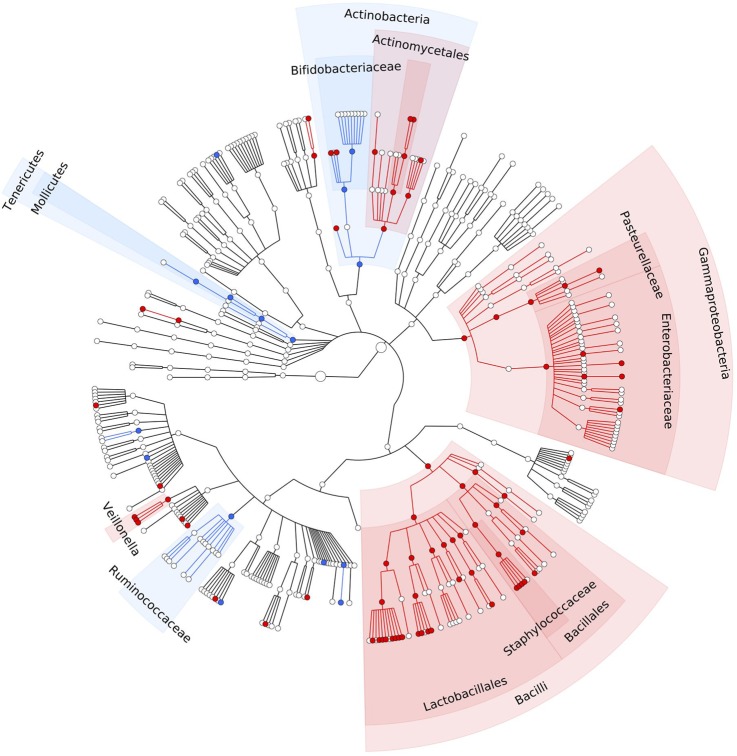
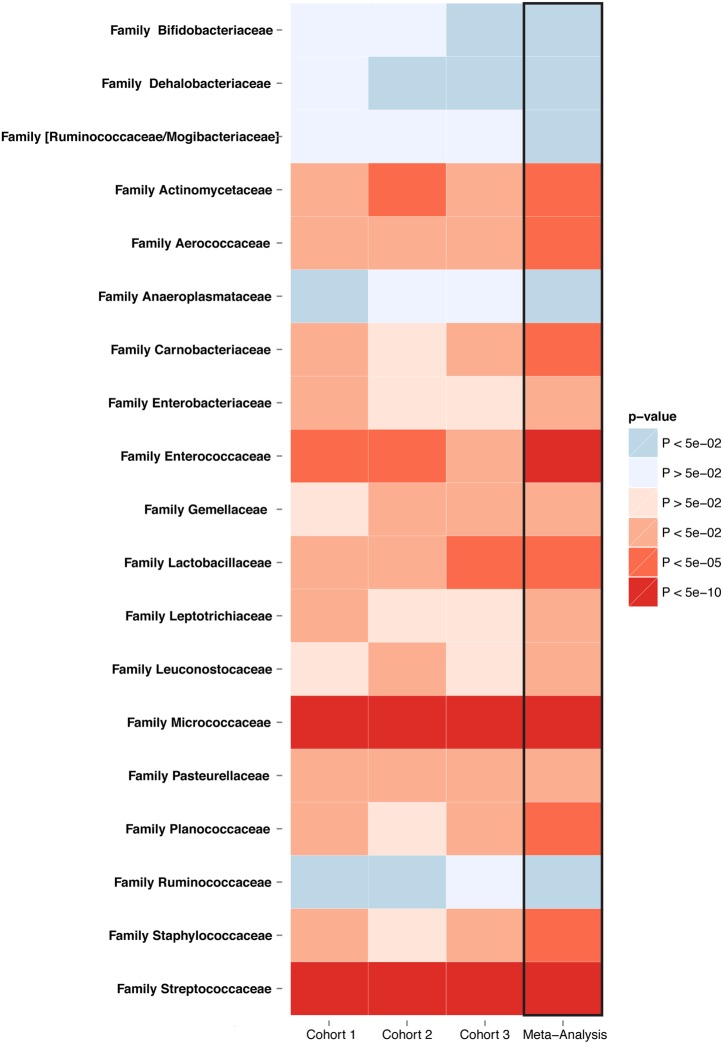
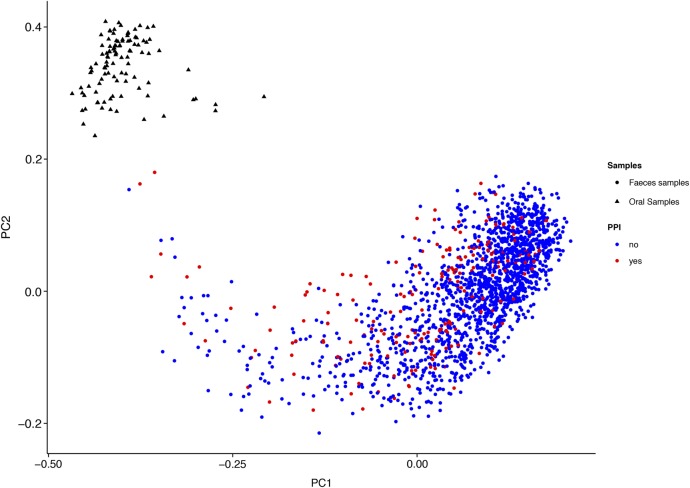
Background and aims: Proton pump inhibitors (PPIs) are among the top 10 most widely used drugs in the world. PPI use has been associated with an increased risk of enteric infections, most notably Clostridium difficile. The gut microbiome plays an important role in enteric infections, by resisting or promoting colonisation by pathogens. In this study, we investigated the influence of PPI use on the gut microbiome. Methods: The gut microbiome composition of 1815 individuals, spanning three cohorts, was assessed by tag sequencing of the 16S rRNA gene. The difference in microbiota composition in PPI users versus non-users was analysed separately in each cohort, followed by a meta-analysis. Results: 211 of the participants were using PPIs at the moment of stool sampling. PPI use is associated with a significant decrease in Shannon's diversity and with changes in 20% of the bacterial taxa (false discovery rate <0.05). Multiple oral bacteria were over-represented in the faecal microbiome of PPI-users, including the genus Rothia (p=9.8×10 −38 ). In PPI users we observed a significant increase in bacteria: genera Enterococcus , Streptococcus , Staphylococcus and the potentially pathogenic species Escherichia coli . Conclusions: The differences between PPI users and non-users observed in this study are consistently associated with changes towards a less healthy gut microbiome. These differences are in line with known changes that predispose to C. difficile infections and can potentially explain the increased risk of enteric infections in PPI users. On a population level, the effects of PPI are more prominent than the effects of antibiotics or other commonly used drugs.
Overview
The claims and statistics of this paper haven’t been checked yet.
Free: it reads the open-access text and checks the first 5 claims that cite a source we can check. Create a free account to check every claim.
Integrity signals
Registry
Cites
Statistics
Figures
Verification
Claims the paper makes
The claims and statistics of this paper haven’t been checked yet.
Free: it reads the open-access text and checks the first 5 claims that cite a source we can check. Create a free account to check every claim.
Claims other papers make about this one
Each is checked against this paper’s own text: does it say what the citing paper says it does?
The source backs part of the claim, not all of it — or backs it for a different population, condition or comparison.
In the citing paper
“an overall signature resembling the gut microbiome of patients with inflammatory bowel disease20”
From Longitudinal gut microbiome changes in immune checkpoint blockade-treated advanced melanoma (2024) · cites this paper as [20]
Experimental — accuracy not yet measuredThe source backs part of the claim, not all of it — or backs it for a different population, condition or comparison.
In the citing paper
“many drugs induce shifts in microbial community composition57,58.”
From Development of a gut microbe–targeted nonlethal therapeutic to inhibit thrombosis potential (2018) · cites this paper as [57]
Experimental — accuracy not yet measuredThe cited source says what the claim attributes to it.
In the citing paper
“To avoid confounding by colitis and PPI use, which individually has considerable effects on the gut microbiome19,20, we compared patients with PFS ≥12 months versus patients with PFS <12 months on monotherapy (Extended Data Fig. 8 and Supplementary Table 7) or combination therapy (Extended Data Fig. 9 and Supplementary Table 8) who did not develop colitis and did not use PPIs, while also averaging”
From Longitudinal gut microbiome changes in immune checkpoint blockade-treated advanced melanoma (2024) · cites this paper as [20]
In the citing paper
“PPIs by reducing gastric acid secretion can produce profound changes in the colonic microbiota, mainly characterized by a decrease in the abundance of commensal bacteria, which is associated with a reduction in microbial diversity and an increase of oral bacteria in the stool[108,109].”
From Proton pump inhibitors and dysbiosis: current knowledge and aspects to be clarified (2019) · cites this paper as [109]
In the citing paper
“Even if not fully clarified, it has been hypothesized that, in CDI, a reduction in alpha diversity and a decrease in the abundance of bacteria of the Ruminococcoceae associated with an increase in the Enterobacteriaceae, Enterococcoceae and Lactobacillaceae families observed during long-term PPI treatment could facilitate the onset of infection[109].”
From Proton pump inhibitors and dysbiosis: current knowledge and aspects to be clarified (2019) · cites this paper as [109]
Self-check
Percentages, sums and reported differences re-computed from the paper’s own numbers.
The self-check needs the paper’s full text.
Citations
Cites
QIIME allows analysis of high-throughput community sequencing data
Caporaso, J. G., Kuczynski, J., Stombaugh, J., Bittinger, K., Bushman, F. D., Costello, E. K., Fierer, N., Peña, A. G., Goodrich, J. K., Gordon, J. I., et al. (2010) · Nature Methods · doi:10.1038/nmeth.f.303 · Cited by 34,887
Multistate point-prevalence survey of health care-associated infections
Magill, S. S., Edwards, J. R., Bamberg, W., Beldavs, Z. G., Dumyati, G., Kainer, M. A., Lynfield, R., Maloney, M., McAllister-Hollod, L., Nadle, J., et al. (2014) · New England Journal of Medicine · doi:10.1056/nejmoa1306801 · Cited by 3,931 · cited 1×
“23 24 Virulent strains of C. dif fi cile can only colonise a susceptible gut, after which toxins are produced and spores are shed.”
BackgroundDuodenal Infusion of Donor Feces for Recurrent Clostridium difficile
van Nood, E., Vrieze, A., Nieuwdorp, M., Fuentes, S., Zoetendal, E. G., de Vos, W. M., Visser, C. E., Kuijper, E. J., Bartelsman, J. F. W. M., Tijssen, J. G. P., et al. (2013) · New England Journal of Medicine · doi:10.1056/nejmoa1205037 · Cited by 3,708
Human Genetics Shape the Gut Microbiome
Goodrich, J. K., Waters, J. L., Poole, A. C., Sutter, J. L., Koren, O., Blekhman, R., Beaumont, M., Van Treuren, W., Knight, R., Bell, J. T., et al. (2014) · Cell · doi:10.1016/j.cell.2014.09.053 · Cited by 3,164
Dysfunction of the intestinal microbiome in inflammatory bowel disease and treatment
Morgan, X. C., Tickle, T. L., Sokol, H., Gevers, D., Devaney, K. L., Ward, D. V., Reyes, J. A., Shah, S. A., LeLeiko, N., Snapper, S. B., et al. (2012) · Genome Biology · doi:10.1186/gb-2012-13-9-r79 · Cited by 2,713
Self-citationBurden of Clostridium difficile Infection in the United States
Lessa, F. C., Mu, Y., Bamberg, W. M., Beldavs, Z. G., Dumyati, G. K., Dunn, J. R., Farley, M. M., Holzbauer, S. M., Meek, J. I., Phipps, E. C., et al. (2015) · New England Journal of Medicine · doi:10.1056/nejmoa1408913 · Cited by 2,641
Human gut microbiota in obesity and after gastric bypass
Zhang, H., DiBaise, J. K., Zuccolo, A., Kudrna, D., Braidotti, M., Yu, Y., Parameswaran, P., Crowell, M. D., Wing, R., Rittmann, B. E., et al. (2009) · Proceedings of the National Academy of Sciences · doi:10.1073/pnas.0812600106 · Cited by 1,880 · cited 1×
“22 We looked at the role of the gut microbiome in C. dif fi cile infections, which cause 12.1% of all nosocomial infections and were responsible for half a million infections and associated with 29 000 deaths in the USA in 2011.”
BackgroundInfluentialPrecision microbiome reconstitution restores bile acid mediated resistance to Clostridium difficile
Buffie, C. G., Bucci, V., Stein, R. R., McKenney, P. T., Ling, L., Gobourne, A., No, D., Liu, H., Kinnebrew, M., Viale, A., et al. (2015) · Nature · doi:10.1038/nature13828 · Cited by 1,872
Control of pathogens and pathobionts by the gut microbiota
Kamada, N., Chen, G. Y., Inohara, N., & Núñez, G. (2013) · Nature Immunology · doi:10.1038/ni.2608 · Cited by 1,625 · cited 1×
“11 To ensure that the changes observed in microbiota composition were not due to diarrhoea and/or more frequent bowel movements, we checked in our general population whether clinical symptoms of diarrhoea were more often present in PPI users.”
BackgroundMicrobiota-mediated colonization resistance against intestinal pathogens
Buffie, C. G., & Pamer, E. G. (2013) · Nature reviews. Immunology · doi:10.1038/nri3535 · Cited by 1,564
Cited by
Items 501–600 of 1,000
Shaped by the epithelium – postnatal immune mechanisms of oral homeostasis
Zubeidat, K., & Hovav, A. (2021) · Trends in Immunology · doi:10.1016/j.it.2021.05.006 · Cited by 21
Gastric microbiota in patients with Helicobacter pylori-negative gastric MALT lymphoma
Tanaka, T., Matsuno, Y., Torisu, T., Shibata, H., Hirano, A., Umeno, J., Kawasaki, K., Fujioka, S., Fuyuno, Y., Moriyama, T., et al. (2021) · Medicine · doi:10.1097/md.0000000000027287 · Cited by 24
Quorum sensing-based interactions among drugs, microbes, and diseases
Wu, S., Yang, S., Wang, M., Song, N., Feng, J., Wu, H., Yang, A., Liu, C., Li, Y., Guo, F., et al. (2022) · Science China Life Sciences · doi:10.1007/s11427-021-2121-0 · Cited by 24
“been reported to be associated with an increase in typically oral bacteria in the intestinal tract (Imhann et al., 2016).”
BackgroundTargeting the gut microbiome in the management of sepsis-associated encephalopathy
Barlow, B., Ponnaluri, S., Barlow, A., & Roth, W. (2022) · Frontiers in Neurology · doi:10.3389/fneur.2022.999035 · Cited by 29
“Stool sampling of 211 patients with chronic PPI use demonstrated an abundance of oral microflora in the gut, reduction in healthy microflora with an increased growth of pathogenic bacteria including Enterococcus, Streptococcus, Staphylococcus and Escherichia coli, compared to non-PPI users (46).”
BackgroundAugustin, A. D., Guennec, A. D. L., Umamahesan, C., Kendler-Rhodes, A., Tucker, R. M., Chekmeneva, E., Takis, P. G., Lewis, M. R., Balasubramanian, K., Desouza, N., et al. (2023) · Clinical and Translational Medicine · doi:10.1002/ctm2.1152 · Cited by 23
Karim, M. R., Iqbal, S., Mohammad, S., Lee, J. H., Jung, D.-H., Mathiyalagan, R., Yang, D., Yang, D. U., & Kang, S. C. (2023) · Microbiological Research · doi:10.1016/j.micres.2023.127346 · Cited by 31
Gut dysbiosis is associated with aortic aneurysm formation and progression in Takayasu arteritis
Manabe, Y., Ishibashi, T., Asano, R., Tonomura, S., Maeda, Y., Motooka, D., Ueda, J., Yanagawa, M., Edamoto-Taira, Y., Chikaishi-Kirino, T., et al. (2023) · Arthritis Research & Therapy · doi:10.1186/s13075-023-03031-9 · Cited by 24
Proton pump inhibitors and risk of Clostridium difficile infection: association or causation?
Villafuerte-Gálvez, J., & Kelly, C. P. (2017) · Current Opinion in Gastroenterology · doi:10.1097/mog.0000000000000414 · Cited by 25
Lenoir, C., Biali, M. E., Luthy, C., Grosgurin, O., Desmeules, J. A., & Rollason, V. (2019) · International Journal of Clinical Pharmacy · doi:10.1007/s11096-019-00929-w · Cited by 29
The Effects of Urbanization on the Infant Gut Microbiota and Health Outcomes
Brushett, S., Sinha, T., Reijneveld, S. A., de Kroon, M. L. A., & Zhernakova, A. (2020) · Frontiers in Pediatrics · doi:10.3389/fped.2020.00408 · Cited by 24
Self-citationKoulouridi, A., Messaritakis, I., Gouvas, N., Tsiaoussis, J., & Souglakos, J. (2020) · Cancers · doi:10.3390/cancers13010043 · Cited by 27
Hou, K., Zhang, S., Wu, Z., Zhu, D., Chen, F., Lei, Z.-N., Liu, W., Xiao, C., & Chen, Z.-S. (2022) · Biomolecules and Biomedicine · doi:10.17305/bjbms.2021.6323 · Cited by 35
“these drugs have higher rates of gastrointestinal infection [36].”
BackgroundGut Microbiota–Related Biomarkers in Immuno-Oncology
Silva, C. A. C., Fidelle, M., Almonte, A. A., Derosa, L., & Zitvogel, L. (2025) · Annual Review of Pharmacology and Toxicology · doi:10.1146/annurev-pharmtox-061124-102218 · Cited by 22
Anti-Acid Drug Treatment Induces Changes in the Gut Microbiome Composition of Hemodialysis Patients
Lin, Y.-T., Lin, T.-Y., Hung, S.-C., Liu, P.-Y., Wu, P.-H., Chuang, Y.-S., Hung, W.-C., Chiu, Y.-W., Kuo, M.-C., & Wu, C.-Y. (2021) · Microorganisms · doi:10.3390/microorganisms9020286 · Cited by 22
“The distinct microbial composition in H2-blocker users, PPI users, and controls was demonstrated, showing that, like in previous reports [10,14,15], PPI use was associated with an increased abundance of the genera Streptococcus and Veillonella.”
BackgroundResultZhou, J., Li, J., Chen, J., Lan, X., Ai, Y., Liu, P., Peng, J., Pan, X., Zhang, Y., Zhang, H., et al. (2025) · International Immunopharmacology · doi:10.1016/j.intimp.2025.115191 · Cited by 33
Seo, S. I., You, S. C., Park, C. H., Kim, T., Ko, Y. S., Kim, Y., Yoo, J. J., Kim, J., & Shin, W. G. (2020) · Journal of Gastroenterology and Hepatology · doi:10.1111/jgh.14983 · Cited by 28
Wei, J., Chan, A. T., Zeng, C., Bai, X., Lu, N., Lei, G., & Zhang, Y. (2020) · Bone · doi:10.1016/j.bone.2020.115502 · Cited by 24
Microbiome First Medicine in Health and Safety
Dietert, R. R. (2021) · Biomedicines · doi:10.3390/biomedicines9091099 · Cited by 23
Çağlayan, D., Koçak, M. Z., Geredeli, Ç., Tatlı, A. M., Göksu, S. S., Eryılmaz, M. K., Araz, M., & Artaç, M. (2022) · European Journal of Clinical Pharmacology · doi:10.1007/s00228-022-03435-7 · Cited by 23
“1 3 PPIs have been associated with intestinal dysbiosis, reduced bacterial diversity, and promotion of T-cell tolerance [15, 16].”
BackgroundAssociation of Proton Pump Inhibitor Use With Risk of Acquiring Drug-Resistant Enterobacterales
Willems, R. P. J., Schut, M. C., Kaiser, A. M., Groot, T., Abu–Hanna, A., Twisk, J. W. R., van Dijk, K., & Vandenbroucke‐Grauls, C. M. J. E. (2023) · JAMA Network Open · doi:10.1001/jamanetworkopen.2023.0470 · Cited by 27
Peng, Y., Huang, Y., Li, H., Li, C., Wu, Y., Wang, X., Wang, Q., He, J., & Miao, C. (2024) · Microbial Pathogenesis · doi:10.1016/j.micpath.2024.106563 · Cited by 26
Gupta, V. K., Rajendraprasad, S. S., Ozkan, M. C., Ramachandran, D., Ahmad, S. R., Bakken, J., Laudański, K., Gajic, O., Bauer, B. A., Zec, S., et al. (2024) · BMC Medicine · doi:10.1186/s12916-024-03299-x · Cited by 26
“Common treatments such as antibiotics [14, 15], gastric acid suppression agents [16], opioids [17], antipsychotics [18], certain parenteral and enteral nutritional preparations [19], laxatives, and corticosteroids [20] not only deplete the commensal gut flora but also pave the way for pathogenic…”
BackgroundJiang, C., Chen, Z., Liao, W., Zhang, R., Chen, G., Ma, L., & Yu, H. (2024) · Plants · doi:10.3390/plants13111531 · Cited by 26
“The administration of drugs may disrupt the balance of the gut microbiota, causing unintended consequences that could affect the effectiveness of drug treatments, either generating new health complications or providing new ideas for drug development [140,141].”
BackgroundMicroscopic colitis—microbiome, barrier function and associated diseases
van Hemert, S., Skonieczna‐Żydecka, K., Łoniewski, I., Szredzki, P., & Marlicz, W. M. (2018) · Annals of Translational Medicine · doi:10.21037/atm.2017.03.83 · Cited by 25
“PPIs alter various taxa in different regions of GI tract (51,56-59).”
BackgroundKimura, T., Snijder, R. J., & Sugitani, T. (2019) · Journal of Infection and Chemotherapy · doi:10.1016/j.jiac.2019.03.011 · Cited by 23
Impact of Laparoscopic Sleeve Gastrectomy on Gut Permeability in Morbidly Obese Subjects
Kellerer, T., Brandl, B., Büttner, J., Lagkouvardos, I., Hauner, H., & Skurk, T. (2019) · Obesity Surgery · doi:10.1007/s11695-019-03815-6 · Cited by 25
Delirium in the geriatric unit: proton-pump inhibitors and other risk factors
Szewieczek, J., Otremba, I., & Wilczyński, K. (2016) · Clinical Interventions in Aging · doi:10.2147/cia.s103349 · Cited by 33
Imperatore, N., Tortora, R., Testa, A., Gerbino, N., Caporaso, N., & Rispo, A. (2017) · Journal of Gastroenterology · doi:10.1007/s00535-017-1393-3 · Cited by 22
Enterococcal-host interactions in the gastrointestinal tract and beyond
Madani, W. A. M., Ramos, Y., Cubillos‐Ruiz, J. R., & Morales, D. K. (2024) · FEMS Microbes · doi:10.1093/femsmc/xtae027 · Cited by 31
Further Evidence to Monitor Long-term Proton Pump Inhibitor Use
Hayes, K. N., Nakhla, N. R., & Tadrous, M. (2019) · JAMA Network Open · doi:10.1001/jamanetworkopen.2019.16184 · Cited by 21
Stanislawski, M. A., Stamper, C. E., Stearns‐Yoder, K. A., Hoisington, A. J., Brostow, D. P., Forster, J. E., Postolache, T. T., Lowry, C. A., & Brenner, L. A. (2021) · Brain Behavior & Immunity - Health · doi:10.1016/j.bbih.2021.100346 · Cited by 25
“We found that PPIs, particularly omeprazole, as well as other GI medications (which included digestive enzymes and heart burn medications, most commonly ranitidine) showed a strong correlation with overall gut microbiota composition and functional pathways.”
BackgroundInfluentialDuodenal microbiota makes an important impact in functional dyspepsia
Zheng, Y., Liang, S.-P., Zhong, Z., Zhang, W., Wu, Y.-Y., Liu, J., & Huang, S. (2021) · Microbial Pathogenesis · doi:10.1016/j.micpath.2021.105297 · Cited by 27
Yin, J., Elias, R. M., Peng, L., Levonyak, N. S., Asokan, A., Christie, A. L., Kubiliun, N. M., Brugarolas, J., & Hammers, H. J. (2022) · Clinical Genitourinary Cancer · doi:10.1016/j.clgc.2022.01.017 · Cited by 24
The Safety of Long-Term Proton Pump Inhibitor Use on Cardiovascular Health: A Meta-Analysis
Jeridi, D., Pellat, A., Ginestet, C., Assaf, A., Hallit, R., Corre, F., & Coriat, R. (2022) · Journal of Clinical Medicine · doi:10.3390/jcm11144096 · Cited by 30
“Proton pump inhibitors (PPIs) are one of the most prescribed classes of drugs worldwide [1].”
BackgroundThe Intestinal Microbiota in the Development of Chronic Liver Disease: Current Status
Stojić, J., Kukla, M., & Grgurević, I. (2023) · Diagnostics · doi:10.3390/diagnostics13182960 · Cited by 25
Choy, A. M., & Freedberg, D. E. (2020) · Therapeutic Advances in Gastroenterology · doi:10.1177/1756284820939447 · Cited by 24
Malnutrition and Its Influence on Gut sIgA–Microbiota Dynamics
Profir, M., Enache, R. M., Roşu, O. A., Pavelescu, L. A., Creţoiu, S. M., & Gașpar, B. S. (2025) · Biomedicines · doi:10.3390/biomedicines13010179 · Cited by 27
“A growing corpus of research indicates that several non-antibiotic drugs influence the gastrointestinal microbiota [47,48].”
Microbes and medicines: interrelationships between pharmaceuticals and the gut microbiome
Al-Btoosh, S., Donnelly, R. F., & KELLY, S. C. (2025) · Gut Microbes · doi:10.1080/19490976.2025.2604867 · Cited by 28
“115 A study involving ten U.S. veterans revealed that SSRIs and SNRIs significantly altered the gut microbial composition.”
Characterization of Oral and Gut Microbiota in Patients with Psoriatic Diseases: A Systematic Review
Todberg, T., Kaiser, H., Zachariae, C. O. C., Egeberg, A., Halling, A., & Skov, L. (2021) · Acta Dermato Venereologica · doi:10.2340/00015555-3882 · Cited by 28
“In addition, possible confounders that may affect the results include; non-BMI-matched populations, inclusion of participants with other immune-mediated disease and concomitant treatments, such as metformin and proton pump inhibitors, which are well-known modulators of the microbiota (60, 61).”
BackgroundDrugging the microbiome and bacterial live biotherapeutic consortium production
McChalicher, C. W. J., & Aunins, J. G. (2022) · Current Opinion in Biotechnology · doi:10.1016/j.copbio.2022.102801 · Cited by 24
LeBaron, T. W., Sharpe, R., & Ohno, K. (2022) · International Journal of Molecular Sciences · doi:10.3390/ijms232314508 · Cited by 25
Breddels, E. M., Simin, J., Fornes, R., Engstrand, H., Engstrand, L. G., Bruyndonckx, R., & Brusselaers, N. (2022) · BMC Medicine · doi:10.1186/s12916-022-02673-x · Cited by 21
“In turn, PPI use has been associated with important changes in the gut microbiome that appear to be more prominent than those related to antibiotic use [11], also in infants as shown in our small pilot study [12].”
ResultLiu, J., Ni, P., Wang, Y., Zhou, Z., Li, J., Chen, T., Yuan, T., Liang, J., Fan, Y., Shan, J., et al. (2023) · Biomaterials Advances · doi:10.1016/j.bioadv.2023.213286 · Cited by 23
Proton pump inhibitors and risk of gastrointestinal cancer: A meta‑analysis of cohort studies
Tran, T. M., Myung, S., & Trinh, T. T. (2023) · Oncology Letters · doi:10.3892/ol.2023.14161 · Cited by 22
“Second, PPIs might contribute to increased bacterial colonisa‑ tion and a larger number of bacteria that are able to produce nitrosamines (23,24).”
BackgroundEffect of a proton-pump inhibitor on intestinal microbiota in patients taking low-dose aspirin
Tsujimoto, H., Hirata, Y., Ueda, Y., Kinoshita, N., Tawa, H., Tanaka, Y., Koshiba, R., Ota, K., Kojima, Y., Kakimoto, K., et al. (2021) · European Journal of Clinical Pharmacology · doi:10.1007/s00228-021-03167-0 · Cited by 21
Larsson, A. H., Ericson, U., Jönsson, D., Miari, M., Athanasiadis, P., Baldanzi, G., Brunkwall, L., Hellstrand, S., Klinge, B., Melander, O., et al. (2024) · Scientific Reports · doi:10.1038/s41598-024-71571-4 · Cited by 27
“This has been suggested to be mediated by the increased pH in the gut due to PPI use, which can promote colonization of certain bacteria at more distal parts of the digestive tract 10,26,28 .”
BackgroundCerri, S., Taminiau, B., de Lusancay, A. H., Lecoq, L., Amory, H., Daube, G., & Cesarini, C. (2020) · Journal of Veterinary Internal Medicine · doi:10.1111/jvim.15937 · Cited by 19
Kawashima, R., Tamaki, S., Kawakami, F., Maekawa, T., & Ichikawa, T. (2020) · International Journal of Molecular Sciences · doi:10.3390/ijms21218166 · Cited by 20
Enteral feeding and the microbiome in critically ill children: a narrative review
Fan, L., & Lee, J. H. (2021) · Translational Pediatrics · doi:10.21037/tp-20-349 · Cited by 22
Wang, X., Liu, Q., Hálfdánarson, Ó., Zoëga, H., Sadr‐Azodi, O., Engstrand, L. G., Fall, K., & Brusselaers, N. (2021) · British Journal of Cancer · doi:10.1038/s41416-021-01480-0 · Cited by 23
“PPIs could alter the richness and diversity of the gut microbiota, which effect potentially exceeds the influence of antibiotics on dysbiosis on the population level [6].”
BackgroundRassy, E., Dalban, C., Colomba, É., Derosa, L., Silva, C. A. C., Négrier, S., Chevreau, C., Gravis, G., Oudard, S. M., Laguerre, B., et al. (2022) · Clinical Genitourinary Cancer · doi:10.1016/j.clgc.2022.07.003 · Cited by 20
Weber, T. M., Tatzl, E., Kashofer, K., Holter, M., Trajanoski, S., Berghold, A., Heinemann, Á., Holzer, P. D., & Herbert, M. K. (2022) · PLoS ONE · doi:10.1371/journal.pone.0274026 · Cited by 25
“It is known that, apart from antibiotics, many drugs including NSAIDs [51], antidepressant drugs [52] and proton pump inhibitors [53] significantly alter the profile of the gastrointestinal microbiome.”
BackgroundLiu, F., Nong, X., Qu, W., & Li, X. (2023) · Life Sciences · doi:10.1016/j.lfs.2023.121368 · Cited by 25
Fuke, N., Yamashita, T., Shimizu, S., Matsumoto, M., Sawada, K., Jung, S., Tokuda, I., Misawa, M., Suzuki, S., Ushida, Y., et al. (2023) · Metabolites · doi:10.3390/metabo13020250 · Cited by 24
“Streptococcus is a bacterium that is abundant in the oral cavity; since the composition ratio in the intestinal tract increases in patients treated with proton pump inhibitors [98], it is thought that Streptococcus in the oral cavity reaches the intestinal tract due to the decreased digestive capacity of the stomach.”
BackgroundPizzutilo, E. G., Romanò, R., Roazzi, L., Agostara, A. G., Oresti, S., Zeppellini, A., Giannetta, L. G., Cerea, G., Signorelli, D., Siena, S., et al. (2023) · Cancer Research · doi:10.1158/0008-5472.can-23-0161 · Cited by 20
Hu, X., Yu, L., Li, Y., Li, X., Zhao, Y., Xiong, L., Ai, J., Chen, Q., Wang, X., Chen, X., et al. (2023) · CNS Neuroscience & Therapeutics · doi:10.1111/cns.14383 · Cited by 23
“44 According to our metagenomics analysis, the administration of PIP could regulate the structure of intestinal flora and especially decrease the relative abundances of E. faecalis in PD rats.”
BackgroundGut microbiota influence frailty syndrome in older adults: mechanisms and therapeutic strategies
Wang, X., Fan, L., Meng, C., Wang, Y., Deng, L.-E., Yuan, Z., Zhang, J., Li, Y., & Lv, S. (2023) · Biogerontology · doi:10.1007/s10522-023-10082-7 · Cited by 21
“…effective intake of micronutrients; the exposure to a variety of drugs like proton pump inhibitors, antibiotics, etc., breaks the homeostasis of intestinal microbiota by interfering with its reproduction and growth of normal gut microbiota in older adults (Imhann et al. 2016; Vemuri et al. 2017).”
Khan, Z., Mehan, S., Saifi, M. A., Gupta, G. D., Narula, A. S., & Kalfin, R. E. (2023) · Current Alzheimer Research · doi:10.2174/0115672050289946240223050737 · Cited by 25
“16S rRNA gene sequences were utilized by Imhann et al. (2016) to examine the intestinal microbiota of 1815 individuals who had taken PPIs.”
BackgroundMethodWeh, K. M., Howard, C. L., Zhang, Y., Tripp, B. A., Clarke, J., Howell, A. B., Rubenstein, J. H., Abrams, J. A., Westerhoff, M. A., & Kresty, L. A. (2024) · JCI Insight · doi:10.1172/jci.insight.168112 · Cited by 22
“The long-term safety of PPIs has also been questioned, with potential adverse events including reduced gut microbiome health and increased enteric infections ( Clostridium difficile ), deficiencies of micronutrients, and renal insufficiency (7–10).”
BackgroundBroad collateral damage of drugs against the gut microbiome
Spanogiannopoulos, P., & Turnbaugh, P. J. (2018) · Nature Reviews Gastroenterology & Hepatology · doi:10.1038/s41575-018-0028-3 · Cited by 19
The Gut Microbiota: A Clinically Impactful Factor in Patient Health and Disease
Rodriguez, D. A., Peña-Vélez, R., Monjaráz, E. M. T., Mayans, J. R., & Ryan, P. M. (2018) · SN Comprehensive Clinical Medicine · doi:10.1007/s42399-018-0036-1 · Cited by 24
Ortiz, A. M., Flynn, J. K., DiNapoli, S. R., Sortino, O., Vujkovic-Cvijin, I., Belkaid, Y., Sereti, I., & Brenchley, J. M. (2019) · Journal of Virology · doi:10.1128/jvi.00472-19 · Cited by 20
“Disruptions to these communities by nonantibiotics can result not only from direct interference with commensal bacteria (23) but also from interference with conserved biochemical processes (24, 25), metabolic cascades (26), and coinhabitants of the commensal ecosystem (27, 28).”
BackgroundWang, Y., Wang, H., Howard, A. G., Tsilimigras, M. C. B., Avery, C. L., Meyer, K. A., Sha, W., Sun, S., Zhang, J., Su, C., et al. (2020) · American Journal of Clinical Nutrition · doi:10.1093/ajcn/nqaa263 · Cited by 22
“All analyses were adjusted for the following potential confounders based on a priori knowledge: age, sex, provinces or megacities (1), batch or plate runs, urbanization (19), occupation, education, income, total energy intake, %kcal from animal-source foods (the strongest indicator of a westernized diet in China) (27)…”
MethodFeehan, A. K., Rose, R., Nolan, D. J., Spitz, A. M., Graubics, K., Colwell, R. R., Garcia‐Diaz, J., & Lamers, S. L. (2021) · Applied Microbiology · doi:10.3390/applmicrobiol1020014 · Cited by 19
“It is well known that antibiotics dramatically change the gut microbiome [29].”
BackgroundThe Oral–Gut Microbiota Axis as a Mediator of Frailty and Sarcopenia
Azzolino, D., Schianca, M. C., Bottalico, L., Colella, M., Felicetti, A., Perna, S., Terranova, L., García-Godoy, F., Rondanelli, M., Passarelli, P. C., et al. (2025) · Nutrients · doi:10.3390/nu17152408 · Cited by 23
“[23,77,81].”
Chen, H., Sapula, S. A., Turnidge, J. D., & Venter, H. (2025) · npj Antimicrobials and Resistance · doi:10.1038/s44259-025-00144-w · Cited by 25
Leigh, S., Lynch, C. M. K., Bird, B., Griffin, B. T., Cryan, J. F., & Clarke, G. A. (2022) · Expert Opinion on Drug Metabolism & Toxicology · doi:10.1080/17425255.2022.2043849 · Cited by 19
“Proton pump inhibitors, commonly prescribed for gastroesophageal reflux, are known to decrease microbial diversity and alter microbiota composition [98], and may therefore interact with ICI efficacy.”
BackgroundLong-Term Use of Proton Pump Inhibitors in Cancer Patients: An Opinion Paper
Raoul, J., Edeline, J., Simmet, V., Moreau-Bachelard, C., Gilabert, M., & Frenel, J. (2022) · Cancers · doi:10.3390/cancers14051156 · Cited by 23
“On a population level, the effect of PPIs on the gut microbiome is more prominent than the effects of antibiotics [21].”
BackgroundInfluentialLazareva, T. E., Barbitoff, Y. A., Changalidis, A. I., Tkachenko, A. A., Maksiutenko, E. M., Nasykhova, Y. A., & Glotov, A. S. (2022) · Journal of Personalized Medicine · doi:10.3390/jpm12122040 · Cited by 24
“Proton pump inhibitors have been shown to reduce the diversity of the gut microbiota more than other common drugs, increasing the risk of intestinal infections [60].”
BackgroundHatanaka, T., Kakizaki, S., Hiraoka, A., Tada, T., Hirooka, M., Kariyama, K., Tani, J., Atsukawa, M., Takaguchi, K., Itobayashi, E., et al. (2023) · Hepatology Research · doi:10.1111/hepr.13905 · Cited by 20
Proton pump inhibitors induced fungal dysbiosis in patients with gastroesophageal reflux disease
Shi, Y., Li, J., Cai, S., Zhao, H., Zhao, H., Sun, G., & Yang, Y. (2023) · Frontiers in Cellular and Infection Microbiology · doi:10.3389/fcimb.2023.1205348 · Cited by 23
Proffitt, C., Bidkhori, G., Moyes, D. L., & Shoaie, S. (2020) · Microorganisms · doi:10.3390/microorganisms8091381 · Cited by 24
“Proton pump inhibitors (PPIs) used for inhibiting stomach acid production have been associated with high levels of oral bacteria in the gut, potentially by degrading the stomach acid barrier to microbial colonisation [24].”
BackgroundHelicobacter pylori Related Diseases and Osteoporotic Fractures (Narrative Review)
Fisher, L., Fisher, A., & Smith, P. N. (2020) · Journal of Clinical Medicine · doi:10.3390/jcm9103253 · Cited by 21
Yao, L., Chen, F., Xie, Y., Yang, Q., Luo, H., Jia, P., Shi, Z., Wang, S., & Zheng, X. (2020) · Phytomedicine · doi:10.1016/j.phymed.2020.153372 · Cited by 20
Use of proton pump inhibitors in chronic liver diseases
Li, D. K., & Chung, R. T. (2017) · Clinical Liver Disease · doi:10.1002/cld.678 · Cited by 19
Ouyang, M.-L., Zou, S.-P., Cheng, Q., Shi, X., Zhao, Y., & Sun, M. (2023) · Frontiers in Pharmacology · doi:10.3389/fphar.2023.1269125 · Cited by 19
“Our study showed that VPZ treatment was associated with Bi fi dobacterium reduction, similar to PPI, due to the inhibition of gastric acid secretion and subsequent disruption of the gastric acid barrier (Imhann et al., 2016).”
BackgroundResultLee, S., Ahn, H., Choi, E., Park, S. H., Han, K.-D., Oh, S., & Lip, G. Y. H. (2024) · Clinical Gastroenterology and Hepatology · doi:10.1016/j.cgh.2023.12.022 · Cited by 24
Gut microbiome remodeling induced by microplastic exposure in humans
Yang, X.-Y., Zhang, Z., Chen, G., & Yuan, S. (2026) · Gut Microbes · doi:10.1080/19490976.2026.2617696 · Cited by 24
“62,68,101 Similarly, the use of proton pump inhibitors or antibiotics drastically remodels the gut microbiota, 116,117 an effect that could be misattributed to MP coexposure.”
Aagaard, M. E. Y., Kirk, K. F., Nielsen, H. L., Tarpgaard, I. H., Hansen, J. B., & Nielsen, H. (2020) · Scandinavian Journal of Gastroenterology · doi:10.1080/00365521.2020.1792976 · Cited by 15
Gut Microbiota Characteristics in Children After the Use of Proton Pump Inhibitors
Simakachorn, L., Tanpowpong, P., Chanprasertyothin, S., Thongpradit, S., & Treepongkaruna, S. (2020) · The Turkish Journal of Gastroenterology · doi:10.5152/tjg.2020.20245 · Cited by 18
Effects of proton pump inhibitor use on the esophageal microbial community
Tasnim, S., Miller, A. L., Jupiter, D. C., Hamilton, C. F., Reep, G. L., Krill, T. S., Pyles, R. B., & Okereke, I. C. (2020) · BMC Gastroenterology · doi:10.1186/s12876-020-01460-3 · Cited by 18
Dore, M. P., Sau, R., Niolu, C., Abbondio, M., Tanca, A., Bibbò, S., Loria, M., Pes, G. M., & Uzzau, S. (2022) · Nutrients · doi:10.3390/nu14142789 · Cited by 21
“pylori regimens, also demonstrated to significantly change the gastric and intestinal microbial milieu [6].”
BackgroundDeng, R., Zhang, H., Li, Y., & Shi, Y. (2022) · Journal of Immunotherapy · doi:10.1097/cji.0000000000000442 · Cited by 24
Golčić, M., Simetić, L., Herceg, D., Blažičević, K., Jovanović, G. K., Dražić, I., Belančić, A., Skočibušić, N., Palčevski, D., Rubinić, I., et al. (2023) · Cancers · doi:10.3390/cancers15113052 · Cited by 18
Pediatric Chronic Intestinal Failure: Something Moving?
Demirok, A., Nagelkerke, S. C. J., Benninga, M. A., Jonkers‐Schuitema, C. F., van Zundert, S. M. C., Werner, X. W., Sovran, B., & Tabbers, M. M. (2024) · Nutrients · doi:10.3390/nu16172966 · Cited by 19
Yasutomi, E., Hoshi, N., Adachi, S., Otsuka, T., Kong, L., Ku, Y., Yamairi, H., Inoue, J., Ishida, T., Watanabe, D., et al. (2018) · Digestive Diseases and Sciences · doi:10.1007/s10620-017-4905-3 · Cited by 18
“Recent reports have also revealed that PPIs can alter the composition of the gut microbiota [18, 19].”
BackgroundHung, T., Lee, H., Tseng, C., Tsai, C., & Tsai, C. (2018) · Clinics and Research in Hepatology and Gastroenterology · doi:10.1016/j.clinre.2017.11.011 · Cited by 21
Tian, X., Xia, G., Zhang, M., Tan, C., Yang, M., Wang, H., Song, X., Chai, S., Yin, J., & Song, W. (2022) · Journal of Parenteral and Enteral Nutrition · doi:10.1002/jpen.2370 · Cited by 21
Proton Pump Inhibitor Use and Efficacy of Nivolumab and Ipilimumab in Advanced Melanoma
Homicskó, K., Dummer, R., Höeller, C., Wolchok, J. D., Hodi, F. S., Larkin, J., Ascierto, P. A., Atkinson, V. G., Robert, C., Postow, M. A., et al. (2022) · Cancers · doi:10.3390/cancers14092300 · Cited by 20
“Proton pump inhibitors (PPIs) have also been shown to have an adverse effect on the gut microbiome [12,13].”
BackgroundMiyaue, N., Yamamoto, H., Liu, S., Ito, Y., Yamanishi, Y., Ando, R., Suzuki, Y., Mogi, M., & Nagai, M. (2025) · npj Parkinson's Disease · doi:10.1038/s41531-025-00903-6 · Cited by 16
Kennedy, M. S., & Chang, E. B. (2025) · Journal of Clinical Investigation · doi:10.1172/jci193969 · Cited by 18
“Other nonantibiotic medications including proton pump inhibitors and metformin have well-documented effects on microbiome composition and function (114–116).”
Chang, T.-E., Huang, Y., Perng, C., Huang, Y., & Hou, M. (2019) · Journal of the Chinese Medical Association · doi:10.1097/jcma.0000000000000157 · Cited by 17
Li, X., Chu, X., Cao, N., Wang, H., Fang, X.-Y., Fan, Y., Li, B., & Dong-qing, Y. (2022) · BMC Microbiology · doi:10.1186/s12866-022-02533-x · Cited by 17
“Studies showed significant changes in abundance and diversity of gut microbiota in PPIs administered patients [12, 13].”
BackgroundThe microbiota and aging microenvironment in pancreatic cancer: Cell origin and fate
Chen, Z., Wang, Z., Du, Y., Shi, H., & Zhou, W. (2022) · Biochimica et Biophysica Acta (BBA) - Reviews on Cancer · doi:10.1016/j.bbcan.2022.188826 · Cited by 17
Hino, A., Fukushima, K., Kusakabe, S., Ueda, T., Sudo, T., Fujita, J., Motooka, D., Takeda, A., Shinozaki, N. O., Watanabe, S., et al. (2022) · British Journal of Haematology · doi:10.1111/bjh.18574 · Cited by 21
Yang, X., Wang, X., Yang, M., Ren, H., Chen, H., Zhang, X., Liu, Q., Yang, G., Yang, Y., & Yang, X. (2023) · World Journal of Gastroenterology · doi:10.3748/wjg.v29.i13.2034 · Cited by 20
Fretheim, H., Barua, I., Bakland, G., Dhainaut, A., Halse, A., Carstens, M. N., Didriksen, H., Midtvedt, Ø., Lundin, K. E. A., Aabakken, L., et al. (2025) · The Lancet Rheumatology · doi:10.1016/s2665-9913(24)00334-5 · Cited by 17
Godman, B., Kurdi, A. B., McCabe, H., MacBride‐Stewart, S., Leporowski, A., Hurding, S., Bennie, M., & Morton, A. (2018) · Generics and Biosimilars Initiative Journal · doi:10.5639/gabij.2018.0704.030 · Cited by 18
“In addition, increasing the number of norovirus infections as well as increasing the extent of chronic kidney disease and hypomagnesemia (19, 20, 27-37).”
BackgroundDouwes, R. M., Neto, A. W. G., Eisenga, M. F., Loon, E. V., Schutten, J. C., Gans, R. O. B., Naesens, M., van den Berg, E., Sprangers, B., Berger, S. P., et al. (2020) · PLoS Medicine · doi:10.1371/journal.pmed.1003140 · Cited by 17
“difficile and other enteric infections [50,51].”
Potential Roles of Oral Microbiota in the Pathogenesis of Immunoglobin A Nephropathy
He, J., Zhou, S., Hou, P., Wang, Y., Gan, T., Li, Y., Liu, Y., Liu, L., Shi, S., Zhu, L., et al. (2021) · Frontiers in Cellular and Infection Microbiology · doi:10.3389/fcimb.2021.652837 · Cited by 18
“Recent studies highlight the potential roles of microbial dysbiosis in the pathogenesis of IgAN (McCarthy et al., 2011; Kiryluk et al., 2014; Chemouny et al., 2018; He et al., 2020).”
Background
Metadata
- Authors
- Imhann, F., Bonder, M. J., Vich Vila, A., Fu, J., Mujagic, Z., Vork, L., Tigchelaar, E. F., Jankipersadsing, S. A., Cenit, M. C., Harmsen, H. J. M., Dijkstra, G., Franke, L., Xavier, R. J., Jonkers, D., Wijmenga, C., Weersma, R. K., & Zhernakova, A.
- Affiliations
- University Medical Center Groningen (NL)
- University of Groningen and University Medical Center Groningen, Department of Gastroenterology and Hepatology, Groningen, The Netherlands
- Maastricht University Medical Centre (NL)
- University of Groningen and University Medical Center Groningen, Department of Genetics, Groningen, The Netherlands
- Broad Institute (US)
- Corresponding author
- Weersma, Rinse K
- ORCID
- Venue
- Gut
- Publisher
- BMJ
- Published
- 2015-12-09
- Volume
- 65
- Issue
- 5
- Pages
- 740-748
- ISSN
- 0017-5749 (ISSN-L)
- 1468-3288
- PMC
- PMC4853569
- OpenAlex
- W2194591433
- Semantic Scholar
- b8fb7b6609e0c21615cf6b305fc4c0b643f9fe55
- Cited by
- 1,371
- References
- 33
- Citations by year
- 2026: 148 · 2025: 152 · 2024: 151 · 2023: 171 · 2022: 147 · 2021: 157 · 2020: 147 · 2019: 108 · 2018: 82 · 2017: 67 · 2016: 39
- FWCI
- 27.05
- Type
- journal article
- Language
- en
- Open access
- hybrid
- doi.org
- Licence
- cc-by-nc
- Locations
- Gut (publishedVersion, cc-by-nc)
- PubMed Central (publishedVersion, cc-by-nc)
- PubMed (publishedVersion)
- Research Publications (Maastricht University) (publishedVersion, cc-by-nc)
- University of Groningen research database (University of Groningen / Centre for Information Technology) (publishedVersion, cc-by-nc)
- HighWire Press Open Archive (submittedVersion)
- University of Groningen research database (University of Groningen / Centre for Information Technology) (submittedVersion, cc-by-nc)
- Research Publications (Maastricht University) (submittedVersion)
- Research Publications (Maastricht University) (submittedVersion, other-oa)
- Funders
- Fundación Alfonso Martín Escudero
- Rijksuniversiteit Groningen
- Nederlandse Organisatie voor Wetenschappelijk Onderzoek (864.13.013, 917.14.374, 016.136.308)
- Maastricht Universitair Medisch Centrum
- National Institute of Diabetes and Digestive and Kidney Diseases (P30DK043351)
- Topics
- Life Sciences › Biochemistry, Genetics and Molecular Biology › Molecular Biology › Gut microbiota and health
- Health Sciences › Medicine › Infectious Diseases › Clostridium difficile and Clostridium perfringens research
- Health Sciences › Dentistry › Periodontics › Oral microbiology and periodontitis research
- Keywords
- proton pump inhibitors, gut microbiota, Clostridium difficile infection, gastrointestinal infections, microbial diversity, Rothia, Enterococcus, Streptococcus, Staphylococcus, Escherichia coli
- MeSH terms
- Gastrointestinal Microbiome, Adult, Female, Humans, Male, Middle Aged, Proton Pump Inhibitors
About these checks
Registry, retraction, Cites and statistics results are computed, not judged, with one exception: a printed reference that no index lists is read once by a model before it counts as a citation error. Claims are extracted by a model and kept only when their quote appears verbatim in the text; each cited source is then checked, with a model’s help, for whether it says what the claim relies on. Those verdicts can be wrong — read the claim’s quote and the cited source before relying on one.
Statistics and arithmetic are recomputed, not judged.
Confidence bands are shown only for fields calibrated on our annotated test set. None is calibrated yet, so no band is shown.
What counts as a claim ›How we measure confidence ›How we check this ›
Are you an author, or do you see a problem with this page? Request a review
Data sources
Bibliographic data: Semantic Scholar, OpenAlex, Crossref.
Contains information from the Semantic Scholar Academic Graph Datasets, made available under the ODC Attribution License (ODC-BY 1.0).
Semantic Scholar’s data is described in: Kinney, R., et al. (2023). The Semantic Scholar Open Data Platform. arXiv:2301.10140.
