

Proton pump inhibitors affect the gut microbiome
Open accessThe DOI matches its Crossref record; 33 of the 33 references it cites were found in a registry or an index.
Abstract
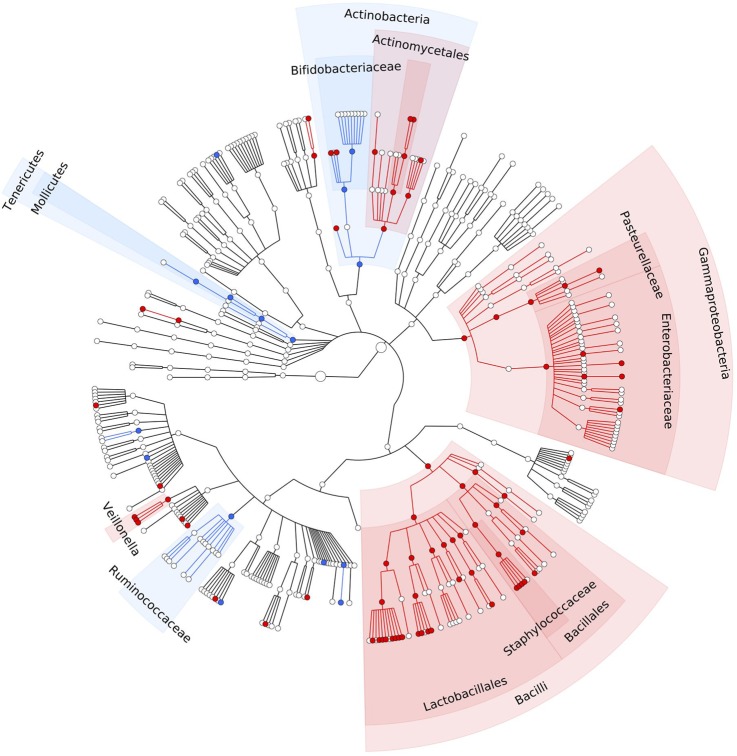
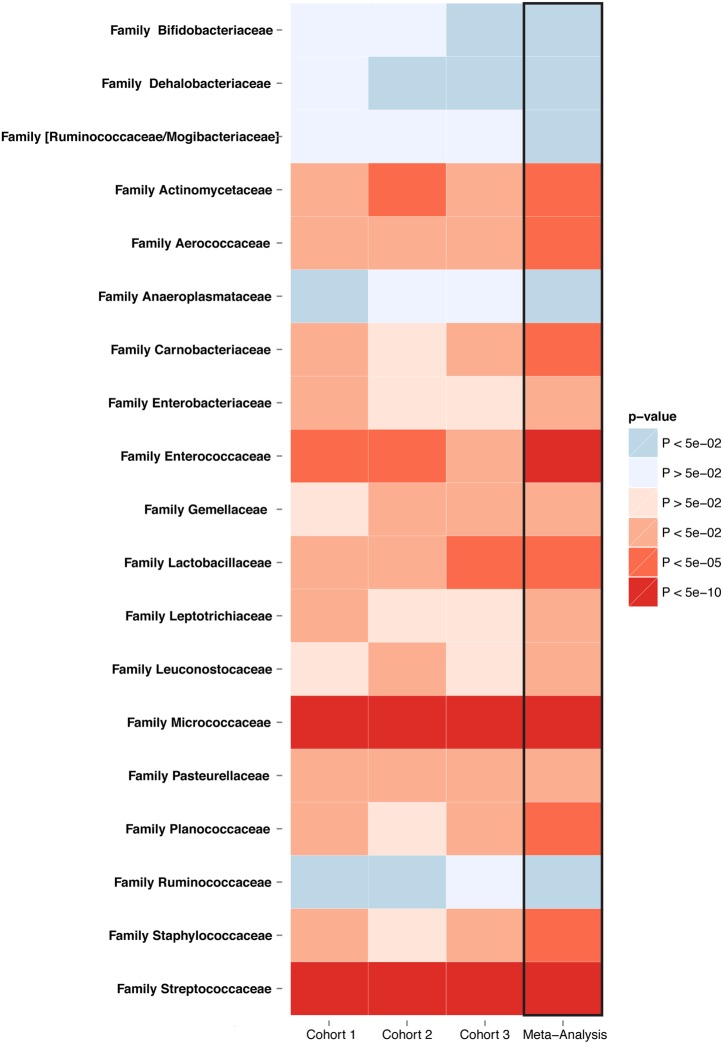
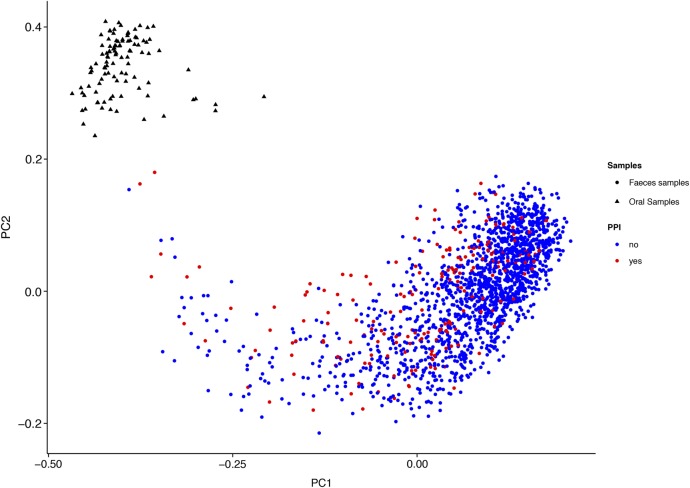
Background and aims: Proton pump inhibitors (PPIs) are among the top 10 most widely used drugs in the world. PPI use has been associated with an increased risk of enteric infections, most notably Clostridium difficile. The gut microbiome plays an important role in enteric infections, by resisting or promoting colonisation by pathogens. In this study, we investigated the influence of PPI use on the gut microbiome. Methods: The gut microbiome composition of 1815 individuals, spanning three cohorts, was assessed by tag sequencing of the 16S rRNA gene. The difference in microbiota composition in PPI users versus non-users was analysed separately in each cohort, followed by a meta-analysis. Results: 211 of the participants were using PPIs at the moment of stool sampling. PPI use is associated with a significant decrease in Shannon's diversity and with changes in 20% of the bacterial taxa (false discovery rate <0.05). Multiple oral bacteria were over-represented in the faecal microbiome of PPI-users, including the genus Rothia (p=9.8×10 −38 ). In PPI users we observed a significant increase in bacteria: genera Enterococcus , Streptococcus , Staphylococcus and the potentially pathogenic species Escherichia coli . Conclusions: The differences between PPI users and non-users observed in this study are consistently associated with changes towards a less healthy gut microbiome. These differences are in line with known changes that predispose to C. difficile infections and can potentially explain the increased risk of enteric infections in PPI users. On a population level, the effects of PPI are more prominent than the effects of antibiotics or other commonly used drugs.
Overview
The claims and statistics of this paper haven’t been checked yet.
Free: it reads the open-access text and checks the first 5 claims that cite a source we can check. Create a free account to check every claim.
Integrity signals
Registry
Cites
Statistics
Figures
Verification
Claims the paper makes
The claims and statistics of this paper haven’t been checked yet.
Free: it reads the open-access text and checks the first 5 claims that cite a source we can check. Create a free account to check every claim.
Claims other papers make about this one
Each is checked against this paper’s own text: does it say what the citing paper says it does?
The source backs part of the claim, not all of it — or backs it for a different population, condition or comparison.
In the citing paper
“an overall signature resembling the gut microbiome of patients with inflammatory bowel disease20”
From Longitudinal gut microbiome changes in immune checkpoint blockade-treated advanced melanoma (2024) · cites this paper as [20]
Experimental — accuracy not yet measuredThe source backs part of the claim, not all of it — or backs it for a different population, condition or comparison.
In the citing paper
“many drugs induce shifts in microbial community composition57,58.”
From Development of a gut microbe–targeted nonlethal therapeutic to inhibit thrombosis potential (2018) · cites this paper as [57]
Experimental — accuracy not yet measuredThe cited source says what the claim attributes to it.
In the citing paper
“To avoid confounding by colitis and PPI use, which individually has considerable effects on the gut microbiome19,20, we compared patients with PFS ≥12 months versus patients with PFS <12 months on monotherapy (Extended Data Fig. 8 and Supplementary Table 7) or combination therapy (Extended Data Fig. 9 and Supplementary Table 8) who did not develop colitis and did not use PPIs, while also averaging”
From Longitudinal gut microbiome changes in immune checkpoint blockade-treated advanced melanoma (2024) · cites this paper as [20]
In the citing paper
“PPIs by reducing gastric acid secretion can produce profound changes in the colonic microbiota, mainly characterized by a decrease in the abundance of commensal bacteria, which is associated with a reduction in microbial diversity and an increase of oral bacteria in the stool[108,109].”
From Proton pump inhibitors and dysbiosis: current knowledge and aspects to be clarified (2019) · cites this paper as [109]
In the citing paper
“Even if not fully clarified, it has been hypothesized that, in CDI, a reduction in alpha diversity and a decrease in the abundance of bacteria of the Ruminococcoceae associated with an increase in the Enterobacteriaceae, Enterococcoceae and Lactobacillaceae families observed during long-term PPI treatment could facilitate the onset of infection[109].”
From Proton pump inhibitors and dysbiosis: current knowledge and aspects to be clarified (2019) · cites this paper as [109]
Self-check
Percentages, sums and reported differences re-computed from the paper’s own numbers.
The self-check needs the paper’s full text.
Citations
Cites
QIIME allows analysis of high-throughput community sequencing data
Caporaso, J. G., Kuczynski, J., Stombaugh, J., Bittinger, K., Bushman, F. D., Costello, E. K., Fierer, N., Peña, A. G., Goodrich, J. K., Gordon, J. I., et al. (2010) · Nature Methods · doi:10.1038/nmeth.f.303 · Cited by 34,887
Multistate point-prevalence survey of health care-associated infections
Magill, S. S., Edwards, J. R., Bamberg, W., Beldavs, Z. G., Dumyati, G., Kainer, M. A., Lynfield, R., Maloney, M., McAllister-Hollod, L., Nadle, J., et al. (2014) · New England Journal of Medicine · doi:10.1056/nejmoa1306801 · Cited by 3,931 · cited 1×
“23 24 Virulent strains of C. dif fi cile can only colonise a susceptible gut, after which toxins are produced and spores are shed.”
BackgroundDuodenal Infusion of Donor Feces for Recurrent Clostridium difficile
van Nood, E., Vrieze, A., Nieuwdorp, M., Fuentes, S., Zoetendal, E. G., de Vos, W. M., Visser, C. E., Kuijper, E. J., Bartelsman, J. F. W. M., Tijssen, J. G. P., et al. (2013) · New England Journal of Medicine · doi:10.1056/nejmoa1205037 · Cited by 3,708
Human Genetics Shape the Gut Microbiome
Goodrich, J. K., Waters, J. L., Poole, A. C., Sutter, J. L., Koren, O., Blekhman, R., Beaumont, M., Van Treuren, W., Knight, R., Bell, J. T., et al. (2014) · Cell · doi:10.1016/j.cell.2014.09.053 · Cited by 3,164
Dysfunction of the intestinal microbiome in inflammatory bowel disease and treatment
Morgan, X. C., Tickle, T. L., Sokol, H., Gevers, D., Devaney, K. L., Ward, D. V., Reyes, J. A., Shah, S. A., LeLeiko, N., Snapper, S. B., et al. (2012) · Genome Biology · doi:10.1186/gb-2012-13-9-r79 · Cited by 2,713
Self-citationBurden of Clostridium difficile Infection in the United States
Lessa, F. C., Mu, Y., Bamberg, W. M., Beldavs, Z. G., Dumyati, G. K., Dunn, J. R., Farley, M. M., Holzbauer, S. M., Meek, J. I., Phipps, E. C., et al. (2015) · New England Journal of Medicine · doi:10.1056/nejmoa1408913 · Cited by 2,641
Human gut microbiota in obesity and after gastric bypass
Zhang, H., DiBaise, J. K., Zuccolo, A., Kudrna, D., Braidotti, M., Yu, Y., Parameswaran, P., Crowell, M. D., Wing, R., Rittmann, B. E., et al. (2009) · Proceedings of the National Academy of Sciences · doi:10.1073/pnas.0812600106 · Cited by 1,880 · cited 1×
“22 We looked at the role of the gut microbiome in C. dif fi cile infections, which cause 12.1% of all nosocomial infections and were responsible for half a million infections and associated with 29 000 deaths in the USA in 2011.”
BackgroundInfluentialPrecision microbiome reconstitution restores bile acid mediated resistance to Clostridium difficile
Buffie, C. G., Bucci, V., Stein, R. R., McKenney, P. T., Ling, L., Gobourne, A., No, D., Liu, H., Kinnebrew, M., Viale, A., et al. (2015) · Nature · doi:10.1038/nature13828 · Cited by 1,872
Control of pathogens and pathobionts by the gut microbiota
Kamada, N., Chen, G. Y., Inohara, N., & Núñez, G. (2013) · Nature Immunology · doi:10.1038/ni.2608 · Cited by 1,625 · cited 1×
“11 To ensure that the changes observed in microbiota composition were not due to diarrhoea and/or more frequent bowel movements, we checked in our general population whether clinical symptoms of diarrhoea were more often present in PPI users.”
BackgroundMicrobiota-mediated colonization resistance against intestinal pathogens
Buffie, C. G., & Pamer, E. G. (2013) · Nature reviews. Immunology · doi:10.1038/nri3535 · Cited by 1,564
Cited by
Items 401–500 of 1,000
Horvath, A., Baušys, A., Sabaliauskaitė, R., Stratilatovas, E., Jarmalaitė, S., Schuetz, B., Stiegler, P., Baušys, R., Stadlbauer, V., & Strupas, K. (2020) · Annals of Surgical Oncology · doi:10.1245/s10434-020-08678-1 · Cited by 36
“Although members of the genus Escherichia–Shigella are not sensitive to pH variations in their environment, these seem to profit from the altered milieu, since these were also found to be increased in the general population after PPI intake.(8,27) The observed increase in Enterococcus, a bacterium that is also often i…”
BackgroundBest Practices for Microbiome Study Design in Companion Animal Research
Jarett, J. K., Kingsbury, D. D., Dahlhausen, K. E., & Ganz, H. H. (2021) · Frontiers in Veterinary Science · doi:10.3389/fvets.2021.644836 · Cited by 41
“Several other common medications including antiparasitics (82) and proton pump inhibitors (83, 84) can also affect the microbiota and their use should be avoided where possible, or at least recorded.”
BackgroundGastrectomy impact on the gut microbiome in patients with gastric cancer: A comprehensive review
Maksimaityte, V., Baušys, A., Kryžauskas, M., Lukšta, M., Stundienė, I., Bičkaitė, K., Baušys, B., Poškus, T., Baušys, R., & Strupas, K. (2021) · World Journal of Gastrointestinal Surgery · doi:10.4240/wjgs.v13.i7.678 · Cited by 34
FitzGerald, J. A., Patel, S. H., Eckenberger, J., Guillemard, E., Veiga, P., Schäfer, F., Walter, J., Claesson, M. J., & Derrien, M. (2022) · Gut Microbes · doi:10.1080/19490976.2022.2094664 · Cited by 40
Ahn, H., Lee, S., Choi, E., Rhee, T., Kwon, S., Oh, S., & Lip, G. Y. H. (2022) · British Journal of Clinical Pharmacology · doi:10.1111/bcp.15478 · Cited by 45
Šegregur, D., Flanagan, T. R., Mann, J., Moir, A. J., Karlsson, Ε., Hoch, M., Carlile, D. J., Sayah‐Jeanne, S., & Dressman, J. (2019) · Journal of Pharmaceutical Sciences · doi:10.1016/j.xphs.2019.06.021 · Cited by 38
Wirbel, J., Zych, K., Essex, M., Karcher, N., Kartal, E., Salazar, G., Peer Bork, B., Sunagawa, S., & Zeller, G. (2020) · bioRxiv (Cold Spring Harbor Laboratory) · doi:10.1101/2020.02.06.931808 · Cited by 33
“and liver cirrhosis severity has been reported in the context of proton-pump inhibitor therapy [103], potentially enabled by increased transmission from the oral to the gut microbiome [78].”
BackgroundSon, M., Park, I. S., Kim, S., Woo, H. J., Kim, J. H., Kim, T. I., Kim, W. H., Han, J., Kim, S. W., & Cheon, J. H. (2022) · Frontiers in Immunology · doi:10.3389/fimmu.2022.870817 · Cited by 38
“to the acid-suppressive effect or the specific drug-class effect of PPIs (8, 26).”
BackgroundExercise training-induced changes in the gut microbiota of Standardbred racehorses
Janabi, A. H. D., Biddle, A. S., Klein, D. J., & McKeever, K. H. (2016) · Comparative Exercise Physiology · doi:10.3920/cep160015 · Cited by 52
Association between proton pump inhibitors and hepatic encephalopathy: A meta-analysis
Bian, J., Wang, A., Lin, J., Wu, L., Huang, H., Wang, S., Yang, X., Lu, X., Xu, Y., & Zhao, H. (2017) · Medicine · doi:10.1097/md.0000000000006723 · Cited by 35
Mucosa-Associated Microbiota in the Gastrointestinal Tract of Healthy Japanese Subjects
Kashiwagi, S., Naito, Y., Inoüe, R., Takagi, T., Nakano, T., Inada, Y., Fukui, A., Katada, K., Mizushima, K., Kamada, K., et al. (2019) · Digestion · doi:10.1159/000496102 · Cited by 34
Khalili, H., Axelrad, J. E., Roelstraete, B., Olén, O., D’Amato, M., & Ludvigsson, J. F. (2021) · Gastroenterology · doi:10.1053/j.gastro.2021.01.004 · Cited by 36
Kamal, H., Sadr‐Azodi, O., Engstrand, L. G., & Brusselaers, N. (2021) · Hepatology · doi:10.1002/hep.31914 · Cited by 32
Inter-kingdom relationships in Crohn’s disease explored using a multi-omics approach
Frau, A., Ijaz, U. Z., Slater, R., Jonkers, D. M. A. E., Penders, J., Campbell, B. J., Kenny, J. G., Hall, N., Lenzi, L., Burkitt, M. D., et al. (2021) · Gut Microbes · doi:10.1080/19490976.2021.1930871 · Cited by 34
“Therefore, the use of antifungal and antibacterial agents should be used with care; and it is worth remembering that many drugs have offtarget effects that act on microbes.(55,83,84) Another aspect of our study was the integration of fungal and bacterial datasets with VOCs metabolomics data.”
BackgroundSelf-citationSingh, G., Haileselassie, Y., Briscoe, L., Bai, L., Patel, A., Sanjines, E., Hendler, S., Singh, P. K., Garud, N. R., Limketkai, B. N., et al. (2022) · Clinical Nutrition ESPEN · doi:10.1016/j.clnesp.2021.11.005 · Cited by 30
Li, H., Li, H., Stanton, C., Ross, R. P., Zhao, J., Chen, W., & Yang, B. K. (2024) · International Journal of Biological Macromolecules · doi:10.1016/j.ijbiomac.2024.129346 · Cited by 35
Kao, W., Su, C., Tan, E. C., Lee, P., Chen, P., Tang, J., Huang, Y., Huo, T., Chang, C., Hou, M., et al. (2018) · Hepatology · doi:10.1002/hep.30247 · Cited by 30
A safety review of proton pump inhibitors to treat acid-related digestive diseases
Savarino, E. V., Marabotto, E., Zentilin, P., Furnari, M., Bodini, G., Pellegatta, G., Lorenzon, G., Coletta, M. D., Ghisa, M., Coppo, C., et al. (2018) · Expert Opinion on Drug Safety · doi:10.1080/14740338.2018.1497155 · Cited by 37
“A recent study has shown that PPI use determines decreased bacterial richness and profound alterations in the gut microbiome to the point that 20% of the identified bacteria presented significant variation and that oral germs are increased in the gut of PPI users [30].”
BackgroundDam, G. A., Vilstrup, H., Andersen, P. K., Bossen, L., Watson, H., & Jepsen, P. (2018) · Liver International · doi:10.1111/liv.14012 · Cited by 32
Mougey, E. B., Nguyen, V., Gutiérrez‐Junquera, C., Fernández‐Fernández, S., Cilleruelo, M. L., Rayo, A., Borrell, B., Román, E., González‐Lois, C., Chao-Crecente, M., et al. (2020) · Clinical Gastroenterology and Hepatology · doi:10.1016/j.cgh.2020.08.020 · Cited by 32
Nkansa-Gyamfi, N. A., Kazibwe, J., Traoré, D. A. K., & Nji, E. (2019) · Global Health Action · doi:10.1080/16549716.2020.1815272 · Cited by 35
The Interplay between Immunosenescence and Microbiota in the Efficacy of Vaccines
Cianci, R., Franza, L., Massaro, M. G., Borriello, R., Vito, F., & Gambassi, G. (2020) · Vaccines · doi:10.3390/vaccines8040636 · Cited by 32
“difficile infections in hospitalized patients [91].”
Impact of non-antibiotic drugs on the human intestinal microbiome
Bastard, Q. L., Berthelot, L., Soulillou, J., & Montassier, E. (2021) · Expert Review of Molecular Diagnostics · doi:10.1080/14737159.2021.1952075 · Cited by 35
“As we described previously, PPI-treatment alters the composition of the gut microbiota, with a decreased diversity and richness and a modification of the overall composition of bacterial communities [20,21,25,26,30].”
BackgroundInfluentialCiardullo, S., Rea, F., Savaré, L., Morabito, G., Perseghin, G., & Corrao, G. (2022) · The Journal of Clinical Endocrinology & Metabolism · doi:10.1210/clinem/dgac231 · Cited by 38
“The authors showed that multiple oral bacteria were overrepresented in the fecal microbiome of PPI users, together with a significant increase in the Enterococcus, Streptococcus, and Staphylococcus genera and the bacterium Escherichia coli (26).”
BackgroundRoy, R., Marakkar, S., Vayalil, M. P., Shahanaz, A., Anil, A. P., Kunnathpeedikayil, S., Rawal, I. S., Shetty, K., Shameer, Z., Sathees, S., et al. (2022) · Recent Advances in Food Nutrition & Agriculture · doi:10.2174/2212798412666220620104809 · Cited by 37
“Changes in the gut microbiome caused by proton pump inhibitors can decrease colonization resistance and the development of enteric infections, such as Clostridium difficile infections [83].”
BackgroundAssociation between Gut Microbiota and SARS-CoV-2 Infection and Vaccine Immunogenicity
Ng, H. Y., Leung, W. K., & Cheung, K. S. (2023) · Microorganisms · doi:10.3390/microorganisms11020452 · Cited by 31
Mandarino, F. V., Sinagra, E., Barchi, A., Verga, M. C., Brinch, D., Raimondo, D., & Danese, S. (2023) · Microorganisms · doi:10.3390/microorganisms11051122 · Cited by 31
“, reported the presence of MAM distortion in individuals who had been using PPI therapy for extended periods of time [57,58].”
BackgroundFossmark, R., & Olaisen, M. (2024) · Microorganisms · doi:10.3390/microorganisms12061110 · Cited by 34
“Several side effects of PPIs may be mediated by microbiome alterations, and at the population level, PPI use is the single factor that influences fecal microbial composition to the largest extent [6,7].”
BackgroundHow Diet and Lifestyle Can Fine-Tune Gut Microbiomes for Healthy Aging
Tamayo, M., Olivares, M., Ruas‐Madiedo, P., Margollés, A., Espín, J. C., Medina, I., Moreno-Arribas, M. V., Canals, S., Mirasso, C. R., Ortín, S., et al. (2024) · Annual Review of Food Science and Technology · doi:10.1146/annurev-food-072023-034458 · Cited by 44
Finke, M., Boven, A., Vlieghe, E., Engstrand, L. G., Orsini, N., & Brusselaers, N. (2025) · Journal of Infection · doi:10.1016/j.jinf.2025.106488 · Cited by 41
Chronic Use of Proton-Pump Inhibitors and Iron Status in Renal Transplant Recipients
Douwes, R. M., Neto, A. W. G., Eisenga, M. F., Vinke, J. S. J., de Borst, M. H., van den Berg, E., Berger, S. P., Touw, D. J., Hak, E., Blokzijl, H., et al. (2019) · Journal of Clinical Medicine · doi:10.3390/jcm8091382 · Cited by 31
“It is known that PPIs tremendously alter the composition of the gut microbiome, which may potentially affect intestinal iron absorption [42].”
BackgroundTantai, X., Yang, L., Wei, Z., Xiao, C., Chen, L., Wang, J., & Liu, N. (2019) · World Journal of Gastroenterology · doi:10.3748/wjg.v25.i21.2683 · Cited by 30
Proton Pump Inhibitors in Children: the Good, the Bad, and the Ugly
Pasman, E. A., Ong, B. A., Witmer, C. P., & Nylund, C. M. (2020) · Current Allergy and Asthma Reports · doi:10.1007/s11882-020-00926-4 · Cited by 31
Mao, H., 童建东, Yan, X., Liu, C., Yang, M., & Guo, H. (2022) · Frontiers in Oncology · doi:10.3389/fonc.2022.753234 · Cited by 40
“However, the gut microbiome-based analysis revealed that PPI use may increase the abundance of some potential pathogenic bacteria such as Escherichia coli, resulting in an increased risk of enteric infections (8).”
BackgroundIkubo, Y., Jujo, T., Hosomi, K., Park, J., Naito, A., Shoji, H., Misawa, T., Suda, R., Sekine, A., Sugiura, T., et al. (2022) · BMC Pulmonary Medicine · doi:10.1186/s12890-022-01932-0 · Cited by 30
Huang, C., Chu, C., Peng, Y., Zhang, N., Yang, Z., You, J. E., & Wei, F. (2022) · Frontiers in Pediatrics · doi:10.3389/fped.2022.988601 · Cited by 32
Do proton pump inhibitors modulate the efficacy of anti-PD-1/PD-L1 therapy? A retrospective study
Mukherjee, S., Ibrahimi, S., Khalid, B., Roman, D., Zhao, D. Y., & Aljumaily, R. M. (2018) · Journal of Oncology Pharmacy Practice · doi:10.1177/1078155218771152 · Cited by 31
Zhu, J., Qi, X., Yu, H., Yoshida, E. M., Mendez-Sanchez, N., Zhang, X., Wang, R., Deng, H., Li, J., Han, D., et al. (2018) · United European Gastroenterology Journal · doi:10.1177/2050640618773564 · Cited by 28
Oral Pathobiont-Derived Outer Membrane Vesicles in the Oral–Gut Axis
Catalán, E. A., Seguel-Fuentes, E., Fuentes, B., Aranguiz-Varela, F., Castillo-Godoy, D. P., Rivera-Asín, E., Bocaz, E., Fuentes, J. A., Bravo, D., Schinnerling, K., et al. (2024) · International Journal of Molecular Sciences · doi:10.3390/ijms252011141 · Cited by 31
Roy, S., Bahmani, A. H. A., Davids, M., Herrema, H., & Nieuwdorp, M. (2025) · Microorganisms · doi:10.3390/microorganisms13061356 · Cited by 29
“…models often involve a single tumor type in young, inbred mice with controlled diets; a far cry from the heterogeneity of human cancer patients with different cancers, older age, variable diets, and medications like antibiotics or proton pump inhibitors that affect microbiota composition [148].”
Use of proton pump inhibitors and the risk of cholangitis: a nationwide cohort study
Min, Y. W., Kang, D., Shin, J., Kang, M., Park, J. K., Lee, K. H., Lee, J. K., Lee, K. T., Rhee, P., Kim, J. J., et al. (2019) · Alimentary Pharmacology & Therapeutics · doi:10.1111/apt.15466 · Cited by 30
Erber, A. C., Çetin, H., Berry, D., & Schernhammer, E. S. (2019) · International Journal of Neuroscience · doi:10.1080/00207454.2019.1702549 · Cited by 33
Babić, A., Zhang, X., Morales‐Oyarvide, V., Yuan, C., Khalaf, N. I., Khalili, H., Lochhead, P. J., Chan, A. T., Ogino, S., Wolpin, B. M., et al. (2020) · British Journal of Cancer · doi:10.1038/s41416-020-0939-y · Cited by 30
Mundula, T., Russo, E., Curini, L., Giudici, F., Piccioni, A., Franceschi, F., & Amedei, A. (2022) · Current Medicinal Chemistry · doi:10.2174/0929867329666220430131018 · Cited by 35
“Based on the available literature, PPIs can have some side effects, especially increased risk of enteric infections, such as Clostrium difficile bacteria [261].”
BackgroundPiovani, D., Tsantes, A. G., Schünemann, H. J., & Bonovas, S. (2022) · Alimentary Pharmacology & Therapeutics · doi:10.1111/apt.17360 · Cited by 33
Fiala, O., Buti, S., Takeshita, H., Okada, Y., Massari, F., Anguera, G., Dionese, M., Scagliarini, S., Büttner, T., Fornarini, G., et al. (2023) · Cancer Immunology Immunotherapy · doi:10.1007/s00262-023-03518-z · Cited by 31
“[33] observed that PPI use is associated with the presence of multiple oral bacteria over-represented in the fecal microbiome, with an overall significant increase in bacteria, including Enterococcus, Streptococcus, Staphylococcus and Escherichia coli.”
BackgroundJensen, A. K., Simonsen, J., & Ethelberg, S. (2016) · Clinical Infectious Diseases · doi:10.1093/cid/ciw860 · Cited by 29
“Two recent studies that indicated that the gut microbiome is altered in PPI users substantiate this model [36, 37].”
Effect of gut microbiome on serotonin metabolism: a personalized treatment approach
Potter, K., Gayle, E. J., & Deb, S. (2023) · Naunyn-Schmiedeberg s Archives of Pharmacology · doi:10.1007/s00210-023-02762-5 · Cited by 32
Gurung, B., Stricklin, M. L., & Wang, S. (2024) · Metabolites · doi:10.3390/metabo14010074 · Cited by 32
“Stomach acidity acts as a defense by inhibiting several bacteria; however, a decrease in acidity can lead to the increased survivability of the higher number of bacteria [7].”
BackgroundInfluentialPharmacokinetic and pharmacodynamic alterations in older people: what we know so far
Mangoni, A. A., Woodman, R. J., & Jarmuzewska, E. A. (2025) · Expert Opinion on Drug Metabolism & Toxicology · doi:10.1080/17425255.2025.2503848 · Cited by 35
Prescribed Drugs and the Microbiome
Brusselaers, N. (2019) · Gastroenterology Clinics of North America · doi:10.1016/j.gtc.2019.04.002 · Cited by 27
The microbiome can predict mucosal healing in small intestine in patients with Crohn’s disease
Hattori, S., Nakamura, M., Yamamura, T., Maeda, K., Sawada, T., Mizutani, Y., Yamamoto, K., Ishikawa, T., Furukawa, K., Ohno, E., et al. (2020) · Journal of Gastroenterology · doi:10.1007/s00535-020-01728-1 · Cited by 28
Watanabe, K., Shimodaira, Y., Takahashi, S., Fukuda, S., Koizumi, S., Matsuhashi, T., & Iijima, K. (2021) · The American Journal of Gastroenterology · doi:10.14309/ajg.0000000000001309 · Cited by 29
Czarniak, P., Ahmadizar, F., Hughes, J., Parsons, R. W., Kavousi, M., Ikram, M. A., & Stricker, B. H. C. (2021) · British Journal of Clinical Pharmacology · doi:10.1111/bcp.15182 · Cited by 29
“PPIs have been reported to influence the composition of the gut microbiota, producing small intestine bacterial overgrowth or dysbiosis.(34) Gut microbiota breaks down indigestible carbohydrates to various metabolites, the most abundant of which are the short-chain fatty acids acetate, butyrate and propionate.”
BackgroundGut Microbiota Interventions to Retain Residual Kidney Function
Mafra, D., Kemp, J. A., Borges, N. A., Wong, M., & Stenvinkel, P. (2023) · Toxins · doi:10.3390/toxins15080499 · Cited by 36
Li, N., Wang, L., Li, L., Yang, M.-Z., Wang, Q., Bai, X., Gao, F., Yuan, Y., Yu, Z., & Ren, Z. (2023) · Military Medical Research · doi:10.1186/s40779-023-00489-1 · Cited by 38
“This could be attributed to the fact that most AF patients took proton-pump inhibitors to prevent esophageal ulcers before ablation, which would decrease the abundance and diversity of intestinal flora [39].”
BackgroundBeyond Digestion: The Pancreas Shapes Intestinal Microbiota and Immunity
Tilg, H., & Adolph, T. E. (2017) · Cell Metabolism · doi:10.1016/j.cmet.2017.02.018 · Cited by 30
“Other extrinsic microbial modulators are antibiotics and drugs (e.g., proton pump inhibitors [Imhann et al., 2016]), environmental stressors, and exercise.”
BackgroundWurm, P., Dörner, E., Kremer, C., Spranger, J., Maddox, C., Halwachs, B., Harrison, U., Blanchard, T. G., Haas, R., Högenauer, C., et al. (2018) · mSystems · doi:10.1128/msystems.00262-18 · Cited by 34
“alter fecal microbiota compositions in humans (21, 22).”
BackgroundProton pump inhibitor use increases the risk of peritonitis in peritoneal dialysis patients
Maeda, S., Yamaguchi, M., Maeda, K., Kobayashi, N., Izumi, N., Nagai, M., Obayashi, T., Ohashi, W., Katsuno, T., Nobata, H., et al. (2019) · PLoS ONE · doi:10.1371/journal.pone.0224859 · Cited by 29
“changes in the natural gut microbial environment, which subsequently leads to increased bacterial colonization in the gastrointestinal tract [20,21].”
BackgroundThe unforeseen intracellular lifestyle of Enterococcus faecalis in hepatocytes
Nunez, N., Derré‐Bobillot, A., Trainel, N., Lakisic, G., Lecomte, A., Mercier‐Nomé, F., Cassard, A., Bierne, H., Serror, P., & Archambaud, C. (2022) · Gut Microbes · doi:10.1080/19490976.2022.2058851 · Cited by 31
“PPI treatments are associated with significant changes in the intestinal microbiota, including an increase in the genera Enterococcus, Streptococcus, and Staphylococcus and the species Escherichia coli.(6) Notably, patients with liver disease frequently present a dysbiotic microbiota with an overgrowth of enterococci.”
BackgroundGut Microbiome and Microbiome-Derived Metabolites in Patients with End-Stage Kidney Disease
Koshida, T., Gohda, T., Sugimoto, T., Asahara, T., Asao, R., Ohsawa, I., Gotoh, H., Murakoshi, M., Suzuki, Y., & Yamashiro, Y. (2023) · International Journal of Molecular Sciences · doi:10.3390/ijms241411456 · Cited by 32
“The usage rates of PPIs and phosphate binders have been reported to affect the gut microbiome [29,30], though these rates were comparable in the present study when comparing patients undergoing HD with or without type 2 diabetes.”
ResultPharmacomicrobiomics: Immunosuppressive Drugs and Microbiome Interactions in Transplantation
Mohamed, M. E., Saqr, A., Staley, C. M., Onyeaghala, G. C., Teigen, L. M., Dorr, C. R., Remmel, R. P., Guan, W., Oetting, W. S., Matas, A. J., et al. (2024) · Transplantation · doi:10.1097/tp.0000000000004926 · Cited by 26
“104 105-107 Interestingly, the abundance of the genus Faecalibacterium, which has evidence of association with TAC pharmacokinetics, is significantly decreased with the use of PPI.”
Zhong, H., Lin, D., Lü, Z.-Y., Yang, W., & Chen, Y. (2018) · Journal of Clinical Pharmacy and Therapeutics · doi:10.1111/jcpt.12769 · Cited by 27
Kim, J., Jeong, Y., Park, S.-J., Jin, H. Z., Lee, J. J., Ju, J. H., Ji, G. E., & Park, S. (2020) · Rheumatology · doi:10.1093/rheumatology/keaa316 · Cited by 30
Microbiota, renal disease and renal transplantation
Salvadori, M., & Tsalouchos, A. (2021) · World Journal of Transplantation · doi:10.5500/wjt.v11.i3.16 · Cited by 28
Haran, J. P., Ward, D. V., Bhattarai, S. K., Loew, E. B., Dutta, P., Higgins, A., McCormick, B. A., & Bucci, V. (2021) · Gut Microbes · doi:10.1080/19490976.2021.1897209 · Cited by 28
“7 Elders living in nursing homes (NHs) are now the predominant group suffering from CDI.”
ResultInfluentialKichenadasse, G., Miners, J. O., Mangoni, A. A., Karapetis, C. S., Hopkins, A. M., & Sorich, M. J. (2021) · Journal of the National Comprehensive Cancer Network · doi:10.6004/jnccn.2020.7670 · Cited by 27
Corazziari, E. S., Gasbarrini, A., D’Alba, L., D’Ovidio, V., Riggio, O., Passaretti, S. M., Annibale, B., Cicala, M., Repici, A., Bassotti, G., et al. (2023) · The American Journal of Gastroenterology · doi:10.14309/ajg.0000000000002360 · Cited by 31
The human gut microbiome in critical illness: disruptions, consequences, and therapeutic frontiers
Sung, J., Rajendraprasad, S. S., Philbrick, K. L., Bauer, B. A., Gajic, O., Shah, A., Laudański, K., Bakken, J., Skalski, J. H., & Karnatovskaia, L. V. (2023) · Journal of Critical Care · doi:10.1016/j.jcrc.2023.154436 · Cited by 36
“[48] Remarkably, even a single day of morphine treatment resulted in an increase in pathogenic bacterial communities and expansion of Enterococcus faecalis, while concurrently decreasing communities associated with stress tolerance.”
BackgroundLi, H., Zhang, L., Yang, F., Zhao, R., Li, X., & Li, H. (2023) · Frontiers in Immunology · doi:10.3389/fimmu.2023.1218386 · Cited by 37
“However, compared with the direct effect of antibiotics, PPIs may indirectly change the gut microbiota by inhibiting stomach acid (52).”
BackgroundGut microbiota and Clostridium difficile infections
Lagier, J. (2016) · Human Microbiome Journal · doi:10.1016/j.humic.2016.10.003 · Cited by 28
The Dutch Microbiome Project defines factors that shape the healthy gut microbiomePreprint
Gaćeša, R., Kurilshikov, A., Vila, A. V., Sinha, T., Klaassen, M. A. Y., Bolte, L. A., Andreu‐Sánchez, S., Chen, L., Collij, V., Hu, S., et al. (2020) · bioRxiv (Cold Spring Harbor Laboratory) · doi:10.1101/2020.11.27.401125 · Cited by 30
Self-citationDong, Y., Wang, P., Jiao, J., Yang, X., Chen, M., & Li, J. (2022) · Frontiers in Cell and Developmental Biology · doi:10.3389/fcell.2022.861829 · Cited by 26
“Stomach acid inhibitors of proton pump inhibitors have been reported to be associated with the enrichment of the typical oral microbes colonized in the gut (Imhann et al., 2016; Jackson et al., 2016).”
BackgroundChen, X., Wen, X., Jiang, Z., & Yan, Q. (2023) · Annals of Clinical Microbiology and Antimicrobials · doi:10.1186/s12941-023-00554-6 · Cited by 31
“Studies have confirmed using PPIs can reduce gastric acidity and affect the gut microbiome more prominent than the effects of antibiotics [34].”
BackgroundKokai‐Kun, J. F., Le, C., Trout, K. W., Cope, J. L., Ajami, N. J., Degar, A. J., & Connelly, S. (2020) · Infection and Drug Resistance · doi:10.2147/idr.s260258 · Cited by 27
The clinical implications of the microbiome in the development of allergy diseases
Koidl, L., & Untersmayr, E. (2021) · Expert Review of Clinical Immunology · doi:10.1080/1744666x.2021.1874353 · Cited by 26
“such as gastric acid blockers are known to substantially change the microbial communities [33].”
BackgroundCheung, K. S., Lam, L.-K., Zhang, R., Ooi, P. H., Tan, J. T., To, E. W.-P., Hui, C.-H., Chan, K., Seto, W., Hung, I. F., et al. (2022) · Vaccines · doi:10.3390/vaccines10071122 · Cited by 27
“First, proton pump inhibitors (PPI) use was included into the multivariable analysis, as PPIs are known to affect gut microbiota [24], yet there is currently a lack of evidence that PPIs reduce vaccine immunogenicity.”
BackgroundProton Pump Inhibitors and Risk of Chronic Kidney Disease: Evidence from Observational Studies
Wu, C.-C., Liao, M.-H., Kung, W., & Wang, Y. (2023) · Journal of Clinical Medicine · doi:10.3390/jcm12062262 · Cited by 35
A narrative review from gut to lungs: non-small cell lung cancer and the gastrointestinal microbiome
Shah, H., & Ng, T. L. (2023) · Translational Lung Cancer Research · doi:10.21037/tlcr-22-595 · Cited by 27
“PPIs have also been shown to alter gut microbiome (58,59).”
Lasagna, A., Mascaro, F., Figini, S., Basile, S., Gambini, G., Klersy, C., Lenti, M. V., Sabatino, A. D., Benedetto, A. D., Calvi, M., et al. (2023) · Cancer Medicine · doi:10.1002/cam4.6565 · Cited by 27
“12 Despite the abovementioned premises, the role of PPIs in promoting irAEs has been poorly addressed.”
BackgroundThe interaction between gut microbiome and bone health
Inchingolo, F., Inchingolo, A. M., Piras, F., Ferrante, L., Mancini, A., Palermo, A., Inchingolo, A. D., & Dipalma, G. (2024) · Current Opinion in Endocrinology Diabetes and Obesity · doi:10.1097/med.0000000000000863 · Cited by 36
“Dietary recommendations include nutrient-rich diets rich in calcium, vitamin D, and probiotic fibers, as well as fermented foods like yogurt and kefir.”
BackgroundPhlegmonous Gastritis: A Report of Three Cases with Clinical and Imaging Features
Ishioka, M., Watanabe, N., Sawaguchi, M., Fukuda, S., Shiga, H., Matsuhashi, T., Jin, M., & Iijima, K. (2018) · Internal Medicine · doi:10.2169/internalmedicine.0707-17 · Cited by 29
“In these previous reports, gastric acid was thought to play a crucial role in preventing the invasion of pathogens, and PPIs induce a dysfunction of the mucosal barrier (11-14).”
BackgroundMonday, L., Tillotson, G., & Chopra, T. (2024) · Infection and Drug Resistance · doi:10.2147/idr.s419243 · Cited by 25
“29 35 Hosts with higher levels of microbiome-derived secondary bile acids are more resistant to developing CDI after spore ingestion in both animal and human studies, whereas those with higher concentrations of primary bile acids are more susceptible to CDI.”
BackgroundProton pump inhibitors and cancer treatments: Emerging evidence against coadministration
Raoul, J., & Hansten, P. D. (2024) · Cancer Treatment Reviews · doi:10.1016/j.ctrv.2024.102794 · Cited by 28
The Oral–Gut–Brain Axis: The Influence of Microbes as a Link of Periodontitis With Ischemic Stroke
Zhong, Y., Kang, X., Bai, X., Pu, B., Smerin, D., Zhao, L., & Xiong, X. (2024) · CNS Neuroscience & Therapeutics · doi:10.1111/cns.70152 · Cited by 33
“Reduced stomach acid induced by Long-term use of PPIs damages the effective antibacterial barrier between mouth and gut thereby facilitating translocation of oral microbiota into the gut environment [135].”
Iron at the crossroads of host–microbiome interactions in health and disease
Choi, G., & Bessman, N. J. (2025) · Nature Microbiology · doi:10.1038/s41564-025-02001-y · Cited by 36
“Furthermore, human studies have suggested potential connections between disease treatments, iron dysregulation and gut microbiota, stressing the importance of understanding their complex interplay 17,18 .”
Li, C. P. I., Fan, Y., & Chen, X. (2026) · npj Biofilms and Microbiomes · doi:10.1038/s41522-026-00912-0 · Cited by 34
“…thereby increasing gastric pH and promoting the survival of oral microbes (e.g., Rothia , Streptococcus ) during passage through the gastrointestinal tract 24,25 ; (3) Infectious conditions: chronic infections such as periodontitis can generate persistent microbial load in the oral cavity.”
The impact of proton pump inhibitors on the intestinal microbiota in chronic hepatitis C patients
Wellhöner, F., Döscher, N., Tergast, T. L., Vital, M., Plumeier, I., Kahl, S., Potthoff, A., Manns, M. P., Maasoumy, B., Wedemeyer, H. H., et al. (2019) · Scandinavian Journal of Gastroenterology · doi:10.1080/00365521.2019.1647280 · Cited by 27
“We used a rather homogeneous cohort with stringent inclusion and exclusion criteria which might explain the different findings in alpha diversity compared to published studies [9,17].”
BackgroundResultInfluentialRashidi, A., & Weisdorf, D. J. (2020) · Translational research · doi:10.1016/j.trsl.2020.03.011 · Cited by 27
Ma, T., Wu, M., Jia, S., & Yang, L. (2020) · International Journal of Colorectal Disease · doi:10.1007/s00384-020-03717-5 · Cited by 25
Effect of frequently prescribed drugs on gastric cancer risk
Weltermann, T., Schulz, C., & Macke, L. (2021) · Best Practice & Research Clinical Gastroenterology · doi:10.1016/j.bpg.2021.101741 · Cited by 29
Antacid exposure and immunotherapy outcomes among patients with advanced hepatocellular carcinoma
Jun, T. W., Özbek, U., Dharmapuri, S., Hardy-Abeloos, C., Zhu, H., Lin, J.-Y., Personeni, N., Pressiani, T., Nishida, N., Lee, P., et al. (2021) · Therapeutic Advances in Medical Oncology · doi:10.1177/17588359211010937 · Cited by 27
Yan, C., Chen, Y., Sun, C., Ahmed, M. A., Bhan, C., Cheng, C., Hu, L., Guo, Z., Yang, H., Cao, C., et al. (2021) · Japanese Journal of Infectious Diseases · doi:10.7883/yoken.jjid.2021.074 · Cited by 27
Oral pathogen in the pathogenesis of colorectal cancer
Yu, T., Zhou, Y., & Fang, J. (2021) · Journal of Gastroenterology and Hepatology · doi:10.1111/jgh.15743 · Cited by 27
The Use of Proton Pump Inhibitors and COVID-19: A Systematic Review and Meta-Analysis
Fatima, K., Almas, T., Lakhani, S., Jahangir, A., Ahmed, A., Siddiqui, A., Rahim, A., Qureshi, S. A., Arshad, Z., Golani, S., et al. (2022) · Tropical Medicine and Infectious Disease · doi:10.3390/tropicalmed7030037 · Cited by 27
Fukuokaya, W., Kimura, T., Komura, K., Uchimoto, T., Nishimura, K., Yanagisawa, T., Imai, Y., Iwatani, K., Ito, K., Urabe, F., et al. (2022) · Urologic Oncology Seminars and Original Investigations · doi:10.1016/j.urolonc.2022.02.020 · Cited by 29
Inchingolo, A. M., Patano, A., Piras, F., Mancini, A., Inchingolo, A. D., Paduanelli, G., Inchingolo, F., Palermo, A., Dipalma, G., & Malcangi, G. (2023) · Microorganisms · doi:10.3390/microorganisms11061477 · Cited by 33
“None of the included research investigated the possible impacts of traditional ASD medication therapies, such as proton pump inhibitors, as a confounding factor that might create a unique microbial profile [95].”
BackgroundWong, Z. Y., Koh, J. H., Muthiah, M. D., Koh, B., Ong, E. Y. H., Ong, C. E. Y., Ou, K. Q., Lim, W. H., Tan, D. J. H., Chee, D., et al. (2023) · Digestive Diseases and Sciences · doi:10.1007/s10620-023-08150-6 · Cited by 27
“The induced dysbiosis [51–53] can lead to intestinal inflammation and increased intestinal permeability that results in bacterial translocation [54, 55].”
Gut microbiome-based medical methodologies for early-stage disease prevention
Wang, J.-Z., Du, W.-T., Xu, Y., Cheng, S.-Z., & Liu, Z. (2017) · Microbial Pathogenesis · doi:10.1016/j.micpath.2017.02.024 · Cited by 26
Immune protection is dependent on the gut microbiome in a lethal mouse gammaherpesviral infection
Yaron, J. R., Ambadapadi, S., Zhang, L., Chavan, R., Tibbetts, S. A., Keinan, S., Varsani, A., Maldonado, J., Kraberger, S. J., Tafoya, A. M., et al. (2020) · Scientific Reports · doi:10.1038/s41598-020-59269-9 · Cited by 28
Metadata
- Authors
- Imhann, F., Bonder, M. J., Vich Vila, A., Fu, J., Mujagic, Z., Vork, L., Tigchelaar, E. F., Jankipersadsing, S. A., Cenit, M. C., Harmsen, H. J. M., Dijkstra, G., Franke, L., Xavier, R. J., Jonkers, D., Wijmenga, C., Weersma, R. K., & Zhernakova, A.
- Affiliations
- University Medical Center Groningen (NL)
- University of Groningen and University Medical Center Groningen, Department of Gastroenterology and Hepatology, Groningen, The Netherlands
- Maastricht University Medical Centre (NL)
- University of Groningen and University Medical Center Groningen, Department of Genetics, Groningen, The Netherlands
- Broad Institute (US)
- Corresponding author
- Weersma, Rinse K
- ORCID
- Venue
- Gut
- Publisher
- BMJ
- Published
- 2015-12-09
- Volume
- 65
- Issue
- 5
- Pages
- 740-748
- ISSN
- 0017-5749 (ISSN-L)
- 1468-3288
- PMC
- PMC4853569
- OpenAlex
- W2194591433
- Semantic Scholar
- b8fb7b6609e0c21615cf6b305fc4c0b643f9fe55
- Cited by
- 1,371
- References
- 33
- Citations by year
- 2026: 148 · 2025: 152 · 2024: 151 · 2023: 171 · 2022: 147 · 2021: 157 · 2020: 147 · 2019: 108 · 2018: 82 · 2017: 67 · 2016: 39
- FWCI
- 27.05
- Type
- journal article
- Language
- en
- Open access
- hybrid
- doi.org
- Licence
- cc-by-nc
- Locations
- Gut (publishedVersion, cc-by-nc)
- PubMed Central (publishedVersion, cc-by-nc)
- PubMed (publishedVersion)
- Research Publications (Maastricht University) (publishedVersion, cc-by-nc)
- University of Groningen research database (University of Groningen / Centre for Information Technology) (publishedVersion, cc-by-nc)
- HighWire Press Open Archive (submittedVersion)
- University of Groningen research database (University of Groningen / Centre for Information Technology) (submittedVersion, cc-by-nc)
- Research Publications (Maastricht University) (submittedVersion)
- Research Publications (Maastricht University) (submittedVersion, other-oa)
- Funders
- Fundación Alfonso Martín Escudero
- Rijksuniversiteit Groningen
- Nederlandse Organisatie voor Wetenschappelijk Onderzoek (864.13.013, 917.14.374, 016.136.308)
- Maastricht Universitair Medisch Centrum
- National Institute of Diabetes and Digestive and Kidney Diseases (P30DK043351)
- Topics
- Life Sciences › Biochemistry, Genetics and Molecular Biology › Molecular Biology › Gut microbiota and health
- Health Sciences › Medicine › Infectious Diseases › Clostridium difficile and Clostridium perfringens research
- Health Sciences › Dentistry › Periodontics › Oral microbiology and periodontitis research
- Keywords
- proton pump inhibitors, gut microbiota, Clostridium difficile infection, gastrointestinal infections, microbial diversity, Rothia, Enterococcus, Streptococcus, Staphylococcus, Escherichia coli
- MeSH terms
- Gastrointestinal Microbiome, Adult, Female, Humans, Male, Middle Aged, Proton Pump Inhibitors
About these checks
Registry, retraction, Cites and statistics results are computed, not judged, with one exception: a printed reference that no index lists is read once by a model before it counts as a citation error. Claims are extracted by a model and kept only when their quote appears verbatim in the text; each cited source is then checked, with a model’s help, for whether it says what the claim relies on. Those verdicts can be wrong — read the claim’s quote and the cited source before relying on one.
Statistics and arithmetic are recomputed, not judged.
Confidence bands are shown only for fields calibrated on our annotated test set. None is calibrated yet, so no band is shown.
What counts as a claim ›How we measure confidence ›How we check this ›
Are you an author, or do you see a problem with this page? Request a review
Data sources
Bibliographic data: Semantic Scholar, OpenAlex, Crossref.
Contains information from the Semantic Scholar Academic Graph Datasets, made available under the ODC Attribution License (ODC-BY 1.0).
Semantic Scholar’s data is described in: Kinney, R., et al. (2023). The Semantic Scholar Open Data Platform. arXiv:2301.10140.
