

Proton pump inhibitors affect the gut microbiome
Open accessThe DOI matches its Crossref record; 33 of the 33 references it cites were found in a registry or an index.
Abstract
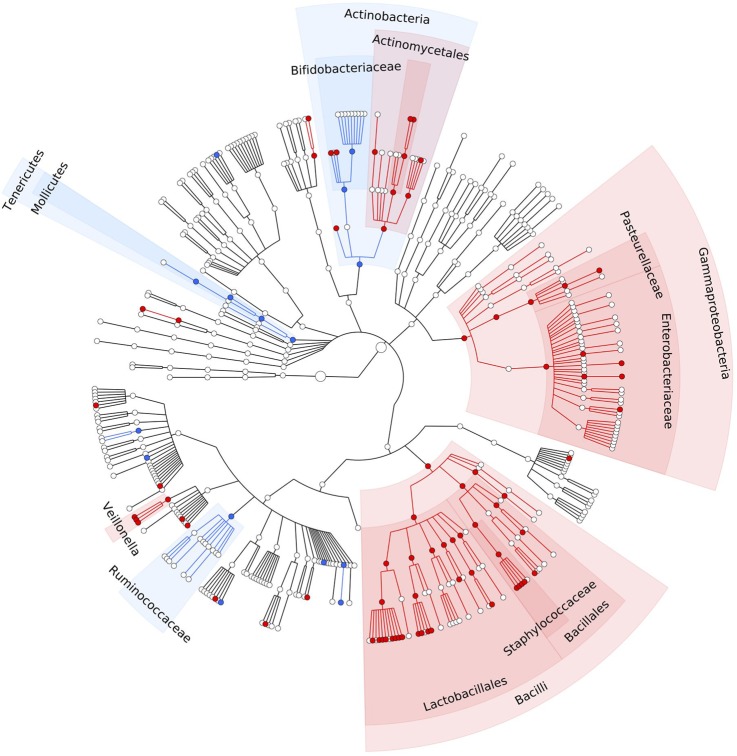
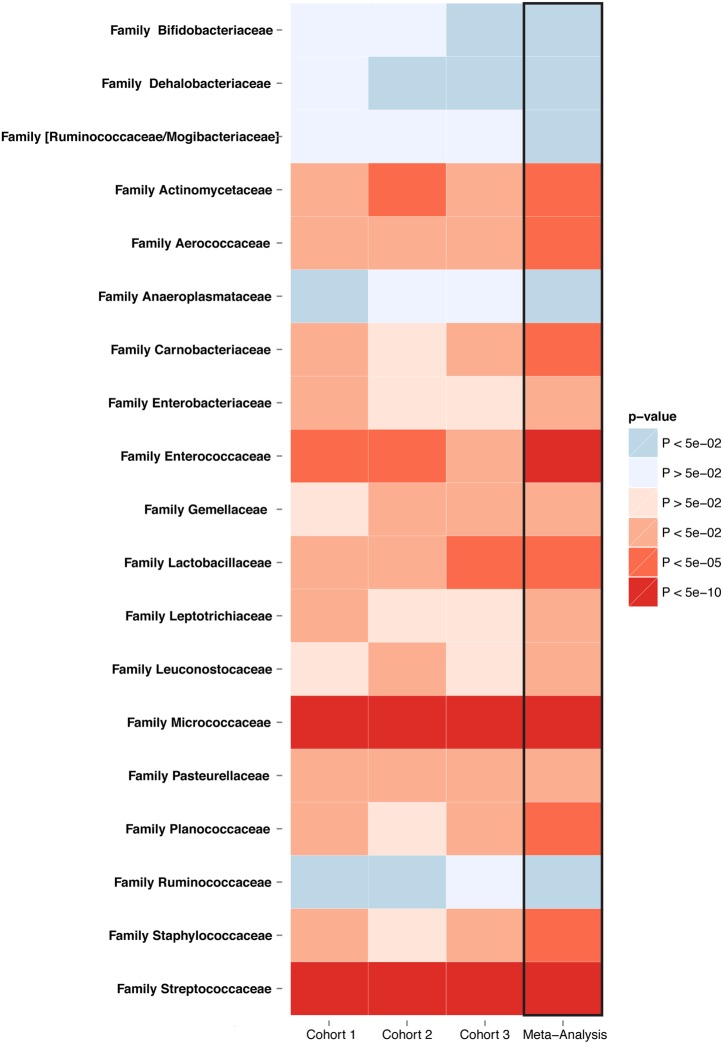
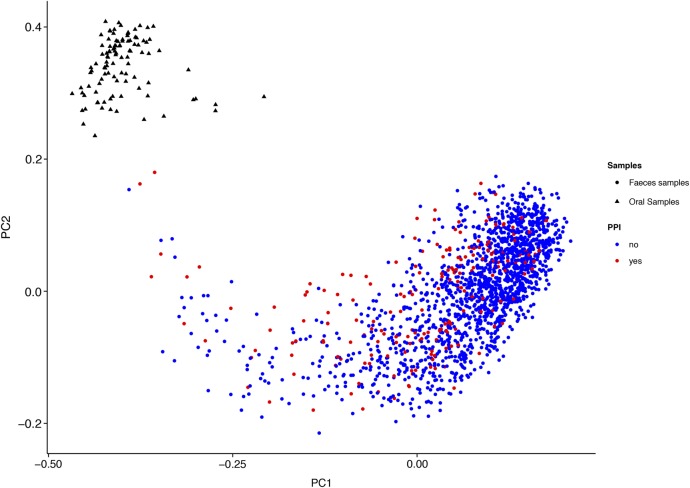
Background and aims: Proton pump inhibitors (PPIs) are among the top 10 most widely used drugs in the world. PPI use has been associated with an increased risk of enteric infections, most notably Clostridium difficile. The gut microbiome plays an important role in enteric infections, by resisting or promoting colonisation by pathogens. In this study, we investigated the influence of PPI use on the gut microbiome. Methods: The gut microbiome composition of 1815 individuals, spanning three cohorts, was assessed by tag sequencing of the 16S rRNA gene. The difference in microbiota composition in PPI users versus non-users was analysed separately in each cohort, followed by a meta-analysis. Results: 211 of the participants were using PPIs at the moment of stool sampling. PPI use is associated with a significant decrease in Shannon's diversity and with changes in 20% of the bacterial taxa (false discovery rate <0.05). Multiple oral bacteria were over-represented in the faecal microbiome of PPI-users, including the genus Rothia (p=9.8×10 −38 ). In PPI users we observed a significant increase in bacteria: genera Enterococcus , Streptococcus , Staphylococcus and the potentially pathogenic species Escherichia coli . Conclusions: The differences between PPI users and non-users observed in this study are consistently associated with changes towards a less healthy gut microbiome. These differences are in line with known changes that predispose to C. difficile infections and can potentially explain the increased risk of enteric infections in PPI users. On a population level, the effects of PPI are more prominent than the effects of antibiotics or other commonly used drugs.
Overview
The claims and statistics of this paper haven’t been checked yet.
Free: it reads the open-access text and checks the first 5 claims that cite a source we can check. Create a free account to check every claim.
Integrity signals
Registry
Cites
Statistics
Figures
Verification
Claims the paper makes
The claims and statistics of this paper haven’t been checked yet.
Free: it reads the open-access text and checks the first 5 claims that cite a source we can check. Create a free account to check every claim.
Claims other papers make about this one
Each is checked against this paper’s own text: does it say what the citing paper says it does?
The source backs part of the claim, not all of it — or backs it for a different population, condition or comparison.
In the citing paper
“an overall signature resembling the gut microbiome of patients with inflammatory bowel disease20”
From Longitudinal gut microbiome changes in immune checkpoint blockade-treated advanced melanoma (2024) · cites this paper as [20]
Experimental — accuracy not yet measuredThe source backs part of the claim, not all of it — or backs it for a different population, condition or comparison.
In the citing paper
“many drugs induce shifts in microbial community composition57,58.”
From Development of a gut microbe–targeted nonlethal therapeutic to inhibit thrombosis potential (2018) · cites this paper as [57]
Experimental — accuracy not yet measuredThe cited source says what the claim attributes to it.
In the citing paper
“To avoid confounding by colitis and PPI use, which individually has considerable effects on the gut microbiome19,20, we compared patients with PFS ≥12 months versus patients with PFS <12 months on monotherapy (Extended Data Fig. 8 and Supplementary Table 7) or combination therapy (Extended Data Fig. 9 and Supplementary Table 8) who did not develop colitis and did not use PPIs, while also averaging”
From Longitudinal gut microbiome changes in immune checkpoint blockade-treated advanced melanoma (2024) · cites this paper as [20]
In the citing paper
“PPIs by reducing gastric acid secretion can produce profound changes in the colonic microbiota, mainly characterized by a decrease in the abundance of commensal bacteria, which is associated with a reduction in microbial diversity and an increase of oral bacteria in the stool[108,109].”
From Proton pump inhibitors and dysbiosis: current knowledge and aspects to be clarified (2019) · cites this paper as [109]
In the citing paper
“Even if not fully clarified, it has been hypothesized that, in CDI, a reduction in alpha diversity and a decrease in the abundance of bacteria of the Ruminococcoceae associated with an increase in the Enterobacteriaceae, Enterococcoceae and Lactobacillaceae families observed during long-term PPI treatment could facilitate the onset of infection[109].”
From Proton pump inhibitors and dysbiosis: current knowledge and aspects to be clarified (2019) · cites this paper as [109]
Self-check
Percentages, sums and reported differences re-computed from the paper’s own numbers.
The self-check needs the paper’s full text.
Citations
Cites
QIIME allows analysis of high-throughput community sequencing data
Caporaso, J. G., Kuczynski, J., Stombaugh, J., Bittinger, K., Bushman, F. D., Costello, E. K., Fierer, N., Peña, A. G., Goodrich, J. K., Gordon, J. I., et al. (2010) · Nature Methods · doi:10.1038/nmeth.f.303 · Cited by 34,887
Multistate point-prevalence survey of health care-associated infections
Magill, S. S., Edwards, J. R., Bamberg, W., Beldavs, Z. G., Dumyati, G., Kainer, M. A., Lynfield, R., Maloney, M., McAllister-Hollod, L., Nadle, J., et al. (2014) · New England Journal of Medicine · doi:10.1056/nejmoa1306801 · Cited by 3,931 · cited 1×
“23 24 Virulent strains of C. dif fi cile can only colonise a susceptible gut, after which toxins are produced and spores are shed.”
BackgroundDuodenal Infusion of Donor Feces for Recurrent Clostridium difficile
van Nood, E., Vrieze, A., Nieuwdorp, M., Fuentes, S., Zoetendal, E. G., de Vos, W. M., Visser, C. E., Kuijper, E. J., Bartelsman, J. F. W. M., Tijssen, J. G. P., et al. (2013) · New England Journal of Medicine · doi:10.1056/nejmoa1205037 · Cited by 3,708
Human Genetics Shape the Gut Microbiome
Goodrich, J. K., Waters, J. L., Poole, A. C., Sutter, J. L., Koren, O., Blekhman, R., Beaumont, M., Van Treuren, W., Knight, R., Bell, J. T., et al. (2014) · Cell · doi:10.1016/j.cell.2014.09.053 · Cited by 3,164
Dysfunction of the intestinal microbiome in inflammatory bowel disease and treatment
Morgan, X. C., Tickle, T. L., Sokol, H., Gevers, D., Devaney, K. L., Ward, D. V., Reyes, J. A., Shah, S. A., LeLeiko, N., Snapper, S. B., et al. (2012) · Genome Biology · doi:10.1186/gb-2012-13-9-r79 · Cited by 2,713
Self-citationBurden of Clostridium difficile Infection in the United States
Lessa, F. C., Mu, Y., Bamberg, W. M., Beldavs, Z. G., Dumyati, G. K., Dunn, J. R., Farley, M. M., Holzbauer, S. M., Meek, J. I., Phipps, E. C., et al. (2015) · New England Journal of Medicine · doi:10.1056/nejmoa1408913 · Cited by 2,641
Human gut microbiota in obesity and after gastric bypass
Zhang, H., DiBaise, J. K., Zuccolo, A., Kudrna, D., Braidotti, M., Yu, Y., Parameswaran, P., Crowell, M. D., Wing, R., Rittmann, B. E., et al. (2009) · Proceedings of the National Academy of Sciences · doi:10.1073/pnas.0812600106 · Cited by 1,880 · cited 1×
“22 We looked at the role of the gut microbiome in C. dif fi cile infections, which cause 12.1% of all nosocomial infections and were responsible for half a million infections and associated with 29 000 deaths in the USA in 2011.”
BackgroundInfluentialPrecision microbiome reconstitution restores bile acid mediated resistance to Clostridium difficile
Buffie, C. G., Bucci, V., Stein, R. R., McKenney, P. T., Ling, L., Gobourne, A., No, D., Liu, H., Kinnebrew, M., Viale, A., et al. (2015) · Nature · doi:10.1038/nature13828 · Cited by 1,872
Control of pathogens and pathobionts by the gut microbiota
Kamada, N., Chen, G. Y., Inohara, N., & Núñez, G. (2013) · Nature Immunology · doi:10.1038/ni.2608 · Cited by 1,625 · cited 1×
“11 To ensure that the changes observed in microbiota composition were not due to diarrhoea and/or more frequent bowel movements, we checked in our general population whether clinical symptoms of diarrhoea were more often present in PPI users.”
BackgroundMicrobiota-mediated colonization resistance against intestinal pathogens
Buffie, C. G., & Pamer, E. G. (2013) · Nature reviews. Immunology · doi:10.1038/nri3535 · Cited by 1,564
Cited by
Items 301–400 of 1,000
Influence of proton pump inhibitors on microbiota in chronic liver disease patients
Yamamoto, K., Ishigami, M., Honda, T., Takeyama, T., Ito, T., Ishizu, Y., Kuzuya, T., Hayashi, K., Goto, H., & Hirooka, Y. (2019) · Hepatology International · doi:10.1007/s12072-019-09932-9 · Cited by 52
Pancreas–Microbiota Cross Talk in Health and Disease
Adolph, T. E., Mayr, L., Grabherr, F., Schwärzler, J., & Tilg, H. (2019) · Annual Review of Nutrition · doi:10.1146/annurev-nutr-082018-124306 · Cited by 50
Vilcu, A., Sabatte, L., Blanchon, T., Souty, C., Maravic, M., Lemaître, M., Steichen, O., & Hanslik, T. (2019) · JAMA Network Open · doi:10.1001/jamanetworkopen.2019.16205 · Cited by 54
Park, H., Cho, D., Huang, E., Seo, J. Y., Kim, W. G., Todorov, S. D., Ji, Y., & Holzapfel, W. H. (2020) · Frontiers in Microbiology · doi:10.3389/fmicb.2020.00420 · Cited by 54
Microbiome-Metabolome Signature of Acute Kidney Injury
Andrianova, N. V., Popkov, V. A., Klimenko, N. S., Tyakht, A., Baydakova, G., Frolova, O. Y., Zorova, L. D., Pevzner, I. B., Zorov, D. B., & Plotnikov, E. Y. (2020) · Metabolites · doi:10.3390/metabo10040142 · Cited by 54
Gaucher, L., Adda, L., Séjourné, A., Joachim, C., Chaby, G., Poulet, C., Liabeuf, S., Gras‐Champel, V., Masmoudi, K., Houessinon, A., et al. (2021) · Therapeutic Advances in Medical Oncology · doi:10.1177/17588359211000591 · Cited by 53
Jaeghere, E. A. D., Tuyaerts, S., Nuffel, A. M. T. V., Belmans, A., Bogaerts, K., Baiden-Amissah, R. E. M., Lippens, L., Vuylsteke, P., Henry, S., Trinh, X. B., et al. (2022) · Cancer Immunology Immunotherapy · doi:10.1007/s00262-022-03253-x · Cited by 60
“In conclusion, the combination of pembrolizumab, SBRT, and an IDC was justified by preclinical evidence but did not meet expectations of clinical activity in both cohorts; however, some patients may have derived benefit from treatment, with durable responses in difficult-to-treat patients.”
BackgroundInfluentialCharacterization of the Duodenal Mucosal Microbiome in Obese Adult Subjects by 16S rRNA Sequencing
Nardelli, C., Granata, I., D’Argenio, V., Tramontano, S., Compare, D., Guarracino, M. R., Nardone, G., Pilone, V., & Sacchetti, L. (2020) · Microorganisms · doi:10.3390/microorganisms8040485 · Cited by 54
“Further, multiple oral bacteria that were reported in gut microbiome of PPI-users included increased genera Rothia, Enterococcus, Streptococcus, Sthaphylococcus and species Escherichia Coli [48], and levels of these bacteria did not differ among our obese and control groups.”
BackgroundLong-term proton pump inhibitor usage and the association with pancreatic cancer in Sweden
Brusselaers, N., Sadr‐Azodi, O., & Engstrand, L. G. (2019) · Journal of Gastroenterology · doi:10.1007/s00535-019-01652-z · Cited by 54
Deciphering the gastrointestinal carriage of Klebsiella pneumoniae
Bray, A. S., & Zafar, M. A. (2024) · Infection and Immunity · doi:10.1128/iai.00482-23 · Cited by 64
“…delicate balance of the gut microbiota is susceptible to disruption or alteration through various factors such as diet, immune suppressants, proton pump inhibitors, or antibiotics, and the imbalance can render the host more vulnerable to pathogenic bacteria, including K. pneumoniae (125, 137–139).”
BackgroundLei, W., Wang, J., Yi, C., Liu, T., Hung, J., Wong, M., Bair, M., Vaezi, M. F., Orr, W. C., & Chen, C. (2020) · Clinics and Research in Hepatology and Gastroenterology · doi:10.1016/j.clinre.2020.02.017 · Cited by 51
Uchiyama, A. A. T., Silva, P. A. I. A., Lopes, M. S. M., Yen, C. T., Ricardo, E. D., Mutão, T. S., Pimenta, J. R., Machado, L. M., Shimba, D. S., & Peixoto, R. D. (2021) · Current Oncology · doi:10.3390/curroncol28010076 · Cited by 57
“Other mechanisms may also explain DDIs between PPIs and anti-cancer agents, such as altered microbiota induced by PPIs and their metabolism by cytochrome P450 enzymes [10,11].”
BackgroundCharacterization of the Oral Microbiome of Medicated Type-2 Diabetes Patients
Almeida-Santos, A. C., Martins‐Mendes, D., Gayà‐Vidal, M., Pérez-Pardal, L., & Beja‐Pereira, A. (2021) · Frontiers in Microbiology · doi:10.3389/fmicb.2021.610370 · Cited by 59
“, 2019) as to an increase in common oral bacteria in the gut (Imhann et al., 2016).”
BackgroundBañobre, J. R., Díaz, A. M., Calvo, O. F., Núñez, N. F., Medina, A., Santomé, L., Lázaro-Quintela, M., Mateos-González, M., Cid, N. G., López‐López, R., et al. (2021) · ESMO Open · doi:10.1016/j.esmoop.2021.100090 · Cited by 53
“4) 6-month overall survival rate % (95% CI) 56 (47-65) 12-month overall survival rate % (95% CI) 37 (29-48) 24-month overall survival rate % (95% CI) 20 (13-31) 36-month overall survival rate % (95% CI) 16 (9-27) Median progression-free survival: months (95% CI) 2.”
BackgroundAltered vitamin K biodistribution and metabolism in experimental and human chronic kidney disease
Kaesler, N., Schreibing, F., Speer, T., de la Puente-Secades, S., Rapp, N., Drechsler, C., Kabgani, N., Kuppe, C., Boor, P., Jankowski, V., et al. (2021) · Kidney International · doi:10.1016/j.kint.2021.10.029 · Cited by 53
Interplays between drugs and the gut microbiome
Wan, Y., & Zuo, T. (2022) · Gastroenterology report · doi:10.1093/gastro/goac009 · Cited by 48
Liang, T. G., Huang, C., Fu, W., Gao, L., Mi, N., Bai, M., Ma, H., Zhang, C., Lu, Y., Zhao, J., et al. (2023) · Frontiers in Pharmacology · doi:10.3389/fphar.2023.1217306 · Cited by 52
“Additionally, an increase in the abundances of Proteobacteria and Streptococcus species has been linked to the development of rheumatoid arthritis (Imhann et al., 2016; Kim et al., 2021).”
BackgroundHsu, P., Pan, C., Kao, J. Y., Tsay, F., Peng, N., Kao, S., Chen, Y., Tsai, T., Wu, D., & Tsai, K. (2019) · Journal of Gastroenterology and Hepatology · doi:10.1111/jgh.14736 · Cited by 53
Gut Microbial Predictors of Type 2 Diabetes Remission Following Bariatric Surgery
Davies, N., O'Sullivan, J. M., Plank, L. D., & Murphy, R. (2020) · Obesity Surgery · doi:10.1007/s11695-020-04684-0 · Cited by 52
Andreu‐Sánchez, S., Bourgonje, A. R., Vogl, T. J., Kurilshikov, A., Leviatan, S., Ruiz-Moreno, A. J., Hu, S., Sinha, T., Vila, A. V., Klompus, S., et al. (2023) · Immunity · doi:10.1016/j.immuni.2023.04.003 · Cited by 54
Self-citationLong-term Proton Pump Inhibitor Administration Caused Physiological and Microbiota Changes in Rats
Yang, Y. S. H., Chang, H.-W. K., Lin, I., Chien, L., Wu, M.-J., Liu, Y., Chu, P. G., Xie, G., Dong, F., Jia, W. P., et al. (2020) · Scientific Reports · doi:10.1038/s41598-020-57612-8 · Cited by 60
D’Souza, S. M., Houston, K. V., Keenan, L., Yoo, B. S., Parekh, P. J., & Johnson, D. A. (2021) · World Journal of Gastroenterology · doi:10.3748/wjg.v27.i18.2054 · Cited by 55
HAMADA, K., YOSHIMURA, K., HIRASAWA, Y., HOSONUMA, M., MURAYAMA, M., NARIKAWA, Y., ARIIZUMI, H., OHKUMA, R., SHIDA, M., KUBOTA, Y., et al. (2021) · Anticancer Research · doi:10.21873/anticanres.15312 · Cited by 43
The Influence of Helicobacter pylori on Human Gastric and Gut Microbiota
Fiorani, M., Tohumcu, E., Vecchio, L. E. D., Porcari, S., Cammarota, G., Gasbarrini, A., & Ianiro, G. (2023) · Antibiotics · doi:10.3390/antibiotics12040765 · Cited by 55
“On the level of different bacterial populations, changes such as an increase in Actinomycetales in families Streptococcoceae and Micrococcoceae and species Lactobacillus salivarius were observed [93].”
BackgroundGut microbiota and cardiac arrhythmia
Fan, H., Liu, X., Ren, Z., Fei, X., Luo, J., Yang, X., Xue, Y., Zhang, F., & Liang, B. (2023) · Frontiers in Cellular and Infection Microbiology · doi:10.3389/fcimb.2023.1147687 · Cited by 51
“However, oral PPI will change GM (Imhann et al., 2016), increase the risk of gut infection and reduce the health of GM.”
BackgroundObesity, obesities and gastrointestinal cancers
Zou, Y., & Pitchumoni, C. S. (2023) · Disease-a-Month · doi:10.1016/j.disamonth.2023.101592 · Cited by 56
A system biology perspective on environment–host–microbe interactions
Chen, L., Garmaeva, S., Zhernakova, A., Fu, J., & Wijmenga, C. (2018) · Human Molecular Genetics · doi:10.1093/hmg/ddy137 · Cited by 53
Self-citationHansen, T. H., Thomassen, M. T., Madsen, M. L., Kern, T., Bak, E. G., Kashani, A., Allin, K. H., Hansen, T. F., & Pedersen, O. B. (2018) · Scientific Reports · doi:10.1038/s41598-018-34761-5 · Cited by 52
Iwaki, M., Kessoku, T., Ozaki, A., Kasai, Y., Kobayashi, T., Nogami, A., Honda, Y., Ogawa, Y., Imajo, K., Yoneda, M., et al. (2021) · Journal of Gastroenterology and Hepatology · doi:10.1111/jgh.15487 · Cited by 50
Drug Exposure and the Risk of Microscopic Colitis: A Critical Update
Lucendo, A. J. (2017) · Drugs in R&D · doi:10.1007/s40268-016-0171-7 · Cited by 50
“This leads us to consider that, beyond themolecule’s own effect in promptingMC, its pharmacological effect by inhibiting acid secretion and raising gastric pH might also be related to the development of MC, either by increasing the permeability and altering the function of the intestinal barrier [89] or by modifying t…”
BackgroundManipulating the exposome to enable better ageing
Shiels, P. G., Painer, J., Natterson-Horowitz, B., Johnson, R. J., Miranda, J. J., & Stenvinkel, P. (2021) · Biochemical Journal · doi:10.1042/bcj20200958 · Cited by 42
Sawaid, I. O., & Samson, A. O. (2024) · Journal of Clinical Medicine · doi:10.3390/jcm13071970 · Cited by 48
“As a potential mechanism by which PPIs contribute to cancer development is their effect on the gut microbiome [49].”
BackgroundAntimicrobial resistance in chronic liver disease
Patel, V., & Williams, R. L. (2019) · Hepatology International · doi:10.1007/s12072-019-10004-1 · Cited by 42
Tomita, Y., Sakata, S., Imamura, K., Iyama, S., Jodai, T., Saruwatari, K., Hamada, S., Akaike, K., Anai, M., Fukusima, K., et al. (2023) · Cancers · doi:10.3390/cancers16010047 · Cited by 48
“However, whether CBM588 can enhance the efficacy of of oral commensals into the gut of patients with cancer, thereby modifying its immunomodulatory properties and compromising ICI efficacy [14,18,30,31].”
BackgroundLee, S. M., Kim, N., Nam, R. H., Park, J. H., Choi, S. I., Park, Y., Kim, Y.-R., Seok, Y., Shin, C. M., & Lee, D. H. (2019) · Scientific Reports · doi:10.1038/s41598-019-43112-x · Cited by 45
Shah, A., Talley, N. J., Koloski, N. A., Macdonald, G. A., Kendall, B. J., Shanahan, E. R., Walker, M. M., Keely, S., Jones, M. P., Morrison, M., et al. (2020) · Alimentary Pharmacology & Therapeutics · doi:10.1111/apt.15786 · Cited by 42
Durán, C., Ciucci, S., Palladini, A., Ijaz, U. Z., Zippo, A. G., Sterbini, F. P., Masucci, L., Cammarota, G., Ianiro, G., Spuul, P., et al. (2021) · Nature Communications · doi:10.1038/s41467-021-22135-x · Cited by 50
Nighot, M., Liao, P.-L., Morris, N. M., McCarthy, D., Viszwapriya, D., Khan, I. U., Dalessio, S., Saha, K., Ganapathy, A. S., Wang, A., et al. (2022) · Journal of Crohn s and Colitis · doi:10.1093/ecco-jcc/jjac168 · Cited by 47
New Insights into the Relationship between Gut Microbiota and Radiotherapy for Cancer
Li, Z., Ke, X., Dan, Z., Wang, Z., Fang, F., & Li, B. (2022) · Nutrients · doi:10.3390/nu15010048 · Cited by 41
Noh, Y., Jeong, H. E., Choi, A., Choi, E., Pasternak, B., Nordeng, H., Bliddal, M., Man, K. K. C., Wong, I. C. K., Yon, D. K., et al. (2023) · Archives of Pediatrics and Adolescent Medicine · doi:10.1001/jamapediatrics.2022.5193 · Cited by 43
Bray, A. S., Broberg, C. A., Hudson, A. W., Wu, W.-S., Nagpal, R., Islam, M., Valencia‐Bacca, J. D., Shahid, F., Hernandez, G. E., Nutter, N. A., et al. (2025) · Nature Communications · doi:10.1038/s41467-025-56309-8 · Cited by 55
Brusselaers, N., & Lagergren, J. (2018) · BMJ Open · doi:10.1136/bmjopen-2018-021869 · Cited by 42
Lewis, D. S., Lee, T.-H. “., Konanur, M., Ziegler, C. E., Hall, M. D., Pabon‐Ramos, W. M., Suhocki, P. V., Smith, T. P., Kim, C., Choi, S. S., et al. (2019) · Journal of Vascular and Interventional Radiology · doi:10.1016/j.jvir.2018.10.015 · Cited by 40
Impact of bariatric surgery on type 2 diabetes: contribution of inflammation and gut microbiome?
Debédat, J., Amouyal, C., Aron‐Wisnewsky, J., & Clément, K. (2019) · Seminars in Immunopathology · doi:10.1007/s00281-019-00738-3 · Cited by 48
Iino, C., Shimoyama, T., Chinda, D., Sakuraba, H., Fukuda, S., & Nakaji, S. (2019) · Digestion · doi:10.1159/000500634 · Cited by 47
Latest insights into the hot question of proton pump inhibitor safety – a narrative review
Savarino, V., Marabotto, E., Furnari, M., Zingone, F., Zentilin, P., & Savarino, E. V. (2020) · Digestive and Liver Disease · doi:10.1016/j.dld.2020.04.020 · Cited by 46
Proton-Pump Inhibitors to Prevent Gastrointestinal Bleeding — An Updated Meta-Analysis
Wang, Y., Parpia, S., Ge, L., Heels‐Ansdell, D., Lai, H., Esfahani, M. A., Pan, B., Alhazzani, W. A., Schandelmaier, S., Lauzier, F., et al. (2024) · NEJM Evidence · doi:10.1056/evidoa2400134 · Cited by 51
“Proton-pump inhibitors have been associated with several deleterious effects that could lead to adverse outcomes in the acute care setting such as microbiome alterations, 44 delirium, 45 and decreased endothelial nitric oxide synthase, 46 in fl ammation, and thrombosis.”
Prevalence of multidrug-resistant organisms in nursing homes in Belgium in 2015
Latour, K., Huang, T., Jans, B., Berhin, C., Bogaerts, P., Noël, A., Nonhoff, C., Dodémont, M., Denis, O., Ieven, M. M., et al. (2019) · PLoS ONE · doi:10.1371/journal.pone.0214327 · Cited by 43
Rizvi, F., Khan, M., Jabeen, A., Siddiqui, H. L., & Choudhary, M. I. (2019) · Scientific Reports · doi:10.1038/s41598-019-43082-0 · Cited by 39
Microscopic Colitis: A Review of Collagenous and Lymphocytic Colitis.
Boland, K., & Nguyen, G. C. (2017) · PubMed Central · Cited by 46
Formicine ants swallow their highly acidic poison for gut microbial selection and control
Tragust, S., Herrmann, C. K., Häfner, J., Braasch, R., Tilgen, C., Hoock, M., Milidakis, M. A., Gross, R., & Feldhaar, H. (2020) · eLife · doi:10.7554/elife.60287 · Cited by 45
Oral–Gut Microbiome Axis in Gastrointestinal Disease and Cancer
Park, S.-Y., Hwang, B.-O., Lim, M., Ok, S. H., Lee, S., Chun, K., Park, K.-K., Hu, Y., Chung, W., & Song, N. (2021) · Cancers · doi:10.3390/cancers13071748 · Cited by 85
The gut microbiome and melanoma: A review
Makaranka, S., Scutt, F., Frixou, M., Wensley, K. E., Sharma, R., & Greenhowe, J. (2022) · Experimental Dermatology · doi:10.1111/exd.14639 · Cited by 44
Chen, B., Chen, Y., Dragomir, M. P., Chi, D., Chen, W., Horst, D. A., Călin, G. A., & Li, Q. (2022) · Therapeutic Advances in Medical Oncology · doi:10.1177/17588359221111703 · Cited by 46
Borgiani, G., Possidente, C., Fabbri, C., Oliva, V., Bloemendaal, M., Vásquez, A. A., Dinan, T. G., Vieta, E., Menchetti, M., Ronchi, D. D., et al. (2024) · International Clinical Psychopharmacology · doi:10.1097/yic.0000000000000533 · Cited by 49
“A significant association between antidepressant use and an increase of two taxa belonging to the Bacteroidetes phylum was found, but this association was lost after correction for proton-pomp inhibitors (PPIs) use (Imhann et al. , 2016).”
Sturm, L., Bettinger, D., Giesler, M., Boettler, T., Schmidt, A. R., Buettner, N., Thimme, R., & Schultheiß, M. (2018) · United European Gastroenterology Journal · doi:10.1177/2050640618795928 · Cited by 38
“PPIs are known to affect the composition of intestinal microbiota, leading to a decrease in diversity and shifts in bacterial taxonomy.(26) Therefore, dysbiosis caused by PPI treatment could be a decisive factor in the pathogenesis of HE in general and after TIPS implantation in particular.”
Tao, Z., Han, J., & Fang, J. (2020) · Helicobacter · doi:10.1111/hel.12754 · Cited by 45
Characteristics of Gut Microbiome After Traumatic Brain Injury
Mahajan, C., Khurana, S., Kapoor, I., Sokhal, S., Kumar, S., Prabhakar, H., Mathur, P., & Mani, K. (2021) · Journal of Neurosurgical Anesthesiology · doi:10.1097/ana.0000000000000789 · Cited by 40
Pharmacomicrobiomics: The Role of the Gut Microbiome in Immunomodulation and Cancer Therapy
Bolte, L. A., Björk, J. R., Gaćeša, R., & Weersma, R. K. (2025) · Gastroenterology · doi:10.1053/j.gastro.2025.04.025 · Cited by 43
Self-citationBosch, S., Lemmen, J., de Menezes, R. X., van der Hulst, R. W. M., Kuijvenhoven, J. P., Stokkers, P. C. F., de Meij, T. G. J., & de Boer, N. K. H. (2019) · Journal of Breath Research · doi:10.1088/1752-7163/ab2775 · Cited by 44
Wang, J., Wu, Y., Bi, Q., Zheng, X., Zhang, J., & Huang, W. (2020) · Hepatology International · doi:10.1007/s12072-019-10010-3 · Cited by 37
Gemikonakli, G., Mach, J., & Hilmer, S. N. (2020) · The Journals of Gerontology Series A · doi:10.1093/gerona/glaa047 · Cited by 44
Matsukawa, H., Iida, N., Kitamura, K., Terashima, T., Seishima, J., Makino, I., Kannon, T., Hosomichi, K., Yamashita, T., Sakai, Y., et al. (2021) · American Journal of Cancer Research · Cited by 55
Mirror, mirror on the wall: which microbiomes will help heal them all?
Nayak, R. R., & Turnbaugh, P. J. (2016) · BMC Medicine · doi:10.1186/s12916-016-0622-6 · Cited by 36
“Indeed, recent studies demonstrate that the use of proton-pump inhibitors (PPIs) like omeprazole is associated with changes to the human gut microbiome [41, 42].”
BackgroundZakrzewski, M., Simms, L. A., Brown, A., Appleyard, M. N., Irwin, J. R., Waddell, N., & Radford‐Smith, G. L. (2018) · Journal of Crohn s and Colitis · doi:10.1093/ecco-jcc/jjy188 · Cited by 35
Javaudin, F., Bémer, P., Batard, É., & Montassier, E. (2021) · Microorganisms · doi:10.3390/microorganisms9122580 · Cited by 37
“The faecal microbiome of PPI users is altered with an over-representation of oral bacteria [22,23].”
Poly, T. N., Lin, M., Syed-Abdul, S., Huang, C., Yang, H., & Li, Y. (2022) · Cancers · doi:10.3390/cancers14133052 · Cited by 45
“pylori-related chronic gastritis and atrophy per se have a potential effect on the gastric mucosa and gut microbiota [45,46].”
BackgroundKrogsgaard, L. R., Munck, L. K., Bytzer, P. M., & Wildt, S. (2019) · Scandinavian Journal of Gastroenterology · doi:10.1080/00365521.2019.1599064 · Cited by 40
Li, M., Zeng, C., Yao, J., Ge, Y., & An, G. (2020) · International Immunopharmacology · doi:10.1016/j.intimp.2020.106972 · Cited by 36
Proton Pump Inhibitors and Oral–Gut Microbiota: From Mechanism to Clinical Significance
Zhang, X., Li, Q., Xia, S., He, Y., Liu, Y., Yang, J., & Xiao, X. (2024) · Biomedicines · doi:10.3390/biomedicines12102271 · Cited by 46
“Two large population-based cohort studies have yielded compelling evidence supporting the notion that PPI use can significantly alter the composition of the gut microbiome [11,12].”
BackgroundResultInfluentialHorvath, A., Leber, B., Feldbacher, N., Steinwender, M., Komarova, I., Rainer, F., Blesl, A., & Stadlbauer, V. (2020) · Scientific Reports · doi:10.1038/s41598-020-59550-x · Cited by 42
Gut microbiome alterations and its link to corticosteroid resistance in immune thrombocytopenia
Wang, Y., Liu, F., Zhang, G., Su, Y. A., Sun, X., Chen, Q., Wang, C., Fu, H., He, Y., Zhu, X., et al. (2020) · Science China Life Sciences · doi:10.1007/s11427-020-1788-2 · Cited by 35
Haran, J. P., Zeamer, A. L., Ward, D. V., Dutta, P., Bucci, V., & McCormick, B. A. (2021) · The Journals of Gerontology Series A · doi:10.1093/gerona/glab167 · Cited by 40
DeClercq, V., Nearing, J. T., & Langille, M. G. I. (2021) · PLoS ONE · doi:10.1371/journal.pone.0261032 · Cited by 40
“Interestingly, bacteria that are typically found in the oral cavity are increased in the gut microbiome of PPI users [5], suggesting a potential role for oral microbes to influence the health of Fig 2.”
BackgroundInfluentialZacharias, H. U., Kaleta, C., Cossais, F., Schaeffer, E., Berndt, H., Best, L., Dost, T., Glüsing, S., Groussin, M., Poyet, M., et al. (2022) · Metabolites · doi:10.3390/metabo12121222 · Cited by 41
“Apart from the well-known effects of antibiotics on the microbiome [219], a multitude of studies showed that other drug classes, including antidiabetics (metformin), psychiatric medication (antidepressants), or proton pump inhibitors influence the gut microbiome [153, 220,221].”
BackgroundNanchal, R. S., Subramanian, R., Alhazzani, W. A., Dionne, J. C., Peppard, W., Singbartl, K., Truwit, J. D., Al-Khafaji, A. H., Killian, A. J., Alquraini, M., et al. (2023) · Critical Care Medicine · doi:10.1097/ccm.0000000000005824 · Cited by 45
Proton pump inhibitor use and risk of pneumonia: a self-controlled case series study
Maret‐Ouda, J., Panula, J., Santoni, G., Xie, S., & Lagergren, J. (2023) · Journal of Gastroenterology · doi:10.1007/s00535-023-02007-5 · Cited by 43
“A mechanism by which PPI-use might lead to pneumonia is by altered gastrointestinal and oral microbiomes [6, 7].”
BackgroundThe Oral–Gut Microbiota Axis Across the Lifespan: New Insights on a Forgotten Interaction
Azzolino, D., Schianca, M. C., Santacroce, L., Colella, M., Felicetti, A., Terranova, L., Castrejón‐Pérez, R. C., García-Godoy, F., Lucchi, T. A., & Passarelli, P. C. (2025) · Nutrients · doi:10.3390/nu17152538 · Cited by 42
“Research has indicated that oral bacteria can migrate to the gut in individuals with weakened oral–gut chemical barriers (such as bile and gastric acid), like infants, people with gastrointestinal disease, or using proton-pump inhibitors (PPIs), and older people [59,64,65].”
Baldanzi, G., Larsson, A. H., Sayols-Baixeras, S., Dekkers, K. F., Hammar, U., Nguyen, D., Graells, T., Ahmad, S., Volpiano, C. G., Méric, G., et al. (2026) · Nature Medicine · doi:10.1038/s41591-026-04284-y · Cited by 58
“Thus, we adjusted our full model for several medications previously linked to gut microbiome composition, as well as polypharmacy 26,29–31, The NPDR captures all antibiotics and prescription medications dispensed in Sweden to outpatients.”
Shimizu, K., Seiki, I., Goto, Y., & Murata, T. (2021) · Antibiotics · doi:10.3390/antibiotics10020180 · Cited by 42
“The low level of gastric acid secretion might cause the increasing number of gut bacteria [17,20], resulting in a decrease in intestinal pH.”
BackgroundGiustini, N., & Bazhenova, L. A. (2021) · Lung Cancer Targets and Therapy · doi:10.2147/lctt.s235102 · Cited by 38
Rounis, K., Makrakis, D., Papadaki, C., Monastirioti, A. A., Vamvakas, L. N., Kalbakis, K., Gourlia, K., Xanthopoulos, I., Tsamardinos, I., Mavroudis, D., et al. (2021) · PLoS ONE · doi:10.1371/journal.pone.0252537 · Cited by 39
“Beyond ATBs, proton pump inhibitors (PPis) are among the most common prescribed drugs worldwide and their administration has been linked with a significant decrease in Shannon’s diversity accompanied with alterations at the range of 20% of the bacterial taxa of the intestinal flora [18].”
BackgroundMicrobiome profiles are associated with cognitive functioning in 45-month-old children
Streit, F., Prandovszky, E., Send, T., Zillich, L., Frank, J., Sabunciyan, S., Foo, J. C., Sirignano, L., Lange, B., Bardtke, S., et al. (2021) · Brain Behavior and Immunity · doi:10.1016/j.bbi.2021.08.001 · Cited by 42
Imperatore, N., Tortora, R., Testa, A., Gerbino, N., Caporaso, N., & Rispo, A. (2017) · Journal of Gastroenterology · doi:10.1007/s00535-017-1381-7 · Cited by 39
Acid-Suppressive Therapy and Risk of Infections: Pros and Cons
Fisher, L., & Fisher, A. (2017) · Clinical Drug Investigation · doi:10.1007/s40261-017-0519-y · Cited by 43
Maharshak, N., Barzilay, I., Zinger, H., Hod, K., & Dotan, I. (2018) · Medicine · doi:10.1097/md.0000000000009772 · Cited by 44
Khaledi, M., Poureslamfar, B., Alsaab, H. O., Tafaghodi, S., Hjazi, A. M., Singh, R., Alawadi, A. H., Alsaalamy, A. H., Qasim, Q. A., & Sameni, F. (2024) · Annals of Microbiology · doi:10.1186/s13213-023-01744-5 · Cited by 59
“Proton pump inhibitor usage over an extended period of time has been linked in more extensive studies to changes in the gut flora (Imhann et al. 2016; Jackson et al. 2016).”
BackgroundYamamoto-Furusho, J. K., Fonseca‐Camarillo, G., Furuzawa‐Carballeda, J., Sarmiento-Aguilar, A., Barreto‐Zúñiga, R., Martínez‐Benítez, B., & Lara-Velazquez, M. A. (2018) · Journal of Inflammation · doi:10.1186/s12950-018-0189-4 · Cited by 38
Koo, S., Deng, J., Ang, D., Hsiang, J. C., Ls, L., Aazmi, M. S., Mohamed, E., Yang, H., Yap, S., Teh, L. K., et al. (2019) · Singapore Medical Journal · doi:10.11622/smedj.2018152 · Cited by 33
“This observation is in contrast to two population-based studies that discovered a significant decrease in diversity and species richness in PPI users according to the Shannon index,(17,19) and to Freedberg et al, who reported no significant change in the Shannon index after four weeks of PPI (40 mg dose twice daily).”
BackgroundResultInfluentialVinke, P., Wesselink, E., van Orten-Luiten, A. C. B., & van Norren, K. (2020) · International Journal of Molecular Sciences · doi:10.3390/ijms21010323 · Cited by 35
“Increased levels of these bacteria are associated with Clostridium difficile infections in both humans and animal models [34].”
BackgroundInfluentialBharwani, A., Bala, A., Surette, M. G., Bienenstock, J., Vigod, S. N., & Taylor, V. H. (2020) · The Canadian Journal of Psychiatry · doi:10.1177/0706743719900464 · Cited by 38
Rosener, B., Sayin, S., Oluoch, P. O., García-González, A. P., Mori, H., Walhout, A. J. M., & Mitchell, A. (2020) · eLife · doi:10.7554/elife.59831 · Cited by 32
“Multiple metagenomic studies using 16S rRNA gene sequencing have repeatedly identified shifts in species composition in response to changes in host diet and drug treatment (Forslund et al., 2015; Imhann et al., 2016; Jackson et al., 2018; Vich Vila et al., 2020).”
BackgroundHuang, K., Wang, Y., Bai, Y., Luo, Q., Lin, X., Yang, Q., Wang, S., & Xin, H. (2022) · Microbiology Spectrum · doi:10.1128/spectrum.01077-21 · Cited by 35
Shah, A., Talley, N. J., & Holtmann, G. (2022) · Frontiers in Neuroscience · doi:10.3389/fnins.2022.830356 · Cited by 42
Lin, C.-Y., Cheng, H., Kuo, C., Lee, Y., Sung, C., Keidan, M., Rao, K. K., Kao, J. Y., & Hsieh, S. (2022) · Microbiology Spectrum · doi:10.1128/spectrum.00486-22 · Cited by 41
Immune Activation in Functional Dyspepsia: Bystander Becoming the Suspect
Ceulemans, M., Jacobs, I., Wauters, L. I., & Vanuytsel, T. (2022) · Frontiers in Neuroscience · doi:10.3389/fnins.2022.831761 · Cited by 38
Immune checkpoint inhibitors and acute kidney injury
Zhou, P., Gao, Y., Kong, Z., Wang, J., Si, S., Han, W., Li, J., Lv, Z., & Wang, R. (2024) · Frontiers in Immunology · doi:10.3389/fimmu.2024.1353339 · Cited by 41
Elkrief, A., Routy, B., Derosa, L., Bolte, L. A., Wargo, J. A., McQuade, J. L., & Zitvogel, L. (2025) · American Society of Clinical Oncology Educational Book · doi:10.1200/edbk-25-472902 · Cited by 43
Sinha, R., Ahsan, H., Blaser, M. J., Caporaso, J. G., Carmical, J. R., Chan, A. T., Fodor, A. A., Gail, M. H., Harris, C. C., Helzlsouer, K. J., et al. (2018) · Microbiome · doi:10.1186/s40168-018-0596-z · Cited by 34
Tyakht, A., Manolov, A. I., Kanygina, A. V., Ischenko, D. S., Kovarsky, B. A., Popenko, A., Pavlenko, A. V., Elizarova, A., Rakitina, D. V., Baikova, I. P., et al. (2018) · BMC Genomics · doi:10.1186/s12864-018-5306-5 · Cited by 36
“coli via the selective suppression of commensal taxa [63]; this increase can also occur following treatment with proton pump inhibitors [64].”
Background
Metadata
- Authors
- Imhann, F., Bonder, M. J., Vich Vila, A., Fu, J., Mujagic, Z., Vork, L., Tigchelaar, E. F., Jankipersadsing, S. A., Cenit, M. C., Harmsen, H. J. M., Dijkstra, G., Franke, L., Xavier, R. J., Jonkers, D., Wijmenga, C., Weersma, R. K., & Zhernakova, A.
- Affiliations
- University Medical Center Groningen (NL)
- University of Groningen and University Medical Center Groningen, Department of Gastroenterology and Hepatology, Groningen, The Netherlands
- Maastricht University Medical Centre (NL)
- University of Groningen and University Medical Center Groningen, Department of Genetics, Groningen, The Netherlands
- Broad Institute (US)
- Corresponding author
- Weersma, Rinse K
- ORCID
- Venue
- Gut
- Publisher
- BMJ
- Published
- 2015-12-09
- Volume
- 65
- Issue
- 5
- Pages
- 740-748
- ISSN
- 0017-5749 (ISSN-L)
- 1468-3288
- PMC
- PMC4853569
- OpenAlex
- W2194591433
- Semantic Scholar
- b8fb7b6609e0c21615cf6b305fc4c0b643f9fe55
- Cited by
- 1,371
- References
- 33
- Citations by year
- 2026: 148 · 2025: 152 · 2024: 151 · 2023: 171 · 2022: 147 · 2021: 157 · 2020: 147 · 2019: 108 · 2018: 82 · 2017: 67 · 2016: 39
- FWCI
- 27.05
- Type
- journal article
- Language
- en
- Open access
- hybrid
- doi.org
- Licence
- cc-by-nc
- Locations
- Gut (publishedVersion, cc-by-nc)
- PubMed Central (publishedVersion, cc-by-nc)
- PubMed (publishedVersion)
- Research Publications (Maastricht University) (publishedVersion, cc-by-nc)
- University of Groningen research database (University of Groningen / Centre for Information Technology) (publishedVersion, cc-by-nc)
- HighWire Press Open Archive (submittedVersion)
- University of Groningen research database (University of Groningen / Centre for Information Technology) (submittedVersion, cc-by-nc)
- Research Publications (Maastricht University) (submittedVersion)
- Research Publications (Maastricht University) (submittedVersion, other-oa)
- Funders
- Fundación Alfonso Martín Escudero
- Rijksuniversiteit Groningen
- Nederlandse Organisatie voor Wetenschappelijk Onderzoek (864.13.013, 917.14.374, 016.136.308)
- Maastricht Universitair Medisch Centrum
- National Institute of Diabetes and Digestive and Kidney Diseases (P30DK043351)
- Topics
- Life Sciences › Biochemistry, Genetics and Molecular Biology › Molecular Biology › Gut microbiota and health
- Health Sciences › Medicine › Infectious Diseases › Clostridium difficile and Clostridium perfringens research
- Health Sciences › Dentistry › Periodontics › Oral microbiology and periodontitis research
- Keywords
- proton pump inhibitors, gut microbiota, Clostridium difficile infection, gastrointestinal infections, microbial diversity, Rothia, Enterococcus, Streptococcus, Staphylococcus, Escherichia coli
- MeSH terms
- Gastrointestinal Microbiome, Adult, Female, Humans, Male, Middle Aged, Proton Pump Inhibitors
About these checks
Registry, retraction, Cites and statistics results are computed, not judged, with one exception: a printed reference that no index lists is read once by a model before it counts as a citation error. Claims are extracted by a model and kept only when their quote appears verbatim in the text; each cited source is then checked, with a model’s help, for whether it says what the claim relies on. Those verdicts can be wrong — read the claim’s quote and the cited source before relying on one.
Statistics and arithmetic are recomputed, not judged.
Confidence bands are shown only for fields calibrated on our annotated test set. None is calibrated yet, so no band is shown.
What counts as a claim ›How we measure confidence ›How we check this ›
Are you an author, or do you see a problem with this page? Request a review
Data sources
Bibliographic data: Semantic Scholar, OpenAlex, Crossref.
Contains information from the Semantic Scholar Academic Graph Datasets, made available under the ODC Attribution License (ODC-BY 1.0).
Semantic Scholar’s data is described in: Kinney, R., et al. (2023). The Semantic Scholar Open Data Platform. arXiv:2301.10140.
