

Proton pump inhibitors affect the gut microbiome
Open accessThe DOI matches its Crossref record; 33 of the 33 references it cites were found in a registry or an index.
Abstract
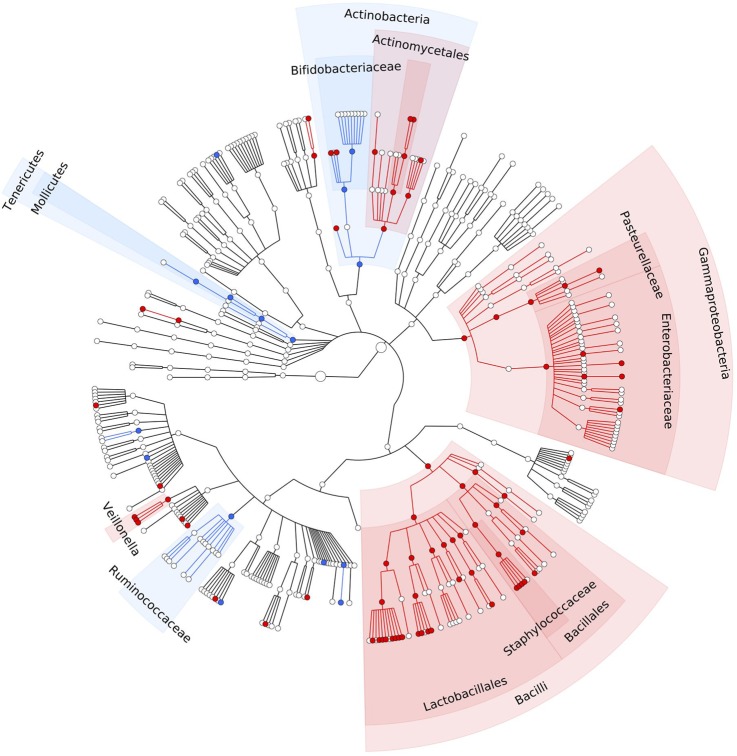
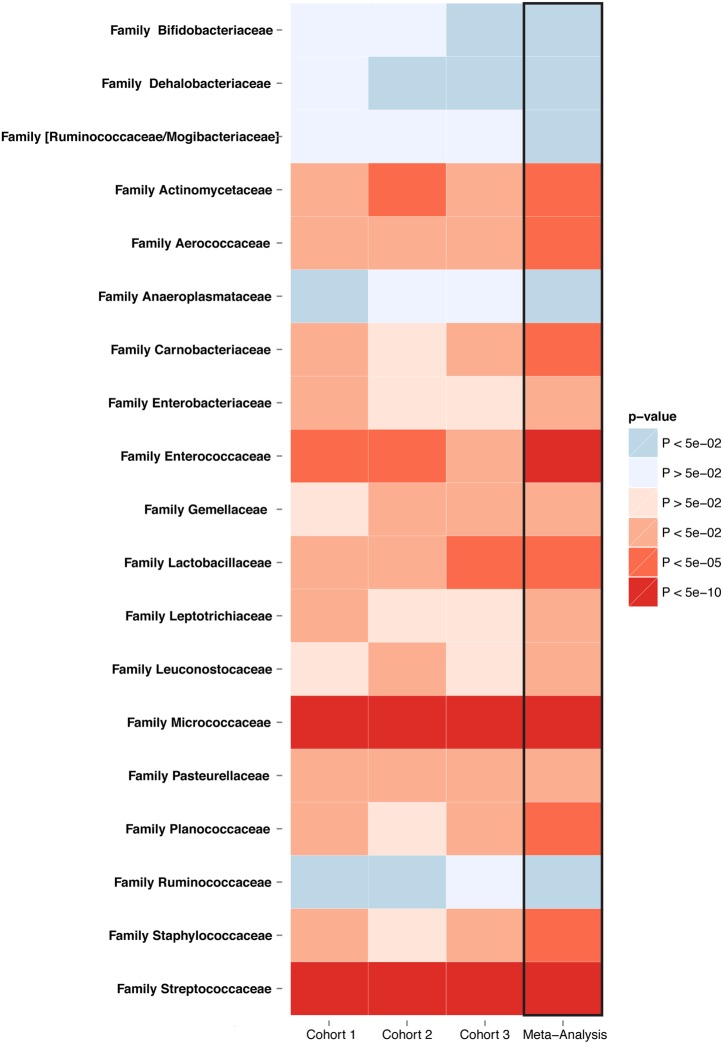
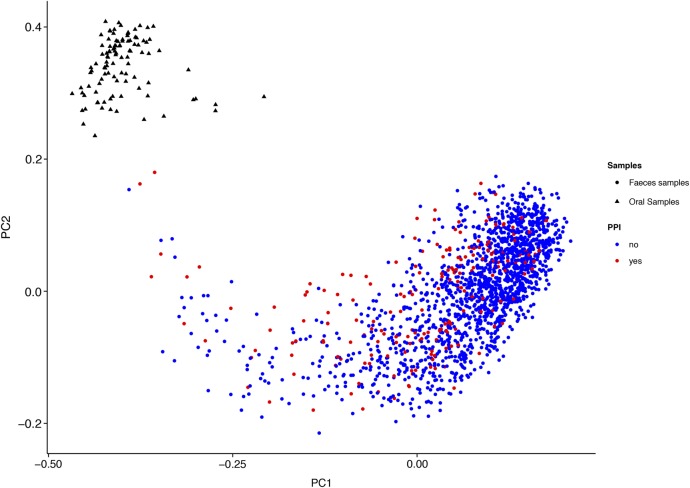
Background and aims: Proton pump inhibitors (PPIs) are among the top 10 most widely used drugs in the world. PPI use has been associated with an increased risk of enteric infections, most notably Clostridium difficile. The gut microbiome plays an important role in enteric infections, by resisting or promoting colonisation by pathogens. In this study, we investigated the influence of PPI use on the gut microbiome. Methods: The gut microbiome composition of 1815 individuals, spanning three cohorts, was assessed by tag sequencing of the 16S rRNA gene. The difference in microbiota composition in PPI users versus non-users was analysed separately in each cohort, followed by a meta-analysis. Results: 211 of the participants were using PPIs at the moment of stool sampling. PPI use is associated with a significant decrease in Shannon's diversity and with changes in 20% of the bacterial taxa (false discovery rate <0.05). Multiple oral bacteria were over-represented in the faecal microbiome of PPI-users, including the genus Rothia (p=9.8×10 −38 ). In PPI users we observed a significant increase in bacteria: genera Enterococcus , Streptococcus , Staphylococcus and the potentially pathogenic species Escherichia coli . Conclusions: The differences between PPI users and non-users observed in this study are consistently associated with changes towards a less healthy gut microbiome. These differences are in line with known changes that predispose to C. difficile infections and can potentially explain the increased risk of enteric infections in PPI users. On a population level, the effects of PPI are more prominent than the effects of antibiotics or other commonly used drugs.
Overview
The claims and statistics of this paper haven’t been checked yet.
Free: it reads the open-access text and checks the first 5 claims that cite a source we can check. Create a free account to check every claim.
Integrity signals
Registry
Cites
Statistics
Figures
Verification
Claims the paper makes
The claims and statistics of this paper haven’t been checked yet.
Free: it reads the open-access text and checks the first 5 claims that cite a source we can check. Create a free account to check every claim.
Claims other papers make about this one
Each is checked against this paper’s own text: does it say what the citing paper says it does?
The source backs part of the claim, not all of it — or backs it for a different population, condition or comparison.
In the citing paper
“an overall signature resembling the gut microbiome of patients with inflammatory bowel disease20”
From Longitudinal gut microbiome changes in immune checkpoint blockade-treated advanced melanoma (2024) · cites this paper as [20]
Experimental — accuracy not yet measuredThe source backs part of the claim, not all of it — or backs it for a different population, condition or comparison.
In the citing paper
“many drugs induce shifts in microbial community composition57,58.”
From Development of a gut microbe–targeted nonlethal therapeutic to inhibit thrombosis potential (2018) · cites this paper as [57]
Experimental — accuracy not yet measuredThe cited source says what the claim attributes to it.
In the citing paper
“To avoid confounding by colitis and PPI use, which individually has considerable effects on the gut microbiome19,20, we compared patients with PFS ≥12 months versus patients with PFS <12 months on monotherapy (Extended Data Fig. 8 and Supplementary Table 7) or combination therapy (Extended Data Fig. 9 and Supplementary Table 8) who did not develop colitis and did not use PPIs, while also averaging”
From Longitudinal gut microbiome changes in immune checkpoint blockade-treated advanced melanoma (2024) · cites this paper as [20]
In the citing paper
“PPIs by reducing gastric acid secretion can produce profound changes in the colonic microbiota, mainly characterized by a decrease in the abundance of commensal bacteria, which is associated with a reduction in microbial diversity and an increase of oral bacteria in the stool[108,109].”
From Proton pump inhibitors and dysbiosis: current knowledge and aspects to be clarified (2019) · cites this paper as [109]
In the citing paper
“Even if not fully clarified, it has been hypothesized that, in CDI, a reduction in alpha diversity and a decrease in the abundance of bacteria of the Ruminococcoceae associated with an increase in the Enterobacteriaceae, Enterococcoceae and Lactobacillaceae families observed during long-term PPI treatment could facilitate the onset of infection[109].”
From Proton pump inhibitors and dysbiosis: current knowledge and aspects to be clarified (2019) · cites this paper as [109]
Self-check
Percentages, sums and reported differences re-computed from the paper’s own numbers.
The self-check needs the paper’s full text.
Citations
Cites
QIIME allows analysis of high-throughput community sequencing data
Caporaso, J. G., Kuczynski, J., Stombaugh, J., Bittinger, K., Bushman, F. D., Costello, E. K., Fierer, N., Peña, A. G., Goodrich, J. K., Gordon, J. I., et al. (2010) · Nature Methods · doi:10.1038/nmeth.f.303 · Cited by 34,887
Multistate point-prevalence survey of health care-associated infections
Magill, S. S., Edwards, J. R., Bamberg, W., Beldavs, Z. G., Dumyati, G., Kainer, M. A., Lynfield, R., Maloney, M., McAllister-Hollod, L., Nadle, J., et al. (2014) · New England Journal of Medicine · doi:10.1056/nejmoa1306801 · Cited by 3,931 · cited 1×
“23 24 Virulent strains of C. dif fi cile can only colonise a susceptible gut, after which toxins are produced and spores are shed.”
BackgroundDuodenal Infusion of Donor Feces for Recurrent Clostridium difficile
van Nood, E., Vrieze, A., Nieuwdorp, M., Fuentes, S., Zoetendal, E. G., de Vos, W. M., Visser, C. E., Kuijper, E. J., Bartelsman, J. F. W. M., Tijssen, J. G. P., et al. (2013) · New England Journal of Medicine · doi:10.1056/nejmoa1205037 · Cited by 3,708
Human Genetics Shape the Gut Microbiome
Goodrich, J. K., Waters, J. L., Poole, A. C., Sutter, J. L., Koren, O., Blekhman, R., Beaumont, M., Van Treuren, W., Knight, R., Bell, J. T., et al. (2014) · Cell · doi:10.1016/j.cell.2014.09.053 · Cited by 3,164
Dysfunction of the intestinal microbiome in inflammatory bowel disease and treatment
Morgan, X. C., Tickle, T. L., Sokol, H., Gevers, D., Devaney, K. L., Ward, D. V., Reyes, J. A., Shah, S. A., LeLeiko, N., Snapper, S. B., et al. (2012) · Genome Biology · doi:10.1186/gb-2012-13-9-r79 · Cited by 2,713
Self-citationBurden of Clostridium difficile Infection in the United States
Lessa, F. C., Mu, Y., Bamberg, W. M., Beldavs, Z. G., Dumyati, G. K., Dunn, J. R., Farley, M. M., Holzbauer, S. M., Meek, J. I., Phipps, E. C., et al. (2015) · New England Journal of Medicine · doi:10.1056/nejmoa1408913 · Cited by 2,641
Human gut microbiota in obesity and after gastric bypass
Zhang, H., DiBaise, J. K., Zuccolo, A., Kudrna, D., Braidotti, M., Yu, Y., Parameswaran, P., Crowell, M. D., Wing, R., Rittmann, B. E., et al. (2009) · Proceedings of the National Academy of Sciences · doi:10.1073/pnas.0812600106 · Cited by 1,880 · cited 1×
“22 We looked at the role of the gut microbiome in C. dif fi cile infections, which cause 12.1% of all nosocomial infections and were responsible for half a million infections and associated with 29 000 deaths in the USA in 2011.”
BackgroundInfluentialPrecision microbiome reconstitution restores bile acid mediated resistance to Clostridium difficile
Buffie, C. G., Bucci, V., Stein, R. R., McKenney, P. T., Ling, L., Gobourne, A., No, D., Liu, H., Kinnebrew, M., Viale, A., et al. (2015) · Nature · doi:10.1038/nature13828 · Cited by 1,872
Control of pathogens and pathobionts by the gut microbiota
Kamada, N., Chen, G. Y., Inohara, N., & Núñez, G. (2013) · Nature Immunology · doi:10.1038/ni.2608 · Cited by 1,625 · cited 1×
“11 To ensure that the changes observed in microbiota composition were not due to diarrhoea and/or more frequent bowel movements, we checked in our general population whether clinical symptoms of diarrhoea were more often present in PPI users.”
BackgroundMicrobiota-mediated colonization resistance against intestinal pathogens
Buffie, C. G., & Pamer, E. G. (2013) · Nature reviews. Immunology · doi:10.1038/nri3535 · Cited by 1,564
Cited by
Items 101–200 of 1,000
The gut microbiome: what the oncologist ought to know
Lee, K. A., Luong, M. K., Shaw, H., Nathan, P., Bataille, V., & Spector, T. D. (2021) · British Journal of Cancer · doi:10.1038/s41416-021-01467-x · Cited by 143
“A number of groups have demonstrated increased Streptococcaceae and Micrococcaceae abundance in PPI users [92, 93].”
BackgroundThe varying effects of antibiotics on gut microbiota
Yang, L., Bajinka, O., Jarju, P. O., Tan, Y., Taal, A. M., & Özdemir, G. (2021) · AMB Express · doi:10.1186/s13568-021-01274-w · Cited by 173
Acid and the basis for cellular plasticity and reprogramming in gastric repair and cancer
Sáenz, J. B., & Mills, J. C. (2018) · Nature Reviews Gastroenterology & Hepatology · doi:10.1038/nrgastro.2018.5 · Cited by 153
Wu, Y., Du, S., Johnson, J. L., Tung, H.-Y., Landers, C. T., Liu, Y., Seman, B. G., Wheeler, R. T., Costa-Mattioli, M., Kheradmand, F., et al. (2019) · Nature Communications · doi:10.1038/s41467-018-07991-4 · Cited by 143
The microbiome–systemic diseases connection
van der Meulen, T. A., Harmsen, H., Bootsma, H., Spijkervet, F., Kroese, F., & Vissink, A. (2016) · Oral Diseases · doi:10.1111/odi.12472 · Cited by 151
“…use of proton pump inhibitors, home country and the host genome are all known to influence the composition of the bacterial community in the gut (Dominguez-Bello et al, 2010; Koenig et al, 2011; Yatsunenko et al, 2012; David et al, 2014; Goodrich et al, 2014; Imhann et al, 2015; Zaura et al, 2015).”
BackgroundSelf-citationGut OncoMicrobiome Signatures (GOMS) as next-generation biomarkers for cancer immunotherapy
Thomas, A. M., Fidelle, M., Routy, B., Kroemer, G., Wargo, J. A., Segata, N., & Zitvogel, L. (2023) · Nature Reviews Clinical Oncology · doi:10.1038/s41571-023-00785-8 · Cited by 141
Role of the microbiota in response to and recovery from cancer therapy
Blake, S. J., Wolf, Y., Boursi, B., & Lynn, D. J. (2023) · Nature reviews. Immunology · doi:10.1038/s41577-023-00951-0 · Cited by 158
“Several prospective clinical studies have found that exposure to drugs that negatively affect gut microbiota composition, such as antibiotics and proton pump inhibitors 57 , particularly prior to ICB, is associated with worse patient outcomes 7,58–62 .”
Ilhan, Z. E., DiBaise, J. K., Isern, N. G., Hoyt, D. W., Marcus, A. K., Kang, D.-W., Crowell, M. D., Rittmann, B. E., & Krajmalnik-Brown, R. (2017) · The ISME Journal · doi:10.1038/ismej.2017.71 · Cited by 140
“Escherichia, Enterococcus, Streptococcus and Veillonella were signatures of RYGB surgery that discriminated RYGB from both nonsurgical and LAGB groups (Supplementary Figure S3).”
BackgroundUnlocking the power of postbiotics: A revolutionary approach to nutrition for humans and animals
Zhao, X., Liu, S., Li, S., Jiang, W., Wang, J., Xiao, J., Chen, T., Ma, J., Khan, M. Z., Wang, W., et al. (2024) · Cell Metabolism · doi:10.1016/j.cmet.2024.03.004 · Cited by 161
The esophageal microbiota in health and disease
Di Pilato, V., Freschi, G., Ringressi, M. N., Pallecchi, L., Rossolini, G. M., & Bechi, P. (2016) · Annals of the New York Academy of Sciences · doi:10.1111/nyas.13127 · Cited by 139
Gawalko, M. M., Agbaedeng, T. A., Saljic, A., Müller, D. N., Wilck, N., Schnabel, R. B., Penders, J., Rienstra, M., Gelder, I. C. V., Jespersen, T., et al. (2021) · Cardiovascular Research · doi:10.1093/cvr/cvab292 · Cited by 159
In situ reprogramming of gut bacteria by oral delivery
Hsu, B. B., Plant, I. N., Lyon, L., Anastassacos, F. M., Way, J. C., & Silver, P. A. (2020) · Nature Communications · doi:10.1038/s41467-020-18614-2 · Cited by 132
Gut microbiota in various childhood disorders: Implication and indications
Saeed, N. K., Al‐Beltagi, M., Bediwy, A. S., El-Sawaf, Y., & Toema, O. (2022) · World Journal of Gastroenterology · doi:10.3748/wjg.v28.i18.1875 · Cited by 174
Kopczyńska, J., & Kowalczyk, M. (2024) · Frontiers in Immunology · doi:10.3389/fimmu.2024.1380476 · Cited by 164
Proton pump inhibitors and risk of gastric cancer: population-based cohort study
Abrahami, D., McDonald, E. G., Schnitzer, M. E., Barkun, A. N., Suissa, S., & Azoulay, L. (2021) · Gut · doi:10.1136/gutjnl-2021-325097 · Cited by 146
Gut Microbiome Toxicity: Connecting the Environment and Gut Microbiome-Associated Diseases
Tu, P., Chi, L., Bodnar, W. M., Zhang, Z., Gao, B., Bian, X., Stewart, J. R., Fry, R. C., & Lü, K. (2020) · Toxics · doi:10.3390/toxics8010019 · Cited by 146
The Gastric and Intestinal Microbiome: Role of Proton Pump Inhibitors
Minalyan, A., Gabrielyan, L., Scott, D., Jacobs, J., & Pisegna, J. R. (2017) · Current Gastroenterology Reports · doi:10.1007/s11894-017-0577-6 · Cited by 127
Hayashi, T., Yamashita, T., Watanabe, H., Kami, K., Yoshida, N., Tabata, T., Emoto, T., Sasaki, N., Mizoguchi, T., Irino, Y., et al. (2018) · Circulation Journal · doi:10.1253/circj.cj-18-0468 · Cited by 142
Bicknell, B. T., Liebert, A. D., Borody, T. J., Herkes, G., McLachlan, C. S., & Kiat, H. (2023) · International Journal of Molecular Sciences · doi:10.3390/ijms24119577 · Cited by 148
“…encourage the establishment of pro-inflammatory conditions, with increased Enterobacteriaceae (including potentially pathogenic E. coli/Shigella species), Enterococcus , Campylobacter , Staphylococcus , and other potential pathogens, as well as an increased risk of C. difficile infection [189,190].”
Predictive biomarkers of anti-PD-1/PD-L1 therapy in NSCLC
Niu, M., Yi, M., Li, N., Luo, S., & Wu, K. (2021) · Experimental Hematology and Oncology · doi:10.1186/s40164-021-00211-8 · Cited by 137
“A study indicated that proton pump inhibitor (PPI) affected the diversity of gut microbiota through gastric acid [136].”
BackgroundTan, Q., Orsso, C. E., Deehan, E. C., Kung, J. Y. C., Tun, H. M., Wine, E., Madsen, K. L., Zwaigenbaum, L., & Haqq, A. M. (2021) · Autism Research · doi:10.1002/aur.2560 · Cited by 146
Bajaj, J. S., Vargas, H. E., Reddy, K. R., Lai, J. C., O’Leary, J. G., Tandon, P., Wong, F., Mitrani, R., White, M. B., Kelly, M., et al. (2019) · Clinical Gastroenterology and Hepatology · doi:10.1016/j.cgh.2018.07.022 · Cited by 123
Towards a mechanistic understanding of reciprocal drug–microbiome interactions
Zimmermann, M., Patil, K. R., Typas, A., & Maier, L. (2021) · Molecular Systems Biology · doi:10.15252/msb.202010116 · Cited by 121
“For example, proton-pump inhibitors (PPI)s are among the drugs with the most pronounced effect on the gut microbiome composition (Imhann et al , 2016).”
Mechanisms of proton pump inhibitor‐induced hypomagnesemia
Gommers, L. M. M., Hoenderop, J. G. J., & de Baaij, J. H. F. (2022) · Acta Physiologica · doi:10.1111/apha.13846 · Cited by 167
Safarchi, A., Al-Qadami, G. H., Tran, C. D., & Conlon, M. A. (2025) · Frontiers in Microbiology · doi:10.3389/fmicb.2025.1559521 · Cited by 158
Takagi, T., Naito, Y., Inoue, R., Kashiwagi, S., Uchiyama, K., Mizushima, K., Tsuchiya, S., Okayama, T., Dohi, O., Yoshida, N., et al. (2018) · Journal of Clinical Biochemistry and Nutrition · doi:10.3164/jcbn.17-78 · Cited by 121
“(4,17) In our results, as shown in Fig.”
Bajaj, J. S., Acharya, C., Fagan, A., White, M. B., Gavis, E., Heuman, D. M., Hylemon, P. B., Fuchs, M., Puri, P., Schubert, M. L., et al. (2018) · American Journal of Gastroenterology · doi:10.1038/s41395-018-0085-9 · Cited by 120
Macke, L., Schulz, C., Koletzko, L., & Malfertheiner, P. (2020) · Alimentary Pharmacology & Therapeutics · doi:10.1111/apt.15604 · Cited by 118
Gut microbiota and old age: Modulating factors and interventions for healthy longevity
Coman, V., & Vodnar, D. C. (2020) · Experimental Gerontology · doi:10.1016/j.exger.2020.111095 · Cited by 118
“, 2016), with more prominent impact than that of antibiotics or other commonly used medications (Imhann et al., 2016).”
InfluentialThe potential of tailoring the gut microbiome to prevent and treat cardiometabolic disease
Chakaroun, R., Olsson, L. M., & Bäckhed, F. (2022) · Nature Reviews Cardiology · doi:10.1038/s41569-022-00771-0 · Cited by 141
Impact of prior antibiotic use on the efficacy of nivolumab for non‑small cell lung cancer
Hakozaki, T., Okuma, Y., Omori, M., & Hosomi, Y. (2019) · Oncology Letters · doi:10.3892/ol.2019.9899 · Cited by 115
Antibiotic and acid-suppression medications during early childhood are associated with obesity
Stark, C. M., Susi, A., Emerick, J., & Nylund, C. M. (2019) · Gut · doi:10.1136/gutjnl-2017-314971 · Cited by 115
Gut Microbiota Composition Before and After Use of Proton Pump Inhibitors
Hojo, M., Asahara, T., Nagahara, A., Takeda, T., Matsumoto, K., Ueyama, H., Matsumoto, K., Asaoka, D., Takahashi, T., Nomoto, K., et al. (2018) · Digestive Diseases and Sciences · doi:10.1007/s10620-018-5122-4 · Cited by 114
“Previous large cohort studies of PPI users and intervention studies of PPI use for 4 weeks reported increases in bacteria from the genus Streptococcus [19, 20, 22, 23].”
InfluentialDistant Site Effects of Ingested Prebiotics
Collins, S., & Reid, G. (2016) · Nutrients · doi:10.3390/nu8090523 · Cited by 112
“For example, proton pump inhibitors disproportionately used by older adults induce dysbiosis notably by a loss of bifidobacteria [40],”
BackgroundEffects of anti-aging interventions on intestinal microbiota
Du, Y., Gao, Y., Zeng, B., Fan, X., Yang, D., & Yang, M. (2021) · Gut Microbes · doi:10.1080/19490976.2021.1994835 · Cited by 130
Toxicity of long-term use of proton pump inhibitors in children
Bruyne, P. D., & Ito, S. (2017) · Archives of Disease in Childhood · doi:10.1136/archdischild-2017-314026 · Cited by 142
Impact of Individual Traits, Saturated Fat, and Protein Source on the Gut Microbiome
Lang, J. M., Pan, C., Cantor, R. M., Tang, W. H. W., Garcia-Garcia, J. C., Kurtz, I., Hazen, S. L., Bergeron, N., Krauss, R. M., & Lusis, A. J. (2018) · mBio · doi:10.1128/mbio.01604-18 · Cited by 109
“19), obesity (20–22), medications (23, 24), and previous dietary habits (25, 26) being important.”
BackgroundKiecka, A., & Szczepanik, M. (2023) · Pharmacological Reports · doi:10.1007/s43440-023-00489-x · Cited by 138
“Meanwhile, the esophageal microbiota showed increased amounts of Micrococcaceae, Erysipelotrichaceae, and Enterobacteriaceae [34].”
BackgroundInfluentialNardelli, S., Gioia, S., Ridola, L., Farcomeni, A., Merli, M., & Riggio, O. (2019) · Hepatology · doi:10.1002/hep.30304 · Cited by 109
“Proton pump inhibitors (PPIs) are strong gastric acid suppressants, widely prescribed, often inappropriately, in patients with chronic liver disease,(12) which cause quantitative and qualitative alterations in gut microbiota.(13-16) In fact, PPIs can directly target the proton pumps of the bacteria(17) or affect the m…”
BackgroundIntestinal Dysbiosis Secondary to Proton-Pump Inhibitor Use
Naito, Y., Kashiwagi, K., Takagi, T., Andoh, A., & Inoue, R. (2018) · Digestion · doi:10.1159/000481813 · Cited by 107
Abe, K., Takahashi, A., Fujita, M., Imaizumi, H., Hayashi, M., Okai, K., & Ohira, H. (2018) · PLoS ONE · doi:10.1371/journal.pone.0198757 · Cited by 121
Effects of Proton Pump Inhibitors on the Gastric Mucosa-Associated Microbiota in Dyspeptic Patients
Paroni Sterbini, F., Palladini, A., Masucci, L., Cannistraci, C. V., Pastorino, R., Ianiro, G., Bugli, F., Martini, C., Ricciardi, W., Gasbarrini, A., et al. (2016) · Applied and Environmental Microbiology · doi:10.1128/aem.01437-16 · Cited by 108
“Similarly, PPI use was shown to be associated with profound changes in the gut microbiota, involving the genera Streptococcus, Enterococcus, and Staphylococcus, and the species Escherichia coli (52).”
BackgroundIntestinal Dysbiosis Amplifies Acetaminophen-Induced Acute Liver Injury
Schneider, K. M., Elfers, C., Ghallab, A., Schneider, C. V., Galvez, E. J. C., Mohs, A., Gui, W., Candels, L. S., Wirtz, T. H., Zuehlke, S., et al. (2021) · Cellular and Molecular Gastroenterology and Hepatology · doi:10.1016/j.jcmgh.2020.11.002 · Cited by 108
Pettigrew, M. M., Gent, J. F., Kong, Y., Halpin, A. L., Pineles, L. L., Harris, A. D., & Johnson, J. K. (2018) · Clinical Infectious Diseases · doi:10.1093/cid/ciy936 · Cited by 111
“ICU patients are exposed to other medications (eg, opioids), which may also disrupt the microbiota [2, 12].”
BackgroundGastric microbiota: An emerging player in Helicobacter pylori -induced gastric malignancies
Espinoza, J. L., Matsumoto, A., Tanaka, H., & Matsumura, I. (2017) · Cancer Letters · doi:10.1016/j.canlet.2017.11.009 · Cited by 109
He, C., Peng, C., Wang, H., Ouyang, Y., Zhu, Z., Shu, X., Zhu, Y., & Lü, N. (2019) · Helicobacter · doi:10.1111/hel.12590 · Cited by 110
Characteristics and Dysbiosis of the Gut Microbiome in Renal Transplant Recipients
Swarte, J. C., Douwes, R. M., Hu, S., Vila, A. V., Eisenga, M. F., van Londen, M., Neto, A. W. G., Weersma, R. K., Harmsen, H. J. M., & Bakker, S. J. L. (2020) · Journal of Clinical Medicine · doi:10.3390/jcm9020386 · Cited by 118
“demonstrated that the use of PPIs changes the gut microbiome, especially an increase of Streptococcus species was found in PPI users [30].”
BackgroundSelf-citationKostine, M., Mauric, E., Tison, A., Barnetche, T., Barre, A., Nikolski, M., Rouxel, L., Dutriaux, C., Dousset, L., Prey, S., et al. (2021) · European Journal of Cancer · doi:10.1016/j.ejca.2021.08.036 · Cited by 101
Cui, J., Ramesh, G., Wu, M., Jensen, E. T., Crago, O. L., Bertoni, A. G., Gao, C., Hoffman, K. L., Sheridan, P. A., Wong, K. E., et al. (2022) · Diabetes · doi:10.2337/db22-0168 · Cited by 119
Wauters, L. I., Slaets, H., Paepe, K. D., Ceulemans, M., Wetzels, S., Geboers, K., Tóth, J. G., Thys, W., Dybajlo, R., Walgraeve, D., et al. (2021) · The Lancet. Gastroenterology & hepatology · doi:10.1016/s2468-1253(21)00226-0 · Cited by 119
Pharmacomicrobiomics: Influence of gut microbiota on drug and xenobiotic metabolism
Dikeocha, I. J., Al‐Kabsi, A. M., Miftahussurur, M., & Alshawsh, M. A. (2022) · The FASEB Journal · doi:10.1096/fj.202101986r · Cited by 114
The central and biodynamic role of gut microbiota in critically ill patients
Wozniak, H., Beckmann, T. S., Fröhlich, L., Soccorsi, T., Terrier, C. L., de Watteville, A., Schrenzel, J., & Heidegger, C. (2022) · Critical Care · doi:10.1186/s13054-022-04127-5 · Cited by 114
“The dysbiosis induced by proton pump inhibitor has been associated with an increased risk of Clostridium difficile infection [71, 76, 77].”
BackgroundGut microbiota-gonadal axis: the impact of gut microbiota on reproductive functions
Ashonibare, V. J., Akorede, B. A., Ashonibare, P. J., Akhigbe, T. M., & Akhigbe, R. E. (2024) · Frontiers in Immunology · doi:10.3389/fimmu.2024.1346035 · Cited by 117
“…study in the Netherlands reported a decrease in the diversity of gut microbes with the use of PPIs (41), which agrees with the reports by Imhann et al. (46) who opined that PPIs altered the bacterial population among some populations; in the report, some population increased while others decreased.”
BackgroundResultInfluentialTomita, Y., Goto, Y., Sakata, S., Imamura, K., Minemura, A., Oka, K., Hayashi, A., Jodai, T., Akaike, K., Anai, M., et al. (2022) · OncoImmunology · doi:10.1080/2162402x.2022.2081010 · Cited by 100
“They have been considered low-risk and widely adopted; thus, PPIs are often overprescribed across the world.(14,15,17) It has been reported that multiple oral bacteria that related cancer development were found in the feces of PPI users.”
BackgroundInfluentialFecal dysbiosis in infants with cystic fibrosis is associated with early linear growth failure
Hayden, H. S., Eng, A., Pope, C. E., Brittnacher, M., Vo, A. T., Weiss, E. J., Hager, K. R., Martin, B. D., Leung, D. H., Heltshe, S. L., et al. (2020) · Nature Medicine · doi:10.1038/s41591-019-0714-x · Cited by 107
Interactions of commensal and pathogenic microorganisms with the mucus layer in the colon
Cai, R., Chen, C., Chen, J., Xu, X., Ding, C., & Gu, B. (2020) · Gut Microbes · doi:10.1080/19490976.2020.1735606 · Cited by 111
Physiologic, pathophysiologic, and pharmacologic regulation of gastric acid secretion
Schubert, M. L. (2017) · Current Opinion in Gastroenterology · doi:10.1097/mog.0000000000000392 · Cited by 99
Alterations in the Duodenal Fluid Microbiome of Patients With Pancreatic Cancer
Kohi, S., Macgregor‐Das, A. M., Dbouk, M. H., Yoshida, T., Chuidian, M., Abe, T., Borges, M. W., Lennon, A. M., Shin, E. J., Canto, M. I., et al. (2020) · Clinical Gastroenterology and Hepatology · doi:10.1016/j.cgh.2020.11.006 · Cited by 111
Gut-Heart Axis: The Role of Gut Microbiota and Metabolites in Heart Failure
Snelson, M., Muralitharan, R. R., Liu, C., Markó, L., Forslund, S. K., Marques, F. Z., & Tang, W. H. W. (2025) · Circulation Research · doi:10.1161/circresaha.125.325516 · Cited by 126
Zou, Y., Wang, S., Zhang, H., Gu, Y., Chen, H., Huang, Z., Yang, F., Li, W., Chen, C., Men, L., et al. (2023) · Medicinal Research Reviews · doi:10.1002/med.21989 · Cited by 109
Oral microbiome alterations of healthy volunteers with proton pump inhibitor
Mishiro, T., Oka, K., Kuroki, Y., Takahashi, M., Tatsumi, K., Saitoh, T., Tobita, H., Ishimura, N., Sato, S., Ishihara, S., et al. (2018) · Journal of Gastroenterology and Hepatology · doi:10.1111/jgh.14040 · Cited by 96
Willems, R. P. J., van Dijk, K., Ket, J. C. F., & Vandenbroucke‐Grauls, C. M. J. E. (2020) · JAMA Internal Medicine · doi:10.1001/jamainternmed.2020.0009 · Cited by 111
Seo, S. I., Park, C. H., You, S. C., Kim, J., Lee, K. J., Kim, J., Kim, Y., Yoo, J. J., Seo, W., Lee, H., et al. (2021) · Gut · doi:10.1136/gutjnl-2020-323845 · Cited by 103
The Role of Gastrointestinal Permeability in Food Allergy
Samadi, N., Klems, M., & Untersmayr, E. (2018) · Annals of Allergy, Asthma & Immunology · doi:10.1016/j.anai.2018.05.010 · Cited by 95
Local Acetaldehyde—An Essential Role in Alcohol-Related Upper Gastrointestinal Tract Carcinogenesis
Nieminen, M., & Salaspuro, M. (2018) · Cancers · doi:10.3390/cancers10010011 · Cited by 94
“described a significant increase of genera ubiquitous in the oral microbiome (including Streptococcus and Rothia) in the gut of patients using acid-suppressive medication [105].”
BackgroundThe central role of the gut microbiota in the pathophysiology and management of type 2 diabetes
Baars, D. P., Fondevila, M. F., Meijnikman, A. S., & Nieuwdorp, M. (2024) · Cell Host & Microbe · doi:10.1016/j.chom.2024.07.017 · Cited by 121
Horvath, A., Rainer, F., Bashir, M., Leber, B., Schmerboeck, B., Klymiuk, I., Groselj-Strele, A., Durdevic, M., Freedberg, D. E., Abrams, J. A., et al. (2019) · Scientific Reports · doi:10.1038/s41598-019-48352-5 · Cited by 93
The gut microbiota as a mediator of metabolic benefits after bariatric surgery
Anhê, F. F., Varin, T. V., Schertzer, J. D., & Marette, A. (2017) · Canadian Journal of Diabetes · doi:10.1016/j.jcjd.2017.02.002 · Cited by 93
Antacid therapy in idiopathic pulmonary fibrosis: more questions than answers?
Johannson, K. A., Strambu, I. R., Ravaglia, C., Grutters, J. C., Valenzuela, C., Moğulkoç, N., Luppi, F., Richeldi, L., Wells, A. U., Vancheri, C., et al. (2017) · The Lancet Respiratory Medicine · doi:10.1016/s2213-2600(17)30219-9 · Cited by 101
Systematically investigating the impact of medication on the gut microbiome
Maier, L., & Typas, A. (2017) · Current Opinion in Microbiology · doi:10.1016/j.mib.2017.11.001 · Cited by 98
Small Intestinal Bacterial Overgrowth in Children: A State-Of-The-Art Review
Avelar Rodriguez, D., Ryan, P. M., Toro Monjaraz, E. M., Ramirez Mayans, J. A., & Quigley, E. M. (2019) · Frontiers in Pediatrics · doi:10.3389/fped.2019.00363 · Cited by 91
Organ crosstalk and dysfunction in sepsis
Borges, A., & Bento, L. F. N. (2024) · Annals of Intensive Care · doi:10.1186/s13613-024-01377-0 · Cited by 117
“One study revealed that 20% of the identified bacteria showed significant deviations, with the abundance of oral bacteria and potential pathogenic bacteria increasing in the gut microbiota of PPI users [67].”
BackgroundIntestinal pH: a major driver of human gut microbiota composition and metabolism
Brinck, J. E., Sinha, A. K., Laursen, M. F., Dragsted, L. O., Raes, J., Vazquez-Uribe, R., Walter, J., Roager, H. M., & Licht, T. R. (2025) · Nature Reviews Gastroenterology & Hepatology · doi:10.1038/s41575-025-01092-6 · Cited by 130
“Notably, PPI use is linked to an increased risk of C. difficile infections, probably due to the effect of PPIs in raising gastrointestinal pH, which might facilitate C. difficile colonization in the gut 136,222 .”
Martinsen, T. C., Fossmark, R., & Waldum, H. L. (2019) · International Journal of Molecular Sciences · doi:10.3390/ijms20236031 · Cited by 109
Lee, J. K., Merchant, S. A., Schneider, J. L., Jensen, C. D., FIREMAN, B. H., Quesenberry, C. P., & Corley, D. A. (2020) · The American Journal of Gastroenterology · doi:10.14309/ajg.0000000000000591 · Cited by 99
Aspirin in the Prevention of Colorectal Neoplasia
Drew, D. A., & Chan, A. T. (2020) · Annual Review of Medicine · doi:10.1146/annurev-med-060319-120913 · Cited by 97
McGovern, A. S., Hamlin, A. S., & Winter, G. (2019) · Australian & New Zealand Journal of Psychiatry · doi:10.1177/0004867419877954 · Cited by 89
“, 2015), proton pump inhibitors (PPIs; Imhann et al., 2016; Jackson et al., 2016), nonsteroidal anti-inflammatory drugs (NSAIDs; Rogers and Aronoff, 2016) and atypical antipsychotics (AAPs; Flowers et al.”
Background“Photobiomics”: Can Light, Including Photobiomodulation, Alter the Microbiome?
Liebert, A. D., Bicknell, B. T., Johnstone, D. M., Gordon, L. C., Kiat, H., & Hamblin, M. R. (2019) · Photobiomodulation Photomedicine and Laser Surgery · doi:10.1089/photob.2019.4628 · Cited by 96
“86,103,104 107 The main communication pathways between the micro-biome and the body are through the immune response, redox signaling, the endocrine system and the enteric/vagus nerve pathway; summarized in Fig.”
Concomitant Proton Pump Inhibitor Use and Survival in Urothelial Carcinoma Treated with Atezolizumab
Hopkins, A. M., Kichenadasse, G., Karapetis, C. S., Rowland, A., & Sorich, M. J. (2020) · Clinical Cancer Research · doi:10.1158/1078-0432.ccr-20-1876 · Cited by 88
“PPIs have also been associated with promotion of T-cell tolerance, pharmacokinetic influences, and even direct anticancer effects in combinationwith docetaxel used in the treatment of breast cancer (5, 6, 10, 11).”
BackgroundDavies, N., O'Sullivan, J. M., Plank, L. D., & Murphy, R. (2019) · Surgery for Obesity and Related Diseases · doi:10.1016/j.soard.2019.01.033 · Cited by 102
Verhoeckx, K. C. M., Bøgh, K. L., Dupont, D., Egger, L., Gadermaier, G., Larré, C., Mackie, A. R., Ménard, O., Adel‐Patient, K., Picariello, G., et al. (2019) · Food and Chemical Toxicology · doi:10.1016/j.fct.2019.04.052 · Cited by 94
Emerging role of metabolic reprogramming in tumor immune evasion and immunotherapy
Fan, C., Zhang, S., Gong, Z., Li, X., Xiang, B., Deng, H., Zhou, M., Li, Y., Li, Y., Xiong, W., et al. (2020) · Science China Life Sciences · doi:10.1007/s11427-019-1735-4 · Cited by 99
Gut dysbiosis associated with clinical prognosis of patients with primary biliary cholangitis
Furukawa, M., Moriya, K., Nakayama, J., Inoue, T., Momoda, R., Kawaratani, H., Namisaki, T., Sato, S., Douhara, A., Kaji, K., et al. (2020) · Hepatology Research · doi:10.1111/hepr.13509 · Cited by 85
Lee, K. A., Shaw, H. M., Bataille, V. A., Nathan, P., & Spector, T. D. (2020) · European Journal of Cancer · doi:10.1016/j.ejca.2020.07.026 · Cited by 94
Raffelsberger, N., Hetland, M. A. K., Svendsen, K., Småbrekke, L., Löhr, I. H., Andreassen, L. L. E., Brisse, S., Holt, K. E., Sundsfjord, A., Samuelsen, Ø., et al. (2021) · Gut Microbes · doi:10.1080/19490976.2021.1939599 · Cited by 89
Periodontal connection with intestinal inflammation: Microbiological and immunological mechanisms
Kitamoto, S., & Kamada, N. (2022) · Periodontology 2000 · doi:10.1111/prd.12424 · Cited by 98
Helicobacter pylori infection associates with fecal microbiota composition and diversity
Frost, F., Kacprowski, T., Rühlemann, M. C., Bang, C., Franke, A., Zimmermann, K., Nauck, M. A., Völker, U., Völzke, H., Biffar, R., et al. (2019) · Scientific Reports · doi:10.1038/s41598-019-56631-4 · Cited by 94
Metabolic and functional interplay between gut microbiota and fat-soluble vitamins
Stacchiotti, V., Rezzi, S., Eggersdorfer, M. L., & Galli, F. (2020) · Critical Reviews in Food Science and Nutrition · doi:10.1080/10408398.2020.1793728 · Cited by 91
Gut Microbiota in Obesity and Metabolic Abnormalities: A Matter of Composition or Functionality?
Morán‐Ramos, S., López-Contreras, B. E., & Canizales‐Quinteros, S. (2017) · Archives of Medical Research · doi:10.1016/j.arcmed.2017.11.003 · Cited by 96
Are proton pump inhibitors really so dangerous?
Savarino, V., Dulbecco, P., & Savarino, E. V. (2016) · Digestive and Liver Disease · doi:10.1016/j.dld.2016.05.018 · Cited by 100
“[4] Imhann F, Bonder MJ, Vich Vila A, et al.”
BackgroundMailhé, M., Ricaboni, D., Vitton, V., Gonzalez, J., Bachar, D., Dubourg, G., Cadoret, F., Robert, C., Delerce, J., Levasseur, A., et al. (2018) · BMC Microbiology · doi:10.1186/s12866-018-1304-7 · Cited by 92
RetractedGantuya, B., El‐Serag, H. B., Matsumoto, T., Ajami, N. J., Oyuntsetseg, K., Azzaya, D., Uchida, T., & Yamaoka, Y. (2019) · Cancers · doi:10.3390/cancers11040504 · Cited by 84
“The gastric microbiome is influenced by other factors that affect gastric acidity such as gastric surgery and PPIs use, which altered gastric microbiota with a shift towards a less healthy microbiome [15,30].”
BackgroundPaola, M. D., Cavalieri, D., Albanese, D., Sordo, M., Pindo, M., Donati, C., Pagnini, I., Giani, T., Simonini, G., Paladini, A., et al. (2016) · Frontiers in Microbiology · doi:10.3389/fmicb.2016.01703 · Cited by 96
“Calprotectin level, a measurement of intestinal inflammation, was positive (>100 µg/g) in 10.5% (2/19) of JIA-ERA and in 20% (2/10) of JIA-nERA patients (see Materials and Methods).”
BackgroundInfluentialPPI Long Term Use: Risk of Neurological Adverse Events?
Novotný, M., Klímová, B., & Vališ, M. (2019) · Frontiers in Neurology · doi:10.3389/fneur.2018.01142 · Cited by 81
“Proton Pump Inhibitors Proton pump inhibitors are among one of the top groups of active substances (11, 12).”
BackgroundLiu, J., Lahousse, L., Nivard, M. G., Bot, M., Chen, L., van Klinken, J. B., Thesing, C. S., Beekman, M., van den Akker, E. B., Slieker, R. C., et al. (2020) · Nature Medicine · doi:10.1038/s41591-019-0722-x · Cited by 85
Self-citationIntestinal Microbiota Is Altered in Patients with Gastric Cancer from Shanxi Province, China
Qi, Y.-F., Sun, J., Ren, L., Cao, X.-L., Dong, J.-H., Tao, K. X., Guan, X., Cui, Y.-N., & Su, W. (2018) · Digestive Diseases and Sciences · doi:10.1007/s10620-018-5411-y · Cited by 82
Giordan, Q., Salleron, J., Vallance, C., Moriana, C., & Clément-Duchêne, C. (2021) · Frontiers in Immunology · doi:10.3389/fimmu.2021.716317 · Cited by 84
“Firstly, the use of PPI may affect the abundance and diversity of Bifidobacterium and Ruminococcaceae, both indispensable to immunity (27, 28).”
MethodShi, Y., Cai, S., Tian, Y.-P., Zhao, H., Zhang, Y.-B., Chen, J., Ren, R.-R., Luo, X., Peng, L., Sun, G., et al. (2019) · Genomics Proteomics & Bioinformatics · doi:10.1016/j.gpb.2018.12.004 · Cited by 95
“[12] investigated the association between the gut microbiota and PPI usage in fecal samples from 1815 individuals in the Netherlands and found that PPI use was associated with an increased abundance of the genera Staphylococcus, Streptococcus, and Enterococcus as well as Escherichia coli at the species level, and ther…”
BackgroundAntibacterial activity of nonantibiotics is orthogonal to standard antibiotics
Guillen, M. N., Li, C. G., Rosener, B., & Mitchell, A. (2024) · Science · doi:10.1126/science.adk7368 · Cited by 84
Mullish, B. H., Quraishi, M. N., Segal, J. P., McCune, V. L., Baxter, M., Marsden, G. L., Moore, D., Colville, A., Bhala, N., Iqbal, T. H., et al. (2018) · Journal of Hospital Infection · doi:10.1016/j.jhin.2018.07.037 · Cited by 79
“The rationale for the use of proton pump inhibitors (PPI) prior to upper GI FMT is to minimise acidity which may impair engraftment of transplanted microorganisms; however, PPIs have been shown to alter the gut microbiota [122,123], and have also been associated with primary and recurrent CDI [124,125].”
Background
Metadata
- Authors
- Imhann, F., Bonder, M. J., Vich Vila, A., Fu, J., Mujagic, Z., Vork, L., Tigchelaar, E. F., Jankipersadsing, S. A., Cenit, M. C., Harmsen, H. J. M., Dijkstra, G., Franke, L., Xavier, R. J., Jonkers, D., Wijmenga, C., Weersma, R. K., & Zhernakova, A.
- Affiliations
- University Medical Center Groningen (NL)
- University of Groningen and University Medical Center Groningen, Department of Gastroenterology and Hepatology, Groningen, The Netherlands
- Maastricht University Medical Centre (NL)
- University of Groningen and University Medical Center Groningen, Department of Genetics, Groningen, The Netherlands
- Broad Institute (US)
- Corresponding author
- Weersma, Rinse K
- ORCID
- Venue
- Gut
- Publisher
- BMJ
- Published
- 2015-12-09
- Volume
- 65
- Issue
- 5
- Pages
- 740-748
- ISSN
- 0017-5749 (ISSN-L)
- 1468-3288
- PMC
- PMC4853569
- OpenAlex
- W2194591433
- Semantic Scholar
- b8fb7b6609e0c21615cf6b305fc4c0b643f9fe55
- Cited by
- 1,371
- References
- 33
- Citations by year
- 2026: 148 · 2025: 152 · 2024: 151 · 2023: 171 · 2022: 147 · 2021: 157 · 2020: 147 · 2019: 108 · 2018: 82 · 2017: 67 · 2016: 39
- FWCI
- 27.05
- Type
- journal article
- Language
- en
- Open access
- hybrid
- doi.org
- Licence
- cc-by-nc
- Locations
- Gut (publishedVersion, cc-by-nc)
- PubMed Central (publishedVersion, cc-by-nc)
- PubMed (publishedVersion)
- Research Publications (Maastricht University) (publishedVersion, cc-by-nc)
- University of Groningen research database (University of Groningen / Centre for Information Technology) (publishedVersion, cc-by-nc)
- HighWire Press Open Archive (submittedVersion)
- University of Groningen research database (University of Groningen / Centre for Information Technology) (submittedVersion, cc-by-nc)
- Research Publications (Maastricht University) (submittedVersion)
- Research Publications (Maastricht University) (submittedVersion, other-oa)
- Funders
- Fundación Alfonso Martín Escudero
- Rijksuniversiteit Groningen
- Nederlandse Organisatie voor Wetenschappelijk Onderzoek (864.13.013, 917.14.374, 016.136.308)
- Maastricht Universitair Medisch Centrum
- National Institute of Diabetes and Digestive and Kidney Diseases (P30DK043351)
- Topics
- Life Sciences › Biochemistry, Genetics and Molecular Biology › Molecular Biology › Gut microbiota and health
- Health Sciences › Medicine › Infectious Diseases › Clostridium difficile and Clostridium perfringens research
- Health Sciences › Dentistry › Periodontics › Oral microbiology and periodontitis research
- Keywords
- proton pump inhibitors, gut microbiota, Clostridium difficile infection, gastrointestinal infections, microbial diversity, Rothia, Enterococcus, Streptococcus, Staphylococcus, Escherichia coli
- MeSH terms
- Gastrointestinal Microbiome, Adult, Female, Humans, Male, Middle Aged, Proton Pump Inhibitors
About these checks
Registry, retraction, Cites and statistics results are computed, not judged, with one exception: a printed reference that no index lists is read once by a model before it counts as a citation error. Claims are extracted by a model and kept only when their quote appears verbatim in the text; each cited source is then checked, with a model’s help, for whether it says what the claim relies on. Those verdicts can be wrong — read the claim’s quote and the cited source before relying on one.
Statistics and arithmetic are recomputed, not judged.
Confidence bands are shown only for fields calibrated on our annotated test set. None is calibrated yet, so no band is shown.
What counts as a claim ›How we measure confidence ›How we check this ›
Are you an author, or do you see a problem with this page? Request a review
Data sources
Bibliographic data: Semantic Scholar, OpenAlex, Crossref.
Contains information from the Semantic Scholar Academic Graph Datasets, made available under the ODC Attribution License (ODC-BY 1.0).
Semantic Scholar’s data is described in: Kinney, R., et al. (2023). The Semantic Scholar Open Data Platform. arXiv:2301.10140.
