

Proton pump inhibitors affect the gut microbiome
Open accessThe DOI matches its Crossref record; 33 of the 33 references it cites were found in a registry or an index.
Abstract
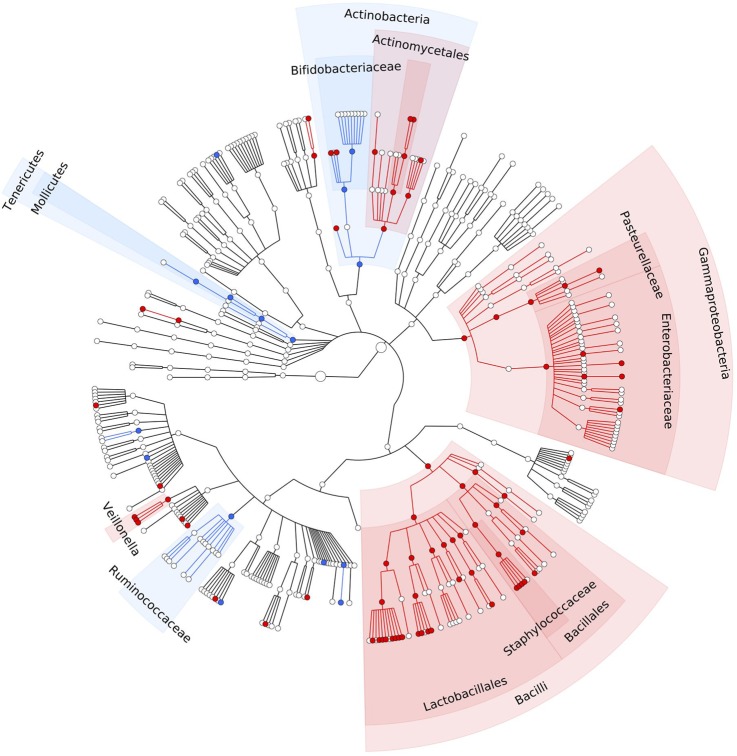
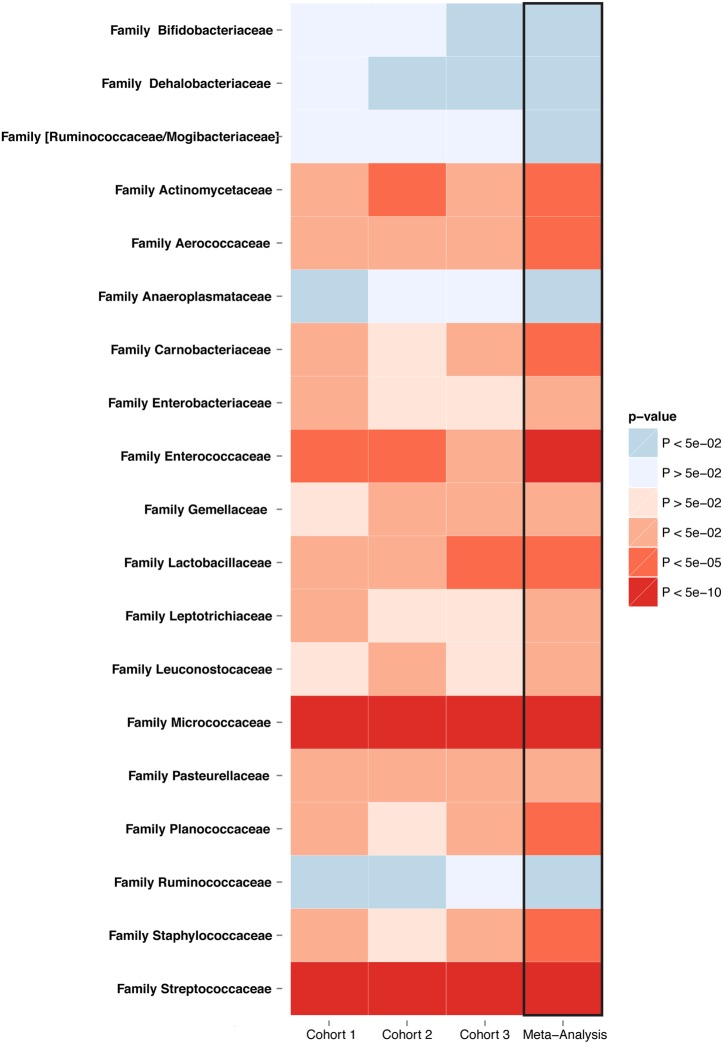
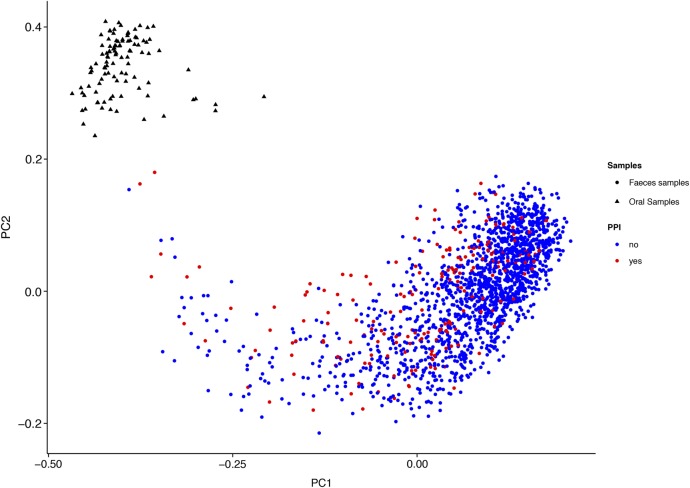
Background and aims: Proton pump inhibitors (PPIs) are among the top 10 most widely used drugs in the world. PPI use has been associated with an increased risk of enteric infections, most notably Clostridium difficile. The gut microbiome plays an important role in enteric infections, by resisting or promoting colonisation by pathogens. In this study, we investigated the influence of PPI use on the gut microbiome. Methods: The gut microbiome composition of 1815 individuals, spanning three cohorts, was assessed by tag sequencing of the 16S rRNA gene. The difference in microbiota composition in PPI users versus non-users was analysed separately in each cohort, followed by a meta-analysis. Results: 211 of the participants were using PPIs at the moment of stool sampling. PPI use is associated with a significant decrease in Shannon's diversity and with changes in 20% of the bacterial taxa (false discovery rate <0.05). Multiple oral bacteria were over-represented in the faecal microbiome of PPI-users, including the genus Rothia (p=9.8×10 −38 ). In PPI users we observed a significant increase in bacteria: genera Enterococcus , Streptococcus , Staphylococcus and the potentially pathogenic species Escherichia coli . Conclusions: The differences between PPI users and non-users observed in this study are consistently associated with changes towards a less healthy gut microbiome. These differences are in line with known changes that predispose to C. difficile infections and can potentially explain the increased risk of enteric infections in PPI users. On a population level, the effects of PPI are more prominent than the effects of antibiotics or other commonly used drugs.
Overview
The claims and statistics of this paper haven’t been checked yet.
Free: it reads the open-access text and checks the first 5 claims that cite a source we can check. Create a free account to check every claim.
Integrity signals
Registry
Cites
Statistics
Figures
Verification
Claims the paper makes
The claims and statistics of this paper haven’t been checked yet.
Free: it reads the open-access text and checks the first 5 claims that cite a source we can check. Create a free account to check every claim.
Claims other papers make about this one
Each is checked against this paper’s own text: does it say what the citing paper says it does?
The source backs part of the claim, not all of it — or backs it for a different population, condition or comparison.
In the citing paper
“an overall signature resembling the gut microbiome of patients with inflammatory bowel disease20”
From Longitudinal gut microbiome changes in immune checkpoint blockade-treated advanced melanoma (2024) · cites this paper as [20]
Experimental — accuracy not yet measuredThe source backs part of the claim, not all of it — or backs it for a different population, condition or comparison.
In the citing paper
“many drugs induce shifts in microbial community composition57,58.”
From Development of a gut microbe–targeted nonlethal therapeutic to inhibit thrombosis potential (2018) · cites this paper as [57]
Experimental — accuracy not yet measuredThe cited source says what the claim attributes to it.
In the citing paper
“To avoid confounding by colitis and PPI use, which individually has considerable effects on the gut microbiome19,20, we compared patients with PFS ≥12 months versus patients with PFS <12 months on monotherapy (Extended Data Fig. 8 and Supplementary Table 7) or combination therapy (Extended Data Fig. 9 and Supplementary Table 8) who did not develop colitis and did not use PPIs, while also averaging”
From Longitudinal gut microbiome changes in immune checkpoint blockade-treated advanced melanoma (2024) · cites this paper as [20]
In the citing paper
“PPIs by reducing gastric acid secretion can produce profound changes in the colonic microbiota, mainly characterized by a decrease in the abundance of commensal bacteria, which is associated with a reduction in microbial diversity and an increase of oral bacteria in the stool[108,109].”
From Proton pump inhibitors and dysbiosis: current knowledge and aspects to be clarified (2019) · cites this paper as [109]
In the citing paper
“Even if not fully clarified, it has been hypothesized that, in CDI, a reduction in alpha diversity and a decrease in the abundance of bacteria of the Ruminococcoceae associated with an increase in the Enterobacteriaceae, Enterococcoceae and Lactobacillaceae families observed during long-term PPI treatment could facilitate the onset of infection[109].”
From Proton pump inhibitors and dysbiosis: current knowledge and aspects to be clarified (2019) · cites this paper as [109]
Self-check
Percentages, sums and reported differences re-computed from the paper’s own numbers.
The self-check needs the paper’s full text.
Citations
Cites
QIIME allows analysis of high-throughput community sequencing data
Caporaso, J. G., Kuczynski, J., Stombaugh, J., Bittinger, K., Bushman, F. D., Costello, E. K., Fierer, N., Peña, A. G., Goodrich, J. K., Gordon, J. I., et al. (2010) · Nature Methods · doi:10.1038/nmeth.f.303 · Cited by 34,887
Multistate point-prevalence survey of health care-associated infections
Magill, S. S., Edwards, J. R., Bamberg, W., Beldavs, Z. G., Dumyati, G., Kainer, M. A., Lynfield, R., Maloney, M., McAllister-Hollod, L., Nadle, J., et al. (2014) · New England Journal of Medicine · doi:10.1056/nejmoa1306801 · Cited by 3,931 · cited 1×
“23 24 Virulent strains of C. dif fi cile can only colonise a susceptible gut, after which toxins are produced and spores are shed.”
BackgroundDuodenal Infusion of Donor Feces for Recurrent Clostridium difficile
van Nood, E., Vrieze, A., Nieuwdorp, M., Fuentes, S., Zoetendal, E. G., de Vos, W. M., Visser, C. E., Kuijper, E. J., Bartelsman, J. F. W. M., Tijssen, J. G. P., et al. (2013) · New England Journal of Medicine · doi:10.1056/nejmoa1205037 · Cited by 3,708
Human Genetics Shape the Gut Microbiome
Goodrich, J. K., Waters, J. L., Poole, A. C., Sutter, J. L., Koren, O., Blekhman, R., Beaumont, M., Van Treuren, W., Knight, R., Bell, J. T., et al. (2014) · Cell · doi:10.1016/j.cell.2014.09.053 · Cited by 3,164
Dysfunction of the intestinal microbiome in inflammatory bowel disease and treatment
Morgan, X. C., Tickle, T. L., Sokol, H., Gevers, D., Devaney, K. L., Ward, D. V., Reyes, J. A., Shah, S. A., LeLeiko, N., Snapper, S. B., et al. (2012) · Genome Biology · doi:10.1186/gb-2012-13-9-r79 · Cited by 2,713
Self-citationBurden of Clostridium difficile Infection in the United States
Lessa, F. C., Mu, Y., Bamberg, W. M., Beldavs, Z. G., Dumyati, G. K., Dunn, J. R., Farley, M. M., Holzbauer, S. M., Meek, J. I., Phipps, E. C., et al. (2015) · New England Journal of Medicine · doi:10.1056/nejmoa1408913 · Cited by 2,641
Human gut microbiota in obesity and after gastric bypass
Zhang, H., DiBaise, J. K., Zuccolo, A., Kudrna, D., Braidotti, M., Yu, Y., Parameswaran, P., Crowell, M. D., Wing, R., Rittmann, B. E., et al. (2009) · Proceedings of the National Academy of Sciences · doi:10.1073/pnas.0812600106 · Cited by 1,880 · cited 1×
“22 We looked at the role of the gut microbiome in C. dif fi cile infections, which cause 12.1% of all nosocomial infections and were responsible for half a million infections and associated with 29 000 deaths in the USA in 2011.”
BackgroundInfluentialPrecision microbiome reconstitution restores bile acid mediated resistance to Clostridium difficile
Buffie, C. G., Bucci, V., Stein, R. R., McKenney, P. T., Ling, L., Gobourne, A., No, D., Liu, H., Kinnebrew, M., Viale, A., et al. (2015) · Nature · doi:10.1038/nature13828 · Cited by 1,872
Control of pathogens and pathobionts by the gut microbiota
Kamada, N., Chen, G. Y., Inohara, N., & Núñez, G. (2013) · Nature Immunology · doi:10.1038/ni.2608 · Cited by 1,625 · cited 1×
“11 To ensure that the changes observed in microbiota composition were not due to diarrhoea and/or more frequent bowel movements, we checked in our general population whether clinical symptoms of diarrhoea were more often present in PPI users.”
BackgroundMicrobiota-mediated colonization resistance against intestinal pathogens
Buffie, C. G., & Pamer, E. G. (2013) · Nature reviews. Immunology · doi:10.1038/nri3535 · Cited by 1,564
Cited by
Extensive impact of non-antibiotic drugs on human gut bacteria
Maier, L., Pruteanu, M., Kuhn, M., Zeller, G., Telzerow, A., Anderson, E. E., Brochado, A. R., Fernandez, K. C., Dose, H., Mori, H., et al. (2018) · Nature · doi:10.1038/nature25979 · Cited by 1,905
“When we probed for higher, more physiological intestinal metformin concentrations, 3 of 22 tested strains were inhibited at concentrations below 1.5 mM (ED Fig.”
InfluentialThe gut microbiome in atherosclerotic cardiovascular disease
Jie, Z., Xia, H., Zhong, S.-L., Feng, Q., Li, S., Liang, S., Zhong, H., Liu, Z., Gao, Y., Zhao, H., et al. (2017) · Nature Communications · doi:10.1038/s41467-017-00900-1 · Cited by 1,638
Human gut microbiome: Hopes, threats and promises
Cani, P. D. (2018) · Gut · doi:10.1136/gutjnl-2018-316723 · Cited by 1,386
“118 122 Thus, one may argue that we should take into account of such confounding factor for all the future studies, including neurodegenerative disorders.”
BackgroundEuropean consensus conference on faecal microbiota transplantation in clinical practice
Cammarota, G., Ianiro, G., Tilg, H., Rajilić-Stojanović, M., Kump, P., Satokari, R., Sokol, H., Arkkila, P., Pintus, C., Hart, A., et al. (2017) · Gut · doi:10.1136/gutjnl-2016-313017 · Cited by 1,207
Gut Microbiome: Profound Implications for Diet and Disease
Hills, R., Pontefract, B., Mishcon, H., Black, C., Sutton, S., & Theberge, C. (2019) · Nutrients · doi:10.3390/nu11071613 · Cited by 1,092
Gut microbiota and human NAFLD: disentangling microbial signatures from metabolic disorders
Aron-Wisnewsky, J., Vigliotti, C., Witjes, J., Le, P., Holleboom, A. G., Verheij, J., Nieuwdorp, M., & Clément, K. (2020) · Nature Reviews Gastroenterology & Hepatology · doi:10.1038/s41575-020-0269-9 · Cited by 1,063
Interaction between drugs and the gut microbiome
Weersma, R. K., Zhernakova, A., & Fu, J. (2020) · Gut · doi:10.1136/gutjnl-2019-320204 · Cited by 961
Self-citationThe gut microbiome: Relationships with disease and opportunities for therapy
Durack, J., & Lynch, S. V. (2019) · Journal of Experimental Medicine · doi:10.1084/jem.20180448 · Cited by 943
“, 2016), pharmaceuticals such as proton pump inhibitors (Imhann et al., 2016), xenobiotics (Maurice et al.”
BackgroundThe evolution of the host microbiome as an ecosystem on a leash
Foster, K. R., Schluter, J., Coyte, K. Z., & Rakoff-Nahoum, S. (2017) · Nature · doi:10.1038/nature23292 · Cited by 935
The Human Gut Microbiome: From Association to Modulation
Schmidt, T. S. B., Raes, J., & Bork, P. (2018) · Cell · doi:10.1016/j.cell.2018.02.044 · Cited by 845
“Similarly, proton pump 177 inhibitors (Freedberg et al., 2015; Imhann et al., 2016; Jackson et al., 2016), atypical 178 antipsychotics (Bahr et al., 2015; Flowers et al., 2017; Mäkivuokko et al., 2010) and non-179 steroidal anti-inflammatory drugs (Rogers and Aronoff, 2016), among others, have been…”
The effect of host genetics on the gut microbiome
Bonder, M. J., Kurilshikov, A., Tigchelaar, E. F., Mujagic, Z., Imhann, F., Vila, A. V., Deelen, P., Vatanen, T., Schirmer, M., Smeekens, S. P., et al. (2016) · Nature Genetics · doi:10.1038/ng.3663 · Cited by 819
Self-citationImpact of commonly used drugs on the composition and metabolic function of the gut microbiota
Vich Vila, A., Collij, V., Sanna, S., Sinha, T., Imhann, F., Bourgonje, A. R., Mujagic, Z., Jonkers, D. M. A. E., Masclee, A. A. M., Fu, J., et al. (2020) · Nature Communications · doi:10.1038/s41467-019-14177-z · Cited by 791
Self-citationImhann, F., Vich Vila, A., Bonder, M. J., Fu, J., Gevers, D., Visschedijk, M. C., Spekhorst, L. M., Alberts, R., Franke, L., van Dullemen, H. M., et al. (2018) · Gut · doi:10.1136/gutjnl-2016-312135 · Cited by 788
Self-citationEnvironmental factors shaping the gut microbiome in a Dutch population
Gacesa, R., Kurilshikov, A., Vich Vila, A., Sinha, T., Klaassen, M. A. Y., Bolte, L. A., Andreu-Sánchez, S., Chen, L., Collij, V., Hu, S., et al. (2022) · Nature · doi:10.1038/s41586-022-04567-7 · Cited by 735
Self-citationThe Intermucosal Connection between the Mouth and Gut in Commensal Pathobiont-Driven Colitis
Kitamoto, S., Nagao-Kitamoto, H., Jiao, Y., Gillilland, M. G., Hayashi, A., Imai, J., Sugihara, K., Miyoshi, M., Brazil, J. C., Kuffa, P., et al. (2020) · Cell · doi:10.1016/j.cell.2020.05.048 · Cited by 680
“For example, it has been reported that use of proton pump inhibitors, which reduce production of gastric acid, leads to increased colonization of mouth-resident bacteria in the gut (Imhann et al., 2016; Jackson et al., 2016).”
Machine Learning Meta-analysis of Large Metagenomic Datasets: Tools and Biological Insights
Pasolli, E., Truong, D. T., Malik, F., Waldron, L., & Segata, N. (2016) · PLOS Computational Biology · doi:10.1371/journal.pcbi.1004977 · Cited by 659
“The influence of confounding factors on human microbiome has been scarcely investigated in the literature [54, 55], but recent studies [44, 45] highlight this problem and question the study design of some works.”
BackgroundGut microbiome interactions with drug metabolism, efficacy, and toxicity
Wilson, I. D., & Nicholson, J. K. (2017) · Translational Research · doi:10.1016/j.trsl.2016.08.002 · Cited by 656
Jackson, M. A., Verdi, S., Maxan, M.-E., Shin, C. M., Zierer, J., Bowyer, R. C. E., Martin, T., Williams, F. M. K., Menni, C., Bell, J. T., et al. (2018) · Nature Communications · doi:10.1038/s41467-018-05184-7 · Cited by 616
Extensive transmission of microbes along the gastrointestinal tract
Schmidt, T. S., Hayward, M. R., Coelho, L. P., Li, S. S., Costea, P. I., Voigt, A. Y., Wirbel, J., Maistrenko, O. M., Alves, R. J., Bergsten, E., et al. (2019) · eLife · doi:10.7554/elife.42693 · Cited by 596
Gut Microbiota and Colonization Resistance against Bacterial Enteric Infection
Ducarmon, Q. R., Zwittink, R. D., Hornung, B. V. H., van Schaik, W., Young, V. B., & Kuijper, E. J. (2019) · Microbiology and Molecular Biology Reviews · doi:10.1128/mmbr.00007-19 · Cited by 566
Development of a gut microbe–targeted nonlethal therapeutic to inhibit thrombosis potential
Roberts, A. B., Gu, X., Buffa, J. A., Hurd, A. G., Wang, Z., Zhu, W., Gupta, N., Skye, S. M., Cody, D. B., Levison, B. S., et al. (2018) · Nature Medicine · doi:10.1038/s41591-018-0128-1 · Cited by 552
Optimizing methods and dodging pitfalls in microbiome research
Kim, D., Hofstaedter, C. E., Zhao, C., Mattei, L., Tanes, C., Clarke, E., Lauder, A., Sherrill-Mix, S., Chehoud, C., Kelsen, J., et al. (2017) · Microbiome · doi:10.1186/s40168-017-0267-5 · Cited by 541
“have suggested that decreasing the acidity of the stomach with proton pump inhibitors allows upper gastrointestinal microbes to move down into the gut more readily [45], altering the composition of the lower gastrointestinal microbiota and increasing the risk of C.”
BackgroundIntestinal Barrier in Human Health and Disease
Di Tommaso, N., Gasbarrini, A., & Ponziani, F. R. (2021) · International Journal of Environmental Research and Public Health · doi:10.3390/ijerph182312836 · Cited by 533
“The impairment of the acid barrier exposes the intestinal tract to infections with various microorganisms [73] and modifies the gut microbiota, reducing its diversity and promoting the proliferation of oral bacteria in the small intestine [74].”
BackgroundLee, K. A., Thomas, A. M., Bolte, L. A., Björk, J. R., de Ruijter, L. K., Armanini, F., Asnicar, F., Blanco-Miguez, A., Board, R., Calbet-Llopart, N., et al. (2022) · Nature Medicine · doi:10.1038/s41591-022-01695-5 · Cited by 464
Self-citationThingholm, L. B., Rühlemann, M. C., Koch, M., Fuqua, B., Laucke, G., Boehm, R., Bang, C., Franzosa, E. A., Hübenthal, M., Rahnavard, A., et al. (2019) · Cell Host & Microbe · doi:10.1016/j.chom.2019.07.004 · Cited by 451
“A striking finding from this and several previous studies is the critical role of commonly used medications in modulating gut microbiome structure and function (Falony et al., 2016; Forslund et al., 2015; Imhann et al., 2016; Maier et al., 2018; Zhernakova et al., 2016).”
ResultThe role of the microbiome for human health: From basic science to clinical applications
Mohajeri, M. H., Brummer, R. J. M., Rastall, R. A., Weersma, R. K., Harmsen, H. J. M., Faas, M., & Eggersdorfer, M. (2018) · European Journal of Nutrition · doi:10.1007/s00394-018-1703-4 · Cited by 440
Self-citationEarly-onset colorectal cancer: initial clues and current views
Hofseth, L. J., Hebert, J. R., Chanda, A., Chen, H., Love, B. L., Pena, M. M., Murphy, E. A., Sajish, M., Sheth, A., Buckhaults, P. J., et al. (2020) · Nature Reviews Gastroenterology & Hepatology · doi:10.1038/s41575-019-0253-4 · Cited by 428
Microbiota-Gut-Brain Axis: New Therapeutic Opportunities
Long-Smith, C., O'Riordan, K. J., Clarke, G., Stanton, C., Dinan, T. G., & Cryan, J. F. (2020) · Annual Review of Pharmacology and Toxicology · doi:10.1146/annurev-pharmtox-010919-023628 · Cited by 419
Factors Influencing the Gut Microbiota, Inflammation, and Type 2 Diabetes
Wen, L., & Duffy, A. (2017) · The Journal of Nutrition · doi:10.3945/jn.116.240754 · Cited by 412
Systematic review with meta-analysis: The efficacy of probiotics in inflammatory bowel disease
Derwa, Y., Gracie, D. J., Hamlin, P. J., & Ford, A. C. (2017) · Alimentary Pharmacology & Therapeutics · doi:10.1111/apt.14203 · Cited by 393
Probiotics, prebiotics, and postbiotics in health and disease
Ji, J., Jin, W., Liu, S., Jiao, Z., & Li, X. (2023) · MedComm · doi:10.1002/mco2.420 · Cited by 384
“82 Chemotherapy medicines also have a particularly pronounced effect on the gut microbiota, decreasing the relative abundance of most genera while promoting the growth of pathogenic strains.”
BackgroundCui, X., Ye, L., Li, J., Jin, L., Wang, W., Li, S., Bao, M., Wu, S., Li, L., Geng, B., et al. (2018) · Scientific Reports · doi:10.1038/s41598-017-18756-2 · Cited by 374
Vinarov, Z., Abdallah, M., Agundez, J. A. G., Allegaert, K., Basit, A. W., Braeckmans, M., Ceulemans, J., Corsetti, M., Griffin, B. T., Grimm, M., et al. (2021) · European Journal of Pharmaceutical Sciences · doi:10.1016/j.ejps.2021.105812 · Cited by 359
“24 duodenum grows dramatically (Fisher and Fisher, 2017), and persistent changes toward a less healthy gut microbiome are observed in PPI users (Imhann et al., 2016) (for more information on the role of the gut microbiome in drug PK, see the relevant section in this manuscript).”
BackgroundPartners in Leaky Gut Syndrome: Intestinal Dysbiosis and Autoimmunity
Kinashi, Y., & Hase, K. (2021) · Frontiers in Immunology · doi:10.3389/fimmu.2021.673708 · Cited by 356
Madison, A., & Kiecolt-Glaser, J. K. (2019) · Current Opinion in Behavioral Sciences · doi:10.1016/j.cobeha.2019.01.011 · Cited by 352
“Likely due in part to the Western diet, 60–70 million Americans suffer from digestive disorders, costing $100 billion annually [31].”
BackgroundThe gut microbiome’s role in the development, maintenance, and outcomes of sepsis
Adelman, M. W., Woodworth, M. H., Langelier, C., Busch, L. M., Kempker, J. A., Kraft, C. S., & Martin, G. S. (2020) · Critical Care · doi:10.1186/s13054-020-02989-1 · Cited by 342
“However, opioids [56], parenteral nutrition [57], and protonpump inhibitors [58] also have an effect.”
BackgroundMullish, B. H., Quraishi, M. N., Segal, J. P., McCune, V. L., Baxter, M., Marsden, G. L., Moore, D. J., Colville, A., Bhala, N., Iqbal, T. H., et al. (2018) · Gut · doi:10.1136/gutjnl-2018-316818 · Cited by 332
Intestinal microbiome composition and its relation to joint pain and inflammation
Boer, C. G., Radjabzadeh, D., Medina-Gomez, C., Garmaeva, S., Schiphof, D., Arp, P., Koet, T., Kurilshikov, A., Fu, J., Ikram, M. A., et al. (2019) · Nature Communications · doi:10.1038/s41467-019-12873-4 · Cited by 329
Self-citationBlood metabolome predicts gut microbiome α-diversity in humans
Wilmanski, T., Rappaport, N., Earls, J. C., Magis, A. T., Manor, O., Lovejoy, J., Omenn, G. S., Hood, L., Gibbons, S. M., & Price, N. D. (2019) · Nature Biotechnology · doi:10.1038/s41587-019-0233-9 · Cited by 328
Chen, L., Zhernakova, D. V., Kurilshikov, A., Andreu-Sánchez, S., Wang, D., Augustijn, H. E., Vich Vila, A., Study, L. C., Weersma, R. K., Medema, M. H., et al. (2022) · Nature Medicine · doi:10.1038/s41591-022-02014-8 · Cited by 327
Self-citationDrivers of Microbiome Biodiversity: A Review of General Rules, Feces, and Ignorance
Reese, A. T., & Dunn, R. R. (2018) · mBio · doi:10.1128/mbio.01294-18 · Cited by 325
“Similarly, the pH of the stomach, which can act like a filter, preventing, in proportion to its acidity, the colonization of the gut by microbes in the years after birth (56), was not associated with richness (P 0.”
BackgroundThe oral–gut microbiome axis in health and disease
Kunath, B. J., De Rudder, C., Laczny, C. C., Letellier, E., & Wilmes, P. (2024) · Nature Reviews Microbiology · doi:10.1038/s41579-024-01075-5 · Cited by 316
“For instance, low gastric acidity, notably due to the use of proton pump inhibitors, can shift the gut microbial composition towards the profiles of the oral cavity 40 .”
Gut reactions: Breaking down xenobiotic–microbiome interactions
Clarke, G., Sandhu, K. V., Griffin, B. T., Dinan, T. G., Cryan, J. F., & Hyland, N. P. (2019) · Pharmacological Reviews · doi:10.1124/pr.118.015768 · Cited by 319
“The results are also consistent with report-ed interactions between these drugs (antipsychotics, PPIs, and anticancer drugs) and the gut microbiome documented in previous preclinical and clinical studies (Davey et al., 2012, 2013; Imhann et al., 2016; Gopalakrishnan et al., 2018).”
BackgroundResultHost Genetics and Gut Microbiome: Challenges and Perspectives
Kurilshikov, A., Wijmenga, C., Fu, J., & Zhernakova, A. (2017) · Trends in Immunology · doi:10.1016/j.it.2017.06.003 · Cited by 309
Self-citationProton-pump inhibitors: understanding the complications and risks
Malfertheiner, P., Kandulski, A., & Venerito, M. (2017) · Nature Reviews Gastroenterology & Hepatology · doi:10.1038/nrgastro.2017.117 · Cited by 297
Chalabi, M., Cardona, A., Nagarkar, D. R., Dhawahir Scala, A., Gandara, D. R., Rittmeyer, A., Albert, M. L., Powles, T., Kok, M., & Herrera, F. G. (2020) · Annals of Oncology · doi:10.1016/j.annonc.2020.01.006 · Cited by 294
Gut Microbiota Composition and Blood Pressure: The CARDIA Study
Sun, S., Lulla, A., Sioda, M., Winglee, K., Wu, M. C., Jacobs, D. R., Shikany, J. M., Lloyd-Jones, D. M., Launer, L. J., Fodor, A. A., et al. (2019) · Hypertension · doi:10.1161/hypertensionaha.118.12109 · Cited by 282
Drug-microbiota interactions: an emerging priority for precision medicine
Zhao, Q., Chen, Y., Huang, W., Zhou, H., & Zhang, W. (2023) · Signal Transduction and Targeted Therapy · doi:10.1038/s41392-023-01619-w · Cited by 268
“404 In addition, the observed changes appear to be a class-ef fi cacy of PPIs, with increased doses linked to greater microbiota changes.”
BackgroundAdvantages and Disadvantages of Long-term Proton Pump Inhibitor Use
Kinoshita, Y., Ishimura, N., & Ishihara, S. (2018) · Journal of Neurogastroenterology and Motility · doi:10.5056/jnm18001 · Cited by 271
Wirbel, J., Zych, K., Essex, M., Karcher, N., Kartal, E., Salazar, G., Bork, P., Sunagawa, S., & Zeller, G. (2021) · Genome Biology · doi:10.1186/s13059-021-02306-1 · Cited by 269
Ma, Z., Zuo, T., Frey, N., & Rangrez, A. Y. (2024) · Signal Transduction and Targeted Therapy · doi:10.1038/s41392-024-01946-6 · Cited by 259
“473,474 Metformin, a traditional medication for lowering glucose, can increase the abundance of mucin-degrading bacteria Akkermansia muciniphila and butyrate-producing bacteria.”
BackgroundKamo, T., Akazawa, H., Suda, W., Saga-Kamo, A., Shimizu, Y., Yagi, H., Liu, Q., Nomura, S., Naito, A. T., Takeda, N., et al. (2017) · PLOS ONE · doi:10.1371/journal.pone.0174099 · Cited by 265
Systematic review: human gut dysbiosis induced by non-antibiotic prescription medications
Le Bastard, Q., Al‐Ghalith, G. A., Grégoire, M., Chapelet, G., Javaudin, F., Dailly, E., Batard, E., Knights, D., & Montassier, E. (2018) · Alimentary Pharmacology & Therapeutics · doi:10.1111/apt.14451 · Cited by 263
“These findings are strongest for PPI and metformin, as we found consistent results from several large observational or interventional studies.(28,30,33,39,42,43) Thus, specific taxonomic alterations are consistently associated with some medications, essentially defin-”
InfluentialProton pump inhibitors and dysbiosis: current knowledge and aspects to be clarified
Bruno, G., Zaccari, P., Rocco, G., Scalese, G., Panetta, C., Porowska, B., Pontone, S., & Severi, C. (2019) · World Journal of Gastroenterology · doi:10.3748/wjg.v25.i22.2706 · Cited by 258
The influence of the gut microbiota on the bioavailability of oral drugs
Zhang, X., Han, Y., Huang, W., Jin, M., & Gao, Z. (2021) · Acta Pharmaceutica Sinica B · doi:10.1016/j.apsb.2020.09.013 · Cited by 242
Oral Bacteria and Intestinal Dysbiosis in Colorectal Cancer
Koliarakis, I., Messaritakis, I., Nikolouzakis, T. K., Hamilos, G., Souglakos, J., & Tsiaoussis, J. (2019) · International Journal of Molecular Sciences · doi:10.3390/ijms20174146 · Cited by 242
“further enhance the intestinal colonization of oral bacteria, shifting the gastric pH towards a less acidic value [113].”
BackgroundOral–Gut Microbiome Axis in Gastrointestinal Disease and Cancer
Park, S.-Y., Hwang, B.-O., Lim, M., Ok, S.-H., Lee, S.-K., Chun, K.-S., Park, K.-K., Hu, Y., Chung, W.-Y., & Song, N.-Y. (2021) · Cancers · doi:10.3390/cancers13092124 · Cited by 232
Xie, Y., Bowe, B., Yan, Y., Xian, H., Li, T., & Al-Aly, Z. (2019) · BMJ · doi:10.1136/bmj.l1580 · Cited by 228
Novel concepts in the pathophysiology and treatment of functional dyspepsia
Wauters, L., Talley, N. J., Walker, M. M., Tack, J., & Vanuytsel, T. (2020) · Gut · doi:10.1136/gutjnl-2019-318536 · Cited by 228
Combinatorial, additive and dose-dependent drug–microbiome associations
Forslund, S. K., Chakaroun, R., Zimmermann-Kogadeeva, M., Markó, L., Aron-Wisnewsky, J., Nielsen, T., Moitinho-Silva, L., Schmidt, T. S. B., Falony, G., Vieira-Silva, S., et al. (2021) · Nature · doi:10.1038/s41586-021-04177-9 · Cited by 226
Enrichment of oral microbiota in early cystic precursors to invasive pancreatic cancer
Gaiser, R. A., Halimi, A., Alkharaan, H., Lu, L., Davanian, H., Healy, K., Hugerth, L. W., Ateeb, Z., Valente, R., Fernández Moro, C., et al. (2019) · Gut · doi:10.1136/gutjnl-2018-317458 · Cited by 227
Proton pump inhibitors: Risks of long‐term use
Eusebi, L. H., Rabitti, S., Artesiani, M. L., Gelli, D., Montagnani, M., Zagari, R. M., & Bazzoli, F. (2017) · Journal of Gastroenterology and Hepatology · doi:10.1111/jgh.13737 · Cited by 219
Aging, Frailty, and the Microbiome—How Dysbiosis Influences Human Aging and Disease
Haran, J. P., & McCormick, B. A. (2021) · Gastroenterology · doi:10.1053/j.gastro.2020.09.060 · Cited by 216
Pharmacomicrobiomics: a novel route towards personalized medicine?
Doestzada, M., Vila, A. V., Zhernakova, A., Koonen, D. P. Y., Weersma, R. K., Touw, D. J., Kuipers, F., Wijmenga, C., & Fu, J. (2018) · Protein & Cell · doi:10.1007/s13238-018-0547-2 · Cited by 210
“…the foundation for systems biology and systems genetics analyses and for understanding inter-individual variation in the gut microbiome and host-microbe interaction in health and disease (Zhernakova et al., 2016; Imhann et al., 2016; Bonder et al., 2016; Fu et al., 2015; Tigchelaar et al., 2016).”
BackgroundInfluentialSelf-citationvan der Meulen, T. A., Harmsen, H. J. M., Vila, A. V., Kurilshikov, A., Liefers, S. C., Zhernakova, A., Fu, J., Wijmenga, C., Weersma, R. K., de Leeuw, K., et al. (2019) · Journal of Autoimmunity · doi:10.1016/j.jaut.2018.10.009 · Cited by 212
Self-citationStatin therapy causes gut dysbiosis in mice through a PXR-dependent mechanism
Caparrós-Martín, J. A., Lareu, R. R., Ramsay, J. P., Peplies, J., Reen, F. J., Headlam, H. A., Ward, N. C., Croft, K. D., Newsholme, P., Hughes, J. D., et al. (2017) · Microbiome · doi:10.1186/s40168-017-0312-4 · Cited by 212
“A similar molecular mechanism involving changes in the BA profile may contribute to the gut dysbiosis recently reported among proton pump inhibitor users [55], since those therapeutics also induce PXRmediated transcriptional activity [56].”
BackgroundGut microbiota composition is associated with polypharmacy in elderly hospitalized patients
Ticinesi, A., Milani, C., Lauretani, F., Nouvenne, A., Mancabelli, L., Lugli, G. A., Turroni, F., Duranti, S., Mangifesta, M., Viappiani, A., et al. (2017) · Scientific Reports · doi:10.1038/s41598-017-10734-y · Cited by 211
Dyspepsia and the microbiome: time to focus on the small intestine
Zhong, L., Shanahan, E. R., Raj, A., Koloski, N. A., Fletcher, L., Morrison, M., Walker, M. M., Talley, N. J., & Holtmann, G. (2017) · Gut · doi:10.1136/gutjnl-2016-312574 · Cited by 210
Lactate dehydrogenase: a marker of diminished antitumor immunity
Van Wilpe, S., Koornstra, R., Den Brok, M., De Groot, J. W., Blank, C., De Vries, J., Gerritsen, W., & Mehra, N. (2020) · OncoImmunology · doi:10.1080/2162402x.2020.1731942 · Cited by 208
“biome by PPIs might contribute to decreased efficacy of checkpoint inhibitors.(65,66) Another possible approach to target tumor acidity is via systemic buffering.”
BackgroundNesci, A., Carnuccio, C., Ruggieri, V., D’Alessandro, A., Di Giorgio, A., Santoro, L., Gasbarrini, A., Santoliquido, A., & Ponziani, F. R. (2023) · International Journal of Molecular Sciences · doi:10.3390/ijms24109087 · Cited by 208
“, Clostridium difficile infection) and to the oralization of the colonic microbiota [144,145].”
BackgroundAnalysis of 1135 gut metagenomes identifies sex-specific resistome profiles
Sinha, T., Vich Vila, A., Garmaeva, S., Jankipersadsing, S. A., Imhann, F., Collij, V., Bonder, M. J., Jiang, X., Gurry, T., Alm, E. J., et al. (2019) · Gut Microbes · doi:10.1080/19490976.2018.1528822 · Cited by 208
Self-citationJeffery, I. B., Das, A., O’Herlihy, E., Coughlan, S., Cisek, K., Moore, M., Bradley, F., Carty, T., Pradhan, M., Dwibedi, C., et al. (2020) · Gastroenterology · doi:10.1053/j.gastro.2019.11.301 · Cited by 202
Brusselaers, N., Wahlin, K., Engstrand, L., & Lagergren, J. (2017) · BMJ Open · doi:10.1136/bmjopen-2017-017739 · Cited by 204
“5 7 8 The effect of PPI use on the gut microbiome may even be more prominent than the effects of antibiotics.(9) Among three recent meta-analyses on the topic, one found no association between long-term PPI use and premalignant gastric lesions, based on six randomised controlled trials (1789 patients in total).”
BackgroundDevelopment of the Pediatric Gut Microbiome: Impact on Health and Disease
Ihekweazu, F. D., & Versalovic, J. (2018) · The American Journal of the Medical Sciences · doi:10.1016/j.amjms.2018.08.005 · Cited by 198
“Clostridium difficile Infection Clostridium difficile infection (CDI) is the leading nos- ocomial infection in the United States, affecting more than 500,000 people annually.69 A complex microbial community in the intestine is vitally important to providing colonization resistance to CDI.”
InfluentialClos-Garcia, M., Andrés-Marin, N., Fernández-Eulate, G., Abecia, L., Lavín, J. L., van Liempd, S., Cabrera, D., Royo, F., Valero, A., Errazquin, N., et al. (2019) · eBioMedicine · doi:10.1016/j.ebiom.2019.07.031 · Cited by 198
“Another study obtained similar results and considered in its analysis the decrease in the abundance of Bifidobacterium genus in PPI consumers [38].”
ResultGut Microbiota Resilience: Definition, Link to Health and Strategies for Intervention
Dogra, S. K., Doré, J., & Damak, S. (2020) · Frontiers in Microbiology · doi:10.3389/fmicb.2020.572921 · Cited by 196
“, 2018), medication use including but not limited to antibiotics (Zaura et al., 2015; Imhann et al., 2016; Jackson et al., 2018), and genetics (Goodrich et al.”
BackgroundThe influence of proton pump inhibitors and other commonly used medication on the gut microbiota
Imhann, F., Vich Vila, A., Bonder, M. J., Lopez Manosalva, A. G., Koonen, D. P. Y., Fu, J., Wijmenga, C., Zhernakova, A., & Weersma, R. K. (2017) · Gut Microbes · doi:10.1080/19490976.2017.1284732 · Cited by 192
“Since the gut microbiota can, depending on composition, increase or decrease the risk of enteric infections, we investigated the effect of PPI use on the gut microbiota.(6)”
BackgroundResultInfluentialSelf-citationDerosa, L., Iebba, V., Silva, C. A. C., Piccinno, G., Wu, G., Lordello, L., Routy, B., Zhao, N., Thelemaque, C., Birebent, R., et al. (2024) · Cell · doi:10.1016/j.cell.2024.05.029 · Cited by 198
Self-citationThe role of oral bacteria in inflammatory bowel disease
Read, E., Curtis, M. A., & Neves, J. F. (2021) · Nature Reviews Gastroenterology & Hepatology · doi:10.1038/s41575-021-00488-4 · Cited by 193
Frost, F., Kacprowski, T., Rühlemann, M., Pietzner, M., Bang, C., Franke, A., Nauck, M., Völker, U., Völzke, H., Dörr, M., et al. (2021) · Gut · doi:10.1136/gutjnl-2020-322753 · Cited by 187
“42 Of note, other conditions such as atherosclerosis, cardiac function, thyroid dysfunction or renal impairment had no significant impact.”
Koch, C. D., Gladwin, M. T., Freeman, B. A., Lundberg, J. O., Weitzberg, E., & Morris, A. (2017) · Free Radical Biology and Medicine · doi:10.1016/j.freeradbiomed.2016.12.015 · Cited by 186
von Martels, J. Z. H., Sadaghian Sadabad, M., Bourgonje, A. R., Blokzijl, T., Dijkstra, G., Faber, K. N., & Harmsen, H. J. M. (2017) · Anaerobe · doi:10.1016/j.anaerobe.2017.01.001 · Cited by 184
Self-citationJardon, K. M., Canfora, E. E., Goossens, G. H., & Blaak, E. E. (2022) · Gut · doi:10.1136/gutjnl-2020-323715 · Cited by 181
“29 Although a core microbiota exists, its composition is highly individualised and shaped by genetics, 30 sex, 31 32 age, 33 34 ethnicity 35 and environmental factors, such as drug use 28 36 and habitual diet.”
BackgroundLaforest-Lapointe, I., & Arrieta, M.-C. (2017) · Frontiers in Immunology · doi:10.3389/fimmu.2017.00788 · Cited by 181
“Infants may also experience an elevated risk of developing inflammatory diseases such as asthma and allergies (13, 14), type 1 diabetes (15, 16), celiac disease (17), inflammatory bowel disease (18, 19), and obesity (20, 21) when exposed to a microbial dysbiosis early in life.”
BackgroundZhang, Y., Chen, J., Fu, H., Kuang, S., He, F., Zhang, M., Shen, Z., Qin, W., Lin, Z., & Huang, S. (2021) · International Journal of Oral Science · doi:10.1038/s41368-021-00150-4 · Cited by 176
“Periodontal inflammation has been demonstrated to aggravate IBD.38 We further evaluated whether 2D- and 3D-exos could ameliorate experimental colitis by suppressing periodontitis in DSS-P mice.”
BackgroundInfluentialTsai, C.-F., Chen, M.-H., Wang, Y.-P., Chu, C.-J., Huang, Y.-H., Lin, H.-C., Hou, M.-C., Lee, F.-Y., Su, T.-P., & Lu, C.-L. (2017) · Gastroenterology · doi:10.1053/j.gastro.2016.09.007 · Cited by 175
Verhaegh, B. P. M., de Vries, F., Masclee, A. A. M., Keshavarzian, A., de Boer, A., Souverein, P. C., Pierik, M. J., & Jonkers, D. M. A. E. (2016) · Alimentary Pharmacology & Therapeutics · doi:10.1111/apt.13583 · Cited by 173
“recently reported that any exposure to PPIs could induce intestinal dysbiosis in humans.(23) A dysbiosis with clinical implications will take some time to develop.”
Self-citationMicrobiota-Centered Interventions: The Next Breakthrough in Immuno-Oncology?
Derosa, L., Routy, B., Desilets, A., Daillère, R., Terrisse, S., Kroemer, G., & Zitvogel, L. (2021) · Cancer Discovery · doi:10.1158/2159-8290.cd-21-0236 · Cited by 170
Role of gut microbiota via the gut-liver-brain axis in digestive diseases
Ding, J.-H., Jin, Z., Yang, X.-X., Lou, J., Shan, W.-X., Hu, Y.-X., Du, Q., Liao, Q.-S., Xie, R., & Xu, J.-Y. (2020) · World Journal of Gastroenterology · doi:10.3748/wjg.v26.i40.6141 · Cited by 168
Bajaj, J. S., Liu, E. J., Kheradman, R., Fagan, A., Heuman, D. M., White, M., Gavis, E. A., Hylemon, P., Sikaroodi, M., & Gillevet, P. M. (2018) · Gut · doi:10.1136/gutjnl-2016-313170 · Cited by 167
Association Between Proton Pump Inhibitor Use and Risk of Progression of Chronic Kidney Disease
Klatte, D. C. F., Gasparini, A., Xu, H., de Deco, P., Trevisan, M., Johansson, A. L. V., Wettermark, B., Ärnlöv, J., Janmaat, C. J., Lindholm, B., et al. (2017) · Gastroenterology · doi:10.1053/j.gastro.2017.05.046 · Cited by 163
Willmann, M., Vehreschild, M. J. G. T., Biehl, L. M., Vogel, W., Dörfel, D., Hamprecht, A., Seifert, H., Autenrieth, I. B., & Peter, S. (2019) · BMC Biology · doi:10.1186/s12915-019-0692-y · Cited by 162
“We also included proton pump inhibitors into this analysis since their influence on the microbiome has been previously reported [11, 12].”
MethodGut microbial co-abundance networks show specificity in inflammatory bowel disease and obesity
Chen, L., Collij, V., Jaeger, M., van den Munckhof, I. C. L., Vich Vila, A., Kurilshikov, A., Gacesa, R., Sinha, T., Oosting, M., Joosten, L. A. B., et al. (2020) · Nature Communications · doi:10.1038/s41467-020-17840-y · Cited by 160
Self-citationTariq, R., Singh, S., Gupta, A., Pardi, D. S., & Khanna, S. (2017) · JAMA Internal Medicine · doi:10.1001/jamainternmed.2017.0212 · Cited by 162
NSAID–Gut Microbiota Interactions
Maseda, D., & Ricciotti, E. (2020) · Frontiers in Pharmacology · doi:10.3389/fphar.2020.01153 · Cited by 159
Recipient factors in faecal microbiota transplantation: one stool does not fit all
Danne, C., Rolhion, N., & Sokol, H. (2021) · Nature Reviews Gastroenterology & Hepatology · doi:10.1038/s41575-021-00441-5 · Cited by 154
Using Probiotics as Supplementation for Helicobacter pylori Antibiotic Therapy
Ji, J., & Yang, H. (2020) · International Journal of Molecular Sciences · doi:10.3390/ijms21031136 · Cited by 170
“Additionally, PPI induction decreases in gastric acid secretion may increase the mobility of these pathogens, enable them to circulate in the gastrointestinal tract [59,60].”
BackgroundLiver–Microbiome Axis in Health and Disease
Adolph, T. E., Grander, C., Moschen, A. R., & Tilg, H. (2018) · Trends in Immunology · doi:10.1016/j.it.2018.05.002 · Cited by 150
Longitudinal gut microbiome changes in immune checkpoint blockade-treated advanced melanoma
Björk, J. R., Bolte, L. A., Maltez Thomas, A., Lee, K. A., Rossi, N., Wind, T. T., Smit, L. M., Armanini, F., Asnicar, F., Blanco-Miguez, A., et al. (2024) · Nature Medicine · doi:10.1038/s41591-024-02803-3 · Cited by 156
“To avoid confounding by colitis and PPI use, which individually has considerable effects on the gut microbiome 19,20 , we compared patients with PFS ≥12 months versus patients with PFS 12 months on monotherapy (Extended Data Fig.”
InfluentialSelf-citationFaye, A. S., Allin, K. H., Iversen, A. T., Agrawal, M., Faith, J. J., Colombel, J., & Jess, T. (2023) · Gut · doi:10.1136/gutjnl-2022-327845 · Cited by 170
Metadata
- Authors
- Imhann, F., Bonder, M. J., Vich Vila, A., Fu, J., Mujagic, Z., Vork, L., Tigchelaar, E. F., Jankipersadsing, S. A., Cenit, M. C., Harmsen, H. J. M., Dijkstra, G., Franke, L., Xavier, R. J., Jonkers, D., Wijmenga, C., Weersma, R. K., & Zhernakova, A.
- Affiliations
- University Medical Center Groningen (NL)
- University of Groningen and University Medical Center Groningen, Department of Gastroenterology and Hepatology, Groningen, The Netherlands
- Maastricht University Medical Centre (NL)
- University of Groningen and University Medical Center Groningen, Department of Genetics, Groningen, The Netherlands
- Broad Institute (US)
- Corresponding author
- Weersma, Rinse K
- ORCID
- Venue
- Gut
- Publisher
- BMJ
- Published
- 2015-12-09
- Volume
- 65
- Issue
- 5
- Pages
- 740-748
- ISSN
- 0017-5749 (ISSN-L)
- 1468-3288
- PMC
- PMC4853569
- OpenAlex
- W2194591433
- Semantic Scholar
- b8fb7b6609e0c21615cf6b305fc4c0b643f9fe55
- Cited by
- 1,371
- References
- 33
- Citations by year
- 2026: 148 · 2025: 152 · 2024: 151 · 2023: 171 · 2022: 147 · 2021: 157 · 2020: 147 · 2019: 108 · 2018: 82 · 2017: 67 · 2016: 39
- FWCI
- 27.05
- Type
- journal article
- Language
- en
- Open access
- hybrid
- doi.org
- Licence
- cc-by-nc
- Locations
- Gut (publishedVersion, cc-by-nc)
- PubMed Central (publishedVersion, cc-by-nc)
- PubMed (publishedVersion)
- Research Publications (Maastricht University) (publishedVersion, cc-by-nc)
- University of Groningen research database (University of Groningen / Centre for Information Technology) (publishedVersion, cc-by-nc)
- HighWire Press Open Archive (submittedVersion)
- University of Groningen research database (University of Groningen / Centre for Information Technology) (submittedVersion, cc-by-nc)
- Research Publications (Maastricht University) (submittedVersion)
- Research Publications (Maastricht University) (submittedVersion, other-oa)
- Funders
- Fundación Alfonso Martín Escudero
- Rijksuniversiteit Groningen
- Nederlandse Organisatie voor Wetenschappelijk Onderzoek (864.13.013, 917.14.374, 016.136.308)
- Maastricht Universitair Medisch Centrum
- National Institute of Diabetes and Digestive and Kidney Diseases (P30DK043351)
- Topics
- Life Sciences › Biochemistry, Genetics and Molecular Biology › Molecular Biology › Gut microbiota and health
- Health Sciences › Medicine › Infectious Diseases › Clostridium difficile and Clostridium perfringens research
- Health Sciences › Dentistry › Periodontics › Oral microbiology and periodontitis research
- Keywords
- proton pump inhibitors, gut microbiota, Clostridium difficile infection, gastrointestinal infections, microbial diversity, Rothia, Enterococcus, Streptococcus, Staphylococcus, Escherichia coli
- MeSH terms
- Gastrointestinal Microbiome, Adult, Female, Humans, Male, Middle Aged, Proton Pump Inhibitors
About these checks
Registry, retraction, Cites and statistics results are computed, not judged, with one exception: a printed reference that no index lists is read once by a model before it counts as a citation error. Claims are extracted by a model and kept only when their quote appears verbatim in the text; each cited source is then checked, with a model’s help, for whether it says what the claim relies on. Those verdicts can be wrong — read the claim’s quote and the cited source before relying on one.
Statistics and arithmetic are recomputed, not judged.
Confidence bands are shown only for fields calibrated on our annotated test set. None is calibrated yet, so no band is shown.
What counts as a claim ›How we measure confidence ›How we check this ›
Are you an author, or do you see a problem with this page? Request a review
Data sources
Bibliographic data: Semantic Scholar, OpenAlex, Crossref.
Contains information from the Semantic Scholar Academic Graph Datasets, made available under the ODC Attribution License (ODC-BY 1.0).
Semantic Scholar’s data is described in: Kinney, R., et al. (2023). The Semantic Scholar Open Data Platform. arXiv:2301.10140.
