

Proton pump inhibitors affect the gut microbiome
Open accessThe DOI matches its Crossref record; 33 of the 33 references it cites were found in a registry or an index.
Abstract
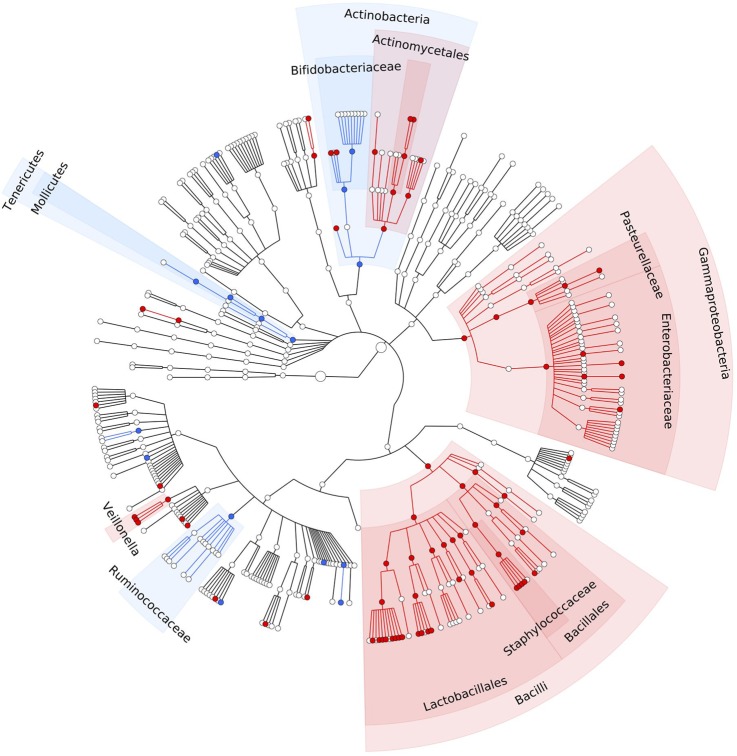
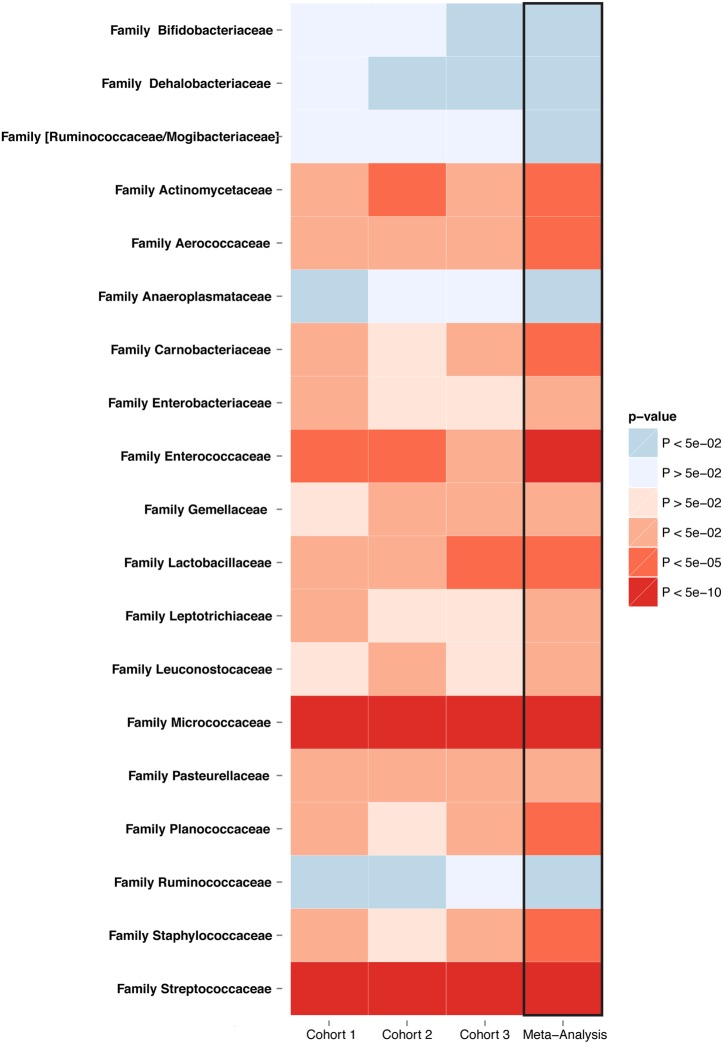
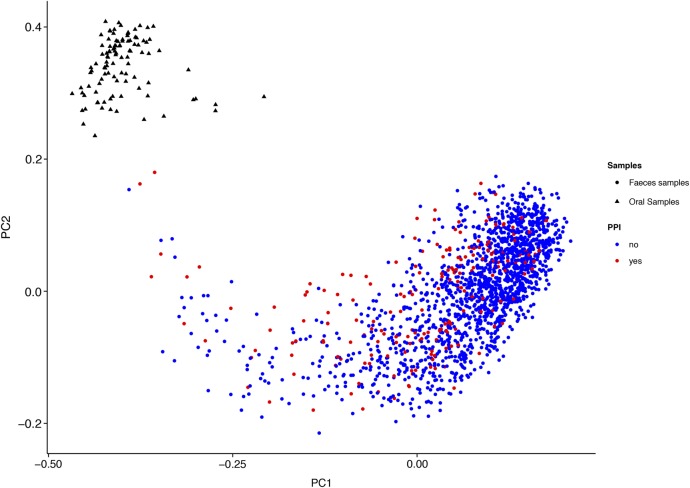
Background and aims: Proton pump inhibitors (PPIs) are among the top 10 most widely used drugs in the world. PPI use has been associated with an increased risk of enteric infections, most notably Clostridium difficile. The gut microbiome plays an important role in enteric infections, by resisting or promoting colonisation by pathogens. In this study, we investigated the influence of PPI use on the gut microbiome. Methods: The gut microbiome composition of 1815 individuals, spanning three cohorts, was assessed by tag sequencing of the 16S rRNA gene. The difference in microbiota composition in PPI users versus non-users was analysed separately in each cohort, followed by a meta-analysis. Results: 211 of the participants were using PPIs at the moment of stool sampling. PPI use is associated with a significant decrease in Shannon's diversity and with changes in 20% of the bacterial taxa (false discovery rate <0.05). Multiple oral bacteria were over-represented in the faecal microbiome of PPI-users, including the genus Rothia (p=9.8×10 −38 ). In PPI users we observed a significant increase in bacteria: genera Enterococcus , Streptococcus , Staphylococcus and the potentially pathogenic species Escherichia coli . Conclusions: The differences between PPI users and non-users observed in this study are consistently associated with changes towards a less healthy gut microbiome. These differences are in line with known changes that predispose to C. difficile infections and can potentially explain the increased risk of enteric infections in PPI users. On a population level, the effects of PPI are more prominent than the effects of antibiotics or other commonly used drugs.
Overview
The claims and statistics of this paper haven’t been checked yet.
Free: it reads the open-access text and checks the first 5 claims that cite a source we can check. Create a free account to check every claim.
Integrity signals
Registry
Cites
Statistics
Figures
Verification
Claims the paper makes
The claims and statistics of this paper haven’t been checked yet.
Free: it reads the open-access text and checks the first 5 claims that cite a source we can check. Create a free account to check every claim.
Claims other papers make about this one
Each is checked against this paper’s own text: does it say what the citing paper says it does?
The source backs part of the claim, not all of it — or backs it for a different population, condition or comparison.
In the citing paper
“an overall signature resembling the gut microbiome of patients with inflammatory bowel disease20”
From Longitudinal gut microbiome changes in immune checkpoint blockade-treated advanced melanoma (2024) · cites this paper as [20]
Experimental — accuracy not yet measuredThe source backs part of the claim, not all of it — or backs it for a different population, condition or comparison.
In the citing paper
“many drugs induce shifts in microbial community composition57,58.”
From Development of a gut microbe–targeted nonlethal therapeutic to inhibit thrombosis potential (2018) · cites this paper as [57]
Experimental — accuracy not yet measuredThe cited source says what the claim attributes to it.
In the citing paper
“To avoid confounding by colitis and PPI use, which individually has considerable effects on the gut microbiome19,20, we compared patients with PFS ≥12 months versus patients with PFS <12 months on monotherapy (Extended Data Fig. 8 and Supplementary Table 7) or combination therapy (Extended Data Fig. 9 and Supplementary Table 8) who did not develop colitis and did not use PPIs, while also averaging”
From Longitudinal gut microbiome changes in immune checkpoint blockade-treated advanced melanoma (2024) · cites this paper as [20]
In the citing paper
“PPIs by reducing gastric acid secretion can produce profound changes in the colonic microbiota, mainly characterized by a decrease in the abundance of commensal bacteria, which is associated with a reduction in microbial diversity and an increase of oral bacteria in the stool[108,109].”
From Proton pump inhibitors and dysbiosis: current knowledge and aspects to be clarified (2019) · cites this paper as [109]
In the citing paper
“Even if not fully clarified, it has been hypothesized that, in CDI, a reduction in alpha diversity and a decrease in the abundance of bacteria of the Ruminococcoceae associated with an increase in the Enterobacteriaceae, Enterococcoceae and Lactobacillaceae families observed during long-term PPI treatment could facilitate the onset of infection[109].”
From Proton pump inhibitors and dysbiosis: current knowledge and aspects to be clarified (2019) · cites this paper as [109]
Self-check
Percentages, sums and reported differences re-computed from the paper’s own numbers.
The self-check needs the paper’s full text.
Citations
Cites
QIIME allows analysis of high-throughput community sequencing data
Caporaso, J. G., Kuczynski, J., Stombaugh, J., Bittinger, K., Bushman, F. D., Costello, E. K., Fierer, N., Peña, A. G., Goodrich, J. K., Gordon, J. I., et al. (2010) · Nature Methods · doi:10.1038/nmeth.f.303 · Cited by 34,887
Multistate point-prevalence survey of health care-associated infections
Magill, S. S., Edwards, J. R., Bamberg, W., Beldavs, Z. G., Dumyati, G., Kainer, M. A., Lynfield, R., Maloney, M., McAllister-Hollod, L., Nadle, J., et al. (2014) · New England Journal of Medicine · doi:10.1056/nejmoa1306801 · Cited by 3,931 · cited 1×
“23 24 Virulent strains of C. dif fi cile can only colonise a susceptible gut, after which toxins are produced and spores are shed.”
BackgroundDuodenal Infusion of Donor Feces for Recurrent Clostridium difficile
van Nood, E., Vrieze, A., Nieuwdorp, M., Fuentes, S., Zoetendal, E. G., de Vos, W. M., Visser, C. E., Kuijper, E. J., Bartelsman, J. F. W. M., Tijssen, J. G. P., et al. (2013) · New England Journal of Medicine · doi:10.1056/nejmoa1205037 · Cited by 3,708
Human Genetics Shape the Gut Microbiome
Goodrich, J. K., Waters, J. L., Poole, A. C., Sutter, J. L., Koren, O., Blekhman, R., Beaumont, M., Van Treuren, W., Knight, R., Bell, J. T., et al. (2014) · Cell · doi:10.1016/j.cell.2014.09.053 · Cited by 3,164
Dysfunction of the intestinal microbiome in inflammatory bowel disease and treatment
Morgan, X. C., Tickle, T. L., Sokol, H., Gevers, D., Devaney, K. L., Ward, D. V., Reyes, J. A., Shah, S. A., LeLeiko, N., Snapper, S. B., et al. (2012) · Genome Biology · doi:10.1186/gb-2012-13-9-r79 · Cited by 2,713
Self-citationBurden of Clostridium difficile Infection in the United States
Lessa, F. C., Mu, Y., Bamberg, W. M., Beldavs, Z. G., Dumyati, G. K., Dunn, J. R., Farley, M. M., Holzbauer, S. M., Meek, J. I., Phipps, E. C., et al. (2015) · New England Journal of Medicine · doi:10.1056/nejmoa1408913 · Cited by 2,641
Human gut microbiota in obesity and after gastric bypass
Zhang, H., DiBaise, J. K., Zuccolo, A., Kudrna, D., Braidotti, M., Yu, Y., Parameswaran, P., Crowell, M. D., Wing, R., Rittmann, B. E., et al. (2009) · Proceedings of the National Academy of Sciences · doi:10.1073/pnas.0812600106 · Cited by 1,880 · cited 1×
“22 We looked at the role of the gut microbiome in C. dif fi cile infections, which cause 12.1% of all nosocomial infections and were responsible for half a million infections and associated with 29 000 deaths in the USA in 2011.”
BackgroundInfluentialPrecision microbiome reconstitution restores bile acid mediated resistance to Clostridium difficile
Buffie, C. G., Bucci, V., Stein, R. R., McKenney, P. T., Ling, L., Gobourne, A., No, D., Liu, H., Kinnebrew, M., Viale, A., et al. (2015) · Nature · doi:10.1038/nature13828 · Cited by 1,872
Control of pathogens and pathobionts by the gut microbiota
Kamada, N., Chen, G. Y., Inohara, N., & Núñez, G. (2013) · Nature Immunology · doi:10.1038/ni.2608 · Cited by 1,625 · cited 1×
“11 To ensure that the changes observed in microbiota composition were not due to diarrhoea and/or more frequent bowel movements, we checked in our general population whether clinical symptoms of diarrhoea were more often present in PPI users.”
BackgroundMicrobiota-mediated colonization resistance against intestinal pathogens
Buffie, C. G., & Pamer, E. G. (2013) · Nature reviews. Immunology · doi:10.1038/nri3535 · Cited by 1,564
Cited by
Items 701–800 of 1,000
Risk of gastric cancer among long-term proton pump inhibitor users: a population-based cohort study
Kim, J. W., Jung, H., Lee, B., Shin, C. M., Gong, E. J., Hong, J., Youn, Y. H., & Lee, K. J. (2023) · European Journal of Clinical Pharmacology · doi:10.1007/s00228-023-03580-7 · Cited by 15
“Second, long-term PPI use may lead to dysbiosis and reduced microbial diversity [27, 28], and changes to the gut microbiota could contribute to an increased risk of GC [29].”
BackgroundKuo, H.-Y., Liang, C., Tsai, S., Chen, T., Chu, C., & Chen, M. (2022) · International Journal of Environmental Research and Public Health · doi:10.3390/ijerph19148739 · Cited by 12
“Some studies have suggested that PPI usage may decrease Shannon’s diversity and impact the health of the gut microbiota [35,36].”
BackgroundGut microbiota and microbiota-based therapies for Clostridioides difficile infection
Chopra, T., Hecht, G. A., & Tillotson, G. (2023) · Frontiers in Medicine · doi:10.3389/fmed.2022.1093329 · Cited by 13
“Patients taking chronic gastric acid suppressants, who are often older, show significant increases in gut Enterococcus, Streptococcus, and Staphylococcus species (40).”
BackgroundThe Risk of Epilepsy after Long-term Proton Pump Inhibitor Therapy
Liang, C., Bai, Y., Hsu, J.-W., Huang, K., Ko, N., Tsai, C., Yeh, T., Chu, H., Tsai, S., Chen, T., et al. (2021) · Seizure · doi:10.1016/j.seizure.2021.03.008 · Cited by 36
Association between proton pump inhibitors and periodontal disease severity
Chawla, B. K., Cohen, R. E., & Yerke, L. M. (2021) · Clinical and Experimental Dental Research · doi:10.1002/cre2.495 · Cited by 10
UEG Week 2019 Poster Presentations
Jaeger, M.-C., Guiraud, L., Rolland-Fourcade, C., Rolland, C., Belot, A., Sebbag, M., Bermúdez‐Humarán, L. G., Langella, P., Vergnolle, N., & Deraison, C. (2019) · United European Gastroenterology Journal · doi:10.1177/2050640619854671 · Cited by 12
Darm-Herz-Achse: Wie Darmbakterien kardiovaskuläre Erkrankungen beeinflussen
Bartolomaeus, H., McParland, V. J., & Wilck, N. (2020) · Herz · doi:10.1007/s00059-020-04897-0 · Cited by 23
Hu, L., Lai, C., Li, Y. H., Sun, R., Yang, H., Liu, X., & Yu, P. (2025) · npj Biofilms and Microbiomes · doi:10.1038/s41522-025-00848-x · Cited by 17
“Both IBD patients and PPIs users demonstrate a consistent increase in the family Enterococcaceae and a decrease in Ruminococcaceae 12,32,40,49,65 .”
InfluentialJia, K., Chen, Y., Dai, D., Xie, Y., Peng, H., Cao, Y., Zou, H., Qiu, C., Tan, Y., zhang, X., et al. (2026) · BMC Medicine · doi:10.1186/s12916-025-04575-0 · Cited by 12
Gastroesophageal reflux and PPI exposure alter gut microbiota in very young infants
Francis, D., Chawla, A., LaComb, J. F., Markarian, K., Robertson, C. E., Frank, D. N., & Gathungu, G. N. (2023) · Frontiers in Pediatrics · doi:10.3389/fped.2023.1254329 · Cited by 12
“However, long-term use of PPIs has been associated with imbalances in gut microbiota as the PPIs may favor the colonization of speci fi c microbial strains including Enterococcus, Staphylococcus, Streptococcus, Micrococcus and Escherichia coli (17, 18).”
BackgroundGan, L., Wang, Y., Huang, S., Zheng, L., Feng, Q., Liu, H., Liu, P., Zhang, K., Chen, T., & Fang, N. (2024) · Nutrients · doi:10.3390/nu16030342 · Cited by 11
Cheng, X., Lin, J., Wang, B., Huang, S., Liu, M., & Yang, J. (2024) · Scientific Reports · doi:10.1038/s41598-024-72864-4 · Cited by 14
“These drugs are associated with significant changes in microbiome composition 23,55 .”
BackgroundNg, B. C. K., & Lassere, M. N. (2024) · Seminars in Arthritis and Rheumatism · doi:10.1016/j.semarthrit.2024.152574 · Cited by 13
Ji, Y., Sun, H., Wang, Y., Li, Y., Piao, R., Bu, L., & Hui, X. (2024) · GeroScience · doi:10.1007/s11357-024-01419-2 · Cited by 14
Andrei, C., Zanfirescu, A., Ormeneanu, V.-P., & Negreș, S. (2025) · Antibiotics · doi:10.3390/antibiotics14020138 · Cited by 13
Could modulating the esophageal microbiome be the answer for eosinophilic esophagitis treatment?
Facchin, S., Bonazzi, E., Tomasulo, A., Bertin, L., Lorenzon, G., Maniero, D., Zingone, F., Cardin, R., Barberio, B., Ghisa, M., et al. (2025) · Expert Review of Gastroenterology & Hepatology · doi:10.1080/17474124.2025.2530606 · Cited by 12
“In fact, PPIs have the potential to alter the gut microbiota by directly affecting gastric acid [52,53].”
Host–Microbiome Interaction in the Intensive Care Unit
Neag, M. A., Mitre, A. O., Pomana, I. G., Velescu, M. A., Militaru, C. F., Nagy, G. A., & Melincovici, C. S. (2025) · Diseases · doi:10.3390/diseases13080250 · Cited by 14
“Dysbiosis promotes inflammation and compromises mucosal defense, raising susceptibility to infections like C. difficile [93,94].”
Jiménez-Arroyo, C., Molinero, N., & Moreno-Arribas, M. V. (2025) · Advances in Nutrition · doi:10.1016/j.advnut.2025.100520 · Cited by 11
“For example, proton pump inhibitors are associated with overgrowth of Enterobacteriaceae , Lactobacillaceae , and oral-origin taxa, with reductions in Rumi-nococcaceae and Bifidobacteriaceae [177,178].”
Haran, J. P., Bradley, E. S., Howe, E., Wu, X., & Tjia, J. (2017) · Journal of the American Geriatrics Society · doi:10.1111/jgs.15176 · Cited by 12
“Individuals taking PPIs have changes in their microbiome that are in line with known changes that predispose to CDI and can potentially explain the greater risk of CDI in PPI users.(27) The role corticosteroids have in the risk of rCDI is much less clear, because they have been shown to increase and decrease the risk…”
BackgroundUse of proton pump inhibitors and cholangitis complicated with multi‐drug resistant bacteria
Hakuta, R., Nakai, Y., Hamada, T., Nomura, Y., Saito, T., Takahara, N., Mizuno, S., Kogure, H., Moriya, K., & Koike, K. (2021) · Journal of Hepato-Biliary-Pancreatic Sciences · doi:10.1002/jhbp.1035 · Cited by 10
Role of the microbiome in systemic therapy for pancreatic ductal adenocarcinoma (Review)
Huang, X., Mao, L., Hou, S., & Tian, B. (2021) · International Journal of Oncology · doi:10.3892/ijo.2021.5281 · Cited by 11
Sun, S., Ye, W., Zhao, R., Hu, J., Zhang, X., Yang, M., Zhao, H., & Sheng, J. (2021) · Frontiers in Medicine · doi:10.3389/fmed.2021.763370 · Cited by 12
“Patients were excluded if they: (1) were < 18 years old; (2) were pregnant; (3) had evidence of infection with human immunodeficiency virus, Epstein-Barr virus, or human cytomegalovirus; (4) had aplastic anemia, myelodysplastic syndrome, thrombocytopenia, hemophilia, or disseminated intravascular coagulation; (5) were…”
BackgroundLeardini, D., Venturelli, F., Baccelli, F., Cerasi, S., Muratore, E., Brigidi, P., Pession, A., Prete, A., & Masetti, R. (2022) · International Journal of Molecular Sciences · doi:10.3390/ijms232315387 · Cited by 12
“A trend toward reduced diversity was also reported in some reports, even if not always significant [44,45].”
BackgroundImpact of oral microbiota on pathophysiology of GVHD
Yamamoto, A., Kambara, Y., & Fujiwara, H. (2023) · Frontiers in Immunology · doi:10.3389/fimmu.2023.1132983 · Cited by 12
Microbiome-Induced Autoimmunity and Novel Therapeutic Intervention
Evrensel, A. (2023) · Advances in experimental medicine and biology · doi:10.1007/978-981-19-7376-5_4 · Cited by 11
Liu, X., Wang, X., Mao, T., Yin, X., Wei, Z., Fu, J., Wu, J., & Li, X. (2023) · Annals of Medicine · doi:10.1080/07853890.2023.2231852 · Cited by 12
“in addition, long-term use of PPi may induce changes in the gut microbiome, including a reduction in microbial diversity, which causes an increasing risk of Gc [28,29].”
BackgroundSelf-citationChenchula, S., Sharma, P., Ghanta, M. K., Amerneni, K. C., Rajakarunakaran, P., Saggurthi, P., Chandra, M. B., Gupta, R., & Chavan, M. (2024) · Current Diabetes Reviews · doi:10.2174/0115733998254869231101095222 · Cited by 14
Sohn, J., Sun, Y., Genco, R. J., & Kirkwood, K. L. (2020) · Current Oral Health Reports · doi:10.1007/s40496-020-00251-9 · Cited by 13
“For example, medications such as proton pump inhibitors not only alter the gut microbiota but also break down the gastric acid barrier that prevents oral-gut microbiota transmission [67].”
BackgroundKuo, C., Lin, C.-Y., Chen, C.-W., Hsu, C.-Y., Hsieh, S., Chiu, C., & Lin, W. (2021) · Journal of Personalized Medicine · doi:10.3390/jpm11111063 · Cited by 13
“PPI could cause profound changes to the colonic microbiota, decrease in the abundance of commensal bacteria, reduce microbial diversity, and increase oral bacteria in stool [21,22,28].”
BackgroundHojo, M., Asaoka, D., Shimada, Y., Nojiri, S., & Nagahara, A. (2022) · BMC Gastroenterology · doi:10.1186/s12876-021-02086-9 · Cited by 12
“Two large cohort studies found that PPIs altered the composition of the gut microbiota [15, 16].”
BackgroundLu, S., Zhao, J., Chen, X., Xu, S., Yang, X., Zhang, Y., Ma, Z., Jiang, H., & Zhou, H. (2022) · Chemico-Biological Interactions · doi:10.1016/j.cbi.2022.110219 · Cited by 13
Time to halt the overprescribing of proton pump inhibitors
Marks, D. J. B. (2016) · Clinical pharmacist · doi:10.1211/cp.2016.20201548 · Cited by 12
Kuo, S. (2017) · Current Developments in Nutrition · doi:10.3945/cdn.117.001180 · Cited by 10
“Although dietary protein is usually well digested and absorbed in the small intestine, host mucin and cellular protein at the site of tissue inflammation/damage could serve as unique substrates for microbes (78, 81) H M, S Patients using PPIs showed decreased diversity and higher presence of oral bacteria (23, 198) PP…”
BackgroundDiao, X. (2020) · Thoracic Cancer · doi:10.1111/1759-7714.13470 · Cited by 10
Liu, W., Zhang, S., Dong, C., Lv, X., Zheng, X., Zhao, W., Jamali, M., Abedi, R., & Saedisomeolia, A. (2025) · Nutrition & Metabolism · doi:10.1186/s12986-025-01002-2 · Cited by 9
“However, common medications used in IBD, such as antibiotics and proton pump inhibitors, may interfere with probiotics and diminish their effects on the gut microbiota [54, 55].”
Spigaglia, P., Barbanti, F., Germinario, E. A. P., Criscuolo, E. M., Bruno, G., Sanchez-Mete, L., Porowska, B., Stigliano, V., Accarpio, F., Oddi, A., et al. (2023) · Anaerobe · doi:10.1016/j.anaerobe.2023.102757 · Cited by 11
Goldman, S. N., Zhao, J., Bieber, B. A., Pisoni, R. L., Horowitz, L., Nessim, S. J., Piraino, B., Lambie, M., Kanjanabuch, T., Ito, Y., et al. (2023) · Kidney360 · doi:10.34067/kid.0000000000000325 · Cited by 10
“23,26 32 Taken together, the above may explain the higher risks of peritonitis in our study due to Streptococcus species.”
Longitudinal Microbiome Changes in Children Exposed to Proton Pump Inhibitors
Zhang, Y. J., Connearney, S., Hester, L., Du, M., Catacora, A., Akkara, A., Wen, A., Bry, L., Alm, E. J., & Rosen, R. (2024) · Clinical and Translational Gastroenterology · doi:10.14309/ctg.0000000000000703 · Cited by 10
Factors affecting neutrophil functions during sepsis: human microbiome and epigenetics
Ma, Y., Zhao, Y., & Zhang, X. (2024) · Journal of Leukocyte Biology · doi:10.1093/jleuko/qiae107 · Cited by 10
Ingestible Device for Gastric Fluid Sampling
Mandsberg, N. K., Moro, G., Ghavami, M., Andersen, S. B., de Visser, E. N., Bertelsen, M. F., Mortensen, M. S., Licht, T. R., & Boisen, A. (2024) · Advanced Materials Technologies · doi:10.1002/admt.202400434 · Cited by 11
Sono, M., Iimori, K., Nagao, M., Ogawa, S., Maruno, T., Nakanishi, Y., Anazawa, T., Nagai, K., Masui, T., Mori, H., et al. (2024) · Pancreatology · doi:10.1016/j.pan.2024.09.002 · Cited by 12
Gut and respiratory microbiota landscapes in IgA nephropathy: a cross-sectional study
Yuan, X., Qing, J., Zhi, W., Wu, F., Yan, Y., & Li, Y. (2024) · Renal Failure · doi:10.1080/0886022x.2024.2399749 · Cited by 11
“…smoking, alcohol consumption [27], and oral medication use (e.g. proton pump inhibitors, antibiotics, and nonsteroidal anti-inflammatory drugs) [28–30] on individual flora distribution, it is imperative to conduct larger-scale studies in order to elucidate the relationship between…”
Targeting the gut and tumor microbiome in cancer treatment resistance
Čierniková, S., Ševčíková, A., & Mego, M. (2024) · American Journal of Physiology-Cell Physiology · doi:10.1152/ajpcell.00201.2024 · Cited by 12
Sakaguchi, M., Miyai, N., Zhang, Y., Sakamoto, Y., Terada, K., Utsumi, M., Takeshita, T., & Arita, M. (2024) · European Geriatric Medicine · doi:10.1007/s41999-024-01109-4 · Cited by 10
“Additionally, it has been noted that medications like proton pump inhibitors can impact the gut microbiota [43].”
Zhu, B., Chen, L., Tao, X., Zheng, H., Li, X., Wu, Q., Long, E., & Lin, H. (2025) · Frontiers in Pharmacology · doi:10.3389/fphar.2024.1477633 · Cited by 10
Exploring the etiology of colitis: insights from gut microbiota research
Qian, G., Chen, X., Liu, G., Yu, J., Zhong, S.-J., Yang, J., Sun, Y., & Zhou, J. (2025) · Gut Microbes · doi:10.1080/19490976.2025.2512010 · Cited by 15
“223 (b) Altered microbiota translocation and colonization: The weakening of the gastric acid barrier promotes the abnormal colonization of microorganisms with colitis-inducing characteristics originating from the oral cavity in the intestine.”
Vonoprazan, aspirin and NSAIDs: new era in acid inhibition and gastroprotection
Taha, A. S. (2017) · Gut · doi:10.1136/gutjnl-2017-315252 · Cited by 10
Systems approaches for the clinical diagnosis of Clostridioides difficile infection
Wu, Q., & Savidge, T. (2020) · Translational research · doi:10.1016/j.trsl.2020.03.006 · Cited by 11
The infant microbiome and implications for central nervous system development
Parsons, E., Claud, K., & Petrof, E. O. (2020) · Progress in molecular biology and translational science · doi:10.1016/bs.pmbts.2020.04.007 · Cited by 11
Wang, D., He, H., Li, X., & Wang, Z. (2020) · Annals of Translational Medicine · doi:10.21037/atm-20-4535 · Cited by 9
“In addition to antibiotics, proton pump inhibitors (26), metformin (27), and glucocorticoids (28) also affect the intestinal flora.”
BackgroundRäisänen, L., Viljakainen, H. T., & Kolho, K. (2023) · Frontiers in Pediatrics · doi:10.3389/fped.2023.1157547 · Cited by 11
“Long-term PPI use has been shown to influence the balance of gut microbiota composition (23, 24), and disrupted gut microbiota composition has been reported in for instance both IBD and AIT (19, 41).”
BackgroundFactors Affecting the Gut Microbiome in Pediatric Intestinal Failure
Talathi, S., Wilkinson, L. T., Meloni, K., Shroyer, M. C., Zhang, L., Ding, Z., Eipers, P. G., Pol, W. V. D., Martin, C. A., Dimmitt, R. A., et al. (2023) · Journal of Pediatric Gastroenterology and Nutrition · doi:10.1097/mpg.0000000000003828 · Cited by 9
“These findings are in congruence with previous studies assessing effect of acid blockers on gut microbiome (28,29).”
ResultFossmark, R., Lirhus, S. S., & Høivik, M. L. (2023) · Scandinavian Journal of Gastroenterology · doi:10.1080/00365521.2023.2255710 · Cited by 11
“The fecal microbiome of PPI has a different composition [24] and reduced diversity [8, 25] compared to non-users.”
BackgroundLee, H. W., Yang, X., Jin, P.-R., Won, K., Kim, C. H., & Jeong, H. (2024) · Drug Metabolism and Disposition · doi:10.1124/dmd.123.001541 · Cited by 10
“Not to mention antibiotics, proton pump inhibitors have been reported to cause unhealthy perturbations in the gut microbiota in humans (Imhann et al., 2016; Jackson et al., 2016; Paroni Sterbini et al., 2016).”
BackgroundThe possible risks of proton pump inhibitors
Gracie, D. J., & Ford, A. C. (2016) · The Medical Journal of Australia · doi:10.5694/mja16.00750 · Cited by 9
Hong, A. S., Yu, W. Y., Hong, J. M., Cross, C. L., Azab, M., Ohning, G., & Jayaraj, M. (2020) · Journal of Gastroenterology and Hepatology · doi:10.1111/jgh.14958 · Cited by 11
Chen, H.-Y., Lin, J.-J., Yang, B., & Lin, M. (2020) · Clinical Rheumatology · doi:10.1007/s10067-020-05012-8 · Cited by 10
Proton Pump Inhibitor Exposure and Acute Myocardial Infarction Risk: A Nested Cohort Study
Tseng, H.-J., Cheng, C., Tsai, S., Lin, W.-C., Bai, Y., Tsai, C.-F., Su, T., Li, C., Chen, T., & Chen, M. (2021) · Cardiovascular Toxicology · doi:10.1007/s12012-021-09637-2 · Cited by 12
Hara, T., Taniguchi, M., Hattori, C., Sakai, H., Oka, K., Iwai, N., Tsuji, T., Harada, T., Okuda, T., Komaki, T., et al. (2021) · Journal of Infection and Chemotherapy · doi:10.1016/j.jiac.2021.11.025 · Cited by 9
Hu, D., Wong, W.-C., Zhou, J., Luo, J., Cai, S., Zhou, H. K., & Tang, H. (2022) · Journal of Oncology · doi:10.1155/2022/1001796 · Cited by 8
Wongtrakul, W. (2020) · Annals of Gastroenterology · doi:10.20524/aog.2020.0483 · Cited by 9
“PPIs, as acid suppressors, are known to induce intestinal dysbiosis and subsequent development of small intestinal bacterial overgrowth [25-27].”
BackgroundChandrapalan, S., Hee, S. W., Widlak, M. M., Farrugia, A., Alam, M. T., Smith, S., & Arasaradnam, R. P. (2021) · Colorectal Disease · doi:10.1111/codi.15735 · Cited by 9
Safety and risk assessment for the human superorganism
Dietert, R. R. (2017) · Human and Ecological Risk Assessment An International Journal · doi:10.1080/10807039.2017.1356683 · Cited by 11
“Isaac et al. (2016) found that the oral vancomycin treatment of humans results in severe damage to indigenous microbes, with inconsistent recovery among patients and increased vulnerability to future infections as outcomes.”
BackgroundZhang, Y., Li, J., Chen, Z., Liu, L., Zhan, X., Peng, F., Zhou, Q., Wu, X., Zeng, Y., Zhu, L., et al. (2022) · Renal Failure · doi:10.1080/0886022x.2022.2129064 · Cited by 9
“found that the population of Faecalibacterium genera among PPI users was excessively reduced [21].”
BackgroundGlycaemic sugar metabolism and the gut microbiota: past, present and future
Westerbeke, F. H. M., Attaye, I., Ríos-Morales, M., & Nieuwdorp, M. (2024) · FEBS Journal · doi:10.1111/febs.17293 · Cited by 12
Insomnia, OSA, and Mood Disorders: The Gut Connection
Pacheco, A. P., Cedernaes, J., & Benedict, C. (2024) · Current Psychiatry Reports · doi:10.1007/s11920-024-01546-9 · Cited by 15
“Long-term use of metformin, a common medication used to treat type 2 diabetes, and proton pump inhibitors like omeprazole, used to treat gastroesophageal reflux disease, are known to significantly impact the gut microbiome [31, 32].”
Raudenská, M., Bugajová, M., Kalfeřt, D., Plzák, J., Šubrt, A., Tesařová, P., & Masařík, M. (2024) · Biochimica et Biophysica Acta (BBA) - Reviews on Cancer · doi:10.1016/j.bbcan.2024.189216 · Cited by 9
Jankovic, K., Gralnek, I. M., & Awadie, H. (2024) · Annual Review of Medicine · doi:10.1146/annurev-med-050223-112834 · Cited by 13
Microbiome: A Key Regulator of Body-Brain Interactions
O’Riordan, K. J., Aburto, M. R., Nagpal, J. K., Clarke, G. A., & Cryan, J. F. (2025) · Advances in experimental medicine and biology · doi:10.1007/978-3-031-89525-8_6 · Cited by 10
Makkar, S. K., & Bishnupuri, K. S. (2025) · Frontiers in Physiology · doi:10.3389/fphys.2025.1676796 · Cited by 11
“Proton pump inhibitors (PPIs) significantly alter microbial diversity by reducing gastric acidity, facilitating colonization of oral microbes in the gut and increasing colorectal cancer risk (Imhann et al., 2016).”
Liao, J., Zhou, Z., Lv, Y., Zhang, Y., Liu, S., Tang, H., Qv, F., Wang, S., Yang, L., Lu, Y., et al. (2026) · Frontiers in Immunology · doi:10.3389/fimmu.2026.1667180 · Cited by 9
Wang, Q., Gallardo‐Macias, R., Vomhof‐DeKrey, E. E., Gupta, R., Golovko, S. A., Golovko, M. Y., Oncel, S., Gurvich, V. J., & Basson, M. D. (2022) · Current Research in Pharmacology and Drug Discovery · doi:10.1016/j.crphar.2022.100147 · Cited by 7
Ngwenya, S., Simin, J., & Brusselaers, N. (2023) · Digestive Diseases and Sciences · doi:10.1007/s10620-023-07820-9 · Cited by 8
Potassium-Competitive Acid Blockers for the Treatment of Gastroesophageal Reflux Disease
Kothadia, J. P., & Howden, C. W. (2023) · Foregut The Journal of the American Foregut Society · doi:10.1177/26345161231181357 · Cited by 8
“70 Studies on P-CAB effects on microbiota showed that vonoprazan causes changes that may decrease defense against enteric infections such as Clostridioides difficile.”
BackgroundSturm, L., Hirose, M., Stolz, L., Schultheiß, M., Zoldan, K., Reincke, M., Huber, J. P., Kaeser, R., Boettler, T., Thimme, R., et al. (2023) · mBio · doi:10.1128/mbio.00492-23 · Cited by 12
“Further, an abundance of Streptococcus is one of the central alterations in the gut microbiota composition that can be observed in PPI-treated individuals (13–16).”
BackgroundIida, K., Naiki, T., Etani, T., Nagai, T., Sugiyama, Y., Isobe, T., Aoki, M., Nozaki, S., Noda, Y., Shimizu, N., et al. (2024) · Scientific Reports · doi:10.1038/s41598-024-53158-1 · Cited by 10
“Potassium competitive acid blockers (P-CAB) and proton pump inhibitors (PPI) can also induce dysbiosis of the gut microbiome, consequently increasing the risk of Clostridium difficile infection 7,8 .”
BackgroundSlavin, M., Frankenfeld, C. L., Guirguis, A. B., & Seng, E. K. (2024) · Neurology Clinical Practice · doi:10.1212/cpj.0000000000200302 · Cited by 8
Immunotherapy efficacy and toxicity: Reviewing the evidence behind patient implementable strategies
Verhaert, M., & Aspeslagh, S. (2024) · European Journal of Cancer · doi:10.1016/j.ejca.2024.114235 · Cited by 11
Microbiota: A Key for Healthy Aging
Choi, Y. J., & Lee, D. H. (2016) · Annals of Geriatric Medicine and Research · doi:10.4235/agmr.2016.20.4.168 · Cited by 8
Meijer, L. L., Zwart, E. S., Brandt, B. W., Mebius, R. E., Deng, D., Giovannetti, E., Zaura, E., & Kazemier, G. (2019) · Critical Reviews in Oncology/Hematology · doi:10.1016/j.critrevonc.2019.102824 · Cited by 8
The Human Gut Microbiota in all its States: From Disturbance to Resilience
Tap, J., Ruppé, É., & Derrien, M. (2021) · Elsevier eBooks · doi:10.1016/b978-0-12-819265-8.00039-5 · Cited by 9
Rosenberg, V., Tzadok, R., Chodick, G., & Kariv, R. (2021) · Pharmacoepidemiology and Drug Safety · doi:10.1002/pds.5352 · Cited by 9
Sáenz, J. B. (2021) · Frontiers in Cell and Developmental Biology · doi:10.3389/fcell.2021.741574 · Cited by 8
“In addition, gastric acidity has also been shown to promote intestinal microbial homeostasis, with PPI use demonstrating more destabilizing effects than antibiotics (Imhann et al., 2016).”
BackgroundQuantifying risk factors for microscopic colitis: A nationwide, retrospective cohort study
Mohammed, A., Ghoneim, S., Paranji, N., & Waghray, N. (2022) · Indian Journal of Gastroenterology · doi:10.1007/s12664-021-01199-z · Cited by 8
“suggested that the acid suppressive properties of PPIs may result in intestinal dysbiosis [16].”
BackgroundIto, K., Kita, Y., & Kobayashi, T. (2022) · International Journal of Urology · doi:10.1111/iju.15101 · Cited by 8
Zwart, E. S., Jeleniewski, S., Boyd, L. N. C., Meijer, L. L., Puik, J. R., Zonderhuis, B. M., Daams, F. D., Budding, A. E., Mebius, R. E., & Kazemier, G. (2022) · PLoS ONE · doi:10.1371/journal.pone.0278377 · Cited by 8
Okamoto, K., Saito, Y., Yamaguchi, A., Takekuma, Y., & Sugawara, M. (2023) · International Journal of Clinical Oncology · doi:10.1007/s10147-023-02385-z · Cited by 9
“As PPIs alter the gut microbiota [39], they may work through a similar mechanism.”
BackgroundTomkovich, S., Lesniak, N. A., Li, Y., Bishop, L., Fitzgerald, M. J., & Schloss, P. D. (2019) · mSphere · doi:10.1128/msphere.00693-19 · Cited by 9
Drug Response Diversity: A Hidden Bacterium?
Hannachi, N., & Camoin‐Jau, L. (2021) · Journal of Personalized Medicine · doi:10.3390/jpm11050345 · Cited by 9
Influence of Factors Altering Gastric Microbiota on Bariatric Surgery Metabolic Outcomes
Gutiérrez‐Repiso, C., Moreno-Indias, I., Martín-Núñez, G. M., Ho‐Plagaro, A., Ocaña-Wilhelmi, L., García, D. F., Marín, M. G., Moreno-Ruiz, F. J., García‐Fuentes, E., & Tinahones, F. J. (2021) · Microbiology Spectrum · doi:10.1128/spectrum.00535-21 · Cited by 9
Proton Pump Inhibitor Use: A Risk Factor for Inflammatory Bowel Disease or an Innocent Bystander?
Allin, K. H., & Moayyedi, P. (2021) · Gastroenterology · doi:10.1053/j.gastro.2021.09.005 · Cited by 8
Proton‐pump inhibitor use and the risk of peritoneal dialysis associated peritonitis
Walia, N., Rao, N. S., Garrett, M., Yates, K., Malone, S., & Holmes, C. (2021) · Internal Medicine Journal · doi:10.1111/imj.15601 · Cited by 7
Peng, C., Xu, X., Ouyang, Y., Li, Y., Lü, N., Zhu, Y., & He, C. (2024) · Helicobacter · doi:10.1111/hel.13117 · Cited by 8
“In line with our findings, several studies showed the changes of fecal microbiota in patients receiving PPI or vonoprazan included an increase in Streptococcus , Enterococcus , Staphylococcus , and a decrease in Ruminococcaceae and Bifidobacteriaceae [16, 37, 38].”
Zheng, Z.-L., Zheng, Q.-F., Wang, L., & Liu, Y. (2025) · World Journal of Gastroenterology · doi:10.3748/wjg.v31.i2.100589 · Cited by 11
“Proton pump inhibitors have been shown to induce or aggravate intestinal inflammation by damaging the barrier[113,114].”
Puerta‐Alcalde, P., O’Keeffe, J. C., Woolstencroft, R., Kaul, S., López, N., Cronin, K., Lim, A., García-Pouton, N., Álvarez, M., Chee, L. C. Y., et al. (2025) · International Journal of Infectious Diseases · doi:10.1016/j.ijid.2025.107785 · Cited by 9
Shibano, M., Takahashi, M., Nakatsukasa, H., Ishigami, Y., Toyokawa, T., Taira, K., Kawaguchi, T., Nakamura, Y., & Kaneda, H. (2025) · Immunotherapy · doi:10.1080/1750743x.2025.2491300 · Cited by 7
Minohara, K., Matoba, T., Sawabe, M., Kawakita, D., Takano, G., Oguri, K., Murashima, A., Iwaki, S., Tsuge, H., Imaizumi, S., et al. (2025) · International Journal of Clinical Oncology · doi:10.1007/s10147-025-02797-z · Cited by 11
Shatila, M., Devalaraju, S. S., Takigawa, K., Catinis, C., Lee, I. J.-A., Baerman, E. A., Ngo, S., Mittal, N., Glombicki, S. E., Machado, A. P., et al. (2025) · Journal of the National Comprehensive Cancer Network · doi:10.6004/jnccn.2025.7023 · Cited by 10
Holly, K. J., Tharra, P. R., Abutaleb, N. S., Nocentini, A., Abouelkhair, A. A., Youse, M. S., Marapaka, A. K., Abdelsattar, A. S., An, W., Drummond, F. L., et al. (2025) · Journal of Medicinal Chemistry · doi:10.1021/acs.jmedchem.5c01584 · Cited by 7
Drug-mediated disruption of the aging gut microbiota and mucosal immune system
Totleben, L., Thomas, J. G., & Austin, D. L. (2025) · Frontiers in Aging · doi:10.3389/fragi.2025.1603847 · Cited by 11
Metadata
- Authors
- Imhann, F., Bonder, M. J., Vich Vila, A., Fu, J., Mujagic, Z., Vork, L., Tigchelaar, E. F., Jankipersadsing, S. A., Cenit, M. C., Harmsen, H. J. M., Dijkstra, G., Franke, L., Xavier, R. J., Jonkers, D., Wijmenga, C., Weersma, R. K., & Zhernakova, A.
- Affiliations
- University Medical Center Groningen (NL)
- University of Groningen and University Medical Center Groningen, Department of Gastroenterology and Hepatology, Groningen, The Netherlands
- Maastricht University Medical Centre (NL)
- University of Groningen and University Medical Center Groningen, Department of Genetics, Groningen, The Netherlands
- Broad Institute (US)
- Corresponding author
- Weersma, Rinse K
- ORCID
- Venue
- Gut
- Publisher
- BMJ
- Published
- 2015-12-09
- Volume
- 65
- Issue
- 5
- Pages
- 740-748
- ISSN
- 0017-5749 (ISSN-L)
- 1468-3288
- PMC
- PMC4853569
- OpenAlex
- W2194591433
- Semantic Scholar
- b8fb7b6609e0c21615cf6b305fc4c0b643f9fe55
- Cited by
- 1,371
- References
- 33
- Citations by year
- 2026: 148 · 2025: 152 · 2024: 151 · 2023: 171 · 2022: 147 · 2021: 157 · 2020: 147 · 2019: 108 · 2018: 82 · 2017: 67 · 2016: 39
- FWCI
- 27.05
- Type
- journal article
- Language
- en
- Open access
- hybrid
- doi.org
- Licence
- cc-by-nc
- Locations
- Gut (publishedVersion, cc-by-nc)
- PubMed Central (publishedVersion, cc-by-nc)
- PubMed (publishedVersion)
- Research Publications (Maastricht University) (publishedVersion, cc-by-nc)
- University of Groningen research database (University of Groningen / Centre for Information Technology) (publishedVersion, cc-by-nc)
- HighWire Press Open Archive (submittedVersion)
- University of Groningen research database (University of Groningen / Centre for Information Technology) (submittedVersion, cc-by-nc)
- Research Publications (Maastricht University) (submittedVersion)
- Research Publications (Maastricht University) (submittedVersion, other-oa)
- Funders
- Fundación Alfonso Martín Escudero
- Rijksuniversiteit Groningen
- Nederlandse Organisatie voor Wetenschappelijk Onderzoek (864.13.013, 917.14.374, 016.136.308)
- Maastricht Universitair Medisch Centrum
- National Institute of Diabetes and Digestive and Kidney Diseases (P30DK043351)
- Topics
- Life Sciences › Biochemistry, Genetics and Molecular Biology › Molecular Biology › Gut microbiota and health
- Health Sciences › Medicine › Infectious Diseases › Clostridium difficile and Clostridium perfringens research
- Health Sciences › Dentistry › Periodontics › Oral microbiology and periodontitis research
- Keywords
- proton pump inhibitors, gut microbiota, Clostridium difficile infection, gastrointestinal infections, microbial diversity, Rothia, Enterococcus, Streptococcus, Staphylococcus, Escherichia coli
- MeSH terms
- Gastrointestinal Microbiome, Adult, Female, Humans, Male, Middle Aged, Proton Pump Inhibitors
About these checks
Registry, retraction, Cites and statistics results are computed, not judged, with one exception: a printed reference that no index lists is read once by a model before it counts as a citation error. Claims are extracted by a model and kept only when their quote appears verbatim in the text; each cited source is then checked, with a model’s help, for whether it says what the claim relies on. Those verdicts can be wrong — read the claim’s quote and the cited source before relying on one.
Statistics and arithmetic are recomputed, not judged.
Confidence bands are shown only for fields calibrated on our annotated test set. None is calibrated yet, so no band is shown.
What counts as a claim ›How we measure confidence ›How we check this ›
Are you an author, or do you see a problem with this page? Request a review
Data sources
Bibliographic data: Semantic Scholar, OpenAlex, Crossref.
Contains information from the Semantic Scholar Academic Graph Datasets, made available under the ODC Attribution License (ODC-BY 1.0).
Semantic Scholar’s data is described in: Kinney, R., et al. (2023). The Semantic Scholar Open Data Platform. arXiv:2301.10140.
