

Proton pump inhibitors affect the gut microbiome
Open accessThe DOI matches its Crossref record; 33 of the 33 references it cites were found in a registry or an index.
Abstract
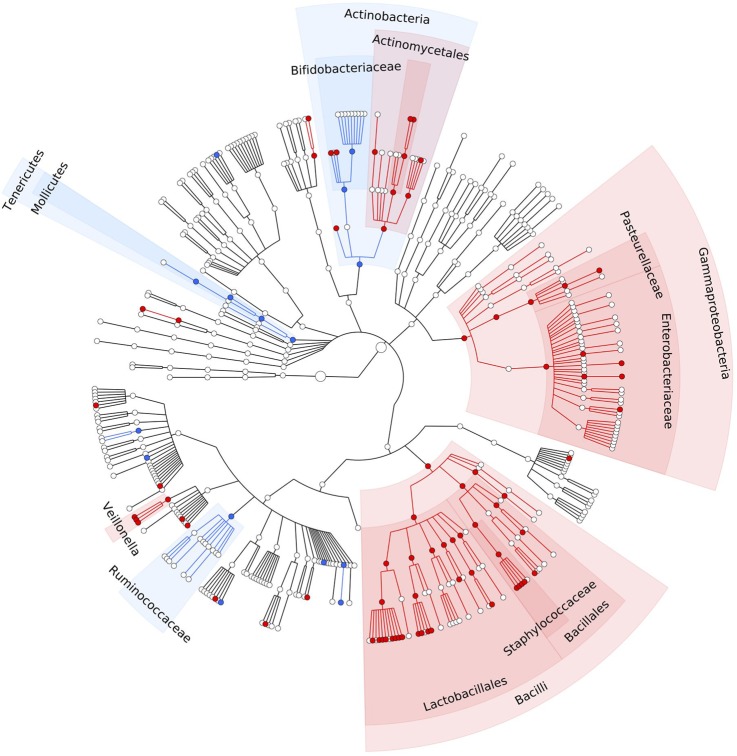
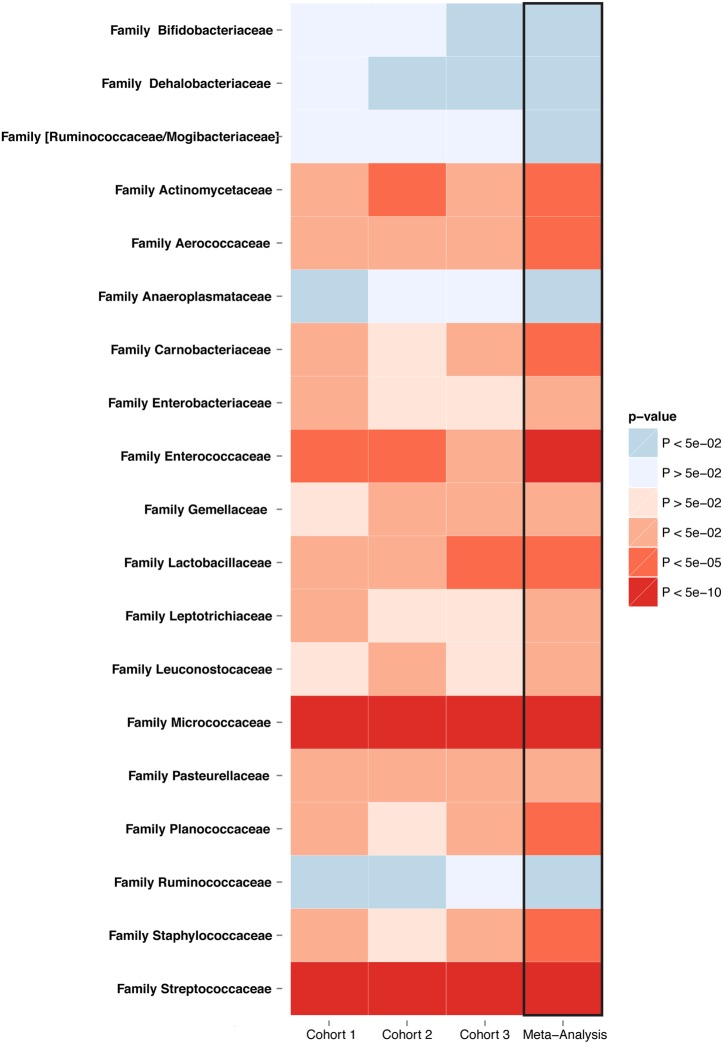
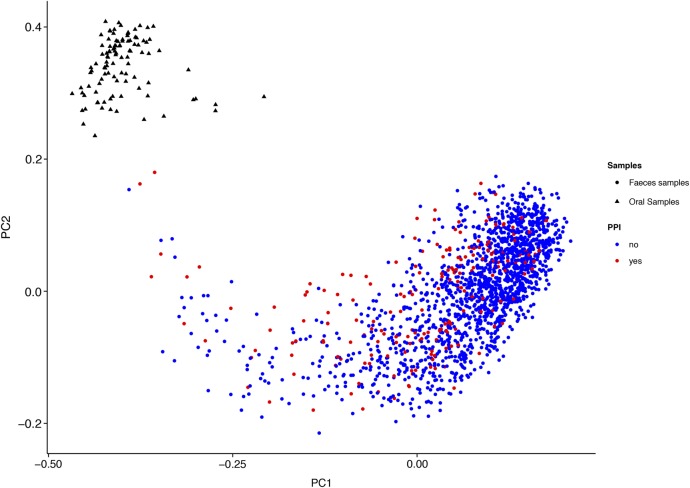
Background and aims: Proton pump inhibitors (PPIs) are among the top 10 most widely used drugs in the world. PPI use has been associated with an increased risk of enteric infections, most notably Clostridium difficile. The gut microbiome plays an important role in enteric infections, by resisting or promoting colonisation by pathogens. In this study, we investigated the influence of PPI use on the gut microbiome. Methods: The gut microbiome composition of 1815 individuals, spanning three cohorts, was assessed by tag sequencing of the 16S rRNA gene. The difference in microbiota composition in PPI users versus non-users was analysed separately in each cohort, followed by a meta-analysis. Results: 211 of the participants were using PPIs at the moment of stool sampling. PPI use is associated with a significant decrease in Shannon's diversity and with changes in 20% of the bacterial taxa (false discovery rate <0.05). Multiple oral bacteria were over-represented in the faecal microbiome of PPI-users, including the genus Rothia (p=9.8×10 −38 ). In PPI users we observed a significant increase in bacteria: genera Enterococcus , Streptococcus , Staphylococcus and the potentially pathogenic species Escherichia coli . Conclusions: The differences between PPI users and non-users observed in this study are consistently associated with changes towards a less healthy gut microbiome. These differences are in line with known changes that predispose to C. difficile infections and can potentially explain the increased risk of enteric infections in PPI users. On a population level, the effects of PPI are more prominent than the effects of antibiotics or other commonly used drugs.
Overview
The claims and statistics of this paper haven’t been checked yet.
Free: it reads the open-access text and checks the first 5 claims that cite a source we can check. Create a free account to check every claim.
Integrity signals
Registry
Cites
Statistics
Figures
Verification
Claims the paper makes
The claims and statistics of this paper haven’t been checked yet.
Free: it reads the open-access text and checks the first 5 claims that cite a source we can check. Create a free account to check every claim.
Claims other papers make about this one
Each is checked against this paper’s own text: does it say what the citing paper says it does?
The source backs part of the claim, not all of it — or backs it for a different population, condition or comparison.
In the citing paper
“an overall signature resembling the gut microbiome of patients with inflammatory bowel disease20”
From Longitudinal gut microbiome changes in immune checkpoint blockade-treated advanced melanoma (2024) · cites this paper as [20]
Experimental — accuracy not yet measuredThe source backs part of the claim, not all of it — or backs it for a different population, condition or comparison.
In the citing paper
“many drugs induce shifts in microbial community composition57,58.”
From Development of a gut microbe–targeted nonlethal therapeutic to inhibit thrombosis potential (2018) · cites this paper as [57]
Experimental — accuracy not yet measuredThe cited source says what the claim attributes to it.
In the citing paper
“To avoid confounding by colitis and PPI use, which individually has considerable effects on the gut microbiome19,20, we compared patients with PFS ≥12 months versus patients with PFS <12 months on monotherapy (Extended Data Fig. 8 and Supplementary Table 7) or combination therapy (Extended Data Fig. 9 and Supplementary Table 8) who did not develop colitis and did not use PPIs, while also averaging”
From Longitudinal gut microbiome changes in immune checkpoint blockade-treated advanced melanoma (2024) · cites this paper as [20]
In the citing paper
“PPIs by reducing gastric acid secretion can produce profound changes in the colonic microbiota, mainly characterized by a decrease in the abundance of commensal bacteria, which is associated with a reduction in microbial diversity and an increase of oral bacteria in the stool[108,109].”
From Proton pump inhibitors and dysbiosis: current knowledge and aspects to be clarified (2019) · cites this paper as [109]
In the citing paper
“Even if not fully clarified, it has been hypothesized that, in CDI, a reduction in alpha diversity and a decrease in the abundance of bacteria of the Ruminococcoceae associated with an increase in the Enterobacteriaceae, Enterococcoceae and Lactobacillaceae families observed during long-term PPI treatment could facilitate the onset of infection[109].”
From Proton pump inhibitors and dysbiosis: current knowledge and aspects to be clarified (2019) · cites this paper as [109]
Self-check
Percentages, sums and reported differences re-computed from the paper’s own numbers.
The self-check needs the paper’s full text.
Citations
Cites
QIIME allows analysis of high-throughput community sequencing data
Caporaso, J. G., Kuczynski, J., Stombaugh, J., Bittinger, K., Bushman, F. D., Costello, E. K., Fierer, N., Peña, A. G., Goodrich, J. K., Gordon, J. I., et al. (2010) · Nature Methods · doi:10.1038/nmeth.f.303 · Cited by 34,887
Multistate point-prevalence survey of health care-associated infections
Magill, S. S., Edwards, J. R., Bamberg, W., Beldavs, Z. G., Dumyati, G., Kainer, M. A., Lynfield, R., Maloney, M., McAllister-Hollod, L., Nadle, J., et al. (2014) · New England Journal of Medicine · doi:10.1056/nejmoa1306801 · Cited by 3,931 · cited 1×
“23 24 Virulent strains of C. dif fi cile can only colonise a susceptible gut, after which toxins are produced and spores are shed.”
BackgroundDuodenal Infusion of Donor Feces for Recurrent Clostridium difficile
van Nood, E., Vrieze, A., Nieuwdorp, M., Fuentes, S., Zoetendal, E. G., de Vos, W. M., Visser, C. E., Kuijper, E. J., Bartelsman, J. F. W. M., Tijssen, J. G. P., et al. (2013) · New England Journal of Medicine · doi:10.1056/nejmoa1205037 · Cited by 3,708
Human Genetics Shape the Gut Microbiome
Goodrich, J. K., Waters, J. L., Poole, A. C., Sutter, J. L., Koren, O., Blekhman, R., Beaumont, M., Van Treuren, W., Knight, R., Bell, J. T., et al. (2014) · Cell · doi:10.1016/j.cell.2014.09.053 · Cited by 3,164
Dysfunction of the intestinal microbiome in inflammatory bowel disease and treatment
Morgan, X. C., Tickle, T. L., Sokol, H., Gevers, D., Devaney, K. L., Ward, D. V., Reyes, J. A., Shah, S. A., LeLeiko, N., Snapper, S. B., et al. (2012) · Genome Biology · doi:10.1186/gb-2012-13-9-r79 · Cited by 2,713
Self-citationBurden of Clostridium difficile Infection in the United States
Lessa, F. C., Mu, Y., Bamberg, W. M., Beldavs, Z. G., Dumyati, G. K., Dunn, J. R., Farley, M. M., Holzbauer, S. M., Meek, J. I., Phipps, E. C., et al. (2015) · New England Journal of Medicine · doi:10.1056/nejmoa1408913 · Cited by 2,641
Human gut microbiota in obesity and after gastric bypass
Zhang, H., DiBaise, J. K., Zuccolo, A., Kudrna, D., Braidotti, M., Yu, Y., Parameswaran, P., Crowell, M. D., Wing, R., Rittmann, B. E., et al. (2009) · Proceedings of the National Academy of Sciences · doi:10.1073/pnas.0812600106 · Cited by 1,880 · cited 1×
“22 We looked at the role of the gut microbiome in C. dif fi cile infections, which cause 12.1% of all nosocomial infections and were responsible for half a million infections and associated with 29 000 deaths in the USA in 2011.”
BackgroundInfluentialPrecision microbiome reconstitution restores bile acid mediated resistance to Clostridium difficile
Buffie, C. G., Bucci, V., Stein, R. R., McKenney, P. T., Ling, L., Gobourne, A., No, D., Liu, H., Kinnebrew, M., Viale, A., et al. (2015) · Nature · doi:10.1038/nature13828 · Cited by 1,872
Control of pathogens and pathobionts by the gut microbiota
Kamada, N., Chen, G. Y., Inohara, N., & Núñez, G. (2013) · Nature Immunology · doi:10.1038/ni.2608 · Cited by 1,625 · cited 1×
“11 To ensure that the changes observed in microbiota composition were not due to diarrhoea and/or more frequent bowel movements, we checked in our general population whether clinical symptoms of diarrhoea were more often present in PPI users.”
BackgroundMicrobiota-mediated colonization resistance against intestinal pathogens
Buffie, C. G., & Pamer, E. G. (2013) · Nature reviews. Immunology · doi:10.1038/nri3535 · Cited by 1,564
Cited by
Items 801–900 of 1,000
A narrative review of gastroesophageal reflux in the pediatric patient
Jacobson, J. C., & Pandya, S. R. (2021) · Translational Gastroenterology and Hepatology · doi:10.21037/tgh-20-245 · Cited by 11
“This included a significant decrease in Shannon’s diversity, changes in 20% of the bacterial taxa, and over-representation of oral bacteria in the fecal microbiome (43), There are currently ongoing observational studies in the adult population examining whether these changes to the gut microbiome may increase the risk…”
BackgroundYamashiro, K., Jouta, M., Hosomi, K., Yokoyama, S., Ozaki, Y., Hirata, A., Ogata, F., Nakamura, T., Tanei, S., & Kawasaki, N. (2022) · Scientific Reports · doi:10.1038/s41598-022-22257-2 · Cited by 7
Fukuokaya, W., Mori, K., Yanagisawa, T., Akazawa, K., Shimomura, T., & Kimura, T. (2023) · Prostate Cancer and Prostatic Diseases · doi:10.1038/s41391-023-00695-x · Cited by 8
“In particular, 20% to 50% of patients receiving cancer treatment are reported to also use PPIs [12], and evidence indicates that PPI use can be associated with the alteration of gut microbiota [13, 14].”
Linnehan, B. K., Kodera, S. M., Allard, S. M., Brodie, E. C., Allaband, C., Knight, R. D., Lutz, H. L., Carroll, M. C., Meegan, J. M., Jensen, E. D., et al. (2024) · Journal of Applied Microbiology · doi:10.1093/jambio/lxae026 · Cited by 8
“Dolphins were only considered as donors if they were not on any medications for 6 months prior, including ophthalmic antimicrobial drops and proton-pump inhibitors like omeprazole, as this been shown to alter gut flora (Imhann et al. 2016 , Kostrzewska et al. 2017 , Koo et al. 2019 ).”
BackgroundZhao, J., Zhang, Y., Wang, X., Zou, P., Zhao, Z., Mei, H., Liu, Y., Su, N., Zhu, Y., Wang, B., et al. (2024) · Helicobacter · doi:10.1111/hel.13079 · Cited by 7
Guðnadóttir, U., Fransson, E., Ljungman, G., Wikman, A., Vlieghe, E., Engstrand, L. G., & Brusselaers, N. (2024) · Drug Safety · doi:10.1007/s40264-024-01500-x · Cited by 8
Çetin, H., Wurm, R., Reichardt, B., Tomschik, M., Silvaieh, S., Parvizi, T., König, T., Erber, A. C., Schernhammer, E. S., Stamm, T. A., et al. (2020) · European Journal of Neurology · doi:10.1111/ene.14252 · Cited by 7
“PPIs have moreover been reported to be associated with profound changes in the gut microbiome and decreased bacterial richness [25].”
BackgroundKienesberger, B., Obermüller, B., Singer, G., Mittl, B., Grabherr, R. M., Mayrhofer, S., Heinl, S., Stadlbauer, V., Horvath, A., Miekisch, W., et al. (2021) · International Journal of Molecular Sciences · doi:10.3390/ijms22126424 · Cited by 8
“Additionally, the increase of Streptococcus has also been encountered in humans—for instance under therapy with proton pump inhibitors [25].”
BackgroundLiver cirrosis and complication risk management
Бакулин, И. Г., Oganezova, I. A., Skalinskaya, M. I., & Васильевна, С. Е. (2021) · Terapevticheskii arkhiv · doi:10.26442/00403660.2021.08.200917 · Cited by 11
“По мнению других исследователей, уменьшение количества Faecalibacterium у пользователей ИПП может быть ассоциировано с активностью кишечного воспаления [27, 28].”
Nebert, D. W., & Zhang, G. (2019) · Elsevier eBooks · doi:10.1016/b978-0-12-812537-3.00016-0 · Cited by 19
Xenofontos, E., Renieris, G., Kalogridi, M., Droggiti, D.-E., Synodinou, K. D., Damoraki, G., Koufargyris, P., Sabracos, L., & Giamarellos‐Bourboulis, E. J. (2022) · Scientific Reports · doi:10.1038/s41598-022-07827-8 · Cited by 8
The Crosstalk between Microbiome and Immunotherapeutics: Myth or Reality
Tojjari, A., Abushukair, H. M., & Saeed, A. (2022) · Cancers · doi:10.3390/cancers14194641 · Cited by 9
“Gut microbial composition is associated with several factors, including the method of a child’s birth, the composition of maternal microbiota, genetics, lifestyle, drugs, supplementarity, and environmental factors [25,26].”
MethodRyu, A. J., Kumar, S. K., Dispenzieri, A. A., Kyle, R. A., Rajkumar, S. V., & Kingsley, T. C. (2023) · Blood Cancer Journal · doi:10.1038/s41408-023-00798-7 · Cited by 10
“Proton pump inhibitors are known to modify the intestinal microbiome, in ways generally thought to be deleterious; however, our finding of a positive association with MGUS outcomes may warrant further investigation [11].”
BackgroundLoosen, S. H., Krieg, S., Chaudhari, S., Upadhyaya, S., Krieg, A. H., Luedde, T., Kostev, K., & Roderburg, C. (2023) · Journal of Clinical Medicine · doi:10.3390/jcm12144877 · Cited by 9
“Several studies have indeed observed a change in the composition of the microbiome with PPI use [32,41].”
BackgroundWang, W., Li, C., Chang, Y.-T., Bai, Y., Tsai, S., Chen, T., Chiou, S., & Chen, M. (2023) · Allergy and Asthma Proceedings · doi:10.2500/aap.2023.44.230035 · Cited by 7
Furuta, K., Byrne, J., Luat, K., Cheung, C., Carter, D. O., Tipton, L., & Perrault, K. A. (2024) · Journal of Chromatography A · doi:10.1016/j.chroma.2024.465017 · Cited by 7
PPI use and oesophageal cancer: What if the results are true?
Brusselaers, N., Engstrand, L., & Lagergren, J. (2018) · Cancer Epidemiology · doi:10.1016/j.canep.2018.04.004 · Cited by 7
Nishimoto, Y., Salim, F., Yama, K., Kumagai, K., Jo, R., Harada, M., Maruyama, Y., Aita, Y., Fujii, N., Inokuchi, T., et al. (2023) · Frontiers in Microbiology · doi:10.3389/fmicb.2023.1233460 · Cited by 9
Miyaue, N., Yabe, H., & Nagai, M. (2024) · Journal of the Neurological Sciences · doi:10.1016/j.jns.2024.123202 · Cited by 6
Gao, W., Wang, G., Yuan, H., Chen, Y., Che, J., Cheng, Z., Chen, L., Zhang, L., Zhu, Y., Liu, X., et al. (2025) · Cell & Bioscience · doi:10.1186/s13578-025-01370-5 · Cited by 8
“…disease, Wilson’s disease, alpha 1-antitrypsin deficiency, Budd-Chiari syndrome, and other congenital liver diseases; (4) combined with severe organic lesions; (5) pregnant and lactating women; (6) no antibiotics or proton pump inhibitors which affected gut microbiota in the past 1 month [15, 16].”
Xu, X., Zhu, T., Jing, C., Jiang, M., Fu, Y., Xie, F., Meng, Q., & Li, J. (2025) · Frontiers in Medicine · doi:10.3389/fmed.2025.1423780 · Cited by 8
“This is beneficial for the growth of urease-producing bacteria, thus increasing the risk of developing HE (43, 44).”
Hekker, M. D., Platteel, T. N., Venekamp, R. P., Top, J., Geerlings, S. E., Schultsz, C., de Vos, M. G. J., & van de Wijgert, J. H. H. M. (2025) · BMC Infectious Diseases · doi:10.1186/s12879-025-11269-8 · Cited by 9
Yi, J., Xu, J., Zeng, J., Song, Y., Zhang, Y.-N., Huang, C., Li, L., Ding, K., Zhu, Z., Yuan, D.-Z., et al. (2025) · Frontiers in Immunology · doi:10.3389/fimmu.2025.1680015 · Cited by 6
Kitchen, P. J., Schütte, S. L., Tergast, T. L., Maasoumy, B., Braun, L., Esche, U. V. D., Häcker, G. A., Mücke, M. M., Reincke, M., Schultheiß, M., et al. (2026) · Alimentary Pharmacology & Therapeutics · doi:10.1111/apt.70593 · Cited by 6
“A variety of previous studies have established the significant impact of treatment with proton pump inhibitors (PPI) on the gut microbiota composition [3–5].”
Gnatzy, L., Ismailos, G., Vertzoni, M., & Reppas, C. I. (2023) · European Journal of Pharmaceutical Sciences · doi:10.1016/j.ejps.2023.106510 · Cited by 8
Haight, P. J., Kistenfeger, Q., Riedinger, C. J., Khadraoui, W. K., Backes, F. J., Bixel, K. L., Copeland, L. J., Cohn, D. E., Cosgrove, C. M., O’Malley, D. M., et al. (2023) · Gynecologic Oncology · doi:10.1016/j.ygyno.2023.09.005 · Cited by 7
Pfefferkorn, R., Mortzfeld, B. M., Fink, C., von Frieling, J., Bossen, J., Esser, D., Kaleta, C., Rosenstiel, P. C., Heine, H., & Roeder, T. (2023) · Aging and Disease · doi:10.14336/ad.2023.0517 · Cited by 6
“Intestinal functionality is highly dependent on the microbial community for nutrient breakdown, and availability and shifts can result in deleterious dysbiosis (72-76).”
BackgroundHe, Q., Xia, B., Yang, M. S., Lu, K., Fan, D., Li, W., Liu, Y., Pan, Y., & Yuan, J. (2024) · The FASEB Journal · doi:10.1096/fj.202302558r · Cited by 7
“16,32 A recent randomized clinical trial (RCT) indicated that PPIs could cause a higher extent of oral- to-gut transmission and promote the growth of certain oral species in the gut compared to H2 receptor antagonists (H2RAs), a less potent acid suppressor, and subsequently have a more pronounced…”
BackgroundYamawaki, C., Nakagawa, S., Ikuta, K., Katsube, Y., Imayoshi, N., Shigetsura, Y., Hira, D., Yamamoto, S., Matsubara, T., Yanagita, M., et al. (2024) · Kidney360 · doi:10.34067/kid.0000000000000528 · Cited by 6
Kumar, A., Gwalani, P., Iyer, P. G., Wang, K. K., Falk, G. W., Ginsberg, G. G., Lightdale, C. J., Portillo, A. D., Lagana, S. M., Li, Y., et al. (2024) · Clinical and Translational Gastroenterology · doi:10.14309/ctg.0000000000000762 · Cited by 6
Dawson, S. L., Clarke, G. A., Ponsonby, A., Loughman, A., Mohebbi, M., Borge, T. C., O'Neil, A. E., Vuillermin, P., Tang, M. L. K., Craig, J. M., et al. (2024) · Nutritional Neuroscience · doi:10.1080/1028415x.2024.2413233 · Cited by 7
“…not investigate other specific potential predictors of maternal or infant gut microbiota composition such as the use of proton pump inhibitors [53,54] as our questionnaire did not distinguish between antacids or acid suppressing medication, and we did not record steroid treatments [55],…”
Karino, M., Yanagihara, M., Harada, T., Sugo, M., Karino, M., Ohtaki, H., Hanada, H., Takano, T., Yamato, M., & Okamoto, S. (2024) · Microbiology Spectrum · doi:10.1128/spectrum.02131-24 · Cited by 6
“Additionally, Enterococci can survive on dry surfaces for months or even longer (21), suggesting that these cases might have involved environmental transmission at different times.”
Why think twice before prescribing proton pump inhibitors
Lemmens, A.-S. V., Huysentruyt, K., & Vandenplas, Y. (2025) · European Journal of Pediatrics · doi:10.1007/s00431-025-06058-z · Cited by 6
“PPI use is associated with a significant decrease in bacterial diversity and with changes in the commensal microbiota, which shows significantly lower numbers of commensal organisms [25, 26].”
Hong, S., Lee, E., & Shin, J. (2019) · Pharmacoepidemiology and Drug Safety · doi:10.1002/pds.4745 · Cited by 9
“In particular, they are often used along with antibiotics that share a certain common mechanism for the onset of CDAD; therefore, the high‐risk antibiotics could confound the risk of developing CDAD due to PPI use.(14) Although a few studies have revealed the risk of CDAD due to PPIs in patients receiving high‐risk an…”
BackgroundSoubra, L., & Issa, M. (2019) · International Journal of Pharmacy Practice · doi:10.1111/ijpp.12537 · Cited by 8
“These include pneumonia,([7,8]) Clostridium difficile diarrhoea,([9]) bone fractures,([10,11]) Campylobacter and Salmonella gastroenteritis,([12,13]) acute interstitial nephritis([14]) and subacute cutaneous lupus erythematosus.”
BackgroundMicrobiome and Gastroesophageal Disease: Pathogenesis and Implications for Therapy
D’Souza, S. M., Cundra, L. B., Yoo, B. S., Parekh Parth, J., & Johnson, D. A. (2020) · Annals of Clinical Gastroenterology and Hepatology · doi:10.29328/journal.acgh.1001018 · Cited by 8
“The use of PPIs in GERD patients has been demonstrated to decrease diversity of gastric, esophageal, and fecal flora [24-26].”
Association of the gut microbiome with cancer immunotherapy
Nomura, M. (2022) · International Journal of Clinical Oncology · doi:10.1007/s10147-022-02180-2 · Cited by 6
“The gut microbial composition depends on a variety of factors, such as the mode of infant delivery, the composition of maternal microbiota, genetics of the host, lifestyle, medications, such as antibiotics and proton-pump inhibitors, probiotics, prebiotics, diet, as well as environmental factors [13, 14].”
BackgroundIncreased risk of biliary infection after biliary stent placement in users of proton pump inhibitors
Hakuta, R., Nakai, Y., Oyama, H., Noguchi, K., Kanai, S., Nomura, Y., Suzuki, T., Ishigaki, K., Saito, K., Saito, T., et al. (2022) · DEN Open · doi:10.1002/deo2.129 · Cited by 6
Exposure to proton pump inhibitors and risk of diabetes: A systematic review and meta-analysis
Guo, Y.-R., Liu, X., & Wang, G. (2023) · World Journal of Diabetes · doi:10.4239/wjd.v14.i2.120 · Cited by 6
Morris, N. M., & Nighot, M. (2023) · Bulletin of the National Research Centre/Bulletin of the National Research Center · doi:10.1186/s42269-023-01107-9 · Cited by 15
“Other enteric infections that can occur because of gut dysbiosis are salmonella , Shigella , and Campylobacter (Imhann et al. 2016).”
BackgroundHo, C.-T., Fu, C., Tan, E. C., Kao, W., Lee, P., Huang, Y., Huo, T., Hou, M., Wu, J., & Su, C. (2024) · Journal of Gastroenterology and Hepatology · doi:10.1111/jgh.16640 · Cited by 6
“19,20 However, the association between PPIs and hepatocellular carcinoma (HCC) remains unclear.”
The gut microbiome and dietary metabolites in the treatment of renal cell carcinoma
Zugman, M., Wong, M. H., Jaime‐Casas, S., & Pal, S. K. (2024) · Urologic Oncology Seminars and Original Investigations · doi:10.1016/j.urolonc.2024.07.003 · Cited by 6
Nendl, A., Andersen, G. Ø., Seljeflot, I., Trøseid, M., & Awoyemi, A. (2024) · Open Heart · doi:10.1136/openhrt-2024-002868 · Cited by 7
“26 A final factor may be the LAL assay, which is the method most commonly used to assess endotox-aemia.”
Proton pump inhibitors and 180-day mortality in the elderly after Clostridium difficile treatment
Bradley, E. S., Howe, E., Wu, X., & Haran, J. P. (2019) · Gut Pathogens · doi:10.1186/s13099-019-0309-6 · Cited by 6
Dziechciarz, P., Krenke, K., Szajewska, H., & Horvath, A. (2020) · Pediatric Gastroenterology Hepatology & Nutrition · doi:10.5223/pghn.2020.23.3.251 · Cited by 7
“However, it is postulated that they depend on several factors affecting the complex balance between the host defense and gut microbiota [11].”
BackgroundSbeit, W., Khoury, T., Kadah, A., Asadi, W., Shahin, A., Lubany, A., Safadi, M., Haddad, H., Ahmad, R. A., Hija, S. A. E., et al. (2020) · Journal of Clinical Medicine · doi:10.3390/jcm9092966 · Cited by 6
Tranberg, A., Samuelsson, C., & Klarin, B. (2020) · Apmis · doi:10.1111/apm.13087 · Cited by 6
“in general and Clostridium difficile infection specifically (8, 9).”
BackgroundDo proton pump inhibitors affect the biomechanical efficiency of implant?- a systematic review
Verma, V. (2022) · Journal of Oral Biology and Craniofacial Research · doi:10.1016/j.jobcr.2022.08.016 · Cited by 6
Inhibiteurs de la pompe à protons (IPP) et cancers : une association à risques ?
Raoul, J., Edeline, J., Gilabert, M., Senellart, H., & Frenel, J. (2020) · Bulletin du Cancer · doi:10.1016/j.bulcan.2019.12.009 · Cited by 9
Use of proton pump inhibitors and risk of rosacea: A nationwide population‐based study
Dai, Y., Tai, Y., Chen, C., Chang, Y.-T., Chen, T., & Chen, M. (2020) · The Journal of Dermatology · doi:10.1111/1346-8138.15478 · Cited by 6
Ohkubo, H., Kessoku, T., Tanaka, K., TAKAHASHI, K., Takatsu, T., Yoshihara, T., Misawa, N., Ashikari, K., Fuyuki, A., Kato, S., et al. (2023) · Bioscience of Microbiota Food and Health · doi:10.12938/bmfh.2023-080 · Cited by 6
Oral microbiota in colorectal cancer: Unraveling mechanisms and application potential
Zhang, X., Chen, Y., Xia, Y., Lin, S., Zhou, X., Pang, X., Yu, J., & Sun, L. (2025) · Life Sciences · doi:10.1016/j.lfs.2025.123462 · Cited by 5
Csécsei, P., Takács, B., Pasitka, L. P., Várnai, R., Péterfi, Z., Orban, B., Czabajszki, M., Oláh, C., & Schwarcz, A. (2025) · Journal of Clinical Medicine · doi:10.3390/jcm14103488 · Cited by 7
“Proton pump inhibitors (PPIs) may alter gastric pH and allow overgrowth of non-native species [46], while critical illness and sedation can impair gut barrier function and microbial balance [47].”
Jeon, J.-H., Lee, J., Baek, Y.-J., Lim, K.-J., Kim, J. D., Park, J. S., Choi, M., & Song, I. (2025) · Biomedicine & Pharmacotherapy · doi:10.1016/j.biopha.2025.118185 · Cited by 5
Restoration of the gut-microbiota-liver axis after hepatitis C virus eradication
Inoue, T., Nakayama, J., Mori, H., Tanaka, M., Nakagawa, D., Ohnishi, M., Funatsu, Y., Moriya, K., Kawaratani, H., Watanabe, H., et al. (2025) · JHEP Reports · doi:10.1016/j.jhepr.2025.101494 · Cited by 8
Choi, H. S., Kim, M. S., Yu, M. H., You, J., Seon, D., Ko, G., Unno, T., Lee, M. Y., & Kim, Y. S. (2025) · Journal of Neurogastroenterology and Motility · doi:10.5056/jnm25024 · Cited by 7
“34 One study reported that microbial α -diversity increased after 7 days of PPI treatment but decreased after 4 weeks, 35 whereas a meta-analysis of 3 cohort studies showed that PPI use reduces microbial richness.”
Enwere, M., Irobi, E., Onu, A., Davies, E., Ogungbade, G. O., Omoniwa, O., Omale, C., Neufeld, M., Chime, V., Ezeogu, A., et al. (2025) · Gastrointestinal Disorders · doi:10.3390/gidisord7040062 · Cited by 6
“PPI use was associated with increased abundance of oral-origin genera including Rothia ( p = 9.8 × 10 − 38 ), as well as elevated levels of Enterococcus , Streptococcus , Staphylococcus , and Escherichia coli [88].”
InfluentialComparative Analysis of Mucosa-Associated and Luminal Gut Microbiota in Pediatric Ulcerative Colitis
Kondo, T., Kondo, S., Nakayama‐Imaohji, H., Tada, A., Tabassum, N., Munyeshyaka, E., Koyano, K., Nakamura, S., Kusaka, T., & Kuwahara, T. (2025) · International Journal of Molecular Sciences · doi:10.3390/ijms262110775 · Cited by 6
Wu, B., He, Z., & Xu, T. (2025) · Journal of Clinical Medicine · doi:10.3390/jcm15010230 · Cited by 5
“The hypothesis of the causal relationship between PPIs and CDI was mainly based on the effects PPIs have on the diversity of the gut microbiome [25].”
Zimbru, E.-L., Zimbru, R.-I., Bojin, F. M., Chiriac, S. D., Haidar, L., Andor, M., Tănasie, G., Tatu, C. S., Georgescu, M., Uța, C., et al. (2025) · Biomedicines · doi:10.3390/biomedicines14010073 · Cited by 6
“…involving up to 20% of detectable taxa, resulted from altering gastric pH and facilitating the survival and translocation of oral bacteria to the gut and increasing the abundance of Enterococcus , Streptococcus and Escherichia coli , which have been linked to dysbiosis-related disorders [85–87].”
Sawaid, I. O., Din, Z., Golan, E., Ruppin, E., Golan‐Cohen, A., Green, I., Merzon, E., Vinker, S., Samson, A. O., & Israel, A. (2026) · PLoS Medicine · doi:10.1371/journal.pmed.1004842 · Cited by 7
“However, when H. pylori persists— particularly under prolonged acid suppression—gastrin levels rise, and altered gastric pH may allow the pathogen to persist in an inflammatory niche [23].”
Prenatal Exposure to Acid-Suppressive Medications and Risk of Neuropsychiatric Disorders in Children
Hong, S., Lee, S., Kim, H., Jo, H., Lee, K., Jo, Y., Kim, T. H., Park, J., Lee, J., Woo, H. G., et al. (2026) · JAMA · doi:10.1001/jama.2025.23956 · Cited by 8
Katayama, Y., Fukuda, A., Inoue, R., Kawachi, H., Sawada, R., Harada, T., Yoshimura, A., Okada, A., Shiotsu, S., Chihara, Y., et al. (2026) · ESMO Open · doi:10.1016/j.esmoop.2026.106077 · Cited by 5
“14,48,49 Previous gut meta-genomic and metatranscriptomic NSCLC cohorts have linked oral streptococci, increased Actinomycetota activity, and broader microbial functional shifts to poorer ICI outcomes, although taxa-level signatures differ across studies.”
Çelik, M. N., Dazıroğlu, M. E. Ç., Atabılen, B., Nanì, M. F., Romano, B., Ağagündüz, D., & Capasso, R. (2026) · Food Research International · doi:10.1016/j.foodres.2026.118945 · Cited by 11
From gut dysbiosis to eubiosis: understanding microbiome recovery as an ecological process
Kennedy, M. S., & Chang, E. B. (2026) · Gut Microbes · doi:10.1080/19490976.2026.2649448 · Cited by 7
“210 Although no studies have explicitly evaluated whether PPI-induced dysbiosis impairs recovery of the microbiota after antibiotic treatment, one study determined that the interaction of PPIs and antibiotics synergistically increases patients’ risk of opportunistic C. difficile infection, which…”
Hajjar, A., Verhoeff, K. K., Jogiat, U., Mocanu, V., Birch, D. W., Switzer, N. J., Wong, C. K. W., & Karmali, S. (2023) · Surgical Endoscopy · doi:10.1007/s00464-023-10202-x · Cited by 5
Strzępa, A., Marcińska, K., Kiecka, A., Majewska‐Szczepanik, M., & Szczepanik, M. (2024) · Frontiers in Immunology · doi:10.3389/fimmu.2024.1390025 · Cited by 6
Eladawy, R. M., Ahmed, L. A., Salem, M. B., Hammam, O. A., Mohamed, A. F., Salem, H. A., & El‐Sayed, R. M. (2024) · Toxicology and Applied Pharmacology · doi:10.1016/j.taap.2024.117126 · Cited by 5
Vega, M. G., Alonso, S. B., España, A. P., Teruel, S. J. Q., Fernández‐Fernández, S., Bermejo, T., & Zudaire, L. E. (2021) · Allergologia et Immunopathologia · doi:10.15586/aei.v49i3.58 · Cited by 7
The impact of proton pump inhibitors in liver diseases and the effects on the liver
Liu, Y., & Chen, M. K. (2022) · Journal of Digestive Diseases · doi:10.1111/1751-2980.13093 · Cited by 5
“Several studies have also revealed an association between PPIs and weight gain.(28,145,146) This effect on”
BackgroundInfluentialGut microbiota disruption during sepsis and the influence of innate metabolites on sepsis prognosis
Ma, X., Jia, X., Peng, Y., Li, X., Wang, C., & Yu, K. (2023) · International Microbiology · doi:10.1007/s10123-023-00349-x · Cited by 5
“…directly determined the influence of sepsis, which is a single variable, on the gut microbiota because the gut microbiota is affected by sepsis treatments, such as antibiotics, opioids, parenteral nutrition, and proton pump inhibitors (Zaborin et al. 2014; Imhann et al. 2016; Dahlgren et al. 2019).”
BackgroundHuang, H., Liu, Z., Guo, Y., Zeng, Y., Shen, S., & Xu, C. (2023) · Journal of Clinical Gastroenterology · doi:10.1097/mcg.0000000000001847 · Cited by 7
“34,35 Furthermore, animal studies have reported that inhibiting gastric acid secretion promoted Enterococcus faecalis translocation to the liver, which subsequently activated Toll-like receptor 2 on Kupffer cells and triggered an in fl ammatory response in the liver.”
BackgroundMicrobiome Composition in Microscopic Colitis: A Systematic Review
Garczyk, A., Mardas, M., & Stelmach-Mardas, M. (2023) · International Journal of Molecular Sciences · doi:10.3390/ijms24087026 · Cited by 6
“As PPI administration is a risk factor for MC, it might be worth noticing that PPI was connected with a higher prevalence of oral cavity bacteria in the gastrointestinal microbiome [34].”
BackgroundElbaz, M., Stein, E., Raykhshtat, E., Weiss‐Meilik, A., Cohen, R., & Ben‐Ami, R. (2023) · Antibiotics · doi:10.3390/antibiotics12040789 · Cited by 6
“PPI was also shown to directly inhibit drug commensals [10] and to alter the gut microbiome [18,19].”
BackgroundZhang, S., Tian, J., Wang, X., & Liu, C. (2023) · BMC Pulmonary Medicine · doi:10.1186/s12890-023-02754-4 · Cited by 6
“(2) It interferes with nutrient absorption by inducing hormone changes and changing the bacterial decomposition mode of substrate through a pH independent mechanism [46].”
Ramel, E., Prey, S., Dutriaux, C., Gerard, É., Pham‐Ledard, A., Beylot-Barry, M., & Kostine, M. (2023) · European Journal of Cancer · doi:10.1016/j.ejca.2023.113477 · Cited by 5
Characterization of cytotoxic Citrobacter braakii isolated from human stomach
Yu, M.-C., Xie, F., Xu, C., Yu, T., Wang, Y., Liang, S., Dong, Q., & Wang, L. (2024) · FEBS Open Bio · doi:10.1002/2211-5463.13770 · Cited by 7
Chen, C., Liang, H., He, M., Duan, R., Guan, Y., Wang, F., & Duan, L. (2024) · Chinese Medical Journal · doi:10.1097/cm9.0000000000003148 · Cited by 9
“Similarly, a meta-analysis of three Dutch cohorts comprising 1815 participants by Imhann et al [20] showed a decrease in species richness and diversity associated with PPI use, along with a shift toward oral cavity microbiomes in feces.”
Jaber, H., Chehayeb, S. L., Nasr, J., Souky, N. A., Al-Hadeethi, D., Okut, H., Stotts, M., & Salyers, W. J. (2025) · Clinics and Research in Hepatology and Gastroenterology · doi:10.1016/j.clinre.2025.102667 · Cited by 7
Zhang, C., Virk, A. K., KHAN, I. A., & Qin, H. (2020) · Springer eBooks · doi:10.1007/978-981-15-4759-1_2 · Cited by 5
Singh, A., Garg, R., Lan, N., Siddiqui, M. T., Gupta, M., & Alkhouri, N. (2020) · Indian Journal of Gastroenterology · doi:10.1007/s12664-020-01087-y · Cited by 5
Furune, S., Yamamoto, K., Honda, T., Fujiyoshi, T., Kakushima, N., Furukawa, K., Ohno, E., Nakamura, M., Miyahara, R., Kawashima, H., et al. (2021) · Scandinavian Journal of Gastroenterology · doi:10.1080/00365521.2021.2005135 · Cited by 5
“This change is similar to that encountered with the use of PPIs [31], and both are considered to be due to the destruction of the gastric acid barrier caused by decreased gastric acid secretion.”
MethodNovel insights in the pathophysiology and management of functional dyspepsia
Vanuytsel, T. (2023) · Acta gastro-enterologica belgica · doi:10.51821/86.1.11629 · Cited by 5
Advances in Infection Control for Clostridioides (Formerly Clostridium) difficile Infection
Castro, C. E. F., & Munoz-Price, L. S. (2019) · Current treatment options in infectious diseases/Current treatment options in infectious disease · doi:10.1007/s40506-019-0179-y · Cited by 6
Diot, C., García-González, A. P., & Walhout, A. J. M. (2018) · Drug Discovery Today Disease Models · doi:10.1016/j.ddmod.2019.08.001 · Cited by 5
Does Long-Term Proton Pump Inhibitor Therapy Affect the Health of Gut Microbiota?
Lee, C., & Hong, S. N. (2016) · Gut and Liver · doi:10.5009/gnl16438 · Cited by 6
“Through the fecal microbiome analysis of 1,815 individuals spanning three cohorts, PPI use was associated with decreased bacterial richness and profound changes in the gut microbiome.(5) Oral bacteria and potential pathogenic bacteria were increased in the feces of PPI users.”
BackgroundCantarelli, L., Gutiérrez Nicolás, F., García Gil, S., Morales Barrios, J. A., Oramas Rodriguez, J., & Nazco Casariego, G. J. (2024) · Journal of Immunotherapy · doi:10.1097/cji.0000000000000494 · Cited by 4
“17 22 However, a high percentage of the available evidence has limitations in its methodology and design, with some controversy over the inclusion criteria used, small sample sizes, and a lack of consideration of potential confounding factors.”
BackgroundDumitru, C. N., Dumitru, A. O., Goroftei, L., Niculet, E., Ignat, M. D., Baroiu, L., Nechita, A., & Balan, G. (2026) · Pharmaceutics · doi:10.3390/pharmaceutics18060651 · Cited by 4
“…presents a partially antagonistic pharmacomicrobiomic interaction: the beneficial statin-driven enrichment of F. prausnitzii and Roseburia [25] may partially compensate for the PPI-induced depletion of these same taxa [3], although the net clinical effect remains empirically uncharacterised.”
InfluentialOchi, N., Ichihara, E., Yokoyama, T., Inoue, K., Tamura, T., Watanabe, H., Takata, I., Kano, H., Nakamura, K., Kawai, H., et al. (2025) · International Journal of Clinical Oncology · doi:10.1007/s10147-025-02860-9 · Cited by 5
“…since it was a retrospective observational study, some clinical data— such as comorbidities (e.g., CCI), detailed information on concomitant medications (e.g., proton-pump inhibitors, NSAIDs, statins, and metformin), and the indication for antibiotic use—were not sufficiently collected [27–32].”
Microbiome, Exposome, and Cognitive Development: The Known Unknowns
Aburto, M. R., Nagpal, J. K., Majumdar, A., O’Riordan, K. J., Clarke, G. A., & Cryan, J. F. (2025) · Annual Review of Developmental Psychology · doi:10.1146/annurev-devpsych-111323-120638 · Cited by 5
Linking altered gut microbiome to polycystic ovarian syndrome through immune mediated pathway
Pathak, V. A., Kshirsagar, S. J., & Deokar, G. S. (2025) · Journal of Reproductive Immunology · doi:10.1016/j.jri.2025.104648 · Cited by 8
Towards IBD Prediction and Prevention: The Contribution of Genetics and Genomics
Kugathasan, S., & Fiocchi, C. (2025) · Inflammatory Bowel Diseases · doi:10.1093/ibd/izaf206 · Cited by 4
Gut Microbiota in IBD: The Beneficial and Adverse Effects of Diet and Medication
Juhl, A. E., Westfall, M., Jensen, B. H., & Mirsepasi‐Lauridsen, H. C. (2025) · Nutrients · doi:10.3390/nu18010009 · Cited by 7
Microbiotoxicity: an under-recognised player in drug efficacy, toxicity, and health outcomes
Nascimento, S. S., Theodosiou, A. A., & Sergaki, C. (2025) · npj Antimicrobials and Resistance · doi:10.1038/s44259-025-00165-5 · Cited by 4
Martínez-Nortes, M. E., Carrascosa, C., Ávila‐Gálvez, M. Á., & Espín, J. C. (2026) · Maturitas · doi:10.1016/j.maturitas.2026.108830 · Cited by 6
Chen, X., Zhu, X., Liu, Y., Ma, L., Li, L., Dong, J., Li, Z., Wang, T., Zhang, J., & Xu, Y. (2026) · Journal of Oral Microbiology · doi:10.1080/20002297.2026.2613536 · Cited by 4
“The acidic gastric barrier represents a major obstacle preventing oral microbes from reaching the lower intestine [62–64].”
Mattavelli, E., PRAT, V. D., Corallo, S., Tartara, A., Figini, S., Simeis, F. D., Marino, S., Uggè, A., Caccialanza, R., Pedrazzoli, P., et al. (2026) · Immunotherapy · doi:10.1080/1750743x.2026.2648431 · Cited by 8
Gut microbiota alters drug metabolism and therapeutic outcomes
Guo, F., Bai, Y., & Lei, X. (2026) · Cell Host & Microbe · doi:10.1016/j.chom.2026.06.001 · Cited by 7
Drug-Induced Microbiome Changes: Considerations in Pregnancy
White, N. D. (2022) · American Journal of Lifestyle Medicine · doi:10.1177/15598276221130259 · Cited by 5
Analysis of the saliva microbiome in patients with immunoglobulin G4–related disease
Yamamoto, M., Aochi, S., & Uehara, M. (2023) · Modern Rheumatology · doi:10.1093/mr/road037 · Cited by 4
Metadata
- Authors
- Imhann, F., Bonder, M. J., Vich Vila, A., Fu, J., Mujagic, Z., Vork, L., Tigchelaar, E. F., Jankipersadsing, S. A., Cenit, M. C., Harmsen, H. J. M., Dijkstra, G., Franke, L., Xavier, R. J., Jonkers, D., Wijmenga, C., Weersma, R. K., & Zhernakova, A.
- Affiliations
- University Medical Center Groningen (NL)
- University of Groningen and University Medical Center Groningen, Department of Gastroenterology and Hepatology, Groningen, The Netherlands
- Maastricht University Medical Centre (NL)
- University of Groningen and University Medical Center Groningen, Department of Genetics, Groningen, The Netherlands
- Broad Institute (US)
- Corresponding author
- Weersma, Rinse K
- ORCID
- Venue
- Gut
- Publisher
- BMJ
- Published
- 2015-12-09
- Volume
- 65
- Issue
- 5
- Pages
- 740-748
- ISSN
- 0017-5749 (ISSN-L)
- 1468-3288
- PMC
- PMC4853569
- OpenAlex
- W2194591433
- Semantic Scholar
- b8fb7b6609e0c21615cf6b305fc4c0b643f9fe55
- Cited by
- 1,371
- References
- 33
- Citations by year
- 2026: 148 · 2025: 152 · 2024: 151 · 2023: 171 · 2022: 147 · 2021: 157 · 2020: 147 · 2019: 108 · 2018: 82 · 2017: 67 · 2016: 39
- FWCI
- 27.05
- Type
- journal article
- Language
- en
- Open access
- hybrid
- doi.org
- Licence
- cc-by-nc
- Locations
- Gut (publishedVersion, cc-by-nc)
- PubMed Central (publishedVersion, cc-by-nc)
- PubMed (publishedVersion)
- Research Publications (Maastricht University) (publishedVersion, cc-by-nc)
- University of Groningen research database (University of Groningen / Centre for Information Technology) (publishedVersion, cc-by-nc)
- HighWire Press Open Archive (submittedVersion)
- University of Groningen research database (University of Groningen / Centre for Information Technology) (submittedVersion, cc-by-nc)
- Research Publications (Maastricht University) (submittedVersion)
- Research Publications (Maastricht University) (submittedVersion, other-oa)
- Funders
- Fundación Alfonso Martín Escudero
- Rijksuniversiteit Groningen
- Nederlandse Organisatie voor Wetenschappelijk Onderzoek (864.13.013, 917.14.374, 016.136.308)
- Maastricht Universitair Medisch Centrum
- National Institute of Diabetes and Digestive and Kidney Diseases (P30DK043351)
- Topics
- Life Sciences › Biochemistry, Genetics and Molecular Biology › Molecular Biology › Gut microbiota and health
- Health Sciences › Medicine › Infectious Diseases › Clostridium difficile and Clostridium perfringens research
- Health Sciences › Dentistry › Periodontics › Oral microbiology and periodontitis research
- Keywords
- proton pump inhibitors, gut microbiota, Clostridium difficile infection, gastrointestinal infections, microbial diversity, Rothia, Enterococcus, Streptococcus, Staphylococcus, Escherichia coli
- MeSH terms
- Gastrointestinal Microbiome, Adult, Female, Humans, Male, Middle Aged, Proton Pump Inhibitors
About these checks
Registry, retraction, Cites and statistics results are computed, not judged, with one exception: a printed reference that no index lists is read once by a model before it counts as a citation error. Claims are extracted by a model and kept only when their quote appears verbatim in the text; each cited source is then checked, with a model’s help, for whether it says what the claim relies on. Those verdicts can be wrong — read the claim’s quote and the cited source before relying on one.
Statistics and arithmetic are recomputed, not judged.
Confidence bands are shown only for fields calibrated on our annotated test set. None is calibrated yet, so no band is shown.
What counts as a claim ›How we measure confidence ›How we check this ›
Are you an author, or do you see a problem with this page? Request a review
Data sources
Bibliographic data: Semantic Scholar, OpenAlex, Crossref.
Contains information from the Semantic Scholar Academic Graph Datasets, made available under the ODC Attribution License (ODC-BY 1.0).
Semantic Scholar’s data is described in: Kinney, R., et al. (2023). The Semantic Scholar Open Data Platform. arXiv:2301.10140.
