

Dietary cholesterol drives fatty liver-associated liver cancer by modulating gut microbiota and metabolites
Open accessThe DOI matches its Crossref record; 43 of the 43 references it cites were found in a registry or an index.
Abstract
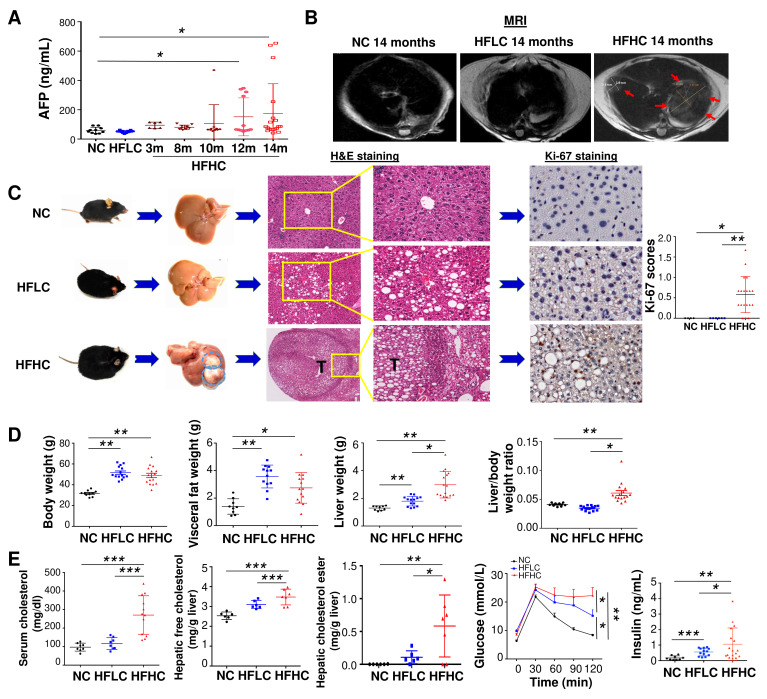
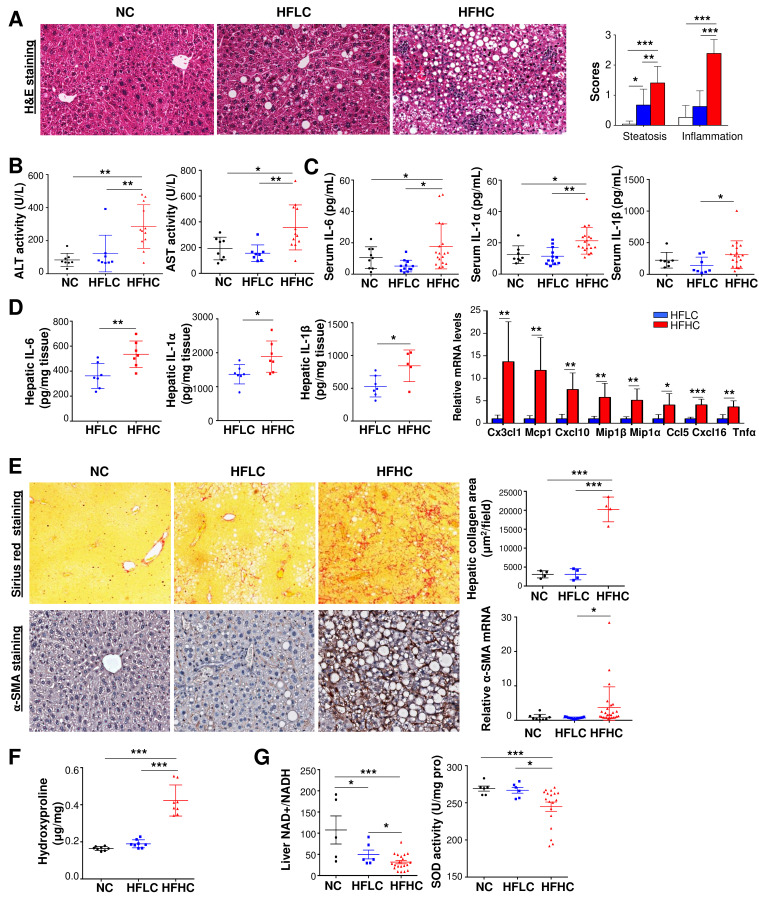
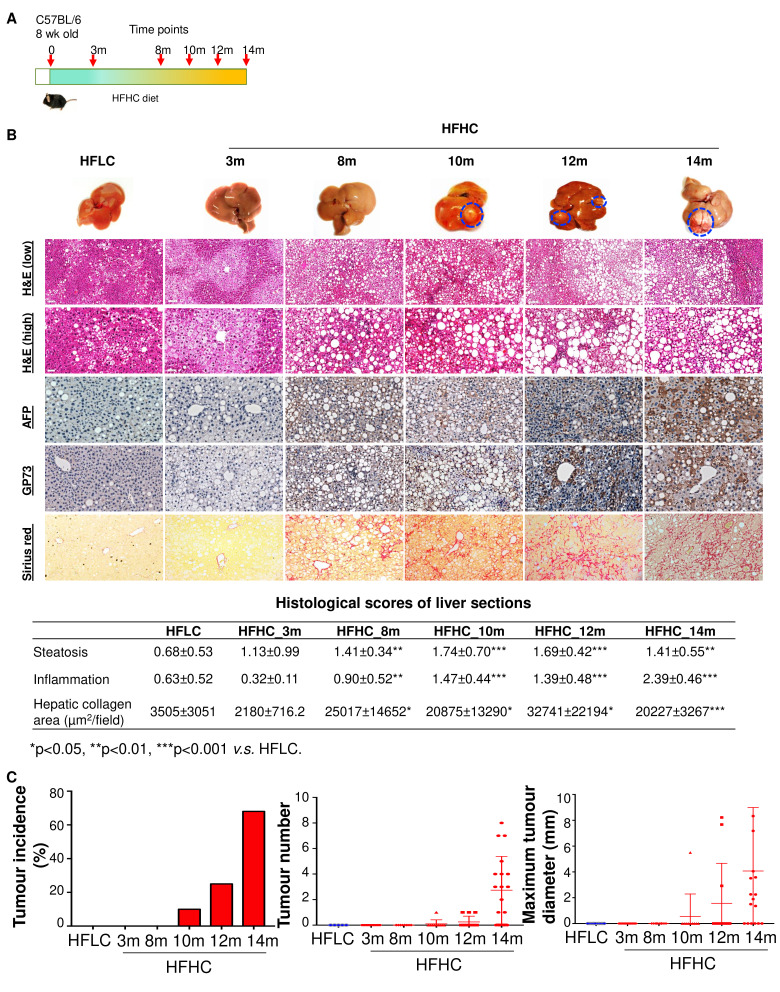
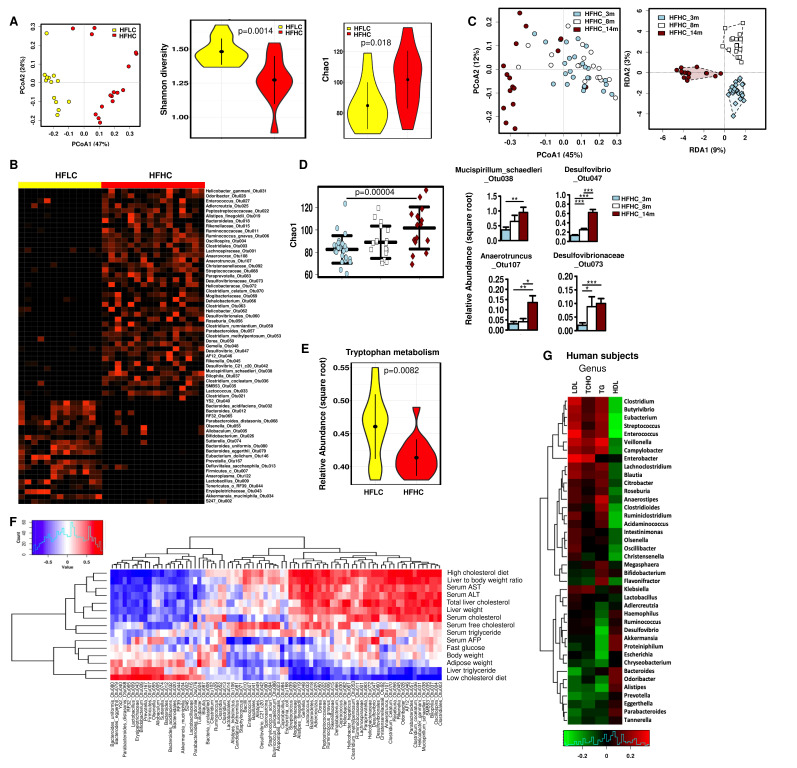
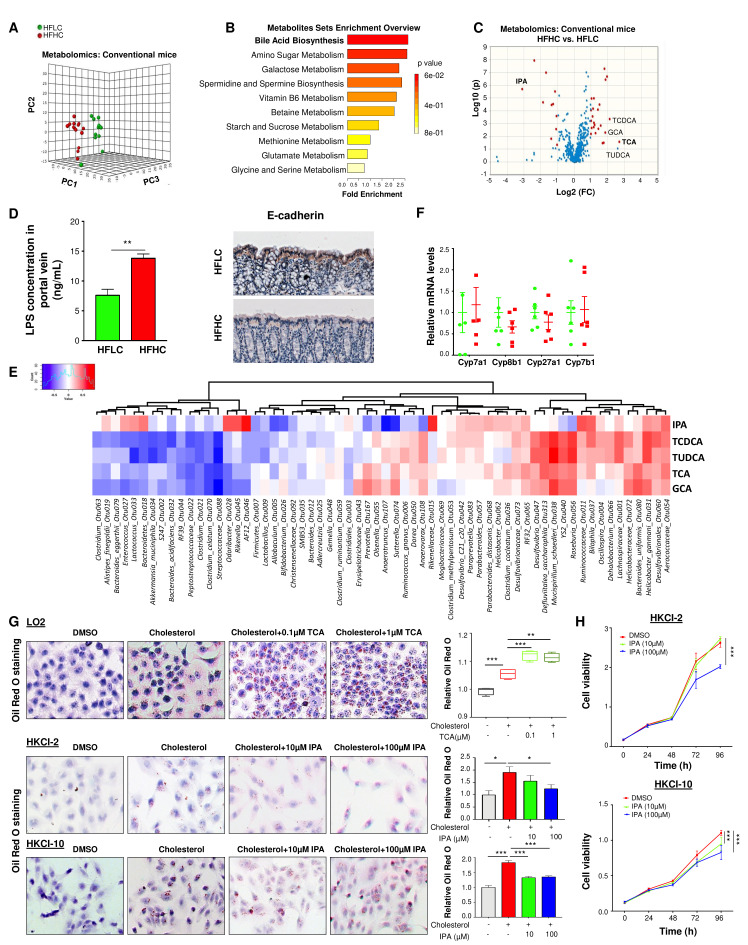
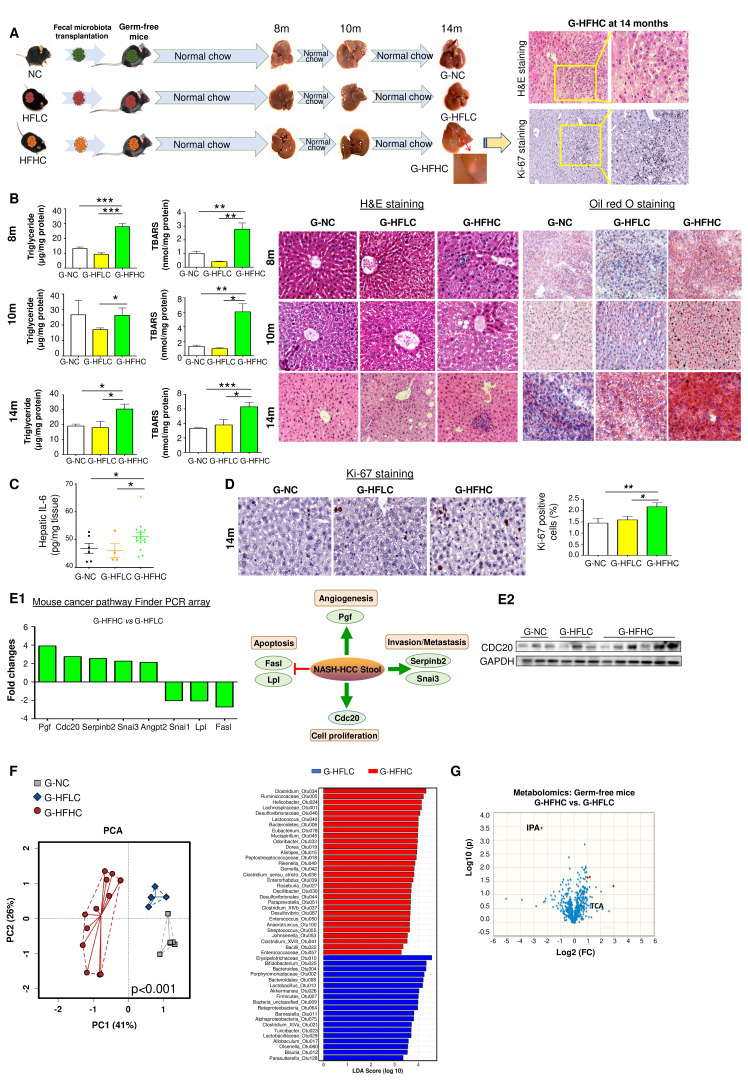
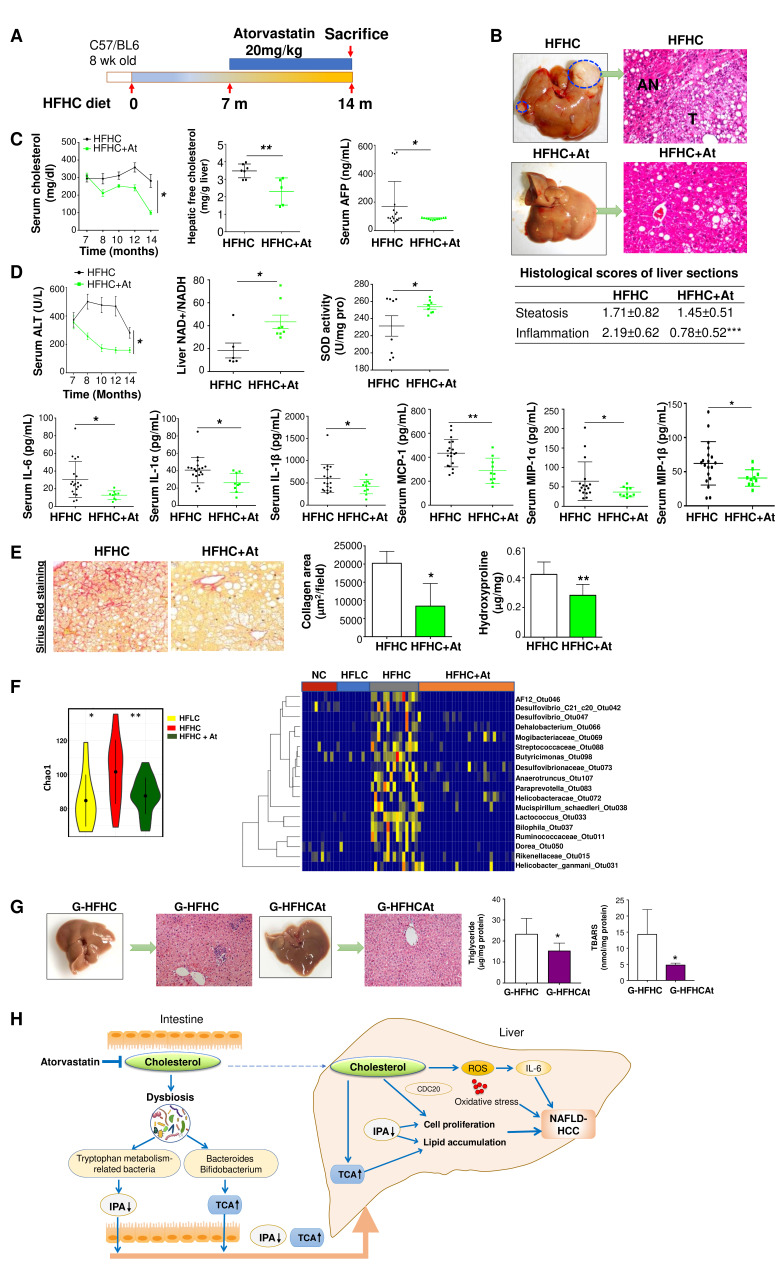
Objective: Non-alcoholic fatty liver disease (NAFLD)-associated hepatocellular carcinoma (HCC) is an increasing healthcare burden worldwide. We examined the role of dietary cholesterol in driving NAFLD–HCC through modulating gut microbiota and its metabolites. Design: High-fat/high-cholesterol (HFHC), high-fat/low-cholesterol or normal chow diet was fed to C57BL/6 male littermates for 14 months. Cholesterol-lowering drug atorvastatin was administered to HFHC-fed mice. Germ-free mice were transplanted with stools from mice fed different diets to determine the direct role of cholesterol modulated-microbiota in NAFLD–HCC. Gut microbiota was analysed by 16S rRNA sequencing and serum metabolites by liquid chromatography–mass spectrometry (LC–MS) metabolomic analysis. Faecal microbial compositions were examined in 59 hypercholesterolemia patients and 39 healthy controls. Results: High dietary cholesterol led to the sequential progression of steatosis, steatohepatitis, fibrosis and eventually HCC in mice, concomitant with insulin resistance. Cholesterol-induced NAFLD–HCC formation was associated with gut microbiota dysbiosis. The microbiota composition clustered distinctly along stages of steatosis, steatohepatitis and HCC. Mucispirillum, Desulfovibrio, Anaerotruncus and Desulfovibrionaceae increased sequentially; while Bifidobacterium and Bacteroides were depleted in HFHC-fed mice, which was corroborated in human hypercholesteremia patients. Dietary cholesterol induced gut bacterial metabolites alteration including increased taurocholic acid and decreased 3-indolepropionic acid. Germ-free mice gavaged with stools from mice fed HFHC manifested hepatic lipid accumulation, inflammation and cell proliferation. Moreover, atorvastatin restored cholesterol-induced gut microbiota dysbiosis and completely prevented NAFLD–HCC development. Conclusions: Dietary cholesterol drives NAFLD–HCC formation by inducing alteration of gut microbiota and metabolites in mice. Cholesterol inhibitory therapy and gut microbiota manipulation may be effective strategies for NAFLD–HCC prevention.
Overview
The claims and statistics of this paper haven’t been checked yet.
Free: it reads the open-access text and checks the first 5 claims that cite a source we can check. Create a free account to check every claim.
Integrity signals
Registry
Cites
Statistics
Figures
Verification
Claims the paper makes
The claims and statistics of this paper haven’t been checked yet.
Free: it reads the open-access text and checks the first 5 claims that cite a source we can check. Create a free account to check every claim.
Claims other papers make about this one
Each is checked against this paper’s own text: does it say what the citing paper says it does?
In the citing paper
“this genus has been associated with the pathogenesis of fatty-liver-associated liver cancer36.”
From Nivolumab plus ipilimumab with or without live bacterial supplementation in metastatic renal cell carcinoma: a randomized phase 1 trial (2022) · cites this paper as [36]
Self-check
Percentages, sums and reported differences re-computed from the paper’s own numbers.
The self-check needs the paper’s full text.
Citations
Cites
Vernon, G., Baranova, A., & Younossi, Z. M. (2011) · Alimentary Pharmacology & Therapeutics · doi:10.1111/j.1365-2036.2011.04724.x · Cited by 3,074 · cited 1×
“27 28 There are evidences that Bifidobacterium has cholesterol-lowering activity through gut microbiota modulation.”
Sayin, S. I., Wahlström, A., Felin, J., Jäntti, S., Marschall, H.-U., Bamberg, K., Angelin, B., Hyötyläinen, T., Orešič, M., & Bäckhed, F. (2013) · Cell Metabolism · doi:10.1016/j.cmet.2013.01.003 · Cited by 2,331
Microbial tryptophan catabolites in health and disease
Roager, H. M., & Licht, T. R. (2018) · Nature Communications · doi:10.1038/s41467-018-05470-4 · Cited by 2,236 · cited 1×
“IPA is a specific metabolite whose production completely depends on tryptophan metabolism by the gut microbiota 18 and characterised as being anti-inflammatory and protective of intestinal barrier integrity.”
Bile acid-microbiota crosstalk in gastrointestinal inflammation and carcinogenesis
Jia, W., Xie, G., & Jia, W. (2018) · Nature Reviews Gastroenterology & Hepatology · doi:10.1038/nrgastro.2017.119 · Cited by 1,924 · cited 2×
“40 Therefore, the decreased Bifidobacterium and Bacteroides in the stool of HFHC-fed mice may account for the accumulated taurine-conjugated bile acids in HFHC-fed mice.”
Zhu, L., Baker, S. S., Gill, C., Liu, W., Alkhouri, R., Baker, R. D., & Gill, S. R. (2013) · Hepatology · doi:10.1002/hep.26093 · Cited by 1,708 · cited 3×
“27 28 There are evidences that Bifidobacterium has cholesterol-lowering activity through gut microbiota modulation.”
Gut microbiome–mediated bile acid metabolism regulates liver cancer via NKT cells
Ma, C., Han, M., Heinrich, B., Fu, Q., Zhang, Q., Sandhu, M., Agdashian, D., Terabe, M., Berzofsky, J. A., Fako, V., et al. (2018) · Science · doi:10.1126/science.aan5931 · Cited by 1,508 · cited 1×
“21 We therefore explored the potential involvement of the gut microbiota in mediating dietary cholesterol-induced NAFLD–HCC.”
Gut microbial metabolites in obesity, NAFLD and T2DM
Canfora, E. E., Meex, R. C. R., Venema, K., & Blaak, E. E. (2019) · Nature Reviews Endocrinology · doi:10.1038/s41574-019-0156-z · Cited by 1,493
A gut bacterial pathway metabolizes aromatic amino acids into nine circulating metabolites
Dodd, D., Spitzer, M. H., Van Treuren, W., Merrill, B. D., Hryckowian, A. J., Higginbottom, S. K., Le, A., Cowan, T. M., Nolan, G. P., Fischbach, M. A., et al. (2017) · Nature · doi:10.1038/nature24661 · Cited by 1,425 · cited 1×
“…and potentially, those of other enriched bile acids to the pathogenesis of cholesterol-induced NAFLD–HCC. Additionally, IPA, which is exclusively produced by commensal gut microbes, 41 42 was depleted in both HFHC-fed conventional mice and germ-free mice transplanted with stools from HFHC-fed mice.”
Venkatesh, M., Mukherjee, S., Wang, H., Li, H., Sun, K., Benechet, A. P., Qiu, Z., Maher, L., Redinbo, M. R., Phillips, R. S., et al. (2014) · Immunity · doi:10.1016/j.immuni.2014.06.014 · Cited by 1,066 · cited 2×
“36 Disruption of bile acid homeostasis alters metabolic homeostasis in the liver and can lead to hepatic inflammation and metabolic diseases including diabetes and NAFLD.”
Gut microbiota and human NAFLD: disentangling microbial signatures from metabolic disorders
Aron-Wisnewsky, J., Vigliotti, C., Witjes, J., Le, P., Holleboom, A. G., Verheij, J., Nieuwdorp, M., & Clément, K. (2020) · Nature Reviews Gastroenterology & Hepatology · doi:10.1038/s41575-020-0269-9 · Cited by 1,063
Cited by
Items 101–200 of 916
Yan, S., Chen, J., Zhu, L., Guo, T., Qin, D., Hu, Z., Han, S., Wang, J., Matias, F. B., Wen, L., et al. (2022) · Food & Function · doi:10.1039/d1fo03464b · Cited by 63
Thomann, A., Wüstenberg, T., Wirbel, J., Knoedler, L.-L., Thomann, P. A., Zeller, G., Ebert, M., Lis, S., & Reindl, W. (2022) · BMC Medicine · doi:10.1186/s12916-022-02550-7 · Cited by 63
“Anaerotruncus species have previously been connected to autoimmune [96] as well as metabolic disorders [97, 98].”
BackgroundLi, C., Cai, C., Wang, C., Chen, X., Zhang, B., & Huang, Z. (2024) · Clinical and Molecular Hepatology · doi:10.3350/cmh.2024.0857 · Cited by 63
Chen, G., Peng, Y., Huang, Y., Xie, M., Dai, Z., Cai, H., Dong, W., Xu, W., Xie, Z., Chen, D., et al. (2023) · Journal of Advanced Research · doi:10.1016/j.jare.2022.10.010 · Cited by 61
Metabolic dysfunction and cancer in HCV: Shared pathways and mutual interactions
Leslie, J., Geh, D., Elsharkawy, A. M., Mann, D. A., & Vacca, M. (2022) · Journal of Hepatology · doi:10.1016/j.jhep.2022.01.029 · Cited by 61
Mechanisms of hepatic and renal injury in lipid metabolism disorders in metabolic syndrome
Rong, J., Zhang, Z., Peng, X., Li, P., Zhao, T., & Zhong, Y. (2024) · International Journal of Biological Sciences · doi:10.7150/ijbs.100394 · Cited by 62
“And the levels of glycine cholate and taurocholate correlated with the severity of portal inflammation, lobular inflammation, steatosis, and hepatocyte ballooning-like lesions, respectively [111, 115, 116].”
BackgroundLiu, W., Shao, T., Tian, L., Ren, Z., Gao, L., Tang, Z., Fang, Z., Yuan, P., Liu, C., Li, J., et al. (2022) · Food & Function · doi:10.1039/d2fo03384d · Cited by 60
Marroncini, G., Naldi, L., Martinelli, S., & Amedei, A. (2024) · Biomedicines · doi:10.3390/biomedicines12071398 · Cited by 60
“Concerning the interaction between immune response and GM, two clinical trials aimed at evaluating FMT in patients with HCC are ongoing.”
BackgroundZhang, R., Yan, Z., Zhong, H., Rong, L., Liu, W., Xiong, S., Liu, Q., & Liu, M. (2024) · Hepatology Communications · doi:10.1097/hc9.0000000000000484 · Cited by 60
“[4,77] In addition to reduced richness and diversity of the microbiome, the breakdown of the intestinal barrier can also lead to intestinal dysbiosis.”
BackgroundLi, D., Yao, Y., Rao, Y., Huang, X., Li, W., You, Z., Guo, Z., Hou, X. S., Su, Y., Varghese, Z., et al. (2022) · Journal of Experimental & Clinical Cancer Research · doi:10.1186/s13046-022-02306-4 · Cited by 59
“Dietary cholesterol caused spontaneous NAFLD–HCC formation by cholesterol-induced gut microbiota changes and metabolomic alterations [10].”
BackgroundBai, Z., Huang, X., Wu, G., Zhang, Y. L., Xu, H., Chen, Y., Yang, H., & Nie, S. (2023) · Food Hydrocolloids · doi:10.1016/j.foodhyd.2023.108670 · Cited by 58
Berberine prevents NAFLD and HCC by modulating metabolic disorders
Lin, X., Zhang, J., Chu, Y., Nie, Q., & Zhang, J. (2024) · Pharmacology & Therapeutics · doi:10.1016/j.pharmthera.2024.108593 · Cited by 57
Jiang, S., Ma, W., Ma, C., Zhang, Z., Zhang, W., & Zhang, J. (2024) · Gut Microbes · doi:10.1080/19490976.2024.2341717 · Cited by 57
Shi, G., Lin, Y., Wu, Y., Zhou, J. C., Cao, L., Chen, J., Li, Y., Tan, N., & Zhong, S. (2022) · Nutrients · doi:10.3390/nu14112199 · Cited by 56
“HFD drives hepatic inflammation by inducing the alteration of gut microbiota and metabolites in mice, especially the increase in DSV abundance; this change was consistent with the increase in the mRNA levels of CD36 and TLR4 [42,43].”
BackgroundInfluentialAssociation between Residential Greenness and Human Microbiota: Evidence from Multiple Countries
Zhang, Y., Fan, S., Zhang, Z., Li, J., Liu, X.-X., Hu, L.-X., Knibbs, L. D., Dadvand, P., Jalaludin, B. B., Browning, M. H. E. M., et al. (2023) · Environmental Health Perspectives · doi:10.1289/ehp12186 · Cited by 56
Hamamah, S., Iatcu, O. C., & Covașă, M. (2024) · Nutrients · doi:10.3390/nu17010143 · Cited by 58
Xu, Y., Huang, X., Huangfu, B., Hu, Y., Xu, J., Gao, R., Huang, K., & He, X. (2023) · Nutrients · doi:10.3390/nu15030743 · Cited by 55
Akkermansia muciniphila: A potential target and pending issues for oncotherapy
Zhao, X., Zhao, J., Li, D., Yang, H., Chen, C., Qin, M., Wen, Z., He, Z., & Xu, L. (2023) · Pharmacological Research · doi:10.1016/j.phrs.2023.106916 · Cited by 53
Luo, Z., Liu, Y., Wang, X., Fan, F., Yang, Z., & Luo, D. (2024) · Biochemical Pharmacology · doi:10.1016/j.bcp.2024.116554 · Cited by 56
He, L., Yao, D.-H., Wang, L., Zhang, L., & Bai, X. (2021) · Frontiers in Microbiology · doi:10.3389/fmicb.2021.761836 · Cited by 56
Diosgenin alleviates nonalcoholic steatohepatitis through affecting liver-gut circulation
Yan, M., Man, S., Liang, Y., Ma, L., Guo, L., Huang, L., & Gao, W. (2022) · Pharmacological Research · doi:10.1016/j.phrs.2022.106621 · Cited by 54
SOAT1 regulates cholesterol metabolism to induce EMT in hepatocellular carcinoma
Fu, R., Xue, W., Liang, J., Li, X., Zheng, J., Wang, L., Zhang, M., & Meng, J. (2024) · Cell Death and Disease · doi:10.1038/s41419-024-06711-9 · Cited by 54
Exploring the Gut Microbiota and Cardiovascular Disease
Murphy, K., O’Donovan, A. N., Caplice, N. M., Ross, R. P., & Stanton, C. (2021) · Metabolites · doi:10.3390/metabo11080493 · Cited by 54
“reported that mice fed a HFHCD had increased Mucispirillum, Desulfovibrio, Anaerotruncus and Desulfovibrionaceae, while Bacteroides and Bifidobacterium were depleted [77].”
BackgroundQuesada‐Vázquez, S., Bone, C., Saha, S., Triguero, I., Colom‐Pellicer, M., Aragonès, G., Hildebrand, F., Bas-Prior, J. M. D., Caimari, A., Beraza, N., et al. (2022) · International Journal of Molecular Sciences · doi:10.3390/ijms232213675 · Cited by 53
“Moreover, Anaerotruncus and Lachnoclostridium, which are described as mucin-degrading bacteria that can impact both glycan composition and mucus thickness participating in the degradation of mucin [59], were increased in NAFLD mice in this study, which correlated with other preclinical studies [60,61], supporting the…”
ResultThe gut microbiota-artery axis: A bridge between dietary lipids and atherosclerosis?
Zhang, Q., Zhang, L., Chen, C., Li, P., & Lu, B. (2022) · Progress in Lipid Research · doi:10.1016/j.plipres.2022.101209 · Cited by 53
Yan, J., Zhang, X., Zhu, K., Yu, M., Liu, Q., Felici, M. D., Zhang, T., Wang, J., & Shen, W. (2024) · Theranostics · doi:10.7150/thno.95197 · Cited by 55
“Furthermore, Desulfovibrio is increased in a rotenone-induced Parkinson's mouse model and in a high-cholesterol-induced non-alcoholic fatty liver mouse model [51, 52].”
BackgroundSelf-citationJian, J., Nie, M., Xiang, B., Qian, H., Yin, C., Zhang, X., Zhang, M. H., Zhu, X., & Xie, W. (2022) · Frontiers in Pharmacology · doi:10.3389/fphar.2022.841132 · Cited by 53
“NASH is a pathogenic factor for end-stage liver diseases such as cirrhosis and hepatocellular carcinoma (HCC) (Kim et al., 2018; Zhang et al., 2021).”
BackgroundSelf-citationAn overview of the cholesterol metabolism and its proinflammatory role in the development of MASLD
Zhang, L., Shi, Y., Liang, B., & Li, X. (2024) · Hepatology Communications · doi:10.1097/hc9.0000000000000434 · Cited by 53
“[118] These data suggest that a HF diet can only induce obesity and simple hepatic steatosis, while the addition of cholesterol to a HF diet can lead to the formation of obese MASLD, including MASH, and also suggest that dietary cholesterol is an essential factor for the development of the entire…”
BackgroundZhang, X., Lau, H. C.-H., Ha, S., Liu, C., Liang, C., Lee, H. W., Ng, Q. W.-Y., Zhao, Y., Ji, F., Zhou, Y., et al. (2025) · Nature Metabolism · doi:10.1038/s42255-024-01177-7 · Cited by 53
Self-citationUtility of Human Relevant Preclinical Animal Models in Navigating NAFLD to MAFLD Paradigm
Chua, D., Low, Z. S., Cheam, G. X., Ng, A. S., & Tan, N. S. (2022) · International Journal of Molecular Sciences · doi:10.3390/ijms232314762 · Cited by 52
Jiang, H., Zeng, W. G., Zhang, X., Li, Y., Wang, Y., Peng, A., & Cao, D. (2024) · Frontiers in Cellular and Infection Microbiology · doi:10.3389/fcimb.2023.1211855 · Cited by 52
“The intestinal microbiome can in fl uence gastrointestinal tumors (Yang et al., 2022) and has been associated with various extraintestinal tumors (Zhang et al., 2021; Jiang et al., 2022).”
BackgroundSelf-citationCao, Y.-J., Huang, Z., You, S.-Z., Guo, W., Zhang, F., Liu, B., Lv, X., Lin, Z., & Liu, P. (2022) · Foods · doi:10.3390/foods11070949 · Cited by 50
Ahmed, E., El-Derany, M. O., Anwar, A. M., Saied, E. M., & Magdeldin, S. (2022) · International Journal of Molecular Sciences · doi:10.3390/ijms24010210 · Cited by 50
“Cholesterol is considered the primary lipotoxic molecule that promotes the progression of NASH and liver cancer [32,33].”
BackgroundZeng, F., Su, X., Liang, X., Liao, M., Zhong, H., Xu, J., Gou, W., Zhang, X., Shen, L., Zheng, J., et al. (2024) · BMC Medicine · doi:10.1186/s12916-024-03317-y · Cited by 50
“A prior animal model suggested that high plasma taurocholic acid levels may aggravate cholesterol-induced triglyceride accumulation in the human normal immortalized hepatocyte cell line LO2, thus promoting the progression of non-alcoholic steatohepatitis—hepa-tocellular carcinoma [60].”
BackgroundSelf-citationJiang, Y., Wu, L., Zhu, X., Bian, H., Gao, X., & Xia, M. (2024) · Lipids in Health and Disease · doi:10.1186/s12944-024-02092-2 · Cited by 52
“Moreover, dietary fat, especially cholesterol, can modulate gut microbiota and bile acid profiles, thus driving the progression of MASLD [32].”
BackgroundInfluence of the gut microbiota on immune cell interactions and cancer treatment
Liu, C., Fu, L., Wang, Y., & Yang, W. (2024) · Journal of Translational Medicine · doi:10.1186/s12967-024-05709-3 · Cited by 50
“Sulfate-reducing bacteria, such as Desulfo-vibrio , can transform primary bile acids into secondary bile acids, such as lithocholic acid and deoxycholic acid, which are associated with carcinogenicity [6].”
BackgroundSelf-citationWu, S., Wen, F., Zhong, X., Du, W., Chen, M., & Wang, J. (2023) · Annals of Medicine · doi:10.1080/07853890.2023.2216942 · Cited by 50
“A previous study found that Mucispirillum and Anaerotruncus increased in high-fat/high-cholesterol-fed mice, which was corroborated in human hypercholesteremia patients [47].”
ResultGut Microbiota and Tumor Immune Escape: A New Perspective for Improving Tumor Immunotherapy
He, Y., Huang, J., Li, Q., Xia, W., Zhang, C., Liu, Z., Xiao, J., Yi, Z., Deng, H., Xiao, Z., et al. (2022) · Cancers · doi:10.3390/cancers14215317 · Cited by 50
“High cholesterol diet can induce dysbiosis of the microbiota, leading to the progression of hepatocellular carcinoma (HCC).”
BackgroundInfluentialDysbiosis and extraintestinal cancers
He, R., Qi, P., Shu, L.-Z., Ding, Y., Zeng, P., Wen, G., Xiong, Y., & Deng, H. (2025) · Journal of Experimental & Clinical Cancer Research · doi:10.1186/s13046-025-03313-x · Cited by 49
Zhao, X., Fu, Z., Yao, M., Cao, Y., Zhu, T., Mao, R., Huang, M., Pang, Y., Meng, X., Li, L., et al. (2021) · Food Science & Nutrition · doi:10.1002/fsn3.2689 · Cited by 50
Ran, X., Hu, G., He, F., Li, K., Li, F., Xu, D., Liu, J., & Fu, S. (2022) · Journal of Agricultural and Food Chemistry · doi:10.1021/acs.jafc.2c04406 · Cited by 49
iNetModels 2.0: an interactive visualization and database of multi-omics data
Arif, M., Zhang, C., Li, X., Güngör, C., Çakmak, B., Arslantürk, M., Tebani, A., Özcan, B., Subaş, O., Zhou, W., et al. (2021) · Nucleic Acids Research · doi:10.1093/nar/gkab254 · Cited by 48
“We also found that the levels of both L-Serine and L-Cysteine were negatively correlated with the abundance of Desulfovibrionaceae family, which was increased with the severity of NAFLD (27).”
BackgroundInfluentialJi, G., Si, X., Dong, S., Xu, Y., Li, M., Yang, B., Tang, Z., Fang, X., Huang, L., Song, W., et al. (2021) · Nano Letters · doi:10.1021/acs.nanolett.1c01360 · Cited by 46
Escherichia coli and Colorectal Cancer: Unfolding the Enigmatic Relationship
Rezaee, M. A., Nouri, R., Hasani, A., Shirazi, K. M., Alivand, M. R., Sepehri, B., Sotoodeh, S., & Hemmati, F. (2021) · Current Pharmaceutical Biotechnology · doi:10.2174/1389201022666210910094827 · Cited by 48
Hepatocellular Carcinoma in Non-alcoholic Fatty Liver Disease: Current Progresses and Challenges
Teng, Y., Xie, S., Guo, P.-P., Deng, Z., Zhang, Z., Gao, W., Zhang, W., & Zhong, J. (2022) · Journal of Clinical and Translational Hepatology · doi:10.14218/jcth.2021.00586 · Cited by 48
CSN6‐SPOP‐HMGCS1 Axis Promotes Hepatocellular Carcinoma Progression via YAP1 Activation
Li, K., Zhang, J., Lyu, H., Yang, J., Wei, W., Wang, Y., Luo, H., Zhang, Y., Jiang, X. J., Yi, H., et al. (2024) · Advanced Science · doi:10.1002/advs.202306827 · Cited by 47
Self-citationThe contribution of the gut-liver axis to the immune signaling pathway of NAFLD
Liu, J., Wu, A., Cai, J., She, Z., & Li, H. (2022) · Frontiers in Immunology · doi:10.3389/fimmu.2022.968799 · Cited by 48
Wang, R., Gu, Z., Wang, Y., Yin, X., Liu, W., Chen, W., Huang, Y., Wu, J., Yang, S., Feng, L., et al. (2022) · Advanced Functional Materials · doi:10.1002/adfm.202206670 · Cited by 48
Self-citationQiu, Y., Xu, J., Liao, W., Wen, Y., Jiang, S., Wen, J., & Zhao, C. (2023) · Journal of Advanced Research · doi:10.1016/j.jare.2023.04.008 · Cited by 46
“The microbiome and its metabolome are closely related to HCC [46].”
BackgroundThe role of gut microbiota, exosomes, and their interaction in the pathogenesis of ALD
Cheng, Z., Yang, L., & Chu, H. (2024) · Journal of Advanced Research · doi:10.1016/j.jare.2024.07.002 · Cited by 47
“A plethora of research has reported that the gut dysbiosis was intimately related to multiple diseases, including inflammatory bowel disease, cardiovascular disease, and type 2 diabetes [88–90].”
Çebi, M., & Yilmaz, Y. N. (2025) · Frontiers in Immunology · doi:10.3389/fimmu.2025.1575770 · Cited by 46
“The resultant in fl ammation exacerbates liver injury and accelerates the progression of MASLD (167, 168).”
Wang, S., Yin, J., Liu, Z., Liu, X., Tian, G., Xin, X., Qin, Y., & Feng, X. (2024) · Life Sciences · doi:10.1016/j.lfs.2024.123211 · Cited by 46
Jiménez-González, C., Alonso‐Peña, M., Vélez, P. A., Crespo, J., & Iruzubieta, P. (2025) · Nutrients · doi:10.3390/nu17091580 · Cited by 46
“Mice fed high-fat, high-fructose, or choline-deficient diets develop microbiota alterations similar to those observed in human MASLD, including increased Pseudomonadota and reduced butyrate-producing taxa [115,136,137].”
Lu, Y., Yuan, H., Liang, S., Li, D., Jiang, P., Wang, X., Zhang, K., & Liu, D. (2025) · Frontiers in Immunology · doi:10.3389/fimmu.2025.1603658 · Cited by 45
“This shifts metabolite pro fi les toward immunosuppressive bile acids (TCA) and reduced IPA, promoting MDSC accumulation and impairing hepatic immunosurveillance in non-alcoholic fatty liver disease-related hepatocellular carcinoma (NAFLD-HCC) (243, 310).”
Yan, J., Chen, Q., Tian, L., Li, K., Lai, W., Bian, L., Han, J., Jia, R., Liu, X., & Xi, Z. (2022) · The Science of The Total Environment · doi:10.1016/j.scitotenv.2022.153279 · Cited by 45
Immunological mechanisms in steatotic liver diseases: An overview and clinical perspectives
Yan, M., Man, S., Ma, L., Guo, L., Huang, L., & Gao, W. (2024) · Clinical and Molecular Hepatology · doi:10.3350/cmh.2024.0315 · Cited by 44
Zhang, S., Ren, X., Zhang, B., Lan, T., & Liu, B. (2024) · Molecules · doi:10.3390/molecules29081859 · Cited by 44
“There have been researchers who have associated statins with NAFLD through the intestinal microbiota [155].”
BackgroundHow Diet and Lifestyle Can Fine-Tune Gut Microbiomes for Healthy Aging
Tamayo, M., Olivares, M., Ruas‐Madiedo, P., Margollés, A., Espín, J. C., Medina, I., Moreno-Arribas, M. V., Canals, S., Mirasso, C. R., Ortín, S., et al. (2024) · Annual Review of Food Science and Technology · doi:10.1146/annurev-food-072023-034458 · Cited by 44
Understanding gut dysbiosis for hepatocellular carcinoma diagnosis and treatment
Yu, J., Chen, X., Yang, X., & Zhang, B. (2024) · Trends in Endocrinology and Metabolism · doi:10.1016/j.tem.2024.06.003 · Cited by 44
“…microbiota in the progression of MASLD-HCC via FMT because germfree mice gavaged with feces from mice on a high-fat, high-cholesterol diet exhibited lipid accumulation, in fl ammation, and cell proliferation in the liver, thereby implicating dietary cholesterol as a driver of MASLD-HCC [87].”
BackgroundSelf-citationZheng, Y., Hou, J., Guo, S., & Song, J. (2025) · Diabetology & Metabolic Syndrome · doi:10.1186/s13098-025-01589-9 · Cited by 43
Gut microbiota–mitochondrial inter-talk in non-alcoholic fatty liver disease
Zhang, Q., Xing, W., Wang, Q., Tang, Z., Wang, Y., & Gao, W. (2022) · Frontiers in Nutrition · doi:10.3389/fnut.2022.934113 · Cited by 43
“However, the microbiome signature differed between patients with NAFLD-cirrhosis and NAFLD-HCC.”
BackgroundMethodResultInfluentialSelf-citationZhu, M., Dagah, O. M. A., Silaa, B. B., & Lu, J. (2023) · Antioxidants · doi:10.3390/antiox12091680 · Cited by 42
Liu, X., Pan, Y., Shen, Y., Liu, H., Zhao, X., Li, J., & Ma, N. (2022) · Frontiers in Veterinary Science · doi:10.3389/fvets.2022.862006 · Cited by 43
“Evidence demonstrated that Desulfovibrio was strongly correlated with obesity, metabolic syndrome, and inflammation, and increased Desulfovibrio was reported in C57BL/6 mice with NAFLD (41), supporting the changes of Desulfovibrio in this study.”
ResultMicrobial metabolites are involved in tumorigenesis and development by regulating immune responses
Liu, J., Tian, R., Sun, C., Guo, Y., Dong, L., Li, Y., & Song, X. (2023) · Frontiers in Immunology · doi:10.3389/fimmu.2023.1290414 · Cited by 41
“In the future, the microbiome and its metabolites will remain one of the most promising fi elds in cancer research and are highly likely to be effective targets for cancer prevention and treatment.”
BackgroundThe Role of Cannabidiol in Liver Disease: A Systemic Review
Chen, S., & Kim, J.-K. (2024) · International Journal of Molecular Sciences · doi:10.3390/ijms25042370 · Cited by 42
Fu, H., Tang, B., Lang, J., Du, Y., Cao, B., Jin, L., Fang, M., Hu, Z., Cheng, C., Liu, X., et al. (2020) · Frontiers in Nutrition · doi:10.3389/fnut.2020.585306 · Cited by 41
“As demonstrated by previous studies, macrophages are in close interaction with enteric microbiota, which contributes to carcinogenesis and affects treatment outcomes (16, 17).”
ResultThe interplay between nonalcoholic fatty liver disease and atherosclerotic cardiovascular disease
Finney, A. C., Das, S., Kumar, D., McKinney, M. P., Cai, B., Yurdagul, A., & Rom, O. (2023) · Frontiers in Cardiovascular Medicine · doi:10.3389/fcvm.2023.1116861 · Cited by 40
“, induced steatohepatitis with fibrosis and hepatocellular carcinoma following 14 months of high-fat, high-cholesterol feeding in C57BL/6 mice (89).”
BackgroundHuang, Y., Cao, J., Zhu, M., Wang, Z., Jin, Z., & Xiong, Z. (2024) · Microbiology Spectrum · doi:10.1128/spectrum.03393-23 · Cited by 40
“Previous studies associated Desulfovibrionaceae with diabetes, overweight, NAFLD, and other metabolic diseases (46–48).”
BackgroundYou, L., Wang, T., Li, W., Zhang, J., Zheng, C., Zheng, Y., Li, S., Shang, Z., Lin, J., Wang, F., et al. (2024) · Journal of Ethnopharmacology · doi:10.1016/j.jep.2024.118165 · Cited by 40
Gorelick, J., Assa-Glazer, T., Zandani, G., Altberg, A., Sela, N., Nyska, A., & Madar, Z. (2022) · Journal of Cannabis Research · doi:10.1186/s42238-022-00137-w · Cited by 40
Liver Protective Effect of Fenofibrate in NASH/NAFLD Animal Models
Mahmoudi, A. A., Moallem, S. A., Johnston, T. P., & Sahebkar, A. (2022) · PPAR Research · doi:10.1155/2022/5805398 · Cited by 40
Zhang, K., Wang, P., Huang, W., Tang, S.-H., Xue, H., Wu, H., Zhang, Y., Yu, R., Dong, S., Chen, J., et al. (2024) · Nature Communications · doi:10.1038/s41467-024-52262-0 · Cited by 39
Chen, L., Kan, J., Zheng, N., Li, B., Hong, Y., Yan, J., Tao, X., Wu, G., Ma, J., Zhu, W., et al. (2021) · Phytomedicine · doi:10.1016/j.phymed.2021.153693 · Cited by 39
Yang, H., Arif, M., Yuan, M., Li, X., Shong, K. E., Türkez, H., Nielsen, J., Uhlén, M., Borén, J., Zhang, C., et al. (2021) · iScience · doi:10.1016/j.isci.2021.103222 · Cited by 39
“Validation of topological features in an HCC cohort Given that NAFLD has emerged as the fastest-growing cause of HCC (Huang et al., 2021; Ray, 2018), we next investigated whether the expression of the genes in NAFLD disease-associated modules, especially genes iScience 24, 103222, November 19, 2021 7 with high-connect…”
BackgroundInfluentialZhou, Y., Li, R., Zheng, Y., Song, M., Zhang, S., Sun, Y., Wei, M., & Fan, X. (2022) · Frontiers in Pharmacology · doi:10.3389/fphar.2022.854790 · Cited by 39
“…MG significantly increased the levels of glycocholic acid, glycoursodeoxycholic acid, and UDCA, while diosgenin could not change these three bile acids compared to MG. Diosgenin down-regulated taurocholic acid, which has been reported to be increased in NAFLD mice (Xiang Zhang et al., 2021).”
BackgroundSun, L., Tan, X., Liang, X., Chen, H., Ou, Q., Wu, Q., Yu, X., Zhao, H., Huang, Q., Yi, Z., et al. (2023) · Nutrients · doi:10.3390/nu15020284 · Cited by 39
“Animal experiment also found that the Desulfovibrio richness increased along NAFLD–HCC progression [37].”
BackgroundGao, X., Lin, X., Yan, X., Zhu, X., Li, X., Chen, M., Huang, Z., & Guo, H. (2023) · The Journal of Nutritional Biochemistry · doi:10.1016/j.jnutbio.2023.109347 · Cited by 39
The role of the symbiotic microecosystem in cancer: gut microbiota, metabolome, and host immunome
Xue, X., Li, R., Chen, Z., Li, G., Liu, B., Guo, S., Yue, Q., Yang, S., Xie, L., Zhang, Y., et al. (2023) · Frontiers in Immunology · doi:10.3389/fimmu.2023.1235827 · Cited by 39
“For instance, specific bacteria have been implicated as pathogenic factors in gastric cancer, while changes in the intestinal microbiota and metabolites induced by dietary cholesterol drive NAFLD-HCC (non-alcoholic fatty liver disease-liver cancer) (17).”
Backgroundde la Garza, A. L., Martínez-Tamez, A. M., Mellado-Negrete, A., Arjonilla-Becerra, S., Peña-Vázquez, G. I., Marín‐Obispo, L. M., & Hernández‐Brenes, C. (2022) · Nutrients · doi:10.3390/nu15010086 · Cited by 38
“In addition, it has been seen that shifts in gut microbiota can lead to an obesity-associated metabotype due to alterations in the host–microbiome lipid co-metabolism [15].”
BackgroundChen, P., Yang, C., Ren, K., Xu, M., Pan, C., Ye, X., & Li, L. (2024) · Frontiers in Immunology · doi:10.3389/fimmu.2024.1504948 · Cited by 38
Ghosh, S., Yang, X., Wang, L., Zhang, C., & Zhao, L. (2021) · Computational and Structural Biotechnology Journal · doi:10.1016/j.csbj.2020.12.011 · Cited by 38
“Recently, a cholesterollowering drug was reported to prevent the development of NAFLD-associated liver cancer by modulating the gut microbiota, thus the cholesterol-lowering effect of prebiotic reported in this study might potentially help in preventing liver injury [68].”
BackgroundSelf-citationDiet and gut microbiome in fatty liver and its associated liver cancer
Pan, Y., & Zhang, X. (2021) · Journal of Gastroenterology and Hepatology · doi:10.1111/jgh.15713 · Cited by 40
Self-citationZhao, Y., He, Z., Hao, W., Zhu, H., Liu, J., Ma, K. Y., He, W., & Chen, Z. (2021) · Food & Function · doi:10.1039/d1fo02906a · Cited by 38
Tian, G., Wang, W., Xia, E., Chen, W., & Zhang, S. (2023) · Frontiers in Cellular and Infection Microbiology · doi:10.3389/fcimb.2023.1078447 · Cited by 38
Gao, B., Shi, X., Li, S., Xu, W., Gao, N., Shan, J., & Shen, W. (2023) · Ecotoxicology and Environmental Safety · doi:10.1016/j.ecoenv.2023.114737 · Cited by 38
Liao, J., Cao, Y., Zhao, J., Yu, B., Wang, Y., Li, W., Li, H., Lv, S., Wen, W., Cui, H., et al. (2023) · Phytomedicine · doi:10.1016/j.phymed.2023.154937 · Cited by 37
Self-citationLi, Z., Wang, Y., Xing, R. S., Zeng, H., Yu, X.-J., Zhang, Y., Xu, J., & Zheng, L. (2023) · Cancer Immunology Research · doi:10.1158/2326-6066.cir-22-0907 · Cited by 37
Self-citationDietary macro and micronutrients associated with MASLD: Analysis of a national US cohort database
Nemer, M., Osman, F., & Said, A. (2024) · Annals of Hepatology · doi:10.1016/j.aohep.2024.101491 · Cited by 38
An, L., & Li, Z. (2025) · Biomarker Research · doi:10.1186/s40364-025-00844-5 · Cited by 38
“Mechanisti-cally, dietary cholesterol-induced bile acid synthesis and downregulation of the tryptophan metabolite indole-3-propionic acid compromise gut barrier function, exacerbating hepatic triglyceride accumulation and driving NAFLD-HCC progression [84].”
InfluentialThe Emerging Factors and Treatment Options for NAFLD-Related Hepatocellular Carcinoma
Zhang, C., & Yang, M. J. (2021) · Cancers · doi:10.3390/cancers13153740 · Cited by 37
Zhang, K.-K., Liu, J.-L., Chen, L., Li, J.-H., Yang, J.-Z., Xu, L., Chen, Y.-K., Zhang, Q.-Y., Li, X., Liu, Y., et al. (2022) · Food and Chemical Toxicology · doi:10.1016/j.fct.2022.113208 · Cited by 38
Multi-Omics Reveals Inhibitory Effect of Baicalein on Non-Alcoholic Fatty Liver Disease in Mice
Li, P., Hu, J., Zhao, H., Feng, J., & Chai, B. (2022) · Frontiers in Pharmacology · doi:10.3389/fphar.2022.925349 · Cited by 37
“The abundance of Anaerotruncus and Mucispirillum were proved increased in high-fat/high-cholesterol–fed mice and related to NAFLDassociated hepatocellular carcinoma development (Zhang et al., 2021).”
BackgroundMicrobiome and Metabolomics in Liver Cancer: Scientific Technology
Ganesan, R., Yoon, S. J., & Suk, K. T. (2022) · International Journal of Molecular Sciences · doi:10.3390/ijms24010537 · Cited by 37
“HFHC-induced NAFLD-HCC Mucispirillum↑, Desulfovibrio↑, Anaerotruncus↑, Desulfovibrionaceae↑, Bifidobacterium↓, Bacteroides↓ [114]”
Hu, D., Hou, M., Song, P., Qu, C., Feng, Y., Wu, X., & Ni, Y. (2023) · Poultry Science · doi:10.1016/j.psj.2023.103270 · Cited by 38
“Germ-free mice transplanted with the intestinal fl ora of NAFLD mice induced by HFD also developed fatty liver even under a normal diet (Zhang et al., 2021).”
BackgroundZhang, F., Lo, E. K. K., Chen, J., Wang, K., Felicianna, Ismaiah, M. J., Leung, H. K. M., Zhao, D., Lee, J. C., & El-Nezami, H. S. (2024) · Journal of Agricultural and Food Chemistry · doi:10.1021/acs.jafc.3c08910 · Cited by 36
Western diet influences on microbiome and carcinogenesis
Newsome, R. C., Yang, Y., & Jobin, C. (2023) · Seminars in Immunology · doi:10.1016/j.smim.2023.101756 · Cited by 37
Gut‑liver axis in liver disease: From basic science to clinical treatment (Review)
Wang, J., Wang, X., Zhuo, E., Chen, B., & Chan, S. (2024) · Molecular Medicine Reports · doi:10.3892/mmr.2024.13375 · Cited by 35
Monti, E., Vianello, C., Leoni, I., Galvani, G., Lippolis, A., D’Amico, F., Roggiani, S., Stefanelli, C., Turroni, S., & Fornari, F. (2025) · Cells · doi:10.3390/cells14020084 · Cited by 36
“An outstanding study by Zhang and coworkers demonstrated that the anti-cholesterol drug atovarstatin was able to prevent HCC onset in mice fed an HFHC diet by modulating the GM [129].”
Tissue metabolic profiling reveals major metabolic alteration in colorectal cancer
Shen, Y., Sun, M., Zhu, J. W., Wei, M., Li, H., Zhao, P., Wang, J., Li, R., Tian, L., Tao, Y., et al. (2021) · Molecular Omics · doi:10.1039/d1mo00022e · Cited by 35
Zhang, Y., Liu, W., Zhang, D., Yang, Y., Wang, X., & Li, L. (2021) · Frontiers in Nutrition · doi:10.3389/fnut.2021.694936 · Cited by 36
“Taking the genus Mucispirillum as an example, it was identified to be associated with inflammatory bowel disease (43) or other inflammatory diseases (44), whereas it was also reported to be related to a healthier state of gut microbiota (45).”
Background
Metadata
- Authors
- Zhang, X., Coker, O. O., Chu, E. S., Fu, K., Lau, H. C. H., Wang, Y.-X., Chan, A. W. H., Wei, H., Yang, X., Sung, J. J. Y., & Yu, J.
- Affiliations
- Chinese University of Hong Kong (HK)
- Department of Imaging and Interventional Radiology, The Chinese University of Hong Kong, Hong Kong SAR, China
- Army Medical University (CN)
- Yale University (US)
- Corresponding author
- Yu, Jun
- ORCID
- Venue
- Gut
- Publisher
- BMJ
- Published
- 2020-07-21
- Volume
- 70
- Issue
- 4
- Pages
- 761-774
- ISSN
- 0017-5749 (ISSN-L)
- 1468-3288
- PMC
- PMC7948195
- OpenAlex
- W3045114299
- Cited by
- 841
- References
- 43
- Citations by year
- 2026: 94 · 2025: 180 · 2024: 218 · 2023: 155 · 2022: 139 · 2021: 51 · 2020: 4
- FWCI
- 28.28
- Type
- journal article
- Language
- en
- Open access
- hybrid
- doi.org
- Licence
- Locations
- Gut (publishedVersion, cc-by-nc)
- PubMed Central (publishedVersion, cc-by-nc)
- PubMed (publishedVersion)
- Funders
- Vice-Chancellor's Discretionary Fund CUHK
- CUHK direct grant for research
- RGC Theme-based Research Scheme Hong Kong (T12-703/19-R)
- RGC Collaborative Research Fund (C4041-17GF, C7026-18G, C7065-18G)
- Guangdong Natural Science Foundation (2018B030312009)
- Topics
- Life Sciences › Biochemistry, Genetics and Molecular Biology › Molecular Biology › Gut microbiota and health
- Health Sciences › Medicine › Hepatology › Liver Disease Diagnosis and Treatment
- Life Sciences › Biochemistry, Genetics and Molecular Biology › Cancer Research › Cancer, Lipids, and Metabolism
- Keywords
- dietary cholesterol, non-alcoholic fatty liver disease, hepatocellular carcinoma, gut dysbiosis, microbial metabolites, taurocholate, 3-indolepropionic acid, atorvastatin, hypercholesterolemia, steatohepatitis, liver fibrosis, insulin resistance, Desulfovibrio, Bacteroides, Bifidobacterium, Mucispirillum, hepatic lipid accumulation, cell proliferation
- MeSH terms
- Atorvastatin, Gastrointestinal Microbiome, Fecal Microbiota Transplantation, Animals, Cholesterol, Dietary, Carcinoma, Hepatocellular, Liver Neoplasms, Male, Mice, Inbred C57BL, Case-Control Studies, Disease Progression, Mice, Non-alcoholic Fatty Liver Disease
About these checks
Registry, retraction, Cites and statistics results are computed, not judged, with one exception: a printed reference that no index lists is read once by a model before it counts as a citation error. Claims are extracted by a model and kept only when their quote appears verbatim in the text; each cited source is then checked, with a model’s help, for whether it says what the claim relies on. Those verdicts can be wrong — read the claim’s quote and the cited source before relying on one.
Statistics and arithmetic are recomputed, not judged.
Confidence bands are shown only for fields calibrated on our annotated test set. None is calibrated yet, so no band is shown.
What counts as a claim ›How we measure confidence ›How we check this ›
Are you an author, or do you see a problem with this page? Request a review
Data sources
Bibliographic data: Semantic Scholar, OpenAlex, Crossref.
Contains information from the Semantic Scholar Academic Graph Datasets, made available under the ODC Attribution License (ODC-BY 1.0).
Semantic Scholar’s data is described in: Kinney, R., et al. (2023). The Semantic Scholar Open Data Platform. arXiv:2301.10140.
