

Dietary cholesterol drives fatty liver-associated liver cancer by modulating gut microbiota and metabolites
Open accessThe DOI matches its Crossref record; 43 of the 43 references it cites were found in a registry or an index.
Abstract
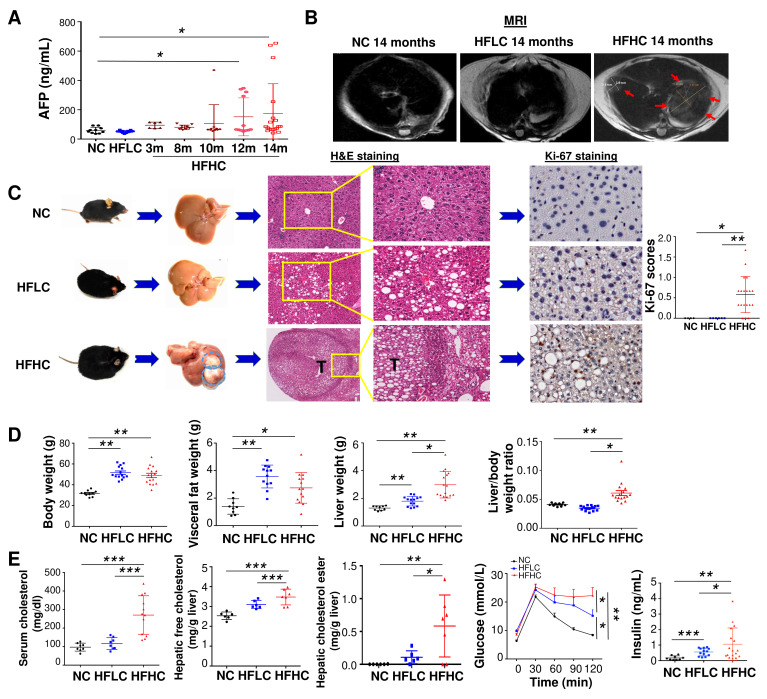
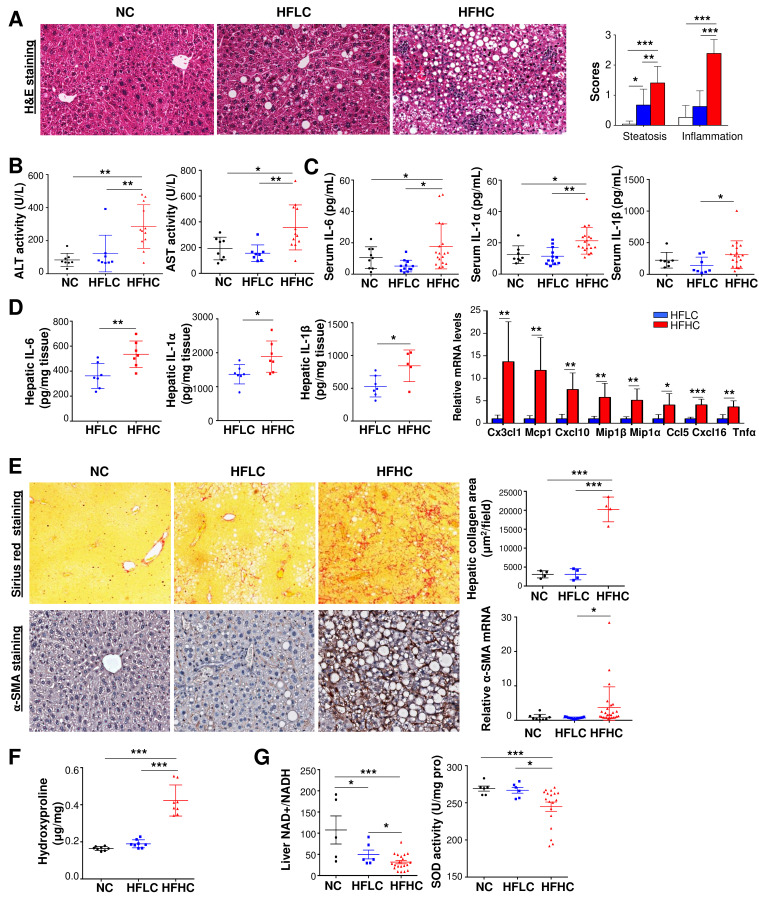
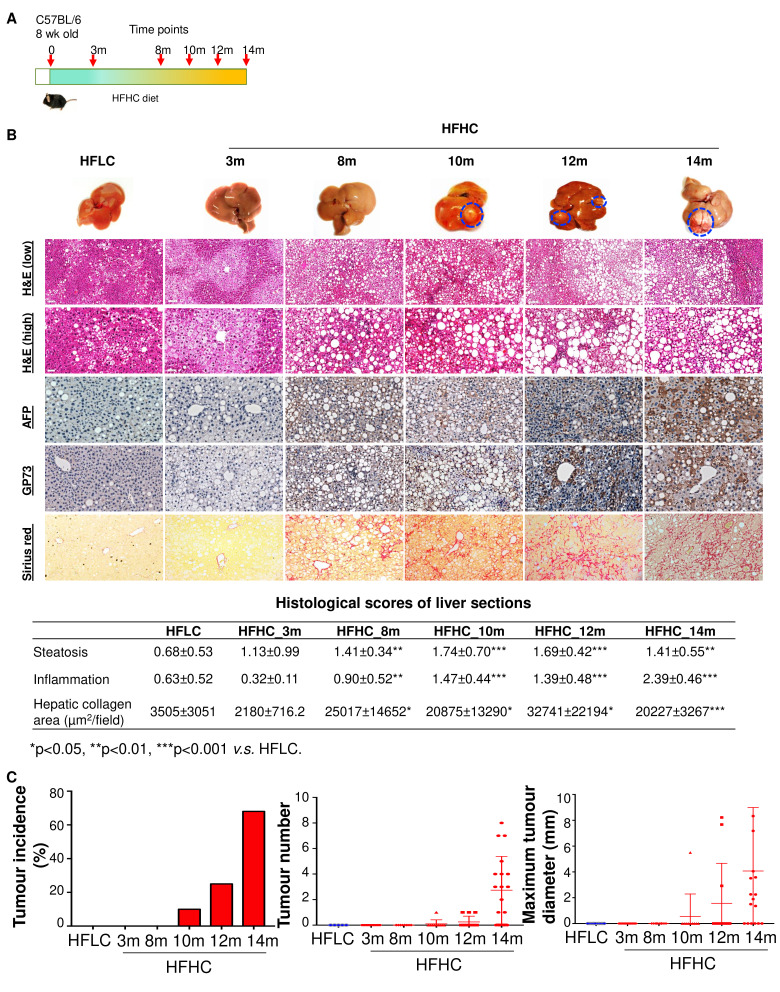
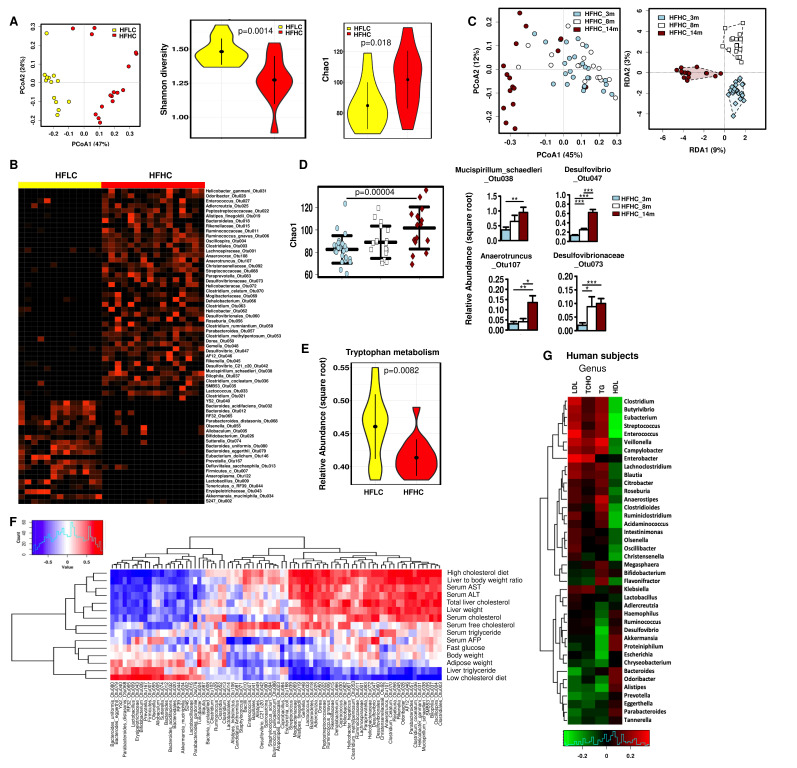
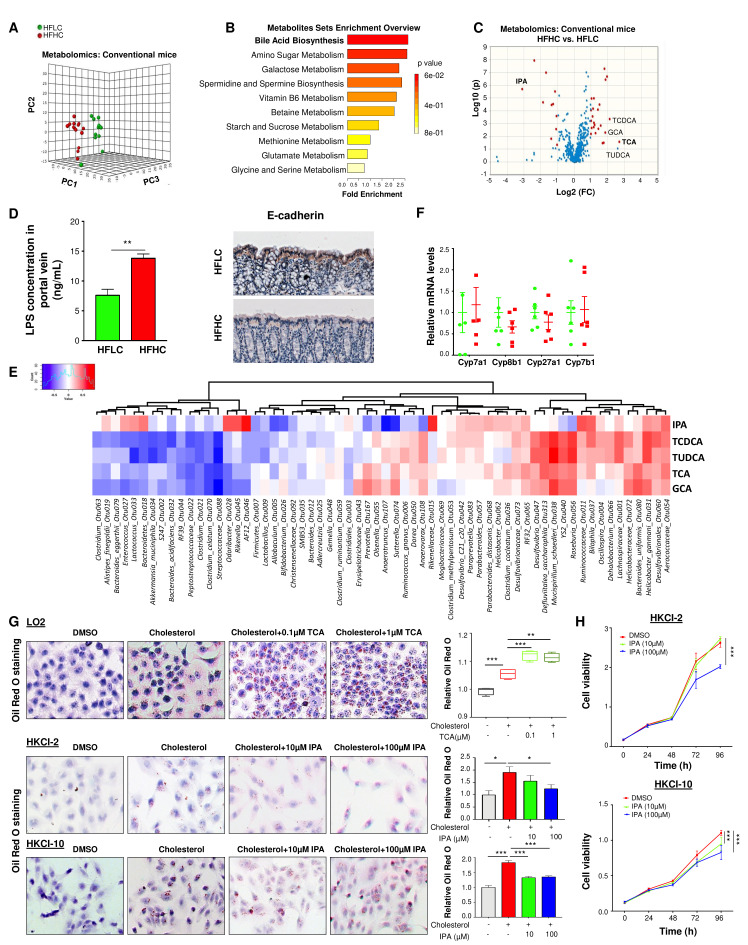
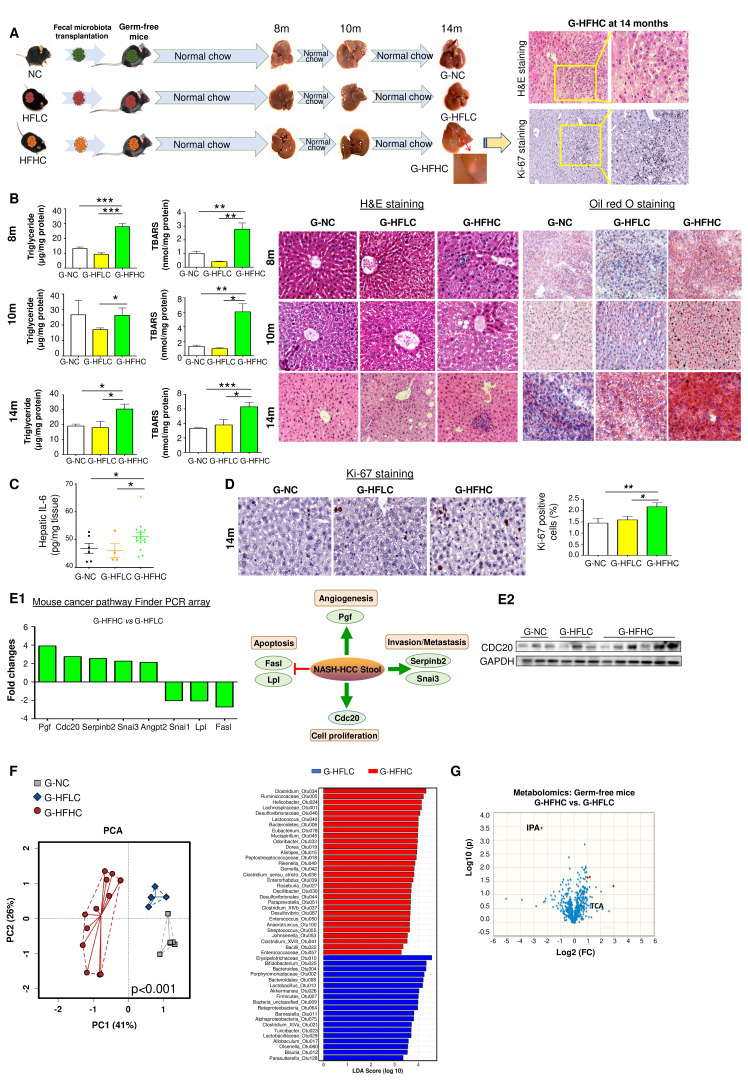
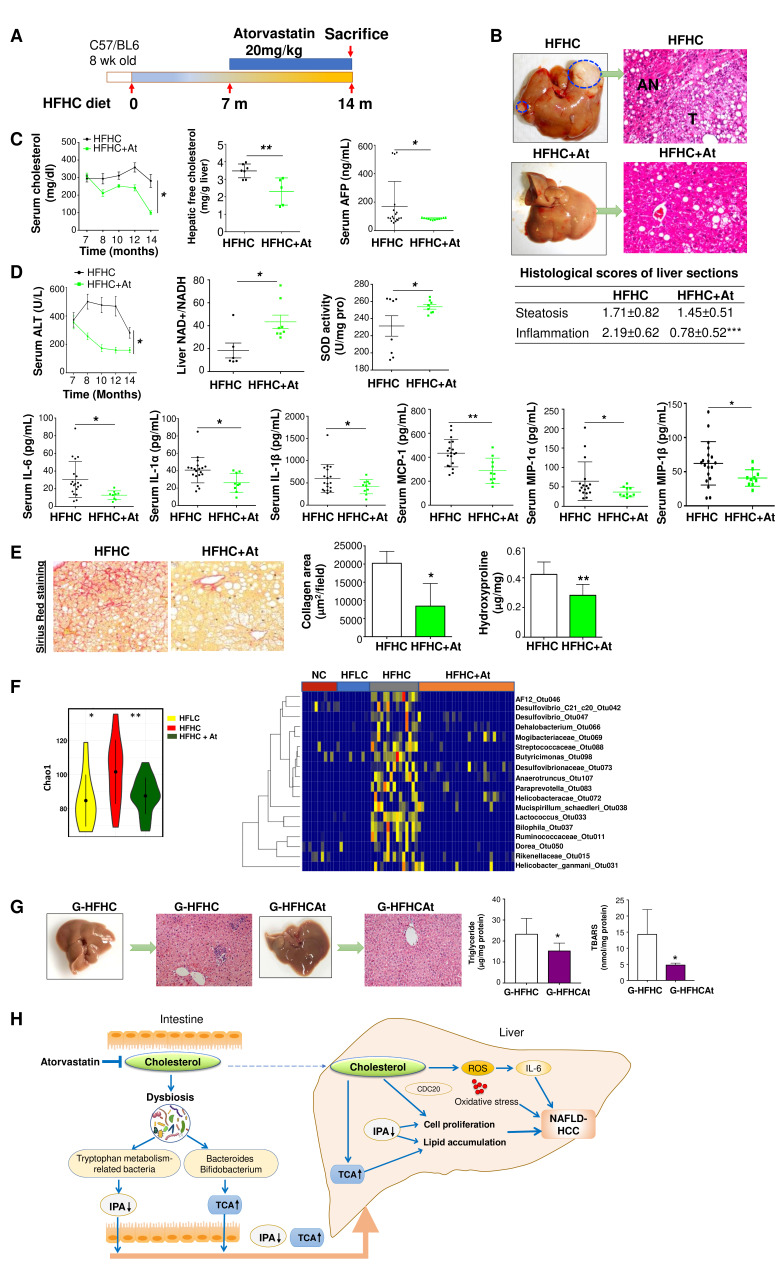
Objective: Non-alcoholic fatty liver disease (NAFLD)-associated hepatocellular carcinoma (HCC) is an increasing healthcare burden worldwide. We examined the role of dietary cholesterol in driving NAFLD–HCC through modulating gut microbiota and its metabolites. Design: High-fat/high-cholesterol (HFHC), high-fat/low-cholesterol or normal chow diet was fed to C57BL/6 male littermates for 14 months. Cholesterol-lowering drug atorvastatin was administered to HFHC-fed mice. Germ-free mice were transplanted with stools from mice fed different diets to determine the direct role of cholesterol modulated-microbiota in NAFLD–HCC. Gut microbiota was analysed by 16S rRNA sequencing and serum metabolites by liquid chromatography–mass spectrometry (LC–MS) metabolomic analysis. Faecal microbial compositions were examined in 59 hypercholesterolemia patients and 39 healthy controls. Results: High dietary cholesterol led to the sequential progression of steatosis, steatohepatitis, fibrosis and eventually HCC in mice, concomitant with insulin resistance. Cholesterol-induced NAFLD–HCC formation was associated with gut microbiota dysbiosis. The microbiota composition clustered distinctly along stages of steatosis, steatohepatitis and HCC. Mucispirillum, Desulfovibrio, Anaerotruncus and Desulfovibrionaceae increased sequentially; while Bifidobacterium and Bacteroides were depleted in HFHC-fed mice, which was corroborated in human hypercholesteremia patients. Dietary cholesterol induced gut bacterial metabolites alteration including increased taurocholic acid and decreased 3-indolepropionic acid. Germ-free mice gavaged with stools from mice fed HFHC manifested hepatic lipid accumulation, inflammation and cell proliferation. Moreover, atorvastatin restored cholesterol-induced gut microbiota dysbiosis and completely prevented NAFLD–HCC development. Conclusions: Dietary cholesterol drives NAFLD–HCC formation by inducing alteration of gut microbiota and metabolites in mice. Cholesterol inhibitory therapy and gut microbiota manipulation may be effective strategies for NAFLD–HCC prevention.
Overview
The claims and statistics of this paper haven’t been checked yet.
Free: it reads the open-access text and checks the first 5 claims that cite a source we can check. Create a free account to check every claim.
Integrity signals
Registry
Cites
Statistics
Figures
Verification
Claims the paper makes
The claims and statistics of this paper haven’t been checked yet.
Free: it reads the open-access text and checks the first 5 claims that cite a source we can check. Create a free account to check every claim.
Claims other papers make about this one
Each is checked against this paper’s own text: does it say what the citing paper says it does?
In the citing paper
“this genus has been associated with the pathogenesis of fatty-liver-associated liver cancer36.”
From Nivolumab plus ipilimumab with or without live bacterial supplementation in metastatic renal cell carcinoma: a randomized phase 1 trial (2022) · cites this paper as [36]
Self-check
Percentages, sums and reported differences re-computed from the paper’s own numbers.
The self-check needs the paper’s full text.
Citations
Cites
Vernon, G., Baranova, A., & Younossi, Z. M. (2011) · Alimentary Pharmacology & Therapeutics · doi:10.1111/j.1365-2036.2011.04724.x · Cited by 3,074 · cited 1×
“27 28 There are evidences that Bifidobacterium has cholesterol-lowering activity through gut microbiota modulation.”
Sayin, S. I., Wahlström, A., Felin, J., Jäntti, S., Marschall, H.-U., Bamberg, K., Angelin, B., Hyötyläinen, T., Orešič, M., & Bäckhed, F. (2013) · Cell Metabolism · doi:10.1016/j.cmet.2013.01.003 · Cited by 2,331
Microbial tryptophan catabolites in health and disease
Roager, H. M., & Licht, T. R. (2018) · Nature Communications · doi:10.1038/s41467-018-05470-4 · Cited by 2,236 · cited 1×
“IPA is a specific metabolite whose production completely depends on tryptophan metabolism by the gut microbiota 18 and characterised as being anti-inflammatory and protective of intestinal barrier integrity.”
Bile acid-microbiota crosstalk in gastrointestinal inflammation and carcinogenesis
Jia, W., Xie, G., & Jia, W. (2018) · Nature Reviews Gastroenterology & Hepatology · doi:10.1038/nrgastro.2017.119 · Cited by 1,924 · cited 2×
“40 Therefore, the decreased Bifidobacterium and Bacteroides in the stool of HFHC-fed mice may account for the accumulated taurine-conjugated bile acids in HFHC-fed mice.”
Zhu, L., Baker, S. S., Gill, C., Liu, W., Alkhouri, R., Baker, R. D., & Gill, S. R. (2013) · Hepatology · doi:10.1002/hep.26093 · Cited by 1,708 · cited 3×
“27 28 There are evidences that Bifidobacterium has cholesterol-lowering activity through gut microbiota modulation.”
Gut microbiome–mediated bile acid metabolism regulates liver cancer via NKT cells
Ma, C., Han, M., Heinrich, B., Fu, Q., Zhang, Q., Sandhu, M., Agdashian, D., Terabe, M., Berzofsky, J. A., Fako, V., et al. (2018) · Science · doi:10.1126/science.aan5931 · Cited by 1,508 · cited 1×
“21 We therefore explored the potential involvement of the gut microbiota in mediating dietary cholesterol-induced NAFLD–HCC.”
Gut microbial metabolites in obesity, NAFLD and T2DM
Canfora, E. E., Meex, R. C. R., Venema, K., & Blaak, E. E. (2019) · Nature Reviews Endocrinology · doi:10.1038/s41574-019-0156-z · Cited by 1,493
A gut bacterial pathway metabolizes aromatic amino acids into nine circulating metabolites
Dodd, D., Spitzer, M. H., Van Treuren, W., Merrill, B. D., Hryckowian, A. J., Higginbottom, S. K., Le, A., Cowan, T. M., Nolan, G. P., Fischbach, M. A., et al. (2017) · Nature · doi:10.1038/nature24661 · Cited by 1,425 · cited 1×
“…and potentially, those of other enriched bile acids to the pathogenesis of cholesterol-induced NAFLD–HCC. Additionally, IPA, which is exclusively produced by commensal gut microbes, 41 42 was depleted in both HFHC-fed conventional mice and germ-free mice transplanted with stools from HFHC-fed mice.”
Venkatesh, M., Mukherjee, S., Wang, H., Li, H., Sun, K., Benechet, A. P., Qiu, Z., Maher, L., Redinbo, M. R., Phillips, R. S., et al. (2014) · Immunity · doi:10.1016/j.immuni.2014.06.014 · Cited by 1,066 · cited 2×
“36 Disruption of bile acid homeostasis alters metabolic homeostasis in the liver and can lead to hepatic inflammation and metabolic diseases including diabetes and NAFLD.”
Gut microbiota and human NAFLD: disentangling microbial signatures from metabolic disorders
Aron-Wisnewsky, J., Vigliotti, C., Witjes, J., Le, P., Holleboom, A. G., Verheij, J., Nieuwdorp, M., & Clément, K. (2020) · Nature Reviews Gastroenterology & Hepatology · doi:10.1038/s41575-020-0269-9 · Cited by 1,063
Cited by
Items 701–800 of 916
Bile Acid Sequestration Attenuates Desulfovibrio-Induced Hepatic Injury
Yang, S., Zhou, L., Dong, J., Wang, S., Xue, Y., Ren, Y., & Geng, Y. (2025) · Microorganisms · doi:10.3390/microorganisms14010079 · Cited by 1
Niu, Y., Liu, P., Chen, Y., Yao, Y., & Bu, S. (2026) · Frontiers in Immunology · doi:10.3389/fimmu.2025.1743709 · Cited by 1
“Various drugs or therapeutic approaches can also treat NAFLD by improving the composition of the gut microbiota (12 – 14).”
Multi-organ metabolic dysregulation and cecal microbiota alterations following black carbon exposure
Wei, S., Li, W., Ran, S., Zhang, J., Zhang, Z., Yang, Z., Tian, F., Chen, L., Pj, H., Yuan, J., et al. (2026) · Journal of Advanced Research · doi:10.1016/j.jare.2026.01.027 · Cited by 1
“This may indicate altered bile acid metabolism by the liver (cholestatic stress) or reduced microbial deconjugation in the gut [44].”
Nicotinamide prevents anti-PD1 immune checkpoint inhibitor-associated early stages of cardiotoxicity
Bai, L., Zhao, J., Dong, K., Zhao, M., Zhao, Y., Cong, Q., Wang, Y., Niu, X., Tang, J., & Bai, M. (2026) · Science China Life Sciences · doi:10.1007/s11427-025-3116-0 · Cited by 1
Self-citationInsights into the influencing factors of fecal gut microbiota in hepatocellular carcinoma
Wang, Y.-P., Dai, J.-L., Li, L., & Wen, B. (2026) · World Journal of Gastroenterology · doi:10.3748/wjg.v32.i6.115217 · Cited by 1
Self-citationKondreddy, V. K. R., Jala, R. R., & Magisetty, J. (2026) · Journal of Molecular Medicine · doi:10.1007/s00109-026-02648-y · Cited by 1
“An imbalance of lipid biosynthesis and FA oxidation leads to excess cholesterol and triglycerides (TG) accumulation in hepatocytes, resulting in the development of liver steatosis [1–3].”
Kou, Y., Yang, J., Yuan, G., Zhong, G., Chen, F., Liang, M., Huang, Y., He, K., Lin, Y., Huang, Z., et al. (2026) · Comprehensive physiology · doi:10.1002/cph4.70135 · Cited by 1
“These findings support the hypothesis that nutrient-level dietary exposures—beyond generalized dietary patterns—play a pivotal role in NAFLD pathogenesis (Lian et al. 2020; Zhang, Coker, et al. 2021; Chen et al. 2023; Yki-Järvinen et al. 2021).”
Wu, J. Y., Liu, X., Li, Y., Liu, J., Jia, B., Peng, H., Yuan, Q., Wen, L. I. U., Wang, S., Luo, D., et al. (2026) · Food Science & Nutrition · doi:10.1002/fsn3.71700 · Cited by 1
Wei, X., & Zhao, X. (2026) · BMC Microbiology · doi:10.1186/s12866-026-04911-1 · Cited by 1
“The resulting supernatant was carefully transferred to pre-chilled glass vials for subsequent liquid chromatography-tandem mass spectrometry (LC–MS) analysis performed using an UHPLC system (1290, Agilent Technologies, Santa Clara, CA) [31].”
Hu, S., He, C., Sun, K., Zhou, H., Liu, X., Wang, H., Li, S., Yu, H., Xu, K., & Li, W. (2026) · iScience · doi:10.1016/j.isci.2026.115623 · Cited by 1
“36 At the same time, loss of beneficial bacteria such as Lactobacillus reduces tryptophan metabolites including IAA and IPA, both natural ligands for the aryl hydrocarbon receptor.”
Hu, H., Xie, F., Song, Y., Yu, S., & Liu, X. (2026) · Medicine · doi:10.1097/md.0000000000048291 · Cited by 1
“[19] There are few research reports on anaerobic bacteria and GD. Fecal samples were collected from 55 GD patients and 48 healthy controls, and linear discriminant analysis showed an increase in Lachnospiraceae in healthy controls.”
Li, X., Zhou, G., Sun, C., She, R., Feng, W., Fu, X., Wu, S., Li, D., Pan, L., Liu, X., et al. (2026) · The Journal of Nutritional Biochemistry · doi:10.1016/j.jnutbio.2026.110377 · Cited by 1
The role of gut microbiota in obesity-related cancers
Shi, W., Song, B., Xia, S., & Jia, D. (2026) · Seminars in Cancer Biology · doi:10.1016/j.semcancer.2026.04.002 · Cited by 1
Huang, M., Zhang, F. N., Gong, H., Liu, C. C., Zhao, T. T., & He, N. (2026) · PubMed Central · doi:10.3760/cma.j.cn501113-20250902-00361 · Cited by 1
Shao, G., Sun, C., Ye, C., Liu, Y., Pan, J., Liu, Y., Lu, L., Wang, L., Lin, Z., Yang, F., et al. (2026) · Life Sciences · doi:10.1016/j.lfs.2026.124440 · Cited by 1
Sun, A., Sun, C., Gao, W., Tao, H., Zhao, H., Yu, B., Zhang, Z., Liu, P., & Cui, B. (2026) · Journal of Nutrition · doi:10.1016/j.tjnut.2026.101579 · Cited by 1
Peng, Y., Yang, Y., He, C., Zuo, H., Wu, Z., Yang, P., Ma, J., Feng, S., Tan, X., Xu, Z., et al. (2026) · Animal Genetics · doi:10.1002/age.70124 · Cited by 1
Self-citationTryptophan metabolism: A hidden regulator of female reproductive health beyond fertility
Wu, Q., Zeng, F., Qiao, J., & Qi, X. (2026) · Chinese Medical Journal · doi:10.1097/cm9.0000000000004145 · Cited by 1
“[38,39] The same indole metabolites can be produced by different enzymes in different bacteria.”
Qie, S., Shi, Y., Li, J., Jia, S., & Yin, X. (2026) · Frontiers in Immunology · doi:10.3389/fimmu.2026.1785968 · Cited by 1
“Previous studies have demonstrated that habitat-based radiomics can capture spatially distinct tumor subregions associated with biological heterogeneity and clinical outcomes (11, 12).”
Guo, W., Li, Y., Han, J., Liu, X. Y., & Ni, L. (2026) · Foods · doi:10.3390/foods15112016 · Cited by 1
“Furthermore, Anaerotruncus and Ruminococcaceae UCG-004 play vital roles in maintaining metabolic homeostasis and alleviating intestinal inflammation through SCFA production [25–27].”
Chen, J., Su, R., Kuang, Y., Liu, X., He, Y., Chen, J., & Zhang, C. (2026) · International Journal of Biological Sciences · doi:10.7150/ijbs.134241 · Cited by 1
Zhang, J.-J., Tan, Y.-S., Zhang, C.-L., Gui, Y., Yan, F.-Z., Hou, J., Xiang-xuan, L., Kong, H., Guo, M.-R., Cui, Y.-F., et al. (2026) · Chemical Engineering Journal · doi:10.1016/j.cej.2026.178787 · Cited by 1
Microbiome dysbiosis and its modulation in cancer development, prevention and therapy
Dixit, S., Welker, A., Ortiz, D., Athanasouli, M., & Stein‐Thoeringer, C. K. (2026) · Frontiers in Oncology · doi:10.3389/fonc.2026.1852716 · Cited by 1
“In this context, dysregulated bile acid pools, choline de fi ciency, and bacteria such as Ruminococcus gnavus further exacerbate lipotoxicity, oxidative stress, and fi brogenesis contributing to progression toward hepato-cellular carcinoma (HCC) (64, 70).”
Chang, K., He, D., Dong, J., Zhang, Y., Deng, S., Zhao, M., Jin, J., Ji, X., Yin, H., & Zhao, L. (2026) · Food Science & Nutrition · doi:10.1002/fsn3.72122 · Cited by 1
Spatial immune dysregulation in MASLD: integration of lobular zoning, metabolism and immune function
Gao, D., Wang, X., Mu, S., Sun, Y., & Wu, Z. (2026) · Frontiers in Immunology · doi:10.3389/fimmu.2026.1922207 · Cited by 1
“The gut microbiome continuously interacts with the host through metabolites and immune signals, playing a crucial role in MASLD-related immune regulation (23, 24).”
Metabolic and nutritional aspects of non-alcoholic fatty liver disease
Герасименко, О. Н., Sergeeva, Y. S., & Михайловна, Г. А. (2022) · Ateroscleroz · doi:10.52727/2078-256x-2022-18-2-180-185 · Cited by 1
Diet and Gut Microbiome in Gastrointestinal Cancer
Yang, J., & Yu, J. (2023) · Springer eBooks · doi:10.1007/978-981-19-4492-5_8 · Cited by 1
Self-citationMicrobiome-mediated T cell regulation, inflammation, and disease
Singh, A. R., Prasad, S., & Singh, G. (2023) · Elsevier eBooks · doi:10.1016/b978-0-323-99336-4.00018-5 · Cited by 1
Human Microbiome and the Susceptibility to Infections
Anju, V. T., Busi, S., Mohan, M. S., & Dyavaiah, M. (2023) · Springer eBooks · doi:10.1007/978-981-99-1463-0_7 · Cited by 1
Wolfrum, C., & Challa, T. D. (2024) · Molecular Metabolism · doi:10.1016/j.molmet.2024.101897 · Cited by 1
“High dietary cholesterol has also been linked to the progression of steatosis, NASH, fi brosis, and hepatocellular carcinoma (HCC) in mice [7 e 9], accompanied by insulin resistance due to gut microbiota dysbiosis [9].”
Boye, A., Barku, V. Y. A., Addo, J. K., Martey, O., Asiamah, E. A., Essuman, M. A., & Doe, D. (2024) · Journal of Taibah University Medical Sciences · doi:10.1016/j.jtumed.2024.06.009 · Cited by 1
“7 In addition, the high incidence of HCC in Africa and Asia has been linked to high alcohol intake, 8 non-alcoholic fatty liver disease, 9 and exposure to aflatoxin B1.”
BackgroundThe mechanistic insights behind the anticancer effects of statins in liver cancer
Chen, Y., & Wong, C. C. (2024) · Hepatology Communications · doi:10.1097/hc9.0000000000000519 · Cited by 1
“…effects of statins in the context of HCC. Specifically, atorvastatin disrupted lipogenesis and reversed the metabolically dysregulated gut microbiota caused by a high-fat/high-cholesterol diet regimen in HCC. [11] More-over, statins were shown to influence the pathogenicity of hepatitis viruses.”
BackgroundRole of Milk Intake in Modulating Serum Lipid Profiles and Gut Metabolites
Xu, T., Zhang, C., Yang, Y., Huang, L., Liu, Q., Li, L., Zeng, Q., & Li, Z. (2024) · Metabolites · doi:10.3390/metabo14120688 · Cited by 1
“And a high-cholesterol diet has been confirmed to induce dysbiosis and alterations in gut bacterial metabolites, which thereby harm a person’s health [10].”
Decoding MASLD’s Pathophysiology
Abenavoli, L., & Scarlata, G. G. M. (2024) · Springer eBooks · doi:10.1007/978-981-97-9519-2_3 · Cited by 1
Li, X., Wang, S., Zhang, Z., Deng, W., Zhang, Y., Cao, W., Wei, X., Gao, Z., Yao, L., Wang, S., et al. (2025) · Frontiers in Medicine · doi:10.3389/fmed.2025.1510679 · Cited by 1
Dai, W., Chen, Y., Gong, W., Su, Y., & Zhang, Y. (2022) · Research Square · doi:10.21203/rs.3.rs-1797700/v1 · Cited by 1
Zhou, Z., Lu, Y., Li, J., An, Y., Jiang, W., & Wang, Z. (2023) · Research Square · doi:10.21203/rs.3.rs-2505907/v1 · Cited by 1
The neurological and behavioral effects of opioids
Iriah, S. C. (2023) · Digital Repository Service (Northeastern University) · doi:10.17760/d20620617 · Cited by 1
Kanmani, P., Villena, J., Lim, S.-K., Song, E.-J., Nam, Y.-D., & Kim, H. (2022) · Research Square · doi:10.21203/rs.3.rs-1644742/v1 · Cited by 1
Eggers, J. (2022) · University of Minnesota Digital Conservancy (University of Minnesota) · Cited by 1
Han, H. (2024) · ORBi (University of Liège) · Cited by 1
Zhang, J., Liu, J., Tian, Y., Jia, W., Zhang, G., Lü, A., & Lyu, H. (2026) · Pharmacological Research · doi:10.1016/j.phrs.2026.108273 · Cited by 1
Mykotherapie bei Fettstoffwechselstörungen – wertvoller Beitrag von Vitalpilzen
Bös, D. (2021) · Erfahrungsheilkunde · doi:10.1055/a-1606-8942
Wei, F., Zheng, M., Deng, Q., Wan, X., Xu, J., Gong, Y., Chen, H., & Huang, F. (2021) · Oil Crop Science · doi:10.1016/j.ocsci.2021.09.002
New progress in research of intestinal microbiota in fatty liver disease
Li, Y., Hou, J., Wang, X., Su, S., Wang, Y., & Zhang, J. (2021) · World Chinese Journal of Digestology · doi:10.11569/wcjd.v29.i23.1355
Self-citationCholesterin modelliert Darmmikrobiota und induziert NAFLD/HCC
(2021) · TumorDiagnostik & Therapie · doi:10.1055/a-1593-8191
Human Health and COVID-19: Metabolome Approach
(2022) · Biointerface Research in Applied Chemistry · doi:10.33263/briac131.027
“The high-fat diet increase liver lipids, inflammation, and hepatic multiplying [38].”
BackgroundDeng, X., Xie, Y., Lu, Y., Li, X., Guo, X., Huang, X., Lan, X., Lin, J., Tan, W., & Wang, C. (2022) · Pharmacological Research - Modern Chinese Medicine · doi:10.1016/j.prmcm.2022.100057
Yan, C., Wu, Z., Lou, D.-H., Jin, J., & Wu, C. (2022) · Research Square · doi:10.21203/rs.3.rs-1519044/v1
Cholesterin modelliert Darmmikrobiota und induziert NAFLD/HCC
(2021) · Aktuelle Ernährungsmedizin · doi:10.1055/a-1367-1448
Porras, D. (2021) · Buleria (Universidad de León) · doi:10.18002/10612/13641
Képes, Z., Barkóczi, A., Szabó, J. P., Kálmán-Szabó, I., Arató, V., Garai, I., Árkosy, P., Jószai, I., Deák, Á., Kertész, I., et al. (2022) · International Journal of Molecular Sciences · doi:10.3390/ijms232113060
“In a recent preclinical study, a prolonged cholesterol-rich diet was reported to trigger the spontaneous development of hepatocellular carcinoma related to non-alcoholic fatty liver disease (NAFLD-HCC) in mice [6].”
BackgroundAdvances in research of microbiome regulation as a therapy for liver failure
Chen, Y.-Q., & Liu, J.-L. (2022) · World Chinese Journal of Digestology · doi:10.11569/wcjd.v30.i22.971
Wyss, J., Raselli, T., Wyss, A., Telzerow, A., Rogler, G., Krupka, N., Yılmaz, B., Schmidt, T., & Misselwitz, B. (2022) · bioRxiv (Cold Spring Harbor Laboratory) · doi:10.1101/2022.12.02.518833
The Role of Microbiome in Nonalcoholic Fatty Liver Disease
Lee, H. W. (2023) · Springer eBooks · doi:10.1007/978-981-19-4492-5_7
Mao, Y., Ren, R., Song, S., Hui, Y., Li, L., Wu, S., Zhao, A., & Wang, B. (2023) · Journal of Food and Nutrition Research · doi:10.12691/jfnr-11-6-6
Sui, Z., Cheng, H., Yang, L., Zhou, M., Wu, K., Shi, R.-P., & Wang, S. (2023) · Research Square · doi:10.21203/rs.3.rs-3362254/v1
Xu, Y., Ye, H., Meng, X., Zhang, S., Zhang, Y., Chen, Y., & Chen, Y. (2023) · bioRxiv (Cold Spring Harbor Laboratory) · doi:10.1101/2023.11.13.566887
Dysregulation of gut microbiota exacerbates LPS-induced endometritis by producing succinate in micePreprint
Fu, Y., Qiu, M., zhao, X., Xie, J., cheng, Q., Liu, Y., Zhao, C., Zhang, N., & Hu, X. (2024) · Research Square · doi:10.21203/rs.3.rs-3892851/v1
Causal Effects of Gut Microbiota on Oral Cavity Cancer— A Two-Sample Mendelian Randomization StudyPreprint
Dai, Y., Ruohui, M. A. O., Chen, Y., Ye, X., Chaowei, W. A. N. G., & Zhu, H. (2024) · Research Square · doi:10.21203/rs.3.rs-3917643/v1
Zhang, J., Hu, M., Liu, S., Zeng, W., & Zhou, Q. (2024) · Research Square · doi:10.21203/rs.3.rs-3869939/v1
Molecular orchestra of microbiotic metabolites in the scenario of carcinogenesis
Shatova, O. P., Zabolotneva, A. A., & Shestopalov, A. V. (2023) · Biochemistry (Moscow) · doi:10.31857/s0320972523070023
Effet du microbiote intestinal sur la pharmaco-onco-immunologie des statines
Pukar, K. C. (2020) · theses.fr (ABES) · doi:10.70675/ff8b34e6z83e6z4a77z8a50z14b3a52080e9
Kara-Ali, G. H. (2022) · theses.fr (ABES) · doi:10.70675/a68e0694z7bc8z4005z853cza8046ba828d6
Wang, X., Wang, A., Zhang, Y., An, Y., Tu, Z., & Cui, Y. (2024) · Research Square · doi:10.21203/rs.3.rs-4273595/v1
Oral and gut microbiota in cardio-metabolic disease: insights from drug- and diet-induced dysbiosis
Manosalva, A. G. L. (2024) · University of Groningen research database (University of Groningen / Centre for Information Technology) · doi:10.33612/diss.1000115280
Chen, Y., Lu, Y., Wu, J., & Qiu, H. (2024) · PubMed Central · doi:10.7499/j.issn.1008-8830.2309129
Zheng, K., Qian, Y., Wang, H., Song, D., You, H., Hou, B., Han, F., Zhu, Y., Feng, F., Lam, S. M., et al. (2024) · Redox Biology · doi:10.1016/j.redox.2024.103295
“After being embedded in paraffin, 5 μ m sections were obtained for further staining as previously described [97].”
MethodRetractedKobets, T., & Williams, G. M. (2024) · Elsevier eBooks · doi:10.1016/b978-0-323-95488-4.00133-9
Fatty Liver, Developing Factors and the Outcomes
Babaalizadeh, B., Bahmanyar, M., Meshkibaf, M. H., & Miladpour, B. (2024) · International Journal of Forensic Research · doi:10.33140/ijfr.05.01.01
Belizário, J. E., & Garay-Malpartida, M. (2024) · Livers · doi:10.3390/livers4040044
Yu, S., Liu, Y., Zhou, C., Zheng, H., Wang, S., Li, J., He, T., Sun, Y., Wang, L., Jing, J., et al. (2024) · Future Integrative Medicine · doi:10.14218/fim.2024.00044
Yan, C., Huang, S.-H., Ding, H., He, W., Zhu, H., & Chen, Z. (2024) · Journal of Food Bioactives · doi:10.26599/jfb.2024.95028391
Wang, Z., Wang, P., He, G., Cheng, L., Li, T., Wang, Y., & Li, H. (2025) · Current Gene Therapy · doi:10.2174/0115665232257596231011110813
Self-citationZhao, W., Guo, M., Wang, Q., Gu, Z., Shang, K., Zhao, J., Chen, W., & Wang, G. (2025) · Food Science and Human Wellness · doi:10.26599/fshw.2024.9250455
Research progress on cancer-promoting mechanisms of high-fat diet
Xu, J., Sun, X., Qian, Y., Jia, S., Zhang, Q., Tang, C., Kan, J., Liu, J., & Chen, X. (2026) · Food Science and Human Wellness · doi:10.26599/fshw.2025.9250577
Chemicals With Carcinogenic Activity Primarily in Rodent Liver
Kobets, T., & Williams, G. M. (2025) · Elsevier eBooks · doi:10.1016/b978-0-323-95488-4.00271-0
PENGARUH PEMBERIAN PROBIOTIK TERHADAP GAMBARAN HISTOPATOLOGI HEPAR PADA TIKUS DIET TINGGI LEMAK
Novitaningsih, A. D., Nawangsih, E. N., Ifariani, D., & Koswara, T. (2025) · Jurnal Kesehatan Tambusai · doi:10.31004/jkt.v6i1.42858
“Pemberian makanan tinggi lemak pada tikus dapat secara spontan mendorong terjadinya Non-Alcoholic Steatohepatitis (NASH), fibrosis, dan Non-Alcoholic Fatty Liver Disease (NAFLD) yang menginduksi perubahan mikrobiota usus dan metabolit pada tikus (X. Zhang et al., 2021; Zhu et al., 2021).”
Wang, R., Zhang, Y., Li, H., Liu, N., Liu, N., Li, S., Ren, B., Ye, F., 祭美菊, Hou, P., et al. (2026) · iScience · doi:10.21203/rs.3.rs-6629474/v1
Li, W., Wang, M., Xu, K., He, J., Feng, X., Ma, G., Li, Y., Lai, H., Tang, A., He, C., et al. (2025) · Molecular Nutrition & Food Research · doi:10.1002/mnfr.70155
“An animal study found that a high-cholesterol diet altered the gut microbiota profile, with an increased abundance of Anaerotruncus [34].”
牛, 静. (2025) · Advances in Clinical Medicine · doi:10.12677/acm.2025.1571986
Hepatocellular Carcinoma and Its Association with Diabetes and Obesity
Shukur, S. I. (2025) · South Asian Research Journal of Pharmaceutical Sciences · doi:10.36346/sarjps.2025.v07i04.002
“Fatty liver, fibromatosis, nonalcoholic steatohepatitis, as well as HCC are among conditions that may develop in rats fed an HFHC diet [10].”
Lei, L., Shi, W., Yang, X., Lin, J., Liang, Q., Huang, X., Pan, L., & Li, W. (2025) · Frontiers in Nutrition · doi:10.3389/fnut.2025.1597390
Self-citationZhang, G., Hu, Z., Deng, F., He, R., & Zhang, S. (2025) · Research Square · doi:10.21203/rs.3.rs-7291889/v1
Wei, X., Peng, H., Li, B., Du, B., & Zhao, X. (2025) · SSRN Electronic Journal · doi:10.2139/ssrn.5442364
Singh, L. P., Agrawal, R., Nigotia, P., & Agrawal, R. (2025) · Bioinformation · doi:10.6026/973206300212477
Baulies, A., Torres, S., Fucho, R., Núñez, S., Torres, F., Ferrer, J., Díaz, A., Rico, N., García‐Valdecasas, J. C., Fuster, J., et al. (2025) · Journal of Lipid Research · doi:10.1016/j.jlr.2025.100901
“Steatosis is characterized by the accumulation of various types of lipid species, including cholesterol, whose dysregulation has been linked to the progression of MASLD to MASH (31, 32, 42).”
Di(2‐Ethylhexyl) Phthalate Exposure Alters Hepatic Lipid Metabolism in Male SAMP8 Aged Mice
Yang, X., Cao, S., Xu, J., Zhang, G., Zhang, Y., & Wang, Q. (2025) · Journal of Applied Toxicology · doi:10.1002/jat.4927
“Disruptions in liver lipid metabolism often lead to conditions such as fatty liver disease and hyperlipidemia (Zhang, Coker, et al. 2021).”
Self-citationThe Impact of Gut Microbial Metabolomics on Type 2 Diabetes Development in People Living with HIV
Rodríguez, D., Anaya-Ambriz, E. J., Méndez-Ríos, P. C., Andrade-Villanueva, J. F., González-Hernández, L. A., Holguín-Aguirre, T. E., Martínez-Ayala, P., Ruíz-Herrera, V. V., Álvarez-Zavala, M., & Sánchez-Reyes, K. (2025) · Metabolites · doi:10.3390/metabo15090627
“…this suggest that in future research it will be that in future research it could be promising to look for these associations in PLWHIV, especially in those patients with dyslipidemia and who experiencing weight gain after using ART, conditions associated with an increased risk of T2D [48–50].”
Zou, Y.-F., Zhang, Y., Zhao, Z.-C., Li, Z., Liu, H., Li, Q., Chen, Z. T., Zhu, C., Liu, H., Wang, J.-W., et al. (2025) · World Journal of Gastrointestinal Surgery · doi:10.4240/wjgs.v17.i9.106198
“Disturbed gut microbiota and chronic inflammation can act interactively to promote liver onco-genesis via GPR43/IL-6/JAK1/STAT3 inflammatory pathway[49] and cholesterol-related cell proliferation[50].”
Dai, J., Li, Q., Chen, J., Liu, G., Dong, Z., Ma, Z., & Luo, Y. (2025) · Medicine · doi:10.1097/md.0000000000045663
“[43] Another study based on a mouse model shows a positive correlation between Desulfovibrio levels and levels of bacterial lipopolysaccharides (LPS) derived from liver cells, suggesting the abnormal strain may be harmful to the liver.”
Zhou, X., Qiao, K., Sun, B., Li, L., & Zhang, Y. (2025) · Advanced Functional Foods · doi:10.64187/aff.2025010205
(2025) · Frontiers research topics · doi:10.3389/978-2-8325-6979-5
Luo, Y., & Yao, Q. (2025) · Journal of Biochemical and Molecular Toxicology · doi:10.1002/jbt.70617
Piccinin, E., Arconzo, M., Pasculli, E., Tricase, A. F., Cultrera, S., Bertrand‐Michel, J., Loiseau, N., Villani, G., Guillou, H., & Moschetta, A. (2024) · Figshare · doi:10.6084/m9.figshare.26728555
Wang, J., Jia, B., Miao, J., Li, D., Wang, Y., Han, L., Yuan, Y., Zhang, Y., Wang, Y., Guo, L., et al. (2024) · Figshare · doi:10.6084/m9.figshare.26182196
Self-citationZeng, F., Su, X., Liang, X., Liao, M., Zhong, H., Xu, J., Gou, W., Zhang, X., Shen, L., Zheng, J., et al. (2024) · Figshare · doi:10.6084/m9.figshare.26690359
Self-citationYang, G., Jena, P. K., Hu, Y., Sheng, L., Chen, S.-Y., Slupsky, C. M., Davis, R. R., Tepper, C. G., & Wan, Y.-J. Y. (2023) · Figshare · doi:10.6084/m9.figshare.22616414
Deciphering the role of the gut microbiota in murine MASH and MASH-to-HCC transition
Schühle, S. (2024) · heiDOK (Heidelberg University) · doi:10.11588/heidok.00034638
Metadata
- Authors
- Zhang, X., Coker, O. O., Chu, E. S., Fu, K., Lau, H. C. H., Wang, Y.-X., Chan, A. W. H., Wei, H., Yang, X., Sung, J. J. Y., & Yu, J.
- Affiliations
- Chinese University of Hong Kong (HK)
- Department of Imaging and Interventional Radiology, The Chinese University of Hong Kong, Hong Kong SAR, China
- Army Medical University (CN)
- Yale University (US)
- Corresponding author
- Yu, Jun
- ORCID
- Venue
- Gut
- Publisher
- BMJ
- Published
- 2020-07-21
- Volume
- 70
- Issue
- 4
- Pages
- 761-774
- ISSN
- 0017-5749 (ISSN-L)
- 1468-3288
- PMC
- PMC7948195
- OpenAlex
- W3045114299
- Cited by
- 841
- References
- 43
- Citations by year
- 2026: 94 · 2025: 180 · 2024: 218 · 2023: 155 · 2022: 139 · 2021: 51 · 2020: 4
- FWCI
- 28.28
- Type
- journal article
- Language
- en
- Open access
- hybrid
- doi.org
- Licence
- Locations
- Gut (publishedVersion, cc-by-nc)
- PubMed Central (publishedVersion, cc-by-nc)
- PubMed (publishedVersion)
- Funders
- Vice-Chancellor's Discretionary Fund CUHK
- CUHK direct grant for research
- RGC Theme-based Research Scheme Hong Kong (T12-703/19-R)
- RGC Collaborative Research Fund (C4041-17GF, C7026-18G, C7065-18G)
- Guangdong Natural Science Foundation (2018B030312009)
- Topics
- Life Sciences › Biochemistry, Genetics and Molecular Biology › Molecular Biology › Gut microbiota and health
- Health Sciences › Medicine › Hepatology › Liver Disease Diagnosis and Treatment
- Life Sciences › Biochemistry, Genetics and Molecular Biology › Cancer Research › Cancer, Lipids, and Metabolism
- Keywords
- dietary cholesterol, non-alcoholic fatty liver disease, hepatocellular carcinoma, gut dysbiosis, microbial metabolites, taurocholate, 3-indolepropionic acid, atorvastatin, hypercholesterolemia, steatohepatitis, liver fibrosis, insulin resistance, Desulfovibrio, Bacteroides, Bifidobacterium, Mucispirillum, hepatic lipid accumulation, cell proliferation
- MeSH terms
- Atorvastatin, Gastrointestinal Microbiome, Fecal Microbiota Transplantation, Animals, Cholesterol, Dietary, Carcinoma, Hepatocellular, Liver Neoplasms, Male, Mice, Inbred C57BL, Case-Control Studies, Disease Progression, Mice, Non-alcoholic Fatty Liver Disease
About these checks
Registry, retraction, Cites and statistics results are computed, not judged, with one exception: a printed reference that no index lists is read once by a model before it counts as a citation error. Claims are extracted by a model and kept only when their quote appears verbatim in the text; each cited source is then checked, with a model’s help, for whether it says what the claim relies on. Those verdicts can be wrong — read the claim’s quote and the cited source before relying on one.
Statistics and arithmetic are recomputed, not judged.
Confidence bands are shown only for fields calibrated on our annotated test set. None is calibrated yet, so no band is shown.
What counts as a claim ›How we measure confidence ›How we check this ›
Are you an author, or do you see a problem with this page? Request a review
Data sources
Bibliographic data: Semantic Scholar, OpenAlex, Crossref.
Contains information from the Semantic Scholar Academic Graph Datasets, made available under the ODC Attribution License (ODC-BY 1.0).
Semantic Scholar’s data is described in: Kinney, R., et al. (2023). The Semantic Scholar Open Data Platform. arXiv:2301.10140.
