

Dietary cholesterol drives fatty liver-associated liver cancer by modulating gut microbiota and metabolites
Open accessThe DOI matches its Crossref record; 43 of the 43 references it cites were found in a registry or an index.
Abstract
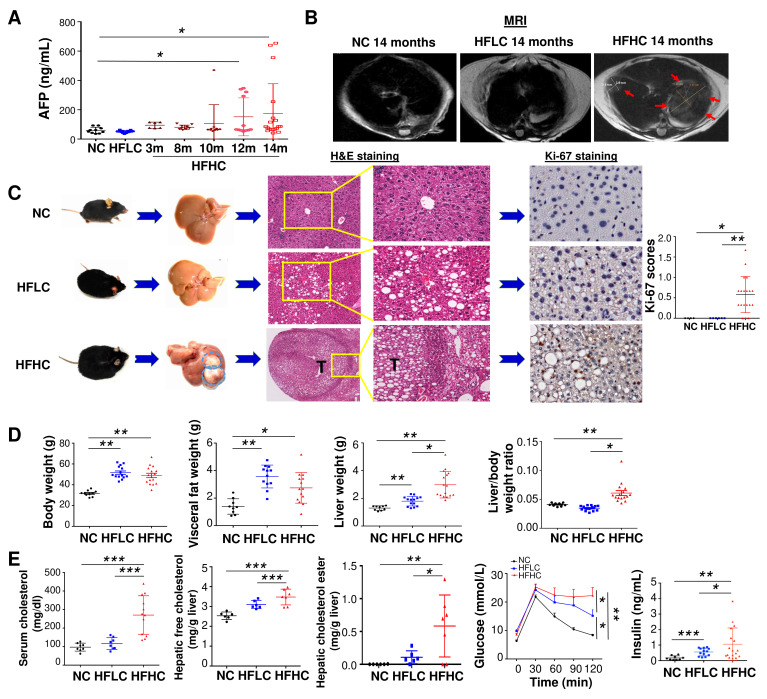
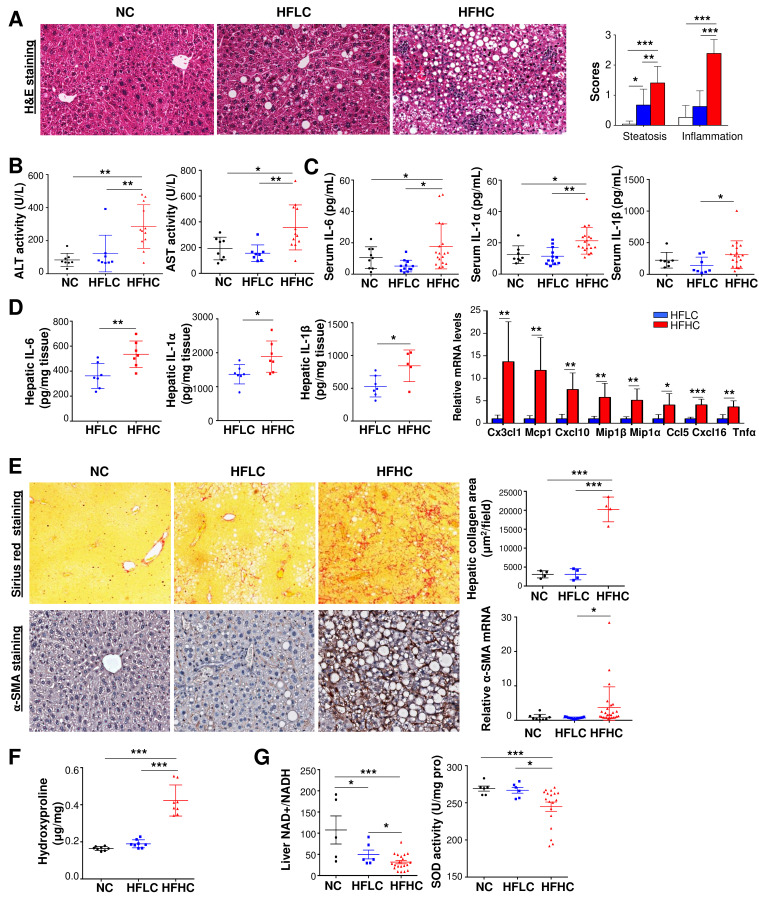
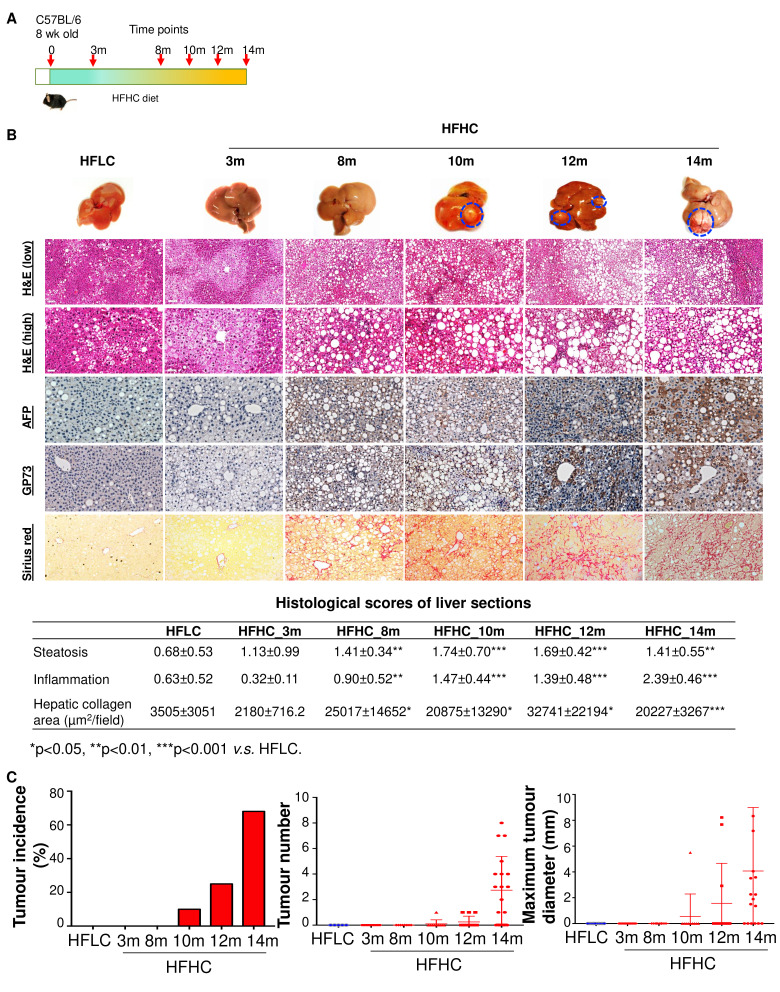
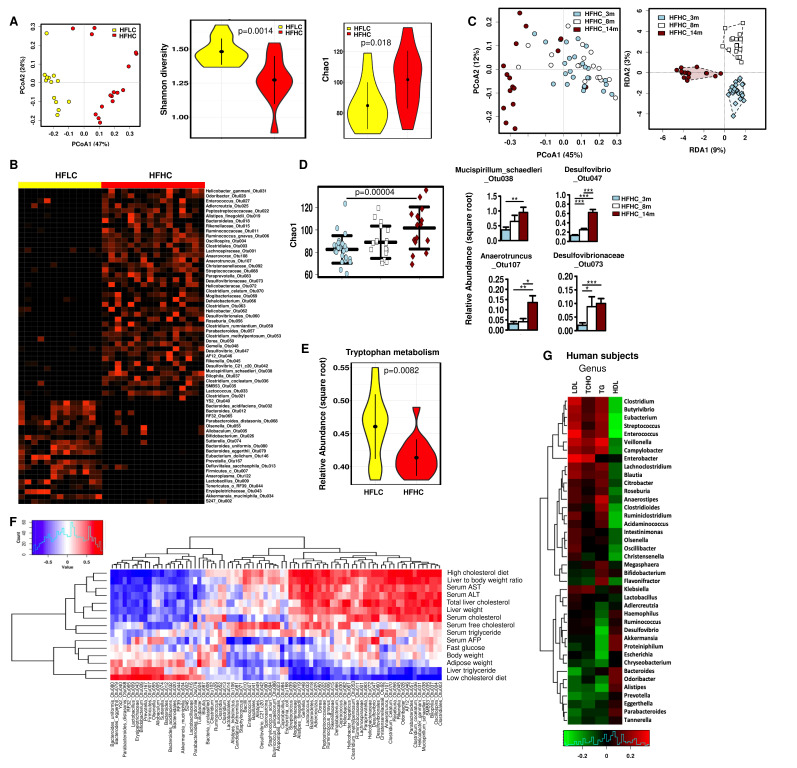
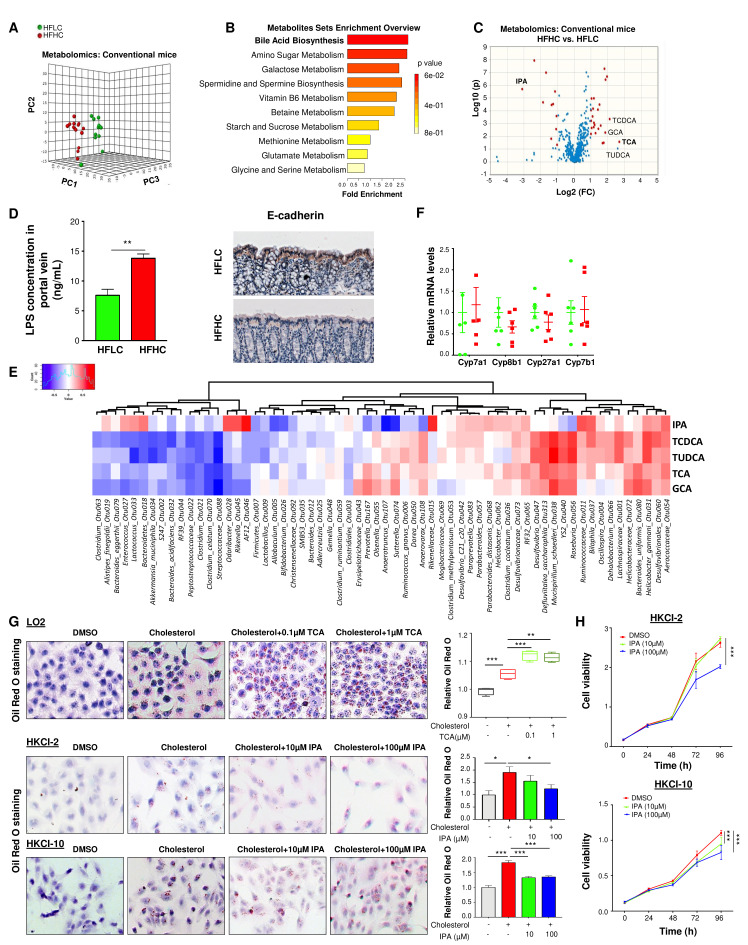
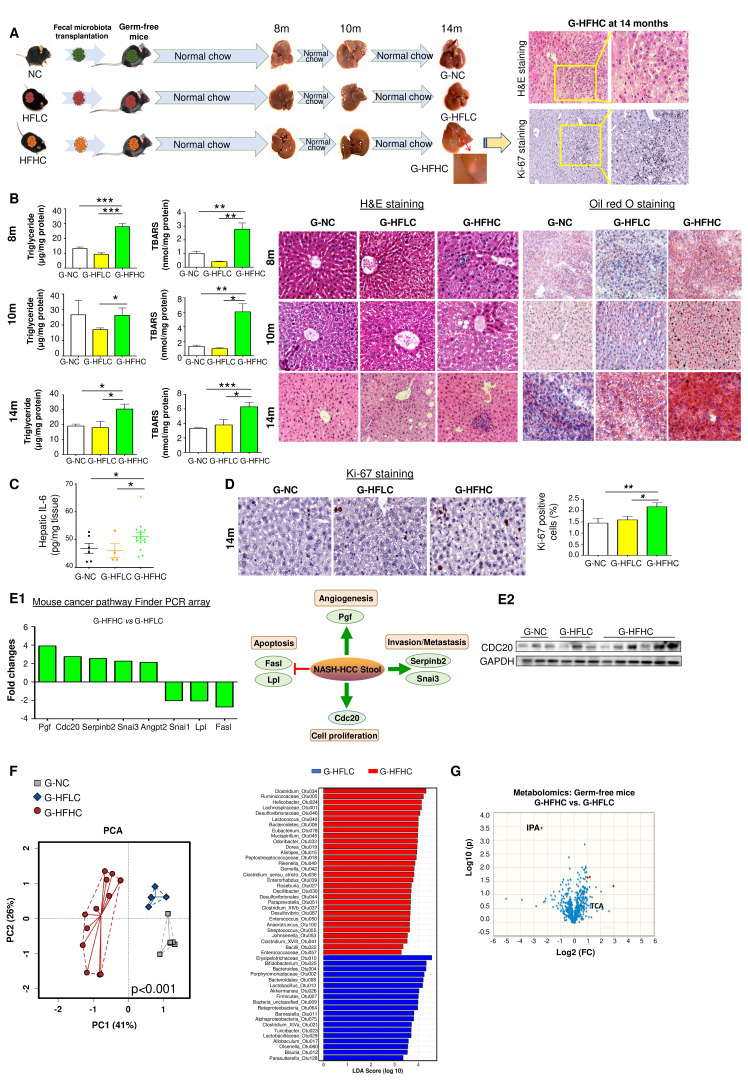
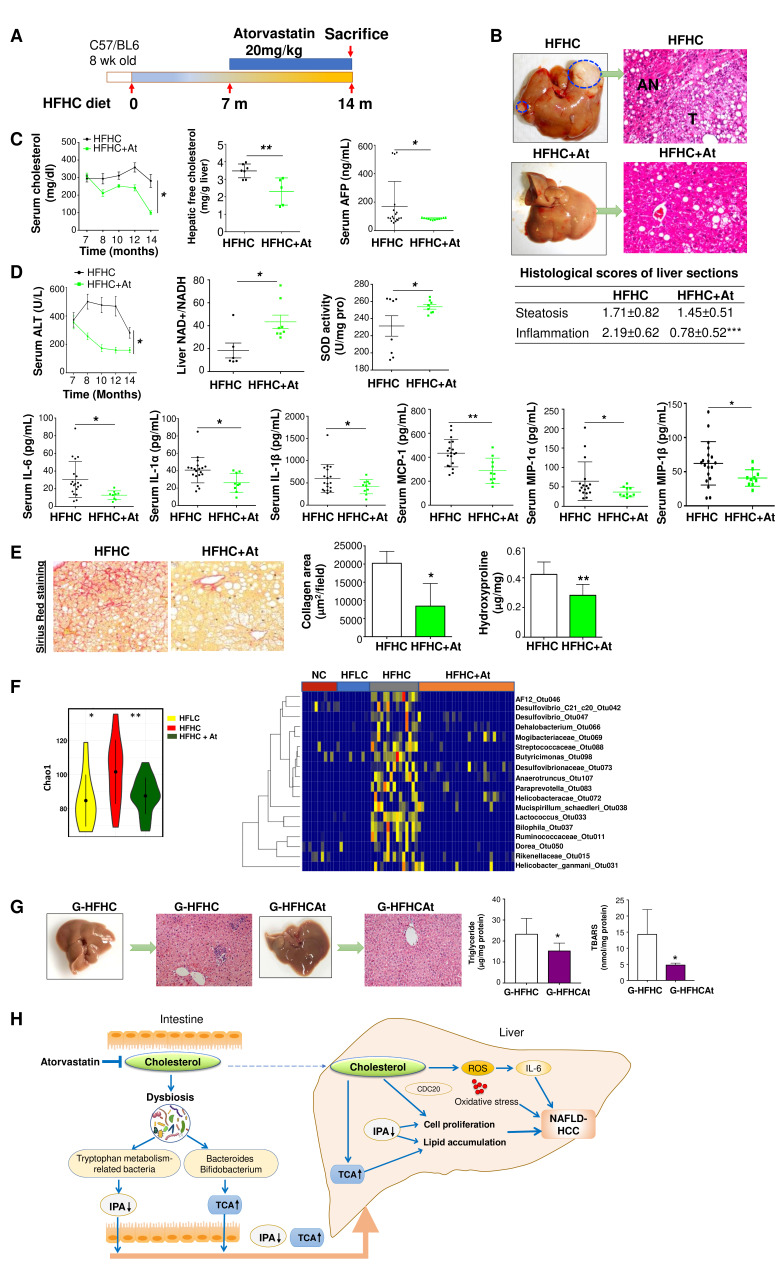
Objective: Non-alcoholic fatty liver disease (NAFLD)-associated hepatocellular carcinoma (HCC) is an increasing healthcare burden worldwide. We examined the role of dietary cholesterol in driving NAFLD–HCC through modulating gut microbiota and its metabolites. Design: High-fat/high-cholesterol (HFHC), high-fat/low-cholesterol or normal chow diet was fed to C57BL/6 male littermates for 14 months. Cholesterol-lowering drug atorvastatin was administered to HFHC-fed mice. Germ-free mice were transplanted with stools from mice fed different diets to determine the direct role of cholesterol modulated-microbiota in NAFLD–HCC. Gut microbiota was analysed by 16S rRNA sequencing and serum metabolites by liquid chromatography–mass spectrometry (LC–MS) metabolomic analysis. Faecal microbial compositions were examined in 59 hypercholesterolemia patients and 39 healthy controls. Results: High dietary cholesterol led to the sequential progression of steatosis, steatohepatitis, fibrosis and eventually HCC in mice, concomitant with insulin resistance. Cholesterol-induced NAFLD–HCC formation was associated with gut microbiota dysbiosis. The microbiota composition clustered distinctly along stages of steatosis, steatohepatitis and HCC. Mucispirillum, Desulfovibrio, Anaerotruncus and Desulfovibrionaceae increased sequentially; while Bifidobacterium and Bacteroides were depleted in HFHC-fed mice, which was corroborated in human hypercholesteremia patients. Dietary cholesterol induced gut bacterial metabolites alteration including increased taurocholic acid and decreased 3-indolepropionic acid. Germ-free mice gavaged with stools from mice fed HFHC manifested hepatic lipid accumulation, inflammation and cell proliferation. Moreover, atorvastatin restored cholesterol-induced gut microbiota dysbiosis and completely prevented NAFLD–HCC development. Conclusions: Dietary cholesterol drives NAFLD–HCC formation by inducing alteration of gut microbiota and metabolites in mice. Cholesterol inhibitory therapy and gut microbiota manipulation may be effective strategies for NAFLD–HCC prevention.
Overview
The claims and statistics of this paper haven’t been checked yet.
Free: it reads the open-access text and checks the first 5 claims that cite a source we can check. Create a free account to check every claim.
Integrity signals
Registry
Cites
Statistics
Figures
Verification
Claims the paper makes
The claims and statistics of this paper haven’t been checked yet.
Free: it reads the open-access text and checks the first 5 claims that cite a source we can check. Create a free account to check every claim.
Claims other papers make about this one
Each is checked against this paper’s own text: does it say what the citing paper says it does?
In the citing paper
“this genus has been associated with the pathogenesis of fatty-liver-associated liver cancer36.”
From Nivolumab plus ipilimumab with or without live bacterial supplementation in metastatic renal cell carcinoma: a randomized phase 1 trial (2022) · cites this paper as [36]
Self-check
Percentages, sums and reported differences re-computed from the paper’s own numbers.
The self-check needs the paper’s full text.
Citations
Cites
Vernon, G., Baranova, A., & Younossi, Z. M. (2011) · Alimentary Pharmacology & Therapeutics · doi:10.1111/j.1365-2036.2011.04724.x · Cited by 3,074 · cited 1×
“27 28 There are evidences that Bifidobacterium has cholesterol-lowering activity through gut microbiota modulation.”
Sayin, S. I., Wahlström, A., Felin, J., Jäntti, S., Marschall, H.-U., Bamberg, K., Angelin, B., Hyötyläinen, T., Orešič, M., & Bäckhed, F. (2013) · Cell Metabolism · doi:10.1016/j.cmet.2013.01.003 · Cited by 2,331
Microbial tryptophan catabolites in health and disease
Roager, H. M., & Licht, T. R. (2018) · Nature Communications · doi:10.1038/s41467-018-05470-4 · Cited by 2,236 · cited 1×
“IPA is a specific metabolite whose production completely depends on tryptophan metabolism by the gut microbiota 18 and characterised as being anti-inflammatory and protective of intestinal barrier integrity.”
Bile acid-microbiota crosstalk in gastrointestinal inflammation and carcinogenesis
Jia, W., Xie, G., & Jia, W. (2018) · Nature Reviews Gastroenterology & Hepatology · doi:10.1038/nrgastro.2017.119 · Cited by 1,924 · cited 2×
“40 Therefore, the decreased Bifidobacterium and Bacteroides in the stool of HFHC-fed mice may account for the accumulated taurine-conjugated bile acids in HFHC-fed mice.”
Zhu, L., Baker, S. S., Gill, C., Liu, W., Alkhouri, R., Baker, R. D., & Gill, S. R. (2013) · Hepatology · doi:10.1002/hep.26093 · Cited by 1,708 · cited 3×
“27 28 There are evidences that Bifidobacterium has cholesterol-lowering activity through gut microbiota modulation.”
Gut microbiome–mediated bile acid metabolism regulates liver cancer via NKT cells
Ma, C., Han, M., Heinrich, B., Fu, Q., Zhang, Q., Sandhu, M., Agdashian, D., Terabe, M., Berzofsky, J. A., Fako, V., et al. (2018) · Science · doi:10.1126/science.aan5931 · Cited by 1,508 · cited 1×
“21 We therefore explored the potential involvement of the gut microbiota in mediating dietary cholesterol-induced NAFLD–HCC.”
Gut microbial metabolites in obesity, NAFLD and T2DM
Canfora, E. E., Meex, R. C. R., Venema, K., & Blaak, E. E. (2019) · Nature Reviews Endocrinology · doi:10.1038/s41574-019-0156-z · Cited by 1,493
A gut bacterial pathway metabolizes aromatic amino acids into nine circulating metabolites
Dodd, D., Spitzer, M. H., Van Treuren, W., Merrill, B. D., Hryckowian, A. J., Higginbottom, S. K., Le, A., Cowan, T. M., Nolan, G. P., Fischbach, M. A., et al. (2017) · Nature · doi:10.1038/nature24661 · Cited by 1,425 · cited 1×
“…and potentially, those of other enriched bile acids to the pathogenesis of cholesterol-induced NAFLD–HCC. Additionally, IPA, which is exclusively produced by commensal gut microbes, 41 42 was depleted in both HFHC-fed conventional mice and germ-free mice transplanted with stools from HFHC-fed mice.”
Venkatesh, M., Mukherjee, S., Wang, H., Li, H., Sun, K., Benechet, A. P., Qiu, Z., Maher, L., Redinbo, M. R., Phillips, R. S., et al. (2014) · Immunity · doi:10.1016/j.immuni.2014.06.014 · Cited by 1,066 · cited 2×
“36 Disruption of bile acid homeostasis alters metabolic homeostasis in the liver and can lead to hepatic inflammation and metabolic diseases including diabetes and NAFLD.”
Gut microbiota and human NAFLD: disentangling microbial signatures from metabolic disorders
Aron-Wisnewsky, J., Vigliotti, C., Witjes, J., Le, P., Holleboom, A. G., Verheij, J., Nieuwdorp, M., & Clément, K. (2020) · Nature Reviews Gastroenterology & Hepatology · doi:10.1038/s41575-020-0269-9 · Cited by 1,063
Cited by
Items 301–400 of 916
Role of sulfidogenic members of the gut microbiota in human disease
Pimenta, A. I., Bernardino, R. M., & Pereira, I. A. C. (2024) · Advances in microbial physiology/Advances in Microbial Physiology · doi:10.1016/bs.ampbs.2024.04.003 · Cited by 21
Chen, X., Zhang, Y.-W.-Q., Ren, H., Dai, C., Zhang, M., Li, X., Xu, K., Li, J., Ju, Y., Pan, X., et al. (2024) · Cancer Letters · doi:10.1016/j.canlet.2024.217415 · Cited by 21
Xiao, M., Li, F., Xie, P., Qi, Y.-S., Xie, J., Pei, W., Luo, H.-T., Guo, M. L., Gu, Y., & Piao, X. (2023) · Chemico-Biological Interactions · doi:10.1016/j.cbi.2023.110674 · Cited by 22
García, S. G., Rondinella, D., Ponziani, F. R., Miele, L., Gasbarrini, A., Cammarota, G., Lanas, Á., & Gomollón, F. (2024) · Best Practice & Research Clinical Gastroenterology · doi:10.1016/j.bpg.2024.101924 · Cited by 21
Influence of Varied Dietary Cholesterol Levels on Lipid Metabolism in Hamsters
Huang, C., Hsu, H.-S., & Chiang, M. (2024) · Nutrients · doi:10.3390/nu16152472 · Cited by 22
“Excessive intake can lead to fatty liver, characterized by lipid accumulation in hepatic cells, a precursor to severe liver diseases such as steatohepatitis and cirrhosis [3].”
BackgroundInfluentialZheng, L., Li, B., Yuan, A., Bi, S., Puscher, H., Liu, C., Qiao, L., Qiao, Y., Wang, S., & Zhang, Y. (2024) · Journal of Ethnopharmacology · doi:10.1016/j.jep.2024.118662 · Cited by 21
Shi, J., Liu, Y., Zhang, Z., Zhong, X., Cao, Y., Ni, H., He, Q., Wang, Z., Liu, Y., Chen, Q., et al. (2024) · Journal of Ethnopharmacology · doi:10.1016/j.jep.2024.118700 · Cited by 22
Zhang, X., Chang, K., Yu, J. Q., & Loomba, R. S. (2025) · Annual Review of Pathology Mechanisms of Disease · doi:10.1146/annurev-pathmechdis-111523-023430 · Cited by 21
Self-citationRole of gut microbiome in suppression of cancers
Xu, Y., Gao, Z., Liu, J., Yang, Q., & Xu, S. (2025) · Gut Microbes · doi:10.1080/19490976.2025.2495183 · Cited by 21
“100 For instance, mice fed a high-fiber diet showed enhanced antitumor immune responses characterized by increased fractions of B lineage cells, cDC1s, and M1-like macrophages, and reduced levels of activated cDC2s, M2 macrophages, and polymorphonuclear myeloid-derived suppressor cells.”
Porphyran‐derived oligosaccharides alleviate NAFLD and related cecal microbiota dysbiosis in mice
Wang, X., Liu, D., Wang, Z., Cai, C., Jiang, H., & Yu, G. (2021) · The FASEB Journal · doi:10.1096/fj.202000763rrr · Cited by 21
Subchronic Toxicity of Microcystin-LR on Young Frogs (Xenopus laevis) and Their Gut Microbiota
Li, J., Sun, H., Wang, C., Li, S., & Cai, Y. (2022) · Frontiers in Microbiology · doi:10.3389/fmicb.2022.895383 · Cited by 21
Mo, H., Yue, P., Li, Q., Tan, Y., Yan, X., Liu, X., Xu, Y., Luo, Y., Palihati, S., Yi, C., et al. (2025) · Angiogenesis · doi:10.1007/s10456-025-09969-5 · Cited by 20
“Similarly, in a high-fat/high-cholesterol-fed mouse model, gut microbiota metabolites displayed characteristic changes, including increased taurocholic acid levels and decreased 3-indolepro-pionic acid levels, both of which are key regulators of lipid metabolism [86].”
Mixture Effects of Polystyrene Microplastics on the Gut Microbiota in C57BL/6 Mice
Gao, B., Shi, X., Zhao, M., Ren, F., Xu, W., Gao, N., Shan, J., & Shen, W. (2025) · ACS Omega · doi:10.1021/acsomega.4c00645 · Cited by 20
The Impact of Diet on the Colonization of Beneficial Microbes from an Ecological Perspective
Chen, Z., Xiao, C., Zhang, J., Jian, S., Li, P., Lin, J., He, C., Chen, Z., Qi, Y., Shi, J., et al. (2025) · Journal of Agricultural and Food Chemistry · doi:10.1021/acs.jafc.5c02086 · Cited by 20
Gut microbial metabolites of amino acids in liver diseases
Hu, M., Xu, Y., Zhou, H., & He, X. (2025) · Gut Microbes · doi:10.1080/19490976.2025.2586328 · Cited by 20
The many pathways driving liver inflammation in MASH
Tilg, H., Adolph, T. E., Romeo, S., & Loomba, R. S. (2026) · Cell Metabolism · doi:10.1016/j.cmet.2026.02.018 · Cited by 20
Comparison of Animal Models for the Study of Nonalcoholic Fatty Liver Disease
Zheng, Q. R., Zhu, M., Zeng, X., Liu, W., Fu, F., Li, X., Liao, G., Lu, Y., & Chen, Y. (2023) · Laboratory Investigation · doi:10.1016/j.labinv.2023.100129 · Cited by 20
Wang, Z., Yue, Q., Wang, F., Zhang, B., & Jianguo, T. (2023) · Frontiers in Immunology · doi:10.3389/fimmu.2023.1151728 · Cited by 20
Potential risk of tamoxifen: gut microbiota and inflammation in mice with breast cancer
Li, H., Gao, X., Chen, Y., Wang, M., Xu, C., Yu, Q., Jin, Y., Song, J., & Zhu, Q. (2023) · Frontiers in Oncology · doi:10.3389/fonc.2023.1121471 · Cited by 20
Zhang, Z., Lu, W., Liu, P., Li, M., Ge, X., Yu, B., Wu, Z., Liu, G., Ding, N., Cui, B., et al. (2023) · Phytomedicine · doi:10.1016/j.phymed.2023.155068 · Cited by 20
Huang, J., Xu, Y., Wang, M., Yu, S., Li, Y., Tian, H., Zhang, C., & Li, H. (2023) · FEMS Microbiology Letters · doi:10.1093/femsle/fnad118 · Cited by 20
Gut microbiota and metabolite interface-mediated hepatic inflammation
Yang, M. J., Massad, K., Kimchi, E. T., Staveley-O’Carroll, K. F., & Li, G. (2024) · Immunometabolism · doi:10.1097/in9.0000000000000037 · Cited by 20
“This phenomenon was also shown in human patients with hypercholesterolemia [65] .”
BackgroundLuo, Y., Jin, Y., Wang, H., Wang, G., Lin, Y., Chen, H., Li, X., & Wang, M. (2024) · Nutrients · doi:10.3390/nu16040493 · Cited by 20
“In addition, Ct can also improve intestinal morphological damage, and increase the number of beneficial”
BackgroundXue, Y.-X., Huang, L., Wang, H., Peng, J., Jin, M., Hu, S., Li, H., Xue, X.-M., & Zhu, Y. (2024) · Environment International · doi:10.1016/j.envint.2024.108594 · Cited by 20
Zhang, L., Lin, H., Liu, Z., Jing, J., Wang, J., Zhang, W., & Gao, A. (2022) · Chemosphere · doi:10.1016/j.chemosphere.2022.135009 · Cited by 20
Wong, T. L., Kong, Y., & Ma, S. (2025) · Hepatology Communications · doi:10.1097/hc9.0000000000000837 · Cited by 19
“Despite the contribution of cholesterol in modeling steatosis and HCC animal models, [134,137,152] high cholesterol diet has also been shown to reduce tumor development in DEN-induced HCC model.”
He, X., Jiang, J., & Zhang, X. (2022) · Environmental Science and Pollution Research · doi:10.1007/s11356-022-19369-7 · Cited by 19
“Increased levels of Desulfovibrio and Mucispirillum have been reported in dietinduced NAFLD mouse models (Chen et al. 2019; Zhang et al. 2020).”
BackgroundSelf-citationThe role of the intestine in metabolic dysregulation in murine Wilson disease
Sarode, G. V., Mazi, T. A., Neier, K. E., Shibata, N. M., Jospin, G., Harder, N. H. O., Caceres, A., Heffern, M. C., Sharma, A. K., More, S. K., et al. (2023) · Hepatology Communications · doi:10.1097/hc9.0000000000000247 · Cited by 19
“Decreased Bifidobacterium and Bacteroides, and increased Desulfovibrionaceae, Anaerotruncus, Desulfovibrio, and Mucispirillum were previously reported in high-cholesterol diet-induced NAFLD-HCC animals along with decreased 3-indolepropionic acid.[19] We have previously described dysregulated hepatic cholesterol homeos…”
BackgroundXiao, Q.-A., Yang, Y.-F., Chen, L., Xie, Y., Li, H., Fu, Z., Han, Q., Jia, Q., Tian, J., Zhao, W.-J., et al. (2023) · Frontiers in Microbiology · doi:10.3389/fmicb.2023.1256874 · Cited by 20
Self-citationLu, J., Zeng, Y., Zhong, H., Guo, W., Zhang, Y., Mai, W., Qin, Y., Su, X., Zhang, B., Wu, W., et al. (2024) · International Journal of Nanomedicine · doi:10.2147/ijn.s452194 · Cited by 20
Tyczyńska, M., Hunek, G., Szczasny, M., Brachet, A., Januszewski, J., Forma, A., Portincasa, P., Flieger, J., & Baj, J. (2024) · International Journal of Molecular Sciences · doi:10.3390/ijms25094916 · Cited by 20
“Germ-free mice exposed to contact with stools from mice fed HFHC manifested hepatic lipid accumulation, inflammation, and cell proliferation [360].”
BackgroundJing, Y., Cao, R.-X., Lei, X., Wang, Z.-L., Huang, X.-L., Di, J., Mi, Z.-X., Zhao, X., Wang, M., Jiang, M., et al. (2024) · Bioorganic Chemistry · doi:10.1016/j.bioorg.2024.107487 · Cited by 19
Shu, W., Liu, L., Jiang, J., & Yao, Q.-H. (2024) · Nutrition & Metabolism · doi:10.1186/s12986-024-00822-y · Cited by 19
Zhu, Z., Zuo, S., Zhu, Z., Wang, C., Du, Y., & Chen, F. (2025) · International Immunopharmacology · doi:10.1016/j.intimp.2025.114091 · Cited by 19
Zhra, M., Elahi, M. A., Tariq, A., Abu‐Zaid, A., & Yaqinuddin, A. (2025) · Cells · doi:10.3390/cells14060466 · Cited by 20
Research progress of gut microbiota in hepatocellular carcinoma
Li, K., Liu, J., & Qin, X. (2022) · Journal of Clinical Laboratory Analysis · doi:10.1002/jcla.24512 · Cited by 19
The Gut Microbiome Controls Liver Tumors via the Vagus NervePreprint
Bauer, K. C., Trehan, R., Ruf, B., Myojin, Y., Benmebarek, M.-R., Ma, C., Seifert, M., Nur, A., Qi, J., Huang, P., et al. (2024) · bioRxiv (Cold Spring Harbor Laboratory) · doi:10.1101/2024.01.23.576951 · Cited by 20
Guo, Y., Zhang, N., & Pei, D. (2025) · Frontiers in Microbiology · doi:10.3389/fmicb.2025.1645298 · Cited by 18
“…steatosis, activity, fibrosis scoring (Yifu et al., 2022; Trebicka et al., 2024; Loomba et al., 2021; Behary et al., 2021), fibrosis staging (Ponziani et al., 2019; Loomba et al., 2017), or NASH/NAFLD distinctions (Hoyles et al., 2018; Alferink et al., 2021; Zhang et al., 2021; Demir et al., 2022).”
Lurje, I., Uluk, D., Pavicevic, S., Phan, M. D., Eurich, D., Fehrenbach, U., Geisel, D., Auer, T. A., Pelzer, U., Modest, D. P., et al. (2023) · Cancer Medicine · doi:10.1002/cam4.6374 · Cited by 18
Nutritional neurology: Unraveling cellular mechanisms of natural supplements in brain health
Kumar, S., Malviya, R., & Sundram, S. (2023) · Human Nutrition & Metabolism · doi:10.1016/j.hnm.2023.200232 · Cited by 18
cGAS suppresses hepatocellular carcinoma independent of its cGAMP synthase activity
Ma, D., Yang, M., Sun, C., Cui, X., Xiong, G., Wang, Q., Jing, W., Chen, H., Lv, X., Liu, S., et al. (2024) · Cell Death and Differentiation · doi:10.1038/s41418-024-01291-9 · Cited by 18
“Proteins were analyzed by 10% SDS-PAGE gel and photographed by Tanon 4800 luminous imaging system.”
Ji, G., Zhao, J., Si, X., & Song, W. (2024) · Advanced Drug Delivery Reviews · doi:10.1016/j.addr.2024.115345 · Cited by 18
Regular Consumption of Green Tea as an Element of Diet Therapy in Drug-Induced Liver Injury (DILI)
Winiarska‐Mieczan, A., Jachimowicz-Rogowska, K., Kwiecień, M., Borsuk-Stanulewicz, M., Tomczyk‐Warunek, A., Stamirowska-Krzaczek, E., Purwin, C., Stryjecka, M., & Tomaszewska, M. (2024) · Nutrients · doi:10.3390/nu16172837 · Cited by 18
“According to some approximately approximately doses ),”
Yang, Y., Fan, G., Lan, J., Li, X., Li, X., & Liu, R. (2024) · International Journal of Biological Macromolecules · doi:10.1016/j.ijbiomac.2024.135566 · Cited by 18
Yin, Y., Peng, H., Bai, H., Pei, Z., Chen, Z., Ma, C., Zhu, M., Li, J., Li, C., Gong, Y., et al. (2024) · Frontiers in Microbiology · doi:10.3389/fmicb.2024.1450690 · Cited by 18
Olotu, T., & Ferrell, J. M. (2024) · Microorganisms · doi:10.3390/microorganisms12122488 · Cited by 18
“Finally, several human and animal studies report increased TBA levels associated with MASLD and obesity because of alterations in the circulating BA profiles [86,87].”
Wang, X., Klaassen, C. D., Chen, X., & Zhang, Y. (2025) · Pharmacological Reviews · doi:10.1016/j.pharmr.2025.100073 · Cited by 18
Ram, A. K., Vairappan, B., & Srinivas, B. H. (2022) · Phytotherapy Research · doi:10.1002/ptr.7434 · Cited by 18
Duan, J., Pan, J., Sun, M., & Fang, Y. (2022) · Food Research International · doi:10.1016/j.foodres.2022.111819 · Cited by 18
Sexual Dimorphic Interplays Between Gut Microbiota and Antihypertensive Drugs
Bardhan, P., & Yang, T. (2023) · Current Hypertension Reports · doi:10.1007/s11906-023-01244-6 · Cited by 18
Yin, J., Zhang, M., Jiang, W., Huang, X., & Yin, Y. (2025) · Research · doi:10.34133/research.0904 · Cited by 17
“Furthermore, a high-cholesterol diet increases the level of taurocholic acid while decreasing that of 3-hydroxyindolepropionic acid [ 121 ].”
InfluentialZhang, J., Yu, H., Zhong, H., Wang, Q., Tang, J., Shen, F., Cai, H., Liu, T., Feng, F., & Zhao, M. (2022) · Food & Function · doi:10.1039/d2fo01689c · Cited by 17
Ganesan, R., Gupta, H., Jeong, J., Sharma, S. P., Won, S., Oh, K., Yoon, S. J., Kim, D. J., & Suk, K. T. (2023) · Life Sciences · doi:10.1016/j.lfs.2023.121626 · Cited by 18
Dysregulated cholesterol regulatory genes in hepatocellular carcinoma
Cao, D., & Liu, H. (2023) · European journal of medical research · doi:10.1186/s40001-023-01547-z · Cited by 19
Cao, B., Li, Y., Lin, M., Xu, J., Li, T., Fei, X., Xiao, X., Li, G., & Li, C. (2024) · Acupuncture and Herbal Medicine · doi:10.1097/hm9.0000000000000099 · Cited by 17
Prevention of liver cancer in the era of next-generation antivirals and obesity epidemic
Suzuki, H., Fujiwara, N., Singal, A. G., Baumert, T. F., Chung, R. T., Kawaguchi, T., & Hoshida, Y. (2025) · Hepatology · doi:10.1097/hep.0000000000001227 · Cited by 18
Wang, Z., Liu, J., Mou, Y., Zhou, X., Liao, W., Li, Y., Liu, Y., & Tang, J. (2025) · Phytomedicine · doi:10.1016/j.phymed.2025.156904 · Cited by 17
Yang, Y., Deng, Y., Zang, C., Zhang, F., Huang, Z., Dong, L., Lu, W., Zhang, X., & Wu, C. (2022) · The American Journal of Chinese Medicine · doi:10.1142/s0192415x22500963 · Cited by 17
Self-citationSeaweed polysaccharide relieves hexavalent chromium-induced gut microbial homeostasis
Mu, J., Guo, Z., Wang, X., Wang, X., Fu, Y., Li, X., Zhu, F., Hu, G., & Ma, X. (2023) · Frontiers in Microbiology · doi:10.3389/fmicb.2022.1100988 · Cited by 17
Li, S., Hao, L., Deng, J., Zhang, J., & Hu, X. (2023) · Chemical Biology & Drug Design · doi:10.1111/cbdd.14295 · Cited by 17
The role of the microbiome in liver disease
Schöler, D., & Schnabl, B. (2024) · Current Opinion in Gastroenterology · doi:10.1097/mog.0000000000001013 · Cited by 16
Zhai, Z., Yang, Y., Xu, Y., Fu, Q., Chen, S., & Wu, Z. (2026) · Journal of Hazardous Materials · doi:10.1016/j.jhazmat.2026.141722 · Cited by 16
Zeng, X., Zhang, X., Su, H., Gou, H., Lau, H. C.-H., Hu, X., Huang, Z., Li, Y., & Yu, J. Q. (2022) · Engineering · doi:10.1016/j.eng.2022.10.010 · Cited by 16
Self-citationApplying Lipidomics to Non-Alcoholic Fatty Liver Disease: A Clinical Perspective
Huang, J., Sigon, G., Mullish, B. H., Wang, D., Sharma, R., Manousou, P., & Forlano, R. (2023) · Nutrients · doi:10.3390/nu15081992 · Cited by 17
Zhao, T., Lun, S., Yan, M., Park, J., Wang, S., & Chen, C. (2023) · Journal of Ethnopharmacology · doi:10.1016/j.jep.2023.117646 · Cited by 16
Lu, X., Yang, R., Chen, Y., & Chen, D. (2024) · iScience · doi:10.1016/j.isci.2024.109174 · Cited by 16
Yang, H., Liu, Q., Liu, H., Kang, X., Tian, H., Kang, Y., Li, L., Yang, X., Ren, P., Kuang, X., et al. (2024) · Hepatology Communications · doi:10.1097/hc9.0000000000000381 · Cited by 16
“[17,18] The mice in the antibiotics eliminate intestinal bacteria (ABX) group were treated with the same antibiotics in drinking water for 7 days, then given an equivalent PBS volume by oral gavage once a day.”
MethodSelf-citationCardiometabolic risk factors in MASLD patients with HCC: the other side of the coin
Meroni, M., Longo, M., & Dongiovanni, P. (2024) · Frontiers in Endocrinology · doi:10.3389/fendo.2024.1411706 · Cited by 17
“On the contrary, microbiota manipulation to restore the eubiosis as well as cholesterol lowering agents as atorvastatin might be effective for HCC prevention (55).”
BackgroundDong, M., Cui, Q., Li, Y., Li, Y., Chang, Q., Bai, R., Wei, M., Zhao, L., & Chen, Q. (2024) · Food Bioscience · doi:10.1016/j.fbio.2024.104460 · Cited by 16
Wu, C., Luo, F., Zhu, Y., Liu, C., Chen, Z., Wang, X., Tan, J., & Liu, Q. (2025) · Exploration · doi:10.1002/exp.20240087 · Cited by 16
“The diagnostic and therapeutic significance of gut microbiota in different types of tumors, such as colorectal cancer, has been well-established [10, 11].”
Jin, J., Cheng, K., Chen, M., Liang, H., & Zhang, W. (2025) · International Journal of Biological Sciences · doi:10.7150/ijbs.117394 · Cited by 16
“Treatment with anti-cholesterol drugs and manipulation of gut microbiota can completely prevent MASLD-HCC formation [212].”
Deprivation of Dietary Fiber Enhances Susceptibility of Piglets to Lung Immune Stress
Yang, Y., Jiang, X., Cai, X., Zhang, L., Li, W., Che, L., Fang, Z., Feng, B., Lin, Y., Xu, S., et al. (2022) · Frontiers in Nutrition · doi:10.3389/fnut.2022.827509 · Cited by 16
“The abundance of Desulfovibrio is significantly increased in steatosis, steatohepatitis, and chronic kidney disease (67, 68), which indicated that Desulfovibrio exacerbates the occurrence of inflammation.”
BackgroundLi, L., Lv, X., Han, X., Sun, C., An, K., Gao, W., & Xia, Z. (2022) · Frontiers in Veterinary Science · doi:10.3389/fvets.2022.832141 · Cited by 16
Hou, S., Li, J., Huang, J., & Cheng, Y. (2022) · Aquaculture Reports · doi:10.1016/j.aqrep.2022.101245 · Cited by 16
Wang, P., Shang, R., Ma, Y., Wang, D., Zhao, W., Chen, F., Hu, X., & Zhao, X. (2022) · Critical Reviews in Food Science and Nutrition · doi:10.1080/10408398.2022.2106180 · Cited by 16
Phannasorn, W., Pharapirom, A., Thiennimitr, P., Guo, H., Ketnawa, S., & Wongpoomchai, R. (2022) · Cancers · doi:10.3390/cancers14184358 · Cited by 16
“Furthermore, a high-cholesterol diet can promote hepatocellular carcinoma in mice by increasing the hepatic retention of hydrophobic bile acids caused by dysbiosis [15].”
BackgroundResearch progress on the role of cholesterol in hepatocellular carcinoma
Li, P., Yan, Q., Chen, Z., Hu, Y., Sun, Y., Yu, M., Wu, Y., Yao, Y., Tao, L., Chen, F., et al. (2022) · European Journal of Pharmacology · doi:10.1016/j.ejphar.2022.175410 · Cited by 16
Lv, C., He, N., Yang, J., Xiao, J., Zhang, Y., Du, J., Zuo, S., Li, H. Y., & Gu, H. (2023) · British Journal of Radiology · doi:10.1259/bjr.20220702 · Cited by 16
Swertia bimaculata moderated liver damage in mice by regulating intestine microbiota
He, X., Hao, P., Wang, Y., Wu, C., Yin, W., Shahid, M. A., Wu, S., Nawaz, S., Du, W., Xu, Y., et al. (2023) · Ecotoxicology and Environmental Safety · doi:10.1016/j.ecoenv.2023.115223 · Cited by 16
Self-citationDysbiosis of vaginal and cervical microbiome is associated with uterine fibroids
Mao, X., Chen, H., Peng, X., Zhao, X., Yu, Z. P., & Xu, D. (2023) · Frontiers in Cellular and Infection Microbiology · doi:10.3389/fcimb.2023.1196823 · Cited by 18
“Mucispirillum , observed more abundant in progression of hepatocellular carcinoma in mice driven by high cholesterol, may be reversed with atorvastatin treatment through bile acid biosynthesis pathway (Zhang et al., 2021).”
BackgroundGentiopicroside improves non-alcoholic steatohepatitis by activating PPARα and suppressing HIF1
Huang, C., Yong, Q., Lu, Y., Wang, L., Zheng, Y., Zhao, L., Li, P., Peng, C., Jia, W. P., & Liu, F. (2024) · Frontiers in Pharmacology · doi:10.3389/fphar.2024.1335814 · Cited by 17
Liao, G.-C., Jhuang, J.-H., & Yao, H. (2021) · Food & Function · doi:10.1039/d1fo00861g · Cited by 16
Tan, Y., Hu, Y., Yang, Y., & Chu, H. (2025) · MedComm · doi:10.1002/mco2.70532 · Cited by 15
Sun, Y., Dong, X.-G., Chen, Y., Han, J.-J., & Guo, W. (2026) · Biochimica et Biophysica Acta (BBA) - Reviews on Cancer · doi:10.1016/j.bbcan.2026.189563 · Cited by 15
Shou, D., Luo, Q., Tang, W., Cao, C.-Y., Huang, H., Chen, H., & Zhou, Y. (2023) · Journal of Gastroenterology and Hepatology · doi:10.1111/jgh.16359 · Cited by 15
“Nutrient–fungi–host” tripartite interaction in cancer progression
Wu, D., Guan, Y., Li, C., Zheng, Q., Yin, Z., Wang, H., & Liu, N. (2024) · iMeta · doi:10.1002/imt2.170 · Cited by 15
Ma, F., Zhang, W., Zhou, G., Qi, Y., Mao, H.-R., Chen, J., Lu, Z., Wu, W., Zou, X., Deng, D., et al. (2024) · International Immunopharmacology · doi:10.1016/j.intimp.2024.112472 · Cited by 15
Román-Sagüillo, S., Castro, R. Q., Juárez‐Fernández, M., Soluyanova, P., Stephens, C. M., Robles‐Díaz, M., Jorquera, F., González‐Gallego, J., Martínez‐Flórez, S., García‐Mediavilla, M. V., et al. (2024) · International Journal of Molecular Sciences · doi:10.3390/ijms25136863 · Cited by 15
“Anaerotruncus , which was augmented in the iDILI group, increased in a murine model of non-alcoholic fatty liver disease (NAFLD)-hepatocellular carcinoma [24].”
BackgroundLi, R., Liu, Z., Huang, W., Guo, Y., Xie, C., Wu, H., Liu, J., Hong, X., Wang, X., Huang, J., et al. (2024) · Cellular and Molecular Gastroenterology and Hepatology · doi:10.1016/j.jcmgh.2024.101379 · Cited by 15
“12,13 In our previous studies, the gut microbiota metabolites 1-phenyl-1,2-propanedione and 3,4-dihydroxyphenylpropionic acid were found to modulate liver injury caused by acetaminophen and ischemia/reperfusion, respectively.”
BackgroundLi, X., Zhou, L., Xu, X., Liu, X.-Y., Wu, W., Feng, Q., & Tang, Z. (2024) · Frontiers in Pharmacology · doi:10.3389/fphar.2024.1392241 · Cited by 16
Song, X., Sun, J., Yue, Y., Li, D., & Chen, F. (2024) · Food Research International · doi:10.1016/j.foodres.2024.115123 · Cited by 16
Qiu, M., Geng, H., Zou, C., Zhao, X., Zhao, C., Xie, J., Wang, J., Zhang, N., Hu, Y., Fu, Y., et al. (2024) · International Immunopharmacology · doi:10.1016/j.intimp.2024.113919 · Cited by 15
Gut microbiome in non-alcoholic fatty liver disease
Mpountouridis, A., Tsigalou, C., Bezirtzoglou, I., Bezirtzoglou, E., & Stavropoulou, E. (2025) · Frontiers in Gastroenterology · doi:10.3389/fgstr.2024.1534431 · Cited by 15
Metagenomic Microbial Signatures for Noninvasive Detection of Pancreatic Cancer
Chen, Y., Nian, F., Chen, J., Jiang, Q., Yuan, T., Feng, H., Shen, X., & Dong, L. (2025) · Biomedicines · doi:10.3390/biomedicines13041000 · Cited by 15
“The enrichment of Desulfovibrio is a known driver of hepatocellular carcinoma and colorectal cancer [46,47].”
Zhang, M., Zhang, S., Wu, H., Xu, L., Gao, P., Gao, Y., Fan, W., & Song, S. (2025) · Free Radical Biology and Medicine · doi:10.1016/j.freeradbiomed.2025.06.042 · Cited by 15
Geng, W., Zhang, Y., Yang, H. J., Zhang, J., Zhao, J., Wang, J., Jia, L., & Wang, Y. (2022) · Journal of the Science of Food and Agriculture · doi:10.1002/jsfa.11820 · Cited by 15
Self-citationLiu, Y., Tan, Y., Huang, J., Wu, C., Fan, X., Stalin, A., Lu, S., Wang, H., Zhang, J., Zhang, F., et al. (2022) · Frontiers in Pharmacology · doi:10.3389/fphar.2022.875700 · Cited by 16
Li, J., Li, Y., Feng, S., He, K., Guo, L., Chen, W., Wang, M., Zhong, L., Wu, C., Peng, X., et al. (2022) · Oxidative Medicine and Cellular Longevity · doi:10.1155/2022/6908934 · Cited by 15
“As consistent results as previously described, Zhang et al. [45] found that TCA, GCA, TUDCA, and TCDCA of ConBAs were enriched in high-fat high-cholesterol mice; the study by Lin et al. [48] indicated that HFD caused an increase in the levels of TDCA.”
Li, H., Wang, S., Wang, S., Yu, H., Yu, W., Ma, X., & He, X. (2022) · Drug Design Development and Therapy · doi:10.2147/dddt.s379335 · Cited by 15
“Bacteroides can produce SCFA, and SCFA may play a key role in the improvement of hyperlipidemia metabolism.(49) In this study, we discovered that atorvastatin calcium trihydrate can improve “propanoate metabolism” as well as “glycine, serine and threonine metabolism” in the feces and plasma, and can also improve “pant…”
BackgroundRomualdo, G. R., Heidor, R., Bacil, G. P., Moreno, F. S., & Barbisan, L. F. (2023) · Life Sciences · doi:10.1016/j.lfs.2023.121994 · Cited by 15
Metadata
- Authors
- Zhang, X., Coker, O. O., Chu, E. S., Fu, K., Lau, H. C. H., Wang, Y.-X., Chan, A. W. H., Wei, H., Yang, X., Sung, J. J. Y., & Yu, J.
- Affiliations
- Chinese University of Hong Kong (HK)
- Department of Imaging and Interventional Radiology, The Chinese University of Hong Kong, Hong Kong SAR, China
- Army Medical University (CN)
- Yale University (US)
- Corresponding author
- Yu, Jun
- ORCID
- Venue
- Gut
- Publisher
- BMJ
- Published
- 2020-07-21
- Volume
- 70
- Issue
- 4
- Pages
- 761-774
- ISSN
- 0017-5749 (ISSN-L)
- 1468-3288
- PMC
- PMC7948195
- OpenAlex
- W3045114299
- Cited by
- 841
- References
- 43
- Citations by year
- 2026: 94 · 2025: 180 · 2024: 218 · 2023: 155 · 2022: 139 · 2021: 51 · 2020: 4
- FWCI
- 28.28
- Type
- journal article
- Language
- en
- Open access
- hybrid
- doi.org
- Licence
- Locations
- Gut (publishedVersion, cc-by-nc)
- PubMed Central (publishedVersion, cc-by-nc)
- PubMed (publishedVersion)
- Funders
- Vice-Chancellor's Discretionary Fund CUHK
- CUHK direct grant for research
- RGC Theme-based Research Scheme Hong Kong (T12-703/19-R)
- RGC Collaborative Research Fund (C4041-17GF, C7026-18G, C7065-18G)
- Guangdong Natural Science Foundation (2018B030312009)
- Topics
- Life Sciences › Biochemistry, Genetics and Molecular Biology › Molecular Biology › Gut microbiota and health
- Health Sciences › Medicine › Hepatology › Liver Disease Diagnosis and Treatment
- Life Sciences › Biochemistry, Genetics and Molecular Biology › Cancer Research › Cancer, Lipids, and Metabolism
- Keywords
- dietary cholesterol, non-alcoholic fatty liver disease, hepatocellular carcinoma, gut dysbiosis, microbial metabolites, taurocholate, 3-indolepropionic acid, atorvastatin, hypercholesterolemia, steatohepatitis, liver fibrosis, insulin resistance, Desulfovibrio, Bacteroides, Bifidobacterium, Mucispirillum, hepatic lipid accumulation, cell proliferation
- MeSH terms
- Atorvastatin, Gastrointestinal Microbiome, Fecal Microbiota Transplantation, Animals, Cholesterol, Dietary, Carcinoma, Hepatocellular, Liver Neoplasms, Male, Mice, Inbred C57BL, Case-Control Studies, Disease Progression, Mice, Non-alcoholic Fatty Liver Disease
About these checks
Registry, retraction, Cites and statistics results are computed, not judged, with one exception: a printed reference that no index lists is read once by a model before it counts as a citation error. Claims are extracted by a model and kept only when their quote appears verbatim in the text; each cited source is then checked, with a model’s help, for whether it says what the claim relies on. Those verdicts can be wrong — read the claim’s quote and the cited source before relying on one.
Statistics and arithmetic are recomputed, not judged.
Confidence bands are shown only for fields calibrated on our annotated test set. None is calibrated yet, so no band is shown.
What counts as a claim ›How we measure confidence ›How we check this ›
Are you an author, or do you see a problem with this page? Request a review
Data sources
Bibliographic data: Semantic Scholar, OpenAlex, Crossref.
Contains information from the Semantic Scholar Academic Graph Datasets, made available under the ODC Attribution License (ODC-BY 1.0).
Semantic Scholar’s data is described in: Kinney, R., et al. (2023). The Semantic Scholar Open Data Platform. arXiv:2301.10140.
