

Dietary cholesterol drives fatty liver-associated liver cancer by modulating gut microbiota and metabolites
Open accessThe DOI matches its Crossref record; 43 of the 43 references it cites were found in a registry or an index.
Abstract
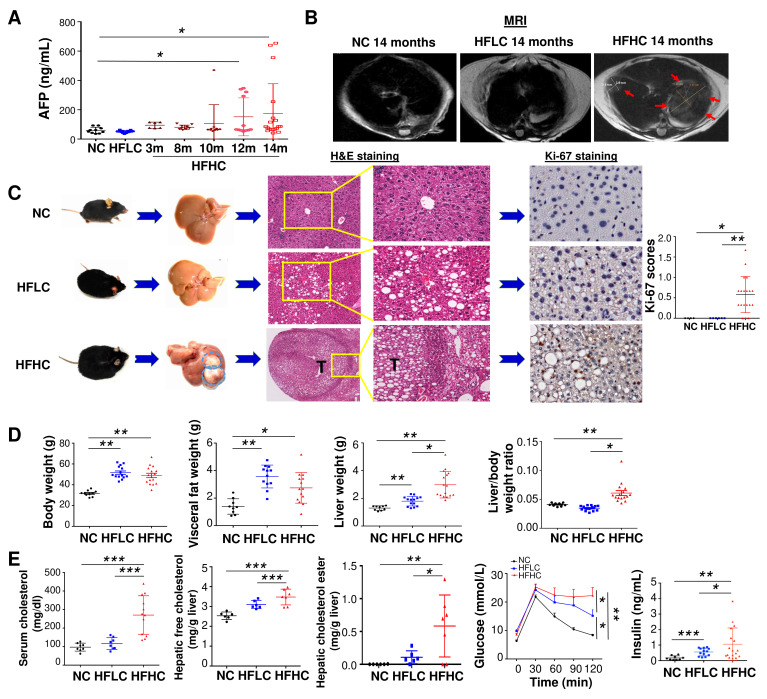
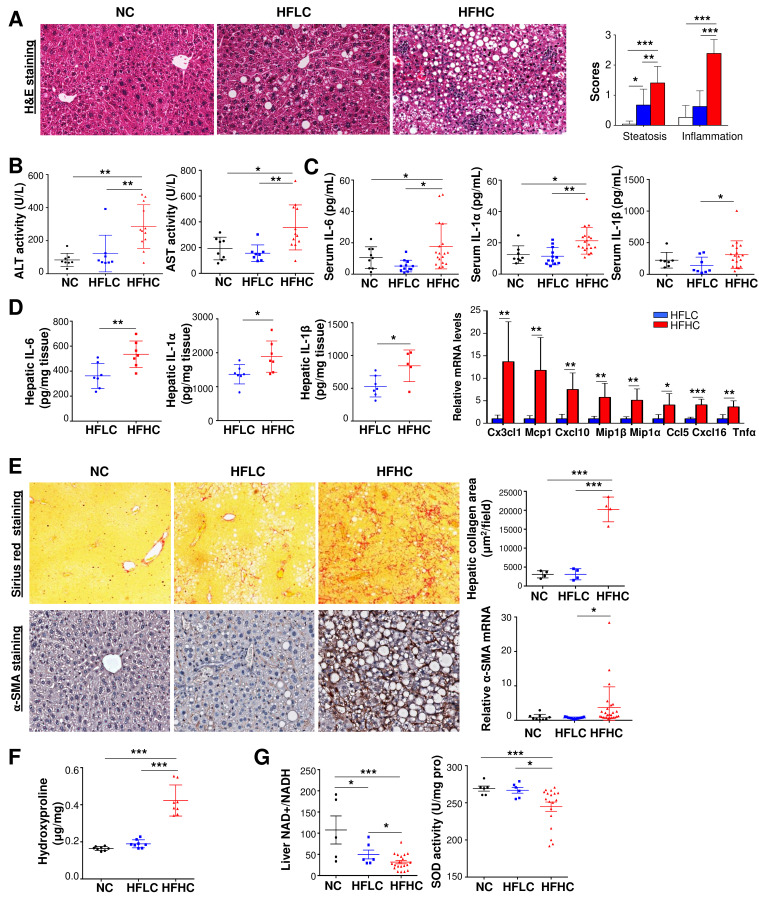
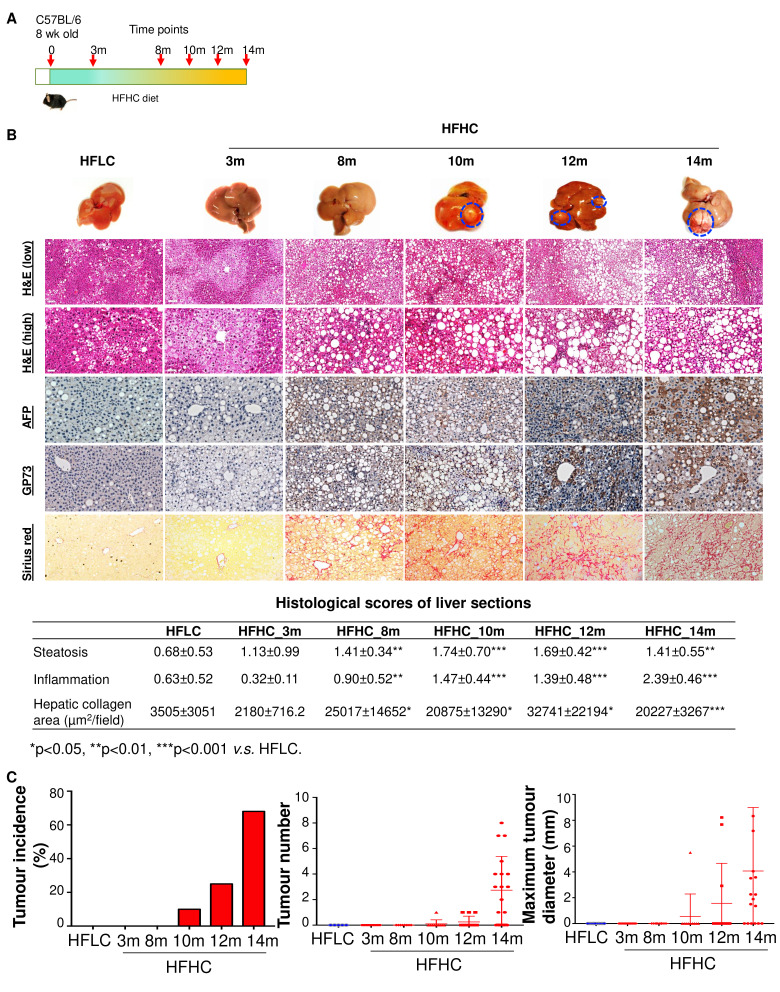
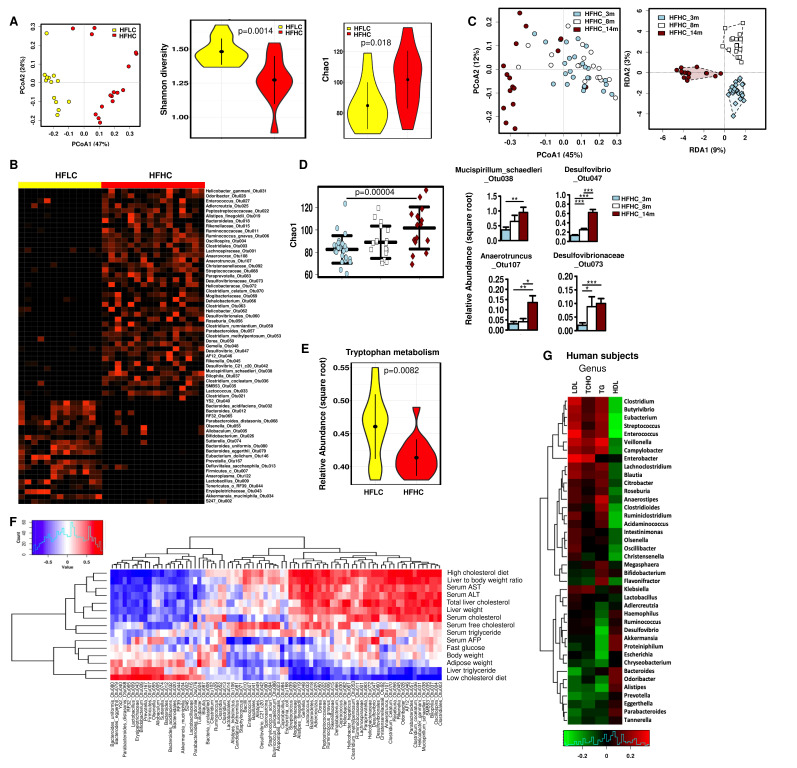
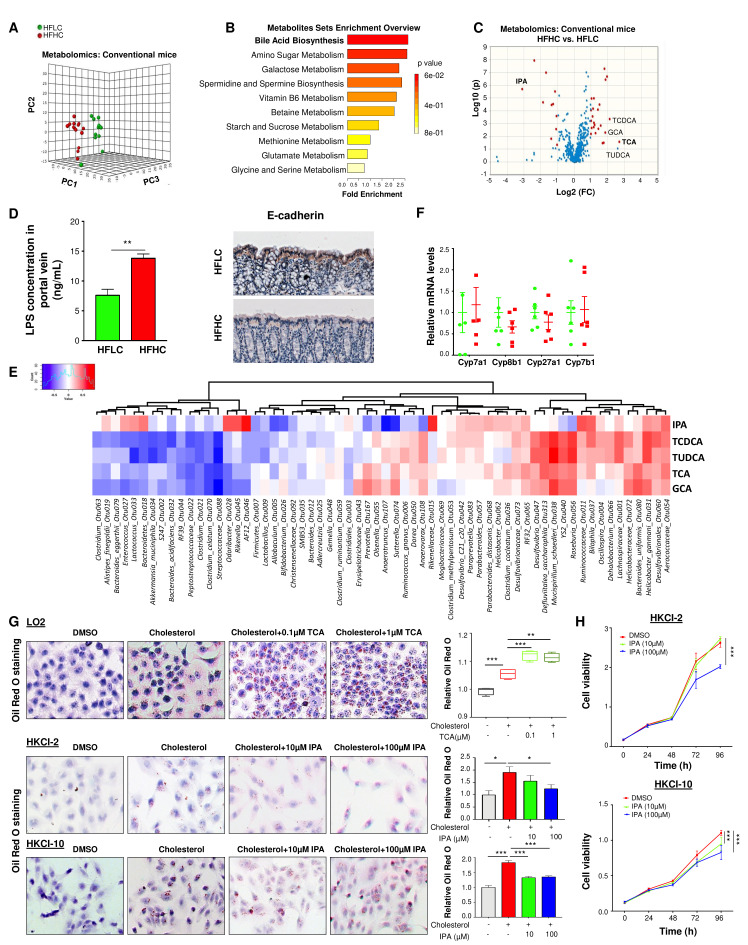
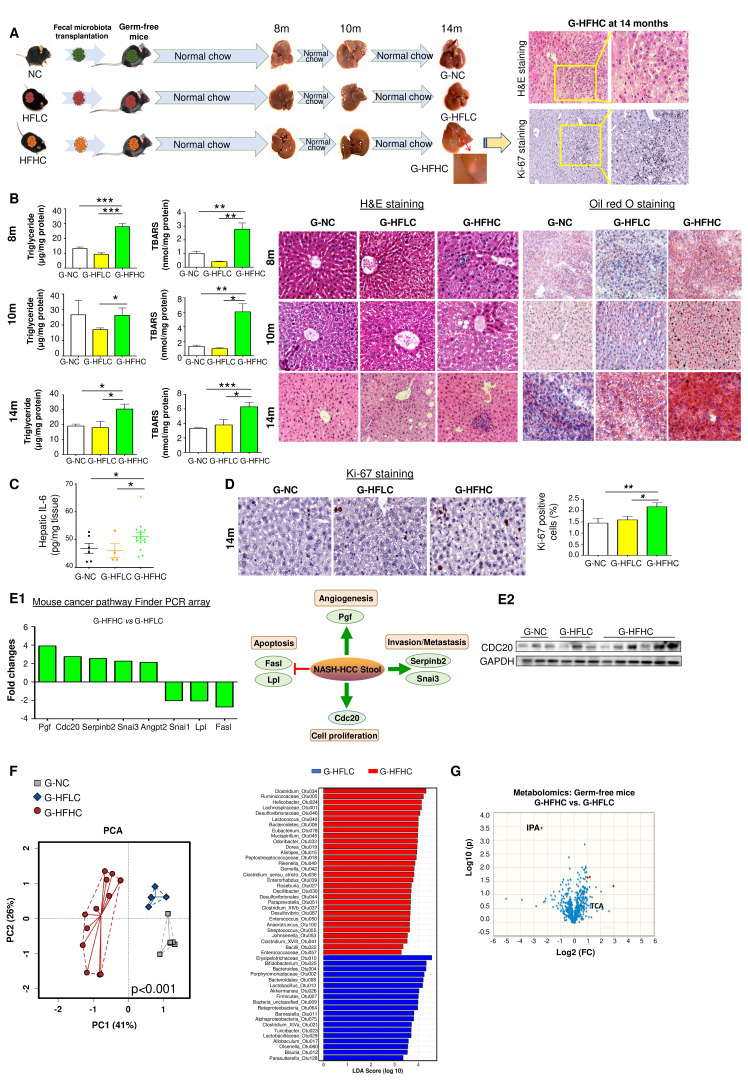
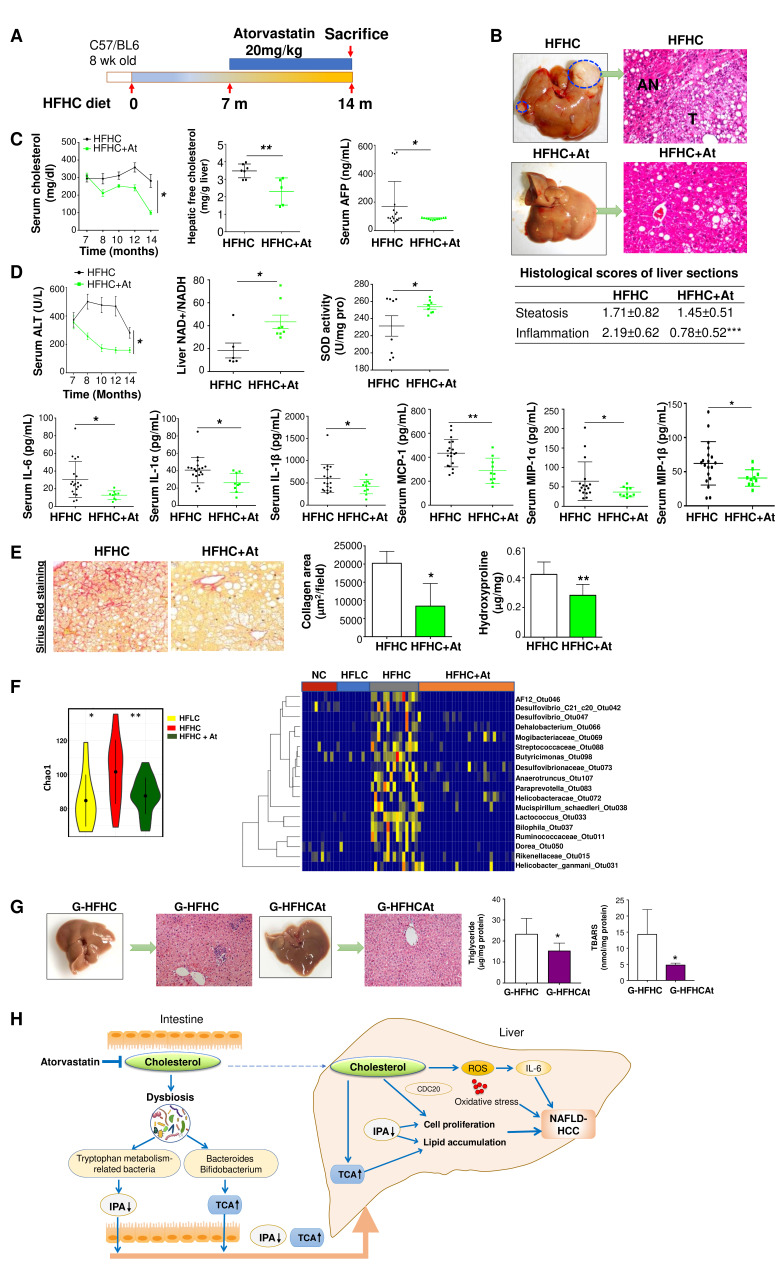
Objective: Non-alcoholic fatty liver disease (NAFLD)-associated hepatocellular carcinoma (HCC) is an increasing healthcare burden worldwide. We examined the role of dietary cholesterol in driving NAFLD–HCC through modulating gut microbiota and its metabolites. Design: High-fat/high-cholesterol (HFHC), high-fat/low-cholesterol or normal chow diet was fed to C57BL/6 male littermates for 14 months. Cholesterol-lowering drug atorvastatin was administered to HFHC-fed mice. Germ-free mice were transplanted with stools from mice fed different diets to determine the direct role of cholesterol modulated-microbiota in NAFLD–HCC. Gut microbiota was analysed by 16S rRNA sequencing and serum metabolites by liquid chromatography–mass spectrometry (LC–MS) metabolomic analysis. Faecal microbial compositions were examined in 59 hypercholesterolemia patients and 39 healthy controls. Results: High dietary cholesterol led to the sequential progression of steatosis, steatohepatitis, fibrosis and eventually HCC in mice, concomitant with insulin resistance. Cholesterol-induced NAFLD–HCC formation was associated with gut microbiota dysbiosis. The microbiota composition clustered distinctly along stages of steatosis, steatohepatitis and HCC. Mucispirillum, Desulfovibrio, Anaerotruncus and Desulfovibrionaceae increased sequentially; while Bifidobacterium and Bacteroides were depleted in HFHC-fed mice, which was corroborated in human hypercholesteremia patients. Dietary cholesterol induced gut bacterial metabolites alteration including increased taurocholic acid and decreased 3-indolepropionic acid. Germ-free mice gavaged with stools from mice fed HFHC manifested hepatic lipid accumulation, inflammation and cell proliferation. Moreover, atorvastatin restored cholesterol-induced gut microbiota dysbiosis and completely prevented NAFLD–HCC development. Conclusions: Dietary cholesterol drives NAFLD–HCC formation by inducing alteration of gut microbiota and metabolites in mice. Cholesterol inhibitory therapy and gut microbiota manipulation may be effective strategies for NAFLD–HCC prevention.
Overview
The claims and statistics of this paper haven’t been checked yet.
Free: it reads the open-access text and checks the first 5 claims that cite a source we can check. Create a free account to check every claim.
Integrity signals
Registry
Cites
Statistics
Figures
Verification
Claims the paper makes
The claims and statistics of this paper haven’t been checked yet.
Free: it reads the open-access text and checks the first 5 claims that cite a source we can check. Create a free account to check every claim.
Claims other papers make about this one
Each is checked against this paper’s own text: does it say what the citing paper says it does?
In the citing paper
“this genus has been associated with the pathogenesis of fatty-liver-associated liver cancer36.”
From Nivolumab plus ipilimumab with or without live bacterial supplementation in metastatic renal cell carcinoma: a randomized phase 1 trial (2022) · cites this paper as [36]
Self-check
Percentages, sums and reported differences re-computed from the paper’s own numbers.
The self-check needs the paper’s full text.
Citations
Cites
Vernon, G., Baranova, A., & Younossi, Z. M. (2011) · Alimentary Pharmacology & Therapeutics · doi:10.1111/j.1365-2036.2011.04724.x · Cited by 3,074 · cited 1×
“27 28 There are evidences that Bifidobacterium has cholesterol-lowering activity through gut microbiota modulation.”
Sayin, S. I., Wahlström, A., Felin, J., Jäntti, S., Marschall, H.-U., Bamberg, K., Angelin, B., Hyötyläinen, T., Orešič, M., & Bäckhed, F. (2013) · Cell Metabolism · doi:10.1016/j.cmet.2013.01.003 · Cited by 2,331
Microbial tryptophan catabolites in health and disease
Roager, H. M., & Licht, T. R. (2018) · Nature Communications · doi:10.1038/s41467-018-05470-4 · Cited by 2,236 · cited 1×
“IPA is a specific metabolite whose production completely depends on tryptophan metabolism by the gut microbiota 18 and characterised as being anti-inflammatory and protective of intestinal barrier integrity.”
Bile acid-microbiota crosstalk in gastrointestinal inflammation and carcinogenesis
Jia, W., Xie, G., & Jia, W. (2018) · Nature Reviews Gastroenterology & Hepatology · doi:10.1038/nrgastro.2017.119 · Cited by 1,924 · cited 2×
“40 Therefore, the decreased Bifidobacterium and Bacteroides in the stool of HFHC-fed mice may account for the accumulated taurine-conjugated bile acids in HFHC-fed mice.”
Zhu, L., Baker, S. S., Gill, C., Liu, W., Alkhouri, R., Baker, R. D., & Gill, S. R. (2013) · Hepatology · doi:10.1002/hep.26093 · Cited by 1,708 · cited 3×
“27 28 There are evidences that Bifidobacterium has cholesterol-lowering activity through gut microbiota modulation.”
Gut microbiome–mediated bile acid metabolism regulates liver cancer via NKT cells
Ma, C., Han, M., Heinrich, B., Fu, Q., Zhang, Q., Sandhu, M., Agdashian, D., Terabe, M., Berzofsky, J. A., Fako, V., et al. (2018) · Science · doi:10.1126/science.aan5931 · Cited by 1,508 · cited 1×
“21 We therefore explored the potential involvement of the gut microbiota in mediating dietary cholesterol-induced NAFLD–HCC.”
Gut microbial metabolites in obesity, NAFLD and T2DM
Canfora, E. E., Meex, R. C. R., Venema, K., & Blaak, E. E. (2019) · Nature Reviews Endocrinology · doi:10.1038/s41574-019-0156-z · Cited by 1,493
A gut bacterial pathway metabolizes aromatic amino acids into nine circulating metabolites
Dodd, D., Spitzer, M. H., Van Treuren, W., Merrill, B. D., Hryckowian, A. J., Higginbottom, S. K., Le, A., Cowan, T. M., Nolan, G. P., Fischbach, M. A., et al. (2017) · Nature · doi:10.1038/nature24661 · Cited by 1,425 · cited 1×
“…and potentially, those of other enriched bile acids to the pathogenesis of cholesterol-induced NAFLD–HCC. Additionally, IPA, which is exclusively produced by commensal gut microbes, 41 42 was depleted in both HFHC-fed conventional mice and germ-free mice transplanted with stools from HFHC-fed mice.”
Venkatesh, M., Mukherjee, S., Wang, H., Li, H., Sun, K., Benechet, A. P., Qiu, Z., Maher, L., Redinbo, M. R., Phillips, R. S., et al. (2014) · Immunity · doi:10.1016/j.immuni.2014.06.014 · Cited by 1,066 · cited 2×
“36 Disruption of bile acid homeostasis alters metabolic homeostasis in the liver and can lead to hepatic inflammation and metabolic diseases including diabetes and NAFLD.”
Gut microbiota and human NAFLD: disentangling microbial signatures from metabolic disorders
Aron-Wisnewsky, J., Vigliotti, C., Witjes, J., Le, P., Holleboom, A. G., Verheij, J., Nieuwdorp, M., & Clément, K. (2020) · Nature Reviews Gastroenterology & Hepatology · doi:10.1038/s41575-020-0269-9 · Cited by 1,063
Cited by
Items 501–600 of 916
Tian, P., Tian, X., Gao, L., Ma, C., & Liang, X. (2024) · BMC Cancer · doi:10.1186/s12885-024-13136-2 · Cited by 9
“High dietary cholesterol intake has been shown to promote the progression of MASLD to HCC by changing the composition of gut microbiota and increasing the level of taurocholic acid metabolites, while reducing the level of 3-indolepropi-onic acid [9].”
BackgroundWang, Y., Zhang, Y., He, Y., Zhang, S., Huang, B., Wang, Y., Lin, W., Xiao, W., Zou, Z., & Cui, G. (2025) · Frontiers in Nutrition · doi:10.3389/fnut.2025.1564177 · Cited by 10
Self-citationLagunas‐Rangel, F. A. (2025) · Xenobiotica · doi:10.1080/00498254.2025.2535445 · Cited by 9
“It reduced potentially pathogenic bacteria, such as Parabacteroides merdae , while promoting beneficial species like Bifidobacterium longum subsp. longum , Anaerostipes hadrus , and Ruminococcus obeum .”
InfluentialGut microbiota as a metabolic mediator to prevent or attenuate MASLD
Luo, J., Wei, Y., Fan, Z., Li, B., Li, L., Chai, Y., Xing, Z., Qiu, Y., Lu, W., & Fang, Z. (2025) · Critical Reviews in Food Science and Nutrition · doi:10.1080/10408398.2025.2545525 · Cited by 9
“Studies have shown that in mice with hepato-cellular carcinoma induced by a high-fat, high-cholesterol diet, Mucispirillum , Desulfovibrio , Anaerotruncus , and Desulfovibrionaceae were increased, and Bifidobacterium and Bacteroides were decreased (Zhang, Coker, et al. 2021).”
The gut–microbiota–brain changes across the liver disease spectrum
Higarza, S. G., Arboleya, S., Arias, J. L., Gueimonde, M., & Arias, N. (2022) · Frontiers in Cellular Neuroscience · doi:10.3389/fncel.2022.994404 · Cited by 9
“Moreover, thioacetamide was responsible as well for an increment in the concentration of Bifidobacterium, which has been previously demonstrated to be negatively associated with total serum cholesterol (Zhang et al., 2021), independent of the regime of diet.”
BackgroundDu, Z., Du, Y., Li, L., Sun, H., Hu, C., Jiang, L., Wang, L., & Qin, Y. (2023) · Journal of Clinical Medicine · doi:10.3390/jcm12020483 · Cited by 9
“3-indolepropionic acid is a product of microbial tryptophan metabolism, and its decrease has been reported to be associated with lipid accumulation, especially in triacylglycerol (TAG) species [30].”
BackgroundMaiuolo, J., Mollace, R., Bosco, F., Scarano, F., Oppedisano, F., Nucera, S., Ruga, S., Guarnieri, L., Macrì, R., Bava, I., et al. (2023) · Agriculture · doi:10.3390/agriculture13020249 · Cited by 9
Molecular Ensembles of Microbiotic Metabolites in Carcinogenesis
Shatova, O. P., Zabolotneva, A. A., & Shestopalov, A. V. (2023) · Biochemistry (Moscow) · doi:10.1134/s0006297923070027 · Cited by 9
Wu, Z., Wang, X., Xie, Y., Qian, Q., Luan, W., Yang, H., Li, J., Ma, J., Chen, S., & Li, X. (2024) · Food Bioscience · doi:10.1016/j.fbio.2024.104272 · Cited by 9
Lu, S., Tao, Z., Gan, W., Na, K., Wu, L., Zhang, L., Li, X., & Guo, X. (2025) · Journal of Agricultural and Food Chemistry · doi:10.1021/acs.jafc.4c10378 · Cited by 8
Zhang, B., Liu, M., Jiang, L., Chen, Z., Tian, W., Li, K., Yu, B., Zhang, W., Li, S., Zhou, Y., et al. (2025) · Current Microbiology · doi:10.1007/s00284-025-04474-w · Cited by 8
“Recent research has identified gut microbiota dysbiosis as a key pathogenic factor contributing to the onset and progression of NAFLD [97–99].”
Cheng, X., Li, S., Huang, C., Yang, Y., Liu, R., Cao, S., Luo, L., & Lu, B. (2026) · Chinese Medicine · doi:10.1186/s13020-025-01311-x · Cited by 8
“In high-fat/high-cholesterol (HFHC) diet-fed mice, depletion of Bifidobacterium and Bacteroides induced dysbiosis that promoted NAFLD development and remarkably accelerated progression to hepatocellular carcinoma [76].”
EASL position paper on preclinical models of steatotic liver disease
Gallage, S., Castro, R. E., Estall, J. L., Tabas, I. A., Anstee, Q. M., TINIAKOS, D. G., Szabó, G., Yu, J., Desdouets, C., Tacke, F., et al. (2026) · Journal of Hepatology · doi:10.1016/j.jhep.2026.04.029 · Cited by 8
Self-citationMolecular mechanisms and pathogenesis of MASH
Gallage, S., Govaere, O., Anstee, Q. M., Shulman, G. I., Tacke, F., & Heikenwälder, M. F. (2026) · Nature · doi:10.1038/s41586-026-10529-0 · Cited by 10
“Moreover, increased primary bile acid taurocholic acid and gut dysbiosis were found in C57BL/6 mice on a high-fat/high-cholesterol (HFHC) diet, with taurocholic acid exacerbating cholesterol-induced hepatic lipid accumulation 264 .”
Huang, X., Yang, Y., Li, X., Zhu, X., Lin, D., Ma, Y., Zhou, M., Cui, X., Zhang, B., Dang, D., et al. (2023) · Frontiers in Nutrition · doi:10.3389/fnut.2023.1089909 · Cited by 8
“This phenomenon may be related to the dysregulation of intestinal flora and the reduction of probiotics, such as Bifidobacterium and BSH-rich bacteria (75, 76).”
BackgroundChayanupatkul, M., Machchimapiro, P., Chuaypen, N., Wanpiyarat, N., Tumwasorn, S., Siriviriyakul, P., & Werawatganon, D. (2024) · Biomedicines · doi:10.3390/biomedicines12081847 · Cited by 8
Cholesterol inhibition enhances antitumor response of gilteritinib in lung cancer cells
Sun, C., Cao, D., Wang, Y.-N., Weng, N., Ren, Q., Wang, S.-C., Zhang, M., Mai, S., & Wang, H. (2024) · Cell Death and Disease · doi:10.1038/s41419-024-07082-x · Cited by 8
“…drives fatty liver-associated liver cancer via regulating gut microbiota, and a cholesterol-lowering drug, atorvastatin, prevents tumor formation [20]; on the other hand, inhibition of cholesterol by statins promotes epithelial-mesenchymal transition of pancreatic cancer, and patients with…”
BackgroundSelf-citationImpact of Short-Term Lipid Overload on Whole-Body Physiology
Keles, U., Kalem-Yapar, N. E., Hultén, H., Zhao, L. N., & Kaldis, P. (2024) · Molecular and Cellular Biology · doi:10.1080/10985549.2024.2438814 · Cited by 8
“90 While understanding the short-time HFD effects on physiology is an indispensable tool, modelling recovery from obesity or short-term HFD feeding is essential.”
Zeng, Z., Feng, M., He, F., Zhang, E., Li, X., & Cao, Z. (2025) · Frontiers in Microbiology · doi:10.3389/fmicb.2024.1481111 · Cited by 8
Xiao, L., Liu, J., Qin, L., Deng, S., Mo, G., Zhang, D., & Huang, B. (2025) · Poultry Science · doi:10.1016/j.psj.2025.104981 · Cited by 8
“In clinical practice, fecal microbiota transplantation has proven to be effective in improving the gut microbiota composition, reducing the production of endotoxin, and alleviating fatty liver disease (Zhang et al., 2021; Xue et al., 2022).”
Wang, W., Li, Q., Geng, X., Zhou, F., Wang, Z., Wang, Y., Tang, X., Cheng, X., Sun, J., & Qi, C. (2025) · Food Bioscience · doi:10.1016/j.fbio.2025.106393 · Cited by 8
Self-citationDing, M., Mao, S., Wu, H., Fang, S., Zhen, N., Chen, T., Zhu, J., Tang, X., Wang, X., Sun, F., et al. (2025) · Advanced Science · doi:10.1002/advs.202407671 · Cited by 8
Thomasclavelia ramosa and alcohol-related hepatocellular carcinoma: a microbial culturomics study
Wasfy, R. M., Abdoulaye, A. I., Borentain, P., Mbaye, B., Alou, M. T., Caputo, A., Andrieu, C., Mottola, G., Levasseur, A., Million, M., et al. (2025) · Gut Pathogens · doi:10.1186/s13099-025-00703-6 · Cited by 8
The crosstalk between gut microbiota and microbiota-derived metabolites in hepatocellular carcinoma
Yoon, S. J., Han, S. K., Kim, T. S., Suk, K. T., Choi, D. H., Kim, Y. D., Kim, M. Y., Cheon, G. J., Baik, S. K., & Kim, D. J. (2025) · Critical Reviews in Microbiology · doi:10.1080/1040841x.2025.2501590 · Cited by 8
“…bacteria was also decreased, and it was associated with tryptophan metabolic capacity and, consequently, lower serum 3-indolepropionic acid levels (Zhang et al. 2021). in a clinical study, patients with MASH-cirrhosis showed decreased fecal kynurenine and kynurenic acid levels and increased…”
The liver-gut axis perspective: Exploring the pathogenesis of fatty liver
Yang, Z., Zhang, J., Liu, X., Chen, H., Duan, H., Wang, Q., Zhao, W., & Jin, L. (2025) · European Journal of Pharmacology · doi:10.1016/j.ejphar.2025.177822 · Cited by 8
Screening of co-pathogenic genes of non-alcoholic fatty liver disease and hepatocellular carcinoma
Chen, T., Zhang, S., Zhou, D., Lu, P., Mo, X., Tamrakar, R., & Yang, X. (2022) · Frontiers in Oncology · doi:10.3389/fonc.2022.911808 · Cited by 8
“is increasing at an alarming rate and has been considered an induc ib le cause of HCC (37) , and non-a lcoho l i c steatohepatitis (NASH), as a manifestation of NAFLD, can progress to cirrhosis or even HCC (38).”
BackgroundSelf-citationSodium cholate ameliorates nonalcoholic steatohepatitis by activation of FXR signaling
Pan, L., Yu, Z., Liang, X., Yao, J., Fu, Y., He, X., Ren, X., Chen, J., Li, X., Lu, M.-Q., et al. (2023) · Hepatology Communications · doi:10.1097/hc9.0000000000000039 · Cited by 8
“Sterol regulatory element–binding protein (SREBPs) is an essential group of transcription factors regulating lipid synthesis.[14,15] SREBP-1c is involved in hepatic lipid synthesis, and overexpression of SREBP-1c causes hepatic lipid accumulation and insulin resistance.”
BackgroundHe, S., Li, L., Lei, S., Su, J., Zhang, Y., & Zeng, H. (2024) · International Journal of Biological Macromolecules · doi:10.1016/j.ijbiomac.2024.131174 · Cited by 8
Clostridioides difficile infection in patients with nonalcoholic fatty liver disease-current status
Kiseleva, Y. V., Maslennikov, R. V., Gadzhiakhmedova, A. N., Zharikova, T. S., Kalinin, D. V., & Zharikov, Y. O. (2023) · World Journal of Hepatology · doi:10.4254/wjh.v15.i2.208 · Cited by 8
Assessment of Areca Nut Bioactivities in Western Diet-Induced Mice NAFLD Model
Yi, S., Chen, K., Sakao, K., Ikenaga, M., Wang, Y., & Hou, D. (2023) · Nutrients · doi:10.3390/nu15102403 · Cited by 8
“It is noteworthy that f_Desulfovibrionaceae and Mucispirillum were correlated with NAFLD [36].”
BackgroundSelf-citationLi, M., Wu, X. Q., & Lee, T. K. (2025) · Clinical and Molecular Hepatology · doi:10.3350/cmh.2025.0476 · Cited by 7
Chen, Q., Feng, X., Wang, J., Zhu, H., Bo, Z., Wang, B., & Zhao, Z. (2026) · European Journal of Cancer · doi:10.1016/j.ejca.2026.116581 · Cited by 7
Georgy, D., Sedeek, H. N., Abaza, N. E., Eldeeb, S. E. K., Khamis, S. M., Elgamil, M. R., & Magar, R. W. (2026) · Biochemistry and Biophysics Reports · doi:10.1016/j.bbrep.2026.102564 · Cited by 7
“These interactions contribute to the onset, progression, and metastasis of cancer, as well as immune evasion, angiogenesis, and chemoresistance [12,13].”
Harlow, C. F., Mohamad, M., Bajaj, J. S., Nibali, L., Banerjee, A., & Patel, V. H. (2026) · Journal of Hepatology · doi:10.1016/j.jhep.2026.04.023 · Cited by 7
FXR agonists for colorectal and liver cancers, as a stand-alone or in combination therapy
Yu, D., Lu, Z., Wang, R., Xiang, Y., Li, H., Lu, J., Zhang, L., Chen, H., Li, W., Luan, X., et al. (2023) · Biochemical Pharmacology · doi:10.1016/j.bcp.2023.115570 · Cited by 7
Koelsch, N. J., & Manjili, M. H. (2023) · International Journal of Molecular Sciences · doi:10.3390/ijms241512086 · Cited by 7
Aged microbiota exacerbates cardiac failure by PPARα/PGC1α pathway
Han, X., Li, O., Kim, D., Xue, M., Bao, Z., & Yang, F. (2024) · Biochimica et Biophysica Acta (BBA) - Molecular Basis of Disease · doi:10.1016/j.bbadis.2024.167271 · Cited by 7
Piccinin, E., Arconzo, M., Pasculli, E., Tricase, A. F., Cultrera, S., Bertrand‐Michel, J., Loiseau, N., Villani, G., Guillou, H., & Moschetta, A. (2024) · Cell & Bioscience · doi:10.1186/s13578-024-01248-y · Cited by 7
“A large flux of dietary cholesterol occurs daily between the gut and the liver, and dietary cholesterol-induced MASH-HCC formation was associated with intestinal modifications [25, 26, 37].”
BackgroundCao, Y.-J., Yang, Y., Liang, Z., Guo, W., Lv, X., Ni, L., & Chen, Y. (2024) · Foods · doi:10.3390/foods13172760 · Cited by 7
“Interestingly, GA-NPs intervention significantly”
Altered microbial diversity and composition of multiple mucosal organs in cervical cancer patients
Peng, L., Ai, C., Dou, Z., Li, K., Jiang, M., Wu, X., Zhao, C., Li, Z., & Zhang, L. (2024) · BMC Cancer · doi:10.1186/s12885-024-12915-1 · Cited by 8
Wan, Y.-P., Li, S., Li, D., Huang, X., Wu, J.-H., & Jian, J. (2024) · Molecular Medicine Reports · doi:10.3892/mmr.2024.13407 · Cited by 7
Sun, X., Wang, C., Li, S., Liu, X., Li, Y., Wang, Y., Niu, Y., Ren, Z., Yang, X., Yang, X., et al. (2024) · Animal nutrition · doi:10.1016/j.aninu.2024.11.011 · Cited by 7
Self-citationJiang, Y., Liao, Y., Wang, Z., Zhu, L., Liu, Y., Zhang, P., Zhu, Y., Li, W., Zhou, Y., & Zhang, X. (2025) · Interdisciplinary medicine · doi:10.1002/inmd.20240059 · Cited by 8
Self-citationGuo, K., Liu, J., Yao, Z., Tan, Z., & Yang, T. (2025) · Frontiers in Nutrition · doi:10.3389/fnut.2025.1537569 · Cited by 7
“LDL-C is transported to the lysosome through receptor-mediated endocytosis (44).”
Wu, X., Qiao, Y., Hou, Y., Zhang, X., Ocholi, S. S., Wang, L., Yan, Z., Li, J., & Han, L. (2025) · Journal of Pharmaceutical and Biomedical Analysis · doi:10.1016/j.jpba.2025.116734 · Cited by 7
Self-citationSanye tablet regulates gut microbiota and bile acid metabolism to attenuate hepatic steatosis
Qi, Y., Du, S., Li, W., Qiu, X., Zhou, F., Bai, L., Zhang, B., Mi, Z.-X., Qian, W., Li, L., et al. (2025) · Journal of Ethnopharmacology · doi:10.1016/j.jep.2025.119514 · Cited by 7
Chen, Z., Qi, H., Xue, Y., Zhang, Y., Zhang, Z., Xu, S., Liao, S., Zeng, X., Wu, J., Lv, X., et al. (2025) · MedComm – Oncology · doi:10.1002/mog2.70015 · Cited by 7
Hu, Y., Lin, C., Zhang, L., Jiang, X., Li, H., & Wu, Y. (2026) · Advanced Science · doi:10.1002/advs.202523582 · Cited by 8
“Concurrent consumption of sucrose, cholesterol, or food additives such as sucralose can intensify dyslipidemia, insulin resistance, obesity, and hepatic injury, fibrosis, and carcinogenesis [ 258, 261, 285 ].”
Yuan, M., Lin, L., Cao, H., Zheng, W., Wu, L., Zuo, H., Tian, X., & Song, H. (2022) · Frontiers in Microbiology · doi:10.3389/fmicb.2022.905567 · Cited by 7
“Desulfovibrionaceae produces LPS and is strongly associated with obesity and metabolic syndrome (Zhang et al., 2021); however, studies also have shown that the H2S produced by Desulfovibrionaceae is an important mediator of gastrointestinal mucosal defense repair and reduction of systemic inflammation (Wallace et al.”
BackgroundYou, M., Tian, M., Song, Z., Liu, Z., Yang, B., & Zhang, S. (2024) · Nano Letters · doi:10.1021/acs.nanolett.3c03609 · Cited by 7
Causal roles of gut microbiota in cholangiocarcinoma etiology suggested by genetic study
Chen, Z., Ding, C., Chen, K., Gu, Y., Lu, C., & Li, Q. (2024) · World Journal of Gastrointestinal Oncology · doi:10.4251/wjgo.v16.i4.1319 · Cited by 7
“The microbiota likely contributes to diverse hepatobiliary conditions including cancer, PSC, choledocholithiasis and cholelithiasis[14-17].”
Wang, J., Jia, B., Miao, J., Li, D., Wang, Y., Han, L., Yin, Y., Zhang, Y., Wang, Y., Guo, L., et al. (2024) · Journal of Translational Medicine · doi:10.1186/s12967-024-05315-3 · Cited by 7
“Hepatitis, cirrhosis and liver cancer caused by NAFLD are global public health problems [3, 28–31].”
BackgroundSelf-citationHeinzer, K., Lang, S., Farowski, F., Wisplinghoff, H., Vehreschild, M. J. G. T., Martin, A., Nowag, A., Kretzschmar, A., Scholz, C. J., Roderburg, C., et al. (2022) · Nutrition Research · doi:10.1016/j.nutres.2022.07.006 · Cited by 7
An overview of cancer and the human microbiome
Mahapatra, S., Mohanty, S., Mishra, R., & Prasad, P. (2022) · Progress in molecular biology and translational science · doi:10.1016/bs.pmbts.2022.07.007 · Cited by 7
Feng, F., Zhong, Y.-X., Yang, C., Lin, F., Huang, J.-H., Mai, Y., Zhao, P., Wei, W., Zhu, H.-C., & Xu, Z. (2023) · BMC Urology · doi:10.1186/s12894-023-01291-w · Cited by 7
Single-cell atlas reveals characteristic changes in intrahepatic HBV-specific leukocytes
Pan, B., Wang, Z., Chen, R., Zhang, X., Qiu, J., Wu, X., Yao, Y., Luo, Y., Wang, X., & Tang, N. (2023) · Microbiology Spectrum · doi:10.1128/spectrum.02860-23 · Cited by 6
“Samples were analyzed with a Helios Cytometry by time-of-flight (CyTOF)2.”
BackgroundMethodSelf-citationKanmani, P., Villena, J., Lim, S.-K., Song, E., Nam, Y., & Kim, H. (2024) · Molecular Nutrition & Food Research · doi:10.1002/mnfr.202400227 · Cited by 6
Misceo, D., Mocciaro, G., D’Amore, S., & Vacca, M. (2024) · Nutrition & Metabolism · doi:10.1186/s12986-024-00871-3 · Cited by 7
“Moreover, the reduced intake of refined carbohydrates might reduce the risk of HCC by decreasing the metabolic burden that leads to HCC formation, and the deleterious effects of insulin signalling on HCC metabolism/growth [196, 216].”
TMAO regulates OTUB1-mediated SLC7A11 stability to promote NAFLD progression
Zhong, B., Zhu, Q., Wei, P., & Wang, X. (2025) · Biochemical and Biophysical Research Communications · doi:10.1016/j.bbrc.2025.152352 · Cited by 6
Multi-kingdom profiling reveals altered gut phage-bacteria-metabolite interactions in MASLD
Zhou, X., Zhou, D. X., Pu, Y., Kim, H., Sun, Z., Qi, W., Jin, J., Zhang, W., Xia, M., Wang, C., et al. (2026) · Nature Communications · doi:10.1038/s41467-026-71981-0 · Cited by 6
Intratumoral Microorganisms in Tumors: Current Understanding and Emerging Therapeutic Strategies
Zhang, H., Du, Z., Lu, P., Jiang, A., Guo, Y., Liu, Y., Song, Z., Dai, B., & Zhang, W. (2026) · MedComm · doi:10.1002/mco2.70754 · Cited by 6
“In liver cancer, the emergence and progression of NASH–HCC has been closely linked to gut dysbiosis, underscoring the gut–liver axis as a potential conduit through which metabolic derangement and inflammatory signaling may contribute to hepatocarcinogenesis [ 57 ].”
Pan, L., Wang, L., Ma, H., & Ding, F. (2024) · Journal of Gastroenterology and Hepatology · doi:10.1111/jgh.16760 · Cited by 6
“61,62 Examples of these adipokines are resistin, lipocalin, and leptin.”
Ning, L., Gao, Z., Chen, D., Han, J., Xie, G., & Sun, J. (2025) · BMC Cancer · doi:10.1186/s12885-025-13690-3 · Cited by 6
“Certain lipid metabolites, such as phospholipids and cholesterol, are also associated with an increased risk of liver cancer [14].”
Chen, Q., Li, W., Deng, Y., Li, Y., Huang, L., Zhao, L., & Li, H. (2022) · Evidence-based Complementary and Alternative Medicine · doi:10.1155/2022/6072286 · Cited by 6
“*e metabolites of N-acetyl-L-tryptophan and 3indolepropionic acid could alleviate or inhibit many inflammatory reactions [23]; 3-indolepropionic acid had been found to prevent steatohepatitis [24].”
BackgroundYoshikawa, S., Taniguchi, K., Sawamura, H., Ikeda, Y., Asai, T. T., Tsuji, A., & Matsuda, S. (2023) · Exploration of Targeted Anti-tumor Therapy · doi:10.37349/etat.2023.00152 · Cited by 6
NASH/NAFLD-Related Hepatocellular Carcinoma: An Added Burden
Georgescu, D., Lighezan, D., Rosca, C. I., Nistor, D., Ancusa, O., Suceava, I., Iancu, M. A., & Kundnani, N. R. (2023) · Life · doi:10.3390/life14010025 · Cited by 6
“Administration of atorvastatin is believed to restore the dysbiosis produced by high cholesterol intake and further prevents the high cholesterol intake in NAFLD/HCC-related issues [25].”
BackgroundInfluentialYu, Q., Zhang, Y., Zeng, W., Sun, Y., Zeng, M., Yang, Q., Guo, L., Zhang, X., Zhang, Y., Wang, Y., et al. (2024) · Journal of physiological investigation. · doi:10.4103/ejpi.ejpi-d-23-00031 · Cited by 6
Self-citationYan, B., Zheng, X., Chen, X., Hao, H., Shen, S., Yang, J., Wang, S., Sun, Y., Xian, J., Shao, Z., et al. (2024) · ACS Pharmacology & Translational Science · doi:10.1021/acsptsci.4c00185 · Cited by 6
Wang, H., Xie, X., Du, M., Wang, X., Wang, K., Chen, X., & Yang, H. (2024) · Gene · doi:10.1016/j.gene.2024.148955 · Cited by 6
Fu, R., Xue, W., Liang, J., Wang, L., Zhang, M., & Meng, J. (2024) · Food Science and Human Wellness · doi:10.26599/fshw.2024.9250086 · Cited by 5
“NLRP3 inflammasome assembly results in the release of proinflammatory cytokines IL-1β and IL-18 8 .”
Fan, G., Chen, W., He, J., Wang, D., & Yang, X. (2024) · Research in Veterinary Science · doi:10.1016/j.rvsc.2024.105526 · Cited by 5
Self-citationLiu, Y., Zhao, T., Wang, Z., Zhang, Y., Shen, J., & Lu, B. (2025) · Food & Function · doi:10.1039/d4fo03049d · Cited by 5
Xia, D., Jiang, X., Xie, X., Zhou, H., Yu, D., Jin, G., Ye, X., Zhu, S., Guo, Z., & Liang, X. (2025) · International Journal of Molecular Sciences · doi:10.3390/ijms26062793 · Cited by 5
Rahadini, A. A. D., & Rahadina, A. (2025) · Clinical and Experimental Hepatology · doi:10.5114/ceh.2025.151896 · Cited by 5
“Dietary cholesterol is associated with an increased risk of disease progression in patients with CHC and advanced fibrosis [46].”
Yi, X., Yi, S., Wang, J., Ye, B., Zhu, X., Meng, Q., Wu, H., & Zhou, Z. (2025) · Animal nutrition · doi:10.1016/j.aninu.2025.03.019 · Cited by 5
Xu, J., Huang, X., Pei, F., Chen, Y., Zhang, C., Zhao, L., Zhang, H., Zhang, J., & Duan, L. (2025) · Frontiers in Microbiology · doi:10.3389/fmicb.2025.1622818 · Cited by 5
“In patients and mouse models with hypercholesterolemia, Bifidobacterium is negatively correlated with serum total cholesterol, and it may reduce cholesterol levels by regulating the gut microbiota (Zhang et al., 2021; Kou et al., 2023).”
Gu, Y., Wang, Y., Qu, G. L., Pen, Y., Chen, Y., Zhu, X., Li, Y., Wang, Y., Fang, F., Zhang, S., et al. (2025) · Journal of Pharmaceutical and Biomedical Analysis · doi:10.1016/j.jpba.2025.117166 · Cited by 5
Self-citationZhang, J., Lv, Y., Yang, S., Li, H., Luo, Y., Tang, X., Xu, J. M., & Liu, X. (2025) · Ecotoxicology and Environmental Safety · doi:10.1016/j.ecoenv.2025.119193 · Cited by 5
Gut microbiota and metabolite profiles in HBV cirrhosis with persistent liver enzyme abnormalities
He, H., Zou, R., Liao, X., & Lan, Y. (2025) · Frontiers in Microbiology · doi:10.3389/fmicb.2025.1645023 · Cited by 5
Liu, Y., Wu, B., Sun, T., Sun, H., Ma, J., Liu, X., Zhou, D., & Yang, S. (2025) · Cancer Research and Treatment · doi:10.4143/crt.2025.550 · Cited by 5
“Statins, the most prominent cholesterol-lowering drugs by inhibiting HMGCR, have been used in a number of pilot trials as a treatment for hepatocellular carcinoma, non– small cell lung cancer, and triple-negative breast cancer [63-65].”
Liu, P., Gao, C., Li, S., Wu, D., Zhang, Z., Chen, W., Li, W., Shao, F., Wang, H., & Yang, Y. (2025) · Food Research International · doi:10.1016/j.foodres.2025.118106 · Cited by 5
Pan, Y., Zhang, X., Wong, C. C., Chen, H., Stephanie, M., Lee, T. K., Yuan, K., Liang, C., Zhou, X., Lau, H. C.-H., et al. (2025) · Gut · doi:10.1136/gutjnl-2025-336527 · Cited by 5
Self-citationZhao, Y., Qiao, M., Ma, C., Hou, Q., Hu, J., & Yang, J. (2026) · Carbohydrate Polymers · doi:10.1016/j.carbpol.2026.125243 · Cited by 5
Ismaiel, A., Almonajjed, M. B., Wardeh, M., Abdelghafar, A., Popa, S., Sabo, C. M., & Dumitrascu, D. L. (2026) · Frontiers in Cellular and Infection Microbiology · doi:10.3389/fcimb.2026.1852380 · Cited by 5
Hu, N., Li, Y., Wang, M., Ji, H., Zhang, X., San, B., & Shi, H. (2024) · Life · doi:10.3390/life14030322 · Cited by 5
“This is likely due to the need of females to store a significant amount of fat for gonadal development at this time [61].”
BackgroundSelf-citationWang, S., Huang, H., Hu, X., Xiao, M., Yang, K., Bu, H., Jiang, Y., & Huang, Z. (2024) · Cancer Reports · doi:10.1002/cnr2.2131 · Cited by 5
“…research has shown that cholesterol induces the increase of taurocholic acid (TCA) and the decrease of 3-indolepropionic acid (IPA), the metabolite of microbial tryptophan, through gut bacterial metabolites alteration, thus promoting the transition of nonal-coholic fatty liver disease to HCC [30].”
BackgroundMulti-omics analysis of host-microbiome interactions in a mouse model of congenital hepatic fibrosis
Jiao, M., Sun, Y., Dai, Z., Hou, X., Yin, X., Chen, Q., Liu, R., Li, Y., & Zhu, C. (2025) · BMC Microbiology · doi:10.1186/s12866-025-03892-x · Cited by 5
“Previous studies have demonstrated that high-fat diets can increase the abundance of Mucispirillum in the gut microbiota of mice [32], with one study noting a gradual rise in Mucispirillum levels over 14 months of high-fat feeding, coinciding with liver fibrosis development [27].”
Cui, J., Li, R., Ma, X., Yu, H., Luo, Z., Du, P., Ren, L., Ding, X., Guo, X., Zheng, W., et al. (2023) · Small Structures · doi:10.1002/sstr.202200312 · Cited by 5
Qin, Y., Su, S., Dai, G., & He, L. C. (2023) · Anti-Cancer Agents in Medicinal Chemistry · doi:10.2174/1871520623666230707112244 · Cited by 5
Statin therapy and gut microbiota
Chen, P., & Li, K. (2023) · IntechOpen eBooks · doi:10.5772/intechopen.1001098 · Cited by 5
Chen, L., Jiang, Q., Lu, H., Jiang, C., Hu, W., Liu, H., Xiang, X., Tan, C. P., Zhou, T., & Shen, G. (2024) · Foods · doi:10.3390/foods13152352 · Cited by 5
“Overall, the optimized refined tea seed oil significantly reduced the loss of active ingredients and can be recommended as a dietary supplement for obese and hyperlipidemic patients.”
BackgroundObesity and cancer stem cells: Roles in cancer initiation, progression and therapy resistance
Xie, W., & Li, J. (2023) · World Journal of Stem Cells · doi:10.4252/wjsc.v15.i4.120 · Cited by 5
Wang, T., Chen, M., Wu, Y., Chen, F., Shen, T., & Wang, Z. (2025) · Cellular Signalling · doi:10.1016/j.cellsig.2025.111741 · Cited by 4
Wang, J., Liu, Q., Jin, S., Yang, B., Wang, C., Tan, Y., Feng, W., Tao, J., Wang, H., Wang, Y., et al. (2025) · Clinical and Translational Gastroenterology · doi:10.14309/ctg.0000000000000841 · Cited by 4
“Moreover, the conversion of primary bile acids into secondary bile acids by microorganisms may lead to DNA damage, organ toxicity, altered NK-T-cell concentration, and carcinogenesis (15 – 20).”
Self-citationYang, L., Yang, J., Feng-hua, Y., Li, L., Zhao, N., Lu, C., Lü, A., & He, X. (2025) · Frontiers in Pharmacology · doi:10.3389/fphar.2025.1528671 · Cited by 4
Chen, L., Pu, X., Li, L., Zhang, M., Liu, Y., Hu, K., Wang, J., Zhang, F., & Yu, J. (2025) · Fitoterapia · doi:10.1016/j.fitote.2025.106862 · Cited by 4
Self-citationRuiz‐Pozo, V. A., Cadena-Ullauri, S., Guevara‐Ramírez, P., Tamayo‐Trujillo, R., Paz‐Cruz, E., Cabrera‐Andrade, A., & Zambrano, A. K. (2025) · International Journal of Molecular Sciences · doi:10.3390/ijms26209949 · Cited by 4
“In a murine study, Zhang et al. demonstrated that Bifidobacterium and Bacteroides decreased, while Mucispirillum , Desulfovibrio , Anaerotruncus and Desulfovibrionaceae increased [60].”
Zhang, Y., Chen, Q., Ouyang, Z., Dong, H., Li, C., & Fu, X. (2025) · International Journal of Biological Macromolecules · doi:10.1016/j.ijbiomac.2025.149104 · Cited by 4
Meng, Y., Mo, L., Liang, T., Mo, S., Han, C., & He, Y. (2025) · Scientific Reports · doi:10.1038/s41598-025-25040-1 · Cited by 4
“Under the influence of a high-fat diet, ATO inhibited cholesterol synthesis, which reversed the proliferation of HCC cells 15 .”
Ye, G., Zhang, H., Feng, Q., Xiao, J., Wang, J., & Liu, J. (2025) · Current Oncology · doi:10.3390/curroncol32120673 · Cited by 4
“…recovery of patients with HCC. Oral administration of Bifidobacterium longum has been shown to significantly reduce the severity of liver inflammation and fibrosis while promoting the proliferation and regeneration of normal liver cells, ultimately improving the prognosis for HCC patients [90,91].”
Metadata
- Authors
- Zhang, X., Coker, O. O., Chu, E. S., Fu, K., Lau, H. C. H., Wang, Y.-X., Chan, A. W. H., Wei, H., Yang, X., Sung, J. J. Y., & Yu, J.
- Affiliations
- Chinese University of Hong Kong (HK)
- Department of Imaging and Interventional Radiology, The Chinese University of Hong Kong, Hong Kong SAR, China
- Army Medical University (CN)
- Yale University (US)
- Corresponding author
- Yu, Jun
- ORCID
- Venue
- Gut
- Publisher
- BMJ
- Published
- 2020-07-21
- Volume
- 70
- Issue
- 4
- Pages
- 761-774
- ISSN
- 0017-5749 (ISSN-L)
- 1468-3288
- PMC
- PMC7948195
- OpenAlex
- W3045114299
- Cited by
- 841
- References
- 43
- Citations by year
- 2026: 94 · 2025: 180 · 2024: 218 · 2023: 155 · 2022: 139 · 2021: 51 · 2020: 4
- FWCI
- 28.28
- Type
- journal article
- Language
- en
- Open access
- hybrid
- doi.org
- Licence
- Locations
- Gut (publishedVersion, cc-by-nc)
- PubMed Central (publishedVersion, cc-by-nc)
- PubMed (publishedVersion)
- Funders
- Vice-Chancellor's Discretionary Fund CUHK
- CUHK direct grant for research
- RGC Theme-based Research Scheme Hong Kong (T12-703/19-R)
- RGC Collaborative Research Fund (C4041-17GF, C7026-18G, C7065-18G)
- Guangdong Natural Science Foundation (2018B030312009)
- Topics
- Life Sciences › Biochemistry, Genetics and Molecular Biology › Molecular Biology › Gut microbiota and health
- Health Sciences › Medicine › Hepatology › Liver Disease Diagnosis and Treatment
- Life Sciences › Biochemistry, Genetics and Molecular Biology › Cancer Research › Cancer, Lipids, and Metabolism
- Keywords
- dietary cholesterol, non-alcoholic fatty liver disease, hepatocellular carcinoma, gut dysbiosis, microbial metabolites, taurocholate, 3-indolepropionic acid, atorvastatin, hypercholesterolemia, steatohepatitis, liver fibrosis, insulin resistance, Desulfovibrio, Bacteroides, Bifidobacterium, Mucispirillum, hepatic lipid accumulation, cell proliferation
- MeSH terms
- Atorvastatin, Gastrointestinal Microbiome, Fecal Microbiota Transplantation, Animals, Cholesterol, Dietary, Carcinoma, Hepatocellular, Liver Neoplasms, Male, Mice, Inbred C57BL, Case-Control Studies, Disease Progression, Mice, Non-alcoholic Fatty Liver Disease
About these checks
Registry, retraction, Cites and statistics results are computed, not judged, with one exception: a printed reference that no index lists is read once by a model before it counts as a citation error. Claims are extracted by a model and kept only when their quote appears verbatim in the text; each cited source is then checked, with a model’s help, for whether it says what the claim relies on. Those verdicts can be wrong — read the claim’s quote and the cited source before relying on one.
Statistics and arithmetic are recomputed, not judged.
Confidence bands are shown only for fields calibrated on our annotated test set. None is calibrated yet, so no band is shown.
What counts as a claim ›How we measure confidence ›How we check this ›
Are you an author, or do you see a problem with this page? Request a review
Data sources
Bibliographic data: Semantic Scholar, OpenAlex, Crossref.
Contains information from the Semantic Scholar Academic Graph Datasets, made available under the ODC Attribution License (ODC-BY 1.0).
Semantic Scholar’s data is described in: Kinney, R., et al. (2023). The Semantic Scholar Open Data Platform. arXiv:2301.10140.
