

Dietary cholesterol drives fatty liver-associated liver cancer by modulating gut microbiota and metabolites
Open accessThe DOI matches its Crossref record; 43 of the 43 references it cites were found in a registry or an index.
Abstract
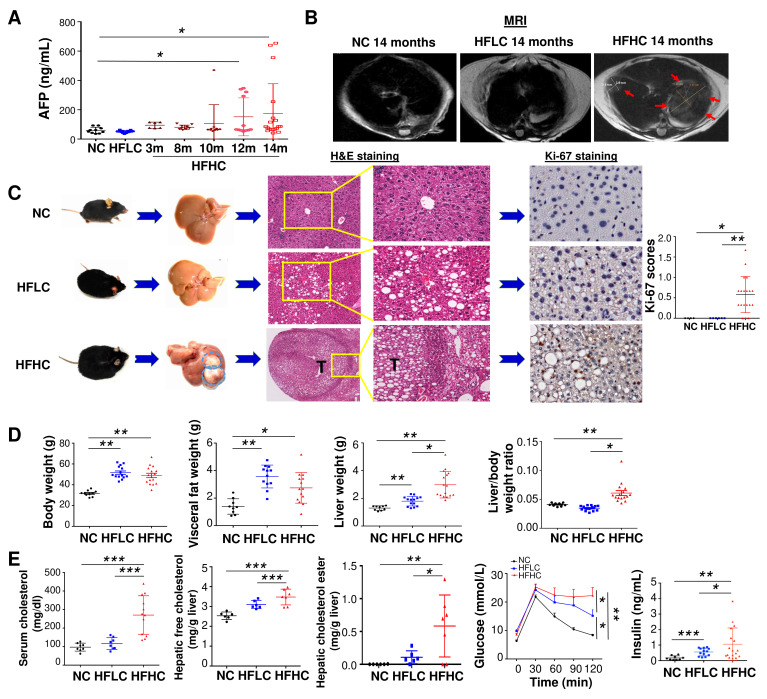
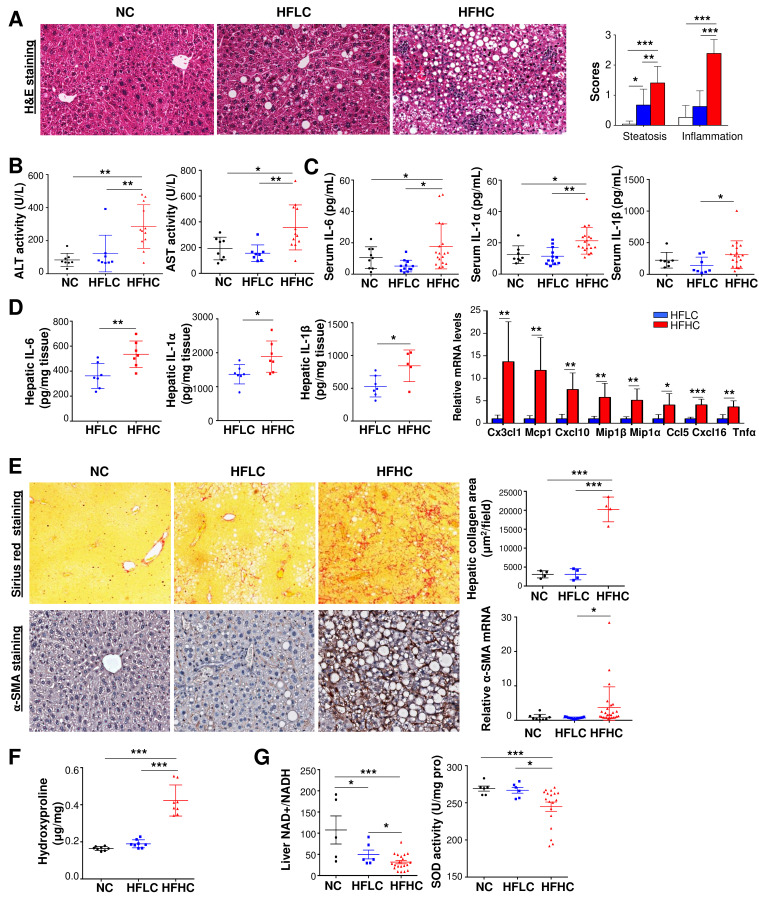
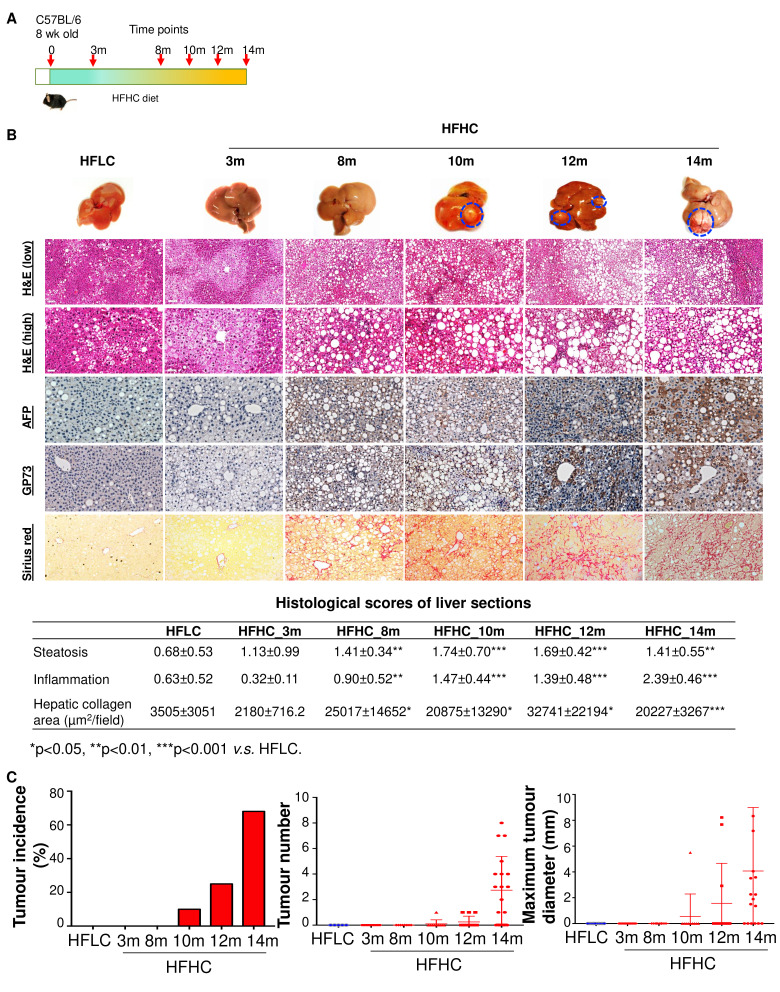
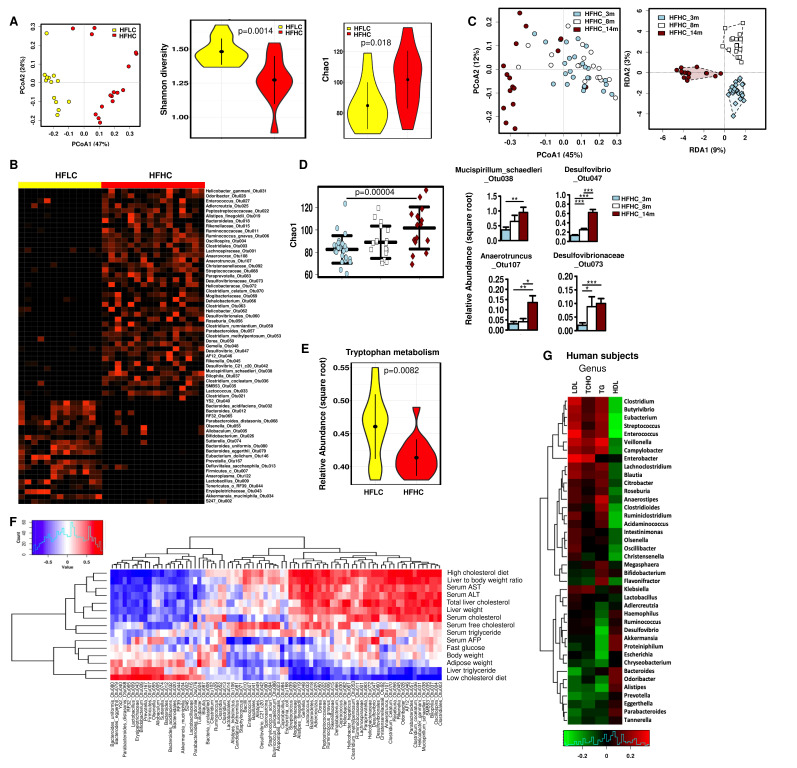
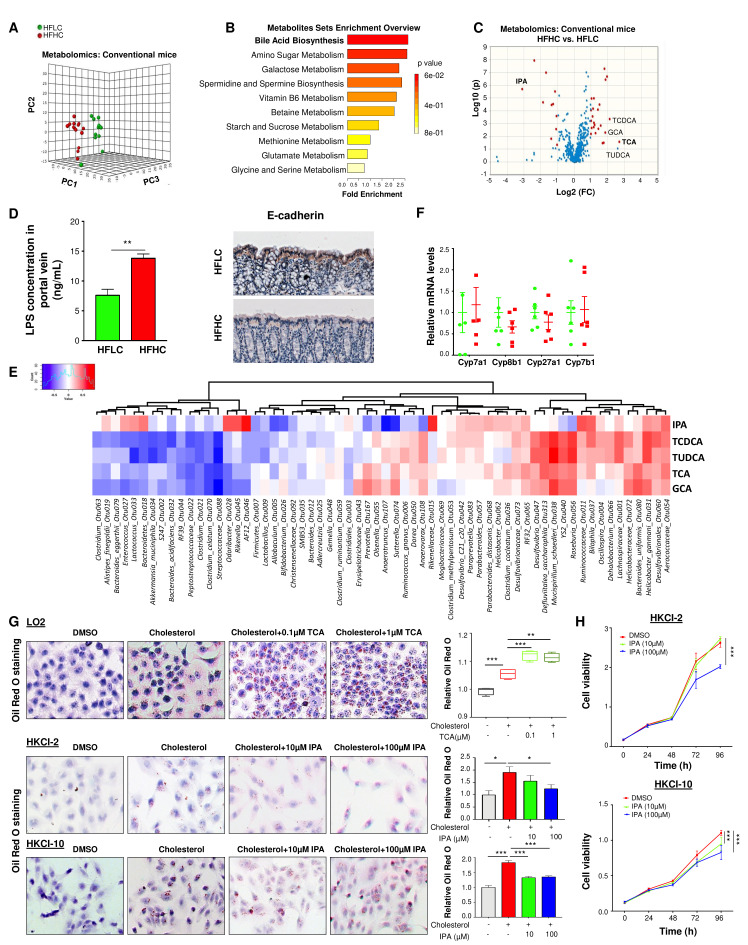
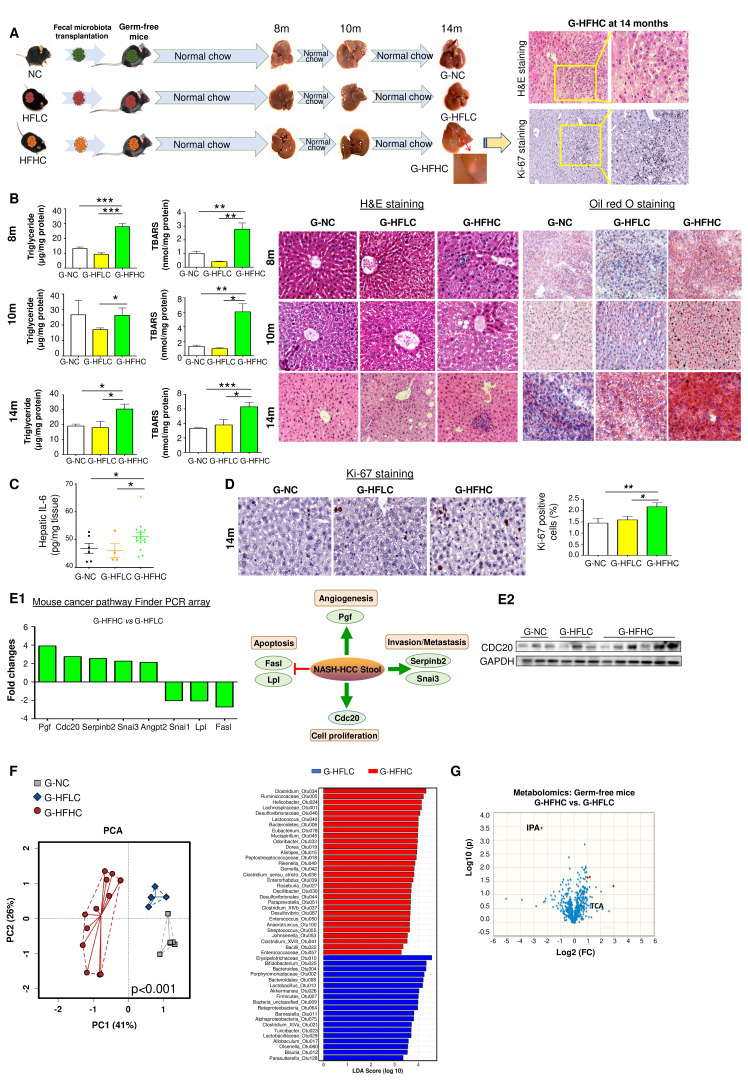
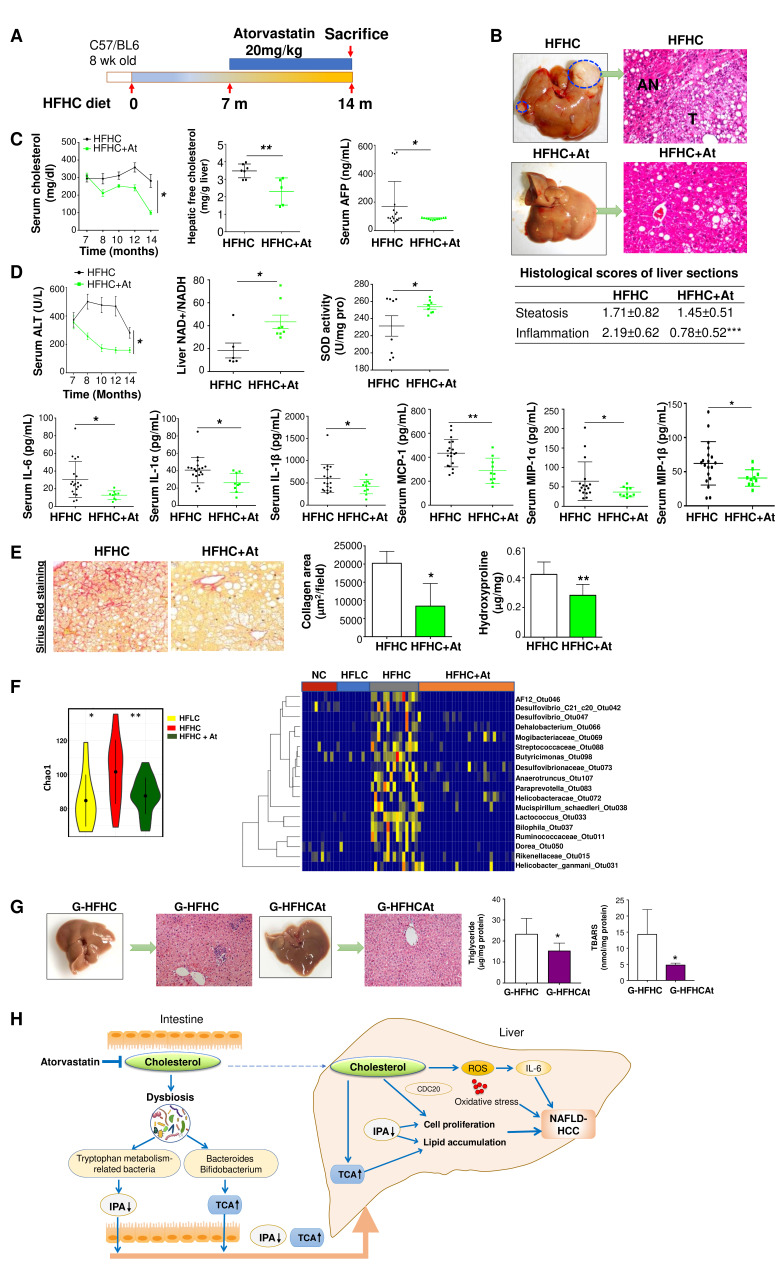
Objective: Non-alcoholic fatty liver disease (NAFLD)-associated hepatocellular carcinoma (HCC) is an increasing healthcare burden worldwide. We examined the role of dietary cholesterol in driving NAFLD–HCC through modulating gut microbiota and its metabolites. Design: High-fat/high-cholesterol (HFHC), high-fat/low-cholesterol or normal chow diet was fed to C57BL/6 male littermates for 14 months. Cholesterol-lowering drug atorvastatin was administered to HFHC-fed mice. Germ-free mice were transplanted with stools from mice fed different diets to determine the direct role of cholesterol modulated-microbiota in NAFLD–HCC. Gut microbiota was analysed by 16S rRNA sequencing and serum metabolites by liquid chromatography–mass spectrometry (LC–MS) metabolomic analysis. Faecal microbial compositions were examined in 59 hypercholesterolemia patients and 39 healthy controls. Results: High dietary cholesterol led to the sequential progression of steatosis, steatohepatitis, fibrosis and eventually HCC in mice, concomitant with insulin resistance. Cholesterol-induced NAFLD–HCC formation was associated with gut microbiota dysbiosis. The microbiota composition clustered distinctly along stages of steatosis, steatohepatitis and HCC. Mucispirillum, Desulfovibrio, Anaerotruncus and Desulfovibrionaceae increased sequentially; while Bifidobacterium and Bacteroides were depleted in HFHC-fed mice, which was corroborated in human hypercholesteremia patients. Dietary cholesterol induced gut bacterial metabolites alteration including increased taurocholic acid and decreased 3-indolepropionic acid. Germ-free mice gavaged with stools from mice fed HFHC manifested hepatic lipid accumulation, inflammation and cell proliferation. Moreover, atorvastatin restored cholesterol-induced gut microbiota dysbiosis and completely prevented NAFLD–HCC development. Conclusions: Dietary cholesterol drives NAFLD–HCC formation by inducing alteration of gut microbiota and metabolites in mice. Cholesterol inhibitory therapy and gut microbiota manipulation may be effective strategies for NAFLD–HCC prevention.
Overview
The claims and statistics of this paper haven’t been checked yet.
Free: it reads the open-access text and checks the first 5 claims that cite a source we can check. Create a free account to check every claim.
Integrity signals
Registry
Cites
Statistics
Figures
Verification
Claims the paper makes
The claims and statistics of this paper haven’t been checked yet.
Free: it reads the open-access text and checks the first 5 claims that cite a source we can check. Create a free account to check every claim.
Claims other papers make about this one
Each is checked against this paper’s own text: does it say what the citing paper says it does?
In the citing paper
“this genus has been associated with the pathogenesis of fatty-liver-associated liver cancer36.”
From Nivolumab plus ipilimumab with or without live bacterial supplementation in metastatic renal cell carcinoma: a randomized phase 1 trial (2022) · cites this paper as [36]
Self-check
Percentages, sums and reported differences re-computed from the paper’s own numbers.
The self-check needs the paper’s full text.
Citations
Cites
Vernon, G., Baranova, A., & Younossi, Z. M. (2011) · Alimentary Pharmacology & Therapeutics · doi:10.1111/j.1365-2036.2011.04724.x · Cited by 3,074 · cited 1×
“27 28 There are evidences that Bifidobacterium has cholesterol-lowering activity through gut microbiota modulation.”
Sayin, S. I., Wahlström, A., Felin, J., Jäntti, S., Marschall, H.-U., Bamberg, K., Angelin, B., Hyötyläinen, T., Orešič, M., & Bäckhed, F. (2013) · Cell Metabolism · doi:10.1016/j.cmet.2013.01.003 · Cited by 2,331
Microbial tryptophan catabolites in health and disease
Roager, H. M., & Licht, T. R. (2018) · Nature Communications · doi:10.1038/s41467-018-05470-4 · Cited by 2,236 · cited 1×
“IPA is a specific metabolite whose production completely depends on tryptophan metabolism by the gut microbiota 18 and characterised as being anti-inflammatory and protective of intestinal barrier integrity.”
Bile acid-microbiota crosstalk in gastrointestinal inflammation and carcinogenesis
Jia, W., Xie, G., & Jia, W. (2018) · Nature Reviews Gastroenterology & Hepatology · doi:10.1038/nrgastro.2017.119 · Cited by 1,924 · cited 2×
“40 Therefore, the decreased Bifidobacterium and Bacteroides in the stool of HFHC-fed mice may account for the accumulated taurine-conjugated bile acids in HFHC-fed mice.”
Zhu, L., Baker, S. S., Gill, C., Liu, W., Alkhouri, R., Baker, R. D., & Gill, S. R. (2013) · Hepatology · doi:10.1002/hep.26093 · Cited by 1,708 · cited 3×
“27 28 There are evidences that Bifidobacterium has cholesterol-lowering activity through gut microbiota modulation.”
Gut microbiome–mediated bile acid metabolism regulates liver cancer via NKT cells
Ma, C., Han, M., Heinrich, B., Fu, Q., Zhang, Q., Sandhu, M., Agdashian, D., Terabe, M., Berzofsky, J. A., Fako, V., et al. (2018) · Science · doi:10.1126/science.aan5931 · Cited by 1,508 · cited 1×
“21 We therefore explored the potential involvement of the gut microbiota in mediating dietary cholesterol-induced NAFLD–HCC.”
Gut microbial metabolites in obesity, NAFLD and T2DM
Canfora, E. E., Meex, R. C. R., Venema, K., & Blaak, E. E. (2019) · Nature Reviews Endocrinology · doi:10.1038/s41574-019-0156-z · Cited by 1,493
A gut bacterial pathway metabolizes aromatic amino acids into nine circulating metabolites
Dodd, D., Spitzer, M. H., Van Treuren, W., Merrill, B. D., Hryckowian, A. J., Higginbottom, S. K., Le, A., Cowan, T. M., Nolan, G. P., Fischbach, M. A., et al. (2017) · Nature · doi:10.1038/nature24661 · Cited by 1,425 · cited 1×
“…and potentially, those of other enriched bile acids to the pathogenesis of cholesterol-induced NAFLD–HCC. Additionally, IPA, which is exclusively produced by commensal gut microbes, 41 42 was depleted in both HFHC-fed conventional mice and germ-free mice transplanted with stools from HFHC-fed mice.”
Venkatesh, M., Mukherjee, S., Wang, H., Li, H., Sun, K., Benechet, A. P., Qiu, Z., Maher, L., Redinbo, M. R., Phillips, R. S., et al. (2014) · Immunity · doi:10.1016/j.immuni.2014.06.014 · Cited by 1,066 · cited 2×
“36 Disruption of bile acid homeostasis alters metabolic homeostasis in the liver and can lead to hepatic inflammation and metabolic diseases including diabetes and NAFLD.”
Gut microbiota and human NAFLD: disentangling microbial signatures from metabolic disorders
Aron-Wisnewsky, J., Vigliotti, C., Witjes, J., Le, P., Holleboom, A. G., Verheij, J., Nieuwdorp, M., & Clément, K. (2020) · Nature Reviews Gastroenterology & Hepatology · doi:10.1038/s41575-020-0269-9 · Cited by 1,063
Cited by
Items 801–900 of 916
Müller, M. L. (2023) · Gutenberg Open Science · doi:10.25358/openscience-8309
Yang, G., Jena, P. K., Hu, Y., Sheng, L., Chen, S.-Y., Slupsky, C. M., Davis, R. R., Tepper, C. G., & Wan, Y.-J. Y. (2023) · Figshare · doi:10.6084/m9.figshare.22616417
Yang, G., Jena, P. K., Hu, Y., Sheng, L., Chen, S.-Y., Slupsky, C. M., Davis, R. R., Tepper, C. G., & Wan, Y.-J. Y. (2023) · Figshare · doi:10.6084/m9.figshare.22616411
Li, M., Zhang, D., Yang, Q., Zhao, Z., Zhang, C., Zhou, Y., Bai, Y., Chen, L., Tang, X., Liu, C., et al. (2024) · Figshare · doi:10.6084/m9.figshare.26737632
Zeng, F., Su, X., Liang, X., Liao, M., Zhong, H., Xu, J., Gou, W., Zhang, X., Shen, L., Zheng, J., et al. (2024) · Figshare · doi:10.6084/m9.figshare.25367488
Self-citationFeng, F., Zhong, Y.-X., Chen, Y., Lin, F., Huang, J.-H., Mai, Y., Zhao, P.-P., Wei, W., Zhu, H.-C., & Xu, Z. (2023) · Figshare · doi:10.6084/m9.figshare.23689563
Zeng, F., Su, X., Liang, X., Liao, M., Zhong, H., Xu, J., Gou, W., Zhang, X., Shen, L., Zheng, J., et al. (2024) · Figshare · doi:10.6084/m9.figshare.26690362
Self-citationLi, M., Zhang, D., Yang, Q., Zhao, Z., Zhang, C., Zhou, Y., Bai, Y., Chen, L., Tang, X., Liu, C., et al. (2024) · Figshare · doi:10.6084/m9.figshare.26082614
Li, M., Zhang, D., Yang, Q., Zhao, Z., Zhang, C., Zhou, Y., Bai, Y., Chen, L., Tang, X., Liu, C., et al. (2024) · Figshare · doi:10.6084/m9.figshare.26737629
Piccinin, E., Arconzo, M., Pasculli, E., Tricase, A. F., Cultrera, S., Bertrand‐Michel, J., Loiseau, N., Villani, G., Guillou, H., & Moschetta, A. (2024) · Figshare · doi:10.6084/m9.figshare.26728558
Zeng, F., Su, X., Liang, X., Liao, M., Zhong, H., Xu, J., Gou, W., Zhang, X., Shen, L., Zheng, J., et al. (2024) · Figshare · doi:10.6084/m9.figshare.25367299
Self-citationWang, J., Jia, B., Miao, J., Li, D., Wang, Y., Han, L., Yuan, Y., Zhang, Y., Wang, Y., Guo, L., et al. (2024) · Figshare · doi:10.6084/m9.figshare.26182330
Self-citationThomann, A., Wüstenberg, T., Wirbel, J., Knoedler, L.-L., Thomann, P. A., Zeller, G., Ebert, M., Lis, S., & Reindl, W. (2022) · Figshare · doi:10.6084/m9.figshare.21343282
Yang, G., Jena, P. K., Hu, Y., Sheng, L., Chen, S.-Y., Slupsky, C. M., Davis, R. R., Tepper, C. G., & Wan, Y.-J. Y. (2023) · Figshare · doi:10.6084/m9.figshare.22616408
Zeng, F., Su, X., Liang, X., Liao, M., Zhong, H., Xu, J., Gou, W., Zhang, X., Shen, L., Zheng, J., et al. (2024) · Figshare · doi:10.6084/m9.figshare.26690356
Self-citationShu, W., Liu, L., Jiang, J., & Yao, Q. (2024) · Figshare · doi:10.6084/m9.figshare.26265025
Feng, F., Zhong, Y., Chen, Y., Lin, F., Huang, J.-H., Mai, Y., Zhao, P.-P., Wei, W., Zhu, H.-C., & Xu, Z. (2023) · Figshare · doi:10.6084/m9.figshare.23689566
Li, M., Zhang, D., Yang, Q., Zhao, Z., Zhang, C., Zhou, Y., Bai, Y., Chen, L., Tang, X., Liu, C., et al. (2024) · Figshare · doi:10.6084/m9.figshare.26082722
Cholesterol-gut microbiome interactions as drivers of obesity and colorectal cancer
Strohmeyer, A., Klingenspor, M., & München, T. U. (2023)
Effects of a high cholesterol diet on the pathogenesis of influenza A virus infection in mature mice
Louie, A. Y. (2021) · Illinois Digital Environment for Access to Learning and Scholarship (University of Illinois at Urbana-Champaign)
Manipulating gut microbial metabolites for cancer therapy: A metabolism-centric approach
Karne, A. S., Alam, M. I., Tiwari, A., Singh, H., Singh, R. K., & Yadav, A. K. (2025) · Elsevier eBooks · doi:10.1016/b978-0-443-33459-7.00003-x
Liu, X., Yuan, P., & Huang, Y. (2025) · European journal of medical research · doi:10.1186/s40001-025-03429-y
“…patients with fatty liver could also suffer from neuroendocrine dysfunction, intestinal microbiota imbalance and genetic abnormalities that can lead to liver necrotizing inflammation and fibrosis, which were also related to the occurrence and development of adverse cardiovascular events [17–19].”
Study of the antitumor potential of the essential oil from the leaves of Eplingiella fruticosa
de Souza, J. B. (2023) · LA Referencia (Red Federada de Repositorios Institucionales de Publicaciones Científicas)
Ma, N., Song, J., & Yang, Y. (2026) · Frontiers in Oncology · doi:10.3389/fonc.2025.1735042
Luo, N., Prasai, A., Xu, J., Nov, P., & Li, J. (2026) · ecancermedicalscience · doi:10.3332/ecancer.2026.2057
“In addition to addressing alcohol abuse, understanding the burden of obesity-induced HCC may help to reduce the overall burden of the disease [27, 28].”
Guo, Y., Han, W., Xiao, X., Liang, M., Lv, M., Wang, Y., Jiang, X., & Yu, W. (2026) · Food Science and Human Wellness · doi:10.26599/fshw.2026.9250941
Self-citationLi, Y., Qi, L. I. U., Wang, L., Yayun, L. I., Xinping, L. I., JIANG, Q., & Zhengzhi, W. U. (2025) · Digital Chinese Medicine · doi:10.1016/j.dcmed.2025.12.004
Gan, Y., Liu, C., Zheng, X., Nong, J., Fan, L., Xie, P., Li, Y., Zhu, B., Ning, L., & Zhang, Z. (2026) · World Journal of Microbiology and Biotechnology · doi:10.1007/s11274-026-04802-7
Cheng, X., Xie, X., Luo, S., Xie, Q., Xiang, H., Peng, C., Ding, Q., Fan, H., Liu, W., & Zhang, L. (2026) · Food Science & Nutrition · doi:10.1002/fsn3.71498
“SOD and CAT are primary antioxidant enzymes, and MDA is a marker of lipid peroxidation (Zhang et al. 2021a).”
Chen, G., Choct, M., Zhang, K., Tian, G., Bai, S., Ding, X., Wang, J., Liu, Y., & Zeng, Q. (2026) · Animal nutrition · doi:10.1016/j.aninu.2026.06.010
Yang, X., Li, J., Wang, Y., Gao, Q., & Zhang, M. (2026) · Cellular Oncology · doi:10.1007/s13402-026-01177-7
“Excessive dietary cholesterol contributes to the development of fatty liver associated liver cancer by altering the gut microbiota composition and associated metabolites [13].”
Self-citationRanvir, V. (2026) · heiDOK (Heidelberg University) · doi:10.11588/heidok.00036027
Chen, W., Li, T., Chen, S., Bai, L., Zhang, S., Li, X., & Li, R. (2026) · Environmental Pollution · doi:10.1016/j.envpol.2026.128011 · Cited by 1
Zhang, X., Zheng, L., Shi, J., Yu, S., Zheng, W., Liu, H., Wu, Z., Feng, H., Gao, Y., & Yu, Z. (2026) · Chinese Medicine · doi:10.1186/s13020-026-01357-5
“…, Clostridium IV, Coprococcus (butyrate-producing bacteria families) [41] by a distinct dysbiosis signature, featuring an overgrowth of mucin-degrading Mucispirillum and endotoxin-pro-ducing Desulfovibrionaceae, along with a reduction in Bacteroides and Bifidobacterium populations [11].”
InfluentialSelf-citationIkuta, K., Kunisawa, A., Dekio, I., Arisa, I. T. O., Wang, Q., Kawamura, K., Yamada, M., Nakamura, S., Hayakawa, Y., Higurashi, T., et al. (2026) · Microbiome Research Reports · doi:10.20517/mrr.2025.85
Liu, Y., Xie, Y., Yang, W., He, Y., Jia, J., Peng, S., Zhang, X., & Liu, Y. (2026) · Frontiers in Nutrition · doi:10.3389/fnut.2026.1775686
“…preferentially thrives in high-fat environments, with its abundance progressively increasing during disease progression in high-fat/high-cholesterol diet–induced NAFLD models, and is closely associated with hepatic steatosis, steatohepatitis, and hepatocellular carcinoma development (37, 38).”
Self-citationAliyu, M., Zhang, K., Huang, W., Gu, J., Xue, H., Li, Z. H., Lin, H., & Guo, Y. (2026) · Metabolomics · doi:10.1007/s11306-026-02419-3
“DVT is a prevalent complication after traumatic fracture (Zhang et al., 2020).”
Study of the diversity and function of intestinal endocrine cells
Blot, F. (2021) · theses.fr (ABES) · doi:10.70675/7654bc8bz5e8fz4d64zaf97zb46538122e7f
Rôle des cellules de Kupffer dans l'homéostasie du cholestérol
Fima, R. (2022) · theses.fr (ABES) · doi:10.70675/57f4dd66z9dc1z45c7z8619z4ddb93538c40
Shi, Q., Bai, Y., Wang, J., Ru, M., Zhang, K., Guo, Y., Bai, Z., & Shen, L. (2026) · Molecular Biomedicine · doi:10.1186/s43556-026-00451-2
“Additionally, they were fed a high-fat diet [55–57].”
The cancer–microbiome axis: Mechanisms and emerging therapeutic strategies
Walker, M., Schwarzfischer, M., & Scharl, M. M. (2026) · Seminars in Immunopathology · doi:10.1007/s00281-026-01072-1
Liu, S. M., Zhang, Y., Zhao, H., Liu, J., & Hou, C. (2026) · Microchimica Acta · doi:10.1007/s00604-026-08055-x
Chan, J., Kerns, A., Truong, K., Ysaguirre, J., Coolbaugh-Murphy, M. I., & Short, D. M. J. (2026) · doi:10.52519/00253
Jia, Y., Jiao, Z., Bai, L.-S., Li, G., & Pang, L. (2026) · Experimental and Therapeutic Medicine · doi:10.3892/etm.2026.13176
Infection-Associated Microecology and Hepatocellular Carcinoma
Song, Q. (2026) · Methods in molecular biology · doi:10.1007/978-1-0716-5264-0_11
Sun, Y., Zeng, Y., Yue, Z., Yang, H., Zhang, Y., Cui, H., Liu, H., Xiao, H., Wang, J., Fan, D., et al. (2026) · Foods · doi:10.3390/foods15101679
“Consistent with our findings, Zhang et al. [41] reported that bile acid biosynthesis is a key pathway disrupted by the HFHC feeding.”
Liu, J., Ou, L., Tai, H., Chai, Y., Tan, L., Lin, J., Li, B., Cao, Y., & Zhu, T. (2026) · Metabolites · doi:10.3390/metabo16050331
Gao, K., Wang, K., Hao, J., Zhang, W., Zhao, M., Xu, D., Tao, X., Guo, C., Li, W., Liu, M. J., et al. (2026) · Diabetic Medicine · doi:10.1111/dme.70362
Rui, L. I., Li-Yun, S. H. A., You-Guan, H. E. N. G., & Shen, W.-Q. (2026) · Shengming kexue · doi:10.3724/cbls.2026077
Li, C., Jia, Z., Yao, Z.-Y., Cui, X.-T., Sun, A., Hao, A.-Y., Chen, Z. X., Chen, F., Cao, J., & Wang, Z. (2026) · Journal of Hepatocellular Carcinoma · doi:10.2147/jhc.s611041
Herbal medicines modulate gut microbiota in metabolic diseases: a review
Lan, X., Wei, Y., Zhao, Y., & Lai, Y. (2026) · Frontiers in Microbiology · doi:10.3389/fmicb.2026.1833443
“Pharmacological interventions focus on controlling blood glucose, regulating lipid levels, and lowering blood pressure (Zhang X. et al., 2021).”
Matos, S., Moniz, B., Mil‐Homens, D., Pereira, I. A. C., & Pimenta, A. I. (2026) · Microbial Pathogenesis · doi:10.1016/j.micpath.2026.108792
Unveiling Shared and Disease-Specific Metabolic Disruptions in Three Chronic Cardiovascular Diseases
Aliyu, M., & Lawal, N. (2026) · International Journal of Research and Innovation in Applied Science · doi:10.51584/ijrias.2026.11060135
Gut Microbiome, Disease, and Diet: Leveraging Big Data for Precise Nutrition
Huang, Z., Ye, C., Liu, K., Ma, W., Liu, Q., & Li, D. Y. (2026) · Food Science and Human Wellness · doi:10.26599/fshw.2026.9251155
Gouveia, L., Serpa, J., & Mendes, C. (2026) · Advances in experimental medicine and biology · doi:10.1007/978-3-032-12166-0_3
Cholesterol metabolism implications for cancer and therapy
Lin, L., Song, P., Xie, W., & Guo, J. (2026) · The Innovation Nutrition · doi:10.59717/j.xinn-nutri.2026.100025
Association Characteristics and Potential Mechanisms of Aging, Gut Microbiota, and Hearing Loss
Cheng, C., Wang, L., Li, R., Lai, W., Sun, C., Cui, J., Zhu, B., & Zhang, J. (2026) · Integrative Zoology · doi:10.1111/1749-4877.70156
Cholesterol orchestrates skin fibrosis via the CH25H–CYP7B1–SMAD2/3 axis
Huang, J., Jia, S., Cai, Z., Zhu, Y., Lu, W., Fang, K., Lu, Y., Li, L., Ji, Y., Niu, F., et al. (2026) · Cellular & Molecular Biology Letters · doi:10.1186/s11658-026-00992-y
肖春燕, He, L., Yang, Y., Zhang, H., Liu, Q., Zhao, Y., & Song, Q. (2026) · Journal of Ethnopharmacology · doi:10.1016/j.jep.2026.122267
Lin, Z., Chen, Y., Huang, Z., Hu, Y., Yuan, X., Fu, R., Lin, Z., & Hu, Z. (2026) · Research Square · doi:10.21203/rs.3.rs-10415418/v1
Suolistomikrobiston syntetisoima indolipropionihappo metabolisissa sairauksissa
Tuomainen, M. H., Uusitupa, M., Männistö, V., Lindström, J., Tuomilehto, J., & Kati, H. (2024) · UEF eRepo (University of Eastern Finland)
Mai, K., Jiang, J., Ma, X., Huang, W., & Xia, L. (2026) · Biochimica et Biophysica Acta (BBA) - Reviews on Cancer · doi:10.1016/j.bbcan.2026.189680
Banari, M. H., Shariati, M., & Savari, F. (2026) · BMC Gastroenterology · doi:10.1186/s12876-026-05221-6
Ostafe, M. R., Volovăț, S. R., Clement, A., Litcanu, C.-I., Tabarcea, S., Volovăț, C. C., Panaite, D. I., Augustin, I. G., & Volovăț, C. (2026) · International Journal of Molecular Sciences · doi:10.3390/ijms27177543
“Similarly, high dietary cholesterol has been linked to progressive liver disease and HCC development, accompanied by characteristic microbiome alterations, including enrichment of pro-inflammatory taxa and depletion of beneficial commensals [97].”
Zhang, Y., Suo, C., & Sun, L. (2026) · Chinese Medical Journal · doi:10.1097/cm9.0000000000004174
Li, H., Ma, N., Dai, X., Lin, R., Yao, Z., Yan, X., Xu, S., Hu, Y., Zhang, W., Wang, H., et al. (2026) · Foods · doi:10.3390/foods15173010
“Among these downstream events, ERK1/2 phosphorylation represents a canonical biomarker of GPR120 activation [45], whereas enhanced β -arrestin-2 expression indicates that LPC 18:1 may mediate its anti-inflammatory effects via biased GPR120 signaling.”
Fan, W.-J., Wu, Y.-M., Liu, X.-Y., Zhang, C.-A., Hu, C., Wang, B.-B., & Ding, H. (2026) · Hepatobiliary & pancreatic diseases international · doi:10.1016/j.hbpd.2026.08.008
Wiśniewski, K., Nowak, M., & Adamczyk, T. (2026) · Interdisciplinary Research in Medical Sciences Specialty · doi:10.51847/idqafolv3p
He, X., Gan, H., Wu, F., Wang, Y., & Zhang, H. (2026) · Translational Cancer Research · doi:10.21037/tcr-2026-0975
“The microbiota also appears to mediate the hepatocarcinogenic effects of dietary insults, as demonstrated by Zhang and colleagues for cholesterol-driven fatty liver cancer (21).”
Self-citationPang, T., Zhou, X., & Ge, Z. (2026) · Metabolites · doi:10.3390/metabo16090638
Cho, Y., Park, H., Park, M.-A., Park, S., Seo, D. H., Ahn, S. H., Hong, S., & Kim, S. H. (2026) · Endocrinology and Metabolism · doi:10.3803/enm.2025.2615
“Recent animal model research further indicates that dietary cholesterol promotes fatty liver-associated liver cancer through modulating gut microbiota and metabolites [17].”
Guo, Y., Wen, J., Liu, J., Gao, Y.-N., & Chen, X.-W. (2026) · World Journal of Gastroenterology · doi:10.3748/wjg.123358
An abalone viscera-derived sulfated Galactan alleviates Helicobacter pylori-induced gastric injury
Zhang, Q., An, Z., Yao, M., Wei, J., Lin, H., Zhang, H., He, Y., Qu, C., & Miao, J. (2026) · Food Research International · doi:10.1016/j.foodres.2026.120770
Coriolus versicolor Polysaccharide Mitigated Liver and Kidney Damage in Mice Exposed to Chromium
(2026) · Pakistan Veterinary Journal · doi:10.29261/pakvetj/2026.198
Huo, J., Song, W., Sun, Y., Lu, J., & Wang, M. (2026) · Bioresources and Bioprocessing · doi:10.1186/s40643-026-01129-x
“…mainly by the Clostridium spp., Bacteroides spp., Lacto-bacillus spp. , etc. Preclinical studies have shown that IPA has anti-inflammatory properties, protects the integrity of the intestinal barrier, and inhibits cell proliferation of NASH–HCC cell lines (Gao et al. 2025; Zhang et al. 2021).”
Bibliometric Analysis of Gut Microbiota and Hepatocellular Carcinoma: Research Trends and Frontiers
Zhao, C., & Hu, X. (2026) · Journal of Hepatocellular Carcinoma · doi:10.2147/jhc.s631427
“51 Additional research revealed significant fluctuations in microbial abundance when cirrhotic patients progressed to HCC. 52 A cohort study involving 300 patients with primary HCC demonstrated that disease severity influenced microbial community profiles: early-stage patients exhibited enrichment…”
Amino acid transporters in hepatocellular carcinoma: Gatekeepers of metabolic reprogramming
Immanuel, J. R., Shankaran, Z. S., Mani, M., Paul, S. F. D., Ashok, B. S., Chand, L., & Walter, C. E. J. (2026) · Molecular Biology Reports · doi:10.1007/s11033-026-12759-x
“…restrictions creates a hostile environment for cancer cells, exploiting the selective reliance of amino acids in HCC. Clinical considerations of challenges and optimization require careful planning to maintain patient compliance, minimize side effects, and prevent nutritional deficiencies [ 85].”
Li, F., Cui, C., Zheng, Z.-J., Xiao, M., Li, S., Xie, P., & Piao, X. (2026) · Drug Development Research · doi:10.1002/ddr.70387
Ariyamuthu, R., Mani, M., Rugmangathan, J., & Gopika, U. (2026) · SN Comprehensive Clinical Medicine · doi:10.1007/s42399-026-02685-1
Leboutte, M., Rebollo, E., Pangault, C., Ribet, D., Guérin, C., Bôle‐Feysot, C., Monnoye, M., Gérard, P., Savoye, G., & Marion‐Letellier, R. (2026) · Scientific Reports · doi:10.1038/s41598-026-62749-z
Microbiome-based diagnostics and biomarkers: The search for mechanistic connections
Kumari, N., Allani, S. K., Knapińska, A., & Bommareddy, A. (2026) · Elsevier eBooks · doi:10.1016/b978-0-443-33206-7.00004-2
Zaufel, A., Sun, W., Pastore, N., Taschler, U., Wagner, C., Hackl, H., Sommer, J., Silbert-Wagner, D., Hengstler, J. G., Begher‐Tibbe, B., et al. (2026) · Science Advances · doi:10.1126/sciadv.aee1905
Wu, T., Zhi, L., Sang, L., Zhao, Q., Gu, J., Qiu, S., Zheng, Y., Jiang, Y., & Shen, Q. (2026) · Food Science and Human Wellness · doi:10.26599/fshw.2026.9251212
Sehgal, R. (2022) · UEF eRepo (University of Eastern Finland)
Zhao, H., Li, L., Zhang, L., Li, X., Fu, S., Chen, F., Li, Y., & 左秀丽 (2026) · Singapore Medical Journal · doi:10.4103/singaporemedj.smj-2026-039
Zhang, X., Zhou, X., Yu, X., Liu, C., 冯忠军, Chu, E. S., Lau, H. C.-H., Zhang, J., Bian, X., Zeng, T., et al. (2026) · Liver Cancer · doi:10.1159/lic/admag023
Self-citationGut microbiota in hepatocellular carcinoma: pathogenic mechanisms and clinical translation
Zhang, K., Xue, T., Hu, J., & Wang, L. (2026) · Hepatoma Research · doi:10.20517/2394-5079.2026.74
Gut microbiota shaping fatty liver disease progression
Wysokińska, M., Mysza, M., Uryga, A., & Kolodziejczyk, A. A. (2026) · Life Science Alliance · doi:10.26508/lsa.202603756
“Similarly, in mouse models of MASLD, IPA was lower than in control animals (156, 228) and IPA supplementation led to reduced steatosis, lower inflammatory infiltration, and a decrease in lipogenesis gene expression (90, 149).”
Zhong, D., Li, C., & Xiao, Z. (2026) · Frontiers in Immunology · doi:10.3389/fimmu.2026.1938564
Cai, H., Cai, H., Cai, T., Zhao, H., Wang, Q., Liu, C., Wu, W., & Cai, X. (2026) · Metabolites · doi:10.3390/metabo16100795
New perspectives in alleviating MASLD: synergism and prospects of exercise and natural products
Wu, Q., Li, J., Lin, B., Xu, H., & Chen, N. (2026) · Food Science and Human Wellness · doi:10.26599/fshw.2026.9251137
Xu, Y., Jin, J., An, J., Wei, Q., Zafir, O. C., Bo, Z., Luan, M., Cao, L., & Li, H. (2026) · Frontiers in Microbiology · doi:10.3389/fmicb.2026.1970842
Zhang, Y., Gongye, X., Sun, P., Fang, Z., Akash, B. A., Fan, M., Xie, P., Zhang, F., Li, N., & Zhan, X. (2026) · The EPMA Journal · doi:10.1007/s13167-026-00473-4
Fàbrega, L. (2026) · Dipòsit Digital de la Universitat de Barcelona (Universitat de Barcelona)
Xiao, Q.-A., Yang, Y.-F., Chen, L., Xie, Y.-C., Li, H.-T., Fu, Z.-G., Han, Q., Qin, J., Tian, J., Zhao, W.-J., et al. (2023) · doi:10.3389/fmicb.2023.1256874.s005
Self-citationChang, L., Qiu, L., Lei, N., Zhou, J., Guo, R., Gao, F., Dong, S., Chen, M., Wu, F., & Qin, B. (2023) · doi:10.3389/fcimb.2023.1145950.s001
Li, H., Gao, X., Chen, Y., Wang, M., Xu, C., Yu, Q., Jin, Y., Song, J., & Zhu, Q. (2023) · doi:10.3389/fonc.2023.1121471.s001
Yuan, M., Lin, L., Cao, H., Zheng, W., Wu, L., Zuo, H., Tian, X., & Song, H. (2022) · doi:10.3389/fmicb.2022.905567.s001
Metadata
- Authors
- Zhang, X., Coker, O. O., Chu, E. S., Fu, K., Lau, H. C. H., Wang, Y.-X., Chan, A. W. H., Wei, H., Yang, X., Sung, J. J. Y., & Yu, J.
- Affiliations
- Chinese University of Hong Kong (HK)
- Department of Imaging and Interventional Radiology, The Chinese University of Hong Kong, Hong Kong SAR, China
- Army Medical University (CN)
- Yale University (US)
- Corresponding author
- Yu, Jun
- ORCID
- Venue
- Gut
- Publisher
- BMJ
- Published
- 2020-07-21
- Volume
- 70
- Issue
- 4
- Pages
- 761-774
- ISSN
- 0017-5749 (ISSN-L)
- 1468-3288
- PMC
- PMC7948195
- OpenAlex
- W3045114299
- Cited by
- 841
- References
- 43
- Citations by year
- 2026: 94 · 2025: 180 · 2024: 218 · 2023: 155 · 2022: 139 · 2021: 51 · 2020: 4
- FWCI
- 28.28
- Type
- journal article
- Language
- en
- Open access
- hybrid
- doi.org
- Licence
- Locations
- Gut (publishedVersion, cc-by-nc)
- PubMed Central (publishedVersion, cc-by-nc)
- PubMed (publishedVersion)
- Funders
- Vice-Chancellor's Discretionary Fund CUHK
- CUHK direct grant for research
- RGC Theme-based Research Scheme Hong Kong (T12-703/19-R)
- RGC Collaborative Research Fund (C4041-17GF, C7026-18G, C7065-18G)
- Guangdong Natural Science Foundation (2018B030312009)
- Topics
- Life Sciences › Biochemistry, Genetics and Molecular Biology › Molecular Biology › Gut microbiota and health
- Health Sciences › Medicine › Hepatology › Liver Disease Diagnosis and Treatment
- Life Sciences › Biochemistry, Genetics and Molecular Biology › Cancer Research › Cancer, Lipids, and Metabolism
- Keywords
- dietary cholesterol, non-alcoholic fatty liver disease, hepatocellular carcinoma, gut dysbiosis, microbial metabolites, taurocholate, 3-indolepropionic acid, atorvastatin, hypercholesterolemia, steatohepatitis, liver fibrosis, insulin resistance, Desulfovibrio, Bacteroides, Bifidobacterium, Mucispirillum, hepatic lipid accumulation, cell proliferation
- MeSH terms
- Atorvastatin, Gastrointestinal Microbiome, Fecal Microbiota Transplantation, Animals, Cholesterol, Dietary, Carcinoma, Hepatocellular, Liver Neoplasms, Male, Mice, Inbred C57BL, Case-Control Studies, Disease Progression, Mice, Non-alcoholic Fatty Liver Disease
About these checks
Registry, retraction, Cites and statistics results are computed, not judged, with one exception: a printed reference that no index lists is read once by a model before it counts as a citation error. Claims are extracted by a model and kept only when their quote appears verbatim in the text; each cited source is then checked, with a model’s help, for whether it says what the claim relies on. Those verdicts can be wrong — read the claim’s quote and the cited source before relying on one.
Statistics and arithmetic are recomputed, not judged.
Confidence bands are shown only for fields calibrated on our annotated test set. None is calibrated yet, so no band is shown.
What counts as a claim ›How we measure confidence ›How we check this ›
Are you an author, or do you see a problem with this page? Request a review
Data sources
Bibliographic data: Semantic Scholar, OpenAlex, Crossref.
Contains information from the Semantic Scholar Academic Graph Datasets, made available under the ODC Attribution License (ODC-BY 1.0).
Semantic Scholar’s data is described in: Kinney, R., et al. (2023). The Semantic Scholar Open Data Platform. arXiv:2301.10140.
