

Computational Psychiatry: towards a mathematically informed understanding of mental illness
Open accessThe DOI matches its Crossref record; 119 of the 123 references it cites were found in a registry or an index.
Abstract
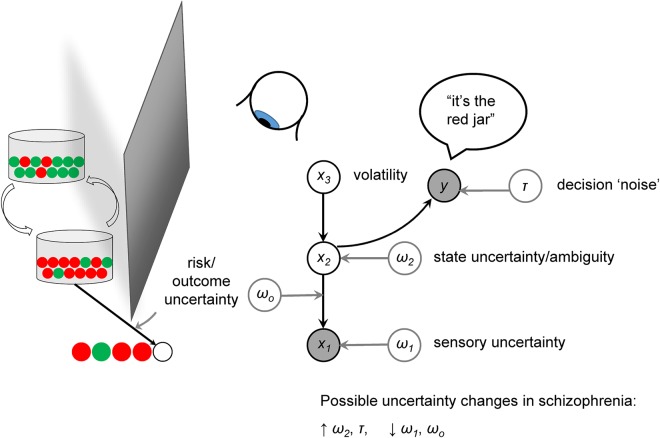
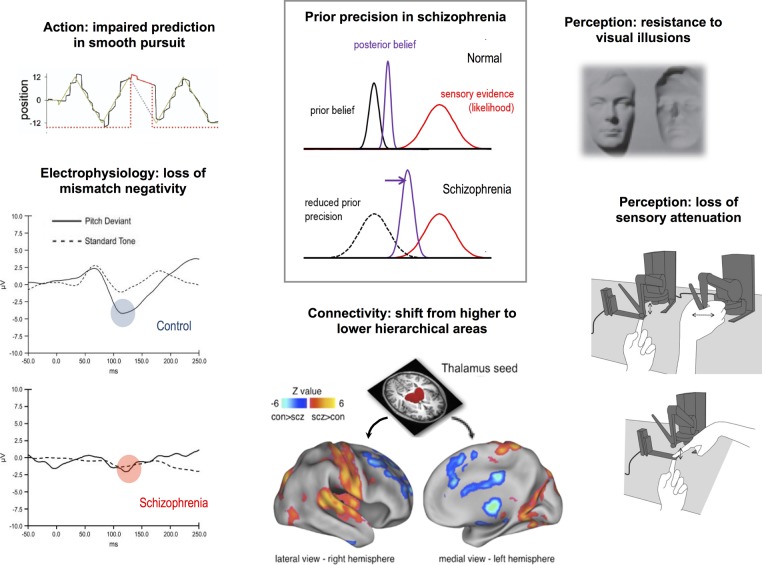
Computational Psychiatry aims to describe the relationship between the brain's neurobiology, its environment and mental symptoms in computational terms. In so doing, it may improve psychiatric classification and the diagnosis and treatment of mental illness. It can unite many levels of description in a mechanistic and rigorous fashion, while avoiding biological reductionism and artificial categorisation. We describe how computational models of cognition can infer the current state of the environment and weigh up future actions, and how these models provide new perspectives on two example disorders, depression and schizophrenia. Reinforcement learning describes how the brain can choose and value courses of actions according to their long-term future value. Some depressive symptoms may result from aberrant valuations, which could arise from prior beliefs about the loss of agency ('helplessness'), or from an inability to inhibit the mental exploration of aversive events. Predictive coding explains how the brain might perform Bayesian inference about the state of its environment by combining sensory data with prior beliefs, each weighted according to their certainty (or precision). Several cortical abnormalities in schizophrenia might reduce precision at higher levels of the inferential hierarchy, biasing inference towards sensory data and away from prior beliefs. We discuss whether striatal hyperdopaminergia might have an adaptive function in this context, and also how reinforcement learning and incentive salience models may shed light on the disorder. Finally, we review some of Computational Psychiatry's applications to neurological disorders, such as Parkinson's disease, and some pitfalls to avoid when applying its methods.
Overview
The claims and statistics of this paper haven’t been checked yet.
Free: it reads the open-access text and checks the first 5 claims that cite a source we can check. Create a free account to check every claim.
Integrity signals
Registry
Cites
Statistics
Figures
Verification
Claims the paper makes
The claims and statistics of this paper haven’t been checked yet.
Free: it reads the open-access text and checks the first 5 claims that cite a source we can check. Create a free account to check every claim.
Claims other papers make about this one
Each is checked against this paper’s own text: does it say what the citing paper says it does?
The source backs part of the claim, not all of it — or backs it for a different population, condition or comparison.
In the citing paper
“and moreover, unlike controls, they failed to increase this top-down connectivity when stimuli became predictable.”
From Predictive coding and neurocomputational psychiatry: a mechanistic framework for understanding mental disorders (2026) · cites this paper as [6]
Experimental — accuracy not yet measuredThe cited source says what the claim attributes to it.
In the citing paper
“Computational psychiatry offers a new paradigm (1–5): by integrating mathematical models with neurobiology, it seeks to explain psychiatric phenomena in terms of aberrant brain computations (6).”
From Predictive coding and neurocomputational psychiatry: a mechanistic framework for understanding mental disorders (2026) · cites this paper as [6]
The cited source says what the claim attributes to it.
In the citing paper
“As imagining aversive events has emotionally aversive consequences, internal simulations themselves incur some of the same costs as real-world experience [131].”
From Impact of Media-Induced Uncertainty on Mental Health: Narrative-Based Perspective. (2025) · cites this paper as [131]
Self-check
Percentages, sums and reported differences re-computed from the paper’s own numbers.
The self-check needs the paper’s full text.
Citations
Cites
The Need for a New Medical Model: A Challenge for Biomedicine
Engel, G. L. (1977) · Science · doi:10.1126/science.847460 · Cited by 12,887
A neural substrate of prediction and reward
Schultz, W., Dayan, P., & Montague, P. R. (1997) · Science · doi:10.1126/science.275.5306.1593 · Cited by 9,388
Marr, D. (1982) · Cumulative Index of Computer Aided Architectural Design · Cited by 5,733
Rao, R. P. N., & Ballard, D. H. (1999) · Nature Neuroscience · doi:10.1038/4580 · Cited by 5,483
Depression. Clinical, Experimental, and Theoretical Aspects.
(1968) · Annals of Internal Medicine · doi:10.7326/0003-4819-68-2-502 · Cited by 5,205
Nolen-Hoeksema, S., Wisco, B. E., & Lyubomirsky, S. (2008) · Perspectives on Psychological Science · doi:10.1111/j.1745-6924.2008.00088.x · Cited by 5,172 · cited 1×
“…patients with depression have a de fi cit in this inhibition of aversive processing, 64 65 with aversive stimuli hijacking rather than inhibiting processing: 66 This is a potential cause of the repetitive negative thoughts typical of rumination 67 — a key component of the depressive vicious circle.”
BackgroundFodor, J. A. (1975) · Medical Entomology and Zoology · Cited by 4,588
A mechanism for cognitive dynamics: neuronal communication through neuronal coherence.
Fries, P. (2005) · Trends in Cognitive Sciences · doi:10.1016/j.tics.2005.08.011 · Cited by 4,284 · cited 1×
“70 How can synaptic gain (and its loss) be understood in computational terms?”
BackgroundToward the future of psychiatric diagnosis: the seven pillars of RDoC
Cuthbert, B. N., & Insel, T. R. (2013) · BMC Medicine · doi:10.1186/1741-7015-11-126 · Cited by 3,053
(2013) · The Lancet · doi:10.1016/s0140-6736(12)62129-1 · Cited by 3,010
Cited by
Neuroscience of apathy and anhedonia: a transdiagnostic approach
Husain, M., & Roiser, J. P. (2018) · Nature Reviews Neuroscience · doi:10.1038/s41583-018-0029-9 · Cited by 640
Self-citationAnnual Research Review: The transdiagnostic revolution in neurodevelopmental disorders
Astle, D. E., Holmes, J., Kievit, R., & Gathercole, S. E. (2022) · Journal of Child Psychology and Psychiatry · doi:10.1111/jcpp.13481 · Cited by 384
Hassani, S. A., Oemisch, M., Balcarras, M., Westendorff, S., Ardid, S., van der Meer, M. A., Tiesinga, P., & Womelsdorf, T. (2017) · Scientific Reports · doi:10.1038/srep40606 · Cited by 360
Thinking through other minds: A variational approach to cognition and culture
Veissière, S. P. L., Constant, A., Ramstead, M. J. D., Friston, K. J., & Kirmayer, L. J. (2020) · Behavioral and Brain Sciences · doi:10.1017/s0140525x19001213 · Cited by 348
An integrative perspective on the role of dopamine in schizophrenia
Maia, T. V., & Frank, M. J. (2017) · Biological Psychiatry · doi:10.1016/j.biopsych.2016.05.021 · Cited by 293
“Such blunted top-down signaling of expectations could explain various fi reduced sensitivity to perceptual illusions (129,144), and may also contribut findings in rats that ketamine increases glutamate in prefrontal cortex (146), th and dysregulated cortical bottom-up glutamatergic signaling of PEs (throu receptors),…”
The bioelectric code: An ancient computational medium for dynamic control of growth and form
Levin, M., & Martyniuk, C. J. (2018) · Biosystems · doi:10.1016/j.biosystems.2017.08.009 · Cited by 240
Distorted Cognitive Processes in Major Depression: A Predictive Processing Perspective
Kube, T., Schwarting, R., Rozenkrantz, L., Glombiewski, J. A., & Rief, W. (2020) · Biological Psychiatry · doi:10.1016/j.biopsych.2019.07.017 · Cited by 234
Computational Models of Interoception and Body Regulation
Petzschner, F. H., Garfinkel, S. N., Paulus, M. P., Koch, C., & Khalsa, S. S. (2021) · Trends in Neurosciences · doi:10.1016/j.tins.2020.09.012 · Cited by 227
“…accurately represent one’s internal environment or choose appropriate actions may be linked to the expression of specific psychiatric conditions, including depression [78], schizophrenia [106,107], anxiety [50,68], or symptom expression across disorders [108] (See [109] for a detailed discussion).”
BackgroundA Primer on Foraging and the Explore/Exploit Trade-Off for Psychiatry Research
Addicott, M. A., Pearson, J. M., Sweitzer, M. M., Barack, D. L., & Platt, M. L. (2017) · Neuropsychopharmacology · doi:10.1038/npp.2017.108 · Cited by 219
Disrupted habenula function in major depression
Lawson, R. P., Nord, C. L., Seymour, B., Thomas, D. L., Dayan, P., Pilling, S., & Roiser, J. P. (2017) · Molecular Psychiatry · doi:10.1038/mp.2016.81 · Cited by 210
Self-citationModeling Trait Anxiety: From Computational Processes to Personality
Raymond, J. G., Steele, J. D., & Seriès, P. (2017) · Frontiers in Psychiatry · doi:10.3389/fpsyt.2017.00001 · Cited by 203
“Neuropsychopharmacology (2012) 37(10):2244–52.”
The depressed brain: an evolutionary systems theory
Badcock, P. B., Davey, C. G., Whittle, S., Allen, N. B., & Friston, K. J. (2017) · Trends in Cognitive Sciences · doi:10.1016/j.tics.2017.01.005 · Cited by 190
The research domain criteria framework: The case for anterior cingulate cortex
Holroyd, C. B., & Umemoto, A. (2016) · Neuroscience & Biobehavioral Reviews · doi:10.1016/j.neubiorev.2016.09.021 · Cited by 187
Advances in the computational understanding of mental illness
Huys, Q. J. M., Browning, M., Paulus, M. P., & Frank, M. J. (2021) · Neuropsychopharmacology · doi:10.1038/s41386-020-0746-4 · Cited by 179
“While previous snapshot summaries of the area exist (Montague, 2007; Maia and Frank, 2011; Montague et al., 2012; Corlett and Fletcher, 2014; Stephan and Mathys, 2014; Wang and Krystal, 2014; Huys et al., 2016; Adams et al., 2016; Wiecki et al., 2015; Steele and Paulus, 2019; Rutledge et al., 2019), the rate of progre…”
BackgroundSelf-citationPike, A. C., & Robinson, O. J. (2022) · JAMA Psychiatry · doi:10.1001/jamapsychiatry.2022.0051 · Cited by 167
Revisiting the seven pillars of RDoC
Morris, S. E., Sanislow, C. A., Pacheco, J., Vaidyanathan, U., Gordon, J. A., & Cuthbert, B. N. (2022) · BMC Medicine · doi:10.1186/s12916-022-02414-0 · Cited by 174
TAPAS: An Open-Source Software Package for Translational Neuromodeling and Computational Psychiatry
Frässle, S., Aponte, E. A., Bollmann, S., Brodersen, K. H., Do, C. T., Harrison, O. K., Harrison, S. J., Heinzle, J., Iglesias, S., Kasper, L., et al. (2021) · Frontiers in Psychiatry · doi:10.3389/fpsyt.2021.680811 · Cited by 169
Badcock, P. B., Friston, K. J., Ramstead, M. J. D., Ploeger, A., & Hohwy, J. (2019) · Cognitive, Affective, & Behavioral Neuroscience · doi:10.3758/s13415-019-00721-3 · Cited by 167
“Among others, exemplary candidates range from the gross morphology of the brain (Friston, 2010), hormonal and neuromodulatory systems (Heyland, Hodin, & Reitzel, 2005; Katz & Harris-Warrick, 1999; McGlothlin & Ketterson, 2008), reward, mood, and affective systems (Adams et al., 2016; Gray, 1972, 1994; Nettle & Bateson…”
BackgroundComputational Neuropsychology and Bayesian Inference
Parr, T., Rees, G., & Friston, K. J. (2018) · Frontiers in Human Neuroscience · doi:10.3389/fnhum.2018.00061 · Cited by 149
“In this paper, we consider a complementary approach that has started to gain traction in psychiatric research (Adams et al., 2013b, 2015; Corlett and Fletcher, 2014; Huys et al., 2016; Schwartenbeck and Friston, 2016; Friston et al., 2017c).”
MethodA review on neural network models of schizophrenia and autism spectrum disorder
Lanillos, P., Oliva, D., Philippsen, A. K., Yamashita, Y., Nagai, Y., & Cheng, G. (2019) · Neural Networks · doi:10.1016/j.neunet.2019.10.014 · Cited by 175
““Computational Psychiatry provides some of the tools to link these levels” [12].”
Variational ecology and the physics of sentient systems
Ramstead, M. J. D., Constant, A., Badcock, P. B., & Friston, K. J. (2019) · Physics of Life Reviews · doi:10.1016/j.plrev.2018.12.002 · Cited by 141
Advancing the Understanding of Suicide: The Need for Formal Theory and Rigorous Descriptive Research
Millner, A. J., Robinaugh, D. J., & Nock, M. K. (2020) · Trends in Cognitive Sciences · doi:10.1016/j.tics.2020.06.007 · Cited by 139
“Mathematical and computational models have been used for over 50 years [46] to advance understanding across an array of scientific fields, [47] including some relevant to suicide, such as psychiatry [48] and cognitive science [49].”
BackgroundThe role of RDoC in future classification of mentaldisorders
Cuthbert, B. N. (2020) · Dialogues in Clinical Neuroscience · doi:10.31887/dcns.2020.22.1/bcuthbert · Cited by 165
When Beliefs Face Reality: An Integrative Review of Belief Updating in Mental Health and Illness
Kube, T., & Rozenkrantz, L. (2021) · Perspectives on Psychological Science · doi:10.1177/1745691620931496 · Cited by 136
Predictive processing, source monitoring, and psychosis
Griffin, J. D., & Fletcher, P. C. (2017) · Annual Review of Clinical Psychology · doi:10.1146/annurev-clinpsy-032816-045145 · Cited by 133
“…(Clark 2013, Friston 2010) has been central to establishing computational psychiatry as a framework for understanding how alterations in brain processes can drive the emergence of high-level psychiatric symptoms (Adams et al. 2015, Corlett & Fletcher 2014, Friston et al. 2014, Huys et al. 2016).”
BackgroundVanilla PP for Philosophers: A Primer on Predictive Processing
Wiese, W., & Metzinger, T. K. (2017) · Theoretical Philosophy/MIND Group – JGU Mainz · doi:10.15502/9783958573024 · Cited by 130
“Deviances in precision estimates have been linked to attention and motor disorders, and raised in the context of autism and schizophrenia (see Gonzalez-Gadea et al. 2015; Palmer et al. 2015; Van de Cruys et al. 2014; Friston et al. 2014; Adams et al. 2016).”
BackgroundBeyond dichotomies in reinforcement learning
Collins, A. G. E., & Cockburn, J. (2020) · Nature Reviews Neuroscience · doi:10.1038/s41583-020-0355-6 · Cited by 125
“…will be an important step towards gaining deeper insight into learning differences between and across populations, including differences with developmental trajectories 111 , differences depending on environmental factors and differences associated with psychiatric or neurological diseases 112 .”
BackgroundHeinz, A., Murray, G. K., Schlagenhauf, F., Sterzer, P., Grace, A. A., & Waltz, J. A. (2019) · Schizophrenia Bulletin · doi:10.1093/schbul/sby154 · Cited by 116
Bioelectric networks: the cognitive glue enabling evolutionary scaling from physiology to mind
Levin, M. (2023) · Animal Cognition · doi:10.1007/s10071-023-01780-3 · Cited by 102
The interpretation of computational model parameters depends on the context
Eckstein, M. K., Master, S. L., Xia, L., Dahl, R. E., Wilbrecht, L., & Collins, A. G. (2022) · eLife · doi:10.7554/elife.75474 · Cited by 112
Computational neuroscience approach to biomarkers and treatments for mental disorders
Yahata, N., Kasai, K., & Kawato, M. (2017) · Psychiatry and Clinical Neurosciences · doi:10.1111/pcn.12502 · Cited by 111
“11 Thus, a complementary framework is required to disentangle the complex interactions among multiple levels and physical and social environments, 12 thereby achieving optimal integration of the multilevel fi ndings.”
BackgroundContent and misrepresentation in hierarchical generative models
Kiefer, A. B., & Hohwy, J. (2017) · Synthese · doi:10.1007/s11229-017-1435-7 · Cited by 149
“…(Farennikova 2014; Vetter and Newen 2014; Lupyan 2015; Hohwy 2017), consciousness (Hohwy 2015a, b), depersonalisation disorder (Seth et al. 2012), autism (Cruys et al. 2014; Palmer et al. 2017), and schizophrenia (Hohwy 2004; Fletcher and Frith 2009; Corlett and Fletcher 2012; Adams et al. 2015).”
BackgroundThe influence of subcortical shortcuts on disordered sensory and cognitive processing.
McFadyen, J., Dolan, R. J., & Garrido, M. I. (2020) · Nature Reviews Neuroscience · doi:10.1038/s41583-020-0287-1 · Cited by 91
Interoception primes emotional processing: multimodal evidence from neurodegeneration
Salamone, P. C., Legaz, A., Sedeño, L., Moguilner, S., Fraile-Vazquez, M., Campo, C. G., Fittipaldi, S., Yoris, A., Miranda, M., Birba, A., et al. (2021) · The Journal of Neuroscience · doi:10.1523/jneurosci.2578-20.2021 · Cited by 103
“Temporal estimation deficits in PD would be compatible with the hypothesis of impaired Bayesian temporal interoceptive inference (Adams et al., 2016; Seth and Friston, 2016).”
ResultThe Predictive Brain as a Stubborn Scientist
Yon, D., de Lange, F. P., & Press, C. (2019) · Trends in Cognitive Sciences · doi:10.1016/j.tics.2018.10.003 · Cited by 84
“Similarly, if depressive symptoms arise due to atypical predictions about the controllability of the external world [7] and representations of agency emerge through stubborn prediction mechanisms that control these states through Active Inference, these beliefs are unlikely to be updated simply by…”
Mathews, J., & Levin, M. (2018) · Current Opinion in Biotechnology · doi:10.1016/j.copbio.2018.03.008 · Cited by 100
Decision-making in schizophrenia: A predictive-coding perspective
Sterzer, P., Voss, M., Schlagenhauf, F., & Heinz, A. (2019) · NeuroImage · doi:10.1016/j.neuroimage.2018.05.074 · Cited by 99
“A plausible explanation for JTC is that each piece of new evidence is relatively “overvalued” relative to the knowledge acquired on the basis of the previous draws, which in terms of hierarchical predictive coding points to a reduced precision of prior beliefs and, consequently, a greater influence of new evidence (Ad…”
Smith, R., Lane, R. D., Parr, T., & Friston, K. J. (2019) · Neuroscience & Biobehavioral Reviews · doi:10.1016/j.neubiorev.2019.09.002 · Cited by 89
Functional neuroimaging in psychiatry and the case for failing better
Nour, M. M., Liu, Y., & Dolan, R. J. (2022) · Neuron · doi:10.1016/j.neuron.2022.07.005 · Cited by 105
Volatility Estimates Increase Choice Switching and Relate to Prefrontal Activity in Schizophrenia
Deserno, L., Boehme, R., Mathys, C. D., Katthagen, T., Kaminski, J. A., Stephan, K. E., Heinz, A., & Schlagenhauf, F. (2019) · Biological Psychiatry Cognitive Neuroscience and Neuroimaging · doi:10.1016/j.bpsc.2019.10.007 · Cited by 105
How Does Rumination Impact Cognition? A First Mechanistic Model
van Vugt, M. K., van der Velde, M., & ESM‐MERGE Investigators (2018) · Topics in Cognitive Science · doi:10.1111/tops.12318 · Cited by 118
“This study contributes to the nascent field of computational psychiatry (Adams, Huys, & Roiser, 2016).”
BackgroundComputational Neuroscience Approach to Psychiatry: A Review on Theory-driven Approaches
Khaleghi, A., Mohammadi, M. R., Shahi, K., & Nasrabadi, A. M. (2022) · Clinical Psychopharmacology and Neuroscience · doi:10.9758/cpn.2022.20.1.26 · Cited by 100
“ent approaches in which past experience and prior beliefs are utilized to predict future reward and punishment: model-based and model-free cognition (a detailed description of these approaches is beyond the scope of the review) [48].”
BackgroundSensory prediction errors in the continuum of psychosis
Randeniya, R., Oestreich, L. K. L., & Garrido, M. I. (2018) · Schizophrenia Research · doi:10.1016/j.schres.2017.04.019 · Cited by 78
“Adams et al. (2016) suggest that if the accuracy of incoming sensory information is believed to be high, along with high uncertainty in the prior prediction, then the inference will be biased towards sensory information and away from the prior.”
BackgroundHenco, L., Diaconescu, A. O., Lahnakoski, J. M., Brandi, M.-L., Hörmann, S., Hennings, J., Hasan, A., Papazova, I., Strube, W., Bolis, D., et al. (2020) · PLOS Computational Biology · doi:10.1371/journal.pcbi.1008162 · Cited by 78
Attractor-like dynamics in belief updating in schizophrenia
Adams, R. A., Napier, G., Roiser, J. P., Mathys, C., & Gilleen, J. (2018) · The Journal of Neuroscience · doi:10.1523/jneurosci.3163-17.2018 · Cited by 77
“Differences in model parameters between Scz and controls may therefore explain, in computational terms, how pathophysiology leads to abnormal inference (Adams et al., 2016).”
BackgroundSelf-citationMillner, A. J., den Ouden, H. E. M., Gershman, S. J., Glenn, C. R., Kearns, J. C., Bornstein, A. M., Marx, B. P., Keane, T. M., & Nock, M. K. (2019) · Journal of Abnormal Psychology · doi:10.1037/abn0000395 · Cited by 74
Patzelt, E. H., Hartley, C. A., & Gershman, S. J. (2018) · Personality Neuroscience · doi:10.1017/pen.2018.14 · Cited by 65
Atypical processing of uncertainty in individuals at risk for psychosis
Cole, D. M., Diaconescu, A. O., Pfeiffer, U. J., Brodersen, K. H., Mathys, C. D., Julkowski, D., Ruhrmann, S., Schilbach, L., Tittgemeyer, M., Vogeley, K., et al. (2020) · NeuroImage: Clinical · doi:10.1016/j.nicl.2020.102239 · Cited by 72
“, 2018); in psychiatry, the clinical application of this translational neuromodeling approach is referred to as “computational psychiatry” (Montague et al., 2012; Wang and Krystal, 2014; Stephan et al., 2015; Adams et al., 2016).”
BackgroundA review on mental imagery in fear conditioning research 100 years since the ‘Little Albert’ study
Mertens, G., Krypotos, A.-M., & Engelhard, I. M. (2020) · Behaviour Research and Therapy · doi:10.1016/j.brat.2020.103556 · Cited by 69
Scholl, J., & Klein-Flügge, M. C. (2017) · Behavioural Brain Research · doi:10.1016/j.bbr.2017.09.050 · Cited by 85
Computing schizophrenia: ethical challenges for machine learning in psychiatry
Starke, G., De Clercq, E., Borgwardt, S., & Elger, B. S. (2021) · Psychological Medicine · doi:10.1017/s0033291720001683 · Cited by 62
Future medicine: from molecular pathways to the collective intelligence of the body
Lagasse, E., & Levin, M. (2023) · Trends in Molecular Medicine · doi:10.1016/j.molmed.2023.06.007 · Cited by 62
Biased belief updating in depression
Kube, T. (2023) · Clinical Psychology Review · doi:10.1016/j.cpr.2023.102298 · Cited by 61
Disruption of Conscious Access in Schizophrenia
Berkovitch, L., Dehaene, S., & Gaillard, R. (2017) · Trends in Cognitive Sciences · doi:10.1016/j.tics.2017.08.006 · Cited by 60
Macroeconomics of Mental Health
Abramson, B., Boerma, J., & Tsyvinski, A. (2024) · National Bureau of Economic Research · doi:10.3386/w32354 · Cited by 77
Computational models of drug use and addiction: A review.
Mollick, J., & Kober, H. (2020) · Journal of Abnormal Psychology · doi:10.1037/abn0000503 · Cited by 75
“Further advantages include the ability to formally compare the evidence for different theories (Adams, Huys, & Roiser, 2016), and the ability to integrate and move between models at different levels of analysis, abstraction, and biological plausibility (Wang & Krystal, 2014).”
BackgroundThe function and failure of sensory predictions
Bansal, S., Ford, J. M., & Spering, M. (2018) · Annals of the New York Academy of Sciences · doi:10.1111/nyas.13686 · Cited by 69
Everything is connected: Inference and attractors in delusions
Adams, R. A., Vincent, P., Benrimoh, D. A., Friston, K. J., & Parr, T. (2021) · Schizophrenia Research · doi:10.1016/j.schres.2021.07.032 · Cited by 74
Self-citationCellular signaling pathways as plastic, proto-cognitive systems: Implications for biomedicine
Mathews, J., Chang, A. (., Devlin, L., & Levin, M. G. (2023) · Patterns · doi:10.1016/j.patter.2023.100737 · Cited by 80
“–24,34,35 While such cognitive features are readily imagined in the context of the CNS, it is increasingly recognized that many aspects of brain function are evolutionary pivots of ancient problem-solving capacities still present in most cells; thus, the insights of neuroscience extend far beyond…”
BackgroundΚube, T., Kirchner, L., Lemmer, G., & Glombiewski, J. A. (2021) · Clinical Psychological Science · doi:10.1177/21677026211024644 · Cited by 61
“In pursuing these hypotheses, future research may also consider computational modeling that might be a powerful approach to examine whether the data are more consistent with the model of a linear relationship than an inverse U-shaped relationship between the magnitude of the prediction error and the degree of expectat…”
BackgroundLinguistic findings in persons with schizophrenia—a review of the current literature
Ehlen, F., Montag, C., Leopold, K., & Heinz, A. (2023) · Frontiers in Psychology · doi:10.3389/fpsyg.2023.1287706 · Cited by 90
Demkow, U. A., & Wolańczyk, T. (2017) · Translational Psychiatry · doi:10.1038/tp.2017.106 · Cited by 59
Hidden state inference requires abstract contextual representations in the ventral hippocampus
Mishchanchuk, K., Gregoriou, G. C., Qü, A. J., Kastler, A., Huys, Q. J. M., Wilbrecht, L., & MacAskill, A. F. (2024) · Science · doi:10.1126/science.adq5874 · Cited by 70
Self-citationPezzulo, G., LaPalme, J., Durant, F., & Levin, M. (2021) · Philosophical Transactions of the Royal Society B · doi:10.1098/rstb.2019.0765 · Cited by 50
Technological folie à deux: feedback loops between AI chatbots and mental health
Dohnány, S., Kurth-Nelson, Z., Spens, E., Luettgau, L., Reid, A., Gabriel, I., Summerfield, C., Shanahan, M., & Nour, M. M. (2026) · Nature Mental Health · doi:10.1038/s44220-026-00595-8 · Cited by 51
Delusions and theories of belief
Connors, M. H., & Halligan, P. W. (2020) · Consciousness and Cognition · doi:10.1016/j.concog.2020.102935 · Cited by 62
Precise Worlds for Certain Minds: An Ecological Perspective on the Relational Self in Autism
Constant, A., Bervoets, J., Hens, K., & Van de Cruys, S. (2020) · Topoi · doi:10.1007/s11245-018-9546-4 · Cited by 47
“These look at psychopatholo-gies like ASC as the outcome of an interaction between nature (e.g., the neuromodulatory handling of precision) and nurture (e.g., the scaffolding of aspects of the self via cultural niche construction) (cf. Adams et al. 2016).”
BackgroundGenerative models for active vision
Parr, T., Sajid, N., Da Costa, L., Mirza, M. B., & Friston, K. J. (2021) · Frontiers in Neurorobotics · doi:10.3389/fnbot.2021.651432 · Cited by 46
“This approach is commonly used to characterize inferential pathologies in computational psychiatry (Adams et al., 2015).”
BackgroundNeural mechanisms of reward processing associated with depression-related personality traits
Umemoto, A., & Holroyd, C. B. (2017) · Clinical Neurophysiology · doi:10.1016/j.clinph.2017.03.049 · Cited by 53
“These observations also highlight the importance of incorporating learning into tasks in order to examine reward processing (see Adams et al., 2016), as it has been widely acknowledged that the midbrain dopamine system is heavily involved in a variety of reward-related processes including reward…”
BackgroundA new predictive coding model for a more comprehensive account of delusions
Harding, J. N., Wolpe, N., Brugger, S. P., Navarro, V., Teufel, C., & Fletcher, P. C. (2024) · The Lancet Psychiatry · doi:10.1016/s2215-0366(23)00411-x · Cited by 51
Integrating Evolutionary, Cultural, and Computational Psychiatry: A Multilevel Systemic Approach
Constant, A., Badcock, P. B., Friston, K. J., & Kirmayer, L. J. (2022) · Frontiers in Psychiatry · doi:10.3389/fpsyt.2022.763380 · Cited by 45
Toward integrated understanding of salience in psychosis
Miyata, J. (2019) · Neurobiology of Disease · doi:10.1016/j.nbd.2019.03.002 · Cited by 50
Test–retest reliability of reinforcement learning parameters
Schaaf, J. V., Weidinger, L., Molleman, L., & van den Bos, W. (2023) · Behavior Research Methods · doi:10.3758/s13428-023-02203-4 · Cited by 63
“One of the fields in which reinforcement learning theory is increasingly applied is computational psychiatry (Adams et al., 2016; Friston et al., 2014; Huys et al., 2011, 2016; Maia & Frank, 2011; Montague et al., 2012; Paulus et al., 2016; Petzschner et al., 2017; Stephan et al., 2017; Wang &…”
BackgroundA rubric for human-like agents and NeuroAI
Momennejad, I. (2022) · Philosophical Transactions of the Royal Society B Biological Sciences · doi:10.1098/rstb.2021.0446 · Cited by 49
“…understanding or predicting human behaviour and inferring cognitive and neural processes from behaviour [17,33,34], to computational psychiatry [106–108], and to building agents with human-like play in an Xbox game [1] or AI that interacts with humans in practical applications, e.g., for…”
BackgroundImpaired Evidence Accumulation as a Transdiagnostic Vulnerability Factor in Psychopathology
Sripada, C., & Weigard, A. S. (2021) · Frontiers in Psychiatry · doi:10.3389/fpsyt.2021.627179 · Cited by 47
A Neurorobotics Simulation of Autistic Behavior Induced by Unusual Sensory Precision
Idei, H., Murata, S., Chen, Y., Yamashita, Y., Tani, J., & Ogata, T. (2018) · Computational Psychiatry · doi:10.1162/cpsy_a_00019 · Cited by 37
“…of problem is broadly described in psychiatry, and there is a need to demonstrate actual generation of symptoms using formal computational models (Adams, Huys, & Roiser, 2015; Friston, Stephan, Montague, & Dolan, 2014; Huys, Maia, & Frank, 2016; Montague, Dolan, Friston, & Dayan, 2012; Teufel &…”
Apathy is associated with reduced precision of prior beliefs about action outcomes.
Hezemans, F. H., Wolpe, N., & Rowe, J. B. (2020) · Journal of Experimental Psychology: General · doi:10.1037/xge0000739 · Cited by 37
Godlewska, B. R. (2018) · Pharmacology & Therapeutics · doi:10.1016/j.pharmthera.2018.12.010 · Cited by 42
Zhukovsky, P., Puaud, M., Jupp, B., Sala‐Bayo, J., Alsiö, J., Xia, J., Searle, L. R., Morris, Z., Sabir, A., Giuliano, C., et al. (2019) · Neuropsychopharmacology · doi:10.1038/s41386-019-0381-0 · Cited by 35
“Indeed, computational psychiatry has become an increasingly popular translational methodology to investigate mental health [36, 37], especially if the computational models are constrained by neurobiological data [38].”
BackgroundRatana, R., Sharifzadeh, H., Krishnan, J., & Pang, S. (2019) · Frontiers in Psychiatry · doi:10.3389/fpsyt.2019.00659 · Cited by 39
“There are two approaches to computational method: data analysis methods from machine learning (standard statistical methods) and theory-driven models that mathematically specify mechanistically interpretable relations between variables (observable variable, postulated and theoretically meaningful hidden variables) (50…”
MethodThe computational psychiatry of antisocial behaviour and psychopathy
Pauli, R., & Lockwood, P. L. (2022) · Neuroscience & Biobehavioral Reviews · doi:10.1016/j.neubiorev.2022.104995 · Cited by 35
Intrinsic timescales and predictive allostatic interoception in brain health and disease
Ibanez, A., & Northoff, G. (2024) · Neuroscience & Biobehavioral Reviews · doi:10.1016/j.neubiorev.2023.105510 · Cited by 36
“These models are being applied to different psychiatric (Adams et al., 2016; Paulus et al., 2019; Jeganathan and Breakspear, 2021; Smith et al., 2021) and neurological disorders (Goldstein and Kopin, 2018; Birba et al., 2022b; De Felice et al., 2022a; Migeot et al., 2022a; Waliszewska-Pros ´ o ł et…”
A Computational Theory of Mindfulness Based Cognitive Therapy from the “Bayesian Brain” Perspective
Manjaly, Z., & Iglesias, S. (2020) · Frontiers in Psychiatry · doi:10.3389/fpsyt.2020.00404 · Cited by 52
“This section turns to the central question of this article: Could Bayesian brain theories help obtain a novel view on how MBCT works? This question is particularly relevant given that Bayesian theories of brain function are expressed in terms of formal cognitive process models, such as predictive coding and active inf…”
BackgroundPredictive Processing: A Circuit Approach to Psychosis
Keller, G. B., & Sterzer, P. (2024) · Annual Review of Neuroscience · doi:10.1146/annurev-neuro-100223-121214 · Cited by 55
“This canonical predictive processing account of psychosis is supported by several empirical findings suggesting reduced precision of priors relative to the likelihood (Adams et al. 2016, Fletcher & Frith 2009, Notredame et al. 2014, Sterzer et al. 2018).”
Inconsistent analytic strategies reduce robustness in fear extinction via skin conductance response
Ney, L. J., Laing, P. A. F., Steward, T., Zuj, D. V., Dymond, S., & Felmingham, K. L. (2020) · Psychophysiology · doi:10.1111/psyp.13650 · Cited by 34
Li, Y., Zhang, B., Pan, X., Wang, Y., Xu, X., Wang, R., & Liu, Z. (2022) · Frontiers in Cellular Neuroscience · doi:10.3389/fncel.2022.923039 · Cited by 40
“The development of computational neuroscience, especially computational psychiatry, has provided the theoretical and mathematical basis for these above problems (Adams et al., 2016; Huys et al., 2016).”
BackgroundTaking others into account: combining directly experienced and indirect information in schizophrenia
Simonsen, A., Fusaroli, R., Petersen, M. L., Vermillet, A., Bliksted, V., Mors, O. N., Roepstorff, A., & Campbell-Meiklejohn, D. K. (2021) · Brain · doi:10.1093/brain/awab065 · Cited by 30
A generative framework for the study of delusions
Erdmann, T., & Mathys, C. D. (2021) · Schizophrenia Research · doi:10.1016/j.schres.2020.11.048 · Cited by 39
“…situated in the context of Computational Psychiatry (Montague et al., 2012; Stephan and Mathys, 2014; Wang and Krystal, 2014; Mathys, 2016; Adams et al., 2016; Huys et al., 2016), would allow for the systematic testing of mechanistic hypotheses regarding regarding the emergence and…”
BackgroundModeling subjective relevance in schizophrenia and its relation to aberrant salience
Katthagen, T., Mathys, C., Deserno, L., Walter, H., Kathmann, N., Heinz, A., & Schlagenhauf, F. (2018) · PLOS Computational Biology · doi:10.1371/journal.pcbi.1006319 · Cited by 29
Mental distress through the prism of predictive processing theory
Van de Cruys, S., & Van Dessel, P. (2021) · Current Opinion in Psychology · doi:10.1016/j.copsyc.2021.07.006 · Cited by 28
Computational Psychiatry: From Mechanistic Insights to the Development of New Treatments
Huys, Q. J. M., Maia, T. V., & Paulus, M. P. (2016) · Biological Psychiatry Cognitive Neuroscience and Neuroimaging · doi:10.1016/j.bpsc.2016.08.001 · Cited by 38
“On the other hand, the idea that schizophrenia involves overly strong top-down influences goes against evidence that it involves impairments in the formation or use of expectations (5) and in the prefrontal areas (6) that provide the highest level of top-down biases (7,8).”
BackgroundSelf-citationToward computational neuroconstructivism: a framework for developmental systems neuroscience
Astle, D. E., Johnson, M. H., & Akarca, D. (2023) · Trends in Cognitive Sciences · doi:10.1016/j.tics.2023.04.009 · Cited by 38
Bosia, M., Bechi, M., Bosinelli, F., Politi, E., Buonocore, M., Spangaro, M., Bianchi, L., Cocchi, F., Guglielmino, C., & Cavallaro, R. (2018) · Psychiatry Research · doi:10.1016/j.psychres.2018.12.026 · Cited by 33
Silverstein, S. M., Demmin, D. L., & Bednar, J. A. (2017) · Computational Psychiatry · doi:10.1162/cpsy_a_00005 · Cited by 28
Are Psychotic Experiences Related to Poorer Reflective Reasoning?
Mækelæ, M. J., Moritz, S., & Pfuhl, G. (2018) · Frontiers in Psychology · doi:10.3389/fpsyg.2018.00122 · Cited by 29
“A plethora of research has shown that mental disorders are related to failures in rationality (Zimbardo, 1999; Adams et al., 2016), i.”
BackgroundStorm on predictive brain: A neurocomputational account of ketamine antidepressant effect
Bottemanne, H., Berkovitch, L., Gauld, C., Balcerac, A., Schmidt, L., Mouchabac, S., & Fossati, P. (2023) · Neuroscience & Biobehavioral Reviews · doi:10.1016/j.neubiorev.2023.105410 · Cited by 33
“It has been recently argued that a wide range of disorders arises from dysfunctions in hierarchical PP (Adams et al., 2016), such as depression (Gilbert et al., 2022), schizophrenia (Corlett et al., 2011), autism (Pel-licano and Burr, 2012), or personality disorder (Edwards et al., 2012).”
Models of neuromodulation for computational psychiatry
Iglesias, S., Tomiello, S., Schneebeli, M., & Stephan, K. E. (2017) · WIREs Cognitive Science · doi:10.1002/wcs.1420 · Cited by 26
Katthagen, T., Dammering, F., Kathmann, N., Kaminski, J. A., Walter, H., Heinz, A., & Schlagenhauf, F. (2016) · Schizophrenia Research Cognition · doi:10.1016/j.scog.2016.10.001 · Cited by 30
“In order to assess this process, dynamic trial-by-trail analyses are warranted using computational methods (Adams et al., 2016) and indeed, high switching was found in severely psychotic patients (Schlagenhauf et al.”
MethodTechnological folie à deux: Feedback Loops Between AI Chatbots and Mental Illness
Dohnány, S., Kurth-Nelson, Z., Spens, E., Luettgau, L., Reid, A., Gabriel, I., Summerfield, C., Shanahan, M., & Nour, M. M. (2025) · arXiv · doi:10.48550/arxiv.2507.19218 · Cited by 26
A computational approach to understanding effort-based decision-making in depression
Valton, V., Mkrtchian, A., Moses-Payne, M. E., Gray, A., Kieslich, K., VanUrk, S., Samborska, V., Halahakoon, D. C., Manohar, S., Dayan, P., et al. (2025) · Psychological Medicine · doi:10.1017/s0033291725101967 · Cited by 38
“Over the past decade, computational modelling has provided important insights into the cognitive processes underlying disrupted motivation (Adams, Huys, & Roiser, 2016).”
Self-citation
Metadata
- Authors
- Adams, R. A., Huys, Q. J. M., & Roiser, J. P.
- Affiliations
- University College London (GB)
- University of Zurich (CH)
- Corresponding author
- Adams, Rick A
- Venue
- Journal of Neurology, Neurosurgery & Psychiatry
- Publisher
- BMJ
- Published
- 2015-07-08
- Volume
- 87
- Issue
- 1
- Pages
- jnnp-2015-310737
- ISSN
- 0022-3050 (ISSN-L)
- 1468-330X
- PMC
- PMC4717449
- OpenAlex
- W1951245330
- Cited by
- 285
- References
- 123
- Citations by year
- 2026: 16 · 2025: 30 · 2024: 32 · 2023: 28 · 2022: 26 · 2021: 31 · 2020: 32 · 2019: 21 · 2018: 29 · 2017: 24 · 2016: 14 · 2015: 2
- FWCI
- 2.26
- Type
- journal article
- Language
- en
- Open access
- hybrid
- doi.org
- Licence
- cc-by
- Locations
- Journal of Neurology Neurosurgery & Psychiatry (publishedVersion, cc-by)
- PubMed Central (publishedVersion, cc-by)
- PubMed (publishedVersion)
- UCL Discovery (University College London) (submittedVersion)
- Repository for Publications and Research Data (ETH Zurich) (submittedVersion, cc-by)
- Zurich Open Repository and Archive (University of Zurich) (submittedVersion)
- ETH Zürich Research Collection (cc-by)
- Funders
- National Science Foundation
- Wellcome Trust (101798/Z/13/Z)
- Schweizerischer Nationalfonds zur Förderung der Wissenschaftlichen Forschung (101798, 320030L_153449/1, 153449)
- Topics
- Life Sciences › Neuroscience › Cognitive Neuroscience › Neural and Behavioral Psychology Studies
- Social Sciences › Arts and Humanities › Philosophy › Mental Health and Psychiatry
- Life Sciences › Neuroscience › Cellular and Molecular Neuroscience › Neurotransmitter Receptor Influence on Behavior
- Keywords
- computational psychiatry, mental illness, reinforcement learning, predictive coding, Bayesian inference, depression, schizophrenia, helplessness, striatal dopamine, incentive salience, Parkinson's disease, psychiatric classification, cognitive modeling
- MeSH terms
- Mental Disorders, Humans, Mathematics, Psychiatry, Computational Biology
About these checks
Registry, retraction, Cites and statistics results are computed, not judged, with one exception: a printed reference that no index lists is read once by a model before it counts as a citation error. Claims are extracted by a model and kept only when their quote appears verbatim in the text; each cited source is then checked, with a model’s help, for whether it says what the claim relies on. Those verdicts can be wrong — read the claim’s quote and the cited source before relying on one.
Statistics and arithmetic are recomputed, not judged.
Confidence bands are shown only for fields calibrated on our annotated test set. None is calibrated yet, so no band is shown.
What counts as a claim ›How we measure confidence ›How we check this ›
Are you an author, or do you see a problem with this page? Request a review
Data sources
Bibliographic data: Semantic Scholar, OpenAlex, Crossref.
Contains information from the Semantic Scholar Academic Graph Datasets, made available under the ODC Attribution License (ODC-BY 1.0).
Semantic Scholar’s data is described in: Kinney, R., et al. (2023). The Semantic Scholar Open Data Platform. arXiv:2301.10140.
