

Computational Psychiatry: towards a mathematically informed understanding of mental illness
Open accessThe DOI matches its Crossref record; 121 of the 123 references it cites were found in a registry or an index.
Abstract
Computational Psychiatry aims to describe the relationship between the brain's neurobiology, its environment and mental symptoms in computational terms. In so doing, it may improve psychiatric classification and the diagnosis and treatment of mental illness. It can unite many levels of description in a mechanistic and rigorous fashion, while avoiding biological reductionism and artificial categorisation. We describe how computational models of cognition can infer the current state of the environment and weigh up future actions, and how these models provide new perspectives on two example disorders, depression and schizophrenia. Reinforcement learning describes how the brain can choose and value courses of actions according to their long-term future value. Some depressive symptoms may result from aberrant valuations, which could arise from prior beliefs about the loss of agency ('helplessness'), or from an inability to inhibit the mental exploration of aversive events. Predictive coding explains how the brain might perform Bayesian inference about the state of its environment by combining sensory data with prior beliefs, each weighted according to their certainty (or precision). Several cortical abnormalities in schizophrenia might reduce precision at higher levels of the inferential hierarchy, biasing inference towards sensory data and away from prior beliefs. We discuss whether striatal hyperdopaminergia might have an adaptive function in this context, and also how reinforcement learning and incentive salience models may shed light on the disorder. Finally, we review some of Computational Psychiatry's applications to neurological disorders, such as Parkinson's disease, and some pitfalls to avoid when applying its methods.
Overview
The claims and statistics of this paper haven’t been checked yet.
Free: it reads the open-access text and checks the first 5 claims that cite a source we can check. Create a free account to check every claim.
Integrity signals
Registry
Cites
Statistics
Figures
Verification
Claims the paper makes
The claims and statistics of this paper haven’t been checked yet.
Free: it reads the open-access text and checks the first 5 claims that cite a source we can check. Create a free account to check every claim.
Claims other papers make about this one
Each is checked against this paper’s own text: does it say what the citing paper says it does?
The source backs part of the claim, not all of it — or backs it for a different population, condition or comparison.
In the citing paper
“and moreover, unlike controls, they failed to increase this top-down connectivity when stimuli became predictable.”
From Predictive coding and neurocomputational psychiatry: a mechanistic framework for understanding mental disorders (2026) · cites this paper as [6]
Experimental — accuracy not yet measuredThe cited source says what the claim attributes to it.
In the citing paper
“Computational psychiatry offers a new paradigm (1–5): by integrating mathematical models with neurobiology, it seeks to explain psychiatric phenomena in terms of aberrant brain computations (6).”
From Predictive coding and neurocomputational psychiatry: a mechanistic framework for understanding mental disorders (2026) · cites this paper as [6]
The cited source says what the claim attributes to it.
In the citing paper
“As imagining aversive events has emotionally aversive consequences, internal simulations themselves incur some of the same costs as real-world experience [131].”
From Impact of Media-Induced Uncertainty on Mental Health: Narrative-Based Perspective. (2025) · cites this paper as [131]
Self-check
Percentages, sums and reported differences re-computed from the paper’s own numbers.
The self-check needs the paper’s full text.
Citations
Cites
The Need for a New Medical Model: A Challenge for Biomedicine
Engel, G. L. (1977) · Science · doi:10.1126/science.847460 · Cited by 12,887
A neural substrate of prediction and reward
Schultz, W., Dayan, P., & Montague, P. R. (1997) · Science · doi:10.1126/science.275.5306.1593 · Cited by 9,388
Marr, D. (1982) · Cumulative Index of Computer Aided Architectural Design · Cited by 5,733
Rao, R. P. N., & Ballard, D. H. (1999) · Nature Neuroscience · doi:10.1038/4580 · Cited by 5,483
Depression. Clinical, Experimental, and Theoretical Aspects.
(1968) · Annals of Internal Medicine · doi:10.7326/0003-4819-68-2-502 · Cited by 5,205
Nolen-Hoeksema, S., Wisco, B. E., & Lyubomirsky, S. (2008) · Perspectives on Psychological Science · doi:10.1111/j.1745-6924.2008.00088.x · Cited by 5,172 · cited 1×
“…patients with depression have a de fi cit in this inhibition of aversive processing, 64 65 with aversive stimuli hijacking rather than inhibiting processing: 66 This is a potential cause of the repetitive negative thoughts typical of rumination 67 — a key component of the depressive vicious circle.”
BackgroundFodor, J. A. (1975) · Medical Entomology and Zoology · Cited by 4,588
A mechanism for cognitive dynamics: neuronal communication through neuronal coherence.
Fries, P. (2005) · Trends in Cognitive Sciences · doi:10.1016/j.tics.2005.08.011 · Cited by 4,284 · cited 1×
“70 How can synaptic gain (and its loss) be understood in computational terms?”
BackgroundToward the future of psychiatric diagnosis: the seven pillars of RDoC
Cuthbert, B. N., & Insel, T. R. (2013) · BMC Medicine · doi:10.1186/1741-7015-11-126 · Cited by 3,053
(2013) · The Lancet · doi:10.1016/s0140-6736(12)62129-1 · Cited by 3,010
Kapur, S. (2003) · American Journal of Psychiatry · doi:10.1176/appi.ajp.160.1.13 · Cited by 2,813
The physiology, signaling, and pharmacology of dopamine receptors
Beaulieu, J.-M., & Gainetdinov, R. R. (2011) · Pharmacological Reviews · doi:10.1124/pr.110.002642 · Cited by 2,763
The Dopamine Hypothesis of Schizophrenia: Version III--The Final Common Pathway
Howes, O. D., & Kapur, S. (2009) · Schizophrenia Bulletin · doi:10.1093/schbul/sbp006 · Cited by 2,693
The debate over dopamine’s role in reward: the case for incentive salience
Berridge, K. C. (2007) · Psychopharmacology · doi:10.1007/s00213-006-0578-x · Cited by 2,347 · cited 1×
“105 Incentive salience is closely related to MF learning of values, 91 106 and might also be related to the precision or con fi - dence of beliefs that actions will have preferred outcomes.”
BackgroundUncertainty, Neuromodulation, and Attention
Yu, A. J., & Dayan, P. (2005) · Neuron · doi:10.1016/j.neuron.2005.04.026 · Cited by 1,774 · cited 1×
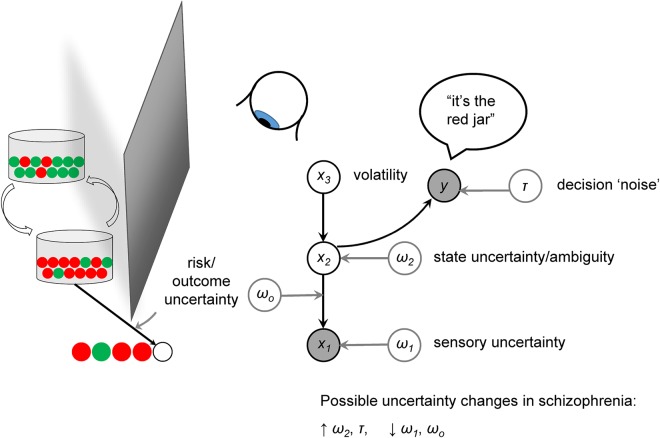
“Such temporal changes in hidden causes give rise to ‘ volatility ’ ; 36 37 for example, someone surrep-titiously switching the jar during the experiment.”
BackgroundBayesian model selection for group studies
Stephan, K. E., Penny, W. D., Daunizeau, J., Moran, R. J., & Friston, K. J. (2009) · NeuroImage · doi:10.1016/j.neuroimage.2009.03.025 · Cited by 1,423
Attention, uncertainty, and free-energy
Feldman, H., & Friston, K. J. (2010) · Frontiers in Human Neuroscience · doi:10.3389/fnhum.2010.00215 · Cited by 1,365 · cited 2×
“This is dif fi cult but important, as it can force one not only to think hard about what particular constructs (such as ‘ attention ’ or ‘ salience ’ ) really mean, 22 but also to be very explicit about assumptions and ignorance.”
BackgroundPizzagalli, D. A., Holmes, A. J., Dillon, D. G., Goetz, E. L., Birk, J. L., Bogdan, R., Dougherty, D. D., Iosifescu, D. V., Rauch, S. L., & Fava, M. (2009) · American Journal of Psychiatry · doi:10.1176/appi.ajp.2008.08081201 · Cited by 1,232
Emotion regulation in depression: Relation to cognitive inhibition
Joormann, J., & Gotlib, I. H. (2010) · Cognition & Emotion · doi:10.1080/02699930903407948 · Cited by 1,227 · cited 1×
“63 It appears that patients with depression have a de fi cit in this inhibition of aversive processing, 64 65 with aversive stimuli hijacking rather than inhibiting processing: 66 This is a potential cause of the repetitive negative thoughts typical of rumination 67 — a key component of the…”
BackgroundSchema Therapy: A Practitioner’s Guide
TEMPLE, S. D. (2003) · American Journal of Psychiatry · doi:10.1176/appi.ajp.160.11.2074-a · Cited by 1,208
A selective role for dopamine in stimulus-reward learning
Flagel, S. B., Clark, J. J., Robinson, T. E., Mayo, L., Czuj, A., Willuhn, I., Akers, C. A., Clinton, S. M., Phillips, P. E. M., & Akil, H. (2011) · Nature · doi:10.1038/nature09588 · Cited by 1,026
(1998) · Neuroscience · doi:10.1016/s0306-4522(98)00004-9 · Cited by 941
A meta-analysis of emotional reactivity in major depressive disorder
Bylsma, L. M., Morris, B. H., & Rottenberg, J. (2008) · Clinical Psychology Review · doi:10.1016/j.cpr.2007.10.001 · Cited by 933 · cited 1×
“44 Since the affective value of these more complex stimuli has to be constructed and inferred, unlike that of events with primary utility, this points to the impaired inference about value as the central driver of undervaluation in depression.”
BackgroundAmat, J., Baratta, M. V., Paul, E., Bland, S. T., Watkins, L. R., & Maier, S. F. (2005) · Nature Neuroscience · doi:10.1038/nn1399 · Cited by 931 · cited 1×
“Indeed, the behavioural effects of uncontrollable stressors depend on midline prefrontal areas 61 known to be involved in MB reasoning.”
A causal link between prediction errors, dopamine neurons and learning
Steinberg, E. E., Keiflin, R., Boivin, J. R., Witten, I. B., Deisseroth, K., & Janak, P. H. (2013) · Nature Neuroscience · doi:10.1038/nn.3413 · Cited by 869 · cited 1×
“97 In fMRI paradigms designed to elicit reward prediction error and reward prediction signals, patients with schizophrenia show diminished appropriate activations 98 but greater inappropriate activations in the ventral striatum, 99 compared with controls.”
Dickinson, D., Ramsey, M. E., & Gold, J. M. (2007) · Archives of General Psychiatry · doi:10.1001/archpsyc.64.5.532 · Cited by 863
Siegle, G. J., Steinhauer, S. R., Thase, M. E., Stenger, V. A., & Carter, C. S. (2002) · Biological Psychiatry · doi:10.1016/s0006-3223(02)01314-8 · Cited by 859 · cited 1×
“…patients with depression have a de fi cit in this inhibition of aversive processing, 64 65 with aversive stimuli hijacking rather than inhibiting processing: 66 This is a potential cause of the repetitive negative thoughts typical of rumination 67 — a key component of the depressive vicious circle.”
BackgroundThe Computational Anatomy of Psychosis
Adams, R. A., Stephan, K. E., Brown, H. R., Frith, C. D., & Friston, K. J. (2013) · Frontiers in Psychiatry · doi:10.3389/fpsyt.2013.00047 · Cited by 850 · cited 3×
“What are the main cortical abnormalities in schizophrenia and what do they have in common (reviewed in detail elsewhere 68 )?”
BackgroundInfluentialSelf-citationSynaptic plasticity and dysconnection in schizophrenia
Stephan, K. E., Baldeweg, T., & Friston, K. J. (2006) · Biological Psychiatry · doi:10.1016/j.biopsych.2005.10.005 · Cited by 841 · cited 1×
“Synaptic gain (or ‘ short term ’ synaptic plasticity 69 ) refers to a multiplicative change in the in fl uence of presynaptic input on postsynaptic responses.”
BackgroundA Bayesian account of ‘hysteria’
Edwards, M. J., Adams, R. A., Brown, H., Parees, I., & Friston, K. J. (2012) · Brain · doi:10.1093/brain/aws129 · Cited by 825 · cited 1×
“We have not had space to review Computational Psychiatry approaches to many mental disorders, such as anxiety, 111 personality disorder, 8 autism, 112 attention de fi cit hyperactivity disorder, 113 addiction, 6 functional symptoms 114 and others.”
BackgroundSelf-citationDepression: Clinical, Experimental and Theoretical Aspects.
Sabshin, M. (1968) · Archives of General Psychiatry · doi:10.1001/archpsyc.1968.01740120126024 · Cited by 809
Montague, P. R., Dolan, R. J., Friston, K. J., & Dayan, P. (2012) · Trends in Cognitive Sciences · doi:10.1016/j.tics.2011.11.018 · Cited by 809 · cited 2×
“8 19 It is true that the new science of epigenetics (heralded by Engel 4 almost 40 years ago) also places genes fi rmly in their environmental context; but as an explanation of mental illness, a gene – environment interaction in the absence of any computational speci fi cation is a sandwich without…”
BackgroundProjection-specific modulation of dopamine neuron synapses by aversive and rewarding stimuli
Lammel, S., Ion, D. I., Roeper, J., & Malenka, R. C. (2011) · Neuron · doi:10.1016/j.neuron.2011.03.025 · Cited by 766 · cited 1×
“These have been proposed to re fl ect reward prediction errors 94 (but also aversive prediction errors 95 and the precision or ‘ salience ’ of prediction errors 96 ) in the ventral and dorsal striatum.”
BackgroundPsychiatric genome-wide association study analyses implicate neuronal, immune and histone pathways
The Network and Pathway Analysis Subgroup of the Psychiatric Genomics Consortium (2015) · Nature Neuroscience · doi:10.1038/nn.3922 · Cited by 755
Coordination of Actions and Habits in the Medial Prefrontal Cortex of Rats
Killcross, S. (2003) · Cerebral Cortex · doi:10.1093/cercor/13.4.400 · Cited by 748 · cited 1×
“62 One feature that is of particular interest is emotion regulation.”
BackgroundToward an objective characterization of an anhedonic phenotype: A signal-detection approach
Pizzagalli, D. A., Jahn, A. L., & O’Shea, J. P. (2005) · Biological Psychiatry · doi:10.1016/j.biopsych.2004.11.026 · Cited by 738 · cited 1×
“55 RL modelling of this task suggested that anhedonia was not related to MF learning.”
BackgroundMaier, S. F., & Watkins, L. R. (2005) · Neuroscience & Biobehavioral Reviews · doi:10.1016/j.neubiorev.2005.03.021 · Cited by 737 · cited 1×
“59 These effects can arise from prior beliefs about the achievability of desirable outcomes.”
BackgroundFrom reinforcement learning models to psychiatric and neurological disorders
Maia, T. V., & Frank, M. J. (2011) · Nature Neuroscience · doi:10.1038/nn.2723 · Cited by 722 · cited 4×
“…which teach the ventral striatum (critic) the values of states, and the dorsal striatum (actor) to associate states with optimal actions (by increasing the excitation or reducing the inhibition of the currently selected action 6 ), with recent evidence for a causal role of dopamine in this regard.”
BackgroundInfluentialA Bayesian foundation for individual learning under uncertainty
Mathys, C. (2011) · Frontiers in Human Neuroscience · doi:10.3389/fnhum.2011.00039 · Cited by 655
Hierarchically organized behavior and its neural foundations: A reinforcement learning perspective
Botvinick, M. M., Niv, Y., & Barto, A. G. (2009) · Cognition · doi:10.1016/j.cognition.2008.08.011 · Cited by 646
An aberrant precision account of autism
Lawson, R. P., Rees, G., & Friston, K. J. (2014) · Frontiers in Human Neuroscience · doi:10.3389/fnhum.2014.00302 · Cited by 641
Forbes, E. E., Hariri, A. R., Martin, S. L., Silk, J. S., Moyles, D. L., Fisher, P. M., Brown, S. M., Ryan, N. D., Birmaher, B., Axelson, D. A., et al. (2009) · American Journal of Psychiatry · doi:10.1176/appi.ajp.2008.07081336 · Cited by 582
Dysfunction of ventral striatal reward prediction in schizophrenia
Juckel, G., Schlagenhauf, F., Koslowski, M., Wüstenberg, T., Villringer, A., Knutson, B., Wrase, J., & Heinz, A. (2006) · NeuroImage · doi:10.1016/j.neuroimage.2005.07.051 · Cited by 578
Dopaminergic modulation of limbic and cortical drive of nucleus accumbens in goal-directed behavior
Goto, Y., & Grace, A. A. (2005) · Nature Neuroscience · doi:10.1038/nn1471 · Cited by 576
Neurophysiological Endophenotypes of Schizophrenia: The Viability of Selected Candidate Measures
Turetsky, B. I., Calkins, M. E., Light, G. A., Olincy, A., Radant, A. D., & Swerdlow, N. R. (2006) · Schizophrenia Bulletin · doi:10.1093/schbul/sbl060 · Cited by 567 · cited 2×
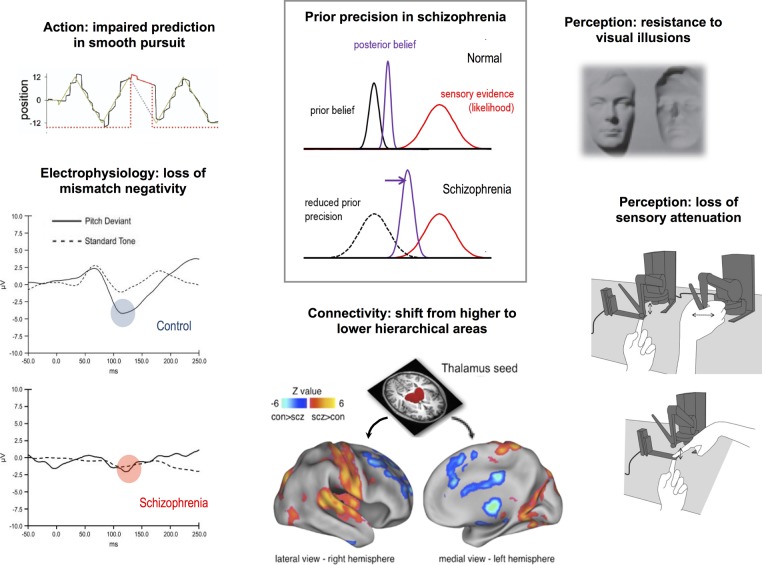
“…the oddball causes a pronounced negative de fl ection at around 120 ms (blue circle), but in a patient with schizophrenia, there is no such de fl ection (red circle); that is, the brain responses to predictable and unpredictable stimuli are very similar ( fi gure adapted from Turetsky et al 71 ).”
BackgroundSubstantia nigra/ventral tegmental reward prediction error disruption in psychosis
Murray, G. K., Corlett, P. R., Clark, L., Pessiglione, M., Blackwell, A. D., Honey, G., Jones, P. B., Bullmore, E. T., Robbins, T. W., & Fletcher, P. C. (2008) · Molecular Psychiatry · doi:10.1038/sj.mp.4002058 · Cited by 532 · cited 1×
“97 In fMRI paradigms designed to elicit reward prediction error and reward prediction signals, patients with schizophrenia show diminished appropriate activations 98 but greater inappropriate activations in the ventral striatum, 99 compared with controls.”
Computational psychiatry: the brain as a phantastic organ
Friston, K. J., Stephan, K. E., Montague, R., & Dolan, R. J. (2014) · The Lancet Psychiatry · doi:10.1016/s2215-0366(14)70275-5 · Cited by 531
Fales, C. L., Barch, D. M., Rundle, M. M., Mintun, M. A., Snyder, A. Z., Cohen, J. D., Mathews, J., & Sheline, Y. I. (2008) · Biological Psychiatry · doi:10.1016/j.biopsych.2007.06.012 · Cited by 517
Neural Responses to Monetary Incentives in Major Depression
Knutson, B., Bhanji, J. P., Cooney, R. E., Atlas, L. Y., & Gotlib, I. H. (2008) · Biological Psychiatry · doi:10.1016/j.biopsych.2007.07.023 · Cited by 496 · cited 1×
“45 50 Second are studies explicitly examining the kind of trial-by-trial learning described by MF valuation.”
Learning and selective attention
Dayan, P., Kakade, S., & Montague, P. R. (2000) · Nature Neuroscience · doi:10.1038/81504 · Cited by 495 · cited 1×
“39 We next describe these issues in the context of depression and schizophrenia, with the discussion of depression focusing more on valuation, that is, weighing the future, and that of schizophrenia on inference in the present.”
BackgroundCharacterizing Thalamo-Cortical Disturbances in Schizophrenia and Bipolar Illness
Anticevic, A., Cole, M. W., Repovs, G., Murray, J. D., Brumbaugh, M. S., Winkler, A. M., Savic, A., Krystal, J. H., Pearlson, G. D., & Glahn, D. C. (2014) · Cerebral Cortex · doi:10.1093/cercor/bht165 · Cited by 495
Cohen, J. D., Braver, T. S., & O´Reilly, R. (1996) · Philosophical Transactions of the Royal Society of London. Series B: Biological Sciences · doi:10.1098/rstb.1996.0138 · Cited by 487 · cited 1×
“Numerous authoritative reviews of initial developments in Computational Psychiatry already exist, 6 – 15 alongside pioneering work by Hoffman, 16 Cohen 17 and many others.”
BackgroundExpected value and prediction error abnormalities in depression and schizophrenia
Gradin, V. B., Kumar, P., Waiter, G., Ahearn, T., Stickle, C., Milders, M., Reid, I., Hall, J., & Steele, J. D. (2011) · Brain · doi:10.1093/brain/awr059 · Cited by 485 · cited 1×
“26 51 – 54 Third are studies using a probabilistic response bias task.”
MethodMapping anhedonia onto reinforcement learning: a behavioural meta-analysis
Huys, Q. J., Pizzagalli, D. A., Bogdan, R., & Dayan, P. (2013) · Biology of Mood & Anxiety Disorders · doi:10.1186/2045-5380-3-12 · Cited by 480 · cited 1×
“56 In contrast, several features of MB valuation appear to be involved in depression.”
BackgroundSelf-citationAnxious individuals have difficulty learning the causal statistics of aversive environments
Browning, M., Behrens, T. E., Jocham, G., O'Reilly, J. X., & Bishop, S. J. (2015) · Nature Neuroscience · doi:10.1038/nn.3961 · Cited by 476
Disrupted prediction-error signal in psychosis: Evidence for an associative account of delusions
Corlett, P. R., Murray, G. K., Honey, G. D., Aitken, M. R. F., Shanks, D. R., Robbins, T. W., Bullmore, E. T., Dickinson, A., & Fletcher, P. C. (2007) · Brain · doi:10.1093/brain/awm173 · Cited by 460 · cited 1×
“Similar patterns were observed in an associative learning task without explicit rewards; 100 however, fMRI cannot tell whether these abnormalities are due to abnormal phasic dopamine signalling.”
BackgroundA Review of Reward Processing and Motivational Impairment in Schizophrenia
Strauss, G. P., Waltz, J. A., & Gold, J. M. (2014) · Schizophrenia Bulletin · doi:10.1093/schbul/sbt197 · Cited by 452 · cited 2×
“Numerous authoritative reviews of initial developments in Computational Psychiatry already exist, 6 – 15 alongside pioneering work by Hoffman, 16 Cohen 17 and many others.”
BackgroundHuys, Q. J. M., Eshel, N., O'Nions, E., Sheridan, L., Dayan, P., & Roiser, J. P. (2012) · PLoS Computational Biology · doi:10.1371/journal.pcbi.1002410 · Cited by 439 · cited 1×
“63 It appears that patients with depression have a de fi cit in this inhibition of aversive processing, 64 65 with aversive stimuli hijacking rather than inhibiting processing: 66 This is a potential cause of the repetitive negative thoughts typical of rumination 67 — a key component of the…”
BackgroundSelf-citationEvidence for sensory prediction deficits in schizophrenia
Shergill, S. S., Samson, G., Bays, P. M., Frith, C. D., & Wolpert, D. M. (2005) · American Journal of Psychiatry · doi:10.1176/appi.ajp.162.12.2384 · Cited by 432
Influence of Phasic and Tonic Dopamine Release on Receptor Activation
Dreyer, J. K., Herrik, K. F., Berg, R. W., & Hounsgaard, J. D. (2010) · The Journal of Neuroscience · doi:10.1523/jneurosci.1894-10.2010 · Cited by 423
Abnormal temporal difference reward-learning signals in major depression
Kumar, P., Waiter, G., Ahearn, T., Milders, M., Reid, I., & Steele, J. D. (2008) · Brain · doi:10.1093/brain/awn136 · Cited by 374 · cited 2×
“26 51 – 54 Third are studies using a probabilistic response bias task.”
BackgroundMethodA New Perspective on Anhedonia in Schizophrenia
Strauss, G. P., & Gold, J. M. (2012) · American Journal of Psychiatry · doi:10.1176/appi.ajp.2011.11030447 · Cited by 367 · cited 1×
“115 Anhedonia is also found in schizophrenia, and in this context just as in depression, hedonic responses to primary rewards seem normal, 116 yet pleasure-seeking behaviour is reduced.”
BackgroundZhang, W.-N., Chang, S.-H., Guo, L.-Y., Zhang, K.-L., & Wang, J. (2013) · Journal of Affective Disorders · doi:10.1016/j.jad.2013.06.039 · Cited by 355 · cited 1×
“45 50 Second are studies explicitly examining the kind of trial-by-trial learning described by MF valuation.”
BackgroundThe anatomy of choice: active inference and agency
Friston, K., Schwartenbeck, P., FitzGerald, T., Moutoussis, M., Behrens, T., & Dolan, R. J. (2013) · Frontiers in Human Neuroscience · doi:10.3389/fnhum.2013.00598 · Cited by 340 · cited 2×
“96 In the ‘ aberrant salience ’ hypothesis, Kapur 107 proposed that there is aberrant (ie, increased inappropriate) signalling of incentive salience in patients with positive psychotic symptoms.”
BackgroundBehavioural assessment of mice lacking D1A dopamine receptors
Smith, D. R., Striplin, C. D., Geller, A. M., Mailman, R. B., Drago, J., Lawler, C. P., & Gallagher, M. (1998) · Neuroscience · doi:10.1016/s0306-4522(97)00608-8 · Cited by 332
fMRI of alterations in reward selection, anticipation, and feedback in major depressive disorder
Smoski, M. J., Felder, J., Bizzell, J., Green, S. R., Ernst, M., Lynch, T. R., & Dichter, G. S. (2009) · Journal of Affective Disorders · doi:10.1016/j.jad.2009.01.034 · Cited by 328
Dopamine Synthesis Capacity in Patients With Treatment-Resistant Schizophrenia
Demjaha, A., Murray, R. M., McGuire, P. K., Kapur, S., & Howes, O. D. (2012) · American Journal of Psychiatry · doi:10.1176/appi.ajp.2012.12010144 · Cited by 325
Gold, J. M. (2012) · Archives of General Psychiatry · doi:10.1001/archgenpsychiatry.2011.1269 · Cited by 317
Wang, X.-J., & Krystal, J. H. (2014) · Neuron · doi:10.1016/j.neuron.2014.10.018 · Cited by 312
Reward‐related decision‐making in pediatric major depressive disorder: an fMRI study
Forbes, E. E., Christopher May, J., Siegle, G. J., Ladouceur, C. D., Ryan, N. D., Carter, C. S., Birmaher, B., Axelson, D. A., & Dahl, R. E. (2006) · Journal of Child Psychology and Psychiatry · doi:10.1111/j.1469-7610.2006.01673.x · Cited by 299
Hopping, skipping or jumping to conclusions? Clarifying the role of the JTC bias in delusions
Fine, C., Gardner, M., Craigie, J., & Gold, I. (2007) · Cognitive Neuropsychiatry · doi:10.1080/13546800600750597 · Cited by 291 · cited 1×
“This precision imbalance might contribute to the well-known ‘ jumping to conclusions ’ reasoning bias in schizophrenia 38 (although another cause might be noisy decision-making 28 ) and the formation of delusional beliefs themselves, which commonly arise in an atmosphere of vivid sensory…”
BackgroundSilverstein, S. M., & Keane, B. P. (2011) · Schizophrenia Bulletin · doi:10.1093/schbul/sbr052 · Cited by 284 · cited 1×
“…whereas primary sensory areas are coupled more strongly with this region; 72 ▸ At a perceptual level, a greater resistance to visual illusions 73 (which exploit the effects of visual priors on ambiguous images, eg, the famous ‘ hollow-mask ’ illusion 74 ) and a failure to attenuate the…”
BackgroundRisk, unexpected uncertainty, and estimation uncertainty: Bayesian learning in unstable settings
Payzan-LeNestour, E., & Bossaerts, P. (2011) · PLoS Computational Biology · doi:10.1371/journal.pcbi.1001048 · Cited by 267 · cited 1×
“Such temporal changes in hidden causes give rise to ‘ volatility ’ ; 36 37 for example, someone surrep-titiously switching the jar during the experiment.”
BackgroundA comparison of the utility of dimensional and categorical representations of psychosis
VAN OS, J., GILVARRY, C., BALE, R., VAN HORN, E., TATTAN, T., WHITE, I., & MURRAY ON BEHALF OF THE UK700 GROUP, R. (1999) · Psychological Medicine · doi:10.1017/s0033291798008162 · Cited by 261
Blunted response to feedback information in depressive illness
Steele, J. D., Kumar, P., & Ebmeier, K. P. (2007) · Brain · doi:10.1093/brain/awm150 · Cited by 261 · cited 1×
“26 51 – 54 Third are studies using a probabilistic response bias task.”
MethodComputational approaches to psychiatry
Stephan, K. E., & Mathys, C. (2014) · Current Opinion in Neurobiology · doi:10.1016/j.conb.2013.12.007 · Cited by 260
Dissociable Effects of Dopamine and Serotonin on Reversal Learning
den Ouden, H. E. M., Daw, N. D., Fernandez, G., Elshout, J. A., Rijpkema, M., Hoogman, M., Franke, B., & Cools, R. (2013) · Neuron · doi:10.1016/j.neuron.2013.08.030 · Cited by 255
Striatal dysfunction during reversal learning in unmedicated schizophrenia patients
Schlagenhauf, F., Huys, Q. J. M., Deserno, L., Rapp, M. A., Beck, A., Heinze, H.-J., Dolan, R., & Heinz, A. (2014) · NeuroImage · doi:10.1016/j.neuroimage.2013.11.034 · Cited by 253
Self-citationSelective prefrontal cortex inputs to dopamine cells: implications for schizophrenia
SESACK, S., & CARR, D. (2002) · Physiology & Behavior · doi:10.1016/s0031-9384(02)00931-9 · Cited by 238 · cited 1×
“…might occur as an adaptation to a loss of (prefrontal) high-level precision ( ω 2 in fi gure 1), 68 that is, that the excessive dorsal striatal dopamine release found in prefrontal dysfunction 92 93 is an attempt to stabilise thoughts and action selection in the face of cognitive instability.”
Deserno, L., Huys, Q. J. M., Boehme, R., Buchert, R., Heinze, H.-J., Grace, A. A., Dolan, R. J., Heinz, A., & Schlagenhauf, F. (2015) · Proceedings of the National Academy of Sciences · doi:10.1073/pnas.1417219112 · Cited by 233
Self-citationRobinson, O. J., Cools, R., Carlisi, C. O., Sahakian, B. J., & Drevets, W. C. (2012) · American Journal of Psychiatry · doi:10.1176/appi.ajp.2011.11010137 · Cited by 232
Dopaminergic basis of salience dysregulation in psychosis
Winton-Brown, T. T., Fusar-Poli, P., Ungless, M. A., & Howes, O. D. (2014) · Trends in Neurosciences · doi:10.1016/j.tins.2013.11.003 · Cited by 231 · cited 1×
“97 In fMRI paradigms designed to elicit reward prediction error and reward prediction signals, patients with schizophrenia show diminished appropriate activations 98 but greater inappropriate activations in the ventral striatum, 99 compared with controls.”
Clatworthy, P. L., Lewis, S. J. G., Brichard, L., Hong, Y. T., Izquierdo, D., Clark, L., Cools, R., Aigbirhio, F. I., Baron, J.-C., Fryer, T. D., et al. (2009) · The Journal of Neuroscience · doi:10.1523/jneurosci.3266-08.2009 · Cited by 229
Depression: a decision-theoretic analysis
Huys, Q. J. M., Daw, N. D., & Dayan, P. (2015) · Annual Review of Neuroscience · doi:10.1146/annurev-neuro-071714-033928 · Cited by 221
Self-citationLeeson, V. C., Robbins, T. W., Matheson, E., Hutton, S. B., Ron, M. A., Barnes, T. R. E., & Joyce, E. M. (2009) · Biological Psychiatry · doi:10.1016/j.biopsych.2009.05.016 · Cited by 219
Working Memory Contributions to Reinforcement Learning Impairments in Schizophrenia
Collins, A. G. E., Brown, J. K., Gold, J. M., Waltz, J. A., & Frank, M. J. (2014) · The Journal of Neuroscience · doi:10.1523/jneurosci.0989-14.2014 · Cited by 212 · cited 1×
“104 Figure 2 Effects of a hierarchical precision imbalance in schizophrenia.”
BackgroundEncyclopedia of Computational Neuroscience
(2013) · Springer eBooks · doi:10.1007/978-1-4614-7320-6 · Cited by 211
Interplay of approximate planning strategies
Huys, Q. J. M., Lally, N., Faulkner, P., Eshel, N., Seifritz, E., Gershman, S. J., Dayan, P., & Roiser, J. P. (2015) · Proceedings of the National Academy of Sciences · doi:10.1073/pnas.1414219112 · Cited by 207
Self-citationFusar-Poli, P., Howes, O. D., Allen, P., Broome, M., Valli, I., Asselin, M.-C., Montgomery, A. J., Grasby, P. M., & McGuire, P. (2011) · Molecular Psychiatry · doi:10.1038/mp.2009.108 · Cited by 207 · cited 1×
“…might occur as an adaptation to a loss of (prefrontal) high-level precision ( ω 2 in fi gure 1), 68 that is, that the excessive dorsal striatal dopamine release found in prefrontal dysfunction 92 93 is an attempt to stabilise thoughts and action selection in the face of cognitive instability.”
BackgroundNeural and Behavioral Correlates of Aberrant Salience in Individuals at Risk for Psychosis
Roiser, J. P., Howes, O. D., Chaddock, C. A., Joyce, E. M., & McGuire, P. (2013) · Schizophrenia Bulletin · doi:10.1093/schbul/sbs147 · Cited by 205 · cited 1×
“108 A weakness of the aberrant salience hypothesis is that the connection between aberrant motivational signalling and the abnormal inference (hallucinations) and abnormal learning (delusions) found in positive symptoms is not intuitive (assuming that delusions do indeed involve abnormal learning).”
BackgroundSelf-citationHartmann, M. N., Hager, O. M., Reimann, A. V., Chumbley, J. R., Kirschner, M., Seifritz, E., Tobler, P. N., & Kaiser, S. (2015) · Schizophrenia Bulletin · doi:10.1093/schbul/sbu102 · Cited by 200 · cited 1×
“…associations but intact learning of stimulus-punishment associations), a failure to infer the values of actions (cf. anhedonia in depression), greater discounting of rewards that require effort, 110 and a loss of uncertainty-driven exploration such that valuable states are never discovered.”
BackgroundRead, J., Bentall, R. P., & Fosse, R. (2009) · Epidemiology and Psychiatric Sciences · doi:10.1017/s1121189x00000257 · Cited by 193
Dima, D., Roiser, J. P., Dietrich, D. E., Bonnemann, C., Lanfermann, H., Emrich, H. M., & Dillo, W. (2009) · NeuroImage · doi:10.1016/j.neuroimage.2009.03.033 · Cited by 192 · cited 1×
“…a greater resistance to visual illusions 73 (which exploit the effects of visual priors on ambiguous images, eg, the famous ‘ hollow-mask ’ illusion 74 ) and a failure to attenuate the sensory consequences of one ’ s own actions, which could diminish one ’ s sense of agency; 75 ▸ At a behavioural…”
BackgroundSelf-citationLautenbacher, S., Spernal, J., Schreiber, W., & Krieg, J.-C. (1999) · Psychosomatic Medicine · doi:10.1097/00006842-199911000-00015 · Cited by 187 · cited 1×
“42 43 This contrasts with richer and more complex stimuli such as pictures of facial expressions, movies and music, where blunted affective ratings and physiological responses are reliably present in the appetitive and aversive domains.”
BackgroundUnipolar depression does not moderate responses to the Sweet Taste Test
Dichter, G. S., Smoski, M. J., Kampov-Polevoy, A. B., Gallop, R., & Garbutt, J. C. (2010) · Depression and Anxiety · doi:10.1002/da.20690 · Cited by 175 · cited 1×
“42 43 This contrasts with richer and more complex stimuli such as pictures of facial expressions, movies and music, where blunted affective ratings and physiological responses are reliably present in the appetitive and aversive domains.”
BackgroundHauser, T. U., Iannaccone, R., Ball, J., Mathys, C., Brandeis, D., Walitza, S., & Brem, S. (2014) · JAMA Psychiatry · doi:10.1001/jamapsychiatry.2014.1093 · Cited by 168
Generative embedding for model-based classification of fMRI data
Brodersen, K. H., Schofield, T. M., Leff, A. P., Ong, C. S., Lomakina, E. I., Buhmann, J. M., & Stephan, K. E. (2011) · PLoS Computational Biology · doi:10.1371/journal.pcbi.1002079 · Cited by 165
A Cognitive Model of Generalized Anxiety Disorder
Wells, A. (1999) · Behavior Modification · doi:10.1177/0145445599234002 · Cited by 165 · cited 1×
“115 Anhedonia is also found in schizophrenia, and in this context just as in depression, hedonic responses to primary rewards seem normal, 116 yet pleasure-seeking behaviour is reduced.”
BackgroundWhat kind of science for psychiatry?
Kirmayer, L. J., & Crafa, D. (2014) · Frontiers in Human Neuroscience · doi:10.3389/fnhum.2014.00435 · Cited by 163
Loss of sensory attenuation in patients with functional (psychogenic) movement disorders
Pareés, I., Brown, H., Nuruki, A., Adams, R. A., Davare, M., Bhatia, K. P., Friston, K., & Edwards, M. J. (2014) · Brain · doi:10.1093/brain/awu237 · Cited by 155
Self-citationPharmacological modulation of subliminal learning in Parkinson's and Tourette's syndromes
Palminteri, S., Lebreton, M., Worbe, Y., Grabli, D., Hartmann, A., & Pessiglione, M. (2009) · Proceedings of the National Academy of Sciences · doi:10.1073/pnas.0904035106 · Cited by 154
A Bayesian formulation of behavioral control
Huys, Q. J. M., & Dayan, P. (2009) · Cognition · doi:10.1016/j.cognition.2009.01.008 · Cited by 145
Self-citationBayesian modelling of Jumping-to-Conclusions bias in delusional patients
Moutoussis, M., Bentall, R. P., El-Deredy, W., & Dayan, P. (2011) · Cognitive Neuropsychiatry · doi:10.1080/13546805.2010.548678 · Cited by 137
Characterization of reward and effort mechanisms in apathy
Bonnelle, V., Veromann, K.-R., Burnett Heyes, S., Lo Sterzo, E., Manohar, S., & Husain, M. (2015) · Journal of Physiology-Paris · doi:10.1016/j.jphysparis.2014.04.002 · Cited by 136 · cited 1×
“117 Computational Psychiatry approaches are also being used to investigate motivation and effort cost in apathy 118 — found in Parkinson ’ s disease and numerous other neurological conditions — and it will be interesting to see how many underlying computational mechanisms are shared with negative…”
MethodRemijnse, P. L., Nielen, M. M. A., van Balkom, A. J. L. M., Hendriks, G.-J., Hoogendijk, W. J., Uylings, H. B. M., & Veltman, D. J. (2009) · Psychological Medicine · doi:10.1017/s0033291708005072 · Cited by 127
The role of learning-related dopamine signals in addiction vulnerability
Huys, Q. J. M., Tobler, P. N., Hasler, G., & Flagel, S. B. (2014) · Progress in brain research · doi:10.1016/b978-0-444-63425-2.00003-9 · Cited by 107
Self-citationComputational psychiatry: a Rosetta Stone linking the brain to mental illness
Corlett, P. R., & Fletcher, P. C. (2014) · The Lancet Psychiatry · doi:10.1016/s2215-0366(14)70298-6 · Cited by 105 · cited 1×
“14 We return to the subject of delusions in the Psychosis section.”
BackgroundBook Review: Neural Network Models of Schizophrenia
Hoffman, R. E., & Mcglashan, T. H. (2001) · The Neuroscientist · doi:10.1177/107385840100700513 · Cited by 103
Probabilistic learning and inference in schizophrenia
Averbeck, B. B., Evans, S., Chouhan, V., Bristow, E., & Shergill, S. S. (2011) · Schizophrenia Research · doi:10.1016/j.schres.2010.08.009 · Cited by 100 · cited 1×
“Although behavioural responses in such tasks are often less abnormal than the underlying neural activity, 101 computational modelling of behaviour in the beads task 102 and reward learning tasks 27 suggests that the impact of phasic positive feed-back is diminished in schizophrenia.”
Dopamine Receptors Differentially Enhance Rule Coding in Primate Prefrontal Cortex Neurons
Ott, T., Jacob, S. N., & Nieder, A. (2014) · Neuron · doi:10.1016/j.neuron.2014.11.012 · Cited by 98
Are computational models of any use to psychiatry?
Huys, Q. J. M., Moutoussis, M., & Williams, J. (2011) · Neural Networks · doi:10.1016/j.neunet.2011.03.001 · Cited by 94
Self-citationDeserno, L., Boehme, R., Heinz, A., & Schlagenhauf, F. (2013) · Frontiers in Psychiatry · doi:10.3389/fpsyt.2013.00172 · Cited by 88
Groman, S. M., Lee, B., London, E. D., Mandelkern, M. A., James, A. S., Feiler, K., Rivera, R., Dahlbom, M., Sossi, V., Vandervoort, E., et al. (2011) · The Journal of Neuroscience · doi:10.1523/jneurosci.0363-11.2011 · Cited by 87
Huys, Q. J. M., Guitart-Masip, M., Dolan, R. J., & Dayan, P. (2015) · Clinical Psychological Science · doi:10.1177/2167702614562040 · Cited by 80 · cited 1×
“40 41”
Self-citationA formal model of interpersonal inference
Moutoussis, M., Trujillo-Barreto, N. J., El-Deredy, W., Dolan, R. J., & Friston, K. J. (2014) · Frontiers in Human Neuroscience · doi:10.3389/fnhum.2014.00160 · Cited by 59 · cited 2×
“8 19 It is true that the new science of epigenetics (heralded by Engel 4 almost 40 years ago) also places genes fi rmly in their environmental context; but as an explanation of mental illness, a gene – environment interaction in the absence of any computational speci fi cation is a sandwich without…”
BackgroundActive inference and oculomotor pursuit: The dynamic causal modelling of eye movements
Adams, R. A., Aponte, E. A., Marshall, L., & Friston, K. J. (2015) · Journal of Neuroscience Methods · doi:10.1016/j.jneumeth.2015.01.003 · Cited by 56 · cited 1×
“20 By altering key parameters in our generative models of agents ’ brains, we can observe what effects they have on decision-making and use this information to optimise experimental design or make counter-intuitive predictions.”
BackgroundSelf-citationRefining the Predictive Pursuit Endophenotype in Schizophrenia
Hong, L. E., Turano, K. A., O’Neill, H., Lei, H., Wonodi, I., McMahon, R. P., Elliott, A., & Thaker, G. K. (2007) · Biological Psychiatry · doi:10.1016/j.biopsych.2007.06.004 · Cited by 56
Murray, G. K., Corlett, P. R., & Fletcher, P. C. (2010) · Schizophrenia Bulletin · doi:10.1093/schbul/sbq005 · Cited by 46 · cited 1×
“Although behavioural responses in such tasks are often less abnormal than the underlying neural activity, 101 computational modelling of behaviour in the beads task 102 and reward learning tasks 27 suggests that the impact of phasic positive feed-back is diminished in schizophrenia.”
BackgroundComputational and Robotic Models of the Hierarchical Organization of Behavior
Baldassarre, G., & Mirolli, M. (2013) · Springer eBooks · doi:10.1007/978-3-642-39875-9 · Cited by 39
Divide and Conquer: Hierarchical Reinforcement Learning and Task Decomposition in Humans
Diuk, C., Schapiro, A. C., Córdova, N. I., Fernandes, J. J. F. R., Niv, Y., & Botvinick, M. (2013) · Springer eBooks · doi:10.1007/978-3-642-39875-9_12 · Cited by 37
Huys, Q. J. M. (2015) · Springer eBooks · doi:10.1007/978-1-4614-6675-8_501 · Cited by 6
Self-citation
Cited by
Neuroscience of apathy and anhedonia: a transdiagnostic approach
Husain, M., & Roiser, J. P. (2018) · Nature Reviews Neuroscience · doi:10.1038/s41583-018-0029-9 · Cited by 640
Self-citationAnnual Research Review: The transdiagnostic revolution in neurodevelopmental disorders
Astle, D. E., Holmes, J., Kievit, R., & Gathercole, S. E. (2022) · Journal of Child Psychology and Psychiatry · doi:10.1111/jcpp.13481 · Cited by 384
Hassani, S. A., Oemisch, M., Balcarras, M., Westendorff, S., Ardid, S., van der Meer, M. A., Tiesinga, P., & Womelsdorf, T. (2017) · Scientific Reports · doi:10.1038/srep40606 · Cited by 360
Thinking through other minds: A variational approach to cognition and culture
Veissière, S. P. L., Constant, A., Ramstead, M. J. D., Friston, K. J., & Kirmayer, L. J. (2020) · Behavioral and Brain Sciences · doi:10.1017/s0140525x19001213 · Cited by 348
An integrative perspective on the role of dopamine in schizophrenia
Maia, T. V., & Frank, M. J. (2017) · Biological Psychiatry · doi:10.1016/j.biopsych.2016.05.021 · Cited by 293
“Such blunted top-down signaling of expectations could explain various fi reduced sensitivity to perceptual illusions (129,144), and may also contribut findings in rats that ketamine increases glutamate in prefrontal cortex (146), th and dysregulated cortical bottom-up glutamatergic signaling of PEs (throu receptors),…”
Metadata
- Authors
- Adams, R. A., Huys, Q. J. M., & Roiser, J. P.
- Affiliations
- University College London (GB)
- University of Zurich (CH)
- Corresponding author
- Adams, Rick A
- Venue
- Journal of Neurology, Neurosurgery & Psychiatry
- Publisher
- BMJ
- Published
- 2015-07-08
- Volume
- 87
- Issue
- 1
- Pages
- jnnp-2015-310737
- ISSN
- 0022-3050 (ISSN-L)
- 1468-330X
- PMC
- PMC4717449
- OpenAlex
- W1951245330
- Cited by
- 285
- References
- 123
- Citations by year
- 2026: 16 · 2025: 30 · 2024: 32 · 2023: 28 · 2022: 26 · 2021: 31 · 2020: 32 · 2019: 21 · 2018: 29 · 2017: 24 · 2016: 14 · 2015: 2
- FWCI
- 2.26
- Type
- journal article
- Language
- en
- Open access
- hybrid
- doi.org
- Licence
- cc-by
- Locations
- Journal of Neurology Neurosurgery & Psychiatry (publishedVersion, cc-by)
- PubMed Central (publishedVersion, cc-by)
- PubMed (publishedVersion)
- UCL Discovery (University College London) (submittedVersion)
- Repository for Publications and Research Data (ETH Zurich) (submittedVersion, cc-by)
- Zurich Open Repository and Archive (University of Zurich) (submittedVersion)
- ETH Zürich Research Collection (cc-by)
- Funders
- National Science Foundation
- Wellcome Trust (101798/Z/13/Z)
- Schweizerischer Nationalfonds zur Förderung der Wissenschaftlichen Forschung (101798, 320030L_153449/1, 153449)
- Topics
- Life Sciences › Neuroscience › Cognitive Neuroscience › Neural and Behavioral Psychology Studies
- Social Sciences › Arts and Humanities › Philosophy › Mental Health and Psychiatry
- Life Sciences › Neuroscience › Cellular and Molecular Neuroscience › Neurotransmitter Receptor Influence on Behavior
- Keywords
- computational psychiatry, mental illness, reinforcement learning, predictive coding, Bayesian inference, depression, schizophrenia, helplessness, striatal dopamine, incentive salience, Parkinson's disease, psychiatric classification, cognitive modeling
- MeSH terms
- Mental Disorders, Humans, Mathematics, Psychiatry, Computational Biology
About these checks
Registry, retraction, Cites and statistics results are computed, not judged, with one exception: a printed reference that no index lists is read once by a model before it counts as a citation error. Claims are extracted by a model and kept only when their quote appears verbatim in the text; each cited source is then checked, with a model’s help, for whether it says what the claim relies on. Those verdicts can be wrong — read the claim’s quote and the cited source before relying on one.
Statistics and arithmetic are recomputed, not judged.
Confidence bands are shown only for fields calibrated on our annotated test set. None is calibrated yet, so no band is shown.
What counts as a claim ›How we measure confidence ›How we check this ›
Are you an author, or do you see a problem with this page? Request a review
Data sources
Bibliographic data: Semantic Scholar, OpenAlex, Crossref.
Contains information from the Semantic Scholar Academic Graph Datasets, made available under the ODC Attribution License (ODC-BY 1.0).
Semantic Scholar’s data is described in: Kinney, R., et al. (2023). The Semantic Scholar Open Data Platform. arXiv:2301.10140.
