

The DOI matches its Crossref record; 173 of the 174 references it cites were found in a registry or an index.
Phytochemicals That Regulate Neurodegenerative Disease by Targeting Neurotrophins: A Comprehensive Review
Open accessAbstract
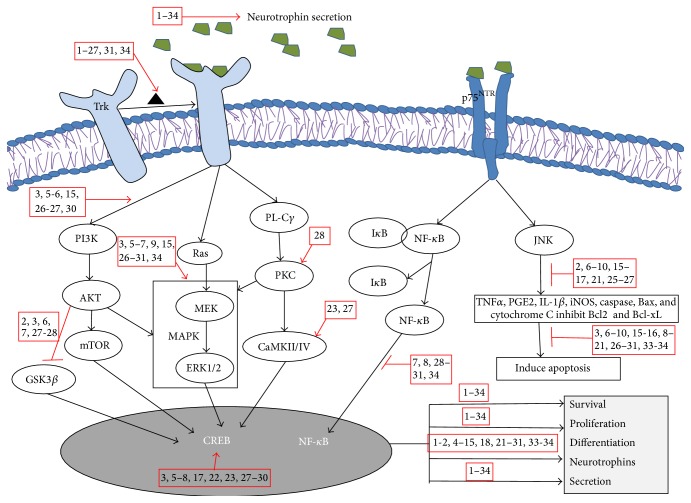
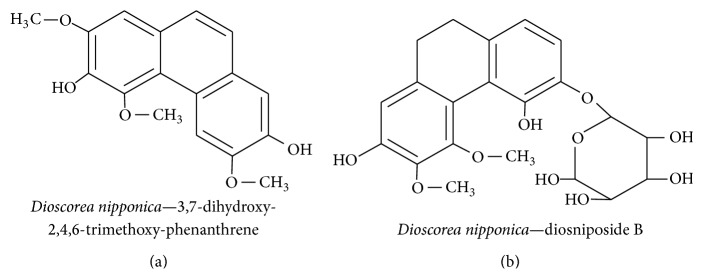
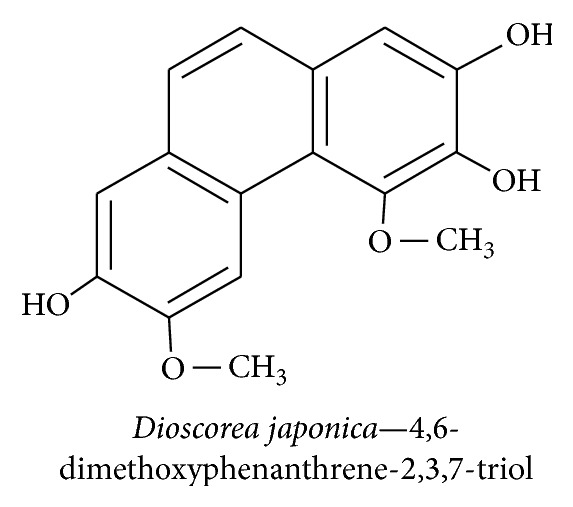
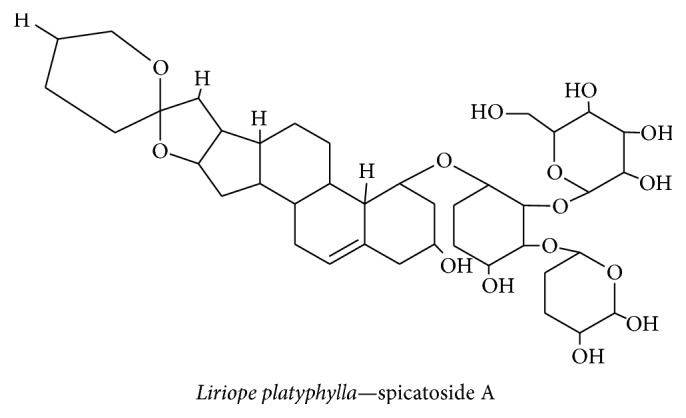
Alzheimer's disease (AD), characterized by progressive dementia and deterioration of cognitive function, is an unsolved social and medical problem. Age, nutrition, and toxins are the most common causes of AD. However, currently no credible treatment is available for AD. Traditional herbs and phytochemicals may delay its onset and slow its progression and also allow recovery by targeting multiple pathological causes by antioxidative, anti-inflammatory, and antiamyloidogenic properties. They also regulate mitochondrial stress, apoptotic factors, free radical scavenging system, and neurotrophic factors. Neurotrophins such as BDNF, NGF, NT3, and NT4/5 play a vital role in neuronal and nonneuronal responses to AD. Neurotrophins depletion accelerates the progression of AD and therefore, replacing such neurotrophins may be a potential treatment for neurodegenerative disease. Here, we review the phytochemicals that mediate the signaling pathways involved in neuroprotection specifically neurotrophin-mediated activation of Trk receptors and members of p75(NTR) superfamily. We focus on representative phenolic derivatives, iridoid glycosides, terpenoids, alkaloids, and steroidal saponins as regulators of neurotrophin-mediated neuroprotection. Although these phytochemicals have attracted attention owing to their in vitro neurotrophin potentiating activity, their in vivo and clinical efficacy trials has yet to be established. Therefore, further research is necessary to prove the neuroprotective effects in preclinical models and in humans.
Overview
The claims and statistics of this paper haven’t been checked yet.
Run the check — free, no account needed. It reads the open-access text and checks the sources it cites.
Integrity signals
Registry
Cites
Statistics
Figures
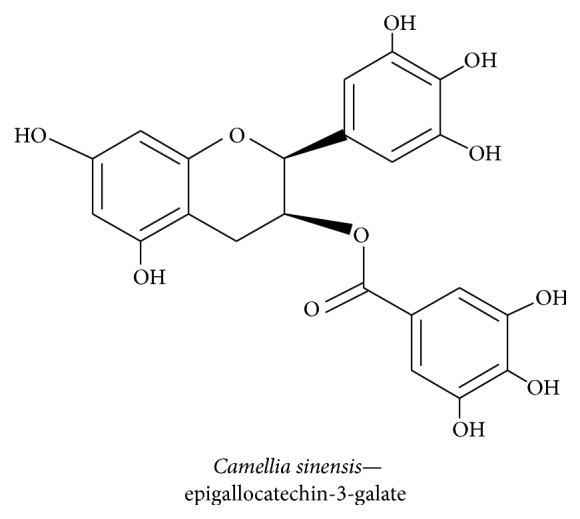
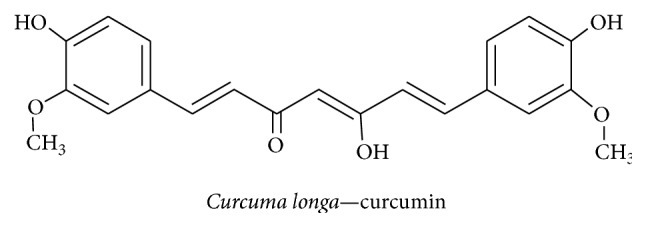
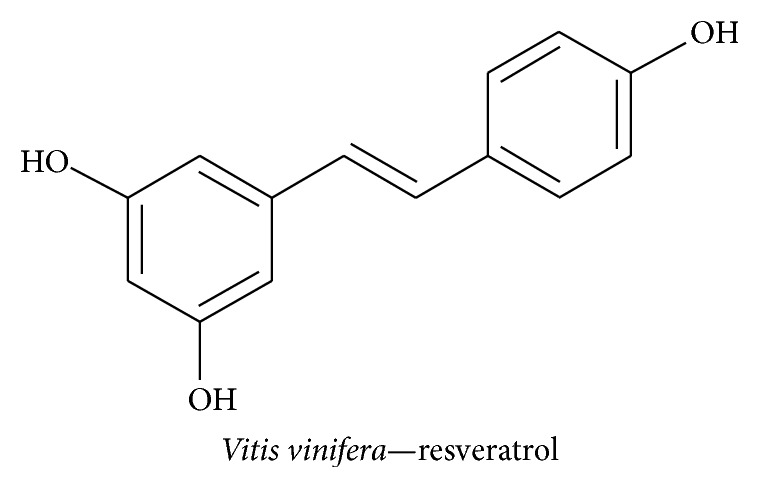
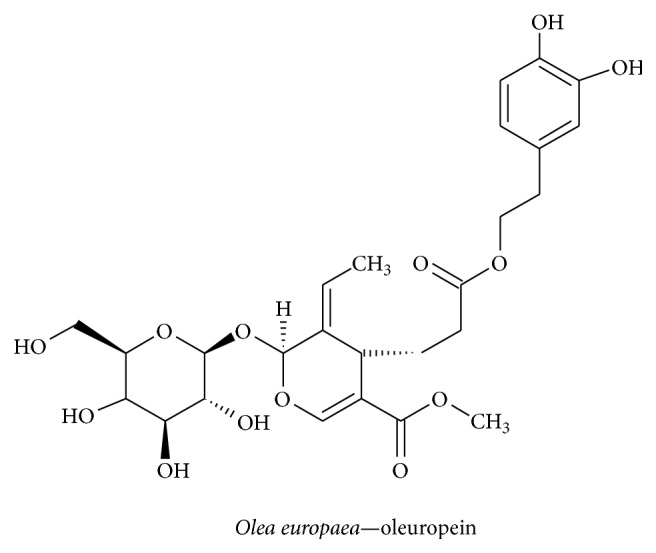
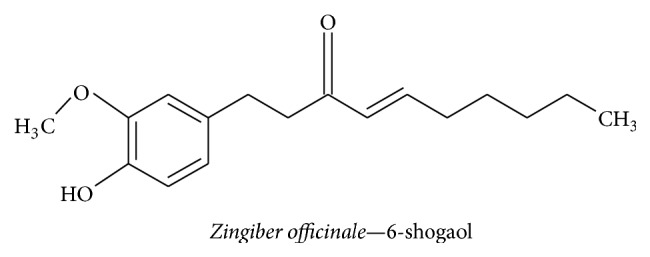
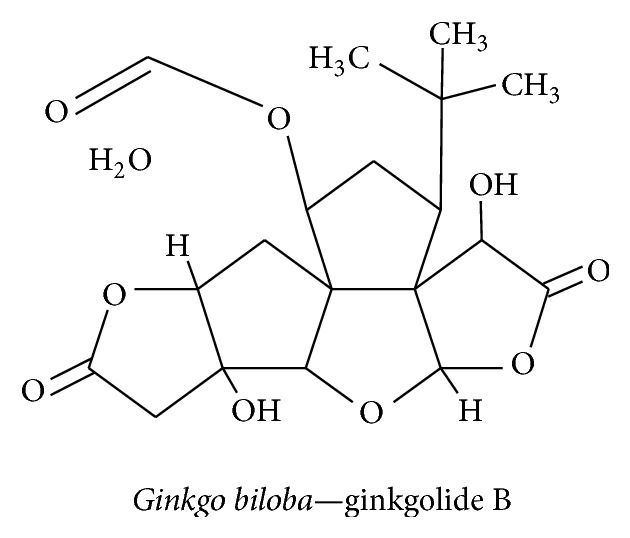
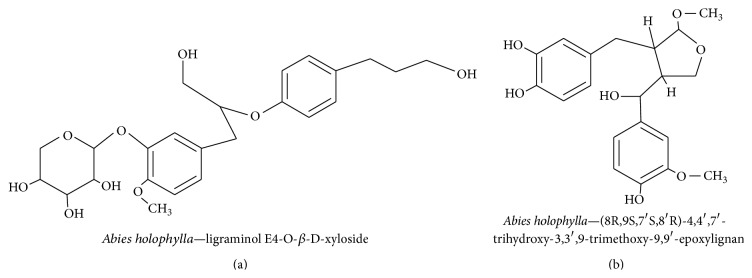
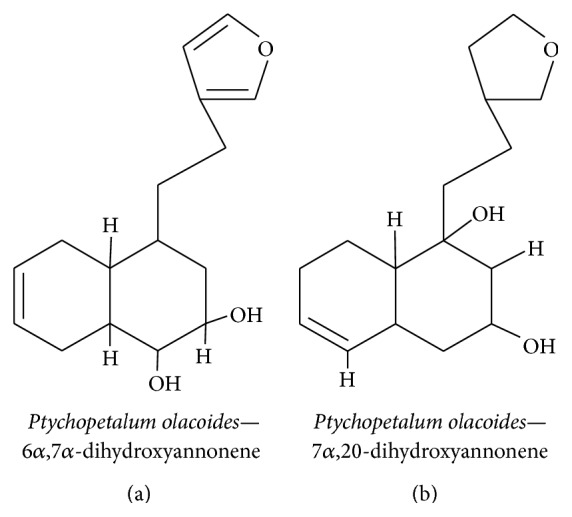
Verification
Claims the paper makes
The claims and statistics of this paper haven’t been checked yet.
Run the check — free, no account needed. It reads the open-access text and checks the sources it cites.
Claims other papers make about this one
Each is checked against this paper’s own text: does it say what the citing paper says it does?
In the citing paper
“such evidence allows us to project a scenario where AD could have possible preventive treatments and/or have a slowing palliative effect in patients who already suffer from it [73,74,75].”
From Multi-Target Mechanisms of Phytochemicals in Alzheimer’s Disease: Effects on Oxidative Stress, Neuroinflammation and Protein Aggregation (2022) · cites this paper as [74]
Self-check
Percentages, sums and reported differences re-computed from the paper’s own numbers.
The self-check needs the paper’s full text.
Citations
Cites
1 retracted
Rinwa, P., Kumar, A., & Garg, S. (2013) · PLoS ONE · doi:10.1371/journal.pone.0061052 · Cited by 102
RetractedStructure-antioxidant activity relationships of flavonoids and phenolic acids
Rice-Evans, C. A., Miller, N. J., & Paganga, G. (1996) · Free Radical Biology and Medicine · doi:10.1016/0891-5849(95)02227-9 · Cited by 9,085
Forecasting the global burden of Alzheimer's disease
Brookmeyer, R., Johnson, E., Ziegler‐Graham, K., & Arrighi, H. M. (2007) · Alzheimer's & Dementia · doi:10.1016/j.jalz.2007.04.381 · Cited by 3,370
Signal transduction by reactive oxygen species
Finkel, T. (2011) · Journal of Cell Biology · doi:10.1083/jcb.201102095 · Cited by 2,322
Neurotrophin-regulated signalling pathways
Reichardt, L. F. (2006) · Philosophical Transactions of the Royal Society B: Biological Sciences · doi:10.1098/rstb.2006.1894 · Cited by 2,195
Nibuya, M., Morinobu, S., & Duman, R. (1995) · The Journal of Neuroscience · doi:10.1523/jneurosci.15-11-07539.1995 · Cited by 2,109
Hippocampal long-term potentiation is impaired in mice lacking brain-derived neurotrophic factor.
Korte, M., Carroll, P., Wolf, E., Brem, G., Thoenen, H., & Bonhoeffer, T. (1995) · Proceedings of the National Academy of Sciences · doi:10.1073/pnas.92.19.8856 · Cited by 1,426
The Trk family of neurotrophin receptors
Barbacid, M. (1994) · Journal of Neurobiology · doi:10.1002/neu.480251107 · Cited by 1,281
Is NF-κB a good target for cancer therapy? Hopes and pitfalls
Baud, V., & Karin, M. (2008) · Nature Reviews Drug Discovery · doi:10.1038/nrd2781 · Cited by 1,084
Intracellular Signaling Pathways Activated by Neuropathic Factors
Segal, R. A., & Greenberg, M. E. (1996) · Annual Review of Neuroscience · doi:10.1146/annurev.ne.19.030196.002335 · Cited by 955
Curcumin as a wound healing agent
Akbik, D., Ghadiri, M., Chrzanowski, W., & Rohanizadeh, R. (2014) · Life Sciences · doi:10.1016/j.lfs.2014.08.016 · Cited by 745
Physiology and Pathophysiology of the Calcium Store in the Endoplasmic Reticulum of Neurons
Verkhratsky, A. (2004) · Physiological Reviews · doi:10.1152/physrev.00004.2004 · Cited by 718
Erċışlı, S., & Orhan, E. (2006) · Food Chemistry · doi:10.1016/j.foodchem.2006.10.054 · Cited by 662
The nerve growth factor family of receptors
Meakin, S. O., & Shooter, E. M. (1992) · Trends in Neurosciences · doi:10.1016/0166-2236(92)90047-c · Cited by 652
Limonoids: Overview of Significant Bioactive Triterpenes Distributed in Plants Kingdom
Roy, A., & Saraf, S. (2006) · Biological and Pharmaceutical Bulletin · doi:10.1248/bpb.29.191 · Cited by 568
Neuroprotective potential of phytochemicals
Kumar, G., & Khanum, F. (2012) · Pharmacognosy Reviews/Bioinformatics Trends/Pharmacognosy review · doi:10.4103/0973-7847.99898 · Cited by 526
Neuroprotective effects of curcumin
Cole, G. M., Teter, B., & Frautschy, S. A. (2007) · ADVANCES IN EXPERIMENTAL MEDICINE AND BIOLOGY · doi:10.1007/978-0-387-46401-5_8 · Cited by 516
Neurotransmitter roles in synaptic modulation, plasticity and learning in the dorsal striatum
Lovinger, D. M. (2010) · Neuropharmacology · doi:10.1016/j.neuropharm.2010.01.008 · Cited by 488 · cited 1×
“Once activated, these receptors facilitate various intracellular signaling mechanisms, which promote both short- and long-lasting cellular responses in developing andmature neurons [49].”
BackgroundOlive tree ( Olea europaea ) leaves: potential beneficial effects on human health
El, S. N., & Karakaya, S. (2009) · Nutrition Reviews · doi:10.1111/j.1753-4887.2009.00248.x · Cited by 466
Green tea consumption and cognitive function: a cross-sectional study from the Tsurugaya Project
Kuriyama, S., Hozawa, A., Ohmori, K., Shimazu, T., Matsui, T., Ebihara, S., Awata, S., Nagatomi, R., Arai, H., & Tsuji, I. (2006) · The American Journal of Clinical Nutrition · doi:10.1093/ajcn/83.2.355 · Cited by 428
Neurodegenerative disease and adult neurogenesis
Winner, B., Kohl, Z., & Gage, F. H. (2011) · European Journal of Neuroscience · doi:10.1111/j.1460-9568.2011.07613.x · Cited by 405
Flavonoids: modulators of brain function?
Spencer, J. P. E. (2008) · British Journal Of Nutrition · doi:10.1017/s0007114508965776 · Cited by 385
Joseph, J. A., Shukitt‐Hale, B., & Casadesús, G. (2005) · American Journal of Clinical Nutrition · doi:10.1093/ajcn/81.1.313s · Cited by 368
Naturally occurring phytochemicals for the prevention of Alzheimer’s disease
Kim, J., Lee, H. J., & Lee, K. W. (2009) · Journal of Neurochemistry · doi:10.1111/j.1471-4159.2009.06562.x · Cited by 361
Flavonoids and brain health: multiple effects underpinned by common mechanisms
Spencer, J. P. E. (2009) · Genes & Nutrition · doi:10.1007/s12263-009-0136-3 · Cited by 330
The epidemiology of Huntington's disease
Harper, P. S. (1992) · Human Genetics · doi:10.1007/bf00194305 · Cited by 329
Zhao, L., Wang, J., Liu, R., Li, X., Li, J., & Zhang, L. (2013) · Molecules · doi:10.3390/molecules18089949 · Cited by 319
Levi‐Montalcini, R. (1964) · Annals of the New York Academy of Sciences · doi:10.1111/j.1749-6632.1964.tb33978.x · Cited by 316
Role Of Lipids In Brain Injury And Diseases
Rao, A. M., & Hatcher, J. F. (2007) · Future Lipidology · doi:10.2217/17460875.2.4.403 · Cited by 280
The Magic Velvet Bean of Mucuna pruriens
Lampariello, L. R., Cortelazzo, A., Guerranti, R., Sticozzi, C., & Valacchi, G. (2012) · Journal of Traditional and Complementary Medicine · doi:10.1016/s2225-4110(16)30119-5 · Cited by 279
Neuroprotective effect of natural products against Alzheimer’s disease
Essa, M. M., Vijayan, R. K., Castellano-Gonzalez, G., Memon, M. A., Braidy, N., & Guillemin, G. J. (2012) · Neurochemical Research · doi:10.1007/s11064-012-0799-9 · Cited by 278
TrkB Receptor Signalling: Implications in Neurodegenerative, Psychiatric and Proliferative Disorders
Gupta, V., You, Y., Gupta, V. B., Klistorner, A. I., & Graham, S. L. (2013) · International Journal of Molecular Sciences · doi:10.3390/ijms140510122 · Cited by 273
GABA as the pallidothalamic neurotransmitter: implications for basal ganglia function
Penney, J. B., & Young, A. B. (1981) · Brain Research · doi:10.1016/0006-8993(81)90693-4 · Cited by 257
6-Shogaol, a ginger product, modulates neuroinflammation: A new approach to neuroprotection
Ha, S. K., Moon, E., Ju, M. S., Kim, D. H., Ryu, J. H., Oh, M. S., & Kim, S. Y. (2012) · Neuropharmacology · doi:10.1016/j.neuropharm.2012.03.016 · Cited by 242
Flavonoids and cognition: The molecular mechanisms underlying their behavioural effects
Spencer, J. P. E., Vauzour, D., & Rendeiro, C. (2009) · Archives of Biochemistry and Biophysics · doi:10.1016/j.abb.2009.10.003 · Cited by 235
Descamps, S., Toillon, R., Adriaenssens, É., Pawlowski, V., Cool, S. M., Nurcombe, V., Bourhis, X. L., Boilly, B., Peyrat, J.-P., & Hondermarck, H. (2001) · Journal of Biological Chemistry · doi:10.1074/jbc.m010499200 · Cited by 234
Pereira, R. P., Fachinetto, R., de Souza Prestes, A., Puntel, R. L., Santos da Silva, G. N., Heinzmann, B. M., Boschetti, T. K., Athayde, M. L., Bürger, M. E., Morel, A. F., et al. (2009) · Neurochemical Research · doi:10.1007/s11064-008-9861-z · Cited by 226
Peng, C., Liu, L.-K., Chuang, C.-M., Chyau, C.-C., Huang, C.-N., & Wang, C. (2011) · Journal of Agricultural and Food Chemistry · doi:10.1021/jf1043508 · Cited by 210
Hoppe, J. B., Coradini, K., Frozza, R. L., de Oliveira, C. M., Meneghetti, A., Bernardi, A., Pires, E. N. S., Beck, R. C. R., & Salbego, C. G. (2013) · Neurobiology of Learning and Memory · doi:10.1016/j.nlm.2013.08.001 · Cited by 209
Ramalingam, P., & Ko, Y. T. (2014) · Pharmaceutical Research · doi:10.1007/s11095-014-1469-1 · Cited by 206
Oxidative stress and Alzheimer’s disease: dietary polyphenols as potential therapeutic agents
Darvesh, A. S., Carroll, R. T., Bishayee, A., Geldenhuys, W. J., & der Schyf, C. J. V. (2010) · Expert Review of Neurotherapeutics · doi:10.1586/ern.10.42 · Cited by 206
Konar, A., Shah, N., Singh, R., Saxena, N., Kaul, S. C., Wadhwa, R., & Thakur, M. K. (2011) · PLoS ONE · doi:10.1371/journal.pone.0027265 · Cited by 193
Neuroprotective Herbs and Foods from Different Traditional Medicines and Diets
Iriti, M., Vitalini, S., Fico, G., & Faoro, F. (2010) · Molecules · doi:10.3390/molecules15053517 · Cited by 191
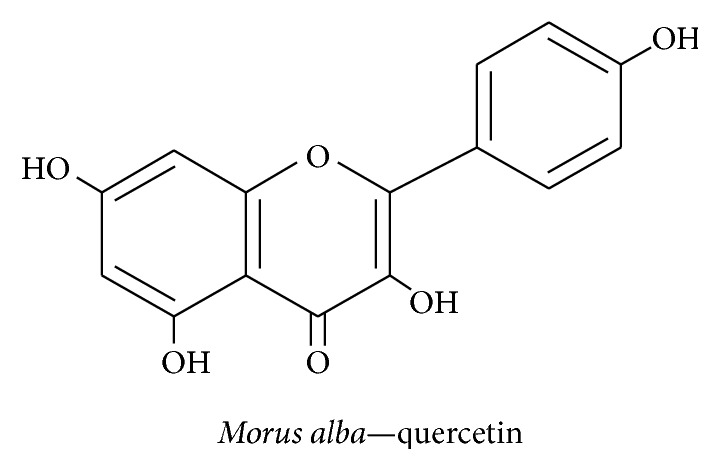
Antioxidative flavonoids from the leaves ofMorus alba
Kim, S. Y., Gao, J., Lee, W.-C., Ryu, K., Lee, K. R., & Kim, Y. C. (1999) · Archives of Pharmacal Research · doi:10.1007/bf02976442 · Cited by 183
Berberine alters the processing of Alzheimer’s amyloid precursor protein to decrease Aβ secretion
Asai, M., Iwata, N., Yoshikawa, A., Aizaki, Y., Ishiura, S., Saido, T. C., & Maruyama, K. (2006) · Biochemical and Biophysical Research Communications · doi:10.1016/j.bbrc.2006.11.043 · Cited by 182
Neuroprotective effects of huperzine A: New therapeutic targets for neurodegenerative disease
Zhang, H. Y., & Tang, X. C. (2006) · Trends in Pharmacological Sciences · doi:10.1016/j.tips.2006.10.004 · Cited by 174
Koh, S., Kim, S. H., Kwon, H., Park, Y., Kim, K. S., Song, C. W., Kim, J., Kim, M., Yu, H., Henkel-Tigges, J., et al. (2003) · Molecular Brain Research · doi:10.1016/j.molbrainres.2003.07.003 · Cited by 167
Epidemiology of amyotrophic lateral sclerosis.
Kurtzke, J. F. (1982) · PubMed · Cited by 165
Li, Q., Zhao, H., Zhang, Z. F., Liu, Z. G., Pei, X., Wang, J. B., & Li, Y. (2009) · Neuroscience · doi:10.1016/j.neuroscience.2009.07.014 · Cited by 165
Lifelong brain health is a lifelong challenge: From evolutionary principles to empirical evidence
Mattson, M. P. (2015) · Ageing Research Reviews · doi:10.1016/j.arr.2014.12.011 · Cited by 161
Serra, A., Rubió, L., Borràs, X., Macià, A., Romero, M., & Motilva, M. (2011) · Molecular Nutrition & Food Research · doi:10.1002/mnfr.201100436 · Cited by 158
Ginger in the Prevention of Nausea and Vomiting: A Review
Palatty, P. L., Haniadka, R., Valder, B., Arora, R., & Baliga, M. S. (2013) · Critical Reviews in Food Science and Nutrition · doi:10.1080/10408398.2011.553751 · Cited by 156
Hoi, C. P., Ho, Y. P., Baum, L., & Chow, A. H. L. (2010) · Phytotherapy Research · doi:10.1002/ptr.3178 · Cited by 154
Diomede, L., Rigacci, S., Romeo, M., Stefani, M., & Salmona, M. (2013) · PLoS ONE · doi:10.1371/journal.pone.0058893 · Cited by 151
Liu, D., Wang, Z., Gao, Z., Xie, K., Zhang, Q., Jiang, H., & Pang, Q. (2014) · Behavioural Brain Research · doi:10.1016/j.bbr.2014.05.068 · Cited by 151
Maslinic Acid, a Natural Phytoalexin-Type Triterpene from Olives — A Promising Nutraceutical?
Lozano-Mena, G., Sánchez-González, M., Juan, M., & Planas, J. (2014) · Molecules · doi:10.3390/molecules190811538 · Cited by 151
Moon, M., Kim, H. G., Choi, J. G., Oh, H., Lee, P. K. J., Ha, S. K., Kim, S. Y., Park, Y., Huh, Y., & Oh, M. S. (2014) · Biochemical and Biophysical Research Communications · doi:10.1016/j.bbrc.2014.04.121 · Cited by 150
Resveratrol as a Therapeutic Agent for Alzheimer’s Disease
Ma, T., Tan, M., Yu, J., & Tan, L. (2014) · BioMed Research International · doi:10.1155/2014/350516 · Cited by 147
Jia, L., Liu, J., Song, Z., Pan, X., Chen, L., Cui, X. K., & Wang, Μ. (2012) · Journal of Pharmacy and Pharmacology · doi:10.1111/j.2042-7158.2012.01529.x · Cited by 137
Viewpoint: Mechanisms of Action and Therapeutic Potential of Neurohormetic Phytochemicals
Mattson, M. P., Son, T. G., & Camandola, S. (2007) · Dose-Response · doi:10.2203/dose-response.07-004.mattson · Cited by 137
Hsu, Y.-Y., Tseng, Y., & Lo, Y. (2013) · Toxicology and Applied Pharmacology · doi:10.1016/j.taap.2013.08.008 · Cited by 134
Yang, Y., Bai, L., Li, X., Xiong, J., Xu, P., Guo, C., & Xue, M. (2013) · Toxicology in Vitro · doi:10.1016/j.tiv.2013.12.002 · Cited by 131
Ginsenoside Rg1 reduces MPTP-induced substantia nigra neuron loss by suppressing oxidative stress1
Chen, X., Yi-can, Z., Chen, Y., Zhu, Y., Fang, F. A. N. G., & Chen, L. (2005) · Acta Pharmacologica Sinica · doi:10.1111/j.1745-7254.2005.00019.x · Cited by 130
Rigacci, S., Guidotti, V., Bucciantini, M., Nichino, D., Relini, A., Berti, A., & Stefani, M. (2011) · Current Alzheimer Research · doi:10.2174/156720511798192682 · Cited by 127
Neurotrophic and Neuroprotective Actions of Ginsenosides Rb1 and Rg1
Rudakewich, M., Ba, F., & Benishin, C. G. (2001) · Planta Medica · doi:10.1055/s-2001-16488 · Cited by 124
The nerve growth factor: Thirty-five years later
Levi‐Montalcini, R. (1987) · Bioscience Reports · doi:10.1007/bf01116861 · Cited by 121
Recent pharmacological studies on natural products in China
Zhu, X., Li, X., & Liu, J. (2004) · European Journal of Pharmacology · doi:10.1016/j.ejphar.2004.07.027 · Cited by 121
Curcuminoids Promote Neurite Outgrowth in PC12 Cells through MAPK/ERK- and PKC-Dependent Pathways
Liao, K.-K., Wu, M., Chen, P., Huang, S., Chiu, S.-J., Ho, C., & Yen, J.-H. (2011) · Journal of Agricultural and Food Chemistry · doi:10.1021/jf203290r · Cited by 120
Kim, S.-S., Park, R.-Y., Jeon, H.-J., Kwon, Y.-S., & Chun, W. (2005) · Phytotherapy Research · doi:10.1002/ptr.1652 · Cited by 117
Liu, M., Chen, F., Sha, L., Wang, S., Lin, T., Yao, L., He, M., Yao, Z., Liu, H., Zhu, Z., et al. (2013) · Molecular Neurobiology · doi:10.1007/s12035-013-8608-2 · Cited by 117
Neuroprotective effect of curcumin on hippocampal injury in 6-OHDA-induced Parkinson's disease rat
Yang, J., Song, S., Li, J., & Liang, T. (2014) · Pathology - Research and Practice · doi:10.1016/j.prp.2014.02.005 · Cited by 116
Ishima, T., Nishimura, T., Iyo, M., & Hashimoto, K. (2008) · Progress in Neuro-Psychopharmacology and Biological Psychiatry · doi:10.1016/j.pnpbp.2008.06.011 · Cited by 105
Ethnobotanical Treatment Strategies Against Alzheimers Disease
Howes, M. R., & Houghton, P. J. (2012) · Current Alzheimer Research · doi:10.2174/156720512799015046 · Cited by 104
Nam, S. M., Choi, J. H., Yoo, D. Y., Kim, W., Jung, H. Y., Kim, J. W., Yoo, M., Lee, S., Kim, C. J., Yoon, Y. S., et al. (2014) · Journal of Medicinal Food · doi:10.1089/jmf.2013.2965 · Cited by 103
Lai, J., Hu, M., Wang, H., Hu, M. Y., Long, Y., Miao, M., Li, J.-C., Wang, X., Kong, L., & Hong, H. (2014) · Neuropharmacology · doi:10.1016/j.neuropharm.2014.01.011 · Cited by 99
Lee, B., Sur, B., Shim, I., Lee, H., & Hahm, D. (2012) · Korean Journal of Physiology and Pharmacology · doi:10.4196/kjpp.2012.16.2.79 · Cited by 96
Mechanisms of Action of Phytochemicals from Medicinal Herbs in the Treatment of Alzheimerʼs Disease
Kim, M. S., Kim, S., & Yang, W. M. (2014) · Planta Medica · doi:10.1055/s-0034-1383038 · Cited by 96
Weinreb, O., Amit, T., Bar‐Am, O., & Youdim, M. B. H. (2007) · Annals of the New York Academy of Sciences · doi:10.1196/annals.1403.011 · Cited by 93
Curcumin reduces cisplatin-induced neurotoxicity in NGF-differentiated PC12 cells
Mendonça, L. M., Machado, C. D. S., Teixeira, C. C. C., de Freitas, L. A. P., Bianchi, M. D. L. P., & Antunes, L. M. G. (2012) · NeuroToxicology · doi:10.1016/j.neuro.2012.09.011 · Cited by 92
Prevention of Inflammation-Mediated Neurotoxicity by Rg3 and Its Role in Microglial Activation
Joo, S. S., Yoo, Y. M., Ahn, B. W., Nam, S. Y., Kim, Y.-B., Hwang, K. W., & Lee, D. I. (2008) · Biological and Pharmaceutical Bulletin · doi:10.1248/bpb.31.1392 · Cited by 91
Wang, Z., Tang, L., Yan, H., Wang, Y., & Tang, X. C. (2006) · Pharmacology Biochemistry and Behavior · doi:10.1016/j.pbb.2006.03.027 · Cited by 90
Apigenin and Breast Cancers: From Chemistry to Medicine
Nabavi, S. F., Habtemariam, S., Daglia, M., & Nabavi, S. F. (2015) · Anti-Cancer Agents in Medicinal Chemistry · doi:10.2174/1871520615666150304120643 · Cited by 89
Omri, A. E., Han, J., Yamada, P., Kawada, K., Abderrabba, M., & Isoda, H. (2010) · Journal of Ethnopharmacology · doi:10.1016/j.jep.2010.07.006 · Cited by 88
Do tocotrienols have potential as neuroprotective dietary factors?
Frank, J., Chin, X. W. D., Schrader, C., Eckert, G. P., & Rimbach, G. H. (2011) · Ageing Research Reviews · doi:10.1016/j.arr.2011.06.006 · Cited by 87
Zingiber officinale (Ginger) as an Anti-Emetic in Cancer Chemotherapy: A Review
Haniadka, R., Rajeev, A. G., Palatty, P. L., Arora, R., & Baliga, M. S. (2012) · The Journal of Alternative and Complementary Medicine · doi:10.1089/acm.2010.0737 · Cited by 87
Barbosa, P. R., Valvassori, S. S., Júnior, C. L. B., Kappel, V. D., Martins, M. R., Gavioli, E. C., Quevedo, J., & Reginatto, F. H. (2008) · Journal of Medicinal Food · doi:10.1089/jmf.2007.722 · Cited by 86
Yazır, Y., Utkan, T., Gacar, N., & Arıcıoğlu, F. (2014) · Physiology & Behavior · doi:10.1016/j.physbeh.2014.10.010 · Cited by 86
Benard, O., & Chi, Y. (2015) · Mini-Reviews in Medicinal Chemistry · doi:10.2174/1389557515666150401111410 · Cited by 85
Huperzine A Ameliorates Cognitive Deficits in Streptozotocin-Induced Diabetic Rats
Mao, X., Cao, D., Li, X., Yin, J., Wang, Z., Zhang, Y., Mao, C., Zhou, H., & Liu, Z. (2014) · International Journal of Molecular Sciences · doi:10.3390/ijms15057667 · Cited by 85
Bayat, M., Tameh, A. A., Ghahremani, M. H., Akbari, M., Mehr, S. E., Khanavi, M., & Hassanzadeh, G. (2012) · DARU Journal of Pharmaceutical Sciences · doi:10.1186/2008-2231-20-42 · Cited by 83
Kwon, S., Lee, H.-K., Kim, J., Hong, S., Sun-Yeou, K., Jo, T.-H., Park, Y.-I., Lee, C., Kim, Y.-B., Lee, S., et al. (2010) · Neuroscience Letters · doi:10.1016/j.neulet.2010.10.042 · Cited by 81
Tang, L., Wang, R., & Tang, X.-C. (2005) · European Journal of Pharmacology · doi:10.1016/j.ejphar.2005.06.026 · Cited by 79
Xiao, Q., Wang, C., Li, J., Hou, Q., Li, J., Ma, J., Wang, W., & Wang, Z. (2010) · European Journal of Pharmacology · doi:10.1016/j.ejphar.2010.08.002 · Cited by 78
Frequency and Cause of Parkinson’s Disease
Rajput, A. H. (1992) · Canadian Journal of Neurological Sciences / Journal Canadien des Sciences Neurologiques · doi:10.1017/s0317167100041457 · Cited by 76
Chen, G., Bower, K. A., Xu, M., Ding, M., Shi, X., Ke, Z., & Luo, J. (2009) · Neurotoxicity Research · doi:10.1007/s12640-009-9036-y · Cited by 75
Hur, J., Lee, P., Moon, E., Kang, I., Kim, S., Oh, M. S., & Kim, S. Y. (2009) · European Journal of Pharmacology · doi:10.1016/j.ejphar.2009.08.016 · Cited by 74
Fang, W., Deng, Y., Li, Y., Shang, E., Fang, F., Lv, P., Bai, L., Qi, Y., Yan, F., & Mao, L. (2009) · European Journal of Pharmaceutical Sciences · doi:10.1016/j.ejps.2009.10.002 · Cited by 71
Song, J., Cheon, S. Y., Jung, W., Lee, W. T., & Lee, J. E. (2014) · International Journal of Molecular Sciences · doi:10.3390/ijms150915512 · Cited by 70
Consumer Acceptance of Ginseng Food Products
Chung, H. S., Lee, Y., Rhee, Y. K., & Lee, S. (2011) · Journal of Food Science · doi:10.1111/j.1750-3841.2011.02399.x · Cited by 69
Carito, V., Venditti, A., Bianco, A., Ceccanti, M., Serrilli, A. M., Chaldakov, G. N., Tarani, L., Nicolò, S. D., & Fiore, M. (2014) · Natural Product Research · doi:10.1080/14786419.2014.918977 · Cited by 69
Cistanches Herba enhances learning and memory by inducing nerve growth factor
Choi, J. G., Moon, M., Jeong, H. U., Kim, M. C., Kim, S. Y., & Oh, M. S. (2010) · Behavioural Brain Research · doi:10.1016/j.bbr.2010.09.008 · Cited by 69
Diosgenin from Dioscorea nipponica Ameliorates Diabetic Neuropathy by Inducing Nerve Growth Factor
Kang, T. H., Moon, E., Hong, B. N., Choi, S. Z., Son, M., Park, J. H., & Kim, S. Y. (2011) · Biological and Pharmaceutical Bulletin · doi:10.1248/bpb.34.1493 · Cited by 69
Kostomoiri, M., Fragkouli, A., Sagnou, M., Skaltsounis, L., Pelecanou, M., Tsilibary, E. C., & Tzinia, A. (2012) · Cellular and molecular neurobiology · doi:10.1007/s10571-012-9880-9 · Cited by 68
Epigenetic regulation of adult neural stem cells: implications for Alzheimer’s disease
Fitzsimons, C. P., van Bodegraven, E. J., Schouten, M., Lardenoije, R., Kompotis, K., Kenis, G., van den Hurk, M., Boks, M. P., Biojone, C., Joca, S. R. L., et al. (2014) · Molecular Neurodegeneration · doi:10.1186/1750-1326-9-25 · Cited by 67
Lee, S. Y., Moon, E., Kim, S. Y., & Lee, K. R. (2013) · Bioorganic & Medicinal Chemistry Letters · doi:10.1016/j.bmcl.2013.01.115 · Cited by 66
Anastácio, J. B. R., Netto, C. A., Castro, C. C., Sanches, E. F., Ferreira, D. C., Noschang, C. G., Krolow, R., Dalmaz, C., & Pagnussat, A. S. (2014) · Neurological Research · doi:10.1179/1743132813y.0000000293 · Cited by 65
Gundimeda, U., McNeill, T. H., Schiffman, J. E., Hinton, D. R., & Gopalakrishna, R. (2010) · Journal of Neuroscience Research · doi:10.1002/jnr.22519 · Cited by 65
Oxidative stress triggers the amyloidogenic pathway in human vascular smooth muscle cells
Coma, M., Guix, F. X., ILL‐Raga, G., Uribesalgo, I., Alameda, F., Valverde, M. A., & Muñoz, F. J. (2007) · Neurobiology of Aging · doi:10.1016/j.neurobiolaging.2007.01.009 · Cited by 63
Zhangjin, Z., Qian, Y., Hu, H., Yang, J., & Yang, G. (2003) · Life Sciences · doi:10.1016/s0024-3205(03)00649-0 · Cited by 62
Tang, L., Rui, W. A. N. G., & Tang, X.-C. (2005) · Acta Pharmacologica Sinica · doi:10.1111/j.1745-7254.2005.00130.x · Cited by 60
Yoo, D. Y., Choi, J. H., Kim, W., Yoo, K., Lee, C. H., Yoon, Y. S., Won, M., & Hwang, I. K. (2010) · Neurochemical Research · doi:10.1007/s11064-010-0312-2 · Cited by 60
Kim, M. S., Yu, J. M., Kim, H. J., Kim, H. B., Kim, S. T., Jang, S. K., Choi, Y. W., Lee, D. I., & Joo, S. S. (2014) · Biological and Pharmaceutical Bulletin · doi:10.1248/bpb.b14-00011 · Cited by 58
Chen, J., Kuo, H., Lee, K.-F., & Tsai, T. (2014) · Toxicology and Applied Pharmacology · doi:10.1016/j.taap.2014.07.005 · Cited by 57
Resveratrol promotes neurotrophic factor release from astroglia
Zhang, F., Lu, Y., Wu, Q., Liu, J., & Shi, J. (2012) · Experimental Biology and Medicine · doi:10.1258/ebm.2012.012044 · Cited by 57
Neuroprotective Effect of Ginkgolide B on Bupivacaine-Induced Apoptosis in SH-SY5Y Cells
Li, L., Zhang, Q., Lai, L., Wen, X., Zheng, T., Cheung, C.-W., Zhou, S., & Xu, S. (2013) · Oxidative Medicine and Cellular Longevity · doi:10.1155/2013/159864 · Cited by 56
Kwon, S., Ma, S., Joo, H.-J., Lee, S., & Jang, C. (2013) · Biomolecules & Therapeutics · doi:10.4062/biomolther.2013.074 · Cited by 56
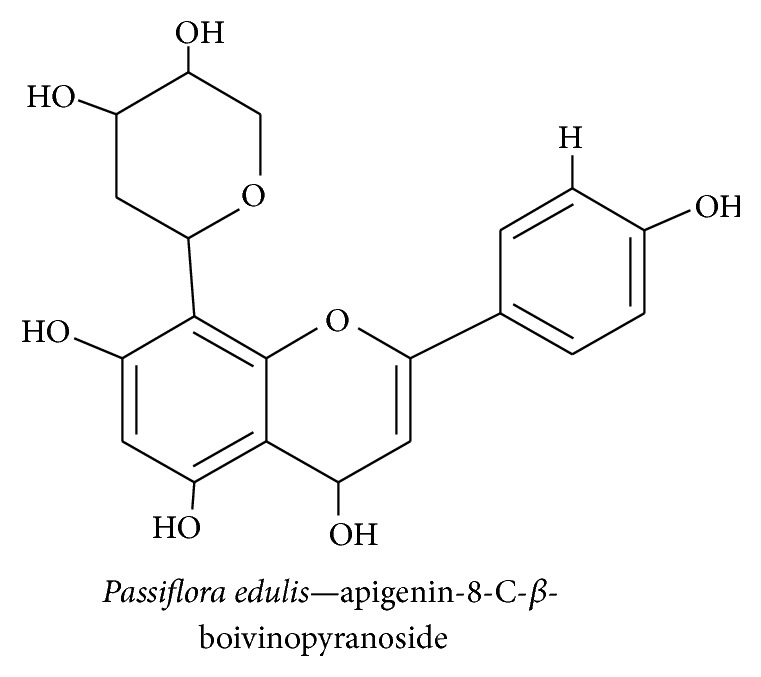
C-dideoxyhexosyl flavones from the stems and leaves of Passiflora edulis Sims
Xu, F.-Q., Wang, C., Yang, L., Luo, H., Fan, W., Zi, C., Dong, F.-W., Hu, J., & Zhou, J. (2012) · Food Chemistry · doi:10.1016/j.foodchem.2012.07.101 · Cited by 55
Soh, Y., Kim, J., Sohn, N. W., Lee, K. R., & Kim, S. Y. (2003) · Biological and Pharmaceutical Bulletin · doi:10.1248/bpb.26.803 · Cited by 55
Autophagic cell death induced by TrkA receptor activation in human glioblastoma cells
Hansen, K., Wagner, B., Hamel, W., Schweizer, M., Haag, F., Westphal, M., & Lamszus, K. (2007) · Journal of Neurochemistry · doi:10.1111/j.1471-4159.2007.04753.x · Cited by 54
Nakamura, T., & Lipton, S. A. (2007) · Cell Death and Differentiation · doi:10.1038/sj.cdd.4402138 · Cited by 54
Protective Effects of Chronic Green Tea Consumption on Age-related Neurodegeneration
Andrade, J. P., & Assunção, M. (2012) · Current Pharmaceutical Design · doi:10.2174/138161212798918986 · Cited by 53
Hur, J., Lee, P., Kim, J., Kim, A. J., Kim, H., & Kim, S. Y. (2004) · Biological and Pharmaceutical Bulletin · doi:10.1248/bpb.27.1257 · Cited by 52
Li, L., Lu, J., Li, X.-M., Xu, C., Deng, J., Qu, R., & Ma, S. (2012) · Phytotherapy Research · doi:10.1002/ptr.3706 · Cited by 51
Identification of BACE1 inhibitors from Panax ginseng saponins—An Insilco approach
Veerappan, K., Natarajan, S., Subramaniyam, S., Rasappan, P., Samuel, S., Kim, Y.-J., & Yang, D. (2013) · Computers in Biology and Medicine · doi:10.1016/j.compbiomed.2013.05.009 · Cited by 49
Sesquiterpenoids and triterpenoids from Abies holophylla and their bioactivities
Xia, J., Zhang, S., Li, Y., Wu, L., Zhu, Z., Yang, X., Zeng, H., Li, H., Wang, N., Steinmetz, A. A., et al. (2011) · Phytochemistry · doi:10.1016/j.phytochem.2011.11.011 · Cited by 48
Xin, P., Pan, Y., Zhu, W., Huang, S., Wei, M., & Chen, C. (2010) · European Journal of Pharmacology · doi:10.1016/j.ejphar.2010.09.036 · Cited by 47
Kwon, S., Kim, M., Ma, S., You, I., Hwang, J.-Y., Oh, J., Kim, S. Y., Kim, H., Lee, S., & Jang, C. (2012) · Journal of Ethnopharmacology · doi:10.1016/j.jep.2012.04.010 · Cited by 47
Zhang, C., Zhao, X. D., Mao, X., Liu, A., Liu, Z., Li, X., Bi, K., & Jia, Y. (2014) · European Journal of Pharmacology · doi:10.1016/j.ejphar.2014.09.012 · Cited by 46
Hu, D., Yang, Z., Yao, X., Wang, H., Han, N., Liu, Z., Wang, Y., Yang, J., & Yin, J. (2014) · Phytochemistry · doi:10.1016/j.phytochem.2014.04.014 · Cited by 46
Youdim, M. B. H., Amit, T., Bar‐Am, O., Weinreb, O., & Yogev-Falach, M. (2006) · Neurotoxicity Research · doi:10.1007/bf03033355 · Cited by 46
Two novel clerodane diterpenenes with NGF-potentiating activities from the twigs of Croton yanhuii
Sun, Y., Wang, M., Ren, Q., Li, S., Xu, J., Ohizumi, Y., Xie, C., Jin, D., & Guo, Y. (2014) · Fitoterapia · doi:10.1016/j.fitote.2014.03.012 · Cited by 45
Furostanol saponins from the rhizomes of Dioscorea japonica and their effects on NGF induction
Kim, K. H., Kim, M. A., Moon, E., Kim, S. Y., Choi, S. Z., Son, M. W., & Lee, K. R. (2011) · Bioorganic & Medicinal Chemistry Letters · doi:10.1016/j.bmcl.2011.02.003 · Cited by 44
Woo, K. W., Kwon, O. W., Kim, S. Y., Choi, S. Z., Son, M. W., Kim, K. H., & Lee, K. R. (2014) · Journal of Ethnopharmacology · doi:10.1016/j.jep.2014.06.043 · Cited by 44
The protective effects of resveratrol on Schwann cells with toxicity induced by ethanol in vitro
Yuan, H., Zhang, J., Liu, H., & Li, Z. (2013) · Neurochemistry International · doi:10.1016/j.neuint.2013.05.011 · Cited by 43
Neurogenic factor-induced Langerhans cell activation in diabetic mice with mechanical allodynia
Dauch, J. R., Bender, D. E., Luna-Wong, L. A., Hsieh, W., Yanik, B. M., Kelly, Z. A., & Cheng, H. T. (2013) · Journal of Neuroinflammation · doi:10.1186/1742-2094-10-64 · Cited by 42
Transcriptional regulation of Trk family neurotrophin receptors
Lei, L., & Parada, L. F. (2006) · Cellular and Molecular Life Sciences · doi:10.1007/s00018-006-6328-8 · Cited by 41
Lee, Y. K., Choi, I. S., Kim, Y. H., Kim, K. H., Nam, S. Y., Yun, Y. W., Lee, M. S., Oh, K. W., & Hong, J. T. (2009) · Neurochemical Research · doi:10.1007/s11064-009-0024-7 · Cited by 41
Shim, S., & Kwon, J. (2012) · Food and Chemical Toxicology · doi:10.1016/j.fct.2012.02.014 · Cited by 41
Bioactive Lignans from the Trunk of Abies holophylla
Kim, C. S., Kwon, O. W., Kim, S. Y., & Lee, K. R. (2013) · Journal of Natural Products · doi:10.1021/np4005322 · Cited by 41
Use of tea extracts (Camelia sinensis) in jelly candies as polyphenols sources in human diet.
Gramza‐Michałowska, A., & Reguła, J. (2007) · PubMed · Cited by 41
Panaxynol induces neurite outgrowth in PC12D cells via cAMP- and MAP kinase-dependent mechanisms
Wang, Z., Nie, B., Chen, H., & Yang, L. (2005) · Chemico-Biological Interactions · doi:10.1016/j.cbi.2005.09.003 · Cited by 40
Cho, T., Ryu, J. K., Taghibiglou, C., Ge, Y., Chan, A. W., Liu, L., Lu, J., McLarnon, J. G., & Wang, Y. T. (2013) · PLoS ONE · doi:10.1371/journal.pone.0076860 · Cited by 40
Memory-enhancing effect of Mori Fructus via induction of nerve growth factor
Kim, H. G., & Oh, M. S. (2012) · British Journal Of Nutrition · doi:10.1017/s0007114512004710 · Cited by 38
Oxidant treatment causes a dose-dependent phenotype of apoptosis in cultured motoneurons
Kaal, E. C. A., Veldman, H., Sodaar, P., Joosten, E. A. J., & Bär, P. R. (1998) · Journal of Neuroscience Research · doi:10.1002/(sici)1097-4547(19981215)54:6 · Cited by 37
Novel NGF-potentiating diterpenoids from a Brazilian medicinal plant, Ptychopetalum olacoides
Tang, W., Kubo, M., Harada, K., Hioki, H., & Fukuyama, Y. (2008) · Bioorganic & Medicinal Chemistry Letters · doi:10.1016/j.bmcl.2008.11.100 · Cited by 36
Clerodane Diterpenoids with NGF-Potentiating Activity from Ptychopetalum olacoides
Tang, W., Hioki, H., Harada, K., Kubo, M., & Fukuyama, Y. (2008) · Journal of Natural Products · doi:10.1021/np8004002 · Cited by 35
Kim, N., Kim, S.-H., Kim, Y., Kim, J.-K., Nam, M., Rhim, H., Yoon, S. K., Choi, S., Son, M., Kim, S. Y., et al. (2011) · Journal of Ethnopharmacology · doi:10.1016/j.jep.2011.05.032 · Cited by 35
Yu, J. C. H., Min, Z.-D., & Ip, N. Y. (2004) · Neurosignals · doi:10.1159/000079339 · Cited by 35
Wang, H., Liao, Z., Sun, X., Shi, Q., Huo, G., Xie, Y., Tang, X., Zhi, X., & Tang, Z. (2014) · Neuropharmacology · doi:10.1016/j.neuropharm.2014.06.018 · Cited by 34
Volatile Constituents of Melissa officinalis Leaves Determined by Plant Age
Nurzyńska-Wierdak, R., Bogucka‐Kocka, A., & Szymczak, G. (2014) · Natural Product Communications · doi:10.1177/1934578x1400900531 · Cited by 33
Kim, S., & Kwon, J. (2013) · Phytotherapy Research · doi:10.1002/ptr.4946 · Cited by 32
Kita, T., Asanuma, M., Miyazaki, I., & Takeshima, M. (2014) · Journal of Pharmacological Sciences · doi:10.1254/jphs.13r19cp · Cited by 31
Hur, J. Y., Lee, P., Kim, H., Kang, I., Lee, K. R., & Kim, S. Y. (2003) · Biochemical and Biophysical Research Communications · doi:10.1016/j.bbrc.2003.11.178 · Cited by 31
Chen, H., Soroka, D. N., Hu, Y., Chen, X. L., & Sang, S. (2013) · Molecular Nutrition & Food Research · doi:10.1002/mnfr.201200679 · Cited by 30
Ginkgolide B attenuates ethanol-induced neurotoxicity through regulating NADPH oxidases
Zhang, C., Tian, X., Luo, Y., & Meng, X. (2011) · Toxicology · doi:10.1016/j.tox.2011.06.006 · Cited by 29
Hassan, S. H. A., Fry, J. R., & Bakar, M. F. A. (2013) · BioMed Research International · doi:10.1155/2013/138950 · Cited by 28
Tang, W., & Eisenbrand, G. (1992) · Springer eBooks · doi:10.1007/978-3-642-73739-8_65 · Cited by 27
Dioscorea Extract (DA-9801) Modulates Markers of Peripheral Neuropathy in Type 2 Diabetic db/db Mice
Moon, E., Lee, S. O., Kang, T. H., Kim, H. J., Choi, S. Z., Son, M., & Kim, S. Y. (2014) · Biomolecules & Therapeutics · doi:10.4062/biomolther.2014.051 · Cited by 27
Shim, S., Kim, S., Kwon, Y., & Kwon, J. (2011) · Food and Chemical Toxicology · doi:10.1016/j.fct.2011.11.042 · Cited by 26
Novel NGF-potentiating limonoids from the fruits of Melia toosendan
Zhang, Q., Li, J., Ge, R., Liang, J., Li, Q., & Min, Z. (2013) · Fitoterapia · doi:10.1016/j.fitote.2013.07.019 · Cited by 24
Hosseinzadeh, S., Roshan, V. D., & Mahjoub, S. (2012) · Pharmaceutical Biology · doi:10.3109/13880209.2012.717230 · Cited by 23
Jiang, L., Wang, Z., Zhu, H.-W., Di, H., Li, H., Zhang, Y., & Chen, D. (2010) · Inflammation · doi:10.1007/s10753-010-9247-7 · Cited by 23
Xiao, H., Cao, X., Wang, L., Run, X., Su, Y., Cheng, T., Sheng-gang, S., & Liang, Z. (2011) · PubMed · Cited by 21
Kwon, O., Moon, E., Chari, M. A., Kim, T. W., Kim, A., Lee, P., Ahn, K., & Kim, S. (2012) · Bioorganic & Medicinal Chemistry Letters · doi:10.1016/j.bmcl.2012.06.082 · Cited by 20
The multi-herbal medicine Gongjin-dan enhances memory and learning tasks via NGF regulation
Moon, E., Her, Y., Lee, J. B., Park, J. H., Lee, E. H., Kim, S., Oh, M. S., Jang, C., & Kim, S. Y. (2009) · Neuroscience Letters · doi:10.1016/j.neulet.2009.09.033 · Cited by 19
Ginseng Total Saponin Enhances the Phagocytic Capacity of Canine Peripheral Blood Phagocytesin Vitro
Kang, K. A., Kang, J., & Yang, M. (2008) · The American Journal of Chinese Medicine · doi:10.1142/s0192415x08005801 · Cited by 19
Spicatoside A enhances memory consolidation through the brain-derived neurotrophic factor in mice
Kwon, G., Lee, H. E., Lee, D. H., Woo, H., Park, S. J., Gao, Q., Ahn, Y. J., Son, K. H., & Ryu, J. H. (2014) · Neuroscience Letters · doi:10.1016/j.neulet.2014.04.034 · Cited by 17
Lee, Y. K., Song, J. K., Choi, I. S., Jeong, J. H., Moon, D. C., Yun, Y. P., Han, S., Oh, K., & Hong, J. T. (2010) · European Journal of Pharmacology · doi:10.1016/j.ejphar.2010.09.029 · Cited by 17
Ahn, S.-M., Kim, M.-S., Jung, I.-C., & Sohn, H.-Y. (2011) · Korean Journal of Food Preservation · doi:10.11002/kjfp.2011.18.4.590 · Cited by 14
Neuroprotective effects of Hu-Yi-Neng, a diet supplement, On SH-SY5Y human neuroblastoma cells
Yang, Y., Hsieh, T., Tsai, M.-L., Chen, C.-H., Lin, H.-Y., & Wu, S.-J. (2013) · The journal of nutrition health & aging · doi:10.1007/s12603-013-0382-3 · Cited by 13
Park, S. Y., Son, B. G., Park, Y. H., Kim, C.-M., Park, G., & Choi, Y.-W. (2014) · Neurochemical Research · doi:10.1007/s11064-014-1371-6 · Cited by 12
Yuan, X., Yang, L., Yang, Z., Xiao, W., Sun, H., Wu, G.-S., & Luo, H. (2014) · Journal of Ethnopharmacology · doi:10.1016/j.jep.2014.03.038 · Cited by 12
Zhao, J., Jin, K., Wu, L., Chen, G., & Li, J. (2012) · PubMed · Cited by 5
Research works printed but not linked: 8
- 1992, The Canadian Journal of Neurological Sciences, 19, 103
- 1992, Human Genetics, 89, 365
- 1982, Advances in Neurology, 36, 281
- 2014, Natural Product Communications, 9, 703
- 10.3760/cma.j.issn.0366-6999.2011.17.012 · DOI
- 2007, Asia Pacific Journal of Clinical Nutrition, 16, 43
- 2012, Zhongguo Ying Yong Sheng Li Xue Za Zhi, 28, 467
- 10.1016/j.cbi.2005.09.003 · DOI
Cited by
Sorted by citations
Anti-neuroinflammatory Potential of Natural Products in Attenuation of Alzheimer’s Disease
Shal, B., Ding, W., Ali, H., Kim, Y. S., & Khan, S. (2018) · Frontiers in Pharmacology · doi:10.3389/fphar.2018.00548 · Cited by 234
Neuroprotective Natural Products for Alzheimer’s Disease
Chen, X., Drew, J., Berney, W., & Lei, W. (2021) · Cells · doi:10.3390/cells10061309 · Cited by 236
Modulation of neurotrophic signaling pathways by polyphenols
Firuzi, O., Moosavi, F., Hosseini, R., & Saso, L. (2015) · Drug Design Development and Therapy · doi:10.2147/dddt.s96936 · Cited by 230
Hannan, M. A., Dash, R., Sohag, A. A. M., Haque, M. N., & Moon, I. S. (2020) · Frontiers in Molecular Neuroscience · doi:10.3389/fnmol.2020.00116 · Cited by 215
Antioxidant and antimicrobial applications of biopolymers: A review
Sivakanthan, S., Rajendran, S., Gamage, A., Madhujith, T., & Mani, S. (2020) · Food Research International · doi:10.1016/j.foodres.2020.109327 · Cited by 187
Metadata
- Authors
- Venkatesan, R., Ji, E., & Kim, S. Y.
- Affiliations
- Gachon University (KR)
- Corresponding author
- Kim, Sun Yeou
- Venue
- BioMed Research International
- Publisher
- Wiley
- Published
- 2015
- Volume
- 2015
- Pages
- 1-22
- ISSN
- 1110-7243 (ISSN-L)
- 2314-6133
- 2314-6141
- PMC
- PMC4446472
- OpenAlex
- W2136484866
- Cited by
- 212
- References
- 174
- Citations by year
- 2026: 21 · 2025: 35 · 2024: 15 · 2023: 23 · 2022: 14 · 2021: 21 · 2020: 12 · 2019: 15 · 2018: 17 · 2017: 18 · 2016: 17 · 2015: 4
- FWCI
- 4.47
- Type
- journal article
- Language
- en
- Open access
- hybrid
- doi.org
- Locations
- BioMed Research International (publishedVersion, cc-by)
- Europe PMC (PubMed Central) (publishedVersion, cc-by)
- PubMed Central (publishedVersion, cc-by)
- PubMed (publishedVersion)
- DOAJ (DOAJ: Directory of Open Access Journals) (submittedVersion)
- Funders
- Korean government (NRF-2014M3A9B6069338)
- Topics
- Health Sciences › Medicine › Complementary and alternative medicine › Medicinal Plants and Neuroprotection
- Life Sciences › Neuroscience › Cellular and Molecular Neuroscience › Alzheimer's disease research and treatments
- Life Sciences › Neuroscience › Cellular and Molecular Neuroscience › Nerve injury and regeneration
- Keywords
- Alzheimer's disease, phytochemicals, neurotrophins, neuroprotection, Trk receptors, p75 neurotrophin receptor, brain-derived neurotrophic factor, nerve growth factor, neurotrophin-3, iridoid glycosides, terpenoids, alkaloids, steroidal saponins, phenolic compounds, neurodegenerative diseases, mitochondrial stress, apoptosis, oxidative stress, anti-inflammatory activity
- MeSH terms
- Alzheimer Disease, Animals, Humans, Phytotherapy, Plants, Medicinal, Polysaccharides, Plant Preparations
About these checks
Registry, retraction, Cites and statistics results are computed, not judged, with one exception: a printed reference that no index lists is read once by a model before it counts as a citation error. Claims are extracted by a model and kept only when their quote appears verbatim in the text; each cited source is then checked, with a model’s help, for whether it says what the claim relies on. Those verdicts can be wrong — read the claim’s quote and the cited source before relying on one.
Statistics and arithmetic are recomputed, not judged.
Confidence bands are shown only for fields calibrated on our annotated test set. None is calibrated yet, so no band is shown.
What counts as a claim ›How we measure confidence ›How we check this ›
Are you an author, or do you see a problem with this page? Request a review
