

Reactive Oxygen Species-Induced Lipid Peroxidation in Apoptosis, Autophagy, and Ferroptosis
Open accessThe DOI matches its Crossref record; 147 of the 147 references it cites were found in a registry or an index.
Abstract
Reactive oxygen species- (ROS-) induced lipid peroxidation plays a critical role in cell death including apoptosis, autophagy, and ferroptosis. This fundamental and conserved mechanism is based on an excess of ROS which attacks biomembranes, propagates lipid peroxidation chain reactions, and subsequently induces different types of cell death. A highly evolved sophisticated antioxidant system exists that acts to protect the cells from oxidative damage. In this review, we discussed how ROS propagate lipid peroxidation chain reactions and how the products of lipid peroxidation initiate apoptosis and autophagy in current models. We also discussed the mechanism of lipid peroxidation during ferroptosis, and we summarized lipid peroxidation in pathological conditions of critical illness. We aim to bring a more global and integrative sight to know how different ROS-induced lipid peroxidation occurs among apoptosis, autophagy, and ferroptosis.
Overview
The claims and statistics of this paper haven’t been checked yet.
Free: it reads the open-access text and checks the first 5 claims that cite a source we can check. Create a free account to check every claim.
Integrity signals
Registry
Cites
Statistics
Figures
Verification
Claims the paper makes
The claims and statistics of this paper haven’t been checked yet.
Free: it reads the open-access text and checks the first 5 claims that cite a source we can check. Create a free account to check every claim.
Claims other papers make about this one
Each is checked against this paper’s own text: does it say what the citing paper says it does?
The source backs part of the claim, not all of it — or backs it for a different population, condition or comparison.
In the citing paper
“This oxidative damage has been shown to correlate with the upregulation of pro-apoptotic proteins like BAD, the activation of caspase-3, and the downregulation of anti-apoptotic proteins like Bcl-2 and Bcl-XL (Figure 2) [43].”
From Role of Regulated Cell Death Pathways in Snakebite Envenomation: Mechanisms, Crosstalk, and Therapeutic Opportunities (2026) · cites this paper as [43]
Experimental — accuracy not yet measuredThe source backs part of the claim, not all of it — or backs it for a different population, condition or comparison.
In the citing paper
“Thus, activating ferroptosis can effectively increase the sensitivity of tumor cells to ROS [118], indicating that SDT may be an ideal combination therapy for ferroptosis.”
From Nanosensitizer-assisted sonodynamic therapy for breast cancer (2025) · cites this paper as [118]
Experimental — accuracy not yet measured
Self-check
Percentages, sums and reported differences re-computed from the paper’s own numbers.
The self-check needs the paper’s full text.
Citations
Cites
Ferroptosis: An Iron-Dependent Form of Nonapoptotic Cell Death
Dixon, S. J., Lemberg, K. M., Lamprecht, M. R., Skouta, R., Zaitsev, E. M., Gleason, C. E., Patel, D. N., Bauer, A. J., Cantley, A. M., Yang, W. S., et al. (2012) · Cell · doi:10.1016/j.cell.2012.03.042 · Cited by 18,691 · cited 4×
“, erastin, sulfasalazine, and RSL3) and also prevented by lipophilic antioxidants (CoQ10, Vitamin E, ferrostatins, and liproxstatins) [4, 8, 39, 104].”
BackgroundInfluentialApoptosis: A Review of Programmed Cell Death
Elmore, S. (2007) · Toxicologic Pathology · doi:10.1080/01926230701320337 · Cited by 13,853 · cited 1×
“Apoptosis is programmed series of events dependent on energy, as well as morphological features such as cell shrinkage, chromatin condensation, and presence of apoptotic bodies without inflammatory reactions [51, 52].”
BackgroundRegulation of Ferroptotic Cancer Cell Death by GPX4
Yang, W. S., SriRamaratnam, R., Welsch, M. E., Shimada, K., Skouta, R., Viswanathan, V. S., Cheah, J. H., Clemons, P. A., Shamji, A. F., Clish, C. B., et al. (2014) · Cell · doi:10.1016/j.cell.2013.12.010 · Cited by 7,713 · cited 6×
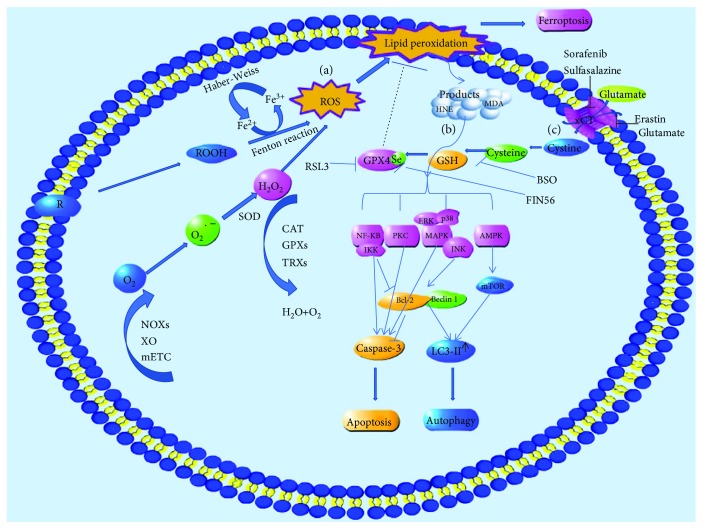
“GPX4 is a specific and robust central regulator of ferroptotic cell death when it is directly inhibited or indirectly inactivated by depletion of glutathione [112] (Figure 1).”
BackgroundInfluentialFerroptosis: A Regulated Cell Death Nexus Linking Metabolism, Redox Biology, and Disease
Stockwell, B. R., Friedmann Angeli, J. P., Bayir, H., Bush, A. I., Conrad, M., Dixon, S. J., Fulda, S., Gascón, S., Hatzios, S. K., Kagan, V. E., et al. (2017) · Cell · doi:10.1016/j.cell.2017.09.021 · Cited by 7,695 · cited 3×
“Ferroptosis occurs as a result of increased ROS levels due to elevated intracellular iron concentration and a depletion of antioxidant GSH that cause lipid peroxidation and consequently to cell death [101].”
BackgroundAutophagy: Renovation of Cells and Tissues
Mizushima, N., & Komatsu, M. (2011) · Cell · doi:10.1016/j.cell.2011.10.026 · Cited by 6,418 · cited 3×
“ROS: Reactive oxygen species PUFAs: Polyunsaturated fatty acids NOXs: NADPH oxidases XO: Xanthine oxidase mETC: Mitochondrial electron-transport chain SOD: Superoxide dismutase CAT: Catalase HNE: Hydroxynonenal PL: Phospholipid LOX: Lipoxygenase Alox: Arachidonate lipoxygenase PLA2: Phospholipase A2 GPx: Glutathione p…”
BackgroundAyala, A., Muñoz, M. F., & Argüelles, S. (2014) · Oxidative Medicine and Cellular Longevity · doi:10.1155/2014/360438 · Cited by 6,349 · cited 5×
“The main aldehyde product of lipid peroxidation is the 3-carbon dialdehyde species malondialdehyde (MDA) and 4-hydroxy-2-nonenal (HNE) [46].”
BackgroundInfluentialDeath Receptors: Signaling and Modulation
Ashkenazi, A., & Dixit, V. M. (1998) · Science · doi:10.1126/science.281.5381.1305 · Cited by 5,866 · cited 1×
“The extrinsic pathway is initiated by the tumor necrosis factor (TNF) receptor family interacting with a ligand and then binds with procaspase-8 following ligand-receptor interaction to activation of caspase-3 which leads to execution of apoptosis [54, 55].”
BackgroundMethods in Mammalian Autophagy Research
Mizushima, N., Yoshimori, T., & Levine, B. (2010) · Cell · doi:10.1016/j.cell.2010.01.028 · Cited by 4,497 · cited 1×
“Chaperone-mediated autophagy involves the direct translocation of cytosolic proteins across the lysosomal membrane while microautophagy involves inward invagination of lysosomal membrane delivering a small portion of cytoplasm into the lysosomal lumen [82].”
BackgroundInactivation of the ferroptosis regulator Gpx4 triggers acute renal failure in mice
Friedmann Angeli, J. P., Schneider, M., Proneth, B., Tyurina, Y. Y., Tyurin, V. A., Hammond, V. J., Herbach, N., Aichler, M., Walch, A., Eggenhofer, E., et al. (2014) · Nature Cell Biology · doi:10.1038/ncb3064 · Cited by 3,732
The complexity of NF-κB signaling in inflammation and cancer
Hoesel, B., & Schmid, J. A. (2013) · Molecular Cancer · doi:10.1186/1476-4598-12-86 · Cited by 3,165 · cited 1×
“The NF-κB protein family is widely involve in inflammation, stress response, survival, and cell death [65].”
Background
Research works printed but not linked: 2
- 1995, Cell Death & Differentiation, 2, 87
- 2014, Anticancer Research, 34, 6417
Cited by
Items 901–1,000 of 1,002
Cao, W., Liu, S., Zhang, L., Fu, X., Li, H., Ye, F., Bei, J., Ren, C., Ni, Y., Zhu, J., et al. (2025) · BioScience Trends · doi:10.5582/bst.2025.01193 · Cited by 17
A xCT role in tumour-associated ferroptosis shed light on novel therapeutic options
Criscuolo, D., Morra, F., & Celetti, A. (2022) · Exploration of Targeted Anti-tumor Therapy · doi:10.37349/etat.2022.00101 · Cited by 14
“Increased intracellular ROS levels are essential to trigger the crucial event for ferroptosis, the oxidative damage of lipid membranes [17].”
BackgroundEffects of photobiomodulation on oxidative stress in rats with type 2 diabetes mellitus
Tonetto, L. D. S., da Silva, C. C. F., Gonzatti, N., Guex, C. G., Hartmann, D. D., Boschi, E. S., Lago, P. D., Trevisan, M. E., Bauermann, L. D. F., & Jaenisch, R. B. (2023) · Lasers in Medical Science · doi:10.1007/s10103-023-03745-x · Cited by 14
Kumar, G. G., Kilari, E. K., Giribabu, N., & Salleh, N. (2023) · Journal of Ethnopharmacology · doi:10.1016/j.jep.2023.116638 · Cited by 19
New Drug Targets and Preclinical Modelling Recommendations for Treating Acute Myocardial Infarction
Cao, Y., Redd, M. A., Chen, F., Mizikovsky, D., Li, X., Macdonald, P. S., King, G. F., & Palpant, N. J. (2023) · Heart Lung and Circulation · doi:10.1016/j.hlc.2022.12.015 · Cited by 13
Histidine-Bound Dinitrosyl Iron Complexes: Antioxidant and Antiradical Properties
Шумаев, К. Б., Kosmachevskaya, O. V., Nasybullina, E. I., Ruuge, E. K., Каленикова, Е. И., & Topunov, A. F. (2023) · International Journal of Molecular Sciences · doi:10.3390/ijms242417236 · Cited by 12
Gao, W., Yang, T., Wang, B., Liu, Q., Li, Q., Zhou, X., Zheng, C., & Chen, P. (2024) · Clinical and Experimental Pharmacology and Physiology · doi:10.1111/1440-1681.13845 · Cited by 14
Chu, J., Hua, L., Liu, X., Xiong, H., Jiang, F., Zhou, W., Wang, L., & Xue, G. (2024) · Frontiers in Immunology · doi:10.3389/fimmu.2024.1362102 · Cited by 15
Self-citationAngelica keiskei water extract Mitigates Age-Associated Physiological Decline in Mice
Liu, H., Wei, G., Wang, T., Hou, Y., Hou, B., Li, X., Wang, C., Sun, M., Su, M., Guo, Z., et al. (2024) · Redox Report · doi:10.1080/13510002.2024.2305036 · Cited by 13
Barachini, S., Buda, G., & Petrini, I. (2024) · Journal of Clinical Medicine · doi:10.3390/jcm13061574 · Cited by 19
“Elevated ROS levels promote lipid peroxidation of unsaturated fatty acids, leading to apoptosis, autophagy, and ferroptosis [11,12].”
BackgroundKim, S. G., Jeon, J. H., Shin, S. H., Varias, D. C., Moon, S., & Ryu, B. (2024) · Food and Chemical Toxicology · doi:10.1016/j.fct.2024.114652 · Cited by 12
Ju, L., Diao, J., Zhang, J., Dai, F., Zhou, H., Han, Z., Hu, R., Pei, T., Wang, F., He, Z., et al. (2024) · Heliyon · doi:10.1016/j.heliyon.2024.e29093 · Cited by 13
“Lipid peroxidation is the oxidation of polyunsaturated fatty acids in the membranes of cells or organelles by intracellular ROS [40].”
BackgroundSelf-citationWang, Z., Tian, J., Wang, L., Yan, H., Feng, S., & Zhang, Y. (2024) · Molecular Neurobiology · doi:10.1007/s12035-024-04170-z · Cited by 13
“Ferroptosis is marked by iron-dependent reactive oxygen species (ROS) production, glutathione (GSH) level reduction, and glutathione peroxidase 4 (GPX4) inactivation [30, 31].”
Nanodelivery of antioxidant Agents: A promising strategy for preventing sensorineural hearing loss
Hajmohammadi, Z., Bagher, Z., Taghizadeh‐Hesary, F., Khodadadi, M., Masror, N., Asghari, A., Valipour, B., & Seifalian, A. M. (2024) · European Journal of Pharmaceutics and Biopharmaceutics · doi:10.1016/j.ejpb.2024.114393 · Cited by 14
Role of autophagy and ferroptosis in the development of endometriotic cysts (Review)
Kobayashi, H., Imanaka, S., Yoshimoto, C., Matsubara, S., & Shigetomi, H. (2024) · International Journal of Molecular Medicine · doi:10.3892/ijmm.2024.5402 · Cited by 13
“Perhaps, excessive ROS induces autophagic cell death, accelerates iron‑dependent ferroptosis and amplifies the process of lipid peroxidation and the extent of membrane rupture (105).”
BackgroundAlhilal, M., Erol, H. S., Yıldırım, S., Çakır, A., KOÇ, M., Alhilal, S., Dereli, E., Alkanoglu, O., Ay, V., Can, I., et al. (2024) · Renal Failure · doi:10.1080/0886022x.2024.2379008 · Cited by 15
“…system in renal tissues. apoptosis, which is executed by caspase-3, is achieved through several pathways, and this study focused on the Mda [54] and dNa damage [55] pathways. the observed reversal of caspase-3 expression in renal tissues was attributed to the capacity of oSJ or its…”
BackgroundUnveiling the intersection: ferroptosis in influenza virus infection
Letafati, A., Taghiabadi, Z., Ardekani, O. S., Abbasi, S., Najafabadi, A. Q., Jazi, N. N., Soheili, R., Rodrigo, R., Yavarian, J., & Saso, L. (2024) · Virology Journal · doi:10.1186/s12985-024-02462-3 · Cited by 17
“These ROS can then cause direct damage to lipids through a process known as LPO [134–136].”
BackgroundDietary Interventions for Cancer Prevention: An Update to ACS International Guidelines
Torres, Á., Quintanilla, F., Barnafi, E., Sanchez, C. G., Acevedo, F., Walbaum, B., & Merino, T. (2024) · Nutrients · doi:10.3390/nu16172897 · Cited by 13
“…that additional supplementation in individuals with adequate vitamin D levels does not reduce cancer incidence, suggesting the benefit is limited to deficient populations, which also highlights the importance of assessing basal levels prior to supplementation measures or recommendations [50,52,54].”
BackgroundSun, M., Wang, Q., Li, T., Wang, W., Li, Z., Ji, Y., Zhang, S., Li, Y., Liu, W., & Yu, Y. (2024) · International Journal of Biological Macromolecules · doi:10.1016/j.ijbiomac.2024.135776 · Cited by 14
SAT1/ALOX15 Signaling Pathway Is Involved in Ferroptosis After Skeletal Muscle Contusion
Yang, H., Li, Y., Zhu, W., Feng, X., Xin, H., Chen, H., Zhang, G., Zuo, M., Cong, B., & Shi, W. (2024) · International Journal of Molecular Sciences · doi:10.3390/ijms252011317 · Cited by 18
“Lipid ROS includes lipid alkoxyl radicals (L-O • ), lipid peroxyl radicals (L-OO • ), and lipid peroxides (L-OOH), mainly produced through non-enzymatic autoxidation or enzymatic lipid peroxidation pathways, with the iron-dependent Fenton reaction playing a crucial role [9,28].”
BackgroundYang, S., Fang, Z., Duan, H., Dong, W., & Xiao, L. (2024) · Antioxidants · doi:10.3390/antiox13121446 · Cited by 12
Dokur, M., Uysal, E., Küçükdurmaz, F., Altınay, S., Polat, S., Batçıoğlu, K., Yılmaztekin, Y., Güney, T., Sapmaz, T., Yaylalı, A., et al. (2024) · Transplantation Proceedings · doi:10.1016/j.transproceed.2024.10.047 · Cited by 12
Miglietta, S., Sollazzo, M., Gherardi, I., Milioni, S., Cavina, B., Marchio, L., Luise, M. D., Coadǎ, C. A., Fiorillo, M., Perrone, A. M., et al. (2025) · Open Biology · doi:10.1098/rsob.240151 · Cited by 12
Ko, S. H., Cho, K., Li, X., Ran, Q., Liu, Z., & Chen, L. (2025) · Nature Communications · doi:10.1038/s41467-025-56382-z · Cited by 16
The intersection of ferroptosis and non-coding RNAs: a novel approach to ovarian cancer
Jiang, Y., Saeed, T. N., Alfarttoosi, K. H., Bishoyi, A. K., Rekha, M. M., Kundlas, M., Jain, B., Rizaev, J. A., Taher, W. M., Alwan, M., et al. (2025) · European journal of medical research · doi:10.1186/s40001-025-02559-7 · Cited by 15
“Disruptions in this balance, particularly mitochondrial iron overload, can lead to an accumulation of labile Fe 2 + , which readily participates in Fenton chemistry, generating reactive oxygen species (ROS) that promote lipid peroxidation—hallmarks of ferroptosis [34, 35].”
Lan, W., Lin, J., Liu, W., Wang, F., & Xie, Y. (2021) · Neuroscience Letters · doi:10.1016/j.neulet.2020.135615 · Cited by 12
Au Nanoclusters Ameliorate Shigella Infectious Colitis by Inducing Oxidative Stress
Wu, X., Chen, Y., Zhang, Y., Shan, Y., Peng, Z., Gu, B., & Yang, H. (2021) · International Journal of Nanomedicine · doi:10.2147/ijn.s315481 · Cited by 12
Self-citationModulations of ferroptosis in lung cancer therapy
Walters, R. L., & Mousa, S. A. (2022) · Expert Opinion on Therapeutic Targets · doi:10.1080/14728222.2022.2032651 · Cited by 13
Ibrahim, S., Fahim, S. A., Tadros, S. A., & Badary, O. A. (2022) · Journal of Biochemical and Molecular Toxicology · doi:10.1002/jbt.23078 · Cited by 12
Enzymatic Antioxidant Defense and Polymorphic Changes in Male Infertility
Baszyński, J., Kamiński, P., Bogdziñska, M., Mroczkowski, S., Szymański, M., Wasilow, K., Stanek, E., Hołderna-Bona, K., Brodzka, S., Bilski, R., et al. (2022) · Antioxidants · doi:10.3390/antiox11050817 · Cited by 19
“In contrast, in toxic conditions (high levels of lipid peroxidation), processes of apoptosis and cellular necrosis are promoted [48].”
BackgroundComparative Study of the Neurotoxic Effects of Pregabalin Versus Tramadol in Rats
Elsukary, A. E., Helaly, A. M., Bakary, A. A. E., Moustafa, M. E., & El-Kattan, M. (2022) · Neurotoxicity Research · doi:10.1007/s12640-022-00557-9 · Cited by 16
Zhou, J., Yu, T., Wu, G., Xu, P., Wang, C., Su, Y.-L., Wang, L., & Lu, Q. (2022) · Frontiers in Pharmacology · doi:10.3389/fphar.2022.977385 · Cited by 15
“Excessive intracellular levels of iron ions generate hydroxyl radicals through the Fenton reaction interacting with hydrogen peroxide, thus promoting the production of reactive oxygen species (ROS), which cause lipid peroxidation and are believed to be the primary driver of ferroptotic cell death (Su et al., 2019), an…”
BackgroundNew Treatment for Type 2 Diabetes Mellitus Using a Novel Bipyrazole Compound
Alqudah, A. M., Qnais, E. Y., Wedyan, M. A., Altaber, S., Abudalo, R. A., Gammoh, O., Alkhateeb, H. H., Bataineh, S., Athamneh, R. Y., Oqal, M. K., et al. (2023) · Cells · doi:10.3390/cells12020267 · Cited by 13
“Additionally, ROS induces the release of MDA, a highly reactive compound that interacts with proteins, nucleic acids, and causing damage to various tissues and cells [48].”
BackgroundXi Tao, X. U., Yang, B., Zhang, H., Feng, X., Hao, H., Du, W., Zhu, H., Khan, A. A., Khan, M. Z., Zhang, P., et al. (2023) · Antioxidants · doi:10.3390/antiox12050991 · Cited by 19
“Previous research has established that vitrification causes a significant increase in the level of ROS in oocytes [70,71], leading to lipid peroxidation and damaging DNA, proteins, and enzyme activity [72].”
BackgroundWang, D., Jia, L., Zhao, C., Wang, H., Dai, Z., Jing, Y., Jiang, B., & Xin, S. (2023) · The FASEB Journal · doi:10.1096/fj.202202158rr · Cited by 12
Kao, K. D., Grasberger, H., & Zaatari, M. E. (2023) · Frontiers in Immunology · doi:10.3389/fimmu.2023.1147695 · Cited by 13
“In addition, cytochrome c oxidase subunits Cox5a and Cox6c, whose dysregulation has been associated with altered production of reactive oxygen species (ROS) (31), which can in turn induce lipid peroxidation (32), were also upregulated.”
BackgroundIron homeostasis and post-hemorrhagic hydrocephalus: a review
Pan, S., Hale, A. T., Lemieux, M., Raval, D. K., Garton, T. P., Sadler, B. E., Mahaney, K. B., & Strahle, J. M. (2024) · Frontiers in Neurology · doi:10.3389/fneur.2023.1287559 · Cited by 14
“Ferroptosis induction in the ChP has recently been identified as a potential mechanism of cell death after PHH (421, 422), and iron chelators like deferoxamine (DFX) are thought to inhibit lipid peroxidation (415, 423).”
Hao, C., Cui, Y., Lane, J., Jia, S., Ji, J., & Jiang, W. G. (2021) · Cells · doi:10.3390/cells10071820 · Cited by 12
“Reactive oxygen species (ROS) production is considered a critical stressor that causes cell death, especially through the induction of apoptosis [28,29].”
BackgroundDiet and Hygiene in Modulating Autoimmunity During the Pandemic Era
Abdelhamid, L., & Luo, X. (2022) · Frontiers in Immunology · doi:10.3389/fimmu.2021.749774 · Cited by 13
“For instance, oxidative degradation of lipids that occur in the cellular membrane in a process known as lipid peroxidation is mediated by free radicals (101, 102), which could impair the integrity of the cell membrane (103), induce cellular death (101) and accumulate apoptotic products, subsequently initiating autoimm…”
BackgroundWang, H., Wang, X., Jia, J., Qin, Y., Chen, S., Wang, S., Martyniuk, C. J., & Yan, B. (2022) · Environmental Toxicology and Pharmacology · doi:10.1016/j.etap.2022.103864 · Cited by 12
Zhikhoreva, A. A., Belashov, A. V., Belyaeva, T. N., Salova, A. V., Litvinov, I. K., Корнилова, Е. С., Semenova, I. V., & Vasyutinskii, O. S. (2022) · Photodiagnosis and Photodynamic Therapy · doi:10.1016/j.pdpdt.2022.102973 · Cited by 13
Ali, A., Ali, S. L., Ullah, W., & Khan, A. (2025) · Cell Biochemistry and Biophysics · doi:10.1007/s12013-025-01743-0 · Cited by 16
Mukherjee, S., Ghosh, S., Renuga Devi, M., Roy, S., Roy, S. S., Acharya, M., Kumar, B. K., & Mukherjee, A. (2025) · Journal of Medicinal Chemistry · doi:10.1021/acs.jmedchem.5c01150 · Cited by 11
Is ferroptosis a cause for concern in male infertility?
Sahoo, B., Guru, D., Pradhan, A., Jena, S. R., Goutami, L., Nayak, J., Sahu, A., & Samanta, L. (2025) · Reproductive Toxicology · doi:10.1016/j.reprotox.2025.109022 · Cited by 12
Redox System Dysfunction as a Key Mechanism in Autism Spectrum Disorder Pathogenesis
de Oliveira, C. A., Iorio, E. L., & Espíndola, F. S. (2025) · International Journal of Molecular Sciences · doi:10.3390/ijms26209850 · Cited by 14
“A common error is treating the electron as the unit of exchange in redox reactions, rather than the reducing equivalent unit [27].”
Lee, C. H., Nguyen, T. M., Lee, Y., Choi, S. G., Nguyễn, P. N., Park, J. H., & Park, M. K. (2025) · International Journal of Molecular Sciences · doi:10.3390/ijms27010357 · Cited by 15
Microbiome–mycotoxin interactions and probiotic strategies: implications for gut health and cancer
Mafe, A. N., & Büsselberg, D. (2026) · Frontiers in Nutrition · doi:10.3389/fnut.2026.1783295 · Cited by 14
“A central process is the induction of oxidative stress, in which mycotoxins stimulate excessive production of reactive oxygen species (ROS), leading to lipid peroxidation, protein oxidation, and DNA damage (29, 30).”
The Neurobiological Links between Stress and Traumatic Brain Injury: A Review of Research to Date
Zheng, L., Pang, Q., Xu, H., Guo, H., Liu, R., & Wang, T. (2022) · International Journal of Molecular Sciences · doi:10.3390/ijms23179519 · Cited by 15
“Lipid peroxidation is caused by the action of ROS on lipids, such as cell membrane lipids [232,233].”
BackgroundHu, Y., Wu, N., Du, W., Wang, S., Wang, J., Zhang, C., Chen, X., & Shen, C. (2022) · Mediators of Inflammation · doi:10.1155/2022/3306559 · Cited by 11
“Various pathological effects, such as the inflammatory response, oxidative stress, calcium overload, and ferroptosis, are involved in the development of LPS-induced tissue damage [1, 21].”
BackgroundDai, W., Pang, X., Peng, W., Zhan, X., Chen, C., Zhao, W., Zeng, C., Quanxi, M., Chen, Q., Kuang, W., et al. (2023) · Molecules · doi:10.3390/molecules28052078 · Cited by 11
“Furthermore, ferroptosis can also propagate lipid peroxidation chain reactions, leading to hepatocyte destruction and apoptotic death [61].”
BackgroundAn, G., Park, J., Lim, W., & Song, G. (2023) · Food and Chemical Toxicology · doi:10.1016/j.fct.2023.113709 · Cited by 11
Xie, P., Zhu, J., Wang, L. X., Liu, Y., Wei, M. L., Gong, D., & Liu, T. W. (2023) · Poultry Science · doi:10.1016/j.psj.2023.102829 · Cited by 11
“lipid peroxidation free radicals and the degree of membrane lipid peroxidation (Su et al., 2019; Livingston et al., 2020).”
BackgroundKushigian, D. J., & Vaou, O. (2023) · Nutritional Neuroscience · doi:10.1080/1028415x.2023.2228561 · Cited by 13
Zelelew, D., Endale, M., Melaku, Y., Geremew, T., Eswaramoorthy, R., Tufa, L. T., Choi, Y., & Lee, J. (2023) · Advances and Applications in Bioinformatics and Chemistry · doi:10.2147/aabc.s403413 · Cited by 19
“ROS are thought to damage cells by forming free radicals and lipid peroxides in cell membranes.(10,11) Antioxidants that scavenge ROS are of great value in preventing the development and spread of oxidative diseases.”
BackgroundGuo, B., Li, M., Wu, P., & Chen, Y. (2023) · Frontiers in Molecular Biosciences · doi:10.3389/fmolb.2023.1183530 · Cited by 13
“Researches have showed that the dysfunction of this transport system impairs the antioxidant role of GPX4, rendering the cell membrane vulnerable to ROS attack and subsequent lipid peroxidation (Su et al., 2019; Wang et al., 2020b).”
BackgroundTang, H., Zhang, Y. L., Wang, Q., Zeng, Z., Wang, X., Li, Y., Wang, Z., Ma, N., Xu, G., Zhong, X., et al. (2023) · Biomedicine & Pharmacotherapy · doi:10.1016/j.biopha.2023.115471 · Cited by 17
Sarawi, W. S., Alhusaini, A. M., Alghibiwi, H. K., Alsaab, J. S., & Hasan, I. H. (2023) · International Journal of Molecular Sciences · doi:10.3390/ijms241813975 · Cited by 13
“ROS are strong oxidizers that enhance lipid peroxidation, protein damage, DNA fragmentation, and cell death [4,41].”
BackgroundMETTL3 attenuates ferroptosis sensitivity in lung cancer via modulating TFRC
Zhang, P., Wang, S., Chen, Y., Yang, Q., Zhou, J., & Zang, W. (2024) · Open Medicine · doi:10.1515/med-2023-0882 · Cited by 14
“The upregulation of lipid ROS levels by de fi nition comes from intracellular GSH depletion [28], and our data also showed that reduced GSH triggered ferroptosis after loss of METTL3 function.”
BackgroundZhu, K., Liu, C., Guo, X., Zhang, X., Xie, J., Xie, S., Qi, Q., & Yang, B. (2024) · Scandinavian Journal of Immunology · doi:10.1111/sji.13354 · Cited by 16
Contribution of Autophagy to Cellular Iron Homeostasis and Stress Adaptation in Alternaria alternata
Wu, P., Choo, Y.-L., Wei, S.-Y., Yago, J. I., & Chung, K.-R. (2024) · International Journal of Molecular Sciences · doi:10.3390/ijms25021123 · Cited by 12
“However, the impact of lipid peroxidation and the occurrence of ferroptosis remained largely unknown and requires further investigation in A. alternata .”
BackgroundBao, Q.-N., Xia, M., Xiong, J., Liu, Y., Li, Y., Zhang, X., Chen, Z., Yao, J., Wu, K., Zhong, W., et al. (2024) · Systematic Reviews · doi:10.1186/s13643-024-02463-x · Cited by 12
Ototoxicity of polystyrene nanoplastics in mice, HEI-OC1 cells and zebrafish
Wu, Y., Li, L., Tang, L., Peijnenburg, W. J. G. M., Zhang, H., Xie, D., Geng, R., Zheng, T., Bi, L., Wei, X., et al. (2024) · Frontiers in Molecular Neuroscience · doi:10.3389/fnmol.2024.1345536 · Cited by 13
“However, overabundance of ROS leads to initiation of apoptosis and ferroptosis and further contributes to tissue impairment (Su et al., 2019).”
BackgroundDiversity of lipid profiles of Symbiodiniaceae under temperature and nutrient stress
Motta, L. M. L., Padula, M. P., Sommer, B., Camp, E. F., & Matthews, J. L. (2024) · Frontiers in Protistology · doi:10.3389/frpro.2024.1320353 · Cited by 14
Zhou, X., Wang, J., & Zhou, S. (2024) · Aging · doi:10.18632/aging.205693 · Cited by 19
“Consequently, ALD patients often experience excessive iron levels [33], triggering oxidative stress through the Fenton reaction and generating ROS.”
BackgroundHuang, C., Jiang, Y., Bao, Q., Wang, L., Tang, L., Liu, Y., & Yang, L. (2024) · BMC Complementary Medicine and Therapies · doi:10.1186/s12906-024-04463-9 · Cited by 15
“It occurs as a result of an imbalance between intracellular production and the degradation of lipid-based reactive oxygen species (ROS) [10, 11].”
BackgroundBipiperidinyl Derivatives of Cannabidiol Enhance Its Antiproliferative Effects in Melanoma Cells
Lyu, P., Li, H., Wan, J., Chen, Y., Zhang, Z., Wu, P., Wan, Y., Seeram, N. P., Chamcheu, J. C., Liu, C., et al. (2024) · Antioxidants · doi:10.3390/antiox13040478 · Cited by 11
Hou, Y., Chen, C., Li, Z., Wu, J., Lyu, S., Guo, D., Liu, Y., Liu, Y., & Hou, T. (2024) · Autoimmunity · doi:10.1080/08916934.2024.2350202 · Cited by 12
“The occurrence of ferro-ptosis is accompanied by a disordered iron flow and a significant increase in Ros [37,38].”
Qi, Z., Huang, Z., & Liu, C. (2024) · Journal of Environmental Sciences · doi:10.1016/j.jes.2024.05.023 · Cited by 13
TANGO2 deficiency disorder is predominantly caused by a lipid imbalance
Sacher, M. G., DeLoriea, J., Mehranfar, M., Casey, C., Naaz, A., Mackenzie, S., & Gamberi, C. (2024) · Disease Models & Mechanisms · doi:10.1242/dmm.050662 · Cited by 11
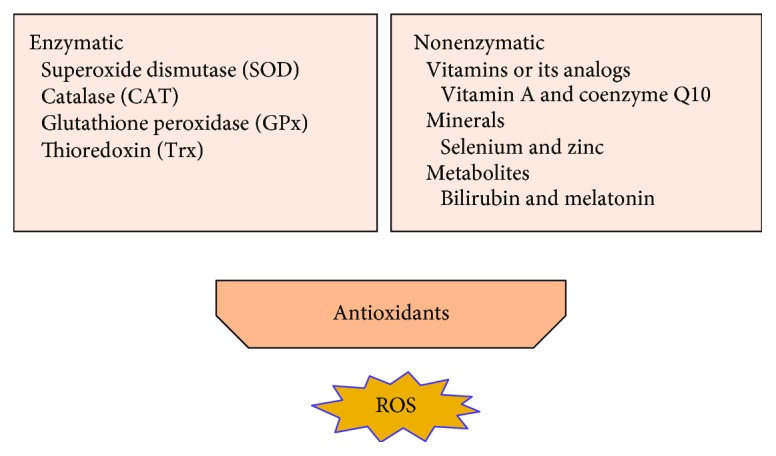
“These results suggest that providing TANGO2-deficient cells with nonenzymatic antioxidants, such as vitamins and their analogs, minerals, and metabolites (Su et al., 2019) may mitigate ROS activity, which calls for more research on their efficacy.”
Zhou, Y., Pang, N., Li, W., Li, Q., Luo, J., Gu, Y., Hu, Q., Ding, Y., Sun, Y., Pan, J., et al. (2024) · Redox Biology · doi:10.1016/j.redox.2024.103274 · Cited by 13
“Hepatic ROS production, mitochondrial dysfunction, and lipid peroxidation have been implicated in the pathogenesis of ALD and may lead to the death of hepatocytes, liver injury, and inflammation [22,23].”
BackgroundBorromeo, I., Luca, A. D., Domenici, F., Giordani, C., Rossi, L. C., & Forni, C. (2024) · International Journal of Molecular Sciences · doi:10.3390/ijms25158276 · Cited by 15
Niu, M.-Y., Dong, G., Li, Y., Luo, Q., Cao, L.-L., Wang, X., Wang, Q.-W., Wang, Y.-T., Zhang, Z., Zhong, X.-W., et al. (2024) · World Journal of Gastroenterology · doi:10.3748/wjg.v30.i30.3584 · Cited by 13
“Ingestion of high-fat diet (HFD) results in the build-up of lipotoxic substances, such as excess free fatty acids (FFAs), triglycerides (TGs), palmitic acid[15].”
Pyrazole-based N-phenyl pyrazolines: Synthesis, docking, and pharmacological evaluation
Peerzade, N. A., Jadhav, S. Y., Bhosale, R. B., Masand, V. H., Gawali, R. G., Al‐Hussain, S. A., Al‐Mutairi, A. A., & Zaki, M. E. A. (2024) · Results in Chemistry · doi:10.1016/j.rechem.2024.101793 · Cited by 13
Jantrakajorn, S., Keawchana, N., Sornying, P., Khirilak, P., & Suyapoh, W. (2024) · Journal of the World Aquaculture Society · doi:10.1111/jwas.13114 · Cited by 14
Marco, A., Kašpárková, J., Bautista, D. K. M., Kostrhunová, H., Cutillas, N., Marková, L., Novohradský, V., Ruiz, J., & Brabec, V. (2024) · Journal of Medicinal Chemistry · doi:10.1021/acs.jmedchem.4c02357 · Cited by 13
The role of TOR in response to chilling stress in the Solanum lycopersicum L
Yang, Z., Zhang, Y., Ding, Q., Xing, H., Wang, H., Meng, X., Fan, H., Yu, Y., & Cui, N. (2024) · Plant Growth Regulation · doi:10.1007/s10725-024-01263-6 · Cited by 11
“For example, membrane lipid peroxidation damage leading to cytoplasmic leakage (Su et al. 2019), damage to the PSII center (Yang et al. 2014), strong inhibition of photosynthesis, irreversible decrease in respiratory function (Liu et al. 2023), accumulation of soluble substances, and increase in…”
Ashoub, M. H., Afgar, A., Farsinejad, A., Razavi, R., Anvari, S., & Fatemi, A. (2025) · Scientific Reports · doi:10.1038/s41598-025-85329-z · Cited by 13
A possible important regulatory role of estrogen in obstructive sleep apnea hypoventilation syndrome
Zhou, P., Li, H., Li, H., Chen, Y., & Lv, Y. (2025) · Frontiers in Medicine · doi:10.3389/fmed.2025.1369393 · Cited by 18
Ravichandran, N., Uvarajan, D., Ravikumar, M., Mahendhran, K., Kavithaa, K., Vellingiri, B., Govindasamy, C., & Narayanasamy, A. (2025) · Bioorganic Chemistry · doi:10.1016/j.bioorg.2025.108361 · Cited by 12
Ferroptosis as the new approach to cancer therapy
Ojo, O. A., Grant, S., Nwafor-Ezeh, P. I., Maduakolam-Aniobi, T. C., Akinborode, T. I., Ezenabor, E. H., & Ojo, A. B. (2025) · Cancer Treatment and Research Communications · doi:10.1016/j.ctarc.2025.100913 · Cited by 20
Iron Metabolism and Ferroptosis in Diabetic Kidney Disease
Mu, F., Luo, P., Zhu, Y., Nie, P., Li, B., & Bai, X. (2025) · Cell Biochemistry and Function · doi:10.1002/cbf.70067 · Cited by 16
Eswaran, S., Mascarenhas, R., & Kabekkodu, S. P. (2025) · Cell Communication and Signaling · doi:10.1186/s12964-025-02218-8 · Cited by 11
Lipid droplets-targetable fluorescent probe for monitoring polarity changes during ferroptosis
Zhou, Y., Huang, B. Q., Wang, Y., Kim, H., Yan, M., & Yoon, J. (2025) · Dyes and Pigments · doi:10.1016/j.dyepig.2025.112879 · Cited by 11
Ali, A., Babar, Q., Saeed, A., Sergi, D., Naumovski, N., Ahmed, I. A. M., Shamlan, G. H., Hafiz, H., Manzoor, M. F., Trafiałek, J., et al. (2025) · Food Science & Nutrition · doi:10.1002/fsn3.70385 · Cited by 16
The protective effect of Artepillin C against lipid oxidation on model membranes
Pazin, W. M., Ruiz, G. C. M., Oliveira, M. J. D. S., Aoki, P. H. B., Ito, A. S., & Constantino, C. J. L. (2020) · Journal of Molecular Liquids · doi:10.1016/j.molliq.2020.115089 · Cited by 11
The impact of quercetin on a porcine intestinal epithelial cell line exposed to deoxynivalenol
Pomothy, J. M., Gatt, K., Jerzsele, Á., & Pászti-Gere, E. (2021) · Acta Veterinaria Hungarica · doi:10.1556/004.2020.00052 · Cited by 11
“ROS can initiate the process of lipid peroxidation causing damage to phospholipids and lipoproteins of the cell membrane and damage to DNA by propagating a chain reaction (AbdulSalam et al., 2016; Su et al., 2019).”
BackgroundRegenerative replacement of neural cells for treatment of spinal cord injury
McIntyre, W. B., Pieczonka, K., Khazaei, M., & Fehlings, M. G. (2021) · Expert Opinion on Biological Therapy · doi:10.1080/14712598.2021.1914582 · Cited by 15
“extrinsic apoptotic signaling pathways [13].”
Dimeric Histidine as a Novel Free Radical Scavenger Alleviates Non-Alcoholic Liver Injury
Zhao, Z., Fu, C., Zhang, Y., & Fu, A. (2021) · Antioxidants · doi:10.3390/antiox10101529 · Cited by 12
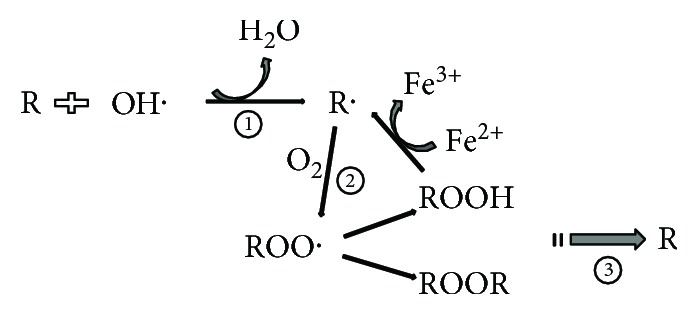
“In the case of NLI, an inevitable cause is lipid peroxidation (LP), due to the detachment of hydrogen from fatty acid to form ROO• that can initiate a complex cascade reaction until aldehyde formation (such as MDA) [21,22].”
BackgroundLee, K., Baek, S., Yoon, M. S., Park, J. S., Hong, B. S., Lee, S., Oh, S., Kwon, S., Lee, A., Lee, D. W., et al. (2021) · Oncology Letters · doi:10.3892/ol.2021.13149 · Cited by 11
“Apoptosis may also be induced by various cellular molecules, including lipids (34).”
BackgroundAssessment and assortment of tomato genotypes against salinity at vegetative stage
(2022) · Asian Journal of Agriculture and Biology · doi:10.35495/ajab.2021.08.321 · Cited by 11
“It had been suggested that a decrease in CMSI reflects the extent of lipid peroxidation caused by reactive oxygen species (Su et al .”
BackgroundHsu, P.-C., Hsu, C.-C., Hsia, Y., & Kuo, C. (2022) · Current Issues in Molecular Biology · doi:10.3390/cimb44040104 · Cited by 12
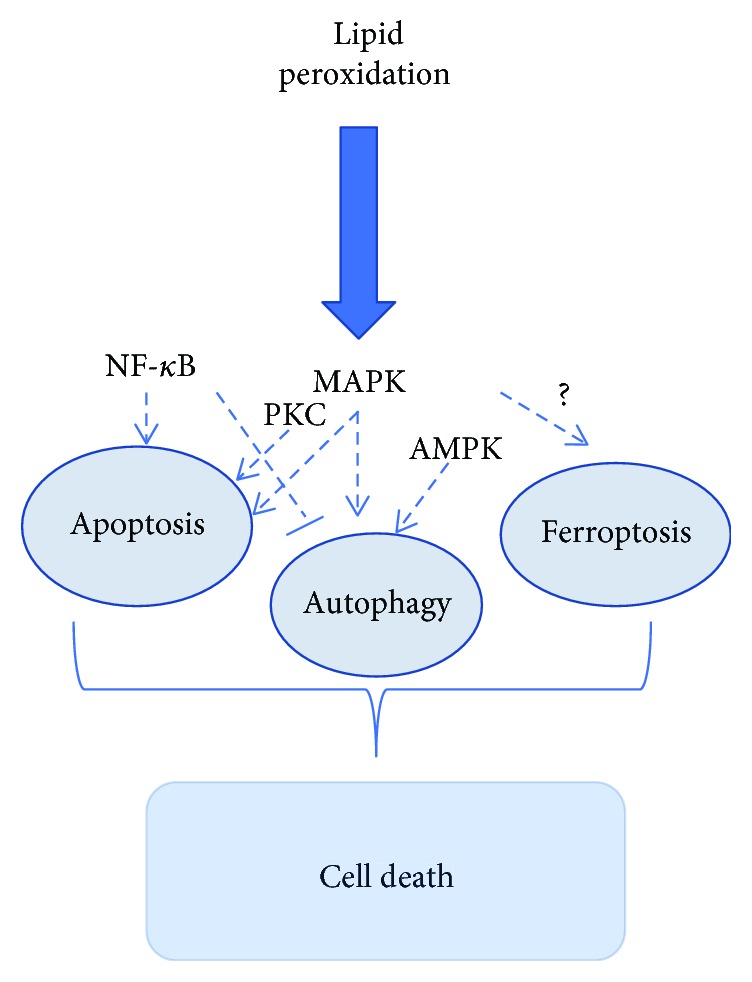
“The cellular response to ROS-induced lipid peroxidation is manifested in a seamless balance between life and death in response to stress caused by apoptosis, autophagy, or ferroptosis [36].”
BackgroundNovel Formulation of Undecylenic Acid induces Tumor Cell Apoptosis
Day, Z. I., Mayfosh, A. J., Giel, M., Hong, Y., Williams, S. A., Santavanond, J. P., Rau, T. F., Poon, I. K. H., & Hulett, M. D. (2022) · International Journal of Molecular Sciences · doi:10.3390/ijms232214170 · Cited by 13
“Therefore, while it is well understood that fatty acids can suppress the growth of tumor cells in vitro and in vivo, the molecular mechanism of their cytotoxicity has only been defined in select settings with apoptosis, autophagy, and ferroptosis all suggested as potential cell death pathways [18].”
BackgroundLalrinzuali, S., Khushboo, M., Dinata, R., Bhanushree, B., Nisa, N., Bidanchi, R. M., Saeed-Ahmed, L., Manikandan, B., Abinash, G., Pori, B., et al. (2023) · Environmental Science and Pollution Research · doi:10.1007/s11356-023-26018-0 · Cited by 11
Wang, D., Shimamura, N., Mochizuki, M., Nakahara, T., Sunada, K., & Xiao, L. (2023) · Antioxidants · doi:10.3390/antiox12030609 · Cited by 12
“and injures intracellular membranes resulting in cell dysfunction and cell death in the skin [4,5].”
BackgroundLiu, G., Wang, J., Han, M., Li, X., Zhou, L., Dou, T., Liu, Y., Huangfu, M., Guan, X., Wang, Y., et al. (2023) · Phytomedicine · doi:10.1016/j.phymed.2023.154833 · Cited by 12
Wongmanee, N., Rojanaverawong, W., Boonsong, T., & Hanchang, W. (2023) · Journal of Traditional and Complementary Medicine · doi:10.1016/j.jtcme.2023.08.005 · Cited by 15
Saki, M., Villiers, H. D., Ntsapi, C., & Tiloke, C. (2023) · Plants · doi:10.3390/plants12183235 · Cited by 17
Impact of high salt diets on CHOP-mediated apoptosis and renal fibrosis in a rat model
Khadive, T., Ghadimi, D., Hemmati, M., & Golshahi, H. (2021) · Molecular Biology Reports · doi:10.1007/s11033-021-06644-y · Cited by 11
“in lipid peroxidation and protein misfolding, respectively [9].”
BackgroundEl‐Deeb, W., Abdel‐Ghani, M. A., Alhaider, A., & Fayez, M. (2022) · Animal Reproduction · doi:10.1590/1984-3143-ar2022-0035 · Cited by 14
“A number of diseases are associated with OS, wherein the production of ROS plays a critical role in bacteria killing (Su et al., 2019).”
BackgroundKim, C., Ahn, J., Yu, J., Le, D. D., Han, S., & Lee, M. (2022) · Antioxidants · doi:10.3390/antiox11101989 · Cited by 11
“When ROS production rises over the limit of the scavenging capacity of the antioxidant response system, extensive protein oxidation and lipid peroxidation will occur, causing oxidative damage [40].”
Background
Metadata
- Authors
- Su, L.-J., Zhang, J.-H., Gomez, H., Murugan, R., Hong, X., Xu, D., Jiang, F., & Peng, Z.-Y.
- Affiliations
- Zhongnan Hospital of Wuhan University (CN)
- Department of Critical Care Medicine, Zhongnan Hospital of Wuhan University, Wuhan, 430071 Hubei Province, China
- Center of Critical Care Nephrology, Department of Critical Care Medicine, University of Pittsburgh Medical Center, Pittsburgh, 15223 PA, USA
- University of Pittsburgh Medical Center (US)
- Venue
- Oxidative Medicine and Cellular Longevity
- Publisher
- Wiley
- Published
- 2019-10-13
- Volume
- 2019
- Pages
- 1-13
- ISSN
- 1942-0994 (ISSN-L)
- 1942-0900
- PMC
- PMC6815535
- OpenAlex
- W2979799294
- Cited by
- 2,166
- References
- 147
- Citations by year
- 2026: 236 · 2025: 385 · 2024: 507 · 2023: 424 · 2022: 365 · 2021: 187 · 2020: 58
- FWCI
- 14.76
- Type
- journal article
- Language
- en
- Open access
- hybrid
- doi.org
- Locations
- Oxidative Medicine and Cellular Longevity (publishedVersion, cc-by)
- Europe PMC (PubMed Central) (publishedVersion, cc-by)
- PubMed Central (publishedVersion, cc-by)
- PubMed (publishedVersion)
- DOAJ (DOAJ: Directory of Open Access Journals) (submittedVersion)
- Funders
- Health Commission of Hubei Province (WJ2017Z008, 2017AHB044, 81560131, 81772046)
- Hubei Province Technology and Innovation Project (WJ2017Z008, 2017AHB044, 81560131, 81772046)
- National Natural Science Foundation of China (WJ2017Z008, 2017AHB044, 81560131, 81772046)
- Topics
- Health Sciences › Medicine › Biochemistry (medical) › Antioxidant Activity and Oxidative Stress
- Life Sciences › Biochemistry, Genetics and Molecular Biology › Molecular Biology › Cell death mechanisms and regulation
- Life Sciences › Biochemistry, Genetics and Molecular Biology › Cancer Research › Ferroptosis and cancer prognosis
- Keywords
- reactive oxygen species, lipid peroxidation, apoptosis, autophagy, ferroptosis, antioxidant defense, oxidative damage, cell death, critical illness
- MeSH terms
- Ferroptosis, Animals, Antioxidants, Autophagy, Humans, Lipid Peroxidation, Signal Transduction, Apoptosis, Reactive Oxygen Species, Oxidative Stress, Sepsis, Acute Kidney Injury
About these checks
Registry, retraction, Cites and statistics results are computed, not judged, with one exception: a printed reference that no index lists is read once by a model before it counts as a citation error. Claims are extracted by a model and kept only when their quote appears verbatim in the text; each cited source is then checked, with a model’s help, for whether it says what the claim relies on. Those verdicts can be wrong — read the claim’s quote and the cited source before relying on one.
Statistics and arithmetic are recomputed, not judged.
Confidence bands are shown only for fields calibrated on our annotated test set. None is calibrated yet, so no band is shown.
What counts as a claim ›How we measure confidence ›How we check this ›
Are you an author, or do you see a problem with this page? Request a review
Data sources
Bibliographic data: Semantic Scholar, OpenAlex, Crossref.
Contains information from the Semantic Scholar Academic Graph Datasets, made available under the ODC Attribution License (ODC-BY 1.0).
Semantic Scholar’s data is described in: Kinney, R., et al. (2023). The Semantic Scholar Open Data Platform. arXiv:2301.10140.
