

Reactive Oxygen Species-Induced Lipid Peroxidation in Apoptosis, Autophagy, and Ferroptosis
Open accessThe DOI matches its Crossref record; 147 of the 147 references it cites were found in a registry or an index.
Abstract
Reactive oxygen species- (ROS-) induced lipid peroxidation plays a critical role in cell death including apoptosis, autophagy, and ferroptosis. This fundamental and conserved mechanism is based on an excess of ROS which attacks biomembranes, propagates lipid peroxidation chain reactions, and subsequently induces different types of cell death. A highly evolved sophisticated antioxidant system exists that acts to protect the cells from oxidative damage. In this review, we discussed how ROS propagate lipid peroxidation chain reactions and how the products of lipid peroxidation initiate apoptosis and autophagy in current models. We also discussed the mechanism of lipid peroxidation during ferroptosis, and we summarized lipid peroxidation in pathological conditions of critical illness. We aim to bring a more global and integrative sight to know how different ROS-induced lipid peroxidation occurs among apoptosis, autophagy, and ferroptosis.
Overview
The claims and statistics of this paper haven’t been checked yet.
Free: it reads the open-access text and checks the first 5 claims that cite a source we can check. Create a free account to check every claim.
Integrity signals
Registry
Cites
Statistics
Figures
Verification
Claims the paper makes
The claims and statistics of this paper haven’t been checked yet.
Free: it reads the open-access text and checks the first 5 claims that cite a source we can check. Create a free account to check every claim.
Claims other papers make about this one
Each is checked against this paper’s own text: does it say what the citing paper says it does?
The source backs part of the claim, not all of it — or backs it for a different population, condition or comparison.
In the citing paper
“This oxidative damage has been shown to correlate with the upregulation of pro-apoptotic proteins like BAD, the activation of caspase-3, and the downregulation of anti-apoptotic proteins like Bcl-2 and Bcl-XL (Figure 2) [43].”
From Role of Regulated Cell Death Pathways in Snakebite Envenomation: Mechanisms, Crosstalk, and Therapeutic Opportunities (2026) · cites this paper as [43]
Experimental — accuracy not yet measuredThe source backs part of the claim, not all of it — or backs it for a different population, condition or comparison.
In the citing paper
“Thus, activating ferroptosis can effectively increase the sensitivity of tumor cells to ROS [118], indicating that SDT may be an ideal combination therapy for ferroptosis.”
From Nanosensitizer-assisted sonodynamic therapy for breast cancer (2025) · cites this paper as [118]
Experimental — accuracy not yet measured
Self-check
Percentages, sums and reported differences re-computed from the paper’s own numbers.
The self-check needs the paper’s full text.
Citations
Cites
Ferroptosis: An Iron-Dependent Form of Nonapoptotic Cell Death
Dixon, S. J., Lemberg, K. M., Lamprecht, M. R., Skouta, R., Zaitsev, E. M., Gleason, C. E., Patel, D. N., Bauer, A. J., Cantley, A. M., Yang, W. S., et al. (2012) · Cell · doi:10.1016/j.cell.2012.03.042 · Cited by 18,691 · cited 4×
“, erastin, sulfasalazine, and RSL3) and also prevented by lipophilic antioxidants (CoQ10, Vitamin E, ferrostatins, and liproxstatins) [4, 8, 39, 104].”
BackgroundInfluentialApoptosis: A Review of Programmed Cell Death
Elmore, S. (2007) · Toxicologic Pathology · doi:10.1080/01926230701320337 · Cited by 13,853 · cited 1×
“Apoptosis is programmed series of events dependent on energy, as well as morphological features such as cell shrinkage, chromatin condensation, and presence of apoptotic bodies without inflammatory reactions [51, 52].”
BackgroundRegulation of Ferroptotic Cancer Cell Death by GPX4
Yang, W. S., SriRamaratnam, R., Welsch, M. E., Shimada, K., Skouta, R., Viswanathan, V. S., Cheah, J. H., Clemons, P. A., Shamji, A. F., Clish, C. B., et al. (2014) · Cell · doi:10.1016/j.cell.2013.12.010 · Cited by 7,713 · cited 6×
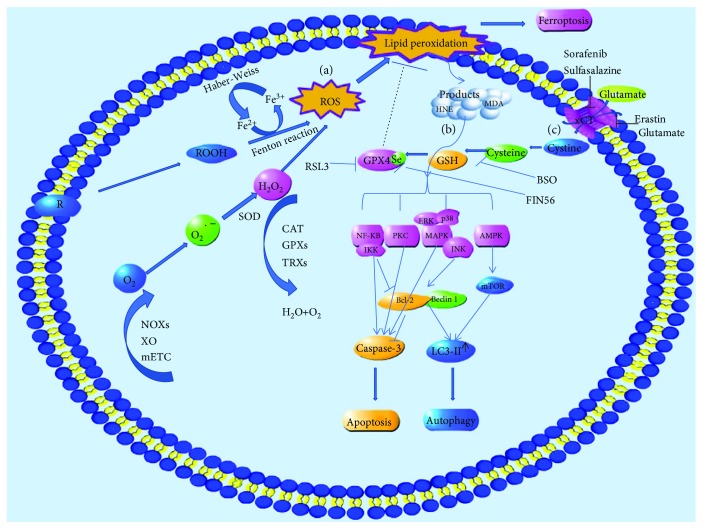
“GPX4 is a specific and robust central regulator of ferroptotic cell death when it is directly inhibited or indirectly inactivated by depletion of glutathione [112] (Figure 1).”
BackgroundInfluentialFerroptosis: A Regulated Cell Death Nexus Linking Metabolism, Redox Biology, and Disease
Stockwell, B. R., Friedmann Angeli, J. P., Bayir, H., Bush, A. I., Conrad, M., Dixon, S. J., Fulda, S., Gascón, S., Hatzios, S. K., Kagan, V. E., et al. (2017) · Cell · doi:10.1016/j.cell.2017.09.021 · Cited by 7,695 · cited 3×
“Ferroptosis occurs as a result of increased ROS levels due to elevated intracellular iron concentration and a depletion of antioxidant GSH that cause lipid peroxidation and consequently to cell death [101].”
BackgroundAutophagy: Renovation of Cells and Tissues
Mizushima, N., & Komatsu, M. (2011) · Cell · doi:10.1016/j.cell.2011.10.026 · Cited by 6,418 · cited 3×
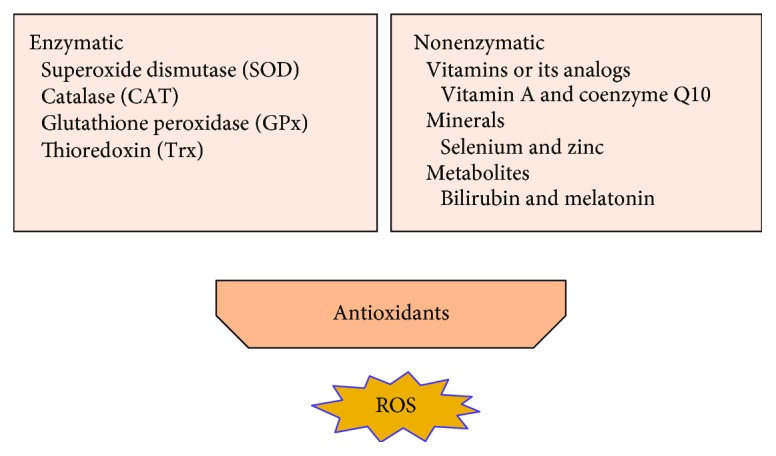
“ROS: Reactive oxygen species PUFAs: Polyunsaturated fatty acids NOXs: NADPH oxidases XO: Xanthine oxidase mETC: Mitochondrial electron-transport chain SOD: Superoxide dismutase CAT: Catalase HNE: Hydroxynonenal PL: Phospholipid LOX: Lipoxygenase Alox: Arachidonate lipoxygenase PLA2: Phospholipase A2 GPx: Glutathione p…”
BackgroundAyala, A., Muñoz, M. F., & Argüelles, S. (2014) · Oxidative Medicine and Cellular Longevity · doi:10.1155/2014/360438 · Cited by 6,349 · cited 5×
“The main aldehyde product of lipid peroxidation is the 3-carbon dialdehyde species malondialdehyde (MDA) and 4-hydroxy-2-nonenal (HNE) [46].”
BackgroundInfluentialDeath Receptors: Signaling and Modulation
Ashkenazi, A., & Dixit, V. M. (1998) · Science · doi:10.1126/science.281.5381.1305 · Cited by 5,866 · cited 1×
“The extrinsic pathway is initiated by the tumor necrosis factor (TNF) receptor family interacting with a ligand and then binds with procaspase-8 following ligand-receptor interaction to activation of caspase-3 which leads to execution of apoptosis [54, 55].”
BackgroundMethods in Mammalian Autophagy Research
Mizushima, N., Yoshimori, T., & Levine, B. (2010) · Cell · doi:10.1016/j.cell.2010.01.028 · Cited by 4,497 · cited 1×
“Chaperone-mediated autophagy involves the direct translocation of cytosolic proteins across the lysosomal membrane while microautophagy involves inward invagination of lysosomal membrane delivering a small portion of cytoplasm into the lysosomal lumen [82].”
BackgroundInactivation of the ferroptosis regulator Gpx4 triggers acute renal failure in mice
Friedmann Angeli, J. P., Schneider, M., Proneth, B., Tyurina, Y. Y., Tyurin, V. A., Hammond, V. J., Herbach, N., Aichler, M., Walch, A., Eggenhofer, E., et al. (2014) · Nature Cell Biology · doi:10.1038/ncb3064 · Cited by 3,732
The complexity of NF-κB signaling in inflammation and cancer
Hoesel, B., & Schmid, J. A. (2013) · Molecular Cancer · doi:10.1186/1476-4598-12-86 · Cited by 3,165 · cited 1×
“The NF-κB protein family is widely involve in inflammation, stress response, survival, and cell death [65].”
Background
Research works printed but not linked: 2
- 1995, Cell Death & Differentiation, 2, 87
- 2014, Anticancer Research, 34, 6417
Cited by
Items 601–700 of 1,002
Ferroptosis and Lipid Metabolism in Acute Myocardial Infarction
Wu, X., Li, J., Cheng, H., & Wang, L. (2024) · Reviews in Cardiovascular Medicine · doi:10.31083/j.rcm2505149 · Cited by 27
“Various types of ROS exist, including superoxide anion radicals (O 2 • − ), hydroxyl radicals (•OH), as well as non-radical oxidants like hydrogen peroxide (H 2 O 2 ) and singlet oxygen ( 1 O 2 ) [26].”
BackgroundAntioxidant hydrogels for the treatment of osteoarthritis: mechanisms and recent advances
He, F., Wu, H., He, B., Han, Z., Chen, J., & Huang, L. (2024) · Frontiers in Pharmacology · doi:10.3389/fphar.2024.1488036 · Cited by 24
Mairuae, N., Noisa, P., & Palachai, N. (2024) · Molecules · doi:10.3390/molecules29246046 · Cited by 24
Reda, R. M., Zaki, E. M., Aioub, A. A. A., Metwally, M. M. M., Yassin, A. M., & Mahsoub, F. (2025) · Environmental Sciences Europe · doi:10.1186/s12302-024-01047-9 · Cited by 32
Engineered Nanoparticles for Combating Drug-Resistant Bacteria and Bacterial Biofilms
Печникова, Н. А., Poimenidou, M., Patsidou, C., Zafeiriou-Chatziefraimidou, M., Iliadis, I., & Yaremenko, A. V. (2025) · ACS Nano Medicine · doi:10.1021/acsnanomed.5c00060 · Cited by 39
Modulating Nrf2 to control lipid peroxidation and ferroptosis: implications for cancer management
Tunc, R., Ateş, İ., Yılmaz, B., Medoro, A., Davinelli, S., Süzen, S., & Saso, L. (2025) · Frontiers in Oncology · doi:10.3389/fonc.2025.1701249 · Cited by 26
“Cytochrome P450 oxidoreductase (POR), located on the endoplasmic reticulum, participates in lipid oxidation via CYP activation (22).”
Autophagic activation of IRF‐1 aggravates hepatic ischemia–reperfusion injury via JNK signaling
Li, S., He, J., Xu, H., Yang, J., Luo, Y., Song, W., Qiao, B., & Zhang, H. (2021) · MedComm · doi:10.1002/mco2.58 · Cited by 21
Effects of acute iron overload on Nrf2-related glutathione metabolism in rat brain
Piloni, N. E., Vargas, R., Fernández, V., Videla, L. A., & Puntarulo, S. (2021) · BioMetals · doi:10.1007/s10534-021-00324-x · Cited by 21
“Oxidative stress-dependent lipid peroxidation products, damaging cellular components, and antioxidant loss are considered potential biomarkers of many diseases (Su et al. 2019), including neurological pathologies (Dejanović et al. 2016).”
BackgroundCansız, D., Üstündağ, Ü. V., Ünal, İ., Alturfan, A. A., & Emekli‐Alturfan, E. (2021) · Drug and Chemical Toxicology · doi:10.1080/01480545.2021.1957558 · Cited by 23
“Excess ROS attacks the biomembranes to propagate LPO chain reactions and induces cell death (Su et al. 2019).”
BackgroundLi, Y., Zhang, W., Liu, M., Zhang, Q., Lin, Z., Jia, M., Liu, D., & Lin, L. (2021) · Oxidative Medicine and Cellular Longevity · doi:10.1155/2021/5645090 · Cited by 22
“Oxidative stress has been shown to increase cell survival by triggering autophagy [18], which is the most important way for cells to degrade their own denatured proteins and damaged organelles.”
BackgroundLee, J. M., Lee, J. H., Song, M. K., & Kim, Y. (2022) · Antioxidants · doi:10.3390/antiox11010130 · Cited by 26
“Mechanisms by which ROS production induces cell damages include the peroxidation of polyunsaturated fatty acids in cell membranes, DNA mutations, nitrification, and carbonylation of proteins and lipids [14].”
BackgroundAbdel‐Emam, R. A., & Ali, M. F. (2021) · Life Sciences · doi:10.1016/j.lfs.2021.120277 · Cited by 27
Xu, L., Huang, X., Lou, Y., Xie, W., & Zhao, H. (2022) · Experimental and Therapeutic Medicine · doi:10.3892/etm.2022.11279 · Cited by 22
“Lipid peroxidation can also interact with upstream regu‐ lators of autophagy‐related signaling pathways, such as AMP‐activated protein kinase and Akt‐mTOR signaling to interfere with autophagy (115).”
BackgroundChang, S., Wu, J., Jin, J., Shi, H., Gao, R., Li, X., Jia, D., Sun, X., Ou, T., Yang, J., et al. (2022) · Oxidative Medicine and Cellular Longevity · doi:10.1155/2022/2555476 · Cited by 25
“Hypoxia causes augmented formation of reactive oxygen species, which further causes lipid peroxidation [36, 41].”
Rotondo, R., Oliva, M. A., & Arcella, A. (2022) · Biomedicines · doi:10.3390/biomedicines10071583 · Cited by 25
“Enhanced oxidative stress alters the cellular redox equilibrium, reactivating homeostatic mechanisms such as apoptosis and autophagy [14].”
BackgroundHepatopancreas toxicity and immunotoxicity of a fungicide, pyraclostrobin, on common carp
Zhao, H., Zhang, J., Rajeshkumar, S., Feng, Y., Liu, Y., Li, X., & Zhang, B. (2022) · Comparative Biochemistry and Physiology Part C Toxicology & Pharmacology · doi:10.1016/j.cbpc.2022.109445 · Cited by 26
Self-citationModulation of AKT Pathway-Targeting miRNAs for Cancer Cell Treatment with Natural Products
Shiau, J., Chuang, Y.-T., Yen, C., Chang, F., Yang, K., Hou, M., Tang, J., & Chang, H. (2023) · International Journal of Molecular Sciences · doi:10.3390/ijms24043688 · Cited by 22
“For example, apoptosis, necroptosis, and ferroptosis, which have close interactions, are mediated by reactive oxygen species (ROS) and lipid peroxidation [27].”
Ferroptosis-based drug delivery system as a new therapeutic opportunity for brain tumors
Yao, Y., Ji, P., Chen, H., Ge, J., Xu, Y., Wang, P., Li, X., & Yan, Z. (2023) · Frontiers in Oncology · doi:10.3389/fonc.2023.1084289 · Cited by 23
“When the cellular antioxidant capacity is reduced and lipid reactive oxygen species accumulate, it can cause cellular ferroptosis (27).”
BackgroundLeroux, M., Luquain‐Costaz, C., Lawton, P., Azzouz-Maache, S., & Delton-v, I. (2023) · International Journal of Molecular Sciences · doi:10.3390/ijms24054702 · Cited by 21
“Likewise, exogenously added AA and DHA were shown to promote ROS production in L. donovani promastigotes [34].”
BackgroundInfluentialHu, Y., Wang, Y., Liu, S., & Wang, H. (2023) · Journal of Clinical Medicine · doi:10.3390/jcm12062125 · Cited by 24
Guideline for screening antioxidant against lipid‐peroxidation by spectrophotometer
Li, Y., Si, D., Sabier, M., Liu, J., Si, J., & Zhang, X. (2023) · eFood · doi:10.1002/efd2.80 · Cited by 24
Han, H., He, N., Pan, E., Tan, X., Yang, Z., Li, X., Shi, D., & Dong, J. (2023) · Pesticide Biochemistry and Physiology · doi:10.1016/j.pestbp.2023.105531 · Cited by 21
Cabral, F. V., Santana, B. D. M., Lange, C. N., Batista, B. L., Seabra, A. B., & Ribeiro, M. S. (2023) · Pharmaceutics · doi:10.3390/pharmaceutics15071971 · Cited by 22
“It has been demonstrated that high levels of ROS can attack and impair the lipid bilayer of cellular membranes, which are essentially made of polyunsaturated fatty acids (PUFAs) [45].”
BackgroundZhao, Y., Li, X., & Nan, J. (2023) · Environmental Research · doi:10.1016/j.envres.2023.116855 · Cited by 20
Liang, Y., Qiu, S., Zou, Y., & Luo, L. (2023) · Phytomedicine · doi:10.1016/j.phymed.2023.155134 · Cited by 26
Uvarajan, D., Nandita, R., Kavithaa, K., Kavitha, V. S., Govindasamy, C., Al‐Numair, K. S., Alsaif, M. A., Cheon, Y. P., Arul, N. S., & Durairaj, B. (2023) · Applied Biochemistry and Biotechnology · doi:10.1007/s12010-023-04791-5 · Cited by 21
“It has been demonstrated that LPO products can cause cell death by activating both internal and extrinsic signalling pathways [49].”
Chen, L., Sun, R., & Fang, K. (2024) · Pathology International · doi:10.1111/pin.13403 · Cited by 21
“20 It has been found that Sulfasalazine, Sorafenib, and cisplatin can also induce ferroptosis in HCC cells by inhibiting System Xc. 21,22 However, most of these drugs are poorly water ‐ soluble, and are prone to damage normal tissues and produce side effects.”
BackgroundJia, C., Wu, Y., Gao, F., Liu, W., Li, N., Yao, C., Sun, L., Wang, S., Yu, C., Bao, Y., et al. (2024) · Free Radical Biology and Medicine · doi:10.1016/j.freeradbiomed.2024.01.043 · Cited by 22
The interactions between ineffective erythropoiesis and ferroptosis in β-thalassemia
Lin, S., Zheng, Y., Chen, M., Xu, L., & Huang, H. (2024) · Frontiers in Physiology · doi:10.3389/fphys.2024.1346173 · Cited by 26
Singh, S., Dwivedi, S., Khan, A. A., Jain, A., Dwivedi, S., Yadav, K. K., Dubey, I., Trivedi, A., Trivedi, S. P., & Kumar, M. (2024) · Scientific Reports · doi:10.1038/s41598-024-59917-4 · Cited by 33
Sleiman, M. A., Younes, M., Hajj, R., Salameh, T., Rached, S. A., Younes, R. A., Daoud, L., Doumiati, J. L., Frem, F., Ishak, R., et al. (2024) · International Journal of Molecular Sciences · doi:10.3390/ijms25137501 · Cited by 29
“With that in mind, UD, through the mediation of lipid peroxidation, has been reported to increase ROS content, promoting oxidative stress [86,87].”
BackgroundIwan, P., Stępniak, J., & Karbownik‐Lewińska, M. (2021) · Life · doi:10.3390/life11060592 · Cited by 25
“LPO damages phospholipids directly—it can act as a cell death signal—and it is implicated in various degenerative processes, including cancer [4,6].”
BackgroundAcute rotenone poisoning: A scoping review
Tat, J., Heskett, K. M., & Boss, G. R. (2024) · Heliyon · doi:10.1016/j.heliyon.2024.e28334 · Cited by 30
Lakshmanan, M., Saini, M., & Nune, M. (2024) · Journal of Ovarian Research · doi:10.1186/s13048-024-01566-2 · Cited by 21
Ransdell-Green, E. C., Baranowska‐Kortylewicz, J., & Wang, D. (2025) · Antioxidants · doi:10.3390/antiox14010079 · Cited by 24
“This mechanism of • OH generation is particularly relevant to conditions like fer-roptosis, in which labile iron-dependent ROS production leads to lipid peroxidation and subsequent regulated cell death [50,51].”
Munteanu, C., Galaction, A., Onose, G., Turnea, M. A., & Rotariu, M. (2025) · Antioxidants · doi:10.3390/antiox14030360 · Cited by 24
“…susceptible to misfolding and aggregation, ultimately impairing cellular pathways involved in metabolism, trafficking, and signal transduction [77]. may render proteins susceptible to mis-folding and aggregation, ultimately impairing cellular pathways involved in metabolism, trafficking, and…”
Li, Q., Yang, X., & Li, T. (2025) · Frontiers in Pharmacology · doi:10.3389/fphar.2025.1570069 · Cited by 33
Hisada, R., Yoshida, N., Orite, S. Y. K., Umeda, M., Burbano, C., Scherlinger, M., Kono, M., Krishfield, S., & Tsokos, G. C. (2022) · Arthritis & Rheumatology · doi:10.1002/art.42112 · Cited by 25
“High levels of ROS cause lipid peroxidation (7) and eventually mitochondrial dysfunction (8).”
BackgroundXiao, Q., Liu, Y., Jiang, G., Liu, Y., Huang, Y., Liu, W., & Zhang, Z. (2022) · European Journal of Medicinal Chemistry · doi:10.1016/j.ejmech.2022.114302 · Cited by 24
Neira, G., Vergara, E., Cortez, D., & Holmes, D. S. (2021) · Antioxidants · doi:10.3390/antiox11010059 · Cited by 22
Assessment of lipid peroxidation in irradiated cells
Mao, C., Lei, G., Horbath, A. D., & Gan, B. (2022) · Methods in cell biology · doi:10.1016/bs.mcb.2022.05.003 · Cited by 28
Redox Imbalance and Its Metabolic Consequences in Tick-Borne Diseases
Groth, M., Skrzydlewska, E., Dobrzyńska, M., Pancewicz, S. A., & Moniuszko-Malinowska, A. M. (2022) · Frontiers in Cellular and Infection Microbiology · doi:10.3389/fcimb.2022.870398 · Cited by 22
Anti-cardiolipin IgG autoantibodies associate with circulating extracellular DNA in severe COVID-19
Bertin, D., Brodovitch, A., Lopez, A., Arcani, R., Thomas, G. M., Beziane, A., Weber, S., Babacci, B., Heim, X., Rey, L., et al. (2022) · Scientific Reports · doi:10.1038/s41598-022-15969-y · Cited by 20
Ma, X., Chen, H., Cao, L., Zhao, S., Zhao, C., Yin, S., Fan, L., & Hu, H. (2022) · Biochemical and Biophysical Research Communications · doi:10.1016/j.bbrc.2022.10.017 · Cited by 21
Guillamón, E., Mut‐Salud, N., Rodríguez‐Sojo, M. J., Ruiz‐Malagón, A. J., Cuberos-Escobar, A., Martinez-Ferez, A., Rodríguez‐Nogales, A., Gálvez, J., & Baños, A. (2023) · Nutrients · doi:10.3390/nu15061363 · Cited by 25
“As previously stated, tumor cells used to be more sensitive to drugs that generate large amounts of ROS, or that affect the ability of cells to eliminate them, which has been associated with their death by apoptosis [68,69].”
BackgroundZou, Z., Liu, R., Wang, Y., Tan, H., An, G., Zhang, B., Wang, Y., & Dong, D. (2023) · CNS Neuroscience & Therapeutics · doi:10.1111/cns.14162 · Cited by 23
Duan, L., Zhao, Y., Jia, J., Chao, T., Wang, H., Liang, Y., Lou, Y., Zheng, Q., & Wang, H. (2023) · Biochimica et Biophysica Acta (BBA) - Molecular Basis of Disease · doi:10.1016/j.bbadis.2023.166698 · Cited by 22
Shi, Y., Shi, X., Zhao, M., Chang, M., Ma, S., & Zhang, Y. (2023) · Biomedicine & Pharmacotherapy · doi:10.1016/j.biopha.2023.114849 · Cited by 26
FDX1 regulates leydig cell ferroptosis mediates PM2.5-induced testicular dysfunction of mice
Li, L., Pei, Z., Wu, R., Zhang, Y., Pang, Y., Hu, H., Hu, W., Geng, Z., Feng, T., Niu, Y., et al. (2023) · Ecotoxicology and Environmental Safety · doi:10.1016/j.ecoenv.2023.115309 · Cited by 23
Mylvaganam, S., & Freeman, S. A. (2023) · Immunological Reviews · doi:10.1111/imr.13260 · Cited by 24
“190 These breaks lead to escape of antigenic peptides to the cytosol where they are targeted for degradation by the proteasome, transported to the ER and eventually loaded onto MHC-I molecules to then engage their cognate T cell receptors on CD8 + cytotoxic T-cells, 39 a process termed…”
BackgroundOliveira, C. D. R., Pereira, J. C., Ibiapina, A. B., Martins, I. R. R., Sousa, J. M. D. C. E., Ferreira, P. M. P., & da Silva, F. C. C. (2023) · Journal of Toxicology and Environmental Health Part B · doi:10.1080/10937404.2023.2246876 · Cited by 22
“This last process may be induced by inhibiting of GPX4 activity and, consequently, enhancing polyunsaturated fatty acids peroxidation of the cellular lipid bilayer, resulting in loss of membrane integrity (Su et al. 2019).”
BackgroundIjaz, M. U., Ishtiaq, A., Tahir, A., Alvi, M. A., Rafique, A., Wang, P., & Zhu, G. (2023) · Toxicology and Applied Pharmacology · doi:10.1016/j.taap.2023.116750 · Cited by 20
Wang, L., Zhang, X., Shen, J., Wei, Y., Zhao, T., Xiao, N., Lv, X., Qin, D., Xu, Y., Zhou, Y., et al. (2024) · Frontiers in Medicine · doi:10.3389/fmed.2024.1305431 · Cited by 24
A deep insight into ferroptosis in lung disease: facts and perspectives
Zhang, F., Yu, X., Ma, Q., Guo, E., & Zeng, X. (2024) · Frontiers in Oncology · doi:10.3389/fonc.2024.1354859 · Cited by 23
Nalla, L. V., & Khairnar, A. (2024) · Free Radical Biology and Medicine · doi:10.1016/j.freeradbiomed.2024.05.018 · Cited by 22
Tsukahara, T., Haniu, H., Uemura, T., & Matsuda, Y. (2020) · Biomedicines · doi:10.3390/biomedicines8110446 · Cited by 21
“Induced lipid peroxidation also plays a critical role in cell death pathways, including apoptosis [56].”
BackgroundVitamin E analogs limit in vitro oxidant damage to bovine mammary endothelial cells
Kuhn, M. J., & Sordillo, L. M. (2021) · Journal of Dairy Science · doi:10.3168/jds.2020-19675 · Cited by 20
“An important result of oxidative stress is damage to lipids in cell membranes that create peroxidation chain reactions, ultimately leading to cellular death (Su et al., 2019).”
BackgroundWhat Is the Role of Ferroptosis in Neurodegeneration?
Benarroch, E. E. (2023) · Neurology · doi:10.1212/wnl.0000000000207730 · Cited by 29
“Impaired mitophagy promotes the accumulation of ROS and damaged proteins and lipids in mitochondria; release of iron by mitochondria into autolysosomes triggers further Fenton reactions, lipid peroxidation, and impaired autophagy.(53,54) This leads to the accumulation of lipofuscin and iron which, in turn, increase ox…”
BackgroundUnveiling thioacetamide-induced toxicity: Multi-organ damage and omitted bone toxicity
Zhang, H., & Xu, J. (2024) · Human & Experimental Toxicology · doi:10.1177/09603271241241807 · Cited by 26
“89,90 Due to the array of potential mechanisms and causal relationships, the precise mechanism by which TAA induces apoptosis remains elusive.”
Ferroptosis: a new mechanism of traditional Chinese medicine for treating ulcerative colitis
Wang, Y., Hao, Y., Yuan, L., Tian, H., Sun, X., & Zhang, Y. (2024) · Frontiers in Pharmacology · doi:10.3389/fphar.2024.1379058 · Cited by 21
Lactobacillus rhamnosus GG coating with nanocomposite ameliorates intestinal inflammation
Zhai, Z., Wang, X., Qian, Z., Wang, A., Zhao, W., Xiong, J., Wang, J., Wang, Y., & Cao, H. (2024) · Biomedicine & Pharmacotherapy · doi:10.1016/j.biopha.2024.117197 · Cited by 23
Review of cancer cell volatile organic compounds: their metabolism and evolution
Furuhashi, T., Toda, K., & Weckwerth, W. (2025) · Frontiers in Molecular Biosciences · doi:10.3389/fmolb.2024.1499104 · Cited by 22
Ifijen, I. H., Faderin, E., Okafor, C. E., Onyinyechi, O. L., Aworinde, O. R., Iorkula, T. H., Fagbolade, M., Adesina, K. E., Akodu, B. O., Adeleke, B. H., et al. (2025) · Biomedical Materials & Devices · doi:10.1007/s44174-025-00276-7 · Cited by 29
“Concurrently, harmful substances from the external environment can enter the cell, exacerbating the damage [43, 44].”
Mechanisms of programmed cell death in livestock follicular development and atresia: a review
Han, S., Wei, Y., Wei, Y., Zhao, X., Chen, Y., Cui, C., Zhang, Y., & Yin, H. (2025) · Journal of Animal Science and Biotechnology/Journal of animal science and biotechnology · doi:10.1186/s40104-025-01241-6 · Cited by 25
“The interplay between autophagy, apoptosis, and fer-roptosis creates a complex regulatory network that determines the fate of ovarian follicles [70].”
Tao, W., Tuo, Z., Wu, F., Mu, K., Xu, C., Shi, Y., Sun, Z., Wang, Y., Li, Y., Zhong, Z., et al. (2022) · Regenerative Biomaterials · doi:10.1093/rb/rbac045 · Cited by 21
Emerging Potential Therapeutic Targets of Ferroptosis in Skeletal Diseases
Liu, X., Wang, T., Wang, W., Liang, X., Mu, Y., Xu, Y., Bai, J., & Geng, D. (2022) · Oxidative Medicine and Cellular Longevity · doi:10.1155/2022/3112388 · Cited by 20
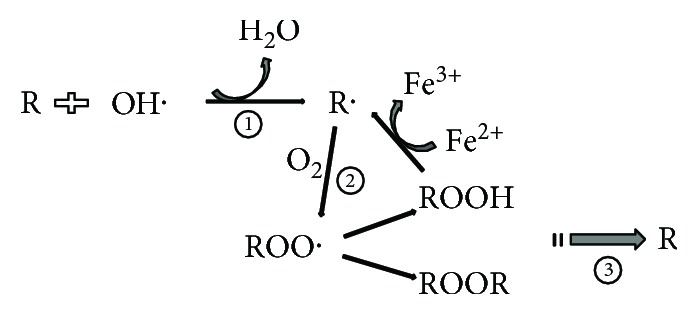
“Afterwards, Fe 3+ can be converted into Fe 2+ by the Haber-Weiss reaction [133].”
García‐Niño, W. R., Ibarra-Lara, L., Cuevas-Magaña, M. Y., Sánchez-Mendoza, A., & Armada, E. (2022) · Environmental Toxicology and Pharmacology · doi:10.1016/j.etap.2022.103960 · Cited by 19
Khadim, R. M., & Al-Fartusie, F. S. D. (2022) · Clinical Rheumatology · doi:10.1007/s10067-022-06324-7 · Cited by 24
“When the body is injured, the for‑ mation of reactive oxygen species (ROS) increases drasti‑ cally, due to most cells of the innate immune system (e.g., neutrophils and macrophages during the process of phagocy‑ tosis via the metabolic pathway of the respiratory burst) [12].”
BackgroundInfluentialGraiet, I., Hamdi, H., Abid‐Essefi, S., & Eyer, J. (2022) · Food and Chemical Toxicology · doi:10.1016/j.fct.2022.113464 · Cited by 20
Zhou, D., Wu, Q., Qiu, H., Li, M., & Ji, Y. (2022) · Evidence-Based Complementary and Alternative Medicine · doi:10.1155/2022/6177477 · Cited by 19
“An association between increased ROS levels and cellular ferroptosis has been reported in the literature [21].”
BackgroundYu, C.-C., Liu, L.-B., Chen, S.-Y., Wang, X., Wang, L., & Du, Y.-J. (2022) · Aging and Disease · doi:10.14336/ad.2022.0311 · Cited by 20
“oxidative stress can cause cell death through DNA damage [54] and lipid peroxidation [55].”
BackgroundMaiuolo, J., Oppedisano, F., Carresi, C., Gliozzi, M., Musolino, V., Macrì, R., Scarano, F., Coppoletta, A., Cardamone, A., Bosco, F., et al. (2022) · International Journal of Molecular Sciences · doi:10.3390/ijms232415454 · Cited by 22
“This alteration can also lead the cell to apoptotic death [32,33].”
BackgroundRole of calcium-sensor proteins in cell membrane repair
Li, Z.-W., & Shaw, G. (2023) · Bioscience Reports · doi:10.1042/bsr20220765 · Cited by 19
Linsaenkart, P., Ruksiriwanich, W., Jantrawut, P., Chittasupho, C., Rachtanapun, P., Jantanasakulwong, K., Sommano, S. R., Prom‐u‐thai, C., Jamjod, S., Arjin, C., et al. (2023) · Plants · doi:10.3390/plants12040970 · Cited by 23
“During the autoxidation of phospholipid bilayers, reduced forms of iron atoms are used to generate reactive radicals via the Fenton reaction [41].”
MethodLiu, F.-C., Lee, H.-C., Liao, C.-C., Chou, A., & Yu, H. (2023) · Biology · doi:10.3390/biology12020334 · Cited by 26
“Imbalanced ROS generation and consequent free radical production may result in injury [40].”
BackgroundP2X7 receptor antagonist A-438079 alleviates oxidative stress of lung in LPS-induced septic rats
Özkanlar, S., Ulaş, N., Kaynar, Ö., & Satıcı, E. (2023) · Purinergic Signalling · doi:10.1007/s11302-023-09936-z · Cited by 21
Horizumi, Y., Goto, S., Takatsuka, M., & Yokoyama, H. (2023) · Molecular Pharmaceutics · doi:10.1021/acs.molpharmaceut.2c01053 · Cited by 21
Sun, Z., Bai, C., Liu, Y., Ma, M., Zhang, S., Liu, H., Bai, R., Han, X., & Yong, J. W. H. (2023) · Ecotoxicology and Environmental Safety · doi:10.1016/j.ecoenv.2023.115388 · Cited by 19
“Cellular membranes or organelle membranes are especially susceptible to ROS damage, thus increasing the MDA content (Singh et al., 2017; Su et al., 2019; Kumar and Seth, 2021).”
BackgroundZhou, D., Yang, T., Liu, Q., Chen, X. D., Cong, K., Li, T., Wu, C., Fan, G., Wafae, B., & Li, X. (2023) · Food Bioscience · doi:10.1016/j.fbio.2023.103405 · Cited by 20
Chen, J., Li, W., Li, G., Liu, X., Huang, C., Nie, H., Liang, L., Wang, Y., & Liu, Y. (2023) · European Journal of Medicinal Chemistry · doi:10.1016/j.ejmech.2023.116078 · Cited by 18
Kong, Y., Cai, X., Li, Y., Sun, R., Yang, H., Jiang, T., Cheng, S., Song, L., Yang, B., Zhang, C., et al. (2024) · International Journal of Food Microbiology · doi:10.1016/j.ijfoodmicro.2024.110611 · Cited by 19
Zhong, J. Q., Hua, Y., Zou, S., & Wang, B. (2024) · PLoS ONE · doi:10.1371/journal.pone.0299921 · Cited by 19
“Apoptosis is typically accompanied by an increase in oxidative stress [25].”
BackgroundMolecular and therapeutic landscape of ferroptosis in skin diseases
Le, J., Meng, Y., Wang, Y., Li, D., Zeng, F., Xiong, Y., Chen, X., & Deng, G. (2024) · Chinese Medical Journal · doi:10.1097/cm9.0000000000003164 · Cited by 21
“[3] Genetically, the orchestration of ferroptosis involves a sophisticated array of genes essential for iron homeostasis, including but not limited to the transferrin receptor 1 (TFR1), ferritin heavy chain (FTH), and iron response element-binding protein 2 (IREB2), along with genes associated with…”
Bao, L., Zhao, Y., Duan, S., Wu, K., Shan, R., Liu, Y., Yang, Y., Chen, Q., Song, C., & Li, W. (2024) · International Immunopharmacology · doi:10.1016/j.intimp.2024.112818 · Cited by 19
Nanomedicines for Dry Eye Syndrome: Targeting Oxidative Stress with Modern Nanomaterial Strategies
Krawczyk, A. E., Stadler, S. M., & Strzałka‐Mrozik, B. (2024) · Molecules · doi:10.3390/molecules29163732 · Cited by 22
“This process disrupts the integrity of cell membranes, interferes with signaling pathways, triggers inflammatory responses, and can even lead to apoptosis [42,43].”
BackgroundPhotoprotective Potential of the Natural Artocarpin against In Vitro UVB-Induced Apoptosis
Luangpraditkun, K., Charoensit, P., Grandmottet, F., Viennet, C., & Viyoch, J. (2020) · Oxidative Medicine and Cellular Longevity · doi:10.1155/2020/1042451 · Cited by 20
“MDA which is the final product of lipid peroxidation can activate the mitogen-activated protein kinase (MAPK) signalling pathway and ultimately leads to the induction of caspase activation and cell death [33, 34].”
BackgroundIs ferroptosis involved in ROS-induced testicular lesions in a varicocele rat model?
Shaygannia, E., Nasr‐Esfahani, M. H., Sotoodehnejadnematalahi, F., & Parivar, K. (2021) · Basic and Clinical Andrology · doi:10.1186/s12610-021-00125-9 · Cited by 26
“ROS can initiate different cell death pathways such as apoptosis, necrosis and also ferroptosis [22, 23].”
BackgroundRole of nuclear factor erythroid 2-related factor 2 (Nrf2) in female and male fertility
Valipour, J., Taghizadeh, F., Esfahani, R., Ramesh, M., & Rastegar, T. (2024) · Heliyon · doi:10.1016/j.heliyon.2024.e29752 · Cited by 24
The Role of Cdo1 in Ferroptosis and Apoptosis in Cancer
Chen, X., & Poetsch, A. (2024) · Biomedicines · doi:10.3390/biomedicines12040918 · Cited by 24
“…should be a powerful approach to ensure and enhance the e ff ect of anti-cancer drugs and to impede the development of drug resistance in cancer cells. the current literature, combined anticancer therapy ensuring high activity should be a powerful approach to ensure and enhance the effect in a 36].”
BackgroundAdvances of Oxidative Stress Impact in Periodontitis: Biomarkers and Effective Targeting Options
Pouliou, C., & Piperi, C. (2024) · Current Medicinal Chemistry · doi:10.2174/0109298673297545240507091410 · Cited by 27
Sabitha, S., Hegde, S. V., Agarwal, S. V., Delna, N. S., Pillai, A., Shah, S. N., & Ramjeela, S. (2024) · Cureus · doi:10.7759/cureus.66570 · Cited by 53
“In the body, ROS oxidize proteins, leading to altered protein structure and function, which alter their active sites and enzymatic activities, contributing to different disease conditions [10,11].”
BackgroundYan, H., Hu, Y., Lyu, Y., Akk, A. M., Hirbe, A. C., Wickline, S. A., Pan, H., Roberson, E. D. O., & Pham, C. T. N. (2025) · Theranostics · doi:10.7150/thno.104957 · Cited by 19
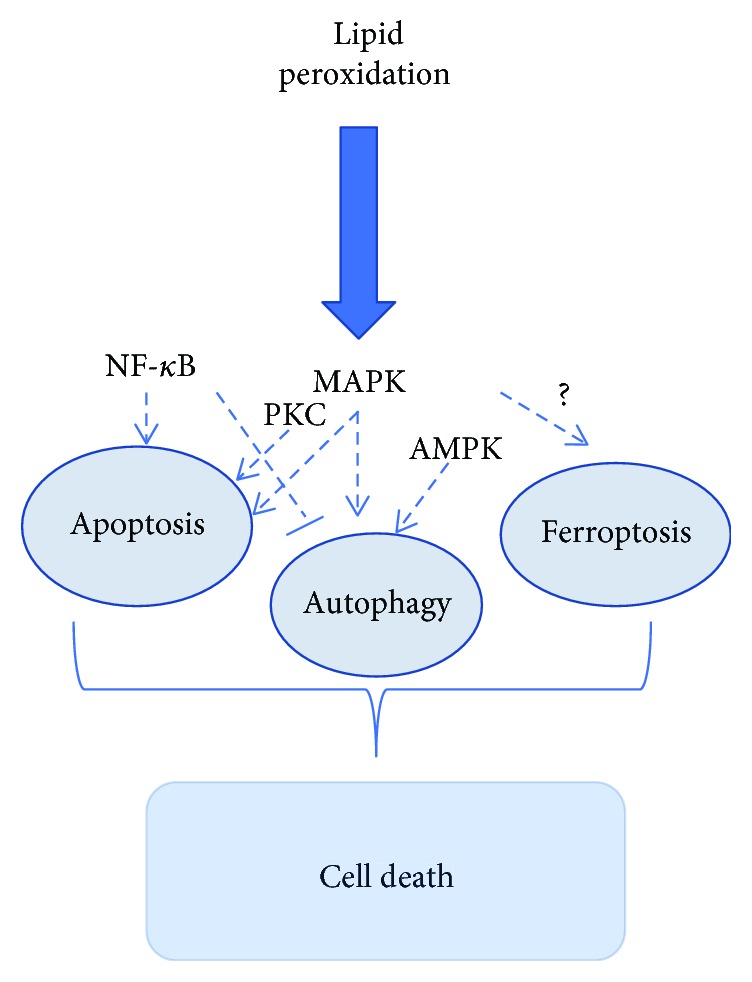
“Lipid peroxidation induced by ROS plays a crucial role in various cell death processes, including apoptosis, autophagy, and ferroptosis [52].”
Cai, X.-X., Zhang, Z.-Z., Yang, X., Shen, W.-R., Yuan, L.-W., Ding, X., Yu, Y., & Cai, W.-Y. (2025) · Frontiers in Oncology · doi:10.3389/fonc.2025.1579423 · Cited by 22
Deepak, K., Roy, P., Das, A., Mukherjee, B., & Mandal, M. (2025) · Free Radical Biology and Medicine · doi:10.1016/j.freeradbiomed.2025.06.002 · Cited by 21
Ferroptosis as a therapeutic target in glioblastoma: Mechanisms and emerging strategies
Mashayekhi, S., Majedi, H., Dehpour, A. R., Dehghan, S., Jafarian, M., Hadjighassem, M., & Hosseindoost, S. (2025) · Molecular Therapy — Nucleic Acids · doi:10.1016/j.omtn.2025.102649 · Cited by 24
Deepak, K., Shee, M., Roy, P., & Mandal, M. (2026) · Cell Death · doi:10.1016/j.celld.2026.100009 · Cited by 26
Xanthatin inhibits non‐small cell lung cancer proliferation by breaking the redox balance
Xie, Y., Zhu, X., Liu, P., Liu, Y., Geng, Y., & Zhang, L. (2022) · Drug Development Research · doi:10.1002/ddr.21941 · Cited by 20
“High levels of ROS can induce cancer cell damage if they cannot be offset by the antioxidant system, such as GSH systems (Sullivan & Chandel, 2014).”
BackgroundLi, Y., Song, P., He, J., Liu, B., Liu, S., Zhou, Y., & Wang, J. (2022) · Photochemistry and Photobiology · doi:10.1111/php.13628 · Cited by 19
“tors/repressors to activate apoptosis (5).”
BackgroundWang, P., Liu, D., Yan, S., Liang, Y., Cui, J., Guo, L., Ren, S., & Chen, P. (2022) · Toxics · doi:10.3390/toxics10080436 · Cited by 21
“Ferroptosis occurs due to the elevation of the intracellular iron level, which results in the increased level of ROS production and the depletion of antioxidant glutathione (GSH), leading to the death of cells [41].”
BackgroundYu, Z., Tong, S., Wang, C., Wu, Z., Ye, Y., Wang, S., & Jiang, K. (2022) · Frontiers in Bioengineering and Biotechnology · doi:10.3389/fbioe.2022.1001994 · Cited by 23
“In addition, studies also shown that the role of ROS in tumor cells is closely related to ferroptosis (Su et al., 2019; Chen et al., 2021a), and PPy@ Fe 3 O 4 nanomaterials not only generate ROS in tumors, but also the constant conversion of Fe 2+ and Fe 3+ through the Fenton reaction, which also…”
Background
Metadata
- Authors
- Su, L.-J., Zhang, J.-H., Gomez, H., Murugan, R., Hong, X., Xu, D., Jiang, F., & Peng, Z.-Y.
- Affiliations
- Zhongnan Hospital of Wuhan University (CN)
- Department of Critical Care Medicine, Zhongnan Hospital of Wuhan University, Wuhan, 430071 Hubei Province, China
- Center of Critical Care Nephrology, Department of Critical Care Medicine, University of Pittsburgh Medical Center, Pittsburgh, 15223 PA, USA
- University of Pittsburgh Medical Center (US)
- Venue
- Oxidative Medicine and Cellular Longevity
- Publisher
- Wiley
- Published
- 2019-10-13
- Volume
- 2019
- Pages
- 1-13
- ISSN
- 1942-0994 (ISSN-L)
- 1942-0900
- PMC
- PMC6815535
- OpenAlex
- W2979799294
- Cited by
- 2,166
- References
- 147
- Citations by year
- 2026: 236 · 2025: 385 · 2024: 507 · 2023: 424 · 2022: 365 · 2021: 187 · 2020: 58
- FWCI
- 14.76
- Type
- journal article
- Language
- en
- Open access
- hybrid
- doi.org
- Locations
- Oxidative Medicine and Cellular Longevity (publishedVersion, cc-by)
- Europe PMC (PubMed Central) (publishedVersion, cc-by)
- PubMed Central (publishedVersion, cc-by)
- PubMed (publishedVersion)
- DOAJ (DOAJ: Directory of Open Access Journals) (submittedVersion)
- Funders
- Health Commission of Hubei Province (WJ2017Z008, 2017AHB044, 81560131, 81772046)
- Hubei Province Technology and Innovation Project (WJ2017Z008, 2017AHB044, 81560131, 81772046)
- National Natural Science Foundation of China (WJ2017Z008, 2017AHB044, 81560131, 81772046)
- Topics
- Health Sciences › Medicine › Biochemistry (medical) › Antioxidant Activity and Oxidative Stress
- Life Sciences › Biochemistry, Genetics and Molecular Biology › Molecular Biology › Cell death mechanisms and regulation
- Life Sciences › Biochemistry, Genetics and Molecular Biology › Cancer Research › Ferroptosis and cancer prognosis
- Keywords
- reactive oxygen species, lipid peroxidation, apoptosis, autophagy, ferroptosis, antioxidant defense, oxidative damage, cell death, critical illness
- MeSH terms
- Ferroptosis, Animals, Antioxidants, Autophagy, Humans, Lipid Peroxidation, Signal Transduction, Apoptosis, Reactive Oxygen Species, Oxidative Stress, Sepsis, Acute Kidney Injury
About these checks
Registry, retraction, Cites and statistics results are computed, not judged, with one exception: a printed reference that no index lists is read once by a model before it counts as a citation error. Claims are extracted by a model and kept only when their quote appears verbatim in the text; each cited source is then checked, with a model’s help, for whether it says what the claim relies on. Those verdicts can be wrong — read the claim’s quote and the cited source before relying on one.
Statistics and arithmetic are recomputed, not judged.
Confidence bands are shown only for fields calibrated on our annotated test set. None is calibrated yet, so no band is shown.
What counts as a claim ›How we measure confidence ›How we check this ›
Are you an author, or do you see a problem with this page? Request a review
Data sources
Bibliographic data: Semantic Scholar, OpenAlex, Crossref.
Contains information from the Semantic Scholar Academic Graph Datasets, made available under the ODC Attribution License (ODC-BY 1.0).
Semantic Scholar’s data is described in: Kinney, R., et al. (2023). The Semantic Scholar Open Data Platform. arXiv:2301.10140.
