

Reactive Oxygen Species-Induced Lipid Peroxidation in Apoptosis, Autophagy, and Ferroptosis
Open accessThe DOI matches its Crossref record; 147 of the 147 references it cites were found in a registry or an index.
Abstract
Reactive oxygen species- (ROS-) induced lipid peroxidation plays a critical role in cell death including apoptosis, autophagy, and ferroptosis. This fundamental and conserved mechanism is based on an excess of ROS which attacks biomembranes, propagates lipid peroxidation chain reactions, and subsequently induces different types of cell death. A highly evolved sophisticated antioxidant system exists that acts to protect the cells from oxidative damage. In this review, we discussed how ROS propagate lipid peroxidation chain reactions and how the products of lipid peroxidation initiate apoptosis and autophagy in current models. We also discussed the mechanism of lipid peroxidation during ferroptosis, and we summarized lipid peroxidation in pathological conditions of critical illness. We aim to bring a more global and integrative sight to know how different ROS-induced lipid peroxidation occurs among apoptosis, autophagy, and ferroptosis.
Overview
The claims and statistics of this paper haven’t been checked yet.
Free: it reads the open-access text and checks the first 5 claims that cite a source we can check. Create a free account to check every claim.
Integrity signals
Registry
Cites
Statistics
Figures
Verification
Claims the paper makes
The claims and statistics of this paper haven’t been checked yet.
Free: it reads the open-access text and checks the first 5 claims that cite a source we can check. Create a free account to check every claim.
Claims other papers make about this one
Each is checked against this paper’s own text: does it say what the citing paper says it does?
The source backs part of the claim, not all of it — or backs it for a different population, condition or comparison.
In the citing paper
“This oxidative damage has been shown to correlate with the upregulation of pro-apoptotic proteins like BAD, the activation of caspase-3, and the downregulation of anti-apoptotic proteins like Bcl-2 and Bcl-XL (Figure 2) [43].”
From Role of Regulated Cell Death Pathways in Snakebite Envenomation: Mechanisms, Crosstalk, and Therapeutic Opportunities (2026) · cites this paper as [43]
Experimental — accuracy not yet measuredThe source backs part of the claim, not all of it — or backs it for a different population, condition or comparison.
In the citing paper
“Thus, activating ferroptosis can effectively increase the sensitivity of tumor cells to ROS [118], indicating that SDT may be an ideal combination therapy for ferroptosis.”
From Nanosensitizer-assisted sonodynamic therapy for breast cancer (2025) · cites this paper as [118]
Experimental — accuracy not yet measured
Self-check
Percentages, sums and reported differences re-computed from the paper’s own numbers.
The self-check needs the paper’s full text.
Citations
Cites
Ferroptosis: An Iron-Dependent Form of Nonapoptotic Cell Death
Dixon, S. J., Lemberg, K. M., Lamprecht, M. R., Skouta, R., Zaitsev, E. M., Gleason, C. E., Patel, D. N., Bauer, A. J., Cantley, A. M., Yang, W. S., et al. (2012) · Cell · doi:10.1016/j.cell.2012.03.042 · Cited by 18,691 · cited 4×
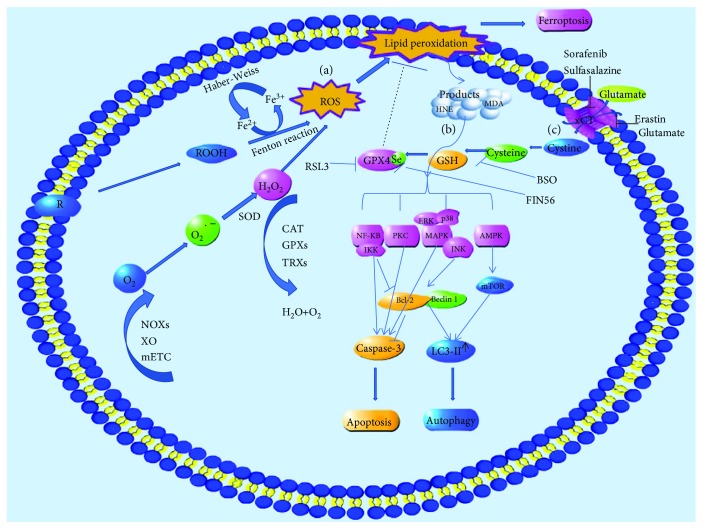
“, erastin, sulfasalazine, and RSL3) and also prevented by lipophilic antioxidants (CoQ10, Vitamin E, ferrostatins, and liproxstatins) [4, 8, 39, 104].”
BackgroundInfluentialApoptosis: A Review of Programmed Cell Death
Elmore, S. (2007) · Toxicologic Pathology · doi:10.1080/01926230701320337 · Cited by 13,853 · cited 1×
“Apoptosis is programmed series of events dependent on energy, as well as morphological features such as cell shrinkage, chromatin condensation, and presence of apoptotic bodies without inflammatory reactions [51, 52].”
BackgroundRegulation of Ferroptotic Cancer Cell Death by GPX4
Yang, W. S., SriRamaratnam, R., Welsch, M. E., Shimada, K., Skouta, R., Viswanathan, V. S., Cheah, J. H., Clemons, P. A., Shamji, A. F., Clish, C. B., et al. (2014) · Cell · doi:10.1016/j.cell.2013.12.010 · Cited by 7,713 · cited 6×
“GPX4 is a specific and robust central regulator of ferroptotic cell death when it is directly inhibited or indirectly inactivated by depletion of glutathione [112] (Figure 1).”
BackgroundInfluentialFerroptosis: A Regulated Cell Death Nexus Linking Metabolism, Redox Biology, and Disease
Stockwell, B. R., Friedmann Angeli, J. P., Bayir, H., Bush, A. I., Conrad, M., Dixon, S. J., Fulda, S., Gascón, S., Hatzios, S. K., Kagan, V. E., et al. (2017) · Cell · doi:10.1016/j.cell.2017.09.021 · Cited by 7,695 · cited 3×
“Ferroptosis occurs as a result of increased ROS levels due to elevated intracellular iron concentration and a depletion of antioxidant GSH that cause lipid peroxidation and consequently to cell death [101].”
BackgroundAutophagy: Renovation of Cells and Tissues
Mizushima, N., & Komatsu, M. (2011) · Cell · doi:10.1016/j.cell.2011.10.026 · Cited by 6,418 · cited 3×
“ROS: Reactive oxygen species PUFAs: Polyunsaturated fatty acids NOXs: NADPH oxidases XO: Xanthine oxidase mETC: Mitochondrial electron-transport chain SOD: Superoxide dismutase CAT: Catalase HNE: Hydroxynonenal PL: Phospholipid LOX: Lipoxygenase Alox: Arachidonate lipoxygenase PLA2: Phospholipase A2 GPx: Glutathione p…”
BackgroundAyala, A., Muñoz, M. F., & Argüelles, S. (2014) · Oxidative Medicine and Cellular Longevity · doi:10.1155/2014/360438 · Cited by 6,349 · cited 5×
“The main aldehyde product of lipid peroxidation is the 3-carbon dialdehyde species malondialdehyde (MDA) and 4-hydroxy-2-nonenal (HNE) [46].”
BackgroundInfluentialDeath Receptors: Signaling and Modulation
Ashkenazi, A., & Dixit, V. M. (1998) · Science · doi:10.1126/science.281.5381.1305 · Cited by 5,866 · cited 1×
“The extrinsic pathway is initiated by the tumor necrosis factor (TNF) receptor family interacting with a ligand and then binds with procaspase-8 following ligand-receptor interaction to activation of caspase-3 which leads to execution of apoptosis [54, 55].”
BackgroundMethods in Mammalian Autophagy Research
Mizushima, N., Yoshimori, T., & Levine, B. (2010) · Cell · doi:10.1016/j.cell.2010.01.028 · Cited by 4,497 · cited 1×
“Chaperone-mediated autophagy involves the direct translocation of cytosolic proteins across the lysosomal membrane while microautophagy involves inward invagination of lysosomal membrane delivering a small portion of cytoplasm into the lysosomal lumen [82].”
BackgroundInactivation of the ferroptosis regulator Gpx4 triggers acute renal failure in mice
Friedmann Angeli, J. P., Schneider, M., Proneth, B., Tyurina, Y. Y., Tyurin, V. A., Hammond, V. J., Herbach, N., Aichler, M., Walch, A., Eggenhofer, E., et al. (2014) · Nature Cell Biology · doi:10.1038/ncb3064 · Cited by 3,732
The complexity of NF-κB signaling in inflammation and cancer
Hoesel, B., & Schmid, J. A. (2013) · Molecular Cancer · doi:10.1186/1476-4598-12-86 · Cited by 3,165 · cited 1×
“The NF-κB protein family is widely involve in inflammation, stress response, survival, and cell death [65].”
Background
Research works printed but not linked: 2
- 1995, Cell Death & Differentiation, 2, 87
- 2014, Anticancer Research, 34, 6417
Cited by
Items 201–300 of 1,002
Chimento, A., D’Amico, M., Luca, A. D., Conforti, F. L., Pezzi, V., & Amicis, F. D. (2023) · Life · doi:10.3390/life13020261 · Cited by 79
A lipidome landscape of aging in mice
Tsugawa, H., Ishihara, T., Ogasa, K., Iwanami, S., Hori, A., Takahashi, M., Yamada, Y., Satoh‐Takayama, N., Ohno, H., Minoda, A., et al. (2024) · Nature Aging · doi:10.1038/s43587-024-00610-6 · Cited by 68
“De�ciency of diacylglyceride acyltransferase 1 improves longevity and leanness in female mice, where age-onset obesity and in�ammation in white adipose tissue are protected 12 .”
Pierzynowska, K., Rintz, E., Gaffke, L., & Węgrzyn, G. (2021) · Cells · doi:10.3390/cells10020365 · Cited by 65
“Its decreased level and/or reduced activities of glutathione-synthesizing enzymes can lead to decreased activity of GPX4 which, in turn, causes the accumulation of ROS and lipid peroxidation [19,20].”
BackgroundYao, Y., Cui, L., Ye, J., Yang, G., Lu, G., Fang, X., Zeng, Z., & Zhou, J. (2020) · International Journal of Biological Sciences · doi:10.7150/ijbs.45710 · Cited by 60
“regulation of cell apoptosis, proliferation and differentiation [14, 32].”
BackgroundHigh-Fat Diet–Induced Functional and Pathologic Changes in Lacrimal Gland
He, X., Zhao, Z., Wang, S., Kang, J., Zhang, M., Bu, J., Cai, X., Jia, C., Li, Y., Li, K., et al. (2020) · American Journal Of Pathology · doi:10.1016/j.ajpath.2020.09.002 · Cited by 62
Wang, J., Li, J., Liu, J., Chan, K.-Y., Lee, J. H. S., Lin, K. N., Wang, C. C., & Lau, T. (2024) · Cancers · doi:10.3390/cancers16030512 · Cited by 81
“…factor in ferroptosis, a conserved mechanism that has an excess of ROS triggering biomembrane damage, propagating lipid peroxidation chain reactions, and determining various cell death outcomes based on the integration of pro-survival and pro-death signals from subcellular organelles [53,54].”
BackgroundZeng, L., Yang, K., Yu, G., Hao, W., Zhu, X., Ge, A., Chen, J., & Sun, L. (2024) · Cell Death and Disease · doi:10.1038/s41419-024-06807-2 · Cited by 76
“Moreover, Nrf2 de fi ciency causes changes in the expression of SLC7A11, resulting in oxidative stress damage and exacerbating joint destruction [148].”
BackgroundRedox signaling in heart failure and therapeutic implications
Weissman, D., & Maack, C. (2021) · Free Radical Biology and Medicine · doi:10.1016/j.freeradbiomed.2021.05.013 · Cited by 62
Li, R., Yang, W., Yin, Y., Zhang, P., Wang, Y., & Tao, K. (2021) · Oxidative Medicine and Cellular Longevity · doi:10.1155/2021/9932099 · Cited by 62
“And lipid peroxidation will eventually cause cell death [31, 32].”
BackgroundPan, Y., Ning, Y., Hu, J. Y., Wang, Z., Chen, X., & Zhao, X. (2021) · Oxidative Medicine and Cellular Longevity · doi:10.1155/2021/9416794 · Cited by 63
RetractedJafari, M., Shahsavar, A. R., Talebi, M., & Hesami, M. (2022) · Horticulturae · doi:10.3390/horticulturae8030257 · Cited by 62
“Reactive oxygen species interact with phospholipids and fatty acids to accelerate cell membrane liposuction, producing malondialdehyde toxins, thereby increasing membrane permeability in plants and damaging membrane structural integrity [66,67].”
BackgroundResearch progress on ferroptosis in diabetic kidney disease
Wu, Y., & Chen, Y. (2022) · Frontiers in Endocrinology · doi:10.3389/fendo.2022.945976 · Cited by 64
“Since ferroptosis is accompanied by the formation of ROS and lipid peroxidation products, whether interfering with ferroptosis to reduce the production of ROS and subsequent lipid peroxidation plays a regulatory role in apoptosis needs to be further studied (11).”
BackgroundGuo, Q., Kawahata, K., Cheng, A., Wang, H., Jia, W., Yoshino, H., & Fukunaga, K. (2022) · Redox Biology · doi:10.1016/j.redox.2022.102547 · Cited by 65
Czyżowska, A., Brown, J. L., Xu, H., Sataranatarajan, K., Kinter, M. T., Tyrrell, V. J., O’Donnell, V. B., & Remmen, H. V. (2023) · Redox Biology · doi:10.1016/j.redox.2023.102761 · Cited by 60
Tang, Z., Chen, Z., Guo, M., Peng, Y., Xiao, Y. C., Guan, Z.-Z., Ni, R., & Qi, X. (2024) · Molecular Neurobiology · doi:10.1007/s12035-024-04023-9 · Cited by 65
Role of oxidative stress‐induced ferroptosis in cancer therapy
Li, K., Fan, C., Chen, J., Xu, X., Lu, C., Shao, H., & Yang, X. (2024) · Journal of Cellular and Molecular Medicine · doi:10.1111/jcmm.18399 · Cited by 69
“Ferroptosis depends on autophagy, 45,46 a lysosomal degradation pathway responsible for recycling damaged cellular components under survival stress.”
BackgroundTargeted ROS Scavenging for Disease Therapies Using Nanomaterials
Zhang, Y., Zhang, Y., Liang, R., Zou, J., Pei, R., & Chen, X. S. (2025) · Advanced Materials · doi:10.1002/adma.202504435 · Cited by 96
García-Llorens, G., Ouardi, M. E., & Valls‐Bellés, V. (2025) · Applied Sciences · doi:10.3390/app151810191 · Cited by 89
Peng, J., Pan, J., Mo, J., & Peng, Y. (2022) · Oxidative Medicine and Cellular Longevity · doi:10.1155/2022/8217663 · Cited by 63
Magnetic Nanoparticles Used in Oncology
Mănescu, V., Păltânea, G., Antoniac, I., & Vasilescu, M. (2021) · Materials · doi:10.3390/ma14205948 · Cited by 66
Maiuolo, J., Carresi, C., Gliozzi, M., Mollace, R., Scarano, F., Scicchitano, M., Macrì, R., Nucera, S., Bosco, F., Oppedisano, F., et al. (2022) · International Journal of Molecular Sciences · doi:10.3390/ijms23073698 · Cited by 65
“also lead the cell to apoptotic death [63,64].”
BackgroundAnti- and Pro-Oxidant Properties of Essential Oils against Antimicrobial Resistance
Kong, A. S.-Y., Maran, S., Yap, P. S. X., Lim, S. E., Yang, S.-K., Cheng, W.-H., Tan, Y.-H., & Lai, K. (2022) · Antioxidants · doi:10.3390/antiox11091819 · Cited by 64
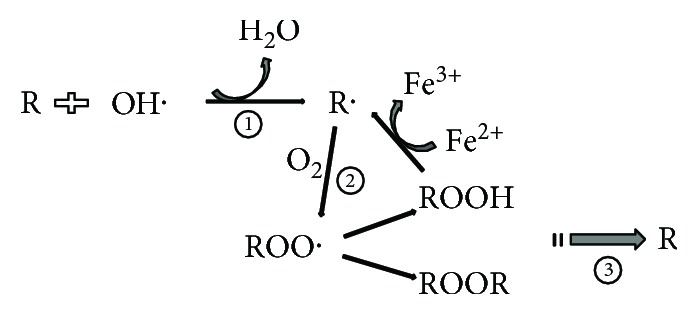
“Lipid peroxidation is a self-propagating chain reaction between ROS and membrane fatty acids which causes membrane damage and cell killing [23].”
BackgroundThe application of approaches in detecting ferroptosis
Chen, Z., Lin, H., Wang, X., Li, G., Liu, N., Zhang, M., & Shen, Y. (2023) · Heliyon · doi:10.1016/j.heliyon.2023.e23507 · Cited by 68
Latest advances in glucose-responsive microneedle-based systems for transdermal insulin delivery
Martínez‐Navarrete, M., Pérez-López, A., Guillot, A. J., Cordeiro, A. S., Melero, A., & Aparicio-Blanco, J. (2024) · International Journal of Biological Macromolecules · doi:10.1016/j.ijbiomac.2024.130301 · Cited by 66
“In the realm of glucose oxidase, its mechanism relies on the production of H 2 O 2, -a well-known reactive oxygen species capable of inducing damage to DNA, proteins, and lipids [89].”
BackgroundSeco-Cervera, M., González‐Cabo, P., Pallardó, F. V., Mateo, C. R., & García‐Giménez, J. L. (2020) · Antioxidants · doi:10.3390/antiox9121257 · Cited by 59
“…thiol-based redox regulation because the classical thioredoxin system is composed of TRX, TRXRD and NADPH, which are required as electron donors for TRXRD [103] and glutathione reductase to replenish GSH levels, which are used by glutaredoxins [4] and GPX4 to reduce lipoperoxides [104,105].”
Updates on Anticancer Therapy-Mediated Vascular Toxicity and New Horizons in Therapeutic Strategies
Hsu, P.-Y., Mammadova, A., Benkirane-Jessel, N., Désaubry, L., & Nebigil, C. G. (2021) · Frontiers in Cardiovascular Medicine · doi:10.3389/fcvm.2021.694711 · Cited by 60
“Thus, lipid peroxidation is not only responsible for the generation of prostaglandins, but also for the induction of inflammation and apoptosis in vascular ECs (14).”
BackgroundZhao, C., Xiao, C., Feng, S.-Q., & Bai, J. (2023) · Frontiers in Pharmacology · doi:10.3389/fphar.2023.1177542 · Cited by 70
“Because lipid peroxides cannot be metabolized by the GPX4-catalyzed reduction reaction and Fe oxidizes lipids in a Fenton-like manner, a significant amount of reactive oxygen species (ROS) is produced, which induces ferroptosis (Su et al., 2019).”
BackgroundXie, A., Cheng, G., Wu, J., Li, Z., Yu, G., Zhu, X., & Chen, T. (2024) · Biomaterials · doi:10.1016/j.biomaterials.2024.122749 · Cited by 65
Zou, H., Wang, H., Xu, B., Liang, L., Shen, L., & Lin, Q. (2022) · Regenerative Biomaterials · doi:10.1093/rb/rbac070 · Cited by 58
Lee, M., Ho, C.-S., Hsu, Y.-J., & Huang, C. (2022) · Nutrients · doi:10.3390/nu14214563 · Cited by 60
“ROS react with polyunsaturated fatty acid side chains of biological membranes, and macromolecular substances such as nucleic-acid-related phospholipids, enzymes, and membrane receptors to form lipid peroxidation products, thereby changing the fluidity and permeability of cell membranes, resulting in changes in cell st…”
BackgroundFerroptosis and its role in skeletal muscle diseases
Wang, Y., Zhang, Z., Jiao, W., Wang, Y., Wang, X., Zhao, Y., Fan, X., Tian, L., Li, X., & Mi, J. (2022) · Frontiers in Molecular Biosciences · doi:10.3389/fmolb.2022.1051866 · Cited by 66
“Lipid peroxidation mediated by ROS can lead to ferroptosis (Su et al., 2019).”
BackgroundAntibacterial properties of cerium oxide nanoparticles: Recent progresses and future challenges
Zheng, H., Tang, J., Wei, Y., Deng, X., Zhang, Y., Ma, X., Jiang, X., Xu, Z. P., & Liao, H. (2024) · Particuology · doi:10.1016/j.partic.2024.06.017 · Cited by 63
NF-κB Signaling Pathway in Rheumatoid Arthritis: Mechanisms and Therapeutic Potential
Liao, H.-Y., Zheng, J., Lu, J., & Shen, H. (2024) · Molecular Neurobiology · doi:10.1007/s12035-024-04634-2 · Cited by 67
Iron, ferroptosis, and new insights for prevention in acute kidney injury
Borawski, B., & Małyszko, J. (2020) · Advances in Medical Sciences · doi:10.1016/j.advms.2020.06.004 · Cited by 61
Wang, C., Chen, L., Zhuang, H., Shi, Z.-S., Chen, Z. C., Pan, J., & Hong, Z. (2021) · Biochemical and Biophysical Research Communications · doi:10.1016/j.bbrc.2021.11.101 · Cited by 52
Shan, Y., Li, J., Zhu, A., Kong, W., Ying, R., & Zhu, W. (2022) · International Journal of Molecular Medicine · doi:10.3892/ijmm.2022.5144 · Cited by 52
“ROS‐induced lipid peroxidation is a crucial contributor to cell death, including ferroptosis (36).”
BackgroundRetractedThe Effect of Polyphenols on Kidney Disease: Targeting Mitochondria
Ashkar, F., Bhullar, K. S., & Wu, J. (2022) · Nutrients · doi:10.3390/nu14153115 · Cited by 71
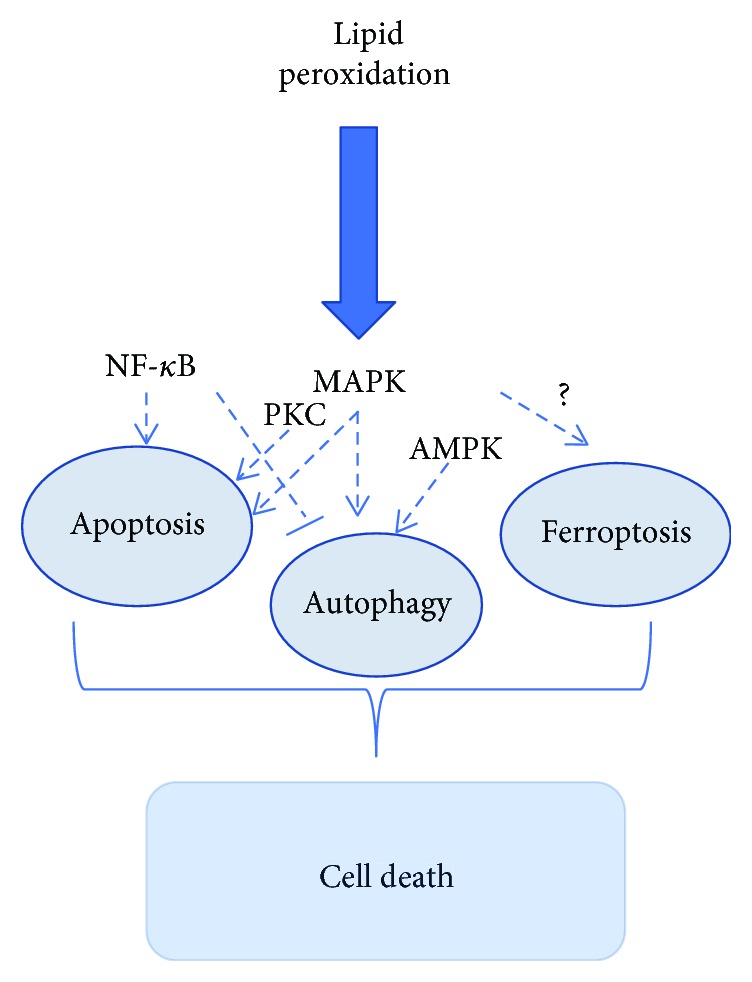
“As a result of lipid peroxidation, different pathways lead to apoptosis and autophagy [74].”
BackgroundMurugan, R., Rajesh, R., Boopathi, S., Haridevamuthu, B., Sudhakaran, G., Guru, A., Rajagopal, R., Kuppusamy, P., Juliet, A., Gopinath, P., et al. (2022) · Microbial Pathogenesis · doi:10.1016/j.micpath.2022.105778 · Cited by 56
Self-citationFriends in Arms: Flavonoids and the Auxin/Cytokinin Balance in Terrestrialization
Kurepa, J., Shull, T. E., & Smalle, J. (2023) · Plants · doi:10.3390/plants12030517 · Cited by 69
León, B. E., Kang, S., Franca-Solomon, G., Shang, P., & Choi, D. (2022) · Frontiers in Behavioral Neuroscience · doi:10.3389/fnbeh.2021.778456 · Cited by 66
“The peroxidation of lipids by ROS leads to signaling cascades that induce apoptosis and autophagy (Su et al., 2019).”
BackgroundLiu, W., Gao, Y., Zhou, Y., Yu, F., Li, X., & Zhang, N. (2022) · Frontiers in Pharmacology · doi:10.3389/fphar.2022.881835 · Cited by 61
Relationship between ferroptosis and mitophagy in cardiac ischemia reperfusion injury: a mini-review
Liu, C., Li, Z., Li, B., Liu, W., Zhang, S., Qiu, K., & Zhu, W. (2023) · PeerJ · doi:10.7717/peerj.14952 · Cited by 64
“, 2020), whereas ferroptosis is accompanied by a large amount of ROS production and ultimately leads to myocardial cell death (Nakamura, Naguro & Ichijo, 2019; Su et al., 2019).”
BackgroundFlavonol synthase gene MsFLS13 regulates saline-alkali stress tolerance in alfalfa
Zhang, L., Sun, Y., Ji, J., Zhao, W., Guo, W., Li, J., Bai, Y., Wang, D., Yan, Z., & Guo, C. (2023) · The Crop Journal · doi:10.1016/j.cj.2023.05.003 · Cited by 54
Green nanotechnology: illuminating the effects of bio-based nanoparticles on plant physiology
Verma, S. K., Kumar, P., Mishra, A., Khare, R., & Singh, D. P. (2024) · Biotechnology for Sustainable Materials · doi:10.1186/s44316-024-00001-2 · Cited by 63
Karadogan, B., Beyaz, Ş., Gelincik, A. A., Büyüköztürk, S., & Arda, N. (2021) · Journal of Asthma · doi:10.1080/02770903.2020.1870129 · Cited by 55
“The ROS produced attack cellular biomolecules (lipids, proteins, and DNA) and cause endothelial dysfunction and tissue damage (14,35).”
BackgroundFerroptosis interaction with inflammatory microenvironments: Mechanism, biology, and treatment
Dou, J., Liu, X., Yang, L., Huang, D., & Tan, X. (2022) · Biomedicine & Pharmacotherapy · doi:10.1016/j.biopha.2022.113711 · Cited by 56
Zheng, Y., Zhao, T., Wang, J., Jiang, R., Huang, J., Li, W., & Wang, J. (2022) · The FASEB Journal · doi:10.1096/fj.202200933rr · Cited by 53
Ra, K., Park, S. C., & Lee, B. C. (2023) · International Journal of Molecular Sciences · doi:10.3390/ijms24055053 · Cited by 59
“Oxidative stress leads to mitochondrial damage [9], protein oxidation [10], lipid peroxidation [11], and DNA damage and mutation [12], all of which deteriorate biological functions and finally trigger the aging of cells [13].”
BackgroundAmos, A., Jiang, N., Zong, D., Gu, J., Zhou, J., Li, Y., He, X., Xu, Y., & Wu, L. (2023) · BMC Cancer · doi:10.1186/s12885-022-10465-y · Cited by 55
“Given that IR could generate ROS (including O2) in cells [33, 34], SOD2 depletion could result in further O2 accumulation in the mitochondria.”
BackgroundSkibska, B., Kochan, E., Stańczak, A., Lipert, A., & Skibska, A. (2023) · Archivum Immunologiae et Therapiae Experimentalis · doi:10.1007/s00005-023-00682-z · Cited by 59
“In the effect, by oxidizing membrane PUFAs and intracellular macromolecules, ROS cause cellular dysfunction and tissue damage (Su et al. 2019).”
BackgroundShaw, P., Kumar, N., Privat‐Maldonado, A., Smits, E., & Bogaerts, A. (2021) · Cancers · doi:10.3390/cancers13081780 · Cited by 59
“Upon oxidative stress, cells protect themselves via a sophisticated intracellular antioxidant system that involves the regulation of glutathione (GSH)/glutathione peroxidase4 (GPX4) [6,8].”
BackgroundYi, J., Huang, H., Wen, Z., & Fan, Y. (2021) · Food Chemistry · doi:10.1016/j.foodchem.2021.130218 · Cited by 51
Protective Effects of Antioxidants on Cyclophosphamide-Induced Ovarian Toxicity
Barberino, R. D. S., Silva, R. L. D. S., Palheta, R. C., Smitz, J. E. J., & Matos, M. H. T. (2023) · Biopreservation and Biobanking · doi:10.1089/bio.2021.0159 · Cited by 47
“75 This mitochondrial ROS accumulation can lead to lipid peroxidation of polyunsaturated fatty acids of the biological membranes, 76,77 generating degradation products, such as malondialdehyde (MDA), an end product of lipid peroxidation, 78,79 which can destroy mitochondrial components.”
Wei, S., Yu, Z., Shi, R., An, L., Zhang, Q., Zhang, Q., Zhang, T., Zhang, J., & Wang, H. (2022) · BMC Cancer · doi:10.1186/s12885-022-09986-3 · Cited by 51
“Subsequently, the cells were resuspended in PBS and were analyzed by flow cytometry to detect the levels of ROS within the cells.”
BackgroundInfluentialSelf-citationA Forward Vision for Chemodynamic Therapy: Issues and Opportunities
Zhao, P., Li, H., & Bu, W. (2023) · Angewandte Chemie · doi:10.1002/ange.202210415 · Cited by 79
Fungi-derived natural antioxidants
Arslan, N. P., Dawar, P., Albayrak, S., Doymus, M., Azad, M. F., Esim, N., & Taşkın, M. (2023) · Critical Reviews in Food Science and Nutrition · doi:10.1080/10408398.2023.2298770 · Cited by 55
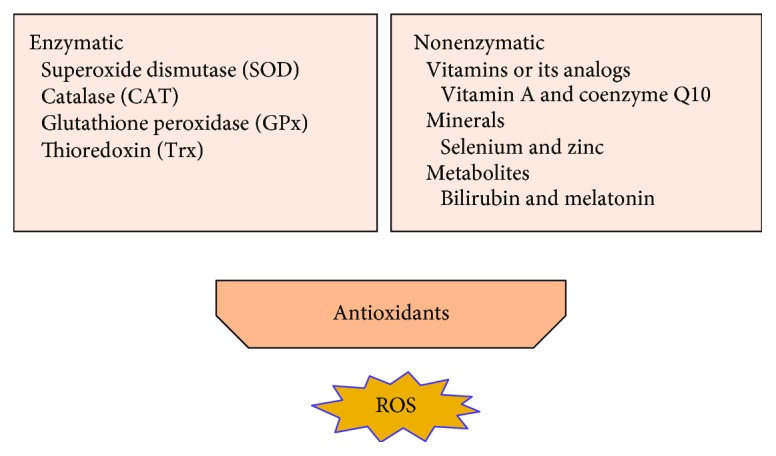
“In humans, enzymatic antioxidants include superoxide dismutase (SOD), catalase (CAT), and glutathione peroxidase (GPx), and thioredoxin (Trx) (Su et al. 2019).”
InfluentialFernando, P. D. S. M., Ko, D. O., Piao, M. J., Kang, K. A., Herath, H. M. U. L., & Hyun, J. W. (2024) · Molecular Medicine Reports · doi:10.3892/mmr.2024.13244 · Cited by 55
“ROS‑induced lipid peroxidation compromises cellular membranes (36).”
Oxidative Stress in Cataract Formation: Is There a Treatment Approach on the Horizon?
Li, J., Buonfiglio, F., Zeng, Y., Pfeiffer, N., & Gericke, A. (2024) · Antioxidants · doi:10.3390/antiox13101249 · Cited by 71
“Cellular membranes, rich in polyunsaturated fatty acids (PUFAs), are highly vulnerable to ROS-induced damage, particularly through lipid peroxidation [174].”
BackgroundRajpoot, A., Aggarwal, T., & Sharma, V. (2024) · Toxicology · doi:10.1016/j.tox.2024.153984 · Cited by 59
Oxidative Stress: Pathological Driver in Chronic Neurodegenerative Diseases
Chong, Z. Z., & Souayah, N. (2025) · Antioxidants · doi:10.3390/antiox14060696 · Cited by 58
Curdione induces ferroptosis mediated by m6A methylation via METTL14 and YTHDF2 in colorectal cancer
Wang, F., Sun, Z., Zhang, Q., Yang, H. C., Yang, G., Yang, Q. E., Zhu, Y., Wu, W., Xu, W., & Wu, X. (2023) · Chinese Medicine · doi:10.1186/s13020-023-00820-x · Cited by 53
“It has been proposed that ROS drive apoptosis and ferroptosis [43].”
BackgroundVirk, V., Deepak, H., Taneja, K., Srivastava, R., & Giri, S. (2024) · Frontiers in Nanotechnology · doi:10.3389/fnano.2024.1310165 · Cited by 55
Peng, X., Zhang, S., Jiao, W., Zhong, Z., Yang, Y., Claret, F. X., Elkabets, M., Wang, F., Wang, R., Zhong, Y., et al. (2021) · Journal of Experimental & Clinical Cancer Research · doi:10.1186/s13046-021-02176-2 · Cited by 64
“Previous reports showed that the excessiveaccumulation of ROS in cells may lead to caspase-dependent cell death [51, 52].”
Sozarukova, M. M., Proskurnina, E. V., Popov, A. L., Kalinkin, A. L., & Ivanov, V. K. (2021) · RSC Advances · doi:10.1039/d1ra06730c · Cited by 48
Impact of starch-based bioplastic on growth and biochemical parameters of basil plants
Celletti, S., Fedeli, R., Ghorbani, M., & Loppi, S. (2022) · The Science of The Total Environment · doi:10.1016/j.scitotenv.2022.159163 · Cited by 50
Targeting Mitochondrial Metabolic Reprogramming as a Potential Approach for Cancer Therapy
Zhang, L., Wei, Y., Yuan, S., & Sun, L. (2023) · International Journal of Molecular Sciences · doi:10.3390/ijms24054954 · Cited by 46
Ferroptosis in the ageing retina: A malevolent fire of diabetic retinopathy
Li, S., Zhao, N., Dong, W., Pu, N., Hao, X.-N., Huang, J., Peng, G.-H., & Tao, Y. (2023) · Ageing Research Reviews · doi:10.1016/j.arr.2023.102142 · Cited by 51
Xia, Y., Guan, Y.-Q., Liang, J., & Wu, W. (2024) · Renal Failure · doi:10.1080/0886022x.2024.2313176 · Cited by 51
“These factors will induce uncontrolled oxidative stress, damage deoxyribonucleic acid (DNA) and ultimately promote cell death [31–33].”
BackgroundAntimalarial Mechanisms and Resistance Status of Artemisinin and Its Derivatives
Zheng, D., Liu, T., Yu, S., Liu, Z., Wang, J., & Wang, Y. (2024) · Tropical Medicine and Infectious Disease · doi:10.3390/tropicalmed9090223 · Cited by 67
“ROS inhibit the survival of malaria parasites by attacking and destroying lipids, proteins, and nucleic acids [23].”
BackgroundGuo, Z., Li, G., Shen, L., Pan, J., Dou, D., Gong, Y., Shi, W., Sun, Y., Zhang, Y., Ma, K., et al. (2025) · International Journal of Nanomedicine · doi:10.2147/ijn.s478435 · Cited by 54
Wu, S., Zhong, G., Wan, F. J., Jiang, X., Tang, Z., Hu, T., Rao, G., Lan, J., Hussain, R., Tang, L., et al. (2021) · Environmental Science and Pollution Research · doi:10.1007/s11356-021-14486-1 · Cited by 48
“The lipid peroxidation is induced by ROS which ultimately disrupts the normal process of autophagy and apoptosis (Su et al. 2019).”
BackgroundMitochondrial Targeted Antioxidant SKQ1 Ameliorates Acute Kidney Injury by Inhibiting Ferroptosis
Song, J., Sheng, J., Lei, J., Gan, W., & Yang, Y. (2022) · Oxidative Medicine and Cellular Longevity · doi:10.1155/2022/2223957 · Cited by 50
“Several investigators previously demonstrated that mitochondria were key to mediating the crosstalk between ferroptosis and apoptosis [52, 53] and also that the inhibition of ferroptosis blocked apoptosis and necroptosis [54].”
Gharby, S., Oubannin, S., Bouzid, H. A., Bijla, L., Ibourki, M., Gagour, J., Koubachi, J., Sakar, E. H., Majourhat, K., Lee, L., et al. (2022) · Foods · doi:10.3390/foods11203258 · Cited by 57
Yang, H., Song, L., Sun, P., Su, R., Wang, S., Cheng, S., Zhan, X., Lü, X., Xia, X., & Shi, C. (2022) · Ultrasonics Sonochemistry · doi:10.1016/j.ultsonch.2022.106269 · Cited by 45
Role of Ferroptosis in Regulating the Epithelial–Mesenchymal Transition in Pulmonary Fibrosis
Ling, H., Xiao, H., Luo, T. L., Lin, H., & Deng, J. (2023) · Biomedicines · doi:10.3390/biomedicines11010163 · Cited by 45
“The accumulation of excessive intracellular iron, depletion of glutathione (GSH), inactivation of glutathione peroxidase 4 (GPX4) and upregulation of lipid peroxidation are essential to the development and progression of ferroptosis [14].”
BackgroundInfluentialWang, L., Zhang, X., Xu, M., Zheng, G., Chen, J., Li, S., 崔建升, & Zhang, S. (2023) · Environmental Pollution · doi:10.1016/j.envpol.2023.122250 · Cited by 49
Cold plasma: A success road to mycotoxins mitigation and food value edition
Murtaza, B., Wang, L., Li, X., Saleemi, M. K., Nawaz, M. Y., Li, M., & Xu, Y. (2024) · Food Chemistry · doi:10.1016/j.foodchem.2024.138378 · Cited by 50
Non-coding RNA: A key regulator in the Glutathione-GPX4 pathway of ferroptosis
Hussain, M. S., Gupta, G., Shahwan, M. J., Bansal, P., Kaur, H., Deorari, M., Pant, K., Ali, H., Singh, S. K., Allam, V. S. R. R., et al. (2024) · Non-coding RNA Research · doi:10.1016/j.ncrna.2024.05.007 · Cited by 51
“Furthermore, LPx can interfere with autophagy by modulating upstream modulators of autophagy-mediated systems, including AMP-activated protein kinase and Akt-mTOR cascade [153].”
BackgroundXian, D., Guo, M., Xu, J., Yang, Y., Zhao, Y., & Zhong, J. (2021) · Redox Report · doi:10.1080/13510002.2021.1962094 · Cited by 53
“acrolein, phospholipid aldehydes and malondialdehyde (MDA), etc), further to impair phospholipids and mediate in immune/inflammatory response and gene expression [19, 20].”
BackgroundPinilla, I., Maneu, V., Campello, L., Fernández‐Sánchez, L., Martínez‐Gil, N., Kutsyr, O., Sánchez‐Sáez, X., Sánchez‐Castillo, C., Lax, P., & Cuenca, N. (2022) · Antioxidants · doi:10.3390/antiox11061086 · Cited by 53
“Lipid peroxidation not only induces apoptosis and autophagy [91], but it has recently been demonstrated that lipid peroxidation products react with iron molecules in RP, which promotes photoreceptor cell death by ferroptosis [70,71].”
BackgroundH2S regulation of ferroptosis attenuates sepsis‑induced cardiomyopathy
Cao, G., Zeng, Y., Zhao, Y., Lin, L., Luo, X., Guo, L., Zhang, Y., & Cheng, Q. (2022) · Molecular Medicine Reports · doi:10.3892/mmr.2022.12851 · Cited by 43
“ROS are created by normal cellular physiological processes and are key for biological signaling and cellular balance (44,45).”
BackgroundFeng, S., Li, Y., Huang, H., Huang, H., Duan, Y., Yuan, Z., Zhu, W., Mei, Z., Luo, L., & Yan, P. (2023) · European Journal of Pharmacology · doi:10.1016/j.ejphar.2023.175853 · Cited by 53
Jang, S., Ahn, S. H., Kim, G., Kim, S., Hong, J., Park, K. S., Park, I., & Jin, H. (2024) · Cell Death and Disease · doi:10.1038/s41419-024-07216-1 · Cited by 56
Exogenous Iron Induces NADPH Oxidases-Dependent Ferroptosis in the Conidia of Aspergillus flavus
Yao, L., Ban, F., Peng, S., Xu, D., Li, H., Mo, H., Hu, L., & Zhou, X. (2021) · Journal of Agricultural and Food Chemistry · doi:10.1021/acs.jafc.1c04411 · Cited by 43
Self-citationTravagli, V., & Iorio, E. L. (2023) · International Journal of Molecular Sciences · doi:10.3390/ijms24108465 · Cited by 61
Imran, M., Titilayo, B., Adil, M., Liyan-Zhang, Mehmood, Q., Mustafa, S. H., & Shen, Q. (2024) · Process Biochemistry · doi:10.1016/j.procbio.2024.04.015 · Cited by 46
Iron homeostasis and neurodegeneration in the ageing brain: Insight into ferroptosis pathways
Alrouji, M., Anwar, S., Venkatesan, K., Shahwan, M. J., Hassan, M. I., Islam, A., & Shamsi, A. (2024) · Ageing Research Reviews · doi:10.1016/j.arr.2024.102575 · Cited by 49
Prospective Application of Ferroptosis in Hypoxic Cells for Tumor Radiotherapy
Su, J., Zhao, Q., Zheng, Z., Wang, H., Bian, C., Meng, L., Xin, Y., & Jiang, X. M. (2022) · Antioxidants · doi:10.3390/antiox11050921 · Cited by 48
“Mechanistically, although other RCDs can also be triggered by ROS overload [6], ferroptosis is always accompanied by significant iron accumulation, glutathione (GSH) depletion, and changes in genes related to iron homeostasis and lipid metabolism [7].”
BackgroundWu, G., Lin, Y.-W., Tsai, H.-C., Lee, Y., Chen, J., & Chen, R. (2018) · Life Sciences · doi:10.1016/j.lfs.2018.10.038 · Cited by 41
Assunção, C. M., Mendes, V. R. A., Brandão, F. Z., Batista, R. I. T. P., Souza, E. D., de Carvalho, B. C., Quintão, C. C. R., Raposo, N. R. B., & Camargo, L. S. A. (2021) · Animal Reproduction Science · doi:10.1016/j.anireprosci.2021.106697 · Cited by 51
Sun, C., Liu, P., Pei, L., Zhao, M., & Huang, Y. (2022) · Frontiers in Oncology · doi:10.3389/fonc.2022.837974 · Cited by 50
“Propofol or PIE Increased Intracellular ROS Level of MDA-MB-231 Cells With or Without Doxorubicin or Paclitaxel Intracellular ROS plays a critical role in cell death, it can not only activate the apoptotic signaling pathways, but also induce cell ferroptosis (26).”
BackgroundLi, J., Yu, Z., Han, B., Li, S., Lv, Y., Wang, X., Yang, Q., Wu, P., Liao, Y., Qu, B., et al. (2022) · Molecular Neurobiology · doi:10.1007/s12035-022-02744-3 · Cited by 41
Uysal, E., Dokur, M., Küçükdurmaz, F., Altınay, S., Polat, S., Batçıoğlu, K., Sezgın, E., Sapmaz, T., Yaylalı, A., Yılmaztekin, Y., et al. (2022) · Journal of Investigative Surgery · doi:10.1080/08941939.2022.2128117 · Cited by 44
“Previous studies reported the relationships between pyroptosis, apoptosis and lipid peroxidation [59, 60].”
BackgroundLi, D., Ouyang, Z., & Ma, X. (2023) · Molecules · doi:10.3390/molecules28062712 · Cited by 50
“For instance, lipid peroxidation, a chemical reaction that occurs when lipids in the cell membrane are oxidized by free radicals, leading to the formation of highly reactive and potentially harmful compounds known as lipid peroxidation products, has been implicated in several diseases and conditions, including neurode…”
BackgroundAutophagy-dependent ferroptosis in infectious disease
Li, J., & Wang, H. (2023) · Journal of Translational Internal Medicine · doi:10.2478/jtim-2023-0099 · Cited by 45
“[50, 51] Interestingly, ferroptosis has also been proven to be an important factor in viral infectious diseases.”
BackgroundLipid peroxidation of immune cells in cancer
Xiao, L., Xian, M., Zhang, C., Guo, Q., & Yi, Q. (2024) · Frontiers in Immunology · doi:10.3389/fimmu.2023.1322746 · Cited by 58
Reprogrammed immuno-metabolic environment of cancer: the driving force of ferroptosis resistance
Bhowmick, S., Banerjee, S., Shridhar, V., & Mondal, S. (2025) · Molecular Cancer · doi:10.1186/s12943-025-02337-3 · Cited by 51
“The presence of polyunsaturated fatty acids (PUFAs) in the membranes makes them vulnerable to ROS-mediated lipid peroxidation resulting in membrane damage [18].”
Antioxidant, Anti-Inflammatory and Anti-Apoptotic Activities of Nesfatin-1: A Review
Xu, Y., & Chen, F. (2020) · Journal of Inflammation Research · doi:10.2147/jir.s273446 · Cited by 45
Mechanisms of oxidative stress in methylmercury-induced neurodevelopmental toxicity
Li, X., Pan, J., Wei, Y., Ni, L., Xu, B., Deng, Y. L., Yang, T., & Liu, W. (2021) · NeuroToxicology · doi:10.1016/j.neuro.2021.05.002 · Cited by 41
Pharmacological action of quercetin against testicular dysfunction: A mini review
Rotimi, D. E., Olaolu, T. D., & Adeyemı, O. S. (2022) · Journal of Chinese Integrative Medicine · doi:10.1016/j.joim.2022.07.001 · Cited by 41
Metadata
- Authors
- Su, L.-J., Zhang, J.-H., Gomez, H., Murugan, R., Hong, X., Xu, D., Jiang, F., & Peng, Z.-Y.
- Affiliations
- Zhongnan Hospital of Wuhan University (CN)
- Department of Critical Care Medicine, Zhongnan Hospital of Wuhan University, Wuhan, 430071 Hubei Province, China
- Center of Critical Care Nephrology, Department of Critical Care Medicine, University of Pittsburgh Medical Center, Pittsburgh, 15223 PA, USA
- University of Pittsburgh Medical Center (US)
- Venue
- Oxidative Medicine and Cellular Longevity
- Publisher
- Wiley
- Published
- 2019-10-13
- Volume
- 2019
- Pages
- 1-13
- ISSN
- 1942-0994 (ISSN-L)
- 1942-0900
- PMC
- PMC6815535
- OpenAlex
- W2979799294
- Cited by
- 2,166
- References
- 147
- Citations by year
- 2026: 236 · 2025: 385 · 2024: 507 · 2023: 424 · 2022: 365 · 2021: 187 · 2020: 58
- FWCI
- 14.76
- Type
- journal article
- Language
- en
- Open access
- hybrid
- doi.org
- Locations
- Oxidative Medicine and Cellular Longevity (publishedVersion, cc-by)
- Europe PMC (PubMed Central) (publishedVersion, cc-by)
- PubMed Central (publishedVersion, cc-by)
- PubMed (publishedVersion)
- DOAJ (DOAJ: Directory of Open Access Journals) (submittedVersion)
- Funders
- Health Commission of Hubei Province (WJ2017Z008, 2017AHB044, 81560131, 81772046)
- Hubei Province Technology and Innovation Project (WJ2017Z008, 2017AHB044, 81560131, 81772046)
- National Natural Science Foundation of China (WJ2017Z008, 2017AHB044, 81560131, 81772046)
- Topics
- Health Sciences › Medicine › Biochemistry (medical) › Antioxidant Activity and Oxidative Stress
- Life Sciences › Biochemistry, Genetics and Molecular Biology › Molecular Biology › Cell death mechanisms and regulation
- Life Sciences › Biochemistry, Genetics and Molecular Biology › Cancer Research › Ferroptosis and cancer prognosis
- Keywords
- reactive oxygen species, lipid peroxidation, apoptosis, autophagy, ferroptosis, antioxidant defense, oxidative damage, cell death, critical illness
- MeSH terms
- Ferroptosis, Animals, Antioxidants, Autophagy, Humans, Lipid Peroxidation, Signal Transduction, Apoptosis, Reactive Oxygen Species, Oxidative Stress, Sepsis, Acute Kidney Injury
About these checks
Registry, retraction, Cites and statistics results are computed, not judged, with one exception: a printed reference that no index lists is read once by a model before it counts as a citation error. Claims are extracted by a model and kept only when their quote appears verbatim in the text; each cited source is then checked, with a model’s help, for whether it says what the claim relies on. Those verdicts can be wrong — read the claim’s quote and the cited source before relying on one.
Statistics and arithmetic are recomputed, not judged.
Confidence bands are shown only for fields calibrated on our annotated test set. None is calibrated yet, so no band is shown.
What counts as a claim ›How we measure confidence ›How we check this ›
Are you an author, or do you see a problem with this page? Request a review
Data sources
Bibliographic data: Semantic Scholar, OpenAlex, Crossref.
Contains information from the Semantic Scholar Academic Graph Datasets, made available under the ODC Attribution License (ODC-BY 1.0).
Semantic Scholar’s data is described in: Kinney, R., et al. (2023). The Semantic Scholar Open Data Platform. arXiv:2301.10140.
