

Reactive Oxygen Species-Induced Lipid Peroxidation in Apoptosis, Autophagy, and Ferroptosis
Open accessThe DOI matches its Crossref record; 147 of the 147 references it cites were found in a registry or an index.
Abstract
Reactive oxygen species- (ROS-) induced lipid peroxidation plays a critical role in cell death including apoptosis, autophagy, and ferroptosis. This fundamental and conserved mechanism is based on an excess of ROS which attacks biomembranes, propagates lipid peroxidation chain reactions, and subsequently induces different types of cell death. A highly evolved sophisticated antioxidant system exists that acts to protect the cells from oxidative damage. In this review, we discussed how ROS propagate lipid peroxidation chain reactions and how the products of lipid peroxidation initiate apoptosis and autophagy in current models. We also discussed the mechanism of lipid peroxidation during ferroptosis, and we summarized lipid peroxidation in pathological conditions of critical illness. We aim to bring a more global and integrative sight to know how different ROS-induced lipid peroxidation occurs among apoptosis, autophagy, and ferroptosis.
Overview
The claims and statistics of this paper haven’t been checked yet.
Free: it reads the open-access text and checks the first 5 claims that cite a source we can check. Create a free account to check every claim.
Integrity signals
Registry
Cites
Statistics
Figures
Verification
Claims the paper makes
The claims and statistics of this paper haven’t been checked yet.
Free: it reads the open-access text and checks the first 5 claims that cite a source we can check. Create a free account to check every claim.
Claims other papers make about this one
Each is checked against this paper’s own text: does it say what the citing paper says it does?
The source backs part of the claim, not all of it — or backs it for a different population, condition or comparison.
In the citing paper
“This oxidative damage has been shown to correlate with the upregulation of pro-apoptotic proteins like BAD, the activation of caspase-3, and the downregulation of anti-apoptotic proteins like Bcl-2 and Bcl-XL (Figure 2) [43].”
From Role of Regulated Cell Death Pathways in Snakebite Envenomation: Mechanisms, Crosstalk, and Therapeutic Opportunities (2026) · cites this paper as [43]
Experimental — accuracy not yet measuredThe source backs part of the claim, not all of it — or backs it for a different population, condition or comparison.
In the citing paper
“Thus, activating ferroptosis can effectively increase the sensitivity of tumor cells to ROS [118], indicating that SDT may be an ideal combination therapy for ferroptosis.”
From Nanosensitizer-assisted sonodynamic therapy for breast cancer (2025) · cites this paper as [118]
Experimental — accuracy not yet measured
Self-check
Percentages, sums and reported differences re-computed from the paper’s own numbers.
The self-check needs the paper’s full text.
Citations
Cites
Ferroptosis: An Iron-Dependent Form of Nonapoptotic Cell Death
Dixon, S. J., Lemberg, K. M., Lamprecht, M. R., Skouta, R., Zaitsev, E. M., Gleason, C. E., Patel, D. N., Bauer, A. J., Cantley, A. M., Yang, W. S., et al. (2012) · Cell · doi:10.1016/j.cell.2012.03.042 · Cited by 18,691 · cited 4×
“, erastin, sulfasalazine, and RSL3) and also prevented by lipophilic antioxidants (CoQ10, Vitamin E, ferrostatins, and liproxstatins) [4, 8, 39, 104].”
BackgroundInfluentialApoptosis: A Review of Programmed Cell Death
Elmore, S. (2007) · Toxicologic Pathology · doi:10.1080/01926230701320337 · Cited by 13,853 · cited 1×
“Apoptosis is programmed series of events dependent on energy, as well as morphological features such as cell shrinkage, chromatin condensation, and presence of apoptotic bodies without inflammatory reactions [51, 52].”
BackgroundRegulation of Ferroptotic Cancer Cell Death by GPX4
Yang, W. S., SriRamaratnam, R., Welsch, M. E., Shimada, K., Skouta, R., Viswanathan, V. S., Cheah, J. H., Clemons, P. A., Shamji, A. F., Clish, C. B., et al. (2014) · Cell · doi:10.1016/j.cell.2013.12.010 · Cited by 7,713 · cited 6×
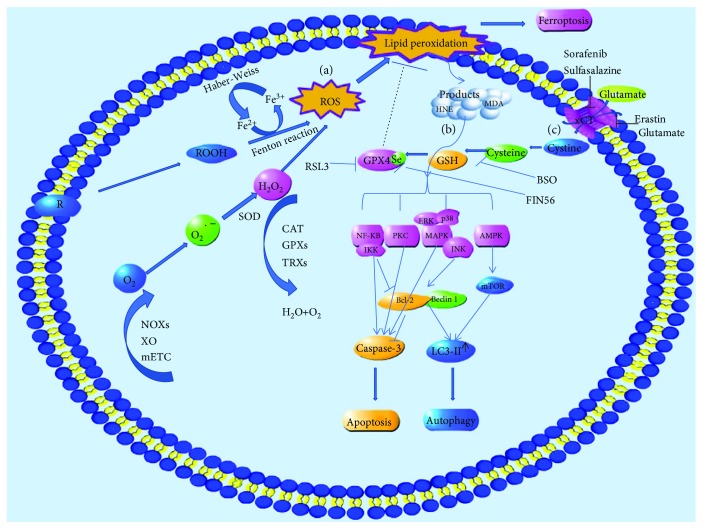
“GPX4 is a specific and robust central regulator of ferroptotic cell death when it is directly inhibited or indirectly inactivated by depletion of glutathione [112] (Figure 1).”
BackgroundInfluentialFerroptosis: A Regulated Cell Death Nexus Linking Metabolism, Redox Biology, and Disease
Stockwell, B. R., Friedmann Angeli, J. P., Bayir, H., Bush, A. I., Conrad, M., Dixon, S. J., Fulda, S., Gascón, S., Hatzios, S. K., Kagan, V. E., et al. (2017) · Cell · doi:10.1016/j.cell.2017.09.021 · Cited by 7,695 · cited 3×
“Ferroptosis occurs as a result of increased ROS levels due to elevated intracellular iron concentration and a depletion of antioxidant GSH that cause lipid peroxidation and consequently to cell death [101].”
BackgroundAutophagy: Renovation of Cells and Tissues
Mizushima, N., & Komatsu, M. (2011) · Cell · doi:10.1016/j.cell.2011.10.026 · Cited by 6,418 · cited 3×
“ROS: Reactive oxygen species PUFAs: Polyunsaturated fatty acids NOXs: NADPH oxidases XO: Xanthine oxidase mETC: Mitochondrial electron-transport chain SOD: Superoxide dismutase CAT: Catalase HNE: Hydroxynonenal PL: Phospholipid LOX: Lipoxygenase Alox: Arachidonate lipoxygenase PLA2: Phospholipase A2 GPx: Glutathione p…”
BackgroundAyala, A., Muñoz, M. F., & Argüelles, S. (2014) · Oxidative Medicine and Cellular Longevity · doi:10.1155/2014/360438 · Cited by 6,349 · cited 5×
“The main aldehyde product of lipid peroxidation is the 3-carbon dialdehyde species malondialdehyde (MDA) and 4-hydroxy-2-nonenal (HNE) [46].”
BackgroundInfluentialDeath Receptors: Signaling and Modulation
Ashkenazi, A., & Dixit, V. M. (1998) · Science · doi:10.1126/science.281.5381.1305 · Cited by 5,866 · cited 1×
“The extrinsic pathway is initiated by the tumor necrosis factor (TNF) receptor family interacting with a ligand and then binds with procaspase-8 following ligand-receptor interaction to activation of caspase-3 which leads to execution of apoptosis [54, 55].”
BackgroundMethods in Mammalian Autophagy Research
Mizushima, N., Yoshimori, T., & Levine, B. (2010) · Cell · doi:10.1016/j.cell.2010.01.028 · Cited by 4,497 · cited 1×
“Chaperone-mediated autophagy involves the direct translocation of cytosolic proteins across the lysosomal membrane while microautophagy involves inward invagination of lysosomal membrane delivering a small portion of cytoplasm into the lysosomal lumen [82].”
BackgroundInactivation of the ferroptosis regulator Gpx4 triggers acute renal failure in mice
Friedmann Angeli, J. P., Schneider, M., Proneth, B., Tyurina, Y. Y., Tyurin, V. A., Hammond, V. J., Herbach, N., Aichler, M., Walch, A., Eggenhofer, E., et al. (2014) · Nature Cell Biology · doi:10.1038/ncb3064 · Cited by 3,732
The complexity of NF-κB signaling in inflammation and cancer
Hoesel, B., & Schmid, J. A. (2013) · Molecular Cancer · doi:10.1186/1476-4598-12-86 · Cited by 3,165 · cited 1×
“The NF-κB protein family is widely involve in inflammation, stress response, survival, and cell death [65].”
Background
Research works printed but not linked: 2
- 1995, Cell Death & Differentiation, 2, 87
- 2014, Anticancer Research, 34, 6417
Cited by
Items 801–900 of 1,002
Chuang, H., Chan, H., & Shih, K. (2024) · BioFactors · doi:10.1002/biof.2137 · Cited by 24
Liput, K. P., Lepczyński, A., Nawrocka, A., Poławska, E., Ogłuszka, M., Jończy, A., Grzybek, W., Liput, M., Szostak, A., Urbański, P., et al. (2021) · Nutrients · doi:10.3390/nu13051678 · Cited by 17
“PUFAs undergo peroxidation after reacting with free radicals and are converted into reactive free radicals, and their chain reaction products display high biological activity [74].”
BackgroundOsman, K. A., El-Din, E. M. E., Ahmed, N. S., & El-Seedy, A. S. (2021) · Toxicology · doi:10.1016/j.tox.2021.152904 · Cited by 16
Wei, J., Chen, L., Wang, D., Tang, L., Xie, Z., Chen, W., Zhang, S., & Weng, G. (2021) · Molecular Medicine Reports · doi:10.3892/mmr.2021.12423 · Cited by 19
“It is well‐known that ROS are important mediators of cellular damage, and lipid peroxidation is the most important cause of ROS‐induced oxidative stress (31).”
BackgroundQuercetin improves the apoptotic index and oxidative stress in post-thaw dog sperm
Bang, S., Qamar, A. Y., Tanga, B. M., Fang, X., Seong, G., Nabeel, A. H. T., Yu, I., Saadeldin, I. M., & Cho, J. (2021) · Environmental Science and Pollution Research · doi:10.1007/s11356-021-17421-6 · Cited by 18
“Consequently, cell cryopreservation increases intracellular ROS, promotes the oxidation of phospholipids in the cell membrane, and leads to DNA fragmentation and cell membrane damage (Bansal and Bilaspuri 2010, El-Said et al. 2014; Su et al. 2019).”
BackgroundAgborbesong, E., Zhou, J. X., Li, L. X., Calvet, J. P., & Li, X. (2021) · The FASEB Journal · doi:10.1096/fj.202101270rr · Cited by 16
Hung, G., Wu, C.-L., Motoyama, C., Horng, J., & Lin, L. (2022) · Comparative Biochemistry and Physiology Part C Toxicology & Pharmacology · doi:10.1016/j.cbpc.2022.109395 · Cited by 20
Regulators of epigenetic change in ferroptosis‑associated cancer (Review)
Wu, J., Zhu, S., Wang, P., Wang, J., Huang, J., Wang, T., Guo, L., Liang, D., Meng, Q., & Pan, H. (2022) · Oncology Reports · doi:10.3892/or.2022.8430 · Cited by 17
“These reactions damage intracellular lipids and proteins and cause oxidative damage to DNA, which accelerates death of tumor cells (4).”
BackgroundRathi, V., Tiwari, I., Kulshreshtha, R., & Sagi, S. S. K. (2023) · PLoS ONE · doi:10.1371/journal.pone.0279304 · Cited by 15
“Moreover, abundance of polyunsaturated fatty acids (PUFA) along with excessive reactive oxygen species (ROS) production due to soluble molecular oxygen in kidneys makes them vulnerable to be attacked by free radicles [11].”
BackgroundThe Effect of Fasting on Oxidative Stress in the Vital Organs of New Zealand White Rabbit
Hardiany, N. S., Karman, A. P., Calista, A. S. P., Anindyanari, B. G., Rahardjo, D. E., Novira, P. R., Taufiq, R. R., Imtiyaz, S., & Antarianto, R. D. (2022) · Reports of Biochemistry and Molecular Biology · doi:10.61186/rbmb.11.2.190 · Cited by 27
Role of Intra- and Extracellular Lipid Signals in Cancer Stemness and Potential Therapeutic Strategy
Hu, J., Zhang, L., Chen, W., Shen, L., Jiang, J., Sun, S., & Chen, Z. (2021) · Frontiers in Pharmacology · doi:10.3389/fphar.2021.730751 · Cited by 16
“Second, the direct or indirect inhibition or deactivation of GXP4 could lead to ferroptosis (Yang and Stockwell, 2016; Imai et al., 2017; Kajarabille and LatundeDada, 2019; Su et al., 2019).”
BackgroundCobalt Induced Toxicity and Tolerance in Plants
Salam, A., Afridi, M. S., Khan, A. R., Azhar, W., Shuaiqi, Y., Ulhassan, Z., Qi, J., Xuo, N., Chunyan, Y., Chen, N., et al. (2023) · Wiley eBooks · doi:10.1002/9781119906506.ch10 · Cited by 16
Molecular mechanisms and therapeutic strategies for ferroptosis and cuproptosis in ischemic stroke
Wang, J., Lv, C., Wei, X., & Li, F. (2024) · Brain Behavior & Immunity - Health · doi:10.1016/j.bbih.2024.100837 · Cited by 25
“It lowers ROS, lipid peroxidation (LPO), and Fe2 + levels, demonstrating its anti-ferroptosis effects (Su et al., 2019; Bai et al., 2023).”
BackgroundEldesoqui, M. B., Ali, L. S., Erfan, O. S., Dawood, A. F., Badawy, A. A., Ali, S. K., Mohammed, Z. A., Mahmoud, A., Embaby, E. M., Nashar, E. M. E., et al. (2025) · Tissue and Cell · doi:10.1016/j.tice.2025.102791 · Cited by 15
Nanotechnology-Driven Solutions for Storage Insect Pest Management: A Solution for Food Security
Kamalakannan, M., Kannan, M., Palanisamy, S. R., Senthilkumar, M., Boopathi, N. M., Govindaraju, K., Murugesan, V., & Selvaraj, D. (2025) · ACS Agricultural Science & Technology · doi:10.1021/acsagscitech.5c00128 · Cited by 14
Goda, M. N., Alqarni, L. S., Algethami, F. K., Ibrahim, H., El‐Wekil, M. M., Ali, R., Almahmoud, S. A., & Ali, A. B. H. (2026) · Microchemical Journal · doi:10.1016/j.microc.2026.117809 · Cited by 14
TIPE2 knockout reduces myocardial cell damage by inhibiting IFN-γ-mediated ferroptosis
Yang, Y., Ma, Y., Yu, S., Lin, Z., Yan, C., Wang, Y., Yuan, Q., Meng, Z., Yan, G., Wu, Z., et al. (2022) · Biochimica et Biophysica Acta (BBA) - Molecular Basis of Disease · doi:10.1016/j.bbadis.2022.166566 · Cited by 16
Self-citationTheofilis, P., Vordoni, A., & Kalaitzidis, R. (2022) · Life · doi:10.3390/life12101663 · Cited by 15
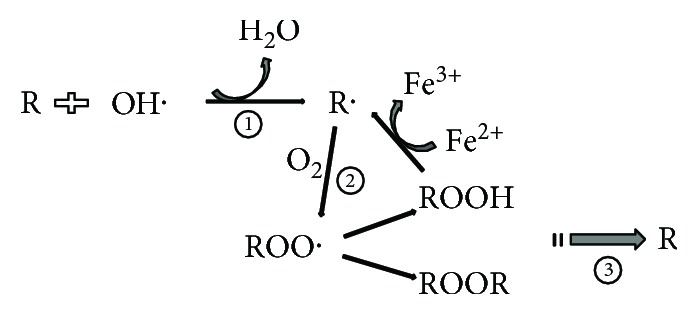
“Lipid peroxidation can happen by enzymatic or nonenzymatic processes, such as ROS produced by NADPH oxidase or uncoupled eNOS, or by myeloperoxidases, lipoxygenases, cyclooxygenases, and cytochrome P450 [37].”
BackgroundThe Significance of COVID-19 Diseases in Lipid Metabolism Pregnancy Women and Newborns
Jovandarić, M. Z., Đokić, M., Babović, I. R., Milićević, S., Dotlić, J., Milošević, B., Culjic, M., Andric, L., Dimić, N., Mitrović, O., et al. (2022) · International Journal of Molecular Sciences · doi:10.3390/ijms232315098 · Cited by 16
“Oxysterols as cholesterol oxidation products are a diagnostic biomarker of oxidative stress [34].”
BackgroundSinha, B. K., Tokar, E. J., Li, J., & Bushel, P. R. (2022) · Cancers · doi:10.3390/cancers15010285 · Cited by 16
Yang, T., Zhao, S., Sun, N., Zhao, Y., Wang, H., Zhang, Y., Hou, X., Tang, Y., Gao, X. Y., & Fan, H. (2023) · International Immunopharmacology · doi:10.1016/j.intimp.2023.109898 · Cited by 16
Implication of Ferroptosis in Cholangiocarcinoma: A Potential Future Target?
Yang, M., Li, M., Lyu, Z., & Yang, Z. (2023) · Cancer Management and Research · doi:10.2147/cmar.s406150 · Cited by 15
“Furthermore, ferroptotic cells induce harmful peroxidation of polyunsaturated fatty acids (PUFAs) owing to the accumulation of intracellular Fe.(17) In particular, ferroptosis is genetically driven by several genes associated with iron metabolism and oxidative stress pathways.”
BackgroundAlhilal, M., Erol, H. S., Yıldırım, S., Çakır, A., KOÇ, M., Çelebi, D., & Halici, M. (2023) · Journal of Taibah University for Science · doi:10.1080/16583655.2023.2201250 · Cited by 14
“During sepsis, excessively produced ROS attack polyunsaturated fatty acids located in the cell membrane and give rise to LPO [23].”
BackgroundAtoki, A. V., Aja, P. M., Ondari, E. N., & Shinkafi, T. S. (2023) · International Journal of Food Properties · doi:10.1080/10942912.2023.2243050 · Cited by 21
“[77] Despite the fact that the plaques are extracellular, it is believed that the synthesis, oligomerization, and buildup of A β occur within neuronal processes, with the potential that the inclusion of aggregates into plaques happens after the neurites are broken down.”
BackgroundZhao, M., Zheng, Z., Wang, C., Yao, D., Lin, Z., Zhao, Y., Chen, X., Li, S., Aweya, J. J., & Zhang, Y. (2023) · The Science of The Total Environment · doi:10.1016/j.scitotenv.2023.167073 · Cited by 15
Rizvi, A., Chandrawal, R., Khan, M. H., Ahmed, B., Umar, S., & Khan, M. S. (2023) · Journal of Plant Growth Regulation · doi:10.1007/s00344-023-11119-4 · Cited by 16
“When plants are under any kind of stress or shock, the levels of ROS are significantly increased which consequently affects the cellular components and thereby disrupts lipid bi-layer, alter lipids composition and functions, and inactivates various crucial enzymes (Su et al. 2019).”
Novel Role of Molecular Hydrogen: The End of Ophthalmic Diseases?
Li, S., Xue, R., Wu, H., Pu, N., Wei, D., Zhao, N., Song, Z., & Tao, Y. (2023) · Pharmaceuticals · doi:10.3390/ph16111567 · Cited by 17
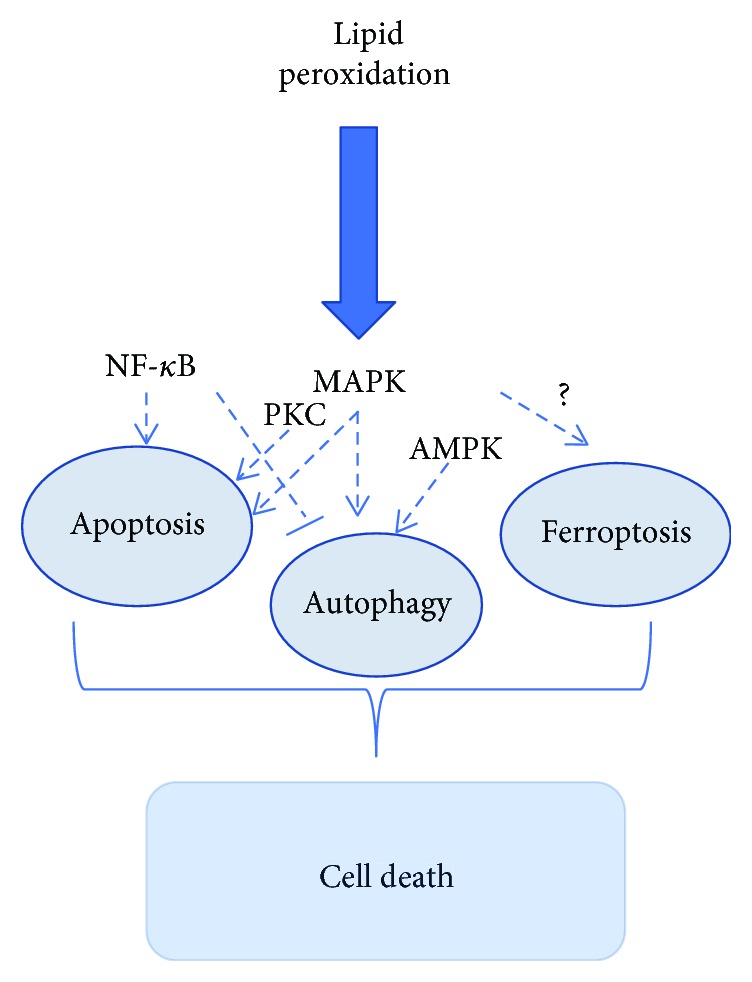
“Lipid peroxidation can also induce apoptosis, ferroptosis and autophagy during the cell death [18].”
BackgroundJia, Z., Zhang, J., Wei, Y., Pan, X., Hu, Z., Kang, R., Zhou, X., & Shen, Q. (2023) · Advanced Functional Materials · doi:10.1002/adfm.202309727 · Cited by 14
Self-citationOrbital Inflammation in Thyroid Eye Disease: Stress Responses and Their Implications
Aoun, T., Gueorguieva, D. D., & Wu, K. Y. (2024) · Stresses · doi:10.3390/stresses4010004 · Cited by 15
Oxidative Stress and Diabetes Mellitus: Unravelling the Intricate Connection: A Comprehensive Review
Rais, N., Ved, A., Ahmad, R., & Parveen, A. (2024) · Journal of Pharmaceutical Research International · doi:10.9734/jpri/2024/v36i17493 · Cited by 20
Zhao, G., Chen, M., Liu, J., Wang, S., Fu, D., & Zhang, C. (2024) · Bioresource Technology · doi:10.1016/j.biortech.2024.130537 · Cited by 14
Hamman, N., Ramburrun, P., & Dube, A. (2024) · Pharmaceutics · doi:10.3390/pharmaceutics16040450 · Cited by 21
García‐Niño, W. R., Correa, F., Zúñiga-Muñoz, A. M., José-Rodríguez, A., Castañeda-Gómez, P., & Mejía-Díaz, E. (2024) · Toxicology and Applied Pharmacology · doi:10.1016/j.taap.2024.116940 · Cited by 16
Park, J., An, G., Lee, H., Park, S., Ham, J., Bazer, F. W., Song, G., & Lim, W. (2024) · The Science of The Total Environment · doi:10.1016/j.scitotenv.2024.173097 · Cited by 14
Metabolomic changes in children with autism
Al‐Beltagi, M., Saeed, N. K., Bediwy, A. S., & Elbeltagi, R. M. (2024) · World Journal of Clinical Pediatrics · doi:10.5409/wjcp.v13.i2.92737 · Cited by 27
Downregulation of 4-HNE and FOXO4 collaboratively promotes NSCLC cell migration and tumor growth
Zhong, T., Li, Y., Jin, M., Liu, J., Wu, Z.-Y., Zhu, F., Zhao, L., Fan, Y., Xu, L., & Ji, J. (2024) · Cell Death and Disease · doi:10.1038/s41419-024-06948-4 · Cited by 14
“Lipid peroxidation is a process under which oxidants such as free radicals attack lipids which containing carbon-carbon double bond(s), especially PUFAs, almost all tumor cells have an imbalance in this process [14].”
BackgroundThe significance of ferroptosis in renal diseases and its therapeutic potential
Jiang, M., Wu, S., Xie, K., Zhou, G., Zhou, W., & Bao, P. (2024) · Heliyon · doi:10.1016/j.heliyon.2024.e35882 · Cited by 20
“ROS possess a propensity for reacting with polyunsaturated fatty acids (PUFAs), rendering membrane phospholipids, including biological membranes or organelle membranes, which are abundant in PUFAs, highly susceptible to ROS-induced damage [35].”
BackgroundCoupling of biochar and silicon for Phyto-management of Cd contaminated soil using Brachiaria mutica
Ashraf, S., Munir, B., Ahmad, S. R., Irshad, M. S., Akram, W., Ashraf, S., Majid, Z., & Irfan, Z. (2024) · Results in Engineering · doi:10.1016/j.rineng.2024.102929 · Cited by 16
Szarszoń, K., Baran, N., Śliwka, P., Wiloch, M. Z., Janek, T., & Wątły, J. (2024) · Inorganic Chemistry · doi:10.1021/acs.inorgchem.4c02500 · Cited by 14
Emerging insights: miRNA modulation of ferroptosis pathways in lung cancer
Elsakka, E. G. E., Midan, H. M., Abulsoud, A. I., Fathi, D., Abdelmaksoud, N. M., Mageed, S. S. A., Zaki, M. B., Abd‐Elmawla, M. A., Rizk, N. I., Elrebehy, M. A., et al. (2024) · Experimental Cell Research · doi:10.1016/j.yexcr.2024.114272 · Cited by 15
Regulated Cell Death Pathways in Pathological Cardiac Hypertrophy
Wu, S., Ding, D., & Wang, D. (2024) · Reviews in Cardiovascular Medicine · doi:10.31083/j.rcm2510366 · Cited by 15
“Simultaneously, ROS can induce lipid peroxidation, promoting ferroptosis and autophagy [117,118].”
BackgroundZhang, J., Wang, R., Xie, L., Ren, H., Luo, D., Yu, Y., Xie, H., Shang, Z., & Liu, C. (2024) · European Journal of Pharmacology · doi:10.1016/j.ejphar.2024.177132 · Cited by 14
Self-citationJiang, X., Peng, Z., He, B., Li, S., & Huang, Q. (2024) · The Science of The Total Environment · doi:10.1016/j.scitotenv.2024.177534 · Cited by 16
Self-citationMartínez, D. D., Mendez, A. V., Rivera-Islas, J., & Sánchez‐Carranza, J. N. (2024) · Stresses · doi:10.3390/stresses4040060 · Cited by 16
“Therefore, lipid peroxidation not only destabilizes membrane function but also plays a crucial role in executing cell death, which is particularly relevant in the selective targeting of cancer cells by CAP treatment [35].”
InfluentialTargeting Mitochondrial Dysfunction in Cerebral Ischemia: Advances in Pharmacological Interventions
Belenichev, I. F., Popazova, O., Bukhtiyarova, N. V., Ryzhenko, V. P., Pavlov, S. V., Suprun, E. V., Oksenych, V., & Kamyshnyi, O. (2025) · Antioxidants · doi:10.3390/antiox14010108 · Cited by 28
Tóth, Z.-R., Feraru, A., Saszet, K., Veréb, G., Vodnar, D. C., Todea, M., Timar-Gabor, A., Dave, A. K., Sand, D., Dreancă, A., et al. (2025) · Biomaterials Advances · doi:10.1016/j.bioadv.2025.214229 · Cited by 14
Xu, L., Wang, Y., Hu, Y., Dai, X., Sun, C., & Cheng, J. (2025) · Colloids and Surfaces B Biointerfaces · doi:10.1016/j.colsurfb.2025.114637 · Cited by 16
Nabil-Adam, A., & Shreadah, M. A. (2021) · Environmental Science and Pollution Research · doi:10.1007/s11356-020-11994-4 · Cited by 14
“The excess of ROS which attacks biomembranes propagates lipid peroxidation chain reactions, and subsequently induces different types of cell death (Su et al. 2019).”
BackgroundAnticancer effects of Cryptotanshinone against lung cancer cells through ferroptosis
Li, X., Li, W., Pan, Y., Zhou, H., Zhang, W., & Ma, L. (2021) · Arabian Journal of Chemistry · doi:10.1016/j.arabjc.2021.103177 · Cited by 15
Liao, N., Su, L., Zheng, Y., Zhao, B., Wu, M., Zhang, D., Yang, H., Liu, X., & Song, J. (2021) · Angewandte Chemie · doi:10.1002/ange.202106730 · Cited by 14
Self-citationMohid, S. A., Sharma, P., Alghalayini, A., Saini, T., Datta, D., Willcox, M. D. P., Ali, H., Raha, S., Singha, A., Lee, D., et al. (2022) · Biophysical Chemistry · doi:10.1016/j.bpc.2022.106802 · Cited by 14
Nawaz, M., Rashid, M. H. U., Saeed-Ur-Rehman, M., Gul, S., Farooq, T. H., Sabir, M. A., Iftikhar, J., Abdelsalam, N. R., Dessoky, E. S., & Alotaibi, S. S. (2022) · Atmosphere · doi:10.3390/atmos13071010 · Cited by 15
Emodin Ameliorates the Efficacy of Carfilzomib in Multiple Myeloma Cells via Apoptosis and Autophagy
Hsu, C., Yen, C., Wang, S., Liu, Y., Huang, C.-T., Wang, M., Chuang, B. T.-M., Ke, Y., Yeh, T., Gau, Y., et al. (2022) · Biomedicines · doi:10.3390/biomedicines10071638 · Cited by 16
Mitochondrion-Mediated Cell Death through Erk1-Alox5 Independent of Caspase-9 Signaling
Chen, M., Wang, L., Li, M., Budai, M. M., & Wang, J. (2022) · Cells · doi:10.3390/cells11193053 · Cited by 15
“ROS production and lipid peroxidation have been implicated in apoptosis, autophagic cell death and ferroptosis [85].”
BackgroundWang, S., Qiao, J., Jiang, C., Pan, D., Yu, S., Chen, J., Liu, S., Zhang, P., Zhao, D., & Liu, M. (2023) · Antioxidants · doi:10.3390/antiox12020296 · Cited by 18
“Consistent with previous studies [42], ROS induced apoptosis in aging yeast cells, indicating that antioxidant defense plays an important role in induced apoptosis.”
ResultMa, M., Wang, R., & Xu, M. (2023) · Journal of Hazardous Materials · doi:10.1016/j.jhazmat.2023.131217 · Cited by 16
Khunluck, T., Lertsuwan, K., Chutoe, C., Sooksawanwit, S., Inson, I., Teerapornpuntakit, J., Tohtong, R., & Charoenphandhu, N. (2022) · Scientific Reports · doi:10.1038/s41598-022-11116-9 · Cited by 14
Chu, C.-L., Qin, L., Peng, H., Kuang, T., Li, Y., Wang, X., Liang, F., Gao, P., Wang, X., & Ma, D. (2025) · Life · doi:10.3390/life15121920 · Cited by 13
“…activity, our work clearly delineates the specific molecular manifestations of these processes under emodin exposure (e.g., downregulation of core glycolytic and tricarboxylic acid cycle proteins, depletion of key antioxidant enzymes) and their non-additive, synergistic lethal effects [29,30].”
Han, T., Zhang, S., Wei, R.-Y., Jia, G., Wang, B., Xu, Q., Su, J., Jiang, C., & Jin, C. (2022) · Fitoterapia · doi:10.1016/j.fitote.2022.105207 · Cited by 13
Lycorine Inhibits Hypertrophic Scar Formation by Inducing ROS-Mediated Apoptosis
Dong, Y., Lv, D., Zhao, Z., Xu, Z., Hu, Z., & Tang, B. (2022) · Frontiers in Bioengineering and Biotechnology · doi:10.3389/fbioe.2022.892015 · Cited by 15
“In addition, treatment with NAC also mitigated the decrease in the MMP and attenuated the translocation of Cyto-C from themitochondria to the cytoplasm in HSFs (Figures 5A,B).”
BackgroundResultInfluentialScarfò, G., Piccarducci, R., Daniele, S., Franzoni, F., & Martini, C. (2022) · Antioxidants · doi:10.3390/antiox11112116 · Cited by 17
Xiu, Z., Zhu, Y., Li, S., Li, Y., Yang, X., Li, Y., Song, G., Jin, N., Fang, J., Han, J., et al. (2023) · Journal of Functional Foods · doi:10.1016/j.jff.2023.105441 · Cited by 14
Ferroptosis in hematological malignant tumors
Liu, Y., Du, Z., Huang, J., Li, T., Zhang, J., Li, Y., Yi, W., & Chen, C. (2023) · Frontiers in Oncology · doi:10.3389/fonc.2023.1127526 · Cited by 14
Self-citationQi, N., Xing, W., Li, M., & Liu, J. (2023) · Animals · doi:10.3390/ani13172745 · Cited by 16
Guo, H., Ren, H. J., Han, K., Li, J., Dong, Y., Zhao, X., & Li, C. (2023) · Pulmonary Pharmacology & Therapeutics · doi:10.1016/j.pupt.2023.102250 · Cited by 15
Transcriptome analysis reveals ZmERF055 contributes to waterlogging tolerance in sweetcorn
Feng, F., Wang, Q., Jiang, K., Lei, D., Huang, S., Wu, H., Yue, G., & Wang, B. (2023) · Plant Physiology and Biochemistry · doi:10.1016/j.plaphy.2023.108087 · Cited by 14
Endogenous stimuli-responsive drug delivery nanoplatforms for kidney disease therapy
Fang, H., Xu, S., Wang, Y., Yang, H., & Su, D. (2023) · Colloids and Surfaces B Biointerfaces · doi:10.1016/j.colsurfb.2023.113598 · Cited by 16
Transcriptome and metabolome profiling unveil the responses of crayfish to dietary astaxanthin
Zhao, Z., Zhou, Y., Zou, Q., Qin, J., Yang, F., Ou, Y., Lin, Y., & Yi, Y. (2023) · Aquaculture Reports · doi:10.1016/j.aqrep.2023.101871 · Cited by 15
Marinsek, G. P., de Oliveira, I. C. C. D. S., Cesar‐Ribeiro, C., Gusso‐Choueri, P. K., Choueri, R. B., Abessa, D. M. D. S., & Mari, R. D. B. (2023) · The Science of The Total Environment · doi:10.1016/j.scitotenv.2023.169742 · Cited by 18
Chapple, B. E., Woodfin, S., & Moore, W. (2024) · Molecules · doi:10.3390/molecules29040751 · Cited by 15
“Additionally, ROS damages the cell membranes through the peroxidation of unsaturated fatty acids, allowing for the passing of proteins that would otherwise be impermeable [56].”
BackgroundGuo, W., Wu, C., Li, G., Wang, Y., He, S., Huang, J., Gao, X., & Yue, X. (2024) · RSC Advances · doi:10.1039/d4ra00481g · Cited by 14
Azhamuthu, T., Kathiresan, S., Senkuttuvan, I., Asath, N. A. A., Ravichandran, P., & Vasu, R. (2024) · Cell Biochemistry and Function · doi:10.1002/cbf.4074 · Cited by 13
“53 Many studies have demonstrated that reduced glutathione (GSH) and glutathione peroxidase (GPx) are effective in various cancer ‐ related physiological procedures, such as cell differentiation, proliferation, and apoptosis.”
BackgroundDai, Y., Li, Y., Xu, J., & Zhang, J. (2024) · British Journal of Pharmacology · doi:10.1111/bph.16491 · Cited by 13
“The canonical surveillance mechanism of ferroptosis is mediated by glutathione peroxidase 4 (GPX4), which converts lipid hydroperoxides (LPOs) into non-toxic lipid alcohols, mitigating lipid peroxidation (Su et al., 2019).”
Self-citationFeng, Y.-Y.-F., Li, Y., Liu, H., Xu, R., Liu, Y.-T., Zhang, W., Yang, H., & Chen, G. (2024) · Cell Reports · doi:10.1016/j.celrep.2024.114477 · Cited by 18
Rahman, M. A., Rakib-Uz-Zaman, S. M., Chakraborti, S., Bhajan, S. K., Gupta, R. D., Jalouli, M., Parvez, M. A. K., Shaikh, M. H., Apu, E. H., Harrath, A. H., et al. (2024) · Cells · doi:10.3390/cells13141186 · Cited by 13
Sánchez-Ortega, M., Garrido, A., Cirauqui, C., Sanz-Gonzalez, L., Hernández, M. C., González-García, A., Obregon, K., Ferrer, I., Paz-Ares, L., & Carrera, A. C. (2024) · Redox Biology · doi:10.1016/j.redox.2024.103305 · Cited by 17
Spliceosomal GTPase Eftud2 deficiency-triggered ferroptosis leads to Purkinje cell degeneration
Yang, G., Yang, Y., Song, Z., Chen, L., Liu, F., Li, Y., Jiang, S., Xue, S., Pei, J., Wu, Y., et al. (2024) · Neuron · doi:10.1016/j.neuron.2024.07.020 · Cited by 18
He, D., Niu, C., Bai, R., Chen, N., & Cui, J. (2024) · Molecular Carcinogenesis · doi:10.1002/mc.23818 · Cited by 15
“MDA, a product of lipid oxidation, is considered an important indicator of ferroptosis [43].”
Abbas, N., Bentele, M., Waleczek, F. J. G., Fuchs, M., Just, A., Pfanne, A., Pich, A., Linke, S., Neumüller, S., Stucki-Koch, A., et al. (2024) · Journal of Molecular and Cellular Cardiology · doi:10.1016/j.yjmcc.2024.09.012 · Cited by 13
Cold plasma irradiation inhibits skin cancer via ferroptosis
Sun, T., Liu, C., Kong, L., Zha, J., & Ni, G. (2024) · Biomedical Physics & Engineering Express · doi:10.1088/2057-1976/ad8200 · Cited by 16
Zheng, L., Pang, Q., Huang, R., Xu, H., Guo, H., Gao, C. H., Chen, X., Wang, Y., Cao, Q., Gao, Y. Z., et al. (2024) · Molecular Neurobiology · doi:10.1007/s12035-024-04516-7 · Cited by 16
“Bax acts as an upstream regulator of caspase-3 and is involved in the regulation of caspase-3 activity [21].”
Chen, Y., Ma, L., Yan, Y., Wang, X., Cao, L., Li, Y., & Li, M. (2024) · Molecular Medicine Reports · doi:10.3892/mmr.2024.13401 · Cited by 18
“The signaling pathways of ferroptosis are intricate, affecting cellular antioxidant capacity and resulting in lipid peroxidation (38).”
Unveiling intricating roles and mechanisms of ferroptosis in melanoma
Tao, R., Li, Y., Gong, S., Zhang, Q., & Zhu, Z. (2024) · Biochimica et Biophysica Acta (BBA) - Reviews on Cancer · doi:10.1016/j.bbcan.2024.189234 · Cited by 15
Jayakodi, S., Rajeshkumar, S., Pandian, E., Govindasamy, M., Asiri, J. M., Yadav, K. K., & Choi, J. R. (2024) · Nanotechnology Reviews · doi:10.1515/ntrev-2024-0123 · Cited by 15
“Arti fi cial bones [11], dental [12], ocular implants, tissue engineering (sca ff old matrix), and coating agents (biomedical implants) are applications of HAP [13].”
Micronutrient–Antioxidant Therapy and Male Fertility Improvement During ART Cycles
Lahimer, M., Capelle, S., Lefranc, É., Bosquet, D., Kazdar, N., Ledu, A., Agina, M., Cabry, R., & Benkhalifa, M. (2025) · Nutrients · doi:10.3390/nu17020324 · Cited by 23
“Additionally, oxidized phospholipids play a significant role in inflammatory diseases, often driving proinflammatory changes within affected tissues [43].”
Meena, V. K., Chand, S., Shekhawat, H. V. S., Choudhary, K., Sharma, J. K., Sheera, A., Lekha, L., & Yadava, D. K. (2025) · Discover Plants. · doi:10.1007/s44372-025-00093-8 · Cited by 17
“By intercepting lipid peroxyl radicals, tocopherols effectively halt the propagation of free radical damage [48].”
Chen, M., Cui, R., Hong, S., Zhu, W., Yang, Q., Li, J., Nie, Z., Zhang, X., Ye, Y., Xue, Y., et al. (2025) · Proceedings of the National Academy of Sciences · doi:10.1073/pnas.2412871122 · Cited by 16
“Although the detrimental effects of ROS - mediated DNA damage (56, 57), protein carbonylation (58, 59), and lipid peroxidation (60, 61) have been extensively documented (62), far less is known about whether and how ROS accumulation and bacterial death are suppressed by tolerance.”
Bhargava, P., Dinh, D., Teramayi, F., Silberg, A., Petler, N., Anderson, A., Sadrerafi, K., Clemens, D. M., & O’Connor, M. S. (2025) · Atherosclerosis · doi:10.1016/j.atherosclerosis.2025.119217 · Cited by 16
Mohammed, S. A., Bugga, P., Meghwani, H., Reddy, M. P. K., Arava, S. K., & Banerjee, S. K. (2021) · Biomedicine & Pharmacotherapy · doi:10.1016/j.biopha.2021.111316 · Cited by 13
Cao, R., Yu, H., Long, H., Zhang, H., Hao, C., Shi, L., Du, Y., Jiao, S., Guo, A., Ma, L., et al. (2021) · Journal of Biomaterials Science Polymer Edition · doi:10.1080/09205063.2021.1996962 · Cited by 13
The effects of TNF-α inhibitors on carbon tetrachloride-induced nephrotoxicity
Özdemir, A., Tümkaya, L., Kalcan, S., Uyan, M., Karakaya, A., Demiral, G., Samancı, T. Ç., Mercantepe, T., Cüre, M. C., & Cüre, E. (2021) · Clinical and Experimental Hypertension · doi:10.1080/10641963.2021.2018600 · Cited by 13
Ybañez‐Julca, R. O., Palacios, J. C., Asunción‐Alvarez, D., Quispe-Díaz, I. M., Nwokocha, C. R., & de Albuquerque, R. D. D. G. (2022) · Plant Foods for Human Nutrition · doi:10.1007/s11130-022-01000-2 · Cited by 13
“1 3 cell membranes are extremely sensitive to increased reactive oxygen species (ROS), and lipid peroxidation of these membranes leads to the generation of products, such as malondialdehyde (MDA) [8].”
BackgroundFerroptosis in glioma treatment: Current situation, prospects and drug applications
Zhou, Y., Fang, C., Xu, H., Yuan, L., Liu, Y., Wang, X., Zhang, A., Shao, A., & Zhou, D. (2022) · Frontiers in Oncology · doi:10.3389/fonc.2022.989896 · Cited by 20
“GPX4 is a central factor in anti-ferroptosis reactions (51).”
BackgroundAdvances in Human Mitochondria-Based Therapies
Zhong, G., Venkatesan, J. K., Madry, H., & Cucchiarini, M. (2022) · International Journal of Molecular Sciences · doi:10.3390/ijms24010608 · Cited by 13
“Since mitochondrial oxidative damage involves lipid peroxidation and as the binding of alkyl polypropylenes to the IMMs strongly exacerbates its damage [66], initial research first focused on the use of antioxidants that are effective against lipid peroxidation.”
BackgroundFeng, M., Liu, L., Qu, Z., Zhang, B., Wang, Y., Yan, L. W., & Kong, L. (2023) · Journal of Cellular and Molecular Medicine · doi:10.1111/jcmm.17692 · Cited by 12
Khan, A. M., Sharif, M. A., Salekeen, R., Rahman, M. H., Mahmud, S., Biswas, P., Hasan, M. N., Islam, K. M. D., Billah, M. M., & Islam, M. E. (2023) · Journal of Herbmed Pharmacology · doi:10.34172/jhp.2023.31 · Cited by 13
“Discussion Elevated ROS level induces oxidative stress, resulting in undesirable changes to cellular components and accelerating several pathogenicities, including protein, lipid, and DNA damage (33).”
BackgroundChargui, A., Belaïd, A., Ndiaye, P. D., Imbert, V., Samson, M., Guigonis, J., Tauc, M., Peyron, J., Poujeol, P., Brest, P., et al. (2021) · Cancers · doi:10.3390/cancers13102490 · Cited by 16
“Thus, it is tempting to speculate that excessive ROS production may inhibit the autophagy flux by the oxidation of the autophagy machinery [72] and the peroxidation of autophagic membranes [73].”
BackgroundCarvacrol attenuated haloperidol-induced Parkinson’s disease via TNF/NFκβ-NLRP3-mediated pyroptosis
Albaqami, F. F., Ahmad, K. W., & Shah, F. A. (2025) · Laboratory Animal Research · doi:10.1186/s42826-025-00237-7 · Cited by 13
Yu, X., Xiao, Y.-Z., Zhao, M., Zhou, J., Zhao, K., & Xiao, C.-L. (2025) · Frontiers in Cellular Neuroscience · doi:10.3389/fncel.2025.1590493 · Cited by 21
“Multiple factors synergistically drive the occurrence of ferroptosis (Su et al., 2019).”
Alzaidy, A. H., Ganduh, S. H., Abed, M. J., Dawi, E. A., Jasim, L. S., & Ashoub, M. H. (2025) · Scientific Reports · doi:10.1038/s41598-025-11532-7 · Cited by 19
“Second, cancer cells typically exhibit altered redox states with elevated baseline reactive oxygen species (ROS) levels compared to normal cells, making them more vulnerable to additional oxidative stress induced by the NPs 93,97 .”
Metadata
- Authors
- Su, L.-J., Zhang, J.-H., Gomez, H., Murugan, R., Hong, X., Xu, D., Jiang, F., & Peng, Z.-Y.
- Affiliations
- Zhongnan Hospital of Wuhan University (CN)
- Department of Critical Care Medicine, Zhongnan Hospital of Wuhan University, Wuhan, 430071 Hubei Province, China
- Center of Critical Care Nephrology, Department of Critical Care Medicine, University of Pittsburgh Medical Center, Pittsburgh, 15223 PA, USA
- University of Pittsburgh Medical Center (US)
- Venue
- Oxidative Medicine and Cellular Longevity
- Publisher
- Wiley
- Published
- 2019-10-13
- Volume
- 2019
- Pages
- 1-13
- ISSN
- 1942-0994 (ISSN-L)
- 1942-0900
- PMC
- PMC6815535
- OpenAlex
- W2979799294
- Cited by
- 2,166
- References
- 147
- Citations by year
- 2026: 236 · 2025: 385 · 2024: 507 · 2023: 424 · 2022: 365 · 2021: 187 · 2020: 58
- FWCI
- 14.76
- Type
- journal article
- Language
- en
- Open access
- hybrid
- doi.org
- Locations
- Oxidative Medicine and Cellular Longevity (publishedVersion, cc-by)
- Europe PMC (PubMed Central) (publishedVersion, cc-by)
- PubMed Central (publishedVersion, cc-by)
- PubMed (publishedVersion)
- DOAJ (DOAJ: Directory of Open Access Journals) (submittedVersion)
- Funders
- Health Commission of Hubei Province (WJ2017Z008, 2017AHB044, 81560131, 81772046)
- Hubei Province Technology and Innovation Project (WJ2017Z008, 2017AHB044, 81560131, 81772046)
- National Natural Science Foundation of China (WJ2017Z008, 2017AHB044, 81560131, 81772046)
- Topics
- Health Sciences › Medicine › Biochemistry (medical) › Antioxidant Activity and Oxidative Stress
- Life Sciences › Biochemistry, Genetics and Molecular Biology › Molecular Biology › Cell death mechanisms and regulation
- Life Sciences › Biochemistry, Genetics and Molecular Biology › Cancer Research › Ferroptosis and cancer prognosis
- Keywords
- reactive oxygen species, lipid peroxidation, apoptosis, autophagy, ferroptosis, antioxidant defense, oxidative damage, cell death, critical illness
- MeSH terms
- Ferroptosis, Animals, Antioxidants, Autophagy, Humans, Lipid Peroxidation, Signal Transduction, Apoptosis, Reactive Oxygen Species, Oxidative Stress, Sepsis, Acute Kidney Injury
About these checks
Registry, retraction, Cites and statistics results are computed, not judged, with one exception: a printed reference that no index lists is read once by a model before it counts as a citation error. Claims are extracted by a model and kept only when their quote appears verbatim in the text; each cited source is then checked, with a model’s help, for whether it says what the claim relies on. Those verdicts can be wrong — read the claim’s quote and the cited source before relying on one.
Statistics and arithmetic are recomputed, not judged.
Confidence bands are shown only for fields calibrated on our annotated test set. None is calibrated yet, so no band is shown.
What counts as a claim ›How we measure confidence ›How we check this ›
Are you an author, or do you see a problem with this page? Request a review
Data sources
Bibliographic data: Semantic Scholar, OpenAlex, Crossref.
Contains information from the Semantic Scholar Academic Graph Datasets, made available under the ODC Attribution License (ODC-BY 1.0).
Semantic Scholar’s data is described in: Kinney, R., et al. (2023). The Semantic Scholar Open Data Platform. arXiv:2301.10140.
