

Reactive Oxygen Species-Induced Lipid Peroxidation in Apoptosis, Autophagy, and Ferroptosis
Open accessThe DOI matches its Crossref record; 147 of the 147 references it cites were found in a registry or an index.
Abstract
Reactive oxygen species- (ROS-) induced lipid peroxidation plays a critical role in cell death including apoptosis, autophagy, and ferroptosis. This fundamental and conserved mechanism is based on an excess of ROS which attacks biomembranes, propagates lipid peroxidation chain reactions, and subsequently induces different types of cell death. A highly evolved sophisticated antioxidant system exists that acts to protect the cells from oxidative damage. In this review, we discussed how ROS propagate lipid peroxidation chain reactions and how the products of lipid peroxidation initiate apoptosis and autophagy in current models. We also discussed the mechanism of lipid peroxidation during ferroptosis, and we summarized lipid peroxidation in pathological conditions of critical illness. We aim to bring a more global and integrative sight to know how different ROS-induced lipid peroxidation occurs among apoptosis, autophagy, and ferroptosis.
Overview
The claims and statistics of this paper haven’t been checked yet.
Free: it reads the open-access text and checks the first 5 claims that cite a source we can check. Create a free account to check every claim.
Integrity signals
Registry
Cites
Statistics
Figures
Verification
Claims the paper makes
The claims and statistics of this paper haven’t been checked yet.
Free: it reads the open-access text and checks the first 5 claims that cite a source we can check. Create a free account to check every claim.
Claims other papers make about this one
Each is checked against this paper’s own text: does it say what the citing paper says it does?
The source backs part of the claim, not all of it — or backs it for a different population, condition or comparison.
In the citing paper
“This oxidative damage has been shown to correlate with the upregulation of pro-apoptotic proteins like BAD, the activation of caspase-3, and the downregulation of anti-apoptotic proteins like Bcl-2 and Bcl-XL (Figure 2) [43].”
From Role of Regulated Cell Death Pathways in Snakebite Envenomation: Mechanisms, Crosstalk, and Therapeutic Opportunities (2026) · cites this paper as [43]
Experimental — accuracy not yet measuredThe source backs part of the claim, not all of it — or backs it for a different population, condition or comparison.
In the citing paper
“Thus, activating ferroptosis can effectively increase the sensitivity of tumor cells to ROS [118], indicating that SDT may be an ideal combination therapy for ferroptosis.”
From Nanosensitizer-assisted sonodynamic therapy for breast cancer (2025) · cites this paper as [118]
Experimental — accuracy not yet measured
Self-check
Percentages, sums and reported differences re-computed from the paper’s own numbers.
The self-check needs the paper’s full text.
Citations
Cites
Ferroptosis: An Iron-Dependent Form of Nonapoptotic Cell Death
Dixon, S. J., Lemberg, K. M., Lamprecht, M. R., Skouta, R., Zaitsev, E. M., Gleason, C. E., Patel, D. N., Bauer, A. J., Cantley, A. M., Yang, W. S., et al. (2012) · Cell · doi:10.1016/j.cell.2012.03.042 · Cited by 18,691 · cited 4×
“, erastin, sulfasalazine, and RSL3) and also prevented by lipophilic antioxidants (CoQ10, Vitamin E, ferrostatins, and liproxstatins) [4, 8, 39, 104].”
BackgroundInfluentialApoptosis: A Review of Programmed Cell Death
Elmore, S. (2007) · Toxicologic Pathology · doi:10.1080/01926230701320337 · Cited by 13,853 · cited 1×
“Apoptosis is programmed series of events dependent on energy, as well as morphological features such as cell shrinkage, chromatin condensation, and presence of apoptotic bodies without inflammatory reactions [51, 52].”
BackgroundRegulation of Ferroptotic Cancer Cell Death by GPX4
Yang, W. S., SriRamaratnam, R., Welsch, M. E., Shimada, K., Skouta, R., Viswanathan, V. S., Cheah, J. H., Clemons, P. A., Shamji, A. F., Clish, C. B., et al. (2014) · Cell · doi:10.1016/j.cell.2013.12.010 · Cited by 7,713 · cited 6×
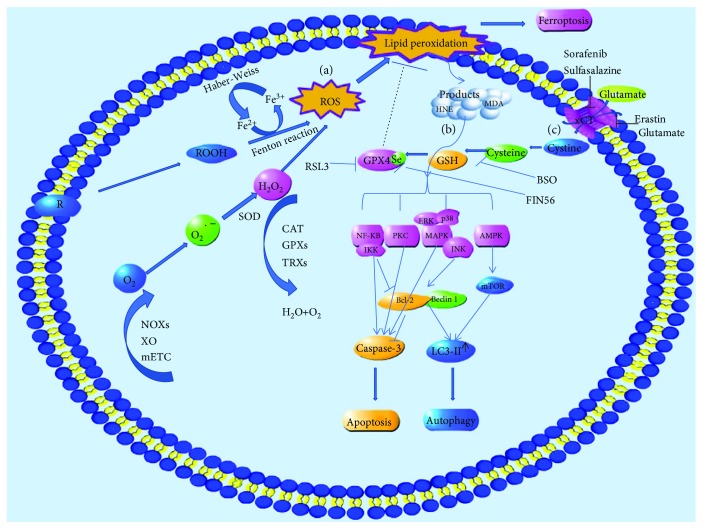
“GPX4 is a specific and robust central regulator of ferroptotic cell death when it is directly inhibited or indirectly inactivated by depletion of glutathione [112] (Figure 1).”
BackgroundInfluentialFerroptosis: A Regulated Cell Death Nexus Linking Metabolism, Redox Biology, and Disease
Stockwell, B. R., Friedmann Angeli, J. P., Bayir, H., Bush, A. I., Conrad, M., Dixon, S. J., Fulda, S., Gascón, S., Hatzios, S. K., Kagan, V. E., et al. (2017) · Cell · doi:10.1016/j.cell.2017.09.021 · Cited by 7,695 · cited 3×
“Ferroptosis occurs as a result of increased ROS levels due to elevated intracellular iron concentration and a depletion of antioxidant GSH that cause lipid peroxidation and consequently to cell death [101].”
BackgroundAutophagy: Renovation of Cells and Tissues
Mizushima, N., & Komatsu, M. (2011) · Cell · doi:10.1016/j.cell.2011.10.026 · Cited by 6,418 · cited 3×
“ROS: Reactive oxygen species PUFAs: Polyunsaturated fatty acids NOXs: NADPH oxidases XO: Xanthine oxidase mETC: Mitochondrial electron-transport chain SOD: Superoxide dismutase CAT: Catalase HNE: Hydroxynonenal PL: Phospholipid LOX: Lipoxygenase Alox: Arachidonate lipoxygenase PLA2: Phospholipase A2 GPx: Glutathione p…”
BackgroundAyala, A., Muñoz, M. F., & Argüelles, S. (2014) · Oxidative Medicine and Cellular Longevity · doi:10.1155/2014/360438 · Cited by 6,349 · cited 5×
“The main aldehyde product of lipid peroxidation is the 3-carbon dialdehyde species malondialdehyde (MDA) and 4-hydroxy-2-nonenal (HNE) [46].”
BackgroundInfluentialDeath Receptors: Signaling and Modulation
Ashkenazi, A., & Dixit, V. M. (1998) · Science · doi:10.1126/science.281.5381.1305 · Cited by 5,866 · cited 1×
“The extrinsic pathway is initiated by the tumor necrosis factor (TNF) receptor family interacting with a ligand and then binds with procaspase-8 following ligand-receptor interaction to activation of caspase-3 which leads to execution of apoptosis [54, 55].”
BackgroundMethods in Mammalian Autophagy Research
Mizushima, N., Yoshimori, T., & Levine, B. (2010) · Cell · doi:10.1016/j.cell.2010.01.028 · Cited by 4,497 · cited 1×
“Chaperone-mediated autophagy involves the direct translocation of cytosolic proteins across the lysosomal membrane while microautophagy involves inward invagination of lysosomal membrane delivering a small portion of cytoplasm into the lysosomal lumen [82].”
BackgroundInactivation of the ferroptosis regulator Gpx4 triggers acute renal failure in mice
Friedmann Angeli, J. P., Schneider, M., Proneth, B., Tyurina, Y. Y., Tyurin, V. A., Hammond, V. J., Herbach, N., Aichler, M., Walch, A., Eggenhofer, E., et al. (2014) · Nature Cell Biology · doi:10.1038/ncb3064 · Cited by 3,732
The complexity of NF-κB signaling in inflammation and cancer
Hoesel, B., & Schmid, J. A. (2013) · Molecular Cancer · doi:10.1186/1476-4598-12-86 · Cited by 3,165 · cited 1×
“The NF-κB protein family is widely involve in inflammation, stress response, survival, and cell death [65].”
Background
Research works printed but not linked: 2
- 1995, Cell Death & Differentiation, 2, 87
- 2014, Anticancer Research, 34, 6417
Cited by
Items 401–500 of 1,002
Otsu, W., Ishida, K., Chinen, N., Nakamura, S., Shimazawa, M., Tsusaki, H., & Hara, H. (2021) · Scientific Reports · doi:10.1038/s41598-021-97956-3 · Cited by 31
Cell Death and Survival Pathways Involving ATM Protein Kinase
Aki, T., & Uemura, K. (2021) · Genes · doi:10.3390/genes12101581 · Cited by 37
“Although the detrimental impacts of ROS include lipid peroxidation [4], protein oxidation [5,6], and oxidative inactivation of enzyme [5,6], it can damage DNA through the formation, for example, of 8-oxoguanine, which is observed ubiquitously even in healthy cells [7,8].”
BackgroundAhmed, Z. S. O., Galal, M. K., Drweesh, E. A., Abou‐El‐Sherbini, K. S., Elzahany, E. A. M., Elnagar, M. M., & Yasin, N. A. E. (2021) · International Journal of Biological Macromolecules · doi:10.1016/j.ijbiomac.2021.09.156 · Cited by 34
Mechanism and Protection of Radiotherapy Induced Sensorineural Hearing Loss for Head and Neck Cancer
Shi, W., Hou, X., Bao, X., Hou, W., Jiang, X., Ma, L., Jiang, X. M., & Dong, L. (2021) · BioMed Research International · doi:10.1155/2021/3548706 · Cited by 32
“At present, many studies have found that ROS can also lead to membrane lipid peroxidation, and the products of lipid peroxidation induced cell apoptosis through a variety of signaling pathways [20].”
BackgroundGood bacteria, oxidative stress and neurological disorders: Possible therapeutical considerations
Soheili, M., Alinaghipour, A., & Salami, M. (2022) · Life Sciences · doi:10.1016/j.lfs.2022.120605 · Cited by 36
Ghasemi, A., Farzaneh, S., Moharramnejad, S., Sharifi, R. S., Yousef, A. F., Telesiński, A., Kalaji, H. M., & Mojski, J. (2022) · Scientific Reports · doi:10.1038/s41598-022-18229-1 · Cited by 32
Salidroside Alleviates Renal Fibrosis in SAMP8 Mice by Inhibiting Ferroptosis
Yang, S., Pei, T., Wang, L., Zeng, Y., Li, W., Yan, S., Xiao, W. L., & Cheng, W. (2022) · Molecules · doi:10.3390/molecules27228039 · Cited by 34
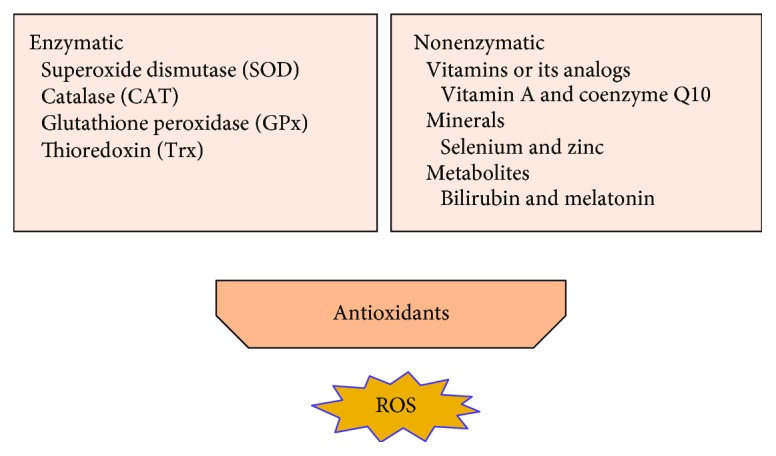
“Enzymatic antioxidants include SOD, CAT, and GSH-Px [45].”
BackgroundOrganic extracts in PM2.5 are the major triggers to induce ferroptosis in SH-SY5Y cells
Guo, C.-C., Lyu, Y., Xia, S., Ren, X., Li, Z., Tian, F., & Zheng, J. (2022) · Ecotoxicology and Environmental Safety · doi:10.1016/j.ecoenv.2022.114350 · Cited by 35
Ni, Y., Liu, J., Zeng, L., Yang, Y., Liu, L., Yao, M., Chai, L., Zhang, L., Li, Y., Zhang, L., et al. (2023) · Frontiers in Pharmacology · doi:10.3389/fphar.2022.1109822 · Cited by 39
“Studies have shown that increasing ROS levels are a cause of lipid peroxidation (Su et al., 2019).”
BackgroundGuo, X., Cheng, C., Wang, L., Li, D., Fan, R., & Wei, X. (2023) · Environmental Toxicology · doi:10.1002/tox.23886 · Cited by 34
“A sharp increase in ROS levels can lead to biological macromolecules such as lipid peroxidation damage.(12) MDA, as a commonly used index of lipid peroxidation, can effectively reflect the oxidative damage degree of the organism.”
BackgroundDual-ratiometric fluorescent probes for monitoring ClO- and polarity dynamics in ferroptosis
He, Q., Guo, T., Lan, M., Zhao, S., Han, S., Yao, C., & Song, X. (2024) · Sensors and Actuators B Chemical · doi:10.1016/j.snb.2024.136030 · Cited by 32
Artesunate induces melanoma cell ferroptosis and augments antitumor immunity through targeting Ido1
Liu, W., Zhou, H., Lai, W., Hu, C., Wang, Q., Yuan, C., Luo, C., Yang, M., Hu, M., Zhang, R., et al. (2024) · Cell Communication and Signaling · doi:10.1186/s12964-024-01759-8 · Cited by 35
“Since the cytotoxicity of ferroptosis is dependent on ROS production, cytotoxicity [31], we evaluated ROS levels following ART treatment using the DCFH-DA probe.”
MethodResearch advances in the therapy of metabolic syndrome
Lin, Z., & Sun, L. (2024) · Frontiers in Pharmacology · doi:10.3389/fphar.2024.1364881 · Cited by 38
Markowska, J., Kasprzak‐Drozd, K., Niziński, P., Dragan, M., Kondracka, A., Gondek, E., Oniszczuk, T., & Oniszczuk, A. (2024) · Molecules · doi:10.3390/molecules29225245 · Cited by 33
“The products of these reactions possess high biological activity, with the potential to destroy DNA, proteins, inhibit enzyme activity and initiate cell death by activating signalling pathways [33].”
Singh, A. K., Yadawa, A. K., Chaturvedi, S., Wahajuddin, M., Mishra, A., & Singh, S. (2021) · Food and Chemical Toxicology · doi:10.1016/j.fct.2021.112433 · Cited by 36
Murugan, R., Rajesh, R., Guru, A., Haridevamuthu, B., Almutairi, B. O., Almutairi, M. H., Juliet, A., Renganayagi, S., Gopinath, P., & Arockiaraj, J. (2022) · Chemistry & Biodiversity · doi:10.1002/cbdv.202200041 · Cited by 36
Self-citationFerroptosis Activation Contributes to the Formation of Skin Lesions in Psoriasis Vulgaris
Li, S., Luo, X., Zhang, S., Su, Y., Deng, M., Zhu, Y., Zhang, P., Wu, R., & Zhao, M. (2023) · Antioxidants · doi:10.3390/antiox12020310 · Cited by 37
“The antioxidant system is destroyed in ferroptotic cells, which is reflected in the abnormal expression of numerous genes related to lipid oxidation metabolism and the enhancement of products of lipid peroxidation, including lipid ROS and malondialdehyde [14,15].”
BackgroundLinks between Vitamin K, Ferroptosis and SARS-CoV-2 Infection
Nuszkiewicz, J., Sutkowy, P., Wróblewski, M., Pawłowska, M., Wesołowski, R., Wróblewska, J., & Woźniak, A. (2023) · Antioxidants · doi:10.3390/antiox12030733 · Cited by 33
Xiu, Z., Li, Y., Fang, J., Han, J., Li, S., Li, Y., Yang, X., Song, G., Li, Y., Jin, N., et al. (2023) · Journal of Hepatocellular Carcinoma · doi:10.2147/jhc.s395617 · Cited by 33
“Esculetin’s Effects on Lipid Peroxidation and Ferritinophagy-Proteins in Hepatocellular Cancer Cells Several investigations have revealed that intracellular iron excess may result in the production of intracellular lipid peroxidation,(43,44) which influences the level of intracellular autophagy.(11,45,46) Using Liperf…”
BackgroundMarkers of Oxidative Stress in Patients with Acne: A Literature Review
Popa, G. L., Mitran, C. I., Mitran, M. I., Tampa, M. Ş., Matei, C., Popa, M. I., & Georgescu, S. R. (2023) · Life · doi:10.3390/life13071433 · Cited by 43
“MDA is a stable aldehyde originating from the breakdown of polyunsaturated fatty acids during the lipid peroxidation process [17,18].”
BackgroundMitochondrial Control in Inflammatory Gastrointestinal Diseases
Sui, G.-Y., Wang, F., Lee, J., & Roh, Y. S. (2022) · International Journal of Molecular Sciences · doi:10.3390/ijms232314890 · Cited by 34
Yang, P., Li, Y., Qian, K., Zhou, L., Cheng, Y., Wu, J., Xu, M., Wang, T., Yang, X., Mu, Y., et al. (2024) · ACS Nano · doi:10.1021/acsnano.4c00480 · Cited by 34
Shi, W., Yuan, S., Cheng, G., Zhang, H., Liu, K. J., Ji, X., Du, L., & Qi, Z. (2024) · Experimental Neurology · doi:10.1016/j.expneurol.2024.114849 · Cited by 35
Ferroptosis resistance in cancer cells: nanoparticles for combination therapy as a solution
Adzavon, K. P., Zhao, W., He, X., & Sheng, W. (2024) · Frontiers in Pharmacology · doi:10.3389/fphar.2024.1416382 · Cited by 37
Liu, L., Wen, T., Xiao, Y., Chen, H., Yang, S., & Shen, X. (2024) · Journal of Ethnopharmacology · doi:10.1016/j.jep.2024.118726 · Cited by 39
Gromadzka, G., Czerwińska, J., Krzemińska, E., Przybyłkowski, A. M., & Litwin, T. (2024) · International Journal of Molecular Sciences · doi:10.3390/ijms25169034 · Cited by 35
“This activates lipid peroxidation and increases the permeability of the cell membrane, thereby causing cell death [31].”
BackgroundPeng, J., Dai, X., Zhang, T., Hu, G., Cao, H., Guo, X., Fan, H., Chen, J., Tang, W., & Yang, F. (2024) · International Journal of Biological Macromolecules · doi:10.1016/j.ijbiomac.2024.136797 · Cited by 34
Zhao, C., Bai, X., Wen, A., Wang, J., & Ding, Y. (2024) · Pharmacological Research · doi:10.1016/j.phrs.2024.107527 · Cited by 32
Lankanayaka, A. A. K., Lakshan, N. D., Jayathunge, L., Bandara, P. C., Manatunga, D. C., & Senanayake, C. M. (2025) · Discover Food · doi:10.1007/s44187-025-00331-8 · Cited by 41
“These changes make oils less appealing to consumers when used in food products [32].”
Li, H., Kelley, J., Ye, Y., Ye, Z., Townsend, D. M., Zhang, J., & Wu, Y. R. (2025) · Cells · doi:10.3390/cells14080613 · Cited by 37
“This impairs ATP production and facilitates the release of cytochrome C (Cyt C) into cytoplasm, initiating the apoptotic process [192].”
Self-citationRibas‐Maynou, J., Mateo‐Otero, Y., Delgado‐Bermúdez, A., Bucci, D., Tamanini, C., Yeste, M., & Barranco, I. (2021) · Theriogenology · doi:10.1016/j.theriogenology.2021.07.023 · Cited by 30
Ren, J., Ren, A., Deng, X., Huang, Z., Jiang, Z., Li, Z., & Gong, Y. Q. (2022) · Journal of Inflammation Research · doi:10.2147/jir.s347231 · Cited by 32
“Previous studies indicated that phagocytosis of lipid peroxide increased lipofuscin production and disrupted cell self-renewal through autophagy, resulting in release of undegraded POS proteins to the drusen.(194,195) Drusen contain lipids, carbohydrates, proteins, and cellular debris that are processed by autophagy.”
BackgroundLong, S., You, Y., Dong, X., Tan, B., Zhang, S., Chi, S., Yang, Q., Liu, H., Xie, S., Yang, Y., et al. (2022) · Aquaculture Reports · doi:10.1016/j.aqrep.2022.101130 · Cited by 38
Bakr, Z., Abdel-Wahab, M., Thabet, A. A., Hamed, M., El–Aal, M. A., Saad, E., Faheem, M., & Sayed, A. E. H. (2022) · Applied Soil Ecology · doi:10.1016/j.apsoil.2022.104681 · Cited by 32
New insights in ferroptosis: Potential therapeutic targets for the treatment of ischemic stroke
Wei, Z., Xie, Y., Wei, M., Zhao, H., Ren, K., Feng, Q., & Xu, Y. (2022) · Frontiers in Pharmacology · doi:10.3389/fphar.2022.1020918 · Cited by 38
“, which cause cell death by damaging DNA, RNA and lipid molecules (Su et al., 2019; Villalpando-Rodriguez and Gibson, 2021).”
BackgroundCadmium chloride exposure impairs the growth and behavior of Drosophila via ferroptosis
Hu, Y., Wu, H., Lu, C., Xu, H., Li, B., Guan, W., Wu, M., Gao, Y., & Tong, H. (2022) · The Science of The Total Environment · doi:10.1016/j.scitotenv.2022.161183 · Cited by 32
Radwan, S. M., Al-Qulaly, M., Elsaied, M. Y., Elshora, S. Z., Atwa, A., & Wasfey, E. F. (2023) · Journal of Applied Toxicology · doi:10.1002/jat.4503 · Cited by 31
“When combined with MTX, LC markedly reduced MDA and enhanced SOD activity, which confirms the antioxidant role of LC in ameliorating the toxic effects of drug-induced nephrotoxicity (Koohpeyma et al., 2021b; Salama et al., 2022; Sener et al., 2006).”
BackgroundInfluentialJorgačević, B. Z., Stankovic, S. D., Filipović, J., Samardžić, J., Vučević, D. B., & Radosavljević, T. S. (2022) · Current Medicinal Chemistry · doi:10.2174/0929867329666220408102856 · Cited by 32
Wang, W. T., Liang, X., Liu, X., Bai, J., Zhang, W., Li, W., Wang, T., Li, M., Wu, Z., Chen, L., et al. (2022) · Journal of Nanobiotechnology · doi:10.1186/s12951-022-01413-w · Cited by 29
“ROS usually comprise superoxide anions, hydrogen peroxide and hydroxyl radicals [34], which are involved in the regulation of cell survival [35], proliferation [36], metabolism [37], apoptosis [38], differentiation [39], and migration [40] and play important roles in essential intracellular secondary messengers.”
BackgroundCheng, Y., Zhang, Z., Tang, H., chen, B., Cai, Y., Wei, Y., Zhao, W., Wu, Z. B., & Shang, H. (2023) · ACS Chemical Neuroscience · doi:10.1021/acschemneuro.2c00308 · Cited by 31
Pasciu, V., Nieddu, M., Sotgiu, F. D., Baralla, E., & Berlinguer, F. (2023) · Animals · doi:10.3390/ani13142300 · Cited by 41
“ROS and other oxidants can cause the oxidation of DNA, proteins and lipids with consequent membranes and tissue damage that can lead to cell death via apoptosis or necrosis [17,18].”
BackgroundParticulate Matter Induces Oxidative Stress and Ferroptosis in Human Lung Epithelial Cells
Ahn, Y., Yim, Y., & Yoo, H. M. (2024) · Toxics · doi:10.3390/toxics12020161 · Cited by 32
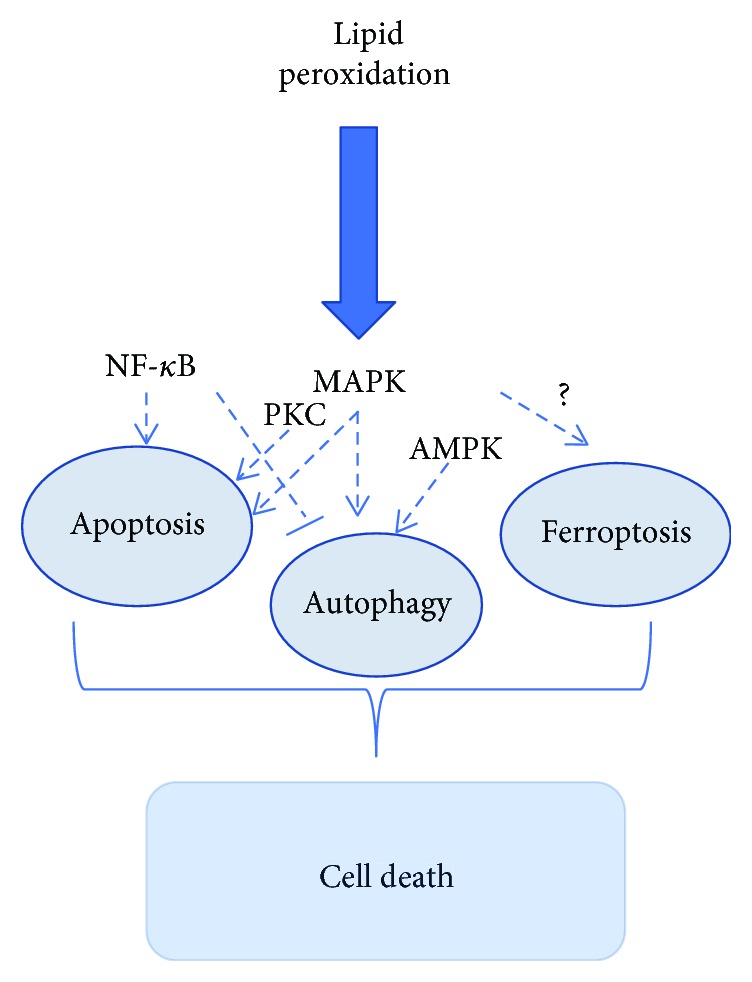
“Lipid peroxidation induced by reactive oxygen species (ROS) plays a crucial role in various cell death processes, including apoptosis, autophagy, and fer-roptosis [83].”
BackgroundRole of ferroptosis in radiation-induced soft tissue injury
Berry, C. E., Kendig, C. B., An, N., Fazilat, A. Z., Churukian, A. A., Griffin, M., Pan, P. M., Longaker, M. T., Dixon, S. J., & Wan, D. C. (2024) · Cell Death Discovery · doi:10.1038/s41420-024-02003-5 · Cited by 35
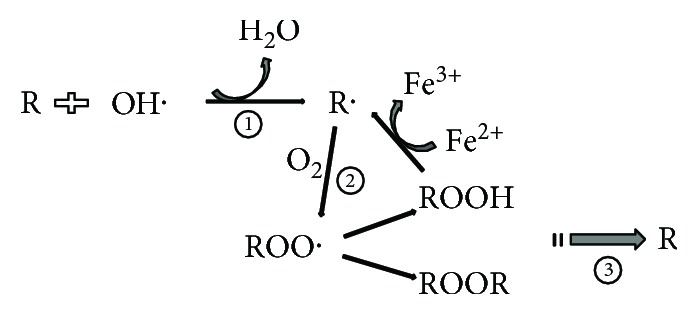
“The carbon radical rearranges and interacts with intracellular oxygen to form a lipid peroxide radical, thus continuing the propagation of free radical generation [14, 22, 23].”
BackgroundFerroptosis and oral squamous cell carcinoma: connecting the dots to move forward
Antonelli, A., Battaglia, A. M., Sacco, A., Petriaggi, L., Giorgio, E., Barone, S., Biamonte, F., & Giudice, A. (2024) · Frontiers in Oral Health · doi:10.3389/froh.2024.1461022 · Cited by 36
Lee, W., An, G., Park, H., Lim, W., & Song, G. (2021) · Pesticide Biochemistry and Physiology · doi:10.1016/j.pestbp.2021.104893 · Cited by 31
Oxidative Stress, Inflammation and Connexin Hemichannels in Muscular Dystrophies
González‐Jamett, A. M., Vásquez, W., Cifuentes-Riveros, G., Martínez-Pando, R., Sáez, J. C., & Cárdenas, A. M. (2022) · Biomedicines · doi:10.3390/biomedicines10020507 · Cited by 34
“Major sources of ROS include mitochondria [106], purine metabolism by xanthine oxidase [107], oxygenases that metabolize arachidonic acid (lipoxygenases and cyclooxygenases) [108] and the nicotinamide adenine dinucleotide phosphate (NADPH) oxidase complex (Figure 2) [109].”
BackgroundTargeting mitochondria in the regulation of neurodegenerative diseases: A comprehensive review
Maurya, S. K., Gupta, S., Bakshi, A., Kaur, H., Jain, A., Senapati, S., & Baghel, M. S. (2022) · Journal of Neuroscience Research · doi:10.1002/jnr.25110 · Cited by 31
“Email: maurya.shashankkumar@gmail.com K E Y W O R D S brain, CNS disease, mitochondria, neurodegeneration, neuroinflammation, neurons is interdependent on the mitochondrial membrane potential and ETC complex's activity (Mitchell, 1961; Su et al., 2019).”
BackgroundWang, K., Tang, Y. J., Xiu, W., Liang, H., Chen, D., Yu, B., He, J., Mao, X., Huang, Z., Yan, H., et al. (2022) · Antioxidants · doi:10.3390/antiox11091838 · Cited by 33
“Apoptosis is a programmed series of events dependent on energy [30].”
BackgroundLee, H. L., Kim, J. M., Moon, J. H., Kim, M. J., Jeong, H. R., Go, M. J., Kim, H., Eo, H. J., Lee, U., & Heo, H. J. (2022) · International Journal of Molecular Sciences · doi:10.3390/ijms24010090 · Cited by 33
“balance of the antioxidant system due to intestinal damage can reach the brain through systemic circulation and affect the oxidation state of the CNS directly or indirectly [58].”
BackgroundMarkitantova, Y. V., & Simirskii, V. N. (2023) · International Journal of Molecular Sciences · doi:10.3390/ijms241310776 · Cited by 31
Che, B., Du, Y., Yuan, R., Xiao, H., Zhang, W., Shao, J., Lu, H., Yu, Y., Xiang, M., Hao, L., et al. (2023) · Oncogene · doi:10.1038/s41388-023-02843-y · Cited by 31
“All cell lines were identi fi ed by short tandem repeat analysis performed from the cell bank.”
MethodYang, C.-Y., Pan, C.-C., Tseng, C.-H., & Yen, F. (2022) · Antioxidants · doi:10.3390/antiox11112304 · Cited by 31
“dative stress refers to the increasing level of intracellular ROS and has been shown to damage protein, lipid and nucleic acid [27].”
BackgroundModified Shoutai Pill inhibited ferroptosis to alleviate recurrent pregnancy loss
Lai, Y., Zhang, Y., Zhang, H., Chen, Z., Zeng, L., Deng, G., Luo, S., & Gao, J. (2023) · Journal of Ethnopharmacology · doi:10.1016/j.jep.2023.117028 · Cited by 34
Signaling pathways in hair aging
Liang, A., Fang, Y., Ye, L., Meng, J., Wang, X., Chen, J., & Xu, X. (2023) · Frontiers in Cell and Developmental Biology · doi:10.3389/fcell.2023.1278278 · Cited by 47
“4-HNE forms adducts with protein amino acid residues (mainly cysteine, histidine, lysine) through Michael addition and Schiff base formation, leading to protein crosslinking and aggregation (Su et al., 2019).”
BackgroundZhou, Y., Yang, Y., Liang, Y., Pan, M., Tang, W., & Duan, H. (2024) · Neurochemical Research · doi:10.1007/s11064-024-04163-3 · Cited by 33
“Excessive iron promotes the production of reactive oxygen species (ROS) via the Fenton chemical reaction, which can attack normal cellular membrane components and ultimately initiate lipid peroxidation [ 7, 8 ].”
Galasso, L., Cerrito, L., Maccauro, V., Termite, F., Mignini, I., Esposto, G., Borriello, R., Ainora, M. E., Gasbarrini, A., & Zocco, M. A. (2024) · International Journal of Molecular Sciences · doi:10.3390/ijms25137191 · Cited by 35
“Under normal circumstances, oxidative stress is counteracted by antioxidant molecules such as superoxide dismutase (SOD), catalase (CAT), glutathione peroxidase (GPX), and peroxiredoxins, along with exogenous antioxidants like vitamin C and tocopherols [19].”
BackgroundNOX4-mediated astrocyte ferroptosis in Alzheimer’s disease
Maimaiti, Y., Su, T., Zhang, Z., Ma, L., Zhang, Y. E., & Xu, H. (2024) · Cell & Bioscience · doi:10.1186/s13578-024-01266-w · Cited by 37
Yan, X., Bai, X., Sun, G., Duan, Z., Fu, R., Zeng, W., Zhu, C., & Fan, D. (2024) · Phytomedicine · doi:10.1016/j.phymed.2024.156239 · Cited by 36
Amanda, B., Pragasta, R., Cakrasana, H., Mustika, A., Faizah, Z., & Oceandy, D. (2024) · Cells · doi:10.3390/cells13221868 · Cited by 28
Huang, S., Zhou, C., Zeng, T., Li, Y., Lai, Y., Mo, C., Chen, Y., Huang, S., Lv, Z., & Gao, L. (2020) · Frontiers in Pharmacology · doi:10.3389/fphar.2019.01594 · Cited by 29
Kim, S. Y., Hwangbo, H., Lee, H., Park, C., Kim, G., Moon, S., Yun, S. J., Kim, W., Cheong, J., & Choi, Y. H. (2020) · International Journal of Molecular Sciences · doi:10.3390/ijms21155502 · Cited by 29
“On the one hand, in the extrinsic pathway, apoptosis is induced by external signals, which directly activate caspase-8, and activated caspase-8 induces the activation of executioner caspases including caspase-3 and caspase-7 [35,36].”
BackgroundChen, H., Jiang, T., Chen, H., Su, J., Wang, X., Cao, Y., & Li, Q. (2020) · Anti-Cancer Drugs · doi:10.1097/cad.0000000000001022 · Cited by 29
de Almeida, É. C., Passos, L. S., Vieira, C. E. D., Acayaba, R. D., Montagner, C. C., Pinto, E., Martinez, C. B. D. R., & Fonseca, A. L. (2021) · Environmental Toxicology and Pharmacology · doi:10.1016/j.etap.2021.103634 · Cited by 28
Emami, M. H., Sereshki, N., Malakoutikhah, Z., Dehkordi, S. A. E., Fahim, A., Mohammadzadeh, S., & Maghool, F. (2022) · Comparative Biochemistry and Physiology Part C Toxicology & Pharmacology · doi:10.1016/j.cbpc.2022.109266 · Cited by 34
Ko, J., Jang, S., Kwon, W., Kim, S., Jang, S., Kim, E., Ji, Y. R., Park, S., Kim, M.-O., Choi, S., et al. (2022) · Antioxidants · doi:10.3390/antiox11020189 · Cited by 34
“The initiation and progress of ferroptosis, mainly induced by amino acid metabolism, iron metabolism, lipid peroxidation and lipid ROS production, are modulated by multiple signalling pathways and factors [24].”
BackgroundNickel oxide nanoparticles induce apoptosis and ferroptosis in airway epithelial cells via ATF3
Liu, F., Cheng, X., Wu, S., Hu, B., Yang, C., Deng, S., & Shi, Q. (2022) · Environmental Toxicology · doi:10.1002/tox.23467 · Cited by 29
“The crosstalk between ferroptosis and apoptosis includes ER stress-mediated PERK-eIF2αATF4-CHOP-PUMA pathway and ROS-induced lipid peroxidation.(35,36) Much work is still needed to reveal the key molecules con-”
BackgroundAnti-Obesity and Anti-Hyperglycemic Effects of Meretrix lusoria Protamex Hydrolysate in ob/ob Mice
Kim, M. J., Chilakala, R., Jo, H.-G., Lee, S., Lee, D., & Cheong, S. H. (2022) · International Journal of Molecular Sciences · doi:10.3390/ijms23074015 · Cited by 29
“Harmful reactive oxygen species are generated along with elevated lipid peroxidation in control ob/ob mice, leading to organ damage [55,56].”
BackgroundMahmood, Y., Hussain, R., Ghaffar, A., Ali, F., Nawaz, S., Mehmood, K., & Khan, A. (2022) · BioMed Research International · doi:10.1155/2022/9140060 · Cited by 29
RetractedPotential intervention target of atherosclerosis: Ferroptosis (Review)
Li, J., Xu, L., Zuo, Y., Chang, X., & Chi, H. (2022) · Molecular Medicine Reports · doi:10.3892/mmr.2022.12859 · Cited by 28
“Lipid peroxidation is the core process of ferroptosis; specifically, the peroxidation of cell membrane phospholipids by free radical‐driven arachidonate lipoxygenases (ALOXs) (32).”
BackgroundJovankić, J. V., Nikodijević, D. D., Milutinović, M. G., Nikezić, A. G., Kojić, V., Cvetković, A., & Cvetković, D. M. (2022) · European Journal of Pharmacology · doi:10.1016/j.ejphar.2022.175456 · Cited by 32
Xie, K., Mo, Y., Yue, E., Shi, N., & Liu, K. (2023) · Heliyon · doi:10.1016/j.heliyon.2023.e17592 · Cited by 33
Liu, C., Wang, Y., Zeng, Y., Kang, Z., Zhao, H. L., Qi, K., Wu, H., Zhao, L., & Wáng, Y. (2023) · Advanced Science · doi:10.1002/advs.202301136 · Cited by 27
H3K9 trimethylation dictates neuronal ferroptosis through repressing Tfr1
Lan, T., Hu, L., Sun, T., Wang, X., Xiao, Z., Shen, D., Wu, W., Luo, Z., Wei, C., Wang, X., et al. (2023) · Journal of Cerebral Blood Flow & Metabolism · doi:10.1177/0271678x231165653 · Cited by 30
Research Progress of Antioxidants in Oxidative Stress Therapy after Spinal Cord Injury
Zhang, C., Zhai, T., Zhu, J., Wei, D., Ren, S., Yang, Y., Gao, F., & Zhao, L. (2023) · Neurochemical Research · doi:10.1007/s11064-023-03993-x · Cited by 29
“The LP reaction is the oxidation of polyunsaturated fatty acids (PUFA) by oxidizing agents to produce hydroperoxides [23], which herein mainly refers to the oxidative attack of free radicals (R·) on PUFAs or membrane phospholipids.”
BackgroundGuan, Y., Shi, D., Wang, S., Sun, Y., Song, W., Liu, S., & Wang, C. (2023) · Nutrients · doi:10.3390/nu15173799 · Cited by 32
“Finally, HC alleviated oxidative stress; reduced ROS and MDA levels; increased GSH-Px, CAT, and SOD levels; and activated the Nrf2 pathway to ameliorate AD symptoms.”
BackgroundInfluentialFerroptosis mechanisms and its novel potential therapeutic targets for DLBCL
Bian, W., Li, H., Chen, Y., Yu, Y., Lei, G., Yang, X., Li, S., Chen, X., Li, Y., Yang, J., et al. (2024) · Biomedicine & Pharmacotherapy · doi:10.1016/j.biopha.2024.116386 · Cited by 30
Yehia, A., & Abulseoud, O. A. (2024) · Molecular Neurodegeneration · doi:10.1186/s13024-024-00728-6 · Cited by 34
Enhancing biocompatibility of the brain-machine interface: A review
Villa, J., Cury, J., Kessler, L., Tan, X., & Richter, C. (2024) · Bioactive Materials · doi:10.1016/j.bioactmat.2024.08.034 · Cited by 45
“In lipid peroxidation, ROS attack -CH2- of polyunsaturated fatty acids deposited in the cell membrane and causes cell injury [140].”
BackgroundAli, E. M., Rajendran, P., & Abdallah, B. M. (2024) · Frontiers in Microbiology · doi:10.3389/fmicb.2024.1483637 · Cited by 30
“ROS could cause harmful modifications to cellular constituents and damage proteins, DNA, and lipids (Su et al., 2019).”
Reactive oxygen species: Orchestrating the delicate dance of platelet life and death
Liao, R., Wang, L., Zeng, J., Tang, X., Huang, M., Kantawong, F., Huang, Q., Mei, Q., Huang, F., Yang, Y., et al. (2025) · Redox Biology · doi:10.1016/j.redox.2025.103489 · Cited by 32
Neto, L. N. D. A., de Lima, M. D. C. A., de Oliveira, J. F., de Souza, E. R., Machado, S. E. F., Lima, G. M. D. S., Buonafina, M. D. S., Brayner, F. A., Alves, L. C., Sandes, J. M., et al. (2020) · Chemico-Biological Interactions · doi:10.1016/j.cbi.2020.109028 · Cited by 30
Lastres‐Becker, I., Porras, G., Arribas-Blázquez, M., Maestro, I., Borrego‐Hernández, D., Boya, P., Cerdán, S., García‐Redondo, A., Martínez, A., & Martín‐Requero, Á. (2021) · International Journal of Molecular Sciences · doi:10.3390/ijms22063007 · Cited by 29
“Lipid peroxidation injures phospholipids and oxidized phospholipids can play an important role in many inflammatory diseases and frequently mediate proinflammatory change [28,29].”
BackgroundThirumurthi, N. A., Raghunath, A., Balasubramanian, S., & Perumal, E. (2021) · Biological Trace Element Research · doi:10.1007/s12011-021-02830-y · Cited by 29
“The products of LPO have been shown to induce cell death via intrinsic and extrinsic signaling pathways [78].”
BackgroundResearch progress on the mechanism of ferroptosis and its clinical application
Xia, J., Si, H., Yao, W., Li, C., Guo, Y., Tian, Y., & Hao, C. (2021) · Experimental Cell Research · doi:10.1016/j.yexcr.2021.112932 · Cited by 27
Ferroptosis: New Dawn for Overcoming the Cardio-Cerebrovascular Diseases
Luo, M.-Y., Su, J.-H., Gong, S.-X., Liang, N., Huang, W., Chen, W., Wang, A., & Tian, Y. (2021) · Frontiers in Cell and Developmental Biology · doi:10.3389/fcell.2021.733908 · Cited by 28
“Small molecule erastin can directly and selectively target and inhibit the System Xc , and irreversibly bind to and inactivate XCT, leading to continuous disorder of cystine uptake, a decrease in cellular antioxidant capacity, and eventually ROS accumulation and ferroptosis (Sato et al., 2018; Kajarabille and Latunde-…”
BackgroundFerroptosis plays an essential role in the antimalarial mechanism of low-dose dihydroartemisinin
Li, S., Xu, W., Wang, H., Tang, T., Ma, J., Cui, Z., Shi, H., Qin, T., Zhou, H., Li, L., et al. (2022) · Biomedicine & Pharmacotherapy · doi:10.1016/j.biopha.2022.112742 · Cited by 31
Zhang, Q., Tong, J., Zhou, W. Z., Zhong, Z., Hu, Q., Ma, Q., Long, H., Wu, S., Shi, X., & Ye, Q. (2022) · Carbohydrate Polymers · doi:10.1016/j.carbpol.2022.119326 · Cited by 28
Lei, X., Teng, W., Fan, Y., Zhu, Y., Yao, L., Li, Y., & Zhu, S. (2022) · PLoS ONE · doi:10.1371/journal.pone.0268445 · Cited by 34
“Currently, it is widely believed that inflammation and oxidative stress injury, and immune dysfunction of the body are involved in the occurrence and development of sepsis and may be the main factors for the initiation of sepsis [4].”
BackgroundZinc Oxide Nanoparticles: Physiological and Biochemical Responses in Barley (Hordeum vulgare L.)
Voloshina, M., Rajput, V. D., Minkina, T., Vechkanov, E., Манджиева, С. С., Mazarji, M., Churyukina, E., Plotnikov, A. A., Krepakova, M., & Wong, M. H. (2022) · Plants · doi:10.3390/plants11202759 · Cited by 30
“In addition to lipid peroxidation, ROS production is more toxic to plant cells than indirect effects [39].”
BackgroundBartolomei, M., Cropotova, J., Bollati, C., Kvangarsnes, K., d’Adduzio, L., Li, J., Boschin, G., & Lammi, C. (2023) · Nutrients · doi:10.3390/nu15040829 · Cited by 34
“MDA is a well-known biomarker in biological and medical sciences in the evaluation of oxidative stress correlated with various health problems [38,39].”
BackgroundMitochondrial dysfunction and quality control lie at the heart of subarachnoid hemorrhage
Zhang, J.-T., Zhu, Q., Wang, J., Peng, Z., Zhuang, Z., Hang, C., & Li, W. (2023) · Neural Regeneration Research · doi:10.4103/1673-5374.381493 · Cited by 31
“…membrane results in an elevation of Ca 2+ flow, triggering calcium-dependent MPT through various factors, allowing apoptotic proteins, such as P53, to flow into the cytoplasm, releasing Cyt C, and activating caspase-9 and -3, leading to cell death (Su et al., 2019; Bock and Tait, 2020).”
BackgroundSelf-citationNagarajan, M., Maadurshni, G. B., & Manivannan, J. (2023) · Journal of Biochemical and Molecular Toxicology · doi:10.1002/jbt.23533 · Cited by 29
Liu, Y., Feng, Z., Hu, Y., Xu, X., Kuang, T., & Liu, Y. (2023) · International Journal of Biological Macromolecules · doi:10.1016/j.ijbiomac.2023.128280 · Cited by 33
Vitamin E/Coenzyme Q-Dependent “Free Radical Reductases”: Redox Regulators in Ferroptosis
Kagan, V. E., Straub, A. C., Tyurina, Y. Y., Kapralov, A. A., Hall, R., Wenzel, S. E., Mallampalli, R. K., & Bayır, H. (2023) · Antioxidants and Redox Signaling · doi:10.1089/ars.2022.0154 · Cited by 33
Sepsis in elderly patients: the role of neutrophils in pathophysiology and therapy
Ramoni, D., Tirandi, A., Montecucco, F., & Liberale, L. (2024) · Internal and Emergency Medicine · doi:10.1007/s11739-023-03515-1 · Cited by 35
“Concomitantly, this alteration disrupts the homeostatic balance and leads to lipid peroxidation and damage to DNA, proteins, and mitochondria [19].”
BackgroundCancer cells employ lipid droplets to survive toxic stress
Kostecka, L. G., Mendez, S. A., Li, M., Khare, P., Zhang, C., Le, A., Amend, S. R., & Pienta, K. J. (2024) · The Prostate · doi:10.1002/pros.24680 · Cited by 28
“32 Damaged lipids resulting from lipid peroxidation can be sequestered in LDs to circumvent high ROS levels.”
BackgroundChen, T., Ding, L., Zhao, M., Song, S., Hou, J., Li, X., Li, M., Yin, K., Li, X., & Wang, Z. (2024) · Chinese Medicine · doi:10.1186/s13020-024-00918-w · Cited by 36
Ferroptosis and hepatocellular carcinoma: the emerging role of lncRNAs
Chen, H., Han, Z., Su, J., Song, X., Ma, Q., Lin, Y., Ran, Z., Li, X., Mou, R., Wang, Y., et al. (2024) · Frontiers in Immunology · doi:10.3389/fimmu.2024.1424954 · Cited by 33
Auberger, P., Favreau, C., Savy, C., Jacquel, A., & Robert, G. (2024) · Cellular & Molecular Biology Letters · doi:10.1186/s11658-024-00613-6 · Cited by 31
Cyclophosphamide‐Induced Infertility and the Impact of Antioxidants
Abdi, M., Fadaee, M., Jourabchi, A., Karimzadeh, H., & Kazemi, T. (2024) · American Journal of Reproductive Immunology · doi:10.1111/aji.70014 · Cited by 31
Metadata
- Authors
- Su, L.-J., Zhang, J.-H., Gomez, H., Murugan, R., Hong, X., Xu, D., Jiang, F., & Peng, Z.-Y.
- Affiliations
- Zhongnan Hospital of Wuhan University (CN)
- Department of Critical Care Medicine, Zhongnan Hospital of Wuhan University, Wuhan, 430071 Hubei Province, China
- Center of Critical Care Nephrology, Department of Critical Care Medicine, University of Pittsburgh Medical Center, Pittsburgh, 15223 PA, USA
- University of Pittsburgh Medical Center (US)
- Venue
- Oxidative Medicine and Cellular Longevity
- Publisher
- Wiley
- Published
- 2019-10-13
- Volume
- 2019
- Pages
- 1-13
- ISSN
- 1942-0994 (ISSN-L)
- 1942-0900
- PMC
- PMC6815535
- OpenAlex
- W2979799294
- Cited by
- 2,166
- References
- 147
- Citations by year
- 2026: 236 · 2025: 385 · 2024: 507 · 2023: 424 · 2022: 365 · 2021: 187 · 2020: 58
- FWCI
- 14.76
- Type
- journal article
- Language
- en
- Open access
- hybrid
- doi.org
- Locations
- Oxidative Medicine and Cellular Longevity (publishedVersion, cc-by)
- Europe PMC (PubMed Central) (publishedVersion, cc-by)
- PubMed Central (publishedVersion, cc-by)
- PubMed (publishedVersion)
- DOAJ (DOAJ: Directory of Open Access Journals) (submittedVersion)
- Funders
- Health Commission of Hubei Province (WJ2017Z008, 2017AHB044, 81560131, 81772046)
- Hubei Province Technology and Innovation Project (WJ2017Z008, 2017AHB044, 81560131, 81772046)
- National Natural Science Foundation of China (WJ2017Z008, 2017AHB044, 81560131, 81772046)
- Topics
- Health Sciences › Medicine › Biochemistry (medical) › Antioxidant Activity and Oxidative Stress
- Life Sciences › Biochemistry, Genetics and Molecular Biology › Molecular Biology › Cell death mechanisms and regulation
- Life Sciences › Biochemistry, Genetics and Molecular Biology › Cancer Research › Ferroptosis and cancer prognosis
- Keywords
- reactive oxygen species, lipid peroxidation, apoptosis, autophagy, ferroptosis, antioxidant defense, oxidative damage, cell death, critical illness
- MeSH terms
- Ferroptosis, Animals, Antioxidants, Autophagy, Humans, Lipid Peroxidation, Signal Transduction, Apoptosis, Reactive Oxygen Species, Oxidative Stress, Sepsis, Acute Kidney Injury
About these checks
Registry, retraction, Cites and statistics results are computed, not judged, with one exception: a printed reference that no index lists is read once by a model before it counts as a citation error. Claims are extracted by a model and kept only when their quote appears verbatim in the text; each cited source is then checked, with a model’s help, for whether it says what the claim relies on. Those verdicts can be wrong — read the claim’s quote and the cited source before relying on one.
Statistics and arithmetic are recomputed, not judged.
Confidence bands are shown only for fields calibrated on our annotated test set. None is calibrated yet, so no band is shown.
What counts as a claim ›How we measure confidence ›How we check this ›
Are you an author, or do you see a problem with this page? Request a review
Data sources
Bibliographic data: Semantic Scholar, OpenAlex, Crossref.
Contains information from the Semantic Scholar Academic Graph Datasets, made available under the ODC Attribution License (ODC-BY 1.0).
Semantic Scholar’s data is described in: Kinney, R., et al. (2023). The Semantic Scholar Open Data Platform. arXiv:2301.10140.
