

Reactive Oxygen Species-Induced Lipid Peroxidation in Apoptosis, Autophagy, and Ferroptosis
Open accessThe DOI matches its Crossref record; 147 of the 147 references it cites were found in a registry or an index.
Abstract
Reactive oxygen species- (ROS-) induced lipid peroxidation plays a critical role in cell death including apoptosis, autophagy, and ferroptosis. This fundamental and conserved mechanism is based on an excess of ROS which attacks biomembranes, propagates lipid peroxidation chain reactions, and subsequently induces different types of cell death. A highly evolved sophisticated antioxidant system exists that acts to protect the cells from oxidative damage. In this review, we discussed how ROS propagate lipid peroxidation chain reactions and how the products of lipid peroxidation initiate apoptosis and autophagy in current models. We also discussed the mechanism of lipid peroxidation during ferroptosis, and we summarized lipid peroxidation in pathological conditions of critical illness. We aim to bring a more global and integrative sight to know how different ROS-induced lipid peroxidation occurs among apoptosis, autophagy, and ferroptosis.
Overview
The claims and statistics of this paper haven’t been checked yet.
Free: it reads the open-access text and checks the first 5 claims that cite a source we can check. Create a free account to check every claim.
Integrity signals
Registry
Cites
Statistics
Figures
Verification
Claims the paper makes
The claims and statistics of this paper haven’t been checked yet.
Free: it reads the open-access text and checks the first 5 claims that cite a source we can check. Create a free account to check every claim.
Claims other papers make about this one
Each is checked against this paper’s own text: does it say what the citing paper says it does?
The source backs part of the claim, not all of it — or backs it for a different population, condition or comparison.
In the citing paper
“This oxidative damage has been shown to correlate with the upregulation of pro-apoptotic proteins like BAD, the activation of caspase-3, and the downregulation of anti-apoptotic proteins like Bcl-2 and Bcl-XL (Figure 2) [43].”
From Role of Regulated Cell Death Pathways in Snakebite Envenomation: Mechanisms, Crosstalk, and Therapeutic Opportunities (2026) · cites this paper as [43]
Experimental — accuracy not yet measuredThe source backs part of the claim, not all of it — or backs it for a different population, condition or comparison.
In the citing paper
“Thus, activating ferroptosis can effectively increase the sensitivity of tumor cells to ROS [118], indicating that SDT may be an ideal combination therapy for ferroptosis.”
From Nanosensitizer-assisted sonodynamic therapy for breast cancer (2025) · cites this paper as [118]
Experimental — accuracy not yet measured
Self-check
Percentages, sums and reported differences re-computed from the paper’s own numbers.
The self-check needs the paper’s full text.
Citations
Cites
Ferroptosis: An Iron-Dependent Form of Nonapoptotic Cell Death
Dixon, S. J., Lemberg, K. M., Lamprecht, M. R., Skouta, R., Zaitsev, E. M., Gleason, C. E., Patel, D. N., Bauer, A. J., Cantley, A. M., Yang, W. S., et al. (2012) · Cell · doi:10.1016/j.cell.2012.03.042 · Cited by 18,691 · cited 4×
“, erastin, sulfasalazine, and RSL3) and also prevented by lipophilic antioxidants (CoQ10, Vitamin E, ferrostatins, and liproxstatins) [4, 8, 39, 104].”
BackgroundInfluentialApoptosis: A Review of Programmed Cell Death
Elmore, S. (2007) · Toxicologic Pathology · doi:10.1080/01926230701320337 · Cited by 13,853 · cited 1×
“Apoptosis is programmed series of events dependent on energy, as well as morphological features such as cell shrinkage, chromatin condensation, and presence of apoptotic bodies without inflammatory reactions [51, 52].”
BackgroundRegulation of Ferroptotic Cancer Cell Death by GPX4
Yang, W. S., SriRamaratnam, R., Welsch, M. E., Shimada, K., Skouta, R., Viswanathan, V. S., Cheah, J. H., Clemons, P. A., Shamji, A. F., Clish, C. B., et al. (2014) · Cell · doi:10.1016/j.cell.2013.12.010 · Cited by 7,713 · cited 6×
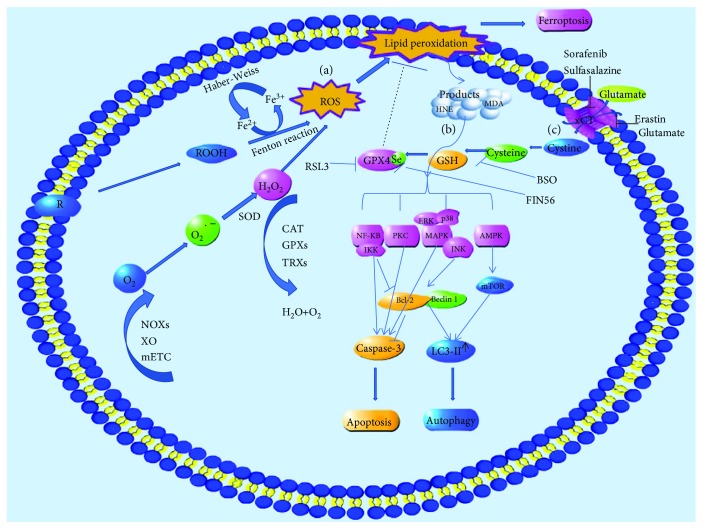
“GPX4 is a specific and robust central regulator of ferroptotic cell death when it is directly inhibited or indirectly inactivated by depletion of glutathione [112] (Figure 1).”
BackgroundInfluentialFerroptosis: A Regulated Cell Death Nexus Linking Metabolism, Redox Biology, and Disease
Stockwell, B. R., Friedmann Angeli, J. P., Bayir, H., Bush, A. I., Conrad, M., Dixon, S. J., Fulda, S., Gascón, S., Hatzios, S. K., Kagan, V. E., et al. (2017) · Cell · doi:10.1016/j.cell.2017.09.021 · Cited by 7,695 · cited 3×
“Ferroptosis occurs as a result of increased ROS levels due to elevated intracellular iron concentration and a depletion of antioxidant GSH that cause lipid peroxidation and consequently to cell death [101].”
BackgroundAutophagy: Renovation of Cells and Tissues
Mizushima, N., & Komatsu, M. (2011) · Cell · doi:10.1016/j.cell.2011.10.026 · Cited by 6,418 · cited 3×
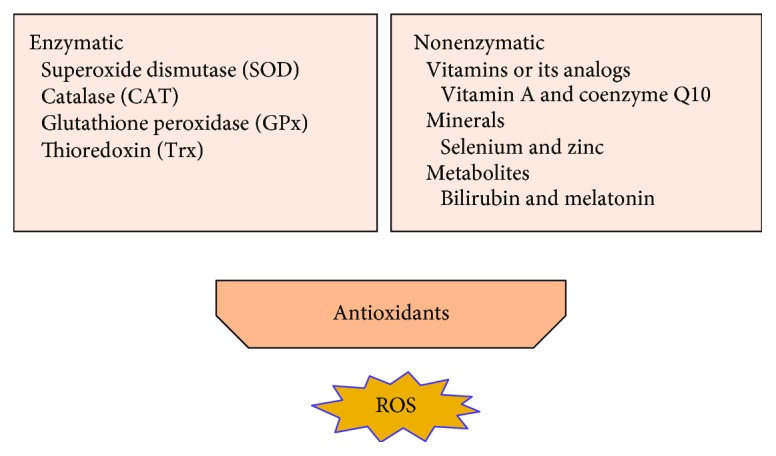
“ROS: Reactive oxygen species PUFAs: Polyunsaturated fatty acids NOXs: NADPH oxidases XO: Xanthine oxidase mETC: Mitochondrial electron-transport chain SOD: Superoxide dismutase CAT: Catalase HNE: Hydroxynonenal PL: Phospholipid LOX: Lipoxygenase Alox: Arachidonate lipoxygenase PLA2: Phospholipase A2 GPx: Glutathione p…”
BackgroundAyala, A., Muñoz, M. F., & Argüelles, S. (2014) · Oxidative Medicine and Cellular Longevity · doi:10.1155/2014/360438 · Cited by 6,349 · cited 5×
“The main aldehyde product of lipid peroxidation is the 3-carbon dialdehyde species malondialdehyde (MDA) and 4-hydroxy-2-nonenal (HNE) [46].”
BackgroundInfluentialDeath Receptors: Signaling and Modulation
Ashkenazi, A., & Dixit, V. M. (1998) · Science · doi:10.1126/science.281.5381.1305 · Cited by 5,866 · cited 1×
“The extrinsic pathway is initiated by the tumor necrosis factor (TNF) receptor family interacting with a ligand and then binds with procaspase-8 following ligand-receptor interaction to activation of caspase-3 which leads to execution of apoptosis [54, 55].”
BackgroundMethods in Mammalian Autophagy Research
Mizushima, N., Yoshimori, T., & Levine, B. (2010) · Cell · doi:10.1016/j.cell.2010.01.028 · Cited by 4,497 · cited 1×
“Chaperone-mediated autophagy involves the direct translocation of cytosolic proteins across the lysosomal membrane while microautophagy involves inward invagination of lysosomal membrane delivering a small portion of cytoplasm into the lysosomal lumen [82].”
BackgroundInactivation of the ferroptosis regulator Gpx4 triggers acute renal failure in mice
Friedmann Angeli, J. P., Schneider, M., Proneth, B., Tyurina, Y. Y., Tyurin, V. A., Hammond, V. J., Herbach, N., Aichler, M., Walch, A., Eggenhofer, E., et al. (2014) · Nature Cell Biology · doi:10.1038/ncb3064 · Cited by 3,732
The complexity of NF-κB signaling in inflammation and cancer
Hoesel, B., & Schmid, J. A. (2013) · Molecular Cancer · doi:10.1186/1476-4598-12-86 · Cited by 3,165 · cited 1×
“The NF-κB protein family is widely involve in inflammation, stress response, survival, and cell death [65].”
Background
Research works printed but not linked: 2
- 1995, Cell Death & Differentiation, 2, 87
- 2014, Anticancer Research, 34, 6417
Cited by
Items 301–400 of 1,002
Liu, H., Xie, J., Fan, L., Xia, Y., Peng, X., Zhou, J., & Ni, X. (2022) · Oxidative Medicine and Cellular Longevity · doi:10.1155/2022/8011850 · Cited by 46
“Furthermore, our results are consistent with other studies suggesting that oxidative stress is induced during the process of ferroptosis [56, 57].”
RetractedJiang, L., Zhang, L., Yang, J., Shi, H., Zhu, H., Zhai, M., Lu, L., Wang, X., Li, X. Y., Yu, S., et al. (2022) · Biomedicine & Pharmacotherapy · doi:10.1016/j.biopha.2022.113648 · Cited by 52
Panda, S. P., & Kesharwani, A. (2023) · Mitochondrion · doi:10.1016/j.mito.2023.05.003 · Cited by 43
Du, Y., Zhao, Y., Sun, Y., & Xu, A. (2023) · Molecular Medicine · doi:10.1186/s10020-023-00724-4 · Cited by 42
“These results suggested that the downregulation of ASM reduced LPO and inhibited ferroptosis, thereby improving the cell viability and the osteogenic function of osteoblasts under HG conditions.”
BackgroundInfluentialLuo, L., Cai, Y., Jiang, Y., Gong, Y., Cai, C., Lai, D., Jin, X., Guan, Z., & Qiu, Q. (2023) · Biomedicine & Pharmacotherapy · doi:10.1016/j.biopha.2023.115895 · Cited by 47
RetractedYadav, K. K., Cabral-Pinto, M. M. S., Gacem, A., Fallatah, A. M., Ravindran, B., Rezania, S., Algethami, J. S., Eltayeb, L. B., Abbas, M. K. G., Alshareef, T. H., et al. (2024) · Materials Today Chemistry · doi:10.1016/j.mtchem.2024.102226 · Cited by 55
Ayna, A., Özbolat, S. N., & Darendelioğlu, E. (2020) · Molecular Biology Reports · doi:10.1007/s11033-020-05896-4 · Cited by 41
Wang, F., Li, J., Zhao, Y., Guo, D. Y., Dongfan, L., Chang, S., Qiao, H., Li, J., Yang, Y., Zhang, C., et al. (2022) · Oxidative Medicine and Cellular Longevity · doi:10.1155/2022/6041612 · Cited by 43
“Ferroptosis is genetically, morphologically, and biochemically different from apoptosis [27] and is characterized by an iron-dependent increase in ROS, which plays a critical role in ferroptosis [28].”
BackgroundAfolabi, A. O., Akhigbe, T. M., Odetayo, A. F., Anyogu, D. C., Hamed, M. A., & Akhigbe, R. E. (2022) · Molecules · doi:10.3390/molecules27165073 · Cited by 46
“amarus has “slender, leaf-bearing branches, distichous leaves that are sub-sessile elliptic-oblong, rounded base and a branching annual glabrous herb that is about 30 to 60 cm high” [14] and belongs to the Euphorbiaceae family [15].”
BackgroundCytochrome P450 1B1: A Key Regulator of Ocular Iron Homeostasis and Oxidative Stress
Song, Y., Annalora, A. J., Marcus, C. B., Jefcoate, C. R. E., Sorenson, C. M., & Sheibani, N. (2022) · Cells · doi:10.3390/cells11192930 · Cited by 47
Nanosensitizer-assisted sonodynamic therapy for breast cancer
Yu, J., Hu, J.-R., Tian, Y., Lei, Y.-M., Hu, H.-M., Lei, B.-S., Zhang, G., Sun, Y., & Ye, H.-R. (2025) · Journal of Nanobiotechnology · doi:10.1186/s12951-025-03311-3 · Cited by 43
“Thus, activating ferroptosis can effectively increase the sensitivity of tumor cells to ROS [118], indicating that SDT may be an ideal combination therapy for ferroptosis.”
Miliaraki, M., Briassoulis, P., Ilia, S., Michalakakou, K., Karakonstantakis, T., Polonifi, A., Bastaki, K., Briassouli, E., Vardas, K., Pistiki, A. C., et al. (2022) · Antioxidants · doi:10.3390/antiox11020231 · Cited by 42
“This programmed cell death is driven through distinct apoptotic processes, such as pyroptosis, autophagy, or ferroptosis [8].”
BackgroundSun, H., Li, X., Guo, Q., & Liu, S. (2022) · Neurological Sciences · doi:10.1007/s10072-022-06302-6 · Cited by 48
Hu, Y., Hu, H., Yin, L., Wang, L., Luo, K., & Luo, N. (2023) · Ecotoxicology and Environmental Safety · doi:10.1016/j.ecoenv.2023.114598 · Cited by 41
Oleanolic acid inhibits mercury chloride induced-liver ferroptosis by regulating ROS/iron overload
Ouyang, C., Ma, X., Zhao, J., Li, S., Liu, C., Tang, Y., Zhou, J., Chen, J., Li, X., & Li, W. (2023) · Ecotoxicology and Environmental Safety · doi:10.1016/j.ecoenv.2023.114973 · Cited by 41
Ferroptosis and the ubiquitin-proteasome system: exploring treatment targets in cancer
Din, M. A. U., Lin, Y., Wang, N., Wang, B., & Mao, F. (2024) · Frontiers in Pharmacology · doi:10.3389/fphar.2024.1383203 · Cited by 52
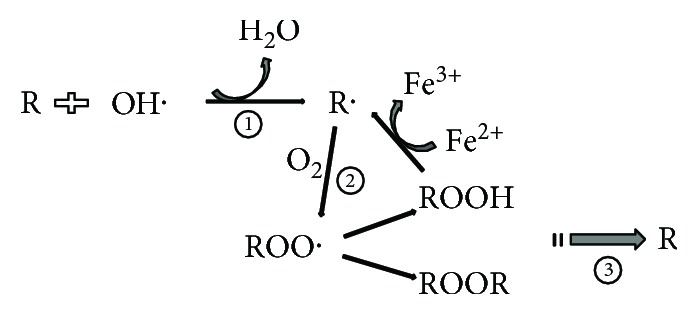
“OH) or alkoxy (R-O) free radicals with different peroxides (Su et al., 2019) which can peroxidize with unsaturated fatty acids on the cell membrane.”
BackgroundSil, R., & Chakraborti, A. S. (2025) · Frontiers in Chemistry · doi:10.3389/fchem.2025.1543455 · Cited by 51
Contribution of Lipid Oxidation and Ferroptosis to Radiotherapy Efficacy
Pearson, A. N., Carmicheal, J., Jiang, L., Lei, Y. L., & Green, M. D. (2021) · International Journal of Molecular Sciences · doi:10.3390/ijms222212603 · Cited by 45
“Labile iron radicals can directly generate oxygen radicals via Fenton chemistry [37] and promote lipid peroxidation directly [38].”
BackgroundBoukholda, K., Gargouri, B., Aouey, B., Attaai, A., Elkodous, M. A., Najimi, M., Fiebich, B. L., Bouchard, M., & Fetoui, H. (2021) · NanoImpact · doi:10.1016/j.impact.2021.100358 · Cited by 41
The role of ROS-induced pyroptosis in CVD
Tian, K.-J., Yu, Y., Zhou, K., Deng, N.-H., Tian, Z., Wu, Z.-F., Liu, X., Zhang, F., & Jiang, Z. (2023) · Frontiers in Cardiovascular Medicine · doi:10.3389/fcvm.2023.1116509 · Cited by 44
“” The lipid peroxidation damages phospholipids directly and can also act as cell death signal which induces programmed cell death (20).”
BackgroundSBFI26 induces triple‐negative breast cancer cells ferroptosis via lipid peroxidation
He, G., Zhang, Y., Feng, Y., Chen, T., Liu, M., Zeng, Y., Yin, X., Qu, S., Huang, L., Ke, Y., et al. (2024) · Journal of Cellular and Molecular Medicine · doi:10.1111/jcmm.18212 · Cited by 39
“63,64 Heme oxygenase-1 (HO-1) catalyses the catabolism of heme to generate ferrous ions, which serve as a crucial source of intracellular iron ions.”
BackgroundThe Warburg effect: The hacked mitochondrial-nuclear communication in cancer
Jiang, H., & Ye, J. (2025) · Seminars in Cancer Biology · doi:10.1016/j.semcancer.2025.03.006 · Cited by 47
Application of photodynamic therapy in cancer: challenges and advancements
Wang, Z., Peng, H., Shi, W., Gan, L., Zhong, L., HE, J., Xie, L., Wu, P., Zhao, Y., Deng, Z., et al. (2021) · Biocell · doi:10.32604/biocell.2021.014439 · Cited by 41
“Su’s team (Su et al., 2019b) presented a strategy using an amphiphilic diblock copolymer and a stimulus-responsive dye as components to distinguish between healthy and diseased cells.”
BackgroundMethodImpact of reactive iron in coal mine dust on oxidant generation and epithelial lung cell viability
Sun, Y., Kinsela, A. S., Cen, X., Sun, S., Collins, R. N., Cliff, D. I., Wu, Y., & Waite, T. D. (2021) · The Science of The Total Environment · doi:10.1016/j.scitotenv.2021.152277 · Cited by 42
The Potential Role of Ferroptosis in Systemic Lupus Erythematosus
Chen, Q., Wang, J., Xiang, M., Wang, Y., Zhang, Z., Liang, J. F., & Xu, J. (2022) · Frontiers in Immunology · doi:10.3389/fimmu.2022.855622 · Cited by 43
“Besides, iron accumulation can directly polarize macrophages to pro-inflammatory profile (61), promote pro-inflammatory cytokine secretion to induce autoimmune diseases (13); ROS facilitates inflammatory disease via pro-inflammatory change (62).”
BackgroundThe role of ferroptosis in prostate cancer: a novel therapeutic strategy
Wang, Y., Ma, Y., & Jiang, K. (2022) · Prostate Cancer and Prostatic Diseases · doi:10.1038/s41391-022-00583-w · Cited by 40
“Glutathione can cycle between reduced (GSH) and oxidized (GSSG) states, enabling this metabolite to participate in redox biochemical reactions [29, 30].”
BackgroundZhan, P., Lu, X., Zhao, L., Wang, W., Peng, K., Liang, N.-N., Wang, Y., Li, J., Fu, L., Zhao, H., et al. (2022) · International Immunopharmacology · doi:10.1016/j.intimp.2022.109359 · Cited by 44
Self-citationMenezes, L. B., Segat, B. B., Tolentino, H., Pires, D. C., Mattos, L. M. M., Hottum, H. M., Pereira, M. D., Latini, A., Horn, A., & Fernandes, C. (2022) · Journal of Inorganic Biochemistry · doi:10.1016/j.jinorgbio.2022.112062 · Cited by 46
Ferroptosis: A new insight for treatment of acute kidney injury
Li, S., Wang, R., Wang, Y., Liu, Y., Qiao, Y., Li, P., Chen, J., Pan, S., Feng, Q., Liu, Z., et al. (2022) · Frontiers in Pharmacology · doi:10.3389/fphar.2022.1065867 · Cited by 44
“Moreover, Su et al. demonstrated that silencing the expression of pannexin1 can significantly prevent renal IRI by inhibiting MAPK/ERK activation in the ferroptosis pathway (Su et al., 2019a).”
BackgroundInfluentialZhang, M., Lyu, D., Wang, F., Shi, S., Wang, M., Yang, W., Huang, H., Wei, Z., Chen, S., Xu, Y., et al. (2022) · Neuroscience · doi:10.1016/j.neuroscience.2022.10.015 · Cited by 41
Collin, J., Hasoon, M., Zerti, D., Hammadi, S., Dorgau, B., Clarke, L., STEEL, D. H., Hussain, R., Coxhead, J., Lisgo, S., et al. (2023) · Human Molecular Genetics · doi:10.1093/hmg/ddad007 · Cited by 44
“Although oxidative phosphorylation is an essential part of metabolism, it generates reactive oxygen species (ROS), resulting in oxidation of proteins, lipids and nucleic acids, ultimately triggering RPE degeneration (27,28).”
BackgroundMa, X., Xu, J., Gao, N., Tian, J., & Song, T. (2023) · Molecular and Cellular Probes · doi:10.1016/j.mcp.2023.101899 · Cited by 40
High Hepcidin Levels Promote Abnormal Iron Metabolism and Ferroptosis in Chronic Atrophic Gastritis
Zhao, Y., Zhao, J., Ma, H., Han, Y., Xu, W., Wang, J., Cai, Y., Jia, X., Jia, Q., & Yang, Q. (2023) · Biomedicines · doi:10.3390/biomedicines11092338 · Cited by 43
“The majority of intracellular iron is stored in ferritin, and ferritin degradation leads to an increase in LIP levels, promoting lipid peroxidation or ferroptosis [22,23].”
BackgroundNatural Products for Acetaminophen-Induced Acute Liver Injury: A Review
Li, X., Lao, R., Lei, J., Chen, Y., Zhou, Q., Wang, T., & Tong, Y. (2023) · Molecules · doi:10.3390/molecules28237901 · Cited by 41
Guo, M., Du, X., & Wang, X. (2024) · Journal of Ethnopharmacology · doi:10.1016/j.jep.2024.117787 · Cited by 41
Ferroptosis-Based Therapeutic Strategies toward Precision Medicine for Cancer
Shi, T., Chen, X., & Ti, H. (2024) · Journal of Medicinal Chemistry · doi:10.1021/acs.jmedchem.3c01749 · Cited by 40
Xie, W., Koppula, S., Kale, M. B., Ali, L. S., Wankhede, N. L., Umare, M. D., Upaganlawar, A. B., Abdeen, A., Ebrahim, E., El‐Sherbiny, M., et al. (2024) · Frontiers in Pharmacology · doi:10.3389/fphar.2024.1469053 · Cited by 39
“Proteotoxic stress and the build-up of oxidized lipids are noteworthy correlations with age-related de fi ciencies in autophagy (Su et al., 2019).”
BackgroundFerroptosis in Cancer and Inflammatory Diseases: Mechanisms and Therapeutic Implications
Shen, G., Liu, J., Wang, Y., Deng, Z., & Deng, F. (2025) · MedComm · doi:10.1002/mco2.70349 · Cited by 58
Insight Into the Role of Ferroptosis in Non-neoplastic Neurological Diseases
Lei, J., Chen, Z., Song, S., Sheng, C., Song, S., & Zhu, J. (2020) · Frontiers in Cellular Neuroscience · doi:10.3389/fncel.2020.00231 · Cited by 40
“RAS selective lethal small molecule 3 (RSL3) cannot affect the synthesis of GSH in the cell, but can directly inhibit the target protein GPX4, resulting in loss of GPX4 activity and triggering ferroptosis (Sui et al., 2018; Ye et al., 2019; Vu čkovi ć et al., 2020).”
BackgroundZheng, Y., Zhang, W., Xu, L., Zhou, H., Yuan, M., & Xu, H. (2022) · Frontiers in Oncology · doi:10.3389/fonc.2021.795548 · Cited by 41
Owumi, S. E., Najophe, E. S., & Otunla, M. T. (2022) · Environmental Science and Pollution Research · doi:10.1007/s11356-022-21075-3 · Cited by 42
“When RONS are present at overwhelming concentrations, they hinder the innate antioxidant defense system, causing oxidative stress, DNA damage, and peroxidation of cellular lipids and protein, leading to cellular dysfunction (Pizzino et al. 2017; Srinivas et al. 2019; Su et al. 2019).”
BackgroundLi, W., Shi, C., Wu, X., Zhang, Y., Liu, H., Wang, X., Huang, C., Liang, L., & Liu, Y. (2022) · Journal of Inorganic Biochemistry · doi:10.1016/j.jinorgbio.2022.111977 · Cited by 39
Kantha, P., Liu, S., Horng, J., & Lin, L. (2022) · Aquatic Toxicology · doi:10.1016/j.aquatox.2022.106203 · Cited by 38
Batóg, G., Dołoto, A., Bąk, E., Piątkowska‐Chmiel, I., Krawiec, P., Pac‐Kożuchowska, E., & Herbet, M. (2023) · Frontiers in Immunology · doi:10.3389/fimmu.2023.1211231 · Cited by 50
“Sources say that the compounds responsible for creating oxidative stress affect bio-membranes (91), modify the normal structure and function of cell organelles and cell membranes, and initiate the synthesis of genotoxic compounds that can interfere with DNA leading to mutations.”
BackgroundFerroptosis and EMT resistance in cancer: a comprehensive review of the interplay
Zhang, H., Chen, N., Ding, C., Zhang, H., Liu, D., & Liu, S. (2024) · Frontiers in Oncology · doi:10.3389/fonc.2024.1344290 · Cited by 56
“The outer membrane ruptures while the nucleus is unaffected (19).”
BackgroundZhang, Y., Zhang, D., Liao, X., Xu, Q., Bu, L., Zheng, J., Shen, P., & Yang, C. (2025) · International Journal of Medical Sciences · doi:10.7150/ijms.107057 · Cited by 46
“The body facilitates the conversion of oxidised glutathione (GSSG) to reduced GSH via GPX4, therefore safeguarding cells against peroxidative damage [59].”
Flurochloridone induces Sertoli cell apoptosis through ROS-dependent mitochondrial pathway
Sun, W., Ni, Z., Li, R., Chang, X., Li, W., Yang, M., & Zhou, Z. (2021) · Ecotoxicology and Environmental Safety · doi:10.1016/j.ecoenv.2021.112183 · Cited by 36
Emerging roles of ferroptosis in infectious diseases
Bagayoko, S., & Meunier, É. (2021) · FEBS Journal · doi:10.1111/febs.16244 · Cited by 39
Thomas, J. M., Sudhadevi, T., Basa, P., Ha, A. W., Natarajan, V., & Harijith, A. K. (2022) · International Journal of Molecular Sciences · doi:10.3390/ijms23031254 · Cited by 41
Ji, J., Feng, M., Huang, Y., & Niu, X. (2022) · Bioengineered · doi:10.1080/21655979.2022.2036902 · Cited by 37
Wang, H., Xu, L., Tang, X., Jiang, Z., & Feng, X. (2024) · Lipids in Health and Disease · doi:10.1186/s12944-024-02116-x · Cited by 35
“Phospholipid lysophosphatidylcholine acyltransferase 3 and ACSL4 are involved in the generation of arachidonic acid-phosphatidylethanolamine (AA-PE) [29, 30].”
BackgroundMi, X.-J., Park, H.-R., Dhandapani, S., Lee, S., & Kim, Y.-J. (2022) · International Journal of Biological Sciences · doi:10.7150/ijbs.77734 · Cited by 35
“This fundamental conserved mechanism is based on the attack biomembranes by excess ROS, which triggers lipid peroxidation chain reactions to induce various types of cell death [38].”
BackgroundResearch progress and insights on the role of ferroptosis in wound healing
Bi, M., Li, D., & Zhang, J. (2023) · International Wound Journal · doi:10.1111/iwj.14102 · Cited by 35
Self-citationMitochondria-related signaling pathways involved in breast cancer regulate ferroptosis
Dong, X., Ye, L., Sheng, X., Zhou, W., Sun, A., & Dai, H. (2023) · Genes & Diseases · doi:10.1016/j.gendis.2023.03.019 · Cited by 43
Saraiva, B. B., Sestito, J. M. B., Bezerra, R. A. D., de Oliveira, G. L. M., Júnior, R. C. D. S., Machado, R. R. B., Nakamura, C. V., Alfieri, A. A., & Pozza, M. S. D. S. (2023) · Journal of Photochemistry and Photobiology A Chemistry · doi:10.1016/j.jphotochem.2023.115120 · Cited by 37
Xiang, Z., Xu, L., Shan, Y., Cui, X. J., Shi, B., Xi, Y., Ren, P., Zheng, X., Zhao, C., Luo, D., et al. (2023) · Bioactive Materials · doi:10.1016/j.bioactmat.2023.11.004 · Cited by 60
“ROS themselves are oxygen metabolites that accompany cellular activity, and the high local concentration of ROS caused by catalytic reactions can lead to protein/lipid oxidation, DNA strand breaks, and base damage [8,9].”
BackgroundChen, J., Duan, Z., Deng, L., Li, L., Li, Q., Qu, J., Li, X., & Liu, R. (2024) · Advanced Healthcare Materials · doi:10.1002/adhm.202304436 · Cited by 39
Proanthocyanidin alleviates testicular torsion/detorsion-induced ischemia/reperfusion injury in rats
Kazak, F., Akçakavak, G., Alakuş, İ., Alakuş, H., Kırgız, Ö., Karataş, Ö., Deveci, M. Z. Y., & Coskun, P. (2024) · Tissue and Cell · doi:10.1016/j.tice.2024.102459 · Cited by 35
Patel, J. C., Shukla, M., & Shukla, M. (2025) · Cells · doi:10.3390/cells14120918 · Cited by 49
Akintunde, J. K., Akintola, T. E., Adenuga, G., Odugbemi, Z. A., Adetoye, R. O., & Akintunde, O. G. (2020) · NeuroToxicology · doi:10.1016/j.neuro.2020.08.001 · Cited by 36
Hyperferritinemia in patients with COVID‐19: An opportunity for iron chelation?
Vlahakos, V., Marathias, K. P., Arkadopoulos, N. F., & Vlahakos, D. (2020) · Artificial Organs · doi:10.1111/aor.13812 · Cited by 39
Oxidative Stress in Cutaneous Lichen Planus—A Narrative Review
Georgescu, S. R., Mitran, C. I., Mitran, M. I., Nicolae, I., Matei, C., Ene, C. D., Popa, G. L., & Tampa, M. Ş. (2021) · Journal of Clinical Medicine · doi:10.3390/jcm10122692 · Cited by 41
“The balance between pro-inflammatory and anti-inflammatory lipid peroxidation products is of particular importance in maintaining skin homeostasis and modulating the inflammatory process [61,62].”
BackgroundAntioxidant Effects of Resveratrol in Intervertebral Disk
Huo, Y., Yang, D., Lai, K., Tu, J., Zhu, Y., Ding, W., & Yang, S. (2021) · Journal of Investigative Surgery · doi:10.1080/08941939.2021.1988771 · Cited by 39
Wang, H., Qiao, X., Zhang, C., Hou, J., & Qi, S. (2022) · Bioengineered · doi:10.1080/21655979.2022.2076508 · Cited by 39
“apoptosis, necrosis, and autophagy [35].”
BackgroundRetractedLu, C., Tan, C., Ouyang, H., Chen, Z., Yan, Z., & Zhang, M. (2022) · Aging and Disease · doi:10.14336/ad.2022.01302 · Cited by 38
“And then, those inflammatory factors, as activators, can initiate other cell death pathways such as necroptosis, apoptosis, pyroptosis through different signal pathways [193].”
BackgroundGao, Z., Zhan, H., Zong, W., Sun, M., Linghu, L., Wang, G., Meng, F., & Chen, M. (2023) · Life Sciences · doi:10.1016/j.lfs.2023.121793 · Cited by 41
Perfileva, А. I., Граскова, И. А., Сухов, Б. Г., & Krutovsky, K. V. (2022) · Agronomy · doi:10.3390/agronomy12061281 · Cited by 330
Suwannakot, K., Sritawan, N., Naewla, S., Aranarochana, A., Sirichoat, A., Pannangrong, W., Wigmore, P. M., & Welbat, J. U. (2022) · Oxidative Medicine and Cellular Longevity · doi:10.1155/2022/1596362 · Cited by 38
“Therefore, lipid peroxidation caused by an increment of ROS accumulation leads to cell membrane leakage, resulting in changes of protein structure and function, and DNA damage [71, 72].”
BackgroundYarmohammadi, F., Barangi, S., Aghaee‐Bakhtiari, S. H., Hosseinzadeh, H., Moosavi, Z. B., Reiter, R. J., Hayes, A. W., Mehri, S., & Karimi, G. (2023) · BioFactors · doi:10.1002/biof.1934 · Cited by 35
“Under pathological conditions, massive ROS generation-mediated oxidative stress results in lipid and protein peroxidation and cardiac damage.(50) Here, we showed a significant increase in MDA cardiac level during As treatment, which represented cardiac oxidative stress.”
BackgroundBiomarkers of oxidative stress and reproductive complications
Marín, R., Abad, C., Rojas, D., Chiarello, D. I., & Teppa-Garrán, A. (2023) · Advances in clinical chemistry · doi:10.1016/bs.acc.2022.11.004 · Cited by 50
Liu, S., Tao, Y., Wu, S., Lin, J., Fu, S., Lu, J., Zhang, J., Fu, B., Zhang, E., Xu, J., et al. (2024) · Chinese Medicine · doi:10.1186/s13020-024-00881-6 · Cited by 39
Self-citationDey, K. K., Kamila, S., Das, T., & Chattopadhyay, A. (2024) · Environmental Toxicology and Pharmacology · doi:10.1016/j.etap.2024.104396 · Cited by 37
Abdullah, K. M., Kaushal, J., Takkar, S., Sharma, G., Alsafwani, Z. W., Pothuraju, R., Batra, S. K., & Siddiqui, J. A. (2024) · Heliyon · doi:10.1016/j.heliyon.2024.e27496 · Cited by 43
The relationship between hypoxia and Alzheimer’s disease: an updated review
Tao, B., Gong, W., Xu, C., Ma, Z., Mei, J., & Chen, M. (2024) · Frontiers in Aging Neuroscience · doi:10.3389/fnagi.2024.1402774 · Cited by 42
“The accumulation of ROS is related to lipid peroxidation, protein oxidation and DNA damage which are all features of oxidative stress (Su et al., 2019; Juan et al., 2021).”
BackgroundLi, M., Wang, B., Chen, J., Jiang, L., Zhou, Y., Guo, G., Jiang, F., Hu, Y., Wang, C., Yang, Y., et al. (2024) · npj Biofilms and Microbiomes · doi:10.1038/s41522-024-00576-8 · Cited by 37
“Here, the C11 BODIPY 581/591 probe, DCFH-DA probe, and GSH tracer were employed to assess levels of lipid peroxidation, ROS, and glutathione (GSH), respectively, as conventional markers of oxidative stress 36,37 .”
Self-citationDeng, H., Zhao, L., Ge, H., Gao, Y., Fu, Y., Lin, Y., Masoodi, M., Losmanová, T., Medová, M., Ott, J. G., et al. (2025) · Nature Communications · doi:10.1038/s41467-025-57906-3 · Cited by 45
Júnior, J. P. D. L., Franco, R. R., Saraiva, A. L., Moraes, I. B., & Espíndola, F. S. (2020) · Journal of Ethnopharmacology · doi:10.1016/j.jep.2020.113667 · Cited by 46
Okamoto, I., Miyaji, H., Miyata, S., Shitomi, K., Sugaya, T., Ushijima, N., Akasaka, T., Enya, S., Saita, S., & Kawasaki, H. (2021) · ACS Omega · doi:10.1021/acsomega.1c00838 · Cited by 39
Coupling exogenous melatonin with Ca2+ alleviated chilling stress in Dalbergia odorifera T. Chen
Pu, Y.-J., Cisse, E.-H. M., Zhang, L.-J., Miao, L.-F., Nawaz, M., & Yang, F. (2021) · Trees · doi:10.1007/s00468-021-02134-7 · Cited by 34
Ferroptosis-Driven Nanotherapeutics to Reverse Drug Resistance in Tumor Microenvironment
Zhu, L., Meng, D., Wang, X., & Chen, X. (2022) · ACS Applied Bio Materials · doi:10.1021/acsabm.2c00199 · Cited by 36
Wang, J., Zhao, Z., Liu, Y., Cao, X., Li, F., Ran, H., Cao, Y., & Wu, C. (2022) · Drug Delivery · doi:10.1080/10717544.2022.2126027 · Cited by 34
“ROS triggers substantial modification of biomolecules at the cellular level, thus activating the apoptosis pathway (Su et al., 2019).”
BackgroundZhang, R.-L., Lei, B., Wu, G., Wang, Y. Y., & Huang, Q. (2022) · Bioorganic Chemistry · doi:10.1016/j.bioorg.2022.106210 · Cited by 40
Zhang, S., Liu, X., Wang, J., Yuan, F., & Liu, Y. (2022) · Diabetology & Metabolic Syndrome · doi:10.1186/s13098-022-00852-7 · Cited by 36
“Ferroptosis occurs as a result of the accumulation of lipid ROS levels [38].”
BackgroundRhman, M. A., Devnarain, N., Khan, R. B., & Owira, P. M. O. (2022) · Nutrients · doi:10.3390/nu14163437 · Cited by 40
Behairy, A., Elkomy, A., Elsayed, F., Gaballa, M. M. S., Soliman, A. M., & Aboubakr, M. (2023) · Naunyn-Schmiedeberg s Archives of Pharmacology · doi:10.1007/s00210-023-02739-4 · Cited by 46
“Therefore, an increase in the accumulation of ROS induced lipid peroxidation leads to a breakdown in the cell membrane, resulting in alterations of protein structure and function, and DNA damage (Su et al. 2019; Juan et al. 2021).”
BackgroundZhang, Y., Li, Y., Wang, Q., Zheng, D., Feng, X., Zhao, W., Cai, L., Zhang, Q., Xu, H., & Fu, H. (2021) · International Journal of Molecular Medicine · doi:10.3892/ijmm.2021.5068 · Cited by 37
“ROS may cause dNA damage, lipid peroxidation and apoptosis of hepatocytes (40,41).”
BackgroundKarapetyan, G., Fereshetyan, K., Harutyunyan, H. A., & Yenkoyan, K. B. (2022) · Scientific Reports · doi:10.1038/s41598-022-22761-5 · Cited by 42
“Aggregated Aβ (1-42) had a marked effect on neuronal cell growth in the exponential phase (7–14 days) of growth in culture; on the 7th day of culture, the cell count in the Aβ group was 51% lower (P < 0.”
BackgroundZhang, L., Chen, G.-H., Tang, R., Xiong, Y., Pan, Q., Jiang, W.-Y., Gong, Z., Chen, C., Li, X., & Yang, Y. (2023) · Cardiovascular Drugs and Therapy · doi:10.1007/s10557-023-07441-4 · Cited by 33
Oxidative Stress in Chronic Hepatitis B—An Update
Popa, G. L., & Popa, M. I. (2022) · Microorganisms · doi:10.3390/microorganisms10071265 · Cited by 39
Radajewska, A., Szyller, J., Niewiadomska, J., Noszczyk-Nowak, A., & Bil‐Lula, I. (2023) · Oxidative Medicine and Cellular Longevity · doi:10.1155/2023/6144967 · Cited by 40
“These compounds can lead to apoptosis and fi brosis [31, 32].”
BackgroundAntioxidant Effects of Myo-Inositol Improve the Function and Fertility of Cryopreserved Boar Semen
Osman, R., Lee, S., Almubarak, A. M., Han, J., Yu, I., & Jeon, Y. (2023) · Antioxidants · doi:10.3390/antiox12091673 · Cited by 32
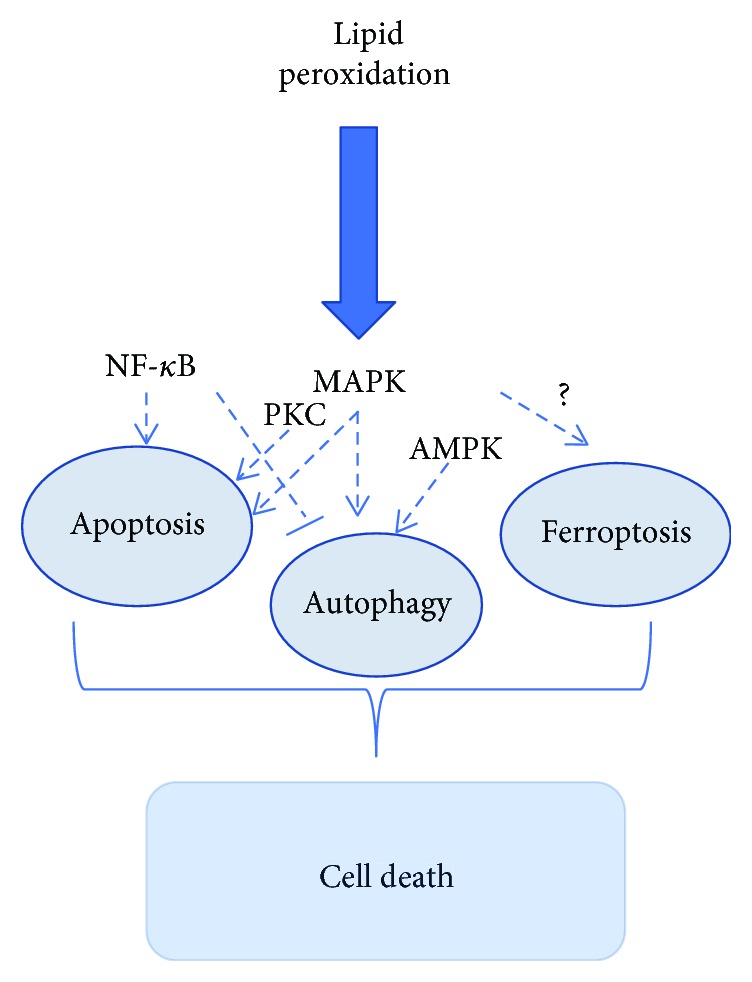
“Lipid peroxidation caused by ROS leads to increased apoptosis [18,69].”
An, F., Zhang, J., Gao, P., Xiao, Z., Chang, W., Song, J., Wang, Y., Ma, H., Zhang, R., Chen, Z., et al. (2023) · Frontiers in Cell and Developmental Biology · doi:10.3389/fcell.2023.1297024 · Cited by 36
Self-citationYang, Y., Jiang, Y., Qian, D., Wang, Z., & Xiao, L. (2023) · Journal of Orthopaedic Surgery and Research · doi:10.1186/s13018-023-04448-3 · Cited by 38
“Free polyun-saturated fatty acids (PUFAs) are important substrates for lipid oxidation, and PUFAs in cell membranes are important targets for reactive oxygen species (ROS) attack [40].”
BackgroundJiang, Y., Nguyen, T. V., Jin, J., Yu, Z. N., Song, C. H., & Chai, O. H. (2023) · Free Radical Biology and Medicine · doi:10.1016/j.freeradbiomed.2023.12.031 · Cited by 34
Zhao, K., Chen, L., Xie, Y., Ren, N., Li, J., Zhai, X., Zheng, S., Liu, K., Wang, C., Qiu, Q., et al. (2024) · Cancer Letters · doi:10.1016/j.canlet.2024.216735 · Cited by 34
Recent advances in stimuli responsive hydrogels for oral disease treatment
Wei, Y., Zheng, L., Xie, X., Yang, X., & Liao, J. (2024) · Materials & Design · doi:10.1016/j.matdes.2024.112817 · Cited by 39
Jiang, N., Chang, X., Huang, W., Khan, F. U., Fang, J. K., Hu, M., Xu, E. G., & Wang, Y. (2024) · Journal of Hazardous Materials · doi:10.1016/j.jhazmat.2024.134107 · Cited by 35
Adegboro, A. G., & Afolabi, I. S. (2024) · Frontiers in Cell and Developmental Biology · doi:10.3389/fcell.2024.1374735 · Cited by 35
Zinc and Its Impact on the Function of the Testicle and Epididymis
de Jesús, S. M., Vigueras‐Villaseñor, R. M., Barberena, E. C., Hernández-Rodríguez, J., Montes, S., Arrieta‐Cruz, I., Pérez-Aguirre, S. G., Bonilla‐Jaime, H., Limón‐Morales, O., & Arteaga‐Silva, M. (2024) · International Journal of Molecular Sciences · doi:10.3390/ijms25168991 · Cited by 41
“It is crucial to maintain redox balance as the inhibition of or alteration in antioxidant enzymes may lead to an overproduction of ROS, which, in turn, causes oxidative stress and cellular damage, ultimately leading to the development of chronic diseases [7,34,36,37].”
BackgroundRadiodynamic Therapy Using TAT Peptide-Targeted Verteporfin-Encapsulated PLGA Nanoparticles
Clement, S., Anwer, A. G., Pires, L., Campbell, J. M., Wilson, B. C., & Goldys, E. M. (2021) · International Journal of Molecular Sciences · doi:10.3390/ijms22126425 · Cited by 36
“This reduction in the cell membrane integrity is supported by the measurement of lipid peroxidation [45] shown in Figure 3d and discussed more in Supplementary Section S8 (Figure S8).”
Background
Metadata
- Authors
- Su, L.-J., Zhang, J.-H., Gomez, H., Murugan, R., Hong, X., Xu, D., Jiang, F., & Peng, Z.-Y.
- Affiliations
- Zhongnan Hospital of Wuhan University (CN)
- Department of Critical Care Medicine, Zhongnan Hospital of Wuhan University, Wuhan, 430071 Hubei Province, China
- Center of Critical Care Nephrology, Department of Critical Care Medicine, University of Pittsburgh Medical Center, Pittsburgh, 15223 PA, USA
- University of Pittsburgh Medical Center (US)
- Venue
- Oxidative Medicine and Cellular Longevity
- Publisher
- Wiley
- Published
- 2019-10-13
- Volume
- 2019
- Pages
- 1-13
- ISSN
- 1942-0994 (ISSN-L)
- 1942-0900
- PMC
- PMC6815535
- OpenAlex
- W2979799294
- Cited by
- 2,166
- References
- 147
- Citations by year
- 2026: 236 · 2025: 385 · 2024: 507 · 2023: 424 · 2022: 365 · 2021: 187 · 2020: 58
- FWCI
- 14.76
- Type
- journal article
- Language
- en
- Open access
- hybrid
- doi.org
- Locations
- Oxidative Medicine and Cellular Longevity (publishedVersion, cc-by)
- Europe PMC (PubMed Central) (publishedVersion, cc-by)
- PubMed Central (publishedVersion, cc-by)
- PubMed (publishedVersion)
- DOAJ (DOAJ: Directory of Open Access Journals) (submittedVersion)
- Funders
- Health Commission of Hubei Province (WJ2017Z008, 2017AHB044, 81560131, 81772046)
- Hubei Province Technology and Innovation Project (WJ2017Z008, 2017AHB044, 81560131, 81772046)
- National Natural Science Foundation of China (WJ2017Z008, 2017AHB044, 81560131, 81772046)
- Topics
- Health Sciences › Medicine › Biochemistry (medical) › Antioxidant Activity and Oxidative Stress
- Life Sciences › Biochemistry, Genetics and Molecular Biology › Molecular Biology › Cell death mechanisms and regulation
- Life Sciences › Biochemistry, Genetics and Molecular Biology › Cancer Research › Ferroptosis and cancer prognosis
- Keywords
- reactive oxygen species, lipid peroxidation, apoptosis, autophagy, ferroptosis, antioxidant defense, oxidative damage, cell death, critical illness
- MeSH terms
- Ferroptosis, Animals, Antioxidants, Autophagy, Humans, Lipid Peroxidation, Signal Transduction, Apoptosis, Reactive Oxygen Species, Oxidative Stress, Sepsis, Acute Kidney Injury
About these checks
Registry, retraction, Cites and statistics results are computed, not judged, with one exception: a printed reference that no index lists is read once by a model before it counts as a citation error. Claims are extracted by a model and kept only when their quote appears verbatim in the text; each cited source is then checked, with a model’s help, for whether it says what the claim relies on. Those verdicts can be wrong — read the claim’s quote and the cited source before relying on one.
Statistics and arithmetic are recomputed, not judged.
Confidence bands are shown only for fields calibrated on our annotated test set. None is calibrated yet, so no band is shown.
What counts as a claim ›How we measure confidence ›How we check this ›
Are you an author, or do you see a problem with this page? Request a review
Data sources
Bibliographic data: Semantic Scholar, OpenAlex, Crossref.
Contains information from the Semantic Scholar Academic Graph Datasets, made available under the ODC Attribution License (ODC-BY 1.0).
Semantic Scholar’s data is described in: Kinney, R., et al. (2023). The Semantic Scholar Open Data Platform. arXiv:2301.10140.
