

Reactive Oxygen Species-Induced Lipid Peroxidation in Apoptosis, Autophagy, and Ferroptosis
Open accessThe DOI matches its Crossref record; 147 of the 147 references it cites were found in a registry or an index.
Abstract
Reactive oxygen species- (ROS-) induced lipid peroxidation plays a critical role in cell death including apoptosis, autophagy, and ferroptosis. This fundamental and conserved mechanism is based on an excess of ROS which attacks biomembranes, propagates lipid peroxidation chain reactions, and subsequently induces different types of cell death. A highly evolved sophisticated antioxidant system exists that acts to protect the cells from oxidative damage. In this review, we discussed how ROS propagate lipid peroxidation chain reactions and how the products of lipid peroxidation initiate apoptosis and autophagy in current models. We also discussed the mechanism of lipid peroxidation during ferroptosis, and we summarized lipid peroxidation in pathological conditions of critical illness. We aim to bring a more global and integrative sight to know how different ROS-induced lipid peroxidation occurs among apoptosis, autophagy, and ferroptosis.
Overview
The claims and statistics of this paper haven’t been checked yet.
Free: it reads the open-access text and checks the first 5 claims that cite a source we can check. Create a free account to check every claim.
Integrity signals
Registry
Cites
Statistics
Figures
Verification
Claims the paper makes
The claims and statistics of this paper haven’t been checked yet.
Free: it reads the open-access text and checks the first 5 claims that cite a source we can check. Create a free account to check every claim.
Claims other papers make about this one
Each is checked against this paper’s own text: does it say what the citing paper says it does?
The source backs part of the claim, not all of it — or backs it for a different population, condition or comparison.
In the citing paper
“This oxidative damage has been shown to correlate with the upregulation of pro-apoptotic proteins like BAD, the activation of caspase-3, and the downregulation of anti-apoptotic proteins like Bcl-2 and Bcl-XL (Figure 2) [43].”
From Role of Regulated Cell Death Pathways in Snakebite Envenomation: Mechanisms, Crosstalk, and Therapeutic Opportunities (2026) · cites this paper as [43]
Experimental — accuracy not yet measuredThe source backs part of the claim, not all of it — or backs it for a different population, condition or comparison.
In the citing paper
“Thus, activating ferroptosis can effectively increase the sensitivity of tumor cells to ROS [118], indicating that SDT may be an ideal combination therapy for ferroptosis.”
From Nanosensitizer-assisted sonodynamic therapy for breast cancer (2025) · cites this paper as [118]
Experimental — accuracy not yet measured
Self-check
Percentages, sums and reported differences re-computed from the paper’s own numbers.
The self-check needs the paper’s full text.
Citations
Cites
Ferroptosis: An Iron-Dependent Form of Nonapoptotic Cell Death
Dixon, S. J., Lemberg, K. M., Lamprecht, M. R., Skouta, R., Zaitsev, E. M., Gleason, C. E., Patel, D. N., Bauer, A. J., Cantley, A. M., Yang, W. S., et al. (2012) · Cell · doi:10.1016/j.cell.2012.03.042 · Cited by 18,691 · cited 4×
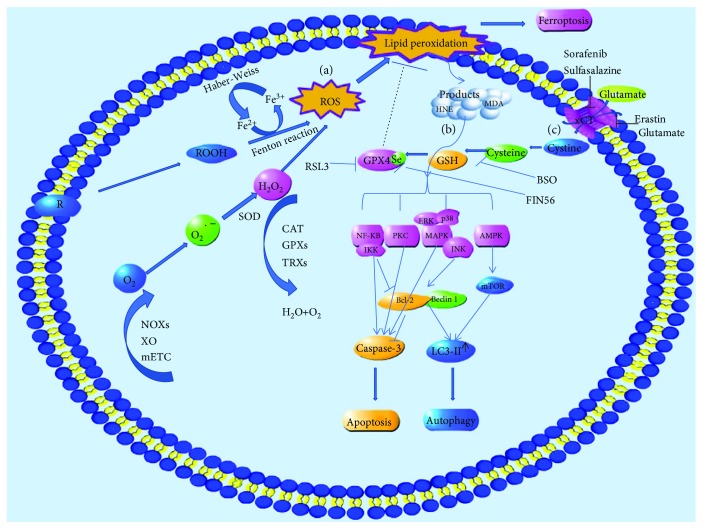
“, erastin, sulfasalazine, and RSL3) and also prevented by lipophilic antioxidants (CoQ10, Vitamin E, ferrostatins, and liproxstatins) [4, 8, 39, 104].”
BackgroundInfluentialApoptosis: A Review of Programmed Cell Death
Elmore, S. (2007) · Toxicologic Pathology · doi:10.1080/01926230701320337 · Cited by 13,853 · cited 1×
“Apoptosis is programmed series of events dependent on energy, as well as morphological features such as cell shrinkage, chromatin condensation, and presence of apoptotic bodies without inflammatory reactions [51, 52].”
BackgroundRegulation of Ferroptotic Cancer Cell Death by GPX4
Yang, W. S., SriRamaratnam, R., Welsch, M. E., Shimada, K., Skouta, R., Viswanathan, V. S., Cheah, J. H., Clemons, P. A., Shamji, A. F., Clish, C. B., et al. (2014) · Cell · doi:10.1016/j.cell.2013.12.010 · Cited by 7,713 · cited 6×
“GPX4 is a specific and robust central regulator of ferroptotic cell death when it is directly inhibited or indirectly inactivated by depletion of glutathione [112] (Figure 1).”
BackgroundInfluentialFerroptosis: A Regulated Cell Death Nexus Linking Metabolism, Redox Biology, and Disease
Stockwell, B. R., Friedmann Angeli, J. P., Bayir, H., Bush, A. I., Conrad, M., Dixon, S. J., Fulda, S., Gascón, S., Hatzios, S. K., Kagan, V. E., et al. (2017) · Cell · doi:10.1016/j.cell.2017.09.021 · Cited by 7,695 · cited 3×
“Ferroptosis occurs as a result of increased ROS levels due to elevated intracellular iron concentration and a depletion of antioxidant GSH that cause lipid peroxidation and consequently to cell death [101].”
BackgroundAutophagy: Renovation of Cells and Tissues
Mizushima, N., & Komatsu, M. (2011) · Cell · doi:10.1016/j.cell.2011.10.026 · Cited by 6,418 · cited 3×
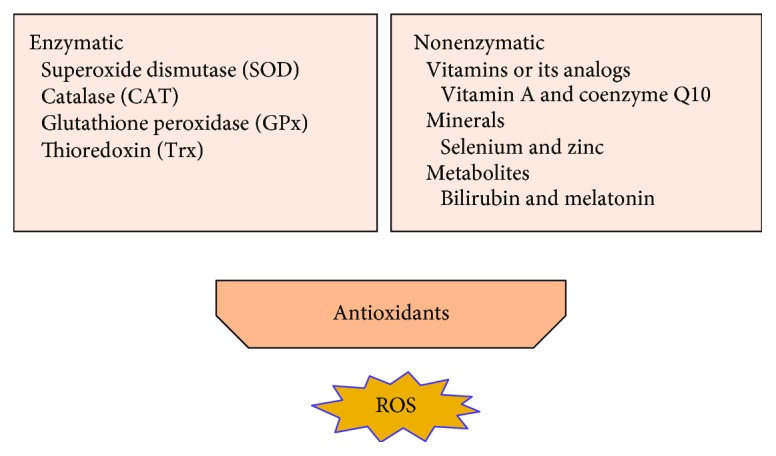
“ROS: Reactive oxygen species PUFAs: Polyunsaturated fatty acids NOXs: NADPH oxidases XO: Xanthine oxidase mETC: Mitochondrial electron-transport chain SOD: Superoxide dismutase CAT: Catalase HNE: Hydroxynonenal PL: Phospholipid LOX: Lipoxygenase Alox: Arachidonate lipoxygenase PLA2: Phospholipase A2 GPx: Glutathione p…”
BackgroundAyala, A., Muñoz, M. F., & Argüelles, S. (2014) · Oxidative Medicine and Cellular Longevity · doi:10.1155/2014/360438 · Cited by 6,349 · cited 5×
“The main aldehyde product of lipid peroxidation is the 3-carbon dialdehyde species malondialdehyde (MDA) and 4-hydroxy-2-nonenal (HNE) [46].”
BackgroundInfluentialDeath Receptors: Signaling and Modulation
Ashkenazi, A., & Dixit, V. M. (1998) · Science · doi:10.1126/science.281.5381.1305 · Cited by 5,866 · cited 1×
“The extrinsic pathway is initiated by the tumor necrosis factor (TNF) receptor family interacting with a ligand and then binds with procaspase-8 following ligand-receptor interaction to activation of caspase-3 which leads to execution of apoptosis [54, 55].”
BackgroundMethods in Mammalian Autophagy Research
Mizushima, N., Yoshimori, T., & Levine, B. (2010) · Cell · doi:10.1016/j.cell.2010.01.028 · Cited by 4,497 · cited 1×
“Chaperone-mediated autophagy involves the direct translocation of cytosolic proteins across the lysosomal membrane while microautophagy involves inward invagination of lysosomal membrane delivering a small portion of cytoplasm into the lysosomal lumen [82].”
BackgroundInactivation of the ferroptosis regulator Gpx4 triggers acute renal failure in mice
Friedmann Angeli, J. P., Schneider, M., Proneth, B., Tyurina, Y. Y., Tyurin, V. A., Hammond, V. J., Herbach, N., Aichler, M., Walch, A., Eggenhofer, E., et al. (2014) · Nature Cell Biology · doi:10.1038/ncb3064 · Cited by 3,732
The complexity of NF-κB signaling in inflammation and cancer
Hoesel, B., & Schmid, J. A. (2013) · Molecular Cancer · doi:10.1186/1476-4598-12-86 · Cited by 3,165 · cited 1×
“The NF-κB protein family is widely involve in inflammation, stress response, survival, and cell death [65].”
Background
Research works printed but not linked: 2
- 1995, Cell Death & Differentiation, 2, 87
- 2014, Anticancer Research, 34, 6417
Cited by
Items 501–600 of 1,002
Ferroptosis in Cancer: Mechanism and Therapeutic Potential
Singh, M., Arora, H. L., Naik, R., Joshi, S., Sonawane, K., Sharma, N. K., & Sinha, B. K. (2025) · International Journal of Molecular Sciences · doi:10.3390/ijms26083852 · Cited by 41
“Whereas glutathione plays a critical role as a cofactor for GPX4, an antioxidant that neutralizes ROS and lipid ROS [132].”
Advances in cold atmospheric plasma therapy for cancer
Fang, T., Chen, Z., & Chen, G. (2025) · Bioactive Materials · doi:10.1016/j.bioactmat.2025.07.031 · Cited by 50
Andrade, S., Loureiro, J. A., & Pereira, M. D. C. (2020) · Biochimica et Biophysica Acta (BBA) - Biomembranes · doi:10.1016/j.bbamem.2020.183476 · Cited by 29
Ho, C.-H., Huang, J.-H., Sun, M.-S., Tzeng, I., Hsu, Y., & Kuo, C. (2021) · Evidence-based Complementary and Alternative Medicine · doi:10.1155/2021/6671129 · Cited by 31
“ROSinduced lipid peroxidation and lipid ROS accumulation has been reported to play critical roles in cell death pathways, including apoptosis, autophagy, and ferroptosis [58].”
BackgroundPérez, G., Lopez‐Moya, F., Tomazeli, E. C., Ibáñez-Vea, M., Garde, E., Lopez-Llorca, L. V., Pisabarro, A. G., & Ramírez, L. (2021) · Journal of Fungi · doi:10.3390/jof7100862 · Cited by 26
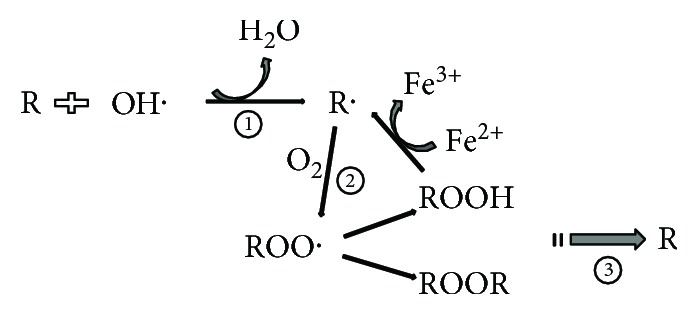
“This process, in which free radical species (such as oxyl, peroxyl, and hydroxyl radicals) remove electrons from lipids, produce reactive intermediates that can undergo further reactions [84].”
BackgroundAkensous, F.-Z., Anli, M., Boutasknit, A., Ben-Laouane, R., Ait-Rahou, Y., Ahmed, H. B., Nasri, N., Hafidi, M., & Meddich, A. (2022) · Gesunde Pflanzen · doi:10.1007/s10343-022-00651-0 · Cited by 27
“As a consequence, peroxidation of membrane lipids, dysfunctional enzymes, and the formation of protein aggregates occur (Su et al. 2019).”
BackgroundLin, Y., Yang, J., Luo, L., Zhang, X., Deng, S., Chen, X., Li, Y., Bekhit, A. E. A., Xu, B., & Huang, R. (2022) · Marine Drugs · doi:10.3390/md20050332 · Cited by 28
“have pointed out that ROS induced lipid peroxidation in apoptosis and ferroptosis [28].”
BackgroundGrilli, F., Gohari, P. H. M., & Zou, S. (2022) · International Journal of Molecular Sciences · doi:10.3390/ijms23126802 · Cited by 27
Erçelik, M., Tekin, Ç., Tezcan, G., Aksoy, S. A., Bekâr, A., Kocaelı, H., Taşkapılıoğlu, M. Ö., Ocak, P. E., & Tunca, B. (2023) · Life · doi:10.3390/life13020470 · Cited by 33
“Lipid peroxidation is induced by ROS damage of high polyunsaturated fatty acids in cellular membranes [59] and was shown to prime apoptotic signals by increasing NF-κB activity while decreasing IκB degradation and inducing the phosphorylation of antiapoptotic Bcl2 [60,61].”
BackgroundGomes, L. C. D. M., Cunha, A. B. D. O., Peixoto, L. F. F., Zanon, R. G., Botelho, F. V., Silva, M. J. B., Pinto‐Fochi, M. E., Góes, R. M., de Paoli, F., & Ribeiro, D. L. (2023) · Photochemical & Photobiological Sciences · doi:10.1007/s43630-023-00382-9 · Cited by 31
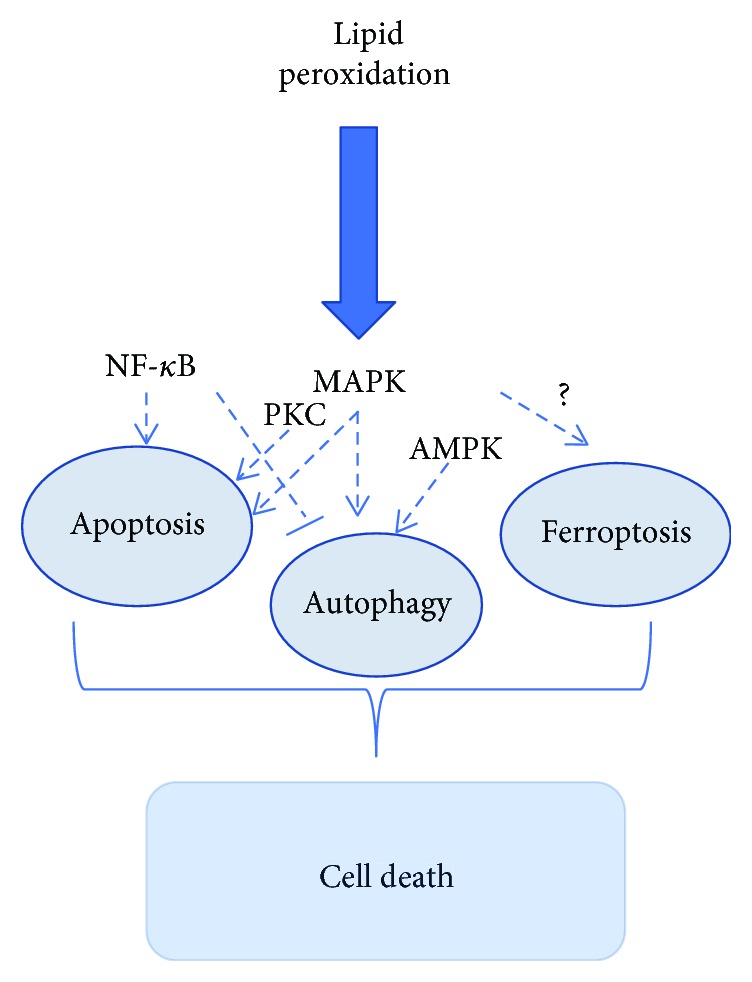
“[54], the products of lipid peroxidation can stimulate the activation of both the intrinsic and extrinsic apoptotic signaling pathways, as well as trigger autophagy trying to reduce the damage caused by oxidative stress and ferroptosis, a type of programmed cell death [54].”
BackgroundNovel Insight into Ferroptosis in Kidney Diseases
Liu, Y., Liu, Y., Zhou, S., Feng, Q., Lu, Y., Liu, D., & Liu, Z. (2023) · American Journal of Nephrology · doi:10.1159/000530882 · Cited by 28
Tang, S., Zhang, J., Zhang, L., Zhao, Y., Xiao, L., Zhang, F., Li, Q., Yang, Y., Liu, Q., Xu, J., et al. (2023) · Hepatology Communications · doi:10.1097/hc9.0000000000000257 · Cited by 31
“The next question is, “By which pathway does ROS affect the severity and prognosis of ACLF?” Studies have indicated that ROS-induced lipid peroxidation plays a key role in cell death and participates in the regulation of apoptosis, autophagy, and ferroptosis.[33] After detecting and analyzing certain marker molecules…”
BackgroundSelf-citationRegulation of m6A modification on ferroptosis and its potential significance in radiosensitization
Chen, X., Zhang, L., He, Y., Huang, S., Chen, S., Zhao, W., & Yu, D. (2023) · Cell Death Discovery · doi:10.1038/s41420-023-01645-1 · Cited by 32
“Iron is an essential trace mineral element in almost all organisms, but it can promote lipid peroxidation by catalyzing the production of reactive oxygen species (ROS) through the Fenton reaction [19, 20].”
BackgroundZheng, Q., Wang, D., Lin, R., Chen, Y., Xu, Z., & Xu, W. (2023) · Journal of Inflammation Research · doi:10.2147/jir.s439494 · Cited by 26
“12,17,62,94 In the NLRP3 inflammasome pathway activated via the TLR4/MyD88/NF-κB axis, caspase-8 is an upstream regulator of NF-κB and promotes TNF-α production, indirectly promoting ROS synthesis and ferroptosis (Figure 16).”
BackgroundSamimi, F., Namiranian, N., Sharifi-Rigi, A., Siri, M., Abazari, O., & Dastghaib, S. (2024) · International Journal of Endocrinology · doi:10.1155/2024/2247748 · Cited by 39
“…International Journal of Endocrinology International Journal of Endocrinology stress, defned as an imbalance between the formation of reactive oxygen species (ROS) and the body’s innate anti-oxidant defense systems, causes protein and lipid peroxidation, as well as DNA mutagenesis [12, 64, 65].”
BackgroundAntioxidant, Anti-Inflammatory, and Anticancer Activities of Five Citrus Peel Essential Oils
Li, Y., Li, W., Ye, Z., Ji, C., & Zhou, Z. (2024) · Antioxidants · doi:10.3390/antiox13121562 · Cited by 33
Liu, Z. (., Roy, A., Zheng, Y., & Annabi, N. (2025) · Advanced Drug Delivery Reviews · doi:10.1016/j.addr.2025.115651 · Cited by 27
“This process generates reactive aldehydes like malondialdehyde (MDA), which compromise membrane integrity [78].”
Ferroptosis and Metabolic Dysregulation: Emerging Chemical Targets in Cancer and Infection
Pawłowska, M., Nuszkiewicz, J., Jarek, D. J., & Woźniak, A. (2025) · Molecules · doi:10.3390/molecules30143020 · Cited by 32
Bao, Z., Zhu, Y., Zhang, K., Feng, Y., Chen, X., Lei, M., & Yu, L. (2021) · Bioresource Technology · doi:10.1016/j.biortech.2021.125305 · Cited by 25
Wang, S., Li, Z., Liu, W., Wei, G., Yu, N., & Ji, G. (2021) · The American Journal of Chinese Medicine · doi:10.1142/s0192415x21500609 · Cited by 27
Exosomes mediated the delivery of ochratoxin A-induced cytotoxicity in HEK293 cells
Zhu, L., Wang, H., Yuhan, J., Zhang, B., Li, H., Asakiya, C., Huang, K., He, X., & Xu, W. (2021) · Toxicology · doi:10.1016/j.tox.2021.152926 · Cited by 26
Su, D., Wang, X., Zhang, W., Li, P., & Tang, B. (2021) · TrAC Trends in Analytical Chemistry · doi:10.1016/j.trac.2021.116484 · Cited by 31
Sanchez‐Macedo, N., McLuckie, M., Grünherz, L., & Lindenblatt, N. (2022) · Plastic & Reconstructive Surgery · doi:10.1097/prs.0000000000009345 · Cited by 28
Yang, Y.-C., Zhang, M., Liu, J., Jiang, Y., Ji, X.-L., & Qu, Y.-Q. (2022) · International Journal of COPD · doi:10.2147/copd.s348569 · Cited by 26
Zhang, Z., Wu, J., Teng, C., Wang, J., Wang, L., Wu, L. H., Chen, W., Lin, Z., & Lin, Z. (2022) · Journal of Agricultural and Food Chemistry · doi:10.1021/acs.jafc.2c01773 · Cited by 27
Zhan, X., Tan, Y., Lv, Y., Fang, J., Zhou, Y., Gao, X., Zhu, H., & Shi, C. (2022) · Foods · doi:10.3390/foods11152296 · Cited by 28
“High levels of ROS in organisms attack cell membranes and cause peroxidation [43].”
BackgroundXia, J., Wan, Y., Wu, J., Yang, Y., Xu, J., Zhang, L., Liu, D., Chen, L., Tang, F., Ao, H., et al. (2022) · Critical Reviews in Food Science and Nutrition · doi:10.1080/10408398.2022.2115457 · Cited by 26
“Moreover, OS and inflammation are primary pathological damages, which trigger secondary damages such as autophagy disorders, apoptosis (Su et al. 2019), and mitochondrial dysfunction (McGarry et al. 2018), accelerating the progression of NCDs (Figure 1).”
BackgroundZheng, N., Sun, X., Shi, Y., Chen, L., Wang, L., Cai, H., Han, C., Liao, T., Yang, C., Zuo, Z., et al. (2022) · The Science of The Total Environment · doi:10.1016/j.scitotenv.2022.158715 · Cited by 26
Huaier suppresses pancreatic cancer progression via activating cell autophagy induced ferroptosis
Zhu, Z., Wang, X., Zhang, W., Gong, M., Zhang, S., Yang, B. H., Qu, B., Wu, Z., Ma, Q., Wang, Z., et al. (2022) · Frontiers in Oncology · doi:10.3389/fonc.2022.960858 · Cited by 27
“For example, autophagy is a ubiquitous biological process in mammalian cells in which autophagosomes fuse with lysosomes to form degradative autolysosomes (16), and it has been reported that autophagy can promote ferroptosis via autophagy related (ATG) genes mediated regulated cell death (RCD) (17, 18).”
BackgroundDevelopmental toxicity of black phosphorus quantum dots in zebrafish (Danio rerio) embryos
Cao, X., Fu, M., Du, Q., & Chang, Z. (2023) · Chemosphere · doi:10.1016/j.chemosphere.2023.139029 · Cited by 25
Yang, J., Wang, M., Zheng, S., Huang, R., Wen, G., Zhou, P., Wang, W., Zhou, S., Jiang, X., Liu, S., et al. (2023) · Journal of Nanobiotechnology · doi:10.1186/s12951-023-01896-1 · Cited by 28
“Extensive research has shown that one of the most important mechanisms in secondary SCI is the excessive production of post-traumatic reactive oxygen species (ROS) and its consequent oxidative damage induced by oxygen radicals [6–8], including DNA, lipids and proteins [9, 10].”
BackgroundInfluentialXia, K., Qiu, T., Jian, Y., Liu, H., Chen, H., Liu, X., Chen, Z., & Wang, L. (2023) · Biomedicine & Pharmacotherapy · doi:10.1016/j.biopha.2023.115128 · Cited by 28
Role of ferroptosis in periodontitis: An animal study in rats
Fu, E., Kuo, C., Hsia, Y., Huang, Y., Tseng, H., Fu, M., & Shih, K. (2023) · Journal of Periodontal Research · doi:10.1111/jre.13165 · Cited by 28
What is the impact of ferroptosis on diabetic cardiomyopathy: a systematic review
Lou, X., Zhang, Y., Guo, J., Gao, L., Ding, Y., Zhuo, X., Lei, Q., Bian, J., Lei, R., Gong, W., et al. (2023) · Heart Failure Reviews · doi:10.1007/s10741-023-10336-z · Cited by 25
“Lipid peroxidation is a process that involves both free radical and enzyme-mediated mechanisms, with Fe 2+ being essential for free radical-induced lipid peroxidation [52].”
Leon‐Icaza, S. A., Bagayoko, S., Vergé, R., Iakobachvili, N., Ferrand, C., Aydogan, T., Bernard, C., Dafun, A. S., Murris‐Espin, M., Mazières, J., et al. (2023) · PLoS Pathogens · doi:10.1371/journal.ppat.1011559 · Cited by 32
Lin, J., Yang, K., Ting, P., Lee, W., Lin, D.-J., & Chang, J. (2023) · European Journal of Pharmacology · doi:10.1016/j.ejphar.2023.176031 · Cited by 25
Role of regulatory non-coding RNAs in traumatic brain injury
Li, S., Qiu, N., Ni, A., Hamblin, M. H., & Yin, K. (2023) · Neurochemistry International · doi:10.1016/j.neuint.2023.105643 · Cited by 27
Fu, W., Dai, C., Ma, Z., Li, Q., Lan, D., Sun, C., Wu, X., Li, J., & Wang, S. (2024) · Food and Chemical Toxicology · doi:10.1016/j.fct.2024.114462 · Cited by 25
Nagarajan, M., Maadurshni, G. B., & Manivannan, J. (2023) · Food and Chemical Toxicology · doi:10.1016/j.fct.2023.114197 · Cited by 25
Mitochondrial signaling pathways and their role in cancer drug resistance
Sharma, A., Virmani, T., Kumar, G., Sharma, A., Virmani, R., Gugulothu, D. B., Singh, K., Misra, S. K., Pathak, K., Chitranshi, N., et al. (2024) · Cellular Signalling · doi:10.1016/j.cellsig.2024.111329 · Cited by 32
Hou, T., Jiang, Y., Zhang, J., Hu, R., Li, S., Fan, W., Chen, R., Zhang, L., Li, R., Li, Q., et al. (2024) · Advanced Science · doi:10.1002/advs.202403222 · Cited by 34
Self-citationThe role of ACSL4 in stroke: mechanisms and potential therapeutic target
Zhuo, B., Qin, C., Deng, S., Jiang, H., Si, S., Tao, F., Cai, F., & Meng, Z. (2024) · Molecular and Cellular Biochemistry · doi:10.1007/s11010-024-05150-6 · Cited by 29
“Lipid peroxidation contributes to apoptosis by activating the apoptosis signaling pathway through its products [105].”
LCN2 induces neuronal loss and facilitates sepsis-associated cognitive impairments
Guo, C., Li, W., Liu, Y., Mahaman, Y. A. R., Wang, J., Liu, R., Li, S., & Wang, X. (2025) · Cell Death and Disease · doi:10.1038/s41419-025-07469-4 · Cited by 29
“Studies have shown that oxidative stress mainly mediates apoptosis through mitochondrial and endoplasmic reticulum stress [44, 45].”
BRD4770 protects against DOX-induced cardiotoxicity by inhibiting apoptosis and ferroptosis
Shao, J., Xiao, R., Wang, T., Wang, F., Wang, B., Zhang, D., Wang, L., Li, J., Liu, J., & Zuo, S. (2025) · Science Advances · doi:10.1126/sciadv.adw1720 · Cited by 24
“Ferroptosis and apoptosis are two different types of RCD that may be affected by common factors, such as ROS levels and nuclear factor κ B (NF-κ B) inflammation ( 17 , 18 ).”
Antibacterial biomaterials: disruption of antibiotic tolerance for resistance prevention
Wang, M., Wang, J., Wang, F., Hu, X., He, X., James, T. D., Liu, H., & Su, J. (2025) · Coordination Chemistry Reviews · doi:10.1016/j.ccr.2025.217368 · Cited by 27
Jindal, A., & Nand, S. (2026) · Molecular Neurobiology · doi:10.1007/s12035-026-05760-9 · Cited by 30
“Membranes are harmed by the accumulation of lipid ROS; lipid peroxides can become fatal when antioxidant systems malfunction [25].”
Wen, S., Wang, L., Zhang, W., Xu, M., Song, R., Zou, H., Gu, J., Bian, J., Yuan, Y., & Liu, Z. (2021) · Metallomics · doi:10.1093/mtomcs/mfab042 · Cited by 24
Su, G., Wu, S., Wu, M., Wang, L., Yang, L., Du, M., Zhao, X., Su, X., Liu, X., Bai, C., et al. (2021) · Theriogenology · doi:10.1016/j.theriogenology.2021.09.014 · Cited by 26
Liang, T., Chen, J., Xu, G., Zhang, Z., Xue, J., Zeng, H., Jiang, J., Chen, T., Qin, Z., Li, H., et al. (2021) · Tuberculosis · doi:10.1016/j.tube.2021.102140 · Cited by 26
Krętowski, R., Jabłońska‐Trypuć, A., & Cechowska‐Pasko, M. (2021) · International Journal of Molecular Sciences · doi:10.3390/ijms222212593 · Cited by 26
“There is extensive literature on the biological effects of lipid peroxidation products, lipid hydroperoxides and aldehydes, which provides evidence that they can mediate cell death and decrease proliferation [12].”
BackgroundInfluentialShi, H., Yan, Y., Yang, H., Pu, P., & Tang, H. Y. (2022) · BioMed Research International · doi:10.1155/2022/5623555 · Cited by 25
“In addition, the accumulation of intracellular iron caused by ferroptosis leads to the increase of toxic lipid peroxide ROS, forming a vicious circle [7, 8].”
PGC-1α activity and mitochondrial dysfunction in preterm infants
Mohammadi, A., Higazy, R., & Gauda, E. B. (2022) · Frontiers in Physiology · doi:10.3389/fphys.2022.997619 · Cited by 27
“Elevated ROS and RNS levels cause injury via lipid peroxidation, cell death, and release of damage-associated molecular patterns (DAMPs), initiating an inflammatory response (Circu and Aw, 2010; Nakahira et al., 2015; Su et al., 2019; Falsaperla et al., 2020).”
BackgroundRealgar‑induced KRAS mutation lung cancer cell death via KRAS/Raf/MAPK mediates ferroptosis
Liu, X., Hai, Y., Dong, J., Xu, L., Hou, W., Su, J., Ren, W., & Liu, D. (2022) · International Journal of Oncology · doi:10.3892/ijo.2022.5447 · Cited by 30
“In addition, realgar may result in a large decrease in intra‑ cellular GSH and an increase in MDA content and intracellular ROS levels as well as cell mitochondrial shrinkage.”
InfluentialChen, C., Chen, W., Zhou, X. W., Li, Y., Pan, X., & Chen, X. (2022) · PLoS ONE · doi:10.1371/journal.pone.0276083 · Cited by 27
“[33] found that reactive oxygen species can simultaneously induce apoptosis, autophagy and ferroptosis.”
BackgroundMechanism and application of ferroptosis in colorectal cancer
Liu, Y., Zhang, Y., Zhang, Y., & Fan, Z. (2022) · Biomedicine & Pharmacotherapy · doi:10.1016/j.biopha.2022.114102 · Cited by 28
Attenuation of Sepsis-Induced Acute Kidney Injury by Exogenous H2S via Inhibition of Ferroptosis
Zhang, L., Rao, J., Liu, X., Wang, X., Wang, C., Fu, S., & Xiao, J. (2023) · Molecules · doi:10.3390/molecules28124770 · Cited by 25
“Excessive accumulation of intracellular lipid peroxides and free iron ions can lead to ferroptosis [23,24].”
BackgroundPimenta, G. F., Awata, W. M. C., Orlandin, G. G., da Silva-Neto, J. A., Assis, V. O., da Costa, R. M., Bruder-Nascimento, T. B., Tostes, R. C., & Tirapelli, C. R. (2023) · Life Sciences · doi:10.1016/j.lfs.2023.122361 · Cited by 26
Doğan, T., Yıldırım, B. A., & Kapakin, K. A. T. (2024) · Environmental Toxicology and Pharmacology · doi:10.1016/j.etap.2024.104374 · Cited by 29
Doxorubicin conjugates: a practical approach for its cardiotoxicity alleviation
Ibrahim, A. A., Nsairat, H., Al-Sulaibi, M., El‐Tanani, M., Jaber, A. M., Lafi, Z., Barakat, R., Abuarqoub, D. A., Mahmoud, I. S., Obare, S. O., et al. (2024) · Expert Opinion on Drug Delivery · doi:10.1080/17425247.2024.2343882 · Cited by 26
“ROS can directly react with all major biological macromolecules such as proteins, lipids, and DNA leading to various pathological processes [73–75].”
BackgroundResearch progress on interferon and cellular senescence
Wang, D., Chen, K., Wang, Z., Wu, H., & Li, Y. (2024) · The FASEB Journal · doi:10.1096/fj.202400808rr · Cited by 23
Enhancing Proton Therapy Efficacy Through Nanoparticle-Mediated Radiosensitization
Ma, J., Shen, H., & Mi, Z. (2024) · Cells · doi:10.3390/cells13221841 · Cited by 23
Kim, S.-H., Yoem, S.-H., Kim, J., Hong, J.-W., Oh, Y.-S., & Kim, J.-W. (2022) · Molecules · doi:10.3390/molecules27154940 · Cited by 23
“enzymes, proteins, and cell membranes, so it is imperative to develop UV-A-protective cosmetics [5].”
BackgroundSong, Z., & Gong, X. (2023) · Integrative Medicine in Nephrology and Andrology · doi:10.1097/imna-d-22-00027 · Cited by 28
“Simultaneously, the production of large amounts of ROS leads to lipid peroxidation, which can alter cellular fluidity and permeability, thereby causing cellular damage.[25] ROS can also cause mitochondrial damage, making mitochondria unable to maintain cellular redox and energy homeostases, such as mitochondrial dysfu…”
BackgroundChaudhary, P., Janmeda, P., Setzer, W. N., Aldahish, A. A., Sharifi‐Rad, J., & Călina, D. C. (2023) · Chemical Papers · doi:10.1007/s11696-023-03197-1 · Cited by 27
“It also maintains vitamins E and C in their respective reduced form and exerts an antioxidant activity by quenching the free radicals (Su et al. 2019).”
Ferroptosis as an emerging target in sickle cell disease
Fortuna, V., Lima, J. C., Oliveira, G. F., de Oliveira, Y. S. C., Getachew, B., Nekhai, S. A., Aschner, M., & Tizabi, Y. (2024) · Current Research in Toxicology · doi:10.1016/j.crtox.2024.100181 · Cited by 26
“It involves an iron-dependent sequence that causes degradation of cellular membranes and oxidative damage to crucial cell components (Su et al., 2019).”
BackgroundReactive Oxygen Species Mechanisms that Regulate Protein–Protein Interactions in Cancer
Iliadis, S., & Papanikolaou, N. A. (2024) · International Journal of Molecular Sciences · doi:10.3390/ijms25179255 · Cited by 33
“For example, 4-HNE can modify proteins involved in the NF-κ B signaling pathway, leading to altered transcriptional activity and promoting inflammation and oncogenic signaling.”
BackgroundWang, L., Zhang, X., Zhang, H., Wang, X., Ren, X., Bian, W., Shi, C., Wang, J., Li, L., Zhang, R., et al. (2024) · ACS Applied Materials & Interfaces · doi:10.1021/acsami.4c08671 · Cited by 23
Gřešková, A., & Petřivalský, M. (2024) · Insects · doi:10.3390/insects15100797 · Cited by 26
Zhang, Z., Ma, J., Yi, Y., Wang, S., He, Y., Liu, Y., Meng, K., Wang, Y., & Ma, W. (2024) · International Immunopharmacology · doi:10.1016/j.intimp.2024.113589 · Cited by 29
Ferroptosis in ischemic stroke: mechanisms, pathological implications, and therapeutic strategies
Long, Z., Zhu, Y., Zhao, H., Liao, S., & Liu, C. (2025) · Frontiers in Neuroscience · doi:10.3389/fnins.2025.1623485 · Cited by 35
“Under conditions of oxidative stress, ROS initiate the chain reaction of lipid peroxidation, culminating in the generation of toxic lipid hydroperoxides that compromise membrane integrity and cellular viability (Su, 2019).”
Machado, P. H. A., Paixão, D. A., Lino, R. C., de Souza, T. R., Bontempo, N. J. D. S., Sousa, L. M., Azevedo, F. V. P. D. V., Orsolin, P. C., Lima, P. M. A. P., Martins, I. C., et al. (2021) · Scientific Reports · doi:10.1038/s41598-021-03909-1 · Cited by 28
Benko, F., Ďuračka, M., Baňas, Š., Lukáč, N., & Tvrdá, E. (2022) · Oxygen · doi:10.3390/oxygen2020014 · Cited by 31
“The process is associated with electron removal from lipids and the production of reactive intermediates [69,70].”
BackgroundHan, G., & Lee, D. G. (2022) · Life Sciences · doi:10.1016/j.lfs.2022.120700 · Cited by 30
Comprehensive Analysis of Molecular Subtypes and Hub Genes of Sepsis by Gene Expression Profiles
Lai, Y., Lin, C., Lin, X., Wu, L., Zhao, Y., Shao, T., & Lin, F. (2022) · Frontiers in Genetics · doi:10.3389/fgene.2022.884762 · Cited by 29
CAV1 alleviated CaOx stones formation via suppressing autophagy-dependent ferroptosis
Yang, Y., Hong, S., Lu, Y., Wang, Q., Wang, S., & Xun, Y. (2022) · PeerJ · doi:10.7717/peerj.14033 · Cited by 23
“The epithelial cell injury caused by autophagy-dependent ferroptosis has been involved in many diseases, cells have ferroptosis always with ROS increased, which indicated lipid peroxidation ( Su et al., 2019 ).”
Fang, H., Huang, L., Lv, F., Hu, B., Liu, H., Huang, Z. L., Sun, Y., Zhou, W., & Wang, X. (2022) · Chemical Engineering Journal · doi:10.1016/j.cej.2022.140067 · Cited by 25
Chen, H., Zhou, H., Yang, J., Wan, H., & He, Y. T. (2022) · Phytomedicine · doi:10.1016/j.phymed.2022.154603 · Cited by 24
Involvement of redox signalling in tumour cell dormancy and metastasis
Puente-Cobacho, B., Varela‐López, A., Quiles, J. L., & Ramírez, L. V. (2023) · Cancer and Metastasis Reviews · doi:10.1007/s10555-022-10077-9 · Cited by 28
Ferroptosis open a new door for colorectal cancer treatment
Liang, H., He, X., Tong, Y., Bai, N., Pu, Y., Han, K., & Wang, Y. (2023) · Frontiers in Oncology · doi:10.3389/fonc.2023.1059520 · Cited by 28
“They could not only initiate apoptosis through pathways such as NF-kB, MAPK and PKC, but also initiate autophagy through AMPK/mTORC and JNK-Bcl-2/Beclin 1 (94).”
BackgroundGao, Y., Zhang, Z.-Z., Du, J., Yang, X. C., Wang, X., Wen, K., & Sun, X. (2023) · Frontiers in Pharmacology · doi:10.3389/fphar.2023.1148770 · Cited by 24
“GPX4 can neutralize lipid peroxides to protect plasma membranes against peroxidation (Su et al., 2019).”
BackgroundEmerging roles of ferroptosis-related miRNAs in tumor metastasis
Jiang, Z., Zhou, J., Deng, J., Li, L., Wang, R., Han, Y., Zhou, J., Tao, R., Peng, L., Wang, D., et al. (2023) · Cell Death Discovery · doi:10.1038/s41420-023-01486-y · Cited by 24
Sun, R., Feng, J., & Wang, J. (2023) · Aging and Disease · doi:10.14336/ad.2023.0621 · Cited by 28
“…capacity of the cell, they react with lipids, proteins, and nucleic acids, leading to oxidation or peroxide production, disruptions in cell membrane structure, changes in permeability, and cytotoxic reactions, which cause changes to the integrity and permeability of each biological barrier [161].”
BackgroundNahla, E. I., Arya, P., Maneesha, P., & Chitra, K. C. (2024) · Environmental Science and Pollution Research · doi:10.1007/s11356-024-32604-7 · Cited by 26
“The induction of oxidative stress by the upregulation of annexin A5 ( ANXA5 ) (Zhang et al. 2019) and inhibition of USP15 through the activation of nuclear factor erythroid 2-related factor 2 ( Nrf2 ) associated with testicular toxicity has been observed after administration of DBP in rat models…”
Oregano Essential Oil in Livestock and Veterinary Medicine
Cui, H. Y., Zhang, C., Su, K., Fan, T., Chen, L., Yang, Z., Zhang, M., Li, J., Zhang, Y., & Liu, J. (2024) · Animals · doi:10.3390/ani14111532 · Cited by 40
“Numerous investigations have established a direct link between oxidative stress and the progression of illnesses such as Alzheimer’s, Parkinson’s, chronic inflammation, arthritis, cancer, diabetes, and atherosclerosis [79–81].”
BackgroundAntioxidants and Mechanistic Insights for Managing Dry Age-Related Macular Degeneration
Basyal, D., Lee, S., & Kim, H. J. (2024) · Antioxidants · doi:10.3390/antiox13050568 · Cited by 31
Salanci, Š., Vilková, M., Martínez, L., Mirossay, L., Michalková, R., & Mojžíš, J. (2024) · International Journal of Molecular Sciences · doi:10.3390/ijms25147541 · Cited by 24
Liu, S., Xu, Y., Yao, X., Cao, H., Zhou, H., Luo, J., Gao, H., Chen, B., Chen, H., Xie, T., et al. (2025) · International Journal of Biological Macromolecules · doi:10.1016/j.ijbiomac.2025.140954 · Cited by 23
RetractedLipid Metabolism: An Emerging Player in Sjögren’s Syndrome
Chang, K., Luo, P., Guo, Z., Yang, L., Pu, J., Han, F., Cai, F., Tang, J., & Wang, X. (2025) · Clinical Reviews in Allergy & Immunology · doi:10.1007/s12016-025-09023-8 · Cited by 27
“Meanwhile, epithelial cells are more susceptible to damage due to increased PUFA [112].”
Wu, L., Liu, Y., Gao, H., Guan, W., Sun, S., Liu, H., Chu, X., & Li, G. (2025) · Chemical Engineering Journal · doi:10.1016/j.cej.2025.161308 · Cited by 27
Voros, C., Chatzinikolaou, F. G., Papadimas, G. K., Polykalas, S., Mavrogianni, D., Koulakmanidis, A.-M., Athanasiou, D., Kanaka, V., Kanaka, M., Bananis, K., et al. (2025) · International Journal of Molecular Sciences · doi:10.3390/ijms262110381 · Cited by 32
Bobadilla, M., García-Sanmartín, J., & Martínez, A. (2021) · Antioxidants · doi:10.3390/antiox10010046 · Cited by 23
“Lipid peroxidation, an oxidative degradation of cellular lipids, is another important parameter to take into account when studying oxidative stress [40].”
BackgroundMa, N., Shangguan, F., Zhou, H., Huang, H., Lei, J., An, J., Jin, G., Zhuang, W., Zhou, S., Wu, S., et al. (2022) · Phytomedicine · doi:10.1016/j.phymed.2022.154164 · Cited by 24
Pei, H., Zeng, J., He, Z., Zong, Y., Zhao, Y., Li, J., Chen, W., & Du, R. (2022) · Journal of Biochemical and Molecular Toxicology · doi:10.1002/jbt.23225 · Cited by 23
Verevkina, M. N., Goncharov, V. N., Nesmeyanov, E., Николаевна, К. О., Baklanov, I. S., Pokhilko, A. D., Nagapetova, A. G., & Мирошниченко, П. (2023) · Potravinarstvo Slovak Journal of Food Sciences · doi:10.5219/1871 · Cited by 23
“As part of the antioxidant enzyme glutathione peroxidase, selenium protects cells from excess oxygen, peroxides and free radicals [3], [4].”
BackgroundHe, S., Wang, J., Zhou, L., Mao, Z., Zhang, X., Cai, J., & Huang, P. (2023) · Journal of Environmental Sciences · doi:10.1016/j.jes.2023.06.030 · Cited by 22
Mitophagy contributes to zinc-induced ferroptosis in porcine testis cells
Li, Q., Yang, Q., Guo, P., Feng, Y., Wang, S., Guo, J., Tang, Z., Yu, W., & Liao, J. (2023) · Food and Chemical Toxicology · doi:10.1016/j.fct.2023.113950 · Cited by 24
Alhowail, A. H., & Aldubayan, M. A. (2023) · Frontiers in Pharmacology · doi:10.3389/fphar.2023.1251917 · Cited by 25
Emerging antioxidant therapies in Friedreich’s ataxia
Edzeamey, F. J., Ramchunder, Z., Pourzand, C., & Virmouni, S. A. (2024) · Frontiers in Pharmacology · doi:10.3389/fphar.2024.1359618 · Cited by 24
Yan, F., Chen, L., Chen, W., Zhao, L., Lu, Q., & Liu, R. (2020) · Life Sciences · doi:10.1016/j.lfs.2020.118908 · Cited by 22
Metabolic partitioning in the brain and its hijacking by glioblastoma
Swain, J. D. R., Michalopoulou, E., Noch, E., Lukey, M. J., & Aelst, L. V. (2023) · Genes & Development · doi:10.1101/gad.350693.123 · Cited by 25
“Polyunsaturated lipids readily react with ROS to form highly toxic lipid peroxides and aldehydes, which can initiate ferroptotic cell death (Gaschler and Stockwell 2017; Su et al. 2019).”
Background
Metadata
- Authors
- Su, L.-J., Zhang, J.-H., Gomez, H., Murugan, R., Hong, X., Xu, D., Jiang, F., & Peng, Z.-Y.
- Affiliations
- Zhongnan Hospital of Wuhan University (CN)
- Department of Critical Care Medicine, Zhongnan Hospital of Wuhan University, Wuhan, 430071 Hubei Province, China
- Center of Critical Care Nephrology, Department of Critical Care Medicine, University of Pittsburgh Medical Center, Pittsburgh, 15223 PA, USA
- University of Pittsburgh Medical Center (US)
- Venue
- Oxidative Medicine and Cellular Longevity
- Publisher
- Wiley
- Published
- 2019-10-13
- Volume
- 2019
- Pages
- 1-13
- ISSN
- 1942-0994 (ISSN-L)
- 1942-0900
- PMC
- PMC6815535
- OpenAlex
- W2979799294
- Cited by
- 2,166
- References
- 147
- Citations by year
- 2026: 236 · 2025: 385 · 2024: 507 · 2023: 424 · 2022: 365 · 2021: 187 · 2020: 58
- FWCI
- 14.76
- Type
- journal article
- Language
- en
- Open access
- hybrid
- doi.org
- Locations
- Oxidative Medicine and Cellular Longevity (publishedVersion, cc-by)
- Europe PMC (PubMed Central) (publishedVersion, cc-by)
- PubMed Central (publishedVersion, cc-by)
- PubMed (publishedVersion)
- DOAJ (DOAJ: Directory of Open Access Journals) (submittedVersion)
- Funders
- Health Commission of Hubei Province (WJ2017Z008, 2017AHB044, 81560131, 81772046)
- Hubei Province Technology and Innovation Project (WJ2017Z008, 2017AHB044, 81560131, 81772046)
- National Natural Science Foundation of China (WJ2017Z008, 2017AHB044, 81560131, 81772046)
- Topics
- Health Sciences › Medicine › Biochemistry (medical) › Antioxidant Activity and Oxidative Stress
- Life Sciences › Biochemistry, Genetics and Molecular Biology › Molecular Biology › Cell death mechanisms and regulation
- Life Sciences › Biochemistry, Genetics and Molecular Biology › Cancer Research › Ferroptosis and cancer prognosis
- Keywords
- reactive oxygen species, lipid peroxidation, apoptosis, autophagy, ferroptosis, antioxidant defense, oxidative damage, cell death, critical illness
- MeSH terms
- Ferroptosis, Animals, Antioxidants, Autophagy, Humans, Lipid Peroxidation, Signal Transduction, Apoptosis, Reactive Oxygen Species, Oxidative Stress, Sepsis, Acute Kidney Injury
About these checks
Registry, retraction, Cites and statistics results are computed, not judged, with one exception: a printed reference that no index lists is read once by a model before it counts as a citation error. Claims are extracted by a model and kept only when their quote appears verbatim in the text; each cited source is then checked, with a model’s help, for whether it says what the claim relies on. Those verdicts can be wrong — read the claim’s quote and the cited source before relying on one.
Statistics and arithmetic are recomputed, not judged.
Confidence bands are shown only for fields calibrated on our annotated test set. None is calibrated yet, so no band is shown.
What counts as a claim ›How we measure confidence ›How we check this ›
Are you an author, or do you see a problem with this page? Request a review
Data sources
Bibliographic data: Semantic Scholar, OpenAlex, Crossref.
Contains information from the Semantic Scholar Academic Graph Datasets, made available under the ODC Attribution License (ODC-BY 1.0).
Semantic Scholar’s data is described in: Kinney, R., et al. (2023). The Semantic Scholar Open Data Platform. arXiv:2301.10140.
