

Psilocybin produces substantial and sustained decreases in depression and anxiety in patients with life-threatening cancer: A randomized double-blind trial
Open accessThe DOI matches its Crossref record; 54 of the 54 references it cites were found in a registry or an index.
Abstract
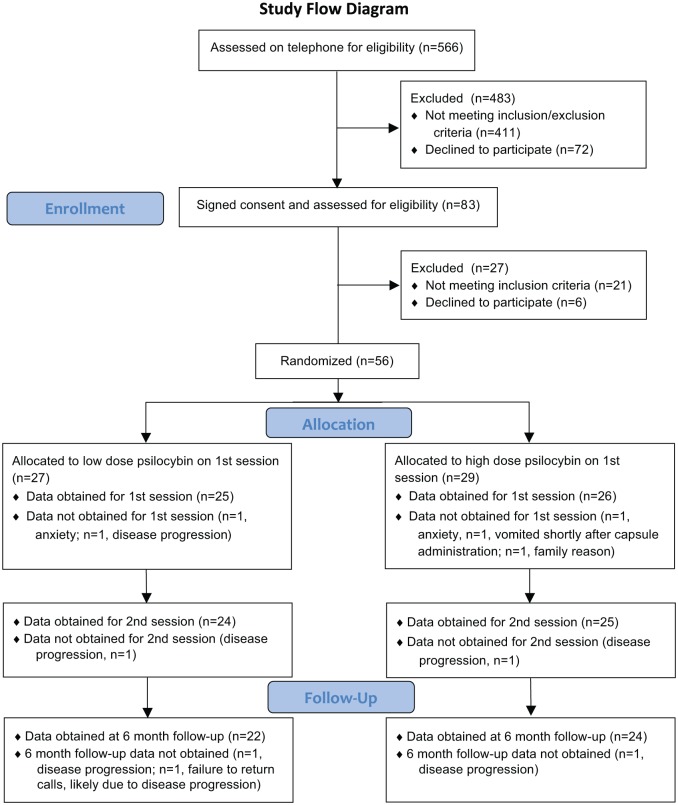
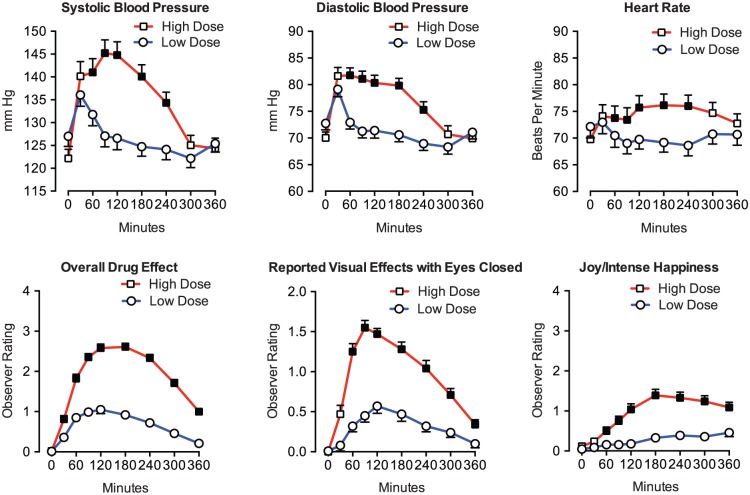
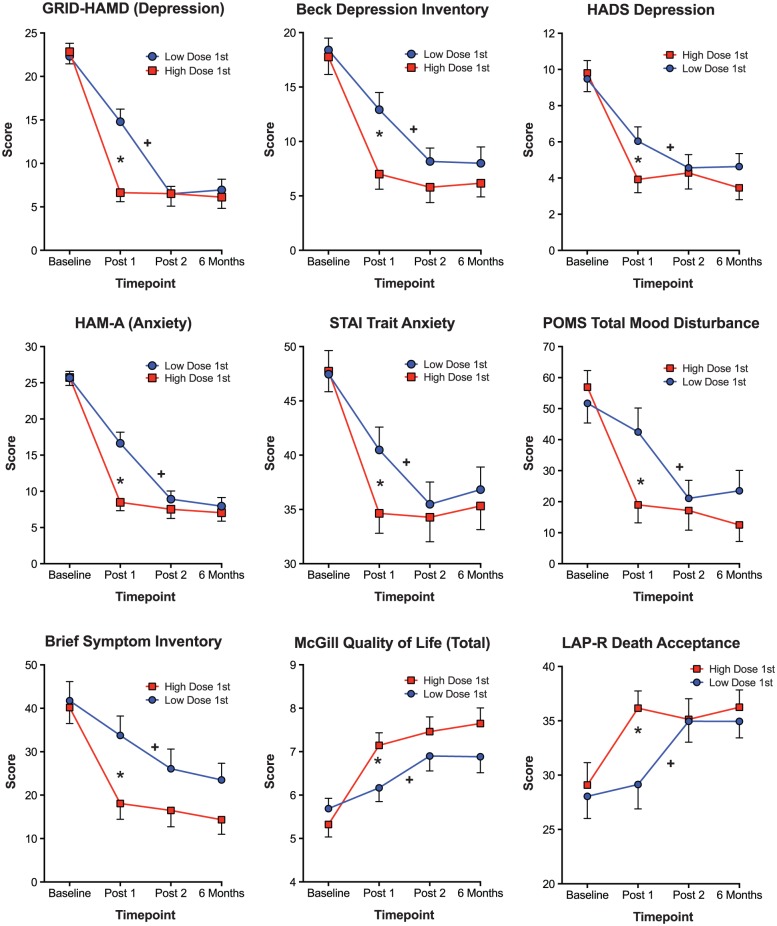
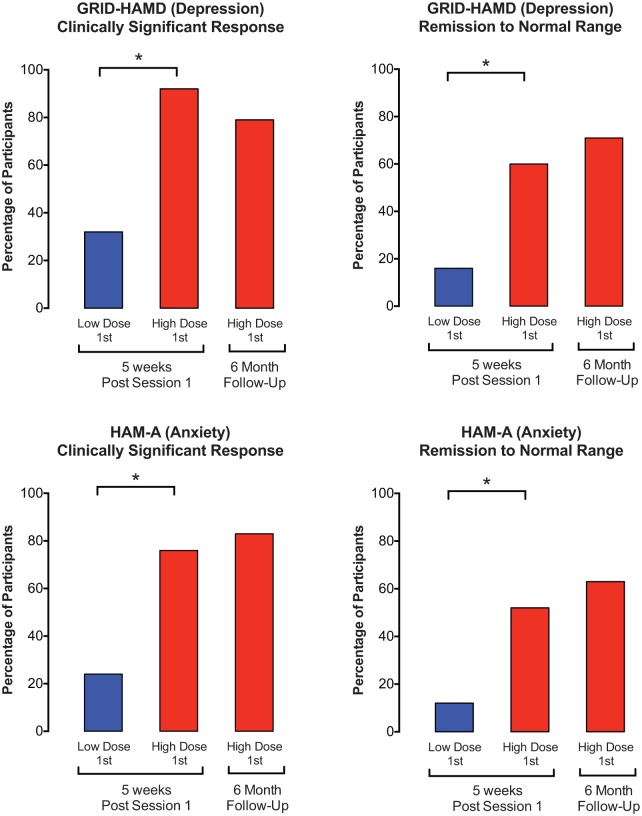
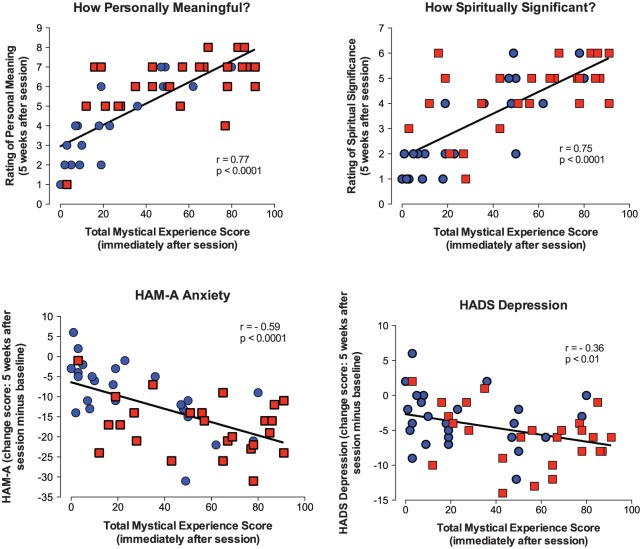
Cancer patients often develop chronic, clinically significant symptoms of depression and anxiety. Previous studies suggest that psilocybin may decrease depression and anxiety in cancer patients. The effects of psilocybin were studied in 51 cancer patients with life-threatening diagnoses and symptoms of depression and/or anxiety. This randomized, double-blind, cross-over trial investigated the effects of a very low (placebo-like) dose (1 or 3 mg/70 kg) vs. a high dose (22 or 30 mg/70 kg) of psilocybin administered in counterbalanced sequence with 5 weeks between sessions and a 6-month follow-up. Instructions to participants and staff minimized expectancy effects. Participants, staff, and community observers rated participant moods, attitudes, and behaviors throughout the study. High-dose psilocybin produced large decreases in clinician- and self-rated measures of depressed mood and anxiety, along with increases in quality of life, life meaning, and optimism, and decreases in death anxiety. At 6-month follow-up, these changes were sustained, with about 80% of participants continuing to show clinically significant decreases in depressed mood and anxiety. Participants attributed improvements in attitudes about life/self, mood, relationships, and spirituality to the high-dose experience, with >80% endorsing moderately or greater increased well-being/life satisfaction. Community observer ratings showed corresponding changes. Mystical-type psilocybin experience on session day mediated the effect of psilocybin dose on therapeutic outcomes. Trial Registration ClinicalTrials.gov identifier: NCT00465595
Overview
The claims and statistics of this paper haven’t been checked yet.
Free: it reads the open-access text and checks the first 5 claims that cite a source we can check. Create a free account to check every claim.
Integrity signals
Registry
Cites
Statistics
Figures
Verification
Claims the paper makes
The claims and statistics of this paper haven’t been checked yet.
Free: it reads the open-access text and checks the first 5 claims that cite a source we can check. Create a free account to check every claim.
Claims other papers make about this one
Each is checked against this paper’s own text: does it say what the citing paper says it does?
The cited source doesn’t support the claim as written.
In the citing paper
“In this study, groups of healthy participants were randomized into three groups, (1) low-dose psilocybin with standard support for spiritual practice (SS); (2) high-dose psilocybin with SS, and (3) high-dose psilocybin with High Support (HS) for spiritual practice.”
From Mindfulness meditation and psychedelics: potential synergies and commonalities (2023) · cites this paper as [6]
Checked by a reasoning model — may be wrong.
Experimental — accuracy not yet measuredThe source backs part of the claim, not all of it — or backs it for a different population, condition or comparison.
In the citing paper
“Griffiths et al. (2016)(n = 51) reported significantly larger response (92% versus 32%) and remission (60% versus 1%) on depression and anxiety (76% vs. 24%; 52% vs. 12%, respectively) in the high-dose group compared to active placebo after 5 weeks.”
From Psychedelics for the treatment of depression, anxiety, and existential distress in patients with a terminal illness: a systematic review (2022) · cites this paper as Griffiths et al., 2016
Experimental — accuracy not yet measuredThe source backs part of the claim, not all of it — or backs it for a different population, condition or comparison.
In the citing paper
“Most of this research has been carried out with the Revised Mystical Experience Questionnaire 30 (MEQ30), where a high score correlates with and has been suggested as a predictor of long-term positive therapeutic outcomes in various clinical and naturalistic studies of psychedelics.”
From Assessment of the acute subjective psychedelic experience: A review of patient-reported outcome measures in clinical research on classical psychedelics (2024) · cites this paper as Griffiths et al., 2016
Experimental — accuracy not yet measuredThe source backs part of the claim, not all of it — or backs it for a different population, condition or comparison.
In the citing paper
“Not only do they produce sustained therapeutic effects following a single administration, they also appear to have broad therapeutic potential”
From Psychedelics and Other Psychoplastogens for Treating Mental Illness. (2021) · cites this paper as [40]
Experimental — accuracy not yet measured
52 more claims about this paper
Create a free account to see every claim other papers make about this one.
Self-check
Percentages, sums and reported differences re-computed from the paper’s own numbers.
The self-check needs the paper’s full text.
Citations
Cites
The Hospital Anxiety and Depression Scale
Zigmond, A. S., & Snaith, R. P. (1983) · Acta Psychiatrica Scandinavica · doi:10.1111/j.1600-0447.1983.tb09716.x · Cited by 47,139
(2013) · Cited by 44,563
(1970) · Cited by 24,983
Depression and quality of life in older persons: A review
Sivertsen, H., Bjørkløf, G. H., Engedal, K., Selbæk, G., & Helvik, A.-S. (2015) · Dementia and Geriatric Cognitive Disorders · doi:10.1159/000437299 · Cited by 14,152
Optimism, coping, and health: Assessment and implications of generalized outcome expectancies.
Scheier, M. F., & Carver, C. S. (1985) · Health Psychology · doi:10.1037/0278-6133.4.3.219 · Cited by 6,690 · cited 2×
“…existence (existential subscale) during life-threatening illness (Cohen et al., 1995); LOT-R, self-rated optimism measure associated with illness (Scheier and Carver, 1985); LAP-R Death Acceptance, selfrated scale assessing absence of anxiety about death (Reker, 1992); Death Transcendence Scale,…”
BackgroundMethodMcNair, D. M. (1992) · Medical Entomology and Zoology · Cited by 2,692
Mitchell, A. J., Chan, M., Bhatti, H., Halton, M., Grassi, L., Johansen, C., & Meader, N. (2011) · The Lancet Oncology · doi:10.1016/s1470-2045(11)70002-x · Cited by 2,449 · cited 1×
“Cancer patients often develop a chronic, clinically significant syndrome of psychosocial distress having depressed mood, anxiety, and reduced quality of life as core features, with up to 40% of cancer patients meeting criteria for a mood disorder (Holland et al., 2013; Mitchell et al., 2011).”
BackgroundNichols, D. E. (2016) · Pharmacological Reviews · doi:10.1124/pr.115.011478 · Cited by 1,762 · cited 2×
“The classic hallucinogens, which include psilocybin (psilocin) and (+)-lysergic acid diethylamide (LSD), are a structurally diverse group of compounds that are 5-HT2A receptor agonists and produce a unique profile of changes in thoughts, perceptions, and emotions (Halberstadt, 2015; Nichols, 2016).”
BackgroundPeterman, A. H., Fitchett, G., Brady, M. J., Hernandez, L., & Cella, D. (2002) · Annals of Behavioral Medicine · doi:10.1207/s15324796abm2401_06 · Cited by 1,751 · cited 2×
“Three measures of spirituality were assessed at three time-points: Baseline, 5 weeks after session 2, and at the 6-month follow-up: FACIT-Sp, a self-rated measure of the spiritual dimension of quality of life in chronic illness (Peterman et al., 2002) assessed on how the participant felt “on average”; Spiritual-Religi…”
MethodGriffiths, R. R., Richards, W. A., McCann, U., & Jesse, R. (2006) · Psychopharmacology · doi:10.1007/s00213-006-0457-5 · Cited by 1,684 · cited 18×
“The structured interview (Community Observer Questionnaire) consisted of asking the rater to rate the participant’s behavior and attitudes using a 10-point scale (from 1 = not at all, to 10 = extremely) on 13 items reflecting healthy psychosocial functioning: inner peace; patience; good-natured humor/playfulness; ment…”
BackgroundMethodResultInfluentialSelf-citation
Research works printed but not linked: 7
- Beck AT Steer RA (1987) BDI Beck Depression Inventory Manual. San Antonio, San Diego, Orlando, New York, Chicago, Toronto: The Psychological Corporation Harcourt Brace Jovanovich, Inc.
- Benson PL Donahue MJ Erickson JA (1993) The Faith Maturity Scale: Conceptualization, measurement, and empirical validation. Res Soc Sci Stud Religion 5: 1– 26.
- ISCDD (2003) GRID-HAMD-17 Structured Interview Guide. San Diego, CA: International Society for CNS Drug Development.
- McIntosh DN (1999) Purpose in Life Test (Crumbaugh & Maholick, 1964). In: Hill PC Hood RW (eds) Measures of Religiosity. Birmingham, AL: Religious Education Press, pp. 503– 508.
- Metzner R Litwin G Weil G (1965) The relation of expectation and mood to psilocybin reactions: A questionnaire study. Psychedelic Rev 5: 3– 39.
- Reker GT (1992) The Life Attitude Profile-Revised (LAP-R). Peterborough, ON: Student Psychologists Press.
- VandeCreek L (1999) The Death Transcendence Scale (Hood & Morris, 1983). In: Hill PC Hood RW (eds) Measures of Religiosity. Birmingham, AL: Religious Education Press, pp. 442– 445.
Cited by
Items 801–900 of 1,018
Eckernäs, E., Timmermann, C., Carhart-Harris, R. L., Röshammar, D., & Ashton, M. (2023) · CPT Pharmacometrics & Systems Pharmacology · doi:10.1002/psp4.12933 · Cited by 17
Wolfgang, A. S., & Hoge, C. W. (2023) · Current Psychiatry Reports · doi:10.1007/s11920-023-01446-4 · Cited by 25
“…-dimethyltryptamine; DMT, dimeth-yltryptamine; Epi, epinephrine; LSD, lysergic acid diethylamide; MAOIs, monoamine oxidase inhibitors; MDMA, 3,4-methylenediox-ymethamphetamine; NE, norepinephrine; PCP, phencyclidine therapy may be efficacious for the treatment of depression [2 • , 57 •• , 58, 59].”
Rieser, N. M., Gubser, L. P., Moujaes, F., Duerler, P., Lewis, C. R., Michels, L., Vollenweider, F. X., & Preller, K. H. (2023) · Scientific Reports · doi:10.1038/s41598-023-44153-z · Cited by 22
Wang, S., Kim, S., Choi, W.-S., Lim, H. K., Woo, Y. S., Pae, C., & Bahk, W. (2023) · Clinical Psychopharmacology and Neuroscience · doi:10.9758/cpn.23.1134 · Cited by 21
“Two studies showed that psilocybin with psychological support were effective in reducing depressive and anxiety symptoms in patients with life-threatening cancer [35,36].”
BackgroundSjöström, D. K., Claesdotter‐Knutsson, E., & Kajonius, P. (2024) · Scientific Reports · doi:10.1038/s41598-024-60890-1 · Cited by 20
“SES = Socioeconomic status, range 1–10. p = independent t-test significance. d = Cohen’s standardized mean difference. confound the negative connotation of drug use seeing there is a growing body of reported personal meaningful experiences from psychedelic use 37,38 .”
How Do Psychedelics Reduce Fear of Death?
Letheby, C. (2024) · Neuroethics · doi:10.1007/s12152-024-09564-3 · Cited by 20
“Using the Death Transcendence Scale and the Death Acceptance subscale of the Revised Life Attitudes Profile (LAP-R), Griffiths et al. [9] found significant reductions in death anxiety and increases in positive attitudes toward death, lasting six months after a single dose of psilocybin.”
Campanale, A., Inserra, A., & Comai, S. (2024) · Progress in Neuro-Psychopharmacology and Biological Psychiatry · doi:10.1016/j.pnpbp.2024.111058 · Cited by 20
“…2018; Carhart-Harris et al., 2016; D ’ Souza et al., 2022; Gasser et al., 2014; Goodwin et al., 2022; Goodwin et al., 2023a; Goodwin et al., 2023b; Griffiths et al., 2016; Gukasyan et al., 2022; Holze et al., 2023; Os ´ orio et al., 2015; Palhano-Fontes et al., 2019; Raison et al., 2023; Ross et…”
BackgroundConcurrent stress modulates the acute and post-acute effects of psilocybin in a sex-dependent manner
Farinha‐Ferreira, M., Miranda‐Lourenço, C., Galipeau, C., Lenkei, Z., & Sebastião, A. M. (2024) · Neuropharmacology · doi:10.1016/j.neuropharm.2024.110280 · Cited by 20
Hogea, L., Tabugan, D. C., Costea, I., Albai, O., Nussbaum, L. A., Cojocaru, A., Corsaro, L., & Anghel, T. (2025) · Medicina · doi:10.3390/medicina61020278 · Cited by 25
“These studies support earlier discoveries from the peak period of psychedelic research, which suggest that psilocybin can significantly reduce alcohol consumption and cravings, improve mental health, and promote overall well-being [10,34,55,72,73].”
Psilocybin: Good Trip or Bad Trip
Sellers, E. M. (2017) · Clinical Pharmacology & Therapeutics · doi:10.1002/cpt.697 · Cited by 25
Psilocybin and Mental Health–Don't Lose Control
Barnby, J. M., & Mehta, M. A. (2018) · Frontiers in Psychiatry · doi:10.3389/fpsyt.2018.00293 · Cited by 18
Social Work and Psychedelic-Assisted Therapies: Practice Considerations for Breakthrough Treatments
Hutchison, C. A., & Bressi, S. (2020) · Clinical Social Work Journal · doi:10.1007/s10615-019-00743-x · Cited by 28
Scheidegger, M. (2021) · Springer eBooks · doi:10.1007/978-3-030-55688-4_3 · Cited by 25
Naturalizing psychedelic spirituality
Letheby, C. (2017) · Zygon: Journal of Religion and Science · doi:10.1111/zygo.12353 · Cited by 18
Expert Opinion on Psychedelic-Assisted Psychotherapy for People with Psychotic SymptomsPreprint
Torre, J. T. L., Mahammadli, M., Greenway, K. T., & Williams, M. T. (2022) · Research Square · doi:10.21203/rs.3.rs-1241397/v1 · Cited by 18
Lehto, R. H., Miller, M., & Sender, J. (2022) · Journal of Holistic Nursing · doi:10.1177/08980101211039086 · Cited by 17
“Psilocybin-assisted therapy was found to modify depression and anxiety symptoms, sustained at 6 months and 3.2- and 4.5-year posttreatment (Agin-Liebes et al., 2020; Griffiths et al., 2016).”
BackgroundMethodInfluentialUncovering psychedelics: from neural circuits to therapeutic applications
Melani, A., Bonaso, M., Biso, L., Zucchini, B., Conversano, C., & Scarselli, M. (2025) · Pharmaceuticals · doi:10.3390/ph18010130 · Cited by 17
Corso, S. J. F., O’Malley, K. Y., Subaiya, S., Mayall, D., & Dakwar, E. (2023) · Journal of Affective Disorders · doi:10.1016/j.jad.2023.04.116 · Cited by 22
Set and setting of psychedelics for therapeutic use in psychiatry: A systematic review
Estric, C., Duron, T., Kabani, S., & López‐Castromán, J. (2025) · Journal of Psychopharmacology · doi:10.1177/02698811251338214 · Cited by 19
“…versus active comparator (escitalopram) (Carhart-Harris et al., 2021) or active placebo (niacin) (Raison et al., 2023); versus waiting-list (Davis et al., 2021) or comparing different doses of psychedelics (Gasser et al., 2014; Goodwin et al., 2022; Griffiths et al., 2016; Moreno et al., 2006).”
InfluentialMechanistic intersections between migraine and major depressive disorder
Johnson, M., Filali, Y., Adegboyo, A., Eberle, M., Townsend, A., Hussien, Y., Marcinkiewcz, C. A., & Hultman, R. C. (2025) · The Journal of Headache and Pain · doi:10.1186/s10194-025-02097-x · Cited by 17
Self-citationKittur, M. E., M, L. A. B., Jones, B. D. M., Blumberger, D. M., Mulsant, B. H., Rosenblat, J. D., & Husain, M. I. (2025) · Journal of Affective Disorders · doi:10.1016/j.jad.2025.119952 · Cited by 19
Schmitz, G. P., Chiu, Y.-T., Foglesong, M. L., Magee, S. N., MacKinnon, M., König, G. M., Kostenis, E., Hsu, L.-M., Shih, Y.-Y. I., Roth, B. L., et al. (2025) · Translational Psychiatry · doi:10.1038/s41398-025-03611-0 · Cited by 31
Novel Perspective of Medicinal Mushroom Cultivations: A Review Case for ‘Magic’ Mushrooms
Sommano, S. R., Suksathan, R., Sombat, T., Seehanam, P., Sirilun, S., Ruksiriwanich, W., Wangtueai, S., & Leksawasdi, N. (2022) · Agronomy · doi:10.3390/agronomy12123185 · Cited by 20
Huang, H., Liu, Z., Xiong, H., Herold, F., Kuang, J., Chen, E., Taylor, A., Yeung, A., Sun, J., Hossain, M. M., et al. (2023) · Frontiers in Psychiatry · doi:10.3389/fpsyt.2023.1088769 · Cited by 19
“As a result, body dissatisfaction does not only negatively influence adolescent well-being (13), but also impacts health and social systems due to the collective burden of eating disorders and other comorbidities associated with body dissatisfaction (14).”
BackgroundSong, H.-B., & Bau, T. (2023) · Journal of Fungi · doi:10.3390/jof9090924 · Cited by 21
5-MeO-DMT for post-traumatic stress disorder: a real-world longitudinal case study
Ragnhildstveit, A., Khan, R., Seli, P., Bass, L. C., August, R. J., Kaiyo, M., Barr, N., Jackson, L. K., Gaffrey, M. S., Barsuglia, J. P., et al. (2023) · Frontiers in Psychiatry · doi:10.3389/fpsyt.2023.1271152 · Cited by 32
“Thus, people have rated mystical experiences in their top five most important life events, in terms of personal meaning and spiritual significance, next to giving birth or losing a loved one (42, 43).”
BackgroundPsychedelics and disorders of consciousness: the current landscape and the path forward
Cardone, P., Alnagger, N., Annen, J., Bicego, A., Gosseries, O., & Martial, C. (2024) · Neuroscience of Consciousness · doi:10.1093/nc/niae025 · Cited by 20
“…clinical trials utilising psychedelic drugs to treat a number of affective psychiatric disorders have yielded promising results (Gasser et al. 2014, Griffiths et al. 2016, Danforth et al. 2018, Carhart-Harris et al. 2021, Mitchell et al. 2021, 2023, Spriggs et al. 2021, Bogenschutz et al. 2022,…”
BackgroundLong-term transformational effects of near-death experiences
Long, J. D., & Woollacott, M. H. (2024) · EXPLORE · doi:10.1016/j.explore.2024.103030 · Cited by 20
Walther, R. F. E., & van Schie, H. T. (2024) · Psychoactives · doi:10.3390/psychoactives3030026 · Cited by 22
“Research indicates that individuals who undergo “complete” ego dissolution are more likely to report positive clinical outcomes and long-term changes in worldview and personality traits, particularly openness [27,41,44,50,105].”
Meling, D., Egger, K., Aicher, H., Redondo, J. J., Mueller, J., Dornbierer, J., Temperli, E., Vasella, E. A., Caflisch, L., Pfeiffer, D., et al. (2024) · Journal of Psychopharmacology · doi:10.1177/02698811241282637 · Cited by 24
“…or meditative practice (Griffiths et al., 2018; Smigielski et al., 2019a) and in other not explicitly meditative contexts including psilocybin (Griffiths et al., 2016, 2006, 2008, 2011; Garcia-Romeu et al., 2015) and ayahuasca or ayahuasca-analogs (Palhano-Fontes et al., 2019; Pontual et…”
BackgroundInfluentialDahan, J. D. C., Dadiomov, D., Bostoen, T., & Dahan, A. (2024) · npj Mental Health Research · doi:10.1038/s44184-024-00091-w · Cited by 25
“Oftheremaining23papers(daterange:2000to2024),15wereon thetreatmentofketaminefordepression( n = 13) 17 – 31 or SUD ( n = 2) 32,33 , and 8 on psilocybin for treatment of depression ( n = 6) 33 – 39 or SUD ( n = 2) 40,41 .”
BackgroundMethodPsilocybin for depression and anxiety associated with life-threatening illnesses
McCorvy, J. D., Olsen, R. H. J., & Roth, B. L. (2016) · Journal of Psychopharmacology · doi:10.1177/0269881116675771 · Cited by 21
Rediscovering Psilocybin as an Antidepressive Treatment Strategy
Zeiss, R., Gahr, M., & Graf, H. (2021) · Pharmaceuticals · doi:10.3390/ph14100985 · Cited by 32
“None of the systematic reviews mentioned described any serious adverse events and, overall, the treatment was considered to be very safe [74,77,79,81].”
BackgroundNatural Psychoplastogens As Antidepressant Agents
Benko, J., & Vranková, S. (2020) · Molecules · doi:10.3390/molecules25051172 · Cited by 19
“In general, authors conclude that psychedelics are generally safe [48,77,80,85,86].”
BackgroundInfluentialEffects of LSD on music-evoked brain activityPreprint
Kaelen, M., Lorenz, R., Barrett, F. S., Roseman, L., Orbán, C., Ribeiro, A., Wall, M. B., Feilding, A., Nutt, D. J., Muthukumaraswamy, S. D., et al. (2017) · bioRxiv (Cold Spring Harbor Laboratory) · doi:10.1101/153031 · Cited by 23
“…effects within “psychedelic therapy” - a therapeutic approach that is characterised by lengthy periods of introspective music-listening during drug effects (Carhart-Harris et al., 2016b; Gasser et al., 2014; Griffiths et al., 2016; Grob CS et al., 2011; Johnson et al., 2014; Ross et al., 2016).”
BackgroundSANTOS, R. G. D., Bouso, J. C., & Hallak, J. E. C. (2019) · BMC Psychiatry · doi:10.1186/s12888-019-2288-z · Cited by 23
Neural and subjective effects of inhaled DMT in natural settingsPreprint
Pallavicini, C., Cavanna, F., Zamberlán, F., de la Fuente, L. A., Perl, Y. S., Arias, M., Romero, C., Carhart-Harris, R. L., Timmermann, C., & Tagliazucchi, E. (2020) · bioRxiv (Cold Spring Harbor Laboratory) · doi:10.1101/2020.08.19.258145 · Cited by 17
“…applications of psilocybin, occur with dose-dependent frequency, and are usually placed by research participants among the most meaningful experiences of their lives, even decades after the event (Griffiths et al., 2008; Griffiths et al., 2011; Garcia-Romeu et al., 2014; Griffiths et al., 2016).”
BackgroundGill, H., Puramat, P., Patel, P., Gill, B., Marks, C. A., Rodrigues, N. B., Castle, D., Cha, D. S., Mansur, R. B., Rosenblat, J. D., et al. (2022) · Psychiatry Research · doi:10.1016/j.psychres.2022.114577 · Cited by 16
“A number of additional clinical trials have explored the therapeutic efficacy of psilocybinassisted psychotherapy for the treatment of MDD (R. L. Carhart-Harris et al., 2018; Robin L. Carhart-Harris & Goodwin, 2017; Davis et al., 2020; Gill et al., 2020; Griffiths et al., 2016).”
BackgroundArmstrong, M., Castellanos, J. P., & Christie, D. (2024) · Frontiers in Pain Research · doi:10.3389/fpain.2024.1346053 · Cited by 24
A systematic review of income and education reporting in psychedelic clinical trials
Grossman, D. H., Madden, K. R., Mehtani, N. J., Anderson, B. T., Davis, L. L., Mitchell, J., & Hendricks, P. S. (2025) · Nature Mental Health · doi:10.1038/s44220-025-00417-3 · Cited by 17
Hultgren, J., Hafsteinsson, M. H., & Brulin, J. G. (2025) · General Hospital Psychiatry · doi:10.1016/j.genhosppsych.2025.07.020 · Cited by 17
Uthaug, M. V., Mason, N. L., Havenith, M. N., Vancura, M., & Ramaekers, J. G. (2021) · Journal of Psychedelic Studies · doi:10.1556/2054.2021.00193 · Cited by 21
“…of the mysticaltype that can be evoked by psychedelics and that have been associated with positive therapeutic outcomes (Bogenschutz et al., 2015; Griffiths et al., 2016; Johnson, Garcia-Romeu, & Griffiths, 2017; Klavetter & Mogar, 1967; Kurland, Grof, Pahnke, & Goodman, 1972; MacLean,…”
BackgroundVorobyeva, N. S., & Kozlova, A. A. (2022) · Frontiers in Pharmacology · doi:10.3389/fphar.2022.927984 · Cited by 24
Body mass index (BMI) does not predict responses to psilocybin
Spriggs, M. J., Giribaldi, B., Lyons, T., Rosas, F. E., Kärtner, L., Buchborn, T., Douglass, H. M., Roseman, L., Timmermann, C., Erritzøe, D., et al. (2022) · Journal of Psychopharmacology · doi:10.1177/02698811221131994 · Cited by 22
“…long-term positive outcomes following administration within a therapeutic setting, with both the ‘mystical-type’ experience (Bogenschutz et al., 2015; Griffiths et al., 2011, 2016; MacLean et al., 2011; Roseman et al., 2018; Ross et al., 2016) and acute emotional-breakthroughs (Roseman et al.,…”
BackgroundGalanter, M. S., White, W. L., Khalsa, J. H., & Hansen, H. (2023) · Journal of Addictive Diseases · doi:10.1080/10550887.2023.2174785 · Cited by 25
“26 A diversity of subjective experiences similar to spiritual ones was reported in this latter study.”
Synthetic surprise as the foundation of the psychedelic experience
Filippo, R. D., & Schmitz, D. (2024) · Neuroscience & Biobehavioral Reviews · doi:10.1016/j.neubiorev.2024.105538 · Cited by 19
“…the therapeutic effect of psilocybin, in humans, has been found to correlate with various subjective qualities of the psychedelic experience (Roseman et al., 2018; Barrett and Griffiths, 2018; Griffiths et al., 2016; Aaronson et al., 2023), pointing at the importance of the subjective experience.”
BackgroundEffects of Ayahuasca on Gratitude and Relationships with Nature: A Prospective, Naturalistic Study
Aday, J. S., Bloesch, E. K., Davis, A. K., Domoff, S. E., Scherr, K. C., Woolley, J. D., & Davoli, C. C. (2024) · Journal of Psychoactive Drugs · doi:10.1080/02791072.2024.2312980 · Cited by 20
“…outcomes in patients with depression (Davis et al. 2021; Palhano-Fontes et al. 2019), substance misuse (Bogenschutz et al. 2022), and end-of-life distress (Griffiths et al. 2016) as well as prosocial changes, such as increased openness to experience and feelings of connection (Aday et al. 2020).”
BackgroundMoreton, S. G., Barr, N. N. T., & Giese, K. J. (2024) · Death Studies · doi:10.1080/07481187.2024.2352726 · Cited by 18
“Firstly, psychedelic-induced reductions in death anxiety have been widely reported in prior research (e.g., Blomstrom et al., 2020; Griffiths et al., 2016; Moreton, Arena, et al., 2023; Moreton, Burden-Hill, et al., 2023; Sweeney et al., 2022).”
Experiential Training in Psychedelic‐Assisted Therapy: A Risk‐Benefit Analysis
Rosenbaum, D., Hare, C., Hapke, E., Herman, Y., Abbey, S. E., Sisti, D. A., & Buchman, D. Z. (2024) · The Hastings Center Report · doi:10.1002/hast.1602 · Cited by 20
Salvetti, G., Saccenti, D., Moro, A. S., Lamanna, J., & Ferro, M. (2024) · Brain Sciences · doi:10.3390/brainsci14080829 · Cited by 18
Psilocybin: From Psychiatric Pariah to Perceived Panacea
Fonzo, G. A., Wolfgang, A. S., Barksdale, B. R., Krystal, J. H., Carpenter, L. L., Kraguljac, N. V., Grzenda, A. L., McDonald, W. M., Widge, A. S., Rodríguez, C. I., et al. (2025) · American Journal of Psychiatry · doi:10.1176/appi.ajp.20230682 · Cited by 20
Ayahuasca: what mental health professionals need to know
SANTOS, R. G. D., Bouso, J. C., & Hallak, J. E. C. (2017) · Archives of Clinical Psychiatry (São Paulo) · doi:10.1590/0101-60830000000130 · Cited by 25
Psychedelic science in post-COVID-19 psychiatry
Kelly, J. R., Crockett, M. T., Alexander, L., Haran, M., Baker, A., Burke, L., Brennan, C., & O’Keane, V. (2021) · Irish Journal of Psychological Medicine · doi:10.1017/ipm.2020.94 · Cited by 16
“…self-reflecting ‘ego’, induced by psilocybin, can lead to profound experiences of connectivity to others and the environment (Erritzoe et al. 2018, Griffiths et al. 2006, 2016, Grob et al. 2011, Kettner et al. 2019, Smigielski et al. 2019) and can be harnessed by psilocybin therapy to…”
BackgroundMoorhead, L. L., Krakow, M., & Maggio, L. A. (2021) · PLoS ONE · doi:10.1371/journal.pone.0247553 · Cited by 15
Psilocybin for the Treatment of Depression: A Promising New Pharmacotherapy Approach
Agin-Liebes, G., & Davis, A. K. (2021) · Current topics in behavioral neurosciences · doi:10.1007/7854_2021_282 · Cited by 23
Pouyan, N., Khankahdani, Z. H., Sisi, F. Y., Lee, Y. L., Rosenblat, J. D., Teopiz, K. M., Lui, L. M. W., Subramaniapillai, M., Lin, K., Nasri, F., et al. (2022) · CNS Drugs · doi:10.1007/s40263-022-00944-y · Cited by 18
“A considerable number of the included articles report alterations, and in some cases enhancements, of the “perception and understanding of self” construct by psilocybin [45, 49].”
Ledwos, N., Rosenblat, J. D., Blumberger, D. M., Castle, D. J., McIntyre, R. S., Mulsant, B. H., & Husain, M. I. (2022) · Journal of Clinical Psychopharmacology · doi:10.1097/jcp.0000000000001608 · Cited by 20
Psychedelic Experience: Revealing the Mind
Lyon, A. (2023) · doi:10.1093/oso/9780198843757.001.0001 · Cited by 29
Psycho-existential distress in cancer patients: A return to “entheogens”
Blinderman, C. D. (2016) · Journal of Psychopharmacology · doi:10.1177/0269881116675761 · Cited by 17
“In this issue of the Journal of Psychopharmacology, Griffiths et al. (2016) and Ross et al. (2016) have published the largest randomized controlled trials of psilocybin for depression and anxiety in cancer patients to date.”
BackgroundWeiss, B., Sleep, C., Miller, J. D., & Campbell, W. K. (2023) · Journal of Personality Disorders · doi:10.1521/pedi.2023.37.2.131 · Cited by 15
Blinding and expectancy confounds in psychedelic randomised controlled trials
Muthukumaraswamy, S., Forsyth, A., & Lumley, T. (2021) · doi:10.31234/osf.io/q2hzm · Cited by 15
What is Psychological Support in the Context of Psychedelic Clinical Trials?
Richard, J., & Levine, M. A. (2025) · Psychedelic Medicine · doi:10.1089/psymed.2024.0026 · Cited by 15
“6,8,15,28 Whether or not there is adequate fi delity with regards to how psychological support as implemented resembles the claims made by the investigators in the procedures for these trials, they are descriptively consistent.”
Berkovitch, L., Fauvel, B., Preller, K. H., & Gaillard, R. (2025) · Neuroscience & Biobehavioral Reviews · doi:10.1016/j.neubiorev.2025.106239 · Cited by 17
Blinding Integrity in Psychedelic Randomized Clinical Trials: A Systematic Review
Orsini, D. K., Wong, S., Luch, S. D. D., Chan, B., Vasudeva, S., Lovell, G. F. M., Le, G. H., Jones, B. D. M., Chisamore, N., Mollica, A., et al. (2026) · JAMA Psychiatry · doi:10.1001/jamapsychiatry.2026.0255 · Cited by 22
Barone, W. P., Mitsunaga-Whitten, M., Blaustein, L. O., Perl, P., Swank, M., & Swift, T. C. (2022) · Frontiers in Psychiatry · doi:10.3389/fpsyt.2022.944849 · Cited by 22
Kelly, D. F., Heinzerling, K. G., Sharma, A., Gowrinathan, S., Sergi, K., & Mallari, R. J. (2022) · Neurosurgery · doi:10.1227/neu.0000000000002275 · Cited by 17
“9,11,45,47,49,55,61 With MDMA-assisted therapy, a mystical experience and ego dissolution are less often achieved and may not correlate with ef fi cacy.”
BackgroundInfluentialModerators of ayahuasca’s biological antidepressant action
de Sousa, G. M., Tavares, V. D. D. O., Galvão, A. C. D. M., de Almeida, R. N., Palhano-Fontes, F., Soares, B. L., Freire, F. A. D. M., Nunes, E. A., Maia‐de‐Oliveira, J. P., Perkins, D., et al. (2022) · Frontiers in Psychiatry · doi:10.3389/fpsyt.2022.1033816 · Cited by 26
Sicignano, D. J., Caroti, K. S., Hernández, A. V., & White, C. M. (2023) · American Journal of Clinical Oncology · doi:10.1097/coc.0000000000000998 · Cited by 21
Avram, M., Müller, F., Preller, K. H., Razi, A., Rogg, H. V., Korda, A. I., Holze, F., Vizeli, P., Ley, L., Liechti, M. E., et al. (2023) · Biological Psychiatry Cognitive Neuroscience and Neuroimaging · doi:10.1016/j.bpsc.2023.07.010 · Cited by 24
Pilozzi, A. R., Foster, S. L., Mischoulon, D., Fava, M., & Huang, X. (2023) · International Journal of Molecular Sciences · doi:10.3390/ijms241512513 · Cited by 17
Psychedelic Therapy: A Primer for Primary Care Clinicians—Psilocybin
Tabaac, B. J., Shinozuka, K., Arenas, A., Beutler, B. D., Cherian, K. N., Evans, V. D., Fasano, C., & Muir, O. S. (2024) · American Journal of Therapeutics · doi:10.1097/mjt.0000000000001724 · Cited by 17
Singer, B., Meling, D., Hirsch‐Hoffmann, M., Michels, L., Kometer, M., Smigielski, L., Dornbierer, D., Seifritz, E., Vollenweider, F. X., & Scheidegger, M. (2024) · Scientific Reports · doi:10.1038/s41598-024-55726-x · Cited by 23
Psychedelics and schizophrenia: a double-edged sword
Sapienza, J., Martini, F., Comai, S., Cavallaro, R., Spangaro, M., Gregorio, D. D., & Bosia, M. (2024) · Molecular Psychiatry · doi:10.1038/s41380-024-02743-x · Cited by 20
Marchi, M., Farina, R., Rachedi, K., Laonigro, F., Žuljević, M. F., Pingani, L., Ferrari, S., Somers, M., Boks, M. P., & Galeazzi, G. M. (2024) · Journal of Psychopharmacology · doi:10.1177/02698811241303594 · Cited by 23
“The review process led to the selection of nine studies (Fan et al., 2017; Gasser et al., 2014; Griffiths et al., 2016; Grob et al., 2011; Holze et al., 2023; Liu et al., 2021; Ross et al., 2016; Wolfson et al., 2020; Xu et al., 2017), referring to nine different samples, corresponding to a total…”
Kinderlehrer, D. A. (2025) · Neuropsychiatric Disease and Treatment · doi:10.2147/ndt.s500337 · Cited by 18
Becker, A., Humbert‐Droz, M., Mueller, L., Jelušić, A., Tolev, A., Straumann, I., Avedisian, I., Erne, L., Thomann, J., Luethi, D., et al. (2025) · Clinical Pharmacology & Therapeutics · doi:10.1002/cpt.3618 · Cited by 17
Psychedelics align brain activity with context
Stoliker, D., Novelli, L., Khajehnejad, M. A., Biabani, M., Greaves, M. D., Barta, T., Williams, M., Chopra, S., Bazin, O., Simonsson, O., et al. (2026) · Nature · doi:10.1038/s41586-026-10910-z · Cited by 27
Griffiths, R. R., Jesse, R., Richards, W. A., Johnson, M. W., Sepeda, N. D., Bossis, A. P., & Ross, S. (2025) · Psychedelic Medicine · doi:10.1089/psymed.2023.0044 · Cited by 18
“22,24,25,28 Before the fi rst psilocybin session, participants had four preparatory meetings (8 h total) with (cid:2) Fig.”
Self-citationIntegrating Psychedelic Medicines and Psychiatry: Theory and Methods of a Model Clinic
Sloshower, J. (2018) · Springer eBooks · doi:10.1007/978-3-319-76720-8_7 · Cited by 18
Murnane, K. S., Güner, O. F., Bowen, J. P., Rambacher, K. M., Moniri, N. H., Murphy, T. J., Daphney, C. M., Oppong‐Damoah, A., & Rice, K. C. (2019) · Pharmacology Biochemistry and Behavior · doi:10.1016/j.pbb.2019.04.003 · Cited by 17
A dangerous method? Psychedelic therapy at Modum Bad, Norway, 1961–76
Johnstad, P. G. (2020) · History of Psychiatry · doi:10.1177/0957154x19894537 · Cited by 16
Cortical influences of serotonin and glutamate on layer V pyramidal neurons
Marek, G. J., & Schoepp, D. D. (2021) · Progress in brain research · doi:10.1016/bs.pbr.2020.11.002 · Cited by 20
Effectiveness of Psilocybin on Depression: A Qualitative Study
Alshaikhli, H., Al-Naggar, R. A., & Erlam, G. D. (2021) · Electronic Journal of General Medicine · doi:10.29333/ejgm/10862 · Cited by 23
“Griffiths et al [19] reported that a larger dose (22-30 mg/70 kg) of psilocybin repeated every five weeks, followed by six-month dosing is effective in treating depression.”
BackgroundResultInfluentialPsilocybin for Depression: From Credibility to Feasibility, What’s Missing?
Munafò, A., Arillotta, D., Mannaioni, G., Schifano, F., Bernardini, R., & Cantarella, G. (2022) · Pharmaceuticals · doi:10.3390/ph16010068 · Cited by 15
“The use of low-dose psychedelics as part of a potential active control condition represents a promising starting point to improve participant masking and balance treatment expectations among conditions [34,41].”
BackgroundLarsen, J. K. (2017) · Nordic Journal of Psychiatry · doi:10.1080/08039488.2017.1336251 · Cited by 16
New medications for treatment-resistant depression: a brief review of recent developments
Thase, M. E. (2017) · CNS Spectrums · doi:10.1017/s1092852917000876 · Cited by 20
“This list includes small studies of another anesthetic, nitrous oxide (aka “laughing gas”),(33) and the hallucinogenic compound psilocybin (“magic mushrooms”).(34,35) Only time and continued careful study in tightly controlled experiments will help to determine whether these uncommon and less traveled therapeutic road…”
BackgroundPsychedelic drugs in the treatment of anxiety, depression and addiction
Kvam, T.-M., Stewart, L. H., & Andreassen, O. A. (2018) · Tidsskrift for Den norske legeforening · doi:10.4045/tidsskr.17.1110 · Cited by 20
Psilocybin for Depression. Reply.
Carhart-Harris, R. L., Blemings, A., & Nutt, D. J. (2021) · PubMed · doi:10.1056/nejmc2108082 · Cited by 9
Dressler, H. M., Bright, S. J., & Polito, V. (2021) · Journal of Psychedelic Studies · doi:10.1556/2054.2021.00157 · Cited by 14
“High doses of psilocybin decreased depressive and anxious symptoms in patients with lifethreatening cancer diagnoses (Griffiths et al., 2016) and promoted abstinence in patients with alcohol (Bogenschutz et al., 2015) and tobacco addiction (Garcia-Romeu, Johnson, & Griffiths, 2014).”
BackgroundLewis, B. R., Hendrick, J., Byrne, K., Odette, M. M., Wu, C., & Garland, E. L. (2025) · PLoS Medicine · doi:10.1371/journal.pmed.1004519 · Cited by 21
Florineth, G. A., Klima, I., Boeker, A. L., Catzeflis, P., Wopfner, A., Denier, N., Bracht, T., Adorjan, K., Pfammatter, M., Müller, F., et al. (2026) · JAMA Network Open · doi:10.1001/jamanetworkopen.2025.54843 · Cited by 15
Cozzi, N. V., & Daley, P. F. (2020) · Drug Testing and Analysis · doi:10.1002/dta.2889 · Cited by 15
Sherwood, A. M., Kargbo, R. B., Kaylo, K. W., Cozzi, N. V., Meisenheimer, P. L., & Kaduk, J. A. (2021) · Acta Crystallographica Section C Structural Chemistry · doi:10.1107/s2053229621013164 · Cited by 15
van den Berg, M., Magaraggia, I., Schreiber, R., Hillhouse, T. M., & Porter, J. H. (2022) · Psychopharmacology · doi:10.1007/s00213-022-06106-8 · Cited by 13
Postpartum depression: A role for psychedelics?
Jairaj, C., & Rucker, J. (2022) · Journal of Psychopharmacology · doi:10.1177/02698811221093793 · Cited by 17
“Mystical-type experiences are associated with enduring improvements in depression and anxiety outcome measures in psilocybin trials and are thought to mediate these positive effects (Griffiths et al., 2016; Ross et al., 2016), although contrasting views also exist (Olson, 2020).”
BackgroundBibliometric Analysis of Academic Journal Articles Reporting Results of Psychedelic Clinical Studies
Weleff, J., Akiki, T. J., & Barnett, B. S. (2022) · Journal of Psychoactive Drugs · doi:10.1080/02791072.2022.2133757 · Cited by 14
Patchett-Marble, R., O’Sullivan, S., Tadwalkar, S., & Hapke, E. (2022) · Canadian Family Physician · doi:10.46747/cfp.6811823 · Cited by 21
Wang, K., Sun, Y., Nava, B., Sampiere, L., & Jacobs, R. J. (2023) · Cureus · doi:10.7759/cureus.37450 · Cited by 18
“Adverse effects While some studies report that recreational psilocybin demonstrates some negative consequences, such as physical aggression to the point of seeking medical attention, there have been no serious harmful events of psilocybin-assisted therapy reported [5,9].”
BackgroundAzevedo, N., da Silva, M. O., & Madeira, L. (2023) · Philosophies · doi:10.3390/philosophies8050076 · Cited by 24
Promising new pharmacological targets for depression: The search for efficacy
Tsugiyama, L. E., de Moraes, R. C. M., Moraes, Y. A. C., & de Oliveira, J. F. (2023) · Drug Discovery Today · doi:10.1016/j.drudis.2023.103804 · Cited by 17
Metadata
- Authors
- Griffiths, R. R., Johnson, M. W., Carducci, M. A., Umbricht, A., Richards, W. A., Richards, B. D., Cosimano, M. P., & Klinedinst, M. A.
- Affiliations
- Johns Hopkins University (US)
- Corresponding author
- Griffiths, Roland R
- Venue
- Journal of Psychopharmacology
- Publisher
- SAGE Publications
- Published
- 2016-11-30
- Volume
- 30
- Issue
- 12
- Pages
- 1181-1197
- ISSN
- 0269-8811 (ISSN-L)
- 1461-7285
- PMC
- PMC5367557
- OpenAlex
- W2558412547
- Cited by
- 2,201
- References
- 53
- Citations by year
- 2026: 278 · 2025: 325 · 2024: 335 · 2023: 315 · 2022: 310 · 2021: 229 · 2020: 187 · 2019: 73 · 2018: 77 · 2017: 54 · 2016: 14
- FWCI
- 97.18
- Type
- journal article
- Language
- en
- Open access
- hybrid
- doi.org
- Licence
- cc-by
- journals.sagepub.com/page/policies/text-and-data-mining-license (tdm)
- Locations
- Journal of Psychopharmacology (publishedVersion, cc-by)
- PubMed Central (publishedVersion, cc-by)
- PubMed (publishedVersion)
- Funders
- National Institutes of Health
- National Institute on Drug Abuse (R01DA003889)
- Topics
- Social Sciences › Psychology › Clinical Psychology › Psychedelics and Drug Studies
- Social Sciences › Health › Religion, Spirituality, and Psychology
- Health Sciences › Medicine › Oncology › Cancer survivorship and care
- Keywords
- psilocybin, depression, anxiety, cancer patients, psychedelic therapy, dose-response relationship, mystical experience, fear of death, quality of life, meaning of life, optimism, well-being, sustained treatment effects
- MeSH terms
- Anxiety, Attitude, Depression, Double-Blind Method, Female, Follow-Up Studies, Hallucinogens, Humans, Male, Middle Aged, Neoplasms, Psilocybin, Quality of Life, Surveys and Questionnaires, Cross-Over Studies
About these checks
Registry, retraction, Cites and statistics results are computed, not judged, with one exception: a printed reference that no index lists is read once by a model before it counts as a citation error. Claims are extracted by a model and kept only when their quote appears verbatim in the text; each cited source is then checked, with a model’s help, for whether it says what the claim relies on. Those verdicts can be wrong — read the claim’s quote and the cited source before relying on one.
Statistics and arithmetic are recomputed, not judged.
Confidence bands are shown only for fields calibrated on our annotated test set. None is calibrated yet, so no band is shown.
What counts as a claim ›How we measure confidence ›How we check this ›
Are you an author, or do you see a problem with this page? Request a review
Data sources
Bibliographic data: Semantic Scholar, OpenAlex, Crossref.
Contains information from the Semantic Scholar Academic Graph Datasets, made available under the ODC Attribution License (ODC-BY 1.0).
Semantic Scholar’s data is described in: Kinney, R., et al. (2023). The Semantic Scholar Open Data Platform. arXiv:2301.10140.
