

Psilocybin produces substantial and sustained decreases in depression and anxiety in patients with life-threatening cancer: A randomized double-blind trial
Open accessThe DOI matches its Crossref record; 54 of the 54 references it cites were found in a registry or an index.
Abstract
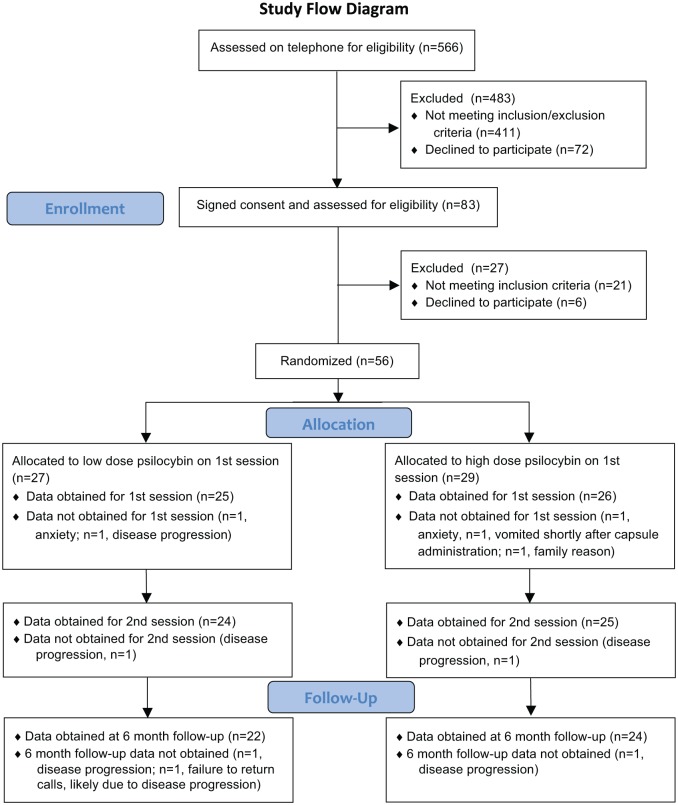
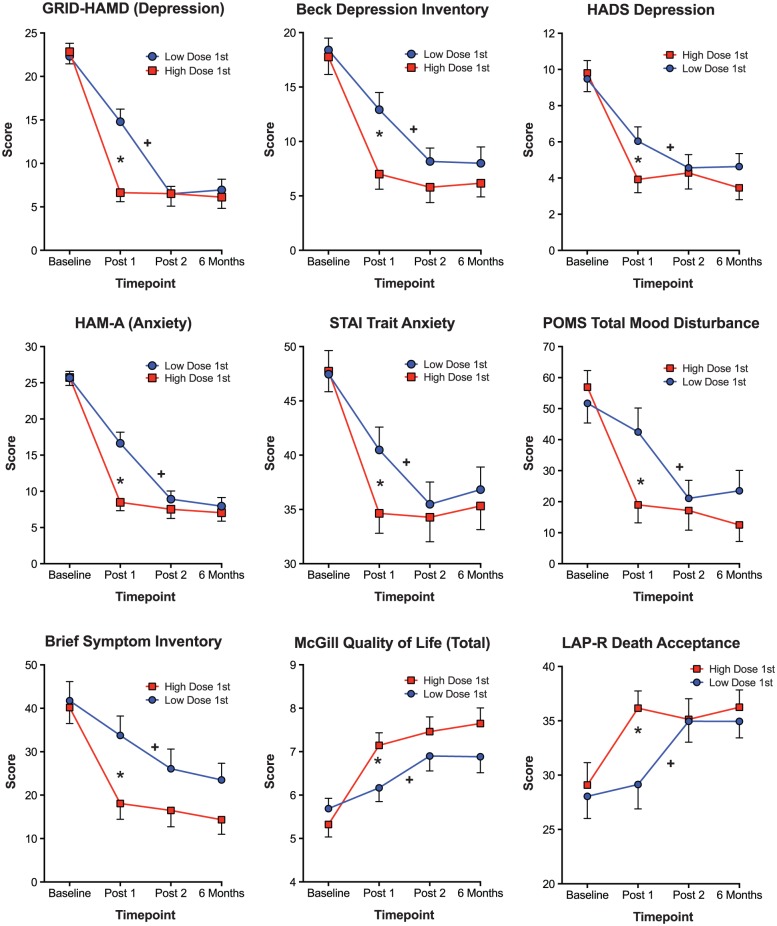
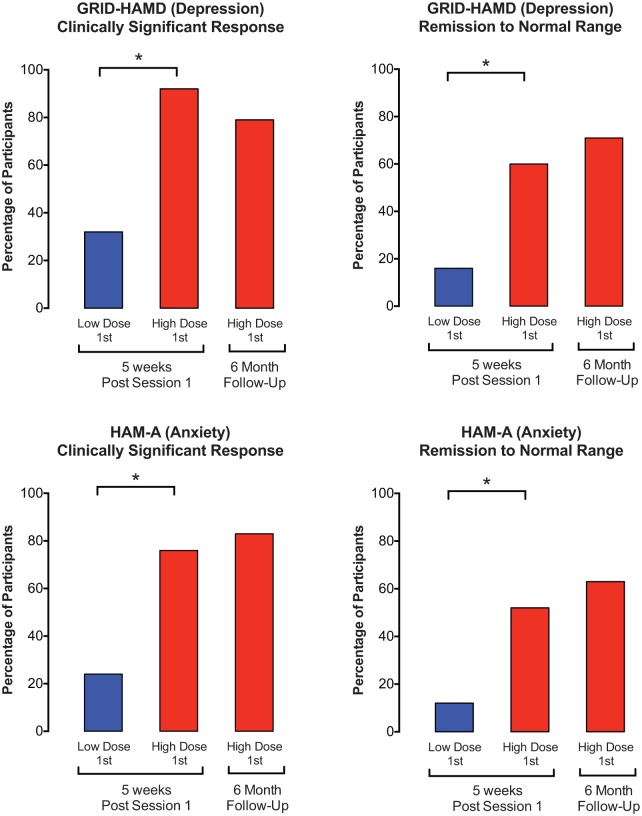
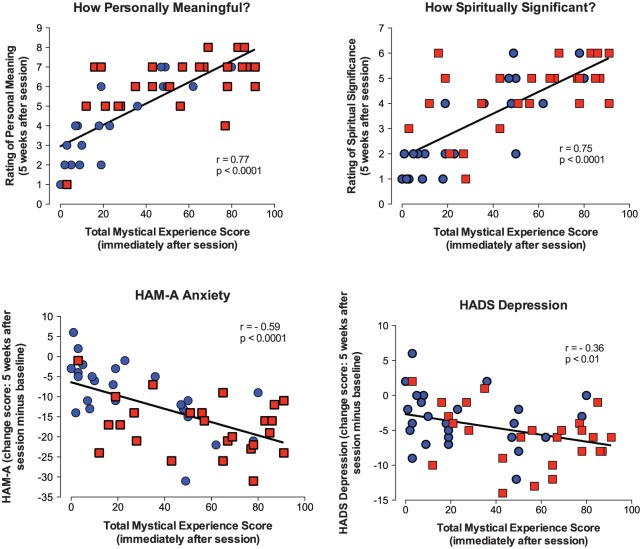
Cancer patients often develop chronic, clinically significant symptoms of depression and anxiety. Previous studies suggest that psilocybin may decrease depression and anxiety in cancer patients. The effects of psilocybin were studied in 51 cancer patients with life-threatening diagnoses and symptoms of depression and/or anxiety. This randomized, double-blind, cross-over trial investigated the effects of a very low (placebo-like) dose (1 or 3 mg/70 kg) vs. a high dose (22 or 30 mg/70 kg) of psilocybin administered in counterbalanced sequence with 5 weeks between sessions and a 6-month follow-up. Instructions to participants and staff minimized expectancy effects. Participants, staff, and community observers rated participant moods, attitudes, and behaviors throughout the study. High-dose psilocybin produced large decreases in clinician- and self-rated measures of depressed mood and anxiety, along with increases in quality of life, life meaning, and optimism, and decreases in death anxiety. At 6-month follow-up, these changes were sustained, with about 80% of participants continuing to show clinically significant decreases in depressed mood and anxiety. Participants attributed improvements in attitudes about life/self, mood, relationships, and spirituality to the high-dose experience, with >80% endorsing moderately or greater increased well-being/life satisfaction. Community observer ratings showed corresponding changes. Mystical-type psilocybin experience on session day mediated the effect of psilocybin dose on therapeutic outcomes. Trial Registration ClinicalTrials.gov identifier: NCT00465595
Overview
The claims and statistics of this paper haven’t been checked yet.
Free: it reads the open-access text and checks the first 5 claims that cite a source we can check. Create a free account to check every claim.
Integrity signals
Registry
Cites
Statistics
Figures
Verification
Claims the paper makes
The claims and statistics of this paper haven’t been checked yet.
Free: it reads the open-access text and checks the first 5 claims that cite a source we can check. Create a free account to check every claim.
Claims other papers make about this one
Each is checked against this paper’s own text: does it say what the citing paper says it does?
The cited source doesn’t support the claim as written.
In the citing paper
“In this study, groups of healthy participants were randomized into three groups, (1) low-dose psilocybin with standard support for spiritual practice (SS); (2) high-dose psilocybin with SS, and (3) high-dose psilocybin with High Support (HS) for spiritual practice.”
From Mindfulness meditation and psychedelics: potential synergies and commonalities (2023) · cites this paper as [6]
Checked by a reasoning model — may be wrong.
Experimental — accuracy not yet measuredThe source backs part of the claim, not all of it — or backs it for a different population, condition or comparison.
In the citing paper
“Griffiths et al. (2016)(n = 51) reported significantly larger response (92% versus 32%) and remission (60% versus 1%) on depression and anxiety (76% vs. 24%; 52% vs. 12%, respectively) in the high-dose group compared to active placebo after 5 weeks.”
From Psychedelics for the treatment of depression, anxiety, and existential distress in patients with a terminal illness: a systematic review (2022) · cites this paper as Griffiths et al., 2016
Experimental — accuracy not yet measuredThe source backs part of the claim, not all of it — or backs it for a different population, condition or comparison.
In the citing paper
“Most of this research has been carried out with the Revised Mystical Experience Questionnaire 30 (MEQ30), where a high score correlates with and has been suggested as a predictor of long-term positive therapeutic outcomes in various clinical and naturalistic studies of psychedelics.”
From Assessment of the acute subjective psychedelic experience: A review of patient-reported outcome measures in clinical research on classical psychedelics (2024) · cites this paper as Griffiths et al., 2016
Experimental — accuracy not yet measuredThe source backs part of the claim, not all of it — or backs it for a different population, condition or comparison.
In the citing paper
“Not only do they produce sustained therapeutic effects following a single administration, they also appear to have broad therapeutic potential”
From Psychedelics and Other Psychoplastogens for Treating Mental Illness. (2021) · cites this paper as [40]
Experimental — accuracy not yet measured
52 more claims about this paper
Create a free account to see every claim other papers make about this one.
Self-check
Percentages, sums and reported differences re-computed from the paper’s own numbers.
The self-check needs the paper’s full text.
Citations
Cites
The Hospital Anxiety and Depression Scale
Zigmond, A. S., & Snaith, R. P. (1983) · Acta Psychiatrica Scandinavica · doi:10.1111/j.1600-0447.1983.tb09716.x · Cited by 47,139
(2013) · Cited by 44,563
(1970) · Cited by 24,983
Depression and quality of life in older persons: A review
Sivertsen, H., Bjørkløf, G. H., Engedal, K., Selbæk, G., & Helvik, A.-S. (2015) · Dementia and Geriatric Cognitive Disorders · doi:10.1159/000437299 · Cited by 14,152
Optimism, coping, and health: Assessment and implications of generalized outcome expectancies.
Scheier, M. F., & Carver, C. S. (1985) · Health Psychology · doi:10.1037/0278-6133.4.3.219 · Cited by 6,690 · cited 2×
“…existence (existential subscale) during life-threatening illness (Cohen et al., 1995); LOT-R, self-rated optimism measure associated with illness (Scheier and Carver, 1985); LAP-R Death Acceptance, selfrated scale assessing absence of anxiety about death (Reker, 1992); Death Transcendence Scale,…”
BackgroundMethodMcNair, D. M. (1992) · Medical Entomology and Zoology · Cited by 2,692
Mitchell, A. J., Chan, M., Bhatti, H., Halton, M., Grassi, L., Johansen, C., & Meader, N. (2011) · The Lancet Oncology · doi:10.1016/s1470-2045(11)70002-x · Cited by 2,449 · cited 1×
“Cancer patients often develop a chronic, clinically significant syndrome of psychosocial distress having depressed mood, anxiety, and reduced quality of life as core features, with up to 40% of cancer patients meeting criteria for a mood disorder (Holland et al., 2013; Mitchell et al., 2011).”
BackgroundNichols, D. E. (2016) · Pharmacological Reviews · doi:10.1124/pr.115.011478 · Cited by 1,762 · cited 2×
“The classic hallucinogens, which include psilocybin (psilocin) and (+)-lysergic acid diethylamide (LSD), are a structurally diverse group of compounds that are 5-HT2A receptor agonists and produce a unique profile of changes in thoughts, perceptions, and emotions (Halberstadt, 2015; Nichols, 2016).”
BackgroundPeterman, A. H., Fitchett, G., Brady, M. J., Hernandez, L., & Cella, D. (2002) · Annals of Behavioral Medicine · doi:10.1207/s15324796abm2401_06 · Cited by 1,751 · cited 2×
“Three measures of spirituality were assessed at three time-points: Baseline, 5 weeks after session 2, and at the 6-month follow-up: FACIT-Sp, a self-rated measure of the spiritual dimension of quality of life in chronic illness (Peterman et al., 2002) assessed on how the participant felt “on average”; Spiritual-Religi…”
MethodGriffiths, R. R., Richards, W. A., McCann, U., & Jesse, R. (2006) · Psychopharmacology · doi:10.1007/s00213-006-0457-5 · Cited by 1,684 · cited 18×
“The structured interview (Community Observer Questionnaire) consisted of asking the rater to rate the participant’s behavior and attitudes using a 10-point scale (from 1 = not at all, to 10 = extremely) on 13 items reflecting healthy psychosocial functioning: inner peace; patience; good-natured humor/playfulness; ment…”
BackgroundMethodResultInfluentialSelf-citation
Research works printed but not linked: 7
- Beck AT Steer RA (1987) BDI Beck Depression Inventory Manual. San Antonio, San Diego, Orlando, New York, Chicago, Toronto: The Psychological Corporation Harcourt Brace Jovanovich, Inc.
- Benson PL Donahue MJ Erickson JA (1993) The Faith Maturity Scale: Conceptualization, measurement, and empirical validation. Res Soc Sci Stud Religion 5: 1– 26.
- ISCDD (2003) GRID-HAMD-17 Structured Interview Guide. San Diego, CA: International Society for CNS Drug Development.
- McIntosh DN (1999) Purpose in Life Test (Crumbaugh & Maholick, 1964). In: Hill PC Hood RW (eds) Measures of Religiosity. Birmingham, AL: Religious Education Press, pp. 503– 508.
- Metzner R Litwin G Weil G (1965) The relation of expectation and mood to psilocybin reactions: A questionnaire study. Psychedelic Rev 5: 3– 39.
- Reker GT (1992) The Life Attitude Profile-Revised (LAP-R). Peterborough, ON: Student Psychologists Press.
- VandeCreek L (1999) The Death Transcendence Scale (Hood & Morris, 1983). In: Hill PC Hood RW (eds) Measures of Religiosity. Birmingham, AL: Religious Education Press, pp. 442– 445.
Cited by
Items 401–500 of 1,018
Yaden, D. B., Berghella, A. P., Regier, P. S., Garcia‐Romeu, A., Johnson, M. W., & Hendricks, P. S. (2021) · International Journal of Drug Policy · doi:10.1016/j.drugpo.2021.103380 · Cited by 59
Self-citationGroup VR experiences can produce ego attenuation and connectedness comparable to psychedelics
Glowacki, D. R., Williams, R. R., Wonnacott, M., Maynard, O., Freire, R., Pike, J. E., & Chatziapostolou, M. (2022) · Scientific Reports · doi:10.1038/s41598-022-12637-z · Cited by 75
Effinger, D. P., Quadir, S. G., Ramage, M. C., Cone, M. G., & Herman, M. A. (2023) · Translational Psychiatry · doi:10.1038/s41398-023-02414-5 · Cited by 55
New and emerging treatments for major depressive disorder
Njenga, C., Ramanuj, P., de Magalhães, F. J. C., & Pincus, H. A. (2024) · BMJ · doi:10.1136/bmj-2022-073823 · Cited by 62
“62 63 Considering that participants in most trials have two therapists supporting with preparation, follow-up, and dosing sessions, which can last up to 10 hours each, the amount of therapist time would be higher than most current healthcare interventions.”
BackgroundLiving with Metastatic Cancer: A Roadmap for Future Research
Tometich, D. B., Hyland, K. A., Soliman, H. H., Jim, H., & Oswald, L. B. (2020) · Cancers · doi:10.3390/cancers12123684 · Cited by 54
“For example, emerging evidence suggests that a single high dose of psilocybin may produce lasting improvement in depression and anxiety in patients with terminal cancer [162], and cannabinoids are under investigation to reduce overall symptom burden among patients with advanced cancer [163].”
BackgroundMagaraggia, I., Kuiperes, Z., & Schreiber, R. (2021) · Neurobiology of Learning and Memory · doi:10.1016/j.nlm.2021.107467 · Cited by 49
“Preliminary evidence supports long-term positive effects of serotonergic psychedelics on symptoms of depression in patients with MDD, treatment-resistant depression, and life-threatening cancer with depression (Griffiths et al., 2016; Carhart-Harris et al., 2016a; Carhart-Harris et al., 2018a; Davis et al., 2020; Dos…”
BackgroundHodge, A. T., Sukpraprut‐Braaten, S., Narlesky, M. R., & Strayhan, R. C. (2022) · Journal of Psychoactive Drugs · doi:10.1080/02791072.2022.2044096 · Cited by 51
“…treatment of depression and anxiety in patients diagnosed with cancer that randomized patients to either receive very low doses of psilocybin (0.01–0.04 mg/kg) versus a second group receiving high-dose psilocybin (0.3– 0.4 mg/kg) with crossover being performed at 5 weeks (Griffiths et al. 2016).”
BackgroundMethodInfluentialRosa, W. E., Sager, Z. S., Miller, M. E., Bernstein, I., Rinaldi, A. D., Addicott, K., Ljuslin, M., Adrian, C., Back, A. L., Beachy, J., et al. (2022) · Journal of Palliative Medicine · doi:10.1089/jpm.2022.0036 · Cited by 54
“12,39 This therapeutic effect was mediated by the intensity of mystical states patients may experience during dosing sessions.”
Self-citationReview of otential sychedelic reatments for PTSD
Henner, R. L., Keshavan, M. S., & Hill, K. P. (2022) · Journal of the Neurological Sciences · doi:10.1016/j.jns.2022.120302 · Cited by 67
Ethnoracial inclusion in clinical trials of psychedelics: a systematic review
Hughes, M. E., & Garcia‐Romeu, A. (2024) · EClinicalMedicine · doi:10.1016/j.eclinm.2024.102711 · Cited by 52
Argyri, E. K., Evans, J., Luke, D. P., Michael, P., Michelle, K., Rohani-Shukla, C., Suseelan, S., Prideaux, E., McAlpine, R. G., Murphy-Beiner, A., et al. (2025) · PLoS ONE · doi:10.1371/journal.pone.0322501 · Cited by 59
Psilocybin Therapeutic Research: The Present and Future Paradigm
Kargbo, R. B. (2020) · ACS Medicinal Chemistry Letters · doi:10.1021/acsmedchemlett.0c00048 · Cited by 56
Jones, G. M., & Nock, M. K. (2022) · Scientific Reports · doi:10.1038/s41598-022-18645-3 · Cited by 52
Psychedelics in the treatment of eating disorders: Rationale and potential mechanisms
Calder, A. E., Mock, S., Friedli, N., Pasi, P., & Hasler, G. (2023) · European Neuropsychopharmacology · doi:10.1016/j.euroneuro.2023.05.008 · Cited by 55
Serotonergic Psychedelics: Experimental Approaches for Assessing Mechanisms of Action
Canal, C. E. (2018) · Handbook of experimental pharmacology · doi:10.1007/164_2018_107 · Cited by 53
“These neural perturbations correlate with dissolution of ego boundaries (loss of the self), suggesting the possibility that this psychedelic phenomenon may, in certain individuals, help relieve psychiatric distress (c.f. Griffiths et al. 2016; Ross et al. 2016; Vollenweider 2001).”
BackgroundToxicology and Analysis of Psychoactive Tryptamines
Malaca, S., Faro, A. F. L., Tamborra, A., Pichini, S., Busardò, F. P., & Huestis, M. A. (2020) · International Journal of Molecular Sciences · doi:10.3390/ijms21239279 · Cited by 52
Effect of lysergic acid diethylamide (LSD) on reinforcement learning in humans
Kanen, J. W., Luo, Q., Kandroodi, M. R., Cardinal, R. N., Robbins, T. W., Nutt, D. J., Carhart-Harris, R. L., & den Ouden, H. E. M. (2022) · Psychological Medicine · doi:10.1017/s0033291722002963 · Cited by 51
“…disorders including depression (Carhart-Harris et al., 2016a, 2018, 2021; Goldberg et al. 2020; Ross et al., 2016), anxiety (Goldberg et al. 2020; Griffiths et al., 2016; Grob et al., 2011), alcohol (Bogenschutz et al., 2015) and nicotine abuse (Johnson, Garcia-Romeu, Cosimano, & Griffiths,…”
BackgroundWeiss, B., Nygart, V., Pommerencke, L. M., Carhart-Harris, R. L., & Erritzoe, D. (2021) · Frontiers in Psychology · doi:10.3389/fpsyg.2021.749788 · Cited by 47
“…(e.g., Erritzoe et al., 2018), and remediation of mental health disorders including alcohol misuse (Bogenschutz et al., 2015), major and resistant depression (e.g., Carhart-Harris et al., 2016a, 2021; Davis et al., 2020), and end of life anxiety/depression (e.g., Griffiths et al., 2016).”
BackgroundPędzich, B. D., Rubens, S., Sekssaoui, M., Pierre, A., Schuerbeek, A. V., Marin, P., Bockaert, J., Valjent, E., Bécamel, C., & Bundel, D. D. (2022) · Neuropsychopharmacology · doi:10.1038/s41386-022-01324-2 · Cited by 56
Brennan, B., Kelman, A. R., & Belser, A. (2023) · Psychedelic Medicine · doi:10.1089/psymed.2023.0007 · Cited by 52
Roméo, B., Kervadec, E., Fauvel, B., Strika-Bruneau, L., Amirouche, A., Bezo, A., Piolino, P., & Benyamina, A. (2025) · Neuroscience & Biobehavioral Reviews · doi:10.1016/j.neubiorev.2025.106086 · Cited by 68
Falchi-Carvalho, M., Palhano-Fontes, F., Wießner, I., Barros, H., Bolcont, R., Laborde, S., Silva, S. R. B., Montanini, D., Barbosa, D. C., Teixeira, E., et al. (2025) · Neuropsychopharmacology · doi:10.1038/s41386-025-02091-6 · Cited by 61
Schindler, E. A. D., Wallace, R. M., Sloshower, J. A., & D’Souza, D. C. (2018) · Frontiers in Pharmacology · doi:10.3389/fphar.2018.00177 · Cited by 47
“One of the most intriguing features of psychedelics’ therapeutic profile is the apparent persistence of therapeutic effects after limited exposure, such measures as antidepressant effects, cigarette smoking reduction/cessation (Grob et al., 2011; Gasser et al., 2015; Griffiths et al., 2016; Johnson et al., 2017a), and…”
BackgroundInfluentialPsychedelics and virtual reality: parallels and applications
Aday, J. S., Davoli, C. C., & Bloesch, E. K. (2020) · Therapeutic Advances in Psychopharmacology · doi:10.1177/2045125320948356 · Cited by 47
The role of neurotrophic factors in novel, rapid psychiatric treatments
Kim, J., He, M. J., Widmann, A. K., & Lee, F. S. (2023) · Neuropsychopharmacology · doi:10.1038/s41386-023-01717-x · Cited by 51
“This study was particularly encouraging, as 80% of the patients had sustained therapeutic effects at their 6-month follow-up [192].”
BackgroundThe role of the psychedelic experience in psilocybin treatment for treatment-resistant depression
Goodwin, G. M., Aaronson, S. T., Alvarez, O., Carhart-Harris, R. L., Chai-Rees, J., Croal, M., DeBattista, C., Dunlop, B. W., Feifel, D., Hellerstein, D. J., et al. (2024) · Journal of Affective Disorders · doi:10.1016/j.jad.2024.12.061 · Cited by 63
Psychedelics and potential benefits in “healthy normals”: A review of the literature
Gandy, S. (2019) · Journal of Psychedelic Studies · doi:10.1556/2054.2019.029 · Cited by 60
“, 2011; Griffiths, Richards, McCann, & Jesse, 2006; MacLean, Johnson, & Griffiths, 2011) and patient (Carhart-Harris et al., 2018; Garcia-Romeu, Griffiths, & Johnson, 2016; Griffiths et al., 2016; Ross et al., 2016) populations have found that the occurrence of a mystical-type experience during a psychedelic session i…”
BackgroundRodrigues, L. S., Rossi, G. N., Rocha, J. M., Osório, F. D. L., Bouso, J. C., Hallak, J. E. C., & SANTOS, R. G. D. (2021) · European Archives of Psychiatry and Clinical Neuroscience · doi:10.1007/s00406-021-01267-7 · Cited by 51
Evaluating the Potential Use of Serotonergic Psychedelics in Autism Spectrum Disorder
Markopoulos, A., Inserra, A., De Gregorio, D., & Gobbi, G. (2022) · Frontiers in Pharmacology · doi:10.3389/fphar.2021.749068 · Cited by 46
“, 2014) and psilocybin (Griffiths et al., 2016) have been shown to reduce symptoms of anxiety and depression in patients with life-threatening conditions.”
BackgroundPotential benefits and harms: a review of poisonous mushrooms in the world
He, M.-Q., Wang, M.-Q., Chen, Z., Deng, W.-Q., Li, T., Vizzini, A., Jeewon, R., Hyde, K. D., & Zhao, R.-L. (2022) · Fungal Biology Reviews · doi:10.1016/j.fbr.2022.06.002 · Cited by 53
Stoliker, D., Novelli, L., Vollenweider, F. X., Egan, G. F., Preller, K. H., & Razi, A. (2024) · Biological Psychiatry · doi:10.1016/j.biopsych.2024.01.002 · Cited by 53
Back, A. L., Freeman-Young, T. K., Morgan, L., Sethi, T., Baker, K. K., Myers, S., McGregor, B. A., Harvey, K., Tai, M., Kollefrath, A. W., et al. (2024) · JAMA Network Open · doi:10.1001/jamanetworkopen.2024.49026 · Cited by 58
Seeing without self: Discovering new meaning with psychedelic-assisted psychotherapy
Fischman, L. G. (2019) · Neuropsychoanalysis · doi:10.1080/15294145.2019.1689528 · Cited by 44
“Treating existential anxiety related to approaching death (i.e. terminal illness) is an excellent example of a dimensional application (Fisher, 1970; Gasser et al., 2015; Griffiths et al., 2016; Grob et al., 2011; Pahnke, Kurland, Goodman, & Richards, 1969; Ross et al., 2016).”
BackgroundHalberstadt, A. L. (2020) · Scientific Reports · doi:10.1038/s41598-020-65264-x · Cited by 43
Kałużna, A., Schlosser, M., Craste, E. G., Stroud, J., & Cooke, J. E. (2022) · Journal of Psychedelic Studies · doi:10.1556/2054.2022.00199 · Cited by 61
The costs and benefits of psychedelics on cognition and mood
Sayalı, C., & Barrett, F. S. (2023) · Neuron · doi:10.1016/j.neuron.2022.12.031 · Cited by 48
Straumann, I., Ley, L., Holze, F., Becker, A., Klaiber, A., Wey, K., Duthaler, U., Varghese, N., Eckert, A., & Liechti, M. E. (2023) · Neuropsychopharmacology · doi:10.1038/s41386-023-01609-0 · Cited by 52
Honk, L., Stenfors, C. U. D., Goldberg, S. B., Hendricks, P. S., Osika, W., Dourron, H. M., Lebedev, A. V., Petrović, P., & Simonsson, O. (2024) · Journal of Affective Disorders · doi:10.1016/j.jad.2024.01.197 · Cited by 48
“…body of research is now highlighting its possible efficacy in treating a broad range of mental health conditions, such as end-of-life anxiety (Griffiths et al., 2016), depression (Carhart-Harris et al., 2021; Davis et al., 2021; Goodwin et al., 2022; Palhano-Fontes et al., 2019; Sloshower et…”
BackgroundWitkin, J. M., Knutson, D. E., Rodriguez, G. J., & Shi, S. (2018) · Current Pharmaceutical Design · doi:10.2174/1381612824666180730104707 · Cited by 44
Donovan, L. L., Johansen, J. V., Ros, N. F., Jaberi, E., Línnet, K., Johansen, S. S., Ozenne, B., Issazadeh‐Navikas, S., Hansen, H. D., & Knudsen, G. M. (2020) · European Neuropsychopharmacology · doi:10.1016/j.euroneuro.2020.11.013 · Cited by 50
Bornemann, J., Close, J. B., Spriggs, M. J., Carhart-Harris, R. L., & Roseman, L. (2021) · Frontiers in Psychiatry · doi:10.3389/fpsyt.2021.735427 · Cited by 53
Jaster, A. M., Elder, H., Marsh, S. A., Revenga, M. D. L. F., Negus, S. S., & González‐Maeso, J. (2022) · Psychopharmacology · doi:10.1007/s00213-022-06092-x · Cited by 51
Mindfulness meditation and psychedelics: potential synergies and commonalities
Holas, P., & Kamińska, J. (2023) · Pharmacological Reports · doi:10.1007/s43440-023-00551-8 · Cited by 43
“The results showed, that high-dose psilocybin combined with HS spiritual practices led to more immediate and long-lasting effects at a wide range of measures including interpersonal closeness, gratitude, and life meaning/purpose [6].”
BackgroundMethodResultInfluentialThe need for establishing best practices and gold standards in psychedelic medicine
Feduccia, A., Agin-Liebes, G., Price, C. M., Grinsell, N., Paradise, S., & Rabin, D. M. (2023) · Journal of Affective Disorders · doi:10.1016/j.jad.2023.03.083 · Cited by 43
Sakloth, F., Leggett, E., Moerke, M. J., Townsend, E. A., Banks, M. L., & Negus, S. S. (2019) · Experimental and Clinical Psychopharmacology · doi:10.1037/pha0000253 · Cited by 50
“Although none of these compounds is currently approved for clinical use, a growing body of evidence suggests that they may have utility for treatment of some neurological or psychiatric disorders, such as obsessive-compulsive disorder (Moreno, Wiegand, Taitano, & Delgado, 2006), anxiety and depression (CarhartHarris e…”
BackgroundSouza, R. C. Z., Zandonadi, F. S., Freitas, D. P., Tófoli, L. F. F., & Sussulini, A. (2019) · Journal of Chromatography B · doi:10.1016/j.jchromb.2019.06.014 · Cited by 41
Direct Phosphorylation of Psilocin Enables Optimized cGMP Kilogram-Scale Manufacture of Psilocybin
Kargbo, R. B., Sherwood, A. M., Walker, A., Cozzi, N. V., Dagger, R. E., Sable, J., O’Hern, K., Kaylo, K. W., Patterson, T., Tarpley, G., et al. (2020) · ACS Omega · doi:10.1021/acsomega.0c02387 · Cited by 45
Studies with psychedelic drugs in human volunteers
Sellers, E. M., Romach, M. K., & Leiderman, D. B. (2018) · Neuropharmacology · doi:10.1016/j.neuropharm.2017.11.029 · Cited by 42
“Phase II proof of concept studies Two randomized “blinded, controlled” clinical trials (the Johns Hopkins University trial (JHU) and New York University trial (NYU)) reported long-term reductions in anxious and depressed mood, existential distress and improved quality of life after single oral doses of psilocybin in p…”
The frontiers of new psychedelic therapies: A survey of sociological themes and issues
Andrews, T., & Wright, K. (2022) · Sociology Compass · doi:10.1111/soc4.12959 · Cited by 53
Peterson, A. H., Largent, E. A., Lynch, H. F., Karlawish, J. H., & Sisti, D. A. (2022) · AJOB Neuroscience · doi:10.1080/21507740.2022.2148771 · Cited by 43
Plazas, E., & Faraone, N. (2023) · Biomedicines · doi:10.3390/biomedicines11020461 · Cited by 47
Effects of DMT on mental health outcomes in healthy volunteers
Timmermann, C., Zeifman, R. J., Erritzøe, D., Nutt, D. J., & Carhart-Harris, R. L. (2024) · Scientific Reports · doi:10.1038/s41598-024-53363-y · Cited by 55
“…trials involving psychedelics, and they have consistently been found to be reduced after psychedelic therapy in psychiatric patient populations 6–8, 10, 11, Tempering enthusiasm, we failed to replicate decreases in Neuroticism in the prospective sample, and we did not find increases in positive…”
BackgroundInfluentialYu, Z., Burback, L., Winkler, O., Xu, L., Dennett, L., Vermetten, E. H. G. J. M., Greenshaw, A. J., Li, X., Milne, M., Wang, F., et al. (2024) · Frontiers in Psychiatry · doi:10.3389/fpsyt.2024.1386321 · Cited by 53
Schipper, S., Nigam, K. B., Schmid, Y., Piechotta, V., Ljuslin, M., Beaussant, Y., Schwarzer, G., & Boehlke, C. S. (2024) · Cochrane Database of Systematic Reviews · doi:10.1002/14651858.cd015383.pub2 · Cited by 66
The structural diversity of psychedelic drug actions revealed
Gumpper, R. H., Jain, M. K., Kim, K., Sun, R., Sun, N., Xu, Z., DiBerto, J. F., Krumm, B. E., Kapolka, N. J., Kanıskan, H. Ü., et al. (2025) · Nature Communications · doi:10.1038/s41467-025-57956-7 · Cited by 46
CE: Psychedelic-Assisted Therapy
Penn, A., Dorsen, C. G., Hope, S., & Rosa, W. E. (2021) · AJN American Journal of Nursing · doi:10.1097/01.naj.0000753464.35523.29 · Cited by 45
“In a study by Griffiths and colleagues that included 56 participants, there were no serious adverse events attributed to psilocybin, only transient episodes of distress or discomfort, none of which required medical intervention.(26) Similarly, in a randomized, blinded, controlled crossover study investigating the effi…”
BackgroundMertens, L. J., Koslowski, M., Betzler, F., Evens, R., Gilles, M., Jungaberle, A., Jungaberle, H., Majić, T., Ströhle, A., Wolff, M., et al. (2022) · Neuroscience Applied · doi:10.1016/j.nsa.2022.100104 · Cited by 41
“This approach of repeated dosing was used in the studies by Grif fi ths et al. (2016) and Mithoefer et al. (2018), but we propose it as a methodological standard in clinical trials with psychedelics not only for reasons of treatment ethics but also to reduce a potential nocebo effect.”
Orłowski, P., Ruban, A., Szczypiński, J., Hobot, J., Bielecki, M., & Bola, M. (2022) · Journal of Psychopharmacology · doi:10.1177/02698811221089034 · Cited by 41
“…with depression (Davis et al., 2021; Roseman et al., 2017); it also mediated antidepressant and anxiolytic effects in patients with life-threatening diagnosis (Griffiths et al., 2016; Ross et al., 2016) and the effects of psychedelics-assisted tobacco addiction treatment (GarciaRomeu et al., 2014).”
BackgroundResultInfluentialPsychotherapy with Psilocybin for Depression: Systematic Review
Dawood-Hristova, J. J., & Pérez‐Jover, V. (2023) · Behavioral Sciences · doi:10.3390/bs13040297 · Cited by 56
“The preparation period had a variable duration range, from just one session [11–14] to three or more sessions over several weeks [2,9,10,15].”
BackgroundMethodInfluentialClinical specificity profile for novel rapid acting antidepressant drugs
Scala, M., Fanelli, G., De Ronchi, D., Serretti, A., & Fabbri, C. (2023) · International Clinical Psychopharmacology · doi:10.1097/yic.0000000000000488 · Cited by 41
“2% of patients with MDD and life-threatening illnesses treated with psilocybin, especially at higher doses, developed a mild activation syndrome at the beginning of treatment, mainly characterized by anxiety (Griffiths et al., 2016; Ross et al., 2016); however, in one trial anxiety affected 100% of patients (Carhart-H…”
BackgroundResultInfluentialPharmacological inhibition of Kir4.1 evokes rapid-onset antidepressant responses
Zhou, X., Zhao, C., Xu, H., Xu, Y., Li, Z., Wang, P., He, J., Lu, T., Gu, Y., Yang, Y., et al. (2024) · Nature Chemical Biology · doi:10.1038/s41589-024-01555-y · Cited by 46
Schindler, E. A. D., Sewell, R. A., Gottschalk, C. H., Flynn, L. T., Zhu, Y., Pittman, B. P., Cozzi, N. V., & D’Souza, D. C. (2024) · Journal of the Neurological Sciences · doi:10.1016/j.jns.2024.122993 · Cited by 51
Beaussant, Y., Sanders, J. J., Sager, Z. S., Tulsky, J. A., Braun, I. M., Blinderman, C. D., Bossis, A. P., & Byock, I. R. (2020) · Journal of Palliative Medicine · doi:10.1089/jpm.2019.0603 · Cited by 49
Optimism and social support as contributing factors to spirituality in Cancer patients
Ciria‐Suarez, L., Calderón, C., Montés, A. F., Antoñanzas, M., Hernández, R., Rogado, J., Pacheco-Barcía, V., Ansensio-Martínez, E., Palacín-Lois, M., & Jiménez‐Fonseca, P. (2021) · Supportive Care in Cancer · doi:10.1007/s00520-020-05954-4 · Cited by 57
Kuc, J., Kettner, H., Rosas, F. E., Erritzøe, D., Haijen, E. C. H. M., Kaelen, M., Nutt, D. J., & Carhart-Harris, R. L. (2021) · Psychopharmacology · doi:10.1007/s00213-021-05999-1 · Cited by 41
Systematic review of psychometric instruments used in research with psychedelics
de Deus Pontual, A. A., Senhorini, H. G., Corradi-Webster, C. M., Tófoli, L. F., & Daldegan-Bueno, D. (2023) · Journal of Psychoactive Drugs · doi:10.1080/02791072.2022.2079108 · Cited by 36
“…(SOCQ), which has 100 items, containing items from different versions of the MEQ (MEQ30 and MEQ47) plus distracting items, which are not quantified in the final score but which measure other aspects of psychedelic experience (Barrett, Johnson, and Griffiths 2015; Griffiths et al. 2016).”
MethodLafrance, A., Strahan, E., Bird, B. M., St. Pierre, M., & Walsh, Z. (2021) · Journal of Humanistic Psychology · doi:10.1177/00221678211048049 · Cited by 40
“lower) doses (Griffiths et al., 2016; Roseman et al., 2019), we examine individual differences in frequency of use.”
BackgroundResultJohnstad, P. G. (2020) · Nordic Studies on Alcohol and Drugs · doi:10.1177/1455072520963787 · Cited by 49
“…20s, whereas the studies that found an absence of negative consequences or some positive consequences usually had more mature participants (Carhart-Harris et al., 2016; Griffiths et al., 2016; Griffiths et al., 2006; Grob et al., 2011; Hoshi et al., 2007; Ross et al., 2016; Schmid & Liechti, 2017).”
BackgroundMethodKoslowski, M., Johnson, M. W., Gründer, G., & Betzler, F. (2021) · Current Addiction Reports · doi:10.1007/s40429-021-00401-8 · Cited by 45
“The best known psychedelics are LSD (5R,8R-lysergic acid diethylamide), psilocybin, DMT (N,N-dimethyltryptamine), and mescaline (3,4,5-trimethoxyphenethylamine).”
BackgroundInfluentialSelf-citationToward Mapping Neurobehavioral Heterogeneity of Psychedelic Neurobiology in Humans
Moujaes, F., Preller, K. H., Ji, J. L., Murray, J. D., Berkovitch, L., Vollenweider, F. X., & Anticevic, A. (2022) · Biological Psychiatry · doi:10.1016/j.biopsych.2022.10.021 · Cited by 40
Are psychedelics the answer to chronic pain: A review of current literature
Kooijman, N. I., Willegers, T., Reuser, A. M., Mulleners, W. M., Kramers, C., Vissers, K. C. P., & van der Wal, S. E. I. (2023) · Pain Practice · doi:10.1111/papr.13203 · Cited by 53
“However, recent studies on psychedelics and cancerrelated psychological disorders have not shown any significant adverse events.(10,58) Patients may also have several psychological complaints like depression and anxiety.”
BackgroundVilliger, D., & Trachsel, M. (2023) · Journal of Medical Ethics · doi:10.1136/jme-2022-108816 · Cited by 45
The effect of lysergic acid diethylamide (LSD) on whole-brain functional and effective connectivity
Bedford, P., Hauke, D. J., Wang, Z., Röth, V., Nagy-Huber, M., Holze, F., Ley, L., Vizeli, P., Liechti, M. E., Borgwardt, S., et al. (2023) · Neuropsychopharmacology · doi:10.1038/s41386-023-01574-8 · Cited by 47
“, 2022), as well as major depression and anxiety disorders (Griffiths et al., 2016; Ross et al., 2016; Gasser et al., 2015; Holze et al., 2022).”
BackgroundGreater subjective effects of a low dose of LSD in participants with depressed mood
Molla, H. M., Lee, R., Tare, I., & de Wit, H. (2023) · Neuropsychopharmacology · doi:10.1038/s41386-023-01772-4 · Cited by 48
LSD-assisted therapy in patients with anxiety: open-label prospective 12-month follow-up
Holze, F., Gasser, P., Müller, F., Strebel, M., & Liechti, M. E. (2024) · The British Journal of Psychiatry · doi:10.1192/bjp.2024.99 · Cited by 49
Pestana, J., Beccaria, F., & Petrilli, E. (2020) · Drugs and Alcohol Today · doi:10.1108/dat-03-2020-0016 · Cited by 45
Taking Different Roads: l‐Tryptophan as the Origin of Psilocybe Natural Products
Lenz, C., Sherwood, A., Kargbo, R., & Hoffmeister, D. (2021) · ChemPlusChem · doi:10.1002/cplu.202000581 · Cited by 40
The Readiness of Psychiatrists to Implement Psychedelic-Assisted Psychotherapy
Page, L., Rehman, A., Syed, H., Forcer, K., & Campbell, G. (2021) · Frontiers in Psychiatry · doi:10.3389/fpsyt.2021.743599 · Cited by 45
Genetic Survey of Psilocybe Natural Products
Dörner, S., Rogge, K., Fricke, J., Schäfer, T., Wurlitzer, J. M., Gressler, M., Pham, D. N. K., Manke, D. R., Chadeayne, A. R., & Hoffmeister, D. (2022) · ChemBioChem · doi:10.1002/cbic.202200249 · Cited by 39
Eleftheriou, M. E., & Thomas, E. (2021) · Frontiers in Psychiatry · doi:10.3389/fpsyt.2021.707057 · Cited by 39
“Randomised clinical trials (RCTs) of psilocybin-assisted therapy demonstrated a significant reduction of depressive symptoms in terminally ill cancer patients, as well as in treatmentresistant depression (29, 30, 38).”
BackgroundCurrent Perspective on the Therapeutic Preset for Substance-Assisted Psychotherapy
Thal, S. B., Bright, S. J., Sharbanee, J. M., Wenge, T., & Skeffington, P. (2021) · Frontiers in Psychology · doi:10.3389/fpsyg.2021.617224 · Cited by 41
From relaxed beliefs under psychedelics (REBUS) to revised beliefs after psychedelics (REBAS)
Zeifman, R. J., Spriggs, M. J., Kettner, H., Lyons, T., Rosas, F. E., Mediano, P. A. M., Erritzøe, D., & Carhart-Harris, R. L. (2025) · Scientific Reports · doi:10.1038/s41598-023-28111-3 · Cited by 70
Psychedelic treatment of functional neurological disorder: a systematic review
Butler, M., Seynaeve, M., Nicholson, T. R., Pick, S., Kanaan, R. A., Lees, A., Young, A. H., & Rucker, J. (2020) · Therapeutic Advances in Psychopharmacology · doi:10.1177/2045125320912125 · Cited by 39
Martin, D. A., Gyawali, U., & Calu, D. J. (2020) · Addiction Biology · doi:10.1111/adb.12926 · Cited by 41
“However, clinical studies demonstrate the potential of one or a few acute treatments to lead to long-lasting therapeutic benefits.(10,11) Additional preclinical work will aid in elucidating mechanisms for these long-term changes.”
BackgroundNiles, H. F., Fogg, C., Kelmendi, B., & Lazenby, M. (2021) · BMC Palliative Care · doi:10.1186/s12904-021-00889-x · Cited by 54
“Randomizedcontrolled crossover trials using psilocybin have demonstrated reduced depression, anxiety and fear of death in patients with cancer- associated anxiety or depression [14–16], with benefits persisting in 60–80% of survivors at 6 month follow-up [14, 15].”
Jones, G. M., & Nock, M. K. (2022) · Journal of Psychopharmacology · doi:10.1177/02698811211066714 · Cited by 43
“These findings also add to the growing evidence that psilocybin is associated with decreased risk of depression and may be useful for treating depressive symptoms (Carhart-Harris et al., 2021; Davis et al., 2021; Griffiths et al., 2016; Grob et al., 2011).”
BackgroundYu, C., Liang, C., Yang, F., Tu, Y., Hsu, C., Carvalho, A. F., Stubbs, B., Thompson, T., Tsai, C., Yeh, T., et al. (2022) · Journal of Clinical Medicine · doi:10.3390/jcm11040938 · Cited by 44
Do psychedelics change beliefs?
McGovern, H. T., Leptourgos, P., Hutchinson, B. T., & Corlett, P. R. (2022) · Psychopharmacology · doi:10.1007/s00213-022-06153-1 · Cited by 41
Haj Sadeghi, Z., Yazdi-Ravandi, S., & Pirnia, B. (2018) · International Journal of Cancer Management · doi:10.5812/ijcm.67019 · Cited by 38
Historic psychedelic drug trials and the treatment of anxiety disorders.
Weston, N. M., Gibbs, D., Bird, C. I. V., Daniel, A., Jelen, L. A., Knight, G., Goldsmith, D., Young, A. H., & Rucker, J. J. (2020) · Depression and Anxiety · doi:10.1002/da.23065 · Cited by 38
“Recent, well designed studies exploring the safety of these substances suggest that psychedelics may impact on depressive symptoms as well as anxiety associated with life‐threatening diseases (Carhart‐Harris et al., 2016; Gasser et al., 2014; Griffiths et al., 2016; Grob et al., 2011; Palhano‐Fontes et al., 2019; Ross…”
BackgroundKnowledge, Perceptions, and Use of Psychedelics among Individuals with Fibromyalgia
Glynos, N. G., Pierce, J. M., Davis, A. K., McAfee, J., & Boehnke, K. F. (2022) · Journal of Psychoactive Drugs · doi:10.1080/02791072.2021.2022817 · Cited by 46
Psiuk, D., Nowak, E., Dycha, N., Łopuszańska, U., Kurzepa, J., & Samardakiewicz, M. (2022) · International Journal of Molecular Sciences · doi:10.3390/ijms231911450 · Cited by 55
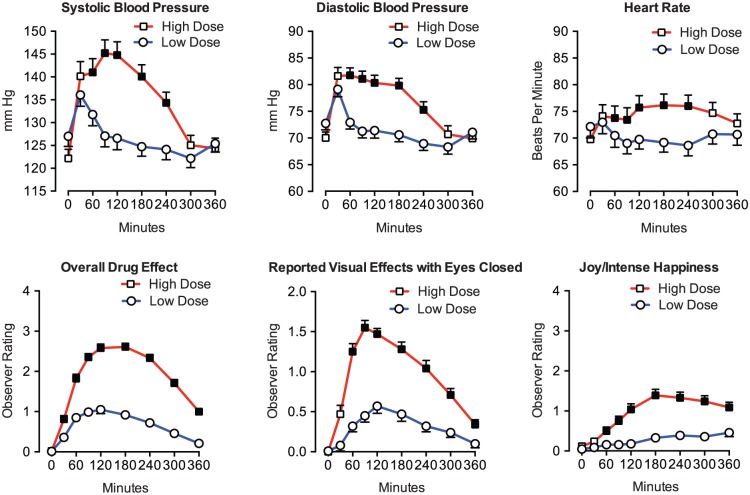
“2016 [41] 50 cross-over (high dose 22 or 30 mg/70 kg), (low dose 1 or 3 mg/70 kg) psychological discomfort: 32 (high dose), 12 (low dose); transient anxiety: 26 (high dose), 15 (low dose) elevation in SBP: 34 (high dose), 17 (low dose); DBP: 12 (high dose), 2 (low dose) nausea/vomiting: 15 (high dose session), 0 (low…”
BackgroundInfluentialDistinguishing and treating demoralization syndrome in cancer: A review
Fava, M., Sorg, E. M., Jacobs, J. M., Leadbetter, R. A., & Guidi, J. (2023) · General Hospital Psychiatry · doi:10.1016/j.genhosppsych.2023.10.004 · Cited by 47
Müller, F., Holze, F., Dolder, P., Ley, L., Vizeli, P., Soltermann, A., Liechti, M. E., & Borgwardt, S. (2021) · Neuropsychopharmacology · doi:10.1038/s41386-020-00906-2 · Cited by 38
Catalysts for change: the cellular neurobiology of psychedelics
Banks, M. I., Zahid, Z., Jones, N. T., Sultan, Z. W., & Wenthur, C. J. (2021) · Molecular Biology of the Cell · doi:10.1091/mbc.e20-05-0340 · Cited by 37
“Remarkably, one or two administered doses of psilocybin result in rapid and prolonged changes in mood and outlook, with symptomatic relief lasting at least 3–12 months (Carhart-Harris et al., 2016a; Griffiths et al., 2016; Ross et al., 2016; Johnson et al., 2017).”
BackgroundSakurai, H., Yonezawa, K., Tani, H., Mimura, M., Bauer, M., & Uchida, H. (2022) · Pharmacopsychiatry · doi:10.1055/a-1714-9097 · Cited by 42
“and distress associated with a life-threatening illness [52, 53].”
BackgroundKisely, S., Connor, M., Somogyi, A. A., & Siskind, D. (2023) · Australian & New Zealand Journal of Psychiatry · doi:10.1177/00048674221083868 · Cited by 38
“Among the six studies on psilocybin (n = 187 participants), three were for anxiety or depression for an LTD (n = 92), two for long-standing or TRD (n = 86) and one for obsessive-compulsive disorder (n = 9) (Table 2).”
BackgroundResultInfluentialKozell, L. B., Eshleman, A. J., Swanson, T. L., Bloom, S. H., Wolfrum, K. M., Schmachtenberg, J. L., Olson, R. J., Janowsky, A. J., & Abbas, A. I. (2023) · Journal of Pharmacology and Experimental Therapeutics · doi:10.1124/jpet.122.001454 · Cited by 37
Castro Santos, H., & Gama Marques, J. (2021) · Porto Biomedical Journal · doi:10.1097/j.pbj.0000000000000128 · Cited by 37
“The best option seems to be the use of an inactive low dose of psilocybin, as it showed some protection against monitor expectancy and it assures the benefit of the instruction that psilocybin is going to be administered on each session.(27) Additionally, because psilocybin administration was associated with psycholog…”
BackgroundPsychedelic-Assisted Therapy for Substance Use Disorders and Potential Mechanisms of Action
Rieser, N. M., Herdener, M., & Preller, K. H. (2021) · Current Topics in Behavioral Neurosciences · doi:10.1007/7854_2021_284 · Cited by 37
Metadata
- Authors
- Griffiths, R. R., Johnson, M. W., Carducci, M. A., Umbricht, A., Richards, W. A., Richards, B. D., Cosimano, M. P., & Klinedinst, M. A.
- Affiliations
- Johns Hopkins University (US)
- Corresponding author
- Griffiths, Roland R
- Venue
- Journal of Psychopharmacology
- Publisher
- SAGE Publications
- Published
- 2016-11-30
- Volume
- 30
- Issue
- 12
- Pages
- 1181-1197
- ISSN
- 0269-8811 (ISSN-L)
- 1461-7285
- PMC
- PMC5367557
- OpenAlex
- W2558412547
- Cited by
- 2,201
- References
- 53
- Citations by year
- 2026: 278 · 2025: 325 · 2024: 335 · 2023: 315 · 2022: 310 · 2021: 229 · 2020: 187 · 2019: 73 · 2018: 77 · 2017: 54 · 2016: 14
- FWCI
- 97.18
- Type
- journal article
- Language
- en
- Open access
- hybrid
- doi.org
- Licence
- cc-by
- journals.sagepub.com/page/policies/text-and-data-mining-license (tdm)
- Locations
- Journal of Psychopharmacology (publishedVersion, cc-by)
- PubMed Central (publishedVersion, cc-by)
- PubMed (publishedVersion)
- Funders
- National Institutes of Health
- National Institute on Drug Abuse (R01DA003889)
- Topics
- Social Sciences › Psychology › Clinical Psychology › Psychedelics and Drug Studies
- Social Sciences › Health › Religion, Spirituality, and Psychology
- Health Sciences › Medicine › Oncology › Cancer survivorship and care
- Keywords
- psilocybin, depression, anxiety, cancer patients, psychedelic therapy, dose-response relationship, mystical experience, fear of death, quality of life, meaning of life, optimism, well-being, sustained treatment effects
- MeSH terms
- Anxiety, Attitude, Depression, Double-Blind Method, Female, Follow-Up Studies, Hallucinogens, Humans, Male, Middle Aged, Neoplasms, Psilocybin, Quality of Life, Surveys and Questionnaires, Cross-Over Studies
About these checks
Registry, retraction, Cites and statistics results are computed, not judged, with one exception: a printed reference that no index lists is read once by a model before it counts as a citation error. Claims are extracted by a model and kept only when their quote appears verbatim in the text; each cited source is then checked, with a model’s help, for whether it says what the claim relies on. Those verdicts can be wrong — read the claim’s quote and the cited source before relying on one.
Statistics and arithmetic are recomputed, not judged.
Confidence bands are shown only for fields calibrated on our annotated test set. None is calibrated yet, so no band is shown.
What counts as a claim ›How we measure confidence ›How we check this ›
Are you an author, or do you see a problem with this page? Request a review
Data sources
Bibliographic data: Semantic Scholar, OpenAlex, Crossref.
Contains information from the Semantic Scholar Academic Graph Datasets, made available under the ODC Attribution License (ODC-BY 1.0).
Semantic Scholar’s data is described in: Kinney, R., et al. (2023). The Semantic Scholar Open Data Platform. arXiv:2301.10140.
