

Psychiatric risks for worsened mental health after psychedelic use
Open accessThe DOI matches its Crossref record; 108 of the 109 references it cites were found in a registry or an index.
Abstract
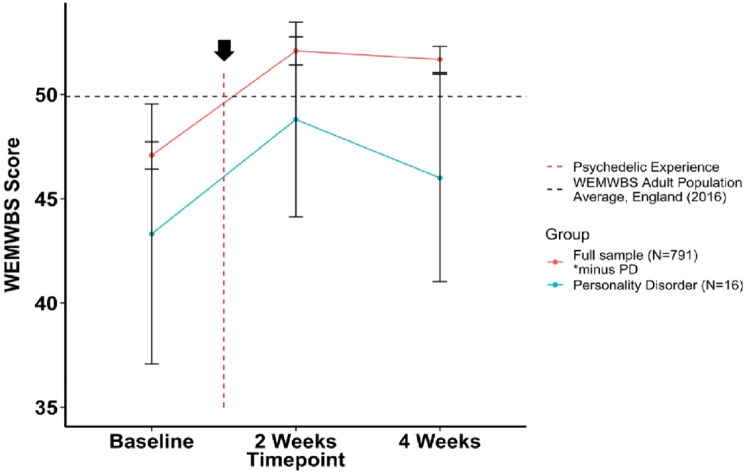
Background: Resurgent psychedelic research has largely supported the safety and efficacy of psychedelic therapy for the treatment of various psychiatric disorders. As psychedelic use and therapy increase in prevalence, so does the importance of understanding associated risks. Cases of prolonged negative psychological responses to psychedelic therapy seem to be rare; however, studies are limited by biases and small sample sizes. The current analytical approach was motivated by the question of whether rare but significant adverse effects have been under-sampled in psychedelic research studies. Methods: A “bottom margin analysis” approach was taken to focus on negative responders to psychedelic use in a pool of naturalistic, observational prospective studies ( N = 807). We define “negative response” by a clinically meaningful decline in a generic index of mental health, that is, one standard error from the mean decrease in psychological well-being 4 weeks post-psychedelic use (vs pre-use baseline). We then assessed whether a history of diagnosed mental illness can predict negative responses. Results: We find that 16% of the cohort falls into the “negative responder” subset. Parsing the sample by self-reported history of psychiatric diagnoses, results revealed a disproportionate prevalence of negative responses among those reporting a prior personality disorder diagnosis (31%). One multivariate regression model indicated a greater than four-fold elevated risk of adverse psychological responses to psychedelics in the personality disorder subsample ( b = 1.425, p < 0.05). Conclusion: We infer that the presence of a personality disorder may represent an elevated risk for psychedelic use and hypothesize that the importance of psychological support and good therapeutic alliance may be increased in this population.
Overview
The claims and statistics of this paper haven’t been checked yet.
Free: it reads the open-access text and checks the first 5 claims that cite a source we can check. Create a free account to check every claim.
Integrity signals
Registry
Cites
Statistics
Figures
Verification
Claims the paper makes
The claims and statistics of this paper haven’t been checked yet.
Free: it reads the open-access text and checks the first 5 claims that cite a source we can check. Create a free account to check every claim.
Claims other papers make about this one
Each is checked against this paper’s own text: does it say what the citing paper says it does?
The source backs part of the claim, not all of it — or backs it for a different population, condition or comparison.
In the citing paper
“Additional reported concerns include the risk of emotional instability during sessions, challenges to establishing therapeutic rapport, and difficulty integrating psychedelic experiences (17–19).”
From Psychoanalytically informed MDMA-assisted therapy for pathological narcissism: a novel theoretical approach (2025) · cites this paper as [17]
Experimental — accuracy not yet measuredThe cited source says what the claim attributes to it.
In the citing paper
“One naturalistic, uncontrolled study found that individuals with personality disorders were over four times more likely to experience worsened mental health following psychedelic use of psilocybin, lysergic acid diethylamide (LSD)), ayahuasca, N,N-Dimethyltryptamine (DMT)), mescaline, and iboga (17).”
From Psychoanalytically informed MDMA-assisted therapy for pathological narcissism: a novel theoretical approach (2025) · cites this paper as [17]
Self-check
Percentages, sums and reported differences re-computed from the paper’s own numbers.
The self-check needs the paper’s full text.
Citations
Cites
Diagnostic and Statistical Manual of Mental Disorders
American Psychiatric Association (2013) · doi:10.1176/appi.books.9780890425596 · Cited by 116,369
Journal of Clinical Psychiatry
(2018) · Journal of Clinical Psychiatry · doi:10.5505/kpd · Cited by 13,651
A very brief measure of the Big-Five personality domains
Gosling, S. D., Rentfrow, P. J., & Swann, W. B. (2003) · Journal of Research in Personality · doi:10.1016/s0092-6566(03)00046-1 · Cited by 8,307 · cited 4×
“Given the heterogeneity between different PD diagnoses, aimed to understand the profile of participants with self-reported PD, as per a univariate regression on the Ten-Item Personality Inventory (TIPI) elements (Gosling et al., 2003) (Supplemental Table 1).”
MethodInfluentialCognitive-Behavioral Treatment of Borderline Personality Disorder
Cary, G. L. (1994) · American Journal of Psychotherapy · doi:10.1176/appi.psychotherapy.1994.48.1.155 · Cited by 6,283
The Warwick-Edinburgh Mental Well-being Scale (WEMWBS): development and UK validation
Tennant, R., Hiller, L., Fishwick, R., Platt, S., Joseph, S., Weich, S., Parkinson, J., Secker, J., & Stewart-Brown, S. (2007) · Health and Quality of Life Outcomes · doi:10.1186/1477-7525-5-63 · Cited by 5,031
Griffiths, R. R., Johnson, M. W., Carducci, M. A., Umbricht, A., Richards, W. A., Richards, B. D., Cosimano, M. P., & Klinedinst, M. A. (2016) · Journal of Psychopharmacology · doi:10.1177/0269881116675513 · Cited by 2,201 · cited 1×
“…of psychedelic therapy as a treatment for a wide range of psychiatric disorders, from major depressive disorder (MDD) to addiction, obsessive-compulsive disorder (OCD), end-of-life anxiety, etc. (Bogenschutz et al., 2015; Carhart-Harris et al., 2021b; Griffiths et al., 2016; Moreno et al., 2006).”
BackgroundCarhart-Harris, R. L., Bolstridge, M., Rucker, J., Day, C. M. J., Erritzoe, D., Kaelen, M., Bloomfield, M., Rickard, J. A., Forbes, B., Feilding, A., et al. (2016) · The Lancet Psychiatry · doi:10.1016/s2215-0366(16)30065-7 · Cited by 1,540 · cited 2×
“In accordance with the current exclusion criteria of psy-chedelic clinical trials (Carhart-Harris et al., 2016, 2021b), we found that the highest proportion of negative responders was in a group of individuals with a history of PD diagnosis (31%, i.e., 5 cases of 16, Table 2).”
BackgroundSelf-citationThe Revised NEO Personality Inventory (NEO-PI-R)
Costa, P. T., & McCrae, R. R. (2008) · The SAGE Handbook of Personality Theory and Assessment: Volume 2 — Personality Measurement and Testing · doi:10.4135/9781849200479.n9 · Cited by 1,463 · cited 1×
“…within our cohort, we assessed for correlations with individual items in the TIPI (Gosling et al., 2003), measuring the five major personality domains: openness to experience, extraversion, agreeableness, conscientiousness, and emotional stability (inverse of neuroticism) (Costa and McCrae, 2008).”
MethodTrial of Psilocybin versus Escitalopram for Depression
Carhart-Harris, R., Giribaldi, B., Watts, R., Baker-Jones, M., Murphy-Beiner, A., Murphy, R., Martell, J., Blemings, A., Erritzoe, D., & Nutt, D. J. (2021) · New England Journal of Medicine · doi:10.1056/nejmoa2032994 · Cited by 1,391
Self-citationStewart-Brown, S., Tennant, A., Tennant, R., Platt, S., Parkinson, J., & Weich, S. (2009) · Health and Quality of Life Outcomes · doi:10.1186/1477-7525-7-15 · Cited by 1,251
Human hallucinogen research: guidelines for safety
Johnson, M., Richards, W., & Griffiths, R. (2008) · Journal of Psychopharmacology · doi:10.1177/0269881108093587 · Cited by 1,203 · cited 2×
“The apparent low prevalence of long-term negative psychological responses in clinical research is likely due to careful screening and controlled experimental guidelines (Johnson et al., 2008).”
BackgroundREBUS and the anarchic brain: Toward a unified model of the brain action of psychedelics
Carhart-Harris, R. L., & Friston, K. J. (2019) · Pharmacological Reviews · doi:10.1124/pr.118.017160 · Cited by 1,180 · cited 1×
“Psychedelics are known to be psychologically agitative, which is why it is assumed to be essential that they be combined with psychological support to maximize positive response and mitigate risk (Carhart-Harris and Friston, 2019; Grinspoon and Doblin, 2001; Healy, 2021; Koslowski et al., 2022).”
BackgroundSelf-citationSingle-Dose Psilocybin for a Treatment-Resistant Episode of Major Depression
Goodwin, G. M., Aaronson, S. T., Alvarez, O., Arden, P. C., Baker, A., Bennett, J. C., Bird, C., Blom, R. E., Brennan, C., Brusch, D., et al. (2022) · New England Journal of Medicine · doi:10.1056/nejmoa2206443 · Cited by 1,167 · cited 2×
“Thus, the brief (e.g., one dose, minimal aftercare) psychedelic therapy package being trialed for treatment-resistant depression (Goodwin et al., 2022) may not be sufficiently safe for cases where there is a diagnosed or suspected BPD.”
BackgroundSelf-citationPsilocybin-assisted treatment for alcohol dependence: A proof-of-concept study
Bogenschutz, M. P., Forcehimes, A. A., Pommy, J. A., Wilcox, C. E., Barbosa, P., & Strassman, R. J. (2015) · Journal of Psychopharmacology · doi:10.1177/0269881114565144 · Cited by 1,151 · cited 2×
“…may arise, in part, from reported benefits in disorders often comorbid with BPD—for example, MDD, post-traumatic stress disorder, substance abuse (Bogenschutz et al., 2015; Bouso et al., 2008; Carhart-Harris et al., 2021b) including improvements in some key symptoms of BPD (e.g., suicidality,…”
BackgroundSamuel, D. B., & Widiger, T. A. (2008) · Clinical Psychology Review · doi:10.1016/j.cpr.2008.07.002 · Cited by 1,018 · cited 1×
“This personality structure is considered characteristic of a borderline-like personality disorder profile (Samuel and Widiger, 2008), thus providing some validation for our self-reporting PD-diagnosed subgroup.”
ResultSafety, tolerability, and efficacy of psilocybin in 9 patients with obsessive-compulsive disorder
Moreno, F. A., Wiegand, C. B., Taitano, E. K., & Delgado, P. L. (2006) · The Journal of Clinical Psychiatry · doi:10.4088/jcp.v67n1110 · Cited by 789 · cited 1×
“…of psychedelic therapy as a treatment for a wide range of psychiatric disorders, from major depressive disorder (MDD) to addiction, obsessive-compulsive disorder (OCD), end-of-life anxiety, etc. (Bogenschutz et al., 2015; Carhart-Harris et al., 2021b; Griffiths et al., 2016; Moreno et al., 2006).”
BackgroundThe Therapeutic Potential of Psychedelic Drugs: Past, Present, and Future
Carhart-Harris, R. L., & Goodwin, G. M. (2017) · Neuropsychopharmacology · doi:10.1038/npp.2017.84 · Cited by 706 · cited 1×
“The resurgence of psychedelics as putative medical interventions (Carhart-Harris and Goodwin, 2017; Sessa, 2018) has yielded evidence in favor of the safety and efficacy of psychedelic therapy as a treatment for a wide range of psychiatric disorders, from major depressive disorder (MDD) to…”
BackgroundSelf-citationPsychedelics and the essential importance of context
Carhart-Harris, R. L., Roseman, L., Haijen, E., Erritzoe, D., Watts, R., Branchi, I., & Kaelen, M. (2018) · Journal of Psychopharmacology · doi:10.1177/0269881118754710 · Cited by 657 · cited 1×
“…guidelines include recommendations that the surrounding psychological “set” (i.e., a participant’s psychological preparedness) and environmental “setting” be conducive to a therapeutic response (Carhart-Harris et al., 2018; Haijen et al., 2018; Leary et al., 1963; Studerus et al., 2011, 2012).”
BackgroundSelf-citationCristea, I. A., Gentili, C., Cotet, C. D., Palomba, D., Barbui, C., & Cuijpers, P. (2017) · JAMA Psychiatry · doi:10.1001/jamapsychiatry.2016.4287 · Cited by 655 · cited 1×
“This, as well as a significant need for better treatments (Alvarez-Tomás et al., 2017; Cristea et al., 2017; Ripoll, 2013), has contributed to some questioning whether even these excluded categories could benefit from psychedelic therapy, perhaps especially so if the treatment was to be tailored to…”
BackgroundCarbonaro, T. M., Bradstreet, M. P., Barrett, F. S., MacLean, K. A., Jesse, R., Johnson, M. W., & Griffiths, R. R. (2016) · Journal of Psychopharmacology · doi:10.1177/0269881116662634 · Cited by 553 · cited 1×
“…or repeated dosages (Erritzoe et al., 2017; Malleson, 1971; McWilliams and Tuttle, 1973; Strassman, 1984), stressful or suboptimal use-contexts (Carbonaro et al., 2016; Schlag et al., 2022), or occurred in individuals with previous or close family history of psychotic disorders (Anastasopoulos…”
BackgroundNg Fat, L., Scholes, S., Boniface, S., Mindell, J., & Stewart-Brown, S. (2017) · Quality of Life Research · doi:10.1007/s11136-016-1454-8 · Cited by 548 · cited 1×
“Various studies have indicated a normal distribution of WEMWBS in the general population; therefore, it can be used in parametric analyses (Ng Fat et al., 2017).”
BackgroundStuderus, E., Kometer, M., Hasler, F., & Vollenweider, F. X. (2011) · Journal of Psychopharmacology · doi:10.1177/0269881110382466 · Cited by 532 · cited 1×
“…guidelines include recommendations that the surrounding psychological “set” (i.e., a participant’s psychological preparedness) and environmental “setting” be conducive to a therapeutic response (Carhart-Harris et al., 2018; Haijen et al., 2018; Leary et al., 1963; Studerus et al., 2011, 2012).”
BackgroundClarke, A., Friede, T., Putz, R., Ashdown, J., Martin, S., Blake, A., Adi, Y., Parkinson, J., Flynn, P., Platt, S., et al. (2011) · BMC Public Health · doi:10.1186/1471-2458-11-487 · Cited by 493 · cited 1×
“The WEMWBS has been shown to have good content and internal construct validity, as well as satisfactory test–retest reliability (Stewart-Brown et al., 2009), extensively validated in different adult and teenager UK and minority populations (Clarke et al., 2011; Taggart et al., 2013).”
Beaton, D. (2001) · Journal of Clinical Epidemiology · doi:10.1016/s0895-4356(01)00407-3 · Cited by 487
Predicting responses to psychedelics: a prospective study
Haijen, E. C. H. M., Kaelen, M., Roseman, L., Timmermann, C., Kettner, H., Russ, S., Nutt, D., Daws, R. E., Hampshire, A. D. G., Lorenz, R., et al. (2018) · Frontiers in Pharmacology · doi:10.3389/fphar.2018.00897 · Cited by 417 · cited 4×
“…guidelines include recommendations that the surrounding psychological “set” (i.e., a participant’s psychological preparedness) and environmental “setting” be conducive to a therapeutic response (Carhart-Harris et al., 2018; Haijen et al., 2018; Leary et al., 1963; Studerus et al., 2011, 2012).”
BackgroundMethodInfluentialSelf-citationSome Surprising Results about Covariate Adjustment in Logistic Regression Models
Robinson, L. D., & Jewell, N. P. (1991) · International Statistical Review / Revue Internationale de Statistique · doi:10.2307/1403444 · Cited by 410 · cited 1×
“…for baseline mental health is a justifiable analytical procedure that can address issues with ceiling and floor effects on measures versus greater scope for change, that is, this being linked to the “regression to the mean” confound (Clifton and Clifton, 2019; Robinson and Jewell, 1991).”
BackgroundHenry, C., Mitropoulou, V., New, A. S., Koenigsberg, H. W., Silverman, J., & Siever, L. J. (2001) · Journal of Psychiatric Research · doi:10.1016/s0022-3956(01)00038-3 · Cited by 402 · cited 1×
“…with PDs are known to have high rates of comorbidities with mood disorders, such as MDD and bipolar disorder (Biskin and Paris, 2013; Friborg et al., 2014; Shah and Zanarini, 2018), with often overlapping symptomatology (Henry et al., 2001; Koenigsberg et al., 2002; Ruggero et al., 2010).”
BackgroundCharacterizing affective instability in borderline personality disorder
Koenigsberg, H. W., Harvey, P. D., Mitropoulou, V., Schmeidler, J., New, A. S., Goodman, M., Silverman, J. M., Serby, M., Schopick, F., & Siever, L. J. (2002) · American Journal of Psychiatry · doi:10.1176/appi.ajp.159.5.784 · Cited by 379 · cited 1×
“…with PDs are known to have high rates of comorbidities with mood disorders, such as MDD and bipolar disorder (Biskin and Paris, 2013; Friborg et al., 2014; Shah and Zanarini, 2018), with often overlapping symptomatology (Henry et al., 2001; Koenigsberg et al., 2002; Ruggero et al., 2010).”
BackgroundPrediction of Psilocybin Response in Healthy Volunteers
Studerus, E., Gamma, A., Kometer, M., & Vollenweider, F. X. (2012) · PLoS ONE · doi:10.1371/journal.pone.0030800 · Cited by 369 · cited 1×
“…guidelines include recommendations that the surrounding psychological “set” (i.e., a participant’s psychological preparedness) and environmental “setting” be conducive to a therapeutic response (Carhart-Harris et al., 2018; Haijen et al., 2018; Leary et al., 1963; Studerus et al., 2011, 2012).”
BackgroundBarrett, F. S., Bradstreet, M. P., Leoutsakos, J.-M. S., Johnson, M. W., & Griffiths, R. R. (2016) · Journal of Psychopharmacology · doi:10.1177/0269881116678781 · Cited by 366 · cited 1×
“Psychedelics do pose a risk of psychologically unpleasant acute experiences, and subjective responses remain unpredictable (Barrett et al., 2016; Byock, 2018; Russ et al., 2019).”
BackgroundJohnson, M. W., Griffiths, R. R., Hendricks, P. S., & Henningfield, J. E. (2018) · Neuropharmacology · doi:10.1016/j.neuropharm.2018.05.012 · Cited by 354 · cited 2×
“Despite evidence supporting psychedelics as catalysts of psychotherapeutic processes, and their low physiological toxicity and risk of dependence (Johnson et al., 2018; Schlag et al., 2022), psychedelic interventions are not risk free, perhaps especially when their use is divorced from…”
BackgroundInfluentialVolkert, J., Gablonski, T.-C., & Rabung, S. (2018) · The British Journal of Psychiatry · doi:10.1192/bjp.2018.202 · Cited by 346 · cited 1×
“BPD affects 1.5% of the population (Torgersen et al., 2012; Volkert et al., 2018) and is characterized by behavioral and emotional dysregulation, with difficulties in interpersonal relationships (American Psychiatric Association, 2013).”
BackgroundInfluentialAdverse effects of psychedelics: From anecdotes and misinformation to systematic science
Schlag, A. K., Aday, J., Salam, I., Neill, J. C., & Nutt, D. J. (2022) · Journal of Psychopharmacology · doi:10.1177/02698811211069100 · Cited by 325 · cited 3×
“…(Erritzoe et al., 2017; Malleson, 1971; McWilliams and Tuttle, 1973; Strassman, 1984), stressful or suboptimal use-contexts (Carbonaro et al., 2016; Schlag et al., 2022), or occurred in individuals with previous or close family history of psychotic disorders (Anastasopoulos and Photiades, 1962;…”
BackgroundInfluentialADVERSE REACTIONS TO PSYCHEDELIC DRUGS. A REVIEW OF THE LITERATURE
Strassman, R. J. (1984) · The Journal of Nervous and Mental Disease · doi:10.1097/00005053-198410000-00001 · Cited by 312 · cited 1×
“…psychedelics are often associated with the use of high or repeated dosages (Erritzoe et al., 2017; Malleson, 1971; McWilliams and Tuttle, 1973; Strassman, 1984), stressful or suboptimal use-contexts (Carbonaro et al., 2016; Schlag et al., 2022), or occurred in individuals with previous or…”
BackgroundStewart-Brown, S., Platt, S., Tennant, A., Maheswaran, H., Parkinson, J., Weich, S., Tennant, R., Taggart, F., & Clarke, A. (2011) · Journal of Epidemiology and Community Health · doi:10.1136/jech.2011.143586.86 · Cited by 291 · cited 1×
“…sensitivity to change in psychiatric populations as well as to external interventions, offering insight into mental well-being across groups (Maheswaran et al., 2012; Stewart-Brown et al., 2011) and being commonly applied by mental health service users and carers (Crawford et al., 2011).”
BackgroundAnderson, B. T., Danforth, A., Daroff, P. R., Stauffer, C., Ekman, E., Agin-Liebes, G., Trope, A., Boden, M. T., Dilley, P. J., Mitchell, J., et al. (2020) · EClinicalMedicine · doi:10.1016/j.eclinm.2020.100538 · Cited by 284 · cited 1×
“…of trajectory was identified in recent studies of psychedelic therapy, where participants with BPD diagnosis showed a brief, noticeable reduction in anxiety scores which seemed to return by week 4 post-treatment, with one severe case of acute distress (Anderson et al., 2020; Fineberg et al., 2023).”
ResultRejection sensitivity and borderline personality disorder
Staebler, K., Helbing, E., Rosenbach, C., & Renneberg, B. (2011) · Clinical Psychology & Psychotherapy · doi:10.1002/cpp.705 · Cited by 268 · cited 1×
“…2023), may elevate the risk of insecure therapeutic relationships and phenomena such as “termination reactions”—that is, where the threat of terminating a therapeutic relationship triggers an upsurge in symptomatology (Bender, 2005; Domsalla et al., 2014; Euler et al., 2018; Staebler et al., 2011).”
BackgroundMaheswaran, H., Weich, S., Powell, J., & Stewart-Brown, S. (2012) · Health and Quality of Life Outcomes · doi:10.1186/1477-7525-10-156 · Cited by 265 · cited 3×
“In the total cohort, we identified 16.4% (132 cases) who reported clinically meaningful decreases in well-being at 4 weeks post-experience; these were our “bottom margin” (Kahneman, 2011; Maheswaran et al., 2012).”
BackgroundMethodInfluentialTherapeutic alliance and rapport modulate responses to psilocybin assisted therapy for depression
Murphy, R., Kettner, H., Zeifman, R., Giribaldi, B., Kartner, L., Martell, J., Read, T., Murphy-Beiner, A., Baker-Jones, M., Nutt, D., et al. (2022) · Frontiers in Pharmacology · doi:10.3389/fphar.2021.788155 · Cited by 250 · cited 1×
“Thus, with some empirical support, emphasis is placed on the importance of psychological support before, during, and after dosing sessions—helping to ensure positive therapeutic rapport (Gorman et al., 2021; Murphy et al., 2022).”
BackgroundSelf-citationREACTIONS TO PSILOCYBJN ADMINISTERED IN A SUPPORTIVE ENVIRONMENT
LEARY, T., LITWIN, G. H., & METZNER, R. (1963) · The Journal of Nervous and Mental Disease · doi:10.1097/00005053-196312000-00007 · Cited by 243 · cited 1×
“…guidelines include recommendations that the surrounding psychological “set” (i.e., a participant’s psychological preparedness) and environmental “setting” be conducive to a therapeutic response (Carhart-Harris et al., 2018; Haijen et al., 2018; Leary et al., 1963; Studerus et al., 2011, 2012).”
BackgroundFriborg, O., Martinsen, E. W., Martinussen, M., Kaiser, S., Øvergård, K. T., & Rosenvinge, J. H. (2014) · Journal of Affective Disorders · doi:10.1016/j.jad.2013.08.023 · Cited by 242 · cited 1×
“…individuals with PDs are known to have high rates of comorbidities with mood disorders, such as MDD and bipolar disorder (Biskin and Paris, 2013; Friborg et al., 2014; Shah and Zanarini, 2018), with often overlapping symptomatology (Henry et al., 2001; Koenigsberg et al., 2002; Ruggero et al.,…”
BackgroundKettner, H., Rosas, F. E., Timmermann, C., Kärtner, L., Carhart-Harris, R. L., & Roseman, L. (2021) · Frontiers in Pharmacology · doi:10.3389/fphar.2021.623985 · Cited by 221 · cited 2×
“Datasets analyzed in this study were obtained from three separate, prospective web-based survey studies: Global Psychedelic Surveys 1 and 2 (www.psychedelicsurvey.com) and the Psychedelic Ceremony Study (www.ceremonystudy.com) (Haijen et al., 2018; Kettner et al., 2021).”
MethodSelf-citationComorbidity of Borderline Personality Disorder
Shah, R., & Zanarini, M. C. (2018) · Psychiatric Clinics of North America · doi:10.1016/j.psc.2018.07.009 · Cited by 215 · cited 1×
“…with PDs are known to have high rates of comorbidities with mood disorders, such as MDD and bipolar disorder (Biskin and Paris, 2013; Friborg et al., 2014; Shah and Zanarini, 2018), with often overlapping symptomatology (Henry et al., 2001; Koenigsberg et al., 2002; Ruggero et al., 2010).”
BackgroundOn a basis for ‘Peaks over Threshold’ modeling
Leadbetter, M. R. (1991) · Statistics & Probability Letters · doi:10.1016/0167-7152(91)90107-3 · Cited by 207 · cited 1×
“…averages and variance— an approach that sometimes even involves the exclusion of extreme data points (i.e., outlier correction)—bottom-margin or “extreme value” analyses (Leadbetter, 1991), intentionally focus on the “worst cases”—acknowledging their rare prevalence but also exceptional importance.”
BackgroundBouso, J. C., Doblin, R., Farré, M., Alcázar, M. Á., & Gómez-Jarabo, G. (2008) · Journal of Psychoactive Drugs · doi:10.1080/02791072.2008.10400637 · Cited by 205 · cited 1×
“…reported benefits in disorders often comorbid with BPD—for example, MDD, post-traumatic stress disorder, substance abuse (Bogenschutz et al., 2015; Bouso et al., 2008; Carhart-Harris et al., 2021b) including improvements in some key symptoms of BPD (e.g., suicidality, emotion dysregulation,…”
BackgroundMcMain, S. F., Guimond, T., Barnhart, R., Habinski, L., & Streiner, D. L. (2017) · Acta Psychiatrica Scandinavica · doi:10.1111/acps.12664 · Cited by 184 · cited 1×
“Integrating psychedelic therapy with less resource-intensive versions of BPD treatment (e.g., 6-month DBT, group-only DBT, or Good Psychiatric Management; Gunderson, 2014; McMain et al., 2017, 2022) may also suffice and help to increase accessibility.”
Handbook of Good Psychiatric Management for Borderline Personality Disorder
AGUIRRE, B. (2015) · Journal of Psychiatric Practice · doi:10.1097/pra.0000000000000086 · Cited by 182
Clifton, L., & Clifton, D. A. (2019) · Trials · doi:10.1186/s13063-018-3108-3 · Cited by 178 · cited 1×
“…for baseline mental health is a justifiable analytical procedure that can address issues with ceiling and floor effects on measures versus greater scope for change, that is, this being linked to the “regression to the mean” confound (Clifton and Clifton, 2019; Robinson and Jewell, 1991).”
BackgroundSelf-harm in the context of borderline personality disorder
Reichl, C., & Kaess, M. (2021) · Current Opinion in Psychology · doi:10.1016/j.copsyc.2020.12.007 · Cited by 175 · cited 1×
“Moreover, as the BPD population is characterized by high suicidality and incidences of self-harm (Reichl and Kaess, 2021), there may be an additional layer of risk to treating this already highly vulnerable and psychologically complex population with a psychologically potent and agitating…”
BackgroundSelecting outcome measures in mental health: the views of service users
Crawford, M. J., Robotham, D., Thana, L., Patterson, S., Weaver, T., Barber, R., Wykes, T., & Rose, D. (2011) · Journal of Mental Health · doi:10.3109/09638237.2011.577114 · Cited by 172 · cited 1×
“…sensitivity to change in psychiatric populations as well as to external interventions, offering insight into mental well-being across groups (Maheswaran et al., 2012; Stewart-Brown et al., 2011) and being commonly applied by mental health service users and carers (Crawford et al., 2011).”
BackgroundAyahuasca, dimethyltryptamine, and psychosis: a systematic review of human studies
dos Santos, R. G., Bouso, J. C., & Hallak, J. E. C. (2017) · Therapeutic Advances in Psychopharmacology · doi:10.1177/2045125316689030 · Cited by 168 · cited 1×
“Until recently, according to one meta-analysis, in more than 2000 patients or participants administered psilocybin, LSD, or ayahuasca in experimental settings, no serious adverse events were reported (dos Santos et al., 2017).”
MethodBorderline personality disorder and the misdiagnosis of bipolar disorder
Ruggero, C. J., Zimmerman, M., Chelminski, I., & Young, D. (2010) · Journal of Psychiatric Research · doi:10.1016/j.jpsychires.2009.09.011 · Cited by 166 · cited 1×
“…with PDs are known to have high rates of comorbidities with mood disorders, such as MDD and bipolar disorder (Biskin and Paris, 2013; Friborg et al., 2014; Shah and Zanarini, 2018), with often overlapping symptomatology (Henry et al., 2001; Koenigsberg et al., 2002; Ruggero et al., 2010).”
BackgroundByock, I. (2018) · Journal of Palliative Medicine · doi:10.1089/jpm.2017.0684 · Cited by 161 · cited 1×
“Psychedelics do pose a risk of psychologically unpleasant acute experiences, and subjective responses remain unpredictable (Barrett et al., 2016; Byock, 2018; Russ et al., 2019).”
BackgroundThe Therapeutic Alliance in the Treatment of Personality Disorders
BENDER, D. S. (2005) · Journal of Psychiatric Practice · doi:10.1097/00131746-200503000-00002 · Cited by 155 · cited 1×
“…2023), may elevate the risk of insecure therapeutic relationships and phenomena such as “termination reactions”—that is, where the threat of terminating a therapeutic relationship triggers an upsurge in symptomatology (Bender, 2005; Domsalla et al., 2014; Euler et al., 2018; Staebler et al., 2011).”
BackgroundCerebral processing of social rejection in patients with borderline personality disorder
Domsalla, M., Koppe, G., Niedtfeld, I., Vollstädt-Klein, S., Schmahl, C., Bohus, M., & Lis, S. (2014) · Social Cognitive and Affective Neuroscience · doi:10.1093/scan/nst176 · Cited by 152 · cited 1×
“…2023), may elevate the risk of insecure therapeutic relationships and phenomena such as “termination reactions”—that is, where the threat of terminating a therapeutic relationship triggers an upsurge in symptomatology (Bender, 2005; Domsalla et al., 2014; Euler et al., 2018; Staebler et al., 2011).”
BackgroundPsychedelic harm reduction and integration: A transtheoretical model for clinical practice
Gorman, I., Nielson, E. M., Molinar, A., Cassidy, K., & Sabbagh, J. (2021) · Frontiers in Psychology · doi:10.3389/fpsyg.2021.645246 · Cited by 147 · cited 1×
“Thus, with some empirical support, emphasis is placed on the importance of psychological support before, during, and after dosing sessions—helping to ensure positive therapeutic rapport (Gorman et al., 2021; Murphy et al., 2022).”
BackgroundAttachment and Borderline Personality Disorder: Implications for Psychotherapy
Levy, K. N., Meehan, K. B., Weber, M., Reynoso, J., & Clarkin, J. F. (2005) · Psychopathology · doi:10.1159/000084813 · Cited by 141 · cited 16×
“BPD affects 1.5% of the population (Torgersen et al., 2012; Volkert et al., 2018) and is characterized by behavioral and emotional dysregulation, with difficulties in interpersonal relationships (American Psychiatric Association, 2013).”
BackgroundInfluentialTaggart, F., Friede, T., Weich, S., Clarke, A., Johnson, M., & Stewart-Brown, S. (2013) · Health and Quality of Life Outcomes · doi:10.1186/1477-7525-11-27 · Cited by 127 · cited 1×
“The WEMWBS has been shown to have good content and internal construct validity, as well as satisfactory test–retest reliability (Stewart-Brown et al., 2009), extensively validated in different adult and teenager UK and minority populations (Clarke et al., 2011; Taggart et al., 2013).”
Torgersen, S., Myers, J., Reichborn-Kjennerud, T., Røysamb, E., Kubarych, T. S., & Kendler, K. S. (2012) · Journal of Personality Disorders · doi:10.1521/pedi.2012.26.6.848 · Cited by 124 · cited 1×
“BPD affects 1.5% of the population (Torgersen et al., 2012; Volkert et al., 2018) and is characterized by behavioral and emotional dysregulation, with difficulties in interpersonal relationships (American Psychiatric Association, 2013).”
BackgroundInfluentialMaking psychedelics into medicines: The politics and paradoxes of medicalization
Noorani, T. (2019) · Journal of Psychedelic Studies · doi:10.1556/2054.2019.018 · Cited by 118 · cited 1×
“Limited sample sizes, biased recruitment and reporting, flawed experimental designs, brief follow-up periods, and imprecise measurement and analysis procedures may be causing rare but significant negative effects to be overlooked or under-reported (Carhart-Harris et al., 2021a; Noorani, 2020).”
BackgroundEFFECTS OF MESCALINE AND LYSERGIC ACID (d-LSD-25)
HOCH, P. H., CATTELL, J. P., & PENNES, H. H. (1952) · American Journal of Psychiatry · doi:10.1176/ajp.108.8.579 · Cited by 116 · cited 1×
“…use-contexts (Carbonaro et al., 2016; Schlag et al., 2022), or occurred in individuals with previous or close family history of psychotic disorders (Anastasopoulos and Photiades, 1962; Fink et al., 1966; Hoch et al., 1952; Malleson, 1971; Pauk and Shagass, 1961; Ungerleider et al., 1966).”
Background(1965) · doi:10.1056/nejm196512022732302 · Cited by 114 · cited 1×
“…(Cohen and Dilman, 1962; Keeler and Reifler, 1967; Ungerleider et al., 1966), and hallucinogen persisting perception disorder (Cooper, 1955; Frosch et al., 1965; Rosenthal, 1964), which emerged as a Diagnostic and Statistical Manual of Mental Disorders (DSM)-recognized condition in the…”
BackgroundAcute Adverse Reactions to Lsd in Clinical and Experimental use in the United Kingdom
Malleson, N. (1971) · British Journal of Psychiatry · doi:10.1192/bjp.118.543.229 · Cited by 111 · cited 3×
“Overall, a review of UK experimental and clinical lysergic acid diethylamide (LSD) administration studies up to 1968, totaling 4500 participants and 50,000 LSD sessions, reported 3 cases of completed suicide and 37 cases of prolonged psychoses (Malleson, 1971).”
BackgroundThe acute effects of classic psychedelics on memory in humans
Healy, C. J. (2021) · Psychopharmacology · doi:10.1007/s00213-020-05756-w · Cited by 108 · cited 1×
“Psychedelics are known to be psychologically agitative, which is why it is assumed to be essential that they be combined with psychological support to maximize positive response and mitigate risk (Carhart-Harris and Friston, 2019; Grinspoon and Doblin, 2001; Healy, 2021; Koslowski et al., 2022).”
BackgroundZeifman, R. J., Wagner, A. C., Watts, R., Kettner, H., Mertens, L. J., & Carhart-Harris, R. L. (2020) · Frontiers in Psychiatry · doi:10.3389/fpsyt.2020.00782 · Cited by 106 · cited 1×
“Thus, although the risk of adverse psychological responses did appear to be appreciably elevated in those with self-reported histories of PD in the present study, this does not also imply that they cannot stand to benefit from psychedelic therapy (Müller et al., 2020; Zeifman et al., 2020).”
BackgroundSelf-citationThe 21st century psychedelic renaissance: heroic steps forward on the back of an elephant
Sessa, B. (2017) · Psychopharmacology · doi:10.1007/s00213-017-4713-7 · Cited by 106 · cited 1×
“The resurgence of psychedelics as putative medical interventions (Carhart-Harris and Goodwin, 2017; Sessa, 2018) has yielded evidence in favor of the safety and efficacy of psychedelic therapy as a treatment for a wide range of psychiatric disorders, from major depressive disorder (MDD) to…”
BackgroundProlonged Adverse Reactions to Lysergic Acid Diethylamide
COHEN, S. (1963) · Archives of General Psychiatry · doi:10.1001/archpsyc.1963.01720110051006 · Cited by 104 · cited 1×
“Another study suggested that the prevalence of cases of iatrogenesis is less than 0.2% in vulnerable populations (Cohen and Ditman, 1963; Johnson et al., 2018), although it is possible that these rates have been under-sampled or understated.”
BackgroundInfluentialSoler, J., Elices, M., Dominguez-Clavé, E., Pascual, J. C., Feilding, A., Navarro-Gil, M., García-Campayo, J., & Riba, J. (2018) · Frontiers in Pharmacology · doi:10.3389/fphar.2018.00224 · Cited by 102 · cited 1×
“…substance abuse (Bogenschutz et al., 2015; Bouso et al., 2008; Carhart-Harris et al., 2021b) including improvements in some key symptoms of BPD (e.g., suicidality, emotion dysregulation, self-image) (Argento et al., 2017; Domínguez-Clavé et al., 2019; Soler et al., 2018; Zeifman et al., 2022).”
BackgroundDomínguez‐Clavé, E., Soler, J., Pascual, J. C., Elices, M., Franquesa, A., Valle, M., Álvarez, E., & Riba, J. (2018) · Psychopharmacology · doi:10.1007/s00213-018-5085-3 · Cited by 94
The impact of Ayahuasca on suicidality: results from a randomized controlled trial
Zeifman, R. J., Palhano-Fontes, F., Hallak, J., Arcoverde, E., Maia-Oliveira, J. P., & Araujo, D. B. (2019) · Frontiers in Pharmacology · doi:10.3389/fphar.2019.01325 · Cited by 87 · cited 1×
“…have tested this directly, administering ketamine or ayahuasca to patients with BPD, reporting no adverse effects and reductions in suicidal ideation and behavioral symptom severity (Danayan et al., 2023; Fineberg et al., 2023; Nandan et al., 2022; Purohith et al., 2021; Zeifman et al., 2019).”
BackgroundSelf-citationReplication and extension of a model predicting response to psilocybin
Russ, S. L., Carhart-Harris, R. L., Maruyama, G. M., & Elliott, M. S. (2019) · Psychopharmacology · doi:10.1007/s00213-019-05279-z · Cited by 85 · cited 1×
“Psychedelics do pose a risk of psychologically unpleasant acute experiences, and subjective responses remain unpredictable (Barrett et al., 2016; Byock, 2018; Russ et al., 2019).”
BackgroundSelf-citationPersistent hallucinosis following repeated administration of hallucinogenic drugs.
ROSENTHAL, S. H. (1964) · American Journal of Psychiatry · doi:10.1176/ajp.121.3.238 · Cited by 82 · cited 1×
“…1962; Keeler and Reifler, 1967; Ungerleider et al., 1966), and hallucinogen persisting perception disorder (Cooper, 1955; Frosch et al., 1965; Rosenthal, 1964), which emerged as a Diagnostic and Statistical Manual of Mental Disorders (DSM)-recognized condition in the 1980s (American…”
BackgroundCoyle, T. N., Shaver, J. A., & Linehan, M. M. (2018) · Journal of Consulting and Clinical Psychology · doi:10.1037/ccp0000275 · Cited by 82 · cited 1×
“…of negative responses would be disproportionately larger in clinical subgroups, such as those commonly excluded from modern trials (e.g., bipolar disorder, psychotic disorder, PD), often because they are considered to be at special risk of clinically iatrogenic responses (Coyle et al., 2018).”
BackgroundUngerleider, J. T. (1966) · JAMA · doi:10.1001/jama.197.6.389 · Cited by 80
McMain, S. F., Chapman, A. L., Kuo, J. R., Dixon-Gordon, K. L., Guimond, T. H., Labrish, C., Isaranuwatchai, W., & Streiner, D. L. (2022) · Psychotherapy and Psychosomatics · doi:10.1159/000525102 · Cited by 80 · cited 1×
“Integrating psychedelic therapy with less resource-intensive versions of BPD treatment (e.g., 6-month DBT, group-only DBT, or Good Psychiatric Management; Gunderson, 2014; McMain et al., 2017, 2022) may also suffice and help to increase accessibility.”
Long-Term Course of Borderline Personality Disorder: A Prospective 10-Year Follow-Up Study
Alvarez-Tomás, I., Soler, J., Bados, A., Martín-Blanco, A., Elices, M., Carmona, C., Bauzà, J., & Pascual, J. C. (2017) · Journal of Personality Disorders · doi:10.1521/pedi_2016_30_269 · Cited by 68 · cited 1×
“This, as well as a significant need for better treatments (Alvarez-Tomás et al., 2017; Cristea et al., 2017; Ripoll, 2013), has contributed to some questioning whether even these excluded categories could benefit from psychedelic therapy, perhaps especially so if the treatment was to be tailored to…”
BackgroundZeifman, R. J., & Wagner, A. C. (2020) · Journal of Contextual Behavioral Science · doi:10.1016/j.jcbs.2019.11.001 · Cited by 67 · cited 20×
“BPD affects 1.5% of the population (Torgersen et al., 2012; Volkert et al., 2018) and is characterized by behavioral and emotional dysregulation, with difficulties in interpersonal relationships (American Psychiatric Association, 2013).”
BackgroundInfluentialSelf-citationMans, K., Kettner, H., Erritzøe, D., Haijen, E. C. H. M., Kaelen, M., & Carhart-Harris, R. L. (2021) · Frontiers in Psychiatry · doi:10.3389/fpsyt.2021.647909 · Cited by 67 · cited 1×
“Evidence also exists for post-psychedelic improvements in mental health outcomes in general populations (Mans et al., 2021).”
BackgroundSelf-citationComplications Associated with Lysergic Acid Diethylamide (LSD-25)
Cohen, S. (1962) · JAMA: The Journal of the American Medical Association · doi:10.1001/jama.1962.03050280091013b · Cited by 66 · cited 1×
“Case reports have described the occurrence of symptoms resembling psychotic episodes (Cohen and Dilman, 1962; Keeler and Reifler, 1967; Ungerleider et al., 1966), and hallucinogen persisting perception disorder (Cooper, 1955; Frosch et al., 1965; Rosenthal, 1964), which emerged as a Diagnostic and…”
BackgroundBarber, G., Nemeroff, C. B., & Siegel, S. (2022) · American Journal of Psychiatry · doi:10.1176/appi.ajp.22010073 · Cited by 64 · cited 1×
“…been documented in controlled research with psychedelics (Schlag et al., 2022), except nine cases of serious adverse events 3 weeks post-administration of psilocybin in a clinical trial for treatment-resistant depression (Goodwin et al., 2022) and an individual case report (Barber et al., 2022).”
BackgroundArgento, E., Strathdee, S. A., Tupper, K., Braschel, M., Wood, E., & Shannon, K. (2017) · BMJ Open · doi:10.1136/bmjopen-2017-016025 · Cited by 61 · cited 1×
“…substance abuse (Bogenschutz et al., 2015; Bouso et al., 2008; Carhart-Harris et al., 2021b) including improvements in some key symptoms of BPD (e.g., suicidality, emotion dysregulation, self-image) (Argento et al., 2017; Domínguez-Clavé et al., 2019; Soler et al., 2018; Zeifman et al., 2022).”
BackgroundYuan, Y., Lee, H., Eack, S. M., & Newhill, C. E. (2023) · Journal of Personality Disorders · doi:10.1521/pedi.2023.37.1.16 · Cited by 57 · cited 1×
“For example, insecure attachment structures and histories of complex trauma, which are known to be prevalent in BPD (Levy et al., 2005; Yuan et al., 2023), may elevate the risk of insecure therapeutic relationships and phenomena such as “termination reactions”—that is, where the threat of…”
BackgroundPsychopharmacologic treatment of borderline personality disorder
Ripoll, L. H. (2013) · Dialogues in Clinical Neuroscience · doi:10.31887/dcns.2013.15.2/lripoll · Cited by 54 · cited 1×
“This, as well as a significant need for better treatments (Alvarez-Tomás et al., 2017; Cristea et al., 2017; Ripoll, 2013), has contributed to some questioning whether even these excluded categories could benefit from psychedelic therapy, perhaps especially so if the treatment was to be tailored to…”
BackgroundWolf, G., Singh, S., Blakolmer, K., Lerer, L. B., Lifschytz, T., Heresco‐Levy, U., Lotan, A., & Lerer, B. (2022) · Molecular Psychiatry · doi:10.1038/s41380-022-01832-z · Cited by 53 · cited 1×
“…2013), has contributed to some questioning whether even these excluded categories could benefit from psychedelic therapy, perhaps especially so if the treatment was to be tailored to the (presumably) special needs of especially vulnerable populations (Wolf et al., 2023; Zeifman and Wagner, 2020).”
BackgroundDialectical behaviour therapy (DBT) in the treatment of borderline personality disorder
O'Connell, B., & Dowling, M. (2014) · Journal of Psychiatric and Mental Health Nursing · doi:10.1111/jpm.12116 · Cited by 52 · cited 1×
“We note that a leading treatment for BPD is a 12-month psychotherapy (O’Connell and Dowling, 2014).”
BackgroundCarhart-Harris, R. L., Wagner, A. C., Agrawal, M., Kettner, H., Rosenbaum, J. F., Gazzaley, A., Nutt, D. J., & Erritzoe, D. (2022) · Journal of Psychopharmacology · doi:10.1177/02698811211008567 · Cited by 51 · cited 6×
“In accordance with the current exclusion criteria of psy-chedelic clinical trials (Carhart-Harris et al., 2016, 2021b), we found that the highest proportion of negative responders was in a group of individuals with a history of PD diagnosis (31%, i.e., 5 cases of 16, Table 2).”
BackgroundInfluentialSelf-citationDanayan, K., Chisamore, N., Rodrigues, N. B., Vincenzo, J. D. D., Meshkat, S., Doyle, Z., Mansur, R. B., Phan, L., Fancy, F., Chau, E. H., et al. (2023) · Psychiatry Research · doi:10.1016/j.psychres.2023.115133 · Cited by 46 · cited 1×
“…have tested this directly, administering ketamine or ayahuasca to patients with BPD, reporting no adverse effects and reductions in suicidal ideation and behavioral symptom severity (Danayan et al., 2023; Fineberg et al., 2023; Nandan et al., 2022; Purohith et al., 2021; Zeifman et al., 2019).”
BackgroundA pilot randomized controlled trial of ketamine in Borderline Personality Disorder
Fineberg, S. K., Choi, E. Y., Shapiro-Thompson, R., Dhaliwal, K., Neustadter, E. S., Sakheim, M., Null, K. E., Diaz, D. T., Rondeau, J. A., Pittaro, G. F., et al. (2023) · Neuropsychopharmacology · doi:10.1038/s41386-023-01540-4 · Cited by 45 · cited 3×
“…included two participants who, despite initial brief clinical improvements, experienced acute distress and suicidal ideation at week 4, hypothesized to have resulted from study termination—and an emotional reaction to this, that is, a so-called “termination reaction” (Fineberg et al., 2023).”
BackgroundResultKoslowski, M., Johnson, M. W., Gründer, G., & Betzler, F. (2021) · Current Addiction Reports · doi:10.1007/s40429-021-00401-8 · Cited by 45 · cited 1×
“Psychedelics are known to be psychologically agitative, which is why it is assumed to be essential that they be combined with psychological support to maximize positive response and mitigate risk (Carhart-Harris and Friston, 2019; Grinspoon and Doblin, 2001; Healy, 2021; Koslowski et al., 2022).”
BackgroundEffects of LSD-25 on Relatives of Schizophrenic Patients
Anastasopoulos, G., & Photiades, H. (1962) · Journal of Mental Science · doi:10.1192/bjp.108.452.95 · Cited by 41 · cited 1×
“…use-contexts (Carbonaro et al., 2016; Schlag et al., 2022), or occurred in individuals with previous or close family history of psychotic disorders (Anastasopoulos and Photiades, 1962; Fink et al., 1966; Hoch et al., 1952; Malleson, 1971; Pauk and Shagass, 1961; Ungerleider et al., 1966).”
BackgroundSocial Cognition and Borderline Personality Disorder
Fertuck, E. A., Fischer, S., & Beeney, J. (2018) · Psychiatric Clinics of North America · doi:10.1016/j.psc.2018.07.003 · Cited by 40 · cited 1×
“Risks of psychological “splitting” (Fertuck et al., 2018; Merced, 2018) or antagonistic actions against psychedelic therapy practitioners, or psychedelic therapy as a paradigm, should also be carefully considered when suspecting the existence of PD in individuals pursuing this treatment.”
BackgroundSuicide During an LSD Reaction
KEELER, M. H., & Reifler, C. B. (1967) · American Journal of Psychiatry · doi:10.1176/ajp.123.7.884 · Cited by 40 · cited 1×
“Case reports have described the occurrence of symptoms resembling psychotic episodes (Cohen and Dilman, 1962; Keeler and Reifler, 1967; Ungerleider et al., 1966), and hallucinogen persisting perception disorder (Cooper, 1955; Frosch et al., 1965; Rosenthal, 1964), which emerged as a Diagnostic and…”
Background(1966) · doi:10.1001/archpsyc.1966.01730170002002 · Cited by 40 · cited 1×
“…use-contexts (Carbonaro et al., 2016; Schlag et al., 2022), or occurred in individuals with previous or close family history of psychotic disorders (Anastasopoulos and Photiades, 1962; Fink et al., 1966; Hoch et al., 1952; Malleson, 1971; Pauk and Shagass, 1961; Ungerleider et al., 1966).”
BackgroundZeifman, R. J., Yu, D., Singhal, N., Wang, G., Nayak, S. M., & Weissman, C. R. (2022) · The Journal of Clinical Psychiatry · doi:10.4088/jcp.21r14057 · Cited by 35 · cited 1×
“…substance abuse (Bogenschutz et al., 2015; Bouso et al., 2008; Carhart-Harris et al., 2021b) including improvements in some key symptoms of BPD (e.g., suicidality, emotion dysregulation, self-image) (Argento et al., 2017; Domínguez-Clavé et al., 2019; Soler et al., 2018; Zeifman et al., 2022).”
BackgroundSelf-citationLong-term psychological effects of LSD.
McWilliams, S. A., & Tuttle, R. J. (1973) · Psychological Bulletin · doi:10.1037/h0034411 · Cited by 33 · cited 1×
“…or serious self-injury after psychedelics are often associated with the use of high or repeated dosages (Erritzoe et al., 2017; Malleson, 1971; McWilliams and Tuttle, 1973; Strassman, 1984), stressful or suboptimal use-contexts (Carbonaro et al., 2016; Schlag et al., 2022), or occurred in…”
BackgroundMüller, F., Mühlhauser, M., Holze, F., Lang, U. E., Walter, M., Liechti, M. E., & Borgwardt, S. (2020) · Frontiers in Psychiatry · doi:10.3389/fpsyt.2020.573953 · Cited by 31 · cited 1×
“Thus, although the risk of adverse psychological responses did appear to be appreciably elevated in those with self-reported histories of PD in the present study, this does not also imply that they cannot stand to benefit from psychedelic therapy (Müller et al., 2020; Zeifman et al., 2020).”
BackgroundEuler, S., Wrege, J. S., Busmann, M., Lindenmeyer, H. J., Sollberger, D., Lang, U. E., Gaab, J., & Walter, M. (2018) · Frontiers in Psychology · doi:10.3389/fpsyg.2018.00824 · Cited by 29 · cited 1×
“…2023), may elevate the risk of insecure therapeutic relationships and phenomena such as “termination reactions”—that is, where the threat of terminating a therapeutic relationship triggers an upsurge in symptomatology (Bender, 2005; Domsalla et al., 2014; Euler et al., 2018; Staebler et al., 2011).”
BackgroundCooper, H. A. (1955) · The Lancet · doi:10.1016/s0140-6736(55)91156-9 · Cited by 24
Hübner, S., Haijen, E., Kaelen, M., Carhart-Harris, R. L., & Kettner, H. (2021) · Journal of Medical Internet Research · doi:10.2196/25973 · Cited by 22
Self-citationVanicek, T., Unterholzner, J., Lanzenberger, R. R., Naderi‐Heiden, A., Kasper, S. F., & Praschak-Rieder, N. (2022) · The World Journal of Biological Psychiatry · doi:10.1080/15622975.2022.2031287 · Cited by 19 · cited 1×
“A recent case report confirms this concern, with intravenous esketamine leading to disinhibited behavior and attenuation of cognitive control, with consequent increased impulsive and suicidal behavior (Vanicek et al., 2022).”
BackgroundMason, N. L., Dolder, P. C., & Kuypers, K. P. C. (2020) · Drug Science Policy and Law · doi:10.1177/2050324519900068 · Cited by 17 · cited 1×
“…baseline well-being was included due to previous psychedelic research studies showing that those with lower-than-average baseline well-being, such as participants with a history of MDD, are more likely to report improvements in mood following psych-edelics (Haijen et al., 2018; Mason et al., 2020).”
“Esketamine” in Borderline Personality Disorder: A Look Beyond Suicidality
Nandan, N. K., Soni, P. K., Parsaik, A. K., & Hashmi, A. (2022) · Cureus · doi:10.7759/cureus.24632 · Cited by 13 · cited 1×
“…have tested this directly, administering ketamine or ayahuasca to patients with BPD, reporting no adverse effects and reductions in suicidal ideation and behavioral symptom severity (Danayan et al., 2023; Fineberg et al., 2023; Nandan et al., 2022; Purohith et al., 2021; Zeifman et al., 2019).”
BackgroundMerced, M. (2015) · American Journal of Psychotherapy · doi:10.1176/appi.psychotherapy.2015.69.3.241 · Cited by 12 · cited 1×
“Risks of psychological “splitting” (Fertuck et al., 2018; Merced, 2018) or antagonistic actions against psychedelic therapy practitioners, or psychedelic therapy as a paradigm, should also be carefully considered when suspecting the existence of PD in individuals pursuing this treatment.”
BackgroundConcerns regarding conclusions made about LSD-treatments (received 25 October 2016)
Erritzøe, D., Nutt, D., & Carhart-Harris, R. L. (2017) · History of Psychiatry · doi:10.1177/0957154x17692197 · Cited by 9 · cited 1×
“Cases of psychological iatrogenesis or serious self-injury after psychedelics are often associated with the use of high or repeated dosages (Erritzoe et al., 2017; Malleson, 1971; McWilliams and Tuttle, 1973; Strassman, 1984), stressful or suboptimal use-contexts (Carbonaro et al., 2016; Schlag et…”
BackgroundSelf-citationSome test findings associated with susceptibility to psychosis induced by lysergic acid diethylamide
Pauk, Z. D., & Shagass, C. (1961) · Comprehensive Psychiatry · doi:10.1016/s0010-440x(61)80010-2 · Cited by 5 · cited 1×
“…use-contexts (Carbonaro et al., 2016; Schlag et al., 2022), or occurred in individuals with previous or close family history of psychotic disorders (Anastasopoulos and Photiades, 1962; Fink et al., 1966; Hoch et al., 1952; Malleson, 1971; Pauk and Shagass, 1961; Ungerleider et al., 1966).”
BackgroundPurohith, A. N., Chatorikar, S. A., Nagaraj, A. K. M., & Soman, S. (2021) · Journal of Affective Disorders Reports · doi:10.1016/j.jadr.2021.100280 · Cited by 4
Hübner, S., Haijen, E., Kaelen, M., Carhart-Harris, R., & Kettner, H. (2020) · doi:10.2196/preprints.25973
Self-citationUngerleider, J. T. (1966) · JAMA · doi:10.1001/jama.1966.03110060063015
Research works printed but not linked: 5
- 2. American Psychiatric Association (1987) DSM III-R. Diagnostic and Statistical Manual of Mental Disorders—Third Revised Version. Arlington: American Psychiatric Association Publishing.
- 11. Biskin RS Paris J (2013) Comorbidities in borderline personality disorder: Real-world issues and treatment implications. Psychiatric Times 30: 29– 29.
- 47. Grinspoon L Doblin R (2001) Psychedelics as catalysts of insight-oriented psychotherapy. Social Research 68: 677– 695.
- 54. Iliff J Moslehi S (2022) Could psychedelics treat personality disorders? Journal of Addiction Science 8: 10– 19.
- 57. Kahneman D (2011) Thinking, Fast and Slow, 7th edn. New York, NY: Farrar, Straus and Giroux.
Cited by
Weiss, F., Magnesa, A., Gambini, M., Gurrieri, R., Annuzzi, E., Elefante, C., Perugi, G., & Marazziti, D. (2025) · Brain Sciences · doi:10.3390/brainsci15020117 · Cited by 74
“Moreover, psychedelics might prove harmful in those conditions, which are typically characterized by baseline deficits in various complexity levels of self-representation (e.g., subjects at high risk for psychosis or subjects with a borderline personality organization) [121,128].”
Pellegrini, L., Fineberg, N. A., O'Connor, S., de Souza, A. M. F. L. P., Godfrey, K., Reed, S., Peill, J. M., Healy, M. P., Rohani-Shukla, C., Lee, H., et al. (2025) · Comprehensive Psychiatry · doi:10.1016/j.comppsych.2025.152619 · Cited by 33
“While psilocybin is generally regarded as safe when administered in controlled environments [24], there are concerns regarding its potential to induce adverse psychological effects, particularly in individuals with a history of bipolar disorder or psychosis [24 – 26].”
Self-citationWalther, R. F. E., & van Schie, H. T. (2024) · Psychoactives · doi:10.3390/psychoactives3030026 · Cited by 22
“While cases in the literature might seem rare, there is a realistic possibility that they are overlooked or under-reported due to flawed designs, small sample sizes, imprecise follow-ups, or biased reporting [202].”
Elfrink, S., & Bergin, L. (2025) · Frontiers in Psychology · doi:10.3389/fpsyg.2025.1528253 · Cited by 20
“Furthermore, personality disorders, which are frequently associated with trauma, constitute another significant risk factor for adverse psychological events following psychedelic use (Yuan et al., 2023; Marrocu et al., 2024).”
Psychedelic-related deaths in England, Wales and Northern Ireland (1997–2022)
Kopra, E. I., Penttinen, J., Rucker, J., & Copeland, C. S. (2024) · Progress in Neuro-Psychopharmacology and Biological Psychiatry · doi:10.1016/j.pnpbp.2024.111177 · Cited by 13
Metadata
- Authors
- Marrocu, A., Kettner, H., Weiss, B., Zeifman, R. J., Erritzoe, D., & Carhart-Harris, R. L.
- Affiliations
- Imperial College London (GB)
- NYU Langone Health (US)
- Centre for Psychedelic Research, Division of Psychiatry, Department of Brain Sciences, Faculty of Medicine, Imperial College London, London, UK
- University of California, San Francisco (US)
- Corresponding author
- Kettner, Hannes
- ORCID
- Venue
- Journal of Psychopharmacology
- Publisher
- SAGE Publications
- Published
- 2024-03
- Volume
- 38
- Issue
- 3
- Pages
- 225-235
- ISSN
- 0269-8811 (ISSN-L)
- 1461-7285
- PMC
- PMC10944581
- OpenAlex
- W4392369508
- Cited by
- 60
- References
- 109
- Citations by year
- 2026: 19 · 2025: 33 · 2024: 8
- FWCI
- 30.08
- Type
- journal article
- Language
- en
- Open access
- hybrid
- doi.org
- Locations
- Journal of Psychopharmacology (publishedVersion, cc-by)
- PubMed Central (publishedVersion, cc-by)
- PubMed (publishedVersion)
- eScholarship (California Digital Library) (submittedVersion, cc-by)
- Funders
- Centre for Psychedelic Research
- Topics
- Social Sciences › Psychology › Clinical Psychology › Psychedelics and Drug Studies
- Social Sciences › Health › Religion, Spirituality, and Psychology
- Social Sciences › Psychology › Clinical Psychology › Psychotherapy Techniques and Applications
- Keywords
- psychedelic use, personality disorders, history of mental illness, psychological well-being, therapeutic relationship
- MeSH terms
- Mental Disorders, Hallucinogens, Humans, Mental Health, Prospective Studies, Self Report
About these checks
Registry, retraction, Cites and statistics results are computed, not judged, with one exception: a printed reference that no index lists is read once by a model before it counts as a citation error. Claims are extracted by a model and kept only when their quote appears verbatim in the text; each cited source is then checked, with a model’s help, for whether it says what the claim relies on. Those verdicts can be wrong — read the claim’s quote and the cited source before relying on one.
Statistics and arithmetic are recomputed, not judged.
Confidence bands are shown only for fields calibrated on our annotated test set. None is calibrated yet, so no band is shown.
What counts as a claim ›How we measure confidence ›How we check this ›
Are you an author, or do you see a problem with this page? Request a review
Data sources
Bibliographic data: Semantic Scholar, OpenAlex, Crossref.
Contains information from the Semantic Scholar Academic Graph Datasets, made available under the ODC Attribution License (ODC-BY 1.0).
Semantic Scholar’s data is described in: Kinney, R., et al. (2023). The Semantic Scholar Open Data Platform. arXiv:2301.10140.
