

A Simple Statistical Parameter for Use in Evaluation and Validation of High Throughput Screening Assays.
Open accessThe DOI matches its Crossref record; 8 of the 8 references it cites were found in a registry or an index.
Abstract
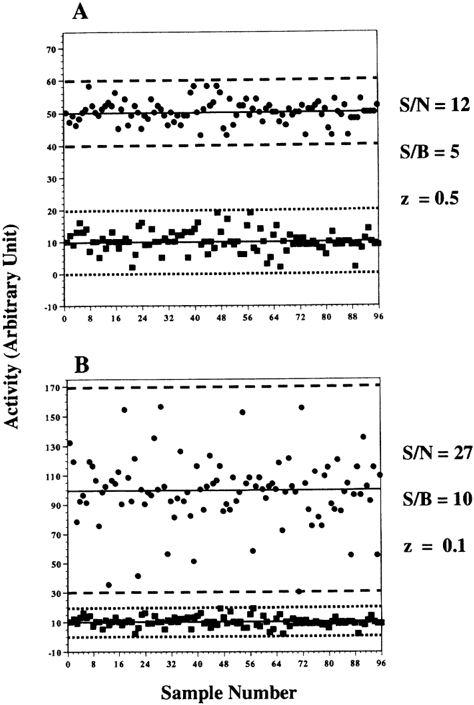
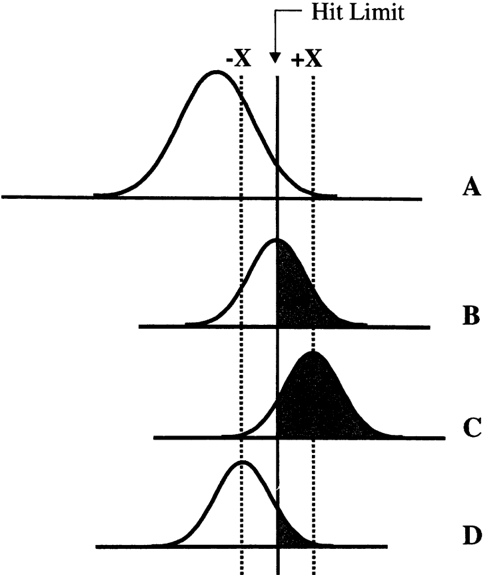
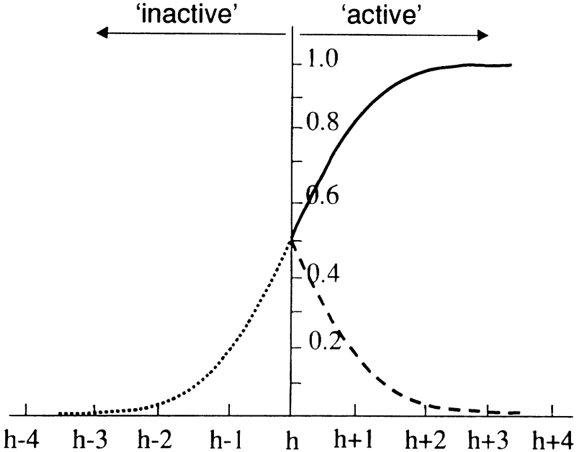
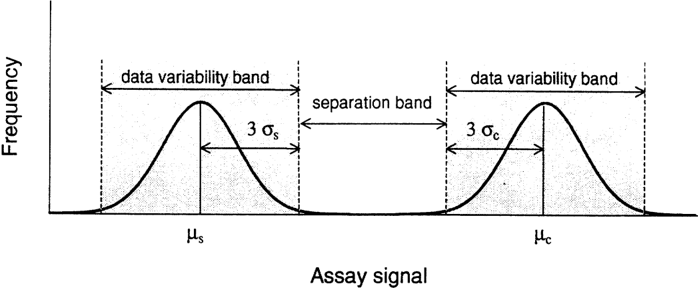
The ability to identify active compounds (³hits²) from large chemical libraries accurately and rapidly has been the ultimate goal in developing high-throughput screening (HTS) assays. The ability to identify hits from a particular HTS assay depends largely on the suitability or quality of the assay used in the screening. The criteria or parameters for evaluating the ³suitability² of an HTS assay for hit identification are not well defined and hence it still remains difficult to compare the quality of assays directly. In this report, a screening window coefficient, called ³Z-factor,² is defined. This coefficient is reflective of both the assay signal dynamic range and the data variation associated with the signal measurements, and therefore is suitable for assay quality assessment. The Z-factor is a dimensionless, simple statistical characteristic for each HTS assay. The Z-factor provides a useful tool for comparison and evaluation of the quality of assays, and can be utilized in assay optimization and validation.
Overview
The claims and statistics of this paper haven’t been checked yet.
Free: it reads the open-access text and checks the first 5 claims that cite a source we can check. Create a free account to check every claim.
Integrity signals
Registry
Cites
Statistics
Figures
Verification
Claims the paper makes
The claims and statistics of this paper haven’t been checked yet.
Free: it reads the open-access text and checks the first 5 claims that cite a source we can check. Create a free account to check every claim.
Claims other papers make about this one
Each is checked against this paper’s own text: does it say what the citing paper says it does?
The cited source says what the claim attributes to it.
In the citing paper
“Despite the difference, Z-factor analysis indicated that the system was not sufficiently robust for large-scale screening purposes, leading us to seek an alternative [37].”
From Chemically induced reprogramming to reverse cellular aging (2023) · cites this paper as [37]
Experimental — accuracy not yet measuredIn the citing paper
“In all cases, Z' values (Zhang et al., 1999) did not vary beyond 0.5 and 1, and typically ranged between 0.6 to 0.8.”
From Small Molecule Fluoride Toxicity Agonists (2015) · cites this paper as Zhang et al., 1999
Self-check
Percentages, sums and reported differences re-computed from the paper’s own numbers.
The self-check needs the paper’s full text.
Citations
Cites
Gordon, E. M., Barrett, R. W., Dower, W. J., Fodor, S. P. A., & Gallop, M. A. (1994) · Journal of Medicinal Chemistry · doi:10.1021/jm00036a001 · Cited by 1,142
Cole, S. T., & Girons, I. S. (1994) · FEMS Microbiology Reviews · doi:10.1111/j.1574-6976.1994.tb00084.x · Cited by 113
Oldenburg, K. R., Zhang, J.-H., Chen, T., Maffia, A., Blom, K. F., Combs, A. P., & Chung, T. D. Y. (1998) · SLAS Discovery · doi:10.1177/108705719800300108 · Cited by 74
Self-citationDesign of Signal Windows in High Throughput Screening Assays for Drug Discovery
Sittampalam, G. S., Iversen, P. W., Boadt, J. A., Kahl, S. D., Bright, S. W., Zock, J. M., Janzen, W. P., & Lister, M. D. (1997) · SLAS DISCOVERY · doi:10.1177/108705719700200306 · Cited by 66
Toward a cDNA Map of the Human Genome
Korenberg, J. R., Chen, X., Adams, M. D., & Venter, C. J. (1995) · Genomics · doi:10.1006/geno.1995.9993 · Cited by 53
The GDBTM Human Genome Database Anno 1997
Fasman, K. H., Letovsky, S., Li, P., Cottingham, R. W., & Kingsbury, D. T. (1997) · Nucleic Acids Research · doi:10.1093/nar/25.1.72 · Cited by 46
Comparison of Automation Equipment in High Throughput Screening
Stevens, M. E., Bouchard, P. J., Kariv, I., Chung, T. D. Y., & Oldenburg, K. R. (1998) · SLAS DISCOVERY · doi:10.1177/108705719800300410 · Cited by 17
Self-citationCombinatorial Organic Synthesis: Applications to Drug Discovery
Gordon, E. M., Gallop, M. A., Campbell, D., Holmes, C., Bermak, J. C., Look, G. C., Murphy, M., Needels, M. C., Jacobs, J. W., Sugarman, J., et al. (1995) · European Journal of Medicinal Chemistry · doi:10.1016/s0223-5234(23)00134-4 · Cited by 17
Cited by
Items 501–600 of 1,039
Multiplex quantitative assays indicate a need for reevaluating reported small-molecule TrkB agonists
Boltaev, U., Meyer, Y., Tolibzoda, F., Jacques, T., Gassaway, M., Xu, Q., Wagner, F., Zhang, Y.-L., Palmer, M., Holson, E., et al. (2017) · Science Signaling · doi:10.1126/scisignal.aal1670 · Cited by 94
“BDNF induced a robust signal in the PathHunter assay with an S/B ratio of 4 to 6 and a Z′-factor, a screening window coefficient that assesses assay quality (44), equal to 0.”
MethodA malaria gametocytocidal assay using oxidoreduction indicator, alamarBlue
Tanaka, T. Q., & Williamson, K. C. (2011) · Molecular and Biochemical Parasitology · doi:10.1016/j.molbiopara.2011.02.005 · Cited by 94
“For further evaluation of this method as a drug screen, the Z’-factor was calculated as described [17].”
MethodSynergy Testing of FDA-Approved Drugs Identifies Potent Drug Combinations against Trypanosoma cruzi
Planer, J. D., Hulverson, M. A., Arif, J. A., Ranade, R. M., Don, R., & C, F. S. B. A. (2014) · PLoS neglected tropical diseases · doi:10.1371/journal.pntd.0002977 · Cited by 94
Lewis, L. M., Bhave, G. B., Chauder, B. A., Banerjee, S., Lornsen, K. A., Redha, R., Fallen, K., Lindsley, C. W., Weaver, C. D., & Denton, J. S. (2009) · Molecular Pharmacology · doi:10.1124/mol.109.059840 · Cited by 100
“TPNQ and vehicle control wells were included on every plate and used to calculate the Z according to the equation below (Zhang et al., 1999).”
MethodInfluentialKessel, S., Cribbes, S., Déry, O., Kuksin, D., Sincoff, E., Qiu, J., & Chan, L. L.-Y. (2017) · SLAS Technology · doi:10.1177/2211068216652846 · Cited by 89
“The Z′ factor is a dimensionless parameter that measures the dynamic range and variation of the high-throughput assay.(17) The Z′ factors were calculated for both 2D and 3D U87MG models”
MethodAntiviral activity of pinocembrin against Zika virus replication
Lee, J. L., Loe, M. W. C., Lee, R. C. H., & Chu, J. J. H. (2019) · Antiviral Research · doi:10.1016/j.antiviral.2019.04.003 · Cited by 98
Bauman, J. D., Patel, D., Dharia, C., Fromer, M. W., Ahmed, S., Frenkel, Y., Vijayan, R. S. K., Eck, J. T., Ho, W. C., Das, K., et al. (2013) · Journal of Medicinal Chemistry · doi:10.1021/jm301271j · Cited by 88
Devkota, K., Schapira, M., Perveen, S., Yazdi, A. K., Li, F., Chau, I., Ghiabi, P., Hajian, T., Loppnau, P., Bolotokova, A., et al. (2021) · SLAS DISCOVERY · doi:10.1177/24725552211026261 · Cited by 93
A Novel Approach to the Discovery of Small‐Molecule Ligands of CDK2
Martin, M. P., Alam, R., Betzi, S., Ingles, D. J., Zhu, J., & Schönbrunn, E. (2012) · ChemBioChem · doi:10.1002/cbic.201200316 · Cited by 91
Porotto, M., Orefice, G., Yokoyama, C. C., Mungall, B. A., Realubit, R. B., Sganga, M. L., Aljofan, M., Whitt, M. A., Glickman, J. F., & Moscona, A. (2009) · Journal of Virology · doi:10.1128/jvi.00164-09 · Cited by 93
“The Z values were used as an assessment of quality (32), using the 16 values”
MethodNew p32/gC1qR Ligands for Targeted Tumor Drug Delivery
Paasonen, L., Sharma, S., Braun, G. B., Kotamraju, V. R., Chung, T. D. Y., She, Z., Sugahara, K. N., Yliperttula, M., Wu, B., Pellecchia, M., et al. (2016) · ChemBioChem · doi:10.1002/cbic.201500564 · Cited by 89
Self-citationQuantitative methods for the analysis of protein phosphorylation in drug development
Olive, D. M. (2004) · Expert Review of Proteomics · doi:10.1586/14789450.1.3.327 · Cited by 104
Armstrong, L. A., Lange, S. M., Cesare, V. D., Matthews, S. P., Nirujogi, R. S., Cole, I. S., Hope, A. G., Cunningham, F., Toth, R. L., Mukherjee, R., et al. (2021) · PLoS ONE · doi:10.1371/journal.pone.0253364 · Cited by 98
Deben, C., Hoz, E. C. D. L., Compte, M. L., Schil, P. E. V., Hendriks, J. M. H., Lauwers, P., Yogeswaran, S. K., Lardon, F., Pauwels, P., Laere, S. V., et al. (2022) · Cellular Oncology · doi:10.1007/s13402-022-00750-0 · Cited by 98
“193 Screen quality was determined by calculating the Z Factor score using the formula (16): 194”
MethodStrategies for the identification of allosteric modulators of G-protein-coupled receptors
Burford, N. T., Watson, J., Bertekap, R. L., & Alt, A. J. (2010) · Biochemical Pharmacology · doi:10.1016/j.bcp.2010.12.012 · Cited by 99
“Also, using a maximally effective concentration of a control PAM to represent 100% activity in the assay can help to provide a realistic assessment of signal windowand Z’, a parameter used to quantify the quality of an assay designed for a high-throughput screen [47], for detecting PAMs.”
MethodNaruhn, S., Meißner, W., Adhikary, T., Kaddatz, K., Klein, T., Watzer, B., Müller‐Brüsselbach, S., & Müller, R. (2009) · Molecular Pharmacology · doi:10.1124/mol.109.060541 · Cited by 97
“the respective Z!-factors (Zhang et al., 1999).”
Wigle, T. J., Herold, J. M., Senisterra, G. A., Vedadi, M., Kireev, D. B., Arrowsmith, C. H., Frye, S. V., & Janzen, W. P. (2010) · SLAS Discovery · doi:10.1177/1087057109352902 · Cited by 87
A miniaturized screen for inhibitors of Jumonji histonedemethylases
Sakurai, M., Rose, N. R., Schultz, L., Quinn, A. M., Jadhav, A., Ng, S. S., Oppermann, U. C. T., Schofield, C. J., & Simeonov, A. M. (2009) · Molecular BioSystems · doi:10.1039/b912993f · Cited by 101
New Small Molecule Entry Inhibitors Targeting Hemagglutinin-Mediated Influenza A Virus Fusion
Basu, A., Antanasijevic, A., Wang, M., Li, B., Mills, D. M., Ames, J. A., Nash, P. J., Williams, J. D., Peet, N. P., Moir, D. T., et al. (2013) · Journal of Virology · doi:10.1128/jvi.01225-13 · Cited by 92
“6 10(6) RLU, a signal-to-background ratio of 10(3), and a calculated screening window coefficient (Z= factor) (32) of 0.”
BackgroundApplication of High-Throughput, Molecular-Targeted Screening to Anticancer Drug Discovery
Shoemaker, R., Scudiero, D., Melillo, G., Currens, M., Monks, A., Rabow, A., Covell, D., & Sausville, E. (2002) · Current Topics in Medicinal Chemistry · doi:10.2174/1568026023394317 · Cited by 91
Li, X., Zolli‐Juran, M., Cechetto, J. D., Daigle, D. M., Wright, G. D., & Brown, E. D. (2004) · Chemistry & Biology · doi:10.1016/j.chembiol.2004.08.014 · Cited by 98
A high-throughput screen for quorum-sensing inhibitors that target acyl-homoserine lactone synthases
Christensen, Q. H., Grove, T. L., Booker, S. J., & Greenberg, E. P. (2013) · Proceedings of the National Academy of Sciences · doi:10.1073/pnas.1313098110 · Cited by 97
“Proc Natl Acad Sci USA 93(18):9505–9509.”
Fluorescent Probes to Characterise FK506‐Binding Proteins
Kozany, C., März, A., Kress, C., & Hausch, F. (2009) · ChemBioChem · doi:10.1002/cbic.200800806 · Cited by 91
Liu, D., Chen, J., & Shi, Y. (2016) · Talanta · doi:10.1016/j.talanta.2016.12.028 · Cited by 91
Marcinkowski, P., Hoyer, I., Specker, E., Furkert, J., Rutz, C., Neuenschwander, M., Sobottka, S., Sun, H., Nazaré, M., Berchner‐Pfannschmidt, U., et al. (2018) · Thyroid · doi:10.1089/thy.2018.0349 · Cited by 97
The compromise of virtual screening and its impact on drug discovery
Slater, O., & Kontoyianni, M. (2019) · Expert Opinion on Drug Discovery · doi:10.1080/17460441.2019.1604677 · Cited by 92
High-Content Analysis of Sequential Events during the Early Phase of Influenza A Virus Infection
Banerjee, I., Yamauchi, Y., Helenius, A., & Horváth, P. (2013) · PLoS ONE · doi:10.1371/journal.pone.0068450 · Cited by 93
“To further assess the robustness of our analyses, the Z’ factor [14] was determined for every time-point in all the assays (Figure 3).”
BackgroundMethodBettiol, E., Samanovic, M. I., Murkin, A. S., Raper, J., C, F. S. B. A., & Rodríguez, A. (2009) · PLoS neglected tropical diseases · doi:10.1371/journal.pntd.0000384 · Cited by 91
Peptide Binding to HLA Class I Molecules: Homogenous, High-Throughput Screening, and Affinity Assays
Harndahl, M. N., Justesen, S. F. L., Lamberth, K., Røder, G., Nielsen, M., & Buus, S. (2009) · SLAS DISCOVERY · doi:10.1177/1087057108329453 · Cited by 96
“Z′ was calculated as described in the study by Zhang and colleagues.(13)”
MethodWrigley, J. D., Gavory, G., Simpson, I., Preston, M., Plant, H., Bradley, J., Goeppert, A. U., Rozycka, E., Davies, G., Walsh, J., et al. (2017) · ACS Chemical Biology · doi:10.1021/acschembio.7b00334 · Cited by 86
Donkers, J. M., Zehnder, B., van Westen, G. J. P., Kwakkenbos, M. J., IJzerman, A. P., Oude Elferink, R. P. J., Beuers, U., Urban, S., & van de Graaf, S. F. J. (2017) · Scientific Reports · doi:10.1038/s41598-017-15338-0 · Cited by 90
Non-steroidal Anti-inflammatory Drugs Are Caspase Inhibitors
Smith, C. E., Soti, S., Jones, T. A., Nakagawa, A., Xue, D., & Yin, H. (2017) · Cell Chemical Biology · doi:10.1016/j.chembiol.2017.02.003 · Cited by 86
“The assay Z0 factor is 0.66, recommending this method for highthroughput experimentation (Figure S1) (Zhang et al., 1999).”
MethodInfluentialSpatial regulation of AMPK signaling revealed by a sensitive kinase activity reporter
Schmitt, D. L., Curtis, S. D., Leung, A., Zhang, J., Chen, M., He, C. Y., Mehta, S., Rangamani, P., Shaw, R. J., & Zhang, J. (2022) · Nature Communications · doi:10.1038/s41467-022-31190-x · Cited by 91
Self-citationMicrobial sensors for small molecules: Development of a mevalonate biosensor
Pfleger, B. F., Pitera, D. J., Newman, J. D., Martin, V. J. J., & Keasling, J. D. (2006) · Metabolic Engineering · doi:10.1016/j.ymben.2006.08.002 · Cited by 90
Xu, L., Su, W., Jin, J., Chen, J., Li, X., Zhang, X., Sun, M., Sun, S., Fan, P., An, D., et al. (2014) · Viruses · doi:10.3390/v6072778 · Cited by 90
“7, which indicate a high quality screening system [38].”
Advances In Zebrafish Chemical Screening Technologies
Mathias, J. R., Saxena, M. T., & Mumm, J. S. (2012) · Future Medicinal Chemistry · doi:10.4155/fmc.12.115 · Cited by 90
A cell culture model for monitoring α-synuclein cell-to-cell transfer
Reyes, J. F., Olsson, T. T., Lamberts, J. T., Devine, M. J., Kunath, T., & Brundin, P. (2015) · Neurobiology of Disease · doi:10.1016/j.nbd.2014.07.003 · Cited by 83
“Although protein transfer was inhibited concentrationdependently in both models, the Z′ factor value — a measure that evaluates the suitability of a system for HCA (Zhang et al., 1999)— indicated”
BackgroundMethodInfluentialHeme Mediates Cytotoxicity from Artemisinin and Serves as a General Anti-Proliferation Target
Zhang, S., & Gerhard, G. S. (2009) · PLoS ONE · doi:10.1371/journal.pone.0007472 · Cited by 98
Zhang, X. D. (2007) · SLAS Discovery · doi:10.1177/1087057107300645 · Cited by 88
“18 For quality control, the Z factor is broadly used in small-molecule HTS assays.(5;11) A more meaningful statistical parameter, strictly standardized mean difference (SSMD), has recently been proposed and evaluated for quality control in RNAi HTS assays.”
MethodFluorescent RNA Aptamers as a Tool to Study RNA-Modifying Enzymes
Svensen, N., & Jaffrey, S. R. (2016) · Cell chemical biology · doi:10.1016/j.chembiol.2015.11.018 · Cited by 96
“The Z'-factor (Zhang et al., 1999) is the most commonly used metric to define HTS assay quality as it allows determination of statistically significant inhibition or activation in an assay (Equation (1)).”
MethodBiophysical Screening for the Discovery of Small-Molecule Ligands
Ciulli, A. (2013) · Methods in molecular biology · doi:10.1007/978-1-62703-398-5_13 · Cited by 107
“In general, assay quality can be quantified using a Z-factor, also called Z′ (47), which in this”
MethodWhite, P. M., Serbus, L. R., Debec, A., Codina, A., Bray, W. M., Guichet, A., Lokey, R. S., & Sullivan, W. (2017) · Genetics · doi:10.1534/genetics.116.198903 · Cited by 98
Love, M. S., Millholland, M. G., Mishra, S., Kulkarni, S., Freeman, K. B., Pan, W., Kavash, R. W., Costanzo, M. J., Jo, H., Daly, T. M., et al. (2012) · Cell Host & Microbe · doi:10.1016/j.chom.2012.10.017 · Cited by 89
“…was calculated using the equation where µ represents the means and σ represents the standard deviations of the positive (p) or negative (n) controls (Zhang et al., 1999). smHDP Testing in Multiple Parasite, Bacterial, and Mammalian Cell Lines Synchronized parasite cultures (3D7, NF54;E, Dd2,…”
MethodNew anti-tuberculosis agents amongst known drugs
Lougheed, K. E. A., Taylor, D. L., Osborne, S. A., Bryans, J. S., & Buxton, R. S. (2009) · Tuberculosis · doi:10.1016/j.tube.2009.07.002 · Cited by 89
“In fact, since the introduction of rifampicin over 40 years ago, all tuberculosis therapeutics developed have been either old drugs with a new use, or new formulations of existing agents.(7) In the present study, we have used a library of known drugs and”
MethodAhlin, G., Chen, L., Lazorova, L., Chen, Y., Ianculescu, A. G., Davis, R. L., Giacomini, K. M., & Artursson, P. (2010) · The Pharmacogenomics Journal · doi:10.1038/tpj.2010.54 · Cited by 97
Leblanc, C., Prudhomme, T., Tabouret, G., Ray, A. A., Burbaud, S., Cabantous, S., Mourey, L., Guilhot, C., & Chalut, C. (2012) · PLoS Pathogens · doi:10.1371/journal.ppat.1003097 · Cited by 95
“The Z9 factor was calculated thus: Z9 = 12(3sc++3sc2)/|mc+2mc2| where mc+, mc2, sc+, sc2 are the standard deviations (s) and means (m) of positive (+) and negative (2) control values [29].”
BackgroundMethodA Spectrophotometric Assay for Quantitative Measurement of Aminoacyl-tRNA Synthetase Activity
Cestari, I. D. S., & Stuart, K. D. (2012) · SLAS DISCOVERY · doi:10.1177/1087057112465980 · Cited by 89
“It is noteworthy that the enzyme concentrations used for these assays (65.5–655 nM) were less than the concentrations usually used in other methods (from 1–20 µM).5,7 We then evaluated whether this assay is suitable for HTS by calculating the Z′ factor.12 The Z′ factor is a statistical coefficient that reflects the as…”
MethodInfluentialTrubetskoy, O. V., Gibson, J. R., & Marks, B. D. (2005) · SLAS DISCOVERY · doi:10.1177/1087057104269731 · Cited by 89
“The Z′ factor was determined as described previously by Zhang and coworkers.(34)”
MethodADP-Specific Sensors Enable Universal Assay of Protein Kinase Activity
Srinivasan, J., Cload, S. T., Hamaguchi, N., Kurz, J. C., Keene, S., Kurz, M., Boomer, R. M., Blanchard, J. L., Epstein, D. M., Wilson, C., et al. (2004) · Chemistry & Biology · doi:10.1016/j.chembiol.2004.03.014 · Cited by 103
de la Rocha, A. A., Berlow, N., Fader, M. E., Coats, E. R., Saghira, C., Espinal, P. S., Galano, J., Khatib, Z. A., Abdella, H., Maher, O. M., et al. (2024) · Nature Medicine · doi:10.1038/s41591-024-02848-4 · Cited by 91
“Thus, 19 out of changes in their tumors to improve survival and quality of life.”
BackgroundMethodA chemical inhibitor of PPM1D that selectively kills cells overexpressing PPM1D
Rayter, S., Elliott, R. J. R., Travers, J., Rowlands, M. G., Richardson, T. B., Boxall, K. J., Jones, K., Linardopoulos, S., Workman, P., Aherne, W., et al. (2007) · Oncogene · doi:10.1038/sj.onc.1210729 · Cited by 98
“Z0 and Z factors were determined (Zhang et al., 1999).”
BackgroundInfluentialCharacterisation of Nav types endogenously expressed in human SH-SY5Y neuroblastoma cells
Vetter, I., Mozar, C. A., Durek, T., Wingerd, J. S., Alewood, P. F., Christie, M. J., & Lewis, R. J. (2012) · Biochemical Pharmacology · doi:10.1016/j.bcp.2012.02.022 · Cited by 88
“This response displayed excellent robustness and reproducibility, with a Z0 factor [12] of 0.”
BackgroundMethodGarrison, A. R., Radoshitzky, S. R., Kota, K. P., Pegoraro, G., Ruthel, G. T., Kuhn, J. H., Altamura, L. A., Kwilas, S. A., Bavari, S., Haucke, V., et al. (2013) · Virology · doi:10.1016/j.virol.2013.05.030 · Cited by 98
“The statistics were performed in Excel as described previously to determine the robustness of each assay (Zhang et al., 1999).”
MethodSmall Molecule Inhibition of RISC Loading
Tan, G. S., Chiu, C.-H., Garchow, B. G., Metzler, D., Diamond, S. L., & Kiriakidou, M. (2011) · ACS Chemical Biology · doi:10.1021/cb200253h · Cited by 97
Severson, W. E., Shindo, N., Sosa, M., Fletcher, T., White, E. L., Ananthan, S., & Jonsson, C. B. (2006) · SLAS DISCOVERY · doi:10.1177/1087057106296688 · Cited by 88
“This included Z analyses, the signal-to-noise (S/N) ratio, and the signal-to-background (S/B) ratio to measure both the assay’s signal dynamic range and the data variation associated with the sample measurement and the reference control measurement.(14) To assess the performance of the cell-based assay, the Prestwick…”
BackgroundMethodBioluminescent, Nonlytic, Real-Time Cell Viability Assay and Use in Inhibitor Screening
Duellman, S. J., Zhou, W., Meisenheimer, P. L., Vidugiris, G. J. A., Cali, J. J., Gautam, P., Wennerberg, K., & Vidugirienė, J. (2015) · Assay and Drug Development Technologies · doi:10.1089/adt.2015.669 · Cited by 97
“to-background (S/B) (average signal from vehicle control cells/ average signal from 100-mM benzethonium chloride-treated cells), signal-to-noise (S/N) ([average signal from vehicle control cells/average signal from 100-mM benzethonium chloridetreated cells]/standard deviation from 100-mM benzethonium chloride-treated…”
MethodIdentification of Influenza Endonuclease Inhibitors Using a Novel Fluorescence Polarization Assay
Baughman, B. M., Slavish, P. J., DuBois, R. M., Boyd, V. A., White, S. W., & Webb, T. R. (2012) · ACS Chemical Biology · doi:10.1021/cb200439z · Cited by 87
In‐depth interrogation of protein thermal unfolding data with MoltenProt
Kotov, V., Mlynek, G., Vesper, O., Pletzer, M., Wald, J., Teixeira‐Duarte, C. M., Celia, H., Garcia‐Alai, M., Nussberger, S., Buchanan, S. K., et al. (2021) · Protein Science · doi:10.1002/pro.3986 · Cited by 83
“BSfactor metric relates the uncertainty of the fit, expressed as standard error of the estimate, and the distance between the pre- and posttransition baselines at Tm (Figure S1b) and is conceptually similar to Z-factor commonly applied to assess quality of high-throughput screens.(75) If the baselines are too close to…”
BackgroundMicaelli, M., Vedove, A. D., Cerofolini, L., Vigna, J., Sighel, D., Zaccara, S., Bonomo, I., Poulentzas, G., Rosatti, E. F., Cazzanelli, G., et al. (2022) · ACS Pharmacology & Translational Science · doi:10.1021/acsptsci.2c00008 · Cited by 91
Lactobacillus kunkeeiYB38 from honeybee products enhances IgA production in healthy adults
Asama, T., Arima, T., Gomi, T., Keishi, T., Tani, H., Kimura, Y., Tatefuji, T., & Hashimoto, K. (2015) · Journal of Applied Microbiology · doi:10.1111/jam.12889 · Cited by 87
High-Content Assay to Identify Inhibitors of Dengue Virus Infection
Shum, D., Smith, J. L., Hirsch, A. J., Bhinder, B., Radu, C., Stein, D. A., Nelson, J. A., Früh, K., & Djaballah, H. (2010) · Assay and Drug Development Technologies · doi:10.1089/adt.2010.0321 · Cited by 87
Cooley, C. B., Ryno, L. M., Plate, L., Morgan, G. J., Hulleman, J. D., Kelly, J. W., & Wiseman, R. L. (2014) · Proceedings of the National Academy of Sciences · doi:10.1073/pnas.1406050111 · Cited by 95
“The ALLC-GLuc secretion assay was miniaturized to a 384-well plate format, affording an HTS z-score (30) of 0.”
MethodSTK33 kinase inhibitor BRD-8899 has no effect on KRAS-dependent cancer cell viability
Luo, T., Masson, K., Jaffe, J. D., Silkworth, W., Ross, N. T., Scherer, C. A., Scholl, C., Fröhling, S., Carr, S. A., Stern, A. M., et al. (2012) · Proceedings of the National Academy of Sciences · doi:10.1073/pnas.1120589109 · Cited by 89
High-content screening in infectious diseases
Brodin, P. M., & Christophe, T. (2011) · Current Opinion in Chemical Biology · doi:10.1016/j.cbpa.2011.05.023 · Cited by 86
High‐Throughput Assessment of Bacterial Growth Inhibition by Optical Density Measurements
Campbell, J. (2010) · Current Protocols in Chemical Biology · doi:10.1002/9780470559277.ch100115 · Cited by 86
“A standard parameter used to assess the quality and robustness of an assay is the Z′ value (Zhang et al., 1999). neg pos neg pos 3σ 3σ 1 μ μ Z + ′ = − − Equation 1 This parameter requires a mean (μ) and standard deviation (σ ) for both the positive and negative controls.”
MethodGlossary of terms used in biomolecular screening (IUPAC Recommendations 2011)
Proudfoot, J., Nosjean, O., Blanchard, J., Wang, J. C. K., Besson, D., Crankshaw, D., Gauglitz, G., Hertzberg, R., Homon, C. A., Llewellyn, L. E., et al. (2011) · Pure and Applied Chemistry · doi:10.1351/pac-rec-09-05-03 · Cited by 86
Diversity-oriented synthesis as a tool for identifying new modulators of mitosis
Ibbeson, B. M., Laraia, L., Alza, E., Connor, C. J. O., Tan, Y. S., Davies, H. M. L., McKenzie, G. J., Venkitaraman, A. R., & Spring, D. R. (2014) · Nature Communications · doi:10.1038/ncomms4155 · Cited by 92
Mirza, H., Teo, J. D. W., Upcroft, J. A., & Tan, K. S. W. (2010) · Antimicrobial Agents and Chemotherapy · doi:10.1128/aac.00900-10 · Cited by 98
“5 (74) and a Cv of 10% (30), were met by both resazurin and XTT assays (Table 3).”
BackgroundMethodSykes, M. L., Baell, J. B., Kaiser, M., Chatelain, E., Moawad, S. R., Ganame, D., Ioset, J., & Avery, V. M. (2012) · PLoS neglected tropical diseases · doi:10.1371/journal.pntd.0001896 · Cited by 93
Attene‐Ramos, M. S., Huang, R., Sakamuru, S., Witt, K. L., Beeson, G. C., Shou, L., Schnellmann, R. G., Beeson, C., Tice, R. R., Austin, C. P., et al. (2013) · Chemical Research in Toxicology · doi:10.1021/tx4001754 · Cited by 88
Colton, C. K., Kong, Q., Lai, L., Zhu, M. X., Seyb, K. I., Cuny, G. D., Xian, J., Glicksman, M. A., & Glenn Lin, C.-L. (2010) · SLAS Discovery · doi:10.1177/1087057110370998 · Cited by 83
“org 655 strength, signal (retinoic acid) to background (DMSO only) ratio, coefficient of variation (CV) as a measure of well-to-well variability, and Z′ factor.(23) Once a particular condition was chosen as optimal, other conditions were reconfirmed to ensure they were still optimal with the newly confirmed condition.”
BackgroundPatel, V., Booker, M. L., Kramer, M. L., Ross, L. S., Celatka, C. A., Kennedy, L. M., Dvorin, J. D., Duraisingh, M. T., Sliz, P., Wirth, D. F., et al. (2008) · Journal of Biological Chemistry · doi:10.1074/jbc.m804990200 · Cited by 89
Antitubercular drugs for an old target: GSK693 as a promising InhA direct inhibitor
Martínez-Hoyos, M., Pérez‐Herrán, E., Gülten, G., Encinas, L., Álvarez-Gómez, D., Álvarez, E. F., Ferrer, S. B., García-Pérez, A., Ortega, F., Angulo‐Barturen, Í., et al. (2016) · EBioMedicine · doi:10.1016/j.ebiom.2016.05.006 · Cited by 92
“Assay quality was monitored for each plate using the Z′ factor (Zhang et al., 1999) and the inhibition observed in additional control wells containing a known inhibitor at its IC50.”
MethodAssembly of a parts list of the human mitotic cell cycle machinery
Giotti, B., Chen, S.-H., Barnett, M. W., Regan, T. W., Ly, T., Wiemann, S., Hume, D. A., & Freeman, T. C. (2018) · Journal of Molecular Cell Biology · doi:10.1093/jmcb/mjy063 · Cited by 91
Development and Evaluation of High Throughput Functional Assay Methods for hERG Potassium Channel
Tang, W., Kang, J., Wu, X., Rampe, D., Wang, L., Shen, H., Li, Z., Dunnington, D. J., & Garyantes, T. K. (2001) · SLAS DISCOVERY · doi:10.1177/108705710100600506 · Cited by 86
Harrill, J. A., Freudenrich, T. M., Robinette, B. L., & Mundy, W. R. (2011) · Toxicology and Applied Pharmacology · doi:10.1016/j.taap.2011.02.013 · Cited by 85
Chemical Validation of Trypanothione Synthetase
Torrie, L. S., Wyllie, S., Spinks, D., Oza, S. L., Thompson, S., Harrison, J. R., Gilbert, I. H., Wyatt, P. G., Fairlamb, A. H., & Frearson, J. A. (2009) · Journal of Biological Chemistry · doi:10.1074/jbc.m109.045336 · Cited by 97
Cell-Free Protein Synthesis Approach to Biosensing hTRβ-Specific Endocrine Disruptors
Salehi, A. S. M., Tang, M. J. S., Smith, M. T., Hunt, J. M., Law, R. A., Wood, D. W., & Bundy, B. C. (2017) · Analytical Chemistry · doi:10.1021/acs.analchem.6b04034 · Cited by 85
Saracatinib Inhibits Middle East Respiratory Syndrome-Coronavirus Replication In Vitro
Shin, J. S., Jung, E., Kim, M., Baric, R. S., & Go, Y. Y. (2018) · Viruses · doi:10.3390/v10060283 · Cited by 86
Stabilization of amyloidogenic immunoglobulin light chains by small molecules
Morgan, G. J., Yan, N., Mortenson, D. E., Rennella, E., Blundon, J., Gwin, R. M., Lin, C., Stanfield, R. L., Brown, S. J., Rosen, H., et al. (2019) · Proceedings of the National Academy of Sciences · doi:10.1073/pnas.1817567116 · Cited by 87
Panel of Bacillus subtilis Reporter Strains Indicative of Various Modes of Action
Hutter, B., Fischer, C., Jacobi, A., Schaab, C., & Loferer, H. (2004) · Antimicrobial Agents and Chemotherapy · doi:10.1128/aac.48.7.2588-2594.2004 · Cited by 85
“d The Z factor is a measure of assay robustness in high-throughput applications (35).”
BackgroundMethodInfluentialAn approach to identifying novel substrates of bacterial arylamine N-acetyltransferases
Brooke, E. W., Davies, S. G., Mulvaney, A. W., Pompeo, F., Sim, E., & Vickers, R. J. (2003) · Bioorganic & Medicinal Chemistry · doi:10.1016/s0968-0896(02)00642-9 · Cited by 88
Sykes, M. L., & Avery, V. M. (2009) · American Journal of Tropical Medicine and Hygiene · doi:10.4269/ajtmh.2009.09-0015 · Cited by 85
Sun, S.-W., Slaney, T. R., & Kennedy, R. T. (2012) · Analytical Chemistry · doi:10.1021/ac3011389 · Cited by 85
Drug Sensitivity Assays of Human Cancer Organoid Cultures
Francies, H. E., Barthorpe, A., McLaren-Douglas, A., Barendt, W. J., & Garnett, M. J. (2016) · Methods in Molecular Biology · doi:10.1007/7651_2016_10 · Cited by 81
“(b) Z-factor: The Z-factor (also known as Z-prime) is commonly used in high-throughput screens and measures the assay dynamic range and data variation using both the positive and negative controls [17].”
BackgroundLassa and Ebola virus inhibitors identified using minigenome and recombinant virus reporter systems
Welch, S. R., Guerrero, L. W., Chakrabarti, A. K., McMullan, L. K., Flint, M., Bluemling, G. R., Painter, G. R., Nichol, S. T., Spiropoulou, C. F., & Albariño, C. G. (2016) · Antiviral Research · doi:10.1016/j.antiviral.2016.10.007 · Cited by 85
Scholl, U. I., Abriola, L., Zhang, C., Reimer, E. N., Plummer, M. S., Kazmierczak, B. I., Zhang, J., Hoyer, D., Merkel, J. S., Wang, W., et al. (2017) · Journal of Clinical Investigation · doi:10.1172/jci91733 · Cited by 86
Self-citationPrevalence and patterns of higher-order drug interactions in Escherichia coli
Tekin, E., White, C., Kang, T. M., Singh, N. P., Cruz‐Loya, M., Damoiseaux, R. D., Savage, V. M., & Yeh, P. J. (2018) · npj Systems Biology and Applications · doi:10.1038/s41540-018-0069-9 · Cited by 98
Confocal optics microscopy for biochemical and cellular high-throughput screening
Zemanová, L., Schenk, A. D., Valler, M. J., Nienhaus, G. U., & Heilker, R. (2003) · Drug Discovery Today · doi:10.1016/s1359-6446(03)02833-2 · Cited by 85
Kunapuli, P., Ransom, R. W., Murphy, K. L., Pettibone, D. J., Kerby, J., Grimwood, S., Zuck, P. D., Hodder, P., Lacson, R., Hoffman, I., et al. (2003) · Analytical Biochemistry · doi:10.1016/s0003-2697(02)00587-0 · Cited by 89
Small molecules that target group II introns are potent antifungal agents
Fedorova, O., Jagdmann, G. E., Adams, R. L., Yuan, L., Van Zandt, M. C., & Pyle, A. M. (2018) · Nature Chemical Biology · doi:10.1038/s41589-018-0142-0 · Cited by 77
Design, Optimization, and Study of Small Molecules That Target Tau Pre-mRNA and Affect Splicing
Chen, J. L., Zhang, P., Abe, M., Aikawa, H., Zhang, L., Frank, A. J., Zembryski, T., Hubbs, C., Park, H., Withka, J. M., et al. (2020) · Journal of the American Chemical Society · doi:10.1021/jacs.0c00768 · Cited by 88
High-Throughput Screening for the Discovery of Enzyme Inhibitors
Lloyd, M. D. (2020) · Journal of Medicinal Chemistry · doi:10.1021/acs.jmedchem.0c00523 · Cited by 89
Kapolka, N. J., Taghon, G. J., Rowe, J. B., Morgan, W. M., Enten, J. F., Lambert, N. A., & Isom, D. G. (2020) · Proceedings of the National Academy of Sciences · doi:10.1073/pnas.2000430117 · Cited by 89
Linarin, a selective acetylcholinesterase inhibitor from Mentha arvensis
Oinonen, P. P., Jokela, J., Hatakka, A. I., & Vuorela, P. M. (2006) · Fitoterapia · doi:10.1016/j.fitote.2006.05.002 · Cited by 84
McCabe, N., Hanna, C., Walker, S. M., Gonda, D., Li, J., Wikstrom, K., Savage, K. I., Butterworth, K. T., Chen, C., Harkin, D. P., et al. (2015) · Cancer Research · doi:10.1158/0008-5472.can-14-3502 · Cited by 79
Assay Development for Histone Methyltransferases
Horiuchi, K. Y., Eason, M. M., Ferry, J. J., Planck, J. L., Walsh, C. P., Smith, R. F., Howitz, K. T., & Ma, H. (2013) · Assay and Drug Development Technologies · doi:10.1089/adt.2012.480 · Cited by 90
“Nucleosomes, core histone, histone H3, H3 (21-44) H3K27”
Potent Kinetic Stabilizers That Prevent Transthyretin-Mediated Cardiomyocyte Proteotoxicity
Alhamadsheh, M. M., Connelly, S., Cho, A., Reixach, N., Powers, E. T., Pan, D. W., Wilson, I. A., Kelly, J. W., & Graef, I. A. (2011) · Science Translational Medicine · doi:10.1126/scitranslmed.3002473 · Cited by 86
“The assay demonstrated robust performance, with a large dynamic range (~70 to 230 mP) and a Z′ factor (32, 33) in the range of 0.”
Screening for Compounds That Induce Apoptosis of Cancer Cells Grown as Multicellular Spheroids
Herrmann, R., Fayad, W., Schwarz, S., Berndtsson, M., & Linder, S. (2008) · SLAS Discovery · doi:10.1177/1087057107310442 · Cited by 82
“The Z′ factor reflects the assay signal dynamic range and the data variation, and it is useful for assay quality assessment.(17) Exposing 7day spheroid cultures of HCT116 cells to staurosporine resulted in a Z′ factor of 0.”
MethodInfluentialHallinger, D. R., Murr, A. S., Buckalew, A. R., Simmons, S. O., Stoker, T. E., & Laws, S. C. (2016) · Toxicology in Vitro · doi:10.1016/j.tiv.2016.12.006 · Cited by 87
Metadata
- Authors
- Zhang, J.-H., Chung, T. D. Y., & Oldenburg, K. R.
- Affiliations
- DuPont (United States) (US)
- Venue
- SLAS Discovery
- Publisher
- Elsevier BV
- Published
- 1999-04
- Volume
- 4
- Issue
- 2
- Pages
- 67-73
- ISSN
- 2472-5552 (ISSN-L)
- OpenAlex
- W1991001144
- Cited by
- 6,847
- References
- 8
- Citations by year
- 2026: 200 · 2025: 267 · 2024: 257 · 2023: 308 · 2022: 355 · 2021: 346 · 2020: 358 · 2019: 343 · 2018: 350 · 2017: 339 · 2016: 365 · 2015: 330 · 2014: 347 · 2013: 373 · 2012: 354
- FWCI
- 52.99
- Type
- journal article
- Language
- en
- Open access
- hybrid
- doi.org
- Licence
- cc-by-nc-nd
- www.elsevier.com/tdm/userlicense/1.0/ (tdm)
- www.elsevier.com/legal/tdmrep-license (tdm)
- creativecommons.org/licenses/by-nc-nd/4.0/ (vor, 8429 d)
- Locations
- SLAS DISCOVERY (publishedVersion, cc-by-nc-nd)
- PubMed (publishedVersion)
- Topics
- Life Sciences › Pharmacology, Toxicology and Pharmaceutics › Drug Discovery › Computational Drug Discovery Methods
- Life Sciences › Biochemistry, Genetics and Molecular Biology › Molecular Biology › Advanced Biosensing Techniques and Applications
- Health Sciences › Veterinary › Small Animals › Animal testing and alternatives
- Keywords
- Z' factor, high-throughput screening, hit identification, signal dynamic range, assay validation, statistical parameters, assay optimization, chemical libraries
About these checks
Registry, retraction, Cites and statistics results are computed, not judged, with one exception: a printed reference that no index lists is read once by a model before it counts as a citation error. Claims are extracted by a model and kept only when their quote appears verbatim in the text; each cited source is then checked, with a model’s help, for whether it says what the claim relies on. Those verdicts can be wrong — read the claim’s quote and the cited source before relying on one.
Statistics and arithmetic are recomputed, not judged.
Confidence bands are shown only for fields calibrated on our annotated test set. None is calibrated yet, so no band is shown.
What counts as a claim ›How we measure confidence ›How we check this ›
Are you an author, or do you see a problem with this page? Request a review
Data sources
Bibliographic data: Semantic Scholar, OpenAlex, Crossref.
Contains information from the Semantic Scholar Academic Graph Datasets, made available under the ODC Attribution License (ODC-BY 1.0).
Semantic Scholar’s data is described in: Kinney, R., et al. (2023). The Semantic Scholar Open Data Platform. arXiv:2301.10140.
