

A Simple Statistical Parameter for Use in Evaluation and Validation of High Throughput Screening Assays.
Open accessThe DOI matches its Crossref record; 8 of the 8 references it cites were found in a registry or an index.
Abstract
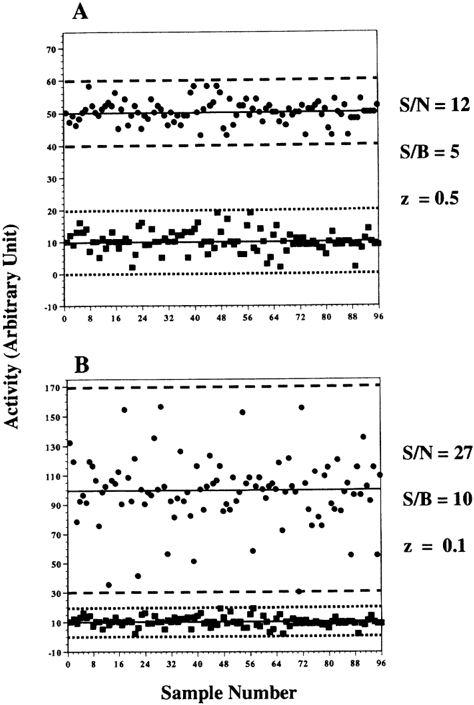
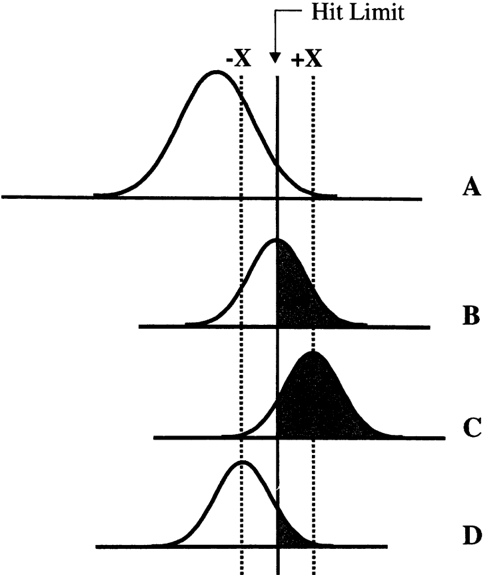
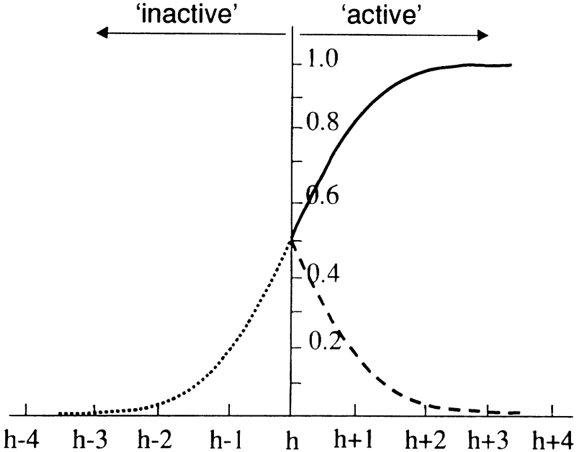
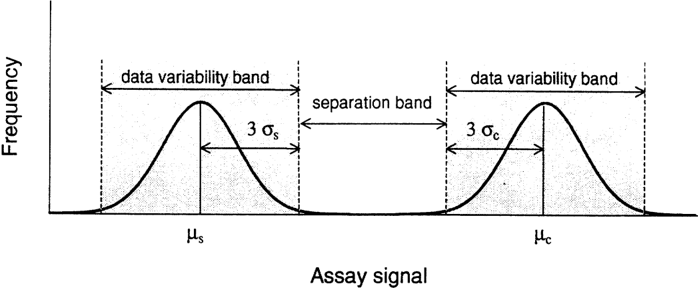
The ability to identify active compounds (³hits²) from large chemical libraries accurately and rapidly has been the ultimate goal in developing high-throughput screening (HTS) assays. The ability to identify hits from a particular HTS assay depends largely on the suitability or quality of the assay used in the screening. The criteria or parameters for evaluating the ³suitability² of an HTS assay for hit identification are not well defined and hence it still remains difficult to compare the quality of assays directly. In this report, a screening window coefficient, called ³Z-factor,² is defined. This coefficient is reflective of both the assay signal dynamic range and the data variation associated with the signal measurements, and therefore is suitable for assay quality assessment. The Z-factor is a dimensionless, simple statistical characteristic for each HTS assay. The Z-factor provides a useful tool for comparison and evaluation of the quality of assays, and can be utilized in assay optimization and validation.
Overview
The claims and statistics of this paper haven’t been checked yet.
Free: it reads the open-access text and checks the first 5 claims that cite a source we can check. Create a free account to check every claim.
Integrity signals
Registry
Cites
Statistics
Figures
Verification
Claims the paper makes
The claims and statistics of this paper haven’t been checked yet.
Free: it reads the open-access text and checks the first 5 claims that cite a source we can check. Create a free account to check every claim.
Claims other papers make about this one
Each is checked against this paper’s own text: does it say what the citing paper says it does?
The cited source says what the claim attributes to it.
In the citing paper
“Despite the difference, Z-factor analysis indicated that the system was not sufficiently robust for large-scale screening purposes, leading us to seek an alternative [37].”
From Chemically induced reprogramming to reverse cellular aging (2023) · cites this paper as [37]
Experimental — accuracy not yet measuredIn the citing paper
“In all cases, Z' values (Zhang et al., 1999) did not vary beyond 0.5 and 1, and typically ranged between 0.6 to 0.8.”
From Small Molecule Fluoride Toxicity Agonists (2015) · cites this paper as Zhang et al., 1999
Self-check
Percentages, sums and reported differences re-computed from the paper’s own numbers.
The self-check needs the paper’s full text.
Citations
Cites
Gordon, E. M., Barrett, R. W., Dower, W. J., Fodor, S. P. A., & Gallop, M. A. (1994) · Journal of Medicinal Chemistry · doi:10.1021/jm00036a001 · Cited by 1,142
Cole, S. T., & Girons, I. S. (1994) · FEMS Microbiology Reviews · doi:10.1111/j.1574-6976.1994.tb00084.x · Cited by 113
Oldenburg, K. R., Zhang, J.-H., Chen, T., Maffia, A., Blom, K. F., Combs, A. P., & Chung, T. D. Y. (1998) · SLAS Discovery · doi:10.1177/108705719800300108 · Cited by 74
Self-citationDesign of Signal Windows in High Throughput Screening Assays for Drug Discovery
Sittampalam, G. S., Iversen, P. W., Boadt, J. A., Kahl, S. D., Bright, S. W., Zock, J. M., Janzen, W. P., & Lister, M. D. (1997) · SLAS DISCOVERY · doi:10.1177/108705719700200306 · Cited by 66
Toward a cDNA Map of the Human Genome
Korenberg, J. R., Chen, X., Adams, M. D., & Venter, C. J. (1995) · Genomics · doi:10.1006/geno.1995.9993 · Cited by 53
The GDBTM Human Genome Database Anno 1997
Fasman, K. H., Letovsky, S., Li, P., Cottingham, R. W., & Kingsbury, D. T. (1997) · Nucleic Acids Research · doi:10.1093/nar/25.1.72 · Cited by 46
Comparison of Automation Equipment in High Throughput Screening
Stevens, M. E., Bouchard, P. J., Kariv, I., Chung, T. D. Y., & Oldenburg, K. R. (1998) · SLAS DISCOVERY · doi:10.1177/108705719800300410 · Cited by 17
Self-citationCombinatorial Organic Synthesis: Applications to Drug Discovery
Gordon, E. M., Gallop, M. A., Campbell, D., Holmes, C., Bermak, J. C., Look, G. C., Murphy, M., Needels, M. C., Jacobs, J. W., Sugarman, J., et al. (1995) · European Journal of Medicinal Chemistry · doi:10.1016/s0223-5234(23)00134-4 · Cited by 17
Cited by
Items 101–200 of 1,039
A Systematic Screen of FDA-Approved Drugs for Inhibitors of Biological Threat Agents
Madrid, P. B., Chopra, S., Manger, I. D., Gilfillan, L., Keepers, T. R., Shurtleff, A. C., Green, C. E., Iyer, L. V., Dilks, H. H., Davey, R. A., et al. (2013) · PLoS ONE · doi:10.1371/journal.pone.0060579 · Cited by 247
“Both prior to and during screening, we ensured that each assay met rigorous quality control standards for reproducibility and signal quality using appropriate controls based on existing best practices [47,48].”
MethodImproving target assessment in biomedical research: the GOT-IT recommendations
Emmerich, C. H., Gamboa, L. M., Hofmann, M. C. J., Bonin-Andresen, M., Arbach, O., Schendel, P., Gerlach, B., Hempel, K., Bespalov, A., Dirnagl, U., et al. (2021) · Nature Reviews Drug Discovery · doi:10.1038/s41573-020-0087-3 · Cited by 226
Iversen, P. W., Eastwood, B. J., Sittampalam, G. S., & Cox, K. L. (2006) · SLAS Discovery · doi:10.1177/1087057105285610 · Cited by 237
DNA methylation inhibitors in cancer: Recent and future approaches
Gros, C., Fahy, J., Halby, L., Dufau, I., Erdmann, A., Gregoire, J.-M., Ausseil, F., Vispé, S., & Arimondo, P. B. (2012) · Biochimie · doi:10.1016/j.biochi.2012.07.025 · Cited by 245
“This bioassay was successfully used with acceptable signal over noise (S/N), precision and Z0 values [132,133].”
MethodIvanov, D. P., Parker, T. L., Walker, D. A., Alexander, C., Ashford, M. B., Gellert, P. R., & Garnett, M. C. (2014) · PLoS ONE · doi:10.1371/journal.pone.0103817 · Cited by 229
“Both the Z-factor and Signal window take into account the variability of empty (media-only) control wells as well as the sample wells and provide a useful benchmark for hit-detection fitness in high-throughput screening (HTS).”
MethodInfluentialGupta, S., Indelicato, S. R., Jethwa, V., Kawabata, T., Kelley, M., Mire-Sluis, A. R., Richards, S. M., Rup, B., Shores, E., Swanson, S. J., et al. (2007) · Journal of Immunological Methods · doi:10.1016/j.jim.2006.12.004 · Cited by 241
“The Z′ factor is a coefficient that takes into account the dynamic range of the assay signal and the data variation associated with the signal measurements (Zhang et al., 1999).”
BackgroundTwo Tarantula Peptides Inhibit Activation of Multiple Sodium Channels
Middleton, R. E., Warren, V. A., Kraus, R. L., Hwang, J. C., Liu, C. J., Dai, G., Brochu, R. M., Kohler, M. G., Gao, Y.-D., Garsky, V. M., et al. (2002) · Biochemistry · doi:10.1021/bi026546a · Cited by 237
MicroRNA-148a regulates LDL receptor and ABCA1 expression to control circulating lipoprotein levels
Goedeke, L., Rotllan, N., Canfrán-Duque, A., Aranda, J. F., Ramírez, C. M., Araldi, E., Lin, C.-S., Anderson, N. N., Wagschal, A., de Cabo, R., et al. (2015) · Nature Medicine · doi:10.1038/nm.3949 · Cited by 238
“1f), indicative of a robust setup for our screen 31 .”
Identification and Characterization of Mefloquine Efficacy against JC Virus In Vitro
Brickelmaier, M., Lugovskoy, A., Kartikeyan, R., Reviriego-Mendoza, M. M., Allaire, N., Simon, K., Frisque, R. J., & Gorelik, L. (2009) · Antimicrobial Agents and Chemotherapy · doi:10.1128/aac.01614-08 · Cited by 234
“ing of the compounds, we calculated the Z factor, which was equal to 1 [3 ( p n)/ p n ], where is the mean, is the standard deviation, p is the positive control, and n is the negative control (61).”
De Muylder, G., Ang, K. K. H., Chen, S., Arkin, M. R., Engel, J. C., & McKerrow, J. H. (2011) · PLoS Neglected Tropical Diseases · doi:10.1371/journal.pntd.0001253 · Cited by 232
Structure-Based Design of an in Vivo Active Selective BRD9 Inhibitor
Martin, L. J., Koegl, M., Bader, G., Cockcroft, X.-L., Fedorov, O., Fiegen, D., Gerstberger, T., Hofmann, M. H., Hohmann, A. F., Kessler, D., et al. (2016) · Journal of Medicinal Chemistry · doi:10.1021/acs.jmedchem.5b01865 · Cited by 224
Dittmar, M., Lee, J. S., Whig, K., Segrist, E., Li, M., Kamalia, B., Castellana, L., Ayyanathan, K., Cardenas-Diaz, F. L., Morrisey, E. E., et al. (2021) · Cell Reports · doi:10.1016/j.celrep.2021.108959 · Cited by 230
A non-canonical DNA structure is a binding motif for the transcription factor SP1 in vitro
Raiber, E.-A., Kranaster, R., Lam, E., Nikan, M., & Balasubramanian, S. (2012) · Nucleic Acids Research · doi:10.1093/nar/gkr882 · Cited by 230
Automated, Quantitative Screening Assay for Antiangiogenic Compounds Using Transgenic Zebrafish
Tran, T. C., Sneed, B., Haider, J., Blavo, D., White, A., Aiyejorun, T., Baranowski, T. C., Rubinstein, A. L., Doan, T. N., Dingledine, R., et al. (2007) · Cancer Research · doi:10.1158/0008-5472.can-07-3126 · Cited by 226
“[3 (rp + rn) / llp lnl], where lp and rp are the mean and SD of the positive control (PTK787) and ln and rn are mean and SD for the negative control (9).”
BackgroundLipinski, M. M., Hoffman, G., Ng, A., Zhou, W., Py, B. F., Hsu, E., Liu, X., Eisenberg, J., Liu, J., Blenis, J., et al. (2010) · Developmental Cell · doi:10.1016/j.devcel.2010.05.005 · Cited by 226
Larsson, P., Engqvist, H., Biermann, J., Werner Rönnerman, E., Forssell-Aronsson, E., Kovács, A., Karlsson, P., Helou, K., & Parris, T. Z. (2020) · Scientific Reports · doi:10.1038/s41598-020-62848-5 · Cited by 229
Fluorescence polarization assays in high-throughput screening and drug discovery: a review
Hall, M. D., Yasgar, A., Peryea, T., Braisted, J. C., Jadhav, A., Simeonov, A., & Coussens, N. P. (2016) · Methods and Applications in Fluorescence · doi:10.1088/2050-6120/4/2/022001 · Cited by 225
“Typically the suitability of an assay for HTS is evaluated based on the Z′ factor, which reflects the separation in mean values for the high and low controls while taking into consideration the variability within each group [20].”
MethodLee, G., Ramirez, C. N., Kim, H., Zeltner, N., Liu, B., Radu, C., Bhinder, B., Kim, Y. J., Choi, I. Y., Mukherjee-Clavin, B., et al. (2012) · Nature Biotechnology · doi:10.1038/nbt.2435 · Cited by 225
SARS-CoV-2 requires cholesterol for viral entry and pathological syncytia formation
Sanders, D. W., Jumper, C. C., Ackerman, P. J., Bracha, D., Donlic, A., Kim, H., Kenney, D., Castello-Serrano, I., Suzuki, S., Tamura, T., et al. (2021) · eLife · doi:10.7554/elife.65962 · Cited by 225
“Heterokaryon co-culture assay compound screens and dose-response analysis Cell-cell fusion assay was optimized to maximize z-factor, which describes the statistical separation between positive and negative controls and reflects quality of a screening platform (Zhang et al., 1999) (see Figure 3A, bottom right, for equa…”
BackgroundMethodInfluentialIncreasing the Content of High-Content Screening: An Overview
Singh, S., Carpenter, A. E., & Genovesio, A. (2014) · SLAS Discovery · doi:10.1177/1087057114528537 · Cited by 215
Kato, N., Sakata, T., Breton, G., Le Roch, K. G., Nagle, A., Andersen, C., Bursulaya, B., Henson, K., Johnson, J., Kumar, K. A., et al. (2008) · Nature Chemical Biology · doi:10.1038/nchembio.87 · Cited by 221
“5 indicating a large separation between the values for the positive and negative control”
BackgroundCell-Based Assays for High-Throughput Screening
An, W. F., & Tolliday, N. (2010) · Molecular Biotechnology · doi:10.1007/s12033-010-9251-z · Cited by 220
Lelièvre, J., Almela, M. J., Lozano, S., Miguel, C., Franco, V., Leroy, D., & Herreros, E. (2012) · PLoS ONE · doi:10.1371/journal.pone.0035019 · Cited by 220
“Firstly, to assess the robustness and the quality of the ATP bioluminescence assay we calculated the Z9-factor, the screening window coefficient (calculated with the control data) [17].”
MethodAcker, M. G., & Auld, D. S. (2014) · Perspectives in Science · doi:10.1016/j.pisc.2013.12.001 · Cited by 213
Identification and mechanistic characterization of low-molecular-weight inhibitors for HuR
Meisner, N.-C., Hintersteiner, M., Mueller, K., Bauer, R., Seifert, J.-M., Naegeli, H.-U., Ottl, J., Oberer, L., Guenat, C., Moss, S., et al. (2007) · Nature Chemical Biology · doi:10.1038/nchembio.2007.14 · Cited by 219
Desbordes, S. C., Placantonakis, D. G., Ciro, A., Socci, N. D., Lee, G., Djaballah, H., & Studer, L. (2008) · Cell Stem Cell · doi:10.1016/j.stem.2008.05.010 · Cited by 217
“It is defined as 1 z0 = (3sc+ + 3sc–)/jmc+ mc–j, where sc+, sc–, mc+, and mc– are the standard deviations (s) and averages (m) of the high (c+) and low (c–) controls (Zhang et al., 1999).”
DeBonis, S., Skoufias, D. A., Lebeau, L., Lopez, R., Robin, G., Margolis, R. L., Wade, R. H., & Kozielski, F. (2004) · Molecular Cancer Therapeutics · doi:10.1158/1535-7163.1079.3.9 · Cited by 215
“(45) was used as a criterion for judging the quality of the collected data.”
MethodLuciferase Reporter Assay System for Deciphering GPCR Pathways
Cheng, Z., Garvin, D., Paguio, A., Stecha, P., Wood, K., & Fan, F. (2010) · Current Chemical Genomics · doi:10.2174/1875397301004010084 · Cited by 207
“5 are acceptable for HTS [13].”
Human primary liver cancer organoids reveal intratumor and interpatient drug response heterogeneity
Li, L., Knutsdottir, H., Hui, K., Weiss, M. J., He, J., Philosophe, B., Cameron, A. M., Wolfgang, C. L., Pawlik, T. M., Ghiaur, G., et al. (2019) · JCI Insight · doi:10.1172/jci.insight.121490 · Cited by 215
“excellent for high-throughput drug screening (24).”
Chen, J., Dexheimer, T. S., Ai, Y., Liang, Q., Villamil, M. A., Inglese, J., Maloney, D. J., Jadhav, A., Simeonov, A., & Zhuang, Z. (2011) · Chemistry & Biology · doi:10.1016/j.chembiol.2011.08.014 · Cited by 214
“8) were observed throughout the screen, indicating a robust assay performance (Figure 1B) (Zhang et al., 1999).”
Psychedelic-inspired drug discovery using an engineered biosensor
Dong, C., Ly, C., Dunlap, L. E., Vargas, M. V., Sun, J., Hwang, I.-W., Azinfar, A., Oh, W. C., Wetsel, W. C., Olson, D. E., et al. (2021) · Cell · doi:10.1016/j.cell.2021.03.043 · Cited by 213
Comprehensive characterization of cytochrome P450 isozyme selectivity across chemical libraries
Veith, H., Southall, N., Huang, R., James, T., Fayne, D., Artemenko, N., Shen, M., Inglese, J., Austin, C. P., Lloyd, D. G., et al. (2009) · Nature Biotechnology · doi:10.1038/nbt.1581 · Cited by 213
CCG-1423: a small-molecule inhibitor of RhoA transcriptional signaling
Evelyn, C. R., Wade, S. M., Wang, Q., Wu, M., Iñiguez-Lluhí, J. A., Merajver, S. D., & Neubig, R. R. (2007) · Molecular Cancer Therapeutics · doi:10.1158/1535-7163.mct-06-0782 · Cited by 200
“The statistical Z¶ factor (47) for high-throughput assays was calculated by using the following formula: Z¶ = 1 [(3jc+ + 3jc ) / (jAc+ Ac j)] (j = SD, A = mean, c+ = latrunculin B, and c = DMSO-negative control).”
High-Throughput Screen for Novel Antimicrobials using a Whole Animal Infection Model
Moy, T. I., Conery, A. L., Larkins-Ford, J., Wu, G., Mazitschek, R., Casadei, G., Lewis, K., Carpenter, A. E., & Ausubel, F. M. (2009) · ACS Chemical Biology · doi:10.1021/cb900084v · Cited by 208
“61, which denotes that the mean scores of the control populations are separated by several standard deviations and that the screening method is extremely robust (11).”
MethodNanoBRET: The Bright Future of Proximity-Based Assays
Dale, N. C., Johnstone, E. K. M., White, C. W., & Pfleger, K. D. G. (2019) · Frontiers in Bioengineering and Biotechnology · doi:10.3389/fbioe.2019.00056 · Cited by 182
Zhang, X. D. (2007) · Genomics · doi:10.1016/j.ygeno.2006.12.014 · Cited by 196
Fluorescent biosensors of protein function
VanEngelenburg, S. B., & Palmer, A. E. (2008) · Current Opinion in Chemical Biology · doi:10.1016/j.cbpa.2008.01.020 · Cited by 208
Screening for noise in gene expression identifies drug synergies
Dar, R. D., Hosmane, N. N., Arkin, M. R., Siliciano, R. F., & Weinberger, L. S. (2014) · Science · doi:10.1126/science.1250220 · Cited by 208
High-content single-cell drug screening with phosphospecific flow cytometry
Krutzik, P. O., Crane, J. M., Clutter, M. R., & Nolan, G. P. (2008) · Nature Chemical Biology · doi:10.1038/nchembio.2007.59 · Cited by 207
Dietrich, J. A., Shis, D. L., Alikhani, A., & Keasling, J. D. (2013) · ACS Synthetic Biology · doi:10.1021/sb300091d · Cited by 206
High-Throughput Screening Identifies Inhibitors of the SARS Coronavirus Main Proteinase
Blanchard, J. E., Elowe, N. H., Huitema, C., Fortin, P. D., Cechetto, J. D., Eltis, L. D., & Brown, E. D. (2004) · Chemistry & Biology · doi:10.1016/j.chembiol.2004.08.011 · Cited by 206
“A ZЈ of 0.5 or greater is indicative of a quality screen with a well-defined hit window [36] .”
BackgroundMethodInfluentialPharmacogenomic landscape of patient-derived tumor cells informs precision oncology therapy
Lee, J.-K., Liu, Z., Sa, J. K., Shin, S., Wang, J., Bordyuh, M., Cho, H. J., Elliott, O., Chu, T., Choi, S. W., et al. (2018) · Nature Genetics · doi:10.1038/s41588-018-0209-6 · Cited by 203
A high content screening assay for identifying lysosomotropic compounds
Nadanaciva, S., Lu, S., Gebhard, D. F., Jessen, B. A., Pennie, W. D., & Will, Y. (2011) · Toxicology in Vitro · doi:10.1016/j.tiv.2010.12.010 · Cited by 203
“0 are considered robust and reliable (Zhang et al., 1999), we were satisfied with the performance of our HCS assay.”
MethodInfluentialBorawski, J., Troke, P., Puyang, X., Gibaja, V., Zhao, S., Mickanin, C., Leighton-Davies, J., Wilson, C. J., Myer, V., CornellaTaracido, I., et al. (2009) · Journal of Virology · doi:10.1128/jvi.02418-08 · Cited by 202
Shu, S., Wu, H.-J., Ge, J. Y., Zeid, R., Harris, I. S., Jovanović, B., Murphy, K., Wang, B., Qiu, X., Endress, J. E., et al. (2020) · Molecular Cell · doi:10.1016/j.molcel.2020.04.027 · Cited by 202
Building mammalian signalling pathways with RNAi screens
Moffat, J., & Sabatini, D. M. (2006) · Nature Reviews Molecular Cell Biology · doi:10.1038/nrm1860 · Cited by 202
“It might be useful to use statistical measures of data 'quality' such as the Z-factor to interpret screening result”
MethodGrohar, P. J., Woldemichael, G. M., Griffin, L. B., Mendoza, A., Chen, Q.-R., Yeung, C., Currier, D. G., Davis, S., Khanna, C., Khan, J., et al. (2011) · JNCI: Journal of the National Cancer Institute · doi:10.1093/jnci/djr156 · Cited by 202
An endocytosis pathway initiated through neuropilin-1 and regulated by nutrient availability
Pang, H.-B., Braun, G. B., Friman, T., Aza-Blanc, P., Ruidiaz, M. E., Sugahara, K. N., Teesalu, T., & Ruoslahti, E. (2014) · Nature Communications · doi:10.1038/ncomms5904 · Cited by 195
Venomics: a new paradigm for natural products-based drug discovery
Vetter, I., Davis, J. L., Rash, L. D., Anangi, R., Mobli, M., Alewood, P. F., Lewis, R. J., & King, G. F. (2011) · Amino Acids · doi:10.1007/s00726-010-0516-4 · Cited by 197
High-throughput screening assay for inhibitors of heat-shock protein 90 ATPase activity
Rowlands, M. G., Newbatt, Y. M., Prodromou, C., Pearl, L. H., Workman, P., & Aherne, W. (2004) · Analytical Biochemistry · doi:10.1016/j.ab.2003.10.038 · Cited by 199
Autophagy Assays for Biological Discovery and Therapeutic Development
Mizushima, N., & Murphy, L. O. (2020) · Trends in Biochemical Sciences · doi:10.1016/j.tibs.2020.07.006 · Cited by 194
Chemical Genomics Profiling of Environmental Chemical Modulation of Human Nuclear Receptors
Huang, R., Xia, M., Cho, M.-H., Sakamuru, S., Shinn, P., Houck, K. A., Dix, D. J., Judson, R. S., Witt, K. L., Kavlock, R. J., et al. (2011) · Environmental Health Perspectives · doi:10.1289/ehp.1002952 · Cited by 196
“The assay performance was assessed by plate statistics (signal-to-background ratio, Z´-factor, coefficient of variation) (Zhang et al. 1999) (see Supplemental Material, Table 2). qHTS data analysis.”
MethodSortase A: An ideal target for anti-virulence drug development
Cascioferro, S., Totsika, M., & Schillaci, D. (2014) · Microbial Pathogenesis · doi:10.1016/j.micpath.2014.10.007 · Cited by 198
Modern Phenotypic Drug Discovery Is a Viable, Neoclassic Pharma Strategy
Lee, J. A., Uhlik, M. T., Moxham, C. M., Tomandl, D., & Sall, D. J. (2012) · Journal of Medicinal Chemistry · doi:10.1021/jm201649s · Cited by 192
High-Throughput Transcriptomics Platform for Screening Environmental Chemicals
Harrill, J. A., Everett, L. J., Haggard, D. E., Sheffield, T., Bundy, J. L., Willis, C. M., Thomas, R. S., Shah, I., & Judson, R. S. (2021) · Toxicological Sciences · doi:10.1093/toxsci/kfab009 · Cited by 186
Rizzo, G., Passeri, D., De Franco, F., Ciaccioli, G., Donadio, L., Rizzo, G., Orlandi, S., Sadeghpour, B., Wang, X. X., Jiang, T., et al. (2010) · Molecular Pharmacology · doi:10.1124/mol.110.064501 · Cited by 195
Kaur, P., Thiruchelvan, M., Lee, R. C. H., Chen, H., Chen, K. C., Ng, M. L., & Chu, J. J. H. (2013) · Antimicrobial Agents and Chemotherapy · doi:10.1128/aac.01467-12 · Cited by 188
“The Z= factor is a simple, dimensionless parameter that ensures that the screening platform developed has a properly implemented format with a sufficient dynamic range and an acceptable signal variability that is capable of providing useful data (31).”
BackgroundNeef, D. W., Turski, M. L., & Thiele, D. J. (2010) · PLoS Biology · doi:10.1371/journal.pbio.1000291 · Cited by 190
A 3D microfluidic liver model for high throughput compound toxicity screening in the OrganoPlate®
Bircsak, K. M., DeBiasio, R., Miedel, M., Alsebahi, A., Reddinger, R., Saleh, A., Shun, T., Vernetti, L. A., & Gough, A. (2021) · Toxicology · doi:10.1016/j.tox.2020.152667 · Cited by 192
Tarling, C. A., Woods, K., Zhang, R., Brastianos, H. C., Brayer, G. D., Andersen, R. J., & Withers, S. G. (2008) · ChemBioChem · doi:10.1002/cbic.200700470 · Cited by 192
An AlphaScreen®-Based Assay for High-Throughput Screening for Specific Inhibitors of Nuclear Import
Wagstaff, K. M., Rawlinson, S. M., Hearps, A. C., & Jans, D. A. (2011) · SLAS Discovery · doi:10.1177/1087057110390360 · Cited by 179
High-Throughput Methods in the Discovery and Study of Biomaterials and Materiobiology
Yang, L., Pijuan-Galito, S., Rho, H. S., Vasilevich, A. S., Eren, A. D., Ge, L., Habibović, P., Alexander, M. R., de Boer, J., Carlier, A., et al. (2021) · Chemical Reviews · doi:10.1021/acs.chemrev.0c00752 · Cited by 180
Fluorescence Polarization (FP) Assays for Monitoring Peptide‐Protein or Nucleic Acid‐Protein Binding
Moerke, N. J. (2009) · Current Protocols in Chemical Biology · doi:10.1002/9780470559277.ch090102 · Cited by 191
“A standard metric for evaluating assay quality and robustness is the Z′ factor (Zhang et al., 1999), which is given by Equation 1: ′ = − +( ) − Z 1 3σ 3σ μ μ pos neg pos neg Equation 1 Here, σ and μ represent the standard deviations and means of the positive and negative controls, respectively.”
BackgroundAhlin, G., Karlsson, J., Pedersen, J. M., Gustavsson, L., Larsson, R., Matsson, P., Norinder, U., Bergström, C. A. S., & Artursson, P. (2008) · Journal of Medicinal Chemistry · doi:10.1021/jm8003152 · Cited by 190
Tau protein and tau aggregation inhibitors
Bulic, B., Pickhardt, M., Mandelkow, E.-M., & Mandelkow, E. (2010) · Neuropharmacology · doi:10.1016/j.neuropharm.2010.01.016 · Cited by 180
“The obtained Z-factor value of 0.81 confirmed the reliability of the assay (Zhang et al., 1999).”
InfluentialA High-Throughput Platform to Identify Small-Molecule Inhibitors of CRISPR-Cas9
Maji, B., Gangopadhyay, S. A., Lee, M., Shi, M., Wu, P., Heler, R., Mok, B., Lim, D., Siriwardena, S. U., Paul, B., et al. (2019) · Cell · doi:10.1016/j.cell.2019.04.009 · Cited by 188
“In this assay, SpCas9-mediated DNA cleavage induced eGFP expression, affording an assay with a Zʹ = 0.4 in a 96- well format (Figures 1H and 1I; Figures S1C and S1D).”
InfluentialMicrobial-host-isozyme analyses reveal microbial DPP4 as a potential antidiabetic target
Wang, K., Zhang, Z., Hang, J., Liu, J., Guo, F., Ding, Y., Li, M., Nie, Q., Lin, J., Zhuo, Y., et al. (2023) · Science · doi:10.1126/science.add5787 · Cited by 173
Engineering enzymes for noncanonical amino acid synthesis
Almhjell, P. J., Boville, C. E., & Arnold, F. H. (2018) · Chemical Society Reviews · doi:10.1039/c8cs00665b · Cited by 177
Mitochondrial Permeability Transition: A Molecular Lesion with Multiple Drug Targets
Briston, T., Selwood, D. L., Szabadkai, G., & Duchen, M. R. (2019) · Trends in Pharmacological Sciences · doi:10.1016/j.tips.2018.11.004 · Cited by 184
Hamdan, F. F., Audet, M., Garneau, P., Pelletier, J., & Bouvier, M. (2005) · SLAS Discovery · doi:10.1177/1087057105275344 · Cited by 183
“5).(55) Before committing to screen a large collection of compounds, we tested the assay’s signal reproducibility in an antagonist screen of 640 compounds belonging to the MicroSource Discovery natural products collection.”
MethodMedian Absolute Deviation to Improve Hit Selection for Genome-Scale RNAi Screens
Chung, N., Zhang, X. D., Kreamer, A., Locco, L., Kuan, P.-F., Bartz, S., Linsley, P. S., Ferrer, M., & Strulovici, B. (2008) · SLAS Discovery · doi:10.1177/1087057107312035 · Cited by 183
“Recently, there have been more sophisticated approaches to HTS hit selection to improve overall confirmation rates.(16-24) One way is to use median absolute deviation (MAD) rather than popular SD.”
MethodAdedeji, A. O., Severson, W., Jonsson, C., Singh, K., Weiss, S. R., & Sarafianos, S. G. (2013) · Journal of Virology · doi:10.1128/jvi.00998-13 · Cited by 183
“The Z factor values were calculated as follows: Z [1 (3 c 3 v)/ ( c v)], where c is the standard deviation of the cell control, v is the standard deviation of the virus control, c is the mean cell control signal, and v is the mean virus control signal (53).”
MethodInhibitors that stabilize a closed RAF kinase domain conformation induce dimerization
Lavoie, H., Thevakumaran, N., Gavory, G., Li, J. J., Padeganeh, A., Guiral, S., Duchaine, J., Mao, D. Y. L., Bouvier, M., Sicheri, F., et al. (2013) · Nature Chemical Biology · doi:10.1038/nchembio.1257 · Cited by 174
Kenny, H. A., Lal-Nag, M., White, E. A., Shen, M., Chiang, C.-Y., Mitra, A. K., Zhang, Y., Curtis, M., Schryver, E. M., Bettis, S., et al. (2015) · Nature Communications · doi:10.1038/ncomms7220 · Cited by 172
Luminogenic cytochrome P450 assays
Cali, J. J., Ma, D., Sobol, M., Simpson, D. J., Frackman, S., Good, T. D., Daily, W. J., & Liu, D. (2006) · Expert Opinion on Drug Metabolism & Toxicology · doi:10.1517/17425255.2.4.629 · Cited by 176
“For signal-to-noise ratios average background measurements were subtracted from positive CYP measurements to give signals, and signals were divided by the noise (noise = the standard deviation of the background) [39].”
MethodMolecular Evolution of Multisubunit RNA Polymerases: Sequence Analysis
Lane, W. J., & Darst, S. A. (2010) · Journal of Molecular Biology · doi:10.1016/j.jmb.2009.10.062 · Cited by 181
Izzo, N. J., Staniszewski, A., To, L., Fa, M., Teich, A. F., Saeed, F., Wostein, H., Walko, T., Vaswani, A., Wardius, M., et al. (2014) · PLoS ONE · doi:10.1371/journal.pone.0111898 · Cited by 180
Madoux, F., Dreymuller, D., Pettiloud, J.-P., Santos, R., Becker-Pauly, C., Ludwig, A., Fields, G. B., Bannister, T., Spicer, T. P., Cudic, M., et al. (2016) · Scientific Reports · doi:10.1038/s41598-016-0013-4 · Cited by 180
Strategy for Identifying Repurposed Drugs for the Treatment of Cerebral Cavernous Malformation
Gibson, C. C., Zhu, W., Davis, C. T., Bowman-Kirigin, J. A., Chan, A. C., Ling, J., Walker, A. E., Goitre, L., Delle Monache, S., Retta, S. F., et al. (2015) · Circulation · doi:10.1161/circulationaha.114.010403 · Cited by 175
“5 and 1 is considered amenable to high-throughput screening (Figure 2D).(45) We then screened 2100 known drugs to identify those that could rescue the structural phenotype associated with loss of CCM2.”
BackgroundAntileishmanial High-Throughput Drug Screening Reveals Drug Candidates with New Scaffolds
Siqueira-Neto, J. L., Song, O., Oh, H. L., Sohn, J., Yang, G., Nam, J., Jang, J., Cechetto, J. D., Lee, C. B., Moon, S., et al. (2010) · PLoS neglected tropical diseases · doi:10.1371/journal.pntd.0000675 · Cited by 179
Roth, A., Maher, S. P., Conway, A. J., Ubalee, R., Chaumeau, V., Andolina, C., Kaba, S. A., Vantaux, A., Bakowski, M. A., Thomson-Luque, R., et al. (2018) · Nature Communications · doi:10.1038/s41467-018-04221-9 · Cited by 178
A high-throughput RNA interference screen for DNA repair determinants of PARP inhibitor sensitivity
Lord, C. J., McDonald, S., Swift, S., Turner, N. C., & Ashworth, A. (2008) · DNA Repair · doi:10.1016/j.dnarep.2008.08.014 · Cited by 178
“This statistic (see Section 2) is commonly employed to assess the power of highthroughput screens [17] and takes into account the means and standard deviations of controls used in an assay.”
MethodGosai, S. J., Kwak, J. H., Luke, C. J., Long, O. S., King, D. E., Kovatch, K. J., Johnston, P. A., Shun, T. Y., Lazo, J. S., Perlmutter, D. H., et al. (2010) · PLoS ONE · doi:10.1371/journal.pone.0015460 · Cited by 175
High-Throughput Plasmodium falciparum Growth Assay for Malaria Drug Discovery
Baniecki, M. L., Wirth, D. F., & Clardy, J. (2007) · Antimicrobial Agents and Chemotherapy · doi:10.1128/aac.01144-06 · Cited by 172
“The Z value reflects the dynamic range, as well as the variation, of the assay and is a useful tool for assay comparisons and assay quality determinations (21).”
MethodApplication of WST-8 based colorimetric NAD(P)H detection for quantitative dehydrogenase assays
Chamchoy, K., Pakotiprapha, D., Pumirat, P., Leartsakulpanich, U., & Boonyuen, U. (2019) · BMC Biochemistry · doi:10.1186/s12858-019-0108-1 · Cited by 191
Functional assays to assess the therapeutic potential of extracellular vesicles
Nguyen, V. V. T., Witwer, K. W., Verhaar, M. C., Strunk, D., & van Balkom, B. W. M. (2020) · Journal of Extracellular Vesicles · doi:10.1002/jev2.12033 · Cited by 162
Niles, A. L., Moravec, R. A., Hesselberth, P. E., Scurria, M. A., Daily, W. J., & Riss, T. (2007) · Analytical Biochemistry · doi:10.1016/j.ab.2007.04.007 · Cited by 176
Automated microscopy for high-content RNAi screening
Conrad, C., & Gerlich, D. W. (2010) · Journal of Cell Biology · doi:10.1083/jcb.200910105 · Cited by 168
Odorant Receptor Inhibition Is Fundamental to Odor Encoding
Pfister, P., Smith, B. C., Evans, B. J., Brann, J. H., Trimmer, C., Sheikh, M., Arroyave, R., Reddy, G., Jeong, H.-Y., Raps, D. A., et al. (2020) · Current Biology · doi:10.1016/j.cub.2020.04.086 · Cited by 166
Lo, Y.-H., Kolahi, K. S., Du, Y., Chang, C.-Y., Krokhotin, A., Nair, A., Sobba, W. D., Karlsson, K., Jones, S. J., Longacre, T. A., et al. (2021) · Cancer Discovery · doi:10.1158/2159-8290.cd-20-1109 · Cited by 174
cAMP detection methods in HTS: selecting the best from the rest
Williams, C. (2004) · Nature Reviews Drug Discovery · doi:10.1038/nrd1306 · Cited by 170
“In addition, the assay robustness, as measured via the Z′ facto”
MethodCruz, C. D., Shah, S., & Tammela, P. (2018) · BMC Microbiology · doi:10.1186/s12866-018-1321-6 · Cited by 173
Evaluation of e-liquid toxicity using an open-source high-throughput screening assay
Sassano, M. F., Davis, E. S., Keating, J. E., Zorn, B. T., Kochar, T. K., Wolfgang, M. C., Glish, G. L., & Tarran, R. (2018) · PLOS Biology · doi:10.1371/journal.pbio.2003904 · Cited by 173
Detection of RNA–Protein Interactions in Living Cells with SHAPE
Smola, M. J., Calabrese, J. M., & Weeks, K. M. (2015) · Biochemistry · doi:10.1021/acs.biochem.5b00977 · Cited by 171
Kim, H. S., Mendiratta, S., Kim, J., Pecot, C. V., Larsen, J. E., Zubovych, I., Seo, B. Y., Kim, J., Eskiocak, B., Chung, H., et al. (2013) · Cell · doi:10.1016/j.cell.2013.09.041 · Cited by 172
Petrocca, F., Altschuler, G., Tan, S. M., Mendillo, M. L., Yan, H., Jerry, D. J., Kung, A. L., Hide, W., Ince, T. A., & Lieberman, J. (2013) · Cancer Cell · doi:10.1016/j.ccr.2013.07.008 · Cited by 166
“The Z’ factor, a measure of screening reproducibility, was calculated (Zhang et al., 1999).”
MethodPyrimethamine as a Potential Pharmacological Chaperone for Late-onset Forms of GM2 Gangliosidosis
Maegawa, G. H. B., Tropak, M., Buttner, J., Stockley, T., Kok, F., Clarke, J. T. R., & Mahuran, D. J. (2007) · Journal of Biological Chemistry · doi:10.1074/jbc.m609304200 · Cited by 171
Kido, Y., Matsson, P., & Giacomini, K. M. (2011) · Journal of Medicinal Chemistry · doi:10.1021/jm2001629 · Cited by 169
Polley, E., Kunkel, M., Evans, D., Silvers, T., Delosh, R., Laudeman, J., Ogle, C., Reinhart, R., Selby, M., Connelly, J., et al. (2016) · Journal of the National Cancer Institute · doi:10.1093/jnci/djw122 · Cited by 169
“5 as representative of a high-quality assay (39).”
BackgroundDipicolinic Acid Derivatives as Inhibitors of New Delhi Metallo-β-lactamase-1
Chen, A. Y., Thomas, P. W., Stewart, A. C., Bergstrom, A., Cheng, Z., Miller, C., Bethel, C. R., Marshall, S. H., Credille, C. V., Riley, C. L., et al. (2017) · Journal of Medicinal Chemistry · doi:10.1021/acs.jmedchem.7b00407 · Cited by 161
Metadata
- Authors
- Zhang, J.-H., Chung, T. D. Y., & Oldenburg, K. R.
- Affiliations
- DuPont (United States) (US)
- Venue
- SLAS Discovery
- Publisher
- Elsevier BV
- Published
- 1999-04
- Volume
- 4
- Issue
- 2
- Pages
- 67-73
- ISSN
- 2472-5552 (ISSN-L)
- OpenAlex
- W1991001144
- Cited by
- 6,847
- References
- 8
- Citations by year
- 2026: 200 · 2025: 267 · 2024: 257 · 2023: 308 · 2022: 355 · 2021: 346 · 2020: 358 · 2019: 343 · 2018: 350 · 2017: 339 · 2016: 365 · 2015: 330 · 2014: 347 · 2013: 373 · 2012: 354
- FWCI
- 52.99
- Type
- journal article
- Language
- en
- Open access
- hybrid
- doi.org
- Licence
- cc-by-nc-nd
- www.elsevier.com/tdm/userlicense/1.0/ (tdm)
- www.elsevier.com/legal/tdmrep-license (tdm)
- creativecommons.org/licenses/by-nc-nd/4.0/ (vor, 8429 d)
- Locations
- SLAS DISCOVERY (publishedVersion, cc-by-nc-nd)
- PubMed (publishedVersion)
- Topics
- Life Sciences › Pharmacology, Toxicology and Pharmaceutics › Drug Discovery › Computational Drug Discovery Methods
- Life Sciences › Biochemistry, Genetics and Molecular Biology › Molecular Biology › Advanced Biosensing Techniques and Applications
- Health Sciences › Veterinary › Small Animals › Animal testing and alternatives
- Keywords
- Z' factor, high-throughput screening, hit identification, signal dynamic range, assay validation, statistical parameters, assay optimization, chemical libraries
About these checks
Registry, retraction, Cites and statistics results are computed, not judged, with one exception: a printed reference that no index lists is read once by a model before it counts as a citation error. Claims are extracted by a model and kept only when their quote appears verbatim in the text; each cited source is then checked, with a model’s help, for whether it says what the claim relies on. Those verdicts can be wrong — read the claim’s quote and the cited source before relying on one.
Statistics and arithmetic are recomputed, not judged.
Confidence bands are shown only for fields calibrated on our annotated test set. None is calibrated yet, so no band is shown.
What counts as a claim ›How we measure confidence ›How we check this ›
Are you an author, or do you see a problem with this page? Request a review
Data sources
Bibliographic data: Semantic Scholar, OpenAlex, Crossref.
Contains information from the Semantic Scholar Academic Graph Datasets, made available under the ODC Attribution License (ODC-BY 1.0).
Semantic Scholar’s data is described in: Kinney, R., et al. (2023). The Semantic Scholar Open Data Platform. arXiv:2301.10140.
