

A Simple Statistical Parameter for Use in Evaluation and Validation of High Throughput Screening Assays.
Open accessThe DOI matches its Crossref record; 8 of the 8 references it cites were found in a registry or an index.
Abstract
The ability to identify active compounds (³hits²) from large chemical libraries accurately and rapidly has been the ultimate goal in developing high-throughput screening (HTS) assays. The ability to identify hits from a particular HTS assay depends largely on the suitability or quality of the assay used in the screening. The criteria or parameters for evaluating the ³suitability² of an HTS assay for hit identification are not well defined and hence it still remains difficult to compare the quality of assays directly. In this report, a screening window coefficient, called ³Z-factor,² is defined. This coefficient is reflective of both the assay signal dynamic range and the data variation associated with the signal measurements, and therefore is suitable for assay quality assessment. The Z-factor is a dimensionless, simple statistical characteristic for each HTS assay. The Z-factor provides a useful tool for comparison and evaluation of the quality of assays, and can be utilized in assay optimization and validation.
Overview
The claims and statistics of this paper haven’t been checked yet.
Free: it reads the open-access text and checks the first 5 claims that cite a source we can check. Create a free account to check every claim.
Integrity signals
Registry
Cites
Statistics
Figures
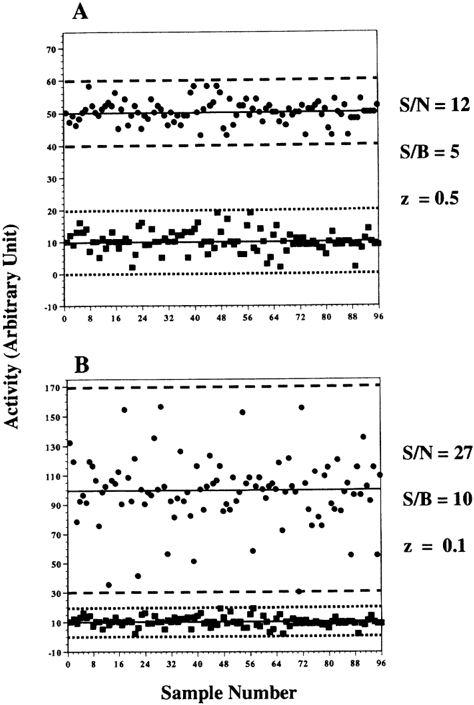
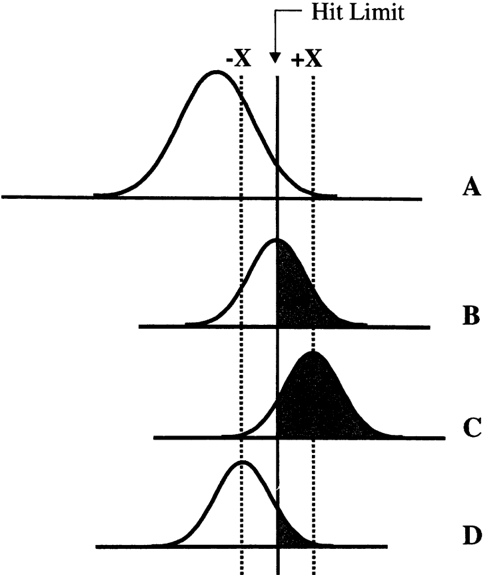
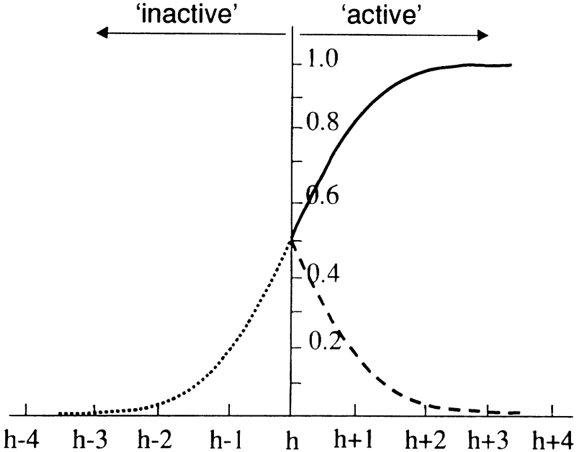
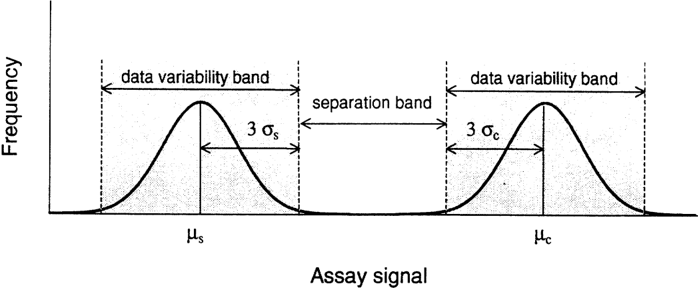
Verification
Claims the paper makes
The claims and statistics of this paper haven’t been checked yet.
Free: it reads the open-access text and checks the first 5 claims that cite a source we can check. Create a free account to check every claim.
Claims other papers make about this one
Each is checked against this paper’s own text: does it say what the citing paper says it does?
The cited source says what the claim attributes to it.
In the citing paper
“Despite the difference, Z-factor analysis indicated that the system was not sufficiently robust for large-scale screening purposes, leading us to seek an alternative [37].”
From Chemically induced reprogramming to reverse cellular aging (2023) · cites this paper as [37]
Experimental — accuracy not yet measuredIn the citing paper
“In all cases, Z' values (Zhang et al., 1999) did not vary beyond 0.5 and 1, and typically ranged between 0.6 to 0.8.”
From Small Molecule Fluoride Toxicity Agonists (2015) · cites this paper as Zhang et al., 1999
Self-check
Percentages, sums and reported differences re-computed from the paper’s own numbers.
The self-check needs the paper’s full text.
Citations
Cites
Gordon, E. M., Barrett, R. W., Dower, W. J., Fodor, S. P. A., & Gallop, M. A. (1994) · Journal of Medicinal Chemistry · doi:10.1021/jm00036a001 · Cited by 1,142
Cole, S. T., & Girons, I. S. (1994) · FEMS Microbiology Reviews · doi:10.1111/j.1574-6976.1994.tb00084.x · Cited by 113
Oldenburg, K. R., Zhang, J.-H., Chen, T., Maffia, A., Blom, K. F., Combs, A. P., & Chung, T. D. Y. (1998) · SLAS Discovery · doi:10.1177/108705719800300108 · Cited by 74
Self-citationDesign of Signal Windows in High Throughput Screening Assays for Drug Discovery
Sittampalam, G. S., Iversen, P. W., Boadt, J. A., Kahl, S. D., Bright, S. W., Zock, J. M., Janzen, W. P., & Lister, M. D. (1997) · SLAS DISCOVERY · doi:10.1177/108705719700200306 · Cited by 66
Toward a cDNA Map of the Human Genome
Korenberg, J. R., Chen, X., Adams, M. D., & Venter, C. J. (1995) · Genomics · doi:10.1006/geno.1995.9993 · Cited by 53
The GDBTM Human Genome Database Anno 1997
Fasman, K. H., Letovsky, S., Li, P., Cottingham, R. W., & Kingsbury, D. T. (1997) · Nucleic Acids Research · doi:10.1093/nar/25.1.72 · Cited by 46
Comparison of Automation Equipment in High Throughput Screening
Stevens, M. E., Bouchard, P. J., Kariv, I., Chung, T. D. Y., & Oldenburg, K. R. (1998) · SLAS DISCOVERY · doi:10.1177/108705719800300410 · Cited by 17
Self-citationCombinatorial Organic Synthesis: Applications to Drug Discovery
Gordon, E. M., Gallop, M. A., Campbell, D., Holmes, C., Bermak, J. C., Look, G. C., Murphy, M., Needels, M. C., Jacobs, J. W., Sugarman, J., et al. (1995) · European Journal of Medicinal Chemistry · doi:10.1016/s0223-5234(23)00134-4 · Cited by 17
Cited by
Items 201–300 of 1,039
Marucci, M., Di Flumeri, G., Borghini, G., Sciaraffa, N., Scandola, M., Pavone, E. F., Babiloni, F., Betti, V., & Aricò, P. (2021) · Scientific Reports · doi:10.1038/s41598-021-84196-8 · Cited by 170
Deubiquitinases Maintain Protein Homeostasis and Survival of Cancer Cells upon Glutathione Depletion
Harris, I. S., Endress, J. E., Coloff, J. L., Selfors, L. M., McBrayer, S. K., Rosenbluth, J. M., Takahashi, N., Dhakal, S., Koduri, V., Oser, M. G., et al. (2019) · Cell Metabolism · doi:10.1016/j.cmet.2019.01.020 · Cited by 170
“Assay robustness was determined by obtaining a Z’ factor (Zhang et al., 1999) for each cell line.”
MethodA Small Molecule Primes Embryonic Stem Cells for Differentiation
Zhu, S., Wurdak, H., Wang, J., Lyssiotis, C. A., Peters, E. C., Cho, C. Y., Wu, X., & Schultz, P. G. (2009) · Cell Stem Cell · doi:10.1016/j.stem.2009.04.001 · Cited by 170
“Scale bars, 100 mm. The Z factor for the screen was 0.45 ( Zhang et al., 1999 ).”
InfluentialInhibitors of Mycobacterium tuberculosis DosRST signaling and persistence
Zheng, H., Colvin, C. J., Johnson, B. K., Kirchhoff, P. D., Wilson, M., Jorgensen-Muga, K., Larsen, S. D., & Abramovitch, R. B. (2017) · Nature Chemical Biology · doi:10.1038/nchembio.2259 · Cited by 169
Hou, S., Tiriac, H., Sridharan, B. P., Scampavia, L., Madoux, F., Seldin, J., Souza, G. R., Watson, D., Tuveson, D., & Spicer, T. P. (2018) · SLAS Discovery · doi:10.1177/2472555218766842 · Cited by 169
“5.(5) Compound activity was normalized on a per-plate basis using the following equation:(23)”
MethodHino, K., Horigome, K., Nishio, M., Komura, S., Nagata, S., Zhao, C., Jin, Y., Kawakami, K., Yamada, Y., Ohta, A., et al. (2017) · Journal of Clinical Investigation · doi:10.1172/jci93521 · Cited by 169
Huang, R., Sakamuru, S., Martin, M. T., Reif, D. M., Judson, R. S., Houck, K. A., Casey, W., Hsieh, J.-H., Shockley, K. R., Ceger, P., et al. (2014) · Scientific Reports · doi:10.1038/srep05664 · Cited by 167
Direct action of endocrine disrupting chemicals on human sperm
Schiffer, C., Müller, A., Egeberg, D. L., Alvarez, L., Brenker, C., Rehfeld, A., Frederiksen, H., Wäschle, B., Kaupp, U. B., Balbach, M., et al. (2014) · EMBO reports · doi:10.15252/embr.201438869 · Cited by 167
“We analyzed the progesterone and buffer responses to determine the assay’s Z0-factor, a statistical parameter for the reliability of screening assays [21].”
Inhibition of Pyrimidine Biosynthesis Pathway Suppresses Viral Growth through Innate Immunity
Lucas-Hourani, M., Dauzonne, D., Jorda, P., Cousin, G., Lupan, A., Helynck, O., Caignard, G., Janvier, G., André-Leroux, G., Khiar, S., et al. (2013) · PLoS Pathogens · doi:10.1371/journal.ppat.1003678 · Cited by 168
“Altogether, this demonstrated the robustness of our assay, which can be categorized as excellent [72].”
BackgroundTargeting DNA Damage Response and Replication Stress in Pancreatic Cancer
Dreyer, S. B., Upstill-Goddard, R., Paulus-Hock, V., Paris, C., Lampraki, E.-M., Dray, E., Serrels, B., Caligiuri, G., Rebus, S., Plenker, D., et al. (2021) · Gastroenterology · doi:10.1053/j.gastro.2020.09.043 · Cited by 163
Martin, S. A., McCarthy, A., Barber, L. J., Burgess, D. J., Parry, S., Lord, C. J., & Ashworth, A. (2009) · EMBO Molecular Medicine · doi:10.1002/emmm.200900040 · Cited by 157
“Z factors between 0.5–1 predict high-quality screens (Zhang et al, 1999) and the Z-factor for our screen, using MNNG sensitivity, was 0.514.”
InfluentialTuning the p K a of Fluorescein to Optimize Binding Assays
Lavis, L. D., Rutkoski, T. J., & Raines, R. T. (2007) · Analytical Chemistry · doi:10.1021/ac070907g · Cited by 161
Rodems, S. M., Hamman, B. D., Lin, C., Zhao, J., Shah, S., Heidary, D., Makings, L., Stack, J. H., & Pollok, B. A. (2002) · ASSAY and Drug Development Technologies · doi:10.1089/154065802761001266 · Cited by 160
“22 It should be noted that in order to generate sufficient dynamic range to result in an acceptable Z 9 value 23 under typical screening conditions, 30–50% of the peptide substrate will be phosphorylated.”
Almqvist, H., Axelsson, H., Jafari, R., Dan, C., Mateus, A., Haraldsson, M., Larsson, A., Molina, D. M., Artursson, P., Lundbäck, T., et al. (2016) · Nature Communications · doi:10.1038/ncomms11040 · Cited by 160
Inhibitors of Hedgehog acyltransferase block Sonic Hedgehog signaling
Petrova, E., Rios-Esteves, J., Ouerfelli, O., Glickman, J. F., & Resh, M. D. (2013) · Nature Chemical Biology · doi:10.1038/nchembio.1184 · Cited by 160
Paul, P., van den Hoorn, T., Jongsma, M. L. M., Bakker, M. J., Hengeveld, R. C. C., Janssen, L., Cresswell, P., Egan, D. A., van Ham, S. M., ten Brinke, A., et al. (2011) · Cell · doi:10.1016/j.cell.2011.03.023 · Cited by 177
“The primary screen (performed in triplicate) achieved an excellent ‘‘screening window’’ (difference of negative and positive control) defined by the Z0 factor (Zhang et al., 1999).”
Rycker, M. D., Hallyburton, I., Thomas, J. C., Campbell, L. A., Wyllie, S., Joshi, D., Cameron, S., Gilbert, I. H., Wyatt, P. G., Frearson, J. A., et al. (2013) · Antimicrobial Agents and Chemotherapy · doi:10.1128/aac.02398-12 · Cited by 160
“The formula used to calculate z= is as follows: z= 1 {[3 (SDhigh SDlow)]/[ABS(Meanhigh Meanlow)]} (31), where SDhigh is the standard deviation of the maximum inhibition controls, SDlow is the standard deviation of the vehicle-treated controls, ABS stands for absolute value, Meanhigh is the mean of the maximum inhibiti…”
MethodMcLuckie, K. I. E., Waller, Z. A. E., Sanders, D. A., Alves, D. A., Rodriguez, R., Dash, J., McKenzie, G. J., Venkitaraman, A. R., & Balasubramanian, S. (2011) · Journal of the American Chemical Society · doi:10.1021/ja109474c · Cited by 173
A Common Platform for Antibiotic Dereplication and Adjuvant Discovery
Cox, G., Sieron, A. O., King, A. M., Pascale, G. D., Pawlowski, A. C., Koteva, K. K., & Wright, G. D. (2016) · Cell chemical biology · doi:10.1016/j.chembiol.2016.11.011 · Cited by 168
Li, H., Zhang, L.-K., Li, S.-F., Zhang, S.-F., Wan, W.-W., Zhang, Y.-L., Xin, Q.-L., Dai, K., Hu, Y.-Y., Wang, Z.-B., et al. (2019) · Cell Research · doi:10.1038/s41422-019-0214-z · Cited by 159
Ion-channel assay technologies: quo vadis?
Xu, J., Wang, X., Ensign, B., Li, M., Wu, L., Guia, A., & Xu, J. (2001) · Drug Discovery Today · doi:10.1016/s1359-6446(01)02095-5 · Cited by 161
Nucleic Acid-Based Fluorescence Sensors for Detecting Proteins
Heyduk, E., & Heyduk, T. (2005) · Analytical Chemistry · doi:10.1021/ac0487449 · Cited by 159
No time to lose—high throughput screening to assess nanomaterial safety
Damoiseaux, R. D., George, S., Li, M., Pokhrel, S., Ji, Z., France, B., Xia, T., Suarez, E., Ralló, R., Mädler, L., et al. (2011) · Nanoscale · doi:10.1039/c0nr00618a · Cited by 170
Jarecki, J., Chen, X., Bernardino, A., Coovert, D. D., Whitney, M., Burghes, A. H. M., Stack, J. H., & Pollok, B. A. (2005) · Human Molecular Genetics · doi:10.1093/hmg/ddi205 · Cited by 174
“The assay conditions were optimized in order to meet the assay validation of Z0,1 (Z0 1⁄4 12 [3(standard deviation of signal)þ 3(standard deviation of the baseline)/signal–baseline] after stimulation with HDAC inhibitors in 96 well plate format (93).”
MethodMechanistic considerations in high-throughput screening
Copeland, R. A. (2003) · Analytical Biochemistry · doi:10.1016/s0003-2697(03)00346-4 · Cited by 171
Label-free whole-cell assays: expanding the scope of GPCR screening
Scott, C. W., & Peters, M. F. (2010) · Drug Discovery Today · doi:10.1016/j.drudis.2010.06.008 · Cited by 157
Targeting Efflux Pumps to Overcome Antifungal Drug Resistance
Holmes, A. R., Cardno, T. S., Strouse, J. J., Ivnitski-Steele, I., Keniya, M. V., Lackovic, K., Monk, B. C., Sklar, L. A., & Cannon, R. D. (2016) · Future Medicinal Chemistry · doi:10.4155/fmc-2016-0050 · Cited by 156
Proteostatic Control of Telomerase Function through TRiC-Mediated Folding of TCAB1
Freund, A., Zhong, F. L., Venteicher, A. S., Meng, Z., Veenstra, T. D., Frydman, J., & Artandi, S. E. (2014) · Cell · doi:10.1016/j.cell.2014.10.059 · Cited by 153
Identification of Regulators of Polyploidization Presents Therapeutic Targets for Treatment of AMKL
Wen, Q., Goldenson, B., Silver, S. J., Schenone, M., Dancik, V., Huang, Z., Wang, L.-Z., Lewis, T. A., An, W. F., Li, X., et al. (2012) · Cell · doi:10.1016/j.cell.2012.06.032 · Cited by 155
Fibrates as drugs with senolytic and autophagic activity for osteoarthritis therapy
Nogueira-Recalde, U., Lorenzo-Gómez, I., Blanco, F. J., Loza, M. I., Grassi, D., Shirinsky, V., Shirinsky, I., Lotz, M., Robbins, P. D., Domínguez, E., et al. (2019) · EBioMedicine · doi:10.1016/j.ebiom.2019.06.049 · Cited by 155
“We determined Z'factor, coefficient of variation (CV) values and signal-to-background (s/b) ratio for each plate [35].”
MethodSiqueira-Neto, J. L., Moon, S., Jang, J., Yang, G., Lee, C., Moon, H. K., Chatelain, E., Genovesio, A., Cechetto, J. D., & Freitas-Junior, L. H. (2012) · PLoS neglected tropical diseases · doi:10.1371/journal.pntd.0001671 · Cited by 153
Abraham, V. C., Towne, D. L., Waring, J. F., Warrior, U., & Burns, D. J. (2008) · SLAS DISCOVERY · doi:10.1177/1087057108318428 · Cited by 153
“Table 1 shows the summary of the assay validation data using the Z′ factor.(10) As expected, compounds known to act via appropriate mechanisms were used for demonstrating robustness of the different measurements.”
MethodSelective Inhibition of c-Myc/Max Dimerization and DNA Binding by Small Molecules
Kiessling, A., Sperl, B., Hollis, A., Eick, D., & Berg, T. (2006) · Chemistry & Biology · doi:10.1016/j.chembiol.2006.05.011 · Cited by 170
A spheroid toxicity assay using magnetic 3D bioprinting and real-time mobile device-based imaging
Tseng, H., Gage, J. A., Shen, T., Haisler, W. L., Neeley, S. K., Shiao, S., Chen, J., Desai, P. K., Liao, A., Hebel, C., et al. (2015) · Scientific Reports · doi:10.1038/srep13987 · Cited by 148
A chemical compound that stimulates the human homologous recombination protein RAD51
Jayathilaka, K., Sheridan, S. D., Bold, T. D., Bochenska, K., Logan, H. L., Weichselbaum, R. R., Bishop, D. K., & Connell, P. P. (2008) · Proceedings of the National Academy of Sciences · doi:10.1073/pnas.0808046105 · Cited by 150
“82, validating it as an excellent assay (13).”
BackgroundIdentification and Validation of Novel Small Molecule Disruptors of HuR-mRNA Interaction
Wu, X., Lan, L., Wilson, D. M., Marquez, R. T., Tsao, W.-C., Gao, P., Roy, A., Turner, B. A., McDonald, P., Tunge, J. A., et al. (2015) · ACS Chemical Biology · doi:10.1021/cb500851u · Cited by 147
Stoilov, P., Lin, C.-H., Damoiseaux, R., Nikolic, J., & Black, D. L. (2008) · Proceedings of the National Academy of Sciences · doi:10.1073/pnas.0801661105 · Cited by 140
“The performance of high-throughput screening assays is often measured by the Z-factor (17).”
BackgroundThe Essential Role of Clathrin-mediated Endocytosis in the Infectious Entry of Human Enterovirus 71
Hussain, K. M., Leong, K. L. J., Ng, M. L., & Chu, J. J. H. (2010) · Journal of Biological Chemistry · doi:10.1074/jbc.m110.168468 · Cited by 161
Veringa, S. J. E., Biesmans, D., van Vuurden, D. G., Jansen, M. H. A., Wedekind, L. E., Horsman, I., Wesseling, P., Vandertop, W. P., Noske, D. P., Kaspers, G. J. L., et al. (2013) · PLoS ONE · doi:10.1371/journal.pone.0061512 · Cited by 159
Best Practices for Translational Disease Modeling Using Human iPSC-Derived Neurons
Engle, S. J., Blaha, L., & Kleiman, R. J. (2018) · Neuron · doi:10.1016/j.neuron.2018.10.033 · Cited by 142
AI is a viable alternative to high throughput screening: a 318-target study
Program, T. A. A., Wallach, I., Bernard, D., Nguyen, K. T., Ho, G., Morrison, A., Stecuła, A., Rosnik, A. M., O’Sullivan, A. M., Davtyan, A., et al. (2024) · Scientific Reports · doi:10.1038/s41598-024-54655-z · Cited by 163
“%) was comparable to the hit rate for our academic collaborations (7.6%).”
ResultInfluentialChemical genomics reveals histone deacetylases are required for core regulatory transcription
Gryder, B. E., Wu, L., Woldemichael, G. M., Pomella, S., Quinn, T. R., Park, P. M. C., Cleveland, A., Stanton, B. Z., Song, Y., Rota, R., et al. (2019) · Nature Communications · doi:10.1038/s41467-019-11046-7 · Cited by 144
The Essential Roles of Chemistry in High-Throughput Screening Triage
Dahlin, J. L., & Walters, M. A. (2014) · Future Medicinal Chemistry · doi:10.4155/fmc.14.60 · Cited by 165
Chang, L., Bertelsen, E. B., Wisén, S., Larsen, E. M., Zuiderweg, E. R. P., & Gestwicki, J. E. (2007) · Analytical Biochemistry · doi:10.1016/j.ab.2007.08.020 · Cited by 164
“7; S/N > 10) [54], low cost, and potentially amenable to the 384well plate format [55].”
BackgroundDrug screening for human genetic diseases using iPSC models
Elitt, M. S., Barbar, L., & Tesar, P. J. (2018) · Human Molecular Genetics · doi:10.1093/hmg/ddy186 · Cited by 140
“evaluate screening performance on a per-plate and global basis in biochemical assays (87) but can also be applied to cell-based screens in spite of their greater variability.”
BackgroundPrinting chemical libraries on microarrays for fluid phase nanoliter reactions
Gosalia, D. N., & Diamond, S. L. (2003) · Proceedings of the National Academy of Sciences · doi:10.1073/pnas.1530261100 · Cited by 152
Chemical genetics reveals a complex functional ground state of neural stem cells
Diamandis, P., Wildenhain, J., Clarke, I. D., Sacher, A. G., Graham, J., Bellows, D. S., Ling, E. K. M., Ward, R. J., Jamieson, L. G., Tyers, M., et al. (2007) · Nature Chemical Biology · doi:10.1038/nchembio873 · Cited by 156
Li, Q., Chen, C., Kapadia, A., Zhou, Q., Harper, M. K., Schaack, J., & Labarbera, D. V. (2011) · SLAS Discovery · doi:10.1177/1087057110392995 · Cited by 138
Yasgar, A., Jadhav, A., Simeonov, A. M., & Coussens, N. P. (2016) · Methods in molecular biology · doi:10.1007/978-1-4939-3673-1_5 · Cited by 146
Miniaturized HTS technologies – uHTS
Woelcke, J., & Ullmann, D. (2001) · Drug Discovery Today · doi:10.1016/s1359-6446(01)01807-4 · Cited by 162
Pedemonte, N., Sonawane, N. D., Taddei, A., Hu, J., Zegarra‐Moran, O., Suen, Y. F., Robins, L. I., Dicus, C. W., Willenbring, D., Nantz, M. H., et al. (2005) · Molecular Pharmacology · doi:10.1124/mol.105.010959 · Cited by 155
“Assay analysis indicated a Z factor (Zhang et al., 1999) of 0.”
MethodInfluentialAricò, P., Borghini, G., Di Flumeri, G., Colosimo, A., Pozzi, S., & Babiloni, F. (2016) · Progress in Brain Research · doi:10.1016/bs.pbr.2016.04.021 · Cited by 145
Senkowski, W., Zhang, X., Olofsson, M. H., Isacson, R., Höglund, U., Gustafsson, M., Nygren, P., Linder, S., Larsson, R., & Fryknäs, M. (2015) · Molecular Cancer Therapeutics · doi:10.1158/1535-7163.mct-14-0792 · Cited by 141
“5, as calculated according to Zhang and colleagues (24).”
BackgroundMonteiro, M. C., de la Cruz, M., Cantizani, J., Moreno, C., Tormo, J. R., Mellado, E., De Lucas, J. R., Asensio, F., Valiante, V., Brakhage, A. A., et al. (2012) · SLAS Discovery · doi:10.1177/1087057111433459 · Cited by 144
“The Z′ factor predicts the robustness of an assay by taking into account the mean and standard deviation of both positive and negative controls.(11) The robust Z′ factor (RZ′ factor) is based on the Z′ factor, but standard deviations and means are replaced by the robust standard deviations and medians, respectively.”
MethodSynthetic Lethal Screen of an EGFR-Centered Network to Improve Targeted Therapies
Astsaturov, I., Ratushny, V., Sukhanova, A., Einarson, M. B., Bagnyukova, T., Zhou, Y., Devarajan, K., Silverman, J. S., Tikhmyanova, N., Skobeleva, N., et al. (2010) · Science Signaling · doi:10.1126/scisignal.2001083 · Cited by 139
“S1B) with PLK1 and GL2 siRNA controls to achieve Z′ values (55) of 0.”
BackgroundAminothienopyridazines and methylene blue affect Tau fibrillization via cysteine oxidation
Crowe, A., James, M. J., Lee, V. M.-Y., Smith, A. B., Trojanowski, J. Q., Ballatore, C., & Brunden, K. R. (2013) · Journal of Biological Chemistry · doi:10.1074/jbc.m112.436006 · Cited by 143
“Z scores (34) for each dose-response experiment were greater than 0.”
BackgroundBessoff, K., Sateriale, A., Lee, K. K., & Huston, C. (2013) · Antimicrobial Agents and Chemotherapy · doi:10.1128/aac.02460-12 · Cited by 128
“score in which only control data are considered, assesses the quality of the assay itself (12).”
BackgroundMethodA continuous microplate assay for sirtuins and nicotinamide-producing enzymes
Smith, B. C., Hallows, W. C., & Denu, J. M. (2009) · Analytical Biochemistry · doi:10.1016/j.ab.2009.07.019 · Cited by 137
“88 [12,19,34], and is indicative of an ‘‘excellent” assay [28].”
MethodHsiao, A. Y., Tung, Y., Qu, X., Patel, L. R., Pienta, K. J., & Takayama, S. (2012) · Biotechnology and Bioengineering · doi:10.1002/bit.24399 · Cited by 137
“In most HTS experiments, because each compound is only tested in singlet or duplicate, a high degree of accuracy and sensitivity in the assay is critical for identifying hits (Zhang et al., 1999).”
BackgroundInfluentialA small molecule fusion inhibitor of dengue virus
Poh, M. K., Yip, A., Zhang, S. L.-X., Priestle, J. P., Ma, N. L., Smit, J. M., Wilschut, J., Shi, P., Wenk, M. R., & Schul, W. (2009) · Antiviral Research · doi:10.1016/j.antiviral.2009.09.011 · Cited by 143
Tran, T., Song, C. J., Nguyen, T. T. T., Cheng, S.-Y., McMahon, J. A., Yang, R., Guo, Q., Dér, B., Lindström, N. O., Lin, D. C.-H., et al. (2022) · Cell stem cell · doi:10.1016/j.stem.2022.06.005 · Cited by 146
A Luminescent Biosensor with Increased Dynamic Range for Intracellular cAMP
Binkowski, B. F., Butler, B. L., Stecha, P. F., Eggers, C. T., Otto, P., Zimmerman, K., Vidugiris, G., Wood, M. G., Encell, L. P., Fan, F., et al. (2011) · ACS Chemical Biology · doi:10.1021/cb200248h · Cited by 141
Boissart, C., Poulet, A., Georges, P., Darville, H., Julita, E., Delorme, R., Bourgeron, T., Peschanski, M., & Benchoua, A. (2013) · Translational Psychiatry · doi:10.1038/tp.2013.71 · Cited by 128
High‐Throughput Screening for Kinase Inhibitors
von Ahsen, O., & Bömer, U. (2005) · ChemBioChem · doi:10.1002/cbic.200400211 · Cited by 155
Functional Viability Profiles of Breast Cancer
Brough, R., Frankum, J. R., Sims, D., Mackay, A., Mendes-Pereira, A. M., Bajrami, I., Costa-Cabral, S., Rafiq, R., Ahmad, A. S., Cerone, M. A., et al. (2011) · Cancer Discovery · doi:10.1158/2159-8290.cd-11-0107 · Cited by 142
Revisiting the Resazurin-Based Sensing of Cellular Viability: Widening the Application Horizon
Lavõgina, D., Lust, H., Tahk, M., Laasfeld, T., Vellama, H., Nasirova, N., Vardja, M., Eskla, K., Salumets, A., Rinken, A., et al. (2022) · Biosensors · doi:10.3390/bios12040196 · Cited by 149
“5 are considered very robust [16], and assays with Z-factor values between 0.”
Daina, A., & Zoete, V. (2024) · Communications Chemistry · doi:10.1038/s42004-024-01179-2 · Cited by 147
“…success rate for targets with actives displaying numerous molecular scaffolds. f Same analysis on chemical diversity conducted with Oprea scaffolds 28 leading to the same conclusion that higher predictive ability is obtained for protein target with chemically diverse actives displaying numerous…”
Influentialc-Src protein kinase inhibitors block assembly and maturation of dengue virus
Chu, J. J. H., & Yang, P. L. (2007) · Proceedings of the National Academy of Sciences · doi:10.1073/pnas.0611681104 · Cited by 154
Altaf, M., Miller, C. H., Bellows, D. S., & O’Toole, R. (2010) · Tuberculosis · doi:10.1016/j.tube.2010.09.002 · Cited by 141
Sortase A Inhibitors: Recent Advances and Future Perspectives
Cascioferro, S., Raffa, D., Maggio, B., Raimondi, M. V., Schillaci, D., & Daidone, G. (2015) · Journal of Medicinal Chemistry · doi:10.1021/acs.jmedchem.5b00779 · Cited by 144
Mechanism of inhibition of Mycobacterium tuberculosis antigen 85 by ebselen
Favrot, L., Grzegorzewicz, A. E., Lajiness, D. H., Marvin, R. K., Boucau, J., Isailović, D., Jackson, M., & Ronning, D. R. (2013) · Nature Communications · doi:10.1038/ncomms3748 · Cited by 143
Inhibitors of protein synthesis identified by a high throughput multiplexed translation screen
Novac, O. (2004) · Nucleic Acids Research · doi:10.1093/nar/gkh235 · Cited by 140
“The data indicated a well-to-well variation of 4.4% CV, a signalto-background ratio of 50:1 and a Z¢ factor of 0.8 (data not shown) ( 25 ).”
BackgroundInfluentialA cell-based screen for drugs to treat Huntington's disease
Aiken, C. T., Tobin, A. J., & Schweitzer, E. S. (2004) · Neurobiology of Disease · doi:10.1016/j.nbd.2004.04.001 · Cited by 135
Rininsland, F. H., Xia, W., Wittenburg, S. K., Shi, X., Stankewicz, C., Achyuthan, K. E., McBranch, D. W., & Whitten, D. G. (2004) · Proceedings of the National Academy of Sciences · doi:10.1073/pnas.0406832101 · Cited by 152
Development and characterization of a stable luciferase dengue virus for high-throughput screening
Zou, G., Xu, H. Y., Qing, M., Wang, Q.-Y., & Shi, P. (2011) · Antiviral Research · doi:10.1016/j.antiviral.2011.05.001 · Cited by 138
“Z0 factor between 0.5 and 1 indicates an excellent assay with good separation between controls (Zhang et al., 1999).”
BackgroundInfluentialOpen-source discovery of chemical leads for next-generation chemoprotective antimalarials
Antonova-Koch, Y., Meister, S., Abraham, M., Luth, M. R., Ottilie, S., Lukens, A. K., Sakata-Kato, T., Vanaerschot, M., Owen, E., Jado, J. C., et al. (2018) · Science · doi:10.1126/science.aat9446 · Cited by 128
“Z’ factor for controls were calculated for both biological replicates of all three plates containing 631 screen compounds(41).”
High Throughput Methods in the Synthesis, Characterization, and Optimization of Porous Materials
Clayson, I. G., Hewitt, D., Hutereau, M., Pope, T., & Slater, B. (2020) · Advanced Materials · doi:10.1002/adma.202002780 · Cited by 143
Kashem, M. A., Nelson, R. M., Yingling, J. D., Pullen, S. S., Prokopowicz, A. S., Wildeson, J., Wolak, J. P., Rogers, G. R., Morelock, M. M., Snow, R. J., et al. (2006) · SLAS DISCOVERY · doi:10.1177/1087057106296047 · Cited by 138
Zheng, W., Padia, J., Urban, D. J., Jadhav, A., Goker-Alpan, O., Simeonov, A., Goldin, E., Auld, D., LaMarca, M. E., Inglese, J., et al. (2007) · Proceedings of the National Academy of Sciences · doi:10.1073/pnas.0705637104 · Cited by 138
Adedeji, A. O., Singh, K., Calcaterra, N. E., DeDiego, M. L., Enjuanes, L., Weiss, S. R., & Sarafianos, S. G. (2012) · Antimicrobial Agents and Chemotherapy · doi:10.1128/aac.00957-12 · Cited by 141
Label-Free Cytotoxicity Screening Assay by Digital Holographic Microscopy
Kuhn, J. G., Shaffer, E., Mena, J., Breton, B., Parent, J., Rappaz, B., Chambon, M., Emery, Y., Magistretti, P. J., Depeursinge, C. D., et al. (2012) · Assay and Drug Development Technologies · doi:10.1089/adt.2012.476 · Cited by 137
“For these experiments addressing the well-to-well and interplate variability, the window coefficient of the screen was estimated using the Z 0 - factor statistical parameter (a value close to 1 indicates an excellent screening window whereas a value below 0.5 reflects a marginal essay 22 ).”
InfluentialNon-carbohydrate Inhibitors of the Lectin DC-SIGN
Borrok, M. J., & Kiessling, L. L. (2007) · Journal of the American Chemical Society · doi:10.1021/ja072944v · Cited by 143
Chemically induced reprogramming to reverse cellular aging
Yang, J.-H., Petty, C. A., Dixon-McDougall, T., Lopez, M. V., Tyshkovskiy, A., Maybury-Lewis, S., Tian, X., Ibrahim, N., Chen, Z., Griffin, P. T., et al. (2023) · Aging · doi:10.18632/aging.204896 · Cited by 136
Versatile synthetic alternatives to Matrigel for vascular toxicity screening and stem cell expansion
Nguyen, E. H., Daly, W. T., Le, N. N. T., Farnoodian, M., Belair, D. G., Schwartz, M. P., Lebakken, C. S., Ananiev, G. E., Saghiri, M. A., Knudsen, T. B., et al. (2017) · Nature Biomedical Engineering · doi:10.1038/s41551-017-0096 · Cited by 136
Combinatorial drug discovery in nanoliter droplets
Kulesa, A. B., Kehe, J., Hurtado, J. E., Tawde, P., & Blainey, P. C. (2018) · Proceedings of the National Academy of Sciences · doi:10.1073/pnas.1802233115 · Cited by 143
“We quantified this comparison by computing the Z-factor (Z’) (35) for each pair of distributions across the 108 chips from the full-scale screen phase.”
MethodChemical screening by mass spectrometry to identify inhibitors of anthrax lethal factor
Min, D., Tang, W., & Mrksich, M. (2004) · Nature Biotechnology · doi:10.1038/nbt973 · Cited by 136
“A widely used method for assessing the robustness of screening assays—in terms of distinguishing positive signals from background—is determination of the Z′- facto”
MethodHigh Throughput Screening Technologies for Direct Cyclic AMP Measurement
Gabriel, D., Vernier, M., Pfeifer, M., Dasen, B., Tenaillon, L., & Bouhelal, R. (2003) · Assay and Drug Development Technologies · doi:10.1089/15406580360545107 · Cited by 136
“27”
An in vivo large-scale chemical screening platform using Drosophila for anti-cancer drug discovery
Willoughby, L. F., Schlosser, T., Manning, S. A., Parisot, J. P., Street, I. P., Richardson, H. E., Humbert, P. O., & Brumby, A. M. (2012) · Disease Models & Mechanisms · doi:10.1242/dmm.009985 · Cited by 156
“S9), which is well within the range of 0.5-1.0 (the ideal assay) that is recommended for high-throughput screening (Zhang et al., 1999).”
InfluentialFrom Experimental Design to Validated Hits
Giannetti, A. M. (2011) · Methods in enzymology on CD-ROM/Methods in enzymology · doi:10.1016/b978-0-12-381274-2.00008-x · Cited by 152
Manner, S., Skogman, M., Goeres, D. M., Vuorela, P. M., & Fallarero, A. (2013) · International Journal of Molecular Sciences · doi:10.3390/ijms141019434 · Cited by 150
“Quality control of the screening process was done via the calculation of the screening window coefficient (Z') and signal-to-background (S/B) and signal-to-noise (S/N) ratios, as defined by [51,52].”
MethodA High-Throughput Cell-Based Assay for Inhibitors of ABCG2 Activity
Henrich, C. J., Bokesch, H. R., Dean, M., Bates, S. E., Robey, R. W., Goncharova, E. I., Wilson, J. A., & McMahon, J. B. (2006) · SLAS Discovery · doi:10.1177/1087057105284576 · Cited by 135
“Signal-to-noise (S/N) ratio, signal-to-background (S/B) ratio, and Z′ values were calculated as described by Zhang et al.17 Background was defined as cell-associated fluorescence after incubation in the presence of PhA and negative control (DMSO).”
MethodActivity profiles of 309 ToxCast™ chemicals evaluated across 292 biochemical targets
Knudsen, T. B., Houck, K. A., Sipes, N. S., Singh, A. V., Judson, R., Martin, M. T., Weissman, A. D., Kleinstreuer, N., Mortensen, H. M., Reif, D. M., et al. (2011) · Toxicology · doi:10.1016/j.tox.2010.12.010 · Cited by 143
Potent and selective bivalent inhibitors of BET bromodomains
Waring, M. J., Chen, H., Rabow, A. A., Walker, G., Bobby, R., Boiko, S., Bradbury, R. H., Callis, R., Clark, E., Dale, I., et al. (2016) · Nature Chemical Biology · doi:10.1038/nchembio.2210 · Cited by 130
Kilchrist, K. V., Dimobi, S. C., Jackson, M. A., Evans, B. C., Werfel, T. A., Dailing, E. A., Bedingfield, S. K., Kelly, I. B., & Duvall, C. L. (2019) · ACS Nano · doi:10.1021/acsnano.8b05482 · Cited by 120
Silibinin: A novel inhibitor of Aβ aggregation
Yin, F., Liu, J., Ji, X., Wang, Y., Zidichouski, J. A., & Zhang, J. (2010) · Neurochemistry International · doi:10.1016/j.neuint.2010.12.017 · Cited by 144
“The Z-factor in our study was 0.9811 when the concentration of Ab1-42was 10 mMand ThTwas 5mM, indicating that our assay is a reliable and a valid screening method as previously described (Zhang et al., 1999).”
MethodInfluentialSelf-citationCharacterization of ubiquitin and ubiquitin‐like‐protein isopeptidase activities
Nicholson, B., Leach, C. A., Goldenberg, S. J., Francis, D. M., Kodrasov, M. P., Tian, X., Shanks, J., Sterner, D. E., Bernal, A., Mattern, M. R., et al. (2008) · Protein Science · doi:10.1110/ps.083450408 · Cited by 133
“Prior to screening for inhibitors, we determined the assay robustness and reproducibility in a HTS format, designated by the Z9 value (Zhang et al.”
MethodA pharmacological network for lifespan extension in Caenorhabditis elegans
Ye, X., Linton, J. M., Schork, N. J., Buck, L. B., & Petrascheck, M. (2014) · Aging Cell · doi:10.1111/acel.12163 · Cited by 131
“Standard quality control measures for high-throughput assays, such as the Z’ factor (Zhang et al., 1999), are inadequate for lifespan screens because survival data are not normally distributed (Fig.”
BackgroundHigh Throughput Ion-Channel Pharmacology: Planar-Array-Based Voltage Clamp
Kiss, L., Bennett, P. B., Uebele, V. N., Koblan, K. S., Kane, S. A., Neagle, B., & Schroeder, K. S. (2003) · Assay and Drug Development Technologies · doi:10.1089/154065803321537845 · Cited by 147
Small-molecule activators of RNase L with broad-spectrum antiviral activity
Thakur, C. S., Jha, B. K., Dong, B., Das Gupta, J., Silverman, K. M., Mao, H., Sawai, H., Nakamura, A. O., Banerjee, A. K., Gudkov, A., et al. (2007) · Proceedings of the National Academy of Sciences · doi:10.1073/pnas.0700590104 · Cited by 124
Discovery and Characterization of Inhibitors of Pseudomonas aeruginosa Type III Secretion
Aiello, D. A., Williams, J. D., Majgier-Báranowska, H., Patel, I. J., Peet, N. P., Huang, J., Lory, S., Bowlin, T. L., & Moir, D. T. (2010) · Antimicrobial Agents and Chemotherapy · doi:10.1128/aac.01598-09 · Cited by 153
“screening window coefficient, Z factor (60), defined as the ratio of the positive-”
Background
Metadata
- Authors
- Zhang, J.-H., Chung, T. D. Y., & Oldenburg, K. R.
- Affiliations
- DuPont (United States) (US)
- Venue
- SLAS Discovery
- Publisher
- Elsevier BV
- Published
- 1999-04
- Volume
- 4
- Issue
- 2
- Pages
- 67-73
- ISSN
- 2472-5552 (ISSN-L)
- OpenAlex
- W1991001144
- Cited by
- 6,847
- References
- 8
- Citations by year
- 2026: 200 · 2025: 267 · 2024: 257 · 2023: 308 · 2022: 355 · 2021: 346 · 2020: 358 · 2019: 343 · 2018: 350 · 2017: 339 · 2016: 365 · 2015: 330 · 2014: 347 · 2013: 373 · 2012: 354
- FWCI
- 52.99
- Type
- journal article
- Language
- en
- Open access
- hybrid
- doi.org
- Licence
- cc-by-nc-nd
- www.elsevier.com/tdm/userlicense/1.0/ (tdm)
- www.elsevier.com/legal/tdmrep-license (tdm)
- creativecommons.org/licenses/by-nc-nd/4.0/ (vor, 8429 d)
- Locations
- SLAS DISCOVERY (publishedVersion, cc-by-nc-nd)
- PubMed (publishedVersion)
- Topics
- Life Sciences › Pharmacology, Toxicology and Pharmaceutics › Drug Discovery › Computational Drug Discovery Methods
- Life Sciences › Biochemistry, Genetics and Molecular Biology › Molecular Biology › Advanced Biosensing Techniques and Applications
- Health Sciences › Veterinary › Small Animals › Animal testing and alternatives
- Keywords
- Z' factor, high-throughput screening, hit identification, signal dynamic range, assay validation, statistical parameters, assay optimization, chemical libraries
About these checks
Registry, retraction, Cites and statistics results are computed, not judged, with one exception: a printed reference that no index lists is read once by a model before it counts as a citation error. Claims are extracted by a model and kept only when their quote appears verbatim in the text; each cited source is then checked, with a model’s help, for whether it says what the claim relies on. Those verdicts can be wrong — read the claim’s quote and the cited source before relying on one.
Statistics and arithmetic are recomputed, not judged.
Confidence bands are shown only for fields calibrated on our annotated test set. None is calibrated yet, so no band is shown.
What counts as a claim ›How we measure confidence ›How we check this ›
Are you an author, or do you see a problem with this page? Request a review
Data sources
Bibliographic data: Semantic Scholar, OpenAlex, Crossref.
Contains information from the Semantic Scholar Academic Graph Datasets, made available under the ODC Attribution License (ODC-BY 1.0).
Semantic Scholar’s data is described in: Kinney, R., et al. (2023). The Semantic Scholar Open Data Platform. arXiv:2301.10140.
