

A Simple Statistical Parameter for Use in Evaluation and Validation of High Throughput Screening Assays.
Open accessThe DOI matches its Crossref record; 8 of the 8 references it cites were found in a registry or an index.
Abstract
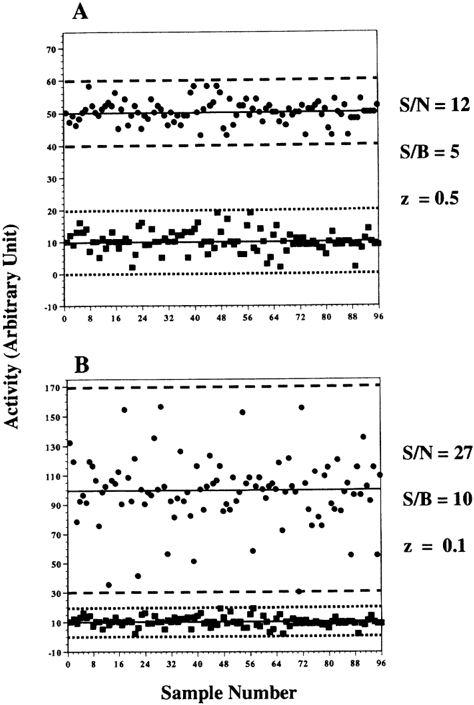
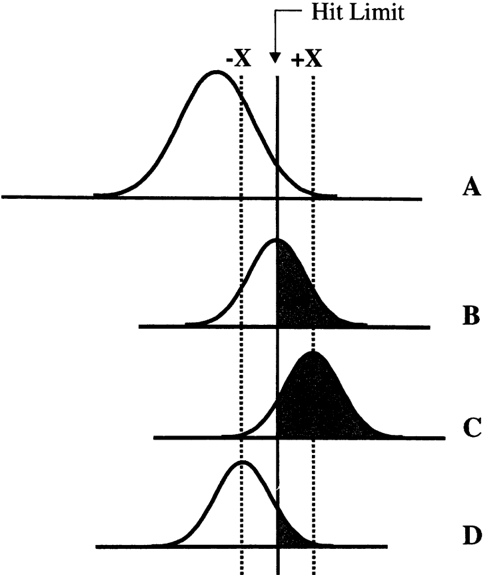
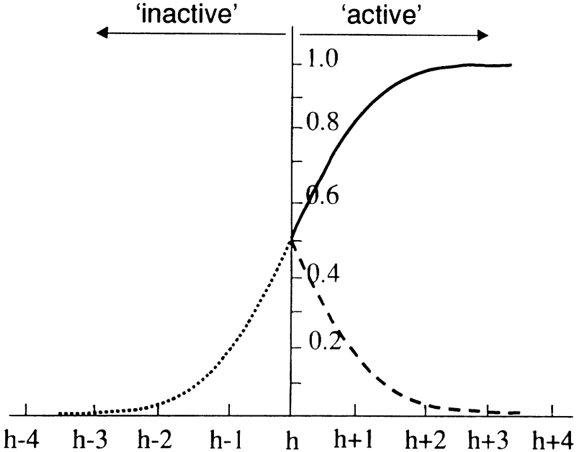
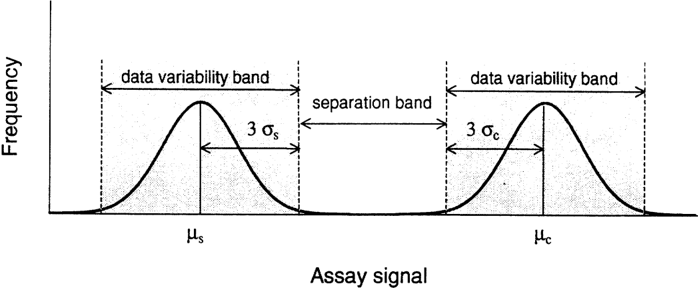
The ability to identify active compounds (³hits²) from large chemical libraries accurately and rapidly has been the ultimate goal in developing high-throughput screening (HTS) assays. The ability to identify hits from a particular HTS assay depends largely on the suitability or quality of the assay used in the screening. The criteria or parameters for evaluating the ³suitability² of an HTS assay for hit identification are not well defined and hence it still remains difficult to compare the quality of assays directly. In this report, a screening window coefficient, called ³Z-factor,² is defined. This coefficient is reflective of both the assay signal dynamic range and the data variation associated with the signal measurements, and therefore is suitable for assay quality assessment. The Z-factor is a dimensionless, simple statistical characteristic for each HTS assay. The Z-factor provides a useful tool for comparison and evaluation of the quality of assays, and can be utilized in assay optimization and validation.
Overview
The claims and statistics of this paper haven’t been checked yet.
Free: it reads the open-access text and checks the first 5 claims that cite a source we can check. Create a free account to check every claim.
Integrity signals
Registry
Cites
Statistics
Figures
Verification
Claims the paper makes
The claims and statistics of this paper haven’t been checked yet.
Free: it reads the open-access text and checks the first 5 claims that cite a source we can check. Create a free account to check every claim.
Claims other papers make about this one
Each is checked against this paper’s own text: does it say what the citing paper says it does?
The cited source says what the claim attributes to it.
In the citing paper
“Despite the difference, Z-factor analysis indicated that the system was not sufficiently robust for large-scale screening purposes, leading us to seek an alternative [37].”
From Chemically induced reprogramming to reverse cellular aging (2023) · cites this paper as [37]
Experimental — accuracy not yet measuredIn the citing paper
“In all cases, Z' values (Zhang et al., 1999) did not vary beyond 0.5 and 1, and typically ranged between 0.6 to 0.8.”
From Small Molecule Fluoride Toxicity Agonists (2015) · cites this paper as Zhang et al., 1999
Self-check
Percentages, sums and reported differences re-computed from the paper’s own numbers.
The self-check needs the paper’s full text.
Citations
Cites
Gordon, E. M., Barrett, R. W., Dower, W. J., Fodor, S. P. A., & Gallop, M. A. (1994) · Journal of Medicinal Chemistry · doi:10.1021/jm00036a001 · Cited by 1,142
Cole, S. T., & Girons, I. S. (1994) · FEMS Microbiology Reviews · doi:10.1111/j.1574-6976.1994.tb00084.x · Cited by 113
Oldenburg, K. R., Zhang, J.-H., Chen, T., Maffia, A., Blom, K. F., Combs, A. P., & Chung, T. D. Y. (1998) · SLAS Discovery · doi:10.1177/108705719800300108 · Cited by 74
Self-citationDesign of Signal Windows in High Throughput Screening Assays for Drug Discovery
Sittampalam, G. S., Iversen, P. W., Boadt, J. A., Kahl, S. D., Bright, S. W., Zock, J. M., Janzen, W. P., & Lister, M. D. (1997) · SLAS DISCOVERY · doi:10.1177/108705719700200306 · Cited by 66
Toward a cDNA Map of the Human Genome
Korenberg, J. R., Chen, X., Adams, M. D., & Venter, C. J. (1995) · Genomics · doi:10.1006/geno.1995.9993 · Cited by 53
The GDBTM Human Genome Database Anno 1997
Fasman, K. H., Letovsky, S., Li, P., Cottingham, R. W., & Kingsbury, D. T. (1997) · Nucleic Acids Research · doi:10.1093/nar/25.1.72 · Cited by 46
Comparison of Automation Equipment in High Throughput Screening
Stevens, M. E., Bouchard, P. J., Kariv, I., Chung, T. D. Y., & Oldenburg, K. R. (1998) · SLAS DISCOVERY · doi:10.1177/108705719800300410 · Cited by 17
Self-citationCombinatorial Organic Synthesis: Applications to Drug Discovery
Gordon, E. M., Gallop, M. A., Campbell, D., Holmes, C., Bermak, J. C., Look, G. C., Murphy, M., Needels, M. C., Jacobs, J. W., Sugarman, J., et al. (1995) · European Journal of Medicinal Chemistry · doi:10.1016/s0223-5234(23)00134-4 · Cited by 17
Cited by
Items 701–800 of 1,039
Hu, G., Henke, A., Karpowicz, R. J., Sonders, M. S., Farrimond, F., Edwards, R. H., Sulzer, D., & Sameš, D. (2013) · ACS Chemical Biology · doi:10.1021/cb400259n · Cited by 74
Khan, A., & Sarkar, D. M. (2008) · Journal of Microbiological Methods · doi:10.1016/j.mimet.2008.01.015 · Cited by 76
High-throughput detection of ethanol-producing cyanobacteria in a microdroplet platform
Abalde-Cela, S., Gould, A., Liu, X., Kazamia, E., Smith, A. G., & Abell, C. (2015) · Journal of The Royal Society Interface · doi:10.1098/rsif.2015.0216 · Cited by 74
“The Z0-factor [25] for this assay protocol was 0.”
MethodLeuchowius, K., Jarvius, M., Wickström, M., Rickardson, L., Landegren, U. D., Larsson, R. L., Söderberg, O., Fryknäs, M., & Jarvius, J. (2009) · Molecular & Cellular Proteomics · doi:10.1074/mcp.m900331-mcp200 · Cited by 74
“assay for screening purposes, taking into account the dynamic range and variability of the assay (12).”
BackgroundA Strategy to Discover Inhibitors of O-Linked Glycosylation
Gross, B. J., Swoboda, J. G., & Walker, S. (2007) · Journal of the American Chemical Society · doi:10.1021/ja078125s · Cited by 74
Zhulenkovs, D., Rudevica, Z., Jaudzems, K., Turks, M., & Leonchiks, A. (2014) · Bioorganic & Medicinal Chemistry · doi:10.1016/j.bmc.2014.09.011 · Cited by 78
Targeting Type III Secretion in Yersinia pestis
Pan, N., Brady, M. J., Leong, J. M., & Goguen, J. D. (2008) · Antimicrobial Agents and Chemotherapy · doi:10.1128/aac.00670-08 · Cited by 74
“Z values (43), a statistical measure of assay quality, between 0.”
BackgroundA Novel Allosteric Inhibitor of Macrophage Migration Inhibitory Factor (MIF)
Bai, F., Asojo, O. A., Cirillo, P. F., Ciustea, M., Ledizet, M., Aristoff, P. A., Leng, L., Koski, R. A., Powell, T., Bucala, R., et al. (2012) · Journal of Biological Chemistry · doi:10.1074/jbc.m112.385583 · Cited by 76
A Forward Chemical Screen Identifies Antibiotic Adjuvants in Escherichia coli
Taylor, P. L., Rossi, L., Pascale, G. D., & Wright, G. D. (2012) · ACS Chemical Biology · doi:10.1021/cb300269g · Cited by 81
A cell-based high throughput screening assay for the discovery of cGAS-STING pathway agonists
Liu, B., Tang, L., Zhang, X., Ma, J., Sehgal, M., Cheng, J., Zhang, X., Zhou, Y., Du, Y., Kulp, J. L., et al. (2017) · Antiviral Research · doi:10.1016/j.antiviral.2017.10.001 · Cited by 75
“Z′ factor (Z′) was calculated using the following equation: Z′ = 1((3δp+3δn)/|μp-μn|), where μp and μn represent mean values of positive control wells and negative control wells; δp and δn are the standard deviations (Zhang et al., 1999).”
MethodStoveken, H. M., Larsen, S. D., Smrcka, A. V., & Tall, G. G. (2018) · Molecular Pharmacology · doi:10.1124/mol.117.111476 · Cited by 76
Homogeneous Time-Resolved Fluorescence Quenching Assay (LANCE) for Caspase-3 ,
Karvinen, J. T., Hurskainen, P., Gopalakrishnan, S. M., Burns, D., Warrior, U., & Hemmilä, I. A. (2002) · SLAS DISCOVERY · doi:10.1177/108705710200700306 · Cited by 74
High‐Throughput Kinetic Analysis for Target‐Directed Covalent Ligand Discovery
Craven, G. B., Affron, D. P., Allen, C. E., Matthies, S., Greener, J. G., Morgan, R. M. L., Tate, E. W., Armstrong, A., & Mann, D. J. (2018) · Angewandte Chemie International Edition · doi:10.1002/anie.201711825 · Cited by 73
Schenkel, L. B., Molina, J. R., Swinger, K. K., Abo, R., Blackwell, D. J., Lu, A. Z., Cheung, A. E., Church, W. D., Kunii, K., Kuplast-Barr, K. G., et al. (2021) · Cell chemical biology · doi:10.1016/j.chembiol.2021.02.010 · Cited by 76
Tumwebaze, P. K., Katairo, T., Okitwi, M., Byaruhanga, O., Orena, S., Asua, V., Duvalsaint, M., Legac, J., Chelebieva, S., Ceja, F. G., et al. (2021) · The Lancet Microbe · doi:10.1016/s2666-5247(21)00085-9 · Cited by 74
“22 IC 50 were derived by plotting fluorescence intensity against log drug concentration and fit to a non-linear curve using a four-parameter Hill equation in Prism (version 9.0).”
InfluentialGrafton, F., Ho, J. J., Ranjbarvaziri, S., Farshidfar, F., Budan, A., Steltzer, S. S., Maddah, M., Loewke, K. E., Green, K., Patel, S. D., et al. (2021) · eLife · doi:10.7554/elife.68714 · Cited by 75
“DOI: https://doi.org/10.7554/eLife.68714 13 of 28 (Bray and Carpenter, 2017; Zhang et al., 1999).”
BackgroundInfluentialJones, D. C., Hallyburton, I., Stojanovski, L., Read, K. D., Frearson, J. A., & Fairlamb, A. H. (2010) · Biochemical Pharmacology · doi:10.1016/j.bcp.2010.07.038 · Cited by 83
High-throughput Assays for Superoxide and Hydrogen Peroxide
Zielonka, J., Cheng, G., Zielonka, M., Ganesh, T., Sun, A., Joseph, J., Michalski, R., O'Brien, W. J., Lambeth, J. D., & Kalyanaraman, B. (2014) · Journal of Biological Chemistry · doi:10.1074/jbc.m114.548693 · Cited by 70
“The most common parameter used to describe the quality of an assay is Z value (47), defined by the equation,”
BackgroundDhillon, S. S., Dóró, E., Magyary, I., Egginton, S., Attila Gabor, S. I. K., & Müller, F. (2013) · PLoS ONE · doi:10.1371/journal.pone.0060552 · Cited by 77
“Z factor scores [35] were also calculated to determine the robustness of the ECG system as a screening tool, using the mean QTc percentage change before and after drug treatment for each individual fish.”
Identification of a Functional Network of Human Epigenetic Silencing Factors
Poleshko, A. S., Einarson, M. B., Shalginskikh, N., Zhang, R., Adams, P. D., Skalka, A. M., & Katz, R. A. (2009) · Journal of Biological Chemistry · doi:10.1074/jbc.m109.064667 · Cited by 78
Sandberg, M., Määttänen, A., Peltonen, J. P. K., Vuorela, P. M., & Fallarero, A. (2008) · International Journal of Antimicrobial Agents · doi:10.1016/j.ijantimicag.2008.04.022 · Cited by 83
Identification of Survival Genes in Human Glioblastoma Cells by Small Interfering RNA Screening
Thaker, N. G., Zhang, F., McDonald, P. R., Shun, T. Y., Lewen, M. D., Pollack, I. F., & Lazo, J. S. (2009) · Molecular Pharmacology · doi:10.1124/mol.109.058024 · Cited by 73
“Outliers shift the mean and variance of the observations so that the widely used Z-scores and other mean-variance-based outlier detection methods are not suitable to detect these values (Iglewicz and Hoaglin, 1993; Zhang et al., 1999).”
MethodDefining Balanced Conditions for Inhibitor Screening Assays That Target Bisubstrate Enzymes
Yang, J., Copeland, R. A., & Lai, Z. (2009) · SLAS DISCOVERY · doi:10.1177/1087057108328763 · Cited by 77
“org Journal of Biomolecular Screening 14(2); 2009 It is clear from equations (3) and (4) that the K m for A and B is a function of B and A concentrations, respectively.”
BackgroundA 1536-Well 3D Viability Assay to Assess the Cytotoxic Effect of Drugs on Spheroids
Madoux, F., Tanner, A., Vessels, M., Willetts, L., Hou, S., Scampavia, L., & Spicer, T. P. (2017) · SLAS Discovery · doi:10.1177/2472555216686308 · Cited by 72
Coupling S-adenosylmethionine–dependent methylation to growth: Design and uses
Luo, H., Hansen, A. S. L., Yang, L., Schneider, K. P., Kristensen, M., Christensen, U., Christensen, H. B., Du, B., Özdemir, E., Feist, A. M., et al. (2019) · PLoS Biology · doi:10.1371/journal.pbio.2007050 · Cited by 76
“The suitability of using evolved cells to screen Comt inhibitors by growth was evaluated next by determining Z-factor in a 96-well format [10].”
MethodStrategies in anti-Mycobacterium tuberculosis drug discovery based on phenotypic screening
Grzelak, E. M., Choules, M. P., Gao, W., Cai, G., Wan, B., Wang, Y., McAlpine, J. B., Cheng, J., Jin, Y., Lee, H., et al. (2019) · The Journal of Antibiotics · doi:10.1038/s41429-019-0205-9 · Cited by 78
“Assay quality and data variability were assessed by calculating the standard deviation (SD), screening window coefficient (Z-factor), signal-to-noise, and signal-to-background ratios [39].”
MethodCorrection for Interference by Test Samples in High-Throughput Assays
Shapiro, A. B., Walkup, G. K., & Keating, T. A. (2006) · SLAS DISCOVERY · doi:10.1177/1087057106286653 · Cited by 75
Screening for YAP inhibitors identifies statins as modulators of fibrosis
Santos, D. M., Pantano, L., Pronzati, G., Grasberger, P., Probst, C. K., Black, K. E., Spinney, J. J., Hariri, L. P., Nichols, R., Lin, Y., et al. (2020) · American Journal of Respiratory Cell and Molecular Biology · doi:10.1165/rcmb.2019-0296oc · Cited by 72
“Plates were monitored for cell density, percentage of nuclear YAP(1) cells in control wells, and z-scores (26), and rescreened if deemed necessary.”
BackgroundAn Overview of Cell-Based Assay Platforms for the Solute Carrier Family of Transporters
Dvorak, V., Wiedmer, T., Ingles-Prieto, A., Altermatt, P., Batoulis, H., Bärenz, F., Bender, E., Digles, D., Dürrenberger, F., Heitman, L. H., et al. (2021) · Frontiers in Pharmacology · doi:10.3389/fphar.2021.722889 · Cited by 67
“HTP assays typically implement simple protocols and their quality is primarily determined based on the Z’ factor, which quantifies the assay window (Zhang et al., 1999).”
BackgroundZhao, W.-N., Cheng, C., Theriault, K. M., Sheridan, S. D., Tsai, L.-H., & Haggarty, S. J. (2012) · SLAS Discovery · doi:10.1177/1087057112456876 · Cited by 71
Engineered cells as biosensing systems in biomedical analysis
Raut, N., O’Connor, G., Pasini, P., & Daunert, S. (2012) · Analytical and Bioanalytical Chemistry · doi:10.1007/s00216-012-5756-6 · Cited by 74
A nonradioactive iodide uptake assay for sodium iodide symporter function
Waltz, F., Pillette, L., & Ambroise, Y. (2009) · Analytical Biochemistry · doi:10.1016/j.ab.2009.08.038 · Cited by 72
A fluorometric assay for high-throughput screening targeting nicotinamide phosphoribosyltransferase
Zhang, R.-Y., Ye, Q., Lv, X., Wang, P., Xu, T., Zhang, L., & Miao, C. (2011) · Analytical Biochemistry · doi:10.1016/j.ab.2010.12.035 · Cited by 72
Automated Cell-Based Assay for Screening of Aquaporin Inhibitors
Mola, M. G., Nicchia, G. P., Svelto, M., Spray, D. C., & Frigeri, A. (2009) · Analytical Chemistry · doi:10.1021/ac901526k · Cited by 72
Egert‐Schmidt, A., Dreher, J., Dunkel, U., Kohfeld, S., Preu, L., Weber, H., Ehlert, J. E., Mutschler, B., Totzke, F., Schächtele, C., et al. (2010) · Journal of Medicinal Chemistry · doi:10.1021/jm901388c · Cited by 78
Wigle, T. J., Sexton, J. Z., Gromova, A. V., Hadimani, M. B., Hughes, M. A., Smith, G. R., Yeh, L.-A., & Singleton, S. F. (2009) · SLAS DISCOVERY · doi:10.1177/1087057109342126 · Cited by 78
Pohjala, L., Tammela, P., Samanta, S., Yli‐Kauhaluoma, J. T., & Vuorela, P. M. (2006) · Analytical Biochemistry · doi:10.1016/j.ab.2006.12.038 · Cited by 79
“Assay quality parameters—signal/background (S/B), signal/noise (S/N), and screening window coeYcient (Z ) described by Zhang and coworkers [18,19]—were used to optimize the methods and to control the data quality throughout the experiments.”
MethodJayamani, E., Rajamuthiah, R., Larkins‐Ford, J., Fuchs, B. B., Conery, A. L., Vilcinskas, A., Ausubel, F. M., & Mylonakis, E. E. (2015) · Antimicrobial Agents and Chemotherapy · doi:10.1128/aac.04198-14 · Cited by 75
Dihydromunduletone Is a Small-Molecule Selective Adhesion G Protein–Coupled Receptor Antagonist
Stoveken, H. M., Bahr, L. L., Anders, M. W., Wojtovich, A. P., Smrcka, A. V., & Tall, G. G. (2016) · Molecular Pharmacology · doi:10.1124/mol.116.104828 · Cited by 75
“1) (Zhang et al., 1999).”
Braña, A. F., Sarmiento-Vizcaíno, A., Álvarez, M. O., Pérez‐Victoria, I., Martín, J., de Pedro, N., de la Cruz, M., Díaz, C., Vicente, F., Reyes, F., et al. (2017) · Marine Drugs · doi:10.3390/md15050144 · Cited by 72
“, Basel, Switzerland) was used to analyze the data and to calculate the RZ’ factor to estimate the robustness of the assays [21].”
MethodWang, J., Hallinger, D. R., Murr, A. S., Buckalew, A. R., Simmons, S. O., Laws, S. C., & Stoker, T. E. (2018) · Environmental Science & Technology · doi:10.1021/acs.est.7b06145 · Cited by 73
Young, S. M., Bologa, C., Prossnitz, E. R., Oprea, T. I., Sklar, L. A., & Edwards, B. S. (2005) · SLAS Discovery · doi:10.1177/1087057105274532 · Cited by 72
“The Z′ factor is a measure of screening assay quality that reflects both assay signal dynamic range and data variation associated with the signal measurements.(6) The Z′ factor for 268 plates analyzed in this and other studies was 0.”
MethodHigh-Throughput Luciferase Reporter Assay for Small-Molecule Inhibitors of MicroRNA Function
Connelly, C. M., Thomas, M., & Deiters, A. (2012) · SLAS DISCOVERY · doi:10.1177/1087057112439606 · Cited by 71
“SD negative control )/(Avg positive control – Avg negative control ).(15)”
BackgroundMethodEdwards, M. R., Pietzsch, C. A., Vausselin, T., Shaw, M. L., Bukreyev, A. A., & Basler, C. F. (2015) · ACS Infectious Diseases · doi:10.1021/acsinfecdis.5b00053 · Cited by 71
Identification of small molecule inhibitors of the Chikungunya virus nsP1 RNA capping enzyme
Feibelman, K. M., Fuller, B. P., Li, L., LaBarbera, D. V., & Geiss, B. J. (2018) · Antiviral Research · doi:10.1016/j.antiviral.2018.03.013 · Cited by 74
“Z′-factor scores were determined for each plate (Zhang et al., 1999).”
BackgroundDirected evolution for enzyme development in biocatalysis
Gargiulo, S., & Soumillion, P. (2020) · Current Opinion in Chemical Biology · doi:10.1016/j.cbpa.2020.11.006 · Cited by 72
Fluorescent and Bioluminescent Calcium Indicators with Tuneable Colors and Affinities
Mertes, N., Busch, M., Huppertz, M.-C., Hacker, C. N., Wilhelm, J., Gürth, C., Kühn, S., Hiblot, J., Koch, B., & Johnsson, K. (2022) · Journal of the American Chemical Society · doi:10.1021/jacs.2c01465 · Cited by 71
Lemercier, G., Fernández‐Montalván, A. E., Shaw, J. P., Kugelstadt, D., Bomke, J., Domostoj, M. M., Schwarz, M. K., Scheer, A., Kappes, B., & Leroy, D. (2009) · Biochemistry · doi:10.1021/bi9005122 · Cited by 72
“To evaluate the quality of assays, robustness was assessed by calculating the signal to background ratio and the Z0 factor value (32) using the equation: Z0=1 - ((3SD of high intensity control)þ (3SDof low intensity control))/|(mean of high intensity control - mean of low intensity control)|.”
MethodNo, J. H., Dossin, F. D. M., Zhang, Y., Liu, Y.-L., Zhu, W., Feng, X., Yoo, J. A., Lee, E., Wang, K., Hui, R., et al. (2012) · Proceedings of the National Academy of Sciences · doi:10.1073/pnas.1118215109 · Cited by 71
“The Z0 factor is defined (33) as Z0 1⁄4 1–3ðσcþ þ σc−Þ∕jμcþ − μcj”
Saunders, L. P., Ouellette, A. L., Bandle, R., Chang, W. C., Zhou, H., Misra, R. N., Cruz, E. M. D. L., & Braddock, D. T. (2008) · Molecular Cancer Therapeutics · doi:10.1158/1535-7163.mct-08-0463 · Cited by 71
“The assay was evaluated using a statistical Z¶ analysis (35), a quantitative measure to determine assay robustness for single-point analysis on a high-throughput screening platform.”
MethodDrug Discovery for Duchenne Muscular Dystrophy via Utrophin Promoter Activation Screening
Moorwood, C., Lozynska, O., Suri, N., Napper, A. D., Diamond, S. L., & Khurana, T. S. (2011) · PLoS ONE · doi:10.1371/journal.pone.0026169 · Cited by 77
Anti-Müllerian Hormone Signaling Regulates Epithelial Plasticity and Chemoresistance in Lung Cancer
Beck, T. N., Korben, V. A., Kudinov, A. E., Georgopoulos, R., Solanki-Patel, N., Andrews-Hoke, M., Kistner, T. M., Pépin, D., Donahoe, P. K., Nicolas, É., et al. (2016) · Cell Reports · doi:10.1016/j.celrep.2016.06.043 · Cited by 74
“…control) siRNAs (Thermo Fisher Scientific; Waltham, MA, USA) were used to optimize transfection conditions and achieve Z′ values of 0.5 or greater (Zhang et al., 1999)), using a standard reverse transfection procedure for Dharmafect 1 (Thermo Fisher Scientific; Waltham, MA, USA); in the siRNA…”
MethodInfluentialScreening the ToxCast Phase 1 Chemical Library for Inhibition of Deiodinase Type 1 Activity
Hornung, M. W., Korte, J. J., Olker, J. H., Denny, J. S., Knutsen, C., Hartig, P. C., Cardon, M. C., & Degitz, S. J. (2017) · Toxicological Sciences · doi:10.1093/toxsci/kfx279 · Cited by 73
Winter, M., Ries, R., Kleiner, C., Bischoff, D., Luippold, A. H., Bretschneider, T., & Büttner, F. H. (2018) · SLAS TECHNOLOGY · doi:10.1177/2472630318791981 · Cited by 74
A bioluminescent probe for longitudinal monitoring of mitochondrial membrane potential
Bazhin, A. A., Sinisi, R., Marchi, U. D., Hermant, A., Sambiagio, N., Maric, T., Budin, G., & Goun, E. A. (2020) · Nature Chemical Biology · doi:10.1038/s41589-020-0602-1 · Cited by 72
Identification and Characterization of Inhibitors of Bacterial Enoyl-Acyl Carrier Protein Reductase
Ling, L. L., Xian, J., Ali, S. M. A., Bolin, G., Fan, J., Mills, D. M., Arvanites, A. C., Orgueira, H. A., Ashwell, M. A., Carmel, G., et al. (2004) · Antimicrobial Agents and Chemotherapy · doi:10.1128/aac.48.5.1541-1547.2004 · Cited by 71
“The signal/background ratio of the resulting screening assay was 3 to 4, with a Z factor of 0.69 ( 26 ).”
InfluentialEvaluating Real-Life High-Throughput Screening Data
Gribbon, P. M., Lyons, R., Laflin, P., Bradley, J., Chambers, C., Williams, B. S., Keighley, W. W., & Sewing, A. (2005) · SLAS DISCOVERY · doi:10.1177/1087057104271957 · Cited by 78
First Small-Molecule Inhibitors Targeting the RNA-Binding Protein IGF2BP2/IMP2 for Cancer Therapy
Dahlem, C., Abuhaliema, A., Kessler, S. M., Kröhler, T., Zoller, B. G. E., Chanda, S., Wu, Y., Both, S., Müller, F., Lepikhov, K., et al. (2022) · ACS Chemical Biology · doi:10.1021/acschembio.1c00833 · Cited by 70
Baker, J. D., Uhrich, R. L., Kraemer, G. C., Love, J. E., & Kraemer, B. C. (2021) · PLoS ONE · doi:10.1371/journal.pone.0245962 · Cited by 75
Ryoo, H., Kimmel, H., Rondo, E., & Underhill, G. H. (2023) · Bioengineering & Translational Medicine · doi:10.1002/btm2.10627 · Cited by 76
“233 On the data analysis side, one of the main ways in which high throughput data can be analyzed is through principal component analysis (PCA).”
MethodAlvi, J., Arif, I., & Nizam, K. (2024) · Heliyon · doi:10.1016/j.heliyon.2024.e39770 · Cited by 100
Komiyama, T., Coppola, J. M., Larsen, M. J., Dort, M. E. V., Ross, B. D., Day, R. W., Rehemtulla, A., & Fuller, R. S. (2009) · Journal of Biological Chemistry · doi:10.1074/jbc.m901540200 · Cited by 75
Pratta, M. A., Su, J. L., Leesnitzer, M. A., Struglics, A., Larsson, S., Lohmander, S. L., & Kumar, S. (2006) · Osteoarthritis and Cartilage · doi:10.1016/j.joca.2006.01.012 · Cited by 70
Auranofin Is an Apoptosis-Simulating Agent within Vitroandin VivoAnti-leishmanial Activity
Sharlow, E. R., Leimgruber, S., Murray, S., Lira, A., Sciotti, R. J., Hickman, M. R., Hudson, T., Leed, S. E., Caridha, D., Barrios, A. M., et al. (2013) · ACS Chemical Biology · doi:10.1021/cb400800q · Cited by 74
Chan, L. L., Pineda, M. F., Heeres, J. T., Hergenrother, P. J., & Cunningham, B. T. (2008) · ACS Chemical Biology · doi:10.1021/cb800057j · Cited by 70
“was calculated to determine quality of the screening assay, with the standard deviation, and the mean, of positive and negative controls (67).”
BackgroundMethodRöhrig, U. F., Majjigapu, S. R., Chambon, M., Bron, S., Pilotte, L., Colau, D., den Eynde, B. J. V., Turcatti, G., Vogel, P., Zoete, V., et al. (2014) · European Journal of Medicinal Chemistry · doi:10.1016/j.ejmech.2014.06.078 · Cited by 75
Richter, S., Anderson, V. J., Garufi, G., Lu, L., Budzik, J. M., Joachimiak, A., He, C., Schneewind, O., & Missiakas, D. M. (2008) · Molecular Microbiology · doi:10.1111/j.1365-2958.2008.06533.x · Cited by 74
“© 2008 The Authors Journal compilation © 2008 Blackwell Publishing Ltd, Molecular Microbiology, 71, 404–420 The quality of pilot screens was assessed with the Z -factor, a measure for data variability within the dynamic range of the assay (Zhang et al., 1999).”
BackgroundMethodInfluentialCorrelation of High-Throughput Pregnane X Receptor (PXR) Transactivation and Binding Assays
Zhu, Z., Kim, S. T., Chen, T., Lin, J.-H., Bell, A., Bryson, J., Dubaquié, Y., Yan, N., Yanchunas, J., Xie, D., et al. (2004) · SLAS DISCOVERY · doi:10.1177/1087057104264902 · Cited by 71
“5.(10) After testing several assay conditions, we improved the Z′ to 0.”
MethodDevelopment and Application of a High-Throughput Assay for glmS Riboswitch Activators
Blount, K., Puskarz, I., Prof. Robert Penchovsky, D. R. N., & Breaker, R. R. (2006) · RNA Biology · doi:10.4161/rna.3.2.3102 · Cited by 70
Wildey, M. J., Haunsø, A., Tudor, M., Webb, M. L., & Connick, J. H. (2017) · Annual reports in medicinal chemistry · doi:10.1016/bs.armc.2017.08.004 · Cited by 93
Targeting RNA structure in SMN2 reverses spinal muscular atrophy molecular phenotypes
García-López, A., Tessaro, F., Jonker, H. R. A., Wacker, A., Richter, C. P., Comte, A., Berntenis, N., Schmucki, R., Hatje, K., Petermann, O., et al. (2018) · Nature Communications · doi:10.1038/s41467-018-04110-1 · Cited by 70
High-Throughput Screening: The Hits and Leads of Drug Discovery- An Overview
Martis, E. A. F., & Radhakrishnan (2011) · Cited by 126
Dao, J. H., Kurzeja, R. J. M., Morachis, J. M., Veith, H., Lewis, J. K., Yu, V. L., Tegley, C. M., & Tagari, P. C. (2008) · Analytical Biochemistry · doi:10.1016/j.ab.2008.09.052 · Cited by 82
“Screen quality was determined by calculating the Z0 factor from the controls wells on a per plate basis [17].”
MethodGPCR Screening via ERK 1/2: A Novel Platform for Screening G Protein–Coupled Receptors
Osmond, R. I. W., Sheehan, A., Borowicz, R. A., Barnett, E., Harvey, G., Turner, C., Brown, A., Crouch, M. F., & Dyer, A. R. (2005) · SLAS DISCOVERY · doi:10.1177/1087057105277968 · Cited by 79
“88 for all transient, stable, and endogenous receptors tested indicate low variability and high reproducibility in all cell systems tested and, therefore, are suitable as an HTS assay.(9) In a screening context, the convergence of cell signaling pathways from GPCR stimulation to ERK 1/2 activation offers an opportunit…”
BackgroundMethodUrra, F. A., Muñoz, F., Córdova-Delgado, M., Ramírez, M. P., Peña-Ahumada, B., Rios, M., Cruz, P., Ahumada-Castro, U., Bustos, G., Silva-Pavez, E., et al. (2018) · Scientific Reports · doi:10.1038/s41598-018-31367-9 · Cited by 69
Duan, P., Li, S., Ai, N., Hu, L., Welsh, W. J., & You, G. (2012) · Molecular Pharmaceutics · doi:10.1021/mp300365t · Cited by 69
Robust continuous in vitro culture of the Plasmodium cynomolgi erythrocytic stages
Chua, A. C. Y., Ong, J. J. Y., Malleret, B., Suwanarusk, R., Kosaisavee, V., Zeeman, A., Cooper, C. A., Tan, K. S. W., Zhang, R., Tan, B. H., et al. (2019) · Nature Communications · doi:10.1038/s41467-019-11332-4 · Cited by 72
PARIS farnesylation prevents neurodegeneration in models of Parkinson’s disease
Jo, A., Lee, Y., Kam, T., Kang, S.-U., Neifert, S., Karuppagounder, S. S., Khang, R., Kang, H., Park, H., Chou, S.-C., et al. (2021) · Science Translational Medicine · doi:10.1126/scitranslmed.aax8891 · Cited by 70
Direct interrogation of context-dependent GPCR activity with a universal biosensor platform
Janicot, R., Maziarz, M., Park, J., Zhao, J., Luebbers, A., Green, E., Philibert, C. E., Zhang, H., Layne, M. D., Wu, J. C., et al. (2024) · Cell · doi:10.1016/j.cell.2024.01.028 · Cited by 75
Food for thought ... considerations and guidelines for basic test method descriptions in toxicology
Leist, M. (2010) · ALTEX · doi:10.14573/altex.2010.4.309 · Cited by 68
Al-Baghdadi, O. B., Prater, N. I., der Schyf, C. J. V., & Geldenhuys, W. J. (2012) · Bioorganic & Medicinal Chemistry Letters · doi:10.1016/j.bmcl.2012.09.056 · Cited by 73
Oishi, J., Asami, Y., Mori, T., Kang, J., Niidome, T., & Katayama, Y. (2008) · Biomacromolecules · doi:10.1021/bm800192d · Cited by 74
Emert‐Sedlak, L. A., Kodama, T., Lerner, E. C., Dai, W., Foster, C. A., Day, B. W., Lazo, J. S., & Smithgall, T. E. (2009) · ACS Chemical Biology · doi:10.1021/cb900195c · Cited by 69
“The assay routinely produced Z’-factors, a measure of HTS statistical robustness (26), in the 0.”
MethodDiscovery of a novel competitive inhibitor of PTP1B by high-throughput screening
Shi, L., Yu, H., Zhou, Y., Jun-qin, D. U., Qiang, S. H. E. N., Jing-ya, L. I., & Li, J. (2008) · Acta Pharmacologica Sinica · doi:10.1111/j.1745-7254.2008.00737.x · Cited by 76
Blue, R. C., Murcia, M., Karan, C., Jiroušková, M., & Coller, B. S. (2007) · Blood · doi:10.1182/blood-2007-08-105544 · Cited by 69
Biophysical characterization of recombinant proteins: A key to higher structural genomics success
Vedadi, M., Arrowsmith, C. H., Allali-Hassani, A., Senisterra, G., & Wasney, G. A. (2010) · Journal of Structural Biology · doi:10.1016/j.jsb.2010.05.005 · Cited by 61
“This protocol can be applied in a 384-well format with a Z’-factor (Zhang et al., 1999) of 0.77 (Fig.”
MethodInfluentialJohnston, K. L., Ford, L., Umareddy, I., Townson, S., Specht, S., Pfarr, K. M., Hoerauf, A. M., Altmeyer, R. M., & Taylor, M. J. (2014) · International Journal for Parasitology Drugs and Drug Resistance · doi:10.1016/j.ijpddr.2014.09.001 · Cited by 74
“Assay quality and robustness were determined during the optimisation as well as during the screening process by calculation of the statistical parameters Z (and Z0) (Zhang et al., 1999), and having achieved acceptable Z0 factors the assay was validated for use (Supplementary Tables S2 and S3).”
MethodPhuan, P., Veit, G., Tan, J. A., Roldán, A., Finkbeiner, W. E., Lukács, G. L., & Verkman, A. S. (2014) · Molecular Pharmacology · doi:10.1124/mol.114.092478 · Cited by 78
Ghosh, R. N., DeBiasio, R., Hudson, C. C., Ramer, E. R., Cowan, C. L., & Oakley, R. H. (2005) · SLAS DISCOVERY · doi:10.1177/1087057105274896 · Cited by 70
“The Z′ value is a metric used to assess the robustness of an assay for screening and is the normalized 3 standard deviation window between the negative and positive control values.(41) The Z′ values shown for the different measured features in Table 1 are either close to or greater than 0.”
BackgroundMethodUsing a Genetically Encoded Sensor to Identify Inhibitors of Toxoplasma gondii Ca2+ Signaling
Sidik, S. M., Triana, M. A. H., Paul, A. S., Bakkouri, M. E., Hackett, C. G., Tran, F., Westwood, N. J., Hui, R., Zuercher, W. J., Duraisingh, M. T., et al. (2016) · Journal of Biological Chemistry · doi:10.1074/jbc.m115.703546 · Cited by 73
“5 Z -factor considered acceptable for high throughput screening (56).”
BackgroundCai, D., Wang, X., Yan, R., Mao, R., Liu, Y., Ji, C., Cuconati, A., & Guo, H. (2016) · Antiviral Research · doi:10.1016/j.antiviral.2016.05.005 · Cited by 71
“In our future HTS development, the performance characteristics of the assay, including variability, reproducibility, and assay dynamic range will be established by Z-factor (Z’), which is the ultimate assessment of the quality and suitability of a HTS assay (Zhang et al., 1999).”
Salehi, A. S. M., Yang, S. O., Earl, C. C., Tang, M. J. S., Hunt, J. P., Smith, M. T., Wood, D. W., & Bundy, B. C. (2018) · Toxicology and Applied Pharmacology · doi:10.1016/j.taap.2018.02.016 · Cited by 76
“The quality of the assays was assessed using the signal-to-noise ratio (S/N) and signal to background ratio (S/B) which were calculated using previously described methods (Zhang et al., 1999; Gierach et al., 2013).”
MethodTrypanothione Reductase: A Target Protein for a Combined In Vitro and In Silico Screening Approach
Mathias, B., Oellien, F., Garoff, L., Noack, S., Krauth‐Siegel, R. L., & Selzer, P. M. (2015) · PLoS neglected tropical diseases · doi:10.1371/journal.pntd.0003773 · Cited by 69
Krausz, E., de Hoogt, R., Gustin, E., Cornelissen, F., Grand-Perret, T., Janssen, L., Vloemans, N., Wuyts, D., Frans, S., Axel, A., et al. (2013) · SLAS Discovery · doi:10.1177/1087057112456874 · Cited by 65
Pascoalino, B. S., Courtemanche, G., Cordeiro, M. T., Gil, L. H. V. G., & Freitas-Junior, L. H. (2016) · F1000Research · doi:10.12688/f1000research.9648.1 · Cited by 75
He, C., Xu, K., Zhu, X., Dunphy, P. S., Gudenas, B. L., Lin, W., Twarog, N. R., Hover, L. D., Kwon, C.-H., Kasper, L. H., et al. (2021) · Nature Communications · doi:10.1038/s41467-021-24168-8 · Cited by 70
Self-citationIntegrating Data From In Vitro New Approach Methodologies for Developmental Neurotoxicity
Carstens, K. E., Carpenter, A. F., Martin, M. M., Harrill, J. A., Shafer, T. J., & Paul Friedman, K. (2022) · Toxicological Sciences · doi:10.1093/toxsci/kfac018 · Cited by 64
Zhu, J., Smith, K., Hsieh, P. N., Mburu, Y. K., Chattopadhyay, S., Sen, G. C., & Sarkar, S. N. (2010) · The Journal of Immunology · doi:10.4049/jimmunol.0903559 · Cited by 69
“1, shaded boxes), so that we could use these positive and negative control values for a Z’ factor calculation (27).”
MethodFerchichi, L., Derbré, S., Mahmood, K., Touré, K., Guilet, D., Litaudon, M., Awang, K., Hadi, A. H. A., Ray, A. L., & Richomme, P. (2012) · Phytochemistry · doi:10.1016/j.phytochem.2012.02.006 · Cited by 73
“The overall performance quality of any screening assay may be determined through calculation of a so-called Z0 factor which is a statistical parameter taking both the separation band and the signal dynamic range of the assay into account (Zhang et al., 1999).”
BackgroundActivity-based probes for rhomboid proteases discovered in a mass spectrometry-based assay
Vosyka, O., Vinothkumar, K. R., Wolf, E. V., Brouwer, A. J., Liskamp, R. M. J., & Verhelst, S. H. L. (2013) · Proceedings of the National Academy of Sciences · doi:10.1073/pnas.1215076110 · Cited by 68
“The Z′-factor was calculated by measuring the substrate to product a ratio of eight independent sets of positive (0.5 μM AarA S201A inactive mutant + 10 μM TatA; no cleavage = full inhibition) and negative control (0.5 μM AarA + 10 μM TatA; full cleavage = no inhibition).”
Influential
Metadata
- Authors
- Zhang, J.-H., Chung, T. D. Y., & Oldenburg, K. R.
- Affiliations
- DuPont (United States) (US)
- Venue
- SLAS Discovery
- Publisher
- Elsevier BV
- Published
- 1999-04
- Volume
- 4
- Issue
- 2
- Pages
- 67-73
- ISSN
- 2472-5552 (ISSN-L)
- OpenAlex
- W1991001144
- Cited by
- 6,847
- References
- 8
- Citations by year
- 2026: 200 · 2025: 267 · 2024: 257 · 2023: 308 · 2022: 355 · 2021: 346 · 2020: 358 · 2019: 343 · 2018: 350 · 2017: 339 · 2016: 365 · 2015: 330 · 2014: 347 · 2013: 373 · 2012: 354
- FWCI
- 52.99
- Type
- journal article
- Language
- en
- Open access
- hybrid
- doi.org
- Licence
- cc-by-nc-nd
- www.elsevier.com/tdm/userlicense/1.0/ (tdm)
- www.elsevier.com/legal/tdmrep-license (tdm)
- creativecommons.org/licenses/by-nc-nd/4.0/ (vor, 8429 d)
- Locations
- SLAS DISCOVERY (publishedVersion, cc-by-nc-nd)
- PubMed (publishedVersion)
- Topics
- Life Sciences › Pharmacology, Toxicology and Pharmaceutics › Drug Discovery › Computational Drug Discovery Methods
- Life Sciences › Biochemistry, Genetics and Molecular Biology › Molecular Biology › Advanced Biosensing Techniques and Applications
- Health Sciences › Veterinary › Small Animals › Animal testing and alternatives
- Keywords
- Z' factor, high-throughput screening, hit identification, signal dynamic range, assay validation, statistical parameters, assay optimization, chemical libraries
About these checks
Registry, retraction, Cites and statistics results are computed, not judged, with one exception: a printed reference that no index lists is read once by a model before it counts as a citation error. Claims are extracted by a model and kept only when their quote appears verbatim in the text; each cited source is then checked, with a model’s help, for whether it says what the claim relies on. Those verdicts can be wrong — read the claim’s quote and the cited source before relying on one.
Statistics and arithmetic are recomputed, not judged.
Confidence bands are shown only for fields calibrated on our annotated test set. None is calibrated yet, so no band is shown.
What counts as a claim ›How we measure confidence ›How we check this ›
Are you an author, or do you see a problem with this page? Request a review
Data sources
Bibliographic data: Semantic Scholar, OpenAlex, Crossref.
Contains information from the Semantic Scholar Academic Graph Datasets, made available under the ODC Attribution License (ODC-BY 1.0).
Semantic Scholar’s data is described in: Kinney, R., et al. (2023). The Semantic Scholar Open Data Platform. arXiv:2301.10140.
