

LEA (Late Embryogenesis Abundant) proteins and their encoding genes in Arabidopsis thaliana
Open accessThe DOI matches its Crossref record; 135 of the 136 references it cites were found in a registry or an index.
Abstract
BACKGROUND: LEA (late embryogenesis abundant) proteins have first been described about 25 years ago as accumulating late in plant seed development. They were later found in vegetative plant tissues following environmental stress and also in desiccation tolerant bacteria and invertebrates. Although they are widely assumed to play crucial roles in cellular dehydration tolerance, their physiological and biochemical functions are largely unknown. RESULTS: We present a genome-wide analysis of LEA proteins and their encoding genes in Arabidopsis thaliana. We identified 51 LEA protein encoding genes in the Arabidopsis genome that could be classified into nine distinct groups. Expression studies were performed on all genes at different developmental stages, in different plant organs and under different stress and hormone treatments using quantitative RT-PCR. We found evidence of expression for all 51 genes. There was only little overlap between genes expressed in vegetative tissues and in seeds and expression levels were generally higher in seeds. Most genes encoding LEA proteins had abscisic acid response (ABRE) and/or low temperature response (LTRE) elements in their promoters and many genes containing the respective promoter elements were induced by abscisic acid, cold or drought. We also found that 33% of all Arabidopsis LEA protein encoding genes are arranged in tandem repeats and that 43% are part of homeologous pairs. The majority of LEA proteins were predicted to be highly hydrophilic and natively unstructured, but some were predicted to be folded. CONCLUSION: The analyses indicate a wide range of sequence diversity, intracellular localizations, and expression patterns. The high fraction of retained duplicate genes and the inferred functional diversification indicate that they confer an evolutionary advantage for an organism under varying stressful environmental conditions. This comprehensive analysis will be an important starting point for future efforts to elucidate the functional role of these enigmatic proteins.
Overview
The claims and statistics of this paper haven’t been checked yet.
Free: it reads the open-access text and checks the first 5 claims that cite a source we can check. Create a free account to check every claim.
Integrity signals
Registry
Cites
Statistics
Figures
Verification
Claims the paper makes
The claims and statistics of this paper haven’t been checked yet.
Free: it reads the open-access text and checks the first 5 claims that cite a source we can check. Create a free account to check every claim.
Claims other papers make about this one
Each is checked against this paper’s own text: does it say what the citing paper says it does?
The source backs part of the claim, not all of it — or backs it for a different population, condition or comparison.
In the citing paper
“The high number of CDK genes in G. hirsutum was more likely caused by gene duplication and the conservation of the CDK genes during the polyploidization process”
From Whole Genome Analysis of Cyclin Dependent Kinase (CDK) Gene Family in Cotton and Functional Evaluation of the Role of CDKF4 Gene in Drought and Salt Stress Tolerance in Plants (2018) · cites this paper as [41]
Experimental — accuracy not yet measuredIn the citing paper
“Similar findings, with the predominance of ABRE cis-element, have been reported for CDK genes in tomato [40], Arabidopsis [41], and Chinese plum [42].”
Self-check
Percentages, sums and reported differences re-computed from the paper’s own numbers.
The self-check needs the paper’s full text.
Citations
Cites
Thompson, J. D., Higgins, D. G., & Gibson, T. J. (1994) · Nucleic Acids Research · doi:10.1093/nar/22.22.4673 · Cited by 64,617 · cited 5×
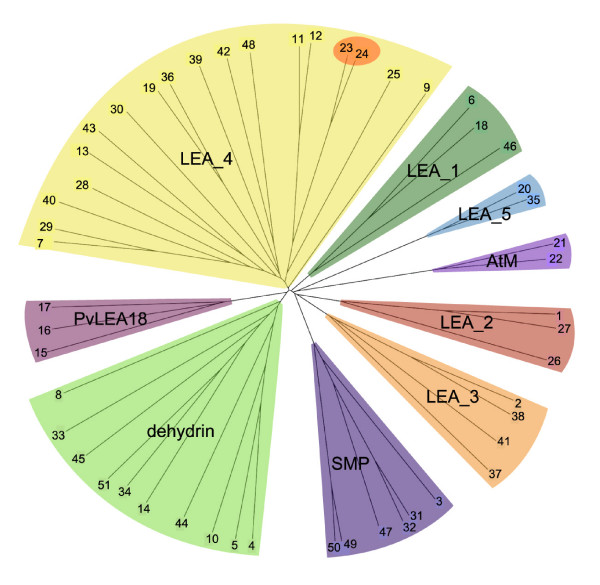
“We performed a ClustalW alignment of all 51 LEA proteins in Arabidopsis and the resulting unrooted dendrogram shows that the identified LEA groups are quite distinct from each other (Fig.”
MethodInfluentialProtein Identification and Analysis Tools on the ExPASy Server
Gasteiger, E., Hoogland, C., Gattiker, A., Duvaud, S., Wilkins, M. R., Appel, R. D., & Bairoch, A. (2005) · The Proteomics Protocols Handbook · doi:10.1385/1-59259-890-0:571 · Cited by 8,681
Protein Identification and Analysis Tools in the ExPASy Server
Wilkins, M. R., Gasteiger, E., Bairoch, A., Sanchez, J.-C., Williams, K. L., Appel, R. D., & Hochstrasser, D. F. (2003) · 2-D Proteome Analysis Protocols · doi:10.1385/1-59259-584-7:531 · Cited by 6,155 · cited 1×
“To get more information about the nature of the gene products, the GRAVY (grand average of hydropathy), the molecular weight and the pI were predicted by the PROTPARAM [ 132 ,133] tool.”
MethodPredicting Subcellular Localization of Proteins Based on their N-terminal Amino Acid Sequence
Emanuelsson, O., Nielsen, H., Brunak, S., & von Heijne, G. (2000) · Journal of Molecular Biology · doi:10.1006/jmbi.2000.3903 · Cited by 4,263
The Universal Protein Resource (UniProt)
Bairoch, A. (2004) · Nucleic Acids Research · doi:10.1093/nar/gki070 · Cited by 3,774 · cited 1×
“The PATTINPROT [128,129] tool was used to verify the stringency of the retrieved patterns by querying the UniProt [ 130 ,131] database.”
MethodAssumption-free analysis of quantitative real-time polymerase chain reaction (PCR) data
Ramakers, C., Ruijter, J. M., Deprez, R. H. L., & Moorman, A. F. M. (2003) · Neuroscience Letters · doi:10.1016/s0304-3940(02)01423-4 · Cited by 3,709 · cited 1×
“The mean PCR efficiency (E) for every primer pair was calculated using the linregPCR software [ 119 ].”
MethodPLANT COLD ACCLIMATION: Freezing Tolerance Genes and Regulatory Mechanisms
Thomashow, M. F. (1999) · Annual Review of Plant Physiology and Plant Molecular Biology · doi:10.1146/annurev.arplant.50.1.571 · Cited by 3,551
The Proteomics Protocols Handbook
(2005) · Humana Press eBooks · doi:10.1385/1592598900 · Cited by 3,538
Plant cis-acting regulatory DNA elements (PLACE) database: 1999
Higo, K., Ugawa, Y., Iwamoto, M., & Korenaga, T. (1999) · Nucleic Acids Research · doi:10.1093/nar/27.1.297 · Cited by 3,381
Czechowski, T., Stitt, M., Altmann, T., Udvardi, M. K., & Scheible, W.-R. (2005) · Plant Physiology · doi:10.1104/pp.105.063743 · Cited by 3,203 · cited 1×
“Data were normalized to the mean CT of three reference genes (At4g27960, At5g46630, and At4g34270) that were found to be stably expressed across various tissues and conditions [ 118 ].”
Method
Cited by
Items 101–200 of 1,002
Proteomics of desiccation tolerance during development and germination of maize embryos
Huang, H., Møller, I. M., & Song, S. (2011) · Journal of Proteomics · doi:10.1016/j.jprot.2011.10.036 · Cited by 111
“These results could indicate that the abundance of some, but not all, LEAs are associated with desiccation tolerance [27,28].”
BackgroundSalleh, F. M., EVANS, K., Goodall, B., MACHIN, H., Mowla, S., Mur, L. A. J., Runions, J., Theodoulou, F. L., Foyer, C. H., & Rogers, H. J. (2011) · Plant Cell & Environment · doi:10.1111/j.1365-3040.2011.02394.x · Cited by 112
“In Arabidopsis, LEA proteins constitute a family of 51 members that can be subdivided into nine distinct groups with different constitutive and inducible expression patterns (Hundertmark & Hincha 2008).”
InfluentialJulca, I., Marcet‐Houben, M., Cruz, F., Gómez‐Garrido, J., Gaut, B. S., Díez, C. M., Gut, I. G., Alioto, T., Vargas, P., & Gabaldón, T. (2020) · BMC Biology · doi:10.1186/s12915-020-00881-6 · Cited by 131
Intrinsically disordered proteins in crowded milieu: when chaos prevails within the cellular gumbo
Fonin, A. V., Darling, A. L., Kuznetsova, I. М., Константинович, Т. К., & Uversky, V. N. (2018) · Cellular and Molecular Life Sciences · doi:10.1007/s00018-018-2894-9 · Cited by 115
Boucher, V., Buitink, J., LIN, X., Boudet, J., Hoekstra, F. A., Hundertmark, M., Renard, D., & Leprince, O. (2009) · Plant Cell & Environment · doi:10.1111/j.1365-3040.2009.02093.x · Cited by 107
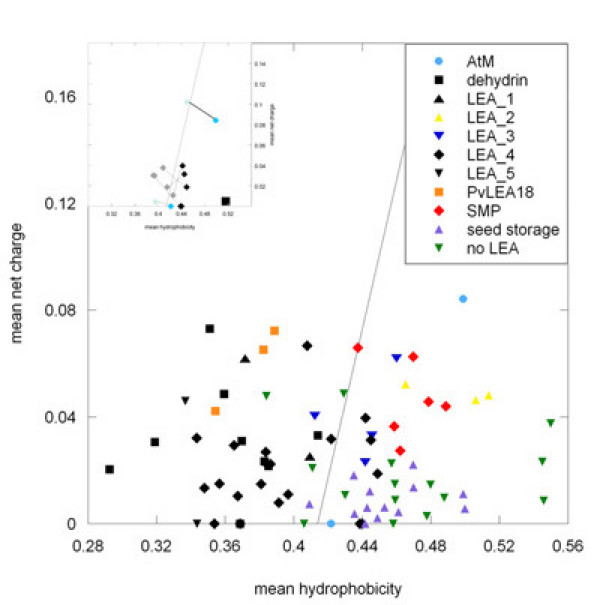
“The plot of mean net charge versus mean hydrophobicity of A. thaliana LEA genes places D-34 members apart from LEA genes of groups 1–3, suggesting that D-34 proteins are natively folded (Hundertmark & Hincha 2008).”
BackgroundResultSelf-citationA Key ABA Catabolic Gene, OsABA8ox3, Is Involved in Drought Stress Resistance in Rice
Cai, S., Jiang, G., Ye, N., Chu, Z., Xu, X., Zhang, J., & Zhu, G. (2015) · PLoS ONE · doi:10.1371/journal.pone.0116646 · Cited by 118
“LEA and dehydrin family proteins, which are found in seeds and vegetative organs of plants, have been reported to be associated with increased stress tolerance in plants [22, 43].”
BackgroundHsu, F., Chou, M.-Y., Peng, H.-P., Chou, S., & Shih, M. (2011) · PLoS ONE · doi:10.1371/journal.pone.0028888 · Cited by 107
He, X., Zhu, L., Xu, L., Guo, W.-F., & Zhang, X. (2016) · Plant Cell Reports · doi:10.1007/s00299-016-2027-6 · Cited by 107
Jin, Y., Pan, W., Zheng, X., Cheng, X., Liu, M., Mā, H., & Ge, X. (2018) · Plant Molecular Biology · doi:10.1007/s11103-018-0762-5 · Cited by 130
Molecules to modeling: Toxoplasma gondii oocysts at the human–animal–environment interface
VanWormer, E., Fritz, H. M., Shapiro, K., Mazet, J. A. K., & Conrad, P. A. (2012) · Comparative Immunology Microbiology and Infectious Diseases · doi:10.1016/j.cimid.2012.10.006 · Cited by 122
“commonly ascribed role is resistance to environmental stresses including drought, high salinity, and freezing [92].”
BackgroundIdentification of a Novel LEA Protein Involved in Freezing Tolerance in Wheat
Sasaki, K., Christov, N., Tsuda, S., & Imai, R. (2013) · Plant and Cell Physiology · doi:10.1093/pcp/pct164 · Cited by 125
Aziz, M. A., Sabeem, M., Kutty, M. S., Brini, F., & Masmoudi, K. (2021) · Biomolecules · doi:10.3390/biom11111662 · Cited by 108
Overexpression of Late Embryogenesis Abundant 14 enhances Arabidopsis salt stress tolerance
Jia, F., Qi, S., Li, H., Liu, P., Li, P., Wu, C., Zheng, C., & Huang, J. (2014) · Biochemical and Biophysical Research Communications · doi:10.1016/j.bbrc.2014.10.136 · Cited by 105
Sun, J., Hu, W., Zhou, R., Wang, L., Wang, X., Wang, Q., Feng, Z., Li, Y., Qiu, D., He, G., et al. (2014) · Plant Cell Reports · doi:10.1007/s00299-014-1684-6 · Cited by 108
Identification of Putative Candidate Genes for Water Stress Tolerance in Canola (Brassica napus)
Zhang, J., Mason, A. S., Jian Xin, W. U., Liu, S., Zhang, X., Luo, T., Redden, R. J., Batley, J., Hu, L., & Yan, G. (2015) · Frontiers in Plant Science · doi:10.3389/fpls.2015.01058 · Cited by 118
“DSI was significantly and negatively correlated to SL and FW in the control, but positively correlated to RL, R/S and FW under water stress (Table 2).”
BackgroundXie, C., Zhang, R., Qu, Y., Miao, Z., Zhang, Y., Shen, X., Wang, T., & Dong, J. (2012) · New Phytologist · doi:10.1111/j.1469-8137.2012.04136.x · Cited by 103
Lan, T., Gao, J., & Zeng, Q.-Y. (2013) · Tree Genetics & Genomes · doi:10.1007/s11295-012-0551-2 · Cited by 102
“To facilitate reference to LEA proteins described in previous publications, we compared the LEA nomenclature with two recently published systems proposed by Hundertmark and Hincha (2008) and Bies-Etheve et al. (2008) (Table 2).”
InfluentialAngiosperm Plant Desiccation Tolerance: Hints from Transcriptomics and Genome Sequencing
Giarola, V., Hou, Q., & Bartels, D. (2017) · Trends in Plant Science · doi:10.1016/j.tplants.2017.05.007 · Cited by 108
Rippin, M., Becker, B., & Holzinger, A. (2017) · Plant and Cell Physiology · doi:10.1093/pcp/pcx136 · Cited by 105
“Based on the classification by Hundertmark and Hincha (2008), the Z. circumcarinatum transcriptome covered sequences belonging to LEA4 and LEA5 (Fig.”
BackgroundMethodTrischuk, R. G., Schilling, B. S., Low, N. H., Gray, G. R., & Gusta, L. V. (2014) · Environmental and Experimental Botany · doi:10.1016/j.envexpbot.2014.02.013 · Cited by 102
Wheat Transcription Factor TaAREB3 Participates in Drought and Freezing Tolerances in Arabidopsis
Wang, J., Li, Q., Mao, X., Li, A., & Jing, R. (2016) · International Journal on Biological Sciences · doi:10.7150/ijbs.13538 · Cited by 85
“LEA gene families encompass numerous genes, such as RD (responsive to dehydration), COR (cold regulated), ERD (early responsive to dehydration) and RAB (responsive to ABA) [26, 27].”
BackgroundSharma, R. A., Agarwal, P., Ray, S. D., Deveshwar, P., Sharma, P., Sharma, N., Nijhawan, A., Jain, M., SINGH, A. K., Singh, V. P., et al. (2012) · Functional & Integrative Genomics · doi:10.1007/s10142-012-0274-3 · Cited by 125
“The homolog of Arabidopsis late embryogenesis protein D-34 expresses specifically in S2–S3–S4–S5 stages (Hundertmark and Hincha 2008).”
Zhao, Q., Fan, Z., Qiu, L., Che, Q., Wang, T., Li, Y., & Wang, Y. (2020) · Frontiers in Plant Science · doi:10.3389/fpls.2020.543696 · Cited by 109
Populus euphratica: the transcriptomic response to drought stress
Tang, S., Liang, H., Yan, D., Zhao, Y., Han, X., Carlson, J. E., Xia, X., & Yin, W. (2013) · Plant Molecular Biology · doi:10.1007/s11103-013-0107-3 · Cited by 106
“Overexpressing of genes encoding LEA proteins has been used to improve drought tolerance in transgenic plants (Hundertmark and Hincha 2008).”
Phosphoproteomic Analysis of Seed Maturation in Arabidopsis, Rapeseed, and Soybean
Meyer, L. J., Gao, J., Xu, D. H., & Thelen, J. J. (2012) · PLANT PHYSIOLOGY · doi:10.1104/pp.111.191700 · Cited by 105
“There is little known about late-embryogenesisabundant proteins beyond that they accumulate late in seed development and play a role in dehydration tolerance (Hundertmark and Hincha, 2008).”
BackgroundBremer, A., Wolff, M., Thalhammer, A., & Hincha, D. K. (2017) · The FEBS Journal · doi:10.1111/febs.14023 · Cited by 99
Self-citationYu, X., Bai, G., Liu, S., Luo, N., Wang, Y., Richmond, D. S., Pijut, P. M., Jackson, S. A., Yu, J., & Jiang, Y. (2013) · Journal of Experimental Botany · doi:10.1093/jxb/ert018 · Cited by 111
“In Arabidopsis, 51 LEA proteins were classified into nine distinct groups with different amino acid lengths (Hundertmark and Hincha, 2008).”
Rae, L., Lao, N. T., & Kavanagh, T. A. (2011) · Planta · doi:10.1007/s00425-011-1414-z · Cited by 106
“These included At4g38410, which encodes a root-speciWc putative dehydrin (Hundertmark and Hincha 2008), the proline transporter gene, AtProT3 (Grallath et al. 2005), and an ABC transporter, AtWBC23.”
BackgroundClauw, P., Coppens, F., Korte, A., Herman, D., Slabbinck, B., Dhondt, S., Daele, T. V., Milde, L. D., Vermeersch, M., Maleux, K., et al. (2016) · The Plant Cell · doi:10.1105/tpc.16.00483 · Cited by 103
Li, J., Luan, Y., & Liu, Z. (2015) · Plant Cell Tissue and Organ Culture (PCTOC) · doi:10.1007/s11240-015-0815-2 · Cited by 102
Nagaraju, M., Kumar, S., Reddy, P. S., Kumar, A., Rao, D. M., & Kishor, P. B. K. (2019) · PLoS ONE · doi:10.1371/journal.pone.0209980 · Cited by 138
Cold acclimation and prospects for cold-resilient crops
Juurakko, C. L., diCenzo, G. C., & Walker, V. K. (2021) · Plant Stress · doi:10.1016/j.stress.2021.100028 · Cited by 105
Alvarez, S., Choudhury, S. R., & Pandey, S. (2014) · Journal of Proteome Research · doi:10.1021/pr401165b · Cited by 102
Zhang, C., Ding, Z., Xu, X., Wang, Q., Qin, G., & Tian, S. (2009) · Amino Acids · doi:10.1007/s00726-009-0397-6 · Cited by 95
Global Analysis of Gene Expression Profiles in Developing Physic Nut (Jatropha curcas L.) Seeds
Jiang, H., Wu, P., Zhang, S., Song, C., Chen, Y., Li, M., Jia, Y., Fang, X., Chen, F., & Wu, G. (2012) · PLoS ONE · doi:10.1371/journal.pone.0036522 · Cited by 115
“The expression patterns of these storage protein genes were examined and compared to those of late embryo abundant (LEA) protein genes [42].”
BackgroundHara, M., Kondo, M., & Kato, T. (2013) · Journal of Experimental Botany · doi:10.1093/jxb/ert016 · Cited by 93
“64(6), p. 1615-1624 Issue Date 2013-02-04 URL http://hdl.handle.net/10297/7621 Version author Rights This is a pre-copy-editing, author-produced PDF of an article accepted for publication in Journal of Experimental Botany following peer review.”
BackgroundCuevas‐Velazquez, C. L., Saab‐Rincón, G., Reyes, J. L., & Covarrubias, A. A. (2016) · Journal of Biological Chemistry · doi:10.1074/jbc.m116.720318 · Cited by 100
“thaliana, there are three genes encoding group 4 LEA proteins: AtLEA4-1, AtLEA4-2, and AtLEA4-5 (3, 14).”
BackgroundInfluentialTranscriptome analysis revealed the drought-responsive genes in Tibetan hulless barley
Zeng, X., Bai, L., Wei, Z., Yuan, H., Wang, Y., Xu, Q., Tang, Y., & Tashi, N. (2016) · BMC Genomics · doi:10.1186/s12864-016-2685-3 · Cited by 103
“The expression of MYB, LEA, DHN rapidly increased when RSMC reached 9.8 %.”
BackgroundInfluentialOverexpression of Prunus mume Dehydrin Genes in Tobacco Enhances Tolerance to Cold and Drought
Bao, F., Du, D., An, Y., Yang, W., Wang, J., Cheng, T., & Zhang, Q. (2017) · Frontiers in Plant Science · doi:10.3389/fpls.2017.00151 · Cited by 102
“…which are also known as group 2 or D-11 family late-embryogenesis-abundant (LEA) proteins, are a family of highly hydrophilic, glycine-rich, heat-stable, and intrinsically unstructured proteins (Soulages et al., 2003; Hundertmark and Hincha, 2008; Banerjee and Roychoudhury, 2016).”
BackgroundMethodInsights into Maize LEA Proteins: From Proteomics to Functional Approaches
Amara, I., Odena, M. A., de Oliveira, E., Moreno, A., Masmoudi, K., Pagès, M., & Goday, A. (2011) · Plant and Cell Physiology · doi:10.1093/pcp/pcr183 · Cited by 98
Proteome analysis of Citrus sinensis L. (Osbeck) flesh at ripening time
Muccilli, V., Licciardello, C., Fontanini, D., Russo, M. P., Cunsolo, V., Saletti, R., Recupero, G. R., & Foti, S. (2009) · Journal of Proteomics · doi:10.1016/j.jprot.2009.09.005 · Cited by 90
Li, S., Yong, Y., Zhang, Q., Liu, N., Xu, Q., & Hu, L. (2018) · PLoS ONE · doi:10.1371/journal.pone.0198885 · Cited by 95
Group 3 LEA Protein, ZmLEA3, Is Involved in Protection from Low Temperature Stress
Liu, Y., Liang, J., Sun, L., Yang, X., & Li, D. (2016) · Frontiers in Plant Science · doi:10.3389/fpls.2016.01011 · Cited by 89
“The LEA protein family is very large in plants, with up to 51 genes encoding LEA proteins in Arabidopsis thaliana (Hundertmark and Hincha, 2008).”
BackgroundMethodMagwanga, R. O., Lu, P., Kirungu, J. N., Cai, X., Zhou, Z., Wang, X., Diouf, L., Xu, Y., Hou, Y., Hu, Y., et al. (2018) · International Journal of Molecular Sciences · doi:10.3390/ijms19092625 · Cited by 88
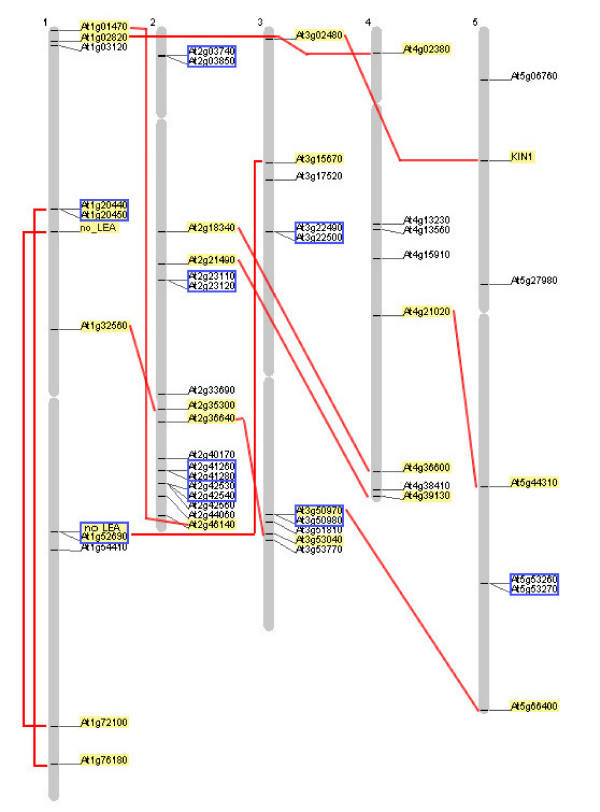
“hirsutum was more likely caused by gene duplication and the conservation of the CDK genes during the polyploidization process, indicating the significant role played by these groups of gene families in the process of plant growth and development [41].”
BackgroundResultLiu, H., Xing, M., Yang, W., Mu, X., Wang, X., Lu, F., Wang, Y., & Zhang, L. (2019) · Scientific Reports · doi:10.1038/s41598-019-49759-w · Cited by 121
Hernández-Sánchez, I. E., Maruri-López, I., Martinez-Martinez, C., Janis, B., Jiménez-Bremont, J. F., Covarrubias, A. A., Menze, M. A., Graether, S. P., & Thalhammer, A. (2022) · Journal of Experimental Botany · doi:10.1093/jxb/erac293 · Cited by 83
Transcriptional profiling of bud dormancy induction and release in oak by next-generation sequencing
Ueno, S., Klopp, C., Leplé, J., Derory, J., Noirot, C., Léger, V., Prince, E., Kremer, A., Plomion, C., & Provost, G. L. (2013) · BMC Genomics · doi:10.1186/1471-2164-14-236 · Cited by 87
“These discrepancies may reflect the diverse functions and expression patterns of LEA proteins in different tissues and during diverse developmental stages [62].”
BackgroundHe, S., Tan, L., Hu, Z., Chen, G., Wang, G., & Hu, T. (2011) · Molecular Genetics and Genomics · doi:10.1007/s00438-011-0660-x · Cited by 89
“…such a ‘‘fly-casting’’ mechanism has a much higher efficiency in the search for binding partners than the simple diffusion of a compact, folded protein (Hundertmark and Hincha 2008; Shoemaker et al. 2000), the multifunctional capacity of atypical group 5C LEA proteins is still probably attributed…”
BackgroundInfluentialZhang, D.-P., Zhou, Y., Yin, J.-F., Yan, X.-J., Lin, S., Xu, W., Baluška, F., Wang, Y., Xia, Y., Liang, G., et al. (2015) · Journal of Experimental Botany · doi:10.1093/jxb/erv350 · Cited by 87
Anwar, K., Joshi, R., Dhankher, O. P., Singla-Pareek, S. L., & Pareek, A. (2021) · International Journal of Molecular Sciences · doi:10.3390/ijms22116119 · Cited by 87
Environmental gradients reveal stress hubs pre-dating plant terrestrialization
Dadras, A., Fürst‐Jansen, J. M. R., Darienko, T., Krone, D., Scholz, P., Sun, S., Herrfurth, C., Rieseberg, T. P., Irisarri, I., Steinkamp, R., et al. (2023) · Nature Plants · doi:10.1038/s41477-023-01491-0 · Cited by 90
Circadian clock-dependent gating in ABA signalling networks
Seung, D., Risopatron, J. P. M., Jones, B. J., & Marc, J. (2011) · PROTOPLASMA · doi:10.1007/s00709-011-0304-3 · Cited by 96
“Most LEA genes contain an ABRE in their promoters (Hundertmark and Hincha 2008).”
BackgroundWei, L., Miao, H., Zhao, R., Han, X., Zhang, T., & Zhang, H. (2012) · Planta · doi:10.1007/s00425-012-1805-9 · Cited by 89
“The gene transcripts are accumulated during late stage seed development and correlated with the seed desiccation stage in other crops (Galau et al. 1987; Hong et al. 1988; Raynal et al. 1989; Hundertmark and Hincha 2008).”
BackgroundSong, Y., Ma, K., Ci, D., Chen, Q., Tian, J., & Zhang, D. (2013) · Plant Molecular Biology · doi:10.1007/s11103-013-0108-2 · Cited by 101
“PM30, encoding a late embryogenesis abundant (LEA) family protein, have abscisic acid response (ABRE) elements in their promoters and are induced by abscisic acid (Hundertmark and Hincha 2008).”
BackgroundHatanaka, R., Hagiwara‐Komoda, Y., Furuki, T., Kanamori, Y., Fujita, M., Cornette, R., Sakurai, M., Okuda, T., & Kikawada, T. (2013) · Insect Biochemistry and Molecular Biology · doi:10.1016/j.ibmb.2013.08.004 · Cited by 85
Hu, W. S., Su, Y.-S., & Lagarias, J. C. (2008) · Molecular Plant · doi:10.1093/mp/ssn086 · Cited by 98
“These included the late embryogenesis abundant proteins (LEA), Em proteins, oleosins, cupin family proteins, HSPs, and other stress-responsive proteins (Gomez-Porras et al., 2007; Hundertmark and Hincha, 2008).”
BackgroundGenome-wide analysis of drought induced gene expression changes in flax (Linum usitatissimum)
Dash, P. K., Cao, Y., Jailani, A. A. K., Gupta, P., Venglat, P., Xiang, D., Rai, R., Sharma, R., Thirunavukkarasu, N., Abdin, M. Z., et al. (2014) · GM crops & food · doi:10.4161/gmcr.29742 · Cited by 108
Gibberellin recovers seed germination in rice with impaired brassinosteroid signalling
Li, Q., Zhou, Y., Xiong, M., Ren, X.-Y., Li, H., Wang, J.-D., Zhang, C., Fan, X., & Liu, Q. (2020) · Plant Science · doi:10.1016/j.plantsci.2020.110435 · Cited by 88
Comparative functional analysis of six drought-responsive promoters in transgenic rice
Nakashima, K., Jan, A., Todaka, D., Maruyama, K., Goto, S., Shinozaki, K., & Yamaguchi‐Shinozaki, K. (2013) · Planta · doi:10.1007/s00425-013-1960-7 · Cited by 85
“LEA proteins are found in seeds and vegetative organs of plants, and are associated with increased stress tolerance (Chakrabortee et al. 2007; Hundertmark and Hincha 2008).”
BackgroundHu, T., Zhu, S., Tan, L., Qi, W., He, S., & Wang, G. (2015) · Environmental and Experimental Botany · doi:10.1016/j.envexpbot.2015.10.002 · Cited by 93
Sheshadri, S. A., Nishanth, M. J., & Simon, B. (2016) · Frontiers in Plant Science · doi:10.3389/fpls.2016.01725 · Cited by 98
Shan, X., Li, Y., Jiang, Y., Jiang, Z., Hao, W., & Yuan, Y. (2013) · Plant Molecular Biology Reporter · doi:10.1007/s11105-013-0622-z · Cited by 83
“Previous studies have reported that the LEA genes responded to low temperature, drought, and high salt in different plant species (Hundertmark and Hincha 2008; Vaseva et al. 2010; Yue et al. 2008).”
Huang, K.-C., Lin, W.-C., & Cheng, W. (2018) · BMC Plant Biology · doi:10.1186/s12870-018-1255-z · Cited by 96
Ling, H., Zeng, X., & Guo, S. (2016) · Scientific Reports · doi:10.1038/srep39693 · Cited by 87
Field, S., Jang, G., Dean, C., Strader, L. C., & Rhee, S. Y. (2023) · The Plant Cell · doi:10.1093/plcell/koad062 · Cited by 84
“LEA proteins contain prion-like domains, are implicated in desiccation and viability of desiccated cells, and have been identified throughout eukaryotes (Tunnacliffe and Wise 2007; Battaglia et al. 2008; Hundertmark and Hincha 2008).”
Dias, P. M. B., Brunel‐Muguet, S., Dürr, C., Huguet, T., Demilly, D., Wagner, M.-H., & Teulat, B. (2010) · Theoretical and Applied Genetics · doi:10.1007/s00122-010-1458-7 · Cited by 89
“…and protein refolding under stress conditions (Wang et al. 2003) and one gene encoding a LEA protein, such protein being assumed to act as waterbinding molecules in ion sequestration and in membrane stabilization (Wang et al. 2003; Tunnacliffe and Wise 2007; Hundertmark and Hincha 2008).”
BackgroundEnhanced water stress tolerance of transgenic maize plants over-expressing LEA Rab28 gene
Amara, I., Capellades, M., Ludevid, M. D., Pagès, M., & Goday, A. (2013) · Journal of Plant Physiology · doi:10.1016/j.jplph.2013.01.004 · Cited by 87
Proteome analysis of Physcomitrella patens exposed to progressive dehydration and rehydration
Cui, S., Hu, J., Guo, S., Wang, J., Cheng, Y., Dang, X., Wu, L., & He, Y. (2011) · Journal of Experimental Botany · doi:10.1093/jxb/err296 · Cited by 84
“Of these, nine LEA proteins (21 spots) were annotated as”
BackgroundLiu, J., Li, J., Su, X., & Xia, Z. (2014) · Environmental and Experimental Botany · doi:10.1016/j.envexpbot.2014.06.012 · Cited by 87
Desiccation Tolerance Evolved through Gene Duplication and Network Rewiring in Lindernia
VanBuren, R., Wai, C. M., Pardo, J., Giarola, V., Ambrosini, S., Song, X., & Bartels, D. (2018) · The Plant Cell · doi:10.1105/tpc.18.00517 · Cited by 82
Jin, X., Cao, D., Wang, Z., Ma, L., Tian, K., Liu, Y., Gong, Z., Zhu, X., Jiang, C., & Li, Y. (2019) · Scientific Reports · doi:10.1038/s41598-019-50645-8 · Cited by 85
Mishra, S. K., Khan, M. H., Misra, S., Dixit, V. K., Gupta, S., Tiwari, S., Gupta, S. C., & Chauhan, P. S. (2020) · Plant Physiology and Biochemistry · doi:10.1016/j.plaphy.2020.02.025 · Cited by 80
Yang, Z., Eticha, D., Albacete, A. A., Rao, I. M., Roitsch, T. G., & Horst, W. J. (2012) · Journal of Experimental Botany · doi:10.1093/jxb/ers038 · Cited by 86
“*, **, and *** denote significance at P < 0.05, 0.01, and 0.001, respectively.”
BackgroundInfluentialRai, A. C., Singh, M., & Shah, K. (2012) · Phytochemistry · doi:10.1016/j.phytochem.2012.09.007 · Cited by 87
MdGRF11, an apple 14-3-3 protein, acts as a positive regulator of drought and salt tolerance
Ren, Y., Yang, Y., Zhang, R., You, C., Zhao, Q., & Hao, Y. (2019) · Plant Science · doi:10.1016/j.plantsci.2019.110219 · Cited by 84
Wang, W., Gao, T., Chen, J., Yang, J., Huang, H., & Yu, Y. (2018) · Plant Physiology and Biochemistry · doi:10.1016/j.plaphy.2018.12.009 · Cited by 88
“At present, LEA gene families have been comprehensively analysed in various plant species, such as Arabidopsis, rice, poplar, maize and tomato (Cao and Li, 2015; Hundertmark and Hincha, 2008; Lan et al., 2013; Li and Cao, 2016; Wang et al., 2007), and the expression patterns of LEA genes in response to various abiotic…”
BackgroundRole of ABA in Arabidopsis Salt, Drought, and Desiccation Tolerance
Fernando, V. C. D., & Schroeder, D. F. (2016) · InTech eBooks · doi:10.5772/61957 · Cited by 95
“In Arabidopsis, 51 LEA proteins have been identified that belong to nine different groups [60].”
MSD1 regulates pedicellate spikelet fertility in sorghum through the jasmonic acid pathway
Jiao, Y., Lee, Y. K., Gladman, N. P., Chopra, R., Christensen, S. A., Regulski, M., Burow, G. B., Hayes, C. M., BURKE, J. J., Ware, D., et al. (2018) · Nature Communications · doi:10.1038/s41467-018-03238-4 · Cited by 81
Zhou-Tsang, A., Wu, Y., Henderson, S. W., Walker, A. R., Borneman, A. R., Walker, R., & Gilliham, M. (2021) · Australian Journal of Grape and Wine Research · doi:10.1111/ajgw.12487 · Cited by 93
Chiappetta, A. A. C., Muto, A., Bruno, L., Wołoszyńska, M., Lijsebettens, M. V., & Bitonti, M. B. (2015) · Frontiers in Plant Science · doi:10.3389/fpls.2015.00392 · Cited by 96
Mouhaya, W., Allario, T., Brumós, J., Andrés, F., Froelicher, Y., Luro, F., Talón, M., Ollitrault, P., & Morillón, R. (2010) · Functional Plant Biology · doi:10.1071/fp10035 · Cited by 82
Popova, A. V., Hundertmark, M., Seckler, R., & Hincha, D. K. (2011) · Biochimica et Biophysica Acta (BBA) - Biomembranes · doi:10.1016/j.bbamem.2011.03.009 · Cited by 82
“[4]) and in some species of bacteria [5], nematodes [6], rotifers [7], insects [8] and cyanobacteria [9].”
BackgroundInfluentialSelf-citationBoorboori, M. R., & Zhang, H. (2022) · Biology · doi:10.3390/biology11070952 · Cited by 84
“Furthermore, Hundertmark and Hincha reported that LEAs (late embryogenesis abundant) expression in different plants increases their resistance to drought [81].”
BackgroundSzlachtowska, Z., & Rurek, M. (2023) · Frontiers in Plant Science · doi:10.3389/fpls.2023.1213188 · Cited by 86
“DHNs have been noted in various cellular compartments, including plastids and mitochondria, under a multitude of adverse conditions (NDong et al., 2002; Mueller et al., 2003; Grelet et al., 2005; Hundertmark and Hincha, 2008).”
BackgroundDiray‐Arce, J., Clement, M., Gul, B., Khan, M. A., & Nielsen, B. L. (2015) · BMC Genomics · doi:10.1186/s12864-015-1553-x · Cited by 78
“Overexpression of LEA proteins can improve stress tolerance of transgenic plants [62].”
BackgroundInfluentialPleiotropic Effects of the Wheat Dehydrin DHN-5 on Stress Responses in Arabidopsis
Brini, F., Yamamoto, A., Jlaiel, L., Takeda, S., Hobo, T., Dinh, H. Q., Hattori, T., Masmoudi, K., & Hanin, M. (2011) · Plant and Cell Physiology · doi:10.1093/pcp/pcr030 · Cited by 79
Popova, A. V., Rausch, S., Hundertmark, M., Gibon, Y., & Hincha, D. K. (2015) · Biochimica et Biophysica Acta (BBA) - Proteins and Proteomics · doi:10.1016/j.bbapap.2015.05.002 · Cited by 78
“In addition tomono- and disaccharides, oligosaccharides such as raffinose family oligosaccharides may also play an important role in cellular dehydration tolerance, particularly in plant seeds [46], where LEA7 is also expressed [47].”
BackgroundSelf-citationDehydration Tolerance in Plants
Oliver, M. J., Cushman, J. C., & Koster, K. L. (2010) · Methods in molecular biology · doi:10.1007/978-1-60761-702-0_1 · Cited by 77
“Proteins LEA proteins, of which there are at least five major groups, have functions that remain largely unknown, but are assumed to be important in the establishment of desiccation tolerance in seeds, and by inference, vegetative tissues (66, 67).”
BackgroundRole of the rice transcription factor JAmyb in abiotic stress response
Yokotani, N., Ichikawa, T., Kondou, Y., Iwabuchi, M., Matsui, M., Hirochika, H., & Oda, K. (2012) · Journal of Plant Research · doi:10.1007/s10265-012-0501-y · Cited by 79
“Two abiotic stress-responsive LEA proteins, LTI30/XERO2 and AtLEA4-1 (Hundertmark and Hincha 2008), were upregulated 8.”
BackgroundInfluentialJiménez, S., Li, Z., Reighard, G. L., & Bielenberg, D. G. (2010) · BMC Plant Biology · doi:10.1186/1471-2229-10-25 · Cited by 80
“Czechowski T, Stitt M, Altmann T, Udvardi MK, Scheible WR: Genome-wide identification and testing of superior reference genes for transcript normalization in Arabidopsis.”
BackgroundInfluentialCarniel, F. C., Gerdol, M., Montagner, A., Banchi, E., Moro, G. D., Manfrin, C., Muggia, L., Pallavicini, A., & Tretiach, M. (2016) · Plant Molecular Biology · doi:10.1007/s11103-016-0468-5 · Cited by 82
“In vascular plants LEAs form a heterogeneous class that can be subdivided into at least five major groups (Cuming 1999), with several dozen genes (Hundertmark and Hincha 2008; Du et al. 2013; Lan et al. 2013), whose precise mechanism of action is still unclear (Goyal et al. 2005; Tunnacliffe…”
Luo, Q., Wei, Q., Wang, R., Zhang, Y., Zhang, F., He, Y., Zhou, S., Feng, J., Yang, G., & He, G. (2017) · Frontiers in Plant Science · doi:10.3389/fpls.2017.01184 · Cited by 73
“Both NtERD10C/D and NtLEA5 function in binding water, stabilizing enzyme and macromolecular structures, and then preventing cells from damages caused by abiotic stress (Becker et al., 1996; Hundertmark and Hincha, 2008; Liu et al., 2009).”
BackgroundRegulatory network established by transcription factors transmits drought stress signals in plant
Hu, Y., Chen, X., & Shen, X. (2022) · Stress Biology · doi:10.1007/s44154-022-00048-z · Cited by 79
“LEA proteins were classified into nine groups based on the phylogenetic analysis in Arabidopsis (Hundertmark and Hincha 2008).”
BackgroundThe evolution and function of protein tandem repeats in plants
Schaper, E., & Anisimova, M. (2015) · New Phytologist · doi:10.1111/nph.13184 · Cited by 71
“Similarly, LEA-containing proteins are thought to be involved in the abiotic stress response (e.g. Hundertmark & Hincha, 2008).”
BackgroundUnderstanding desiccation tolerance using the resurrection plant Boea hygrometrica as a model system
Mitra, J., Xu, G., Wang, B., Li, M., & Deng, X. (2013) · Frontiers in Plant Science · doi:10.3389/fpls.2013.00446 · Cited by 76
“Studies also revealed that LEA proteins are produced in vegetative tissues and seeds both in desiccation-sensitive and tolerant plants during drought (Piatkowski et al., 1990; Battaglia et al., 2008; Hundertmark and Hincha, 2008).”
BackgroundThe improvement of salt tolerance in transgenic tobacco by overexpression of wheat F-box gene TaFBA1
Zhao, Z., Zhang, G., Zhou, S., Ren, Y., & Wang, W. (2017) · Plant Science · doi:10.1016/j.plantsci.2017.03.010 · Cited by 74
Verma, G., Dhar, Y. V., Srivastava, D., Kidwai, M., Chauhan, P. S., Bag, S. K., Asif, M. H., & Chakrabarty, D. (2017) · PLoS ONE · doi:10.1371/journal.pone.0176399 · Cited by 79
Intrinsically Disordered Stress Protein COR15A Resides at the Membrane Surface during Dehydration
Bremer, A., Kent, B., Hauß, T., Thalhammer, A., Yepuri, N. R., Darwish, T. A., Garvey, C. J., Bryant, G., & Hincha, D. K. (2017) · Biophysical Journal · doi:10.1016/j.bpj.2017.06.027 · Cited by 71
“different Pfam families that share no sequence similarities (10).”
BackgroundSelf-citationAbscisic acid deficiency increases defence responses against M yzus persicae in A rabidopsis
Hillwig, M. S., Chiozza, M. V., Casteel, C. L., Lau, S. T., Hohenstein, J. D., Hernández, E., Jander, G., & MacIntosh, G. C. (2015) · Molecular Plant Pathology · doi:10.1111/mpp.12274 · Cited by 84
“, 2000), and genes encoding the late embryogenesis abundant proteins cor47 and LEA5/SAG21 (Gilmour et al., 1992; Hundertmark and Hincha, 2008) (AT2G33380, AT1G20440 and AT4G02380, respectively).”
BackgroundShared and novel molecular responses of mandarin to drought
Gimeno, J., Gadea, J., Forment, J., Pérez‐Valle, J., Santiago, J., Martínez-Godoy, M. Á., Yenush, L., Bellés, J. M., Brumós, J., Colmenero-Flores, J. M., et al. (2009) · Plant Molecular Biology · doi:10.1007/s11103-009-9481-2 · Cited by 82
“In addition to dehydrins (LEA group 2 proteins), the genes of other groups of LEA proteins (Bies-Etheve et al. 2008; Hundertmark and Hincha 2008) are also induced by drought stress: a LEA group 1 gene (aCL2660Contig1) is induced in leaves and a LEA group 3 gene (aCL9Contig1) is induced in roots.”
BackgroundInfluential
Metadata
- Authors
- Hundertmark, M., & Hincha, D. K.
- Affiliations
- Max Planck Institute of Molecular Plant Physiology (DE)
- Corresponding author
- Hincha, Dirk K
- ORCID
- Hincha, Dirk K
- Venue
- BMC Genomics
- Published
- 2008
- Volume
- 9
- Issue
- 1
- Pages
- 118
- ISSN
- 1471-2164 (ISSN-L)
- PMC
- PMC2292704
- OpenAlex
- W2081744992
- Cited by
- 1,044
- References
- 133
- Citations by year
- 2026: 44 · 2025: 68 · 2024: 74 · 2023: 44 · 2022: 72 · 2021: 98 · 2020: 73 · 2019: 63 · 2018: 57 · 2017: 59 · 2016: 52 · 2015: 53 · 2014: 59 · 2013: 55 · 2012: 51
- FWCI
- 48.80
- Type
- journal article
- Language
- en
- Open access
- gold
- doi.org
- Licence
- cc-by
- Locations
- BMC Genomics (publishedVersion, cc-by)
- PubMed Central (publishedVersion, cc-by)
- PubMed (publishedVersion)
- DOAJ (DOAJ: Directory of Open Access Journals) (submittedVersion)
- Max Planck Institute for Plasma Physics (submittedVersion)
- MPG.PuRe (Max Planck Society) (submittedVersion, other-oa)
- Funders
- Universität Potsdam
- Topics
- Life Sciences › Agricultural and Biological Sciences › Plant Science › Plant Stress Responses and Tolerance
- Life Sciences › Agricultural and Biological Sciences › Plant Science › Seed Germination and Physiology
- Life Sciences › Agricultural and Biological Sciences › Plant Science › Plant Molecular Biology Research
- Keywords
- late embryogenesis abundant proteins, LEA genes, Arabidopsis thaliana, desiccation tolerance, dehydration tolerance, seed development, abscisic acid response element, gene expression patterns, tandem repeats, homeologous genes, gene duplication, protein structure prediction
- MeSH terms
- Abscisic Acid, Amino Acid Sequence, Molecular Sequence Data, Plant Proteins, Promoter Regions, Genetic, Sequence Alignment, Genes, Plant, Arabidopsis, Gene Expression Regulation, Plant, Genome, Plant, Evolution, Molecular, Arabidopsis Proteins, Embryonic Development, Regulatory Elements, Transcriptional
About these checks
Registry, retraction, Cites and statistics results are computed, not judged, with one exception: a printed reference that no index lists is read once by a model before it counts as a citation error. Claims are extracted by a model and kept only when their quote appears verbatim in the text; each cited source is then checked, with a model’s help, for whether it says what the claim relies on. Those verdicts can be wrong — read the claim’s quote and the cited source before relying on one.
Statistics and arithmetic are recomputed, not judged.
Confidence bands are shown only for fields calibrated on our annotated test set. None is calibrated yet, so no band is shown.
What counts as a claim ›How we measure confidence ›How we check this ›
Are you an author, or do you see a problem with this page? Request a review
Data sources
Bibliographic data: Semantic Scholar, OpenAlex, Crossref.
Contains information from the Semantic Scholar Academic Graph Datasets, made available under the ODC Attribution License (ODC-BY 1.0).
Semantic Scholar’s data is described in: Kinney, R., et al. (2023). The Semantic Scholar Open Data Platform. arXiv:2301.10140.
