

LEA (Late Embryogenesis Abundant) proteins and their encoding genes in Arabidopsis thaliana
Open accessThe DOI matches its Crossref record; 135 of the 136 references it cites were found in a registry or an index.
Abstract
BACKGROUND: LEA (late embryogenesis abundant) proteins have first been described about 25 years ago as accumulating late in plant seed development. They were later found in vegetative plant tissues following environmental stress and also in desiccation tolerant bacteria and invertebrates. Although they are widely assumed to play crucial roles in cellular dehydration tolerance, their physiological and biochemical functions are largely unknown. RESULTS: We present a genome-wide analysis of LEA proteins and their encoding genes in Arabidopsis thaliana. We identified 51 LEA protein encoding genes in the Arabidopsis genome that could be classified into nine distinct groups. Expression studies were performed on all genes at different developmental stages, in different plant organs and under different stress and hormone treatments using quantitative RT-PCR. We found evidence of expression for all 51 genes. There was only little overlap between genes expressed in vegetative tissues and in seeds and expression levels were generally higher in seeds. Most genes encoding LEA proteins had abscisic acid response (ABRE) and/or low temperature response (LTRE) elements in their promoters and many genes containing the respective promoter elements were induced by abscisic acid, cold or drought. We also found that 33% of all Arabidopsis LEA protein encoding genes are arranged in tandem repeats and that 43% are part of homeologous pairs. The majority of LEA proteins were predicted to be highly hydrophilic and natively unstructured, but some were predicted to be folded. CONCLUSION: The analyses indicate a wide range of sequence diversity, intracellular localizations, and expression patterns. The high fraction of retained duplicate genes and the inferred functional diversification indicate that they confer an evolutionary advantage for an organism under varying stressful environmental conditions. This comprehensive analysis will be an important starting point for future efforts to elucidate the functional role of these enigmatic proteins.
Overview
The claims and statistics of this paper haven’t been checked yet.
Free: it reads the open-access text and checks the first 5 claims that cite a source we can check. Create a free account to check every claim.
Integrity signals
Registry
Cites
Statistics
Figures
Verification
Claims the paper makes
The claims and statistics of this paper haven’t been checked yet.
Free: it reads the open-access text and checks the first 5 claims that cite a source we can check. Create a free account to check every claim.
Claims other papers make about this one
Each is checked against this paper’s own text: does it say what the citing paper says it does?
The source backs part of the claim, not all of it — or backs it for a different population, condition or comparison.
In the citing paper
“The high number of CDK genes in G. hirsutum was more likely caused by gene duplication and the conservation of the CDK genes during the polyploidization process”
From Whole Genome Analysis of Cyclin Dependent Kinase (CDK) Gene Family in Cotton and Functional Evaluation of the Role of CDKF4 Gene in Drought and Salt Stress Tolerance in Plants (2018) · cites this paper as [41]
Experimental — accuracy not yet measuredIn the citing paper
“Similar findings, with the predominance of ABRE cis-element, have been reported for CDK genes in tomato [40], Arabidopsis [41], and Chinese plum [42].”
Self-check
Percentages, sums and reported differences re-computed from the paper’s own numbers.
The self-check needs the paper’s full text.
Citations
Cites
Thompson, J. D., Higgins, D. G., & Gibson, T. J. (1994) · Nucleic Acids Research · doi:10.1093/nar/22.22.4673 · Cited by 64,617 · cited 5×
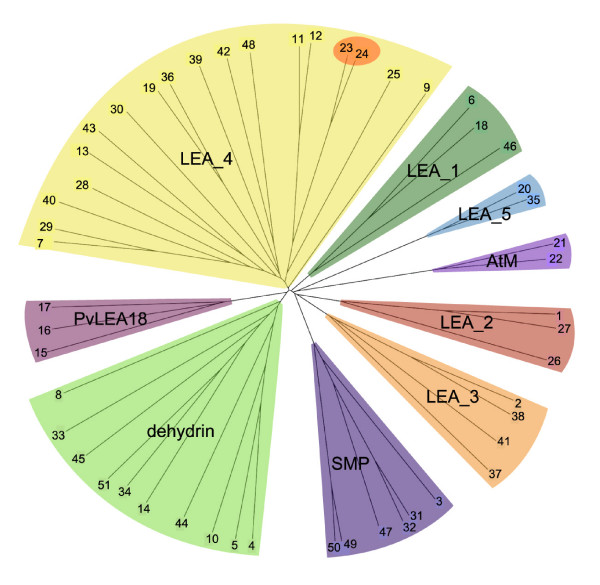
“We performed a ClustalW alignment of all 51 LEA proteins in Arabidopsis and the resulting unrooted dendrogram shows that the identified LEA groups are quite distinct from each other (Fig.”
MethodInfluentialProtein Identification and Analysis Tools on the ExPASy Server
Gasteiger, E., Hoogland, C., Gattiker, A., Duvaud, S., Wilkins, M. R., Appel, R. D., & Bairoch, A. (2005) · The Proteomics Protocols Handbook · doi:10.1385/1-59259-890-0:571 · Cited by 8,681
Protein Identification and Analysis Tools in the ExPASy Server
Wilkins, M. R., Gasteiger, E., Bairoch, A., Sanchez, J.-C., Williams, K. L., Appel, R. D., & Hochstrasser, D. F. (2003) · 2-D Proteome Analysis Protocols · doi:10.1385/1-59259-584-7:531 · Cited by 6,155 · cited 1×
“To get more information about the nature of the gene products, the GRAVY (grand average of hydropathy), the molecular weight and the pI were predicted by the PROTPARAM [ 132 ,133] tool.”
MethodPredicting Subcellular Localization of Proteins Based on their N-terminal Amino Acid Sequence
Emanuelsson, O., Nielsen, H., Brunak, S., & von Heijne, G. (2000) · Journal of Molecular Biology · doi:10.1006/jmbi.2000.3903 · Cited by 4,263
The Universal Protein Resource (UniProt)
Bairoch, A. (2004) · Nucleic Acids Research · doi:10.1093/nar/gki070 · Cited by 3,774 · cited 1×
“The PATTINPROT [128,129] tool was used to verify the stringency of the retrieved patterns by querying the UniProt [ 130 ,131] database.”
MethodAssumption-free analysis of quantitative real-time polymerase chain reaction (PCR) data
Ramakers, C., Ruijter, J. M., Deprez, R. H. L., & Moorman, A. F. M. (2003) · Neuroscience Letters · doi:10.1016/s0304-3940(02)01423-4 · Cited by 3,709 · cited 1×
“The mean PCR efficiency (E) for every primer pair was calculated using the linregPCR software [ 119 ].”
MethodPLANT COLD ACCLIMATION: Freezing Tolerance Genes and Regulatory Mechanisms
Thomashow, M. F. (1999) · Annual Review of Plant Physiology and Plant Molecular Biology · doi:10.1146/annurev.arplant.50.1.571 · Cited by 3,551
The Proteomics Protocols Handbook
(2005) · Humana Press eBooks · doi:10.1385/1592598900 · Cited by 3,538
Plant cis-acting regulatory DNA elements (PLACE) database: 1999
Higo, K., Ugawa, Y., Iwamoto, M., & Korenaga, T. (1999) · Nucleic Acids Research · doi:10.1093/nar/27.1.297 · Cited by 3,381
Czechowski, T., Stitt, M., Altmann, T., Udvardi, M. K., & Scheible, W.-R. (2005) · Plant Physiology · doi:10.1104/pp.105.063743 · Cited by 3,203 · cited 1×
“Data were normalized to the mean CT of three reference genes (At4g27960, At5g46630, and At4g34270) that were found to be stably expressed across various tissues and conditions [ 118 ].”
Method
Cited by
Items 401–500 of 1,003
Chen, J., Li, N., Wang, X., Meng, X., Cui, X., Chen, Z., Ren, H., Ma, J., & Liu, H. (2021) · Plant Signaling & Behavior · doi:10.1080/15592324.2021.1891769 · Cited by 38
“Similar ciselements were also detected in promoters of LEA genes from Arabidopsis, Prunus mume, and Populus trichocarpa.(14,20,45) Previous studies have reported that LEA proteins were regulated by CBF/DREB transcription factors and were involved in plant responses to cold and drought stresses.”
ResultMolecular Approaches to Improve Rice Abiotic Stress Tolerance
Mizoi, J., & Yamaguchi‐Shinozaki, K. (2012) · Methods in molecular biology · doi:10.1007/978-1-62703-194-3_20 · Cited by 34
Proteomic studies of the abiotic stresses response in model moss – Physcomitrella patens
Wang, X., Liu, Y., & Yang, P. (2012) · Frontiers in Plant Science · doi:10.3389/fpls.2012.00258 · Cited by 36
“They were also proved to play critical roles in plant vegetative tissues under drought or other abiotic stresses (Cuming et al., 2007; Hundertmark and Hincha, 2008).”
BackgroundZhang, X., Lu, S., Jiang, C., Wang, Y., Lv, B., Shen, J., & Ming, F. (2014) · Plant Molecular Biology · doi:10.1007/s11103-014-0192-y · Cited by 33
“However, as more LEA proteins were discovered and the development of computational analysis methods, different criteria to classify LEA proteins (Tunnacliffe and Wise 2007; Shih et al. 2008) and new group of proteins were demonstrated (Bies-Ethève et al. 2008; Hundertmark and Hincha 2008).”
Heringer, Â. S., Steinmacher, D. A., Fraga, H. P. D. F., Vieira, L. D. N., Montagna, T., Quinga, L. A. P., Quoirin, M., Jiménez, V. M., & Guerra, M. P. (2014) · Scientia Horticulturae · doi:10.1016/j.scienta.2014.09.041 · Cited by 40
Transgenic Plants for Improved Salinity and Drought Tolerance
Paul, S., & Roychoudhury, A. (2018) · Springer eBooks · doi:10.1007/978-3-319-90650-8_7 · Cited by 36
Hu, W., Yan, Y., Hou, X., He, Y., Wei, Y., Yang, G., He, G., & Peng, M. (2015) · PLoS ONE · doi:10.1371/journal.pone.0129589 · Cited by 42
Budzinski, I. G. F., Moon, D. H., Morosini, J. S., Lindén, P., Bragatto, J., Möritz, T., & Labate, C. A. (2016) · BMC Plant Biology · doi:10.1186/s12870-016-0839-8 · Cited by 36
“LEA protein was up-regulated in winter; this protein is found in plant seeds and also in vegetative tissues under stress conditions such as cold, drought, or high salinity [42].”
BackgroundGuo, H., Guo, H., Zhang, L., Fan, Y., Fan, Y., Tang, Z., & Zeng, F. (2019) · International Journal of Molecular Sciences · doi:10.3390/ijms20071691 · Cited by 31
“Late embryogenesis abundant protein (LEA) was first found in cotton (Gossypium hirsutum) seeds and accumulated in the late stages of embryogenesis, which played a crucial role in cell dehydration tolerance [90].”
BackgroundSimilar Yet Different–Structural and Functional Diversity among Arabidopsis thaliana LEA_4 Proteins
Knox‐Brown, P., Rindfleisch, T., Günther, A., Balow, K., Bremer, A., Walther, D., Miettinen, M. S., Hincha, D. K., & Thalhammer, A. (2020) · International Journal of Molecular Sciences · doi:10.3390/ijms21082794 · Cited by 31
“thaliana are expressed in seeds) [23], which has led to postulating a functional role in seed desiccation tolerance [25,27].”
BackgroundInfluentialSelf-citationWang, Z.-Q., Yu, T., Sun, G., Zheng, J., Chen, J., Zhou, Y., Chen, M., Ma, Y., Wei, W., & Xu, Z. (2021) · Frontiers in Plant Science · doi:10.3389/fpls.2021.614909 · Cited by 31
LEA Proteins in Salt Stress Tolerance
Bhardwaj, R., Sharma, I., Kanwar, M. K., Sharma, R., Handa, N., Kaur, H., Kapoor, D., & Poonam, P. (2013) · Springer eBooks · doi:10.1007/978-1-4614-6108-1_5 · Cited by 34
Dehydrin expression in soybean
Yamasaki, Y., Koehler, G., Blacklock, B. J., & Randall, S. K. (2013) · Plant Physiology and Biochemistry · doi:10.1016/j.plaphy.2013.05.013 · Cited by 31
Liu, S., Wang, N., Zhang, P., Cong, B., Lin, X., Wang, S., Xia, G., & Huang, X. (2013) · Extremophiles · doi:10.1007/s00792-013-0528-6 · Cited by 33
“LEA proteins are accumulated in vegetative plant tissues after exposure to environmental stresses, and these proteins are thought to play a role in freezing tolerance (Hundertmark and Hincha 2008).”
BackgroundAbbasi, S. (2012) · African Journal of Agricultural Research · doi:10.5897/ajar12.060 · Cited by 31
He, W., Zhuang, H., Fù, Y., Guo, L., Guo, B., Guo, L., Zhang, X., & Wei, Y. (2015) · Frontiers in Plant Science · doi:10.3389/fpls.2015.01086 · Cited by 35
Thatcher, L. F., Foley, R. C., Casarotto, H. J., Gao, L., Kamphuis, L. G., Melser, S., & Singh, K. B. (2018) · Scientific Reports · doi:10.1038/s41598-018-31837-0 · Cited by 30
Li, Z., Chi, H., Liu, C., Zhang, T., Han, L., Li, L., Pei, X., & Long, Y. (2021) · BMC Plant Biology · doi:10.1186/s12870-021-02972-0 · Cited by 40
“Subsequent discoveries identified the protein in other plants, such as rice, Arabidopsis thaliana, maize [1, 5, 6], etc.”
BackgroundResultInfluentialGeng, W., Wang, Y., Zhang, J., Liu, Z., Chen, X., Qin, L., Yang, L., & Tang, H. (2022) · Gene · doi:10.1016/j.gene.2022.146665 · Cited by 32
Intracellular localization of group 3 LEA proteins in embryos of Artemia franciscana
Boswell, L. C., & Hand, S. C. (2014) · Tissue and Cell · doi:10.1016/j.tice.2014.09.004 · Cited by 30
Xia, Z., Su, X., Liu, J., & Wang, M. (2013) · Genetica · doi:10.1007/s10709-013-9702-0 · Cited by 31
Plant Growth Hormones in Plants under Low-Temperature Stress: A Review
Bhattacharya, A. (2022) · Springer eBooks · doi:10.1007/978-981-16-9037-2_6 · Cited by 35
Tu, Y., Chen, C., Huang, Y., Chang, C., Yen, M., Hsieh, J. A., Chen, P., & Wu, K. (2022) · PLANT PHYSIOLOGY · doi:10.1093/plphys/kiac271 · Cited by 29
“The stress-responsive genes RESPONSIVE TO DESICCATION 29B, GLUTATHIONE STRANSFERASE 7, and LATE EMBRYOGENESIS ABUNDANT 7 upregulated by salt and drought stress (Hundertmark and Hincha, 2008; Nakashima et al., 2006; Seok et al., 2020) were affected in both hda15 and mac3a/mac3b plants (Supplemental Data Set S2).”
BackgroundStaszak, A. M., & Pawłowski, T. A. (2014) · International Journal of Molecular Sciences · doi:10.3390/ijms150610868 · Cited by 29
“Most genes encoding LEA proteins have abscisic acid responsive (ABRE) and/or low temperature responsive (LTRE) regulatory elements in their promoters and are induced by abscisic acid, cold or drought [51].”
Hara, M., Shinoda, Y., Kubo, M., Kashima, D., Takahashi, I., Kato, T., Horiike, T., & Kuboi, T. (2011) · Acta Physiologiae Plantarum · doi:10.1007/s11738-011-0749-1 · Cited by 29
Rurek, M. (2010) · BMC Plant Biology · doi:10.1186/1471-2229-10-181 · Cited by 31
“LEA proteins show significant evolutionary conservation [2,3].”
BackgroundSlCOR413IM1: A novel cold-regulation gene from tomato, enhances drought stress tolerance in tobacco
Ma, X., Wang, G., Zhao, W., Yang, M., Ma, N., Kong, F., Dong, X., & Meng, Q. (2017) · Journal of Plant Physiology · doi:10.1016/j.jplph.2017.03.016 · Cited by 29
Monitoring gene expression of potato under salinity using cDNA microarrays
Legay, S., Lamoureux, D., Hausman, J.-F., Hoffmann, L., & Evers, D. (2009) · Plant Cell Reports · doi:10.1007/s00299-009-0780-5 · Cited by 30
“According to Hundertmark and Hincha (2008), LEA are major components of drought tolerance in plants.”
BackgroundInfluentialFunctional analysis of a late embryogenesis abundant protein ZmNHL1 in maize under drought stress
Wang, G., Su, H., Abou‐Elwafa, S. F., Zhang, P., Cao, L., Fu, J., Xie, X., Ku, L., Wen, P., Wang, T., et al. (2022) · Journal of Plant Physiology · doi:10.1016/j.jplph.2022.153883 · Cited by 34
Folding and Lipid Composition Determine Membrane Interaction of the Disordered Protein COR15A
Navarro‐Retamal, C., Bremer, A., Ingólfsson, H. I., Alzate‐Morales, J. H., Caballero, J., Thalhammer, A., González, W., & Hincha, D. K. (2018) · Biophysical Journal · doi:10.1016/j.bpj.2018.08.014 · Cited by 30
“They are divided into nine families based on amino acid sequence domains, and COR15A and B belong to the Pfam LEA_4 (PF02987) family that consists of 18 members (6).”
BackgroundSelf-citationYokoyama, T., Ohkubo, T., Kamiya, K., & Hara, M. (2020) · Archives of Biochemistry and Biophysics · doi:10.1016/j.abb.2020.108510 · Cited by 28
Ginsawaeng, O., Górka, M., Erban, A., Heise, C., Brückner, F., Hoefgen, R., Kopka, J., Skirycz, A., Hincha, D. K., & Zuther, E. (2021) · International Journal of Molecular Sciences · doi:10.3390/ijms22158172 · Cited by 32
“To observe whether the high proportion of fully disordered LEA proteins is only found in the heat-stable proteome, we investigated sequences of LEA proteins which were reported to be seed-expressed [42] but were not detected in our data set Supplemental Table S8).”
BackgroundInfluentialSelf-citationSINGH, C. M., Kumar, M., Pratap, A., Tripathi, A., Singh, S., Mishra, A., Kumar, H., Nair, R. M., & Singh, N. P. (2022) · Frontiers in Plant Science · doi:10.3389/fpls.2022.843107 · Cited by 31
“This gene family has been characterized in many crops, such as Arabidopsis (Hundertmark and Hincha, 2008), wheat (Liu et al., 2019), tea (Jin et al., 2019), potato (Chen et al., 2019), and poplar (Cheng et al., 2021).”
BackgroundInfluentialCarrasco, D., Zhou-Tsang, A., Rodriguez-Izquierdo, A., Rubio, R. O., Revilla, M. A., & Arroyo-García, R. A. (2022) · Plants · doi:10.3390/plants11202688 · Cited by 34
“Late embryogenesis proteins are abundant in hydrophilic amino acids, which promote cytosolic water retention [120], and they have been found upregulated under salt- and drought-induced water stresses in different grapevine varieties such as Cabernet Sauvignon, Trincadeira, and Touriga Nacional, as well as the rootstoc…”
BackgroundCharacterization of the cork oak transcriptome dynamics during acorn development
Miguel, A., Vega, J. J. D., Marum, L., Chaves, I., Santo, T., Leitão, J. M., Varela, M. C., & Miguel, C. M. G. (2015) · BMC Plant Biology · doi:10.1186/s12870-015-0534-1 · Cited by 31
“Also DI21 is known to be up-regulated under abiotic stresses and XERO1 is thought to protect cellular components from dehydration stress [92].”
BackgroundJiang, S., Wang, J., Liu, X., Liu, Y., Guo, C., Zhang, L., Han, J., Wu, X., Dong, X., Gomaa, A. E., et al. (2017) · Scientific Reports · doi:10.1038/s41598-017-09541-2 · Cited by 31
Khassanova, G., Kurishbayev, A. K., Jatayev, S., Zhubatkanov, A., Zhumalin, A. K., Turbekova, A., Амантаев, Б. О., Lopato, S., Schramm, C., Jenkins, C. L. D., et al. (2019) · Frontiers in Genetics · doi:10.3389/fgene.2019.00040 · Cited by 52
Zhao, Y., Zhao, H., Wang, Y., Zhang, X., Zhao, X., & Yuan, Z. (2020) · Agronomy · doi:10.3390/agronomy10081197 · Cited by 28
“Previous studies have found that ABRE is associated with drought, ABA induction, and high salt stress in plants [68,69].”
BackgroundSystems Biology of Streptophyte Cell Evolution
Goldbecker, E. S., & de Vries, J. (2025) · Annual Review of Plant Biology · doi:10.1146/annurev-arplant-083123-060254 · Cited by 33
Xu, X., Wei, C., Liu, Q., Qu, W., Qi, X., Xu, Q., & Chen, X. (2020) · Plant Biotechnology Journal · doi:10.1111/pbi.13326 · Cited by 31
“The Arabidopsis genome encodes 51 putative members of the LEA protein family, which can be divided into nine subfamilies (Hundertmark and Hincha, 2008).”
BackgroundOhkubo, T., Kameyama, A., Kamiya, K., Kondo, M., & Hara, M. (2020) · Phytochemistry · doi:10.1016/j.phytochem.2020.112300 · Cited by 27
Wang, Y., Zhao, Y., Yan, M., Zhao, H., Zhang, X., & Yuan, Z. (2020) · Agronomy · doi:10.3390/agronomy10060829 · Cited by 29
“Previous studies have found that ABRE is associated with plant drought, ABA induction, and high salt stress in plants [31,65].”
BackgroundRathor, P., Borza, T., Liu, Y., Qin, Y., Stone, S. L., Zhang, J., Hui, J. P. M., Berrué, F., Groisillier, A., Tonon, T., et al. (2020) · Plants · doi:10.3390/plants9111508 · Cited by 27
Liu, F., Worland, A. M., Tang, Y., Moustafa, H., Hassouna, M. S. E.-D., & He, Z. (2022) · Water Research · doi:10.1016/j.watres.2022.118667 · Cited by 27
Vyse, K., Schaarschmidt, S., Erban, A., Kopka, J., & Zuther, E. (2022) · Physiologia Plantarum · doi:10.1111/ppl.13740 · Cited by 30
Novel dehydrins lacking complete K-segments in Pinaceae. The exception rather than the rule
Perdiguero, P., Collada, C., & Soto, Á. (2014) · Frontiers in Plant Science · doi:10.3389/fpls.2014.00682 · Cited by 30
“…has been analyzed in the moss Phycomitrella patens (Ruibal et al., 2012), in herbaceous species as Arabidopsis thaliana (Bies-Ethève et al., 2008; Hundertmark and Hincha, 2008) or Oryza sativa (Wang et al., 2007), in different legumes (Battaglia and Covarrubias, 2013) and tree species as Prunus…”
BackgroundInfluentialBraving the attitude of altitude: Caragana jubata at work in cold desert of Himalaya
Bhardwaj, P. K., Kapoor, R., Mala, D., Bhagwat, G., Acharya, V., Singh, A. K., Vats, S. K., Ahuja, P. S., & Kumar, S. (2013) · Scientific Reports · doi:10.1038/srep01022 · Cited by 29
Engineering plants to tolerate abiotic stresses
Chen, M., Lung, S., Du, Z., & Chye, M. (2013) · Biocatalysis and Agricultural Biotechnology · doi:10.1016/j.bcab.2013.09.010 · Cited by 30
Rahman, L. N., Bamm, V. V., Voyer-Grant, J. A. M., Smith, G. S. T., Chen, L., Yaish, M. W. F., Moffatt, B. A., Dutcher, J., & Harauz, G. (2010) · Amino Acids · doi:10.1007/s00726-010-0759-0 · Cited by 30
“Some plants respond to these stresses by inducing genes that encode the late embryogenesis-abundant (LEA) proteins (Battaglia et al. 2008; Caramelo and Iusem 2009; Hundertmark and Hincha 2008).”
BackgroundSun, H., Paulin, L. G., Alatalo, E., & Asiegbu, F. O. (2011) · Tree Physiology · doi:10.1093/treephys/tpr027 · Cited by 27
Jaspard, E., & Hunault, G. (2014) · PLoS ONE · doi:10.1371/journal.pone.0109570 · Cited by 30
“They are especially prominent in plants with up to 71 genes annotated as LEAP in Arabidopsis [6–8].”
BackgroundHu, T., Liu, Y., Zhu, S., Qin, J., Li, W., & Zhou, N. (2019) · Environmental Science and Pollution Research · doi:10.1007/s11356-019-04464-z · Cited by 28
Zuo, Z.-F., Kang, H., Park, M.-Y., Jeong, H., Sun, H.-J., Yang, D.-H., Lee, Y., Song, P., & Lee, H. (2019) · Journal of Plant Biology · doi:10.1007/s12374-018-0330-1 · Cited by 26
Liu, D., Sun, J. F., Zhu, D., Lyu, G., Zhang, C., Liu, J., Wang, H., Zhang, X., & Gao, D. (2019) · Genes · doi:10.3390/genes10090696 · Cited by 38
Koubaa, S., & Brini, F. (2020) · Plant Physiology and Biochemistry · doi:10.1016/j.plaphy.2020.09.028 · Cited by 33
Hilhorst, H. W. M., & Farrant, J. M. (2018) · Wiley eBooks · doi:10.1002/9781119312994.apr0637 · Cited by 29
Arabidopsis thaliana: Model Plant for the Study of Abiotic Stress Responses
Raza, A., Charagh, S., Sadaqat, N., & Jin, W. (2020) · Springer eBooks · doi:10.1007/978-981-15-6345-4_3 · Cited by 26
Pasaribu, B., Acosta, K., Aylward, A., Liang, Y., Abramson, B. W., Colt, K., Hartwick, N. T., Shanklin, J., Michael, T. P., & Lam, E. (2023) · New Phytologist · doi:10.1111/nph.18941 · Cited by 28
A Common Molecular Signature Indicates the Pre-Meristematic State of Plant Calli
Fehér, A. (2023) · International Journal of Molecular Sciences · doi:10.3390/ijms241713122 · Cited by 25
Transcriptome analysis of stress tolerance in entomopathogenic nematodes of the genus Steinernema
Yaari, M., Doron‐Faigenboim, A., Koltai, H., Salame, L., & Glazer, I. (2015) · International Journal for Parasitology · doi:10.1016/j.ijpara.2015.08.011 · Cited by 27
Lorrai, R., Gandolfi, F., Boccaccini, A., Ruta, V., Possenti, M., Tramontano, A. L., Costantino, P., Lepore, R., & Vittorioso, P. (2018) · Scientific Reports · doi:10.1038/s41598-018-34256-3 · Cited by 25
Dang, N. X., & Hincha, D. K. (2011) · Cryobiology · doi:10.1016/j.cryobiol.2011.03.002 · Cited by 25
Self-citationIsolation and expression analysis of LEA genes in peanut (Arachis hypogaea L.)
Su, L., Zhao, C., Bi, Y.-P., Wan, S.-B., Xia, H., & Wang, X. (2011) · Journal of Biosciences · doi:10.1007/s12038-011-9058-5 · Cited by 25
“AhLEA1, AhLEA7 and AhLEA8 were all predicted to be localized in cytoplasm, similar to the Arabidopsis counterparts (Hundertmark and Hincha 2008).”
BackgroundResultInfluentialZhang, J., Dong, K.-L., Ren, M., Wang, Z., Li, J., Sun, W., Zhao, X., Fu, X.-X., Ye, J., Liu, B., et al. (2024) · Horticulture Research · doi:10.1093/hr/uhae077 · Cited by 27
“The well-known Arabidopsis LEAs were also used in the phylogenetic analysis [105] (Fig.”
MethodChen, L., Fang, Y.-S., Zhang, C., Hao, Q., Cao, D., Yuan, S., Chen, H., Yang, Z., Shui-Lian, C. H. E. N., Shan, Z., et al. (2019) · Scientific Reports · doi:10.1038/s41598-019-42332-5 · Cited by 27
Wang, G., Xu, X., Gao, Z., Liu, T., Li, Y., & Hou, X. (2022) · Plant Science · doi:10.1016/j.plantsci.2022.111291 · Cited by 29
Zhang, X., Ekwealor, J. T. B., Silva, A. T., Yu, L., Jones, A. K., Mishler, B. D., Nelson, A. D. L., & Oliver, M. J. (2024) · New Phytologist · doi:10.1111/nph.19620 · Cited by 27
Gai, Y., Ji, X., Lü, W., Han, X.-J., Yang, G., & Zheng, C. (2011) · Molecular & Cellular Proteomics · doi:10.1074/mcp.m111.010363 · Cited by 26
“In addition to being accumulated in the embryo, some LEA proteins can also be induced in vegetative tissues by some environmental stress (20).”
BackgroundConserved Glycines Control Disorder and Function in the Cold-Regulated Protein, COR15A
Sowemimo, O., Knox‐Brown, P., Borcherds, W. M., Rindfleisch, T., Thalhammer, A., & Daughdrill, G. W. (2019) · Biomolecules · doi:10.3390/biom9030084 · Cited by 26
“characterized LEA proteins to date [7,10,11].”
BackgroundAtMYB44 suppresses transcription of the late embryogenesis abundant protein gene AtLEA4-5
Nguyen, N. H., Nguyen, C. T. T., Jung, C., & Cheong, J. (2019) · Biochemical and Biophysical Research Communications · doi:10.1016/j.bbrc.2019.03.006 · Cited by 24
Bielsa, B., Leida, C., & Cabetas, M. J. R. (2016) · Scientia Horticulturae · doi:10.1016/j.scienta.2016.11.006 · Cited by 24
Dirk, L. M. A., & Downie, A. B. (2018) · Seed Science Research · doi:10.1017/s0960258518000284 · Cited by 24
Proteomics: A tool to decipher cold tolerance
Jan, N., Qazi, H. A., Raja, V., & John, R. (2019) · Theoretical and Experimental Plant Physiology · doi:10.1007/s40626-019-00140-2 · Cited by 26
Molecular marker dissection of stem rust resistance in Nebraska bread wheat germplasm
Mourad, A. M. I., Sallam, A., Belamkar, V., Wegulo, S. N., Bai, G., Mahdy, E., Bakheit, B. R., Abo-Elwafa, A., Jin, Y., & Baenziger, P. S. (2019) · Scientific Reports · doi:10.1038/s41598-019-47986-9 · Cited by 23
Ding, Y., Gardiner, D. M., Powell, J. J., Colgrave, M. L., Park, R., & Kazan, K. (2021) · Plant Cell & Environment · doi:10.1111/pce.14195 · Cited by 25
Fürst‐Jansen, J. M. R., de Vries, S., Lorenz, M., von Schwartzenberg, K., Archibald, J. M., & de Vries, J. (2021) · PROTOPLASMA · doi:10.1007/s00709-021-01730-1 · Cited by 24
“5-fold up-regulated), which are classical factors responsive to various abiotic stressors in other systems (Ingram and Bartels 1996; Hundertmark and Hincha 2008).”
BackgroundInfluentialJia, J.-S., Ge, N., Wang, Q., Zhao, L., Chen, C., & Chen, J. (2023) · BMC Genomics · doi:10.1186/s12864-023-09229-0 · Cited by 25
“thaliana [5], 27 members in tomato [41], 68 members in Sorghum bicolor [42] and 281 members in wheat [43].”
BackgroundInfluentialGaete-Loyola, J., Lagos, C., Beltrán, M. F., Valenzuela, S., Emhart, V., & Férnandez, M. (2017) · Tree Genetics & Genomes · doi:10.1007/s11295-017-1121-4 · Cited by 23
Nelson, S. K., & Steber, C. M. (2017) · PLoS ONE · doi:10.1371/journal.pone.0179143 · Cited by 26
Buonanno, M., Coppola, M., Lelio, I. D., Molisso, D., Leone, M., Pennacchio, F., Langella, E., Rao, R., & Monti, S. M. (2017) · Protein Science · doi:10.1002/pro.3348 · Cited by 35
“For example, LEA (Late Embryogenesis Abundant) are a group of entirely or partially disordered proteins that coordinate different signals and pathways involved in the plant molecular response to abiotic stresses.(50) These multiple functions appear to be strictly correlated with the IDP nature of LEA that work as a hu…”
BackgroundWang, B., Yang, L., Zhang, Y., Chen, S., Gao, X., & Wan, C. (2018) · Journal of Proteomics · doi:10.1016/j.jprot.2018.08.019 · Cited by 23
Cellular Chaperone Function of Intrinsically Disordered Dehydrin ERD14
Murvai, N., Kalmár, L., Szabó, B., Schád, É., Micsonai, A., Kardos, J., Buday, L., Han, K., Tompa, P., & Tantos, Á. (2021) · International Journal of Molecular Sciences · doi:10.3390/ijms22126190 · Cited by 24
“Most importantly, it enabled us to investigate several different prot in constructs in a timely manner and, by eli inating the redundancy of plant haperones [12], it large y”
BackgroundCheng, Y., & Li, H. (2018) · BMC Evolutionary Biology · doi:10.1186/s12862-018-1318-7 · Cited by 22
Cold‐induced secondary dormancy and its regulatory mechanisms in Beta vulgaris
Hourston, J. E., Steinbrecher, T., Chandler, J. O., Pérez, M., Dietrich, K., Turečková, V., Tarkowská, D., Strnad, M., Weltmeier, F., Meinhard, J., et al. (2022) · Plant Cell & Environment · doi:10.1111/pce.14264 · Cited by 22
“During seed drying and maturation on the mother plant, they control the accumulation of oleosins and various types of LEA proteins (Hundertmark & Hincha, 2008; Leprince et al., 2017; Wilhelmsson et al., 2019).”
BackgroundLi, Y., Sun, Y., Cui, H., Li, M., Yang, G., Wang, Z., & Zhang, K. (2022) · Frontiers in Plant Science · doi:10.3389/fpls.2022.971431 · Cited by 27
“Molecular chaperones play crucial roles in osmotic adjustment in plants under drought stress, and LEA5 and ERD10C encode late embryogenesis abundant proteins, which partially bind water, help stabilize enzymes and macromolecular structures, and reduce membrane damage (Hundertmark and Hincha, 2008; Magwanga et al., 201…”
BackgroundChromosome‐level genome assembly of a triploid poplar Populus alba ‘Berolinensis’
Chen, S., Yu, Y., Wang, X., Wang, S., Zhang, T., Zhou, Y., He, R., Meng, N., Wang, Y., Liu, W., et al. (2023) · Molecular Ecology Resources · doi:10.1111/1755-0998.13770 · Cited by 27
“For instance, LATE EMBRYOGENESIS ABUNDANT (LEA) is a plant protein that is abundant in seeds and vegetative tissues under stress conditions (Hundertmark & Hincha, 2008; Popova et al., 2011, 2015).”
BackgroundEvans, K. V., Ransom, E., Nayakoti, S., Wilding, B., Salleh, F. M., Gržina, I., Erber, L., Tse, C. K. M., Hill, C., Polański, K., et al. (2024) · Scientific Reports · doi:10.1038/s41598-024-58161-0 · Cited by 25
Hussain, S., Niu, Q., Qian, M., Bai, S., & Teng, Y. (2015) · Tree Genetics & Genomes · doi:10.1007/s11295-015-0938-y · Cited by 22
“Optionally, additional motifs in DHNs are the Y-segment ([V/T]D[E/Q]YGNP), which is usually found as one to three tandem copies in the N-terminus, the S-segment containing a track of Ser residues, and the less conservedФ-segment rich in polar amino acids and interspersed between K-segments (Close 1996; Allagulova et a…”
BackgroundInfluentialiTRAQ-based quantitative proteomic analysis reveals the role of the tonoplast in fruit senescence
Liu, R., Wang, Y., Qin, G., & Tian, S. (2016) · Journal of Proteomics · doi:10.1016/j.jprot.2016.06.031 · Cited by 22
Induction of desiccation tolerance in desiccation sensitive Citrus limon seeds
Marques, A. C. S. S., Nijveen, H., Somi, C., Ligterink, W., & Hilhorst, H. W. M. (2019) · Journal of Integrative Plant Biology · doi:10.1111/jipb.12788 · Cited by 28
“There were 43 LEAs, commonly associated with the acquisition of DT (Hundertmark and Hincha 2008), identified in the transcriptome of both control and PAC treated seeds.”
BackgroundXu, J., Trainotti, L., Li, M., & Varotto, C. (2020) · International Journal of Molecular Sciences · doi:10.3390/ijms21124276 · Cited by 22
“P5CS is a rate-limiting enzyme which is responsible for synthesizing proline under stress conditions [72,73].”
BackgroundChapter 2 Stomatal Responses to Climate Change
Stevens, J., Faralli, M., Wall, S. A., Stamford, J. D., & Lawson, T. (2021) · Advances in photosynthesis and respiration · doi:10.1007/978-3-030-64926-5_2 · Cited by 24
Eswaran, N., Parameswaran, S., Anantharaman, B., Kumar, G. R. K., Sathram, B., & Johnson, T. S. (2012) · Plant Biology · doi:10.1111/j.1438-8677.2011.00529.x · Cited by 22
Targeted mining of drought stress-responsive genes from EST resources in Cleistogenes songorica
Zhang, J., John, U. P., Wang, Y., Li, X., Gunawardana, D., Polotnianka, R. M., SPANGENBERG, G. C., & Nan, Z. (2011) · Journal of Plant Physiology · doi:10.1016/j.jplph.2011.04.005 · Cited by 23
Group 3 late embryogenesis abundant protein in Arabidopsis: structure, regulation, and function
Zhao, P., Liu, F., Zheng, G., & Liu, H. (2010) · Acta Physiologiae Plantarum · doi:10.1007/s11738-010-0678-4 · Cited by 23
“…conserved motifs or characteristics related to the amino acid composition of a protein, they all classified the LEA proteins related to D-7 and D-29 into the same subgroup—Group 3 or LEA_4 (Pfam) (Battaglia et al. 2008; Bies-Ethève et al. 2008; Cuming 1999; Hundertmark and Hincha 2008; Wise 2003).”
BackgroundInfluentialMelgar, A. E., & Zelada, A. M. (2021) · Scientific Reports · doi:10.1038/s41598-021-03066-5 · Cited by 21
Adaptive evolution driving the young duplications in six Rosaceae species
Zhong, Y., Zhang, X., Shi, Q., & Cheng, Z. (2021) · BMC Genomics · doi:10.1186/s12864-021-07422-7 · Cited by 22
Trifa, H. S., Askri, H., Nacouzi, D., Ouerghui, I., Ananga, A., Najar, A., & Kayal, W. E. (2022) · Agriculture · doi:10.3390/agriculture12030350 · Cited by 25
Zou, Z., Zhao, Y., Zhang, L., Xiao, Y., & Guo, A. (2022) · Industrial Crops and Products · doi:10.1016/j.indcrop.2022.115382 · Cited by 21
The genomic and epigenetic footprint of local adaptation to variable climates in kiwifruit
Zhang, X., Guo, R., Shen, R., Landis, J. B., Jiang, Q., Liu, F., Wang, H., & Yao, X. (2023) · Horticulture Research · doi:10.1093/hr/uhad031 · Cited by 24
“The gene LEA31 , a LEA protein gene, confers tolerance to abiotic stress and appears to function in the regulation of responses to abscisic acid or low temperature [43].”
Metadata
- Authors
- Hundertmark, M., & Hincha, D. K.
- Affiliations
- Max Planck Institute of Molecular Plant Physiology (DE)
- Corresponding author
- Hincha, Dirk K
- ORCID
- Hincha, Dirk K
- Venue
- BMC Genomics
- Published
- 2008
- Volume
- 9
- Issue
- 1
- Pages
- 118
- ISSN
- 1471-2164 (ISSN-L)
- PMC
- PMC2292704
- OpenAlex
- W2081744992
- Cited by
- 1,044
- References
- 133
- Citations by year
- 2026: 44 · 2025: 68 · 2024: 74 · 2023: 44 · 2022: 72 · 2021: 98 · 2020: 73 · 2019: 63 · 2018: 57 · 2017: 59 · 2016: 52 · 2015: 53 · 2014: 59 · 2013: 55 · 2012: 51
- FWCI
- 48.80
- Type
- journal article
- Language
- en
- Open access
- gold
- doi.org
- Licence
- cc-by
- Locations
- BMC Genomics (publishedVersion, cc-by)
- PubMed Central (publishedVersion, cc-by)
- PubMed (publishedVersion)
- DOAJ (DOAJ: Directory of Open Access Journals) (submittedVersion)
- Max Planck Institute for Plasma Physics (submittedVersion)
- MPG.PuRe (Max Planck Society) (submittedVersion, other-oa)
- Funders
- Universität Potsdam
- Topics
- Life Sciences › Agricultural and Biological Sciences › Plant Science › Plant Stress Responses and Tolerance
- Life Sciences › Agricultural and Biological Sciences › Plant Science › Seed Germination and Physiology
- Life Sciences › Agricultural and Biological Sciences › Plant Science › Plant Molecular Biology Research
- Keywords
- late embryogenesis abundant proteins, LEA genes, Arabidopsis thaliana, desiccation tolerance, dehydration tolerance, seed development, abscisic acid response element, gene expression patterns, tandem repeats, homeologous genes, gene duplication, protein structure prediction
- MeSH terms
- Abscisic Acid, Amino Acid Sequence, Molecular Sequence Data, Plant Proteins, Promoter Regions, Genetic, Sequence Alignment, Genes, Plant, Arabidopsis, Gene Expression Regulation, Plant, Genome, Plant, Evolution, Molecular, Arabidopsis Proteins, Embryonic Development, Regulatory Elements, Transcriptional
About these checks
Registry, retraction, Cites and statistics results are computed, not judged, with one exception: a printed reference that no index lists is read once by a model before it counts as a citation error. Claims are extracted by a model and kept only when their quote appears verbatim in the text; each cited source is then checked, with a model’s help, for whether it says what the claim relies on. Those verdicts can be wrong — read the claim’s quote and the cited source before relying on one.
Statistics and arithmetic are recomputed, not judged.
Confidence bands are shown only for fields calibrated on our annotated test set. None is calibrated yet, so no band is shown.
What counts as a claim ›How we measure confidence ›How we check this ›
Are you an author, or do you see a problem with this page? Request a review
Data sources
Bibliographic data: Semantic Scholar, OpenAlex, Crossref.
Contains information from the Semantic Scholar Academic Graph Datasets, made available under the ODC Attribution License (ODC-BY 1.0).
Semantic Scholar’s data is described in: Kinney, R., et al. (2023). The Semantic Scholar Open Data Platform. arXiv:2301.10140.
