

LEA (Late Embryogenesis Abundant) proteins and their encoding genes in Arabidopsis thaliana
Open accessThe DOI matches its Crossref record; 135 of the 136 references it cites were found in a registry or an index.
Abstract
BACKGROUND: LEA (late embryogenesis abundant) proteins have first been described about 25 years ago as accumulating late in plant seed development. They were later found in vegetative plant tissues following environmental stress and also in desiccation tolerant bacteria and invertebrates. Although they are widely assumed to play crucial roles in cellular dehydration tolerance, their physiological and biochemical functions are largely unknown. RESULTS: We present a genome-wide analysis of LEA proteins and their encoding genes in Arabidopsis thaliana. We identified 51 LEA protein encoding genes in the Arabidopsis genome that could be classified into nine distinct groups. Expression studies were performed on all genes at different developmental stages, in different plant organs and under different stress and hormone treatments using quantitative RT-PCR. We found evidence of expression for all 51 genes. There was only little overlap between genes expressed in vegetative tissues and in seeds and expression levels were generally higher in seeds. Most genes encoding LEA proteins had abscisic acid response (ABRE) and/or low temperature response (LTRE) elements in their promoters and many genes containing the respective promoter elements were induced by abscisic acid, cold or drought. We also found that 33% of all Arabidopsis LEA protein encoding genes are arranged in tandem repeats and that 43% are part of homeologous pairs. The majority of LEA proteins were predicted to be highly hydrophilic and natively unstructured, but some were predicted to be folded. CONCLUSION: The analyses indicate a wide range of sequence diversity, intracellular localizations, and expression patterns. The high fraction of retained duplicate genes and the inferred functional diversification indicate that they confer an evolutionary advantage for an organism under varying stressful environmental conditions. This comprehensive analysis will be an important starting point for future efforts to elucidate the functional role of these enigmatic proteins.
Overview
The claims and statistics of this paper haven’t been checked yet.
Free: it reads the open-access text and checks the first 5 claims that cite a source we can check. Create a free account to check every claim.
Integrity signals
Registry
Cites
Statistics
Figures
Verification
Claims the paper makes
The claims and statistics of this paper haven’t been checked yet.
Free: it reads the open-access text and checks the first 5 claims that cite a source we can check. Create a free account to check every claim.
Claims other papers make about this one
Each is checked against this paper’s own text: does it say what the citing paper says it does?
The source backs part of the claim, not all of it — or backs it for a different population, condition or comparison.
In the citing paper
“The high number of CDK genes in G. hirsutum was more likely caused by gene duplication and the conservation of the CDK genes during the polyploidization process”
From Whole Genome Analysis of Cyclin Dependent Kinase (CDK) Gene Family in Cotton and Functional Evaluation of the Role of CDKF4 Gene in Drought and Salt Stress Tolerance in Plants (2018) · cites this paper as [41]
Experimental — accuracy not yet measuredIn the citing paper
“Similar findings, with the predominance of ABRE cis-element, have been reported for CDK genes in tomato [40], Arabidopsis [41], and Chinese plum [42].”
Self-check
Percentages, sums and reported differences re-computed from the paper’s own numbers.
The self-check needs the paper’s full text.
Citations
Cites
Thompson, J. D., Higgins, D. G., & Gibson, T. J. (1994) · Nucleic Acids Research · doi:10.1093/nar/22.22.4673 · Cited by 64,617 · cited 5×
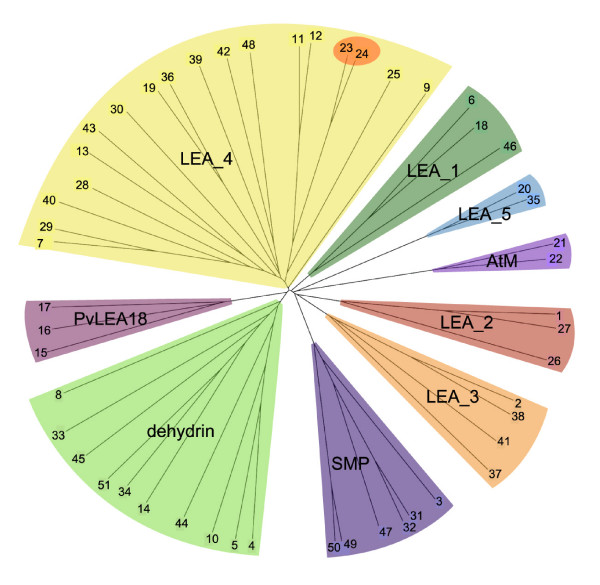
“We performed a ClustalW alignment of all 51 LEA proteins in Arabidopsis and the resulting unrooted dendrogram shows that the identified LEA groups are quite distinct from each other (Fig.”
MethodInfluentialProtein Identification and Analysis Tools on the ExPASy Server
Gasteiger, E., Hoogland, C., Gattiker, A., Duvaud, S., Wilkins, M. R., Appel, R. D., & Bairoch, A. (2005) · The Proteomics Protocols Handbook · doi:10.1385/1-59259-890-0:571 · Cited by 8,681
Protein Identification and Analysis Tools in the ExPASy Server
Wilkins, M. R., Gasteiger, E., Bairoch, A., Sanchez, J.-C., Williams, K. L., Appel, R. D., & Hochstrasser, D. F. (2003) · 2-D Proteome Analysis Protocols · doi:10.1385/1-59259-584-7:531 · Cited by 6,155 · cited 1×
“To get more information about the nature of the gene products, the GRAVY (grand average of hydropathy), the molecular weight and the pI were predicted by the PROTPARAM [ 132 ,133] tool.”
MethodPredicting Subcellular Localization of Proteins Based on their N-terminal Amino Acid Sequence
Emanuelsson, O., Nielsen, H., Brunak, S., & von Heijne, G. (2000) · Journal of Molecular Biology · doi:10.1006/jmbi.2000.3903 · Cited by 4,263
The Universal Protein Resource (UniProt)
Bairoch, A. (2004) · Nucleic Acids Research · doi:10.1093/nar/gki070 · Cited by 3,774 · cited 1×
“The PATTINPROT [128,129] tool was used to verify the stringency of the retrieved patterns by querying the UniProt [ 130 ,131] database.”
MethodAssumption-free analysis of quantitative real-time polymerase chain reaction (PCR) data
Ramakers, C., Ruijter, J. M., Deprez, R. H. L., & Moorman, A. F. M. (2003) · Neuroscience Letters · doi:10.1016/s0304-3940(02)01423-4 · Cited by 3,709 · cited 1×
“The mean PCR efficiency (E) for every primer pair was calculated using the linregPCR software [ 119 ].”
MethodPLANT COLD ACCLIMATION: Freezing Tolerance Genes and Regulatory Mechanisms
Thomashow, M. F. (1999) · Annual Review of Plant Physiology and Plant Molecular Biology · doi:10.1146/annurev.arplant.50.1.571 · Cited by 3,551
The Proteomics Protocols Handbook
(2005) · Humana Press eBooks · doi:10.1385/1592598900 · Cited by 3,538
Plant cis-acting regulatory DNA elements (PLACE) database: 1999
Higo, K., Ugawa, Y., Iwamoto, M., & Korenaga, T. (1999) · Nucleic Acids Research · doi:10.1093/nar/27.1.297 · Cited by 3,381
Czechowski, T., Stitt, M., Altmann, T., Udvardi, M. K., & Scheible, W.-R. (2005) · Plant Physiology · doi:10.1104/pp.105.063743 · Cited by 3,203 · cited 1×
“Data were normalized to the mean CT of three reference genes (At4g27960, At5g46630, and At4g34270) that were found to be stably expressed across various tissues and conditions [ 118 ].”
Method
Cited by
Items 701–800 of 1,001
Uçarlı, C., McGuffin, L. J., Çaputlu, S., Aravena, A., & Gürel, F. (2016) · Scientific Reports · doi:10.1038/srep20966 · Cited by 8
Gouvea, D. S., Chagas, K., CIPRIANO, J. L. D., Lopes, J. C., Schmildt, E. R., Otoni, W. C., Schmildt, O., de Araújo, C. P., & Alexandre, R. S. (2019) · Anais da Academia Brasileira de Ciências · doi:10.1590/0001-3765201920180504 · Cited by 8
Bielsa, B., Sanz, M. Á., & Cabetas, M. J. R. (2021) · Horticulturae · doi:10.3390/horticulturae7090299 · Cited by 8
Efficient purification of cryoprotective dehydrin protein from the radish (Raphanus sativus) taproot
Hara, M., Uchida, S., Murata, T., & Wätzig, H. (2014) · European Food Research and Technology · doi:10.1007/s00217-014-2228-6 · Cited by 8
“Dehydrins are also produced when plants are 15 exposed to cold and drought stresses [7-12].”
BackgroundMoon, H. D., Lee, M. S., Kim, S. H., Jeong, W.-J., & Choi, D. (2015) · Biologia Plantarum · doi:10.1007/s10535-015-0567-1 · Cited by 8
“DOI: 10.1007/s10535-015-0567-1 BIOLOGIA PLANTARUM 60 (1): 105-112, 2016 Identification of a drought responsive gene encoding a nuclear protein involved in drought and freezing stress tolerance in Arabidopsis H.-D. MOON1, M.-S. LEE1, S.-H. KIM1, W.-J. JEONG2, and D.-W. CHOI1*”
BackgroundInfluentialOsmopriming-associated genes in Poincianella pyramidalis
Antunes, C. G. C., de Castro, R. D., Neto, V. G., Marques, A. C. S. S., Takahashi, D., Fernandez, L. G., Cruz, C. R. P., Toorop, P. E., Aflitos, S. A., Hilhorst, H. W. M., et al. (2020) · Environmental and Experimental Botany · doi:10.1016/j.envexpbot.2020.104345 · Cited by 8
Onyemaobi, O., Sangma, H., Garg, G., Wallace, X., Kleven, S., & Dolferus, R. (2022) · Current Plant Biology · doi:10.1016/j.cpb.2022.100264 · Cited by 9
Zaïdi, I., Soltani, N., & Saïdi, M. N. (2025) · Journal of Plant Growth Regulation · doi:10.1007/s00344-025-11943-w · Cited by 7
Zhang, X., Yang, Q., Li, H., Zhang, L., Sun, C., Zhang, H., Li, H., Li, J., Zhu, Y., Du, C., et al. (2025) · Plant Physiology and Biochemistry · doi:10.1016/j.plaphy.2025.110778 · Cited by 9
Comparative Proteomic Analysis of Wild and Cultivated Amaranth Species Seeds by 2-DE and ESI-MS/MS
Bojórquez‐Velázquez, E., Zamora‐Briseño, J. A., Barrera-Pacheco, A., Rangel, E. E., Herrera‐Estrella, A., & de la Rosa, A. P. B. (2024) · Plants · doi:10.3390/plants13192728 · Cited by 7
“LEA proteins play important roles in resistance to abiotic stress, mainly related to desiccation and water deprivation stress [84].”
BackgroundKe, Q., Park, S., Ji, C. Y., Kim, H. S., Wang, Z., Wang, S., Li, H., Xu, B., Deng, X., & Kwak, S. (2018) · Environmental and Experimental Botany · doi:10.1016/j.envexpbot.2018.09.014 · Cited by 7
Wei, T., Guo, D., & Liu, J. (2020) · Frontiers of Agricultural Science and Engineering · doi:10.15302/j-fase-2020368 · Cited by 7
“A phylogenetic tree was constructed based on the protein sequences of all LEA family genes from Arabidopsis([4]) and Citrus sinensis([9]) and the protein sequence of PtrLEA7.”
BackgroundMethodInfluentialDraga, S., Gabelli, G., Palumbo, F., & Barcaccia, G. (2023) · International Journal of Molecular Sciences · doi:10.3390/ijms241411663 · Cited by 7
Effect of Shading on Physiological Attributes and Proteomic Analysis of Tea during Low Temperatures
Zaman, S., Shen, J., Wang, S., Song, D., Wang, H., Ding, S., Pang, X., Wang, M., Wang, Y., & Ding, Z. (2023) · Plants · doi:10.3390/plants13010063 · Cited by 7
“It is also hypothesized that late embryogenesis abundant proteins are required for membrane stabilization and protein aggregation prevention [14].”
BackgroundLemke, M. D., & Woodson, J. D. (2024) · Frontiers in Plant Science · doi:10.3389/fpls.2023.1331346 · Cited by 7
Genome-wide association study reveals the genetic basis of cold tolerance in soybean
Wang, Z., Li, W. L., Gao, Y., Shao, M., Yin, K., Pu, Y., Cheng, H., Yu, D., Huang, F., Zhang, H., et al. (2024) · Euphytica · doi:10.1007/s10681-024-03311-8 · Cited by 6
“…cold stress, ABA induces transcription of the cold-responsive ( COR ) gene through ABRE cis -acting elements, such as Cold-Regulated 15A ( COR15A ), Responsive to Desiccation 29 ( RD29 ), and Late Embryogenesis Abundant ( LEA ) (Baker et al. 1994; Narusaka et al. 2003; Hundertmark and Hincha 2008).”
Melgar, A. E., Rizzo, A. J., Moyano, L., Cenizo, R., Palacios, M. B., & Zelada, A. M. (2024) · Current Plant Biology · doi:10.1016/j.cpb.2024.100340 · Cited by 7
Perspectives on embryo maturation and seed quality in a global climate change scenario
Escudero, V., Fuenzalida, M., Rezende, E. L., González‐Guerrero, M., & Roschzttardtz, H. (2024) · Journal of Experimental Botany · doi:10.1093/jxb/erae154 · Cited by 7
Diray‐Arce, J., Gul, B., Khan, M. A., & Nielsen, B. L. (2015) · Elsevier eBooks · doi:10.1016/b978-0-12-801854-5.00010-8 · Cited by 7
“salsugineum is hypothesized to be a result of stress-induced activation of TEs (Hundertmark and Hincha, 2008).”
BackgroundTuzluluğun Bitkiler Üzerine Etkileri ve Tuz Tolerans Mekanizmaları
Erdal, Ş. Ç., & Çakırlar, H. (2011) · Afyon Kocatepe University Journal of Sciences and Engineering · Cited by 82
Zhang, Y., Wang, H.-Q., Liu, D., & Liu, R.-J. (2020) · Biologia Plantarum · doi:10.32615/bp.2019.112 · Cited by 7
Mu, L., He, F., Pan, Q., Li, Z., & Duan, C. (2015) · Vitis · doi:10.5073/vitis.2014.53.81-87 · Cited by 7
Lea protein expression during cold-induced dehydration in the Arctic collembola Megaphorura arctica
Popović, Ž. D., Purać, J. S., Kojić, D. K., Pamer, E., WORLAND, M. R., Blagojević, D. P., & Grubor‐Lajšić, G. (2011) · Archives of Biological Sciences · doi:10.2298/abs1103681p · Cited by 7
“LEA proteins are a heterogeneous group of small molecular weight proteins (usually 10-30 kDa) that were first identified in cotton seeds, but subsequently have been found in many other organisms (Hundertmark and Hincha, 2008).”
BackgroundAsteri, I., Boutou, E., Anastasiou, R., Pot, B., Vorgias, C. E., Tsakalidou, E., & Papadimitriou, K. (2011) · Applied and Environmental Microbiology · doi:10.1128/aem.02569-10 · Cited by 7
“LEA proteins (5, 21, 39), while the KGG motif is found in”
BackgroundBüyük, İ., & Aras, S. (2015) · TURKISH JOURNAL OF BOTANY · doi:10.3906/bot-1502-4 · Cited by 7
Kim, S. J., Huh, Y. C., Ahn, Y., Kim, J., Kim, D., & Lee, H. (2015) · Horticulture Environment and Biotechnology · doi:10.1007/s13580-015-0054-9 · Cited by 7
“To test the spatial expression patterns of ClLEA3-1, we tested mRNA expression levels of ClLEA3-1 using RT-PCR and qRT-PCR.”
Cloning and expression analysis of the dehydrin gene PlDHN1 in peony (Paeonia lactiflora)
Chen, Y., Ma, Y., Guo, J., & Guo, X. (2018) · The Journal of Horticultural Science and Biotechnology · doi:10.1080/14620316.2018.1431060 · Cited by 7
Xiang, D., & Man, L. (2018) · Molecular Breeding · doi:10.1007/s11032-017-0750-5 · Cited by 8
Sun, M., Dong, Z., Yang, J., Wu, W., Zhang, C., Zhang, J., Zhao, J., Xiong, Y., Jia, S., & Ma, X. (2021) · Research Square · doi:10.21203/rs.3.rs-306875/v1 · Cited by 7
Romero-Pérez, S. P., Covarrubias, A. A., & Campos, F. (2022) · Protein Expression and Purification · doi:10.1016/j.pep.2022.106183 · Cited by 6
Galan, P.-M., Ivănescu, L.-C., Leti, L.-I., Zamfirache, M.-M., & Gorgan, L. (2024) · Plants · doi:10.3390/plants13152111 · Cited by 9
Wu, X., He, X., Wang, X., Liu, P., Ai, S., Liu, X., Li, Z., & Wang, X. (2025) · International Journal of Molecular Sciences · doi:10.3390/ijms26020519 · Cited by 6
Huang, H., Wang, H., Hu, X., & Zhang, Z.-Q. (2022) · Scientia Horticulturae · doi:10.1016/j.scienta.2022.111431 · Cited by 6
lei, S., Yin, J., Li, C., Xu, Q., Tian, B., Cheng, X., Cao, J., Lu, J., Ma, C., Chang, C. K., et al. (2024) · Environmental and Experimental Botany · doi:10.1016/j.envexpbot.2024.105715 · Cited by 8
SlWRKY37 targets SlLEA2 and SlABI5-like7 to regulate seed germination vigor in tomato
Wang, Z., Zhang, J., Gao, M., Deng, Q., Zhang, Y., Pei, M., Zhao, Y., Guo, Y., & Zhang, H. (2024) · Plant Physiology and Biochemistry · doi:10.1016/j.plaphy.2024.108881 · Cited by 6
Thalhammer, A., & Hincha, D. K. (2013) · Springer eBooks · doi:10.1007/978-1-4614-8253-6_8 · Cited by 7
“However, when we compared ABA-regulated genes (Hundertmark and Hincha 2008) among the coexpressed or not coexpressed genes, we found that of the 22 coexpressed LEA genes 11 each were induced and not induced by ABA.”
BackgroundInfluentialSelf-citationVerdier, J., Leprince, O., & Buitink, J. (2019) · Wiley eBooks · doi:10.1002/9781119409144.ch05 · Cited by 10
Ben-Amar, A. (2021) · Journal of Basic & Applied Sciences · doi:10.29169/1927-5129.2021.17.02 · Cited by 6
Liu, J., Dai, M., Li, J., Zhang, Y., Ren, Y., Xu, J., Gao, W., & Guo, S. (2022) · Frontiers in Bioengineering and Biotechnology · doi:10.3389/fbioe.2022.870672 · Cited by 6
“An area of considerable research interest is the plant’s ability to resist a variety of abiotic stresses such as drought, cold, high temperature, and high salinity (Hara et al., 2003; Saavedra et al., 2006; Hundertmark and Hincha, 2008; Hirayama and Shinozaki, 2010).”
BackgroundGene Expression Regulation in Plant Abiotic Stress Response
Chaffai, R., Ganesan, M., & Cherif, A. (2024) · Springer eBooks · doi:10.1007/978-981-97-0672-3_12 · Cited by 6
Ginn, B. R. (2017) · Progress in Biophysics and Molecular Biology · doi:10.1016/j.pbiomolbio.2017.01.005 · Cited by 9
Stress-Induced Proteins in Recalcitrant Seeds During Deep Dormancy and Early Germination
Azarkovich, M. I. (2016) · InTech eBooks · doi:10.5772/61958 · Cited by 6
“LEA proteins are classified into more than seven distinct groups [8].”
Trinidad, J. L., Grajo, H. L., Abucay, J. B., & Kohli, A. (2016) · Springer eBooks · doi:10.1007/978-3-319-43278-6_2 · Cited by 8
“The highly hydrophilic LEA protein genes have ABA response element (ABRE) and other drought response cis-elements in the promoter, and are hence inducible by ABA or drought [62].”
BackgroundQuintero, F. O., Pinto, L. G., Barsalobres-Cavallari, C., Arcuri, M. D. L. C., Pino, L. E., Peres, L. E. P., Maluf, M. P., & Maia, I. G. (2018) · Plant Cell Reports · doi:10.1007/s00299-018-2310-9 · Cited by 7
“…EST The aforementioned EST candidate belongs to contig 2823, which contains an open reading frame (ORF) predicted to encode a 205-aa polypeptide sharing similarity to proteins belonging to the seed maturation proteins (SMP) group of the LEA protein family (Hundertmark and Hincha 2008).”
BackgroundMethodResultInfluentialMisprediction of Structural Disorder in Halophiles
Pancsa, R., Kovács, D., & Tompa, P. (2019) · Molecules · doi:10.3390/molecules24030479 · Cited by 6
“This is in line with the suggested chaperone effect of IDPs, such as late embryogenesis abundant (LEA) proteins and dehydrins [35,36], which appears as a widespread stress-related protective mechanism in diverse organisms such as bacteria [34], plants [37], or animals [38].”
BackgroundSalinity Stress-Dependent Coordination of Metabolic Networks in Relation to Salt Tolerance in Plants
Dubey, A., & Verma, A. K. (2019) · Soil biology · doi:10.1007/978-3-030-18975-4_17 · Cited by 6
Elnaggar, A., Mosa, K. A., Ramamoorthy, K., El‐Keblawy, A. A., Navarro, T., & Soliman, S. S. M. (2021) · Physiologia Plantarum · doi:10.1111/ppl.13591 · Cited by 7
Zečić, A., Dhondt, I., & Braeckman, B. P. (2022) · Cells · doi:10.3390/cells11020245 · Cited by 8
“, plants [99,100], rotifers [101], the anhydrobiotic nematode Aphelenchus avenae [102], and arthropods [35].”
BackgroundVerma, S., Chinnusamy, V., Asif, M., & Bansal, K. (2013) · Plant Omics · Cited by 6
Yang, J., Wang, Y., Sun, J., Li, Y., Zhu, R., Yin, Y., Wang, C., Yin, X., & Qin, L. (2024) · Foods · doi:10.3390/foods13091325 · Cited by 7
“Compared to the black quinoa, the white quinoa encoded 20 protein-rich transcripts during late embryogenesis, which are essential for normal seed development and can mitigate water loss during embryo maturation [56,57].”
BackgroundLebedeva, M. A., Dobychkina, D. A., Bashtovenko, K. A., Petrenko, V. A., Rubtsova, D. O., Кочеткова, Л. А., Azarakhsh, M., Romanyuk, D. A., & Lutova, L. A. (2024) · Journal of Plant Growth Regulation · doi:10.1007/s00344-024-11448-y · Cited by 28
Bartels, D., Giarola, V., & Chandler, J. (2025) · Planta · doi:10.1007/s00425-025-04752-8 · Cited by 6
“LEA proteins are a heterogeneous group of proteins and can be divided into several classes (Hundertmark and Hincha 2008; Gechev et al. 2021).”
Protein Intrinsic Disorder and Adaptation to Extreme Environments: Resilience of Chaos
Uversky, V. N. (2025) · Journal of Molecular Biology · doi:10.1016/j.jmb.2025.169547 · Cited by 7
Kamanga, B. M., Cartmill, D. L., McGill, C. R., & McCormick, A. C. (2026) · Plants · doi:10.3390/plants15060960 · Cited by 5
“…of cryoprotective metabolites, activation of antioxidant defences, remodelling membrane lipid composition to maintain fluidity, and induction of https://doi.org/10.3390/plants15060960 stress-responsive proteins including dehydrins and late embryogenesis abundant (LEA) proteins [29,35,37,38].”
InfluentialZhang, J., Xia, H., Liang, D., Lin, L., Deng, H., Lv, X., Wang, Z., Zhang, X., Wang, J., & Xiong, B. (2021) · Scientia Horticulturae · doi:10.1016/j.scienta.2021.109930 · Cited by 5
The role of silicon in plant under normal conditions and stress
Nedukha, O. M. (2022) · Notulae Scientia Biologicae · doi:10.15835/nsb14110973 · Cited by 7
Li, Y., Qi, S., Chen, S., Li, H., Zhang, T., Bao, F., Zhan, D., Pang, Z., Zhang, J., & Zhao, J. H. (2023) · Forestry Research · doi:10.48130/fr-2023-0012 · Cited by 11
Liu, Y., Shi, W., Dong, K., Zhao, X., Chen, Y., & Lu, C. (2024) · Environmental and Experimental Botany · doi:10.1016/j.envexpbot.2024.105969 · Cited by 5
Zou, Z., Fu, X., Yi, X., Li, C., Huang, J., & Zhao, Y. (2025) · Plants · doi:10.3390/plants14050762 · Cited by 5
“Interestingly, all of them were detected in transcriptomes from both Illumina RNA-seq and PacBio Single-Molecule Real-Time (SMRT) sequencing [39].”
InfluentialPhysiologic, Genetic and Epigenetic Determinants of Water Deficit Tolerance in Fruit Trees
Bonnin, M., Diop, K., Cavelier, G., Crastes, M., Groenewald, R., Nguyen, H. T., Morillón, R., & Pontvianne, F. (2025) · Plants · doi:10.3390/plants14121769 · Cited by 10
“They are hydrophilic proteins that play a role in maintaining membrane and protein structures [58].”
Ahari, D., Sahil, K., Kaushal, S., Sharma, A., Rangan, L., & Swaminathan, R. (2025) · Biochemistry · doi:10.1021/acs.biochem.5c00222 · Cited by 5
SeedMatExplorer: the transcriptome atlas of Arabidopsis seed maturation
Artur, M. A. S., Koetsier, R. A., Willems, L. A. J., Bakermans, L. L., van Driel, A. D., Dongus, J. A., Dekkers, B. J. W., Marques, A. C. S. S., Sami, A. A., Nijveen, H., et al. (2026) · BMC Plant Biology · doi:10.1186/s12870-026-09313-z · Cited by 6
“3B, Supplemental Table 7), and the well-established association of LEAs with DT [99, 103, 104], this module represents a strong candidate for containing genes involved in DT acquisition in Arabidopsis seeds.”
Transcriptomic Analysis of Radish (Raphanus sativus L.) Roots with CLE41 Overexpression
Kuznetsova, X. A., Dodueva, I. E., Gancheva, M. S., & Lutova, L. A. (2022) · Plants · doi:10.3390/plants11162163 · Cited by 5
“According to their primary sequences, LEA proteins can be grouped into eight families: dehydrin, LEA_1, LEA_2, LEA_3, LEA_4, LEA_5, LEA_6 and seed maturation protein (SMP) [27,30].”
BackgroundMeira, F. S., Ribeiro, D. G., de Campos, S. S., Falcão, L. L., Gomes, A. C. M. M., Dusi, D. M. D. A., Marcellino, L. H., Mehta, Â., & Scherwinski-Pereira, J. E. (2023) · PROTOPLASMA · doi:10.1007/s00709-023-01881-3 · Cited by 5
“In addition, LEA proteins are accumulated mainly in the late stages of seed development and in vegetative tissues in response to exogenous stress (Hundertmark and Hincha 2008; Banerjee and Roychoudhury 2016).”
Pérez, J. V., Sosa, D., & García, N. D. (2024) · Environmental and Experimental Botany · doi:10.1016/j.envexpbot.2024.106002 · Cited by 7
Baraldi, E., Coller, E., Zoli, L., Cestaro, A., Tosatto, S. C. E., & Zambelli, B. (2015) · Plant Molecular Biology · doi:10.1007/s11103-015-0353-7 · Cited by 6
Analysis of Environmental Stress in Plants with the Aid of Marker Genes for H2O2 Responses
Hieno, A., Naznin, H. A., Sawaki, K., Koyama, H., Sakai, Y., Ishino, H., Hyakumachi, M., & Yamamoto, Y. Y. (2013) · Methods in enzymology on CD-ROM/Methods in enzymology · doi:10.1016/b978-0-12-405882-8.00012-x · Cited by 5
Liu, D., Hou, L., Li, W. C., Cheng, J., & Fu, Y. Q. (2014) · Biologia Plantarum · doi:10.1007/s10535-014-0451-4 · Cited by 5
“A previous study has shown a COR15B mRNA accumulation in leaves but not in roots (Hundertmark and Hincha 2008).”
BackgroundOrcheski, B., & Brown, S. J. (2016) · Tree Genetics & Genomes · doi:10.1007/s11295-016-1097-5 · Cited by 6
“These hydrophilic proteins are osmoprotectants, upregulated during water deficit to maintain the integrity of protein structures and membranes during desiccation (Hundertmark and Hincha 2008; Radwan et al. 2014).”
Global Dynamics in Protein Disorder during Maize Seed Development
Zamora‐Briseño, J. A., Pereira‐Santana, A., Reyes-Hernández, S. J., Castaño, E., & Rodríguez‐Zapata, L. C. (2019) · Genes · doi:10.3390/genes10070502 · Cited by 5
Molecular Mechanism of Plant Adaptation and Tolerance to Cold Stress
Gupta, D., Gupta, A., Yadav, K., & Ranjan, R. (2020) · Springer eBooks · doi:10.1007/978-981-15-2172-0_4 · Cited by 7
Osuda, H., Sunano, Y., & Hara, M. (2021) · International Journal of Biological Macromolecules · doi:10.1016/j.ijbiomac.2021.04.056 · Cited by 5
Fattash, I., Deitch, Z., Njah, R. G., Osuagwu, N., Mageney, V., Wilson, R. C., Davik, J., Alsheikh, M. K., & Randall, S. K. (2021) · International Journal of Molecular Sciences · doi:10.3390/ijms22116124 · Cited by 5
“These dehydrins cluster in two major phylogenetic groups [24] (Figure S3) similar to those in other plant species [37,70].”
BackgroundYang, R., Yang, Z., Peng, Z., He, F., Shi, L., Dong, Y., Ren, M., Zhang, Q., Geng, G., & Zhang, S. (2021) · PeerJ · doi:10.7717/peerj.12683 · Cited by 5
Javadisaber, J., Dumanoğlu, H., Şahin, Ö., Sarıkamış, G., Ergül, A., & Aydemir, B. Ç. (2023) · Journal of Plant Growth Regulation · doi:10.1007/s00344-023-11071-3 · Cited by 5
“Several dehydrin genes are identified in many plant species (Hundertmar and Hincha 2008; Bassett et al. 2009; Shibuya et al. 2020).”
KC, S., Nguyen, K. H., Nicholson, V., Walgren, A., Trent, T., Gollub, E., Romero-Perez, P. S., Holehouse, A. S., Sukenik, S., & Boothby, T. C. (2024) · eLife · doi:10.7554/elife.97231 · Cited by 4
Pulicherla, S. R., Clermont, K., Prestenburg, E., Mattison, C. P., & Randall, J. J. (2025) · BMC Genomics · doi:10.1186/s12864-025-12040-8 · Cited by 4
“LEA proteins are an ubiquitous set of proteins that are present in several living systems ranging from bacteria to plants and animals [21].”
InfluentialSurviving desiccation: key factors underlying tolerance in prokaryotes and eukaryotes
Rosete-Enríquez, M., Juárez-González, V. R., Escobar-Muciño, E., Muñoz‐Rojas, J., & Quintero‐Hernández, V. (2025) · PROTOPLASMA · doi:10.1007/s00709-025-02134-1 · Cited by 5
CRISPR /Cas System for Achieving Abiotic Stress Tolerance
Younas, A., Riaz, N., Rashid, M., Tufail, A., Hyder, S., & Noreen, Z. (2024) · Wiley eBooks · doi:10.1002/9781394209156.ch11 · Cited by 8
The Pyrus sinkiangensis Yu PsLEA4 Gene Enhances the Cold Resistance of Solanum lycopersicum
Yang, X., Zhao, W., Li, H., Zhao, Z., Zhu, J., & Li, J. (2025) · Plants · doi:10.3390/plants14020180 · Cited by 4
“…Hundertmark et al. discovered that the model plant Arabidopsis thaliana comprises 51 LEA protein members, which can be divided into eight subfamilies according to their amino acid Plants 2025 , 14 , 180 2 of 16 sequences [7], namely LEA1, LEA2, LEA3, LEA4, LEA5, LEA6, Dehydrin, and SMP [7,8].”
The phylotranscriptomic profile of angiosperm seed development follows a reverse hourglass pattern
Sami, A. A., Bentsink, L., & Artur, M. A. S. (2025) · The Plant Cell · doi:10.1093/plcell/koaf266 · Cited by 4
“Among the most well-known examples of desiccation-associated genes highly expressed during seed maturation, we found several LEA s (Hundertmark and Hincha 2008; Artur et al. 2019) from a broad range of PS among the most highly expressed genes in both Arabidopsis and maize maturation (Supplementary…”
Breeding and Transgenic Approaches for Development of Abiotic Stress Tolerance in Rice
Mangrauthia, S. K., Revathi, P., Agarwal, S., Singh, A. K., & Bhadana, V. P. (2013) · Springer eBooks · doi:10.1007/978-1-4614-8830-9_7 · Cited by 5
Li, L., Deng, D., Chen, X., Wu, B., Hu, K., Qiu, T., Cui, S., & Huang, F. (2015) · Biochemical and Biophysical Research Communications · doi:10.1016/j.bbrc.2015.03.043 · Cited by 4
Sharma, N., Chaudhary, C., & Khurana, P. (2022) · Plant Growth Regulation · doi:10.1007/s10725-022-00883-0 · Cited by 4
“2006 and Hundertmark and Hincha 2008).”
Huanhuan, J., Qiangbin, C., Wang, T., & Chen, G. (2025) · Oil Crop Science · doi:10.1016/j.ocsci.2024.09.004 · Cited by 4
Zhu, J., Huang, X., Liu, T., Gao, S., & Chen, J. (2012) · Molecular Biology Reports · doi:10.1007/s11033-012-1636-6 · Cited by 5
Pabuayon, I. C. M., Trinidad, J. L., Angeles‐Shim, R. B., & Kohli, A. (2020) · Elsevier eBooks · doi:10.1016/b978-0-12-818581-0.00013-9 · Cited by 4
Kim, K., Kim, B., Shin, J., & Kim, W. (2021) · Journal of Applied Biological Chemistry · doi:10.3839/jabc.2021.007 · Cited by 4
“AT5G06760 ATLEA4-5, LATE EMBRYOGENESIS ABUNDANT 4-5, LEA4-5 Drought [14]”
BackgroundBhardwaj, D., Lakhanpaul, S., & Tuteja, N. K. (2012) · Springer eBooks · doi:10.1007/978-1-4614-5001-6_17 · Cited by 4
Bae, E. C., Lee, H., Lee, J.-S., Noh, E., Choi, Y., Lee, B., & Choi, D. (2012) · Plant Physiology and Biochemistry · doi:10.1016/j.plaphy.2012.04.015 · Cited by 5
Hualkasin, W., Thongin, W., Petsean, K., Phongdara, A., & Nakkaew, A. (2013) · DOAJ (DOAJ: Directory of Open Access Journals) · Cited by 4
1H, 15N, 13C resonance assignment of plant dehydrin early response to dehydration 10 (ERD10)
Cedeño, C., Żerko, S., Tompa, P., & Koźmiński, W. (2017) · Biomolecular NMR Assignments · doi:10.1007/s12104-017-9732-0 · Cited by 4
Llanes, A. S., Devinar, G., Vidal, S., & Luna, V. (2015) · Plant Growth Regulation · doi:10.1007/s10725-015-0077-3 · Cited by 4
“Similar to other atypical LEA proteins (Hundertmark and Hincha 2008), results of the PsLEA3 localization showed that this protein could be exported out of the nucleus and remain in the chloroplast, possibly in the thylakoid membrane.”
BackgroundResultInfluentialStructural and Functional Role of Plant Dehydrins in Enhancing Stress Tolerance
Sharma, G. S. (2022) · Advances in Science, Technology & Innovation/Advances in science, technology & innovation · doi:10.1007/978-3-030-95365-2_7 · Cited by 4
Hearn, J. (2014) · ERA · Cited by 5
Raya, F. T., Marone, M. P., de Carvalho, L. M., Rabelo, S. C., de Paula, M. S., Campanari, M. F. Z., Freschi, L., Mayer, J. L. S., da Silva, O. R. R. F., Mieczkowski, P. A., et al. (2020) · bioRxiv (Cold Spring Harbor Laboratory) · doi:10.1101/2020.06.03.132837 · Cited by 4
“Although their precise role has not been defined, LEA proteins may help prevent the formation of damaging protein aggregates due to desiccation or osmotic stresses (GOYAL, WALTON, & TUNNACLIFFE, 2005; Hundertmark & Hincha, 2008; Liu, Chakrabortee, Li, Zheng, & Tunnacliffe, 2011).”
BackgroundStructural flexibility of a recombinant intrinsically disordered LEA protein from Ramonda serbica
Pantelić, A., Ilina, T. V., Milić, D., Gradišar, H., Radosavljević, J., & Vidović, M. (2025) · Scientific Reports · doi:10.1038/s41598-025-18648-w · Cited by 3
Robbins, M. D., Bushman, B. S., Gallagher, J. P., Maughan, P. J., & Hayes, R. J. (2025) · BMC Genomics · doi:10.1186/s12864-025-12144-1 · Cited by 3
“LEA_2 was previously reported as the most numerous LEA family member across several plant species [12], but LEA_4 was the largest in Arabidopis [9] and in this Lpman haplotype 1 annotation dataset.”
InfluentialYin, Y., Wang, X., Ma, H., Chen, Q., Tang, X., Wu, X., & Feng, S. (2025) · BMC Plant Biology · doi:10.1186/s12870-025-07671-8 · Cited by 3
“The phylogenetic classification of 41 VfLEA_2 proteins into seven subfamilies (Groups 1–7) aligns with the established nomenclature for Arabidopsis thaliana LEA_2 proteins [24, 25] (Fig.”
Das, A., & Majee, M. (2026) · Crop Health · doi:10.1007/s44297-026-00064-9 · Cited by 4
“Based on the Pfam protein domain database, LEA proteins are classified into eight distinct families: Dehydrins (PF00257), LEA-1 (PF03760), LEA-2 (PF03168), LEA-3 (PF03242), LEA-4 (PF02987), LEA-5 (PF00477), LEA-6 (PF10714), and SMPs (PF04927) [108, 110].”
Metadata
- Authors
- Hundertmark, M., & Hincha, D. K.
- Affiliations
- Max Planck Institute of Molecular Plant Physiology (DE)
- Corresponding author
- Hincha, Dirk K
- ORCID
- Hincha, Dirk K
- Venue
- BMC Genomics
- Published
- 2008
- Volume
- 9
- Issue
- 1
- Pages
- 118
- ISSN
- 1471-2164 (ISSN-L)
- PMC
- PMC2292704
- OpenAlex
- W2081744992
- Cited by
- 1,044
- References
- 133
- Citations by year
- 2026: 44 · 2025: 68 · 2024: 74 · 2023: 44 · 2022: 72 · 2021: 98 · 2020: 73 · 2019: 63 · 2018: 57 · 2017: 59 · 2016: 52 · 2015: 53 · 2014: 59 · 2013: 55 · 2012: 51
- FWCI
- 48.80
- Type
- journal article
- Language
- en
- Open access
- gold
- doi.org
- Licence
- cc-by
- Locations
- BMC Genomics (publishedVersion, cc-by)
- PubMed Central (publishedVersion, cc-by)
- PubMed (publishedVersion)
- DOAJ (DOAJ: Directory of Open Access Journals) (submittedVersion)
- Max Planck Institute for Plasma Physics (submittedVersion)
- MPG.PuRe (Max Planck Society) (submittedVersion, other-oa)
- Funders
- Universität Potsdam
- Topics
- Life Sciences › Agricultural and Biological Sciences › Plant Science › Plant Stress Responses and Tolerance
- Life Sciences › Agricultural and Biological Sciences › Plant Science › Seed Germination and Physiology
- Life Sciences › Agricultural and Biological Sciences › Plant Science › Plant Molecular Biology Research
- Keywords
- late embryogenesis abundant proteins, LEA genes, Arabidopsis thaliana, desiccation tolerance, dehydration tolerance, seed development, abscisic acid response element, gene expression patterns, tandem repeats, homeologous genes, gene duplication, protein structure prediction
- MeSH terms
- Abscisic Acid, Amino Acid Sequence, Molecular Sequence Data, Plant Proteins, Promoter Regions, Genetic, Sequence Alignment, Genes, Plant, Arabidopsis, Gene Expression Regulation, Plant, Genome, Plant, Evolution, Molecular, Arabidopsis Proteins, Embryonic Development, Regulatory Elements, Transcriptional
About these checks
Registry, retraction, Cites and statistics results are computed, not judged, with one exception: a printed reference that no index lists is read once by a model before it counts as a citation error. Claims are extracted by a model and kept only when their quote appears verbatim in the text; each cited source is then checked, with a model’s help, for whether it says what the claim relies on. Those verdicts can be wrong — read the claim’s quote and the cited source before relying on one.
Statistics and arithmetic are recomputed, not judged.
Confidence bands are shown only for fields calibrated on our annotated test set. None is calibrated yet, so no band is shown.
What counts as a claim ›How we measure confidence ›How we check this ›
Are you an author, or do you see a problem with this page? Request a review
Data sources
Bibliographic data: Semantic Scholar, OpenAlex, Crossref.
Contains information from the Semantic Scholar Academic Graph Datasets, made available under the ODC Attribution License (ODC-BY 1.0).
Semantic Scholar’s data is described in: Kinney, R., et al. (2023). The Semantic Scholar Open Data Platform. arXiv:2301.10140.
