

LEA (Late Embryogenesis Abundant) proteins and their encoding genes in Arabidopsis thaliana
Open accessThe DOI matches its Crossref record; 135 of the 136 references it cites were found in a registry or an index.
Abstract
BACKGROUND: LEA (late embryogenesis abundant) proteins have first been described about 25 years ago as accumulating late in plant seed development. They were later found in vegetative plant tissues following environmental stress and also in desiccation tolerant bacteria and invertebrates. Although they are widely assumed to play crucial roles in cellular dehydration tolerance, their physiological and biochemical functions are largely unknown. RESULTS: We present a genome-wide analysis of LEA proteins and their encoding genes in Arabidopsis thaliana. We identified 51 LEA protein encoding genes in the Arabidopsis genome that could be classified into nine distinct groups. Expression studies were performed on all genes at different developmental stages, in different plant organs and under different stress and hormone treatments using quantitative RT-PCR. We found evidence of expression for all 51 genes. There was only little overlap between genes expressed in vegetative tissues and in seeds and expression levels were generally higher in seeds. Most genes encoding LEA proteins had abscisic acid response (ABRE) and/or low temperature response (LTRE) elements in their promoters and many genes containing the respective promoter elements were induced by abscisic acid, cold or drought. We also found that 33% of all Arabidopsis LEA protein encoding genes are arranged in tandem repeats and that 43% are part of homeologous pairs. The majority of LEA proteins were predicted to be highly hydrophilic and natively unstructured, but some were predicted to be folded. CONCLUSION: The analyses indicate a wide range of sequence diversity, intracellular localizations, and expression patterns. The high fraction of retained duplicate genes and the inferred functional diversification indicate that they confer an evolutionary advantage for an organism under varying stressful environmental conditions. This comprehensive analysis will be an important starting point for future efforts to elucidate the functional role of these enigmatic proteins.
Overview
The claims and statistics of this paper haven’t been checked yet.
Free: it reads the open-access text and checks the first 5 claims that cite a source we can check. Create a free account to check every claim.
Integrity signals
Registry
Cites
Statistics
Figures
Verification
Claims the paper makes
The claims and statistics of this paper haven’t been checked yet.
Free: it reads the open-access text and checks the first 5 claims that cite a source we can check. Create a free account to check every claim.
Claims other papers make about this one
Each is checked against this paper’s own text: does it say what the citing paper says it does?
The source backs part of the claim, not all of it — or backs it for a different population, condition or comparison.
In the citing paper
“The high number of CDK genes in G. hirsutum was more likely caused by gene duplication and the conservation of the CDK genes during the polyploidization process”
From Whole Genome Analysis of Cyclin Dependent Kinase (CDK) Gene Family in Cotton and Functional Evaluation of the Role of CDKF4 Gene in Drought and Salt Stress Tolerance in Plants (2018) · cites this paper as [41]
Experimental — accuracy not yet measuredIn the citing paper
“Similar findings, with the predominance of ABRE cis-element, have been reported for CDK genes in tomato [40], Arabidopsis [41], and Chinese plum [42].”
Self-check
Percentages, sums and reported differences re-computed from the paper’s own numbers.
The self-check needs the paper’s full text.
Citations
Cites
Thompson, J. D., Higgins, D. G., & Gibson, T. J. (1994) · Nucleic Acids Research · doi:10.1093/nar/22.22.4673 · Cited by 64,617 · cited 5×
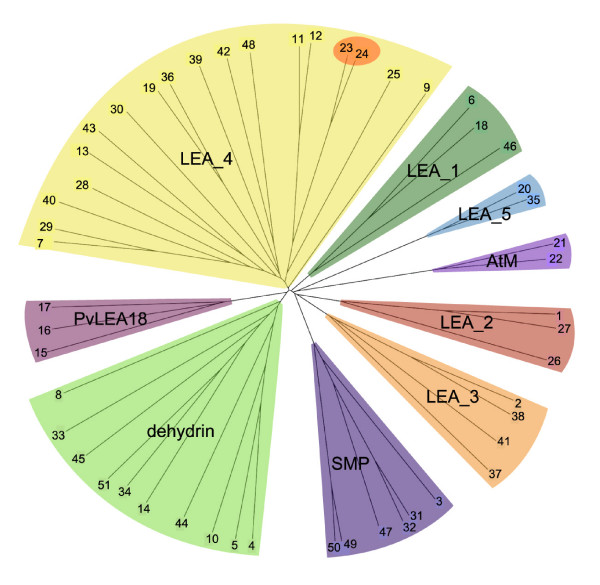
“We performed a ClustalW alignment of all 51 LEA proteins in Arabidopsis and the resulting unrooted dendrogram shows that the identified LEA groups are quite distinct from each other (Fig.”
MethodInfluentialProtein Identification and Analysis Tools on the ExPASy Server
Gasteiger, E., Hoogland, C., Gattiker, A., Duvaud, S., Wilkins, M. R., Appel, R. D., & Bairoch, A. (2005) · The Proteomics Protocols Handbook · doi:10.1385/1-59259-890-0:571 · Cited by 8,681
Protein Identification and Analysis Tools in the ExPASy Server
Wilkins, M. R., Gasteiger, E., Bairoch, A., Sanchez, J.-C., Williams, K. L., Appel, R. D., & Hochstrasser, D. F. (2003) · 2-D Proteome Analysis Protocols · doi:10.1385/1-59259-584-7:531 · Cited by 6,155 · cited 1×
“To get more information about the nature of the gene products, the GRAVY (grand average of hydropathy), the molecular weight and the pI were predicted by the PROTPARAM [ 132 ,133] tool.”
MethodPredicting Subcellular Localization of Proteins Based on their N-terminal Amino Acid Sequence
Emanuelsson, O., Nielsen, H., Brunak, S., & von Heijne, G. (2000) · Journal of Molecular Biology · doi:10.1006/jmbi.2000.3903 · Cited by 4,263
The Universal Protein Resource (UniProt)
Bairoch, A. (2004) · Nucleic Acids Research · doi:10.1093/nar/gki070 · Cited by 3,774 · cited 1×
“The PATTINPROT [128,129] tool was used to verify the stringency of the retrieved patterns by querying the UniProt [ 130 ,131] database.”
MethodAssumption-free analysis of quantitative real-time polymerase chain reaction (PCR) data
Ramakers, C., Ruijter, J. M., Deprez, R. H. L., & Moorman, A. F. M. (2003) · Neuroscience Letters · doi:10.1016/s0304-3940(02)01423-4 · Cited by 3,709 · cited 1×
“The mean PCR efficiency (E) for every primer pair was calculated using the linregPCR software [ 119 ].”
MethodPLANT COLD ACCLIMATION: Freezing Tolerance Genes and Regulatory Mechanisms
Thomashow, M. F. (1999) · Annual Review of Plant Physiology and Plant Molecular Biology · doi:10.1146/annurev.arplant.50.1.571 · Cited by 3,551
The Proteomics Protocols Handbook
(2005) · Humana Press eBooks · doi:10.1385/1592598900 · Cited by 3,538
Plant cis-acting regulatory DNA elements (PLACE) database: 1999
Higo, K., Ugawa, Y., Iwamoto, M., & Korenaga, T. (1999) · Nucleic Acids Research · doi:10.1093/nar/27.1.297 · Cited by 3,381
Czechowski, T., Stitt, M., Altmann, T., Udvardi, M. K., & Scheible, W.-R. (2005) · Plant Physiology · doi:10.1104/pp.105.063743 · Cited by 3,203 · cited 1×
“Data were normalized to the mean CT of three reference genes (At4g27960, At5g46630, and At4g34270) that were found to be stably expressed across various tissues and conditions [ 118 ].”
Method
Cited by
Items 601–700 of 1,002
Jiang, Y., Zhang, S., Xu, H., Tian, H., Zhang, M., Zhu, S., Wang, C., Hou, J., Chen, G., Tang, X., et al. (2023) · Genes · doi:10.3390/genes14020415 · Cited by 13
“Construction of the Gene Family Evolutionary Tree To explore the classification of the BrLEA gene family, a phylogenetic tree was constructed in relation to 51 Arabidopsis AtLEA [15] and 82 BrLEA gene family members in Chinese cabbage (Figure 1).”
BackgroundMethodInfluentialGuo, X., Wei, F., Jian, H., Jian, H., Dang, X., Dang, X., Fu, X., Ma, L., Lü, J., Wang, H., et al. (2023) · Industrial Crops and Products · doi:10.1016/j.indcrop.2023.117659 · Cited by 13
Lin, Y., She, M., Zhao, M., Yu, H., Xiao, W., Zhang, Y., Li, M., Chen, Q., Zhang, Y., Wang, Y., et al. (2024) · BMC Genomics · doi:10.1186/s12864-024-10085-9 · Cited by 15
“It has been previously suggested that the LEA4 group was the most dominant in Arabidopsis , lotus and grape genome [5].”
BackgroundAncient hybridization drives arid adaptation and species diversification in Caragana (Fabaceae)
Cui, X., Li, E., He, J. G., Yuanfei, W. A. N. G., Shang, C., Zhong, B., Viruel, J., Dong, W., & Zhang, Z. (2025) · New Phytologist · doi:10.1111/nph.70360 · Cited by 13
“For instance, late embryogenesis abundant ( LEA ) proteins, abscisic acid (ABA)-related genes, and genes regulating osmoregulation, root development, and antioxidant activity are well-established contributors to drought tolerance (Liu & Zheng, 2005; Hundertmark & Hincha, 2008; Wan et al ., 2011).”
Overexpression of NHL6 affects seed production in transgenic Arabidopsis plants
Song, W.-M., Cheng, Z., Guo, X., Yu, C., Wang, H., Wang, J., Li, B., Zhang, H., & Bao, Y. (2019) · Plant Growth Regulation · doi:10.1007/s10725-019-00486-2 · Cited by 14
Xu, S., Wu, Z., Hou, H., Zhao, J., Zhang, F., Teng, R., Ding, L., Chen, F., & Teng, N. (2021) · Horticulture Research · doi:10.1038/s41438-021-00625-9 · Cited by 14
Adaptative Mechanisms of Halophytic Eutrema salsugineum Encountering Saline Environment
Li, C., Duan, C., Zhang, H., Zhao, Y., Meng, Z., Zhao, Y., & Zhang, Q. (2022) · Frontiers in Plant Science · doi:10.3389/fpls.2022.909527 · Cited by 15
“, 2011), while dehydrins (DHNs) referred to as RAB proteins could be induced in vegetative tissues (Hundertmark and Hincha, 2008; Zhang et al., 2020).”
BackgroundZhou, C., Niu, S., El-Kassaby, Y. A., & Li, W. (2023) · Tree Physiology · doi:10.1093/treephys/tpad095 · Cited by 14
Quintana‐Camargo, M., Méndez-Morán, L., Ramírez‐Romero, R., Gurrola‐Díaz, C. M., Carapia-Ruíz, V. E., Ibarra‐Laclette, E., Délano-Frier, J. P., & Sánchez‐Hernández, C. V. (2015) · Acta Physiologiae Plantarum · doi:10.1007/s11738-015-1777-z · Cited by 14
“philadelphica–whitefly interaction, considering that most genes encoding LEA proteins are known to have ABA response elements in their promoters (Hundertmark and Hincha 2008).”
Li, C., Han, L., & Zhang, X. (2012) · Journal of the American Society for Horticultural Science · doi:10.21273/jashs.137.2.107 · Cited by 13
Tang, X., Wang, H., Chu, L.-Y., & Shao, H. (2016) · BioMed Research International · doi:10.1155/2016/9823697 · Cited by 13
“The late embryogenesis abundant (LEA) protein is one of the many resistant proteins which were synthesized under adverse conditions [6, 7].”
BackgroundInfluentialZhang, Z., Zhang, Y., Liu, X., Li, Z., & Lin, W. (2017) · Plant Growth Regulation · doi:10.1007/s10725-017-0253-8 · Cited by 13
“LEA proteins were known to be strongly up-regulated in response to ABA and abiotic stress such as drought in different plant species (Finkelstein 1993; Hundertmark and Hincha 2008).”
BackgroundPham, V. N., Paik, I., Hoecker, U., & Huq, E. (2020) · Physiologia Plantarum · doi:10.1111/ppl.13095 · Cited by 13
LEA proteins and drought stress in wheat
Ali, M., Gul, A., Hasan, H., Alipour, H., Abbasi, A. A., Khan, F. T. Z., Abbas, S., Fatima, T., & Taimoor, Z. (2020) · Elsevier eBooks · doi:10.1016/b978-0-12-819527-7.00012-1 · Cited by 13
Chakraborty, S., & Roychoudhury, A. (2022) · Plant Physiology Reports · doi:10.1007/s40502-022-00686-5 · Cited by 13
Liu, L., Xu, J., Chen, J., Yang, B., Yang, C., Yang, Y., Wang, K., Zhuo, R., & Yao, X. (2023) · Scientia Horticulturae · doi:10.1016/j.scienta.2023.112392 · Cited by 12
Brown, J. M., Weldt, C. E., Holloway, H. M. P., Tuong, T. D., Patton, A. J., DaCosta, M., Livingston, D. P., Yu, X., & Milla‐Lewis, S. R. (2023) · Grass Research · doi:10.48130/gr-2023-0025 · Cited by 12
Hembach, L., Niemeyer, P. W., Schmitt, K., Zegers, J. M. S., Scholz, P., Brandt, D., Dabisch, J., Valerius, O., Braus, G. H., Schwarzländer, M., et al. (2023) · The Plant Journal · doi:10.1111/tpj.16574 · Cited by 12
Ashari, K. S., Abdullah‐Zawawi, M., Harun, S., & Mohamed‐Hussein, Z. (2018) · Sains Malaysiana · doi:10.17576/jsm-2018-4712-08 · Cited by 12
“This gene was abundantly found during the dehydration of plant seeds in the late embryogenesis phase (Hundertmark & Hincha 2008).”
BackgroundRuibal, C., Castro, A., Fleitas, A. L., Quezada, J. A. N., Quero, G., & Vidal, S. (2020) · Frontiers in Plant Science · doi:10.3389/fpls.2020.00845 · Cited by 13
Huang, Z., Zhu, P., Zhong, X.-J., Qiu, J.-R., Xu, W., & Li, S. (2022) · Frontiers in Plant Science · doi:10.3389/fpls.2022.960302 · Cited by 14
Zhang, Y., Fan, N., Wen, W., Liu, S., Mo, X., An, Y., & Zhou, P. (2022) · Frontiers in Plant Science · doi:10.3389/fpls.2022.976160 · Cited by 20
“The main characteristic of LEA_2 domain is that they are natively folded and more hydrophobic than other LEA proteins (Hundertmark and Hincha, 2008; Jaspard et al., 2012).”
BackgroundMethodHu, R., Wu, B., Zheng, H., Hu, D., Wang, X., Duan, H., Sun, Y., Wang, J., Zhang, Y., & Li, Y. (2015) · International Journal of Molecular Sciences · doi:10.3390/ijms160715194 · Cited by 14
“In Arabidopsis thaliana, most of 51 LEA protein encoding genes had abscisic acid response (ABRE) and/or low temperature response (LTRE) elements in their promoters and many genes containing the respective promoter elements were induced by abscisic acid, cold, or drought [86].”
BackgroundLiu, D., Li, W., Cheng, J., & Hou, L. (2014) · Acta Physiologiae Plantarum · doi:10.1007/s11738-014-1615-8 · Cited by 12
“4), which were similar to the elevated expression of COR15A in cold acclimation (Wilhelm and Thomashow 1993; Baker et al. 1994; Hundertmark and Hincha 2008; Wang and Hua 2009; Zuther et al. 2012).”
BackgroundInfluentialShehzad, M., Zhou, Z., Ditta, A., Cai, X., Khan, M., Xu, Y., Hou, Y., Peng, R., Hao, F., Rahman, S. U., et al. (2019) · Agronomy · doi:10.3390/agronomy9090560 · Cited by 14
Genome-wide Identification and Analysis of Late Embryogenesis Abundant (LEA) Genes in Musa acuminata
Piyatissa, S., & Bandupriya, H. D. D. (2021) · Tropical Plant Biology · doi:10.1007/s12042-021-09289-0 · Cited by 14
Joshi, V., Nimmakayala, P., Song, Q., Abburi, V. L., Natarajan, P., Levi, A., Crosby, K. M., & Reddy, U. K. (2021) · PeerJ · doi:10.7717/peerj.12343 · Cited by 12
Low-Temperature Stress and Nitrogen Metabolism in Plants: A Review
Bhattacharya, A. (2022) · Springer eBooks · doi:10.1007/978-981-16-9037-2_4 · Cited by 20
Gao, C., Yali, L., Wang, C., Zhang, K., & Wang, Y. (2014) · The Scientific World JOURNAL · doi:10.1155/2014/868391 · Cited by 14
“In Arabidopsis, of the 22 genes highly expressed in nonseed tissues, 12 were induced by more than 3-fold in response to cold, drought, and salt stresses [27].”
BackgroundInfluentialGenome-Wide Identification of the Dehydrin Genes in the Cucurbitaceae Species
Lee, S., Lee, W., Ali, A., Kumar, M., Yang, T., & Song, K. (2017) · Plant Breeding and Biotechnology · doi:10.9787/pbb.2017.5.4.282 · Cited by 13
“On the other hand, DHN gene number identified in each Cucurbitaceae genome was smaller than those in Arabidopsis and rice genomes.”
BackgroundInfluentialGenome-wide atlas of alternative polyadenylation in the forage legume red clover
Chakrabarti, M., Dinkins, R. D., & Hunt, A. G. (2018) · Scientific Reports · doi:10.1038/s41598-018-29699-7 · Cited by 13
Pérez‐Díaz, J., Pérez‐Díaz, J., Medeiros, D. B., Zuther, E., Hong, C., Nunes‐Nesi, A., Hincha, D. K., Ruíz-Lara, S., & Casaretto, J. A. (2019) · Journal of Plant Physiology · doi:10.1016/j.jplph.2019.05.005 · Cited by 13
Self-citationLi, X.-H., Yu, C. W. H., Gomez-Navarro, N., Stancheva, V., Zhu, H., Murthy, A., Wozny, M., Malhotra, K., Johnson, C. M., Blackledge, M., et al. (2023) · PNAS Nexus · doi:10.1093/pnasnexus/pgae006 · Cited by 11
Plant Abiotic Stress: Insights from the Genomics Era
Erik, R., & Todd, C. (2011) · InTech eBooks · doi:10.5772/23215 · Cited by 13
Di, F., Wang, T., Ding, Y., Chen, X., Wang, H., Li, J., & Liu, L. (2020) · DNA and Cell Biology · doi:10.1089/dna.2019.5169 · Cited by 11
“Hundertmark and Hincha (2008) analyzed 51 LEA genes in A. thaliana and found that most genes had abscisic acid response elements (ABRE) in their promoters and that many genes containing these elements were often induced by ABA, cold, or drought.”
Mourad, A. M. I., Eltaher, S., Börner, A., & Sallam, A. (2022) · Plant and Soil · doi:10.1007/s11104-022-05790-x · Cited by 13
“It was reported to play an important role in late response to abiotic stresses such as drought and salinity in legumes as well as fusarium aflatoxin resistance in maize (Chen et al. 2002; Hundertmark and Hincha 2008; Battaglia and Covarrubias 2013; Gao and Lan 2016).”
BackgroundLuo, D., Zhang, X., Li, Y., Wu, Y., Li, P., Jia, C., Bao, Q., Zhou, Q., Fu, C., Liu, W., et al. (2023) · Plant and Soil · doi:10.1007/s11104-023-05951-6 · Cited by 11
“2007), 51 AtLEAs in Arabidopsis (Hundertmark and Hincha 2008), and 108 BnLEAs in Brassica napus (Liang et al.”
BackgroundLi, J., Liu, H., Lv, X., Wang, W., Liang, X., Chen, L., Wang, Y., & Liu, J. (2024) · Frontiers in Plant Science · doi:10.3389/fpls.2024.1359315 · Cited by 16
“OsNCED3 is highly induced during water stress (Ye et al., 2011) and regulates the accumulation of the dehydrin and late embryogenesis abundant (LEA) proteins (Hundertmark and Hincha, 2008; Xiang et al., 2008).”
BackgroundLiu, X., Wang, Y., Gao, H. C., & Xu, X. (2011) · Gene · doi:10.1016/j.gene.2011.05.006 · Cited by 11
Urtasun, N., Garca, S. C., Iusem, N. D., & Moretti, M. B. (2010) · The Open Biochemistry Journal · doi:10.2174/1874091x01004010068 · Cited by 11
“There are more than fifty LEA-encoding genes in the Arabidopsis thaliana genome, most of which have abscisic acid response elements (ABRE) in their transcriptional enhancers [10].”
BackgroundFiliz, E., Özyiğit, İ. İ., Tombuloğlu, H., & Koç, İ. (2013) · DSpace - Düzce (Duzce University) · Cited by 15
Kaur, R., Chakraborty, A., Bhunia, R. K., Sen, S. K., & Ghosh, A. K. (2017) · Biologia Plantarum · doi:10.1007/s10535-017-0742-7 · Cited by 13
“A majority of LEA promoters possess abscisic acid response elements (ABREs) and/or low temperature response elements (LTREs) (Hundertmark and Hincha, 2008) that are inducible under abscisic acid (ABA), drought, salinity, or cold stresses in various species (Xiao and Xue 2001, Yi et al.”
Identification and transcriptional analysis of dehydrin gene family in cucumber (Cucumis sativus)
Zhou, Y., Hu, L., Xu, S., Jiang, L., & Liu, S. (2018) · Acta Physiologiae Plantarum · doi:10.1007/s11738-018-2715-7 · Cited by 13
Wang, Z., Yang, Q., Shao, Y., Zhang, B., Feng, A., Meng, F., & Li, W. (2018) · Acta Biologica Hungarica · doi:10.1556/018.68.2018.3.4 · Cited by 11
“However, compared with other categories of LEA proteins, LEA_2 is rather more hydrophobic and possesses relatively stable three-dimensional structure [16].”
BackgroundSeed Priming Toward Enhanced Chilling Tolerance in Field Crops: An Overview
Hussain, H. A., Hussain, S., Anjum, S. A., & Hussain, S. (2019) · Springer eBooks · doi:10.1007/978-981-13-8625-1_13 · Cited by 12
Avni, A., Golan, Y., Shirron, N., Shamai, Y., Golumbic, Y. N., Danin‐Poleg, Y., & Gepstein, S. (2020) · Frontiers in Plant Science · doi:10.3389/fpls.2020.00879 · Cited by 12
Wu, M., Liu, H., Wang, L., Zhang, X., He, W., & Xiang, Y. (2022) · PROTOPLASMA · doi:10.1007/s00709-022-01765-y · Cited by 11
“Late embryogenesis abundant (LEA) gene is assumed to play critical roles in combating cellular dehydration (Hundertmark and Hincha 2008).”
BackgroundArabidopsis MDN1 Is Involved in the Establishment of a Normal Seed Proteome and Seed Germination
Li, P., Ma, J., Zhou, X., Li, G., Zhao, C., Xia, H., Fan, S., & Wang, X. (2019) · Frontiers in Plant Science · doi:10.3389/fpls.2019.01118 · Cited by 11
“LEA proteins are predicted to be molecular chaperones and prevent protein aggregation under stress conditions, especially drought (Hundertmark and Hincha, 2008).”
BackgroundInfluentialRodríguez‐Valentín, R., Campos, F., Battaglia, M. E., Solórzano, R. M., Rosales, M. A., & Covarrubias, A. A. (2013) · Plant Molecular Biology Reporter · doi:10.1007/s11105-013-0641-9 · Cited by 12
“…known as Late Embryogenesis Abundant (LEA) proteins accumulate to high levels during the last stage of seed development, at the onset of desiccation, and also in vegetative organs in response to water deficit conditions (Battaglia et al. 2008; Dure et al. 1981; Hundertmark and HIncha 2008).”
BackgroundThe mevalonate pathway: a monitoring approach in plants by systems biology tools
Bhangu-Uhlmann, A. (2011) · Repository for Publications and Research Data (ETH Zurich) · doi:10.3929/ethz-a-006690303 · Cited by 13
Yang, T., Xu, X., Tang, L., Wei, W., Zhao, Y.-Y., Liu, J., Yao, X., Zhao, H., Liu, C., & Bai, A. (2025) · Plants · doi:10.3390/plants14020151 · Cited by 11
Huang, S., Xia, Y., Yang, J., Si, Y.-J., Chen, X., Zhang, H., Liu, T., Zheng, W., Chen, X., Zhao, Z., et al. (2025) · Advanced Science · doi:10.1002/advs.202509391 · Cited by 10
Sui, J., Jiang, P., Qin, G., Gai, S., Zhu, D., Qiao, L., & Wang, J. (2017) · Electronic Journal of Biotechnology · doi:10.1016/j.ejbt.2017.12.002 · Cited by 10
“LEA proteins are known to be involved in protecting higher plants from damage caused by environmental stresses [10].”
BackgroundSeed-to-Seedling Transition in Pisum sativum L.: A Transcriptomic Approach
Николаевна, С. Г., Strygina, K., Krylova, E. A., Vikhorev, A., Bilova, T. E., Frolov, A., Хлесткина, Е. К., & Medvedev, S. S. (2022) · Plants · doi:10.3390/plants11131686 · Cited by 11
“Most LEA genes are known to have ABA response elements (ABRE) in their promoters, and their expression can be induced by ABA, cold, or drought [65,73].”
BackgroundLi, H., Zhang, L., Lin, J., Chen, S., Gao, W., Zhang, J., Ma, H., & Zhong, M. (2022) · Plant Growth Regulation · doi:10.1007/s10725-022-00908-8 · Cited by 10
Warsame, A. O., Balk, J., & Domoney, C. (2025) · The Plant Genome · doi:10.1002/tpg2.70051 · Cited by 10
“Both these proteins belong to multigene families and are required for environmental adaptation in plants (Huh et al., 2010; Hundertmark & Hincha, 2008).”
Identification of Heat-Related ESTs in Moth Bean Through Suppression Subtraction Hybridization
Gurjar, K., Rampuria, S., Joshi, U., Palit, P., Bhatt, K. V., Mohapatra, T., & Sharma, R. (2014) · Applied Biochemistry and Biotechnology · doi:10.1007/s12010-014-1011-2 · Cited by 10
“dehydration [12].”
Ho, H. Y., Low, J. Z.-B., Gudimella, R., Tammi, M. T., & Harikrishna, J. A. (2015) · Annals of Applied Biology · doi:10.1111/aab.12263 · Cited by 10
Worarad, K., Xie, X., Rumainum, I. M., Burana, C., & Yamane, K. (2016) · The Horticulture Journal · doi:10.2503/hortj.okd-043 · Cited by 12
Bielsa, B., Bassett, C. L., Glenn, D. M., & Cabetas, M. J. R. (2018) · Agronomy · doi:10.3390/agronomy8040042 · Cited by 10
“Their accumulation plays a crucial role in protecting protein structure and binding metals under osmotic and oxidative stresses induced by drought, cold and salinity [4,5].”
BackgroundThe in vitro structure and functions of the disordered late embryogenesis abundant three proteins
Singh, K. K., & Graether, S. P. (2021) · Protein Science · doi:10.1002/pro.4028 · Cited by 10
“As their name suggests, LEA proteins accumulate in seeds during the later stages of embryogenesis, although accumulation is also seen in vegetative tissues after exposure to dehydrative, osmotic, and/or low temperature stresses.(7,8) The expression of LEA proteins has been in Received: 14 October 2020 Revised: 11 Janu…”
BackgroundShehzad, M., Zhou, Z., Ditta, A., Khan, M., Cai, X., Xu, Y., Maqbool, A., Khalofah, A., Shaban, M., Naeem, M. Y., et al. (2021) · PLoS ONE · doi:10.1371/journal.pone.0247593 · Cited by 10
“Our outcomes are similar to earlier results, 45 percent of Arabidopsis and 41 percent of Oryza sativa have intron less F-box genes.”
BackgroundResultInfluentialRetractedPogány, M., Dankó, T., Hegyi-Kaló, J., Kámán‐Tóth, E., Szám, D. R., Hamow, K. Á., Kalapos, B., Kiss, L., Fodor, J., Gullner, G., et al. (2022) · Plants · doi:10.3390/plants11070864 · Cited by 16
“Late Embryogenesis Abundant (LEA) proteins have been connected to cellular dehydration tolerance [14,15].”
BackgroundCiXTH29 and CiLEA4 Role in Water Stress Tolerance in Cichorium intybus Varieties
Caroli, M. D., Rampino, P., Curci, L. M., Pecatelli, G., Carrozzo, S., & Piro, G. (2023) · Biology · doi:10.3390/biology12030444 · Cited by 11
“LEA4 is the most abundant molecule in the LEA family of Arabidopsis [34], and the silencing of AtLEA4 has been proven to be sufficient to cause water deficit susceptibility [35].”
BackgroundInfluentialEspinoza, A., Contreras, R. A., Zúñiga, G. E., Herrera, R., Moya‐León, M. A., Norambuena, L., & Handford, M. G. (2016) · Frontiers in Plant Science · doi:10.3389/fpls.2016.00788 · Cited by 10
Albornos, L., Martín, I., Labrador, E., & Dopico, B. (2017) · BMC Plant Biology · doi:10.1186/s12870-017-1061-z · Cited by 10
Molecular shape as a key source of prebiotic information
Cruz‐Rosas, H. I., Riquelme, F., Ramírez-Padrón, A., Buhse, T., Cocho, G., & Miramóntes, P. (2020) · Journal of Theoretical Biology · doi:10.1016/j.jtbi.2020.110316 · Cited by 10
Archambault, A., & Strömvik, M. V. (2011) · Molecular Genetics and Genomics · doi:10.1007/s00438-011-0664-6 · Cited by 11
“…is still unknown in Oxytropis genomes, it can be deduced that in Oxytropis as in other plants (Cannon et al. 2004; Gao et al. 2005; Bies-Etheve et al. 2008; Hundertmark and Hincha 2008; Lebel et al. 2010), PR-10, ripening-related and cold dehydrins gene copies originated by tandem duplication.”
BackgroundWang, X., Li, Y., Zhang, L., & Wang, B. (2024) · International Journal of Biological Macromolecules · doi:10.1016/j.ijbiomac.2024.137641 · Cited by 9
Kondratyeva, S. A., Voronina, T. A., Nesmelov, A. A., Miyata, Y., Tokumoto, S., Cornette, R., Vorontsova, M. V., Kikawada, T., Gusev, O., & Shagimardanova, E. I. (2022) · Biology · doi:10.3390/biology11040487 · Cited by 9
“vanderplanki, the presence of a multitude of LEA-encoding genes in some species is well established: for example, the genome of Arabidopsis thaliana encodes 51 different LEA proteins [29].”
BackgroundOsLEA1b Modulates Starch Biosynthesis at High Temperatures in Rice
Li, G., Cao, R., Ma, L., Jiao, G., Chen, P., Dong, N., Li, X., Duan, Y., Li, X., Zhu, M., et al. (2023) · Plants · doi:10.3390/plants12234070 · Cited by 9
“In Arabidopsis ( Arabidopsis thaliana ), LEA proteins are associated with seed dehydration tolerance [15].”
BackgroundLi, S., Wuyun, T., Wang, L., Zhang, J., Tian, H., Zhang, Y., Wang, S., Xia, Y., Liu, X., Wang, N., et al. (2024) · International Journal of Biological Macromolecules · doi:10.1016/j.ijbiomac.2024.133245 · Cited by 9
Zheng, K., Li, M., Yang, Z., He, C., Wu, Z., Tong, Z., Zhang, J., Zhang, Y., & Cao, S. (2024) · International Journal of Molecular Sciences · doi:10.3390/ijms25189767 · Cited by 9
Identification of differentially expressed genes from male and female flowers of kiwifruit
Kim, H. B., Jun, S.-S., Choe, S., Cho, J. Y., Choi, S., & Kim, S. (2010) · AFRICAN JOURNAL OF BIOTECHNOLOGY · doi:10.5897/ajb09.2016 · Cited by 9
Wang, Y., Chen, G., Lei, J., Cao, B., & Chen, C. (2019) · Horticultural Plant Journal · doi:10.1016/j.hpj.2019.07.004 · Cited by 10
Endogenous ascorbic acid delays ethylene-induced leaf senescence in Arabidopsis thaliana
Zheng, X., Yu, Z.-C., & Peng, X. (2020) · Photosynthetica · doi:10.32615/ps.2020.028 · Cited by 11
“Late embryogenesis abundant protein (LEA), coded by SAG21, was found in vegetative plant tissues following environmental stress (Ingram and Bartels 1996, Hundertmark and Hincha 2008).”
BackgroundMaula, T., Vahvelainen, N., Tossavainen, H., Ahlstrand, T., Pöllänen, M. T., Johansson, A., Permi, P., & Ihalin, R. (2021) · Virulence · doi:10.1080/21505594.2021.1918497 · Cited by 10
“tein family [47] according to Pfam classification based on the sequence motifs present in the proteins (LEA_4: PF02987).”
MethodZou, Z., Guo, J., Zheng, Y., Xiao, Y., & Guo, A. (2022) · Life · doi:10.3390/life12091453 · Cited by 12
“, LEA_1, LEA_2, LEA_3, LEA_4, LEA_5, LEA_6, DHN, and SMP [3].”
BackgroundInfluentialYu, J., Lee, H., Cho, S. M., Lee, Y., Kim, D., Hong, S. G., Park, S., Kim, S., Jin, H., & Lee, J. (2024) · Plant Cell & Environment · doi:10.1111/pce.14793 · Cited by 10
Frequency-based time-series gene expression recomposition using PRIISM
Rosa, B. A., Jiao, Y., Oh, S., Montgomery, B. L., Qin, W., & Chen, J. (2012) · BMC Systems Biology · doi:10.1186/1752-0509-6-69 · Cited by 9
“Although not to the same degree as the COR genes, expression of this gene was upregulated by cold according to quantitative RT-PCR [60] 3.”
InfluentialZhao, X., Zheng, T., Shao, L., Xiao, Z., Wang, F., Li, S., Zang, L., Mi, Z., Li, Y., & Qu, G. (2016) · PLoS ONE · doi:10.1371/journal.pone.0164820 · Cited by 9
Wang, X., Chen, L., Yang, A., Bu, C., & He, Y. (2017) · Plant and Cell Physiology · doi:10.1093/pcp/pcx039 · Cited by 9
Identification of novel microRNAs for cold deacclimation in barley
Chen, F., He, J., Jin, G., Chen, Z., & Dai, F. (2020) · Plant Growth Regulation · doi:10.1007/s10725-020-00646-9 · Cited by 9
Miyazaki, K., Ohkubo, Y., Yasui, H., Tashiro, R., Suzuki, R., Teramura, H., Kusano, H., & Shimada, H. (2021) · Plant Biotechnology · doi:10.5511/plantbiotechnology.21.0603a · Cited by 9
“The LEA genes are widely conserved in seed plant species (Hundertmark and Hincha 2008; Wang et al. 2007).”
BackgroundTao, P., Peng, L., Huang, X., & Wang, J. (2012) · Plant Cell Reports · doi:10.1007/s00299-012-1290-4 · Cited by 9
“They play important roles in the normal development of pollen and seeds, and in responses to environmental stresses including dehydration, high salinity, osmotic stress, and low temperature (Kosova et al. 2007; Bies-Ethève et al. 2008; Hundertmark and Hincha 2008; Shimizu et al. 2010).”
BackgroundInfluentialNa, Y., Lee, H., Wi, J., Jeong, W.-J., & Choi, D. (2018) · Marine Biotechnology · doi:10.1007/s10126-018-9828-2 · Cited by 9
A wave of specific transcript and protein accumulation accompanies pollen dehydration
Sze, H., Klodová, B., Ward, J. M., Harper, J. F., Palanivelu, R., Johnson, M. A., & Honys, D. (2024) · PLANT PHYSIOLOGY · doi:10.1093/plphys/kiae177 · Cited by 8
“They are induced in response to programmed dehydration in developing seeds (Olvera-Carrillo et al. 2010), and some are ABA inducible (Hundertmark and Hincha 2008).”
Nowicka, A. M., Kovačik, M., Maksylewicz, A., Kopeć, P., Dubas, E., Krzewska, M., Springer, A., Hoffie, R. E., Daghma, D. E. S., Milec, Z., et al. (2024) · The Crop Journal · doi:10.1016/j.cj.2024.07.003 · Cited by 8
Pashapu, A. R., Statkevičiūtė, G., Sustek-Sánchez, F., Kovi, M. R., Rognli, O. A., Sarmiento, C., Rostoks, N., & Jaškūnė, K. (2024) · Plant Stress · doi:10.1016/j.stress.2024.100598 · Cited by 8
Biomolecular condensates—Prerequisites for anhydrobiosis?
Elder, C. A., Skaggs, H., Dirk, L. M. A., Grimm, D. F., Belott, C. J., Wolkers, W. F., Oldenhof, H., Uversky, V. N., Downie, A. B., & Menze, M. A. (2025) · Protein Science · doi:10.1002/pro.70192 · Cited by 8
Ma, X., Zhang, Q., Ou, Y., Wang, L., Gao, Y., Rodríguez, L. G., de Dios, V. R., & Yao, Y. (2023) · International Journal of Molecular Sciences · doi:10.3390/ijms24065732 · Cited by 8
“, RD26a/ANAC072, bZIP1, MYB78, MYB43, WRKY48, and GAPC2 (Figure 4c) [29,31,32], as well as consisting of several protein-encoding genes such as DI21, ABA-induced PP2C (HAI1)/SAG113, and the LEA4-5 which related to osmotic stress [30].”
BackgroundSchilling, F., Schumacher, C., Köhl, K. I., Sprenger, H., Kopka, J., Peters, R., Haas, M., Zuther, E., & Horn, R. (2024) · Scientific Reports · doi:10.1038/s41598-024-55669-3 · Cited by 9
Guarino, F., Cicatelli, A., Nissim, W. G., Colzi, I., Gonnelli, C., Basso, M. F., Vergata, C., Contaldi, F., Martinelli, F., & Castiglione, S. (2024) · Chemosphere · doi:10.1016/j.chemosphere.2024.142642 · Cited by 10
Hu, M., Li, Z., Lin, X., Tang, B., Xing, M., & Zhu, H. (2024) · BMC Plant Biology · doi:10.1186/s12870-024-05981-x · Cited by 9
“This predominance of segmental duplication as a mechanism for LEA gene expansion aligns with findings in tomato [28], but differs from those in A. thaliana [12, 57], another dicotyledonous plant.”
Nicholson, V. M., Nguyen, K., Gollub, E., McCoy, M., Yu, F., Holehouse, A. S., Sukenik, S., & Boothby, T. C. (2025) · Protein Science · doi:10.1002/pro.70028 · Cited by 8
“While several families of desiccation-related IDPs have been identified (Battaglia et al., 2008; Hern (cid:1) andez-S (cid:1) anchez et al., 2022; Hundertmark & Hincha, 2008), Late embryogenesis abundant (LEA) proteins are one of the most widely studied and characterized (Hoekstra et al., 2001;…”
Román-Reyna, V., Bossa‐Castro, A. M., Vásquez, A. X., Bernal, V., Schuster, M., Bernal, N., & López, C. E. (2013) · Plant Pathology · doi:10.1111/ppa.12155 · Cited by 8
Zhang, L., Song, J., Peng, L., Xie, W., Li, S., & Wang, J. (2022) · Frontiers in Genetics · doi:10.3389/fgene.2022.856922 · Cited by 11
Survival under Stress: Microbial Adaptation in Hot Desert Soils
Coclet, C., Cowan, D. A., & Lebre, P. H. (2022) · Ecological studies · doi:10.1007/978-3-030-98415-1_10 · Cited by 12
Wang, W., Liu, W., & Wang, B. (2023) · BMC Genomics · doi:10.1186/s12864-023-09570-4 · Cited by 8
“The high number of CDK genes during polyploidy is more likely to be caused by gene duplication and conservation of CDK genes during polyploidy, this suggests that the CDK gene family play important roles in plant growth and development [49].”
BackgroundZhao, Y., Fu, X., & Zou, Z. (2024) · Plants · doi:10.3390/plants13202933 · Cited by 8
“Genome-wide survey revealed that the model plant Arabidopsis ( Arabidopsis thaliana ) contains three LEA_1 genes, i.e., AtLEA6 , AtLEA18 , and AtLEA46 [7,12].”
BackgroundResultInfluential
Metadata
- Authors
- Hundertmark, M., & Hincha, D. K.
- Affiliations
- Max Planck Institute of Molecular Plant Physiology (DE)
- Corresponding author
- Hincha, Dirk K
- ORCID
- Hincha, Dirk K
- Venue
- BMC Genomics
- Published
- 2008
- Volume
- 9
- Issue
- 1
- Pages
- 118
- ISSN
- 1471-2164 (ISSN-L)
- PMC
- PMC2292704
- OpenAlex
- W2081744992
- Cited by
- 1,044
- References
- 133
- Citations by year
- 2026: 44 · 2025: 68 · 2024: 74 · 2023: 44 · 2022: 72 · 2021: 98 · 2020: 73 · 2019: 63 · 2018: 57 · 2017: 59 · 2016: 52 · 2015: 53 · 2014: 59 · 2013: 55 · 2012: 51
- FWCI
- 48.80
- Type
- journal article
- Language
- en
- Open access
- gold
- doi.org
- Licence
- cc-by
- Locations
- BMC Genomics (publishedVersion, cc-by)
- PubMed Central (publishedVersion, cc-by)
- PubMed (publishedVersion)
- DOAJ (DOAJ: Directory of Open Access Journals) (submittedVersion)
- Max Planck Institute for Plasma Physics (submittedVersion)
- MPG.PuRe (Max Planck Society) (submittedVersion, other-oa)
- Funders
- Universität Potsdam
- Topics
- Life Sciences › Agricultural and Biological Sciences › Plant Science › Plant Stress Responses and Tolerance
- Life Sciences › Agricultural and Biological Sciences › Plant Science › Seed Germination and Physiology
- Life Sciences › Agricultural and Biological Sciences › Plant Science › Plant Molecular Biology Research
- Keywords
- late embryogenesis abundant proteins, LEA genes, Arabidopsis thaliana, desiccation tolerance, dehydration tolerance, seed development, abscisic acid response element, gene expression patterns, tandem repeats, homeologous genes, gene duplication, protein structure prediction
- MeSH terms
- Abscisic Acid, Amino Acid Sequence, Molecular Sequence Data, Plant Proteins, Promoter Regions, Genetic, Sequence Alignment, Genes, Plant, Arabidopsis, Gene Expression Regulation, Plant, Genome, Plant, Evolution, Molecular, Arabidopsis Proteins, Embryonic Development, Regulatory Elements, Transcriptional
About these checks
Registry, retraction, Cites and statistics results are computed, not judged, with one exception: a printed reference that no index lists is read once by a model before it counts as a citation error. Claims are extracted by a model and kept only when their quote appears verbatim in the text; each cited source is then checked, with a model’s help, for whether it says what the claim relies on. Those verdicts can be wrong — read the claim’s quote and the cited source before relying on one.
Statistics and arithmetic are recomputed, not judged.
Confidence bands are shown only for fields calibrated on our annotated test set. None is calibrated yet, so no band is shown.
What counts as a claim ›How we measure confidence ›How we check this ›
Are you an author, or do you see a problem with this page? Request a review
Data sources
Bibliographic data: Semantic Scholar, OpenAlex, Crossref.
Contains information from the Semantic Scholar Academic Graph Datasets, made available under the ODC Attribution License (ODC-BY 1.0).
Semantic Scholar’s data is described in: Kinney, R., et al. (2023). The Semantic Scholar Open Data Platform. arXiv:2301.10140.
