

LEA (Late Embryogenesis Abundant) proteins and their encoding genes in Arabidopsis thaliana
Open accessThe DOI matches its Crossref record; 135 of the 136 references it cites were found in a registry or an index.
Abstract
BACKGROUND: LEA (late embryogenesis abundant) proteins have first been described about 25 years ago as accumulating late in plant seed development. They were later found in vegetative plant tissues following environmental stress and also in desiccation tolerant bacteria and invertebrates. Although they are widely assumed to play crucial roles in cellular dehydration tolerance, their physiological and biochemical functions are largely unknown. RESULTS: We present a genome-wide analysis of LEA proteins and their encoding genes in Arabidopsis thaliana. We identified 51 LEA protein encoding genes in the Arabidopsis genome that could be classified into nine distinct groups. Expression studies were performed on all genes at different developmental stages, in different plant organs and under different stress and hormone treatments using quantitative RT-PCR. We found evidence of expression for all 51 genes. There was only little overlap between genes expressed in vegetative tissues and in seeds and expression levels were generally higher in seeds. Most genes encoding LEA proteins had abscisic acid response (ABRE) and/or low temperature response (LTRE) elements in their promoters and many genes containing the respective promoter elements were induced by abscisic acid, cold or drought. We also found that 33% of all Arabidopsis LEA protein encoding genes are arranged in tandem repeats and that 43% are part of homeologous pairs. The majority of LEA proteins were predicted to be highly hydrophilic and natively unstructured, but some were predicted to be folded. CONCLUSION: The analyses indicate a wide range of sequence diversity, intracellular localizations, and expression patterns. The high fraction of retained duplicate genes and the inferred functional diversification indicate that they confer an evolutionary advantage for an organism under varying stressful environmental conditions. This comprehensive analysis will be an important starting point for future efforts to elucidate the functional role of these enigmatic proteins.
Overview
The claims and statistics of this paper haven’t been checked yet.
Free: it reads the open-access text and checks the first 5 claims that cite a source we can check. Create a free account to check every claim.
Integrity signals
Registry
Cites
Statistics
Figures
Verification
Claims the paper makes
The claims and statistics of this paper haven’t been checked yet.
Free: it reads the open-access text and checks the first 5 claims that cite a source we can check. Create a free account to check every claim.
Claims other papers make about this one
Each is checked against this paper’s own text: does it say what the citing paper says it does?
The source backs part of the claim, not all of it — or backs it for a different population, condition or comparison.
In the citing paper
“The high number of CDK genes in G. hirsutum was more likely caused by gene duplication and the conservation of the CDK genes during the polyploidization process”
From Whole Genome Analysis of Cyclin Dependent Kinase (CDK) Gene Family in Cotton and Functional Evaluation of the Role of CDKF4 Gene in Drought and Salt Stress Tolerance in Plants (2018) · cites this paper as [41]
Experimental — accuracy not yet measuredIn the citing paper
“Similar findings, with the predominance of ABRE cis-element, have been reported for CDK genes in tomato [40], Arabidopsis [41], and Chinese plum [42].”
Self-check
Percentages, sums and reported differences re-computed from the paper’s own numbers.
The self-check needs the paper’s full text.
Citations
Cites
Thompson, J. D., Higgins, D. G., & Gibson, T. J. (1994) · Nucleic Acids Research · doi:10.1093/nar/22.22.4673 · Cited by 64,617 · cited 5×
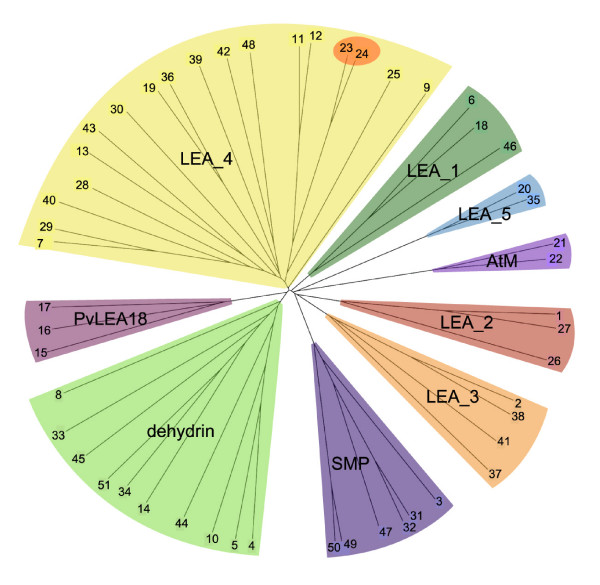
“We performed a ClustalW alignment of all 51 LEA proteins in Arabidopsis and the resulting unrooted dendrogram shows that the identified LEA groups are quite distinct from each other (Fig.”
MethodInfluentialProtein Identification and Analysis Tools on the ExPASy Server
Gasteiger, E., Hoogland, C., Gattiker, A., Duvaud, S., Wilkins, M. R., Appel, R. D., & Bairoch, A. (2005) · The Proteomics Protocols Handbook · doi:10.1385/1-59259-890-0:571 · Cited by 8,681
Protein Identification and Analysis Tools in the ExPASy Server
Wilkins, M. R., Gasteiger, E., Bairoch, A., Sanchez, J.-C., Williams, K. L., Appel, R. D., & Hochstrasser, D. F. (2003) · 2-D Proteome Analysis Protocols · doi:10.1385/1-59259-584-7:531 · Cited by 6,155 · cited 1×
“To get more information about the nature of the gene products, the GRAVY (grand average of hydropathy), the molecular weight and the pI were predicted by the PROTPARAM [ 132 ,133] tool.”
MethodPredicting Subcellular Localization of Proteins Based on their N-terminal Amino Acid Sequence
Emanuelsson, O., Nielsen, H., Brunak, S., & von Heijne, G. (2000) · Journal of Molecular Biology · doi:10.1006/jmbi.2000.3903 · Cited by 4,263
The Universal Protein Resource (UniProt)
Bairoch, A. (2004) · Nucleic Acids Research · doi:10.1093/nar/gki070 · Cited by 3,774 · cited 1×
“The PATTINPROT [128,129] tool was used to verify the stringency of the retrieved patterns by querying the UniProt [ 130 ,131] database.”
MethodAssumption-free analysis of quantitative real-time polymerase chain reaction (PCR) data
Ramakers, C., Ruijter, J. M., Deprez, R. H. L., & Moorman, A. F. M. (2003) · Neuroscience Letters · doi:10.1016/s0304-3940(02)01423-4 · Cited by 3,709 · cited 1×
“The mean PCR efficiency (E) for every primer pair was calculated using the linregPCR software [ 119 ].”
MethodPLANT COLD ACCLIMATION: Freezing Tolerance Genes and Regulatory Mechanisms
Thomashow, M. F. (1999) · Annual Review of Plant Physiology and Plant Molecular Biology · doi:10.1146/annurev.arplant.50.1.571 · Cited by 3,551
The Proteomics Protocols Handbook
(2005) · Humana Press eBooks · doi:10.1385/1592598900 · Cited by 3,538
Plant cis-acting regulatory DNA elements (PLACE) database: 1999
Higo, K., Ugawa, Y., Iwamoto, M., & Korenaga, T. (1999) · Nucleic Acids Research · doi:10.1093/nar/27.1.297 · Cited by 3,381
Czechowski, T., Stitt, M., Altmann, T., Udvardi, M. K., & Scheible, W.-R. (2005) · Plant Physiology · doi:10.1104/pp.105.063743 · Cited by 3,203 · cited 1×
“Data were normalized to the mean CT of three reference genes (At4g27960, At5g46630, and At4g34270) that were found to be stably expressed across various tissues and conditions [ 118 ].”
Method
Cited by
Items 501–600 of 1,001
Arranz-Solís, D., Warschkau, D., Fabian, B. T., Seeber, F., & Saeij, J. P. J. (2023) · mBio · doi:10.1128/mbio.02868-22 · Cited by 21
“This finding is in line with the role of TgLEA proteins described in plants and other organisms protecting them from desiccation and other abiotic stresses (34, 36, 53, 115).”
ResultParmagnani, A. S., Kanchiswamy, C. N., Paponov, I. A., Bossi, S., Malnoy, M., & Maffei, M. E. (2023) · Antioxidants · doi:10.3390/antiox12030600 · Cited by 26
“The LEA5 group is also expressed in non-seed organs and was found to be induced by ABA treatment [75].”
BackgroundGelaw, T. A., Goswami, K., & Mishra, N. S. (2023) · Agriculture · doi:10.3390/agriculture13030654 · Cited by 23
Debiton, C., Merlino, M., Chambon, C., Bancel, E., Decourteix, M., Planchot, V., & Branlard, G. (2010) · Journal of Cereal Science · doi:10.1016/j.jcs.2010.11.001 · Cited by 21
Bhattacharya, S., Dhar, S., Banerjee, A., & Ray, S. (2019) · Computational Biology and Chemistry · doi:10.1016/j.compbiolchem.2019.06.005 · Cited by 23
Sun, Y., Liu, L., Sun, S., Han, W., Irfan, M. I., Zhang, X., Zhang, L., & Chen, L. (2021) · Frontiers in Plant Science · doi:10.3389/fpls.2021.788938 · Cited by 21
Costa, C. D. N. M., Brígida, A. B. S., Borges, B. D. N., Neto, M. A. M., Carvalho, L. J. C. B., & de Souza, C. R. B. (2011) · Plant Molecular Biology Reporter · doi:10.1007/s11105-011-0292-7 · Cited by 21
“Studies show that LEA gene expression has no tissue specificity since it can be found in different parts of the plant, such as seeds, stems, leaves, and roots (Hou and Guo 1998; Zhang et al. 2002; Federspiel 2000; Hundertmark and Hincha 2008).”
BackgroundGiarola, V., Challabathula, D., & Bartels, D. (2015) · Plant Science · doi:10.1016/j.plantsci.2015.03.014 · Cited by 21
Liu, M., Yin, S., Si, D., Shao, L., Li, Y., Mi, Z., FuWei, W., Li, S., Liu, G., & Zhao, X. (2015) · Euphytica · doi:10.1007/s10681-015-1471-7 · Cited by 21
Cao, K., Zhang, Z., Fan, H., Tan, Y., Xu, H., & Zhou, X. (2022) · Theoretical and Experimental Plant Physiology · doi:10.1007/s40626-022-00248-y · Cited by 24
“The cold tolerance of transgenic Arabidopsis was enhanced by the ectopic expression of the citrus LEA gene (Hundertmark and Hincha 2008).”
BackgroundChen, L., Xin, J., Song, H., Xu, F., Yang, H., Sun, H., & Yang, M. (2022) · International Journal of Biological Macromolecules · doi:10.1016/j.ijbiomac.2022.11.301 · Cited by 29
Candat, A., Poupart, P., Andrieu, J., Chevrollier, A., Reynier, P., Rogniaux, H., Avelange‐Macherel, M., & Macherel, D. (2012) · Analytical Biochemistry · doi:10.1016/j.ab.2012.10.040 · Cited by 20
“The COR15 proteins are indeed encoded by a pair of homologous genes found as a tandem repeat on chromosome 2 [24].”
BackgroundMethodBae, E. C., Lee, H., Lee, J.-S., & Noh, E. (2009) · Plant Physiology and Biochemistry · doi:10.1016/j.plaphy.2009.11.002 · Cited by 20
Howles, P. A., Gebbie, L. K., Collings, D. A., Varsani, A., Broad, R. C., Ohms, S., Birch, R. J., Cork, A. H., Arioli, T., & Williamson, R. E. (2016) · Plant Molecular Biology · doi:10.1007/s11103-016-0428-0 · Cited by 20
“Although LEA proteins have often been associated with cellular dehydration tolerance, their physiological roles are largely unknown (Hundertmark and Hincha 2008), but some LTPs have been associated with cell wall loosening (Yeats and Rose 2008).”
BackgroundYu, X., Yue, W., Yang, Q., Zhang, Y., Han, X., Yang, F., Wang, R., & Li, G. (2019) · Revista Brasileira de Botânica · doi:10.1007/s40415-019-00529-y · Cited by 34
Soni, P., Nayak, S. N., Kumar, R., Pandey, M. K., Singh, N., Sudini, H. K., Bajaj, P., Fountain, J. C., Singam, P., Hong, Y., et al. (2020) · Journal of Fungi · doi:10.3390/jof6040370 · Cited by 20
Huang, Z., Zhang, X., Jiang, S., Qin, M., Zhao, N., Lang, L., Liu, Y., Tian, Z., Liu, X., Wang, Y., et al. (2017) · Ikushugaku zasshi · doi:10.1270/jsbbs.16161 · Cited by 20
Dionisio, G., Uddin, M., & Vincze, É. (2018) · Proteomes · doi:10.3390/proteomes6010003 · Cited by 21
“In Arabidopsis, 9 LEA groups have been identified based on specific motifs [100].”
BackgroundMethodFalavigna, V. D. S., Miotto, Y. E., Porto, D. D., Anzanello, R., dos Santos, H. P., Fialho, F. B., Margis-Pinheiro, M. M. A. N., Pasquali, G., & Revers, L. F. (2015) · Physiologia Plantarum · doi:10.1111/ppl.12338 · Cited by 23
“In other species, besides tandem rearrangements, segmental duplication may have equally contributed to the expansion of DHN family, which is composed of 10 members in Arabidopsis (Hundertmark and Hincha 2008), 13 in barley (Battaglia et al. 2008), 11 in poplar (Liu et al. 2012b) and 10 in soybean (Yamasaki et al. 2013…”
InfluentialLópez-Cordova, A., Medina, H. R., Silva-Martínez, G. A., González-Cruz, L., Bernardino‐Nicanor, A., Huanca‐Mamani, W., Montero-Tavera, V., Tovar-Aguilar, A., Ramírez-Pimentel, J. G., Durán‐Figueroa, N., et al. (2021) · Plants · doi:10.3390/plants10081694 · Cited by 19
“In total, 51 genes have been found in the Arabidopsis genome that encodes LEA proteins, also named with a number according to their position in the Arabidopsis genome, starting at the top of chromosome 1 [15,16].”
BackgroundResultInfluentialNtCOMT1 responsible for phytomelatonin biosynthesis confers drought tolerance in Nicotiana tabacum
Yao, Z., Zhang, X., Liang, Y., Zhang, J., Xu, Y., Chen, S., & Zhao, D. (2022) · Phytochemistry · doi:10.1016/j.phytochem.2022.113306 · Cited by 20
Evolution of ethylene as an abiotic stress hormone in streptophytes
de Poel, B. V., & de Vries, J. (2023) · Environmental and Experimental Botany · doi:10.1016/j.envexpbot.2023.105456 · Cited by 19
Luo, H., Lao, L., Au, K. S., Northrup, H., He, X., Forget, D., Gauthier, M., Coulombe, B., Bourdeau, I., Shi, W., et al. (2024) · Genome biology · doi:10.1186/s13059-023-03147-w · Cited by 20
“Small body size frequently occurs in about 31% of the 1997 strains of viable knockout strains surveyed [81], but the vast majority of the 620 stains of small mice have no kinky tail phenotype.”
BackgroundWang, X., Hu, Y., Dong, Y., Zhang, L., & Wang, B. (2025) · Plant and Cell Physiology · doi:10.1093/pcp/pcaf020 · Cited by 19
De novo Assembly and Transcriptomic Profiling of the Grazing Response in Stipa grandis
Wan, D., Wan, Y., Hou, X., Ren, W., Ding, Y., & Sa, R. (2015) · PLoS ONE · doi:10.1371/journal.pone.0122641 · Cited by 19
“The LEA (late-embryogenesis abundant) proteins, expressed by many prokaryotes and eukaryotes, are hydrophilic proteins associated with tolerance to dehydration [36, 37].”
BackgroundGao, B., Zhang, D., Li, X., Yang, H., Liang, Y., Chen, M., Zhang, Y., Zhang, J., & Wood, A. J. (2018) · Journal of Arid Land · doi:10.1007/s40333-017-0033-3 · Cited by 19
Shou, K., Bremer, A., Rindfleisch, T., Knox‐Brown, P., Hirai, M., Rekas, A., Garvey, C. J., Hincha, D. K., Stadler, A. M., & Thalhammer, A. (2019) · Physical Chemistry Chemical Physics · doi:10.1039/c9cp01768b · Cited by 21
Self-citationAskari‐Khorasgani, O., Hatterman‐Valenti, H., Pardo, F., & Pessarakli, M. (2019) · Journal of Plant Nutrition · doi:10.1080/01904167.2019.1648681 · Cited by 19
“…embryogenesis abundant (LEA) proteins are well documented to be involved in plant development responses to diverse abiotic stresses such as cold, heat, drought, high salinity, ABA, and wounding (Espelund et al. 1992; Hundertmark and Hincha 2008; Battaglia and Covarrubias 2013; Gao et al. 2014).”
BackgroundMartínez-Seidel, F., Suwanchaikasem, P., Nie, S., Leeming, M. G., Firmino, A. A. P., Williamson, N. A., Kopka, J., Roessner, U., & Boughton, B. A. (2021) · Frontiers in Plant Science · doi:10.3389/fpls.2021.656683 · Cited by 20
Induction Kinetics of a Novel Stress-related LEA Gene in Wheat
Min, D., Zhang, X., Xu, Z., Zhao, Y., Chen, Y., Li, L., Chen, M., & Ma, Y. (2012) · Plant Molecular Biology Reporter · doi:10.1007/s11105-012-0446-2 · Cited by 19
“At present, the specific biological functions of LEAs in plants are not well understood (Hundertmark and Hincha 2008).”
BackgroundIdentification of Late Embryogenesis Abundant (LEA) Protein Putative Interactors Using Phage Display
Kushwaha, R., Lloyd, T. D., Schäfermeyer, K. R., Kumar, S., & Downie, A. B. (2012) · International Journal of Molecular Sciences · doi:10.3390/ijms13066582 · Cited by 21
“The two proteins differ in length by 3 amino acids (SMP1: 86aas; GmPM28: 89aas), have a level of identity of 57%, and are 88% similar, So, despite SMP1 not being included as a LEA protein in either of the Arabidopsis surveys of these proteins [26,27], in this article, SMP1 and GmPM28 will be referred to, in the aggreg…”
Wang, X., Ke, L., Wang, S., Fu, J., Xu, J., Hao, Y., Kang, C., Guo, W., Deng, X., & Xu, Q. (2022) · Horticulture Research · doi:10.1093/hr/uhab036 · Cited by 20
“ABUNDANT (LEA) proteins, which were considered as the markers of somatic embryogenesis [42].”
BackgroundLanubile, A., Michele, R. D., Loi, M., Fakhari, S., Marocco, A., & Paciolla, C. (2022) · Plant Cell Reports · doi:10.1007/s00299-022-02888-5 · Cited by 19
“SAG21 belongs to the late embryogenesis-associated (LEA) protein family and, despite being first identified as early senescence-associated gene (Hundertmark and Hincha 2008), it is also induced by H2O2 and superoxide (O2.)”
BackgroundAziz, M. A., Sabeem, M., Kutty, M. S., Rahman, S., Alneyadi, M., Alkaabi, A., Almeqbali, E. S., Brini, F., Vijayan, R., & Masmoudi, K. (2023) · Scientific Reports · doi:10.1038/s41598-023-38426-w · Cited by 22
mRNA Transcript abundance during plant growth and the influence of Li+ exposure
Duff, M. C., Kuhne, W., Halverson, N. V., Chang, C.-S., Kitamura, E., Hawthorn, L., Martinez, N. E., Stafford, C. T., Milliken, C. E., Caldwell, E., et al. (2014) · Plant Science · doi:10.1016/j.plantsci.2014.10.004 · Cited by 18
Derakhshani, B., Ayalew, H., Mishina, K., Tanaka, T., Kawahara, Y., Jafary, H., & Oono, Y. (2020) · Plants · doi:10.3390/plants9050596 · Cited by 20
“Late-embryogenesis-abundant (LEA) proteins are widely assumed to play critical roles in cellular dehydration tolerance [23].”
BackgroundDing, M., Wang, L., Zhan, W., Sun, G., Jia, X., Chen, S., Ding, W., & Yang, J. (2021) · PLoS ONE · doi:10.1371/journal.pone.0249757 · Cited by 20
“) at late embryonic development stages [2], and in recent decades, have also been found in species from algae to angiosperms, such as cyanobacteria [3], Arabidopsis thaliana [4], rice (Oryza sativa L.”
BackgroundInfluentialZhang, X., Cheng, Z., Fan, G., Yao, W., Li, W., Chen, S., & Jiang, T. (2022) · BMC Plant Biology · doi:10.1186/s12870-022-03623-8 · Cited by 19
“NtLEA5 gene encodes a group 5 late embryogenesis abundant (LEA) protein, which functions in stabilizing labile enzymes and protects the structure of macromolecule and membranes [63].”
BackgroundBarnaby, J. Y., Fleisher, D. H., Sicher, R. C., Kim, J., Baligar, V. C., & Reddy, V. R. (2015) · Journal of Plant Physiology · doi:10.1016/j.jplph.2015.10.004 · Cited by 18
Molecular Analysis of OsLEA4 and Its Contributions to Improve E. coli Viability
Hu, T., Zeng, H., He, S., Wu, Y., Wang, G., & Huang, X. (2011) · Applied Biochemistry and Biotechnology · doi:10.1007/s12010-011-9418-5 · Cited by 19
“The LEA proteins are a highly diverse group of polypeptides that is illustrated in the model plants Arabidopsis thaliana and rice where the genomes harbor 51 and 34 LEA genes, respectively [11, 16, 17].”
BackgroundProtein Delivery into Plant Cells: Toward In vivo Structural Biology
Cedeño, C., Pauwels, K., & Tompa, P. (2017) · Frontiers in Plant Science · doi:10.3389/fpls.2017.00519 · Cited by 18
“In-cell NMR It is reported that both endogenous ERD14 and ERD10 are overexpressed in planta under abiotic stress, like low temperature and drought (Hundertmark and Hincha, 2008).”
BackgroundInfluentialNagaraju, M., Reddy, P. S., Kumar, S., Kumar, A., Suravajhala, P., Ali, A., Srivastava, R. K., Kishor, P. B. K., & Rao, D. M. (2018) · Plant Gene · doi:10.1016/j.plgene.2018.01.004 · Cited by 18
“Eight DHNs have been reported earlier in rice (Wang et al., 2007; Verma et al., 2017), 13 in barley (Tommasini et al., 2008), 10 in Arabidopsis (Hundertmark and Hincha, 2008), 11 in poplar (Liu et al., 2012), 9 in Malus (Liang et al., 2012), 4 in Vitis (Yang et al., 2012), and 23 in Brassica napus…”
BackgroundXiang, D., Man, L., Zhang, C., PengLiu, Li, Z.-G., & Gen-chang, Z. (2018) · PROTOPLASMA · doi:10.1007/s00709-018-1207-3 · Cited by 18
“…family, are rich in some higher plant species, with up to 32, 34, 51, 61, 73, and 79 LEA proteins characterized in maize, rice, Arabidopsis, melon, watermelon, and cucumber, respectively (Wang et al. 2007; Hundertmark and Hincha 2008; Altunoglu et al. 2016; Li and Cao 2016; Altunoglu et al. 2017).”
Multi‐Omics Insights into the Evolution of Angiosperm Resurrection Plants
Lyall, R., & Gechev, T. (2020) · Wiley eBooks · doi:10.1002/9781119312994.apr0730 · Cited by 19
Arroyo‐Mosso, I. A., Ardila, H. N. D., Garcíarrubio, A., Kumara, U. G. V. S. S., Rendón‐Luna, D. F., Nava-Ramírez, T., Boothby, T. C., Reyes, J. L., & Covarrubias, A. A. (2025) · Plant Cell & Environment · doi:10.1111/pce.15649 · Cited by 19
“A strong correlation exists between increased LEA protein transcript and protein levels in vegetative tissues when plants are subjected to water deficit conditions (Battaglia et al. 2008; Hernández ‐ Sánchez et al. 2022; Hundertmark and Hincha 2008).”
LEA proteins and ABA signaling: reciprocal regulation in stress adaptation
Hao, C., Zhan, X., Guo, N., Liu, J., & Cui, D. (2025) · Frontiers in Plant Science · doi:10.3389/fpls.2025.1715223 · Cited by 18
“For example, 51 Arabidopsis thaliana LEA genes were classi fi ed into nine subfamilies, with two unclassi fi ed proteins assigned to the AtM subgroup (Hundertmark and Hincha, 2008).”
Wang, L., Wang, H., Yin, L., & Tian, C. (2017) · BMC Genomics · doi:10.1186/s12864-017-4209-1 · Cited by 19
“LEA proteins have crucial roles in cellular dehydration tolerance [75].”
BackgroundSun, M., Dong, Z., Yang, J., Wu, W., Zhang, C., Zhang, J., Zhao, J., Xiong, Y., Jia, S., & Ma, X. (2021) · BMC Plant Biology · doi:10.1186/s12870-021-03037-y · Cited by 17
Wang, Q., Lei, X., Wang, Y., Di, P., Meng, X., Peng, W., Rong, J., & Wang, Y. (2024) · Plant Physiology and Biochemistry · doi:10.1016/j.plaphy.2024.108742 · Cited by 17
Wang, W., Liú, Y., Kang, Y., Liu, W., Li, S., Wang, Z., Xia, X., Chen, X., Qian, L., Xiong, X., et al. (2024) · BMC Plant Biology · doi:10.1186/s12870-024-05111-7 · Cited by 19
Paul, A., Singh, S., Sharma, S., & Kumar, S. (2014) · Molecular Biology Reports · doi:10.1007/s11033-014-3602-y · Cited by 17
“Group 7 LEA are highly diverse and little is known about this set of LEA proteins [5, 6, 8].”
BackgroundFort, A., Tuteja, R., Braud, M., McKeown, P. C., & Spillane, C. (2017) · The Plant Journal · doi:10.1111/tpj.13740 · Cited by 18
“2000), and four late embryogenesis abundant (LEA) proteins (Hundertmark and Hincha 2008) were also found to be over-expressed in our F1 triploid embryo”
BackgroundVázquez-Hernández, M., Romero, I., Sánchez-Ballesta, M. T., Merodio, C., & Escribano, M. I. (2020) · Plant Physiology and Biochemistry · doi:10.1016/j.plaphy.2020.12.003 · Cited by 17
Sundararajan, S., Shanmugam, R., Rajendran, V., Sivakumar, H. P., & Ramalingam, S. (2021) · Journal of soil science and plant nutrition · doi:10.1007/s42729-021-00710-x · Cited by 18
Saad, R. B., Romdhane, W. B., Baazaoui, N., Bouteraa, M. T., Chouaibi, Y., Mnif, W., Hsouna, A. B., & Kačániová, M. (2023) · International Journal of Molecular Sciences · doi:10.3390/ijms24033030 · Cited by 17
“Interestingly, RT-qPCR analysis before and after cold stress showed that the mRNA levels of cold-responsive genes, such as DREB1A (dehydration response element B1A), COR15A (cold-regulated 15A), COR47 (cold-regulated 47), KIN1 (stressresponsive protein KIN1), NtERD10D (early response to dehydration 10D), and NtLEA5 (l…”
BackgroundDevelopment of Crops to Produce Industrially Useful Natural Rubber
Whalen, M. C., McMahan, C. M., & Shintani, D. K. (2012) · Springer eBooks · doi:10.1007/978-1-4614-4063-5_23 · Cited by 17
Diversity of Dehydrins in Oleae europaea Plants Exposed to Stress
Tripepi, M. (2011) · The Open Plant Science Journal · doi:10.2174/1874294701105010009 · Cited by 18
“Chief among these proteins are the highly hydrophilic LEA polypeptides [9-12].”
BackgroundLEA Gene Introns: is the Intron of Dehydrin Genes a Characteristic of the Serine-Segment?
Jiménez-Bremont, J. F., Maruri‐López, I., Ochoa‐Alfaro, A. E., Delgado‐Sánchez, P., Bravo, J., & Rodríguez‐Kessler, M. (2012) · Plant Molecular Biology Reporter · doi:10.1007/s11105-012-0483-x · Cited by 17
“…SMP 1 155 159 916966 1 186 159 51 At5g66400 Dehydrin RAB18 Dehydrin 1 82 186 496967 1 90 170 aA. thaliana LEA genes classification was taken from Hundertmark and Hincha (2008) Table 4 Intron and protein sequence identity in LEA genes of Arabidopsis species Number A. thaliana A. lyrata Intron *…”
BackgroundMethodInfluentialPinheiro, C., Sergeant, K., Machado, C. M., Renaut, J., & Ricardo, C. P. (2013) · Journal of Proteome Research · doi:10.1021/pr400012t · Cited by 18
Perigone Lobe Transcriptome Analysis Provides Insights into Rafflesia cantleyi Flower Development
Lee, X.-W., Isa, M. N. M., Mohd-Elias, N.-A., Juhari, M. A. A., Goh, H., Dear, P. H., Chow, K.-S., Adam, J. H., Mohamed, R., Firdaus‐Raih, M., et al. (2016) · PLoS ONE · doi:10.1371/journal.pone.0167958 · Cited by 17
Intrinsically Disordered Proteins as Important Players during Desiccation Stress of Soybean Radicles
Liu, Y., Wu, J., Sun, N., Tu, C., Shi, X., Cheng, H., Liu, S., Li, S., Wang, Y., Zheng, Y., et al. (2017) · Journal of Proteome Research · doi:10.1021/acs.jproteome.6b01045 · Cited by 18
George, S., Usha, B., & Parida, A. (2008) · Applied Biochemistry and Biotechnology · doi:10.1007/s12010-008-8398-6 · Cited by 17
Identification of the Maize LEA Gene Family and Its Relationship with Kernel Dehydration
Zhang, Y., Zhang, X., Zhu, L., Wang, L., Zhang, H., Zhang, X., Xu, S., & Xue, J. (2023) · Plants · doi:10.3390/plants12213674 · Cited by 16
“According to the physicochemical characterization of the ZmLEA genes, we found most of the ZmLEA proteins were hydrophilic, according to their hydrophilicity mean (GRAVY) values (Table 1), similar to the LEA proteins in Arabidopsis and Brassica napus [8,29].”
BackgroundResultInfluentialWang, X., Sun, Y., Wang, R., Li, X., Li, Y., Wang, T., Guo, Z., Li, Y., Qiu, W., Guan, S., et al. (2025) · Agronomy · doi:10.3390/agronomy15010192 · Cited by 17
GABA and Proline Application Induce Drought Resistance in Oilseed Rape
Jurkonienė, S., Gavelienė, V., Mockevičiūtė, R., Jankovska‐Bortkevič, E., Šveikauskas, V., Jankauskienė, J., Žalnierius, T., & Kozeko, L. (2025) · Plants · doi:10.3390/plants14060860 · Cited by 17
“It is known that genes encoding LEA proteins are expressed in seeds and vegetative organs during abiotic stress [19].”
Identifying High Confidence microRNAs in the Developing Seeds of Jatropha curcas
Yang, M., Lü, H., Xue, F., & Ma, L. (2019) · Scientific Reports · doi:10.1038/s41598-019-41189-y · Cited by 18
Dayı, M., Kanzaki, N., Sun, S., Ide, T., Tanaka, R., Masuya, H., Okabe, K., Kajimura, H., & Kikuchi, T. (2021) · Scientific Reports · doi:10.1038/s41598-021-85967-z · Cited by 18
Hatanaka, R., Furuki, T., Shimizu, T., Takezawa, D., Kikawada, T., Sakurai, M., & Sugawara, Y. (2014) · Biochemical and Biophysical Research Communications · doi:10.1016/j.bbrc.2014.10.130 · Cited by 18
Avelange‐Macherel, M., PAYET, N., Lalanne, D., Neveu, M., Tolleter, D., Burstin, J., & Macherel, D. (2014) · Plant Cell & Environment · doi:10.1111/pce.12480 · Cited by 18
Pathak, N., & Ikeno, S. (2017) · Biochemical and Biophysical Research Communications · doi:10.1016/j.bbrc.2017.08.091 · Cited by 17
Liu, Y., Yang, M., Cheng, H., Sun, N., Liu, S., Li, S., Wang, Y., Zheng, Y., & Uversky, V. N. (2017) · Biochimica et Biophysica Acta (BBA) - Proteins and Proteomics · doi:10.1016/j.bbapap.2017.08.020 · Cited by 17
Yin, P., Ding, W., Zhang, H., Liu, X., Zhang, H., Zeng, J., & Xu, J. (2022) · Horticultural Plant Journal · doi:10.1016/j.hpj.2022.10.001 · Cited by 15
de Oliveira, P. N., Matias, F., Martínez‐Andújar, C., Martínez‐Melgarejo, P. A., Prudencio, Á. S., Galeano, E., Pérez‐Alfocea, F., & Carrer, H. (2023) · International Journal of Molecular Sciences · doi:10.3390/ijms24044149 · Cited by 21
Li, C., Wang, C., Cheng, Z., Li, Y., & Li, W. (2024) · Scientific Reports · doi:10.1038/s41598-024-60848-3 · Cited by 19
Mei, F., Yang, T., Chao, H., Ma, X., Wu, J., Yang, Q., Ren, G., Song, L., Wang, Q., Qi, L., et al. (2025) · The Plant Journal · doi:10.1111/tpj.17255 · Cited by 19
Wu, D., Ji, J., Wang, G., Guan, W., Guan, C., Jin, C., & Tian, X. (2014) · Plant Growth Regulation · doi:10.1007/s10725-014-9998-5 · Cited by 15
“NtLEA5 encodes a group 5 late embryogenesis abundant (LEA) protein, Circumstantial evidence has showed that LEA proteins function in dehydration tolerance by binding water, stabilizing labile enzymes, and protecting cellular and macromolecular structures (Hundertmark and Hincha 2008).”
BackgroundConserved sequence motifs in the abiotic stress response protein late embryogenesis abundant 3
Singh, K. K., & Graether, S. P. (2020) · PLoS ONE · doi:10.1371/journal.pone.0237177 · Cited by 17
“LEA genes appear to be numerous in the plant genome, with 51 lea genes identified in Arabidopsis thaliana [10, 11].”
BackgroundMethodDivya, K., Reddy, P. S., Kishor, P. B. K., Rajesh, A. S., Vadez, V., Sharma, K. K., & Bhatnagar‐Mathur, P. (2021) · Physiologia Plantarum · doi:10.1111/ppl.13544 · Cited by 15
“Transgenic Arabidopsis overexpressing RcLEA exhibited better growth after exposure to high and lowtemperature regimen and low levels of peroxide (Zhang et al. 2014).”
BackgroundResultInfluentialXiao, Z., Zhang, C., Qu, C., Wei, L., Zhang, L., Yang, B., Lu, K., & Li, J. (2022) · Frontiers in Plant Science · doi:10.3389/fpls.2022.1067121 · Cited by 15
“BnaA03g48800D (Y3) encodes an oxidoreductase required for proper development of the Arabidopsis vegetative shoot apex (Callos et al., 1994).”
BackgroundInfluentialSun, Z., Zhou, M., Xiao, X.-G., Tang, Y., & Wu, Y. (2014) · Plant Biotechnology Reports · doi:10.1007/s11816-014-0323-6 · Cited by 15
“Expression of salt-responsive genes in transgenic Arabidopsis To elucidate the putative molecular mechanisms of LcERF080 in the response to salt, we investigated the accumulation of the seven well-known salt stress-response genes, including COR15A (Baker et al. 1994), P5CS1, P5CS2 (Archana and Penna 2013), LEA4-5 (Hun…”
Influentialde Andrade, T., Pinho, É. V. R. V., Pinho, R. G. V., Oliveira, G. E., Andrade, V., & Fernandes, J. S. (2013) · Genetics and Molecular Research · doi:10.4238/2013.september.13.7 · Cited by 15
“The increase in heat-resistant proteins, among other mechanisms, seems to be involved in the acquisition and maintenance of desiccation tolerance, providing protection against the consequences of moisture loss at different hydration levels (Hundertmark and Hincha, 2008).”
BackgroundZan, T., Li, L., Xie, T., Zhang, L., & Li, X. (2020) · Genomics · doi:10.1016/j.ygeno.2020.04.007 · Cited by 18
Minh, B. M., Linh, N. T., Hạnh, H. H., Hiền, L. T. T., Thang, N. X., Hải, N. V., & Huệ, H. T. T. (2019) · Agronomy · doi:10.3390/agronomy9020062 · Cited by 15
Identification and expression analysis of LEA gene family members in pepper ( Capsicum annuum L.)
Zhao, Y., Hao, Y., Dong, Z., Tang, W., Wang, X., Li, J., Wang, L., Hu, Y., Fang, L., Guan, X., et al. (2023) · FEBS Open Bio · doi:10.1002/2211-5463.13718 · Cited by 14
“…and analysis of the LEA gene families have been conducted in several plant species with sequenced genomes, such as Arabidopsis thaliana , Oryza sativa , Cucumis sativus L., Solanum lycopersicum , Camellia sinensis (L.) O. Kuntze, G. hirsutum , and Salvia miltiorrhiza [9,13,25,26,34 – 36].”
InfluentialRendón‐Luna, D. F., Arroyo‐Mosso, I. A., Luna-Valenciano, H. D., Campos, F., Segovia, L., Saab‐Rincón, G., Cuevas‐Velazquez, C. L., Reyes, J. L., & Covarrubias, A. A. (2024) · Scientific Reports · doi:10.1038/s41598-024-53295-7 · Cited by 19
AL-Quraan, N. A., Samarah, N. H., & AL-Fawaz, A. M. (2024) · Plant Growth Regulation · doi:10.1007/s10725-024-01207-0 · Cited by 14
“…the accumulation of DHNs is associated with several vital functions such as ROS scavenging, sustaining flow-ability of cell sap, and stabilizing structure and function of proteins to countercurrent the impact of environmental stresses (Allagulova et al. 2003; Hundertmark and Hincha 2008).”
Involvement of C-Terminal Histidines in Soybean PM1 Protein Oligomerization and Cu2+ Binding
Liu, G., Liu, K., Gao, Y., & Zheng, Y. (2017) · Plant and Cell Physiology · doi:10.1093/pcp/pcx046 · Cited by 14
“Most LEA proteins are highly hydrophilic and thermostable (GarayArroyo et al. 2000) and can be classified into at least seven groups defined by the presence of particular Pfam domains within their sequence (Finn et al. 2006, Hundertmark and Hincha 2008).”
BackgroundImpact of Plant-Associated Microbial Communities on Host Plants Under Abiotic Stresses
Arora, S., & Jha, P. N. (2019) · Springer eBooks · doi:10.1007/978-981-13-8383-0_10 · Cited by 15
Metwally, K., & Ikeno, S. (2020) · Applied Biochemistry and Biotechnology · doi:10.1007/s12010-020-03262-5 · Cited by 14
Characterization of LEA genes in Dendrobium officinale and one Gene in induction of callus
He, C., Liu, X., da Silva, J. A. T., Wang, H., Peng, T., Zhang, M., Si, C., Yu, Z., Tan, J., Zhang, J., et al. (2020) · Journal of Plant Physiology · doi:10.1016/j.jplph.2020.153356 · Cited by 16
Cui, H., Ding, Z., Zhu, Z., Liu, S., Wang, X., Luan, F., & Gao, P. (2021) · Scientia Horticulturae · doi:10.1016/j.scienta.2021.110717 · Cited by 16
Amanullah, S., Osae, B. A., Yang, T., Li, S., Abbas, F., Liu, S., Liu, S., Song, Z., Wang, X., Gao, P., et al. (2022) · Frontiers in Plant Science · doi:10.3389/fpls.2022.879919 · Cited by 14
“, 1981) and a total of 51 putative LEA protein family members (nine subfamilies) exhibit vegetative and reproductive tissue expression (Hundertmark and Hincha, 2008).”
BackgroundA genome for Cissus illustrates features underlying its evolutionary success in dry savannas
Xin, H., Wang, Y., Li, Q., Wan, T., Hou, Y., Liu, Y., Gichuki, D. K., Zhou, H., Zhu, Z., Xu, C., et al. (2022) · Horticulture Research · doi:10.1093/hr/uhac208 · Cited by 14
“P450, LEA, and LRR) would play key roles in the objective arms race against pathogens and unfavorable environments [80, 107, 108].”
BackgroundDalal, M., Kumar, G. S., & Mayandi, K. (2012) · Acta Physiologiae Plantarum · doi:10.1007/s11738-012-1123-7 · Cited by 14
“However, not all the LEA genes are regulated by these stresses and ABA in vegetative tissues (Battaglia et al. 2008; Bies-Etheve et al. 2008; Hundertmark and Hincha 2008).”
InfluentialLiu, Q., Xu, K.-D., Zhong, M., Pan, Y., Jiang, B., Liu, G.-L., Jia, Y., & Zhang, H. (2013) · Biotechnology Letters · doi:10.1007/s10529-013-1289-0 · Cited by 15
“NtLEA5 belongs to late embryogenesis abundant (LEA) genes and encode LEA proteins, which was assumed to play critical roles of stabilizing labile enzymes and protecting cellular structure (Hundertmark and Hincha 2008).”
BackgroundComparative analysis of abscisic acid‐regulated transcriptomes in Arabidopsis
Choudhury, A., & Lahiri, A. (2010) · Plant Biology · doi:10.1111/j.1438-8677.2010.00340.x · Cited by 14
Response to water deficit in glume of wheat: expression profiling by microarray analysis
Liu, C., Mi, H., Liu, H., Xie, S., Wu, Y., Ning, P., Liang, T., & Lv, J. (2016) · Euphytica · doi:10.1007/s10681-016-1827-7 · Cited by 14
Farheen, J., Mansoor, S., & Abideen, Z. (2018) · Pakistan Journal of Botany · Cited by 14
Murvai, N., Kalmar, L., Szalaine Agoston, B., Szabo, B., Tantos, A., Csikos, G., Micsonai, A., Kardos, J., Vertommen, D., Nguyen, P. N., et al. (2020) · Cells · doi:10.3390/cells9081856 · Cited by 13
“thaliana [6,19] and may fulfill overlapping functions.”
BackgroundJiang, Y., Zhang, S., Xu, H., Tian, H., Zhang, M., Zhu, S., Wang, C., Hou, J., Chen, G., Tang, X., et al. (2023) · Genes · doi:10.3390/genes14020415 · Cited by 13
“Construction of the Gene Family Evolutionary Tree To explore the classification of the BrLEA gene family, a phylogenetic tree was constructed in relation to 51 Arabidopsis AtLEA [15] and 82 BrLEA gene family members in Chinese cabbage (Figure 1).”
BackgroundMethodInfluential
Metadata
- Authors
- Hundertmark, M., & Hincha, D. K.
- Affiliations
- Max Planck Institute of Molecular Plant Physiology (DE)
- Corresponding author
- Hincha, Dirk K
- ORCID
- Hincha, Dirk K
- Venue
- BMC Genomics
- Published
- 2008
- Volume
- 9
- Issue
- 1
- Pages
- 118
- ISSN
- 1471-2164 (ISSN-L)
- PMC
- PMC2292704
- OpenAlex
- W2081744992
- Cited by
- 1,044
- References
- 133
- Citations by year
- 2026: 44 · 2025: 68 · 2024: 74 · 2023: 44 · 2022: 72 · 2021: 98 · 2020: 73 · 2019: 63 · 2018: 57 · 2017: 59 · 2016: 52 · 2015: 53 · 2014: 59 · 2013: 55 · 2012: 51
- FWCI
- 48.80
- Type
- journal article
- Language
- en
- Open access
- gold
- doi.org
- Licence
- cc-by
- Locations
- BMC Genomics (publishedVersion, cc-by)
- PubMed Central (publishedVersion, cc-by)
- PubMed (publishedVersion)
- DOAJ (DOAJ: Directory of Open Access Journals) (submittedVersion)
- Max Planck Institute for Plasma Physics (submittedVersion)
- MPG.PuRe (Max Planck Society) (submittedVersion, other-oa)
- Funders
- Universität Potsdam
- Topics
- Life Sciences › Agricultural and Biological Sciences › Plant Science › Plant Stress Responses and Tolerance
- Life Sciences › Agricultural and Biological Sciences › Plant Science › Seed Germination and Physiology
- Life Sciences › Agricultural and Biological Sciences › Plant Science › Plant Molecular Biology Research
- Keywords
- late embryogenesis abundant proteins, LEA genes, Arabidopsis thaliana, desiccation tolerance, dehydration tolerance, seed development, abscisic acid response element, gene expression patterns, tandem repeats, homeologous genes, gene duplication, protein structure prediction
- MeSH terms
- Abscisic Acid, Amino Acid Sequence, Molecular Sequence Data, Plant Proteins, Promoter Regions, Genetic, Sequence Alignment, Genes, Plant, Arabidopsis, Gene Expression Regulation, Plant, Genome, Plant, Evolution, Molecular, Arabidopsis Proteins, Embryonic Development, Regulatory Elements, Transcriptional
About these checks
Registry, retraction, Cites and statistics results are computed, not judged, with one exception: a printed reference that no index lists is read once by a model before it counts as a citation error. Claims are extracted by a model and kept only when their quote appears verbatim in the text; each cited source is then checked, with a model’s help, for whether it says what the claim relies on. Those verdicts can be wrong — read the claim’s quote and the cited source before relying on one.
Statistics and arithmetic are recomputed, not judged.
Confidence bands are shown only for fields calibrated on our annotated test set. None is calibrated yet, so no band is shown.
What counts as a claim ›How we measure confidence ›How we check this ›
Are you an author, or do you see a problem with this page? Request a review
Data sources
Bibliographic data: Semantic Scholar, OpenAlex, Crossref.
Contains information from the Semantic Scholar Academic Graph Datasets, made available under the ODC Attribution License (ODC-BY 1.0).
Semantic Scholar’s data is described in: Kinney, R., et al. (2023). The Semantic Scholar Open Data Platform. arXiv:2301.10140.
