

LEA (Late Embryogenesis Abundant) proteins and their encoding genes in Arabidopsis thaliana
Open accessThe DOI matches its Crossref record; 135 of the 136 references it cites were found in a registry or an index.
Abstract
BACKGROUND: LEA (late embryogenesis abundant) proteins have first been described about 25 years ago as accumulating late in plant seed development. They were later found in vegetative plant tissues following environmental stress and also in desiccation tolerant bacteria and invertebrates. Although they are widely assumed to play crucial roles in cellular dehydration tolerance, their physiological and biochemical functions are largely unknown. RESULTS: We present a genome-wide analysis of LEA proteins and their encoding genes in Arabidopsis thaliana. We identified 51 LEA protein encoding genes in the Arabidopsis genome that could be classified into nine distinct groups. Expression studies were performed on all genes at different developmental stages, in different plant organs and under different stress and hormone treatments using quantitative RT-PCR. We found evidence of expression for all 51 genes. There was only little overlap between genes expressed in vegetative tissues and in seeds and expression levels were generally higher in seeds. Most genes encoding LEA proteins had abscisic acid response (ABRE) and/or low temperature response (LTRE) elements in their promoters and many genes containing the respective promoter elements were induced by abscisic acid, cold or drought. We also found that 33% of all Arabidopsis LEA protein encoding genes are arranged in tandem repeats and that 43% are part of homeologous pairs. The majority of LEA proteins were predicted to be highly hydrophilic and natively unstructured, but some were predicted to be folded. CONCLUSION: The analyses indicate a wide range of sequence diversity, intracellular localizations, and expression patterns. The high fraction of retained duplicate genes and the inferred functional diversification indicate that they confer an evolutionary advantage for an organism under varying stressful environmental conditions. This comprehensive analysis will be an important starting point for future efforts to elucidate the functional role of these enigmatic proteins.
Overview
The claims and statistics of this paper haven’t been checked yet.
Free: it reads the open-access text and checks the first 5 claims that cite a source we can check. Create a free account to check every claim.
Integrity signals
Registry
Cites
Statistics
Figures
Verification
Claims the paper makes
The claims and statistics of this paper haven’t been checked yet.
Free: it reads the open-access text and checks the first 5 claims that cite a source we can check. Create a free account to check every claim.
Claims other papers make about this one
Each is checked against this paper’s own text: does it say what the citing paper says it does?
The source backs part of the claim, not all of it — or backs it for a different population, condition or comparison.
In the citing paper
“The high number of CDK genes in G. hirsutum was more likely caused by gene duplication and the conservation of the CDK genes during the polyploidization process”
From Whole Genome Analysis of Cyclin Dependent Kinase (CDK) Gene Family in Cotton and Functional Evaluation of the Role of CDKF4 Gene in Drought and Salt Stress Tolerance in Plants (2018) · cites this paper as [41]
Experimental — accuracy not yet measuredIn the citing paper
“Similar findings, with the predominance of ABRE cis-element, have been reported for CDK genes in tomato [40], Arabidopsis [41], and Chinese plum [42].”
Self-check
Percentages, sums and reported differences re-computed from the paper’s own numbers.
The self-check needs the paper’s full text.
Citations
Cites
Thompson, J. D., Higgins, D. G., & Gibson, T. J. (1994) · Nucleic Acids Research · doi:10.1093/nar/22.22.4673 · Cited by 64,617 · cited 5×
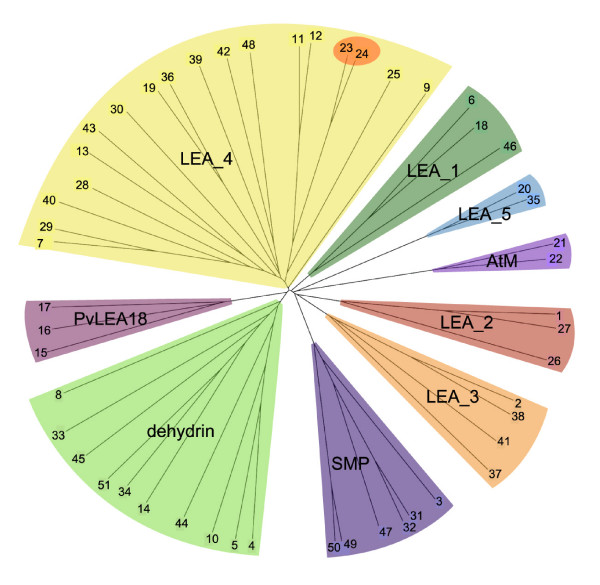
“We performed a ClustalW alignment of all 51 LEA proteins in Arabidopsis and the resulting unrooted dendrogram shows that the identified LEA groups are quite distinct from each other (Fig.”
MethodInfluentialProtein Identification and Analysis Tools on the ExPASy Server
Gasteiger, E., Hoogland, C., Gattiker, A., Duvaud, S., Wilkins, M. R., Appel, R. D., & Bairoch, A. (2005) · The Proteomics Protocols Handbook · doi:10.1385/1-59259-890-0:571 · Cited by 8,681
Protein Identification and Analysis Tools in the ExPASy Server
Wilkins, M. R., Gasteiger, E., Bairoch, A., Sanchez, J.-C., Williams, K. L., Appel, R. D., & Hochstrasser, D. F. (2003) · 2-D Proteome Analysis Protocols · doi:10.1385/1-59259-584-7:531 · Cited by 6,155 · cited 1×
“To get more information about the nature of the gene products, the GRAVY (grand average of hydropathy), the molecular weight and the pI were predicted by the PROTPARAM [ 132 ,133] tool.”
MethodPredicting Subcellular Localization of Proteins Based on their N-terminal Amino Acid Sequence
Emanuelsson, O., Nielsen, H., Brunak, S., & von Heijne, G. (2000) · Journal of Molecular Biology · doi:10.1006/jmbi.2000.3903 · Cited by 4,263
The Universal Protein Resource (UniProt)
Bairoch, A. (2004) · Nucleic Acids Research · doi:10.1093/nar/gki070 · Cited by 3,774 · cited 1×
“The PATTINPROT [128,129] tool was used to verify the stringency of the retrieved patterns by querying the UniProt [ 130 ,131] database.”
MethodAssumption-free analysis of quantitative real-time polymerase chain reaction (PCR) data
Ramakers, C., Ruijter, J. M., Deprez, R. H. L., & Moorman, A. F. M. (2003) · Neuroscience Letters · doi:10.1016/s0304-3940(02)01423-4 · Cited by 3,709 · cited 1×
“The mean PCR efficiency (E) for every primer pair was calculated using the linregPCR software [ 119 ].”
MethodPLANT COLD ACCLIMATION: Freezing Tolerance Genes and Regulatory Mechanisms
Thomashow, M. F. (1999) · Annual Review of Plant Physiology and Plant Molecular Biology · doi:10.1146/annurev.arplant.50.1.571 · Cited by 3,551
The Proteomics Protocols Handbook
(2005) · Humana Press eBooks · doi:10.1385/1592598900 · Cited by 3,538
Plant cis-acting regulatory DNA elements (PLACE) database: 1999
Higo, K., Ugawa, Y., Iwamoto, M., & Korenaga, T. (1999) · Nucleic Acids Research · doi:10.1093/nar/27.1.297 · Cited by 3,381
Czechowski, T., Stitt, M., Altmann, T., Udvardi, M. K., & Scheible, W.-R. (2005) · Plant Physiology · doi:10.1104/pp.105.063743 · Cited by 3,203 · cited 1×
“Data were normalized to the mean CT of three reference genes (At4g27960, At5g46630, and At4g34270) that were found to be stably expressed across various tissues and conditions [ 118 ].”
Method
Cited by
Items 201–300 of 1,003
Wang, L., Hu, W., Sun, J., Liang, X., Yang, X., Wei, S., Wang, X., Zhou, Y., Xiao, Q., Yang, G., et al. (2015) · Plant Science · doi:10.1016/j.plantsci.2015.05.008 · Cited by 76
Jaspard, E., Macherel, D., & Hunault, G. (2012) · PLoS ONE · doi:10.1371/journal.pone.0036968 · Cited by 72
“They are especially prominent in plants with up to 71 genes annotated as LEAPs in Arabidopsis [6–8].”
BackgroundFunctional characterization of selected LEA proteins from Arabidopsis thaliana in yeast and in vitro
Dang, N. X., Popova, A. V., Hundertmark, M., & Hincha, D. K. (2014) · Planta · doi:10.1007/s00425-014-2089-z · Cited by 74
“Table 1 list of all candidate lea proteins the information was taken from table 1 in Hundertmark and Hincha (2008) GRAVY grand average of hydropathy a lea group according to Bray (1993) name agI code amino acids ncBI name Pfam family (lea group)a graVY Predicted subcellular localization expression…”
Self-citationSyed, N. H., Prince, S., Mutava, R. N., Patil, G., Song, L., Chen, W., Valliyodan, B., Joshi, T., Khan, S. M., & Nguyen, H. T. (2015) · Journal of Experimental Botany · doi:10.1093/jxb/erv407 · Cited by 72
Subramanian, S., Souleimanov, A., & Smith, D. L. (2016) · Frontiers in Plant Science · doi:10.3389/fpls.2016.01314 · Cited by 79
Zhou, M., Hassan, M. J., Peng, Y., Liu, L., Liu, W., Zhang, Y., & Li, Z. (2021) · Frontiers in Plant Science · doi:10.3389/fpls.2021.776939 · Cited by 74
Transcriptional Profiles of Roots of Different Soybean Genotypes Subjected to Drought Stress
Stolf-Moreira, R., Lemos, E. G. D. M., Alves, L. M. C., Marcondes, J., Pereira, S. S., Rolla-Santos, A. A. P., Pereira, R. M., Neumaier, N., Binneck, E., Abdelnoor, R. V., et al. (2010) · Plant Molecular Biology Reporter · doi:10.1007/s11105-010-0203-3 · Cited by 71
“Most genes encoding LEA proteins had abscisic acid response (ABRE) and/or low temperature response (LTRE) elements in their promoters, and many genes containing the respective promoter elements were induced by abscisic acid, cold, or drought (Hundertmark and Hincha 2008).”
BackgroundSu, M., Huang, G., Zhang, Q., Wang, X., Li, C., Tao, Y., Zhang, S., Lai, J., Yang, C., & Wang, Y. (2016) · Plant Science · doi:10.1016/j.plantsci.2016.03.009 · Cited by 67
Jaouannet, M., Morris, J., Hedley, P. E., & Bos, J. I. B. (2015) · PLoS Pathogens · doi:10.1371/journal.ppat.1004918 · Cited by 67
“The LEA family contains many different members that are likely involved in cell stress tolerance and osmoregulation [36], [37], [38], [39].”
BackgroundClassification and expression diversification of wheat dehydrin genes
Wang, Y., Xu, H., Zhu, H., Tao, Y., Zhang, G., Zhang, L., Zhang, C., Zhang, Z., & Ma, Z. (2013) · Plant Science · doi:10.1016/j.plantsci.2013.10.005 · Cited by 66
RNA-Seq transcriptome analysis of Spirodela dormancy without reproduction
Wang, W., Wu, Y., & Messing, J. W. (2014) · BMC Genomics · doi:10.1186/1471-2164-15-60 · Cited by 66
“Additionally, LEA was found to protect other proteins against desiccation, cold, and high salinity [49] and especially accumulates when plant seeds desiccate [50].”
BackgroundLu, X., Yang, L., Yu, M., Lai, J., Wang, C., McNeil, D. L., Zhou, M., & Yang, C. (2017) · Plant Physiology and Biochemistry · doi:10.1016/j.plaphy.2017.02.002 · Cited by 66
Hub metabolites at the root–microbiome interface: unlocking plant drought resilience
Pantigoso, H. A., Ossowicki, A., Stringlis, I. A., & Carrión, V. J. (2025) · Trends in Plant Science · doi:10.1016/j.tplants.2025.04.007 · Cited by 75
Sharma, P., Chatterjee, M., Burman, N., & Khurana, J. P. (2013) · Plant Cell & Environment · doi:10.1111/pce.12212 · Cited by 70
“The LEA protein encoding genes in Arabidopsis are induced not only by ABA but also under drought and salt stress (Hundertmark & Hincha 2008).”
BackgroundGenome-wide identification and expression profiling of dehydrin gene family in Malus domestica
Liang, D., Xia, H., Wu, S., & Ma, F. (2012) · Molecular Biology Reports · doi:10.1007/s11033-012-1968-2 · Cited by 65
“K’’; these include K6, Y3K1, KS, SK2, SK3, YSK2, and Y2SK2 [30].”
BackgroundInfluentialSun, Z., Zhou, M., Xiao, X.-G., Tang, Y., & Wu, Y. (2014) · Functional & Integrative Genomics · doi:10.1007/s10142-014-0372-5 · Cited by 65
“These results suggested that LcERF054 could modulate directly or indirectly salt-, drought-, cold-, and ABA-induced gene expression such as COR15A, RD29A, P5CS1, and LEA4-5 to enhance tolerance to salt stress.”
BackgroundInfluentialHua, J., Li, C., Ma, F., Ma, J.-H., Khan, A., Wang, X. D., Zhao, L., Gong, Z., & Chen, R. (2016) · PLoS ONE · doi:10.1371/journal.pone.0161073 · Cited by 67
“Meanwhile the sequences of DHNmembers from Arabidopsis [16] and tomato [21] were used to blast against PGP.”
BackgroundMethodInfluentialHuang, Z., Zhong, X.-J., He, J., Jin, S.-H., Guo, H.-D., Yu, X., Zhou, Y., Li, X., Ma, M., Chen, Q., et al. (2016) · PLoS ONE · doi:10.1371/journal.pone.0165953 · Cited by 68
VanBuren, R., Wai, C. M., Zhang, Q., Song, X., Edger, P. P., Bryant, D., Michael, T. P., Mockler, T. C., & Bartels, D. (2017) · Plant Cell & Environment · doi:10.1111/pce.13027 · Cited by 71
“Some LEA proteins are also involved in drought and other abiotic stress responses, but the majority show seed-specific expression patterns (Wang et al. 2007; Hundertmark & Hincha 2008).”
BackgroundLi, X., & Cao, J. W. (2015) · Plant Molecular Biology Reporter · doi:10.1007/s11105-015-0901-y · Cited by 72
Shiraku, M. L., Magwanga, R. O., Zhang, Y., Hou, Y., Kirungu, J. N., Mehari, T. G., Xu, Y., Wang, Y., Wang, K., Cai, X., et al. (2022) · International Journal of Biological Macromolecules · doi:10.1016/j.ijbiomac.2022.03.110 · Cited by 67
Genomic evidence for rediploidization and adaptive evolution following the whole-genome triplication
Feng, X., Chen, Q., Wu, W., Wang, J., Li, G.-H., Xu, S., Shao, S., Liu, M., Zhong, C., Wu, C., et al. (2024) · Nature Communications · doi:10.1038/s41467-024-46080-7 · Cited by 75
Sánchez, D. H., Szymański, J., Erban, A., Udvardi, M. K., & Kopka, J. (2010) · Plant Cell & Environment · doi:10.1111/j.1365-3040.2009.02047.x · Cited by 67
“However, some of the genes, which were ruled out by our intersection analysis as being non-robust, had been previously described to be stress relevant in other plant species (Pääkkönen et al. 1998; Deuschle et al. 2004; Hundertmark & Hincha 2008; Luan 2008).”
The principle of conformational signaling
Tompa, P. (2016) · Chemical Society Reviews · doi:10.1039/c6cs00011h · Cited by 67
Falginella, L., André, C. M., Legay, S., Lin‐Wang, K., Dare, A. P., Deng, C. H., Rebstock, R. S., Plunkett, B. J., Guo, L. F., Cipriani, G., et al. (2021) · Horticulture Research · doi:10.1038/s41438-021-00511-4 · Cited by 62
The Orthodox Dry Seeds Are Alive: A Clear Example of Desiccation Tolerance
Matilla, A. J. (2021) · Plants · doi:10.3390/plants11010020 · Cited by 65
A PDLP-NHL3 complex integrates plasmodesmal immune signaling cascades
Tee, E. E., Johnston, M. G., Papp, D., & Faulkner, C. R. (2023) · Proceedings of the National Academy of Sciences · doi:10.1073/pnas.2216397120 · Cited by 67
“They have a hydrophobic (35), glycine-rich chemical composition (36), and are generally predicted to be intrinsically unstructured proteins with a left-handed polyproline II helix conformation (35, 37–39).”
BackgroundYacoubi, R., Job, C., Belghazi, M., Chaïbi, W., & Job, D. (2013) · Seed Science Research · doi:10.1017/s0960258513000093 · Cited by 62
“Some of them would play similar roles as the LEA proteins during seed development (Hundertmark and Hincha, 2008), but this might not be the case for all SMPs.”
BackgroundCharfeddine, S., Saïdi, M. N., Charfeddine, M., & Gargouri‐Bouzid, R. (2015) · Molecular Biology Reports · doi:10.1007/s11033-015-3853-2 · Cited by 66
“example, Arabidopsis LEA51 was reported to be up regulated by salt and cold stresses and more strongly by drought [19].”
BackgroundInfluentialIdentification and expression analysis of LEA gene family members in cucumber genome
Altunoğlu, Y. Ç., Baloglu, P., Çelik, E. N. Y., Pekol, S., & Baloğlu, M. C. (2016) · Plant Growth Regulation · doi:10.1007/s10725-016-0160-4 · Cited by 71
Giordano, M., Petropoulos, S. A., Cirillo, C., & Rouphael, Y. (2021) · Horticulturae · doi:10.3390/horticulturae7050107 · Cited by 65
Liu, T., Zhu, S., Tang, Q., & Tang, S. (2014) · Gene · doi:10.1016/j.gene.2014.12.057 · Cited by 63
“In addition, the late embryogenesis abundant proteins (LEAs) were assumed to be crucial in cellular adaptation to dehydration stress (Hundertmark and Hincha, 2008).”
BackgroundGharechahi, J., Alizadeh, H., Naghavi, M. R., & Sharifi, G. (2014) · Molecular Biology Reports · doi:10.1007/s11033-014-3257-8 · Cited by 70
Dissecting the cryoprotection mechanisms for dehydrins
Cuevas‐Velazquez, C. L., Rendón‐Luna, D. F., & Covarrubias, A. A. (2014) · Frontiers in Plant Science · doi:10.3389/fpls.2014.00583 · Cited by 60
“PERSPECTIVE ARTICLE published: 29 October 2014 doi: 10.3389/fpls.2014.00583 Dissecting the cryoprotection mechanisms for dehydrins”
BackgroundInfluentialLiang, J., Deng, G., Long, H., Pan, Z., Wang, C., Cai, P., Xu, D., Nima, Z.-X., & Yu, M. (2012) · Molecular Breeding · doi:10.1007/s11032-011-9633-3 · Cited by 59
“…salinity, low temperature and the application of exogenous abscisic acid (ABA) (Dure et al. 1989; Chandler and Robertson 1994; Robertson and Chandler 1994; Ingram and Bartels 1996; Bray 1997; Campbell and Close 1997; Thomashow 1998; Bies- Ethève et al. 2008; Hundertmark and Hincha 2008).”
Dlamini, P. J. (2021) · Plant Stress · doi:10.1016/j.stress.2021.100027 · Cited by 66
Plant responses to high temperature and drought: A bibliometrics analysis
Cui, Y., Ouyang, S., Zhao, Y., Tie, L., Shao, C., & Duan, H. (2022) · Frontiers in Plant Science · doi:10.3389/fpls.2022.1052660 · Cited by 65
“Hundertmark and Hincha (2008) conducted a genome-wide analysis of Arabidopsis thaliana lea protein and its encoding genes.”
BackgroundMethodRecurrent Drought Conditions Enhance the Induction of Drought Stress Memory Genes in Glycine max L.
Kim, Y.-K., Chae, S., Oh, N. I., Nguyen, N. H., & Cheong, J. (2020) · Frontiers in Genetics · doi:10.3389/fgene.2020.576086 · Cited by 58
Raja, V., Qadir, S. U., Kumar, N., Alsahli, A. A., Rinklebe, J., & Ahmad, P. (2023) · Plant Physiology and Biochemistry · doi:10.1016/j.plaphy.2023.107872 · Cited by 62
RetractedEswaran, N., Parameswaran, S., Sathram, B., Anantharaman, B., Raja Krishna Kumar, G., & Johnson, T. S. (2010) · BMC Biotechnology · doi:10.1186/1472-6750-10-23 · Cited by 58
“Previous research data also indicate that accumulation of late embryogenesis abundant protein (LEA-5) transcripts in response to stress conditions such as cold, drought, UV light, salinity and wounding [ 29 ].”
BackgroundCosta, M. C. D., Righetti, K., Nijveen, H., Yazdanpanah, F., Ligterink, W., Buitink, J., & Hilhorst, H. W. M. (2015) · Planta · doi:10.1007/s00425-015-2283-7 · Cited by 72
“AT3G53040 and AT2G36640 are very similar to each other in sequence and expression pattern and are considered to form a pair derived from a whole genome duplication (Hundertmark and Hincha 2008; Bies-Ethève et al. 2008).”
BackgroundClarke, M. W., Boddington, K. F., Warnica, J. M., Atkinson, J. M., McKenna, S. E., Madge, J., Barker, C. H., & Graether, S. P. (2015) · Journal of Biological Chemistry · doi:10.1074/jbc.m115.678219 · Cited by 66
Magwanga, R. O., Lu, P., Kirungu, J. N., Dong, Q., Hu, Y., Zhou, Z., Cai, X., Wang, X., Hou, Y., Wang, K., et al. (2018) · G3 Genes Genomes Genetics · doi:10.1534/g3.118.200423 · Cited by 62
Breeding Canola (Brassica napus L.) for Protein in Feed and Food
So, K. K. Y., & Duncan, R. W. (2021) · Plants · doi:10.3390/plants10102220 · Cited by 64
Pan, Y., Hu, X., Li, C., Xu, X., Xu, X. Y., Li, J., Song, H., Zhang, X., & Pan, Y. (2017) · Genes · doi:10.3390/genes8120402 · Cited by 57
“Furthermore, LEA genes play crucial roles in stabilizing labile enzymes and protecting membrane structures when plants are exposed to abiotic stress [60,83].”
BackgroundHundertmark, M., Dimova, R., Lengefeld, J., Seckler, R., & Hincha, D. K. (2010) · Biochimica et Biophysica Acta (BBA) - Biomembranes · doi:10.1016/j.bbamem.2010.09.010 · Cited by 66
“This seems surprising, given the extensive evidence for the involvement of various IDPs in signal transduction and the regulation of gene expression [4–6].”
BackgroundResultInfluentialSelf-citationComparative expression and transcript initiation of three peach dehydrin genes
Bassett, C. L., Wisniewski, M., Artlip, T. S., Richart, G., Norelli, J. L., & Farrell, R. E. (2009) · Planta · doi:10.1007/s00425-009-0927-1 · Cited by 56
“The complete dehydrin family in Arabidopsis thaliana consists of ten individual members (Hundertmark and Hincha 2008), varying in structure from K6 (Xero2), Y3K1 (At4g39130), KS (At1g54410), SK2 (At4g38410, ERD14), SK3 (ERD10, Cor47), YSK2 (Xero1), to Y2SK2 (Rab18, At2g21490), where the subscript…”
BackgroundCold stability of intrinsically disordered proteins
Tantos, Á., Friedrich, P., & Tompa, P. (2008) · FEBS Letters · doi:10.1016/j.febslet.2008.12.054 · Cited by 60
“LEA proteins are not plant specific, they have also been found in other free-living organisms, such as bacteria, nematodes, rotifers and cyanobacteria [34].”
BackgroundZhang, H.-B., Xia, E., Huang, H., Jiang, J., Liu, B., & Gao, L. (2015) · BMC Genomics · doi:10.1186/s12864-015-1494-4 · Cited by 63
“After that, it was successively discovered in a variety of plants [43,44].”
BackgroundLiu, Y., Chakrabortee, S., Li, R., Zheng, Y., & Tunnacliffe, A. (2011) · FEBS Letters · doi:10.1016/j.febslet.2011.01.020 · Cited by 58
“While plants express a large diversity of members of all groups, with over 50 LEA proteins known in Arabidopsis [4,5], for example, invertebrates contain only chemical Societies.”
BackgroundWarner, A. H., Miroshnychenko, O., Kozarova, A., Vacratsis, P. O., MacRae, T. H., Kim, J., & Clegg, J. S. (2010) · The Journal of Biochemistry · doi:10.1093/jb/mvq091 · Cited by 64
Xie, Z., Lin, W., Yu, G., Cheng, Q., Xu, B., & Huang, B. (2019) · Biotechnology for Biofuels · doi:10.1186/s13068-019-1564-y · Cited by 56
Ochoa‐Alfaro, A. E., Rodríguez‐Kessler, M., Pérez-Morales, M. B., Delgado‐Sánchez, P., Cuevas‐Velazquez, C. L., Gómez-Anduro, G. A., & Jiménez-Bremont, J. F. (2011) · Planta · doi:10.1007/s00425-011-1531-8 · Cited by 62
Gene expression in vessel-associated cells upon xylem embolism repair in Vitis vinifera L. petioles
Chitarra, W., Balestrini, R., Vitali, M., Pagliarani, C., Perrone, I., Schubert, A., & Lovisolo, C. (2014) · Planta · doi:10.1007/s00425-013-2017-7 · Cited by 55
Tyson, T., Zamora, G. O., Wong, S. C. K., Skelton, M., Daly, B., Jones, J. T., Mulvihill, E., Elsworth, B., Phillips, M., Blaxter, M., et al. (2012) · BMC Research Notes · doi:10.1186/1756-0500-5-68 · Cited by 67
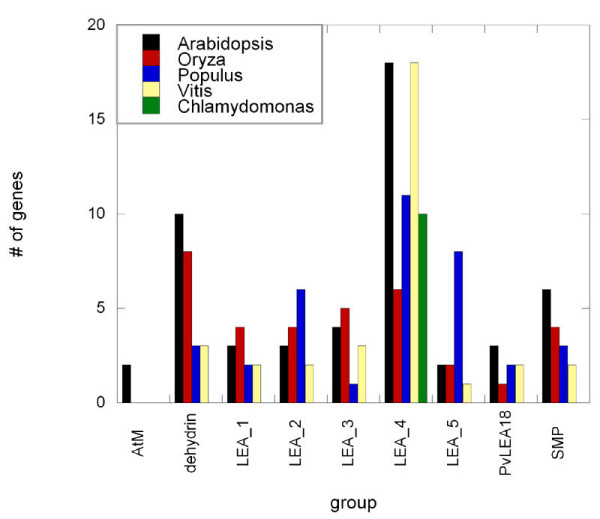
“For example the Arabidopsis thaliana genome contains 51 lea genes placed into 9 different Pfam groups [103,104].”
BackgroundDissection of the transcriptional regulation of grape ASR and response to glucose and abscisic acid
Saumonneau, A., Laloi, M., Lallemand, M., Rabot, A., & Atanassova, R. (2011) · Journal of Experimental Botany · doi:10.1093/jxb/err391 · Cited by 55
Saha, B., Mishra, S., Awasthi, J. P., Sahoo, L., & Panda, S. K. (2016) · Environmental and Experimental Botany · doi:10.1016/j.envexpbot.2016.04.010 · Cited by 61
de Poel, B. V., Cooper, E. D., Straeten, D. V. D., Chang, C., & Delwiche, C. F. (2016) · PLANT PHYSIOLOGY · doi:10.1104/pp.16.00299 · Cited by 60
“Because the diffusion coefficient of ethylene inwater is about 10,000 times lower than in air (Jackson, 1985), ethylene diffusion outside the cells is hampered in water, leading to a rapid accumulation of intracellular ethylene.”
BackgroundCharacterization and expression analysis of the WRKY gene family in moso bamboo
Li, L., Mu, S., Cheng, Z., Cheng, Y., Zhang, Y., Miao, Y., Hou, C., Li, X., & Gao, J. (2017) · Scientific Reports · doi:10.1038/s41598-017-06701-2 · Cited by 55
Walter, A., Bechsgaard, J., Scavenius, C., Dyrlund, T. S., Sanggaard, K. W., Enghild, J. J., & Bilde, T. (2017) · BMC Genomics · doi:10.1186/s12864-017-3987-9 · Cited by 58
Dussert, S., Serret, J., Bastos-Siqueira, A., Morcillo, F., Déchamp, E., Rofidal, V., Lashermes, P., Etienne, H., & Joët, T. (2018) · Journal of Experimental Botany · doi:10.1093/jxb/erx492 · Cited by 55
Zhao, P., Liu, F., Ma, M., Gong, J., Wang, Q., Jia, P., Zheng, G., & Liu, H. (2011) · Molecular Biology · doi:10.1134/s0026893311050165 · Cited by 57
“Previous work using bioinformatics methods dem onstrated that AtLEA3 3 and AtLEA3 4 localized in the cytosol [7].”
BackgroundMethodResultInfluentialVilaine, F., Kerchev, P., Clément, G., Batailler, B., Cayla, T., Bill, L., Gissot, L., & Dinant, S. (2013) · The Plant Cell · doi:10.1105/tpc.113.111849 · Cited by 63
“proteins belong to the LEA_2 subgroup (Hundertmark and Hincha, 2008).”
BackgroundLv, A., Fan, N., Xie, J., Yuan, S., An, Y., & Zhou, P. (2017) · Frontiers in Plant Science · doi:10.3389/fpls.2017.00748 · Cited by 56
“DHNs have been subdivided into five subclasses according to the conservative segments: YnSKn, Kn, SKn, YnKn, and KnS (Close, 1997; Hundertmark and Hincha, 2008; Hara et al., 2009; Brini et al., 2011; Eriksson et al., 2011).”
BackgroundLi, Q., Zhang, X., Lv, Q., Zhu, D. Z., Qiu, T., Xu, Y., Bao, F., He, Y., & Hu, Y. (2017) · Frontiers in Plant Science · doi:10.3389/fpls.2017.01316 · Cited by 57
“DHN proteins accumulate in vegetative tissues that have been exposed to multiple types of stress (Bray, 1994; Biesethève et al., 2008; Hundertmark and Hincha, 2008).”
BackgroundWhen cells lose water: Lessons from biophysics and molecular biology
Caramelo, J. J., & Iusem, N. D. (2008) · Progress in Biophysics and Molecular Biology · doi:10.1016/j.pbiomolbio.2008.10.001 · Cited by 55
Huang, R.-L., Xiao, D., Wang, X., Shen, Y., Zhan, J., Wang, A., & He, L. (2022) · BMC Plant Biology · doi:10.1186/s12870-022-03462-7 · Cited by 58
“However, the LEA2s were not found as a large subfamily in the previous works in Arabidopsis [21], Oryza sativa [30], and Populus trichocarpa [5].”
BackgroundMethodZan, T., Li, L., Li, J., Zhang, L., & Li, X. (2020) · Gene · doi:10.1016/j.gene.2020.144422 · Cited by 68
Liang, J., Zhou, M., Zhou, X., Jin, Y., Xu, M. Q., & Lin, J. (2013) · PLoS ONE · doi:10.1371/journal.pone.0083056 · Cited by 58
Sharma, A. M., Kumar, D., Kumar, S., Rampuria, S., Reddy, A. R., & Kirti, P. B. (2016) · PLoS ONE · doi:10.1371/journal.pone.0150609 · Cited by 52
Koubaa, S., Bremer, A., Hincha, D. K., & Brini, F. (2019) · Scientific Reports · doi:10.1038/s41598-019-39823-w · Cited by 55
Self-citationNida, H., Girma, G., Mekonen, M., Tirfessa, A., Seyoum, A., Bejiga, T., Birhanu, C., Dessalegn, K., Senbetay, T., Ayana, G., et al. (2021) · Theoretical and Applied Genetics · doi:10.1007/s00122-020-03762-2 · Cited by 51
Azizi, M., Fard, E. M., & Ghabooli, M. (2021) · Scientia Horticulturae · doi:10.1016/j.scienta.2021.110260 · Cited by 52
Saucedo, A. L., Hernández-Domínguez, E. E., Valdez, L. D. L., Guevara-García, Á. A., Escobedo-Moratilla, A., Bojórquez‐Velázquez, E., del Río‐Portilla, F., Fernández‐Velasco, D. A., & de la Rosa, A. P. B. (2017) · Frontiers in Plant Science · doi:10.3389/fpls.2017.00497 · Cited by 52
“LEA proteins are also induced upon water-related stress in plant vegetative tissues and in other anhydrobiotic organisms such as eubacteria, rotifers, nematodes, tardigrades, arthropods (Ingram and Bartels, 1996; Browne et al., 2002; Hundertmark and Hincha, 2008; Campos et al., 2013; Hatanaka et al., 2014; van Leeuwen…”
BackgroundWang, A., Zhu, M., Luo, Y., Liu, Y., Li, R., Kou, M., Wang, X., Zhang, Y., Meng, X., Zheng, Y., et al. (2017) · Acta Physiologiae Plantarum · doi:10.1007/s11738-017-2551-1 · Cited by 51
Wang, Y., Li, H.-L., Zhou, Y.-K., Guo, D., Zhu, J.-H., & Peng, S.-Q. (2021) · BMC Genomics · doi:10.1186/s12864-021-07501-9 · Cited by 68
Comparison of selenite and selenate in alleviation of drought stress in Nicotiana tabacum L.
Han, D., Tu, S., Dai, Z., Huang, W., Jia, W., Xu, Z., & Shao, H. (2021) · Chemosphere · doi:10.1016/j.chemosphere.2021.132136 · Cited by 55
Marunde, M. R., Samarajeewa, D. A., Anderson, J., Li, S., Hand, S. C., & Menze, M. A. (2013) · Journal of Insect Physiology · doi:10.1016/j.jinsphys.2013.01.004 · Cited by 56
“LEA proteins were found to reduce the damage to seeds and seedlings by harsh environmental conditions such as drought, freezing, and osmotic stress (Bray, 1993; Espelund et al., 1992; Hundertmark and Hincha, 2008; Pammenter and Berjak, 1999; Shih et al., 2008).”
Altunoğlu, Y. Ç., Baloğlu, M. C., Baloglu, P., Çelik, E. N. Y., & Kara, S. (2017) · Physiology and Molecular Biology of Plants · doi:10.1007/s12298-016-0405-8 · Cited by 57
“2013), 51 LEA genes in Arabidopsis (Hundertmark and Hincha 2008), 36 LEA genes in soybean (Li et al.”
BackgroundMethodInfluentialAmuge, T., Berger, D. K., Katari, M. S., Myburg, A. A., Goldman, S. L., & Ferguson, M. E. (2017) · Scientific Reports · doi:10.1038/s41598-017-09617-z · Cited by 52
Sena, J. S., Giguère, I., Rigault, P., Bousquet, J., & MacKay, J. J. (2017) · Tree Physiology · doi:10.1093/treephys/tpx125 · Cited by 51
“However, some of the dehydrins in this group, like PpDhn5 in peach and AtLEA2-7 in Arabidopsis, were induced neither by cold nor drought stress (Hundertmark and Hincha 2008, Basset et al. 2015).”
BackgroundInfluentialWani, M. A., Jan, N., Qazi, H. A., Andrabi, K. I., & John, R. (2018) · Acta Physiologiae Plantarum · doi:10.1007/s11738-018-2747-z · Cited by 53
LEA motifs promote desiccation tolerance in vivo
Hibshman, J. D., & Goldstein, B. (2021) · BMC Biology · doi:10.1186/s12915-021-01176-0 · Cited by 47
Effective delivery of a nematode‐repellent peptide using a root‐cap‐specific promoter
Lilley, C. J., Wang, D., Atkinson, H. J., & Urwin, P. E. (2010) · Plant Biotechnology Journal · doi:10.1111/j.1467-7652.2010.00542.x · Cited by 49
Lim, C. W., Lim, S., Baek, W., & Lee, S. C. (2014) · Physiologia Plantarum · doi:10.1111/ppl.12298 · Cited by 60
Jia, C., Guo, B., Wang, B., Li, X., Yang, T., Li, N., Wang, J., & Yu, Q. (2022) · BMC Plant Biology · doi:10.1186/s12870-022-03953-7 · Cited by 54
“3% of LEA genes were significantly induced by ABA and low temperature, respectively [10].”
BackgroundInfluentialLarge-Scale Transcriptome Analysis in Faba Bean (Vicia faba L.) under Ascochyta fabae Infection
Ocaña-Moral, S., Seoane, P., Bautista, R., Palomino, C. M., Claros, M. G., Torres, A. M., & Madrid, E. (2015) · PLoS ONE · doi:10.1371/journal.pone.0135143 · Cited by 55
“LEA proteins have functional properties related to their presumed role as cellular stabilizers under stress conditions [52].”
BackgroundRahman, L. N., Chen, L., Nazim, S., Bamm, V. V., Yaish, M. W. F., Moffatt, B. A., Dutcher, J., & Harauz, G. (2010) · Biochemistry and Cell Biology · doi:10.1139/o10-026 · Cited by 57
“Most LEAs have also been recognized to be intrinsically disordered proteins (IDPs) (Eom et al. 1996; Lisse et al. 1996; Soulages et al. 2003; Mouillon et al. 2006; Goldgur et al. 2007; Hundertmark and Hincha 2008).”
BackgroundHernández-Sánchez, I. E., Maruri‐López, I., Graether, S. P., & Jiménez-Bremont, J. F. (2017) · Scientific Reports · doi:10.1038/s41598-017-15986-2 · Cited by 48
Zhang, H., Liu, S.-Y., Ma, J.-H., Wang, X.-K., Haq, S. U., Meng, Y., Zhang, Y.-M., & Chen, R. (2019) · International Journal of Molecular Sciences · doi:10.3390/ijms21010026 · Cited by 53
Multiple Genetic Trajectories to Extreme Abiotic Stress Adaptation in Arctic Brassicaceae
Birkeland, S., Gustafsson, A. L. S., Brysting, A. K., Brochmann, C., & Nowak, M. D. (2020) · Molecular Biology and Evolution · doi:10.1093/molbev/msaa068 · Cited by 55
Systems biology of resurrection plants
Gechev, T., Lyall, R., Petrov, V., & Bartels, D. (2021) · Cellular and Molecular Life Sciences · doi:10.1007/s00018-021-03913-8 · Cited by 52
Layat, E., Leymarie, J., El‐Maarouf‐Bouteau, H., Caïus, J., Langlade, N., & Bailly, C. (2014) · New Phytologist · doi:10.1111/nph.13002 · Cited by 50
Amara, U., Hu, J., Park, S. J., & Kang, H. (2023) · Plant Physiology and Biochemistry · doi:10.1016/j.plaphy.2023.108255 · Cited by 49
Intrinsically disordered proteins undergo and assist folding transitions in the proteome
Kovács, D., Szabó, B., Pancsa, R., & Tompa, P. (2012) · Archives of Biochemistry and Biophysics · doi:10.1016/j.abb.2012.09.010 · Cited by 51
Reardon, W., Chakrabortee, S., Pereira, T. C., Tyson, T., Banton, M. C., Dolan, K. M., Culleton, B. A., Wise, M. J., Burnell, A. M., & Tunnacliffe, A. (2010) · BMC Molecular Biology · doi:10.1186/1471-2199-11-6 · Cited by 55
“It seems unlikely, however, that the diversity of the LEA proteome in invertebrates will rival that of plants, where >50 LEA protein genes can be found in a single organism [73,74]; in C.”
Liu, Y., Xie, L., Liang, X., & Zhang, S. (2015) · International Journal of Molecular Sciences · doi:10.3390/ijms161126006 · Cited by 47
“It was suggested that not all LEA proteins are required for stress resistance in plants; or these LEA proteins require certain factors to activate their resistance functions under stress [37,38].”
Chu, Z., Chen, J., Sun, J., Dong, Z., Yang, X., Wang, Y., Xu, H., Zhang, X., Chen, F., & Cui, D. (2017) · BMC Plant Biology · doi:10.1186/s12870-017-1204-2 · Cited by 55
“ME comparisons including stress related genes or homologues to the previously annotated genes that were potentially somatic embryogenesis related genes, such as calcium-dependent protein kinase (CDPK)/calmodulin (CAM) [50, 51], germin-like protein (GLP) [52, 53], glutathione s-transferase (GST) [54], late embryogenesi…”
BackgroundDehydrins: Molecular Biology, Structure and Function
Eriksson, S. K., & Harryson, P. (2011) · Ecological studies · doi:10.1007/978-3-642-19106-0_14 · Cited by 51
“Also, the high expression of LEA proteins in combination with a high sugar accumulation would indirectly increase the background crowding in cells during stress and hence have an indirect stabilising effect on folded proteins and aggregation ( Hundertmark and Hincha 2008; Mouillon et al. 2008).”
BackgroundInfluentialLiang, X., Luo, G., Li, W., Yao, A., Liu, W., Xie, L., Han, M., Li, X., & Han, D. (2022) · Plant Physiology and Biochemistry · doi:10.1016/j.plaphy.2022.10.012 · Cited by 48
Metadata
- Authors
- Hundertmark, M., & Hincha, D. K.
- Affiliations
- Max Planck Institute of Molecular Plant Physiology (DE)
- Corresponding author
- Hincha, Dirk K
- ORCID
- Hincha, Dirk K
- Venue
- BMC Genomics
- Published
- 2008
- Volume
- 9
- Issue
- 1
- Pages
- 118
- ISSN
- 1471-2164 (ISSN-L)
- PMC
- PMC2292704
- OpenAlex
- W2081744992
- Cited by
- 1,044
- References
- 133
- Citations by year
- 2026: 44 · 2025: 68 · 2024: 74 · 2023: 44 · 2022: 72 · 2021: 98 · 2020: 73 · 2019: 63 · 2018: 57 · 2017: 59 · 2016: 52 · 2015: 53 · 2014: 59 · 2013: 55 · 2012: 51
- FWCI
- 48.80
- Type
- journal article
- Language
- en
- Open access
- gold
- doi.org
- Licence
- cc-by
- Locations
- BMC Genomics (publishedVersion, cc-by)
- PubMed Central (publishedVersion, cc-by)
- PubMed (publishedVersion)
- DOAJ (DOAJ: Directory of Open Access Journals) (submittedVersion)
- Max Planck Institute for Plasma Physics (submittedVersion)
- MPG.PuRe (Max Planck Society) (submittedVersion, other-oa)
- Funders
- Universität Potsdam
- Topics
- Life Sciences › Agricultural and Biological Sciences › Plant Science › Plant Stress Responses and Tolerance
- Life Sciences › Agricultural and Biological Sciences › Plant Science › Seed Germination and Physiology
- Life Sciences › Agricultural and Biological Sciences › Plant Science › Plant Molecular Biology Research
- Keywords
- late embryogenesis abundant proteins, LEA genes, Arabidopsis thaliana, desiccation tolerance, dehydration tolerance, seed development, abscisic acid response element, gene expression patterns, tandem repeats, homeologous genes, gene duplication, protein structure prediction
- MeSH terms
- Abscisic Acid, Amino Acid Sequence, Molecular Sequence Data, Plant Proteins, Promoter Regions, Genetic, Sequence Alignment, Genes, Plant, Arabidopsis, Gene Expression Regulation, Plant, Genome, Plant, Evolution, Molecular, Arabidopsis Proteins, Embryonic Development, Regulatory Elements, Transcriptional
About these checks
Registry, retraction, Cites and statistics results are computed, not judged, with one exception: a printed reference that no index lists is read once by a model before it counts as a citation error. Claims are extracted by a model and kept only when their quote appears verbatim in the text; each cited source is then checked, with a model’s help, for whether it says what the claim relies on. Those verdicts can be wrong — read the claim’s quote and the cited source before relying on one.
Statistics and arithmetic are recomputed, not judged.
Confidence bands are shown only for fields calibrated on our annotated test set. None is calibrated yet, so no band is shown.
What counts as a claim ›How we measure confidence ›How we check this ›
Are you an author, or do you see a problem with this page? Request a review
Data sources
Bibliographic data: Semantic Scholar, OpenAlex, Crossref.
Contains information from the Semantic Scholar Academic Graph Datasets, made available under the ODC Attribution License (ODC-BY 1.0).
Semantic Scholar’s data is described in: Kinney, R., et al. (2023). The Semantic Scholar Open Data Platform. arXiv:2301.10140.
