

LEA (Late Embryogenesis Abundant) proteins and their encoding genes in Arabidopsis thaliana
Open accessThe DOI matches its Crossref record; 135 of the 136 references it cites were found in a registry or an index.
Abstract
BACKGROUND: LEA (late embryogenesis abundant) proteins have first been described about 25 years ago as accumulating late in plant seed development. They were later found in vegetative plant tissues following environmental stress and also in desiccation tolerant bacteria and invertebrates. Although they are widely assumed to play crucial roles in cellular dehydration tolerance, their physiological and biochemical functions are largely unknown. RESULTS: We present a genome-wide analysis of LEA proteins and their encoding genes in Arabidopsis thaliana. We identified 51 LEA protein encoding genes in the Arabidopsis genome that could be classified into nine distinct groups. Expression studies were performed on all genes at different developmental stages, in different plant organs and under different stress and hormone treatments using quantitative RT-PCR. We found evidence of expression for all 51 genes. There was only little overlap between genes expressed in vegetative tissues and in seeds and expression levels were generally higher in seeds. Most genes encoding LEA proteins had abscisic acid response (ABRE) and/or low temperature response (LTRE) elements in their promoters and many genes containing the respective promoter elements were induced by abscisic acid, cold or drought. We also found that 33% of all Arabidopsis LEA protein encoding genes are arranged in tandem repeats and that 43% are part of homeologous pairs. The majority of LEA proteins were predicted to be highly hydrophilic and natively unstructured, but some were predicted to be folded. CONCLUSION: The analyses indicate a wide range of sequence diversity, intracellular localizations, and expression patterns. The high fraction of retained duplicate genes and the inferred functional diversification indicate that they confer an evolutionary advantage for an organism under varying stressful environmental conditions. This comprehensive analysis will be an important starting point for future efforts to elucidate the functional role of these enigmatic proteins.
Overview
The claims and statistics of this paper haven’t been checked yet.
Free: it reads the open-access text and checks the first 5 claims that cite a source we can check. Create a free account to check every claim.
Integrity signals
Registry
Cites
Statistics
Figures
Verification
Claims the paper makes
The claims and statistics of this paper haven’t been checked yet.
Free: it reads the open-access text and checks the first 5 claims that cite a source we can check. Create a free account to check every claim.
Claims other papers make about this one
Each is checked against this paper’s own text: does it say what the citing paper says it does?
The source backs part of the claim, not all of it — or backs it for a different population, condition or comparison.
In the citing paper
“The high number of CDK genes in G. hirsutum was more likely caused by gene duplication and the conservation of the CDK genes during the polyploidization process”
From Whole Genome Analysis of Cyclin Dependent Kinase (CDK) Gene Family in Cotton and Functional Evaluation of the Role of CDKF4 Gene in Drought and Salt Stress Tolerance in Plants (2018) · cites this paper as [41]
Experimental — accuracy not yet measuredIn the citing paper
“Similar findings, with the predominance of ABRE cis-element, have been reported for CDK genes in tomato [40], Arabidopsis [41], and Chinese plum [42].”
Self-check
Percentages, sums and reported differences re-computed from the paper’s own numbers.
The self-check needs the paper’s full text.
Citations
Cites
Thompson, J. D., Higgins, D. G., & Gibson, T. J. (1994) · Nucleic Acids Research · doi:10.1093/nar/22.22.4673 · Cited by 64,617 · cited 5×
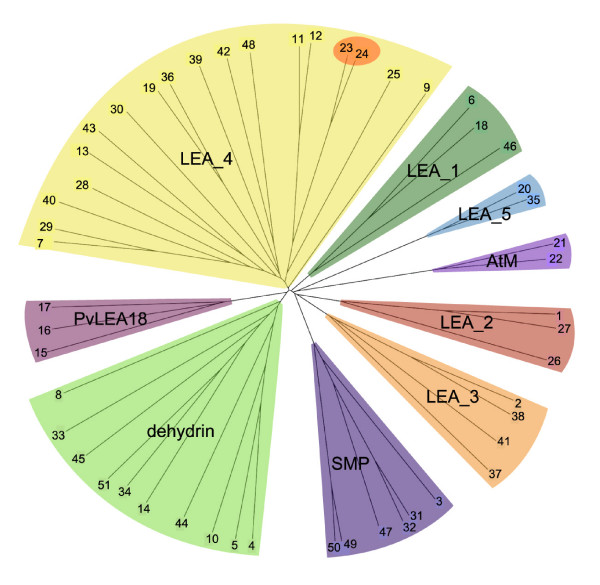
“We performed a ClustalW alignment of all 51 LEA proteins in Arabidopsis and the resulting unrooted dendrogram shows that the identified LEA groups are quite distinct from each other (Fig.”
MethodInfluentialProtein Identification and Analysis Tools on the ExPASy Server
Gasteiger, E., Hoogland, C., Gattiker, A., Duvaud, S., Wilkins, M. R., Appel, R. D., & Bairoch, A. (2005) · The Proteomics Protocols Handbook · doi:10.1385/1-59259-890-0:571 · Cited by 8,681
Protein Identification and Analysis Tools in the ExPASy Server
Wilkins, M. R., Gasteiger, E., Bairoch, A., Sanchez, J.-C., Williams, K. L., Appel, R. D., & Hochstrasser, D. F. (2003) · 2-D Proteome Analysis Protocols · doi:10.1385/1-59259-584-7:531 · Cited by 6,155 · cited 1×
“To get more information about the nature of the gene products, the GRAVY (grand average of hydropathy), the molecular weight and the pI were predicted by the PROTPARAM [ 132 ,133] tool.”
MethodPredicting Subcellular Localization of Proteins Based on their N-terminal Amino Acid Sequence
Emanuelsson, O., Nielsen, H., Brunak, S., & von Heijne, G. (2000) · Journal of Molecular Biology · doi:10.1006/jmbi.2000.3903 · Cited by 4,263
The Universal Protein Resource (UniProt)
Bairoch, A. (2004) · Nucleic Acids Research · doi:10.1093/nar/gki070 · Cited by 3,774 · cited 1×
“The PATTINPROT [128,129] tool was used to verify the stringency of the retrieved patterns by querying the UniProt [ 130 ,131] database.”
MethodAssumption-free analysis of quantitative real-time polymerase chain reaction (PCR) data
Ramakers, C., Ruijter, J. M., Deprez, R. H. L., & Moorman, A. F. M. (2003) · Neuroscience Letters · doi:10.1016/s0304-3940(02)01423-4 · Cited by 3,709 · cited 1×
“The mean PCR efficiency (E) for every primer pair was calculated using the linregPCR software [ 119 ].”
MethodPLANT COLD ACCLIMATION: Freezing Tolerance Genes and Regulatory Mechanisms
Thomashow, M. F. (1999) · Annual Review of Plant Physiology and Plant Molecular Biology · doi:10.1146/annurev.arplant.50.1.571 · Cited by 3,551
The Proteomics Protocols Handbook
(2005) · Humana Press eBooks · doi:10.1385/1592598900 · Cited by 3,538
Plant cis-acting regulatory DNA elements (PLACE) database: 1999
Higo, K., Ugawa, Y., Iwamoto, M., & Korenaga, T. (1999) · Nucleic Acids Research · doi:10.1093/nar/27.1.297 · Cited by 3,381
Czechowski, T., Stitt, M., Altmann, T., Udvardi, M. K., & Scheible, W.-R. (2005) · Plant Physiology · doi:10.1104/pp.105.063743 · Cited by 3,203 · cited 1×
“Data were normalized to the mean CT of three reference genes (At4g27960, At5g46630, and At4g34270) that were found to be stably expressed across various tissues and conditions [ 118 ].”
Method
Cited by
Items 301–400 of 1,001
Jaradat, M. R., Ruegger, M. O., Bowling, A. J., Butler, H., & Cutler, A. J. (2014) · GM crops & food · doi:10.4161/21645698.2014.947827 · Cited by 58
Wu, C., Hu, W., Yan, Y., Tie, W., Ding, Z., Guo, J., & He, G. (2018) · Molecules · doi:10.3390/molecules23051196 · Cited by 57
“To date, LEA genes have been genome-wide identified in various plant species, such as 51 LEAs in Arabidopsis [3], 39 LEAs in rice [2], 108 LEAs in Brassica napus [8], 23 LEAs in Moso Bamboo [27], 36 LEAs in Brachypodium distachyon [28], and 53 LEAs in Populus trichocarpa [29].”
BackgroundResultInfluentialDenekamp, N. Y., Reinhardt, R., Kube, M., & Lubzens, E. (2009) · Biology of Reproduction · doi:10.1095/biolreprod.109.081091 · Cited by 46
“LEA proteins were classified into at least seven groups (nine groups in Arabidopsis thaliana [21]) based on amino acid sequence homology and specific motifs (for review, see [9]) or on similarities of peptide composition rather than sequence similarities of proteins [10].”
BackgroundInfluentialOrtega-Amaro, M. A., Rodríguez-Hernández, A. A., Rodríguez‐Kessler, M., Hernández-Lucero, E., Rosales‐Mendoza, S., Ibáñez-Salazar, A., Delgado‐Sánchez, P., & Jiménez-Bremont, J. F. (2015) · Frontiers in Plant Science · doi:10.3389/fpls.2014.00782 · Cited by 48
“We selected the transcription factor ABF4 (ABRE Binding Factor 4), Em6 (LEA-1), and RD29B (Responsive to Desiccation 29B) genes, which are induced by diverse abiotic stresses including salinity (Uno et al., 2000; Kang et al., 2002; Hundertmark and Hincha, 2008).”
MethodA Novel Approach to Dissect the Abscission Process in Arabidopsis
González-Carranza, Z. H., Shahıd, A. A., Zhang, L., Liu, Y., Ninsuwan, U., & Roberts, J. A. (2012) · PLANT PHYSIOLOGY · doi:10.1104/pp.112.205955 · Cited by 47
“At3g53040 has been described as a late embryogenesis abundant (LEA) protein and reported to be expressed in seeds (Cadman et al., 2006; Chibani et al., 2006; Hundertmark and Hincha, 2008).”
BackgroundPetersen, J., Eriksson, S. K., Harryson, P., Pierog, S., Colby, T., Bartels, D., & Röhrig, H. (2012) · Journal of Experimental Botany · doi:10.1093/jxb/ers173 · Cited by 55
Cuevas‐Velazquez, C. L., Reyes, J. L., & Covarrubias, A. A. (2017) · Plant Signaling & Behavior · doi:10.1080/15592324.2017.1343777 · Cited by 46
“LEA proteins are present in dry seeds as well as in vegetative and reproductive tissues of all plant species in response to water deficit.(1,2) Most LEA proteins are enriched in hydrophilic and small amino acids, physicochemical properties of ‘hydrophilins’, a broader group of proteins represented in all domains of li…”
BackgroundPeg Biology: Deciphering the Molecular Regulations Involved During Peanut Peg Development
Kumar, R., Pandey, M. K., Roychoudhry, S., Nayyar, H., Kepinski, S., & Varshney, R. K. (2019) · Frontiers in Plant Science · doi:10.3389/fpls.2019.01289 · Cited by 45
Li, F., Mei, F., Zhang, Y., Li, S., Kang, Z., & Mao, H. (2020) · BMC Plant Biology · doi:10.1186/s12870-020-02783-9 · Cited by 46
“We also detected the expression of several well-known drought-responsive genes in the transgenic lines, including Arabidopsis-homologous LEA14 [29], RD29A [30], DREB2A [31], RAB18 [32], RD20 [33], and GolS2 [34].”
Influence of drying on the secondary structure of intrinsically disordered and globular proteins
Hundertmark, M., Popova, A. V., Rausch, S., Seckler, R., & Hincha, D. K. (2011) · Biochemical and Biophysical Research Communications · doi:10.1016/j.bbrc.2011.11.067 · Cited by 45
“1), as noted on the basis of a phylogenetic tree analysis before [3].”
BackgroundInfluentialSelf-citationTan, Y.-C., Yeoh, K.-A., Wong, M., & Ho, C. (2013) · Journal of Plant Physiology · doi:10.1016/j.jplph.2013.05.009 · Cited by 56
Yang, Z., Eticha, D., Führs, H., Heintz, D., Ayoub, D., DORSSELAER, A. V., Schlingmann, B., Rao, I. M., Braun, H., & Horst, W. J. (2013) · Journal of Experimental Botany · doi:10.1093/jxb/ert328 · Cited by 47
Su, X., Wei, F., Huo, Y., & Xia, Z. (2017) · Frontiers in Plant Science · doi:10.3389/fpls.2017.00827 · Cited by 53
“LEA5 and ERD10C are assumed to play critical roles in combating cellular dehydration (Hundertmark and Kincha, 2008; Kovacs et al., 2008).”
BackgroundLi, N., Zhang, S., Liang, Y., Qi, Y., Chen, J., Zhu, W., & Zhang, L. (2017) · Journal of Proteomics · doi:10.1016/j.jprot.2017.09.016 · Cited by 45
Meng, X., Lv, Y., Mujahid, H., Edelmann, M. J., Zhao, H. Q., Peng, X., & Peng, Z. (2017) · Biochimica et Biophysica Acta (BBA) - Proteins and Proteomics · doi:10.1016/j.bbapap.2017.12.001 · Cited by 51
Bojórquez‐Velázquez, E., Barrera-Pacheco, A., Rangel, E. E., Herrera‐Estrella, A., & de la Rosa, A. P. B. (2019) · BMC Plant Biology · doi:10.1186/s12870-019-1656-7 · Cited by 46
“LEAs could be potential targets for seed resistance and defence traits.”
BackgroundInfluentialXu, M., Tong, Q., Wang, Y., Wang, Z., Xu, G., Gathunga, E. K., Li, S., & Liang, Z. (2020) · Plant and Cell Physiology · doi:10.1093/pcp/pcaa004 · Cited by 46
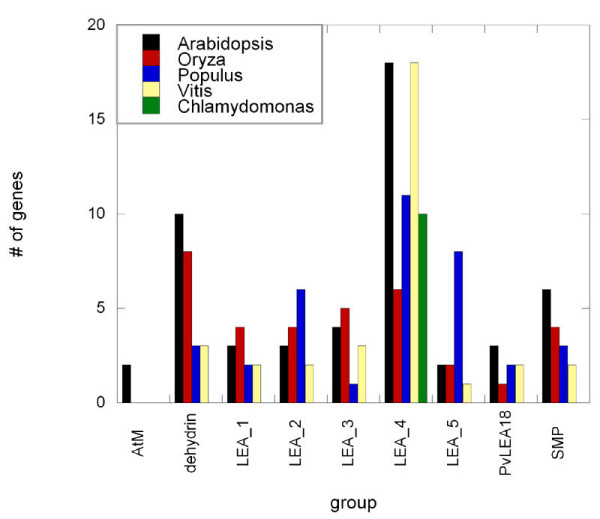
“The number of LEA genes in V. vinifera was intermediate, which was similar in A. thaliana (51 members) (Hundertmark and Hincha 2008) and poplar ( Populus trichocarpa ) (53 members) (Liu et al. 2012).”
InfluentialLi, Y., Meng, F. R., Zhang, C. Y., Zhang, N., Sun, M., Ren, J. P., Niu, H. B., Wang, X., & Yin, J. (2012) · Journal of Plant Biology · doi:10.1007/s12374-011-0032-4 · Cited by 44
“Subsequently, they were found in vegetative plant tissues following exposure to abiotic stresses such as cold, drought, and high salinity (Hundertmark and Hincha 2008).”
BackgroundReddy, P. S., Reddy, G. M., Pandey, P., Chandrasekhar, K., & Reddy, M. K. (2012) · Molecular Biology Reports · doi:10.1007/s11033-012-1548-5 · Cited by 46
“For example, in Arabidopsis, whose genome contains more than 50 LEA or LEA-like protein-coding genes [7], expression of the whole set can be queried in different tissues and at different developmental stages under a variety of conditions.”
BackgroundSchaarschmidt, S., Fischer, A., Lawas, L. M. F., Alam, R., Septiningsih, E. M., Bailey-Serres, J. N., Jagadish, S. V. K., Hüettel, B., Hincha, D. K., & Zuther, E. (2020) · International Journal of Molecular Sciences · doi:10.3390/ijms21218148 · Cited by 57
“0% sequence identity compared to the japonica protein (Figure 7) including the highly conserved repeat regions characteristic of dehydrins [43,44].”
BackgroundSelf-citationRay, A., Kundu, S., Mohapatra, S. S., Sinha, S., Khoshru, B., Keswani, C., & Mitra, D. (2024) · Journal of Pure and Applied Microbiology · doi:10.22207/jpam.18.1.09 · Cited by 46
Wang, G., Zhu, Q., Meng, Q., & Wu, C. (2011) · Acta Physiologiae Plantarum · doi:10.1007/s11738-011-0809-6 · Cited by 45
“In addition, a number of LEA genes responsive to low temperature, drought, high salinity and ABA have been reported (Xiong et al. 2002; Rorat 2006; Hundertmark and Hincha 2008).”
Application of Functional Genomics and Proteomics to Plant Cryopreservation
Volk, G. M. (2009) · Current Genomics · doi:10.2174/138920210790217945 · Cited by 43
“Most LEA proteins have either low temperature response elements or ABRE in their promoters [49].”
BackgroundIsolation, cloning, and characterization of a novel Sorghum dehydrin (SbDhn2) protein
Halder, T., Agarwal, T., & Ray, S. (2015) · PROTOPLASMA · doi:10.1007/s00709-015-0901-7 · Cited by 55
“Scanning the whole sequenced genome like Arabidopsis, Oryza sativa, etc. revealed the occurrence of a number of dehydrin sequences as for example ten for Arabidopsis (Hundertmark and Hincha 2008) and eight for O. sativa (Wang et al. 2007).”
BackgroundNelson, S. K., Ariizumi, T., & Steber, C. M. (2017) · Frontiers in Plant Science · doi:10.3389/fpls.2017.02158 · Cited by 46
“LTP4 encodes a phospholipid transfer protein localized to the cell wall, while LEA5/SAG21 encodes a senescence-associated protein with a role in oxidative stress tolerance (Arondel et al., 2000; Hundertmark and Hincha, 2008).”
BackgroundArtur, M. A. S., Rienstra, J. A., Dennis, T. J., Farrant, J. M., Ligterink, W., & Hilhorst, H. W. M. (2019) · Frontiers in Plant Science · doi:10.3389/fpls.2019.01272 · Cited by 47
Dehydrin ERD14 activates glutathione transferase Phi9 in Arabidopsis thaliana under osmotic stress
Nguyen, P. N., Tossounian, M., Kovacs, D. S., Thu, T. T. M., Stijlemans, B., Vertommen, D., Pauwels, J., Gevaert, K., Angenon, G., Messens, J., et al. (2019) · Biochimica et Biophysica Acta (BBA) - General Subjects · doi:10.1016/j.bbagen.2019.129506 · Cited by 43
Becker, B., Feng, X., Yin, Y., & Holzinger, A. (2020) · Journal of Experimental Botany · doi:10.1093/jxb/eraa105 · Cited by 44
Hao, Y., Hao, M., Cui, Y., Kong, L., & Wang, H. (2022) · BMC Genomics · doi:10.1186/s12864-022-08317-x · Cited by 48
“A dehydrin gene isolated from feral olive enhances drought tolerance in Arabidopsis transgenic plants.”
BackgroundInfluentialThe SCF E3 Ligase AtPP2-B11 Plays a Negative Role in Response to Drought Stress in Arabidopsis
Li, Y., Jia, F., Yu, Y., Luo, L., Huang, J., Yang, G., Wu, C., & Zheng, C. (2014) · Plant Molecular Biology Reporter · doi:10.1007/s11105-014-0705-5 · Cited by 46
“It is the first time to identify a LEA protein interacting with an F-box protein, as LEA proteins are well characterized and have always been related to desiccation tolerance (Hundertmark and Hincha 2008).”
BackgroundZhang, Y., Wang, P., Xia, H., Zhao, C., Hou, L., Li, C., Gao, C., Zhao, S., & Wang, X. (2016) · BMC Genomics · doi:10.1186/s12864-016-2857-1 · Cited by 55
“An accumulation of LEA proteins in plants may enhance resistance to a stressful environment [36].”
BackgroundHsiao, A. (2024) · International Journal of Molecular Sciences · doi:10.3390/ijms25021178 · Cited by 47
“There are 34, 60, and 51 LEA genes identified in rice [38], tomato [39], and Arabidopsis [40], respectively.”
Genetic use restriction technologies: a review
Lombardo, L. (2014) · Plant Biotechnology Journal · doi:10.1111/pbi.12242 · Cited by 50
“Genes under the control of the LEA promoter are only transcribed during late embryogenesis when the seed accumulates most of its storage oil and protein and is drying down in preparation for the dormant period (Hundertmark and Hincha, 2008).”
BackgroundGenome-wide identification of the LEA protein gene family in grapevine (Vitis vinifera L.)
İbrahime, M., Kibar, U., Kazan, K., Özmen, C. Y., Mutaf, F., Aşçı, S. D., Aydemir, B. Ç., & Ergül, A. (2019) · Tree Genetics & Genomes · doi:10.1007/s11295-019-1364-3 · Cited by 46
“In cotton and other plant species such as tomato, cotton, sorghum, oilseed rape and Arabidopsis, LEA-encoding genes are thought to have expanded through segmental or tandem duplications (Hundertmark and Hincha 2008; Cao and Li 2015; Magwanga et al. 2018a; Liang et al. 2016; Nagaraju et al. 2019).”
BackgroundInfluentialZheng, J., Su, H., Lin, R., Zhang, H., Xia, K., Jian, S., & Zhang, M. (2019) · Scientific Reports · doi:10.1038/s41598-019-50813-w · Cited by 46
Yoon, S.-K., Park, E., Choi, Y., Bae, E. C., Kim, J.-H., Park, S., Kang, K., & Lee, H. (2014) · Plant Physiology and Biochemistry · doi:10.1016/j.plaphy.2014.09.008 · Cited by 51
“The LEA proteins are induced to protect plants from abiotic stresses, including osmotic stress (Hundermark and Hincha, 2008) and Cheng et al.”
BackgroundWu, G., Zhang, H., Sun, J., Liu, F., Ge, X., Chen, W., Yu, J. M., & Wang, W. (2011) · Comparative Biochemistry and Physiology Part B Biochemistry and Molecular Biology · doi:10.1016/j.cbpb.2011.05.005 · Cited by 45
Evolution of the modular, disordered stress proteins known as dehydrins
Riley, A. C., Ashlock, D., & Graether, S. P. (2019) · PLoS ONE · doi:10.1371/journal.pone.0211813 · Cited by 45
Late Embryogenesis Abundant Protein–Client Protein Interactions
Dirk, L. M. A., Abdel, C. G., Ahmad, I., Neta, I. C. S., Pereira, C. C., Pereira, F. É. C. B., Unêda‐Trevisoli, S. H., Pinheiro, D. G., & Downie, A. B. (2020) · Plants · doi:10.3390/plants9070814 · Cited by 46
“The very fact that in Arabidopsis, there are at least seven to nine distinct families of LEAPs [64,67,68] and different plant species contain a or several LEAP families that are not present in other plants (e.”
BackgroundEnyew, M., Feyissa, T., Carlsson, A. S., Tesfaye, K., Hammenhag, C., Seyoum, A., & Geleta, M. (2022) · Frontiers in Plant Science · doi:10.3389/fpls.2022.999692 · Cited by 53
“The gene is involved in the regulation of seed maturation (Hundertmark and Hincha, 2008), and is probably behind the variation in DTF explained by this SNP locus.”
BackgroundRahman, L. N., Smith, G. S. T., Bamm, V. V., Voyer-Grant, J. A. M., Moffatt, B. A., Dutcher, J., & Harauz, G. (2011) · Biochemistry · doi:10.1021/bi201205m · Cited by 47
Full backbone assignment and dynamics of the intrinsically disordered dehydrin ERD14
Ágoston, B., Kovács, D., Tompa, P., & Perczel, A. (2011) · Biomolecular NMR Assignments · doi:10.1007/s12104-011-9297-2 · Cited by 50
“ERD14 (Early Response to Dehydration 14) belongs to the dehydrin family, also known as group 2 Late Embryogenesis Abundant (LEA) proteins (Kiyosue et al. 1994a; Hundertmark and Hincha 2008), originally isolated from Arabidopsis thaliana.”
BackgroundJuszczak, I., & Bartels, D. (2016) · Plant Science · doi:10.1016/j.plantsci.2016.10.003 · Cited by 40
Stabilization of Dry Sucrose Glasses by Four LEA_4 Proteins from Arabidopsis thaliana
Hincha, D. K., Zuther, E., & Popova, A. V. (2021) · Biomolecules · doi:10.3390/biom11050615 · Cited by 38
“Here we present a systematic FTIR spectroscopy study reporting on the ability of the four LEA_4 proteins LEA11, COR15A (LEA24), LEA25 and LEA29 from Arabidopsis thaliana [29] to stabilize Suc glasses in the dry state.”
BackgroundSelf-citationLiu, C.-C., Li, C., Liu, B., Ge, S.-J., Dong, X., Li, W., Zhu, H.-Y., Wang, B., & Yang, C. (2012) · Plant Molecular Biology Reporter · doi:10.1007/s11105-011-0395-1 · Cited by 40
“Similarly, the two events had also been shown to contribute to the expansion of DHN genes in Arabidopsis (Hundertmark and Hincha 2008) and rice (Wang et al. 2007).”
InfluentialByun, M. Y., Cui, L., Lee, J., Park, H., Lee, A., Kim, W. T., & Lee, H. (2018) · Frontiers in Plant Science · doi:10.3389/fpls.2018.00601 · Cited by 42
“The diverse gene expression levels and protein subcellular distributions suggest that different LEAs are involved in the responses to diverse environmental stimuli (Hundertmark and Hincha, 2008; Candat et al., 2014).”
BackgroundRoot Skewing-Associated Genes Impact the Spaceflight Response of Arabidopsis thaliana
Califar, B., Sng, N., Żupańska, A. K., Paul, A., & Ferl, R. J. (2020) · Frontiers in Plant Science · doi:10.3389/fpls.2020.00239 · Cited by 41
“Plants grown in the spaceflight environment exhibit complex and unique gene expression patterns (e.g., Paul et al., 2005; Paul et al., 2012b, 2013, 2017; Correll et al., 2013; Kwon et al., 2015; Johnson et al., 2017; Choi et al., 2019).”
BackgroundInfluentialGenome-wide association mapping of iron homeostasis in the maize association population
Benke, A., Urbany, C., & Stich, B. (2015) · BMC Genetics · doi:10.1186/s12863-014-0153-0 · Cited by 45
“A subset of these genes includes the invertase beta-fructofuranosidase insoluble isoenzyme 6 (NEC,GRMZM2G018692) [18], low-temperatureinduced 65 kDa protein (NEC,GRMZM2G376743) [19], and the late embryogenesis abundant protein 4-5 (SP3,GRMZM2-G177084) [20].”
BackgroundWang, L., Liu, Y., Cai, G., Jiang, S., Pan, J., & Li, D. (2013) · Journal of Biotechnology · doi:10.1016/j.jbiotec.2013.11.006 · Cited by 40
Hara, M., Monna, S., Murata, T., Nakano, T., Amano, S., Nachbar, M., & Wätzig, H. (2016) · Plant Science · doi:10.1016/j.plantsci.2016.02.006 · Cited by 39
“Dehydrins exhibited cryoprotection [1-8] and dehydration protection [26] of enzymes.”
BackgroundInfluentialWang, L., Hu, W., Feng, J., Yang, X., Huang, Q., Xiao, J., Liu, Y., Yang, G., & He, G. (2016) · Plant Cell Reports · doi:10.1007/s00299-016-1954-6 · Cited by 43
Giarola, V., Jung, N. U., Singh, A., Satpathy, P., & Bartels, D. (2018) · Journal of Experimental Botany · doi:10.1093/jxb/ery173 · Cited by 43
Veerappa, R., Slocum, R. D., Siegenthaler, A., Wang, J., Clark, G., & Roux, S. J. (2018) · Plant Cell & Environment · doi:10.1111/pce.13425 · Cited by 40
Li, W., Wang, C., Shi, H.-H., Wang, B., Wang, J., Liu, Y.-S., Ma, J.-Y., Tian, S.-Y., & Zhang, Y. (2019) · Plant Physiology and Biochemistry · doi:10.1016/j.plaphy.2019.12.019 · Cited by 43
Lee, Y. P., Giorgi, F. M., Lohse, M., Kvederavičiūtė, K., Klages, S., Usadel, B., Meskiene, I., Reinhardt, R., & Hincha, D. K. (2013) · BMC Genomics · doi:10.1186/1471-2164-14-793 · Cited by 42
“salsuginea were identified based on reciprocal BLASTX (E < 10) searches of the 51 Arabidopsis LEA genes [58] against all T.”
Self-citationWang, H., Wu, Y., Yang, X., Guo, X., & Cao, X. (2016) · PROTOPLASMA · doi:10.1007/s00709-016-0981-z · Cited by 40
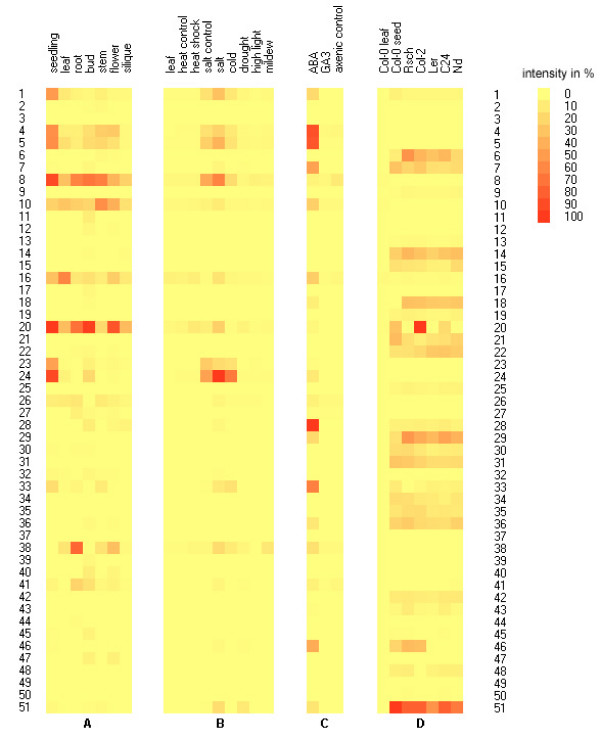
“For example, expression of the 51 LEA genes in Arabidopsis can be detected in various tissue types and at different developmental stages under a variety of experimental conditions (Hundertmark and Hincha 2008).”
BackgroundMethodInfluentialMuvunyi, B. P., Qi, Y., Wu, F., Min, X., Yan, Z. Z., Kanzana, G., Wang, Y., & Zhang, J. (2018) · International Journal of Molecular Sciences · doi:10.3390/ijms19113430 · Cited by 41
“thaliana [28], rice [36] and maize [37].”
BackgroundResultThe functional diversity of structural disorder in plant proteins
Covarrubias, A. A., Romero-Perez, P. S., Cuevas‐Velazquez, C. L., & Rendón‐Luna, D. F. (2019) · Archives of Biochemistry and Biophysics · doi:10.1016/j.abb.2019.108229 · Cited by 39
Zhu, W., Chen, X., Li, H., Zhu, F., Hong, Y., Varshney, R. K., & Liang, X. (2014) · Plant Molecular Biology · doi:10.1007/s11103-014-0193-x · Cited by 48
“Late embryogenesis abundant proteins accumulated late in plant seed development and played crucial roles in varying stressful environmental conditions (Xu et al. 1996; NDong et al. 2002; Hundertmark and Hincha 2008).”
BackgroundSoybean NDR 1‐like proteins bind pathogen effectors and regulate resistance signaling
Selote, D. S., Shine, M. B., Robin, G. P., & Kachroo, A. (2013) · New Phytologist · doi:10.1111/nph.12654 · Cited by 43
Liu, N., Ni, Z., Zhang, H., Chen, Q., Gao, W., Cai, Y., Li, M., Sun, G., & Qu, Y. (2018) · Frontiers in Plant Science · doi:10.3389/fpls.2018.00758 · Cited by 41
Ginsawaeng, O., Heise, C., Sangwan, R., Karcher, D., Hernández-Sánchez, I. E., Sampathkumar, A., & Zuther, E. (2021) · Biomolecules · doi:10.3390/biom11121770 · Cited by 38
Involvement of Multiple Types of Dehydrins in the Freezing Response in Loquat (Eriobotrya japonica)
Xu, H., Yang, Y., Xie, L., Li, X., Feng, C., Chen, J., & Xu, C. (2014) · PLoS ONE · doi:10.1371/journal.pone.0087575 · Cited by 37
“Phylogenetic analysis of dehydrin proteins from loquat, apple, Arabidopsis thaliana, and barley.”
MethodInfluentialContrasting Effects of Wild Arachis Dehydrin Under Abiotic and Biotic Stresses
Mota, A. P. Z., Oliveira, T. N., Vinson, C. C., Williams, T. C. R., Costa, M. M. D. C., Araújo, A. C. G., Danchin, É., Grossi‐de‐Sá, M. F., Guimarães, P. M., & Brasileiro, A. C. M. (2019) · Frontiers in Plant Science · doi:10.3389/fpls.2019.00497 · Cited by 37
Park, J., Lee, S.-H., Lee, J.-W., Wi, S. H., Seo, T. C., Moon, J. H., & Jang, S. (2025) · Frontiers in Plant Science · doi:10.3389/fpls.2025.1561100 · Cited by 42
“LEA proteins stabilize cell structures and protect critical molecules during cellular dehydration (Hundertmark and Hincha, 2008).”
Jia, H., Wang, X., Shi, Y., Wu, X., Wang, Y., Liu, J., Fang, Z., Li, C., & Dong, K. (2020) · PLoS ONE · doi:10.1371/journal.pone.0234085 · Cited by 40
Li, C., Qi, Y., Zhao, C., Wang, X., & Zhang, Q. (2021) · Frontiers in Genetics · doi:10.3389/fgene.2021.770742 · Cited by 37
Privat, I., Bardil, A., Bombarely, A., Séverac, D., Dantec, C., Fuentes, I., Mueller, L. A., Joët, T., Pot, D., Foucrier, S., et al. (2011) · BMC Genomics · doi:10.1186/1471-2164-12-5 · Cited by 38
“Concerning unigene annotations, we first made a homology search using the BLAST program against GenBank ftp://ftp.ncbi.nih.gov/genbank/ and Arabidopsis thaliana ftp://ftp.arabidopsis.org/home/tair/Sequences/ datasets, setting an e-value of 1e-10 as the cutoff value.”
BackgroundInfluentialNovel conserved segments are associated with differential expression patterns for Pinaceae dehydrins
Perdiguero, P., Barbero, M. C., Cervera, M., Soto, Á., & Collada, C. (2012) · Planta · doi:10.1007/s00425-012-1737-4 · Cited by 36
“The most recent classification was proposed by Hundertmark and Hincha (2008) according to the conserved domains included in Pfam database (Wellcome Trust Sanger Institute).”
BackgroundHatanaka, R., Gusev, O., Cornette, R., Shimura, S., Kikuta, S., Okada, J., Okuda, T., & Kikawada, T. (2015) · Planta · doi:10.1007/s00425-015-2284-6 · Cited by 40
“Plants have several groups of LEA proteins, and in an arthropod anhydrobiote, Artemia franciscana, LEA proteins are classified into at least two groups (Hundertmark and Hincha 2008; Hand et al. 2011).”
BackgroundThe crucial role of Φ- and K-segments in the in vitro functionality of Vitis vinifera dehydrin DHN1a
Rosales, R., Romero, I., Escribano, M. I., Merodio, C., & Sánchez-Ballesta, M. T. (2014) · Phytochemistry · doi:10.1016/j.phytochem.2014.10.006 · Cited by 36
Navarro‐Retamal, C., Bremer, A., Alzate‐Morales, J. H., Caballero, J., Hincha, D. K., González, W., & Thalhammer, A. (2016) · Physical Chemistry Chemical Physics · doi:10.1039/c6cp02272c · Cited by 37
Self-citationTranscriptome sequencing and de novo analysis of Rosa multiflora under cold stress
Zhang, X., Zhang, J., Zhang, W., Yang, T., Xiong, Y., & Che, D. (2016) · Acta Physiologiae Plantarum · doi:10.1007/s11738-016-2184-9 · Cited by 48
“…indicated that AFP (antifreeze protein ) proteins belonging to CORP plays important role in protecting organisms from cold injury in Hordeum vulgare (Sutton et al. 1992), Lycopersicoides (Imai et al. 1996), Triticum aestivum (Ohno et al. 2003), and Arabidopsis thaliana (Hundermark and Hincha 2008).”
BackgroundPandey, M. K., Paladi, R. K., Srivastava, A. K., & Suprasanna, P. (2021) · Scientific Reports · doi:10.1038/s41598-020-80419-6 · Cited by 36
Zolotarov, Y., & Strömvik, M. V. (2015) · PLoS ONE · doi:10.1371/journal.pone.0129016 · Cited by 39
“The YnSKn dehydrins are expressed in response to ABA, dehydration and high salinity [3,5,100].”
BackgroundInfluentialGuo, B., Zhang, J., Yang, C., Dong, L., Ye, H., Valliyodan, B., Nguyen, H. T., & Song, L. (2023) · International Journal of Molecular Sciences · doi:10.3390/ijms241914834 · Cited by 36
“sequenced plant species, such as Arabidopsis [4,5], rice [6], maize [7], Brassica napus [8], upland cotton [9], sorghum [10], and wheat [11].”
BackgroundZha, H., Liu, T., Zhou, J., & Sun, H. (2013) · Planta · doi:10.1007/s00425-013-1876-2 · Cited by 37
Qadir, S. U., Raja, V., Siddiqi, W. A., Mahmooduzzafar, M., Allah, E. F. A., Hashem, A., Alam, P., & Ahmad, P. (2019) · Plants · doi:10.3390/plants8120528 · Cited by 37
“With several remarkable functions, LEA proteins are recounted to exist in diverse organisms that shield proteins from clumping due to desiccation or osmotic stresses prompted by different environmental conditions [79].”
BackgroundKashif, M. H., Tang, D., Li, Z., Wei, F., Liang, Z., & Peng, C. (2020) · Journal of Plant Growth Regulation · doi:10.1007/s00344-019-10062-7 · Cited by 35
Cho, K.-H., Kim, M. Y., Kwon, H., Yang, X., & Lee, S. (2021) · Plant Science · doi:10.1016/j.plantsci.2021.111085 · Cited by 40
Wu, M., Zhang, K., Xu, Y., Wang, L., Liu, H., Qin, Z., & Xiang, Y. (2021) · Plant Physiology and Biochemistry · doi:10.1016/j.plaphy.2021.10.024 · Cited by 34
Pantelić, A., Stevanović, S., Komić, S. M., Kilibarda, N., & Vidović, M. (2022) · International Journal of Molecular Sciences · doi:10.3390/ijms23073547 · Cited by 34
“Hundertmark and Hincha [14] identified 51 LEAPs in model species A.”
BackgroundMethodInfluentialLiu, P., Zhu, Y., Liu, H., Liang, Z., Zhang, M., Zou, C., Yuan, G., Gao, S., Pan, G., Shen, Y., et al. (2022) · International Journal of Molecular Sciences · doi:10.3390/ijms23179755 · Cited by 35
Hincha, D. K., Espinoza, C., & Zuther, E. (2012) · Wiley eBooks · doi:10.1002/9783527632930.ch11 · Cited by 34
Self-citationJyothi‐Prakash, P. A., Mohanty, B., Wijaya, E., Lim, T., Lin, Q., Loh, C., & Kumar, P. P. (2014) · BMC Plant Biology · doi:10.1186/s12870-014-0291-6 · Cited by 34
“Dehydrins have been identified in a wide variety of organisms such as bacteria, chironomid, brine shrimp, nematodes, rotifers and cyanobacteria in response to desiccation [53], and are well-studied in plants for their key role in response to abiotic stress.”
BackgroundComparative Proteomics Analysis of Selenium Responses in Selenium-Enriched Rice Grains
Wang, Y.-D., Wang, X., Ngai, S. M., & Wong, Y.-S. (2013) · Journal of Proteome Research · doi:10.1021/pr300878y · Cited by 36
Zang, X., Geng, X., Liu, K., Wang, F., Liu, Z., Zhang, L., Zhao, Y., Tian, X., Hu, Z., Yao, Y., et al. (2017) · Plant Science · doi:10.1016/j.plantsci.2017.01.011 · Cited by 35
High salinity induces dehydrin accumulation in Chenopodium quinoa Willd. cv. Hualhuas embryos
Burrieza, H. P., Koyro, H., Tosar, L. M., Kobayashi, K., & Maldonado, S. (2011) · Plant and Soil · doi:10.1007/s11104-011-1045-y · Cited by 34
“Hundertmark and Hincha (2008) identified 51 LEA protein encoding genes in Arabidopsis thaliana.”
InfluentialWilhelmsson, P. K. I., Chandler, J. O., Fernández‐Pozo, N., Graeber, K., Ullrich, K. K., Arshad, W., Khan, S., Hofberger, J. A., Buchta, K., Edger, P. P., et al. (2019) · BMC Genomics · doi:10.1186/s12864-019-5452-4 · Cited by 36
Proteomic Analysis of the Endosperm Ontogeny of Jatropha curcas L. Seeds
Shah, M., Soares, E. L., Carvalho, P. C., Soares, A. A., Domont, G. B., Nogueira, F. C. S., & Campos, F. (2015) · Journal of Proteome Research · doi:10.1021/acs.jproteome.5b00106 · Cited by 35
Bielsa, B., Hewitt, S., Reyes-Chin-Wo, S., Dhingra, A., & Cabetas, M. J. R. (2018) · PLoS ONE · doi:10.1371/journal.pone.0205493 · Cited by 39
Maryan, K. E., Lahiji, H. S., Farrokhi, N., & Komeleh, H. H. (2018) · Gene Expression Patterns · doi:10.1016/j.gep.2018.10.002 · Cited by 36
Proteomic Responses to Drought Vary Widely Among Eight Diverse Genotypes of Rice (Oryza sativa)
Hamzelou, S., Pascovici, D., Kamath, K. S., Amirkhani, A., McKay, M. J., Mirzaei, M., Atwell, B. J., & Haynes, P. A. (2020) · International Journal of Molecular Sciences · doi:10.3390/ijms21010363 · Cited by 35
“Overexpression of LEA14 and LEA19 has been previously reported to enhance drought tolerance in rice and Phaseolus vulgaris, respectively [24,25].”
BackgroundLin, R., Zou, T., Mei, Q., Wang, Z., Zhang, M., & Jian, S. (2021) · International Journal of Molecular Sciences · doi:10.3390/ijms22094554 · Cited by 33
Han, Z., Wang, J., Wang, X., Zhang, X., Cheng, Y., Cai, Z., Nian, H., & Ma, Q. (2022) · Frontiers in Plant Science · doi:10.3389/fpls.2022.833326 · Cited by 41
“The LEA genes of COR15A and COR15B were upregulated with more transcripts in transgenic Arabidopsis plants (Figure 7), which were abundantly present in vegetative plant tissues under drought, low-temperature or salt, and other environmental stresses (Hundertmark and Hincha, 2008).”
BackgroundTamayo‐Ordoñez, M. C., Rodríguez‐Zapata, L. C., Narváez-Zapata, J. A., Tamayo-Ordóñez, Y. D. J., Ayil‐Gutiérrez, B. A., Barredo-Pool, F., & Sánchez‐Teyer, L. F. (2016) · Journal of Plant Physiology · doi:10.1016/j.jplph.2016.03.009 · Cited by 33
Hara, M., Endo, T., Kamiya, K., & Kameyama, A. (2016) · Journal of Plant Physiology · doi:10.1016/j.jplph.2016.12.003 · Cited by 33
“Dehydrins, which are also known as group 2 late embryogenesis abundant (LEA) proteins, are common stress-related proteins in plants (Close, 1996; Battaglia et al., 2008; Hundertmark and Hincha, 2008; Eriksson and Harryson, 2011; Graether and Boddington, 2014).”
BackgroundLEA proteins from Gastrodia elata enhance tolerance to low temperature stress in Escherichia coli
Zeng, X., Ling, H., Yang, J., Li, Y., & Guo, S. (2018) · Gene · doi:10.1016/j.gene.2018.01.002 · Cited by 35
“The LEA genes have been shown to play important roles in the abiotic stress responses of Arabidopsis, Oryza, Populus and other plants (Hundertmark and Hincha, 2008; Lan et al., 2013; Wang et al., 2007).”
BackgroundDefence signalling marker gene responses to hormonal elicitation differ between roots and shoots
Papadopoulou, G. V., Maedicke, A., Grosser, K., van Dam, N. M., & Martínez‐Medina, A. (2018) · AoB Plants · doi:10.1093/aobpla/ply031 · Cited by 34
“2002; Hundertmark and Hincha 2008).”
Forward and reverse genetics approaches for combined stress tolerance in rice
Bahuguna, R. N., Gupta, P., Bagri, J., Singh, D., Dewi, A. K., Tao, L., Islam, M. M., Sarsu, F., Singla-Pareek, S. L., & Pareek, A. (2018) · Indian Journal of Plant Physiology · doi:10.1007/s40502-018-0418-0 · Cited by 33
Metadata
- Authors
- Hundertmark, M., & Hincha, D. K.
- Affiliations
- Max Planck Institute of Molecular Plant Physiology (DE)
- Corresponding author
- Hincha, Dirk K
- ORCID
- Hincha, Dirk K
- Venue
- BMC Genomics
- Published
- 2008
- Volume
- 9
- Issue
- 1
- Pages
- 118
- ISSN
- 1471-2164 (ISSN-L)
- PMC
- PMC2292704
- OpenAlex
- W2081744992
- Cited by
- 1,044
- References
- 133
- Citations by year
- 2026: 44 · 2025: 68 · 2024: 74 · 2023: 44 · 2022: 72 · 2021: 98 · 2020: 73 · 2019: 63 · 2018: 57 · 2017: 59 · 2016: 52 · 2015: 53 · 2014: 59 · 2013: 55 · 2012: 51
- FWCI
- 48.80
- Type
- journal article
- Language
- en
- Open access
- gold
- doi.org
- Licence
- cc-by
- Locations
- BMC Genomics (publishedVersion, cc-by)
- PubMed Central (publishedVersion, cc-by)
- PubMed (publishedVersion)
- DOAJ (DOAJ: Directory of Open Access Journals) (submittedVersion)
- Max Planck Institute for Plasma Physics (submittedVersion)
- MPG.PuRe (Max Planck Society) (submittedVersion, other-oa)
- Funders
- Universität Potsdam
- Topics
- Life Sciences › Agricultural and Biological Sciences › Plant Science › Plant Stress Responses and Tolerance
- Life Sciences › Agricultural and Biological Sciences › Plant Science › Seed Germination and Physiology
- Life Sciences › Agricultural and Biological Sciences › Plant Science › Plant Molecular Biology Research
- Keywords
- late embryogenesis abundant proteins, LEA genes, Arabidopsis thaliana, desiccation tolerance, dehydration tolerance, seed development, abscisic acid response element, gene expression patterns, tandem repeats, homeologous genes, gene duplication, protein structure prediction
- MeSH terms
- Abscisic Acid, Amino Acid Sequence, Molecular Sequence Data, Plant Proteins, Promoter Regions, Genetic, Sequence Alignment, Genes, Plant, Arabidopsis, Gene Expression Regulation, Plant, Genome, Plant, Evolution, Molecular, Arabidopsis Proteins, Embryonic Development, Regulatory Elements, Transcriptional
About these checks
Registry, retraction, Cites and statistics results are computed, not judged, with one exception: a printed reference that no index lists is read once by a model before it counts as a citation error. Claims are extracted by a model and kept only when their quote appears verbatim in the text; each cited source is then checked, with a model’s help, for whether it says what the claim relies on. Those verdicts can be wrong — read the claim’s quote and the cited source before relying on one.
Statistics and arithmetic are recomputed, not judged.
Confidence bands are shown only for fields calibrated on our annotated test set. None is calibrated yet, so no band is shown.
What counts as a claim ›How we measure confidence ›How we check this ›
Are you an author, or do you see a problem with this page? Request a review
Data sources
Bibliographic data: Semantic Scholar, OpenAlex, Crossref.
Contains information from the Semantic Scholar Academic Graph Datasets, made available under the ODC Attribution License (ODC-BY 1.0).
Semantic Scholar’s data is described in: Kinney, R., et al. (2023). The Semantic Scholar Open Data Platform. arXiv:2301.10140.
