

LEA (Late Embryogenesis Abundant) proteins and their encoding genes in Arabidopsis thaliana
Open accessThe DOI matches its Crossref record; 135 of the 136 references it cites were found in a registry or an index.
Abstract
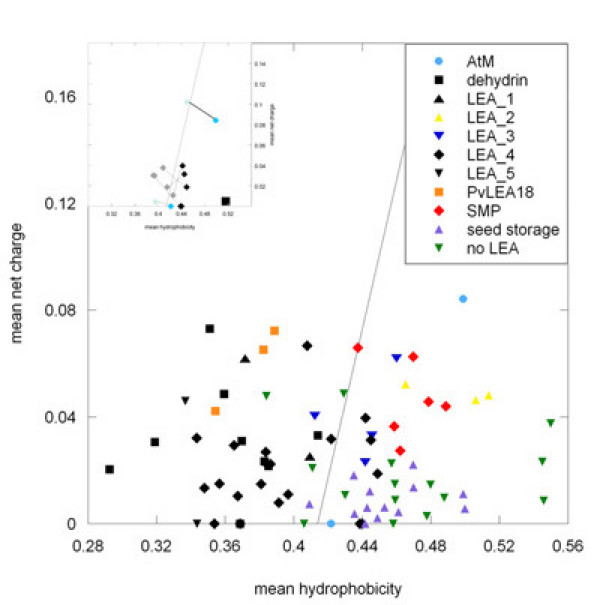
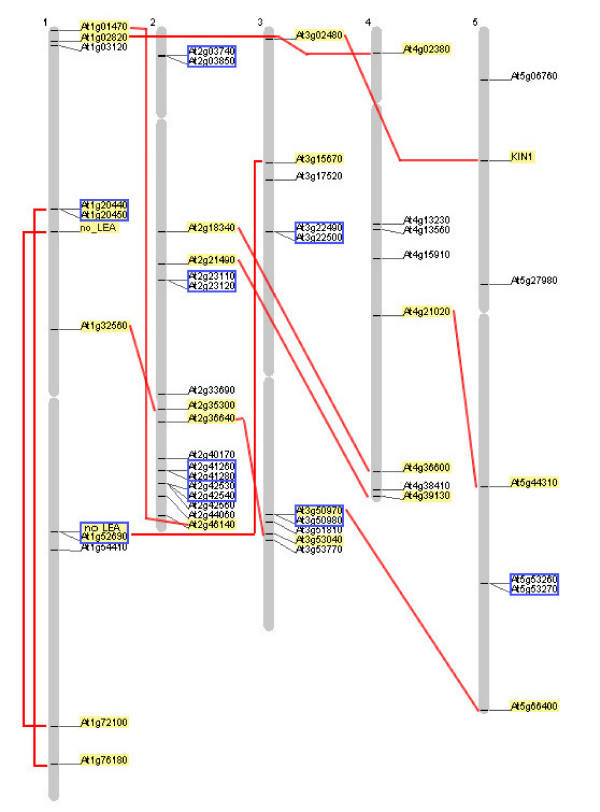
BACKGROUND: LEA (late embryogenesis abundant) proteins have first been described about 25 years ago as accumulating late in plant seed development. They were later found in vegetative plant tissues following environmental stress and also in desiccation tolerant bacteria and invertebrates. Although they are widely assumed to play crucial roles in cellular dehydration tolerance, their physiological and biochemical functions are largely unknown. RESULTS: We present a genome-wide analysis of LEA proteins and their encoding genes in Arabidopsis thaliana. We identified 51 LEA protein encoding genes in the Arabidopsis genome that could be classified into nine distinct groups. Expression studies were performed on all genes at different developmental stages, in different plant organs and under different stress and hormone treatments using quantitative RT-PCR. We found evidence of expression for all 51 genes. There was only little overlap between genes expressed in vegetative tissues and in seeds and expression levels were generally higher in seeds. Most genes encoding LEA proteins had abscisic acid response (ABRE) and/or low temperature response (LTRE) elements in their promoters and many genes containing the respective promoter elements were induced by abscisic acid, cold or drought. We also found that 33% of all Arabidopsis LEA protein encoding genes are arranged in tandem repeats and that 43% are part of homeologous pairs. The majority of LEA proteins were predicted to be highly hydrophilic and natively unstructured, but some were predicted to be folded. CONCLUSION: The analyses indicate a wide range of sequence diversity, intracellular localizations, and expression patterns. The high fraction of retained duplicate genes and the inferred functional diversification indicate that they confer an evolutionary advantage for an organism under varying stressful environmental conditions. This comprehensive analysis will be an important starting point for future efforts to elucidate the functional role of these enigmatic proteins.
Overview
The claims and statistics of this paper haven’t been checked yet.
Free: it reads the open-access text and checks the first 5 claims that cite a source we can check. Create a free account to check every claim.
Integrity signals
Registry
Cites
Statistics
Figures
Verification
Claims the paper makes
The claims and statistics of this paper haven’t been checked yet.
Free: it reads the open-access text and checks the first 5 claims that cite a source we can check. Create a free account to check every claim.
Claims other papers make about this one
Each is checked against this paper’s own text: does it say what the citing paper says it does?
The source backs part of the claim, not all of it — or backs it for a different population, condition or comparison.
In the citing paper
“The high number of CDK genes in G. hirsutum was more likely caused by gene duplication and the conservation of the CDK genes during the polyploidization process”
From Whole Genome Analysis of Cyclin Dependent Kinase (CDK) Gene Family in Cotton and Functional Evaluation of the Role of CDKF4 Gene in Drought and Salt Stress Tolerance in Plants (2018) · cites this paper as [41]
Experimental — accuracy not yet measuredIn the citing paper
“Similar findings, with the predominance of ABRE cis-element, have been reported for CDK genes in tomato [40], Arabidopsis [41], and Chinese plum [42].”
Self-check
Percentages, sums and reported differences re-computed from the paper’s own numbers.
The self-check needs the paper’s full text.
Citations
Cites
Thompson, J. D., Higgins, D. G., & Gibson, T. J. (1994) · Nucleic Acids Research · doi:10.1093/nar/22.22.4673 · Cited by 64,617 · cited 5×
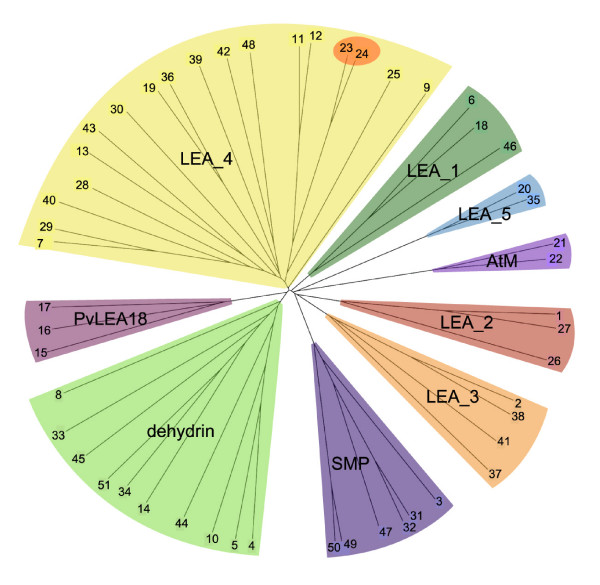
“We performed a ClustalW alignment of all 51 LEA proteins in Arabidopsis and the resulting unrooted dendrogram shows that the identified LEA groups are quite distinct from each other (Fig.”
MethodInfluentialProtein Identification and Analysis Tools on the ExPASy Server
Gasteiger, E., Hoogland, C., Gattiker, A., Duvaud, S., Wilkins, M. R., Appel, R. D., & Bairoch, A. (2005) · The Proteomics Protocols Handbook · doi:10.1385/1-59259-890-0:571 · Cited by 8,681
Protein Identification and Analysis Tools in the ExPASy Server
Wilkins, M. R., Gasteiger, E., Bairoch, A., Sanchez, J.-C., Williams, K. L., Appel, R. D., & Hochstrasser, D. F. (2003) · 2-D Proteome Analysis Protocols · doi:10.1385/1-59259-584-7:531 · Cited by 6,155 · cited 1×
“To get more information about the nature of the gene products, the GRAVY (grand average of hydropathy), the molecular weight and the pI were predicted by the PROTPARAM [ 132 ,133] tool.”
MethodPredicting Subcellular Localization of Proteins Based on their N-terminal Amino Acid Sequence
Emanuelsson, O., Nielsen, H., Brunak, S., & von Heijne, G. (2000) · Journal of Molecular Biology · doi:10.1006/jmbi.2000.3903 · Cited by 4,263
The Universal Protein Resource (UniProt)
Bairoch, A. (2004) · Nucleic Acids Research · doi:10.1093/nar/gki070 · Cited by 3,774 · cited 1×
“The PATTINPROT [128,129] tool was used to verify the stringency of the retrieved patterns by querying the UniProt [ 130 ,131] database.”
MethodAssumption-free analysis of quantitative real-time polymerase chain reaction (PCR) data
Ramakers, C., Ruijter, J. M., Deprez, R. H. L., & Moorman, A. F. M. (2003) · Neuroscience Letters · doi:10.1016/s0304-3940(02)01423-4 · Cited by 3,709 · cited 1×
“The mean PCR efficiency (E) for every primer pair was calculated using the linregPCR software [ 119 ].”
MethodPLANT COLD ACCLIMATION: Freezing Tolerance Genes and Regulatory Mechanisms
Thomashow, M. F. (1999) · Annual Review of Plant Physiology and Plant Molecular Biology · doi:10.1146/annurev.arplant.50.1.571 · Cited by 3,551
The Proteomics Protocols Handbook
(2005) · Humana Press eBooks · doi:10.1385/1592598900 · Cited by 3,538
Plant cis-acting regulatory DNA elements (PLACE) database: 1999
Higo, K., Ugawa, Y., Iwamoto, M., & Korenaga, T. (1999) · Nucleic Acids Research · doi:10.1093/nar/27.1.297 · Cited by 3,381
Czechowski, T., Stitt, M., Altmann, T., Udvardi, M. K., & Scheible, W.-R. (2005) · Plant Physiology · doi:10.1104/pp.105.063743 · Cited by 3,203 · cited 1×
“Data were normalized to the mean CT of three reference genes (At4g27960, At5g46630, and At4g34270) that were found to be stably expressed across various tissues and conditions [ 118 ].”
Method
Cited by
Items 801–900 of 1,001
LEA Genes Play Important Role in Seed and Pod Development in Cajanus cajan
Das, A., Kumar, K. M., Tribhuvan, K. U., Joshi, R., Durgesh, K., & Gaikwad, K. (2019) · International Journal of Current Microbiology and Applied Sciences · doi:10.20546/ijcmas.2019.810.083 · Cited by 3
The Genes Associated with Drought Tolerance by Multi-Layer Approach in Potato
Kim, C., Oh, J., Na, J.-K., Cho, C., Kim, K.-H., Yu, G. E., & Kim, D.-Y. (2019) · Plant Breeding and Biotechnology · doi:10.9787/pbb.2019.7.4.405 · Cited by 3
“Late embryogenesis abundant (LEA) proteins, EM1, zinc finger proteins, ANAC, and MYB family proteins play roles in stress or embryo-development responses in plants (Hundertmark and Hincha 2008; Tian et al. 2010; Magwanga et al. 2018).”
BackgroundLamonaca, A., Angelis, E. D., Monaci, L., & Pilolli, R. (2024) · Journal of Food Composition and Analysis · doi:10.1016/j.jfca.2024.106456 · Cited by 3
Luo, P., Zhang, H., Chen, Y., Cui, Y., & Chen, W. (2024) · Environmental and Experimental Botany · doi:10.1016/j.envexpbot.2024.106049 · Cited by 4
Nocito, K. D., Murugaiyan, V., Ali, J., Pandey, A., Casal, C., Asis, E. J. D., & Dimaano, N. G. (2025) · Biology · doi:10.3390/biology14040413 · Cited by 6
“…their distinct roles, both types of proteins ultimately contribute to the overall fitness and competitiveness of rice plants by ensuring proper growth and development, especially during the early stages when plants are most vulnerable to weed competition and environmental stresses [52,59,60].”
Seed mitochondria are equipped with cristae and a full proteome to kickstart germination
Ditz, N., Brandt, D., Gasper, M. E., Röhricht, H., Hegermann, J., Wallbott, A., Eirich, J., Blum, N., Rugen, N., Niehaus, M., et al. (2026) · Current Biology · doi:10.1016/j.cub.2026.07.044 · Cited by 5
High Salinity Induces Changes in the Leaf Transcriptome of Withania somnifera
Nicolis, V. F., Swiegers, H. W., Burger, N. F. V., Parshotam, R., Bierman, A., Padmalatha, S., Muthusamy, A., & Botha, A. (2026) · Plant Molecular Biology Reporter · doi:10.1007/s11105-025-01674-3 · Cited by 3
“Exposure to stressors such as salinity induces ABA accumulation and therefore dehydrins (Allagulova et al. 2003; Hundertmark and Hincha 2008; Rorat 2006), thereby enhancing the plant’s salt tolerance by stabilizing membranes, enzymes, and nucleotides in cells under abiotic stresses (Yu et al. 2018).”
Kirungu, J. N., Magwanga, R. O., Shiraku, M. L., Lu, P., Mehari, T. G., Xu, Y., Hou, Y., Agong, S. G., Zhou, Y., Cai, X., et al. (2020) · Journal of Cotton Research · doi:10.1186/s42397-020-00072-2 · Cited by 3
Arcalís, E., Mainieri, D., Vitale, A., Stöger, E., & Pedrazzini, E. (2021) · International Journal of Molecular Sciences · doi:10.3390/ijms222312671 · Cited by 3
Cheng, Y., He, J., Feng, Y., Zhao, J., & Guan, J. (2022) · Horticulturae · doi:10.3390/horticulturae8111022 · Cited by 3
(2024) · doi:10.1007/s00344-024-11532-3 · Cited by 3
“Dehydrins belong to the group II LEA protein family, which protects membranes during drought and extreme temperature stresses (Puhakainen et al. 2004; Hundertmark and Hincha 2008; Hand et al. 2011).”
Wang, D., Li, J., Li, S., Fu, J. R., Liu, B., & Cao, D. (2025) · Frontiers in Plant Science · doi:10.3389/fpls.2024.1529961 · Cited by 3
Genome-Wide Characterization of Wholly Disordered Proteins in Arabidopsis
Long, W., Zhao, L., Yang, H., Yang, X., Bai, Y., Xue, X., Wang, D., & Han, S. (2025) · International Journal of Molecular Sciences · doi:10.3390/ijms26031117 · Cited by 4
Mohanty, D., & Sharma, G. S. (2025) · International Journal of Biological Macromolecules · doi:10.1016/j.ijbiomac.2025.143672 · Cited by 4
Approximate string matching using phase correlation
Alba, A., Rodríguez‐Kessler, M., Arce-Santana, E., & Méndez, M. O. (2012) · Annual International Conference of the IEEE Engineering in Medicine and Biology Society (EMBC) · doi:10.1109/embc.2012.6347436 · Cited by 3
“496967) [17], [18].”
Polyclonal antibody preparation and immunolocalization of maize (Zea mays) seed protein EMB564.
Wu, X., Scali, M., Faleri, C., & Wang, W. (2013) · Use Siena air (University of Siena) · Cited by 3
Intrinsically Disordered Proteins: Controlled Chaos or Random Walk
Howton, T. C., Zhan, Y. A., Sun, Y., & Mukhtar, M. S. (2016) · International Journal of Plant Biology · doi:10.4081/pb.2015.6191 · Cited by 5
Castonguay, Y., Rocher, S., Bertrand, A., & Michaud, J. (2020) · Euphytica · doi:10.1007/s10681-020-2559-2 · Cited by 3
Shrestha, A., Mishra, A. K., Matoušek, J., Steinbachová, L., Potěšil, D., Nath, V. S., Awasthi, P., Kocábek, T., Jakše, J., Drábková, L. Z., et al. (2020) · International Journal of Molecular Sciences · doi:10.3390/ijms21228700 · Cited by 3
“Reportedly, LEA proteins are highly accumulated in desiccation tolerant tissues like pollen, endowing them to withstand water-deficit and pathogen-stress conditions [50,51].”
BackgroundComparative Transcriptome Analysis of Two Kalanchoë Species during Plantlet Formation
Jácome-Blásquez, F., Ooi, J. P., Zeef, L. A. H., & Kim, M. (2022) · Plants · doi:10.3390/plants11131643 · Cited by 6
“Although the specific function of UNE15 is yet to be demonstrated, it is known to accumulate during late embryogenesis and is associated with stress response [56].”
BackgroundTranscriptomic and proteomic mechanisms underlying cold tolerance in plants
Goharrizi, K. J., Karami, S., Basaki, T., Dehnavi, M. M., NEJAT, M. A., Momeni, M. M., & Meru, G. (2022) · Biologia Plantarum · doi:10.32615/bp.2022.030 · Cited by 3
“It is proposed that LEA proteins are necessary for membrane stabilization and avoidance of protein aggregation (Hundertmark and Hincha 2008).”
BackgroundChibarabada, T. P. (2014) · ResearchSpace (University of KwaZulu-Natal) · Cited by 6
Unravelling desiccation tolerance in germinated Arabidopsis seeds
de Oliveira, J. M. (2014) · doi:10.18174/302759 · Cited by 4
Abiotic stress in plants: Late Embryogenesis Abundant proteins
Amara, I. (2012) · Dipòsit Digital de la Universitat de Barcelona (Universitat de Barcelona) · Cited by 4
Dhiman, V., Marik, D., Amrita, Shekhawat, R. S., Swain, A. K., Dey, A., Yadav, P., Pal, A., Dey, S., & Sadhukhan, A. (2024) · doi:10.1101/2024.06.17.599320 · Cited by 3
Aluminum Stress of Oriental Melon (Cucumis melo L.) Is Linked to the Dehydrin CmDHN3
Zhang, C., Guo, X., Zhang, Y., Pang, H., & Chen, Q. (2025) · Horticulturae · doi:10.3390/horticulturae11050480 · Cited by 2
Qin, Y., Zhao, Y., Li, X., Wang, R., Chang, S. O., Zhang, Y., Ren, X., & Li, H. (2025) · Genes · doi:10.3390/genes16080932 · Cited by 2
“Two additional proteins without PFAM domain classification were identified as members of the AtM subgroup in the Arabidopsis LEA gene family [3].”
InfluentialMsLEA_3–6 overexpression enhances drought tolerance in Medicago sativa L.
Ma, W., Wen, X., Zhao, L., Dong, S., Luo, D., Zhou, Q., Fang, L., Liu, W., & Liu, Z. (2025) · BMC Plant Biology · doi:10.1186/s12870-025-07101-9 · Cited by 2
“Late embryogenesis abundant (LEA) proteins, particularly those in the LEA_3 subgroup, have been implicated in plant adaptation to abiotic stresses through their proposed role in cellular stabilization during dehydration [21, 22].”
Hou, Z., Cai, X., Wu, D., Gong, H., Wang, J., Zhang, Y., Yao, Q., Wang, L., Liang, Y., Zhang, Y., et al. (2025) · Biology · doi:10.3390/biology14121655 · Cited by 3
“Similar observations were made in Arabidopsis , where 82% and 69% of LEA promoters contained ABRE and LTR elements, respectively, and most genes were significantly induced by ABA and low temperatures [9].”
Švecová, M., Boszorádová, E., Matušíková, I., Gerši, Z., Nemeček, P., Bardáčová, M., Ranušová, P., Karas, M., & Moravčíková, J. (2022) · Acta Physiologiae Plantarum · doi:10.1007/s11738-022-03501-8 · Cited by 2
“AtLTI30 was found to be significantly induced by cold, salt, drought and ABA (Hundertmark and Hincha 2008; Shi et al.”
BackgroundInfluentialBioinformatic and functional analysis of OsDHN2 under cadmium stress
Jiang, W., Wang, M.-T., Du, Z.-Y., Li, J.-H., Shi, Y., Wang, X., Wu, L., Chen, J., Zhong, M., Yang, J., et al. (2023) · Functional & Integrative Genomics · doi:10.1007/s10142-023-01101-4 · Cited by 2
“2021; Hundertmark and Hincha 2008).”
MethodAethionema arabicum dimorphic seed trait resetting during transition to seedlings
Arshad, W., Steinbrecher, T., Wilhelmsson, P. K. I., Fernández‐Pozo, N., Pérez, M., Mérai, Z., Rensing, S. A., Chandler, J. O., & Leubner‐Metzger, G. (2024) · Frontiers in Plant Science · doi:10.3389/fpls.2024.1358312 · Cited by 2
Under Stress: Searching for Genes Involved in the Response of Abies pinsapo Boiss to Climate Change
Blanca-Reyes, I., Lechuga, V., Llebrés, M. T., Carreira, J. A., Ávila, C., Cánovas, F. M., & Castro‐Rodríguez, V. (2024) · International Journal of Molecular Sciences · doi:10.3390/ijms25094820 · Cited by 2
“H) according to the nomenclature of [26], which is based on the occurrence of specific protein motifs in their primary structure (Supplementary Figure S1).”
BackgroundHassanein, F., Fadel, H. H., Shehata, A. I., Hamdy, N. A., & Masoud, I. M. (2024) · Scientific Reports · doi:10.1038/s41598-024-63735-z · Cited by 3
Osmolyte-IDP interactions during desiccation
Nicholson, V. M., Meese, E. K., & Boothby, T. C. (2024) · Progress in molecular biology and translational science · doi:10.1016/bs.pmbts.2024.08.007 · Cited by 2
Identification of Picea mongolica LEA Gene Family Implicates PmLEA25 in Drought Resistance
Wang, Y., Li, J., & Bai, Y. (2024) · Forests · doi:10.3390/f15111988 · Cited by 2
Samarah, N. H., AL-Quraan, N. A., & Shawah’en, R. I. (2025) · Functional Plant Biology · doi:10.1071/fp24216 · Cited by 2
ACT2.6: Global Gene Coexpression Network in Arabidopsis thaliana Using WGCNA
Zogopoulos, V. L., Papadopoulos, K. A., Malatras, A., Iconomidou, V. A., & Michalopoulos, I. (2025) · Genes · doi:10.3390/genes16030258 · Cited by 2
Tiến, N. Q. Đ., Kha, H., & Lộc, N. H. (2025) · Journal of Plant Diseases and Protection · doi:10.1007/s10343-025-01146-4 · Cited by 2
“Photosynthesis and transpiration are necessary for plants to carry out their basic metabolic functions during periods requiring water or abiotic stress factors (Hundertmark and Hincha 2008; Liang et al. 2019; Wang et al. 2021).”
Ashfaq, L., Iqbal, S., Rasheed, S., Munir, H., Niazi, A. K., & Khan, R. S. A. (2025) · Journal of Plant Growth Regulation · doi:10.1007/s00344-025-11717-4 · Cited by 2
“…2022), 88 Ptr LEA genes in Populus trichocarpa (Z. Cheng et al. 2021), 108 Bn LEA genes in Brassica napus (Liang et al. 2016), and 51 LEA pro-tein-encoding genes in Arabidopsis thaliana (Hundertmark and Hincha 2008), all categorized into distinct subgroups or families according to their functions.”
Spare PRELI Gene Loci: Failsafe Chromosome Insurance?
Ma, W., McKeller, M. R., Rangel, R., Ortíz-Quintero, B., Blackburn, M. R., & Martínez-Valdez, H. (2012) · PLoS ONE · doi:10.1371/journal.pone.0037949 · Cited by 2
“In plants, fourteen of the 51 LEA genes, grouped into nine classified families, are duplicated [49,50].”
BackgroundInfluentialDong, C., Yang, M., Wang, H., & Mi, J. (2017) · Biologia · doi:10.1515/biolog-2017-0080 · Cited by 3
“The DHNs genes are a redundant family, ranging from 2 to 13 or more genes in different species (Hundertmark & Hincha 2008; BiesEtheve et al. 2008; Wang et al. 2007).”
BackgroundEngineering carpel‐specific cold stress tolerance: a case study in Arabidopsis
Artlip, T. S., Wisniewski, M., Takatsuji, H., & Bassett, C. L. (2016) · Physiologia Plantarum · doi:10.1111/ppl.12420 · Cited by 2
Yu, J.-G., & Park, Y. (2015) · Horticultural Science and Technology · doi:10.7235/hort.2015.15056 · Cited by 2
“…embryogenesis abundant protein family protein(AT3G02480), dehydrin family protein(AT5G66400), cold-regulated 47(AT1G20440)]가 “response to water deprivation” 기능 범주에 속하는 것으로 분석되었 다. Late embryogenesis abundant(LEA) 유전자군은 저온, 건 조, 염 스트레스 저항성 관련 유전자임이 많이 보고되어 있 으며(Hundertmark and Hincha, 2008;…”
Participation of ions of silicon in adaptation of plants to adverse factors
Nedukha, O. M. (2019) · Vìsnik Harkìvsʹkogo nacìonalʹnogo agrarnogo unìversitetu Serìâ Bìologiâ · doi:10.35550/vbio2019.02.023 · Cited by 2
Responses of late embryogenesis-abundant genes in Leymus chinensis to water deficit
Wan, D., Feng, X., Wan, Y., Ding, Y., & Li, H. (2020) · Revista Brasileira de Botânica · doi:10.1007/s40415-020-00633-4 · Cited by 2
Genetically Modified Citrus: Current Status, Prospects, and Future Challenges
Tanwir, S. E., Soares, J. M., Welker, S., Grosser, J. W., & Dutt, M. (2020) · Springer eBooks · doi:10.1007/978-981-15-5932-7_7 · Cited by 8
Reproductive developmental transcriptome analysis of Tripidium ravennae (Poaceae)
Maren, N. A., Zhao, F., Aryal, R., Touchell, D. H., Liu, W., Ranney, T. G., & Ashrafi, H. (2021) · BMC Genomics · doi:10.1186/s12864-021-07641-y · Cited by 2
“these sequences indicated that they were regulatory protein VIVIPAROUS 1 (VP1 – Trav0080007) [63], WUSCHEL-related homeobox 6 (WOX6 – Trav0041173) [64], LATE EMBRYOGENESIS ABUNDANT 18 (LEA18 – Trav0122482) [65], and SUCROSE SYNTHASE 3 (SUS3 – Trav0008473) [66].”
BackgroundInfluentialPost-excision drying of immature Phalaenopsis seeds improves germination and desiccation tolerance
Tsou, P.-L., Zhu, H., Godfrey, T., & Blackman, S. A. (2022) · South African Journal of Botany · doi:10.1016/j.sajb.2022.08.044 · Cited by 2
Accumulation of Dehydrin Transcripts Correlates with Tolerance to Drought Stress in Sunflower
Port, A., Clapco, S. F., Duca, M., Burcovschi, I., & Joiţa-Păcureanu, M. (2023) · Romanian Agricultural Research · doi:10.59665/rar4006 · Cited by 2
An introduction to the defense-related proteins in plants
Madhu, M., Kaur, A., Shekhawat, J., & Upadhyay, S. K. (2024) · Elsevier eBooks · doi:10.1016/b978-0-443-13236-0.00001-4 · Cited by 2
A novel superior factor widely controlling the rice grain qualityPreprint
She, K.-C., Kusano, H., Koizumi, K., Yamakawa, H., Hakata, M., Imamura, T., Fukuda, M., Naito, N., Tsurumaki, Y., Matsumoto, K., et al. (2009) · Nature Precedings · doi:10.1038/npre.2009.3283.1 · Cited by 2
Halliday, J. (2016) · The Atrium (University of Guelph) · Cited by 2
Correa-Morales, A. M. (2013) · NDSU Repository (North Dakota State University) · Cited by 2
Effect of simulated microgravity on gene expression during embryogenesis of Arabidopsis thalianaPreprint
Švécarová, M., Kovalová, M., & Ondřej, V. (2018) · bioRxiv (Cold Spring Harbor Laboratory) · doi:10.1101/471037 · Cited by 3
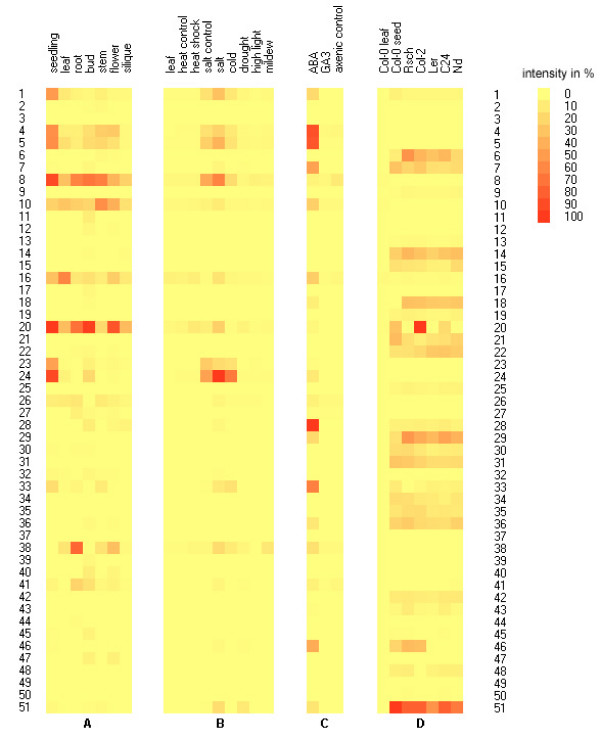
“Another research paper (Hundertmark and Hincha, 2008) studied the expression profile of 51 A. thaliana LEA genes, included LEA 4-5, under several stress conditions (cold, drought, high light, salt, heat, mildew).”
BackgroundInfluentialUnfolding plant desiccation tolerance : evolution, structure, and function of LEA proteins
Artur, M. A. S. (2019) · doi:10.18174/465557 · Cited by 2
A blueprint of seed desiccation sensitivity in the genome of Castanospermum australePreprint
Marques, A., Costa, M. C. D., Chathuri, U., Jonkheer, E. M., Zhao, T., Schijlen, E. G. W. M., Derks, M. F. L., Nijveen, H., Marcet‐Houben, M., Julca, I., et al. (2019) · bioRxiv (Cold Spring Harbor Laboratory) · doi:10.1101/665661 · Cited by 2
“This family encodes ‘atypical’ LEA proteins because of their more hydrophobic character compared to other LEA families (Hundertmark & Hincha, 2008).”
BackgroundKondratyeva, S. A., Nesmelov, A. A., Cherkasov, A. V., Miyata, Y., Tokumoto, S., Kikawada, T., Gusev, O., & Shagimardanova, E. I. (2019) · bioRxiv (Cold Spring Harbor Laboratory) · doi:10.1101/825133 · Cited by 2
Shraddha, K. C., Nguyen, K., Nicholson, V. M., Walgren, A., Trent, T., Gollub, E., Romero, S., Holehouse, A. S., Sukenik, S., & Boothby, T. C. (2024) · eLife · doi:10.7554/elife.97231.1 · Cited by 2
Fitzek, E., Psaroudakis, D., Weißhaar, B., Junker, A., & Bräutigam, A. (2025) · bioRxiv (Cold Spring Harbor Laboratory) · doi:10.1101/2025.07.25.666782 · Cited by 2
“For the majority of transcripts encoding the 51 LEA proteins in Arabidopsis (Hundertmark and Hincha, 2008) an upregulation towards the end of the progressive drought stress (day 29) followed by an opposite downregulation with the onset of rewatering (day 31) can be detected (Supplementary Figure 8).”
InfluentialThieffry, A. (2014) · Epsilon Archive for Student Projects (Swedish University of Agricultural Sciences) · Cited by 3
Identification and Characterization of LEA Genes in Ash Tree (Fraxinus excelsior) Genome
Uğurlu, A. (2019) · Kastamonu University Journal of Forestry Faculty · doi:10.17475/kastorman.662581 · Cited by 1
“…2016; Cao & Li, 2015; Altunoglu, Baloglu, Baloglu, Yer, & Kara, 2017; Charfeddine, Saïdi, Charfeddine, & Gargouri-Bouzid, 2015; Huang et al., 2016; Hundertmark & Hincha, 2008; Lan, Gao, & Zeng, 2013; Li, Xu, Yang, Li, & Hu, 2011; Li & Cao, 2016; Liang et al., 2016; Pedrosa, Martins, Gonçalves, &…”
Nikolić, I., Milisavljević, M., & Timotijević, G. S. (2024) · International Journal of Molecular Sciences · doi:10.3390/ijms25126291 · Cited by 1
Balasubramaniam, T., Mathangadeera, R. W., Sugumar, T., Wijewardene, I., Sun, L., Smith, J., Shen, G., & Zhang, H. (2025) · Plant Science · doi:10.1016/j.plantsci.2025.112536 · Cited by 2
Ali, H., Liu, Y., Azam, S. M., Ahmad, M., Pei, M., Olsson, S., Ullah, R., & Shahat, A. A. (2025) · BMC Plant Biology · doi:10.1186/s12870-024-05861-4 · Cited by 2
“This is consistent with previous research demonstrating the role of ABRE in drought and salt stress responses [61, 62].”
Wu, D., Zhang, T., Li, L., Zhang, H., Su, Y., Wu, J., Wang, J., Li, C., & Huang, G. (2025) · Genes · doi:10.3390/genes16070763 · Cited by 1
“Since initial isolation from cotton embryos in the 1980s, this protein family has been demonstrated to play critical roles in plant tolerance to abiotic stresses, including drought, high salinity, low temperature, and oxidative stress [11].”
Hussain, I., Sato, T., Alharthi, B., Wahid, A., Ditta, A., Anwar, Z., Ijaz, A., Iqbal, R., & Fiaz, S. (2025) · Molecular Biology Reports · doi:10.1007/s11033-025-10807-6 · Cited by 1
“Similar to dhn2 , LEA genes often contain introns, which may promote stress adaptation by modulating gene expression and stabilizing transcripts [60, 61].”
Heterologous expression of heat-resistant obscure (Hero) proteins enhances thermotolerance in plants
Kong, Z., Ke, Y., Zhang, H., & Miki, D. (2025) · iScience · doi:10.1016/j.isci.2025.113249 · Cited by 1
“43,44 Most LEA proteins have molecular weights ranging from 10 to 30 kDa, similar to Hero proteins, and they exhibit high heat resistance, hydrophilicity, and long internal disordered regions.”
Kim, C. A., Chen, W., Zhu, S., Zhang, G., Shen, C., Chen, K., Zhao, X., Zheng, T., Wang, W., & Xu, J. (2025) · BMC Genomics · doi:10.1186/s12864-025-11937-8 · Cited by 1
“LEA proteins are not only present during seed development but can be also strongly induced in vegetative tissues under abiotic stresses such as drought, low temperature, and high salinity [49, 50].”
Ferreira, G. D. O., Schaaf, C., Seixas, L. B., & de Setta, N. (2025) · Tropical Plant Biology · doi:10.1007/s12042-025-09443-y · Cited by 1
“…identified the presence of LEA proteins in seeds and vegetative tissues of several other plants (Artur et al. 2019), including Arabidopsis thaliana (Hundertmark and Hincha 2008) and the Poaceae Oryza sativa (Wang et al. 2007), Sorghum bicolor (Nagaraju et al. 2019), Triticum aestivum (Bhattacharya…”
Zhang, Y., Dong, S., Liu, X., Guan, J., Albornoz, K., Yue, P., Gu, X., Xie, X., Zhang, S., & Miao, H. (2025) · Plant Disease · doi:10.1094/pdis-09-24-1876-re · Cited by 1
Ishizuka, T., Tsuboyama, K., & Tomari, Y. (2025) · RNA · doi:10.1261/rna.080626.125 · Cited by 1
Zhuang, W., Sun, L., An, J., Zhu, J., Yan, T., Wang, T., Shu, X., & Wang, Z. (2025) · Plants · doi:10.3390/plants14213251 · Cited by 1
Ali, A., Usman, M., Ali, W., Khan, N. Z., Aasim, M., Staykov, N., Ali, A. A., Munir, I., & Gechev, T. (2025) · Genes · doi:10.3390/genes16121413 · Cited by 1
“LEA proteins have been shown to improve stress resistance in plants like A. thaliana , Brassica napus , and rice by stabilizing cellular structures and maintaining homeostasis [23,38].”
Modern biotechnological approaches to enhance plant responses to abiotic stresses
Babadjanova, F. I., Ubaydullaeva, K. A., Rakhmanov, B. K., Bolkiev, A. A., Abdullaev, A. N., Abdullaev, S. A., Yusupov, H. N., Rakhmatova, N. R., KUSHAKOV, S. O., Sobitjonovich, A. M., et al. (2025) · Plant Science Today · doi:10.14719/pst.11797 · Cited by 1
Bao, X., Xu, Y., Wang, X., Xin, H., Li, Q. L. Q., Wang, S., Xia, W., & Li, J. (2026) · International Journal of Molecular Sciences · doi:10.3390/ijms27020688 · Cited by 1
“Based on their conservative motifs, characteristics of their amino acid sequences, and their phylogenetic relationships, the Pfam database has classified the LEA proteins into eight subgroups, including LEA1 to LEA6, dehydrogenases (DHN), and seed maturation proteins (SMP) [46,47].”
Dourmap, C., Baud, S., Eubel, H., Rugen, N., Crilat, E., Beradocco, S., Marnet, N., Clément, G., Tcherkez, G. G. B., Planchais, S., et al. (2026) · Journal of Experimental Botany · doi:10.1093/jxb/eraf542 · Cited by 1
Cultivation and genomic characterization of novel methanogens from arid desert biocrust
Tian, W., Petrová, E., Sakai, S., Nweze, J. E., Daebeler, A., & Angel, R. (2026) · ISME Communications · doi:10.1093/ismeco/ycag013 · Cited by 3
“In plants, LEA proteins protect against dehydration stress by stabilizing proteins and membranes [108, 109], and have been discussed to provide similar functions in methanogens.”
Tang, Y., Wang, X., Wang, S., Li, X., Bao, X., Xu, S., Liu, D., Zhang, W., & 焦臣宇 (2026) · Frontiers in Plant Science · doi:10.3389/fpls.2026.1759018 · Cited by 1
Yao, K. T., Yepié, O. F., Fofana, B., Koffi, K. K., Kouakou, K. L., Akaffou, D. S., & Zoro, B. I. A. (2026) · Euphytica · doi:10.1007/s10681-026-03681-1 · Cited by 1
“LEA proteins typically accumulate during seed maturation and desiccation, where they protect embryo cells by stabilizing membranes, preventing protein aggregation, and maintaining cellular homeostasis (Hundertmark and Hincha 2008; Battaglia et al. 2008).”
Tang, H., Zhang, Y., Liu, Y., Ge, L., Zheng, J., Xin, X., & Shi, Q. (2026) · Scientia Horticulturae · doi:10.1016/j.scienta.2026.114680 · Cited by 1
Fan, Z., Yao, X., Chen, S., Gu, X., Wu, C., Li, H., Zhao, Q., & Ruan, J. (2026) · BMC Genomics · doi:10.1186/s12864-026-12772-1 · Cited by 1
“…the LEA gene family has been systematically identified and characterized in a wide range of model and crop species, including Arabidopsis thaliana [11, 12], Oryza sativa [13], Zea mays [14], Brassica napus [15], Nicotiana tabacum [16], Glycine max [17], Medicago sativa [18], and Brachypodium…”
The versatile functions of late embryogenesis abundant 3 (LEA3) proteins in plants
Yu, Z., Liu, F., & Sang, N. (2026) · Revista Brasileira de Botânica · doi:10.1007/s40415-026-01146-2 · Cited by 1
Feng, Z., Zhang, B., Wei, G., Ren, F., Sui, S., & Ma, J. (2026) · Industrial Crops and Products · doi:10.1016/j.indcrop.2026.123228 · Cited by 1
Yang, H., Tian, M., Kundu, J. K., Deng, W., Xiao, Y., Tan, C., Ruan, Y., & Liu, C. (2026) · Plants · doi:10.3390/plants15121793 · Cited by 1
Almansoori, A. K. K., Syukriyah, N. A., Hang, C. Y., Abdulfattah, M., Ikeno, S., Yu, L. H., Jasim, H. M., & Rahim, R. A. (2026) · Microbiology Spectrum · doi:10.1128/spectrum.03010-25 · Cited by 1
Late embryogenesis protein (LEA): not so late for plants under stress
-, A. S., Mondal, T. K., & Chowrasia, S. (2026) · The Nucleus · doi:10.1007/s13237-026-00681-3 · Cited by 1
LEA2-2 from Caragana korshinskii confers salt and osmotic tolerance in Arabidopsis
Yu, X., Yue, W., Yang, Q., Xue, C., Yi, F., Guo, S., & Li, G. (2026) · Physiology and Molecular Biology of Plants · doi:10.1007/s12298-026-01786-4 · Cited by 1
“Increasing evidence suggests that LEAs are typically encoded by a multigene family, consisting of 51 genes in Arabidopsis thaliana (Hundertmark and Hincha 2008), 34 genes in rice ( Oryza sativa L.) (Wang et al. 2007), and 96 members in Medicago truncatula (Singh et al. 2022).”
Mango MiNAC2D enhances drought, low temperature, and salt stress tolerance in transgenic plants
Guo, T., Xu, F., Yang, X., Liu, Y., Liu, H., Zhou, X., He, X., & Luo, C. (2026) · Fruit Research · doi:10.48130/frures-0026-0018 · Cited by 2
Kotnik, F., Ueda, M., Ito, A., Ishida, J., Takahashi, S., Sakai, K., Takagi, H., Seidel, J., Abe, T., Eirich, J., et al. (2026) · Proceedings of the National Academy of Sciences · doi:10.1073/pnas.2534315123 · Cited by 2
Evolutionary constraint on a core winter proteome across independently cold-adapted PACMAD grasses
Oren, E., Zhai, J., Rooney, T. E., Angelovici, R., Hale, C. O., Brindisi, L. J., Hsu, S., Gault, C. M., Hua, J., La, T., et al. (2026) · PLoS ONE · doi:10.1371/journal.pone.0358458 · Cited by 2
“…consistently accumulated proteins across PACMAD rhizomes have well-characterized orthologs implicated in cold acclimation in Arabidopsis , including LEA proteins, small HSPs, and glutathione S-transferases [61–63], indicating deep conservation of core protective pathways across monocots and dicots.”
Isolation and Molecular Characterization of Stress-Related TaLEAL3 Gene in Wheat
Min, D., Zhao, Y., Chen, Y., Xu, Z., Huo, D.-Y., Di, H. U., Chen, M., Li, L., & Ma, Y. (2012) · ACTA AGRONOMICA SINICA · doi:10.3724/sp.j.1006.2012.01847 · Cited by 1
Gene Expression Profiling in Roots of Wheat Cultivar 'Luohan 2' under Water Stress
Yong-Chun, L. I., Fan-Rong, M. E. N. G., Xiao, W. A. N. G., Lei, C. H. E. N., Jiang-Ping, R. E. N., Hong-Bin, N. I. U., & Lei, L. I. (2009) · ACTA AGRONOMICA SINICA · doi:10.3724/sp.j.1006.2008.02126 · Cited by 1
Transcriptomic analysis of developing embryos of apricot (Prunus armeniaca L.)
Bai, Y., Hu, W., Wang, M., He, J., Tao, Y., Huang, W., & Feng, Z. (2016) · Horticulture Environment and Biotechnology · doi:10.1007/s13580-016-0002-3 · Cited by 1
Karim, M. F., Yordanov, Y. S., & Menze, M. A. (2017) · The FASEB Journal · doi:10.1096/fasebj.31.1_supplement.914.3 · Cited by 1
Mercury and Cadmium Toxicity on Biomolecular parameters in Eudrilus eugeniae
mila, U., Gupta, R., fali, S., & Gill, P. (2019) · International Journal of Current Microbiology and Applied Sciences · doi:10.20546/ijcmas.2019.810.082 · Cited by 1
Expression of gene involved in the response to abiotic factors in Capsicum annuum
Molina, D. A. R., Medina, E. Q. A., Couoh-Uicab, Y. L., Olvera, L. G., Martínez, G. A. S., García, G. A., & Medina, H. R. (2020) · Nova Scientia · doi:10.21640/ns.v12i25.2283 · Cited by 1
Luo, C., Chen, J. W., Yu, H., Fan, Y., Zhang, X., & He, X. (2020) · Acta Horticulturae · doi:10.17660/actahortic.2020.1299.42 · Cited by 1
Lian, W., Sun, R., ZHANG, L. X., Sun, T., HUI, F., Feng, L., & Zhao, Y. (2022) · Biologia Plantarum · doi:10.32615/bp.2021.063 · Cited by 1
Boanares, D., da-Silva, C. J., Costa, K. J. A., Filgueira, J. P. P. S., Salles, M. L. O. C., Neto, L. P., Gastauer, M., Valadares, R. B. D. S., Sarmento, P. S. D. M., Ramos, S. J., et al. (2023) · International Journal of Molecular Sciences · doi:10.3390/ijms242316676 · Cited by 1
“The FW was measured at leaf sampling and the DW was obtained after drying the samples at 75 ◦ C for at least 24 h.”
Method
Metadata
- Authors
- Hundertmark, M., & Hincha, D. K.
- Affiliations
- Max Planck Institute of Molecular Plant Physiology (DE)
- Corresponding author
- Hincha, Dirk K
- ORCID
- Hincha, Dirk K
- Venue
- BMC Genomics
- Published
- 2008
- Volume
- 9
- Issue
- 1
- Pages
- 118
- ISSN
- 1471-2164 (ISSN-L)
- PMC
- PMC2292704
- OpenAlex
- W2081744992
- Cited by
- 1,044
- References
- 133
- Citations by year
- 2026: 44 · 2025: 68 · 2024: 74 · 2023: 44 · 2022: 72 · 2021: 98 · 2020: 73 · 2019: 63 · 2018: 57 · 2017: 59 · 2016: 52 · 2015: 53 · 2014: 59 · 2013: 55 · 2012: 51
- FWCI
- 48.80
- Type
- journal article
- Language
- en
- Open access
- gold
- doi.org
- Licence
- cc-by
- Locations
- BMC Genomics (publishedVersion, cc-by)
- PubMed Central (publishedVersion, cc-by)
- PubMed (publishedVersion)
- DOAJ (DOAJ: Directory of Open Access Journals) (submittedVersion)
- Max Planck Institute for Plasma Physics (submittedVersion)
- MPG.PuRe (Max Planck Society) (submittedVersion, other-oa)
- Funders
- Universität Potsdam
- Topics
- Life Sciences › Agricultural and Biological Sciences › Plant Science › Plant Stress Responses and Tolerance
- Life Sciences › Agricultural and Biological Sciences › Plant Science › Seed Germination and Physiology
- Life Sciences › Agricultural and Biological Sciences › Plant Science › Plant Molecular Biology Research
- Keywords
- late embryogenesis abundant proteins, LEA genes, Arabidopsis thaliana, desiccation tolerance, dehydration tolerance, seed development, abscisic acid response element, gene expression patterns, tandem repeats, homeologous genes, gene duplication, protein structure prediction
- MeSH terms
- Abscisic Acid, Amino Acid Sequence, Molecular Sequence Data, Plant Proteins, Promoter Regions, Genetic, Sequence Alignment, Genes, Plant, Arabidopsis, Gene Expression Regulation, Plant, Genome, Plant, Evolution, Molecular, Arabidopsis Proteins, Embryonic Development, Regulatory Elements, Transcriptional
About these checks
Registry, retraction, Cites and statistics results are computed, not judged, with one exception: a printed reference that no index lists is read once by a model before it counts as a citation error. Claims are extracted by a model and kept only when their quote appears verbatim in the text; each cited source is then checked, with a model’s help, for whether it says what the claim relies on. Those verdicts can be wrong — read the claim’s quote and the cited source before relying on one.
Statistics and arithmetic are recomputed, not judged.
Confidence bands are shown only for fields calibrated on our annotated test set. None is calibrated yet, so no band is shown.
What counts as a claim ›How we measure confidence ›How we check this ›
Are you an author, or do you see a problem with this page? Request a review
Data sources
Bibliographic data: Semantic Scholar, OpenAlex, Crossref.
Contains information from the Semantic Scholar Academic Graph Datasets, made available under the ODC Attribution License (ODC-BY 1.0).
Semantic Scholar’s data is described in: Kinney, R., et al. (2023). The Semantic Scholar Open Data Platform. arXiv:2301.10140.
