

Gastrointestinal flora and gastrointestinal status in children with autism – comparisons to typical children and correlation with autism severity
Open accessThe DOI matches its Crossref record; 40 of the 40 references it cites were found in a registry or an index.
Abstract
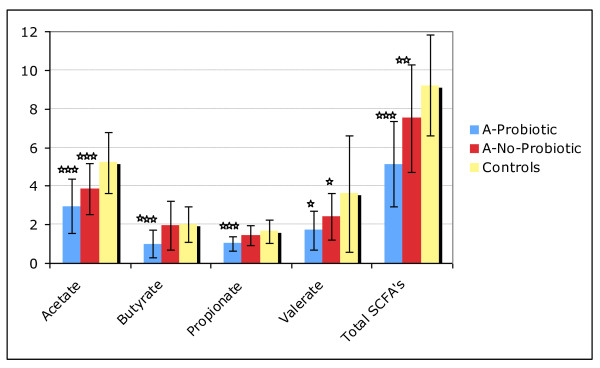
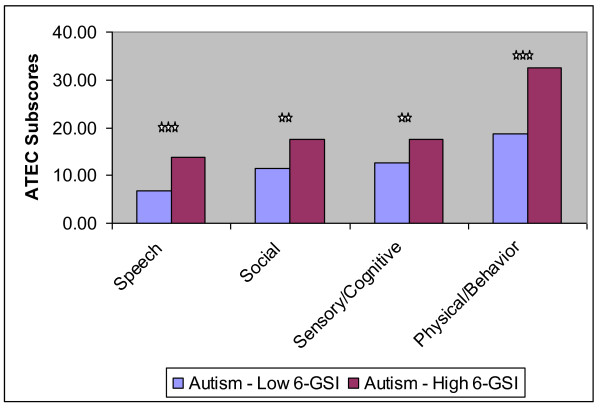
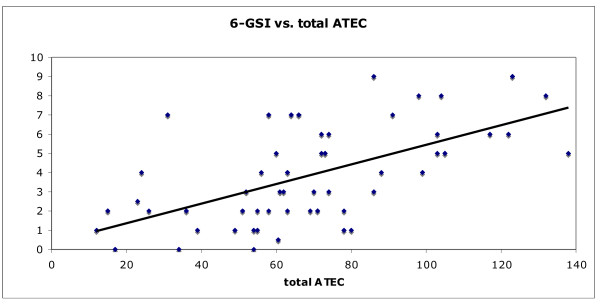
BACKGROUND: Children with autism have often been reported to have gastrointestinal problems that are more frequent and more severe than in children from the general population. METHODS: Gastrointestinal flora and gastrointestinal status were assessed from stool samples of 58 children with Autism Spectrum Disorders (ASD) and 39 healthy typical children of similar ages. Stool testing included bacterial and yeast culture tests, lysozyme, lactoferrin, secretory IgA, elastase, digestion markers, short chain fatty acids (SCFA's), pH, and blood presence. Gastrointestinal symptoms were assessed with a modified six-item GI Severity Index (6-GSI) questionnaire, and autistic symptoms were assessed with the Autism Treatment Evaluation Checklist (ATEC). RESULTS: Gastrointestinal symptoms (assessed by the 6-GSI) were strongly correlated with the severity of autism (assessed by the ATEC), (r = 0.59, p < 0.001). Children with 6-GSI scores above 3 had much higher ATEC Total scores than those with 6-GSI-scores of 3 or lower (81.5 +/- 28 vs. 49.0 +/- 21, p = 0.00002).Children with autism had much lower levels of total short chain fatty acids (-27%, p = 0.00002), including lower levels of acetate, proprionate, and valerate; this difference was greater in the children with autism taking probiotics, but also significant in those not taking probiotics. Children with autism had lower levels of species of Bifidobacter (-43%, p = 0.002) and higher levels of species of Lactobacillus (+100%, p = 0.00002), but similar levels of other bacteria and yeast using standard culture growth-based techniques. Lysozyme was somewhat lower in children with autism (-27%, p = 0.04), possibly associated with probiotic usage. Other markers of digestive function were similar in both groups. CONCLUSIONS: The strong correlation of gastrointestinal symptoms with autism severity indicates that children with more severe autism are likely to have more severe gastrointestinal symptoms and vice versa. It is possible that autism symptoms are exacerbated or even partially due to the underlying gastrointestinal problems. The low level of SCFA's was partly associated with increased probiotic use, and probably partly due to either lower production (less sacchrolytic fermentation by beneficial bacteria and/or lower intake of soluble fiber) and/or greater absorption into the body (due to longer transit time and/or increased gut permeability).
Overview
The claims and statistics of this paper haven’t been checked yet.
Free: it reads the open-access text and checks the first 5 claims that cite a source we can check. Create a free account to check every claim.
Integrity signals
Registry
Cites
Statistics
Figures
Verification
Claims the paper makes
The claims and statistics of this paper haven’t been checked yet.
Free: it reads the open-access text and checks the first 5 claims that cite a source we can check. Create a free account to check every claim.
Claims other papers make about this one
Each is checked against this paper’s own text: does it say what the citing paper says it does?
The cited source doesn’t support the claim as written.
In the citing paper
“Several studies found lower levels of fecal SCFA, including butyrate in feces of ASD children [53, 64], while a 2012 study found increased ammonia and SCFA including acetic, butyric, isobutyric, valeric, and isovaleric acids in ASD [61].”
From The Gut Microbiota and Dysbiosis in Autism Spectrum Disorders (2018) · cites this paper as [53]
Checked by a reasoning model — may be wrong.
Experimental — accuracy not yet measuredThe source backs part of the claim, not all of it — or backs it for a different population, condition or comparison.
In the citing paper
“In the order Lactobacillales and family Streptococcaceae, Streptococcus results (not S. thermophilus) corroborated an overall decrease in counts and percentage in ASD cases when statistical significance was reached [30, 31, 33, 37, 41].”
From Gut microbiota changes in children with autism spectrum disorder: a systematic review (2020) · cites this paper as [30]
Experimental — accuracy not yet measuredThe source backs part of the claim, not all of it — or backs it for a different population, condition or comparison.
In the citing paper
“however, upon a closer look at Bifidobacterium, consistently lower counts and proportions were found in children with ASD versus their siblings [31, 52] or controls [30, 38, 47].”
From Gut microbiota changes in children with autism spectrum disorder: a systematic review (2020) · cites this paper as [30]
Experimental — accuracy not yet measuredThe source backs part of the claim, not all of it — or backs it for a different population, condition or comparison.
In the citing paper
“Moreover, ASD patients seem to be characterized by both elevated levels of SCFA concentrations in stool and serum, and increased level of SCFA-producing bacteria (e.g., Clostridia, Desulfovibrio, and Bacteroides) [29,36,180].”
From Autism, Gastrointestinal Symptoms and Modulation of Gut Microbiota by Nutritional Interventions (2019) · cites this paper as [29]
Experimental — accuracy not yet measuredThe cited source says what the claim attributes to it.
In the citing paper
“Moreover, has been reported that the severity of gastrointestinal disorders in children with ASD may be closely linked to the intensity of neuropsychiatric symptoms, with more severe GI issues observed in individuals with more pronounced neuropsychiatric symptoms, and vice versa [33,34].”
From The Prevalence and Clinical Significance of Toe Walking in Autism Spectrum Disorder: A Cross-Sectional Study in an Italian Pediatric Sample (2025) · cites this paper as [33]
17 more claims about this paper
Create a free account to see every claim other papers make about this one.
Self-check
Percentages, sums and reported differences re-computed from the paper’s own numbers.
The self-check needs the paper’s full text.
Citations
Cites
Topping, D. L., & Clifton, P. M. (2001) · Physiological Reviews · doi:10.1152/physrev.2001.81.3.1031 · Cited by 3,091 · cited 2×
“Decreased levels may reflect insufficient normal colonic flora, a diet low in soluble fiber, or prolonged intestinal transit time [ 39 ].”
BackgroundPyrosequencing study of fecal microflora of autistic and control children
Finegold, S. M., Dowd, S. E., Gontcharova, V., Liu, C., Henley, K. E., Wolcott, R. D., Youn, E., Summanen, P. H., Granpeesheh, D., Dixon, D., et al. (2010) · Anaerobe · doi:10.1016/j.anaerobe.2010.06.008 · Cited by 977 · cited 4×
“Feingold’s pyrosequencing study [14] estimated that typical children normally have about 500-600 species of bacteria in their gut and estimated that children with autism have about twice that, so it is important to remember that we are only able to culture a small fraction of the species present.”
BackgroundMethodResultInfluentialNutritional and physiologic significance of human milk proteins
Lönnerdal, B. (2003) · The American Journal of Clinical Nutrition · doi:10.1093/ajcn/77.6.1537s · Cited by 878 · cited 1×
“Infants fed formula without lysozyme have three times the rate of diarrheal disease [43].”
BackgroundParracho, H. M., Bingham, M. O., Gibson, G. R., & McCartney, A. L. (2005) · Journal of Medical Microbiology · doi:10.1099/jmm.0.46101-0 · Cited by 784 · cited 2×
“Parracho et al. 2005 [13] used another culture-independent technique, fluorescence in situ hybridization (FISH) targeting Clostridium groups, and reported differences in the gut microflora of children with ASD compared to healthy children.”
BackgroundMethodGastrointestinal Microflora Studies in Late‐Onset Autism
Finegold, S. M., Molitoris, D., Song, Y., Liu, C., Vaisanen, M., Bolte, E., McTeague, M., Sandler, R., Wexler, H., Marlowe, E. M., et al. (2002) · Clinical Infectious Diseases · doi:10.1086/341914 · Cited by 742 · cited 2×
“Finegold et al. 2002 [11] studied fecal samples from 13 children with late-onset autism and 8 controls.”
BackgroundShort-Term Benefit From Oral Vancomycin Treatment of Regressive-Onset Autism
Sandler, R. H., Finegold, S. M., Bolte, E. R., Buchanan, C. P., Maxwell, A. P., Väisänen, M.-L., Nelson, M. N., & Wexler, H. M. (2000) · Journal of Child Neurology · doi:10.1177/088307380001500701 · Cited by 614 · cited 2×
“Additionally Desulfovibrio species and Bacteroides vulgatus were present in higher numbers in autistic than controls Treatment studies using a minimally absorbed oral antibiotic (vancomycin) to treat abnormal gut flora showed significant temporary improvements in behavior for children with late-onset autism [15], but…”
BackgroundReal-Time PCR Quantitation of Clostridia in Feces of Autistic Children
Song, Y., Liu, C., & Finegold, S. M. (2004) · Applied and Environmental Microbiology · doi:10.1128/aem.70.11.6459-6465.2004 · Cited by 556
de Magistris, L., Familiari, V., Pascotto, A., Sapone, A., Frolli, A., Iardino, P., Carteni, M., De Rosa, M., Francavilla, R., Riegler, G., et al. (2010) · Journal of Pediatric Gastroenterology and Nutrition · doi:10.1097/mpg.0b013e3181dcc4a5 · Cited by 546
MACFABE, D., CAIN, D., RODRIGUEZCAPOTE, K., FRANKLIN, A., HOFFMAN, J., BOON, F., TAYLOR, A., KAVALIERS, M., & OSSENKOPP, K. (2007) · Behavioural Brain Research · doi:10.1016/j.bbr.2006.07.025 · Cited by 497 · cited 3×
“2007 [17], which demonstrates that SCFA’s can induce autistic-like symptoms when injected into rats.”
BackgroundVolatile organic compounds from feces and their potential for diagnosis of gastrointestinal disease
Garner, C. E., Smith, S., de Lacy Costello, B., White, P., Spencer, R., Probert, C. S. J., & Ratcliffem, N. M. (2007) · The FASEB Journal · doi:10.1096/fj.06-6927com · Cited by 439
Research works printed but not linked: 4
- Rimland B Edelson S Autism Treatment Evaluation Checklist: Statistical Analyses 2000 Autism Research Institute, San Diego, CA
- Dugad L Performance Verification of Lysozyme ELISA Test Kit Verification 105 2007 Doctor's Data, Inc. Saint Charles, Illinois
- Dugad L Wu Z PerformanceVerification of Lactoferrin ELISA Test Kit of Fecal Verification 104 2007 Doctor's Data Inc, Saint Charles, Illinois
- Edelson S Parent Ratings of Behavioral Effects of Biomedical Interventions 2010 Autism Research Institute, Publication 34, San Diego, CA
Cited by
Items 601–700 of 1,000
Good, P. (2011) · Medical Hypotheses · doi:10.1016/j.mehy.2011.08.038 · Cited by 19
Kumar, A., Karamchandani, A., & Singh, S. (2024) · Neuroscience Informatics · doi:10.1016/j.neuri.2024.100175 · Cited by 18
Unraveling the relative abundance of psychobiotic bacteria in children with Autism Spectrum Disorder
Darwesh, M.-A. K., Bakr, W., Omar, T. E. I., El‐Kholy, M. A., & Azzam, N. F. A. E. M. (2024) · Scientific Reports · doi:10.1038/s41598-024-72962-3 · Cited by 18
“The modified short version of the GI Severity Index, specifically the 6-GSI questionnaire, was used to evaluate gastrointestinal (GI) symptoms 32 .”
MethodThe Influence of Orthodontic Treatment on Oral Microbiology
Lucchese, A., & Bondemark, L. (2021) · Wiley eBooks · doi:10.1002/9781119608912.ch10 · Cited by 18
Early-life risk factors for chronic nonrespiratory diseases
Chacko, A., Carpenter, D. O., Callaway, L. K., & Sly, P. D. (2014) · European Respiratory Journal · doi:10.1183/09031936.00070214 · Cited by 18
Nutrient Intake among Children with Autism
Moore, E. (2012) · Journal of Nutritional Disorders & Therapy · doi:10.4172/2161-0509.1000115 · Cited by 18
Good, P. (2017) · Clinical Nutrition ESPEN · doi:10.1016/j.clnesp.2017.10.005 · Cited by 18
The Microbiota-gut-immune-glia (MGIG) Axis in Major DepressionPreprint
Rudzki, L., & Maes, M. H. J. (2020) · Preprints.org · doi:10.20944/preprints202002.0084.v1 · Cited by 18
Fungi: Friend or Foe? A Mycobiome Evaluation in Children With Autism and Gastrointestinal Symptoms
Alookaran, J., Liu, Y., Auchtung, T. A., Tahanan, A., Hessabi, M., Asgarisabet, P., Rahbar, M. H., Fatheree, N. Y., Pearson, D. A., Mansour, R., et al. (2021) · Journal of Pediatric Gastroenterology and Nutrition · doi:10.1097/mpg.0000000000003349 · Cited by 17
“Kantarcioglu et al (11) identified increased Candida spp. in children with ASD using standard culture techniques, but Adams et al (2) found no differences.”
BackgroundMethodMadany, A. M., Hughes, H. K., & Ashwood, P. (2022) · International Journal of Molecular Sciences · doi:10.3390/ijms232112879 · Cited by 17
“There is also an increase in inflammatory cytokines and immune cell responses in individuals with ASD [36,37] and schizophrenia [38,39].”
BackgroundInfluentialLi, H., Leng, C., Chen, N., Ding, Q., Yuan, Y., Zheng, Y., Zhu, G., Chen, C., Xu, L., Shuai, J., et al. (2024) · BMC Veterinary Research · doi:10.1186/s12917-024-03981-5 · Cited by 17
“Sutterella oversecretes IgA protease, which degrades IgA, thereby reducing IgA concentrations in the intestinal mucosa and impairing the function of the intestinal antimicrobial immune response [39–41].”
BackgroundMartínez‐González, A. E., Cervin, M., & Pérez-Sánchez, S. (2024) · Digestive and Liver Disease · doi:10.1016/j.dld.2024.05.019 · Cited by 17
Nirmalkar, K., Patel, J., Kang, D., Bellinghiere, A., Bowes, D. A., Qureshi, F. A., Adams, J. B., & Krajmalnik‐Brown, R. (2024) · Gut Microbes Reports · doi:10.1080/29933935.2024.2358324 · Cited by 17
“44 Only a limited number of studies have reported fungi in ASD via culturing 4,30,31 or sequencing techniques 32–34 but most did not investigate the possible correlation of fungi with GI or ASD symptoms, except Alookaran et al ., who investigated the association between fungi and GI and found no…”
InfluentialSelf-citationPrince, N., Marzal, L. N. P., Roussin, L., Monnoye, M., Philippe, C., Maximin, E., Ahmed, S., Salenius, K., Lin, J., Autio, R., et al. (2025) · Gut Microbes · doi:10.1080/19490976.2024.2447822 · Cited by 18
“Nevertheless, studies of ASD have reported inconsistent results regarding fecal SCFA levels, with some showing no differences, 73 others indicating higher proportions, 74 and still others finding lower levels 75,76 when compared to neurotypical individuals.”
Kushak, R. I., Sengupta, A., & Winter, H. S. (2021) · Developmental Medicine & Child Neurology · doi:10.1111/dmcn.15052 · Cited by 17
“Other studies have shown much lower levels of Bifidobacterium, slightly lower levels of Enterococcus, and much higher levels of Lactobacillus in the stool of children with autism compared with unaffected children.(31) Recent reviews provide more detailed data on changes in microbiota in the stool of children with ASD.”
BackgroundResultAutism and Gut Microbiota: a Bibliometric Study
Martínez‐González, A. E., & Andreo‐Martínez, P. (2022) · Review Journal of Autism and Developmental Disorders · doi:10.1007/s40489-022-00313-x · Cited by 17
Gut microbiome dysbiosis drives metabolic dysfunction in Familial dysautonomia
Cheney, A. M., Costello, S. M., Pinkham, N. V., Waldum, A., Broadaway, S. C., Cotrina-Vidal, M. L., Mergy, M. A., Tripet, B., Kominsky, D. J., Grifka‐Walk, H. M., et al. (2023) · Nature Communications · doi:10.1038/s41467-023-35787-8 · Cited by 17
Xu, X., Lang, J., Yang, J., Long, B., Liu, X., Zeng, X.-F., Tian, G., & You, X. (2023) · Frontiers in Immunology · doi:10.3389/fimmu.2023.1100816 · Cited by 17
Zarezadeh, M., Mahmoudinezhad, M., Hosseini, B., Khorraminezhad, L., Razaghi, M., Alvandi, E., & Saedisomeolia, A. (2023) · Clinical Nutrition · doi:10.1016/j.clnu.2023.06.014 · Cited by 17
Psychobiotics; A Promise for Neurodevelopmental Therapy
Daliri, E. B., & Oh, D. (2016) · Journal of Probiotics & Health · doi:10.4172/2329-8901.1000146 · Cited by 17
Feng, P., Zhang, Y., Zhao, Y., Zhao, P., & Li, E. (2024) · Frontiers in Immunology · doi:10.3389/fimmu.2024.1341404 · Cited by 16
Persico, A. M., Asta, L., Chehbani, F., Mirabelli, S., Parlatini, V., Cortese, S., Arango, C., & Vitiello, B. (2024) · Progress in Neuro-Psychopharmacology and Biological Psychiatry · doi:10.1016/j.pnpbp.2024.111176 · Cited by 16
Jin, F., & Wang, Z. (2024) · Frontiers in Neuroscience · doi:10.3389/fnins.2024.1514678 · Cited by 16
Mamun, A. A., Geng, P., Wang, S., Shao, C., & Xiao, J. (2024) · Pharmacological Research · doi:10.1016/j.phrs.2024.107559 · Cited by 16
Novel Personalized Dietary Treatment for Autism Based on the Gut-Immune-Endocrine-Brain Axis
Doenyas, C. (2019) · Frontiers in Endocrinology · doi:10.3389/fendo.2019.00508 · Cited by 16
“With such a “paradigm shift in neuroscience” (29), previous findings including but not limited to the following started being investigated under the umbrella of the gut-brain axis: differences in urine peptides (30), intestinal permeability (31), gastrointestinal problems in individuals with ASD [which are not only ex…”
BackgroundAltered microbiota composition reflects enhanced communication in 15q11-13 CNV mice
Septyaningtrias, D. E., Lin, C.-W., Ouchida, R., Nakai, N., Suda, W., Hattori, M., Morita, H., Honda, K., Tamada, K., & Takumi, T. (2019) · Neuroscience Research · doi:10.1016/j.neures.2019.12.010 · Cited by 16
Cuffman, C., & Burkhart, K. M. (2020) · Research in Autism · doi:10.1016/j.rasd.2020.101710 · Cited by 16
Doenyas, C., Ekici, B., Unay, Ö. S., Gönen, İ., & Tatlı, B. (2021) · International Journal of Developmental Disabilities · doi:10.1080/20473869.2021.1937001 · Cited by 16
“Given other findings showing a strong positive association between gastrointestinal problems and ASD severity (Adams et al. 2011) and the recent interest in the role of the gut-brain axis in ASD pathogenesis and prognosis (Doenyas 2018), referring children with ASD to dietitians, endocrinologists,…”
BackgroundAntibiotic Treatment during Pregnancy Alters Offspring Gut Microbiota in a Sex-Dependent Manner
Madany, A. M., Hughes, H. K., & Ashwood, P. (2022) · Biomedicines · doi:10.3390/biomedicines10051042 · Cited by 16
Alterations of the gut microbiota in borderline personality disorder
Rössler, H., Flasbeck, V., Gatermann, S. G., & Brüne, M. (2022) · Journal of Psychosomatic Research · doi:10.1016/j.jpsychores.2022.110942 · Cited by 16
Wang, P.-C., Rajput, D., Wang, X., Huang, C., & Chen, C. (2024) · Scientific Reports · doi:10.1038/s41598-024-57649-z · Cited by 16
“Adams, et al. demonstrated that the faeces of ASD children who did not receive probiotics had significantly lower SCFAs (acetate, propionate, and valerate) and lower Bifidobacter species and higher Lactobacillus species when compared to healthy children and ASD children who received probiotics 11 .”
ResultCorrelating the Gut Microbiome to Health and Disease
Marques, T. M., Holster, S., Wall, R., König, J., Brummer, R. J., & de Vos, W. M. (2016) · Elsevier eBooks · doi:10.1016/b978-0-12-802304-4.00012-8 · Cited by 16
Role of Biomarkers in Medicine
Wang, M., & Witzmann, F. A. (2016) · InTech eBooks · doi:10.5772/61449 · Cited by 16
Association Among Gut Microbes, Intestinal Physiology, and Autism
Wu, W. (2017) · EBioMedicine · doi:10.1016/j.ebiom.2017.10.013 · Cited by 16
“Along with the core symptoms of ASD, other comorbid conditions can be observed in certain populations of people with ASD, such as gastrointestinal (GI) complications and altered gut microbiome (Adams et al., 2011; Parracho et al., 2005).”
BackgroundRestrição de glúten e caseína em pacientes com transtorno do espectro autista
Pimentel, Y. R. A., Picinin, C. T. R., Moreira, D. C. F., Pereira, É. A. A., Pereira, M. A. O., & Vilela, B. S. (2019) · Revista da Associação Brasileira de Nutrição - RASBRAN · Cited by 16
Towards Identifying Genetic Biomarkers for Gastrointestinal Dysfunction in Autism
Shindler, A. E., Hill‐Yardin, E. L., Petrovski, S., Bishop, N. E., & Franks, A. E. (2019) · Journal of Autism and Developmental Disorders · doi:10.1007/s10803-019-04231-6 · Cited by 16
Adams, J. B., Vargason, T., Kang, D., Krajmalnik‐Brown, R., & Hahn, J. (2019) · Processes · doi:10.3390/pr7110806 · Cited by 17
“Gastrointestinal (GI) problems are one such group of conditions that are common in children with ASD [17,18], especially constipation and/or diarrhea, and are strongly correlated with more severe ASD-related symptoms [19].”
BackgroundSelf-citationNudel, R., Appadurai, V., Schork, A. J., Buil, A., Bybjerg‐Grauholm, J., Børglum, A. D., Daly, M. J., Mors, O. N., HOUGAARD, D. M., Mortensen, P. B., et al. (2020) · Human Genetics · doi:10.1007/s00439-020-02140-8 · Cited by 17
Zhang, Y., Hu, N., Cai, Q., Zhang, F., Jun, Z. O. U., Liu, Y., Wei, D., Zhu, Q., Chen, K., Zeng, L., et al. (2020) · Bioscience of Microbiota Food and Health · doi:10.12938/bmfh.2019-032 · Cited by 16
“Considering the similarity between depression and ASDs, growing studies indicate that there is a strong positive correlation between GI problems and ASD severity, and GI problems are associated with dysbiosis of the gut microbiome [14–16].”
Gut Microorganisms and Neurological Disease Perspectives
Faruqui, N. A., Prium, D. H., Mowna, S. A., Ullah, M. A., Araf, Y., Sarkar, B., Zohora, U. S., & Rahman, M. S. (2021) · Future Neurology · doi:10.2217/fnl-2020-0026 · Cited by 16
Intervenção nutricional no Autismo
Oliveira, A. L. T. D. D. (2012) · Portuguese National Funding Agency for Science, Research and Technology (RCAAP Project by FCT) · Cited by 16
The infant gut microbiome and cognitive development in malnutrition
Shennon, I., Wilson, B. C., Behling, A. H., Portlock, T., Haque, R., Forrester, T., Nelson, C. A., & O'Sullivan, J. M. (2024) · Clinical Nutrition · doi:10.1016/j.clnu.2024.03.029 · Cited by 15
Bin-Khattaf, R. M., Al-Dbass, A. M., Alonazi, M. A., Bhat, R. S., Al-Daihan, S., & El-Ansary, A. K. (2024) · Translational Neuroscience · doi:10.1515/tnsci-2022-0354 · Cited by 15
Mitchell, L. K., Heussler, H., Burgess, C. J., Rehman, A., Steinert, R. E., & Davies, P. S. W. (2024) · Journal of Autism and Developmental Disorders · doi:10.1007/s10803-024-06588-9 · Cited by 15
“Children were also required to have a diagnosed DGBI or a score of three or more on the six-item gastrointestinal severity index as assessed at the screening visit (6-GSI) (Adams et al., 2011 ). evidenced-based Manchester model of GDH (Gonsalkorale, 2006 ).”
InfluentialSaguibo, J. D., Mercado, M. A., Maldia, S. T., Jimeno, B. T., Perez, M. T. M., Calapardo, M. R., & Elegado, F. B. (2019) · Food Research · doi:10.26656/fr.2017.3(6).148 · Cited by 15
“Probiotics have been found to promote good health for persons with autism (PWA) as well (Adams et al., 2011; Gilbert et al., 2013; Kerns et al., 2017).”
BackgroundCeliac Disease Autoimmunity and Emotional and Behavioral Problems in Childhood
Wahab, R. J., Beth, S. A., Derks, I. P. M., Jansen, P. W., Moll, H. A., & Jong, J. C. K. (2019) · PEDIATRICS · doi:10.1542/peds.2018-3933 · Cited by 16
“Studies have revealed changes of the microbiome in children with autism.(53,54) Additionally, in children with anxiety and depression disorders, probiotics seem to have an influence on psychological well-being, suggesting that the microbiome might have a role in these disorders as well.”
BackgroundLin, X., Zhou, R., Liang, D., Xia, L., Zeng, L., & Chen, X. (2022) · Frontiers in Psychiatry · doi:10.3389/fpsyt.2022.976827 · Cited by 15
“The incidence of GI symptoms in ASD is four times higher than that in the control group (3), and it is related to the severity of ASD core symptoms (4).”
BackgroundCeliac disease in autism spectrum disorder: data from an Italian child cohort
Zambrano, S., Parma, B., Morabito, V., Borini, S., Romaniello, R., Molteni, M., Mani, E., & Selicorni, A. (2023) · The Italian Journal of Pediatrics/Italian journal of pediatrics · doi:10.1186/s13052-023-01484-x · Cited by 15
Human Microbiota: A Neglected “Organ” in Precision Medicine
Bi, Y., Qin, N., & Yang, R. (2015) · doi:10.11979/idtm.201502005 · Cited by 15
Gut Microbiome and Autism: Recent Advances and Future Perspectives
Liu, J., Zhang, M., & Kong, X. (2016) · North American Journal of Medicine and Science · Cited by 15
Intestinal microbiota, metabolome and gender dimorphism in autism spectrum disorders
Kushak, R. I., & Winter, H. S. (2018) · Research in Autism · doi:10.1016/j.rasd.2018.01.009 · Cited by 15
The role of the gut microbiota in the pathophysiology of mental and neurological disorders
Pusceddu, M. M., & Bas-Prior, J. M. D. (2020) · Psychiatric Genetics · doi:10.1097/ypg.0000000000000255 · Cited by 15
“A number of studies have reported gastrointestinal symptoms to be correlated with ASD severity (Adams et al., 2011; Chaidez et al., 2014) suggesting that the gut may play an important role in the development and symptomatology of ASD.”
BackgroundOğuzcan, K. O. C. A., & Dönmez, N. (2020) · Atatürk Üniversitesi Veteriner Bilimleri Dergisi · doi:10.17094/ataunivbd.701620 · Cited by 15
Abdelrahman, H. M., Sherief, L. M., Alghobashy, A. A., Salam, S. M. A., Hashim, H. M., Fattah, N. R. A., & Mohamed, R. H. (2014) · Research in Developmental Disabilities · doi:10.1016/j.ridd.2014.10.023 · Cited by 16
A Putative Blood-Based Biomarker for Autism Spectrum Disorder-Associated Ileocolitis
Walker, S. J., Beavers, D. P., Fortunato, J. E., & Krigsman, A. (2016) · Scientific Reports · doi:10.1038/srep35820 · Cited by 15
The microbiome‐gut‐brain and social behavior
Ignatow, G. (2021) · Journal for the Theory of Social Behaviour · doi:10.1111/jtsb.12315 · Cited by 16
Li, Y., Zhang, Y., Luo, X., Meng, Y., Zhong, Z., Zheng, H., & Yang, Y. (2023) · Frontiers in Microbiology · doi:10.3389/fmicb.2023.1278162 · Cited by 14
Barba-Vila, O., García‐Mieres, H., & Ramos, B. (2024) · Nutrition Reviews · doi:10.1093/nutrit/nuae010 · Cited by 14
Association between small intestine bacterial overgrowth and psychiatric disorders
Bogielski, B., Michalczyk, K., Głodek, P., Tempka, B., Gębski, W., & Stygar, D. M. (2024) · Frontiers in Endocrinology · doi:10.3389/fendo.2024.1438066 · Cited by 15
Lu, H., Nguyen, N. T. K., Panwar, R., Lin, C., Cross, T.-W., & Lin, S. (2025) · Autism Research · doi:10.1002/aur.70091 · Cited by 14
“The 6-GSI scale has been widely used in studies assessing GISs in patients with ASD (Adams et al. 2011; Ming et al. 2012).”
Chen, D., Yang, X., Jiao, D., Chen, X., Xiao, W., Zheng, J., Li, Y. X., Bao, C., Li, Y., Xu, B., et al. (2025) · Translational Psychiatry · doi:10.1038/s41398-025-03637-4 · Cited by 14
“The vagotomy in ASD mice abolished the therapeutic bene fi ts of acupuncture, showing the signi fi cance of the integrity of vagus nerve in electroacupuncture therapeutic effects.”
Hazan, S., Spradling‐Reeves, K. D., Papoutsis, A. J., & Walker, S. J. (2020) · Children · doi:10.3390/children7120255 · Cited by 14
“, diarrhea, constipation, bloating, and/or gastroesophageal reflux (GERD)), and a strong positive correlation has been observed between the severity of GI symptoms and ASD severity [1].”
BackgroundThe Importance of Experimental Investigation of the Peripheral Oxytocin System
Assinder, S. J. (2021) · Methods in molecular biology · doi:10.1007/978-1-0716-1759-5_1 · Cited by 14
Boschetti, E., Neri, I., Follo, M. Y., GIORGIO, R. D., Cocco, L., Manzoli, L., & Ratti, S. (2022) · Mini-Reviews in Medicinal Chemistry · doi:10.2174/1389557522666220622111501 · Cited by 15
Liu, J., Liu, C., Gao, Z., Zhou, L., Gao, J., Luo, Y., Liu, T., & Fan, X. (2022) · Frontiers in Cellular and Infection Microbiology · doi:10.3389/fcimb.2022.911259 · Cited by 14
Righetto, I., Gasparotto, M., Casalino, L., Vacca, M., & Filippini, F. (2023) · Biomolecules · doi:10.3390/biom13010169 · Cited by 14
Advances in Causes and Treatment of Autism
XiaoLi, W. U., Jin, F., & Duan, Y. (2015) · Scientia Sinica Vitae · doi:10.1360/n052015-0108 · Cited by 16
Coccurello, R., Marrone, M. C., & Maccarrone, M. (2022) · Frontiers in Pharmacology · doi:10.3389/fphar.2022.869606 · Cited by 14
Pedroza-García, K. A., Anaya‐Loyola, M. A., Ronquillo, D., Caamaño, M. D. C., Masuoka‐Ito, D., Palacios, J. R., & Rosado, J. L. (2024) · Gastroenterology Insights · doi:10.3390/gastroent15040064 · Cited by 13
Andrei, C., Zanfirescu, A., Ormeneanu, V.-P., & Negreș, S. (2025) · Antibiotics · doi:10.3390/antibiotics14020138 · Cited by 13
“Lactobacillus levels are elevated in individuals with autism but reduced in depression [31,32].”
Metal Dyshomeostasis as a Driver of Gut Pathology in Autism Spectrum Disorders
O'Grady, K., & Grabrucker, A. M. (2025) · Journal of Neurochemistry · doi:10.1111/jnc.70041 · Cited by 13
Gao, X., Fu, N., Ben, Q., & Bu, X. (2025) · Nutrition Reviews · doi:10.1093/nutrit/nuaf050 · Cited by 13
Correlating the Gut Microbiome to Health and Disease
Marques, T. M., Mall, J. G., Forsgård, R. A., Wall, R., Brummer, R. J., & de Vos, W. M. (2024) · Elsevier eBooks · doi:10.1016/b978-0-323-99971-7.00010-2 · Cited by 13
Totsu, S., Terahara, M., & Kusuda, S. (2018) · BMJ Paediatrics Open · doi:10.1136/bmjpo-2018-000256 · Cited by 13
The Potential Role of Gut Peptide Hormones in Autism Spectrum Disorder
Qi, X., & Zhang, L. (2020) · Frontiers in Cellular Neuroscience · doi:10.3389/fncel.2020.00073 · Cited by 13
Conduct disorder and somatic health in children: a nationwide genetically sensitive study
Kerekes, N., Zouini, B., Karlsson, E., Cederholm, E., Lichtenstein, P., Anckarsäter, H. S., & Råstam, M. (2020) · BMC Psychiatry · doi:10.1186/s12888-020-03003-2 · Cited by 13
Extracellular Vesicles in Neurological Disorders
Mazurskyy, A., & Howitt, J. A. (2021) · Sub-cellular biochemistry/Subcellular biochemistry · doi:10.1007/978-3-030-67171-6_16 · Cited by 14
Diet and Supplementation Targeted for Autism Spectrum Disorder
Garcia, M. J., McPherson, P., Patel, S. Y., & Burns, C. O. (2017) · Autism and child psychopathology series · doi:10.1007/978-3-319-61738-1_22 · Cited by 12
Probiotics, gut microbiota, and brain health: Exploring therapeutic pathways.
Vijayaram, S., Mahendran, K., Razafindralambo, H. L., Ringø, E., Kannan, S., & Sun, Y. (2025) · Europe PMC (PubMed Central) · doi:10.3934/microbiol.2025022 · Cited by 12
“Changes in the gut microbiota ’s composition and metabolism have been observed in children with ASD and a mouse model of ASD [139].”
Li, K., Hu, Z., Ou, J., & Xia, K. (2019) · Global Clinical and Translational Research · doi:10.36316/gcatr.01.0006 · Cited by 12
Biomarkers-Directed Strategies to Treat Autism
El-Ansary, A. K., & Dera, H. S. A. (2016) · InTech eBooks · doi:10.5772/62566 · Cited by 12
“Decreased plasma levels of p-hydroxyphenyllactate, the metabolite of Bifido‐ bacterium and Lactobacillus, which is known to serve as an antioxidant both in the circulation and tissues, were also detected in urine of patients with autism [33].”
BackgroundPanisi, C., & Marini, M. (2022) · Brain Sciences · doi:10.3390/brainsci12020250 · Cited by 12
Immunological Abnormalities in Autism Spectrum Disorders
Jyonouchi, H. (2013) · Advances in Neuroimmune Biology · doi:10.3233/nib-130061 · Cited by 12
“In this study, authors reported lower levels of Bifidobacter and higher levels of Lactobacillus in ASD stools as compared to 39 typically growing children [105].”
ResultPrifti, E., & Zucker, J. (2015) · Springer eBooks · doi:10.1007/978-981-287-527-3_12 · Cited by 13
Parasites and fungi as risk factors for human and animal health.
Góralska, K., & Błaszkowska, J. (2015) · PubMed · doi:10.17420/ap6104.10 · Cited by 12
“In addition, children with autism are more likely to have toxinproducing, anaerobic bacilli of Clostridium histolyticum present in the gastrointestinal tract [3].”
BackgroundAlcohol-Dependence and the Microbiota-Gut-Brain Axis
Stärkel, P., Leclercq, S., Delzenne, N. M., & de Timary, P. (2016) · Elsevier eBooks · doi:10.1016/b978-0-12-802304-4.00017-7 · Cited by 12
Xiang, F., Zhang, M., Xin, W., & Chang, J. (2025) · Frontiers in Psychiatry · doi:10.3389/fpsyt.2025.1609638 · Cited by 11
Huang, Z., Wei, A., Yuan, H., Huang, S., Chen, X., Han, Y., & Li, X. (2025) · BMC Pediatrics · doi:10.1186/s12887-025-05922-z · Cited by 11
“In contrast to our study, Adams [77] reported lower fatty acids in children with ASD.”
Gut Microbiome in Obesity: A Narrative Review of Mechanisms, Interventions, and Future Directions
Vishwakarma, R. K., Gautam, P., Sahu, M., Nath, G., & Yadav, B. S. (2025) · Probiotics and Antimicrobial Proteins · doi:10.1007/s12602-025-10855-1 · Cited by 11
“In addition to obesity, a growing variety of disorders, including Alzheimer’s disease, autism, anxiety, depression, and Parkinson’s disease, have been linked to the gut microbiota [16, 26 – 31].”
Wang, W., Hao, Z., Wu, Z., Cui, J., & Liu, H. (2023) · Applied Microbiology and Biotechnology · doi:10.1007/s00253-023-12446-y · Cited by 11
Microbiota–Gut–Brain Axis: Pathophysiological Mechanism in Neuropsychiatric Disorders
Shin, C., & Kim, Y. (2023) · Advances in experimental medicine and biology · doi:10.1007/978-981-19-7376-5_2 · Cited by 11
Wormwood, K. L., Charette, L., Ryan, J., Darie, C., & Woods, A. (2023) · The Protein Journal · doi:10.1007/s10930-023-10146-0 · Cited by 10
“Gastrointestinal symptoms are extremely common in children (and adults) with ASD and typically these symptoms correlate with severity of ASD [28].”
BackgroundFerina, J., Kruger, M., Krüger, U., Ryan, D., Anderson, C., Foster, J., Hamlin, T., & Hahn, J. (2023) · Journal of Personalized Medicine · doi:10.3390/jpm13101513 · Cited by 11
“There have been several studies related to GI symptoms and ASD [7,14,61] which makes investigation of GI symptoms one of the key variables studied here.”
BackgroundElizabeth, M., & Zabielski, R. (2013) · InTech eBooks · doi:10.5772/55425 · Cited by 11
Preliminary Study of Probiotics and Kynurenine Pathway in Autism Spectrum Disorder
Tharawadeephimuk, W., Chaiyasut, C., Sirilun, S., & Sittiprapaporn, P. (2019) · International Conference on Electrical Engineering/Electronics, Computer, Telecommunications and Information Technology (ECTI-CON) · doi:10.1109/ecti-con47248.2019.8955380 · Cited by 11
Effects of delivery mode on behavior in mouse offspring
Zachariassen, L. F., Sørensen, D. B., Krych, Ł., Hansen, A. K., & Hansen, C. H. F. (2020) · Physiology & Behavior · doi:10.1016/j.physbeh.2020.113285 · Cited by 11
Probiotics and Neuroprotection
Lim, S. M., Ramli, M. Z., Alwi, N. A. A., Mani, V., Majeed, A. B. A., & Ramasamy, K. (2014) · Elsevier eBooks · doi:10.1016/b978-0-12-407824-6.00079-3 · Cited by 11
Andrews, K., & González, A. (2019) · Developmental Psychobiology · doi:10.1002/dev.21823 · Cited by 12
Dietary Strategies in Autism Spectrum Disorder (ASD)
Tas, A. A. (2018) · Progress in nutrition · doi:10.23751/pn.v20i4.6693 · Cited by 11
Metadata
- Authors
- Adams, J. B., Johansen, L. J., Powell, L. D., Quig, D., & Rubin, R. A.
- Affiliations
- Arizona State University (US)
- Whittier College (US)
- Corresponding author
- Adams, James B
- ORCID
- Adams, James B
- Venue
- BMC Gastroenterology
- Published
- 2011-03-16
- Volume
- 11
- Issue
- 1
- Pages
- 22-22
- ISSN
- 1471-230X (ISSN-L)
- PMC
- PMC3072352
- OpenAlex
- W1996441448
- Cited by
- 1,076
- References
- 40
- Citations by year
- 2026: 42 · 2025: 76 · 2024: 92 · 2023: 85 · 2022: 100 · 2021: 101 · 2020: 104 · 2019: 99 · 2018: 81 · 2017: 58 · 2016: 59 · 2015: 60 · 2014: 43 · 2013: 38 · 2012: 25
- FWCI
- 15.05
- Type
- journal article
- Language
- en
- Open access
- gold
- doi.org
- Licence
- cc-by
- creativecommons.org/licenses/by/2.0 (tdm)
- Locations
- BMC Gastroenterology (publishedVersion, cc-by)
- Europe PMC (PubMed Central) (publishedVersion, cc-by)
- PubMed Central (publishedVersion, cc-by)
- PubMed (publishedVersion)
- Arizona State University Library Digital Repository (Arizona State University) (submittedVersion, cc-by)
- DOAJ (DOAJ: Directory of Open Access Journals) (submittedVersion, cc-by-sa)
- Funders
- Autism Research Institute
- Topics
- Life Sciences › Biochemistry, Genetics and Molecular Biology › Molecular Biology › Gut microbiota and health
- Life Sciences › Neuroscience › Cognitive Neuroscience › Autism Spectrum Disorder Research
- Health Sciences › Medicine › Gastroenterology › Gastrointestinal motility and disorders
- Keywords
- autism spectrum disorder, gastrointestinal symptoms, gut microbiota, short-chain fatty acids, probiotics, Lactobacillus, lysozyme, lactoferrin, secretory IgA, autism severity, children, dysbiosis, dietary fiber, yeast overgrowth, Autism Treatment Evaluation Checklist, stool examination
- MeSH terms
- Autistic Disorder, Bifidobacterium, Child, Child, Preschool, Digestion, Fatty Acids, Volatile, Female, Gastrointestinal Diseases, Humans, Lactobacillus, Male, Severity of Illness Index, Case-Control Studies, Probiotics, Gastrointestinal Tract
About these checks
Registry, retraction, Cites and statistics results are computed, not judged, with one exception: a printed reference that no index lists is read once by a model before it counts as a citation error. Claims are extracted by a model and kept only when their quote appears verbatim in the text; each cited source is then checked, with a model’s help, for whether it says what the claim relies on. Those verdicts can be wrong — read the claim’s quote and the cited source before relying on one.
Statistics and arithmetic are recomputed, not judged.
Confidence bands are shown only for fields calibrated on our annotated test set. None is calibrated yet, so no band is shown.
What counts as a claim ›How we measure confidence ›How we check this ›
Are you an author, or do you see a problem with this page? Request a review
Data sources
Bibliographic data: Semantic Scholar, OpenAlex, Crossref.
Contains information from the Semantic Scholar Academic Graph Datasets, made available under the ODC Attribution License (ODC-BY 1.0).
Semantic Scholar’s data is described in: Kinney, R., et al. (2023). The Semantic Scholar Open Data Platform. arXiv:2301.10140.
