

Gastrointestinal flora and gastrointestinal status in children with autism – comparisons to typical children and correlation with autism severity
Open accessThe DOI matches its Crossref record; 40 of the 40 references it cites were found in a registry or an index.
Abstract
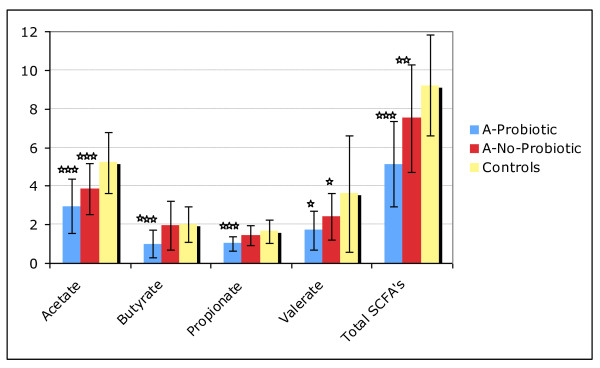
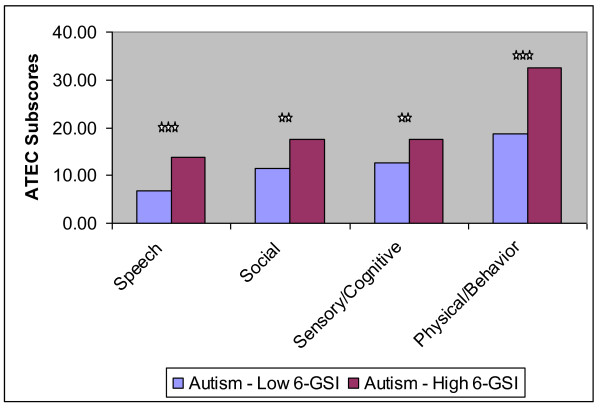
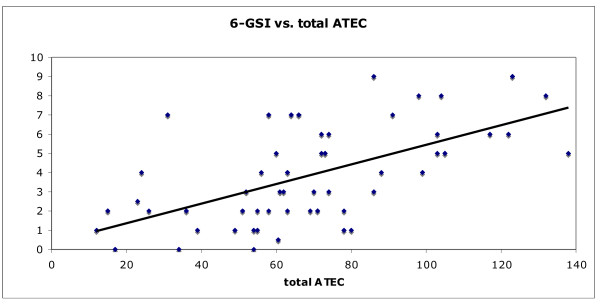
BACKGROUND: Children with autism have often been reported to have gastrointestinal problems that are more frequent and more severe than in children from the general population. METHODS: Gastrointestinal flora and gastrointestinal status were assessed from stool samples of 58 children with Autism Spectrum Disorders (ASD) and 39 healthy typical children of similar ages. Stool testing included bacterial and yeast culture tests, lysozyme, lactoferrin, secretory IgA, elastase, digestion markers, short chain fatty acids (SCFA's), pH, and blood presence. Gastrointestinal symptoms were assessed with a modified six-item GI Severity Index (6-GSI) questionnaire, and autistic symptoms were assessed with the Autism Treatment Evaluation Checklist (ATEC). RESULTS: Gastrointestinal symptoms (assessed by the 6-GSI) were strongly correlated with the severity of autism (assessed by the ATEC), (r = 0.59, p < 0.001). Children with 6-GSI scores above 3 had much higher ATEC Total scores than those with 6-GSI-scores of 3 or lower (81.5 +/- 28 vs. 49.0 +/- 21, p = 0.00002).Children with autism had much lower levels of total short chain fatty acids (-27%, p = 0.00002), including lower levels of acetate, proprionate, and valerate; this difference was greater in the children with autism taking probiotics, but also significant in those not taking probiotics. Children with autism had lower levels of species of Bifidobacter (-43%, p = 0.002) and higher levels of species of Lactobacillus (+100%, p = 0.00002), but similar levels of other bacteria and yeast using standard culture growth-based techniques. Lysozyme was somewhat lower in children with autism (-27%, p = 0.04), possibly associated with probiotic usage. Other markers of digestive function were similar in both groups. CONCLUSIONS: The strong correlation of gastrointestinal symptoms with autism severity indicates that children with more severe autism are likely to have more severe gastrointestinal symptoms and vice versa. It is possible that autism symptoms are exacerbated or even partially due to the underlying gastrointestinal problems. The low level of SCFA's was partly associated with increased probiotic use, and probably partly due to either lower production (less sacchrolytic fermentation by beneficial bacteria and/or lower intake of soluble fiber) and/or greater absorption into the body (due to longer transit time and/or increased gut permeability).
Overview
The claims and statistics of this paper haven’t been checked yet.
Free: it reads the open-access text and checks the first 5 claims that cite a source we can check. Create a free account to check every claim.
Integrity signals
Registry
Cites
Statistics
Figures
Verification
Claims the paper makes
The claims and statistics of this paper haven’t been checked yet.
Free: it reads the open-access text and checks the first 5 claims that cite a source we can check. Create a free account to check every claim.
Claims other papers make about this one
Each is checked against this paper’s own text: does it say what the citing paper says it does?
The cited source doesn’t support the claim as written.
In the citing paper
“Several studies found lower levels of fecal SCFA, including butyrate in feces of ASD children [53, 64], while a 2012 study found increased ammonia and SCFA including acetic, butyric, isobutyric, valeric, and isovaleric acids in ASD [61].”
From The Gut Microbiota and Dysbiosis in Autism Spectrum Disorders (2018) · cites this paper as [53]
Checked by a reasoning model — may be wrong.
Experimental — accuracy not yet measuredThe source backs part of the claim, not all of it — or backs it for a different population, condition or comparison.
In the citing paper
“In the order Lactobacillales and family Streptococcaceae, Streptococcus results (not S. thermophilus) corroborated an overall decrease in counts and percentage in ASD cases when statistical significance was reached [30, 31, 33, 37, 41].”
From Gut microbiota changes in children with autism spectrum disorder: a systematic review (2020) · cites this paper as [30]
Experimental — accuracy not yet measuredThe source backs part of the claim, not all of it — or backs it for a different population, condition or comparison.
In the citing paper
“however, upon a closer look at Bifidobacterium, consistently lower counts and proportions were found in children with ASD versus their siblings [31, 52] or controls [30, 38, 47].”
From Gut microbiota changes in children with autism spectrum disorder: a systematic review (2020) · cites this paper as [30]
Experimental — accuracy not yet measuredThe source backs part of the claim, not all of it — or backs it for a different population, condition or comparison.
In the citing paper
“Moreover, ASD patients seem to be characterized by both elevated levels of SCFA concentrations in stool and serum, and increased level of SCFA-producing bacteria (e.g., Clostridia, Desulfovibrio, and Bacteroides) [29,36,180].”
From Autism, Gastrointestinal Symptoms and Modulation of Gut Microbiota by Nutritional Interventions (2019) · cites this paper as [29]
Experimental — accuracy not yet measuredThe cited source says what the claim attributes to it.
In the citing paper
“Moreover, has been reported that the severity of gastrointestinal disorders in children with ASD may be closely linked to the intensity of neuropsychiatric symptoms, with more severe GI issues observed in individuals with more pronounced neuropsychiatric symptoms, and vice versa [33,34].”
From The Prevalence and Clinical Significance of Toe Walking in Autism Spectrum Disorder: A Cross-Sectional Study in an Italian Pediatric Sample (2025) · cites this paper as [33]
17 more claims about this paper
Create a free account to see every claim other papers make about this one.
Self-check
Percentages, sums and reported differences re-computed from the paper’s own numbers.
The self-check needs the paper’s full text.
Citations
Cites
Topping, D. L., & Clifton, P. M. (2001) · Physiological Reviews · doi:10.1152/physrev.2001.81.3.1031 · Cited by 3,091 · cited 2×
“Decreased levels may reflect insufficient normal colonic flora, a diet low in soluble fiber, or prolonged intestinal transit time [ 39 ].”
BackgroundPyrosequencing study of fecal microflora of autistic and control children
Finegold, S. M., Dowd, S. E., Gontcharova, V., Liu, C., Henley, K. E., Wolcott, R. D., Youn, E., Summanen, P. H., Granpeesheh, D., Dixon, D., et al. (2010) · Anaerobe · doi:10.1016/j.anaerobe.2010.06.008 · Cited by 977 · cited 4×
“Feingold’s pyrosequencing study [14] estimated that typical children normally have about 500-600 species of bacteria in their gut and estimated that children with autism have about twice that, so it is important to remember that we are only able to culture a small fraction of the species present.”
BackgroundMethodResultInfluentialNutritional and physiologic significance of human milk proteins
Lönnerdal, B. (2003) · The American Journal of Clinical Nutrition · doi:10.1093/ajcn/77.6.1537s · Cited by 878 · cited 1×
“Infants fed formula without lysozyme have three times the rate of diarrheal disease [43].”
BackgroundParracho, H. M., Bingham, M. O., Gibson, G. R., & McCartney, A. L. (2005) · Journal of Medical Microbiology · doi:10.1099/jmm.0.46101-0 · Cited by 784 · cited 2×
“Parracho et al. 2005 [13] used another culture-independent technique, fluorescence in situ hybridization (FISH) targeting Clostridium groups, and reported differences in the gut microflora of children with ASD compared to healthy children.”
BackgroundMethodGastrointestinal Microflora Studies in Late‐Onset Autism
Finegold, S. M., Molitoris, D., Song, Y., Liu, C., Vaisanen, M., Bolte, E., McTeague, M., Sandler, R., Wexler, H., Marlowe, E. M., et al. (2002) · Clinical Infectious Diseases · doi:10.1086/341914 · Cited by 742 · cited 2×
“Finegold et al. 2002 [11] studied fecal samples from 13 children with late-onset autism and 8 controls.”
BackgroundShort-Term Benefit From Oral Vancomycin Treatment of Regressive-Onset Autism
Sandler, R. H., Finegold, S. M., Bolte, E. R., Buchanan, C. P., Maxwell, A. P., Väisänen, M.-L., Nelson, M. N., & Wexler, H. M. (2000) · Journal of Child Neurology · doi:10.1177/088307380001500701 · Cited by 614 · cited 2×
“Additionally Desulfovibrio species and Bacteroides vulgatus were present in higher numbers in autistic than controls Treatment studies using a minimally absorbed oral antibiotic (vancomycin) to treat abnormal gut flora showed significant temporary improvements in behavior for children with late-onset autism [15], but…”
BackgroundReal-Time PCR Quantitation of Clostridia in Feces of Autistic Children
Song, Y., Liu, C., & Finegold, S. M. (2004) · Applied and Environmental Microbiology · doi:10.1128/aem.70.11.6459-6465.2004 · Cited by 556
de Magistris, L., Familiari, V., Pascotto, A., Sapone, A., Frolli, A., Iardino, P., Carteni, M., De Rosa, M., Francavilla, R., Riegler, G., et al. (2010) · Journal of Pediatric Gastroenterology and Nutrition · doi:10.1097/mpg.0b013e3181dcc4a5 · Cited by 546
MACFABE, D., CAIN, D., RODRIGUEZCAPOTE, K., FRANKLIN, A., HOFFMAN, J., BOON, F., TAYLOR, A., KAVALIERS, M., & OSSENKOPP, K. (2007) · Behavioural Brain Research · doi:10.1016/j.bbr.2006.07.025 · Cited by 497 · cited 3×
“2007 [17], which demonstrates that SCFA’s can induce autistic-like symptoms when injected into rats.”
BackgroundVolatile organic compounds from feces and their potential for diagnosis of gastrointestinal disease
Garner, C. E., Smith, S., de Lacy Costello, B., White, P., Spencer, R., Probert, C. S. J., & Ratcliffem, N. M. (2007) · The FASEB Journal · doi:10.1096/fj.06-6927com · Cited by 439
Research works printed but not linked: 4
- Rimland B Edelson S Autism Treatment Evaluation Checklist: Statistical Analyses 2000 Autism Research Institute, San Diego, CA
- Dugad L Performance Verification of Lysozyme ELISA Test Kit Verification 105 2007 Doctor's Data, Inc. Saint Charles, Illinois
- Dugad L Wu Z PerformanceVerification of Lactoferrin ELISA Test Kit of Fecal Verification 104 2007 Doctor's Data Inc, Saint Charles, Illinois
- Edelson S Parent Ratings of Behavioral Effects of Biomedical Interventions 2010 Autism Research Institute, Publication 34, San Diego, CA
Cited by
Items 301–400 of 1,000
The Gut-Brain-Immune Axis in Autism Spectrum Disorders: A State-of-Art Report
Puricelli, C., Rolla, R., Gigliotti, C. L., Boggio, E. M., Beltrami, E., Dianzani, U., & Keller, R. (2022) · Frontiers in Psychiatry · doi:10.3389/fpsyt.2021.755171 · Cited by 72
Lasheras, I., Seral, P., Latorre, E., Barroso, E., Gracia‐García, P., & Santabárbara, J. (2019) · Asian Journal of Psychiatry · doi:10.1016/j.ajp.2019.101874 · Cited by 72
Rigid-compulsive behaviors are associated with mixed bowel symptoms in autism spectrum disorder
Peters, B., Williams, K. C., Gorrindo, P., Rosenberg, D., Lee, E. B., Levitt, P., & Veenstra-VanderWeele, J. (2014) · Journal of Autism and Developmental Disorders · doi:10.1007/s10803-013-2009-2 · Cited by 70
“Adams et al. (2011) also investigated the relationship between GI symptoms and autism symptoms as measured by the six question Gastrointestinal Severity Index (6-GSI) and autism treatment evaluation checklist (ATEC), respectively.”
MethodAutism Spectrum Disorder in a Child with Propionic Acidemia
Al‐Owain, M. A., Kaya, N., Al-Shamrani, H., AlBakheet, A., Qari, A., Al-Muaigl, S., & Ghaziuddin, M. (2012) · JIMD Reports · doi:10.1007/8904_2012_143 · Cited by 70
“There is a strong correlation of gastrointestinal symptoms with autism severity in children with ASDs (Adams et al. 2011).”
BackgroundZhao, R., Chu, L., Wang, Y., Song, Y., Liu, P., Li, C., Huang, J., & Kang, X. (2017) · Clinica Chimica Acta · doi:10.1016/j.cca.2017.02.016 · Cited by 70
Study on the Association among Mycotoxins and other Variables in Children with Autism
Santis, B. D., Raggi, M. E., Moretti, G., Facchiano, F., Mezzelani, A., Villa, L. M., Bonfanti, A., Campioni, A., Rossi, S., Camposeo, S., et al. (2017) · Toxins · doi:10.3390/toxins9070203 · Cited by 70
“Moreover, the observation that often in ASD patients there are recurrent GI abnormalities with a correlation with the severity of autistic symptoms [20] has led to the development of some diets, such as the gluten-free/casein-free diet to reduce or abolish these problems.”
BackgroundLee, Y., Park, J. Y., Lee, E. H., Yang, J., Jeong, B.-R., Kim, Y., Seoh, J., Lee, S., Han, P., & Kim, E. (2017) · Experimental Neurobiology · doi:10.5607/en.2017.26.5.307 · Cited by 70
“for fecal microbiota compositions (Table 4) [11, 13, 17, 18, 21].”
BackgroundInfluentialThe role of nutrition and gut microbiome in childhood brain development and behavior
Jiang, Y., & Li, Y. (2025) · Frontiers in Nutrition · doi:10.3389/fnut.2025.1590172 · Cited by 71
The gut microbiota: A new target in the management of alcohol dependence?
Leclercq, S., Stärkel, P., Delzenne, N. M., & de Timary, P. (2019) · Alcohol · doi:10.1016/j.alcohol.2018.03.005 · Cited by 58
Tan, M., Yang, T., Zhu, J., Li, Q., Lai, X., Li, Y., Tang, T., Chen, J., & Li, T. (2019) · Reproductive Toxicology · doi:10.1016/j.reprotox.2019.11.009 · Cited by 71
Hofford, R. S., Mervosh, N. L., Euston, T. J., Meckel, K. R., Orr, A. T., & Kiraly, D. D. (2021) · Neuropsychopharmacology · doi:10.1038/s41386-021-01043-0 · Cited by 70
Duque, A. L. R. F., Demarqui, F. M., Santoni, M. M., Zanelli, C. F., Adorno, M. Â. T., Milenković, D., Mesa, V., & Sivieri, K. (2021) · Food Research International · doi:10.1016/j.foodres.2021.110657 · Cited by 70
The Role of Gut Microbiota in Gastrointestinal Symptoms of Children with ASD
Martínez-González, A. E., & Andreo-Martínez, P. (2019) · Medicina · doi:10.3390/medicina55080408 · Cited by 67
“[50], who found a strong correlation between the 6-GSI score and the Autism Treatment Evaluation Checklist score (Pearson’s correlation coefficient r = 0.”
ResultRiordan, N. H., Hincapié, M. L., Morales, I., Fernández, G., Allen, N., Leu, C., Madrigal, M., Paz Rodríguez, J., & Novarro, N. (2019) · Stem Cells Translational Medicine · doi:10.1002/sctm.19-0010 · Cited by 61
RetractedDavies, C., Mishra, D., Eshraghi, R. S., Mittal, J., Sinha, R., Bulut, E., Mittal, R., & Eshraghi, A. A. (2021) · Neuroscience & Biobehavioral Reviews · doi:10.1016/j.neubiorev.2021.07.001 · Cited by 67
Önal, S., Sachadyn‐Król, M., & Kostecka, M. (2023) · Nutrients · doi:10.3390/nu15234852 · Cited by 72
“In some studies, yeasts were often identified under a microscope, but they were rarely observed in samples collected from autistic or control groups, which points to the high ambiguity of the reported results [91].”
BackgroundResultOssenkopp, K., Foley, K. A., Gibson, J., Fudge, M. A., Kavaliers, M., Cain, D. P., & MacFabe, D. F. (2011) · Behavioural Brain Research · doi:10.1016/j.bbr.2011.10.045 · Cited by 67
Needham, B. D., Tang, W., & Wu, W. (2018) · Developmental Neurobiology · doi:10.1002/dneu.22581 · Cited by 58
“Several reports indicate that children with ASD have been found to have different microbiota than neurotypical children (Adams et al., 2011; De Angelis et al., 2013; Finegold, 2011; Krajmalnik-Brown et al., 2015; Parracho et al., 2005; Williams et al., 2012).”
BackgroundPenzol, M. J., Salazar de Pablo, G., Llorente, C., Moreno, C., Hernández, P., Dorado, M. L., & Parellada, M. (2019) · Frontiers in Psychiatry · doi:10.3389/fpsyt.2019.00179 · Cited by 59
“GI problems have been described in the literature in association with behavioral problems in patients with ASD (6, 22) and also with autism severity (17, 18, 33).”
BackgroundGluten and Autism Spectrum Disorder
Croall, I. D., Hoggard, N., & Hadjivassiliou, M. (2021) · Nutrients · doi:10.3390/nu13020572 · Cited by 69
Growth status of children with autism spectrum disorder: a case–control study
Barnhill, K., Gutierrez, A., Ghossainy, M., Marediya, Z., Marti, C. N., & Hewitson, L. (2017) · Journal of Human Nutrition and Dietetics · doi:10.1111/jhn.12396 · Cited by 59
Cristiano, C., Lama, A., Lembo, F., Mollica, M. P., Calignano, A., & Mattace Raso, G. (2018) · Frontiers in Physiology · doi:10.3389/fphys.2018.00184 · Cited by 58
“Gut Microbiota and ASDs Beyond the social and psychological pattern, GI symptoms are a common comorbidity in ASD (Adams et al., 2011;Williams et al., 2011; Chaidez et al., 2014; Li et al., 2017), even if the underlying mechanisms are still unclear.”
BackgroundRagusa, M., Santagati, M., Mirabella, F., Lauretta, G., Cirnigliaro, M., Brex, D., Barbagallo, C., Domini, C., Gulisano, M., Barone, R. M. E., et al. (2020) · International Journal of Molecular Sciences · doi:10.3390/ijms21176203 · Cited by 65
“Immune dysregulation and gastrointestinal abnormalities are of particular interest in the light of several papers reporting ASD-associated disturbances in the peripheral, enteric and neuro-immune systems [13,14].”
BackgroundThe Brain–Gut–Microbiome Axis in Psychiatry
Jang, S.-H., Woo, Y. S., Lee, S.-Y., & Bahk, W. (2020) · International Journal of Molecular Sciences · doi:10.3390/ijms21197122 · Cited by 65
“[64] (2011) ASD children (n = 58) Stool testing (bacterial and yeast culture test, lysozyme, lactoferrin, secretory IgA, elastase, digestion markers, short-chain fatty acid) In ASD patients, levels of SCFA (acetate, proprionate, and valerate) and bifidobacterial species were low, lactobacillus species were high HC (n…”
BackgroundRawat, K., Singh, N., Kumari, P., & Saha, L. (2021) · Reviews in the Neurosciences · doi:10.1515/revneuro-2020-0078 · Cited by 56
Zheng, Y., Bek, M. K., Prince, N., Marzal, L. N. P., Garssen, J., Perez‐Pardo, P., & Kraneveld, A. D. (2021) · Frontiers in Neuroscience · doi:10.3389/fnins.2021.738220 · Cited by 64
“This includes elevated levels of Lactobacillus (Adams et al., 2011), Ruminococcus (Finegold et al.”
BackgroundResultInfluentialPietrucci, D., Teofani, A., Milanesi, M., Fosso, B., Putignani, L., Messina, F., Pesole, G., Desideri, A., & Chillemi, G. (2022) · Biomedicines · doi:10.3390/biomedicines10082028 · Cited by 64
“For example, a reduction in metabolites synthesized by bacteria, such as Short Chain Fatty Acids (SCFAs), could be observed in ASD children [16,17].”
BackgroundAbuaish, S., Al-Otaibi, N. M., Abujamel, T. S., Alzahrani, S. A., Alotaibi, S. M., Alshawakir, Y. A., Aabed, K., & El-Ansary, A. K. (2021) · Brain Sciences · doi:10.3390/brainsci11081038 · Cited by 63
Feng, P., Zhao, S., Zhang, Y., & Li, E. (2023) · Frontiers in Microbiology · doi:10.3389/fmicb.2023.1123462 · Cited by 62
Investigating autism etiology and heterogeneity by decision tree algorithm
Hassan, M. M., & Mokhtar, H. M. O. (2019) · Informatics in Medicine Unlocked · doi:10.1016/j.imu.2019.100215 · Cited by 62
Comparing the Gut Microbiome in Autism and Preclinical Models: A Systematic Review
Alamoudi, M. U. A., Hosie, S., Shindler, A. E., Wood, J. L., Franks, A. E., & Hill‐Yardin, E. L. (2022) · Frontiers in Cellular and Infection Microbiology · doi:10.3389/fcimb.2022.905841 · Cited by 62
“Clinical Microbial Dysbiosis in ASD Microbial dysbiosis profiles identified from clinical ASD cases have been associated with intestinal inflammation and GI symptoms such as constipation and diarrhea, which are commonly observed in individuals with ASD (Adams et al., 2011; Gorrindo et al., 2012; Rose et al., 2018; Pag…”
BackgroundGuidetti, C., Salvini, E., Viri, M., Deidda, F., Amoruso, A., Visciglia, A., Drago, L., Calgaro, M., Vitulo, N., Pane, M., et al. (2022) · Journal of Clinical Medicine · doi:10.3390/jcm11185263 · Cited by 63
“Studies have highlighted the association between the presence of GISs with the severity and frequency of autistic symptoms [15,19,20].”
BackgroundMostafa, G. A., & AL-Ayadhi, L. Y. (2015) · Behavioral and Brain Functions · doi:10.1186/s12993-014-0048-2 · Cited by 62
“Percentage DNA damage, tail length, and tail moment are adequate biomarkers of propionic acid neurotoxicity due to oral administration or as a metabolite of induced enteric bacterial overgrowth [42].”
BackgroundEshraghi, R. S., Davies, C., Iyengar, R., Perez, L., Mittal, R., & Eshraghi, A. A. (2020) · Journal of Clinical Medicine · doi:10.3390/jcm10010027 · Cited by 62
“Stool culturing significantly limits the description of the gut microbiome as many species are not easily culturable [10].”
BackgroundBerding, K., Holscher, H. D., Arthur, A. E., & Donovan, S. M. (2018) · The Journal of Nutritional Biochemistry · doi:10.1016/j.jnutbio.2018.01.002 · Cited by 61
Yuan, X., Chang, C., Chen, X., & Li, K. (2021) · Journal of Translational Medicine · doi:10.1186/s12967-021-03009-8 · Cited by 61
Li, H., Liu, C., Huang, S., Wang, X., Cao, M., Gu, T., Ou, X., Pan, S., Lin, Z., Wang, X., et al. (2023) · Gut Microbes · doi:10.1080/19490976.2023.2281350 · Cited by 62
“The severity of GI symptoms was assessed using a shortened version of the 6-item Gastrointestinal Severity Index (6-GSI) questionnaire, 84 composed of six symptoms, including constipation, diarrhea, stool consistency, stool smell, flatulence, and abdominal pain.”
MethodBifidobacteria-Host Interactions—An Update on Colonisation Factors
Grimm, V., Westermann, C., & Riedel, C. U. (2014) · BioMed Research International · doi:10.1155/2014/960826 · Cited by 54
“[33–35]”
Miot, S., Akbaraly, T. N., Michelon, C., Couderc, S., Crepiat, S., Loubersac, J., Picot, M., Pernon, É., Gonnier, V., Jeandel, C., et al. (2019) · Frontiers in Psychiatry · doi:10.3389/fpsyt.2019.00617 · Cited by 61
“In multivariate analyses, a lower VABS-II social skills sub-score was associated with constipation, which is consistent with the common observation of an association between ASD severity and gastrointestinal disorders (49, 69).”
ResultThe microbiome and disorders of the central nervous system
Felice, V. D., & O'Mahony, S. M. (2017) · Pharmacology Biochemistry and Behavior · doi:10.1016/j.pbb.2017.06.016 · Cited by 60
“Changes in the Actinobacteria phylum and specifically lower levels of Bifidobacter spp. in autistic children have also been described (Adams et al., 2011; De Angelis et al., 2013).”
InfluentialCarpita, B., Marazziti, D., Palego, L., Giannaccini, G., Betti, L., & Dell’Osso, L. (2019) · Current Medicinal Chemistry · doi:10.2174/0929867326666190328151539 · Cited by 60
Perinatal inflammation and adult psychopathology: From preclinical models to humans
Depino, A. M. (2017) · Seminars in Cell and Developmental Biology · doi:10.1016/j.semcdb.2017.09.010 · Cited by 61
Eshraghi, R. S., Deth, R. C., Mittal, R., Aranke, M., Kay, S.-I. S., Moshiree, B., & Eshraghi, A. A. (2018) · Frontiers in Cellular Neuroscience · doi:10.3389/fncel.2018.00256 · Cited by 60
“The higher levels of Clostridium, Bacteroides, Desulfovibrio, Caloramator, and Sarcina have also been observed in ASD patients compared to normal control individuals (Finegold et al., 2002, 2010; Adams et al., 2011; Finegold, 2011; De Angelis et al., 2013).”
BackgroundChakraborty, P., Carpenter, K. L. H., Major, S. T., Deaver, M., Vermeer, S., Herold, B., Franz, L., Howard, J., & Dawson, G. (2020) · Autism · doi:10.1177/1362361320959503 · Cited by 63
“Other studies using clinical and parent measures reported associations between GI symptoms and core ASD symptoms (Adams et al., 2011; Chaidez et al., 2014; Gorrindo et al., 2012; Kang et al., 2017), such as social withdrawal (Chaidez et al.”
ResultWang, X., Sun, Z., Yang, T., Lin, F. H., Ye, S., Yan, J., Li, T., & Chen, J. (2023) · mSystems · doi:10.1128/msystems.00415-23 · Cited by 60
“These altered fecal SCFAs can be related to many factors, such as increased probiotic use, gut dysbiosis, impaired gut permeability, and so on (34).”
BackgroundDietary interventions for autism spectrum disorder: New perspectives from the gut-brain axis
Doenyas, C. (2018) · Physiology & Behavior · doi:10.1016/j.physbeh.2018.07.014 · Cited by 45
Zhang, L., Xu, Y., Li, H., Li, B., Duan, G., & Zhu, C. (2022) · PLoS ONE · doi:10.1371/journal.pone.0263109 · Cited by 59
Gut Microbiome and Neurodevelopmental Disorders: A Link Yet to Be Disclosed
Iliodromiti, Z., Triantafyllou, A., Tsaousi, M., Pouliakis, A., Petropoulou, C., Sokou, R., Volaki, P., Boutsikou, Τ., & Iacovidou, N. M. (2023) · Microorganisms · doi:10.3390/microorganisms11020487 · Cited by 57
New insights into probiotic mechanisms: A harvest from functional and metagenomic studies
Bienenstock, J., Gibson, G., Klaenhammer, T. R., Walker, W. A., & Neish, A. S. (2013) · Gut Microbes · doi:10.4161/gmic.23283 · Cited by 51
“Additionally, recent work has also identified putative roles for the gut microbiota in the etiology of systemic conditions like the metabolic syndrome and autistic spectrum disorders, which are thus potentially treatable by probiotic approaches.(4,5) Overall, the rationale for continued study of the therapeutic benefi…”
BackgroundKhalaj, M., Saghazadeh, A., Shirazi, E., Shalbafan, M., Alavi, K., Shooshtari, M. H., Laksari, F. Y., Hosseini, M. A., Mohammadi, M.-R., & Akhondzadeh, S. (2018) · Journal of Psychiatric Research · doi:10.1016/j.jpsychires.2018.04.022 · Cited by 57
A systematic review of gut‐immune‐brain mechanisms in Autism Spectrum Disorder
Azhari, A., Azizan, F., & Esposito, G. (2018) · Developmental Psychobiology · doi:10.1002/dev.21803 · Cited by 57
Berding, K., & Donovan, S. M. (2020) · Frontiers in Nutrition · doi:10.3389/fnut.2019.00193 · Cited by 43
“This version has previously been used in a study investigating GI health in children with ASD (27).”
MethodChen, K., Fu, Y., Wang, Y., Liao, L., Xu, H., Zhang, A., Zhang, J., Fan, L., Ren, J., & Fang, B. (2020) · Microbial Ecology · doi:10.1007/s00248-020-01494-w · Cited by 57
Adıgüzel, E., Çiçek, B., Ünal, G., Aydın, M. F., & Keti, D. B. (2022) · Physiology & Behavior · doi:10.1016/j.physbeh.2022.113961 · Cited by 56
Zhong, J., Lan, W.-T., Feng, Y., Li, Y., Shen, Y.-Y., Gong, J.-H., Zou, Z., & Hou, X. (2023) · Frontiers in Physiology · doi:10.3389/fphys.2023.1077821 · Cited by 57
HLA-class II haplotypes and Autism Spectrum Disorders
Bennabi, M., Gaman, A., Delorme, R., Boukouaci, W., Manier, C., Scheid, I., Mohammed, N. S., Bengoufa, D., Charron, D. J., Krishnamoorthy, R., et al. (2018) · Scientific Reports · doi:10.1038/s41598-018-25974-9 · Cited by 56
The Microbiota-Gut Axis in Premature Infants: Physio-Pathological Implications
Bresesti, I., Salvatore, S., Valetti, G., Baj, A., Giaroni, C., & Agosti, M. A. (2022) · Cells · doi:10.3390/cells11030379 · Cited by 57
“Adams and colleagues [120] found that children with autism had lower levels of bifidobacteria species (–43%, p = 0.”
BackgroundWhat the Gut Can Teach Us About Migraine
Hindiyeh, N. A., & Aurora, S. K. (2015) · Current Pain and Headache Reports · doi:10.1007/s11916-015-0501-4 · Cited by 57
Potential etiologic factors of microbiome disruption in autism
Buie, T. (2015) · Clinical Therapeutics · doi:10.1016/j.clinthera.2015.04.001 · Cited by 55
“This concept was suggested by Adams et al,11 who reported that in patients who had GI symptoms, were identified as having more severe impairment from autism features by autism-testing tools.”
BackgroundThe emerging medical ecology of the human gut microbiome
Pepper, J. W., & Rosenfeld, S. (2012) · Trends in Ecology & Evolution · doi:10.1016/j.tree.2012.03.002 · Cited by 55
“Moreover, the gut microbiome is also implicated in diseases not obviously linked to the GI tract, including disorders of the central nervous system [7], as well as autism [8] and major depressive disorder [9].”
Mussap, M., Noto, A., & Fanos, V. (2016) · Expert Review of Molecular Diagnostics · doi:10.1080/14737159.2016.1202765 · Cited by 59
“patients, the composition of the intestinal microbiota is altered [32] with the loss of fundamental microbial interac-”
BackgroundCupertino, M. D. C., Resende, M. B., Veloso, I. D. F., de Carvalho, C. A., Duarte, V. F., & Ramos, G. A. (2019) · ABCS Health Sciences · doi:10.7322/abcshs.v44i2.1167 · Cited by 61
Prevalence of gastrointestinal symptoms in autism spectrum disorder: A meta-analysis
Lasheras, I., Real‐López, M., & Santabárbara, J. (2023) · Anales de Pediatría (English Edition) · doi:10.1016/j.anpede.2023.07.003 · Cited by 55
The gut microbiome in psychiatry: A primer for clinicians
Ameringen, M. V., Turna, J., Patterson, B. A., Pipe, A., Mao, R. Q., Anglin, R., & Surette, M. G. (2019) · Depression and Anxiety · doi:10.1002/da.22936 · Cited by 54
Polyphenols in the management of brain disorders: Modulation of the microbiota-gut-brain axis
(2020) · Advances in Food and Nutrition Research · doi:10.1016/bs.afnr.2019.08.001 · Cited by 44
Gut Microbiome Dysbiosis and Depression: a Comprehensive Review
Capuco, A., Urits, I., Hasoon, J. J., Chun, R., Gerald, B., Wang, J. K., Ngo, A. L., Simopoulos, T. T., Kaye, A. D., Colontonio, M. M., et al. (2020) · Current Pain and Headache Reports · doi:10.1007/s11916-020-00871-x · Cited by 54
RetractedWan, J., Zhou, S., Mea, H. J., Guo, Y., Ku, H., & Urbina, B. (2022) · Chemical Reviews · doi:10.1021/acs.chemrev.1c00480 · Cited by 54
Gut Microbiota Ecology and Inferred Functions in Children With ASD Compared to Neurotypical Subjects
Vernocchi, P., Ristori, M. V., Guerrera, S., Guarrasi, V., Conte, F., Russo, A., Lupi, E., Albitar-Nehme, S., Gardini, S., Paci, P., et al. (2022) · Frontiers in Microbiology · doi:10.3389/fmicb.2022.871086 · Cited by 44
“Elevated levels of fecal lysozyme have been identified in colonic IBD when compared to healthy controls (Klass and Neale, 1978; Veer et al., 1998) but also in patients with ASD (Adams et al., 2011).”
BackgroundResultInfluentialBittker, S. S., & Bell, K. (2018) · Neuropsychiatric Disease and Treatment · doi:10.2147/ndt.s158811 · Cited by 53
“Specifically, antibiotic use in childhood is associated with increased microbiome depletion and bacterial dysbiosis,(78,79) and children with ASD are more prone to microbiome depletion and bacterial dysbiosis.(72,80)”
Decoding the neurocircuitry of gut feelings: Region-specific microbiome-mediated brain alterations
Sharvin, B. L., Aburto, M. R., & Cryan, J. F. (2023) · Neurobiology of Disease · doi:10.1016/j.nbd.2023.106033 · Cited by 53
Matsuyama, M., Morrison, M., Cao, K.-A. L., Pruilh, S., Davies, P. S. W., Wall, C., Lovell, A., & Hill, R. J. (2019) · Scientific Reports · doi:10.1038/s41598-019-48658-4 · Cited by 52
Brain Disorders and Chemical Pollutants: A Gap Junction Link?
Mesnil, M., Defamie, N., Naus, C. C. G., & Sarrouilhe, D. (2020) · Biomolecules · doi:10.3390/biom11010051 · Cited by 52
“It has been said that there is a strong correlation of general gastrointestinal disturbances with autism severity [461].”
BackgroundYousefi, B., Kokhaei, P., Mehranfar, F., Bahar, A., Abdolshahi, A., Emadi, A., & Eslami, M. (2021) · Neuroscience & Biobehavioral Reviews · doi:10.1016/j.neubiorev.2021.10.046 · Cited by 51
Research Progress in Vitamin A and Autism Spectrum Disorder
Liu, Z., Wang, J., Xu, Q., Hong, Q., Zhu, J., & Chi, X. (2021) · Behavioural Neurology · doi:10.1155/2021/5417497 · Cited by 51
“Compared with TD children, Clostridium [15], Sutterella flora, Lactobacillus, and Desulfovibrio were found to be increased in ASD children, while Bacteroidetes and Firmicutes were decreased, and these changes were closely related to the severity of ASD [51, 53].”
BackgroundDeng, W., Wang, S., Li, F., Wang, F., Xing, Y. P., Li, Y., Lv, Y., Ke, H., Li, Z., Lv, P. J., et al. (2022) · Frontiers in Microbiology · doi:10.3389/fmicb.2022.1000419 · Cited by 43
“Changes in the composition of the gut microbiota and its metabolites are frequently observed in humans and animal models of ASD (Adams et al., 2011; Nankova et al., 2014).”
BackgroundOsman, A., Mervosh, N. L., Strat, A. N., Euston, T. J., Zipursky, G., Pollak, R. M., Meckel, K. R., Tyler, S. R., Chan, K. L., Grice, A. B., et al. (2020) · Brain Behavior and Immunity · doi:10.1016/j.bbi.2023.08.020 · Cited by 53
Healthy Gut, Healthy Brain: The Gut Microbiome in Neurodegenerative Disorders
Chandra, S., Alam, M. T., Dey, J., Sasidharan, B. C. P., Ray, U., Srivastava, A. K., Gandhi, S., & Tripathi, P. P. (2020) · Current Topics in Medicinal Chemistry · doi:10.2174/1568026620666200413091101 · Cited by 53
Strickland, A. (2014) · Medical Hypotheses · doi:10.1016/j.mehy.2014.02.003 · Cited by 52
“By 7 years of life, children with ASD tend to have more problems than control children with constipation and diarrhea and to have different colonic flora, but these changes are probably due to specialized diets and the increased use of probiotics and fish oil in these children with ASD [10].”
BackgroundPistollato, F., Forbes-Hernández, T. Y., Iglesias, R. C., Ruíz, R., Elexpuru-Zabaleta, M., Cianciosi, D., Giampieri, F., & Battino, M. A. (2019) · Pharmacological Research · doi:10.1016/j.phrs.2019.104579 · Cited by 52
Tomova, A., Soltys, K., Repiska, G., Palkova, L., Filcikova, D., Minarik, G., Turna, J., Prochotska, K., Babinska, K., & Ostatnikova, D. (2020) · Physiology & Behavior · doi:10.1016/j.physbeh.2019.112745 · Cited by 41
Sex-specific relationships of the infant microbiome and early-childhood behavioral outcomes
Laue, H. E., Karagas, M. R., Coker, M. O., Bellinger, D. C., Baker, E., Korrick, S., & Madan, J. C. (2021) · Pediatric Research · doi:10.1038/s41390-021-01785-z · Cited by 50
Dietary interventions for autism spectrum disorder: An updated systematic review of human studies
Amadi, C. N., Orish, C. N., Frazzoli, C., & Orisakwe, O. E. (2022) · Psychiatriki · doi:10.22365/jpsych.2022.073 · Cited by 50
Towards evidence-based medicine for paediatricians
Phillips, B. (2018) · Archives of Disease in Childhood · doi:10.1136/archdischild-2018-315014 · Cited by 49
Obesity and associated factors in youth with an autism spectrum disorder
Granich, J., Lin, A., Hunt, A., Wray, J., Dass, A., & Whitehouse, A. J. (2016) · Autism · doi:10.1177/1362361315616345 · Cited by 42
“…impairments (Curtin et al., 2014), food selectivity and sensory sensitivities, (Cermak et al., 2010; Lane et al., 2010), gastrointestinal problems (Adams et al., 2011; Mazurek et al., 2013), adaptive functioning and maladaptive behaviours and family functioning in relation to household levels of…”
BackgroundMicrobiota transplant therapy and autism: lessons for the clinic
Adams, J. B., Borody, T. J., Kang, D., Khoruts, A., Krajmalnik‐Brown, R., & Sadowsky, M. J. (2019) · Expert Review of Gastroenterology & Hepatology · doi:10.1080/17474124.2019.1687293 · Cited by 49
Self-citationThe link between autism spectrum disorder and gut microbiota: A scoping review
Nitschke, A. S., Deonandan, R., & Konkle, A. T. M. (2020) · Autism · doi:10.1177/1362361320913364 · Cited by 51
“Current research focuses for ASD Therapeutics Research evidence suggests that both GI issues and altered gut microbiota could render a child with a genetic predisposition for ASD, more likely to express the autistic characteristics or increase the severity of behavioral symptoms (Adams et al., 2011; De Theije et al.,…”
BackgroundInflammation in Mental Disorders: Is the Microbiota the Missing Link?
Marin, S., Hé, Y., Butler, K., & Tsuang, M. T. (2020) · Neuroscience Bulletin · doi:10.1007/s12264-020-00535-1 · Cited by 49
Gut instincts: vitamin D/vitamin D receptor and microbiome in neurodevelopment disorders
Ogbu, D., Xia, E., & Sun, J. (2020) · Open Biology · doi:10.1098/rsob.200063 · Cited by 52
“Adequate production of SCFAs has shown positive effects in various diseases including obesity, diabetes, inflammatory bowel diseases as well as psychiatric and neurologic disorders, which has become an interesting aspect of GMB interactions [119].”
BackgroundThe Microbiota‐Gut‐Brain Connection: A New Horizon in Neurological and Neuropsychiatric Disorders
Faysal, M. F., Zehravi, M., Sutradhar, B., Amin, M. A., Shanmugarajan, T. S., Arjun, U. V. N. V., Ethiraj, S., Durairaj, A., Dayalan, G., Ahamad, S. K., et al. (2025) · CNS Neuroscience & Therapeutics · doi:10.1111/cns.70593 · Cited by 49
Seneff, S., Swanson, N., & Li, C. (2015) · Agricultural Sciences · doi:10.4236/as.2015.61005 · Cited by 48
“Gastrointestinal symptoms are strongly correlated with autism [93], and this could lead to treatment with aluminum-containing antacids, thus providing a ready source of aluminum, chelated by either citrate or glyphosate, to gain entry into the general circulation.”
BackgroundVargason, T., McGuinness, D. L., & Hahn, J. (2019) · Journal of Autism and Developmental Disorders · doi:10.1007/s10803-018-3743-2 · Cited by 38
The Contribution of Inflammation to Autism Spectrum Disorders: Recent Clinical Evidence
Prata, J., Machado, A. S., von Doellinger, O., Almeida, M. I., Barbosa, M. A., Coelho, R. C., & Santos, S. G. (2019) · Methods in molecular biology · doi:10.1007/978-1-4939-9554-7_29 · Cited by 48
Chen, Z., Shi, K., Liu, X., Dai, Y., Liu, Y., Zhang, L., Du, X., Zhu, T., Yu, J., Fang, S., et al. (2021) · Frontiers in Psychiatry · doi:10.3389/fpsyt.2021.789864 · Cited by 49
“Preliminary studies indicate that children with ASD frequently have GI problems and gut microbiota dysbiosis (52, 53).”
BackgroundAbujamel, T. S., Al-Otaibi, N. M., Abuaish, S., Alharbi, R. H., Assas, M. B., Alzahrani, S. A., Alotaibi, S. M., El-Ansary, A. K., & Aabed, K. (2022) · Nutrients · doi:10.3390/nu14030608 · Cited by 48
“It is worth noting that Bifidobacterium in particular has been found to be repeatedly decreased in ASD children [16,17,28].”
BackgroundNirmalkar, K., Qureshi, F. A., Kang, D., Hahn, J., Adams, J. B., & Krajmalnik‐Brown, R. (2022) · International Journal of Molecular Sciences · doi:10.3390/ijms232113481 · Cited by 48
“The depletion of Bifidobacterium species has been reported widely in ASD [8,23,29,34,35].”
BackgroundSelf-citationGut-to-Brain Axis in Autism Spectrum Disorders
Kraneveld, A. D., Szklany, K., de Theije, C. G. M., & Garssen, J. (2016) · International review of neurobiology · doi:10.1016/bs.irn.2016.09.001 · Cited by 47
Gut Microbiota and Autism Spectrum Disorder: A Neuroinflammatory Mediated Mechanism of Pathogenesis?
Zarimeidani, F., Rahmati, R., Mostafavi, M., Darvishi, M., Khodadadi, S., Mohammadi, M., Shamlou, F., Bakhtiyari, S., & Alipourfard, I. (2024) · Inflammation · doi:10.1007/s10753-024-02061-y · Cited by 47
“Unlike some studies [28, 29, 126], others reported higher levels of AA, PPA, and BTA in autistic patients compared to control groups [27, 30, 31, 130, 131].”
Shams, S., Foley, K. A., Kavaliers, M., MacFabe, D. F., & Ossenkopp, K. (2019) · Developmental Psychobiology · doi:10.1002/dev.21825 · Cited by 49
Gut Microbiota Profiles in Children and Adolescents with Psychiatric Disorders
Šoltýsová, M., Tomova, A., & Ostatníková, D. (2022) · Microorganisms · doi:10.3390/microorganisms10102009 · Cited by 47
“However, no significant differences in the levels of fecal calprotectin, serum IgA levels, or erythrocyte sedimentation rate between ASD patients and healthy children, as well as constipated and nonconstipated subjects Microorganisms 2022, 10, 2009 6 of 28 in both groups, were found in another study [49].”
BackgroundResultInfluentialYang, C.-J., Xiao, H., Zhu, H., Du, Y., & Wang, L. (2024) · BioScience Trends · doi:10.5582/bst.2024.01123 · Cited by 47
Metadata
- Authors
- Adams, J. B., Johansen, L. J., Powell, L. D., Quig, D., & Rubin, R. A.
- Affiliations
- Arizona State University (US)
- Whittier College (US)
- Corresponding author
- Adams, James B
- ORCID
- Adams, James B
- Venue
- BMC Gastroenterology
- Published
- 2011-03-16
- Volume
- 11
- Issue
- 1
- Pages
- 22-22
- ISSN
- 1471-230X (ISSN-L)
- PMC
- PMC3072352
- OpenAlex
- W1996441448
- Cited by
- 1,076
- References
- 40
- Citations by year
- 2026: 42 · 2025: 76 · 2024: 92 · 2023: 85 · 2022: 100 · 2021: 101 · 2020: 104 · 2019: 99 · 2018: 81 · 2017: 58 · 2016: 59 · 2015: 60 · 2014: 43 · 2013: 38 · 2012: 25
- FWCI
- 15.05
- Type
- journal article
- Language
- en
- Open access
- gold
- doi.org
- Licence
- cc-by
- creativecommons.org/licenses/by/2.0 (tdm)
- Locations
- BMC Gastroenterology (publishedVersion, cc-by)
- Europe PMC (PubMed Central) (publishedVersion, cc-by)
- PubMed Central (publishedVersion, cc-by)
- PubMed (publishedVersion)
- Arizona State University Library Digital Repository (Arizona State University) (submittedVersion, cc-by)
- DOAJ (DOAJ: Directory of Open Access Journals) (submittedVersion, cc-by-sa)
- Funders
- Autism Research Institute
- Topics
- Life Sciences › Biochemistry, Genetics and Molecular Biology › Molecular Biology › Gut microbiota and health
- Life Sciences › Neuroscience › Cognitive Neuroscience › Autism Spectrum Disorder Research
- Health Sciences › Medicine › Gastroenterology › Gastrointestinal motility and disorders
- Keywords
- autism spectrum disorder, gastrointestinal symptoms, gut microbiota, short-chain fatty acids, probiotics, Lactobacillus, lysozyme, lactoferrin, secretory IgA, autism severity, children, dysbiosis, dietary fiber, yeast overgrowth, Autism Treatment Evaluation Checklist, stool examination
- MeSH terms
- Autistic Disorder, Bifidobacterium, Child, Child, Preschool, Digestion, Fatty Acids, Volatile, Female, Gastrointestinal Diseases, Humans, Lactobacillus, Male, Severity of Illness Index, Case-Control Studies, Probiotics, Gastrointestinal Tract
About these checks
Registry, retraction, Cites and statistics results are computed, not judged, with one exception: a printed reference that no index lists is read once by a model before it counts as a citation error. Claims are extracted by a model and kept only when their quote appears verbatim in the text; each cited source is then checked, with a model’s help, for whether it says what the claim relies on. Those verdicts can be wrong — read the claim’s quote and the cited source before relying on one.
Statistics and arithmetic are recomputed, not judged.
Confidence bands are shown only for fields calibrated on our annotated test set. None is calibrated yet, so no band is shown.
What counts as a claim ›How we measure confidence ›How we check this ›
Are you an author, or do you see a problem with this page? Request a review
Data sources
Bibliographic data: Semantic Scholar, OpenAlex, Crossref.
Contains information from the Semantic Scholar Academic Graph Datasets, made available under the ODC Attribution License (ODC-BY 1.0).
Semantic Scholar’s data is described in: Kinney, R., et al. (2023). The Semantic Scholar Open Data Platform. arXiv:2301.10140.
