

Gastrointestinal flora and gastrointestinal status in children with autism – comparisons to typical children and correlation with autism severity
Open accessThe DOI matches its Crossref record; 40 of the 40 references it cites were found in a registry or an index.
Abstract
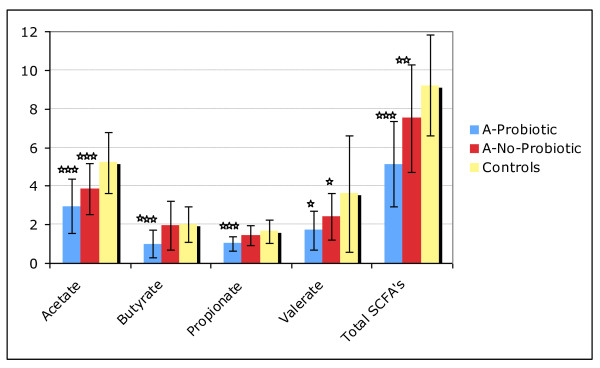
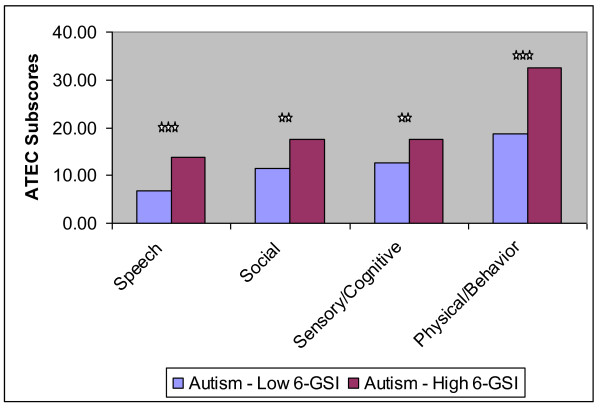
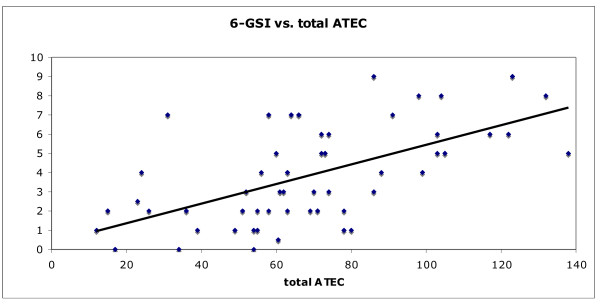
BACKGROUND: Children with autism have often been reported to have gastrointestinal problems that are more frequent and more severe than in children from the general population. METHODS: Gastrointestinal flora and gastrointestinal status were assessed from stool samples of 58 children with Autism Spectrum Disorders (ASD) and 39 healthy typical children of similar ages. Stool testing included bacterial and yeast culture tests, lysozyme, lactoferrin, secretory IgA, elastase, digestion markers, short chain fatty acids (SCFA's), pH, and blood presence. Gastrointestinal symptoms were assessed with a modified six-item GI Severity Index (6-GSI) questionnaire, and autistic symptoms were assessed with the Autism Treatment Evaluation Checklist (ATEC). RESULTS: Gastrointestinal symptoms (assessed by the 6-GSI) were strongly correlated with the severity of autism (assessed by the ATEC), (r = 0.59, p < 0.001). Children with 6-GSI scores above 3 had much higher ATEC Total scores than those with 6-GSI-scores of 3 or lower (81.5 +/- 28 vs. 49.0 +/- 21, p = 0.00002).Children with autism had much lower levels of total short chain fatty acids (-27%, p = 0.00002), including lower levels of acetate, proprionate, and valerate; this difference was greater in the children with autism taking probiotics, but also significant in those not taking probiotics. Children with autism had lower levels of species of Bifidobacter (-43%, p = 0.002) and higher levels of species of Lactobacillus (+100%, p = 0.00002), but similar levels of other bacteria and yeast using standard culture growth-based techniques. Lysozyme was somewhat lower in children with autism (-27%, p = 0.04), possibly associated with probiotic usage. Other markers of digestive function were similar in both groups. CONCLUSIONS: The strong correlation of gastrointestinal symptoms with autism severity indicates that children with more severe autism are likely to have more severe gastrointestinal symptoms and vice versa. It is possible that autism symptoms are exacerbated or even partially due to the underlying gastrointestinal problems. The low level of SCFA's was partly associated with increased probiotic use, and probably partly due to either lower production (less sacchrolytic fermentation by beneficial bacteria and/or lower intake of soluble fiber) and/or greater absorption into the body (due to longer transit time and/or increased gut permeability).
Overview
The claims and statistics of this paper haven’t been checked yet.
Free: it reads the open-access text and checks the first 5 claims that cite a source we can check. Create a free account to check every claim.
Integrity signals
Registry
Cites
Statistics
Figures
Verification
Claims the paper makes
The claims and statistics of this paper haven’t been checked yet.
Free: it reads the open-access text and checks the first 5 claims that cite a source we can check. Create a free account to check every claim.
Claims other papers make about this one
Each is checked against this paper’s own text: does it say what the citing paper says it does?
The cited source doesn’t support the claim as written.
In the citing paper
“Several studies found lower levels of fecal SCFA, including butyrate in feces of ASD children [53, 64], while a 2012 study found increased ammonia and SCFA including acetic, butyric, isobutyric, valeric, and isovaleric acids in ASD [61].”
From The Gut Microbiota and Dysbiosis in Autism Spectrum Disorders (2018) · cites this paper as [53]
Checked by a reasoning model — may be wrong.
Experimental — accuracy not yet measuredThe source backs part of the claim, not all of it — or backs it for a different population, condition or comparison.
In the citing paper
“In the order Lactobacillales and family Streptococcaceae, Streptococcus results (not S. thermophilus) corroborated an overall decrease in counts and percentage in ASD cases when statistical significance was reached [30, 31, 33, 37, 41].”
From Gut microbiota changes in children with autism spectrum disorder: a systematic review (2020) · cites this paper as [30]
Experimental — accuracy not yet measuredThe source backs part of the claim, not all of it — or backs it for a different population, condition or comparison.
In the citing paper
“however, upon a closer look at Bifidobacterium, consistently lower counts and proportions were found in children with ASD versus their siblings [31, 52] or controls [30, 38, 47].”
From Gut microbiota changes in children with autism spectrum disorder: a systematic review (2020) · cites this paper as [30]
Experimental — accuracy not yet measuredThe source backs part of the claim, not all of it — or backs it for a different population, condition or comparison.
In the citing paper
“Moreover, ASD patients seem to be characterized by both elevated levels of SCFA concentrations in stool and serum, and increased level of SCFA-producing bacteria (e.g., Clostridia, Desulfovibrio, and Bacteroides) [29,36,180].”
From Autism, Gastrointestinal Symptoms and Modulation of Gut Microbiota by Nutritional Interventions (2019) · cites this paper as [29]
Experimental — accuracy not yet measuredThe cited source says what the claim attributes to it.
In the citing paper
“Moreover, has been reported that the severity of gastrointestinal disorders in children with ASD may be closely linked to the intensity of neuropsychiatric symptoms, with more severe GI issues observed in individuals with more pronounced neuropsychiatric symptoms, and vice versa [33,34].”
From The Prevalence and Clinical Significance of Toe Walking in Autism Spectrum Disorder: A Cross-Sectional Study in an Italian Pediatric Sample (2025) · cites this paper as [33]
17 more claims about this paper
Create a free account to see every claim other papers make about this one.
Self-check
Percentages, sums and reported differences re-computed from the paper’s own numbers.
The self-check needs the paper’s full text.
Citations
Cites
Topping, D. L., & Clifton, P. M. (2001) · Physiological Reviews · doi:10.1152/physrev.2001.81.3.1031 · Cited by 3,091 · cited 2×
“Decreased levels may reflect insufficient normal colonic flora, a diet low in soluble fiber, or prolonged intestinal transit time [ 39 ].”
BackgroundPyrosequencing study of fecal microflora of autistic and control children
Finegold, S. M., Dowd, S. E., Gontcharova, V., Liu, C., Henley, K. E., Wolcott, R. D., Youn, E., Summanen, P. H., Granpeesheh, D., Dixon, D., et al. (2010) · Anaerobe · doi:10.1016/j.anaerobe.2010.06.008 · Cited by 977 · cited 4×
“Feingold’s pyrosequencing study [14] estimated that typical children normally have about 500-600 species of bacteria in their gut and estimated that children with autism have about twice that, so it is important to remember that we are only able to culture a small fraction of the species present.”
BackgroundMethodResultInfluentialNutritional and physiologic significance of human milk proteins
Lönnerdal, B. (2003) · The American Journal of Clinical Nutrition · doi:10.1093/ajcn/77.6.1537s · Cited by 878 · cited 1×
“Infants fed formula without lysozyme have three times the rate of diarrheal disease [43].”
BackgroundParracho, H. M., Bingham, M. O., Gibson, G. R., & McCartney, A. L. (2005) · Journal of Medical Microbiology · doi:10.1099/jmm.0.46101-0 · Cited by 784 · cited 2×
“Parracho et al. 2005 [13] used another culture-independent technique, fluorescence in situ hybridization (FISH) targeting Clostridium groups, and reported differences in the gut microflora of children with ASD compared to healthy children.”
BackgroundMethodGastrointestinal Microflora Studies in Late‐Onset Autism
Finegold, S. M., Molitoris, D., Song, Y., Liu, C., Vaisanen, M., Bolte, E., McTeague, M., Sandler, R., Wexler, H., Marlowe, E. M., et al. (2002) · Clinical Infectious Diseases · doi:10.1086/341914 · Cited by 742 · cited 2×
“Finegold et al. 2002 [11] studied fecal samples from 13 children with late-onset autism and 8 controls.”
BackgroundShort-Term Benefit From Oral Vancomycin Treatment of Regressive-Onset Autism
Sandler, R. H., Finegold, S. M., Bolte, E. R., Buchanan, C. P., Maxwell, A. P., Väisänen, M.-L., Nelson, M. N., & Wexler, H. M. (2000) · Journal of Child Neurology · doi:10.1177/088307380001500701 · Cited by 614 · cited 2×
“Additionally Desulfovibrio species and Bacteroides vulgatus were present in higher numbers in autistic than controls Treatment studies using a minimally absorbed oral antibiotic (vancomycin) to treat abnormal gut flora showed significant temporary improvements in behavior for children with late-onset autism [15], but…”
BackgroundReal-Time PCR Quantitation of Clostridia in Feces of Autistic Children
Song, Y., Liu, C., & Finegold, S. M. (2004) · Applied and Environmental Microbiology · doi:10.1128/aem.70.11.6459-6465.2004 · Cited by 556
de Magistris, L., Familiari, V., Pascotto, A., Sapone, A., Frolli, A., Iardino, P., Carteni, M., De Rosa, M., Francavilla, R., Riegler, G., et al. (2010) · Journal of Pediatric Gastroenterology and Nutrition · doi:10.1097/mpg.0b013e3181dcc4a5 · Cited by 546
MACFABE, D., CAIN, D., RODRIGUEZCAPOTE, K., FRANKLIN, A., HOFFMAN, J., BOON, F., TAYLOR, A., KAVALIERS, M., & OSSENKOPP, K. (2007) · Behavioural Brain Research · doi:10.1016/j.bbr.2006.07.025 · Cited by 497 · cited 3×
“2007 [17], which demonstrates that SCFA’s can induce autistic-like symptoms when injected into rats.”
BackgroundVolatile organic compounds from feces and their potential for diagnosis of gastrointestinal disease
Garner, C. E., Smith, S., de Lacy Costello, B., White, P., Spencer, R., Probert, C. S. J., & Ratcliffem, N. M. (2007) · The FASEB Journal · doi:10.1096/fj.06-6927com · Cited by 439
Research works printed but not linked: 4
- Rimland B Edelson S Autism Treatment Evaluation Checklist: Statistical Analyses 2000 Autism Research Institute, San Diego, CA
- Dugad L Performance Verification of Lysozyme ELISA Test Kit Verification 105 2007 Doctor's Data, Inc. Saint Charles, Illinois
- Dugad L Wu Z PerformanceVerification of Lactoferrin ELISA Test Kit of Fecal Verification 104 2007 Doctor's Data Inc, Saint Charles, Illinois
- Edelson S Parent Ratings of Behavioral Effects of Biomedical Interventions 2010 Autism Research Institute, Publication 34, San Diego, CA
Cited by
Items 101–200 of 1,000
Microbiota Signaling Pathways that Influence Neurologic Disease
Cox, L. M., & Weiner, H. L. (2018) · Neurotherapeutics · doi:10.1007/s13311-017-0598-8 · Cited by 207
Evidence of microglial activation in autism and its possible role in brain underconnectivity
Rodriguez, J. I., & Kern, J. K. (2011) · Neuron Glia Biology · doi:10.1017/s1740925x12000142 · Cited by 205
Fang, X., Wang, X., Yang, S., Meng, F., Wang, X., Wei, H., & Chen, T. (2016) · Frontiers in Microbiology · doi:10.3389/fmicb.2016.01479 · Cited by 205
“Short-chain fatty acids (SCFAs), the specific metabolites generated by gut bacteria, can cross the blood–brain barrier and its levels in the feces could be correlated negatively or positively (Serre et al., 2015) with autism spectrum disorders (ASD) (Adams et al., 2011).”
Backgroundde Theije, C. G. M., Wu, J., da Silva, S. L., Kamphuis, P. J., Garssen, J., Korte, S. M., & Kraneveld, A. D. (2011) · European Journal of Pharmacology · doi:10.1016/j.ejphar.2011.07.013 · Cited by 202
Santocchi, E., Guiducci, L., Prosperi, M., Calderoni, S., Gaggini, M., Apicella, F., Tancredi, R., Billeci, L., Mastromarino, P., Grossi, E., et al. (2020) · Frontiers in Psychiatry · doi:10.3389/fpsyt.2020.550593 · Cited by 198
“Then, several studies showed a significant dysbiosis and a change in the stability, diversity, composition and/or metabolism of the gut microbiota in ASD children compared to TD peers (13, 14), while others reported disrupted intestinal permeability in ASD subjects (15, 16), and evidence of a systemic and intestinal i…”
BackgroundChanges in the Gut Microbiota of Children with Autism Spectrum Disorder
Zou, R., Xu, F., Wang, Y., Duan, M., Guo, M., Zhang, Q., Zhao, H., & Zheng, H. (2020) · Autism Research · doi:10.1002/aur.2358 · Cited by 198
“For example, lower concentrations of SCFAs were reported in children with ASD by Adams [Adams et al., 2011], while higher levels were reported by Wang [L.”
BackgroundAltered Gut Microbiota in Chinese Children With Autism Spectrum Disorders
Ma, B., Liang, J., Dai, M., Wang, J., Luo, J., Zhang, Z., & Jing, J. (2019) · Frontiers in Cellular and Infection Microbiology · doi:10.3389/fcimb.2019.00040 · Cited by 193
“In our data, substantial covariate information collection was allowed for adjustment of potential confounders in the analysis of group differences at different levels of microbiome whereas most of the previous used univariate analysis to draw conclusion (Finegold et al., 2010; Adams et al., 2011; Wang et al., 2011, 20…”
BackgroundMethodDiaz Heijtz, R. (2016) · Seminars in Fetal and Neonatal Medicine · doi:10.1016/j.siny.2016.04.012 · Cited by 193
Gastrointestinal symptoms and behavioral problems in preschoolers with Autism Spectrum Disorder
Fulceri, F., Morelli, M., Santocchi, E., Cena, H., Del Bianco, T., Narzisi, A., Calderoni, S., & Muratori, F. (2016) · Digestive and Liver Disease · doi:10.1016/j.dld.2015.11.026 · Cited by 191
“Specifically, Adams and colleagues [24] detected an association with the severity of a wide range of ASD features (speech/language/communication, sociability, sensory/cognitive awareness, and health/physical behavior); Gorrindo et al.”
BackgroundResultInfluentialCrosstalk between the microbiota-gut-brain axis and depression
Du, Y., Gao, X.-R., Peng, L., & Ge, J.-F. (2020) · Heliyon · doi:10.1016/j.heliyon.2020.e04097 · Cited by 191
“Similar findings were reported in patients with autism spectrum disorder (ASD) [25], and these findings again suggest the role of gut microbiota in the regulation of brain function.”
ResultGut microbial dysbiosis in indian children with autism spectrum disorders
Pulikkan, J., Maji, A., Dhakan, D. B., Saxena, R., Mohan, B., Anto, M. M., Agarwal, N., Grace, T., & Sharma, V. K. (2018) · Microbial Ecology · doi:10.1007/s00248-018-1176-2 · Cited by 189
“Previous metabolomics studies have also shown lower levels of SCFAs in ASD children [76].”
BackgroundUrinary p-cresol in autism spectrum disorder
Persico, A. M., & Napolioni, V. (2013) · Neurotoxicology and Teratology · doi:10.1016/j.ntt.2012.09.002 · Cited by 189
Harnessing Gut Microbes for Mental Health: Getting From Here to There
Bruce-Keller, A. J., Salbaum, J. M., & Berthoud, H.-R. (2018) · Biological Psychiatry · doi:10.1016/j.biopsych.2017.08.014 · Cited by 189
Gut Microbiota: The Brain Peacekeeper
Mu, C., Yang, Y., & Zhu, W. (2016) · Frontiers in Microbiology · doi:10.3389/fmicb.2016.00345 · Cited by 188
“DRIVE VARIATIONS IN MICROBIOTA”
BackgroundZhang, M., Ma, W., Zhang, J., He, Y., & Wang, J. (2018) · Scientific Reports · doi:10.1038/s41598-018-32219-2 · Cited by 188
Dysbiosis in intestinal inflammation: Cause or consequence
Buttó, L. F., & Haller, D. (2016) · International Journal of Medical Microbiology · doi:10.1016/j.ijmm.2016.02.010 · Cited by 188
Steroids, stress and the gut microbiome-brain axis
Tetel, M. J., de Vries, G. J., Melcangi, R. C., Panzica, G., & O'Mahony, S. M. (2018) · Journal of Neuroendocrinology · doi:10.1111/jne.12548 · Cited by 187
“presumably due to a relative absence of beneficial bacteria (60).”
Autism and nutrition: the role of the gut–brain axis
van De Sande, M. M. H., van Buul, V. J., & Brouns, F. J. P. H. (2014) · Nutrition Research Reviews · doi:10.1017/s0954422414000110 · Cited by 140
“In this respect, studies by Valenci-McDermott et al. (37) and Adams et al. (29) have indicated that 70 % of children with ASD report having a history of GI complaints, against 28 % of neurotypical controls, and that GI symptoms are strongly correlated with the severity of autism ( r 0·59; P , 0·001).”
Infantile zinc deficiency: Association with autism spectrum disorders
Yasuda, H., Yoshida, K., Yasuda, Y., & Tsutsui, T. (2011) · Scientific Reports · doi:10.1038/srep00129 · Cited by 185
“Autistic children have often been reported to have gastrointestinal problems of intestinal mal-absorption of nutrient”
BackgroundIntestinal Dysbiosis and Yeast Isolation in Stool of Subjects with Autism Spectrum Disorders
Iovene, M. R., Bombace, F., Maresca, R., Sapone, A., Iardino, P., Picardi, A., Marotta, R., Schiraldi, C., Siniscalco, D., Serra, N., et al. (2017) · Mycopathologia · doi:10.1007/s11046-016-0068-6 · Cited by 184
“[1] showed no differences of yeast infection among stools from ASDs Table 5 continued”
BackgroundResultInfluentialFecal Microbiota Transplantation as New Therapeutic Avenue for Human Diseases
Biazzo, M., & Deidda, G. (2022) · Journal of Clinical Medicine · doi:10.3390/jcm11144119 · Cited by 185
Jolanta Wasilewska, J., & Klukowski, M. (2015) · Pediatric Health, Medicine and Therapeutics · doi:10.2147/phmt.s85717 · Cited by 182
“103 Propionic acid and other SCFAs are of particular interest because of their wide range of effects on a host’s health and ability to cross GBB and BBB. 104,105 SCFAs serve as energy substrates for colonocytes, modulate colonic pH, regulate colonic cell proliferation and differentiation, and contribute to hepatic glu…”
Intestinal Microbiota Influences Non-intestinal Related Autoimmune Diseases
Opazo, M. C., Ortega-Rocha, E. M., Coronado-Arrázola, I., Bonifaz, L. C., Boudin, H., Neunlist, M., Bueno, S. M., Kalergis, A. M., & Riedel, C. A. (2018) · Frontiers in Microbiology · doi:10.3389/fmicb.2018.00432 · Cited by 179
“Although up to date this is the only report associating changes in the microbiota with psychotic severity in patients, it was also reported that autistic children show increased amounts of Lactobacillus in their intestinal microbiota (Adams et al., 2011; Schwarz et al., 2017).”
BackgroundMicrobiota-gut brain axis involvement in neuropsychiatric disorders
Iannone, L. F., Preda, A., Blottière, H. M., Clarke, G., Albani, D., Belcastro, V., Carotenuto, M., Cattaneo, A., Citraro, R., Ferraris, C., et al. (2019) · Expert Review of Neurotherapeutics · doi:10.1080/14737175.2019.1638763 · Cited by 177
Cowan, C. S. M., Dinan, T. G., & Cryan, J. F. (2020) · Journal of Child Psychology and Psychiatry · doi:10.1111/jcpp.13156 · Cited by 176
Genomics of schizophrenia: time to consider the gut microbiome?
Dinan, T. G., Borre, Y. E., & Cryan, J. F. (2014) · Molecular Psychiatry · doi:10.1038/mp.2014.93 · Cited by 175
Pellegrini, C., Antonioli, L., Calderone, V., Colucci, R., Fornai, M., & Blandizzi, C. (2020) · Progress in Neurobiology · doi:10.1016/j.pneurobio.2020.101806 · Cited by 174
The Potential Role of Probiotics in the Management of Childhood Autism Spectrum Disorders
Critchfield, J. W., van Hemert, S., Ash, M., Mulder, L., & Ashwood, P. (2011) · Gastroenterology Research and Practice · doi:10.1155/2011/161358 · Cited by 174
“A recent culture-based assessment of fecal species in autistic children supports the finding of lower Bifidobacteria levels [14].”
BackgroundResultRisk Factors for Unhealthy Weight Gain and Obesity among Children with Autism Spectrum Disorder
Dhaliwal, K. K., Orsso, C. E., Richard, C., Haqq, A. M., & Zwaigenbaum, L. (2019) · International Journal of Molecular Sciences · doi:10.3390/ijms20133285 · Cited by 140
“Furthermore, studies have shown significantly lower short-chain fatty acids (SCFAs) in ASD [167].”
BackgroundThe Role of Gut Dysbiosis in the Pathophysiology of Neuropsychiatric Disorders
Anand, N., Gorantla, V. R., & Chidambaram, S. B. (2022) · Cells · doi:10.3390/cells12010054 · Cited by 171
“ASD children showed a significant change in the dynamics, α and β diversity, stability and relative abundance of GM when compared to healthy controls [19] and neuro-typical individuals [203].”
BackgroundResultInfluentialBojović, K., Ignjatović, Ð. D. I., Soković Bajić, S., Vojnović Milutinović, D., Tomić, M., Golić, N., & Tolinački, M. (2020) · Frontiers in Cellular and Infection Microbiology · doi:10.3389/fcimb.2020.00223 · Cited by 171
Functional gastrointestinal disorders and gut-brain axis: What does the future hold?
Mukhtar, K., Nawaz, H., & Abid, S. (2019) · World Journal of Gastroenterology · doi:10.3748/wjg.v25.i5.552 · Cited by 149
Qiao, Y., Wu, M., Feng, Y., Zhou, Z., Chen, L., & Chen, F. (2018) · Scientific Reports · doi:10.1038/s41598-018-19982-y · Cited by 168
The contribution of the gut microbiome to neurodevelopment and neuropsychiatric disorders
Warner, B. B. (2019) · Pediatric Research · doi:10.1038/s41390-018-0191-9 · Cited by 168
Krajmalnik-Brown, R., Lozupone, C., Kang, D.-W., & Adams, J. B. (2015) · Microbial Ecology in Health & Disease · doi:10.3402/mehd.v26.26914 · Cited by 167
“One study (10) found a strong correlation between GI symptoms and autism severity in a group of 58 children with ASD, consistent with the CHildhood Autism Risks from Genetics and Environment (CHARGE) study (7).”
ResultSelf-citationKong, X., Liu, J., Cetinbas, M., Sadreyev, R., Koh, M., Huang, H., Adeseye, A., He, P., Zhu, J., Russell, H., et al. (2019) · Nutrients · doi:10.3390/nu11092128 · Cited by 146
“Notably, some studies demonstrated a correlation between the severity of GI dysfunction and the severity of behavioral symptoms [15].”
BackgroundShort-chain fatty acids-producing probiotics: A novel source of psychobiotics
Cheng, Y., Liu, J., & Ling, Z. (2021) · Critical Reviews in Food Science and Nutrition · doi:10.1080/10408398.2021.1920884 · Cited by 169
“Adams et al. observed lower concentrations of SCFAs in children with ASD (Adams et al. 2011).”
BackgroundAnalysis of short-chain fatty acids in human feces: A scoping review
Primec, M., Mičetić-Turk, D., & Langerholc, T. (2017) · Analytical Biochemistry · doi:10.1016/j.ab.2017.03.007 · Cited by 165
Luo, A., Leach, S. T., Barres, R., Hesson, L. B., Grimm, M. C., & Simar, D. (2017) · Frontiers in Immunology · doi:10.3389/fimmu.2017.00417 · Cited by 165
Kopczyńska, J., & Kowalczyk, M. (2024) · Frontiers in Immunology · doi:10.3389/fimmu.2024.1380476 · Cited by 164
Li, N., Yang, J., Zhang, J., Liang, C., Wang, Y., Chen, B., Zhao, C., Wang, J., Zhang, G., Zhao, D., et al. (2019) · Genomics, Proteomics & Bioinformatics · doi:10.1016/j.gpb.2019.01.002 · Cited by 132
Connection between gut microbiome and brain development in preterm infants
Lu, J. N., & Claud, E. C. (2018) · Developmental Psychobiology · doi:10.1002/dev.21806 · Cited by 161
Fiebiger, U., Bereswill, S., & Heimesaat, M. M. (2016) · European Journal of Microbiology and Immunology · doi:10.1556/1886.2016.00036 · Cited by 159
Abdelli, L. S., Samsam, A., & Naser, S. A. (2019) · Scientific Reports · doi:10.1038/s41598-019-45348-z · Cited by 144
The Second Brain: Is the Gut Microbiota a Link Between Obesity and Central Nervous System Disorders?
Ochoa-Repáraz, J., & Kasper, L. H. (2016) · Current Obesity Reports · doi:10.1007/s13679-016-0191-1 · Cited by 132
Microbiota and neurologic diseases: potential effects of probiotics
Umbrello, G., & Esposito, S. (2016) · Journal of Translational Medicine · doi:10.1186/s12967-016-1058-7 · Cited by 143
“These results are consistent with the results of other studies that reported lower levels of Bifidobacterium species in children with ASD [73, 74].”
ResultKang, D.-W., Adams, J. B., Vargason, T., Santiago, M., Hahn, J., & Krajmalnik-Brown, R. (2020) · mSphere · doi:10.1128/msphere.00314-20 · Cited by 144
“Those GI problems have been associated with a higher severity of ASD (7) and triggered questions on a possible link between the gut microbiome and ASD.”
BackgroundSelf-citationLy, V., Bottelier, M., Hoekstra, P. J., Arias Vasquez, A., Buitelaar, J. K., & Rommelse, N. N. (2017) · European Child & Adolescent Psychiatry · doi:10.1007/s00787-017-0959-1 · Cited by 113
“Although the results with regard to the specific species of microbes that are altered in individuals with ASD versus controls are inconsistent across studies, alterations in the Clostridium species have been reported across several studies in individuals with ASD [111, 113, 117].”
ResultThe Role of Microbiome, Dietary Supplements, and Probiotics in Autism Spectrum Disorder
Sivamaruthi, B. S., Suganthy, N., Kesika, P., & Chaiyasut, C. (2020) · International Journal of Environmental Research and Public Health · doi:10.3390/ijerph17082647 · Cited by 123
“5 to 18 years old) Any type of probiotic Daily usage (33%) Low level of short chain fatty acids [11]”
BackgroundCan probiotics benefit children with autism spectrum disorders?
Navarro, F., Liu, Y., & Rhoads, J. M. (2016) · World Journal of Gastroenterology · doi:10.3748/wjg.v22.i46.10093 · Cited by 154
Kral, T. V. E., Eriksen, W. T., Souders, M. C., & Pinto-Martin, J. A. (2013) · Journal of Pediatric Nursing · doi:10.1016/j.pedn.2013.01.008 · Cited by 153
“Data from a study that compared GI flora and GI status in children with ASD and TDC with a mean age of 7 years showed a strong positive correlation of GI symptoms and autism severity (Adams et al., 2011).”
BackgroundRudzki, L., Stone, T. W., Maes, M. H. J., Misiak, B., Samochowiec, J., & Szulc, A. (2021) · Progress in Neuro-Psychopharmacology and Biological Psychiatry · doi:10.1016/j.pnpbp.2020.110240 · Cited by 153
Schizophrenia and the gut–brain axis
Nemani, K., Hosseini Ghomi, R., McCormick, B., & Fan, X. (2015) · Progress in Neuro-Psychopharmacology and Biological Psychiatry · doi:10.1016/j.pnpbp.2014.08.018 · Cited by 151
Geier, D. A., Kern, J. K., & Geier, M. R. (2013) · Journal of Mental Health Research in Intellectual Disabilities · doi:10.1080/19315864.2012.681340 · Cited by 121
Ghalichi, F., Ghaemmaghami, J., Malek, A., & Ostadrahimi, A. (2016) · World Journal of Pediatrics · doi:10.1007/s12519-016-0040-z · Cited by 150
Plaza-Díaz, J., Gómez-Fernández, A., Chueca, N., Torre-Aguilar, M. J. D. L., Gil, Á., Perez-Navero, J. L., Flores-Rojas, K., Martín-Borreguero, P., Solis-Urra, P., Ruiz-Ojeda, F. J., et al. (2019) · Nutrients · doi:10.3390/nu11020337 · Cited by 123
“Four specific studies [18,21,27,53] have reported decreased Actinobacteria in children with ASD, whereas a study in 2005 showed no differences [54].”
BackgroundGut microbiota changes in children with autism spectrum disorder: a systematic review
Ho, L. K. H., Tong, V. J. W., Syn, N., Nagarajan, N., Tham, E. H., Tay, S. K., Shorey, S., Tambyah, P. A., & Law, E. C. N. (2020) · Gut Pathogens · doi:10.1186/s13099-020-0346-1 · Cited by 149
Blood Markers in Detection of Autism
Stavridou, T., Driga, A. M., & Drigas, A. S. (2021) · International Journal of Recent Contributions from Engineering Science & IT (iJES) · doi:10.3991/ijes.v9i2.21283 · Cited by 149
“The conclusion from these studies was that children with autism have more gastrointestinal problems due to taking antibiotics, reduced consumption of fish, fish oil, probiotics, and B1, [18], [19] , [20], [ 21].”
BackgroundInoue, R., Sakaue, Y., Sawai, C., Sawai, T., Ozeki, M., Romero-Pérez, G. A., & Tsukahara, T. (2016) · Bioscience, Biotechnology, and Biochemistry · doi:10.1080/09168451.2016.1222267 · Cited by 148
Zhai, Q., Cen, S., Jiang, J., Zhao, J., Zhang, H., & Chen, W. (2019) · Environmental Research · doi:10.1016/j.envres.2019.01.060 · Cited by 129
Biomarkers in autism spectrum disorders: Current progress
Shen, L., Liu, X., Zhang, H., Lin, J., Feng, C., & Iqbal, J. (2020) · Clinica Chimica Acta · doi:10.1016/j.cca.2019.12.009 · Cited by 121
Microbiome and nutrition in autism spectrum disorder: Current knowledge and research needs
Berding, K., & Donovan, S. M. (2016) · Nutrition Reviews · doi:10.1093/nutrit/nuw048 · Cited by 146
Tan, Q., Orsso, C. E., Deehan, E. C., Kung, J. Y. C., Tun, H. M., Wine, E., Madsen, K. L., Zwaigenbaum, L., & Haqq, A. M. (2021) · Autism Research · doi:10.1002/aur.2560 · Cited by 146
“GI outcomes were determined using validated tools such as GI severity index (GSI) (Adams et al., 2011), ATEC subscale, or PedsQL™ gastrointestinal symptoms scales (Varni et al., 2015) or qualitative instruments.”
BackgroundMethodInfluentialDiet can impact microbiota composition in children with autism spectrum disorder
Berding, K., & Donovan, S. M. (2018) · Frontiers in Neuroscience · doi:10.3389/fnins.2018.00515 · Cited by 144
“, 2013) or probiotic and supplement use (Adams et al., 2011; Wang et al., 2011; Kang et al., 2013).”
BackgroundMethodInfluentialRole of the Gut Microbiome in Autism Spectrum Disorders
Pulikkan, J., Mazumder, A., & Grace, T. (2019) · Advances in Experimental Medicine and Biology · doi:10.1007/978-3-030-05542-4_13 · Cited by 142
Restrepo, B., Angkustsiri, K., Taylor, S. L., Rogers, S. J., Cabral, J., Heath, B., Hechtman, A., Solomon, M., Ashwood, P., Amaral, D. G., et al. (2020) · Autism Research · doi:10.1002/aur.2354 · Cited by 120
“Our findings are consistent with previous investigations reporting an increase of behaviors commonly associated with autism with the number of GI symptoms (Adams et al., 2011; Chaidez et al., 2014; Gorrindo et al., 2012; Tomova et al., 2015; Wang et al., 2011).”
ResultTargeting gut microbiome: a novel and potential therapy for autism
Yang, Y., Tian, J., & Yang, B. (2018) · Life Sciences · doi:10.1016/j.lfs.2017.12.027 · Cited by 140
Mazefsky, C. A., Schreiber, D. R., Olino, T. M., & Minshew, N. J. (2014) · Autism · doi:10.1177/1362361313485164 · Cited by 122
“GI problems, such as abdominal pain, chronic constipation, chronic diarrhea, and gastroesophageal reflux disease, are thought to be common in ASD (Adams et al., 2011; Valicenti-McDermott et al., 2006; Wang et al., 2011).”
BackgroundImmune dysregulation in autism spectrum disorder
Noriega, D. B., & Savelkoul, H. F. J. (2013) · European Journal of Pediatrics · doi:10.1007/s00431-013-2183-4 · Cited by 139
“In the past decade, several studies have demonstrated differences between the microbiota composition in ASD cases when compared to healthy suitable controls [2, 28, 94] (see Table 1).”
BackgroundRegulation of common neurological disorders by gut microbial metabolites
Park, J., & Kim, C. H. (2021) · Experimental & Molecular Medicine · doi:10.1038/s12276-021-00703-x · Cited by 136
Stärkel, P., Leclercq, S., de Timary, P., & Schnabl, B. (2018) · Clinical Science · doi:10.1042/cs20171055 · Cited by 123
García-Gutiérrez, E., Narbad, A., & Rodríguez, J. M. (2020) · Frontiers in Neuroscience · doi:10.3389/fnins.2020.578666 · Cited by 136
“Increasing evidence shows that gastrointestinal (GI) symptoms, such as gastrointestinal disruption, abdominal pain, diarrhea, constipation, and flatulence, has been characterized as a common comorbidity in patients with ASD, ranging between 9 and 84% depending on the studies being retrospective or prospective (Wasilew…”
BackgroundGut Microbiota, Inflammation, and Probiotics on Neural Development in Autism Spectrum Disorder
Doenyas, C. (2018) · Neuroscience · doi:10.1016/j.neuroscience.2018.01.060 · Cited by 131
Implications of Diet and The Gut Microbiome in Neuroinflammatory and Neurodegenerative Diseases
Hirschberg, S., Gisevius, B., Duscha, A., & Haghikia, A. (2019) · International Journal of Molecular Sciences · doi:10.3390/ijms20123109 · Cited by 117
“In ASD, gastrointestinal disruption correlates with disease severity [31].”
BackgroundDelahaye, J., Kovacs, E. A., Sikora, D. M., Hall, T. A., Orlich, F., Clemons, T. E., van der Weerd, E., Glick, L., & Kuhlthau, K. A. (2014) · Research in Autism · doi:10.1016/j.rasd.2013.12.015 · Cited by 130
Mao, Q., Manservisi, F., Panzacchi, S., Mandrioli, D., Menghetti, I., Vornoli, A., Bua, L., Falcioni, L., Lesseur, C., Chen, J., et al. (2018) · Environmental Health · doi:10.1186/s12940-018-0394-x · Cited by 128
Hua, X., Zhu, J., Yang, T., Guo, M., Li, Q., Chen, J., & Li, T. (2020) · Frontiers in Psychiatry · doi:10.3389/fpsyt.2020.00855 · Cited by 108
“Several studies have demonstrated changes in the gut microbiota of children with ASD compared with normally developing children (9, 12, 35, 36), and differences in microbial composition are correlated with alterations in behavior and cognition associated with the microbiota-gut-brain axis (37).”
BackgroundMarkers of celiac disease and gluten sensitivity in children with autism
Lau, N. M., Green, P. H. R., Taylor, A. K., Hellberg, D., Ajamian, M., Tan, C. Z., Kosofsky, B. E., Higgins, J. J., Rajadhyaksha, A. M., & Alaedini, A. (2013) · PLoS ONE · doi:10.1371/journal.pone.0066155 · Cited by 124
“In addition, several studies have evaluated gastrointestinal (GI) symptoms and defects in GI barrier function in patients with autism [7–10].”
BackgroundHe, Y., Kosciolek, T., Tang, J., Zhou, Y., Li, Z., Ma, X., Zhu, Q., Yuan, N., Yuan, L., Li, C., et al. (2018) · European Psychiatry · doi:10.1016/j.eurpsy.2018.05.011 · Cited by 123
A Review of Complementary and Alternative Treatments for Autism Spectrum Disorders
Lofthouse, N., Hendren, R., Hurt, E., Arnold, L. E., & Butter, E. (2012) · Autism Research and Treatment · doi:10.1155/2012/870391 · Cited by 98
“Although multivitamin and mineral levels generally are not found to be abnormal in children with autism, biomarkers of nutritional status have been reported and are found to be associated with autism severity [52].”
BackgroundLefter, R., Ciobica, A., Timofte, D., Stanciu, C., & Trifan, A. (2019) · Medicina · doi:10.3390/medicina56010011 · Cited by 120
“One study [11] does not have any direct ASD validation, but mentions recruitment was done on basis of a previous diagnostic done for a former study, whereas in Nikolov et al.”
BackgroundMethodInfluentialImpact of gut microbiota on neurological diseases: Diet composition and novel treatments
Larroya-García, A., Navas-Carrillo, D., & Orenes-Piñero, E. (2019) · Critical Reviews in Food Science and Nutrition · doi:10.1080/10408398.2018.1484340 · Cited by 99
The Microbiota-Gut-Immune-Glia (MGIG) Axis in Major Depression
Rudzki, L., & Maes, M. (2020) · Molecular Neurobiology · doi:10.1007/s12035-020-01961-y · Cited by 111
“5 of intestinal microbiota were demonstrated in psychiatric disorders including MDD (36-39), schizophrenia and bipolar disorder (40), autism (41-44), dementia (45) CFS (46), alcoholism (47).”
BackgroundCampbell, A. S., Needham, B. D., Meyer, C. R., Tan, J. H. J., Conrad, M. C., Preston, G. M., Bolognani, F., Rao, S. G., Heussler, H., Griffith, R., et al. (2022) · Nature Medicine · doi:10.1038/s41591-022-01683-9 · Cited by 123
Gut microbiota of mice putatively modifies amino acid metabolism in the host brain
Kawase, T., Nagasawa, M., Ikeda, H., Yasuo, S., Koga, Y., & Furuse, M. (2017) · British Journal of Nutrition · doi:10.1017/s0007114517000678 · Cited by 119
Bacterial Peptidoglycans from Microbiota in Neurodevelopment and Behavior
Gonzalez-Santana, A., & Diaz Heijtz, R. (2020) · Trends in Molecular Medicine · doi:10.1016/j.molmed.2020.05.003 · Cited by 118
Microbiota, immunoregulatory old friends and psychiatric disorders
Rook, G. A. W., Raison, C. L., & Lowry, C. A. (2014) · Advances in Experimental Medicine and Biology · doi:10.1007/978-1-4939-0897-4_15 · Cited by 117
The Perturbance of Microbiome and Gut-Brain Axis in Autism Spectrum Disorders
Fowlie, G., Cohen, N., & Ming, X. (2018) · International Journal of Molecular Sciences · doi:10.3390/ijms19082251 · Cited by 101
“Stool testing found lower levels of short chain fatty acids in children with ASD compared to the general population [4].”
BackgroundLiu, F., Horton-Sparks, K., Hull, V., Li, R. W., & Martínez-Cerdeño, V. (2018) · Molecular Autism · doi:10.1186/s13229-018-0251-3 · Cited by 102
Broad-spectrum micronutrient formulas for the treatment of psychiatric symptoms: a systematic review
Rucklidge, J. J., & Kaplan, B. J. (2013) · Expert Review of Neurotherapeutics · doi:10.1586/ern.12.143 · Cited by 116
Foley, K. A., MacFabe, D. F., Vaz, A., Ossenkopp, K., & Kavaliers, M. (2014) · International Journal of Developmental Neuroscience · doi:10.1016/j.ijdevneu.2014.04.001 · Cited by 116
“Indeed, the severity of autistic symptoms has been associated with severity of GI dysfunction in some patients (Adams et al., 2011).”
BackgroundComplementary and Alternative Therapies for Autism Spectrum Disorder
Brondino, N., Fusar-Poli, L., Rocchetti, M., Provenzani, U., Barale, F., & Politi, P. (2015) · Evidence-Based Complementary and Alternative Medicine · doi:10.1155/2015/258589 · Cited by 116
Mitochondrial function and abnormalities implicated in the pathogenesis of ASD
Castora, F. J. (2018) · Progress in Neuro-Psychopharmacology and Biological Psychiatry · doi:10.1016/j.pnpbp.2018.12.015 · Cited by 119
“The severity of ASD has been correlated with a reduced level of the SCFAs acetate, butyrate, and propionate which are all regulated by gut microbes (Adams et al., 2011).”
Bar, E., & Barak, B. (2019) · Glia · doi:10.1002/glia.23637 · Cited by 107
Montagnani, M., Bottalico, L., Potenza, M. A., Charitos, I. A., Topi, S., Colella, M., & Santacroce, L. (2023) · International Journal of Molecular Sciences · doi:10.3390/ijms241210322 · Cited by 120
Liu, J., Liu, X., Xiong, X.-Q., Yang, T., Cui, T., Hou, N.-L., Lai, X., Liu, S., Guo, M., Liang, X.-H., et al. (2017) · BMC Microbiology · doi:10.1186/s12866-017-1096-1 · Cited by 115
“Most studies have indicated that gut microbiota changes are strongly correlated with the severity of autism [3, 5], anxiety and depression [6].”
The very low birth weight infant microbiome and childhood health
Groer, M. W., Gregory, K. E., Louis‐Jacques, A., Thibeau, S., & Walker, W. A. (2015) · Birth Defects Research Part C: Embryo Today: Reviews · doi:10.1002/bdrc.21115 · Cited by 99
Distant Site Effects of Ingested Prebiotics
Collins, S., & Reid, G. (2016) · Nutrients · doi:10.3390/nu8090523 · Cited by 112
“Several researchers have proposed that the profile of SCFAs produced by gut fermentation of each prebiotic directs its effect on lipid synthesis and circulating concentrations.”
BackgroundInfluentialXiong, X., Liu, D., Wang, Y., Zeng, T., & Peng, Y. (2016) · BioMed Research International · doi:10.1155/2016/9485412 · Cited by 90
“The growth of bifidobacteria may be inhibited by some unusual microbial species overgrown in gut, such as Clostridium species [8].”
BackgroundNiu, M., Li, Q., Zhang, J., Wen, F., Dang, W., Duan, G., Li, H., Ruan, W., Yang, P., Guan, C., et al. (2019) · Frontiers in Neurology · doi:10.3389/fneur.2019.01084 · Cited by 92
Metadata
- Authors
- Adams, J. B., Johansen, L. J., Powell, L. D., Quig, D., & Rubin, R. A.
- Affiliations
- Arizona State University (US)
- Whittier College (US)
- Corresponding author
- Adams, James B
- ORCID
- Adams, James B
- Venue
- BMC Gastroenterology
- Published
- 2011-03-16
- Volume
- 11
- Issue
- 1
- Pages
- 22-22
- ISSN
- 1471-230X (ISSN-L)
- PMC
- PMC3072352
- OpenAlex
- W1996441448
- Cited by
- 1,076
- References
- 40
- Citations by year
- 2026: 42 · 2025: 76 · 2024: 92 · 2023: 85 · 2022: 100 · 2021: 101 · 2020: 104 · 2019: 99 · 2018: 81 · 2017: 58 · 2016: 59 · 2015: 60 · 2014: 43 · 2013: 38 · 2012: 25
- FWCI
- 15.05
- Type
- journal article
- Language
- en
- Open access
- gold
- doi.org
- Licence
- cc-by
- creativecommons.org/licenses/by/2.0 (tdm)
- Locations
- BMC Gastroenterology (publishedVersion, cc-by)
- Europe PMC (PubMed Central) (publishedVersion, cc-by)
- PubMed Central (publishedVersion, cc-by)
- PubMed (publishedVersion)
- Arizona State University Library Digital Repository (Arizona State University) (submittedVersion, cc-by)
- DOAJ (DOAJ: Directory of Open Access Journals) (submittedVersion, cc-by-sa)
- Funders
- Autism Research Institute
- Topics
- Life Sciences › Biochemistry, Genetics and Molecular Biology › Molecular Biology › Gut microbiota and health
- Life Sciences › Neuroscience › Cognitive Neuroscience › Autism Spectrum Disorder Research
- Health Sciences › Medicine › Gastroenterology › Gastrointestinal motility and disorders
- Keywords
- autism spectrum disorder, gastrointestinal symptoms, gut microbiota, short-chain fatty acids, probiotics, Lactobacillus, lysozyme, lactoferrin, secretory IgA, autism severity, children, dysbiosis, dietary fiber, yeast overgrowth, Autism Treatment Evaluation Checklist, stool examination
- MeSH terms
- Autistic Disorder, Bifidobacterium, Child, Child, Preschool, Digestion, Fatty Acids, Volatile, Female, Gastrointestinal Diseases, Humans, Lactobacillus, Male, Severity of Illness Index, Case-Control Studies, Probiotics, Gastrointestinal Tract
About these checks
Registry, retraction, Cites and statistics results are computed, not judged, with one exception: a printed reference that no index lists is read once by a model before it counts as a citation error. Claims are extracted by a model and kept only when their quote appears verbatim in the text; each cited source is then checked, with a model’s help, for whether it says what the claim relies on. Those verdicts can be wrong — read the claim’s quote and the cited source before relying on one.
Statistics and arithmetic are recomputed, not judged.
Confidence bands are shown only for fields calibrated on our annotated test set. None is calibrated yet, so no band is shown.
What counts as a claim ›How we measure confidence ›How we check this ›
Are you an author, or do you see a problem with this page? Request a review
Data sources
Bibliographic data: Semantic Scholar, OpenAlex, Crossref.
Contains information from the Semantic Scholar Academic Graph Datasets, made available under the ODC Attribution License (ODC-BY 1.0).
Semantic Scholar’s data is described in: Kinney, R., et al. (2023). The Semantic Scholar Open Data Platform. arXiv:2301.10140.
