

Gastrointestinal flora and gastrointestinal status in children with autism – comparisons to typical children and correlation with autism severity
Open accessThe DOI matches its Crossref record; 40 of the 40 references it cites were found in a registry or an index.
Abstract
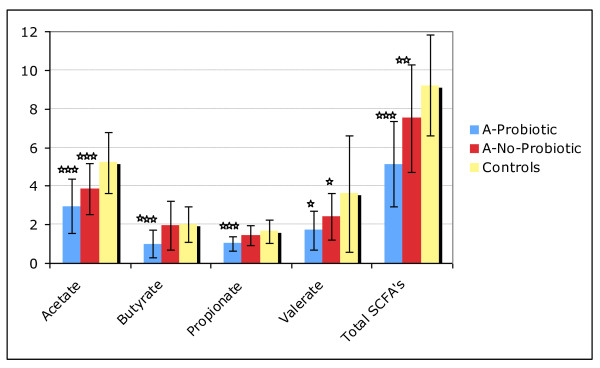
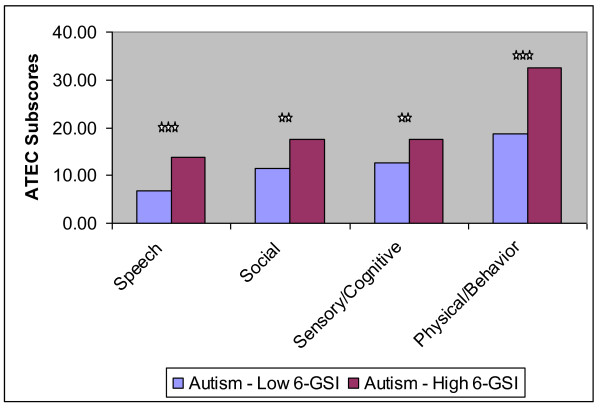
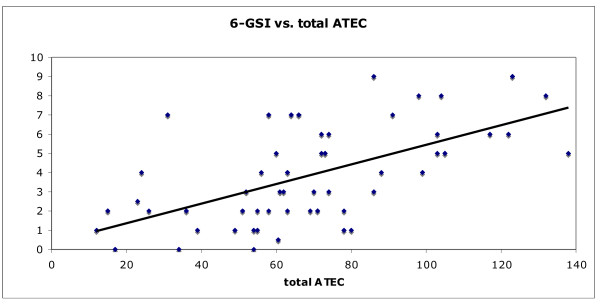
BACKGROUND: Children with autism have often been reported to have gastrointestinal problems that are more frequent and more severe than in children from the general population. METHODS: Gastrointestinal flora and gastrointestinal status were assessed from stool samples of 58 children with Autism Spectrum Disorders (ASD) and 39 healthy typical children of similar ages. Stool testing included bacterial and yeast culture tests, lysozyme, lactoferrin, secretory IgA, elastase, digestion markers, short chain fatty acids (SCFA's), pH, and blood presence. Gastrointestinal symptoms were assessed with a modified six-item GI Severity Index (6-GSI) questionnaire, and autistic symptoms were assessed with the Autism Treatment Evaluation Checklist (ATEC). RESULTS: Gastrointestinal symptoms (assessed by the 6-GSI) were strongly correlated with the severity of autism (assessed by the ATEC), (r = 0.59, p < 0.001). Children with 6-GSI scores above 3 had much higher ATEC Total scores than those with 6-GSI-scores of 3 or lower (81.5 +/- 28 vs. 49.0 +/- 21, p = 0.00002).Children with autism had much lower levels of total short chain fatty acids (-27%, p = 0.00002), including lower levels of acetate, proprionate, and valerate; this difference was greater in the children with autism taking probiotics, but also significant in those not taking probiotics. Children with autism had lower levels of species of Bifidobacter (-43%, p = 0.002) and higher levels of species of Lactobacillus (+100%, p = 0.00002), but similar levels of other bacteria and yeast using standard culture growth-based techniques. Lysozyme was somewhat lower in children with autism (-27%, p = 0.04), possibly associated with probiotic usage. Other markers of digestive function were similar in both groups. CONCLUSIONS: The strong correlation of gastrointestinal symptoms with autism severity indicates that children with more severe autism are likely to have more severe gastrointestinal symptoms and vice versa. It is possible that autism symptoms are exacerbated or even partially due to the underlying gastrointestinal problems. The low level of SCFA's was partly associated with increased probiotic use, and probably partly due to either lower production (less sacchrolytic fermentation by beneficial bacteria and/or lower intake of soluble fiber) and/or greater absorption into the body (due to longer transit time and/or increased gut permeability).
Overview
The claims and statistics of this paper haven’t been checked yet.
Free: it reads the open-access text and checks the first 5 claims that cite a source we can check. Create a free account to check every claim.
Integrity signals
Registry
Cites
Statistics
Figures
Verification
Claims the paper makes
The claims and statistics of this paper haven’t been checked yet.
Free: it reads the open-access text and checks the first 5 claims that cite a source we can check. Create a free account to check every claim.
Claims other papers make about this one
Each is checked against this paper’s own text: does it say what the citing paper says it does?
The cited source doesn’t support the claim as written.
In the citing paper
“Several studies found lower levels of fecal SCFA, including butyrate in feces of ASD children [53, 64], while a 2012 study found increased ammonia and SCFA including acetic, butyric, isobutyric, valeric, and isovaleric acids in ASD [61].”
From The Gut Microbiota and Dysbiosis in Autism Spectrum Disorders (2018) · cites this paper as [53]
Checked by a reasoning model — may be wrong.
Experimental — accuracy not yet measuredThe source backs part of the claim, not all of it — or backs it for a different population, condition or comparison.
In the citing paper
“In the order Lactobacillales and family Streptococcaceae, Streptococcus results (not S. thermophilus) corroborated an overall decrease in counts and percentage in ASD cases when statistical significance was reached [30, 31, 33, 37, 41].”
From Gut microbiota changes in children with autism spectrum disorder: a systematic review (2020) · cites this paper as [30]
Experimental — accuracy not yet measuredThe source backs part of the claim, not all of it — or backs it for a different population, condition or comparison.
In the citing paper
“however, upon a closer look at Bifidobacterium, consistently lower counts and proportions were found in children with ASD versus their siblings [31, 52] or controls [30, 38, 47].”
From Gut microbiota changes in children with autism spectrum disorder: a systematic review (2020) · cites this paper as [30]
Experimental — accuracy not yet measuredThe source backs part of the claim, not all of it — or backs it for a different population, condition or comparison.
In the citing paper
“Moreover, ASD patients seem to be characterized by both elevated levels of SCFA concentrations in stool and serum, and increased level of SCFA-producing bacteria (e.g., Clostridia, Desulfovibrio, and Bacteroides) [29,36,180].”
From Autism, Gastrointestinal Symptoms and Modulation of Gut Microbiota by Nutritional Interventions (2019) · cites this paper as [29]
Experimental — accuracy not yet measuredThe cited source says what the claim attributes to it.
In the citing paper
“Moreover, has been reported that the severity of gastrointestinal disorders in children with ASD may be closely linked to the intensity of neuropsychiatric symptoms, with more severe GI issues observed in individuals with more pronounced neuropsychiatric symptoms, and vice versa [33,34].”
From The Prevalence and Clinical Significance of Toe Walking in Autism Spectrum Disorder: A Cross-Sectional Study in an Italian Pediatric Sample (2025) · cites this paper as [33]
17 more claims about this paper
Create a free account to see every claim other papers make about this one.
Self-check
Percentages, sums and reported differences re-computed from the paper’s own numbers.
The self-check needs the paper’s full text.
Citations
Cites
Topping, D. L., & Clifton, P. M. (2001) · Physiological Reviews · doi:10.1152/physrev.2001.81.3.1031 · Cited by 3,091 · cited 2×
“Decreased levels may reflect insufficient normal colonic flora, a diet low in soluble fiber, or prolonged intestinal transit time [ 39 ].”
BackgroundPyrosequencing study of fecal microflora of autistic and control children
Finegold, S. M., Dowd, S. E., Gontcharova, V., Liu, C., Henley, K. E., Wolcott, R. D., Youn, E., Summanen, P. H., Granpeesheh, D., Dixon, D., et al. (2010) · Anaerobe · doi:10.1016/j.anaerobe.2010.06.008 · Cited by 977 · cited 4×
“Feingold’s pyrosequencing study [14] estimated that typical children normally have about 500-600 species of bacteria in their gut and estimated that children with autism have about twice that, so it is important to remember that we are only able to culture a small fraction of the species present.”
BackgroundMethodResultInfluentialNutritional and physiologic significance of human milk proteins
Lönnerdal, B. (2003) · The American Journal of Clinical Nutrition · doi:10.1093/ajcn/77.6.1537s · Cited by 878 · cited 1×
“Infants fed formula without lysozyme have three times the rate of diarrheal disease [43].”
BackgroundParracho, H. M., Bingham, M. O., Gibson, G. R., & McCartney, A. L. (2005) · Journal of Medical Microbiology · doi:10.1099/jmm.0.46101-0 · Cited by 784 · cited 2×
“Parracho et al. 2005 [13] used another culture-independent technique, fluorescence in situ hybridization (FISH) targeting Clostridium groups, and reported differences in the gut microflora of children with ASD compared to healthy children.”
BackgroundMethodGastrointestinal Microflora Studies in Late‐Onset Autism
Finegold, S. M., Molitoris, D., Song, Y., Liu, C., Vaisanen, M., Bolte, E., McTeague, M., Sandler, R., Wexler, H., Marlowe, E. M., et al. (2002) · Clinical Infectious Diseases · doi:10.1086/341914 · Cited by 742 · cited 2×
“Finegold et al. 2002 [11] studied fecal samples from 13 children with late-onset autism and 8 controls.”
BackgroundShort-Term Benefit From Oral Vancomycin Treatment of Regressive-Onset Autism
Sandler, R. H., Finegold, S. M., Bolte, E. R., Buchanan, C. P., Maxwell, A. P., Väisänen, M.-L., Nelson, M. N., & Wexler, H. M. (2000) · Journal of Child Neurology · doi:10.1177/088307380001500701 · Cited by 614 · cited 2×
“Additionally Desulfovibrio species and Bacteroides vulgatus were present in higher numbers in autistic than controls Treatment studies using a minimally absorbed oral antibiotic (vancomycin) to treat abnormal gut flora showed significant temporary improvements in behavior for children with late-onset autism [15], but…”
BackgroundReal-Time PCR Quantitation of Clostridia in Feces of Autistic Children
Song, Y., Liu, C., & Finegold, S. M. (2004) · Applied and Environmental Microbiology · doi:10.1128/aem.70.11.6459-6465.2004 · Cited by 556
de Magistris, L., Familiari, V., Pascotto, A., Sapone, A., Frolli, A., Iardino, P., Carteni, M., De Rosa, M., Francavilla, R., Riegler, G., et al. (2010) · Journal of Pediatric Gastroenterology and Nutrition · doi:10.1097/mpg.0b013e3181dcc4a5 · Cited by 546
MACFABE, D., CAIN, D., RODRIGUEZCAPOTE, K., FRANKLIN, A., HOFFMAN, J., BOON, F., TAYLOR, A., KAVALIERS, M., & OSSENKOPP, K. (2007) · Behavioural Brain Research · doi:10.1016/j.bbr.2006.07.025 · Cited by 497 · cited 3×
“2007 [17], which demonstrates that SCFA’s can induce autistic-like symptoms when injected into rats.”
BackgroundVolatile organic compounds from feces and their potential for diagnosis of gastrointestinal disease
Garner, C. E., Smith, S., de Lacy Costello, B., White, P., Spencer, R., Probert, C. S. J., & Ratcliffem, N. M. (2007) · The FASEB Journal · doi:10.1096/fj.06-6927com · Cited by 439
Research works printed but not linked: 4
- Rimland B Edelson S Autism Treatment Evaluation Checklist: Statistical Analyses 2000 Autism Research Institute, San Diego, CA
- Dugad L Performance Verification of Lysozyme ELISA Test Kit Verification 105 2007 Doctor's Data, Inc. Saint Charles, Illinois
- Dugad L Wu Z PerformanceVerification of Lactoferrin ELISA Test Kit of Fecal Verification 104 2007 Doctor's Data Inc, Saint Charles, Illinois
- Edelson S Parent Ratings of Behavioral Effects of Biomedical Interventions 2010 Autism Research Institute, Publication 34, San Diego, CA
Cited by
Items 801–900 of 1,000
Effects of Probiotic Supplementation on Core Symptoms of Autism Spectrum Disorder in Children
Chan, M. X., Hoh, C. Y., Teh, Y. Y., Toh, X. Y., & Ismail, N. A. S. (2026) · Nutrients · doi:10.3390/nu18071127 · Cited by 5
AlKhaldi, S. S., Mohamed, M., Alyahya, R. A., Al-Azzawi, O. M., Karmy, H. M., Shehata, A. I., Alnefaie, R., Attia, O. A., Abdelmonaem, N., Mansour, R. M., et al. (2026) · World Academy of Sciences Journal · doi:10.3892/wasj.2026.464 · Cited by 5
“For example, the study by Adams et al (45) reported that 70% of children with ASD experienced GI problems, with a link between the severity of autistic symptoms and GI problems in children.”
When Gut Hormones Influence Brain Function in Depression
Siba, I. P., Martynhak, B. J., & Pereira, M. (2023) · Applied Biosciences · doi:10.3390/applbiosci2010005 · Cited by 5
A Vagina Monologue: Mom's Stress, Bugs, and Baby's Brain
Banks, W. A. (2015) · Endocrinology · doi:10.1210/en.2015-1590 · Cited by 5
Microbial dysbiosis and disease pathogenesis of endometriosis, could there be a link?
Puca, J., & Hoyne, G. F. (2017) · doi:10.35841/medical-research.1.1.1-9 · Cited by 5
“For instance, microbial dysbiosis has been associated with inflammatory bowel disease including Crohn’s disease and ulcerative colitis [26], metabolic disease such as obesity [27] and type 2 diabetes [28], asthma [54], breast cancer [55], autoimmune disease [29,30], allergies [56] and autism spectrum disorder[57].”
BackgroundAntibiotic-modified Microbiome Might Be Responsible for Non-contagious World-wide Epidemics
Ternák, G. (2019) · American Journal of Bioscience and Bioengineering · doi:10.11648/j.bio.20190702.12 · Cited by 5
“Other observations also supported the possible role of different bacteria [41, 42].”
ResultMa, Y., Cao, C., Zhao, M., Liu, X., Cheng, F., & Wang, J. (2021) · Journal of Molecular Neuroscience · doi:10.1007/s12031-021-01874-y · Cited by 5
Intracerebroventricular Delivery of Gut-Derived Microbial Metabolites in Freely Moving Mice
Liou, C.-W., Yao, T.-H., & Wu, W.-L. (2022) · Journal of Visualized Experiments · doi:10.3791/63972 · Cited by 5
Ballal, S. A., Greenwell, S., Liu, E., Buie, T. M., Silvester, J. A., Leier, M., Filippelli, M., Bousvaros, A., & Hron, B. M. (2023) · The Journal of Pediatrics · doi:10.1016/j.jpeds.2023.113737 · Cited by 5
Guiducci, L., Cabiati, M., Santocchi, E., Prosperi, M., Morales, M. A., Muratori, F., Randazzo, E., Federico, G., Calderoni, S., & Ry, S. D. (2023) · Journal of Clinical Medicine · doi:10.3390/jcm12227162 · Cited by 5
Gut microbiome and metabolic profiles of mouse model for MeCP2 duplication syndrome
Wu, J., Hu, Q., Rao, X., Zhao, H., Tang, H., & Wang, Y. (2023) · Brain Research Bulletin · doi:10.1016/j.brainresbull.2023.110862 · Cited by 5
“These gastrointestinal-related clinical symptoms are positively correlated with the severity of ASD (Adams et al., 2011; Marler et al., 2017).”
BackgroundRole of Gut Microbiota in Neuroinflammation and Neurological Disorders
Raj, K., Arora, N., Rohit, B. S. P., Awasthi, A., Patel, M., Chaudhary, A., Singh, S., & Gupta, G. D. (2024) · Frontiers in clinical drug research. CNS and neurological disorders · doi:10.2174/9789815179842124120005 · Cited by 5
Nukeshtayeva, K., Omarkulov, B. K., Lyubchenko, M. Y., Delellis, N. O., Zhamantayev, O., Dauletkaliyeva, Z., Zhanalina, G., Shintayeva, N. U., Karshalova, G., & Kenzhekeyeva, M. (2024) · Clinical Epidemiology and Global Health · doi:10.1016/j.cegh.2024.101703 · Cited by 5
Borbélyová, V., Szabó, J., Sušienková, P., Potvin, J., Belvončíková, P., Groß, T., Jančovičová, A., Bačová, Z., Rašková, B., Szadvári, I., et al. (2025) · International Journal of Molecular Sciences · doi:10.3390/ijms26135927 · Cited by 5
“Secondly, most children with ASD experience gastrointestinal (GI) disorders such as constipation, diarrhea, and nutrition issues [10–12], which can reasonably be attributed to changes in their gut microbiota.”
A View of Parents of Children with Autism Spectrum Disorder
Reynolds, J. (2016) · Digital Commons (Liberty University) · Cited by 6
Kaji, I., & Kaunitz, J. D. (2018) · Elsevier eBooks · doi:10.1016/b978-0-12-809954-4.00028-1 · Cited by 6
Understanding on Neuroimmunology in Autism Spectrum Disorder
Depino, A. M., & Robinson‐Agramonte, M. D. L. Á. (2015) · Springer eBooks · doi:10.1007/978-3-319-16321-5_9 · Cited by 5
“In this respect, mast cell–neuron interactions occurring in the gastrointestinal tract might influence behavior via mast cells or other immune cells, which are able to trigger enteric neurons to convey information through afferent pathways in vagal and spinal nerves to the CNS (Adams et al. 2011).”
BackgroundInfluentialDíaz‐García, F. J., Flores‐Medina, S., & Soriano-Becerril, D. M. (2020) · IntechOpen eBooks · doi:10.5772/intechopen.89998 · Cited by 5
Targeting gut microbiota as a possible therapeutic intervention in autism
El-Ansary, A. K., & Bhat, R. S. (2020) · Elsevier eBooks · doi:10.1016/b978-0-12-818466-0.00017-4 · Cited by 5
The Role of Intestinal Dysbiosis in the Pathogenesis of Autism: Minireview
Grossi, E., & Terruzzi, V. (2014) · International Journal of Microbiology & Advanced Immunology · doi:10.19070/2329-9967-140007 · Cited by 5
Halophilic bacteria as a potential management for autism
Massaoudi, Y., Ciobica, A. S., Dobrin, I., & Hassouni, M. E. (2019) · ROMANIAN BIOTECHNOLOGICAL LETTERS · doi:10.25083/rbl/24.5/826.836 · Cited by 5
“microbiome state (JB ADAMS & al [70]; BMD TIMOTHY”
BackgroundAbdolghaffari, A. H., Farzaei, M. H., Lashgari, N., Roudsari, N. M., Haddadi, N., Singh, A. K., Rana, H. K., Pandey, A. K., & Momtaz, S. (2020) · Springer eBooks · doi:10.1007/978-981-15-3552-9_6 · Cited by 5
Nirmalkar, K., Qureshi, F. A., Kang, D., Muchapothula, M., Takyi, E., Dirks, B., Flynn, C. K., Hahn, J., Adams, J. B., & Krajmalnik‐Brown, R. (2024) · bioRxiv (Cold Spring Harbor Laboratory) · doi:10.1101/2024.12.16.628826 · Cited by 5
Self-citationKumar, M., Mehan, S., Sharma, T., Kumar, A., Khan, Z., Sharma, A. K., Gupta, G. D., & Kumar, N. (2025) · Endocrine Metabolic & Immune Disorders - Drug Targets · doi:10.2174/0118715303369166250325110016 · Cited by 4
Wu, R., Teng, X., Guo, Y., Cai, Y., Lv, Y., Gao, H., Zhang, W., Shen, H., & Fan, J. (2025) · Frontiers in Pediatrics · doi:10.3389/fped.2025.1648471 · Cited by 4
Sandoni, L., Asta, L., Giompaolo, N., Renaldi, R., Amaretti, A., Maddalena, R., & Persico, A. M. (2026) · Autism Research · doi:10.1002/aur.70237 · Cited by 4
Arici, H., Qureshi, F. A., Mulmule, J., & Hahn, J. (2025) · Journal of Process Control · doi:10.1016/j.jprocont.2025.103469 · Cited by 4
Autism and Dia1 Family: Cellular Secretory Pathway
Aziz, A., Karmi, T., & Bishop, N. E. (2013) · Springer eBooks · doi:10.1007/978-1-4614-4788-7_80 · Cited by 4
Maternal Risk Factors Associated With Autistic Children
Riya, S., Begum, M., Begum, N. N. F., Majid, F. F. D. N., Jahan, S., & Rahman, A. A. A. B. A. (2014) · Anwer Khan Modern Medical College Journal · doi:10.3329/akmmcj.v5i2.21126 · Cited by 4
Hossain, M. I., Islam, R., Mimi, S. I., Jewel, Z. A., & Haider, U. A. (2020) · International Journal of Advancement in Life Sciences Research · doi:10.31632/ijalsr.20.v03i02.001 · Cited by 4
Penaforte, N. D. F., de Vasconcelos, C. A. C., & Flôr, A. D. K. B. (2020) · Jornal Memorial da Medicina · doi:10.37085/jmmv1.n2.2019.pp.37-45 · Cited by 4
Nessma, E., Metwally, M. A., & Hegazy, S. (2022) · Egyptian Journal of Botany · doi:10.21608/ejbo.2022.61779.1624 · Cited by 4
A Call for Action: Recognizing and Treating Medical Problems of Children with Autism
Mumper, E. A. (2012) · North American Journal of Medicine and Science · doi:10.7156/v5i3p180 · Cited by 4
Diets for Autism Spectrum Disorder: Learning from IBD and IBS Treatments
Ferro, P., & Prasad, R. (2016) · Alternative and Complementary Therapies · doi:10.1089/act.2016.29046.pfe · Cited by 4
Biomedical approach in autism spectrum disorders—the importance of assessing inflammation
Mijatovic, T., 1 R.E.D. Laboratories, Z. 1. R. 1., Siniscalco, D., Subramanian, K., Bosmans, E., Lombardi, V. C., Meirleir, K. L. D., 4 Italian Group for Studying Autism—GISA, B., & 7 Himmunitas vzw, 1. B. (2018) · AIMS molecular science · doi:10.3934/molsci.2018.3.173 · Cited by 4
“reported that gastrointestinal symptoms were strongly correlated with the severity of autism [19].”
BackgroundJin, F., Duan, Y., & XiaoLi, W. U. (2015) · Chinese Science Bulletin (Chinese Version) · doi:10.1360/n972015-00355 · Cited by 4
Ghoneim, A. A., Badawy, S. A., & Mahedy, S. F. I. (2019) · Journal of Health, Medicine and Nursing · doi:10.7176/jhmn/60-09 · Cited by 4
Chapter 18 Cross-feeding during human colon fermentation
Vuyst, L. D., & Leroy, F. (2019) · Wageningen Academic Publishers eBooks · doi:10.3920/978-90-8686-893-3_18 · Cited by 4
Masfufatun, M., Raharjo, L. H., Wiradinata, H., Tania, P. O. A., Ni’matuzahroh, N., & Baktir, A. (2021) · International Journal of One Health · doi:10.14202/ijoh.2021.165-170 · Cited by 4
“Unfortunately, the quantity of microbiota in those studies did not involve the measurement of biofilm markers [16-19], yet it is suspected that a biofilm will be formed during the herbal, probiotic, or medicinal ingredients treatment [17].”
BackgroundLange, K. W., & Reißmann, A. (2021) · Journal of Food Bioactives · doi:10.31665/jfb.2021.15277 · Cited by 4
“These problems have been found to correlate with the severity of ASD (Adams et al., 2011) and may be partly due to digestive enzyme deficiencies, food sensitivities and small bowel inflammation (Kang et al., 2017).”
BackgroundImmune Involvement in Autism Spectrum Disorder as a Basis for Animal Models
Hsiao, E. Y. (2012) · Autism - Open Access · doi:10.4172/2165-7890.s1-003 · Cited by 4
Effect of Diet on Gut Microbiota as an Etiological Factor in Autism Spectrum Disorder
El-Ansary, A. K., Dera, H. S. A., & Aldahash, R. (2018) · Elsevier eBooks · doi:10.1016/b978-0-12-811440-7.00010-7 · Cited by 4
From Regular Catharsis with Castor Oil to Recognizing the Importance of the Intestinal Microbiota
Settanni, C. R., Ianiro, G., Franceschi, F., Gasbarrini, A., & Gasbarrini, A. (2020) · Digestive Diseases · doi:10.1159/000505395 · Cited by 4
Chen, Y., Jie, W., Xu, Y., Chen, X., Zhu, S., Ma, Y., Hu, L., Chen, C., Liu, B., Xu, D., et al. (2026) · Journal of Alzheimer s Disease · doi:10.1177/13872877261418554 · Cited by 3
Vaher, K., Kenny, A., Parga, P. L., Sánchez, L. J., Turner, H. L., Smikle, R., Corrigan, A. E., Cruickshank, H., Rudnicka, M., Fletcher‐Watson, S., et al. (2026) · Gut Microbiology · doi:10.1016/j.gutmic.2026.100006 · Cited by 3
Agrawal, S., Rao, S. C., Whitehouse, A., Alvares, G. A., Kulkarni, A., Taylor, J. A., Conway, P. L., Thomas, T., & Patole, S. (2026) · Nutrients · doi:10.3390/nu18132079 · Cited by 4
Potential Role of Probiotics on Gut Microbiota in Neurological Disease
Jose, J. V., & Aliya, S. (2022) · Nutritional neurosciences · doi:10.1007/978-981-19-4530-4_10 · Cited by 3
Effectiveness of probiotics in autism spectrum disorder: A case comparison pilot study
Jagadeesh, A., Flower, A. C. L., Sasikumar, A., Asokan, A. B., SWAMY, M. K. S., Binod, D., Chowdhury, S., Gautam, A., Sivaram, R., & Nair, M. (2023) · Pediatric Companion · doi:10.4103/pedc.pedc_21_23 · Cited by 3
Zhu, K., Xie, X., Hou, F., Chen, Y., Wang, H., Jiang, Q., Feng, Y., Xiao, P. G., Zhang, Q., Xiang, Z., et al. (2024) · Molecular Neurobiology · doi:10.1007/s12035-024-04276-4 · Cited by 3
“The change of SCFA might affect brain function and behavior, and was found in ASD cases [50].”
Influential articles in autism and gut microbiota: bibliometric profile and research trends
Ying, J., Zhang, M. W., Wei, K., Wong, S. H., & Subramaniam, M. (2025) · Frontiers in Microbiology · doi:10.3389/fmicb.2024.1401597 · Cited by 3
Kraneveld, A. D., & Garssen, J. (2014) · AAPS advances in the pharmaceutical sciences series · doi:10.1007/978-3-319-06151-1_22 · Cited by 3
Dysbiosis, small intestinal bacterial overgrowth and biofilms in autism and chronic illness
Singh, A. U. (2018) · AIMS molecular science · doi:10.3934/molsci.2018.2.160 · Cited by 3
“Gastrointestinal (GI) symptoms and altered intestinal barrier are most common in autistic people [6], Greater prevalence of GI symptoms among children with ASD compared with control children has been found [7], with strong positive correlation between GI issues and ASD severity [8].”
BackgroundYoga: A Multi-Dimensional Therapeutic Approach to Autism Spectrum Disorder
Gulati, K., Bhargav, P. H., Abraham, S. E., & Bhargav, H. (2020) · Advances in medical diagnosis, treatment, and care (AMDTC) book series · doi:10.4018/978-1-7998-3254-6.ch021 · Cited by 3
Dinesh, K., Balakrishnan, G., Krishnendhu, C., Chitra, S. S., Krishna, A. S. S., George, M., & Patel, A. K. (2022) · Journal of Natural Remedies · doi:10.18311/jnr/2022/28264 · Cited by 3
Oda, G., Kaya, D. E., Kaynar, T. B., Topçuoğlu, N., Coşkun, M., & Aren, G. (2024) · Research in Autism · doi:10.1016/j.rasd.2024.102480 · Cited by 3
Nutraceutical approaches for Autism Spectrum Disorder treatment
Dobrachinski, F., Ribeiro, K. A., Bezerra, I. C., da Silva, A. J., Pereira, C. M. M., Vellasques, K., Padilha, H. A., Haas, S. E., Ávila, D. S., & Gubert, P. (2025) · Behavioural Brain Research · doi:10.1016/j.bbr.2025.115653 · Cited by 3
“Children with ASD presented an imbalance of the beneficial bacteria in the gut microbiota with lower levels of Bifidobacterium and higher levels of Lactobacillus [101] .”
Cruz, A. C. H., Ordaz, L. G. L., Sepúlveda, G., Robles, S. C., Zamora, L. M., & Sánchez-Peña, M. A. (2017) · RESPYN Revista de Salud Pública y Nutrición · doi:10.29105/respyn16.3-1 · Cited by 3
Wu, X., Shan, L., Wang, T., & Jin, F. (2018) · Chinese Science Bulletin (Chinese Version) · doi:10.1360/n972017-01186 · Cited by 3
MIKROORGANISME PADA SALIVA ANAK NORMAL DAN ANAK AUTISME
Salsabila, N., Ningrum, V., & Surya, L. S. (2019) · B-Dent Jurnal Kedokteran Gigi Universitas Baiturrahmah · doi:10.33854/jbdjbd.136 · Cited by 3
Lactic Acid Bacteria in the Gut
Rajilić-Stojanović, M. D., Dimitrijević‐Branković, S., & Golić, N. (2019) · CRC Press eBooks · doi:10.1201/9780429057465-24 · Cited by 3
Sauer, A. K., Dooley, L., Vaughan, A., & Grabrucker, A. M. (2021) · Elsevier eBooks · doi:10.1016/b978-0-12-822822-7.00007-7 · Cited by 3
The Impacts of Probiotics on Microbiota in Patients With Autism Spectrum Disorder
Chen, H.-J., & Liu, Y.-W. (2021) · Elsevier eBooks · doi:10.1016/b978-0-12-819265-8.00101-7 · Cited by 3
Clinical and functional profile of children with autism spectrum disorders
Галова, Е. А., Александровна, Ч. С., Kotelnikova, O. L., Vorobyova, O. V., Blagonravova, A. S., & Karyakin, N. N. (2021) · Russian Pediatric Journal · doi:10.46563/1560-9561-2021-24-4-231-235 · Cited by 3
A multi-omics graph database for data integration and knowledge extraction
Kim, S., Thapa, I., & Ali, H. (2022) · ACM International Conference on Bioinformatics, Computational Biology, and Health Informatics (ACM-BCB) · doi:10.1145/3535508.3545517 · Cited by 3
“3545517 association between many microbial species and health conditions, including: inflammatory bowel disease [7, 10], cardiovascular risk [18], obesity [20, 29], autism spectrum disorder [1], and healthy ageing [26].”
BackgroundPotential Role of Microbiota in the Prevention and Therapeutic Management of Infectious Diseases
Shahid, A., Nasir, K., Aslam, S., Kamran, M., Sarfraz, M. H., Saleem, H. G. M., & Khurshid, M. (2022) · Pakistan Journal of Biochemistry and Biotechnology · doi:10.52700/pjbb.v3i1.75 · Cited by 3
Examining Clinics for Children with Autism: The Autism Translating To Treatment Study
Bent, S., Dang, K., Widjaja, F., Lawton, B., Nazneen, N., & Hendren, R. L. (2017) · The Journal of Alternative and Complementary Medicine · doi:10.1089/acm.2016.0301 · Cited by 3
Immune Dysfunction in Autism Spectrum Disorders
Careaga, M., de Water, J. V., & Ashwood, P. (2012) · Molecular and integrative toxicology · doi:10.1007/978-1-61779-812-2_10 · Cited by 3
Watanabe, L. J. S., Saraiva‐Santos, T., Franciosi, A., & Campois, T. G. (2018) · REVISTA SAÚDE & CIÊNCIA · doi:10.35572/rsc.v7i3.146 · Cited by 4
Importance of Nutrition Intervention in Autistic Patients
Elobeid, T., Moawad, J., & Shi, Z. (2020) · Advances in neurobiology · doi:10.1007/978-3-030-30402-7_18 · Cited by 3
Fekal Mikrobiyota Transplantasyonu Ve Hemşirelik
Bıkmaz, Z., & Çiçek, M. (2020) · Journal of General Health Sciences (JGEHES) Necmettin Erbakan University · Cited by 3
Characterization of the Human Gut Microbiota Metabolite Profile in Autism Spectrum Disorder
Bolte, E. (2015) · The Atrium (University of Guelph) · Cited by 3
Identifying the Role of Vasopressin and Oxytocin in the Microbiota-Gut-Brain-Behavior Axis
Peters, N. V. (2019) · Digital Archive @ GSU · doi:10.57709/14972899 · Cited by 3
Perturbations of Gut Microbiota Compositions in Autism Spectrum Disorder: A Review and Meta-analysisPreprint
Zhang, T., Zhou, Y., Zhang, X., & Wang, J. (2023) · Preprints.org · doi:10.20944/preprints202305.1435.v1 · Cited by 3
Elucidating the Role of Gut-Brain-Axis in Neuropsychiatric and Neurological Disorders
Lalnundika, B., Hassan, S., Prathiviraj, R., Kumar, H. K., Qadri, S., Kiran, G. S., Bramhachari, P. V., & Selvin, J. (2023) · Human Microbiome in Health, Disease, and Therapy · doi:10.1007/978-981-99-5114-7_2 · Cited by 2
Gut Microbiota's Impact on Neurological Health as The Gut-Brain Axis
Chib, S., Hassan, L. E. A., & Mukherjee, S. (2024) · Microbial Bioactives · doi:10.25163/microbbioacts.719375 · Cited by 2
Scoping review of precision child and youth mental health research: dwelling in possibility
Lyeo, J. S., Blais, A. Z., Cloutier, P., Boafo, A., Dargél, A., Helleman, A., Tanya, T., Kashala-Abotnes, E., Honeywell, C. R., & PAJER, K. A. (2026) · Frontiers in Psychiatry · doi:10.3389/fpsyt.2025.1691548 · Cited by 2
Shen, K., Huang, J., Liu, D., Lu, Q., Kang, X., & Yan, Y. (2026) · Frontiers in Psychiatry · doi:10.3389/fpsyt.2026.1784658 · Cited by 2
Hou, T., Peng, Z., Chen, Y., Feng, Y., Hou, X., & Mao, Y.-H. (2026) · Food & Function · doi:10.1039/d5fo02826d · Cited by 2
Ganachaud, B., Mendoza-León, M. J., Marchix, J., Fernández-Tello, A., Berre‐Scoul, C. L., Opazo, M. C., Neunlist, M., Riedel, C. A., Caillaud, M., & Boudin, H. (2026) · Autism Research · doi:10.1002/aur.70328 · Cited by 2
Maternal and infant gut microbiome
Wang, H., Tin, F., Chen, H., Jiao, F., Wu, M., Sun, S., Lin, L., Li, D., Zheng, H., Niu, Z., et al. (2026) · iMeta · doi:10.1002/imt2.70151 · Cited by 3
Current Status and Future Directions
Williams, L. W., & Matson, J. L. (2016) · Autism and child psychopathology series · doi:10.1007/978-3-319-27171-2_23 · Cited by 2
Probiotics and Autistic Spectrum Disorder
Larkin, D., & Martin, C. R. (2018) · CRC Press eBooks · doi:10.1201/9780429458873-13 · Cited by 2
Shah, F., & Dwivedi, M. (2022) · Springer eBooks · doi:10.1007/978-981-16-6760-2_4 · Cited by 2
Simmons, S. D., Brugaletta, C., & Emmanuel, A. V. (2024) · Research in Autism · doi:10.1016/j.rasd.2024.102406 · Cited by 2
“…symptoms in autistic children and the presence or severity of certain behaviours, core autistic characteristics, sleep disturbance, anxiety, sensory over-responsivity, unusual eating habits and motor skills (Adams et al., 2011b; Maenner et al., 2012a; Mazurek et al., 2013; X.-L. Yang et al., 2018).”
de Lima, J. M. L., & Guimarães, B. C. F. (2025) · Caderno Pedagógico · doi:10.54033/cadpedv22n4-172 · Cited by 2
Immune Dysfunction in Autism Spectrum Disorder
Malkova, N. V., & Hsiao, E. Y. (2016) · Elsevier eBooks · doi:10.1016/b978-0-12-800109-7.00005-4 · Cited by 2
Intestinal Microbiology and Ecology in Crohn’s Disease and Ulcerative Colitis
Buttó, L. F., & Haller, D. (2017) · Springer eBooks · doi:10.1007/978-3-319-33703-6_4 · Cited by 2
Gut Flora in Autistic Children as Biomarker for Autism in Thi-Qar Province/Iraq
Abbas, F. N., Munshed, F. A., & Issa, A. H. (2020) · University of Thi-Qar Journal of Science · doi:10.32792/utq/utjsci/vol7/2/17 · Cited by 2
“Moreover, the observed GI symptoms are associated with the severity of autism (Adams et al., 2011; Gorrindo et al., 2012).”
BackgroundAndreou, N.-P., & Gazouli, M. (2021) · The microbiomes of humans, animals, plants, and the environment · doi:10.1007/978-3-030-59642-2_1 · Cited by 2
Antibiotic Discovery from the Human Microbiome
Eze, C. N. (2021) · African Journal of Biomedical Research · Cited by 2
Moreno, X., Santamaria, G., Sánchez, R., Olivares, A., Garcés, M. F., Hernández, C., Máquez, A., Martínez, C., & López, K. (2021) · ACTA CIENTIFICA DE LA SOCIEDAD VENEZOLANA DE BIOANALISTAS ESPECIALISTAS · Cited by 2
L'hyperperméabilité intestinale: un concept nouveau?
Ménard, S. (2015) · HAL · Cited by 2
Thoma, C., Papachristou, A., & Wozniak, G. (2023) · Journal of Psychology & Behavior Research · doi:10.22158/jpbr.v5n2p6 · Cited by 2
Lactobacilli Profile in Faecal Samples of Tunisian Children Diagnosed with Autism Spectrum Disorder
Chamtouri, M., Merghni, A., Gaddour, N., Mastouri, M., Arboleya, S., & Reyes‐Gavilán, C. G. D. L. (2023) · Microbiology Research · doi:10.3390/microbiolres14030082 · Cited by 2
Alba, C., Herranz, C., Monroy, M. A., Aragón, A., Jurado, R., Díaz‐Regañón, D., Sánchez, C., Tolín, M., Miranda, C., Gómez-Taylor, B., et al. (2024) · Microorganisms · doi:10.3390/microorganisms12102006 · Cited by 2
“It has been described that the risk of suffering from GI symptoms among children with ASD seems to be linked to alterations in the gut microbiota [26–29], and correlate with the severity of ASD [30–32].”
BackgroundRole of gut microbiota in pathogenesis of selected chronic diseases
Krawczyk, A., Salamon, D., & Gosiewski, T. (2019) · Jagiellonian University Repository (Jagiellonian University) · Cited by 2
McCrea, C. E. (2010) · McNair Scholars Research Journal · Cited by 2
The Human Microbiome: The Brain-Gut Axis and its Role in Immunity
Moser, V. (2014) · Cited by 2
Foley, K. A. (2013) · Scholarship@Western (Western University) · Cited by 2
Metadata
- Authors
- Adams, J. B., Johansen, L. J., Powell, L. D., Quig, D., & Rubin, R. A.
- Affiliations
- Arizona State University (US)
- Whittier College (US)
- Corresponding author
- Adams, James B
- ORCID
- Adams, James B
- Venue
- BMC Gastroenterology
- Published
- 2011-03-16
- Volume
- 11
- Issue
- 1
- Pages
- 22-22
- ISSN
- 1471-230X (ISSN-L)
- PMC
- PMC3072352
- OpenAlex
- W1996441448
- Cited by
- 1,076
- References
- 40
- Citations by year
- 2026: 42 · 2025: 76 · 2024: 92 · 2023: 85 · 2022: 100 · 2021: 101 · 2020: 104 · 2019: 99 · 2018: 81 · 2017: 58 · 2016: 59 · 2015: 60 · 2014: 43 · 2013: 38 · 2012: 25
- FWCI
- 15.05
- Type
- journal article
- Language
- en
- Open access
- gold
- doi.org
- Licence
- cc-by
- creativecommons.org/licenses/by/2.0 (tdm)
- Locations
- BMC Gastroenterology (publishedVersion, cc-by)
- Europe PMC (PubMed Central) (publishedVersion, cc-by)
- PubMed Central (publishedVersion, cc-by)
- PubMed (publishedVersion)
- Arizona State University Library Digital Repository (Arizona State University) (submittedVersion, cc-by)
- DOAJ (DOAJ: Directory of Open Access Journals) (submittedVersion, cc-by-sa)
- Funders
- Autism Research Institute
- Topics
- Life Sciences › Biochemistry, Genetics and Molecular Biology › Molecular Biology › Gut microbiota and health
- Life Sciences › Neuroscience › Cognitive Neuroscience › Autism Spectrum Disorder Research
- Health Sciences › Medicine › Gastroenterology › Gastrointestinal motility and disorders
- Keywords
- autism spectrum disorder, gastrointestinal symptoms, gut microbiota, short-chain fatty acids, probiotics, Lactobacillus, lysozyme, lactoferrin, secretory IgA, autism severity, children, dysbiosis, dietary fiber, yeast overgrowth, Autism Treatment Evaluation Checklist, stool examination
- MeSH terms
- Autistic Disorder, Bifidobacterium, Child, Child, Preschool, Digestion, Fatty Acids, Volatile, Female, Gastrointestinal Diseases, Humans, Lactobacillus, Male, Severity of Illness Index, Case-Control Studies, Probiotics, Gastrointestinal Tract
About these checks
Registry, retraction, Cites and statistics results are computed, not judged, with one exception: a printed reference that no index lists is read once by a model before it counts as a citation error. Claims are extracted by a model and kept only when their quote appears verbatim in the text; each cited source is then checked, with a model’s help, for whether it says what the claim relies on. Those verdicts can be wrong — read the claim’s quote and the cited source before relying on one.
Statistics and arithmetic are recomputed, not judged.
Confidence bands are shown only for fields calibrated on our annotated test set. None is calibrated yet, so no band is shown.
What counts as a claim ›How we measure confidence ›How we check this ›
Are you an author, or do you see a problem with this page? Request a review
Data sources
Bibliographic data: Semantic Scholar, OpenAlex, Crossref.
Contains information from the Semantic Scholar Academic Graph Datasets, made available under the ODC Attribution License (ODC-BY 1.0).
Semantic Scholar’s data is described in: Kinney, R., et al. (2023). The Semantic Scholar Open Data Platform. arXiv:2301.10140.
