

Gastrointestinal flora and gastrointestinal status in children with autism – comparisons to typical children and correlation with autism severity
Open accessThe DOI matches its Crossref record; 40 of the 40 references it cites were found in a registry or an index.
Abstract
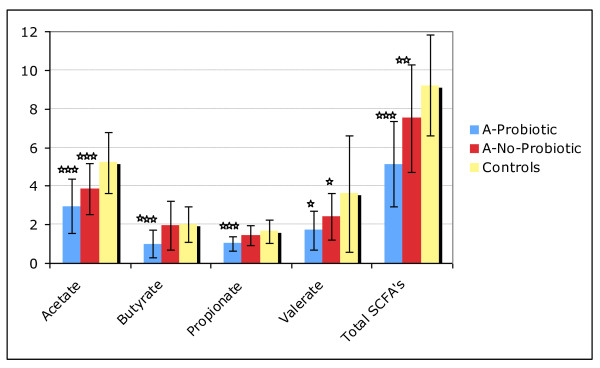
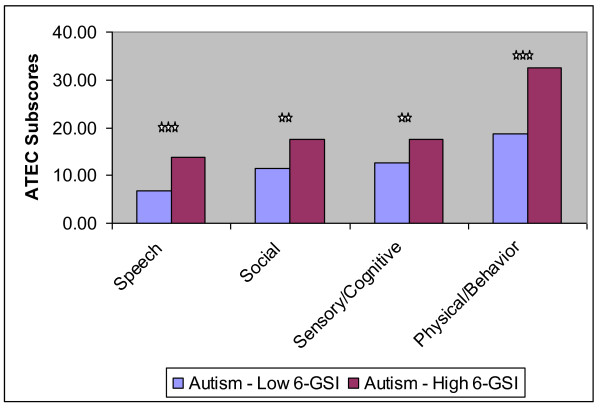
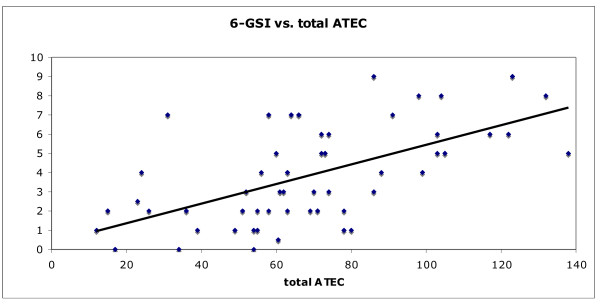
BACKGROUND: Children with autism have often been reported to have gastrointestinal problems that are more frequent and more severe than in children from the general population. METHODS: Gastrointestinal flora and gastrointestinal status were assessed from stool samples of 58 children with Autism Spectrum Disorders (ASD) and 39 healthy typical children of similar ages. Stool testing included bacterial and yeast culture tests, lysozyme, lactoferrin, secretory IgA, elastase, digestion markers, short chain fatty acids (SCFA's), pH, and blood presence. Gastrointestinal symptoms were assessed with a modified six-item GI Severity Index (6-GSI) questionnaire, and autistic symptoms were assessed with the Autism Treatment Evaluation Checklist (ATEC). RESULTS: Gastrointestinal symptoms (assessed by the 6-GSI) were strongly correlated with the severity of autism (assessed by the ATEC), (r = 0.59, p < 0.001). Children with 6-GSI scores above 3 had much higher ATEC Total scores than those with 6-GSI-scores of 3 or lower (81.5 +/- 28 vs. 49.0 +/- 21, p = 0.00002).Children with autism had much lower levels of total short chain fatty acids (-27%, p = 0.00002), including lower levels of acetate, proprionate, and valerate; this difference was greater in the children with autism taking probiotics, but also significant in those not taking probiotics. Children with autism had lower levels of species of Bifidobacter (-43%, p = 0.002) and higher levels of species of Lactobacillus (+100%, p = 0.00002), but similar levels of other bacteria and yeast using standard culture growth-based techniques. Lysozyme was somewhat lower in children with autism (-27%, p = 0.04), possibly associated with probiotic usage. Other markers of digestive function were similar in both groups. CONCLUSIONS: The strong correlation of gastrointestinal symptoms with autism severity indicates that children with more severe autism are likely to have more severe gastrointestinal symptoms and vice versa. It is possible that autism symptoms are exacerbated or even partially due to the underlying gastrointestinal problems. The low level of SCFA's was partly associated with increased probiotic use, and probably partly due to either lower production (less sacchrolytic fermentation by beneficial bacteria and/or lower intake of soluble fiber) and/or greater absorption into the body (due to longer transit time and/or increased gut permeability).
Overview
The claims and statistics of this paper haven’t been checked yet.
Free: it reads the open-access text and checks the first 5 claims that cite a source we can check. Create a free account to check every claim.
Integrity signals
Registry
Cites
Statistics
Figures
Verification
Claims the paper makes
The claims and statistics of this paper haven’t been checked yet.
Free: it reads the open-access text and checks the first 5 claims that cite a source we can check. Create a free account to check every claim.
Claims other papers make about this one
Each is checked against this paper’s own text: does it say what the citing paper says it does?
The cited source doesn’t support the claim as written.
In the citing paper
“Several studies found lower levels of fecal SCFA, including butyrate in feces of ASD children [53, 64], while a 2012 study found increased ammonia and SCFA including acetic, butyric, isobutyric, valeric, and isovaleric acids in ASD [61].”
From The Gut Microbiota and Dysbiosis in Autism Spectrum Disorders (2018) · cites this paper as [53]
Checked by a reasoning model — may be wrong.
Experimental — accuracy not yet measuredThe source backs part of the claim, not all of it — or backs it for a different population, condition or comparison.
In the citing paper
“In the order Lactobacillales and family Streptococcaceae, Streptococcus results (not S. thermophilus) corroborated an overall decrease in counts and percentage in ASD cases when statistical significance was reached [30, 31, 33, 37, 41].”
From Gut microbiota changes in children with autism spectrum disorder: a systematic review (2020) · cites this paper as [30]
Experimental — accuracy not yet measuredThe source backs part of the claim, not all of it — or backs it for a different population, condition or comparison.
In the citing paper
“however, upon a closer look at Bifidobacterium, consistently lower counts and proportions were found in children with ASD versus their siblings [31, 52] or controls [30, 38, 47].”
From Gut microbiota changes in children with autism spectrum disorder: a systematic review (2020) · cites this paper as [30]
Experimental — accuracy not yet measuredThe source backs part of the claim, not all of it — or backs it for a different population, condition or comparison.
In the citing paper
“Moreover, ASD patients seem to be characterized by both elevated levels of SCFA concentrations in stool and serum, and increased level of SCFA-producing bacteria (e.g., Clostridia, Desulfovibrio, and Bacteroides) [29,36,180].”
From Autism, Gastrointestinal Symptoms and Modulation of Gut Microbiota by Nutritional Interventions (2019) · cites this paper as [29]
Experimental — accuracy not yet measuredThe cited source says what the claim attributes to it.
In the citing paper
“Moreover, has been reported that the severity of gastrointestinal disorders in children with ASD may be closely linked to the intensity of neuropsychiatric symptoms, with more severe GI issues observed in individuals with more pronounced neuropsychiatric symptoms, and vice versa [33,34].”
From The Prevalence and Clinical Significance of Toe Walking in Autism Spectrum Disorder: A Cross-Sectional Study in an Italian Pediatric Sample (2025) · cites this paper as [33]
17 more claims about this paper
Create a free account to see every claim other papers make about this one.
Self-check
Percentages, sums and reported differences re-computed from the paper’s own numbers.
The self-check needs the paper’s full text.
Citations
Cites
Topping, D. L., & Clifton, P. M. (2001) · Physiological Reviews · doi:10.1152/physrev.2001.81.3.1031 · Cited by 3,091 · cited 2×
“Decreased levels may reflect insufficient normal colonic flora, a diet low in soluble fiber, or prolonged intestinal transit time [ 39 ].”
BackgroundPyrosequencing study of fecal microflora of autistic and control children
Finegold, S. M., Dowd, S. E., Gontcharova, V., Liu, C., Henley, K. E., Wolcott, R. D., Youn, E., Summanen, P. H., Granpeesheh, D., Dixon, D., et al. (2010) · Anaerobe · doi:10.1016/j.anaerobe.2010.06.008 · Cited by 977 · cited 4×
“Feingold’s pyrosequencing study [14] estimated that typical children normally have about 500-600 species of bacteria in their gut and estimated that children with autism have about twice that, so it is important to remember that we are only able to culture a small fraction of the species present.”
BackgroundMethodResultInfluentialNutritional and physiologic significance of human milk proteins
Lönnerdal, B. (2003) · The American Journal of Clinical Nutrition · doi:10.1093/ajcn/77.6.1537s · Cited by 878 · cited 1×
“Infants fed formula without lysozyme have three times the rate of diarrheal disease [43].”
BackgroundParracho, H. M., Bingham, M. O., Gibson, G. R., & McCartney, A. L. (2005) · Journal of Medical Microbiology · doi:10.1099/jmm.0.46101-0 · Cited by 784 · cited 2×
“Parracho et al. 2005 [13] used another culture-independent technique, fluorescence in situ hybridization (FISH) targeting Clostridium groups, and reported differences in the gut microflora of children with ASD compared to healthy children.”
BackgroundMethodGastrointestinal Microflora Studies in Late‐Onset Autism
Finegold, S. M., Molitoris, D., Song, Y., Liu, C., Vaisanen, M., Bolte, E., McTeague, M., Sandler, R., Wexler, H., Marlowe, E. M., et al. (2002) · Clinical Infectious Diseases · doi:10.1086/341914 · Cited by 742 · cited 2×
“Finegold et al. 2002 [11] studied fecal samples from 13 children with late-onset autism and 8 controls.”
BackgroundShort-Term Benefit From Oral Vancomycin Treatment of Regressive-Onset Autism
Sandler, R. H., Finegold, S. M., Bolte, E. R., Buchanan, C. P., Maxwell, A. P., Väisänen, M.-L., Nelson, M. N., & Wexler, H. M. (2000) · Journal of Child Neurology · doi:10.1177/088307380001500701 · Cited by 614 · cited 2×
“Additionally Desulfovibrio species and Bacteroides vulgatus were present in higher numbers in autistic than controls Treatment studies using a minimally absorbed oral antibiotic (vancomycin) to treat abnormal gut flora showed significant temporary improvements in behavior for children with late-onset autism [15], but…”
BackgroundReal-Time PCR Quantitation of Clostridia in Feces of Autistic Children
Song, Y., Liu, C., & Finegold, S. M. (2004) · Applied and Environmental Microbiology · doi:10.1128/aem.70.11.6459-6465.2004 · Cited by 556
de Magistris, L., Familiari, V., Pascotto, A., Sapone, A., Frolli, A., Iardino, P., Carteni, M., De Rosa, M., Francavilla, R., Riegler, G., et al. (2010) · Journal of Pediatric Gastroenterology and Nutrition · doi:10.1097/mpg.0b013e3181dcc4a5 · Cited by 546
MACFABE, D., CAIN, D., RODRIGUEZCAPOTE, K., FRANKLIN, A., HOFFMAN, J., BOON, F., TAYLOR, A., KAVALIERS, M., & OSSENKOPP, K. (2007) · Behavioural Brain Research · doi:10.1016/j.bbr.2006.07.025 · Cited by 497 · cited 3×
“2007 [17], which demonstrates that SCFA’s can induce autistic-like symptoms when injected into rats.”
BackgroundVolatile organic compounds from feces and their potential for diagnosis of gastrointestinal disease
Garner, C. E., Smith, S., de Lacy Costello, B., White, P., Spencer, R., Probert, C. S. J., & Ratcliffem, N. M. (2007) · The FASEB Journal · doi:10.1096/fj.06-6927com · Cited by 439
Research works printed but not linked: 4
- Rimland B Edelson S Autism Treatment Evaluation Checklist: Statistical Analyses 2000 Autism Research Institute, San Diego, CA
- Dugad L Performance Verification of Lysozyme ELISA Test Kit Verification 105 2007 Doctor's Data, Inc. Saint Charles, Illinois
- Dugad L Wu Z PerformanceVerification of Lactoferrin ELISA Test Kit of Fecal Verification 104 2007 Doctor's Data Inc, Saint Charles, Illinois
- Edelson S Parent Ratings of Behavioral Effects of Biomedical Interventions 2010 Autism Research Institute, Publication 34, San Diego, CA
Cited by
Items 201–300 of 1,000
Beneficial effects of butyrate on brain functions: A view of epigenetic
Alpino, G. D. C. Á., Pereira-Sol, G. A., Dias, M. D. M. E., Aguiar, A. S. D., & Peluzio, M. D. C. G. (2024) · Critical Reviews in Food Science and Nutrition · doi:10.1080/10408398.2022.2137776 · Cited by 110
“Evidences from animals and humans suggest that perturbation of gut microbiota and its metabolites are part of the genesis and development of ASD (Adams et al. 2011; Srikantha and Mohajeri 2019; Fattorusso et al. 2019).”
BackgroundInfluentialWang, X., Yang, J., Zhang, H., Yu, J., & Yao, Z. (2019) · Autism Research · doi:10.1002/aur.2079 · Cited by 107
Brydges, C. R., Fiehn, O., Mayberg, H. S., Schreiber, H., Dehkordi, S. M., Bhattacharyya, S., Cha, J., Choi, K. S., Craighead, W. E., Krishnan, R. R., et al. (2021) · Scientific Reports · doi:10.1038/s41598-021-99845-1 · Cited by 98
Versatile Triad Alliance: Bile Acid, Taurine and Microbiota
Duszka, K. (2022) · Cells · doi:10.3390/cells11152337 · Cited by 110
Grimaldi, R., Cela, D., Swann, J. R., Vulevic, J., Gibson, G. R., Tzortzis, G., & Costabile, A. (2017) · FEMS Microbiology Ecology · doi:10.1093/femsec/fiw233 · Cited by 109
“It was hypothesised that this was due to a compromised microbiota characterised by a lower number of bifidobacteria, consistent with microbial signatures observed here (Adams et al .”
Eltokhi, A., Janmaat, I. E., Genedi, M., Haarman, B. C. M., & Sommer, I. E. C. (2020) · Journal of Neuroscience Research · doi:10.1002/jnr.24616 · Cited by 98
Molina‐López, J., Leiva‐García, B., Planells, E., & Planells, P. (2021) · International Journal of Eating Disorders · doi:10.1002/eat.23631 · Cited by 108
Sichel, J. (2013) · Journal of Probiotics & Health · doi:10.4172/2329-8901.1000102 · Cited by 89
“ASD children have been shown to have lower levels of Bifidobacterium compared to controls, and higher levels of Lactobacilli [29,31].”
ResultMucosa-interfacing electronics
Nan, K., Feig, V. R., Ying, B., Howarth, J. G., Kang, Z., Yang, Y., & Traverso, G. (2022) · Nature Reviews Materials · doi:10.1038/s41578-022-00477-2 · Cited by 109
Intestinal inflammation in a murine model of autism spectrum disorders
de Theije, C. G. M., Koelink, P. J., Korte-Bouws, G. A. H., da Silva, S. L., Korte, S. M., Olivier, B., Garssen, J., & Kraneveld, A. D. (2013) · Brain Behavior and Immunity · doi:10.1016/j.bbi.2013.12.004 · Cited by 111
“Since gastrointestinal deficits have been suggested to contribute to the development or severity of autistic behaviour (Adams et al., 2011), a considerable number of ASD patients is on a specific diet to improve gastrointestinal function and behaviour (Levy and Hyman, 2003).”
BackgroundZinc in Gut-Brain Interaction in Autism and Neurological Disorders
Vela, G., Stark, P., Socha, M. T., Sauer, A. K., Hagmeyer, S., & Grabrucker, A. M. (2015) · Neural Plasticity · doi:10.1155/2015/972791 · Cited by 110
“The stronger the GI symptoms are, the more likely children presented severe autistic symptoms [53].”
BackgroundSanctuary, M. R., Kain, J. N., Angkustsiri, K., & German, J. B. (2018) · Frontiers in Nutrition · doi:10.3389/fnut.2018.00040 · Cited by 96
“There is a strong correlation between the presence of gastrointestinal symptoms and autism severity (15) as ASD patients with gastrointestinal symptoms display higher measures of irritability, anxiety and social withdrawal (16).”
BackgroundAutism Spectrum Disorder and the Gut Microbiota in Children: A Systematic Review
Bezawada, N., Phang, T. H., Hold, G. L., & Hansen, R. (2020) · Annals of Nutrition and Metabolism · doi:10.1159/000505363 · Cited by 95
Eating and feeding problems and gastrointestinal dysfunction in Autism Spectrum Disorders
Vissoker, R. E., Latzer, Y., & Gal, E. (2015) · Research in Autism Spectrum Disorders · doi:10.1016/j.rasd.2014.12.010 · Cited by 105
“Lower levels of beneficial bacterial strains such as bifidobacterium have also been reported (Adams et al., 2011).”
BackgroundRole of gastrointestinal health in managing children with autism spectrum disorder
Al‐Beltagi, M., Saeed, N. K., Bediwy, A. S., Elbeltagi, R. M., & Alhawamdeh, R. (2023) · World Journal of Clinical Pediatrics · doi:10.5409/wjcp.v12.i4.171 · Cited by 106
Man and the Microbiome: A New Theory of Everything?
Butler, M. I., Cryan, J. F., & Dinan, T. G. (2019) · Annual Review of Clinical Psychology · doi:10.1146/annurev-clinpsy-050718-095432 · Cited by 90
Tartaglione, A. M., Villani, A., Ajmone-Cat, M. A., Minghetti, L., Ricceri, L., Pazienza, V., De Simone, R., & Calamandrei, G. (2022) · Translational Psychiatry · doi:10.1038/s41398-022-02149-9 · Cited by 91
“Children with ASD are 4 times more likely to suffer than neurotypical children from gastrointestinal (GI) disorders whose severity is related to that of their behavioral symptoms [14, 15].”
BackgroundInfants and elderlies are susceptible to zinc deficiency
Yasuda, H., & Tsutsui, T. (2016) · Scientific Reports · doi:10.1038/srep21850 · Cited by 95
Evaluation of Intestinal Function in Children With Autism and Gastrointestinal Symptoms
Kushak, R. I., Buie, T. M., Murray, K. F., Newburg, D. S., Chen, C., Nestoridi, E., & Winter, H. S. (2016) · Journal of Pediatric Gastroenterology and Nutrition · doi:10.1097/mpg.0000000000001174 · Cited by 88
“Studies suggest that children who have more severe gastrointestinal symptoms as assessed by a Gastrointestinal Severity Index have more serious behaviors (14).”
BackgroundLim, J. S., Lim, M. Y., Choi, Y., & Ko, G. (2017) · Molecular Brain · doi:10.1186/s13041-017-0292-0 · Cited by 84
“Moreover, children with ASD are commonly burdened with various gastrointestinal (GI) disorders [4] ranging from mild GI discomfort and constipation [49] to inflammatory bowel disease (IBD).”
Interactions between the microbiota and enteric nervous system during gut-brain disorders
Fried, S. G., Wemelle, E., Cani, P. D., & Knauf, C. (2021) · Neuropharmacology · doi:10.1016/j.neuropharm.2021.108721 · Cited by 102
Damiani, F., Cornuti, S., & Tognini, P. (2023) · Neuropharmacology · doi:10.1016/j.neuropharm.2023.109491 · Cited by 100
The microbiota–microglia axis in central nervous system disorders
Mossad, O., & Erny, D. (2020) · Brain Pathology · doi:10.1111/bpa.12908 · Cited by 98
“Currently, Children with ASD are reported to have both lower (147) and higher (148) fecal SCFA levels than controls.”
BackgroundGastrointestinal involvement of autism spectrum disorder: focus on gut microbiota
Settanni, C. R., Bibbò, S., Ianiro, G., Rinninella, E., Cintoni, M., Mele, M. C., Cammarota, G., & Gasbarrini, A. (2021) · Expert Review of Gastroenterology & Hepatology · doi:10.1080/17474124.2021.1869938 · Cited by 98
“correlation of GI symptoms with ASD severity, indicating that it is possible that the typical ASD behaviors are exacerbated or even partially due to the underlying GI problems[53].”
BackgroundHolder, M. K., Peters, N. V., Whylings, J., Fields, C. T., Gewirtz, A. T., Chassaing, B., & de Vries, G. J. (2019) · Scientific Reports · doi:10.1038/s41598-018-36890-3 · Cited by 85
Gut microbiome interventions in human health and diseases
Nie, P., Li, Z., Wang, Y., Zhang, Y., Zhao, M., Luo, J., Du, S., Deng, Z., Chen, J., Wang, Y., et al. (2019) · Medicinal Research Reviews · doi:10.1002/med.21584 · Cited by 99
The Promising Role of Probiotics in Managing the Altered Gut in Autism Spectrum Disorders
Abdellatif, B., McVeigh, C., Bendriss, G., & Chaari, A. (2020) · International Journal of Molecular Sciences · doi:10.3390/ijms21114159 · Cited by 84
A Pilot Proteomic Analysis of Salivary Biomarkers in Autism Spectrum Disorder
Wetie, A. G. N., Wormwood, K. L., Russell, S., Ryan, J. P., Darie, C. C., & Woods, A. G. (2015) · Autism Research · doi:10.1002/aur.1450 · Cited by 100
“Gastrointestinal symptoms correspond with ASD severity and gastrointestinal symptoms are common in individuals with ASD [Adams et al., 2011].”
BackgroundParent-Reported Gastro-intestinal Symptoms in Children with Autism Spectrum Disorders
Chandler, S., Carcani-Rathwell, I., Charman, T., Pickles, A. R., Loucas, T., Meldrum, D., Simonoff, E. A., Sullivan, P. B., & Baird, G. (2013) · Journal of Autism and Developmental Disorders · doi:10.1007/s10803-013-1768-0 · Cited by 97
“Some studies report a positive association between GI symptoms and greater severity of ASD symptoms (Adams et al. 2011; Wang et al. 2011), increased social impairment and lack of expressive language (Gorrindo et al.”
BackgroundA Meta-analysis of Gut Microbiota in Children with Autism
Andreo-Martínez, P., Rubio-Aparicio, M., Sánchez-Meca, J., Veas, A., & Martínez-González, A. E. (2022) · Journal of Autism and Developmental Disorders · doi:10.1007/s10803-021-05002-y · Cited by 96
“selected articles (Parracho et al. 2005; Finegold et al. 2010; Adams et al. 2011; Williams et al. 2011; Wang et al. 2011; Williams et al. 2012; Wang et al. 2013; De Angelis et al. 2013; Kang et al. 2013; Inoue et al. 2016; Iovene et al. 2017; Finegold et al. 2017; Kang et al. 2018; Coretti et al. 2018; Zhang et al. 20…”
BackgroundHung, L. Y., & Margolis, K. G. (2024) · Nature Reviews Gastroenterology & Hepatology · doi:10.1038/s41575-023-00857-1 · Cited by 96
Food allergy and food‐based therapies in neurodevelopmental disorders
de Theije, C. G. M., Bavelaar, B. M., Lopes da Silva, S., Korte, S. M., Olivier, B., Garssen, J., & Kraneveld, A. D. (2014) · Pediatric Allergy and Immunology · doi:10.1111/pai.12149 · Cited by 71
“A recent study demonstrated lower levels of Bifidobacterium and higher levels of Lactobacillus in ASD, both considered to be beneficial bacteria (89).”
ResultFuture Directions for Research in Autism Spectrum Disorders
Damiano, C. R., Mazefsky, C. A., White, S. W., & Dichter, G. S. (2014) · Journal of Clinical Child & Adolescent Psychology · doi:10.1080/15374416.2014.945214 · Cited by 73
Association of Autism Spectrum Disorders and Inflammatory Bowel Disease
Lee, M., Krishnamurthy, J., Susi, A., Sullivan, C. A., Gorman, G. H., Hisle-Gorman, E. J., Erdie-Lalena, C. R., & Nylund, C. M. (2017) · Journal of Autism and Developmental Disorders · doi:10.1007/s10803-017-3409-5 · Cited by 96
“(2013) discovered overlapping gene expression from the GI tract of children with ASD and from children with just IBD, and several studies showed a possible gutbrain association with ASD population exhibiting intestinal tight junction dysfunction, changes in GI flora, gut dysbacteriosis, and autoimmune association (D’E…”
BackgroundOral microbiome activity in children with autism spectrum disorder
Hicks, S. D., Uhlig, R., Afshari, P., Williams, J. R., Chroneos, M. Z., Tierney‐Aves, C., Wagner, K. E., & Middleton, F. A. (2018) · Autism Research · doi:10.1002/aur.1972 · Cited by 97
Heberling, C., Dhurjati, P., & Sasser, M. (2012) · Medical Hypotheses · doi:10.1016/j.mehy.2012.11.044 · Cited by 95
“Thus far though, probiotics have had limited effect on individuals with autism [2].”
BackgroundResultInfluentialZuffa, S., Schimmel, P., Gonzalez-Santana, A., Belzer, C., Knol, J., Bölte, S., Falck‐Ytter, T., Forssberg, H., Swann, J. R., & Heijtz, R. D. (2023) · Translational Psychiatry · doi:10.1038/s41398-023-02556-6 · Cited by 93
Blood Glutamate Levels in Autism Spectrum Disorder: A Systematic Review and Meta-Analysis
Zheng, Z., Zhu, T., Qu, Y., & Mu, D. (2016) · PLOS ONE · doi:10.1371/journal.pone.0158688 · Cited by 83
“Particular eating habits, dietary patterns [34] and functional gastrointestinal abnormalities [35] have been observed in ASD.”
BackgroundAnalysis of the Duodenal Microbiome in Autistic Individuals: Association With Carbohydrate Digestion
Kushak, R. I., Winter, H. S., Buie, T. M., Cox, S. B., Phillips, C. D., & Ward, N. L. (2017) · Journal of Pediatric Gastroenterology and Nutrition · doi:10.1097/mpg.0000000000001458 · Cited by 92
The gut microbiota in neuropsychiatric disorders
Grochowska, M., Wojnar, M., & Radkowski, M. (2018) · Acta Neurobiologiae Experimentalis · doi:10.21307/ane-2018-008 · Cited by 92
“…levels of Firmicutes and higher of Bacteroi‑ des) (Finegold et al. 2010), the increase of: Bacteroidetes, Alcaligenaceae family, Lactobacillus and Sutterella genera, and the decreased levels of Prevotella spp. and Bifidobacterium spp. (Adams et al. 2011, Finegold et al. 2010, Kang et al. 2013).”
BackgroundSlow intestinal transit contributes to elevate urinary p‐cresol level in Italian autistic children
Gabriele, S., Sacco, R., Altieri, L., Neri, C., Urbani, A., Bravaccio, C., Riccio, M. P., Iovene, M. R., Bombace, F., De Magistris, L., et al. (2016) · Autism Research · doi:10.1002/aur.1571 · Cited by 81
Chen, Y.-C., Lin, H.-Y., Chien, Y., Tung, Y.-H., Ni, Y.-H., & Gau, S. S.-F. (2022) · Brain, Behavior, and Immunity · doi:10.1016/j.bbi.2022.08.015 · Cited by 67
“Such GI distress may be related to alterations in the gut microbiota (Adams et al., 2011; Coury et al., 2012), which are microbial communities inhabiting the GI tracts (Morais et al.”
Severity of Autism Spectrum Disorders: Current Conceptualization, and Transition to DSM-5
Mehling, M. H., & Tassé, M. J. (2016) · Journal of Autism and Developmental Disorders · doi:10.1007/s10803-016-2731-7 · Cited by 89
Kantarcioglu, A. S., Kiraz, N., & Aydin, A. (2016) · Mycopathologia · doi:10.1007/s11046-015-9949-3 · Cited by 89
“Although Candida species normally colonize mucosal surfaces of the gastrointestinal system in an asymptomatic manner and is unable to grow excessively due to the competition and suppression of bacteria, scientists have noted that some autistic people have excessive amounts of Candida albicans in their intestinal tract…”
BackgroundRudzki, L., & Szulc, A. (2018) · Frontiers in Psychiatry · doi:10.3389/fpsyt.2018.00205 · Cited by 80
The impact of glutathione metabolism in autism spectrum disorder
Bjørklund, G., Doşa, M. D., Maes, M. H. J., Dadar, M., Frye, R. E., Peana, M., & Chirumbolo, S. (2021) · Pharmacological Research · doi:10.1016/j.phrs.2021.105437 · Cited by 89
Gut microbiota regulates key modulators of social behavior
Parashar, A., & Udayabanu, M. (2016) · European Neuropsychopharmacology · doi:10.1016/j.euroneuro.2015.11.002 · Cited by 88
“autism, multiple sclerosis) (Adams et al., 2011; de Theije et al., 2011; Finegold et al., 2010; Berer et al., 2011; Lee et al., 2011), metabolic disorders (e.”
Does the Human Gut Microbiota Contribute to the Etiology of Autism Spectrum Disorders?
Louis, P. (2012) · Digestive Diseases and Sciences · doi:10.1007/s10620-012-2286-1 · Cited by 90
Approaches to studying and manipulating the enteric microbiome to improve autism symptoms
Frye, R. E., Slattery, J., MacFabe, D. F., Allen-Vercoe, E., Parker, W., Rodakis, J., Adams, J. B., Krajmalnik-Brown, R., Bolte, E., Kahler, S., et al. (2015) · Microbial Ecology in Health & Disease · doi:10.3402/mehd.v26.26878 · Cited by 73
“One study that specifically examined yeast in the gut demonstrated no difference between ASD and typically developing children (37).”
BackgroundMethodSelf-citationZhong, H., Xu, J., Yang, M., Hussain, M., Liu, X., Feng, F., & Guan, R. (2023) · Nutrients · doi:10.3390/nu15030496 · Cited by 88
“In an 8-week vitamin and high-fat diet-induced rat model, oral administration of purified anthocyanins from L. ruthenicum (LRPA) significantly increased HDL-C concentrations and the abundance of Bifidobacteria, Lactobacillus spp., while decreasing serum levels of TG, TNF-α, IL-6, and atherogenic index, suggesting that…”
ResultInfluentialHe, J., Gong, X., Hu, B., Lin, L., Lin, X., Gong, W., Zhang, B., Cao, M., Xu, Y., Xia, R., et al. (2023) · Scientific Reports · doi:10.1038/s41598-023-46566-2 · Cited by 89
“Additionally, it has been shown that patients with ASD who take probiotics (including Lactobacillus spp.) have lower concentrations of PPA in the faeces 56 .”
BackgroundScortichini, S., Boarelli, M. C., Silvi, S., & Fiorini, D. (2020) · Journal of Chromatography B · doi:10.1016/j.jchromb.2020.121972 · Cited by 87
Ghaffari, S., Abbasi, A., Somi, M. H., Moaddab, S. Y., Nikniaz, L., Kafil, H. S., & Leylabadlo, H. E. (2022) · Critical Reviews in Food Science and Nutrition · doi:10.1080/10408398.2022.2045894 · Cited by 88
“In some studies, it is reported that GI problems are correlated with autism severity (Adams et al. 2011).”
BackgroundA role for the peripheral immune system in the development of alcohol use disorders?
de Timary, P., Stärkel, P., Delzenne, N. M., & Leclercq, S. (2017) · Neuropharmacology · doi:10.1016/j.neuropharm.2017.04.013 · Cited by 89
“…and social interactions have never been assessed in AUD, but the role of the gut has been related to difficulties in social interaction in human (Adams et al., 2011, Finegold et al., 2010, De Angelis et al., 2013) and animal (Hsiao et al., 2013) models of autistic spectrum disorders, and at…”
Slattery, J., Macfabe, D. F., & Frye, R. E. (2016) · Clinical Medicine Insights: Pediatrics · doi:10.4137/cmped.s38338 · Cited by 71
Alteration of Gut Microbiota: New Strategy for Treating Autism Spectrum Disorder
Liu, J., Gao, Z., Chuanqi, L., Liu, T., Gao, J., Cai, Y., & Fan, X. (2022) · Frontiers in Cell and Developmental Biology · doi:10.3389/fcell.2022.792490 · Cited by 87
Diagnostic opportunities based on skin biomarkers
Paliwal, S., Hwang, B. H., Tsai, K. Y., & Mitragotri, S. (2012) · European Journal of Pharmaceutical Sciences · doi:10.1016/j.ejps.2012.10.009 · Cited by 85
“, 2009) and autism (Adams et al., 2011).”
Julio-Pieper, M., Bravo, J. A., Aliaga, E., & Gotteland, M. (2014) · Alimentary Pharmacology & Therapeutics · doi:10.1111/apt.12950 · Cited by 84
Patusco, R., & Ziegler, J. (2018) · Advances in Nutrition · doi:10.1093/advances/nmy031 · Cited by 75
Anatomical localization of commensal bacteria in immune cell homeostasis and disease
Fung, T. C., Artis, D., & Sonnenberg, G. F. (2014) · Immunological Reviews · doi:10.1111/imr.12186 · Cited by 70
Staude, B., Oehmke, F., Lauer, T., Behnke, J., Göpel, W., Schloter, M., Schulz, H., Krauss‐Etschmann, S., & Ehrhardt, H. (2018) · BioMed Research International · doi:10.1155/2018/7218187 · Cited by 85
Ahmed, S. M., El-Hefnawy, A. M., Azouz, H. G., Roshdy, Y. S., Ashry, M. H., Ibrahim, A. E., & Meheissen, M. A. (2020) · Journal of Molecular Neuroscience · doi:10.1007/s12031-020-01500-3 · Cited by 84
Kim, J. Y., Choi, M., Ha, S., Hwang, J., Koyanagi, A., Dragioti, E., Raduà, J., Smith, L., Jacob, L., de Pablo, G. S., et al. (2021) · Autism Research · doi:10.1002/aur.2656 · Cited by 83
“…links between ASD and IBD, including a dysfunction in the intestinal tight junction in ASD, which leads to a change in the gut’s permeability (d’Eufemia et al., 1996) and distinctive gut microbiomes in children with ASD compared to neurotypical children (Adams et al., 2011; Gondalia et al., 2012).”
BackgroundResultMezzelani, A., Landini, M., Facchiano, F., Raggi, M. E., Villa, L., Molteni, M., De Santis, B., Brera, C., Caroli, A. M., Milanesi, L., et al. (2015) · Nutritional Neuroscience · doi:10.1179/1476830513y.0000000108 · Cited by 71
Behavioral Phenotype of ASD Preschoolers with Gastrointestinal Symptoms or Food Selectivity
Prosperi, M., Santocchi, E., Balboni, G., Narzisi, A., Bozza, M., Fulceri, F., Apicella, F., Igliozzi, R., Cosenza, A., Tancredi, R., et al. (2017) · Journal of Autism and Developmental Disorders · doi:10.1007/s10803-017-3271-5 · Cited by 82
“Abdominal pain, constipation or diarrhea are unpleasant and could be associated with impairment in attention and concentration, self-damaging acts, and agitation especially in children who are not able to communicate their discomfort (Horvath and Perman 2002b; Buie et al. 2010b; Adams et al. 2011; Kral et al. 2013; Fu…”
BackgroundResultInfluentialAğagündüz, D., Bingöl, F. G., Çelik, E., Cemali, Ö., Özenir, Ç., Özoğul, F., & Capasso, R. (2022) · Journal of Translational Medicine · doi:10.1186/s12967-022-03609-y · Cited by 82
“– [33] – Prevotella Coprococcus Veillonellaceae [34] Lactobacillus Bifidobacter [35] – Sutterella spp.”
BackgroundSerum zonulin and claudin-5 levels in patients with bipolar disorder
Kılıç, F., Işık, Ü., Demirdaş, A., Doğuç, D. K., & Bozkurt, M. (2020) · Journal of Affective Disorders · doi:10.1016/j.jad.2020.01.117 · Cited by 81
Hsu, C., Khachatryan, L., Younis, N. K., Mustafa, M. A., Ahmad, N., Athab, Z. H., Валерьевна, П. А., Викторовна, К. Е., Mirzaei, R., & Karampoor, S. (2024) · Frontiers in Microbiology · doi:10.3389/fmicb.2024.1456793 · Cited by 83
Tirouvanziam, R. M., Obukhanych, T. V., Laval, J., Aronov, P. A., Libove, R. A., Banerjee, A. G., Parker, K. J., O'Hara, R. M., Herzenberg, L. A., Herzenberg, L. A., et al. (2011) · Journal of Autism and Developmental Disorders · doi:10.1007/s10803-011-1314-x · Cited by 81
“Peculiar dietary habits (Ahearn et al. 2001; Schreck et al. 2004), diet selectivity (Arnold et al. 2003), functional GI abnormalities (Adams et al. 2011), and altered intestinal bacterial microflora (Finegold et al. 2010) have been observed in children with ASD.”
BackgroundHorwood, P. F., Tarantola, A., Goarant, C., Matsui, M., Klement-Frutos, E., Umezaki, M., Navarro, S., & Greenhill, A. R. (2019) · Frontiers in Immunology · doi:10.3389/fimmu.2019.02184 · Cited by 81
Onaolapo, A. Y., & Onaolapo, O. J. (2021) · World Journal of Psychiatry · doi:10.5498/wjp.v11.i7.297 · Cited by 81
AL-Ayadhi, L. Y., Zayed, N., Bhat, R. S., Moubayed, N., Al-Muammar, M. N., & El-Ansary, A. (2021) · Gut Pathogens · doi:10.1186/s13099-021-00448-y · Cited by 81
“FC is stable in feces, and can be measured as a marker of intestinal inflammation–induced leaky gut [49, 50].”
BackgroundOral microbiota and autism spectrum disorder (ASD)
Olsen, I., & Hicks, S. D. (2019) · Journal of Oral Microbiology · doi:10.1080/20002297.2019.1702806 · Cited by 80
Cao, X., Lin, P., Jiang, P. X., & Li, C. (2013) · PubMed · doi:10.3969/j.issn.1002-0829.2013.06.003 · Cited by 60
“Among the included studies, seven([19-21,23,24,26,27]) evaluated the microorganisms using cultures.”
BackgroundResultInfluentialNeuromicrobiology: How Microbes Influence the Brain
de la Fuente-Nunez, C., Meneguetti, B. T., Franco, O. L., & Lu, T. K. (2018) · ACS Chemical Neuroscience · doi:10.1021/acschemneuro.7b00373 · Cited by 67
Autism Spectrum Disorder from the Womb to Adulthood: Suggestions for a Paradigm Shift
Panisi, C., Guerini, F. R., Abruzzo, P. M., Balzola, F. A., Biava, P. M., Bolotta, A., Brunero, M., Burgio, E., Chiara, A., Clerici, M., et al. (2021) · Journal of Personalized Medicine · doi:10.3390/jpm11020070 · Cited by 80
“Studies report a wide range of variability of GI symptoms, from 9 to 70% [184].”
BackgroundDysbiosis of Gut Fungal Microbiota in Children with Autism Spectrum Disorders
Zou, R., Wang, Y., Duan, M., Guo, M., Zhang, Q., & Zheng, H. (2020) · Journal of Autism and Developmental Disorders · doi:10.1007/s10803-020-04543-y · Cited by 79
“Among several comorbidities in ASD, gastrointestinal (GI) dysfunctions are quite common, given its great prevalence and strong correlation with symptom severity (Adams et al. 2011).”
BackgroundMarzal, L. N. P., Rojas-Velázquez, D., Rigters, D., Prince, N., Garssen, J., Kraneveld, A. D., Perez‐Pardo, P., & Lopez‐Rincon, A. (2024) · Scientific Reports · doi:10.1038/s41598-023-50601-7 · Cited by 77
Doré, J., Simrén, M., Buttle, L., & Guarner, F. (2013) · United European Gastroenterology Journal · doi:10.1177/2050640613502477 · Cited by 65
“Evidence for altered gut microbiota in ASD is accumulating and includes: higher levels of Bacteriodetes and lower levels of Firmicutes, and an increase in lactobacilli and reduction in bifidobacteria.(25,26)”
BackgroundNiccolai, E., Boem, F., Russo, E., & Amedei, A. (2019) · Nutrients · doi:10.3390/nu11010156 · Cited by 78
Gastrointestinal alterations in autism spectrum disorder: What do we know?
Bjørklund, G., Pivina, L. M., Dadar, M., Meguid, N. A., Semenova, Y. M., Anwar, M., & Chirumbolo, S. (2020) · Neuroscience & Biobehavioral Reviews · doi:10.1016/j.neubiorev.2020.06.033 · Cited by 77
The microbiota, the gut and the brain in eating and alcohol use disorders: A ‘Ménage à Trois’?
Temko, J. E., Bouhlal, S., Farokhnia, M., Lee, M. R., Cryan, J. F., & Leggio, L. (2017) · Alcohol and Alcoholism · doi:10.1093/alcalc/agx024 · Cited by 76
“…autism, anxiety, depression, Parkinson’s disease and schizophrenia has been shown in various preclinical and clinical work (Sudo et al., 2004; Adams et al., 2011; Bravo et al., 2011; Diaz Heijtz et al., 2011; Neufeld et al., 2011; Bendtsen et al., 2012; Cryan and Dinan, 2012; Forsythe et…”
BackgroundThe Impact of Gut Microbiota-Derived Metabolites in Autism Spectrum Disorders
Marzal, L. N. P., Prince, N., Bajić, D., Roussin, L., Naudon, L., Rabot, S., Garssen, J., Kraneveld, A. D., & Perez‐Pardo, P. (2021) · International Journal of Molecular Sciences · doi:10.3390/ijms221810052 · Cited by 78
“[17] USA 58 ASD patients 39 control individuals 50:8 18:21 6.”
BackgroundResultInfluentialAljeradat, B., Kumar, D., Abdulmuizz, S., Kundu, M., Almealawy, Y. F., Batarseh, D. R., Atallah, O., Ennabe, M., Alsarafandi, M., Alan, A., et al. (2024) · Pathophysiology · doi:10.3390/pathophysiology31020019 · Cited by 78
“These symptoms are also reported to correlate with the severity of ASD [73,74], with dysbiosis being, at least partially, the cause of these symptoms [75], as it affects the microbiome’s ability to regulate certain metabolites that can affect both neurobiological conditions and gastrointestinal…”
BackgroundHuman Microbiome: When a Friend Becomes an Enemy
Muszer, M., Noszczyńska, M., Kasperkiewicz, K., & Skurnik, M. (2015) · Archivum Immunologiae et Therapiae Experimentalis · doi:10.1007/s00005-015-0332-3 · Cited by 77
“Desulfovibrio was also found in significantly higher numbers in severely autistic children than in the controls, in contrast to some Bifidobacterium species, which decreased (Adams et al. 2011; Finegold 2011).”
ResultKandeel, W. A., Meguid, N. A., Bjørklund, G., Eid, E. M., Farid, M. N., Mohamed, S. K., Wakeel, K. E., Chirumbolo, S., Elsaeid, A., & Hammad, D. Y. (2020) · Journal of Molecular Neuroscience · doi:10.1007/s12031-020-01482-2 · Cited by 77
A Revolutionizing Approach to Autism Spectrum Disorder Using the Microbiome
Johnson, D., Letchumanan, V., Thurairajasingam, S., & Lee, L. (2020) · Nutrients · doi:10.3390/nu12071983 · Cited by 77
“, constipation, diarrhoea, bloating) have been correlated to gut dysbiosis and severity of autistic symptoms [6,65,134,135].”
BackgroundRistori, M. V., Mortera, S. L., Marzano, V., Guerrera, S., Vernocchi, P., Ianiro, G., Gardini, S., Torre, G., Valeri, G., Vicari, S., et al. (2020) · International Journal of Molecular Sciences · doi:10.3390/ijms21176274 · Cited by 76
Babinska, K., Celusakova, H., Belica, I., Szapuova, Z., Waczulikova, I., Nemcsicsova, D., Tomova, A., & Ostatnikova, D. (2020) · International Journal of Environmental Research and Public Health · doi:10.3390/ijerph17176372 · Cited by 74
“At the same time, symptoms of ASD may be exacerbated due to the underlying GI problems [11].”
BackgroundResultInfluentialImbalance in the Gut Microbiota of Children With Autism Spectrum Disorders
Ding, H., Yi, X., Zhang, X., Wang, H., Liu, H., & Mou, W.-W. (2021) · Frontiers in Cellular and Infection Microbiology · doi:10.3389/fcimb.2021.572752 · Cited by 76
Zhang, J., Zhu, G., Wan, L., Liang, Y., Liu, X., Yan, H., Zhang, B., & Yang, G. (2023) · Frontiers in Psychiatry · doi:10.3389/fpsyt.2023.1123658 · Cited by 53
Natural Products as Mediators of Disease
Garg, N., Luzzatto-Knaan, T., Melnik, A., Caraballo-Rodríguez, A., Floros, D., Petráš, D., Gregor, R., Dorrestein, P., & Phelan, V. (2016) · Natural product reports (Print) · doi:10.1039/c6np00063k · Cited by 54
Microbiota-gut-brain axis in autism spectrum disorder
Yu, Y., & Zhao, F. (2021) · Journal of genetics and genomics/Journal of Genetics and Genomics · doi:10.1016/j.jgg.2021.07.001 · Cited by 75
West, K., Yin, X., Rutherford, E. M., Wee, B., Choi, J., Chrisman, B., Dunlap, K., Hannibal, R. L., Hartono, W., Lin, M., et al. (2022) · Scientific Reports · doi:10.1038/s41598-022-21327-9 · Cited by 73
Gastrointestinal Microbiota and Metabolite Biomarkers in Children With Autism Spectrum Disorders
Wang, L., Conlon, M. A., Christophersen, C. T., Sorich, M. J., & Angley, M. T. (2014) · Biomarkers in Medicine · doi:10.2217/bmm.14.12 · Cited by 70
Zhai, C.-D., Zheng, J.-J., An, B.-C., Huang, H.-F., & Tan, Z.-C. (2019) · Chinese Medical Journal · doi:10.1097/cm9.0000000000000351 · Cited by 72
“Meanwhile, the level of metabolites (short-chain fatty acids [SCFA], NO2-N/NO3-N, and g-aminobutyric acid) generated by gut bacteria could positively and negatively influence on autism spectrum disorders.([15]) It was observed that the abundance of methanogens showed a significant increase in patients with irritable b…”
Inflammation and Mitochondrial Dysfunction in Autism Spectrum Disorder
Gevezova, M., Sarafian, V. S., Anderson, G., & Maes, M. H. J. (2020) · CNS & Neurological Disorders - Drug Targets · doi:10.2174/1871527319666200628015039 · Cited by 72
Pálková, L., Tomova, A., Repiská, G., Babinská, K., Bokor, B., Mikula, I., Minárik, G., Ostatníková, D., & Šoltýs, K. (2021) · Scientific Reports · doi:10.1038/s41598-021-86378-w · Cited by 72
The microbiota-gut-brain axis: An emerging role for the epigenome
Louwies, T., Johnson, A. C., Orock, A. M., Yuan, T., & Meerveld, B. G. (2019) · Experimental Biology and Medicine · doi:10.1177/1535370219891690 · Cited by 73
Roussin, L., Prince, N., Perez‐Pardo, P., Kraneveld, A. D., Rabot, S., & Naudon, L. (2020) · Microorganisms · doi:10.3390/microorganisms8091369 · Cited by 75
“Adams et al. (2011) [34] reported a decrease in total SCFAs in stool of ASD patients while Wang et al. (2012) [35] reported an increase.”
Background
Metadata
- Authors
- Adams, J. B., Johansen, L. J., Powell, L. D., Quig, D., & Rubin, R. A.
- Affiliations
- Arizona State University (US)
- Whittier College (US)
- Corresponding author
- Adams, James B
- ORCID
- Adams, James B
- Venue
- BMC Gastroenterology
- Published
- 2011-03-16
- Volume
- 11
- Issue
- 1
- Pages
- 22-22
- ISSN
- 1471-230X (ISSN-L)
- PMC
- PMC3072352
- OpenAlex
- W1996441448
- Cited by
- 1,076
- References
- 40
- Citations by year
- 2026: 42 · 2025: 76 · 2024: 92 · 2023: 85 · 2022: 100 · 2021: 101 · 2020: 104 · 2019: 99 · 2018: 81 · 2017: 58 · 2016: 59 · 2015: 60 · 2014: 43 · 2013: 38 · 2012: 25
- FWCI
- 15.05
- Type
- journal article
- Language
- en
- Open access
- gold
- doi.org
- Licence
- cc-by
- creativecommons.org/licenses/by/2.0 (tdm)
- Locations
- BMC Gastroenterology (publishedVersion, cc-by)
- Europe PMC (PubMed Central) (publishedVersion, cc-by)
- PubMed Central (publishedVersion, cc-by)
- PubMed (publishedVersion)
- Arizona State University Library Digital Repository (Arizona State University) (submittedVersion, cc-by)
- DOAJ (DOAJ: Directory of Open Access Journals) (submittedVersion, cc-by-sa)
- Funders
- Autism Research Institute
- Topics
- Life Sciences › Biochemistry, Genetics and Molecular Biology › Molecular Biology › Gut microbiota and health
- Life Sciences › Neuroscience › Cognitive Neuroscience › Autism Spectrum Disorder Research
- Health Sciences › Medicine › Gastroenterology › Gastrointestinal motility and disorders
- Keywords
- autism spectrum disorder, gastrointestinal symptoms, gut microbiota, short-chain fatty acids, probiotics, Lactobacillus, lysozyme, lactoferrin, secretory IgA, autism severity, children, dysbiosis, dietary fiber, yeast overgrowth, Autism Treatment Evaluation Checklist, stool examination
- MeSH terms
- Autistic Disorder, Bifidobacterium, Child, Child, Preschool, Digestion, Fatty Acids, Volatile, Female, Gastrointestinal Diseases, Humans, Lactobacillus, Male, Severity of Illness Index, Case-Control Studies, Probiotics, Gastrointestinal Tract
About these checks
Registry, retraction, Cites and statistics results are computed, not judged, with one exception: a printed reference that no index lists is read once by a model before it counts as a citation error. Claims are extracted by a model and kept only when their quote appears verbatim in the text; each cited source is then checked, with a model’s help, for whether it says what the claim relies on. Those verdicts can be wrong — read the claim’s quote and the cited source before relying on one.
Statistics and arithmetic are recomputed, not judged.
Confidence bands are shown only for fields calibrated on our annotated test set. None is calibrated yet, so no band is shown.
What counts as a claim ›How we measure confidence ›How we check this ›
Are you an author, or do you see a problem with this page? Request a review
Data sources
Bibliographic data: Semantic Scholar, OpenAlex, Crossref.
Contains information from the Semantic Scholar Academic Graph Datasets, made available under the ODC Attribution License (ODC-BY 1.0).
Semantic Scholar’s data is described in: Kinney, R., et al. (2023). The Semantic Scholar Open Data Platform. arXiv:2301.10140.
